This exercise is about how you deal with two different spaces to work in. You have been asked to design an A3 poster and an accompanying double sided A6 flyer to promote a singing course run by an organisation called SingOut (all one word). They have very little money so want to print these posters on their black and white photocopier. You can use a colour paper if you want.
You may want to include an image such as a drawing or photograph, but be very careful with photos as they tend not to reproduce well on a photocopier particularly if they are colour photos. You will need to check by printing off your design and/or photocopying it. The information they want to give is:
• Do you love to sing? • Join us for an exciting opportunity during the day with a professional vocal coach. Learn to sing different types of music, vocal techniques, meet new people and have fun! • 10.30 to 12.00 every Tuesday from 11 March • The Community Centre, Charlotte Church Road • £60 for the course • No experience needed/no requirement to read music • For more information call 011779 8765432 http://www.singout.com
The first thing you need to do is work out if you have all the information you need to fulfil the brief. If not what is missing? Work out the hierarchy of the information. How will you divide your information up to fit on both sides of your flyer? How will you link the design for the poster with that of the flyer? How can you make the poster eye-catching and effective with such a limited palette? Which typeface or faces will you use and why have you made that decision?
When you have finished pin your poster up and critique your work. What do you think? Keep notes and sketches in your learning log.
OCA. Core Concepts
Researches
To start with, I decided to find ideas for inspiration on vocal posters. In my opinion, the main argument for these vocal classes sign is to identify the singing person or singer/singer in action. I found some of the options that I saved in the mood board on the Pinterest page. My collection of posters are mostly concert posters, but they helped me to form an idea of how I would like to portray my version. The fact that the colour scheme had initially restrictive requirements, where I could use only one colour, was a kind of advantage. The main reason why I thought this was an advantage, because colour paper and printing in the same colour, in our version, black and white printing, could create the necessary style and creative layout. From my earlier researches about techno music, I noticed that artists rarely used full-colour image, mainly the idea is a restrained selection of colours. I thought in this design due to colour restrictions, I could achieve a somewhat non-standard solution.
Sketches
Next stage, I started sketching future designs. At the heart of my ideas for posters were such as a person singing full face and profile, I also wanted to depict the flying words from singer’s mouth, since it was vital for me to show the person in action. As an alternative, I thought would be good to depict a microphone, in several variations, a direct association with singing, as well as variations just with the mouth, a more radical design, which in my opinion was more bold and flashy, but as an option is entirely original. The text for the posters is very casual, open and welcoming, with a message: “Come to us, your experience is not important to us, your main desire and love for singing are important to us”, — so the design for it should also be light and playful.
Since the musical direction is also quite creative, I wanted to introduce some original solution into this poster, which would help me to highlight this poster against the background of other options. Also, for the image of a vocalist, I wanted to pick up a girl with a bright and attractive appearance, and from the first sight, it would be clear that the poster carries a creative message. I was looking for some options, and the image the most suited my requirements, such as action (singing), a microphone, a vivid picture of a girl who looks casual, and I could later beat her wide-brimmed hat in the poster.
Sketches
Designs
The next step I cut out the image because I did not need a background, I planned to put the vocalist herself on the experience of coloured paper. I collected some options of coloured paper from bright yellow, pink to green and blue, they all were successfully suited to my design format, I couldn’t decide which colour I preferred, so I thought I will try all of them for now. Next, I proceeded to the selection of the font. I felt that it would be worthy of experimenting with the font and choosing a decorative character, I looked for some new fonts on the site for posters, and I also went through the Adobe Fonts font library. My favourite fonts were the Font Art Plot Regular fonts I chose for the main headline. Do you love to sing? WetSlash as an optional font. I tried to place the font at an angle, but because of the rounded hat, which occupied most of the space, I realised that I needed to apply a curved arch shape that would repeat the form of a circle.
So as I copied the text into a poster template, I gave it the shape of a hat with curved parts. I took out the address and contacts in the lower right corner, I did not have enough space on the hat, but I got the idea to place it separately.
After I placed the whole font on the poster, I realised that there was still a lot of space around. It would be interesting to apply the style from the Font Tells Tales book, and fill the rest of the room with musical notes (as an option, I could also place phrases about vocals or creativity around the vocalist). As an inspiration, I turned to artists like Warren Lehrer “I mean you know” with his play of voices, which his creative approach in lettering and characters. Also, I could relate my future design to such artist as Jonny Hannah “Hot Jazz Special” with her use of all kind of fonts and angles for them. Also Paula Scher works with her saying “Words have meaning and typography has feeling”. All these examples served as a kind of inspiration for the style chosen for this poster.
Type Tells Tales. Steven Heller & Gail Anderson
Flyer Design
After the design of the poster was outlined, I started designing the flyer. I placed all the information on the poster, including details such as an address, course description, and cost of the event. The main thing is that the main message is “Do you love to sing?” in large print, so he called the audience to his attention. On the flyer, I divided all the information into several parties, I thought that in general descriptive texts are not even needed on the flyer, it was also important to keep the whole message on it, join us, the cost of the course, contact details. The only thing that I divided the narrative into the front and back. Also on the reverse side, I decided to beat the font in a circular composition to support the tandem with the front side, and I also scattered throughout the area notes that attract attention with their style, at first glance, it becomes clear that this is a musical direction.
Final designs
This design was loaded with different elements. Still, I tried to compare it with a more spacious layout, it didn’t appeal to me like that, and judging by the reviews of my family, they would also prefer my final version with a bunch of texts and notes around, it has creativity and originality.
Conclusion
This exercise was an exciting task to follow the hierarchy of textual information. The main message “Do you love to sing?” was highlighted in the largest font. In this design, the question to the potential customer occupies the leading position, so it was necessary here to highlight the font in large letters. Further on the attractiveness of attention are the price, address and contact information. The descriptive part of the event in my design is much smaller, as I did not want to overload the layout with too large text. Probably I could make the price smaller, or delete it to make sure the price wouldn’t be a daunting symbol for the potential customer. But here what is essential is the SingOut company wish, whether they want to indicate the price on the main poster, or is this hidden information only for the flyer, and for a more detailed acquaintance?
Also, I mocked up a poster on different colours of paper. I liked the possible variation with colours. The yellow paper would always be brighter and more flashy, cyan or green for calmer shades for printing; it also depends on the customer’s desire. I printed the poster on white paper, and the potential of the sign was already visible. Overall, I enjoyed this task; it was fascinating to work in a new style, to follow the hierarchy of information and make the font a part of the design. As a result, the poster was quite playful and attractive. I think it would meet the wishes of a potential client.
In this research point I was asked to make some research about poster design and their tendencies according to the time changes. I thought that is exactly the type of work I’ve been doing recently — making some researches about posters for the techno record label. The main fact that I’ve discovered about electronic music, as there are no rules in creativity. That was such a huge space for the self-impression, probably the biggest one I’ve every seen recently. The variety of styles was myriad, starting from cube angles for posters, black and white shades going to the fluorescent colours.
Techno posters stands out as they are not scared of experiments. I’ve seen loads of posters wit glitchy effects, and contrast colours combinations, but I was quite attracted to the mood they brought up with them, which was quite obscure and gloomy, which doesn’t make this music genre less popular.
For this exercise you are going to make up a poster list for yourself. It is intended that you keep it pinned to a noticeboard or wall to remind you of the dates and, as it will be there a long time, it needs to look good. Start by collecting all the birthdays of your friends and family. You’ll need their name and birth date, to decide whether or not you buy them presents or just send a card, text message or email. When you have all this design a page to include all this information for example:
Introduction
Nowadays most of the people using social media platforms and reminders in the phone calendars to remember the birthday list of their families and friends. But I thought it would be ideal for myself to create a calendar with the birthday list of my friends and family, as being on a distance from some of my close relatives and friends, sometimes I keep forgetting important days. Though, I thought that is quite useful task, so I was all ready to complete this mission. For this particular exercise, first of all, I’ve decided to go through the content list for my close family and relatives whose I wanted to include in my annual birthday list.
Ideas
It turned out quite detailed list of 50 people, which I was planning to use in the design. Frankly, I got a little stuck at this point. I had experience in creating calendars, both desktop and wall samples, where all dates and holidays were mandatory, but I never wondered how footnotes for the holidays would look like, their description, or what if I create a universal calendar only on the one single sheet with fitting all the important information.
I looked for some examples of birthday reminders on Pinterest, most of them looked like girl diaries. I replenished the collection of inspiration boards with some examples of original calendars with an interesting layout and composition.
Despite the simplicity of the task, I was a bit stumped with ideas, maybe I wanted to create something more than a standard sheet with reminders of birthdays, and at the same time, I did not want to create a pun or rebus with all the memorable dates. In order to clarify the situation, I created some sketches of the future calendar. Most of my options were based on infographics and typography. The first option is quite an understandable infographic, with branches from each month. Here I risked overloading the space with names and arrows from each month, which in the end could lead to confusion. Other options were based on standard plates, which in essence I could add creative with unusual fonts. An option with a circular calendar and multi-coloured months from a design point of view could be an interesting idea, but there was a difficulty how to organise it correctly, so in practice, it turned out to be an impractical option.
I got the idea to create a circular calendar with dates, I found a source of inspiration from the new book I bought Typewriter Art, a Modern Anthology, by Barrie Tullett. I kind of liked that image presented in this book, organised into the circle, that gave me some thoughts wether it will be a good idea to create my calendar in the similar way. As I had a different number of people for each month, I could create sort of different sizes sunrises from the center. Therefore, I created a small sketch for this calendar, it could be still quite tricky to read all the names and dates, but I thought I’m going to try it. For reliability, I still had additional version of the calendar, which in its structure was more like a poster, I planned to scatter the months of the year over the entire area in different sizes, and after that, make descriptions for each birthday.
Design
Soon after I proceeded to design the poster. First of all, I drew a small form where planned to build the entire design. In the centre of the composition, I placed the characters HB (Happy Birthday) and 12 branches from them for 12 months. Next, I started drawing up a list of names in a circular motion, the first numbers were located closer to the centre, then in order to the dates further down of the month. To indicate the months of the year, I chose the first capital letter in the Chandler 42 font, similar to the font in the first typewriters which original had sort of defect in the paint. For names and dates, I chose the Ubuno Mono serif font, which also looked like a font from vintage typewriters. I scattered the months of the year in a more chaotic manner, as more dynamics were visible in the circle.
In the first version, I wanted to keep 2 colours in black and white, it looked like the trend of the first creative projects created on a typewriter. In order not to overload the composition with complex elements that act as a kind of cypher, I created a grid with notation, where 1 square is to send a message, 2 squares are to send the card, and 3 squares are a gift.
To finish the composition, I gathered in the circle the phrase Happy Birthday made in several types of Chandler 42 font.
My goal in this design was not only to create traditional Birthday Calendar but also to look at the option of circular composition for the calendar, to trace its practicality and the dynamics of perception of information. The result was quite interesting, maybe it is not the most convenient for reading, and I will have to consider to read it close, but the option itself turned out to be quite unusual. It prompted me to some variations, I decided to experiment with colour and add a contrasting dark background with stars. So, as additional versions I got a horoscope on the birthdays of friends and relatives. I took an experiment with fonts and tone, and in this way created a design similar to the night sky and stars lit on it. I tried using several shades, like scattered glitter and black background, as well as a much darker blue sky and a deep blue tint for my date range. I stated Birthday Calendar in a modern CocoGothic font with a set tracking between letters.
Conclusion
In conclusion I would like to say that I quite enjoyed that experiment with Circle Birthday Calendar. I started with idea of the round design for the calendar, then it lead me to the option with Typewrite Art, where fixed width fonts were used in terms of creating round image, which has an impression of turning around of the centre circle. From all of this colour options, I still thought that I preferred first black and white design, which was easier to read compare to other designs, as the main idea was to create something readable to be able to follow the notes. I’m looking forward to print this poster, I’m sure i will make a good use of it.
Typewriter Calendar Design (Circle Composition)
Night Glitter Birthday Calendar
Astrological Version of the Birthday Calendar
Option with Squared Composition
Another idea for this calendar was to create squared composition poster, with organised space in the own segments around the sheet. The reason why I went for another experiment because I wanted to compare the readability and impression from the design in the more traditional squared design. I thought that for this Birthday List calendar I can make it all the stronger by using different fonts and fonts around it. I imagined the space with all names and birthday around in dynamic composition, where each name of month placed closer to the birthday list. For this poster, I was inspired by book Type Tale Tales, which had lots of experiments with font placement and colour variations.
I wanted to try to make my font to be loud but still be supported by simple geometrical parts. I chose simple geometric figures, such as square and circle, with only to colours around it, red and grey. In case that to bring some deepness to this composition I applied multiply effects for these figures, so they were seen through each other.
After that, I proceeded to the placement of each month from the left to the right but keeping at the same time chaotic feel. I didn’t want to overuse it too much, as I still needed to follow which month for which list was there, so I placed next to each month additional symbols # with the number of the month. To be fair, once I created that skeleton with different shapes on it, I thought it will be a quite successful design, it doesn’t have a traditional structure, it had font experiment, so by adding names and month around, with different angle only gave extraordinary feel to it. For the name of the months, I used fixed-width font Source Code Variable Semibold. From the design, it can be seen that I used different sizes for this font, and different colour, for some month’s names I tried to cut this letters inside of the boxes, so it had cut through effect. For the list of people’s name, I used similar font Ubuntu Mono, as I liked that font style for that kind of the design. For the Numbers around I used big bold font of Coco Gothic, as those font selections create good combination together. That to determine what kind of birthday attention each person will have, I placed code in the right bottom corner, where * means text, §˚ card, and Ω≈ a gift, my little cypher for each day.
Conclusion
In conclusion I would like to say that I was quite please with design. It didn’t take me a few moments of creating it, and I had lots of hard work by completing it, but it helped me to widen my researches, and see some more potential, that quite simple task from the first side, as Birthday Calendar can bring some extra creativity on it.
Find some examples of information graphics. For example bus timetables, city maps, diagrams or representations of statistical data. Look at the way they are designed and try and work out the decisions the designer made. What can you learn from them and when. Would it be appropriate to use a similar design solution? For this exercise, you are going to describe your immediate surroundings using information graphics; this could be a plan of your desk, the layout of your house, the arrangement of objects in your cupboards or your morning journey; anything will do. Before you start you will need to think about scale and about how you will break down the information for your design. Create a graphic that represents an aerial or front-on view of your location. Be mindful of the hierarchy of the elements in the composition and the dynamics needed to draw the viewer’s eye from one stage to the next. Use typography, numbers and colours to describe what is being represented. You may want to produce a key to help us understand what is being shown, as well as a diagram title to put things in context. Keep all your sketches and notes in your learning log.
OCA. Core Concepts
Introduction
What is the main advantage of infographics? Of course, this is their laconicism, with the help of graphic elements and simple formulas, they convey the main information and solve the problem. From my experience, infographics are in high demand among many business and sectors. They are convenient when you need to place detailed information on a small space, for example, an Excel spreadsheet can be represented as diagrams or circles on a piece of paper A5. Infographics are used in statistics, presentations, magazines, social networks, cartography and interior design, and more. Infographics have evolved in recent years to be for mass communication and thus are designed with fewer assumptions about the readers’ knowledge base than other types of visualisations. Infographics have been around for many years and recently the increase of a number of easy-to-use.
The first step, I looked through my collections of maps and magazines, which I had collected some maps and guides from my travels. One striking example is the map of the Boijamans Museum in Rotterdam. Unfortunately, it is currently under restoration, but this map shows alternative locations for art exhibitions. Another example of a map of the Botanical Park in Menton, in the South of France. Zones are separated by different colours in the form of spots. The following is a schematic map of the Heit Nieuwe Instituut in Rotterdam. I also found interesting examples of infographics in Pictograms Icons & Signs collections, rather simplified statistics examples that show the number of cars produced and the number of strikes in Germany for the period from 1914 to 1928. In addition, interesting cartoon icons for EXPO 2002 in Switzerland attracted my attention. The signs themselves comprised pictures and texts, which together conveyed all the necessary information.
In addition, I decided to include a rather unusual approach to the image of my own world in the list of sources of inspiration. Since the task in this exercise is to depict your routine life or the organisation of workspace and time, this example of A World of your Own by Laura Carlin could serve as a rather interesting instance. The author asks how your world would look, how you would depict your home. This gave me the idea that it would be interesting to depict my own version of the infographic with the addition of animated objects. It is possible that as a style for infographics, it is too detailed, but perhaps I could emphasise individual elements for my design.
Also on Pinterest, I create a new board with all kinds of infographic options. While I was navigating myself through some ideas for my own design version, I created some ideas in my head, what kind of design and style I wanted to depict in my information graphic. I really liked that kind of design with cartoony images on them, maybe not just arrows and numbers, but more illustrative representation of design. Some of my sketches explanations are below.
Sketches
I was quite attracted to designs which would represent the map, of some sort of location, or my working space, or another option, my daily routine. Thus, I sketched for myself the basic ideas for design:
My daily routine
Journey to work
Time balance
The layout of my house
After I started sketching my designs. So I depicted a map of emotions in the form of a pie chart with intersecting areas, where I displayed a kind of separation of thoughts into emotional, wise and rational emotions. I also applied a diagram with the dominance of emotions. These are fairly simple graphics, they are most popular in statistics or for presentations, where conciseness and brevity matter. I used the same design for the design of the time balance graph in the form of a pie chart and a pyramid of priorities. In my next outline, I wanted to take a more illustrative approach. I created a parabola of my active day, which begins with a morning lift, and where it was at the peak of a working day, and then gradually descended down to time for bedtime. But I thought that such a schedule is probably irrelevant at the moment, due to our isolation of the house, and the amount of time we spend in the walls of our house, which is almost 24 hours a day, I decided to still depict the plan of my house. The layout of the house and its interior is quite simple, but it was interesting for me to re-analyse my home and its main components.
Designs
To begin with, I decided to create a house plan. In my archives I had a house rooms layout, but I needed a vector format, so I decided to redraw the design in Adobe Illustrator, which I could transform for the further design creation. In the end, I had a high-resolution plan of the house, which helped me move on with the filling of the rooms.
Vector House Scheme
Next, I printed a plan diagram on thick paper, where I planned to make sketches for the house interior elements. I remember by heart the arrangement of furniture in the house, so it was not difficult for me to depict a layout of a top view of all sofas and tables. As a result, I had a detailed plan of the house, the first and second floor, with all its components. I decided to give colour to my sketches with the help of watercolours. I wanted to create the effect of hand-made designs, so my illustrations are characterised by a cartoon style, which I completed by layering with a black pen. In addition, I wrote down the name of each room by hand.
Printed House Scheme black and white
Sketches for rooms and furniture location
In the result I had cute scheme for the house, with each element of the interior placed at the right place. In addition I decided to go slightly outside of the borders, so I pictures partly the garden and some furniture around it.
Watercoloured Designs
Now the task was to present the work, as I wanted to bring more sense into the final design. I decided to use the mockup of the magazine, following the example of interior design. To complete the visual I created a map of South Yorkshire with small graphic elements, which I placed on the background. Its hardly can be seen, as it is almost hidden behind the house map, however it still created interesting tandem for both images. I also prescribed a slogan, instead of the usual “Stay home” to “Home, sweet home”, which in my opinion sounds more melodic and pleasant for the general perception. Also, I decided to ass some brightness with additional fresh orange colour. For the second floor, I used a photo of a house with a small text about housing as a zone of comfort and cosiness.
I was quite pleased with design I presented in the result, it had its own unique style. With the use of my own style for the watercolour, I feel that either could easily represent my persona through the graphic produced. However, thinking about the aim of an information graphic, I felt that I needed to go further in my researches, so I proceeded to another option for the House Scheme.
Additional Designs
My new house plan idea was to use only vector elements in Adobe Illustrator. As a basis, I took the same vector layout of the house plan. My key colours are: red, blue and blue. To designate the rooms, I chose different curly elements, from which there is an arrow indicating the name of the room. For texture, I chose a light and pleasant for the perception of parallel lines and cells, some of the rooms I left in white, so as not to overload space. To indicate the vegetation around the house, I chose figurines of trees. In this graphic, I used several combinations of fonts: the Abolition Regular bold sans serif font in combination with the fixed-width font Courier Regular, and for the main text CocoGothic font, which gave the map originality and appearance of the finished work, which could also be used in my opinion in the interior magazine. The design turned out to be airy, light and concise, in my opinion, it corresponded to the task to create your routine in infographics.
Preferable design for the house plan
Conclusion
I think I prefer the last design for the aerial view on the house scheme, compare to the first option with watercolored images. I have tried to incorporate different ideas of an information graphic, hierarchy or typeface as well and a unique theme to coincide with the idea behind the infographic of exploring my house plan. Despite the fact the second option design looks stylistically simple, and has clearness, and important elements of infographic, such as visual, the content and the knowledge, the insight into the data that this house plan is presenting.
Choose a book by an author you are familiar with. You are going to design two different covers for it, one using illustrations or photography and the other using just type. Design the whole cover including the spine and back page. Include the title of the book, the author’s name, a brief description of the story and any other information you think is necessary. As you are working remember that your design is intended to help a reader know what the experience of reading the book will be. Is it a serious text book or an off-beat funny novel? Are the readers expected to be young women or older men and does this matter? Is it an ‘easy read’ or ‘literary’? Does the publisher have a house style you need to be partof? When you have finished critique your work – which of your two designs do you feel worksthe most successfully and why? Make notes in your learning log.
OCA. Core Concepts
Start
For this exercise, I chose a book that I am quite familiar with; this book is by the writer Mikhail Bulgakov, The Master and Margarita – a darkly comedic takedown of Soviet society, an audacious revision of the stories of Faust and Pontius Pilate, and a thrilling love story. The novel begins with the Devil’s arrival in 1930’s Moscow disguised as the distinguished Professor Woland. Together with his entourage of odd associates, including a talking, vodka-swilling black cat, Woland wreaks havoc on the societal elite. Meanwhile, the Master (an author of an unpublished novel about Jesus and Pontius Pilate who has been hounded by Soviet censors), languishes in despair in a psychiatric hospital, unable to share his story. His devoted lover, Margarita, agrees to sell her soul to the Devil to rescue the Master from his fate. The story weaves back and forth between current day Moscow and ancient Jerusalem, studded with sparkling scenes ranging from a dizzying Satanic Ball to the crucifixion of Jesus on Bald Mountain, with the enduring love between the Master and Margarita joining the strands of plot across space and time.
According to the novel of the Master and Margarita, there were many attempts to film the story, but mystical coincidences often arose around the filming processes. I thought it would be interesting to convey the atmosphere of the mystery of this story. There are several storylines in the novel, it is also filled with many characters and object, so the spectrum to depict the cover of this book is quite broad. The only challenge that I faced was the fact that the book is quite popular. Through Google search, I could find a considerable number of examples and samples of book covers that were full of variety and different styles.
I collected all kinds of cover options in small subgroups, so it was easier to navigate the designs that were already used earlier. The first fact, it was evident that the covers often used the image of Margarita, small frames from the book, then Margarita and the Master in pair. The next essential character is the cat Behemoth (hippo). He is an enormous demonic black cat who speaks, walks on two legs, and can even transform to human shape for brief periods. I also met several covers with scenes from famous paintings. Thirdly, I noticed that for modern publications, only a few colours were used for the book cover, such as the primary black background in the cat example, and the image of Margarita on a broomstick drawn in outline. Woland and his retinue drawn in silhouette on black colour and a version on a light purple background. I was able to trace that the style of the cover changed over time, from loaded full-colour scenes from the book to one character or quick sketches. I also found several options for covers in the style of pop art, cubism and art deco.
I noticed that it was possible to introduce a new style for the cover of this novel, and this is a design in the style of collage and juxtapositions. I collected collage-style cover images on my Pinterest board. I noticed that collage-style covers evoke mystical associations, create a mood for the presence of the supernatural, which I needed for my designs.
So the choice was justified by the mystical plot of this book, which in my opinion successfully fit into the concept of the book Master and Margarita. In addition, I decided to scroll through a collection of books on Collages, and such masters of collage and juxtaposition as Dennis Busch, Charles Wilkin, Ernesto Artillo and Adrio Verlarco. In their works, I found the right direction and inspiration, which I was going to portray in my works.
Mind Map. Sketches
After the research, I proceeded to sketches. To start, I drew a mind map with keywords that would help me determine the main characters that I would like to portray in my designs.
I analysed the brief and the main storylines, which helped me to forme the main characters that I could portray on the cover of this book.
The image of Margarita
Image of Margarita and Cat Behemoth
Cat Behemoth on its own
Margarita and Master
I imagined several variants of the composition, all of which are presented in sketches. My main goal was to create a new image that this book has not yet released, by hiding some features of the main character, like half-faced, upside down faced, combinations with animals faces could create effects that I was looking for. So I have selected for myself some favourite ideas, which after I later I started to implement in Adobe Programs.
Also, I was looking for an image for Patriarch Ponds in Moscow, where the book plot has started from, so landscape, a bit gloomy, would help me to create some juxtaposition with Margarita’s face. Image of the Patriarch Ponds from Pinterest: https://hu.pinterest.com/pin/591590101024594911/
I was thinking about the size of this book cover, so one of the examples for this book cover was 170x250mm with book spine size 20mm. I thought it was quite an adequate size to start. I placed the portrait of the lady on the grey textured background, to give to it some interesting deepness, played around with the picture of the Patriarch Ponds, created a mask over it. I put the image in the centre of the lady’s face, so the tree branch came out the practically same place where her nose was. It helped me to create an effect that I was looking for. For fonts, I chose some classical fonts, which represented the plot quite well, classical font, with serifs all capital letters. Cover 1 Benguiat Pro ITC decorative font, bold with serifs, combined with script font Lavender for words “the”, “and”. For an intro on the book cover all capital letters font Alwyn New, that to highlight it slightly I used fine black lines on the top of the actress body. For the author name, I selected classical font as well with serifs Bentham, and for contrast, I chose some of the letters in red. In the result, I had an exciting design, which was a good start. I liked how that sort of this image of working together, the spirit of this cover, and colours, gloomy and dusk, created the mood of the story, which could represent the plot from the first look.
DesignCover 2
In the next design, I had the option to play around with the image of Margarita and the Behemoth Cat. To start with, I needed to decide on the background. I created an experience from pieces of black colour, and old paper, in black and white, on top I placed the image of the same actress, combining her appearance with a cat. I created a wavy transition from one face to another, trying to keep the proportions of the woman face and the cat. Fonts and their styling were used similarly as in the first design, only here I significantly increased the name of the book, and chose a new font for the intro, which had the desired typewriter effect, Chandler42. On the back of the cover, I created a similar background, and with the help of a brush in Photoshop, I made a transition to a black background from torn edges. Picture of the cat from Pinterest: https://i.pinimg.com/564x/e7/03/cf/e703cfec4f0ade97feade9f8778fdf93.jpg
In the result I had even more advanced version from the previous design, I like the effect of combining two faces in the one cover. It had the necessary spirit and artistic composition. As I analysed some book covers before, I was quite confident that I could combine a few fonts for each cover, in my design, I had practically four different font variations. Still, they helped to create the hierarchy of the priorities for this book cover.
Design Cover 3
For the final design using graphic images, I decided to go for a new experiment, and the basis was ready to play the shape of a magnolia flower. For the background, I needed to get a scene with depth, which I managed to get due to the overlapping of several images on each other, so two pictures of the Patriarchal Ponds and a standard idea of the sky with grass in muted shades create the necessary surreal mood. Next, I placed the girl’s torso in the lower part, and in the middle of the composition, I planned to place several magnolia petals with the girl’s face. In this performance, I managed to create a mystery. I put the hat of Azazello on top. I decorated Margarita’s face with bright blue butterflies, emphasising the tenderness of the image. On the back of the cover, I used a duplicate image of the Patriarchal Ponds but from a different angle, thereby combining both pictures into one. The result was quite enjoyable, it has drama and mystery, and mysticism at the same time. I liked the experiment with superimposing images on top of one another; the only thing I needed was a lot of ideas that I just collected on the Internet, transforming and changing their original form.
Font for the book name Abril Fatface Regular, and JaneAusten for words “the”, “and”. For the author name Aqua Grotesque.
For the second set of covers, I had a new task: to depict book covers without photos and graphic elements. This task became quite challenging for me, as I couldn’t understand how I can lose all these images and complicated collages, as I still aimed to create a new exciting and eye-catching design. I understood that this was classical literature, and the cover examples for this book without photos and visual images were quite dull. But since the task was to do without a picture, I decided to experiment with the font itself. Yes, I understood that the fonts that I used earlier would probably be too dull, and they would not arouse the interest of the buyer. However, I still wanted to beat the cover on the favourable side. Here I came to the help of the font selection program in Adobe InDesign. From my past exercises, I remembered for myself some successful font combinations:
Serif font and Calligraphic font
Calligraphic font only
The decorative font in several combinations
Decorative font only (experiment with different letters)
Since in this design, I was limited in graphic elements, I decided to depict the covers of books in bright colours; this helped me to understand the accents and mood. Nevertheless, I tried to maintain a dark contrasting base, and the font on the top was bright. As different types of fonts and designs were applied, I realised that the book was taking on a new mood.
First Cover (top left)
In the first cover, I used fonts such as Blackadder ITC for the uppercase font, Bodoni 72 Oldstyle for the calligraphic font, for the name of the author I chose the sans-serif font Gilroy. I understood that this was only the beginning of the experiment, and this cover required some modifications. I was not entirely happy with the combination of fonts, as well as the slant of the letters.
Second Cover (bottom left)
In this book, I chose a dark purple background and a bright contrasting orange capital font Gratitude Script Pro on top. I repainted the name of the author in the colour of the magenta. I thought the new design had a combination, I liked the intersection of the curls of the font with each other, and the writing angle. This cover evoked quite romantic associations, possibly earlier novels than this book, which was released in the middle of the 20th century. Also, it lacked a mystical mood, so I realised that this was not the final version.
Third Cover (top right)
In this cover, I chose a dark cherry shade for the background and a bright contrast font. Word ‘The Master’ I designed in Athene font with a serif typeface, and the sophisticated Riesling serif typeface for ‘Margarita’. Even though the font was sophisticated, this design shows more similarities with the moods in the book than the previous versions.
Fourth Cover (bottom right)
Finally, in the final version, I was able to convey the mood of the book. Here I chose a black background, and on top of it, I found an Alta California font with different letters, also for second M I used additional font Acier BAT. I could see so far that in such kind of font I could trace more frightening mood, because Woland’s entourage was a fear for the people around, and due to such a random arrangement of letters, I could convey the mysticism of the book more accurately.
Conclusion
In conclusion, I would like to say that I enjoyed the work was done and the results. An experiment with a collage is a rather laborious process; it takes a lot of time to search for images, matching the mood, as well as observing the rules with fonts, I always had to change the background to highlight the font in the main plan as well. However, I can see that each option as collage and only fonts version may attract the different target audience, which is both younger people and more mature age. I prefer the collage version as I feel this is more descriptive and generally more attractive; also it brings the mood of the book quite well. However, the text option looks more playful and slightly ‘wacky’ and unusual as I feel most of Michael Bulgakov’s stories have elements of this tone. It was an opening for me that the final design turned out to be so successful, as using only the font, I could still create an exciting and catchy design.
Many hundreds of paperback books have been produced over the years. Look at as many variations as you can find to see how different publishing houses designed their covers and how the covers fit together as a series. Select a particular publishing house and describe their design style in your learning log.
OCA. Core Concepts
In the 19th century a whole new era in publishing began. A series of technical developments, in the book trade as in other industries, dramatically raised output and lowered costs. Stereotyping, the iron press, the application of steam power, mechanical typecasting and typesetting, new methods of reproducing illustrations—these inventions, developed through the century and often resisted by the printer, amounted to a revolution in book production. Every publishing house has manufacturing, marketing, and accounts departments, but the heart of the business lies in the editorial function. This has changed in its mode of operation through the years and still varies from one country to another and between firms but not in essentials.
When I went online to make some researches on the biggest Publishers in the world, I found out that together, these institutions dominate the publishing landscape, and many of the most beloved books come from their imprints. The “Big 5” publishers is a nickname given to the five power-houses in trade publishing: Penguin Random House, Hachette Livre, HarperCollins, Macmillan Publishers, and Simon & Schuster.
Penguin Classics
The task of analysing book covers seemed interesting enough to me. Before starting this exercise, I decided to do a little research in this area. I found a list of the most influential major publications in the field of literature. Each publishers website was overflowing with covers and designs that I was eager to arrange in a unique manner. The largest publishing house I needed to visit, Penguin Classics use vector illustrations, and 2/3 of the parts are occupied by a drawing relevant to the story. In the non-linear part the book is split, one part individual designed work coupled with corporate colours in black, orange and white, containing the globally known penguin logo, a rather cute design, but at the same time recognisable. In addition, on a black background, an orange sans-serif font, as well as an uppercase font for the book title. In the case of Penguin classics, the designers made the main emphasis on the design of the illustration itself.
Book Series
I was interested in following the course of designs for a series of books. In terms of Deanna Raybourn, Michelle West, Daniel Silva books here you can see bold decisions, vivid rich illustrations in a similar style and large fonts that cross the cover of the book at an angle. In the books of Michelle West, a triangular symbol is traced around which the illustration itself unfolds. Or in the version with Daniel Silva, having the author occupies almost half of the cover of the book, photographs are selected as images with text showing contrasting fonts are superimposed. It is interesting that by design of the shroud you can determine which direction the book is leading if it is a light classic novel, fiction, a modern novel, mysticism or a detective story.
Hachette Livre
The next publishing giant, Hachette Livre, was the exact opposite of Penguin Classics. I thought that from artistic point of view book covers below are not as interesting as the past company. It is noteworthy that cover designs are fairly standard, in which there is a peculiar set of fonts. For the most part, the names of books and their authors pass through the middle of the cover, or occupy half the area. In my understanding, these kinds of designs are not that attractive but nonetheless, they can also attract their audience.
HarperCollins
I compared several Book houses for myself, and in the end I decided to pay attention to the next publicist, HarperCollins. Here I have collected book collections from a series of women’s novels, fantastic adventures, as well as some examples of children’s publications. Joanna Shupe, what I noted for myself is that in the series they use similar compositions that differ in color. The plot of the pair on the cover for a female audience is in itself a win-win option. I also drew attention to the font solution, a light delicate font, with calligraphic elements, and a phrase in the upper corner, despite the load on the cover, the design itself is quite attractive. Also, a series of books by Maria V. Snyder, the upper part of the cover is occupied by the name of the collection, the lower part is the author’s name, and the illustrations are also repeated in the style, at first glance you involuntarily understand that we are talking about fantastic adventures.
Choose a magazine, newspaper or journal and work out the grid or grids they have used. You will probably need to look at least four pages to get a feel of the layout.
Measure the size of the pages, the margins, the text columns and the gaps in between them. How many columns do they use? Is it the same on every page?
Can you identify the fonts they use? Do you have it or one with similar properties? How do they use photographs and illustrations? How much ‘white space’ on the pages is there?
Draw up a two page spread using the same grid as the magazine. Indicate text using Lorum Ipsum and indicate images by either filling a picture box with a 10% tint or using a picture from your collection.
When you have done this see if you can develop the grid further.
Select a title and images and see how many variations you can come up with. What happens when you alter the body font or headline font? Do different kinds of images change the ‘feel’ of the publication? Do you think the readership for each of your variations would be the same? Does the image you choose suggest a different design? Which ones work best and why? Make notes in your learning log.
Design Principle: Guides, Gutters, and Grids
Margins are very important part of any publication design. To set up a type and leading sizes you have to set up columns, and to set up the columns you have to start with proper margins. Margins contribute to the effect of the overall design and the white space surrounding them creates a sense of comfort and belonging.
Setting up the margins
In this case we have to set up margins in a mathematical relationship to the page. Most famous relationship is the “golden section” in which the page proportions are 34:21 and the print area is as deep as the full-page is wide, with the margins in the proportions 2:3:4:6. This results in margin proportions 2:3:4:6. Inner margin should be 2 units, top one 3, outer margin should be 4 units and bottom one 6.
Golden section with 2:3 ratio.
This kind of margins setup is very elegant and very few magazines can afford it. Today’s modern magazine design is swapping the size of top and bottom margins. Quite differently than the “golden section” which is more common in book layouts.
Contemporary magazine margins.
Setting up columns
The type area can be subdivided into columns. In setting up your columns, be sure that the text frames that will contain your body text are wide enough, either as a single column or in multiples, for the text to be readable. The relationship between type size and text frame width is the column measure.There’s no cast-iron rule for the size of column measure. Some jobs lend themselves to generous columns; often economy dictates narrower columns than are optimal.
For this exercise, I decided to take a new approach to the design of the magazine, here I came to the fresh Elle Decoration March 2020 issue, filled with all kinds of variations of modern trends in interior design. I flipped through some pages of the magazine, and the first thing that caught my eye was that in such magazines 50% -70% of the print space is occupied by images, a photo report. The magazine was literally filled with stylish and organically fitting images.
I selected several layout options for myself, but I decided to work with the article Head in the clouds, which outlines the design of one of the respectable hotels in Vietnam. I liked the title of this article, I realised that here I have a whole area for creativity.
I measured the magazine size, which was slightly bigger than A4 format, 220×280.5 mm, after that created a document in Adobe Indesign, double spread. I measured all margins, indents, glyphs, the width of the text, placing all notes on my magazine page. That to recreate the fill of the magazine I found fonts through the Adobe Fonts application. The font was used for the title with serifs Baskerville Poster PT 77pt, for the text bellow the header was used elegant handwritten font LTC Bodoni 175 16pt, for quotes I found similar font Futura Bold 15pt, for the main text was used same font as for header, but 12pt font size. Also I wanted to recreate the fill of the magazine by using similar images, that I found through the MGallery Hotel Collection website.
It was not particularly difficult to portray an identical design, it was interesting for me to follow the layout process, a combination of fonts, how one image is superimposed on top of another. I tracked an unusual font along the lines A, D, and also a combination of a font with a slope in the first line, and a direct font to the top. I’ve noticed that for intro and quotes text was lined up to center, and for the main columns text was justified without hyphenates.
Head in the Clouds Design 1
Now a more interesting task was coming up: to bring my mood and my idea into the design. I wanted to create more original option, experiment with contrasts, but here I also needed the images that I found through the Pinterest:
I started with a similar option, where the photo on the left side occupies the entire area of the sheet, only I used without spaces on sides, the photo took up the entire sheet, on the right side created scheme with combination of photos and spaces for text. Here I made the design more loaded, added a black image with a pattern, as well as several font variations. A photo of a girl with clouds introduced a peculiar mysticism into this layout, I could present it in one of the art magazines. Here I liked the combination of sans-serif fonts, bold and fixed-width fonts. I also aligned the first block to the left, and the block below to the right, adding torn edges around the expression of the girl’s head in the form of a brooch.
Head in the Clouds Design 2
The following images of the head in the clouds, I chose a decorative font for the title. I repainted the right side in black. Here I also experimented with fonts. In the first paragraph, the font is Futura light; in the second, the font is in capital letters. I also added quotes in cursive. But I was not quite sure if I like that font combinations, they looked too random to me, and I had a lost of page balance on it, for example I could see too much white spacing below the header.
Therefore the solution was to move some text below the header, and change some fonts for titles, and columns. In my next design could be seen improvement in the page structure. I changed fonts for headers to the combination of handwritten Snell Roundhand font on the top, and decorative Broadway Regular bellow it. I think that title created a good combination with photo I used. Below the title I placed some text, as I thought that space was quite negative. I filled it with some wording. Font that I chose was all in upper cases Copperplate light 12pt, but for the columns I used Futura light font aligned to left. Also, for the contrast I placed quote in bold serif Elephant font. Here I decided to give for the columns more free space, also it looked less strict than justified columns.
I think the second attempt of this design was much more successful, I like the combinations for fonts, and their interaction with photos. I was not quite sure about yin and yang (black and white) page format, maybe it was a bit too much contrast, and was missing some smoothness. However as idea itself it could go life as well.
Head in the Clouds Design 3
My final version with designs where photos where placed around the page. I divided pages into few parts, specified where the center is. My idea was to create mix of photos and text around it. To make it easier I created a grid, with colourful boxes for photographs, and free spacing for text information. Over here, I found quite useful tool where I could change the number of columns and size of margins. I have never used it before, usually I would create designs based on the simples forms, but over here I could see more possibilities of creating harmonic grid.
When the skeleton was ready, I started to fill it with photographs and texts. In this design I wanted to create the fill of glamorous travel / design magazine, with just a few options of fonts, and lots of stylish photographs. Here I sued as photographs from Pinterest travel search, same as some images of hotel. I loved how they worked together, and their interesting harmony. I was surprised how useful this column tool could be. It would let me to see all possible grids I could apply over it. For some text boxes I chose central paragraph, for intro text I lined it up to the left side, but for the text boxes I chose combination of left aligned and justified. Jere I had practically 3 options for paragraphs, which I quite liked. I could see that on the right side I had some gaps between words, therefore for my final design I used hyphenates to avoid negative spaces between words.
Ready Designs
Conclusion
In conclusion I would like to say that each magazine has its own set of layout styles and fonts. And depending on which images are used, and which fonts, even small details such as aligning blocks to the left or right, carries a new character in the design. My ideas are more non-standard, creative, maybe they would fit better into magazines about exhibitions or art directions, even the very selection of photos affects the mood in the magazine. I think that as such there is no good or bad option, depending on the style of publication or it’s auditory you can create any design according to requirements. If the task is to make a design in such a style as to fit into the Elle Decoration magazine as much as possible, then this is certainly a more restrained version 3, with collage of images, san-serif font for header and main text. I think that the readability of my layout options is also quite good, however I would avoid printing on a black background, all the same information is more easily perceived on a white background. I would also stick with more readable fonts, this is a serif font, tearing to the left. At the same time if I had to go beyond the scope, create something unique, then you can show courage, and pick up decorative fonts, and mix them all together in one article.
Context Typographers and type foundries (the companies that commission and produce typefaces) have always had to promote their latest designs to printers and designers to show off a particular typeface, its different fonts in a variety of sizes and contexts, and the unique features of it. Once Specimen Sheets were the main way of doing this. Nowadays most of that marketing takes place online – research type foundries on the internet.
Brief Design the font for use on the cover of a magazine called type and write a short article for the magazine using a range of typefaces, with typographic illustrations, drawing on all that you have learned in this section. The article should include sections on: • what makes a typeface interesting? • how a typeface is constructed • question marks.
Requirements Do a mock up of the magazine cover to show where and how your title font will appear along with other cover elements. Produce a magazine article that is attractive and interesting enough for someone to want to pick it up to read, and which shows off what that you have learnt so far about typography. Add illustrations, photographs and colours as you want.
Introduction
Brief Anaysis
Mind Map
So, the time has come for Assignment 4, which is like a conclusion on the topic of studying and analysing fonts and typography. I realised that here I would not only have to collect all my knowledge gained in past exercises but also create something new that I have never done before, to reproduce a new unique font, maybe something special. For me, this task is my own kind of challenge. I wonder what decisions I will come to after analysing and sketching some fonts. I’m eager to start this task because this is a new branch in the development of a creative approach to design.
Since I was going to have an extensive work of several components, I decided to start by compiling a complete brief analysis, which included the main sections such as primary research, secondary research, keywords, and designs that I have to complete. Later I created another mind map with a more detailed solution already on the very design of the font, cover and article in the catalogue.
Research type ideas. Research on type foundries and start collecting more examples of typography magazines, on Pinterest, online or general magazines that use typography in an interesting way. Look at the history of type foundries (I think there would be a help A Visual History of Typefaces and Graphic Styles book) how it has evolved. Find existing type foundries, for example, recommended by my tutor film Helvetica. Have a look for some possible grids, that to transform them into my own font. Make notes on particular type foundries and styles that appeal to me for inspiration for this assignment.
Design Font. Use this area for experimentation in my sketchbook, create interesting patterns, then transform them into Adobe Illustrator. Try to create my own letters, following examples of Marian Bantjes, look at layouts to distinguish what sort of layout I think would work well for the magazine cover and TYPE header title.
Mockup magazine cover. Use Photoshop to piece together all elements previously worked on alongside the chosen theme and aim for the overall feel of my cover.
Write and Designs an article. Based on studies on Part 4 reflect on previous exercises and build upon what was already learnt for each section of the article. Also, build on the magazine examples collected to see what sort of layout would work well for the article. Establish what font size and font article info need to be, play with column layout and think about kerning, tracking, alignment etc.
To begin with, I decided to create a mood board for myself from Pinterest. The Pinterest collection has a variety of font options, some digital and 3-D effects, some such as artist Ed Fella are drawn with careless pencil strokes. The more I explored, the more diverse the range of options became with which I could start my own design.
Some examples of font designs and covers from the Google search engine. I liked this images as they consisted some nice font ideas, also I liked that bright colour combinations.
Fonts and typefaces are usually designed by type foundries and designers. In the past, type foundries used to make metal and wood typefaces and later used them on printing machines. Film Helvetica is a documentary about typography, graphic design, and global visual culture. It’s a good way to familiarise yourself how font invention can impact our modern life.
I had several books at my disposal that would help me reproduce my vision of designs. In font design, there is an interesting flow, which calls Type and Sound Workshops. One of the experiments was that participants were played three different sounds, such as heavy metal music, the sound of waves on the beach, a screaming woman from a horror film. As soon as three different sheets had been filled with marks, participants searched the letterforms in each and cut them. In the end, they had alphabet with different styled, which would reflect sounds that inspired them.
Fonts give words a personality
Sarah Hyndman. Why Fonts Matter
There is a saying that typography is storytelling; the font has personality and can reveal the scene independently. I was thinking about what story do I want to tell that to represent a meaning of it? So there was another question as well: what kind of story I would like to say with my font? Is it a romantic story, or is it progressive music kind of font, or is it sketches of the font of the mad scientist while he is making some sketches for his researches?
As a part of my research, I wanted to ask myself the following questions:
a) can I prove that my typeface has a unique personality? b) is there significant agreement from others on different personality types c) what are the unique characteristics of my typeface? d) what was the inspiration behind this custom typeface?
Experiments with the texture
I had one idea for a while about creating my own font from improvised items, and now the moment has come when I am given the opportunity to realise some of my them. I always had at hand the book Marian Bantjes “Pretty Pictures”, which I periodically look through for inspiration. I like her bold experiments and how easily she describes them in her diary. She often draws the font itself, and her layouts are quite strong and professional, she also uses different materials for design, such as fonts on grapes, fonts made from flowers, letters from fur, a font from glitter.
I thought that in this task, by the way, I can also experiment with voluminous fonts made from objects that surround us around. Because I had some deadlines, here I decided to concentrate on the four letters of the word TYPE.
So, materials that I was going to use: 1. Pasta 2. Flowers 3. Loose granules (sugar, salt) in my case is sugar
Pasta font
Having rummaged in my kitchen cabinet, I found several types of pasta, which I piled up on a side, I needed a curly paste to design a wavy font. Fusilli of dark wheat varieties I used as an accent for supporting characters. After that, I began to build them in the form I needed. The result was such cute, funny letters that could be used as a decorative font. I think it could be used for some kind of agriculture layouts, something related to flour production etc.
Flower font
After I proceeded to the flower font, I only had white and pale pink flowers in my stock, as I didn’t have brighter shades, I decided to use the colour palette that I had available. At first, the petals did not want to line up in the forms I needed; after several trials, I still managed to achieve the forms I needed. The font turned out to be very tender, airy, it could be used in the design of women’s perfumes, or boxes with floral aromas of gift candles and so other more.
Sugar font
With a sugar type, I had to fantasise a little. I needed a very thin tube through which I could pass this very font. I decided to write the font by the analogy of my own calligraphic emphasis. I wrapped an A4 format in a tube, thereby creating a funnel for sugar, the font was thicker than I planned. My first trial with thick funny looking letters is below.
I was thinking about what I did wrong; suddenly, I remembered our lessons from school times, where we used glitter to stick things around. Then I realised what I was missing, and how I can reach a desirable thing font. I needed PVA-glue, thin painting brush and some sugar. I really was inspired by this idea. I could use my own hand-writing and create a unique and fancy font for it. I created the outlined font first, trying to keep my fonts similar to each other in size. I was missing full alphabet there, but I still created some key letters for the word type in small letters. I was thinking about what grains to use, sugar or salt, but then I thought that sugar creates a nice big texture that I needed, plus it gave some sparkles. I liked that effect of practically white font on a white background. I called it Sugar Calligraphy.
Font Sketches
Before starting to draw the font, I knew that I needed an idea, that to explain how my font and designs are evolved. I created some sketches of fonts of different shapes and styles, from patterns with waves and smooth lines, thick decorative sketches, thin font options that would look like a constructor, decorative dot and lines font options, different shapes font, with thin or thick lines. My thoughts led me to the fact that this is the first font that I drew, and I had such associations around this assignment, keywords:
• Construction • Building • Block • Modern • Constructivism • Stable, Reliable
I wanted to draw an analogue with the construction, but at the same time bring in the spirit of the Soviet Union past, here I came for inspiration from several authors like Kandinsky and Rodchenko, in their works, there are confident geometric shapes, and the main colours are red and black, additional colours are green and blue.
Constructivism was an artistic and architectural philosophy that originated in Russia in 1913 by Vladimir Tatlin. This was a rejection of the idea of autonomous art. He wanted ‘to construct’ art. Constructivism had a great effect on modern art movements of the 20th century, influencing major trends such as the Bauhaus and De Stijl movements. Its influence was widespread, with major effects upon architecture, sculpture, graphic design, industrial design, theatre, film, dance, fashion and, to some extent, music. (source: Wikipedia)
I really wanted to experiment with design in the style of Constructivism, and I decided to take this opportunity in this Assignment. The direction was chosen, now I was faced with the task of combining the pieces of the puzzle.
From my examples, it can be seen that I started drawings from standard fonts, at the same time with additional elements, as in the first example, with yellow rectangular blocks. Later I tried a Tetris-style font, but it seemed to me too crude. Then I tried a font with different textures, dotted, linear, thin and thick lines in one alphabet, but here I risked the lack of experience, I realised that my font might be too crooked for future use in design. I tried several font shapes, most of them were decorative and in the style of fixed width. I would like to note that some of my sketches turned out to be quite successful, but due to lack of time, I realised that I needed to focus on one style that would help me put everything together. So I’ve chosen one direct font, which is described in the next section.
For my first font, I wanted to create something stable and durable, with confident lines, but at the same time, I wanted to add a twist to this font, something unusual so that it looked not just like a sans-serif font, but closer to a decorative font. I collected some more font options on my Pinterest account. And then I started sketching the font.
I started with capital letters. I transferred my sketches to the electronic version, created a grid and marked the centre. My main proportions were 2.5×2.5 cm, the width of each block was 4 mm since for the cover I needed to use the word TYPE, my task was to beat these letters in an unusual way, at first I had the letter E with a wide side block, after which I changed it’s on a thin line, similarly for the letters F, M, N, so this font looked more designer, and not like Helvetica or Arial.
The first font was ready, it was straightforward, confident, and successfully fit into the style I set. Later, I started designing the font for the magazine cover. I tried several options. I used the large letters TYPE in the design number one, inside which I placed photographs of the buildings. All photos were selected from Pinterest. I tried several options for writing the font, with multi-coloured books, plain, but my designs still looked amateurish, however I still could see that I needed to refine the font.
Looking carefully at the font, I realised how I can improve it, then I came up with this idea to paint over the inside of the letters, and also thicken the main lines in the letters E, F, T. The ready-made font was quite interesting, I managed to achieve the desired result!
I experimented with a few structures, trying to avoid copying the styles of famous authors and to bring my vision into the design.
In my works I wanted to introduce a spirit of nostalgia and retro-style, in which there were muted primary colours, a darker shade I achieved due to old paper in the background, and Multiply transparency was applied to each colour.
Keywords: • Soviet Union • Constructivism • Geometric composition • Contrast of colours
Before I started designing in Adobe Illustrator, I decided to make preliminary sketches for my layouts, so I managed to arrange my ideas on a piece of paper, understand what basic compositions I would like to use in my work, and understand what colours I should focus on.
In the first version, I used a fairly confident (communist) combination of colours: red and black, and also old paper in the background. For questions, I chose the Cornerstone Regular direct font. I put the words at an angle. I would like to note that the style of the font turned out to be more modern than the style of the cover, it still kind of worked together, but I still wanted to see some more options.
The second design came to me with the idea to add the Olympic achievements of the Soviet Union period, I wanted to add dynamics to the cover, a person in motion. I found an image of skaters on Pinterest through a search for Soviet Union Olympics. Liudmila Belousova https://www.pinterest.co.uk/pin/839358449286748854/ I designed the layout in yellow-black combination, indicating the contrast of the word TYPE and the skater’s outfit in red. In this layout, I used a different font style: Cornerstone Regular, Agency FB, Helvetica Condensed Bold, as I wanted to see a slight contrast between each font. I made the headings of small size because the idea was to save free space. The layout turned out to be quite interesting, but it seemed to me that it was too similar to the design of Rodchenko’s poster, so I don’t see it as the main one.
For the third cover, I divided the layout into two parts, in the middle I placed a Soviet poster with propagandizing slogans in Russian. I found images of buildings on the postcard website of the Soviet Union http://www.togdazine.ru/article/925 The letters of the word TYPE I placed at the bottom, as a continuation of the green and red fill. For headlines, I used the font Agency FB. For the background, I also used an old canvas. I think I managed to achieve an interesting effect in this poster, despite the fact that the layout itself was a bit empty, it still had interesting elements. I was not quite sure how to fill it with more element, but as I have some more ideas about design, I proceeded to the next layout.
And finally, for the forth cover, I used the image of Mayakovsky’s wife. I used Bridgeman Images for Constructivism. Cover design for the poem ‘About This’ by Vladimir Mayakovsky (litho) bit.ly/2sWGCwl. In this poster, I added more colours, the muted shades of blue, green, red and black created a good contrast between each other. Also, geometric elements around, such as triangles, a circle and rectangles, created an unusual composition. I angled the word TYPE in Photoshop using the same updated font in red, and for questions, I picked up different fonts. I made Question Marks by the type of cut out letters that shine through the bottom layer of old paper, I also used the font fixed width and Agency FB for questions.
Bellow are presented 3-D models for covers. From that perspective you can see if design works well.
Article Design
In the final part, I had to make a few sketches for the article, and understand what layout I would like to depict for my design. The main requirement was certainly to comply with the style of the cover of the magazine. Here it was already clear to me in which direction to move, I knew that I had the basic colours (black, red, white, old canvas) the geometric composition, it was only necessary to present all this correctly. I created some sketches from which I realised which layout I would like to depict.
The main elements for the article were such items:
Three text layouts
The word TYPE, to which I have given even more depth, by marking the borders with black lines
Portrait of Alexander Rodchenko. Credit: Portrait of the artist, photographer and graphic designer Alexander Rodchenko (b/w photo). Portrait of the artist, photographer and graphic designer Alexander Rodchenko (b/w photo), Kaufman, Mikhail Abramovich (1897-1980) / Private Collection / Bridgeman Images
Sketches of fonts from my initial sketches
The magazine cover I used as a draft from my previous designs.
For headlines, I decided to use several fonts, I took two fonts from the cover of Cornerstone Regular, Agency FB, Helvetica Condensed Bold. I experimented with my sketches of fonts and used them as a substrate at the bottom of the magazine, but it seemed to me that they only distracted attention, so in the end, I decided to abandon them. I used paragraphs of different sizes, thus indicating the dynamics for reading, the article is quite creative, so I used a narrow paragraph, combined with a wide one. I chose the font for the body of the text without sans serif, aligning it to the left without hyphens. As a featured person I used the portrait of Alexander Rodchenko, here he acts as an expert. I also liked the combination of several photos of creative people with the magazine cover and the article itself.
Conclusion
I have really enjoyed the processes behind this assignment as it has helped me summarise the mini modules set within part 4 and has allowed me to cover a lot of the new skills learnt over the last couple of months. I felt that I have made my researches as wide as possible, allowing to discover some new ideas within font creation task. I’ve realised that the theory and creativity within font creation is so wide, that I would keep doing my researches for it, however as I had some deadlines I had to be determined within my ideas, and concentrate on the certain thing, which in the result leaded me to the idea for constructivism. On a positive note, I am happy with the outcome of my designs and feel that I have created a style within my choices which can be seen in both the cover and article. The only one thing I was so carried away by Constructivism style cover designs that the font design on the ready cover itself was on the second plan because it is orchestrated with a lot of graphic elements and colours around, however, I believe that I managed to create a unique interesting font. Part 4 has really boosted my confidence in my abilities to make as many sketches as possible, and do not be scared to experiment with fonts. Now feel that I am ready to take on part 5 to showcase what I have learnt over the past year.
Assignment 4. Show me…
Sources:
Bridgeman Education Images (Constructivism). Portrait of Alexander Rodchenko. Portrait of Lilya Brik
A Visual History of Typefaces. Jan Tholenaar
Marian Bantjes “Pretty Pictures”
Type for Type. Custom type solutions for design and identity
Using about 500 words of Lorum Ipsum (or other dummy text) you are going to design three different pages: • an interview with a TV actor in a listings magazine entitled: Will Sheila tell the naked truth? • a review of a new piece of hardware or software in a specialist computer magazine • a book review in a newspaper’s weekend edition. Research these types of publications and identify three different combinations of typefaces appropriate for each publication. Now you need to invent headings and subheadings for your articles. Set these combinations so that your header is above 12pt in size, your body text is 12pt or below and subheadings sit in between in your hierarchy. You will need to create some text to allow you to show your combinations in action. Use your text to describe your decision-making process, why you think the combination works and what your intentions were.
OCA. Core Concepts
Research
So, the final task in the 4th part – study and analysis of fonts and their use in magazine and newspaper typesetting.
To begin with, I collected layouts by topic, in order to trace the key differences or general similarities. I noticed that depending on the magazine and type of interview, the design and set of fonts changes. For example, version №1 and №2 of an interview with Michelle Obama, and an interview with Meghan Markle in the September edition of Vogue, discreet fonts can be traced here, only black for text and headings, but at the same time a lot of small photos that convey the mood of the interview. At the same time, the version of layout №3, 4, 5 of Closer magazine is more catchy and bright, which is typical example of TV Listening Magazine. This kind of deigns have a kind of challenge, exposure of facts, and frank confessions, the headers used bright colours, blue, green, blue, everything to get attention.
Some designs used large headlines with serif fonts, some without sans serifs, but all headers were bright and contrasting. Fonts for text are mainly serifs, in several columns, aligned on the left side. With the exception of the layout in Vogue magazine, adjusted text columns, and the headings are black in a restrained colour, the font only with serifs.
I noticed that in my last exercise Lorem Ipsum, I performed a similar design, a bright layout with large contrasting headlines and dynamic photographs. Therefore, for me, similar style of design was a re-work in which I should pay more attention to details.
For the second design, I took some pictures of layouts from various magazines, those that were at hand, some of them music creation editions, some of them about retro games. In my collection, there are such designs as typesetting of computer equipment, well-designed software, and for comparison, I have attached examples of typesetting of the computer games magazine Retro Games, which in my opinion is distinguished by its creative approach, an interesting combination of colours and font solution. At the same time, the design options for the software are quite restrained, with a maximum of several colours for the headers and screenshots.
Font for headings without sans serifs or fixed width, aligning the columns to the left, which creates more air and space in the layout, fonts with serifs and sans serifs. The designs are fairly standard, with a maximum of two colours in fonts, red and black, the main thing here is to display a photo of the software and equipment.
The design for book review turned out to be pretty standard. The main font with serifs 12pt, a large heading Books, book covers were used as graphics. But still, after a long search for Google open spaces, I managed to find several creative layouts, with unusual graphics, which occupies about 80% of the sheet, compared to about 20% of the review itself.
Some columns are left-aligned, some are aligned on both sides, fonts with serifs and sans serifs. The flow around the text around the book is also carried out in several ways, it can go along the left side of the book, along the right, and also go under the book itself. I walked around the size of the newspaper because I had never done a design for a newspaper before, I found several sizes, the size of the newspaper tabloid 289x380mm https://www.newspaperclub.com/choose/tabloid/digital
Overall this designs gave me some ideas how I would like to represent my designs. Now is the time for the next part. Sketches and the structure of each design.
Sketches
So, the introductory part of the analysis was carried out, now it’s time to start sketching. I decided that before developing designs in the programs, I needed to make drawings according to my future layouts and identify the main points.
Layout Composition
Font size for the title, type: serif or sans serif.
Font for the main text, size 10-12 points
Font for summary
Colours in designs.
Bellow all my sketches and notes for designs from my learning log. Small sketches for each design helped me shape the overall vision of the finished works which will be reviewed further down.
Designs
By designing an interview with a celebrity, I outlined several approximate templates, with sufficient number of photos and bright dice. I wanted to experiment with font execution, so I went the same way as I used in the last exercise, where I selected new fonts from Adobe Fonts through Adobe Indesign. The first pin combination consists of a large font of approximately 72 points, sans serif bold narrow font, for summary san-serif font narrow and tall, body text serif font 10-12 pt. I divided space into a few columns, downloaded some celebrities images from https://www.pinterest.co.uk/edavydovska/ to fill the space with some visual emotions. Regarding colours, here I was expected to have a fairly wide colour gamut, where it was possible to combine contrasting colours. The second pin combination is the opposite of the first, here is the font for the serif title, for the summary I just used san-serif font, but I used a narrow bold font for a quote, to create another contrast font, which popping out well on that kind of design. Bellow are presented two ready designs, based on my previous sketches.
I’ve noticed I used static images, I could probably turn them more around, or apply the image on the whole A4 format, as far as I could see from my sketches they all would work well, but I decided to stop on two options, there are so many options for this kind of designs, I think they both work quite interesting and eye-catching. On the first design, I used a bit of green and blue squares to pop out the text, looked a bit busy, but it helps in dividing text information, the hierarchy for reading is like standing out header, then second paragraph, then one of the blocks like blue first, and then green.
In the second design, I used several fonts for summary, bold and uppercase, several dice, a circle for the title, serif font for the header. In general, I am quite pleased with the result, however I still can see that my designs look a bit too neat and organised, they lack some kind of bold decision and challenge, because this is a kind of recognition article, exposing the truth. Fonts and layout itself are pleasant enough for perception, I think that this is my formed taste, which I adhere to in my works.
I noticed that the article should be informative, not overloaded with colour solutions. The combination of fonts in the first version and the second version is identical, with slight differences, these are fonts of the fixed-width category, and San-serif fonts around 50pt. For a summary, I used thin san-serif font, and for body san-serif as well. I divided the text into 3 columns, left alignment, also hyphens are present in the words. Below are 3 layout options, they are adjacent to each other, but while experimenting with the layout of the image and the width of the columns, you can compare how the perception of design changes. In my opinion, the most successful design No. 1, its advantage in a well-organised space, a simple composition, a discreet but eye-catching title, and an easy-to-read layout.
To design an article for the book review, I used cover designs of the writer HG Wells, which I produced in the previous part of the course. I found the size of newspapers on the Internet, I took the size of a Tabloid Newspaper format 289×380 mm, considering that fact that I still had 500 words by Lorum Ipsum, I realised that I would need to use the maximum free space by occupying them with books and a spacious layout. Overall, templates designs of the book review are also quite simple, it is difficult to say that it has some peculiarity, probably the simplicity of layout and a large title the only two noticeable special features of that kind of designs. Fonts are used both with serifs and without serifs, so I decided to use several options to see which one is most successful. I divided the space into three columns, but the text itself is also aligned on the left side, I tried justified text but it looked awful, there were a lot of extra gaps between words. In the first version, I used serif font for header around 40 pt, short summary with italic font, for the body text I used San-serif font Helvetica Light 11 pt. In the first version, I decided to try to align book covers to the left, and place the text and headings of the books from the bottom, thereby I got extra space on the right side, which I was not happy with. In addition, I placed the books in a chaotic manner, so if you look closely at the layout diagonally, you get a staircase of books. I took up free space with a large image of a book model, which look a bit out of the place as well.
In the next layout, I worked on the errors and aligned all the books on the top of the layout. Book titles above the covers and besides, the text flows around the books on the right side. Thus, I was able to get rid of the negative space. For the heading, I chose a bold sans serif font, but for the body of the text, a serif font. Since I had a lot of space at the bottom of the layout, I occupied it with a short biography of the writer, highlighting it in a pale yellow tone. In this version, the layout is more successful in my opinion, space is relatively competently occupied, and some objects as a model of the book add originality to the layout.
Conclusion
In conclusion, I would like to say that this exercise turned out to be quite extensive, a kind of conclusion and summary of previous tasks. Thanks to this exercise, I learned to analyse different types of typesetting, organising them according to general characteristics, depending on the genre, and the target audience. I also learned to pay attention to details, while giving implications to such a concept as a hierarchy, which teaches us to look from the main messages, such as the headline, to the key ones, the text itself, and to secondary cuts, footnotes, descriptions, clarifications. At the same time, I expanded my font library, despite the fact that many fonts are identical, but it is important to replenish the collection of fonts more often, thanks to them you can create interesting headlines, and a special style in magazine and newspaper typesettings.
Lorem Ipsum is dummy text with more-or-less normal distribution of letters that makes it look like readable English. It has been used for many years and some desktop publishing packages now use it as their default model text. If you don’t have it already, go to http://www.lipsum.com and generate as much as you need. Now select one of the designs from your research that you like and think works. Using the dummy text, try and copy the layout and design as closely as possible. You will need to measure the margins and column widths. If you don’t have the exact typeface get as near as you can. If you are copying a page that includes photographs just leave 10% tinted boxes to indicate their position. Is the type serif or sans serif? Is the text set ragged or justified? Are there spaces after paragraphs or are new paragraphs indented? How many columns are there to a page? What happens when you alter the fonts, change the alignment, adjust the leading or tracking? Now try another, a different publication from your collection.
OCA. Core Concepts
Start
After analysing this exercise, I understood that it was a continuation of the previous task, where I tried to collect different examples and samples of layouts from newspapers and magazines. Once again I went through all the samples that would have brought my attention to a more detailed analysis. So, in my archive, there were two designs that I would like to display in this part. The first one from the magazine Closer, and the second, oddly enough, the magazine about fishing Carpology, which in my opinion turned out to be quite creative and interesting in the combination of fonts and composition.
Sketches I liked the large unusual headline and the presence of photos and inserts of different colours in a women’s magazine. This design, in my understanding, was quite attractive and interesting. So, I transferred all measurements of text blocks, font sizes and options in a small sketch. Since I didn’t have a special ruler that would help me determine the font points, I found a simple way to measure the font size manually. The most interesting part was to determine the font itself. In my sketches, could be seen that I have identified the dominant features of each font, such as “g” “t” in the title, and the letters “R” and “G” in the subtitle. Explanations of font choices and measurements from my sketchbook are bellow.
In the case of defining fonts, the font selection function in Adobe Indesign turned out to be very useful, in which you can select fonts depending on their type, such as serifs, sans serifs, fixed-width, script, and so on. After several attempts I was able to find the desired font, uploaded it to my computer, and accordingly expanded my collection of fonts.
Design 1
After measurements of all text blocks, paragraph spacing, and possible font options, I started designing in Adobe Indesign. So, in the main heading, the serif font is used, which I defined as the Lust Didone font, 75 pt. The introductory word uses the sans-serif font Dita Cd Light, which I had to transform, namely, squeeze up to 87%, and the letter space by -25%. The subtitle, photo caption, Initial letter uses the Europe-Bold sans-serif font. The sidebar also uses the font from the main header of Lust Didone. In the main text, I’ve noticed the peculiar letter “w” which helped me to define the font as Adobe Caslon Pro (10pt). The paragraphs were aligned to the left, in the left spread only three columns, but in the right because of the dominant photo, only one column was selected for the text. There are no indents between paragraphs, but there are spaces in front of a paragraph, which makes text readability easier. This layout is saturated with photos, 4 types of fonts, which makes it dynamic and easy to read.
Design 2
And finally, an analysis of the fishing magazine, which attracted me with its simplicity and originality. The use of a serif font combined with a modern sans serif font for the title is also noticeable in this magazine. In order to determine the font, I used the same method in Adobe InDesign, as in the previous layout. There are two interesting combinations in the title, font Ambroise Std Francois (50pt) and Trump Soft Pro Bold (44pt). Columns of paragraphs are divided into one wide, as the main, and three columns for the main text. Here the text is aligned on both edges, hyphenation is present. The design is neat and discreet, pleasant to read. In the main text there is also a combination of sans-serif and serif fonts Refrigerator Deluxe (10pt), Adobe Caslon Pro Regular/Bold (10pt). There is some extra spacing between each paragraph, and lots of air around the text blocks, which makes wording easy to read and follow.
Conclusion
In conclusion, I would like to say that I truly enjoyed this exercise. I was able to find the necessary font among thousands of fonts. Once again, I realised for myself how important attention to detail is, and that small differences in layout, such as hyphenation, text alignment to the left or adjusted, visually change the perception of information. I have discovered the importance of kerning and leading. I am sure that I will be able to supplement my knowledge with new skills which will be useful for future designs.

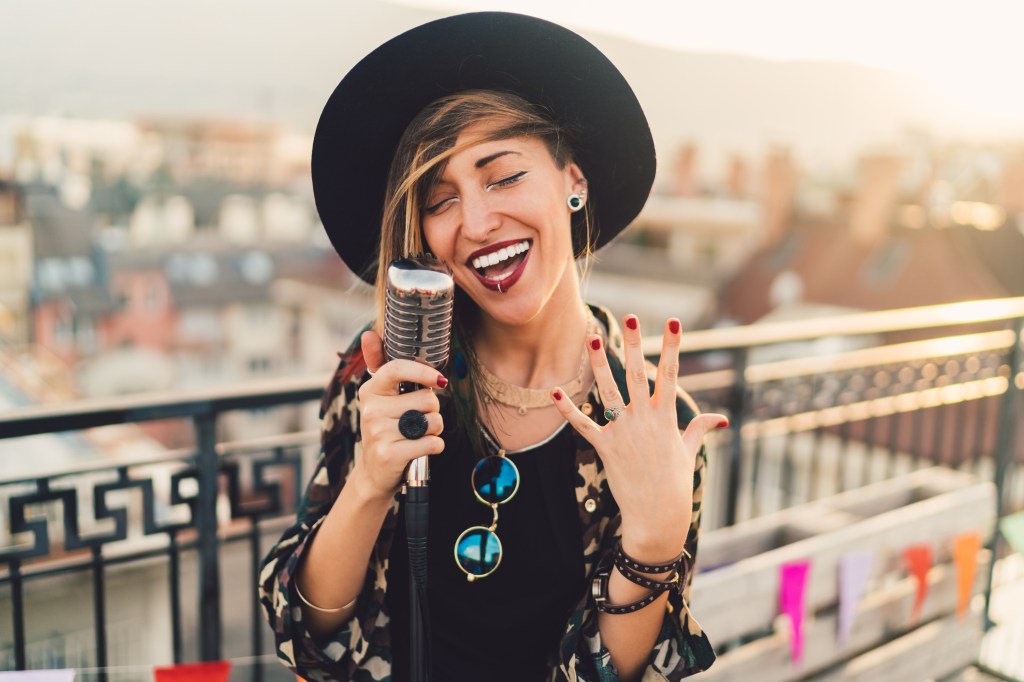
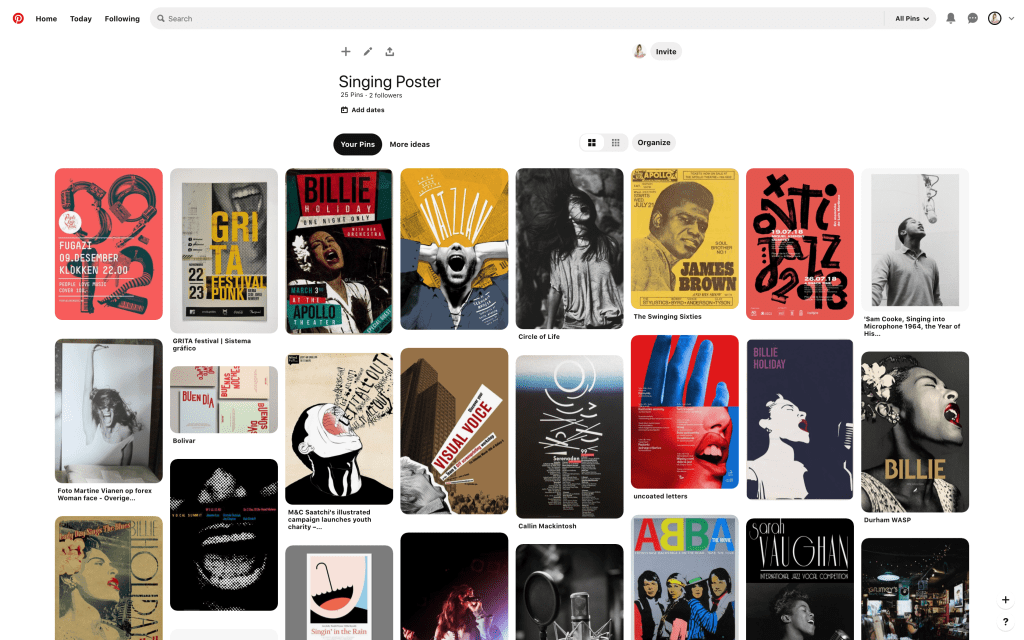
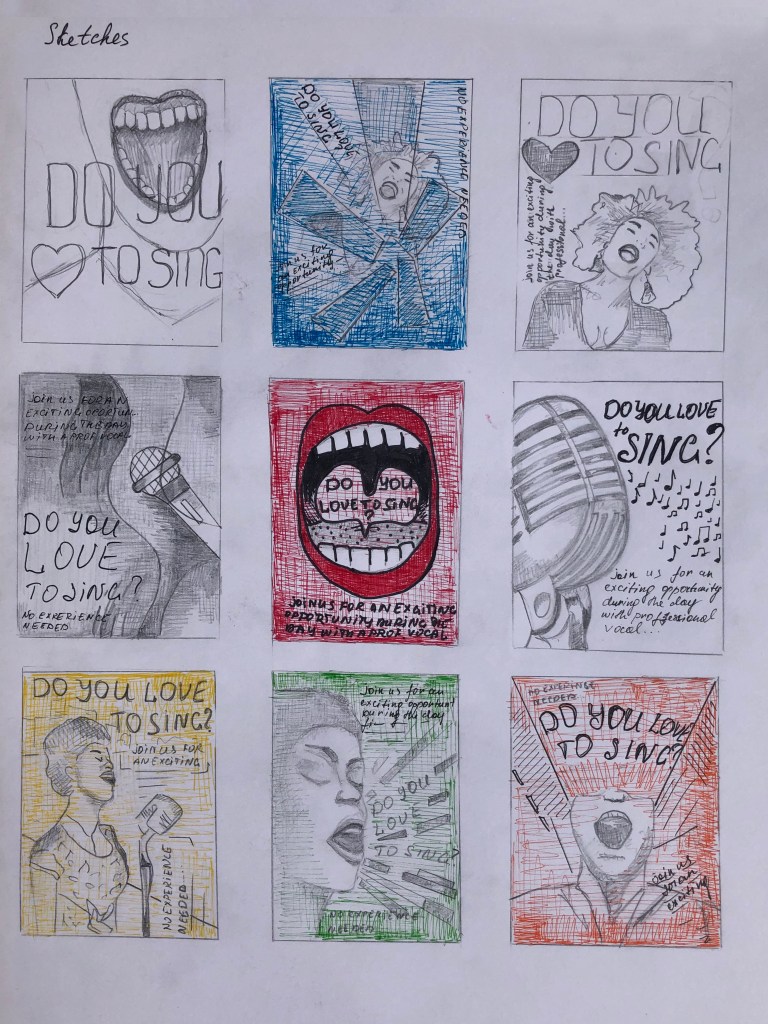
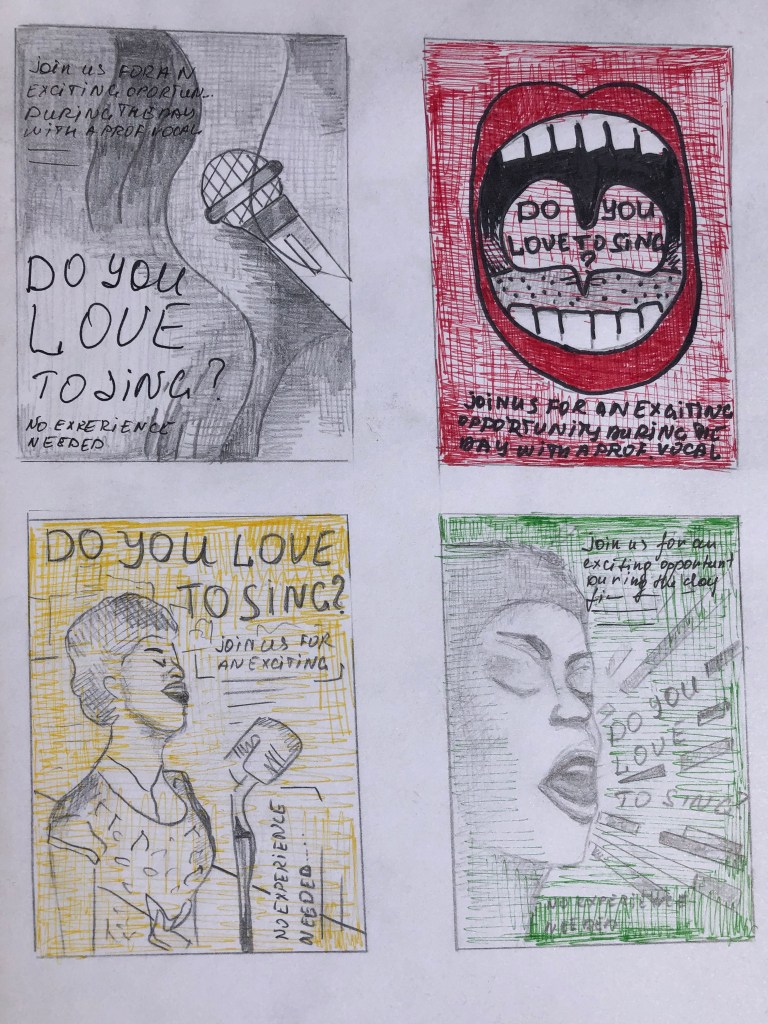
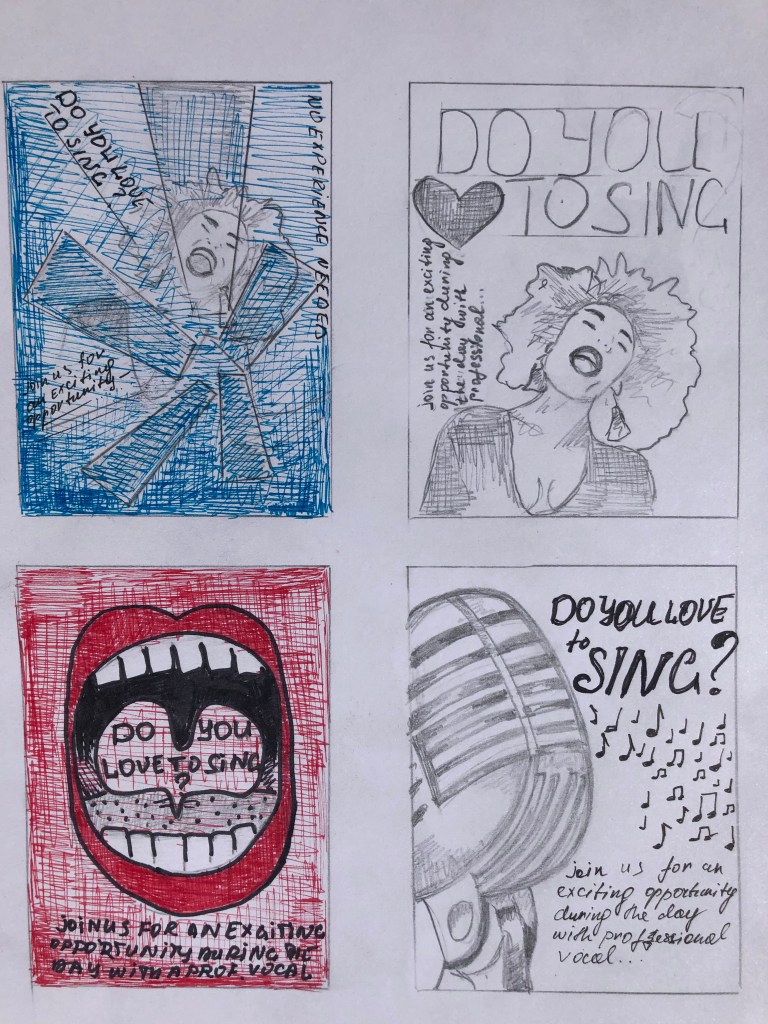
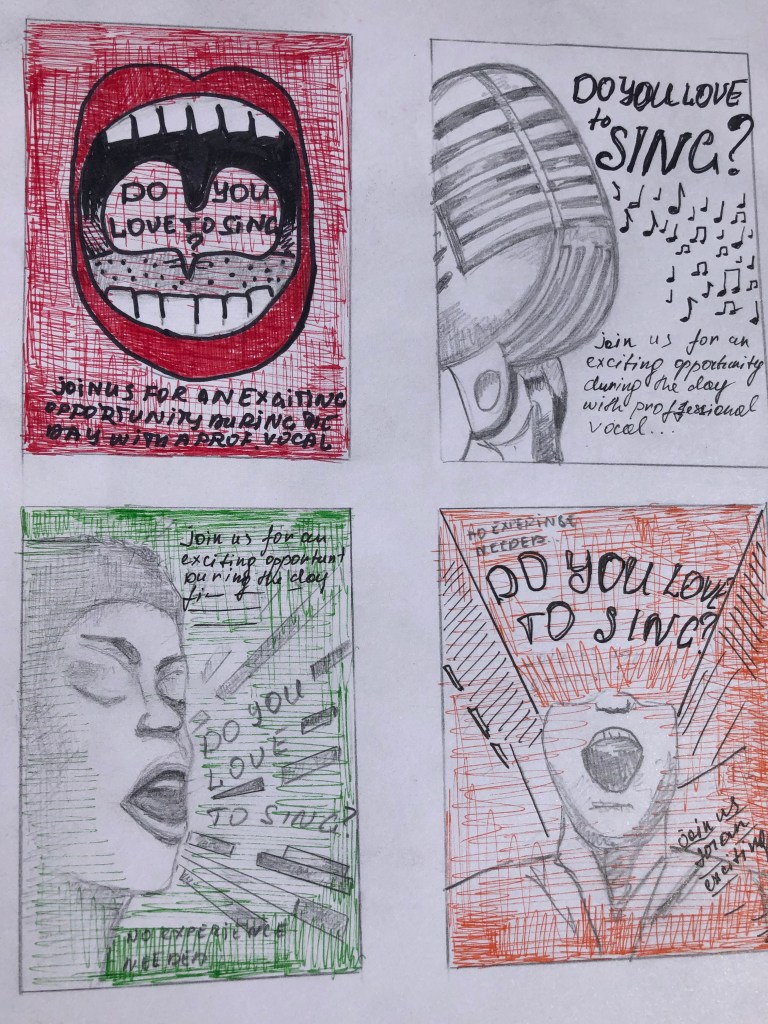
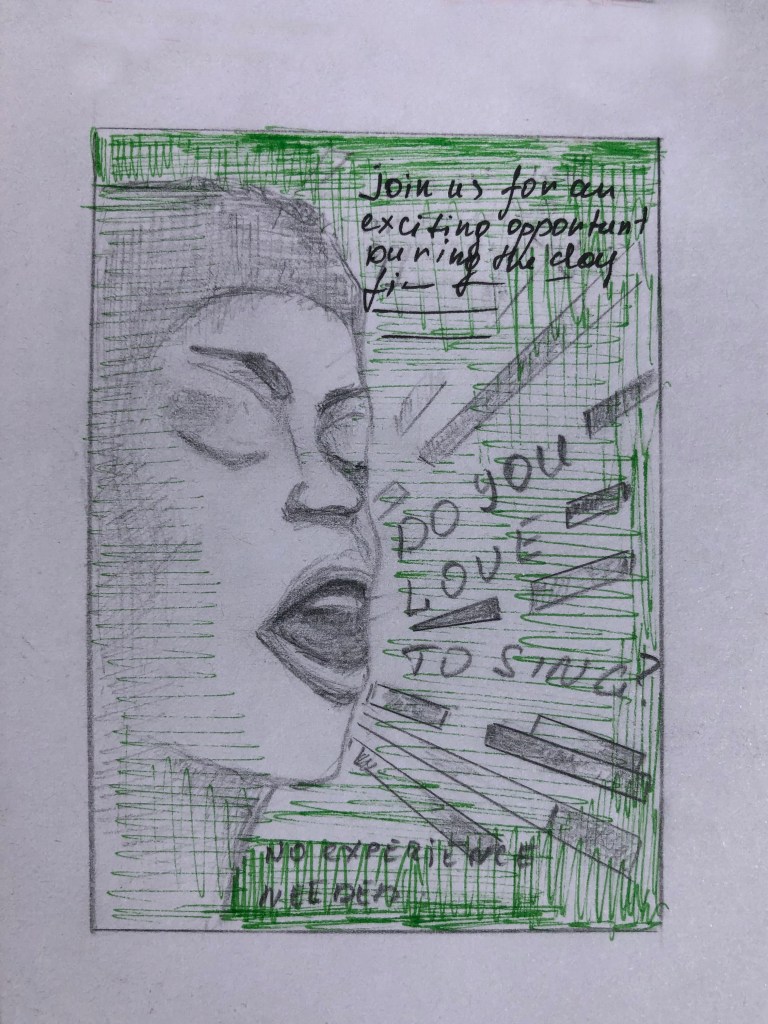
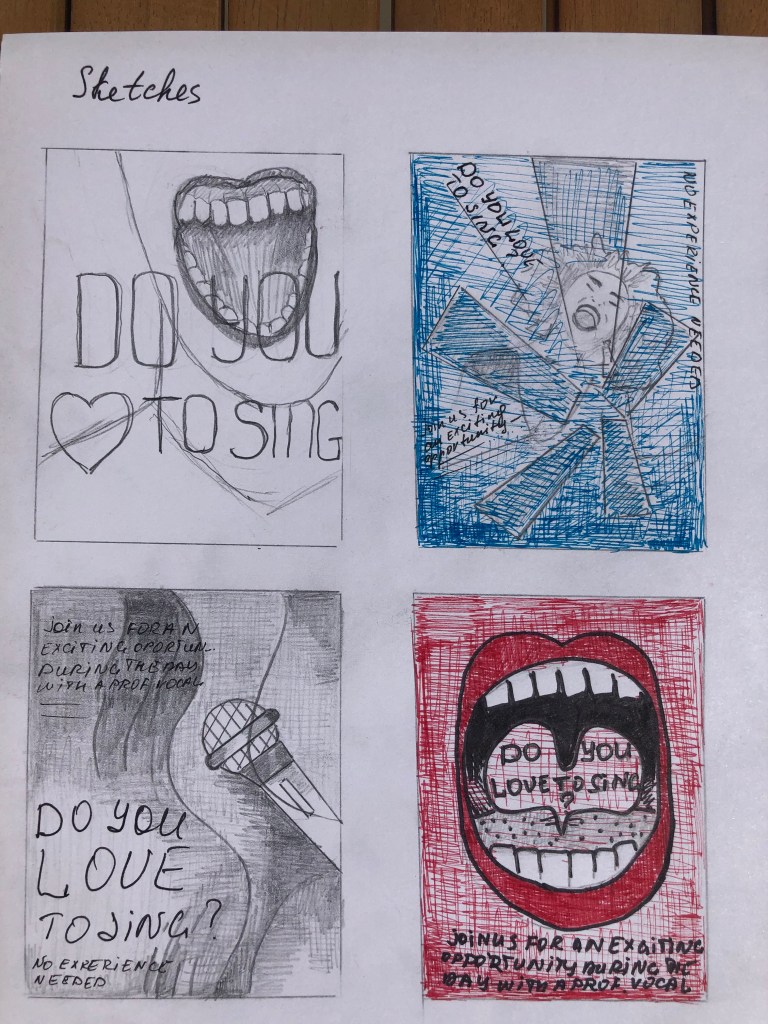
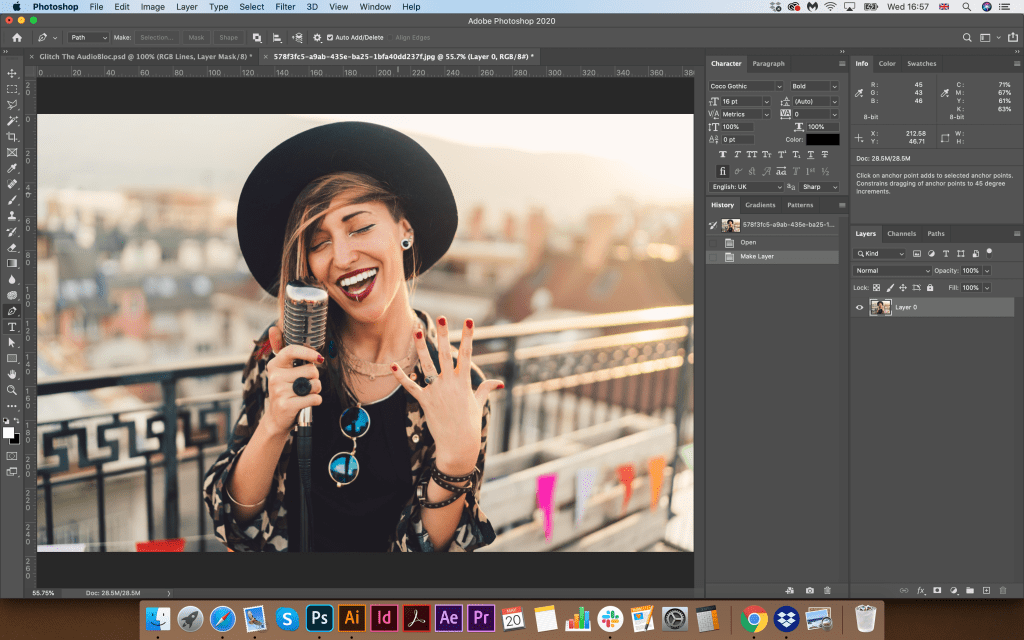
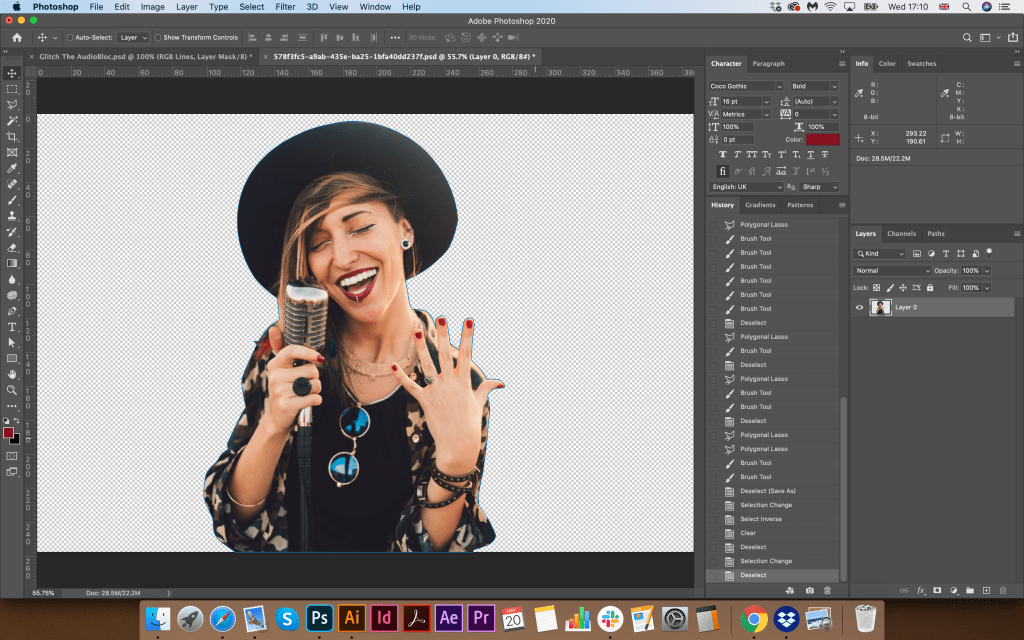
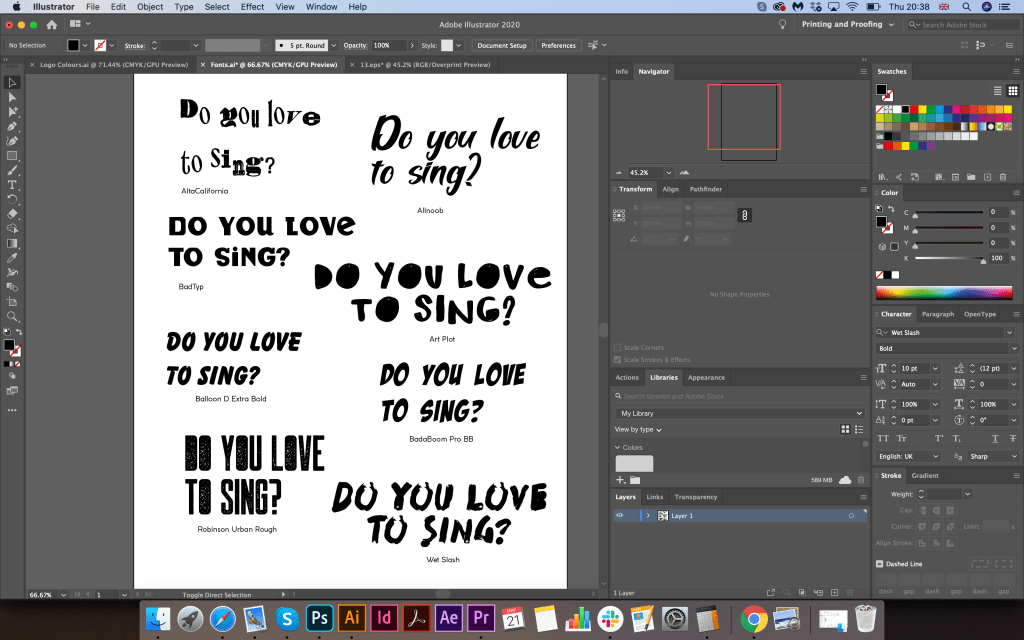
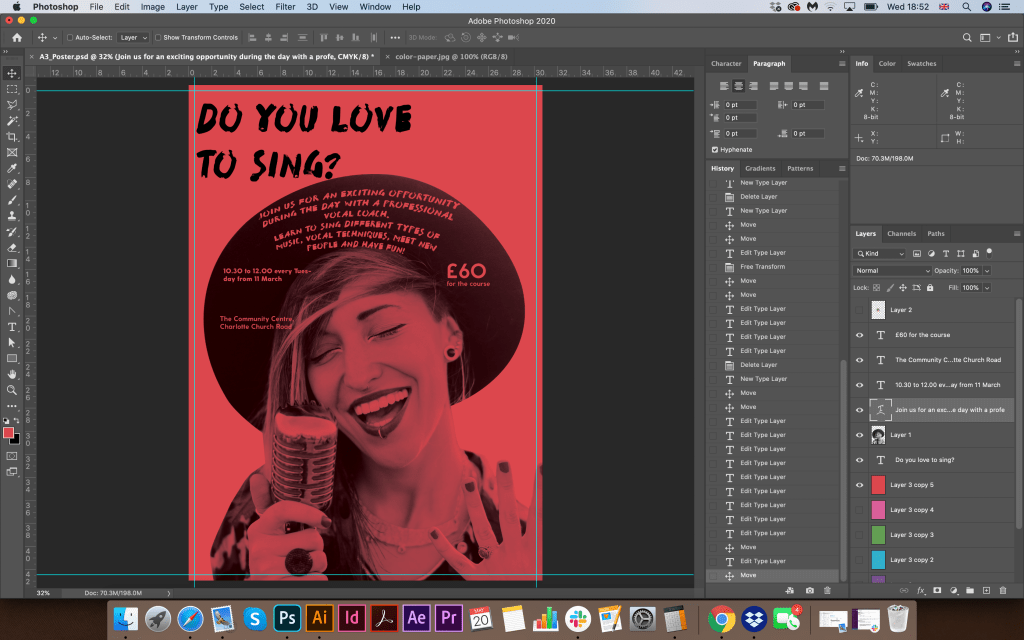
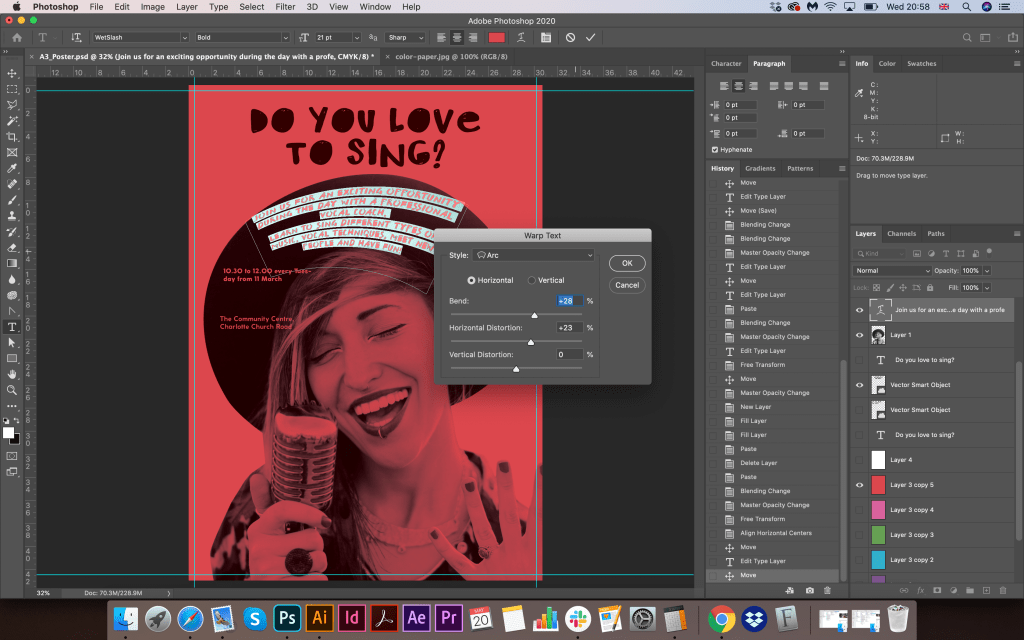
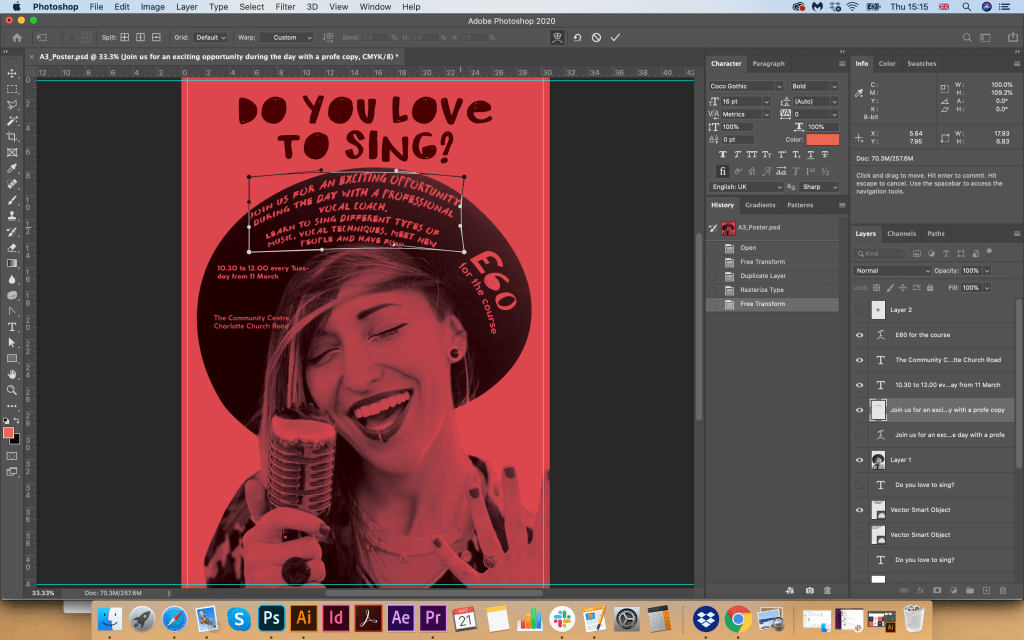
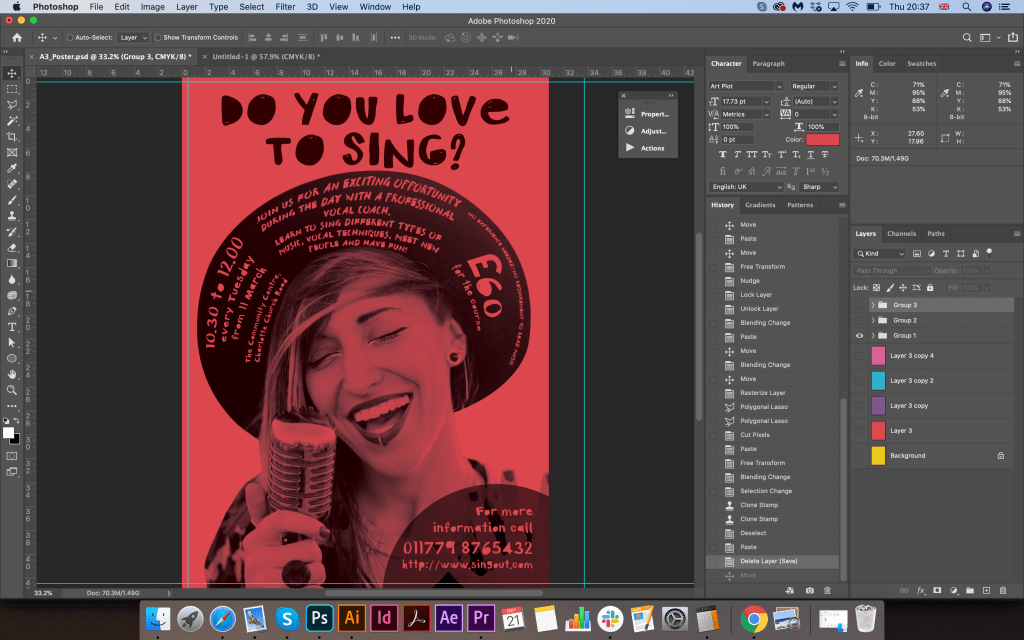
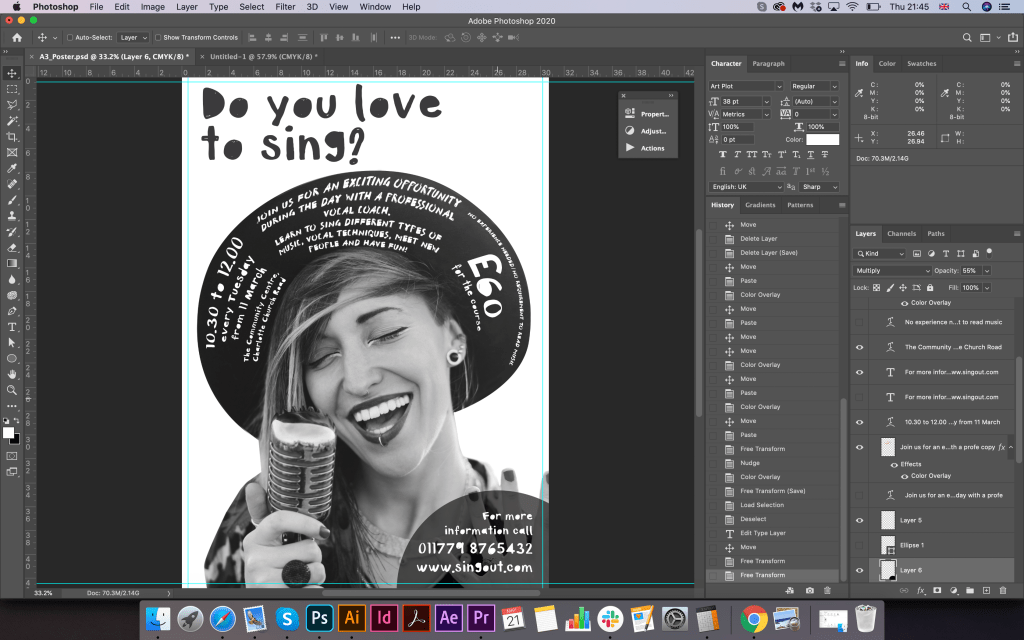
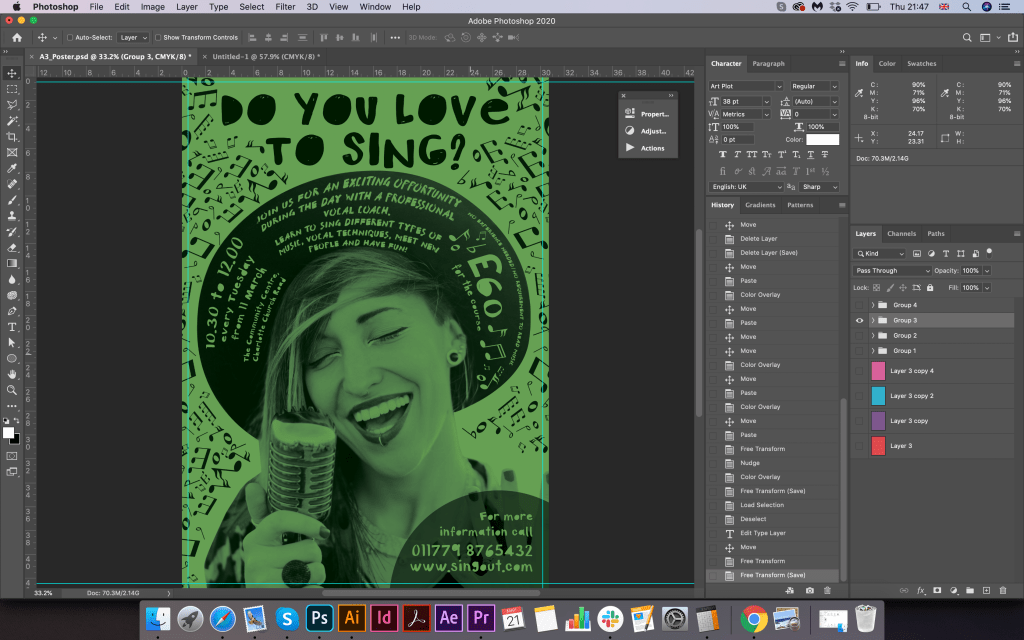
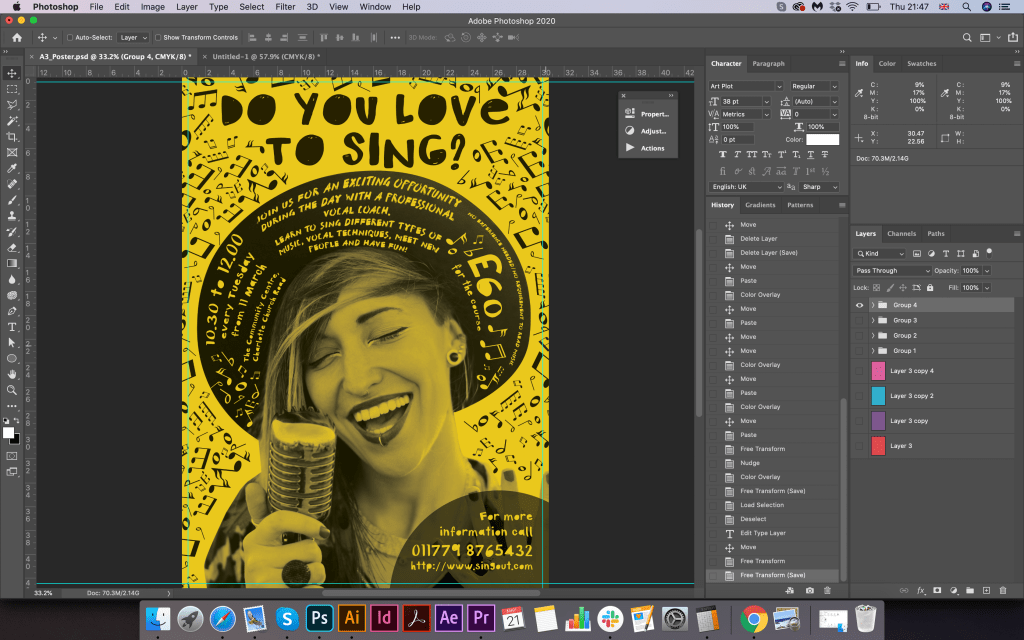
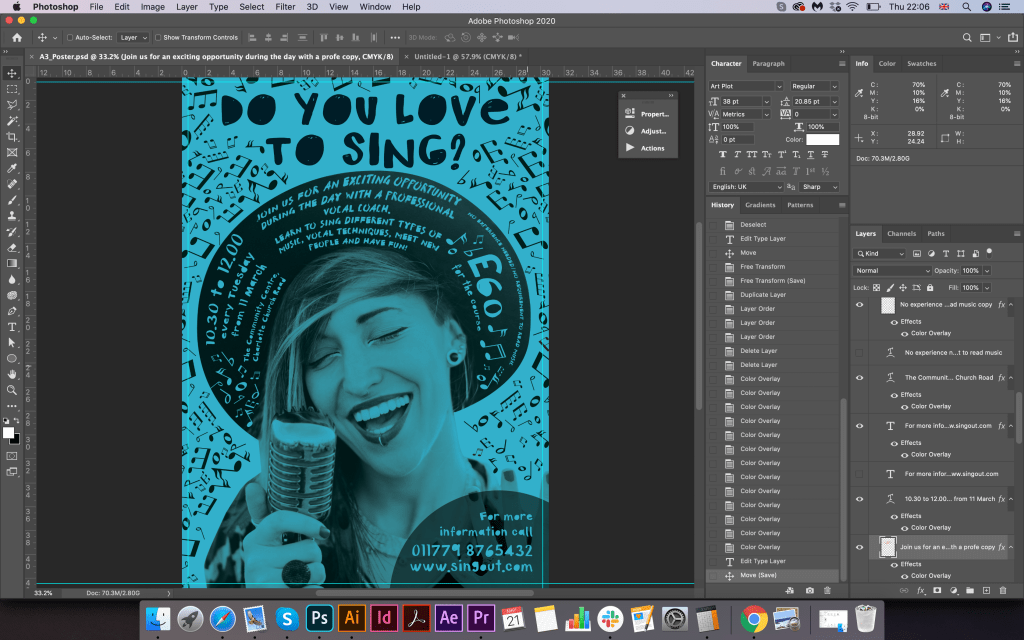
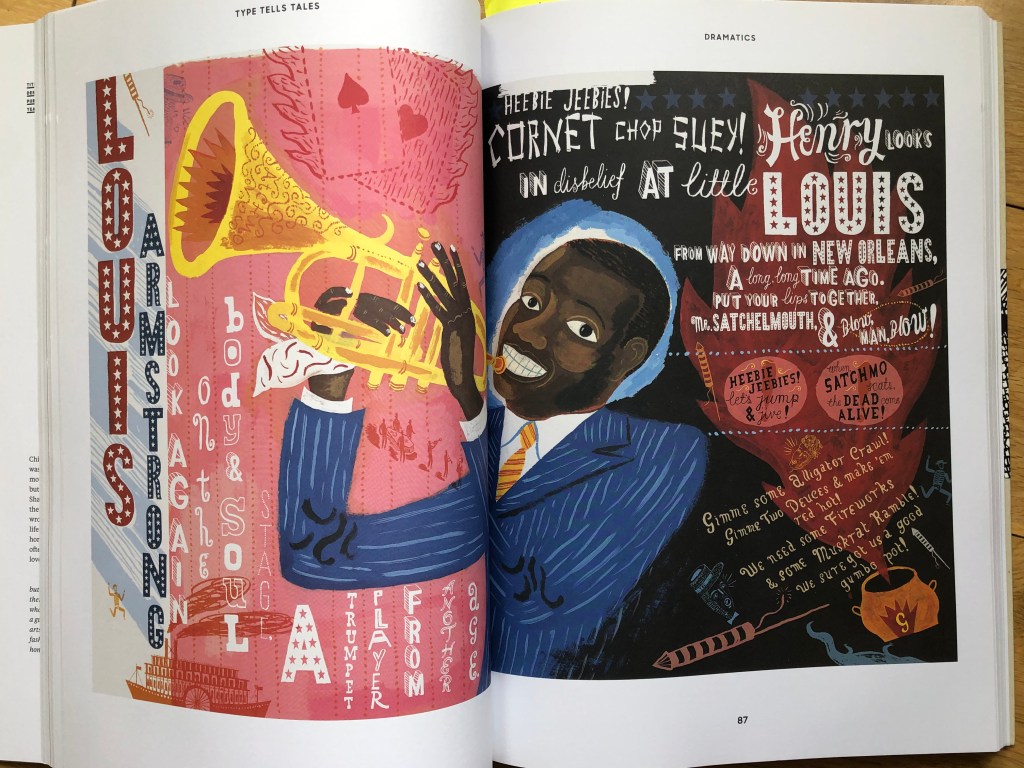
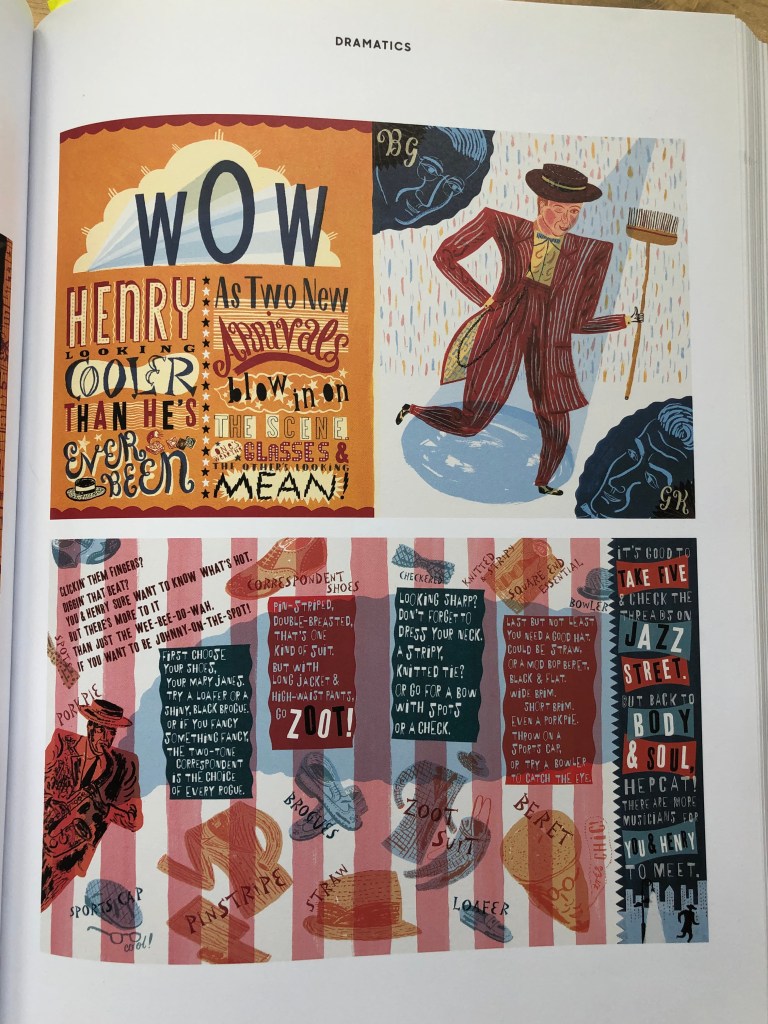
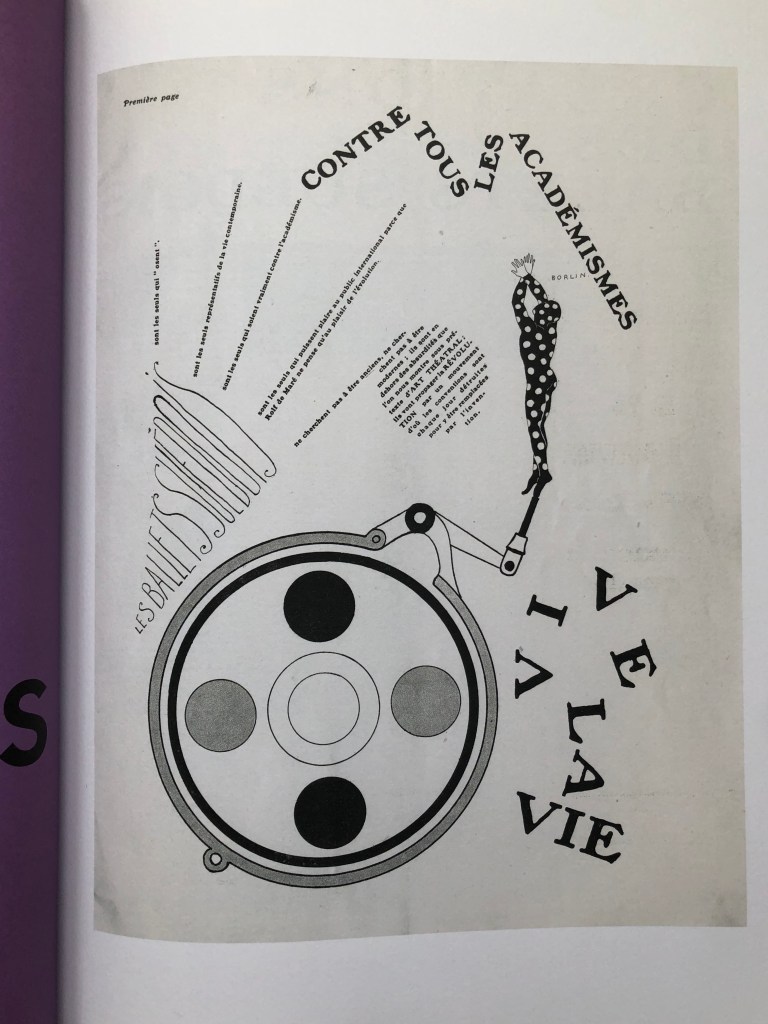

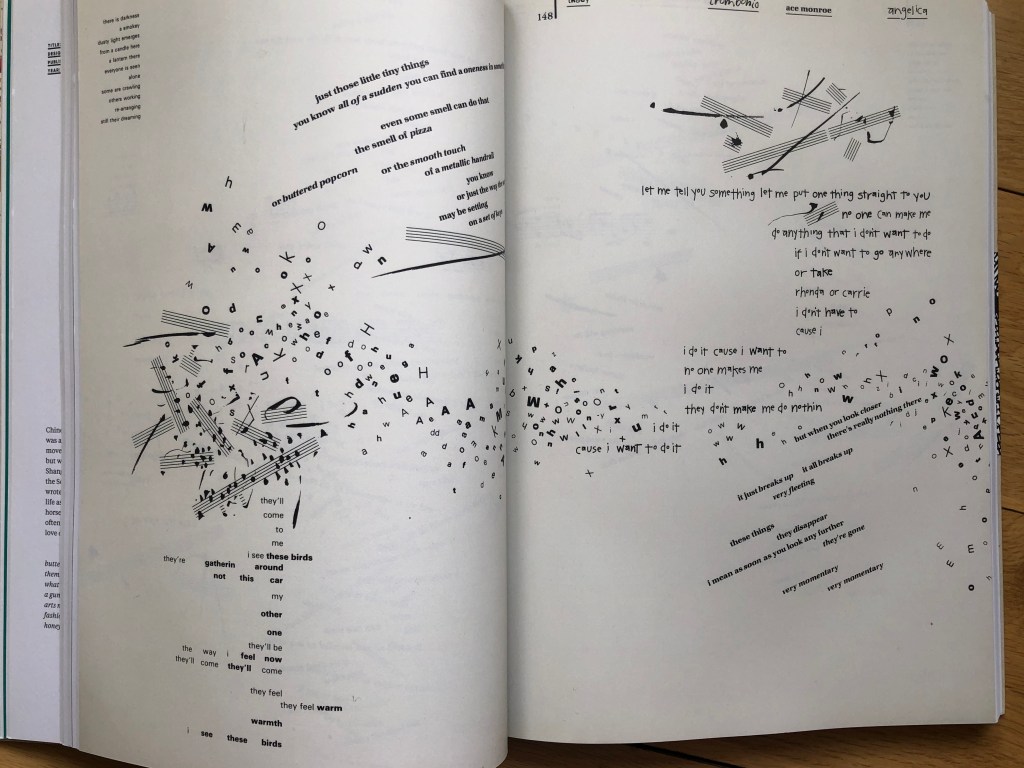
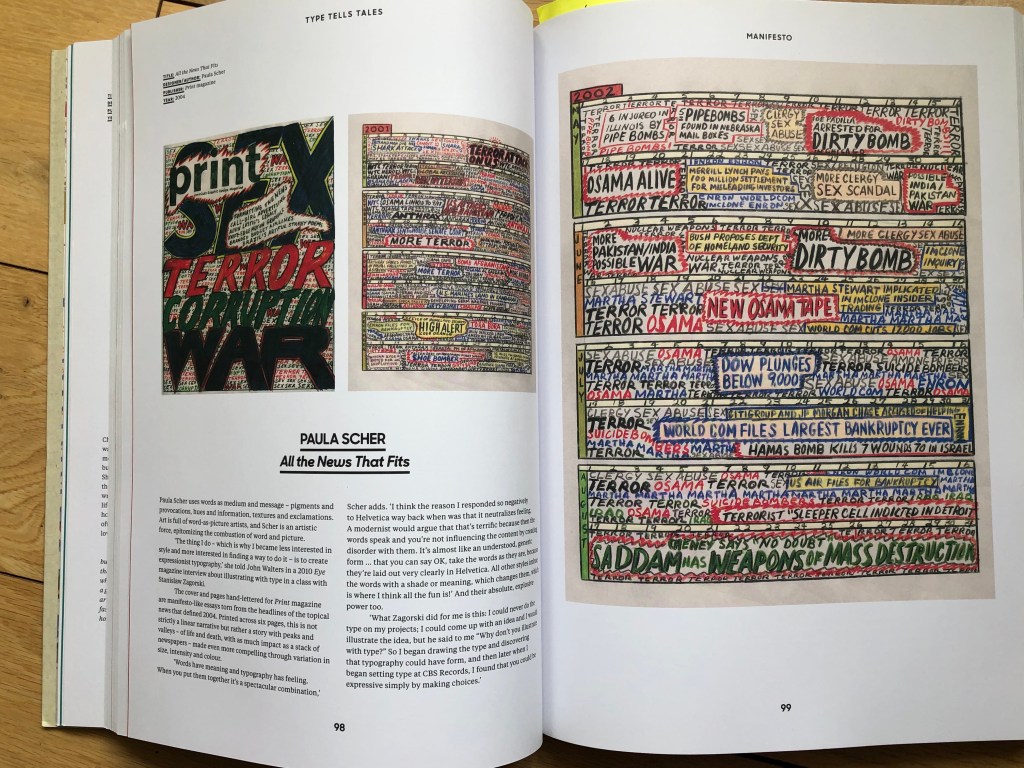
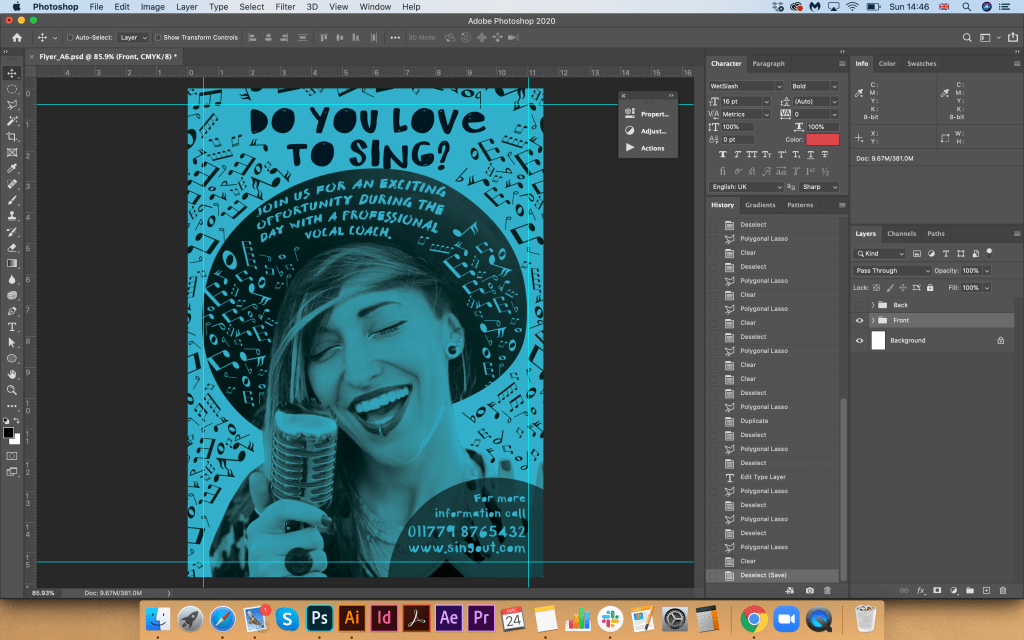
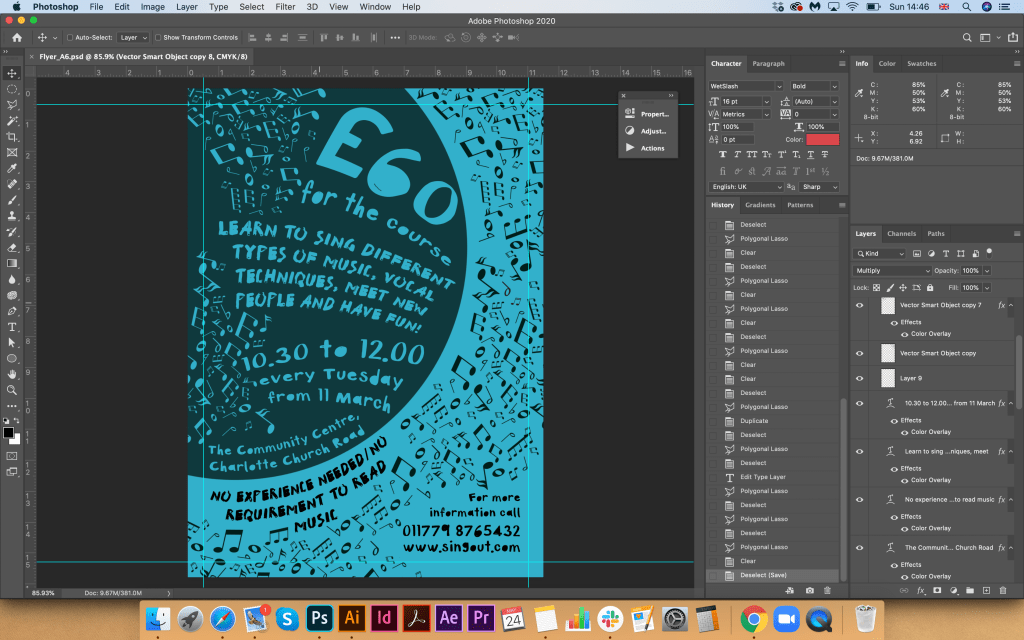
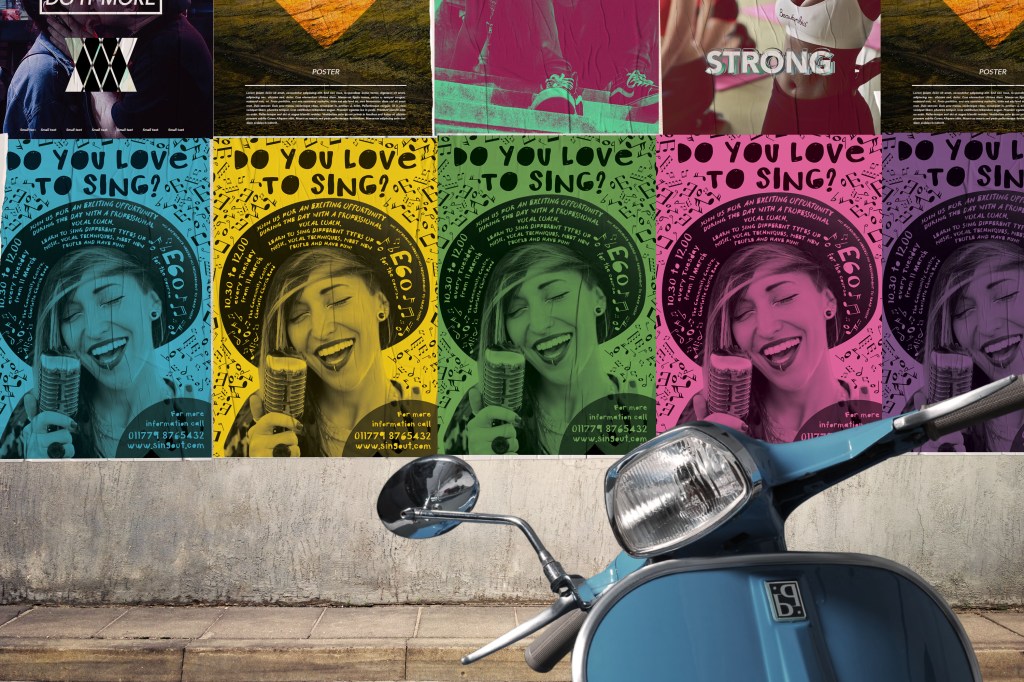
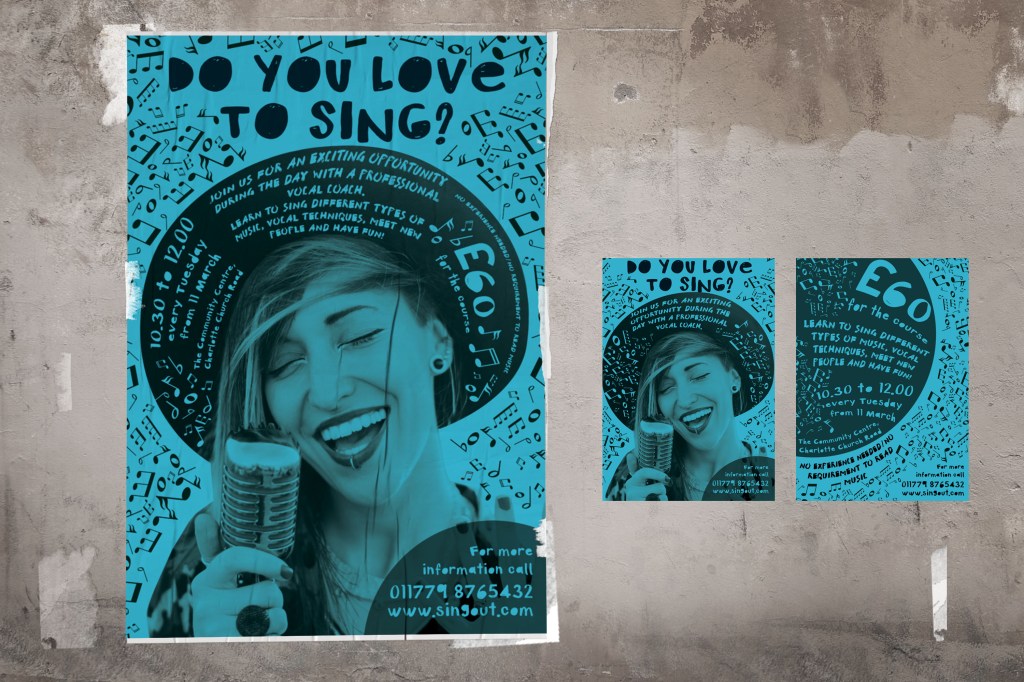
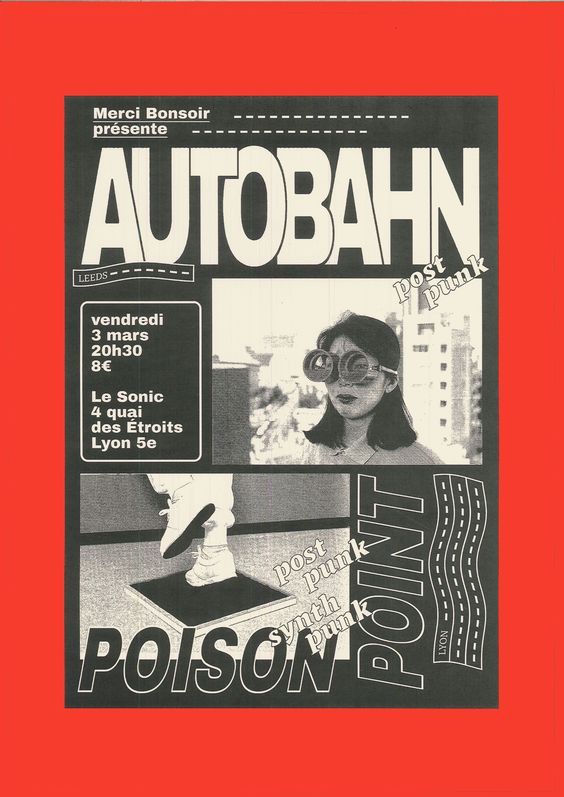

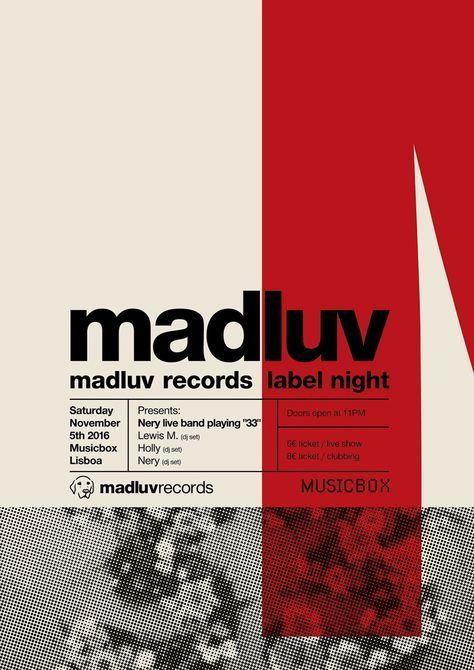


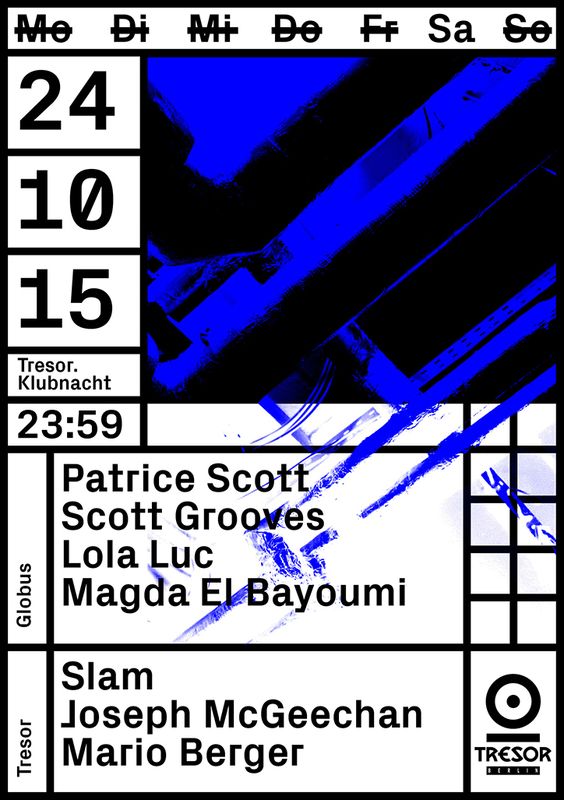


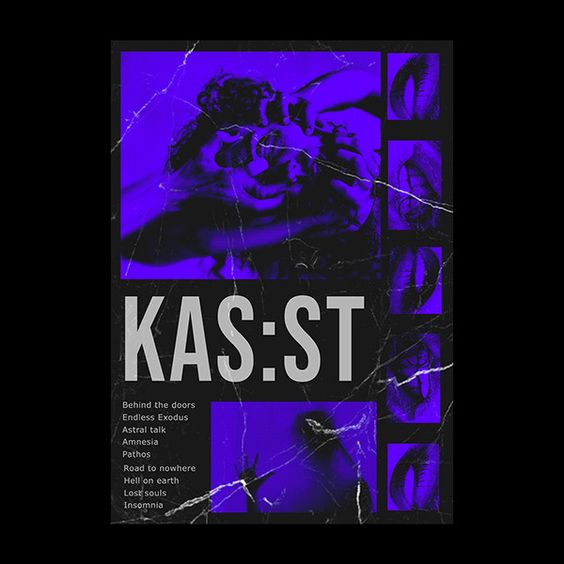
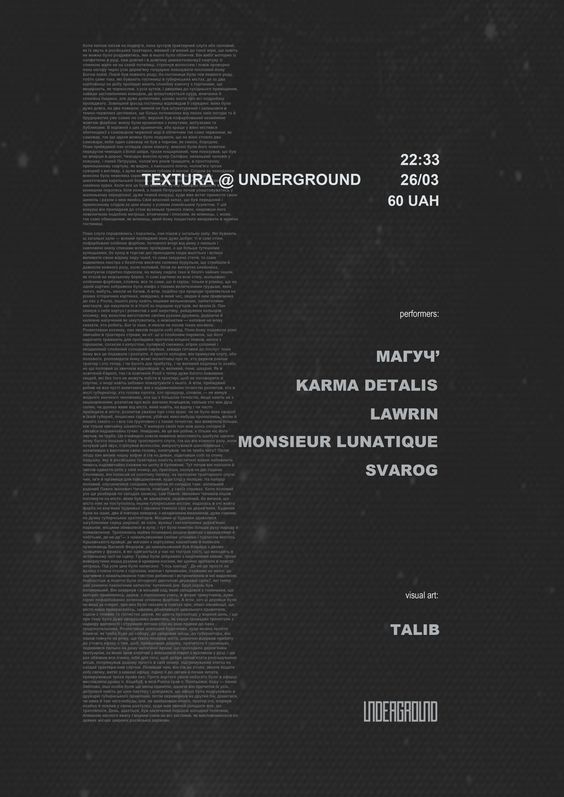
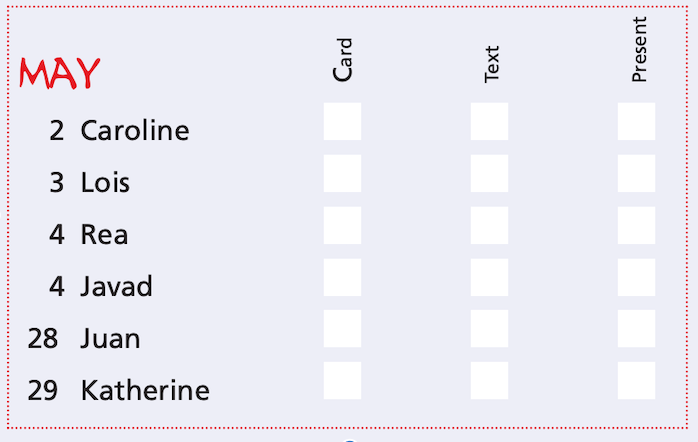
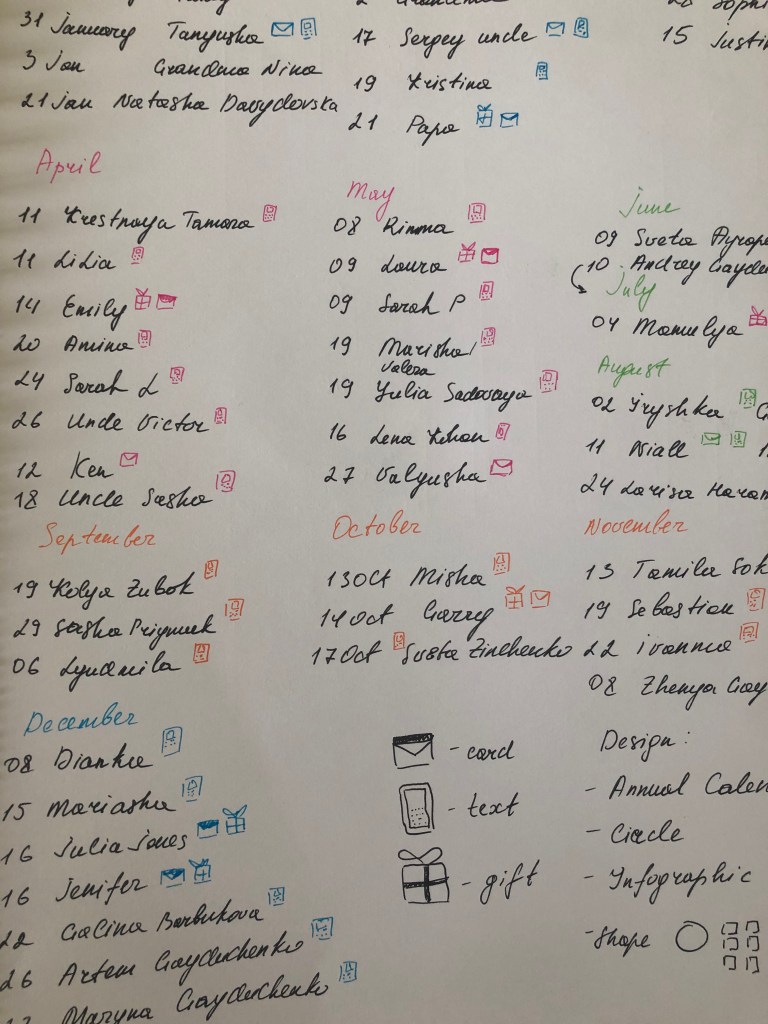
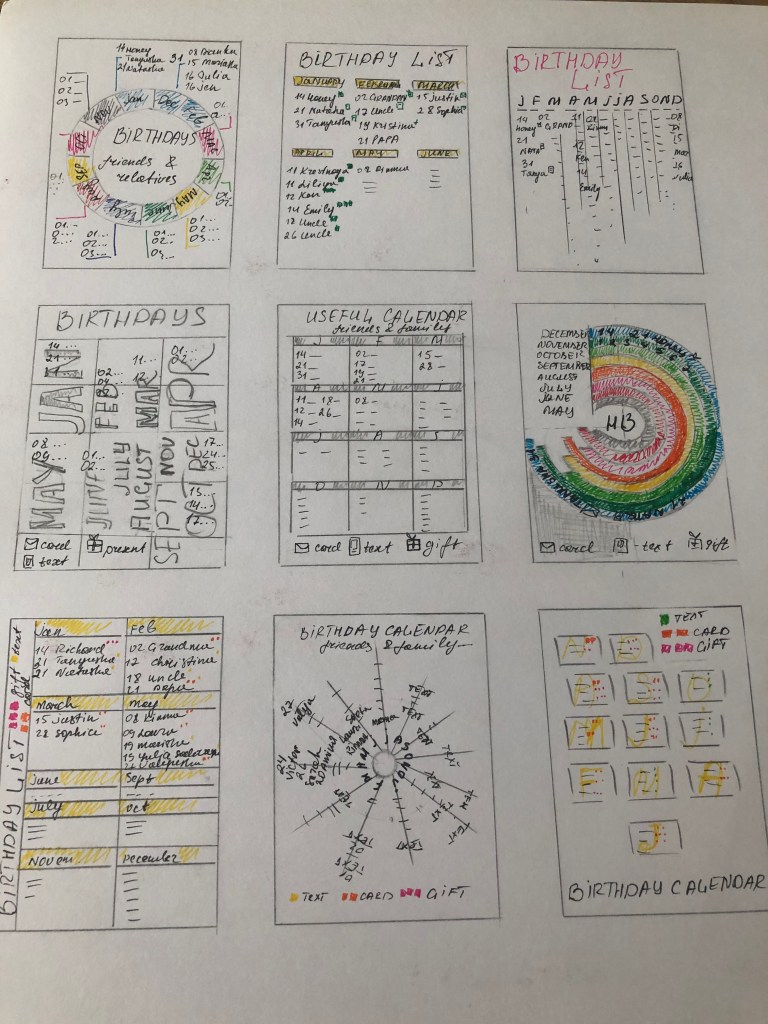
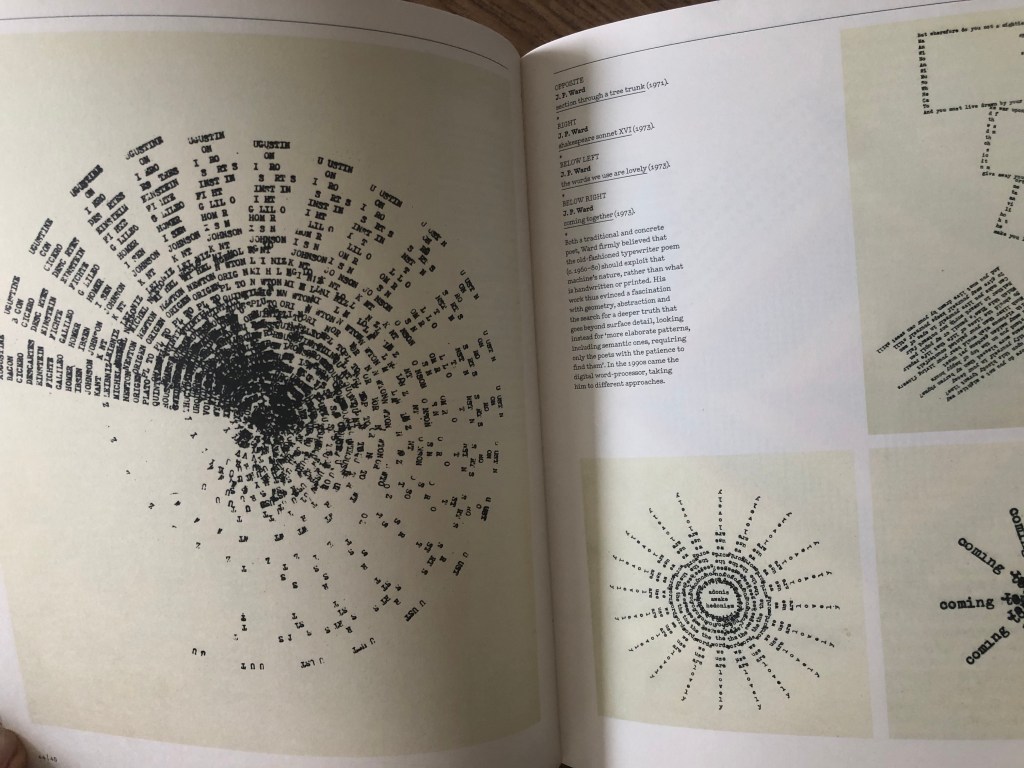
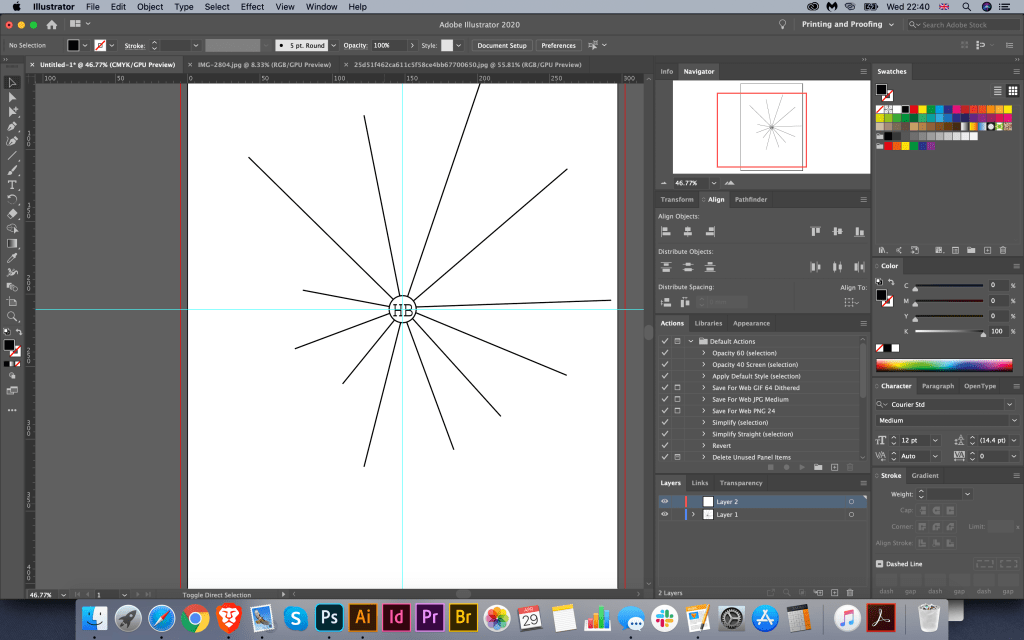
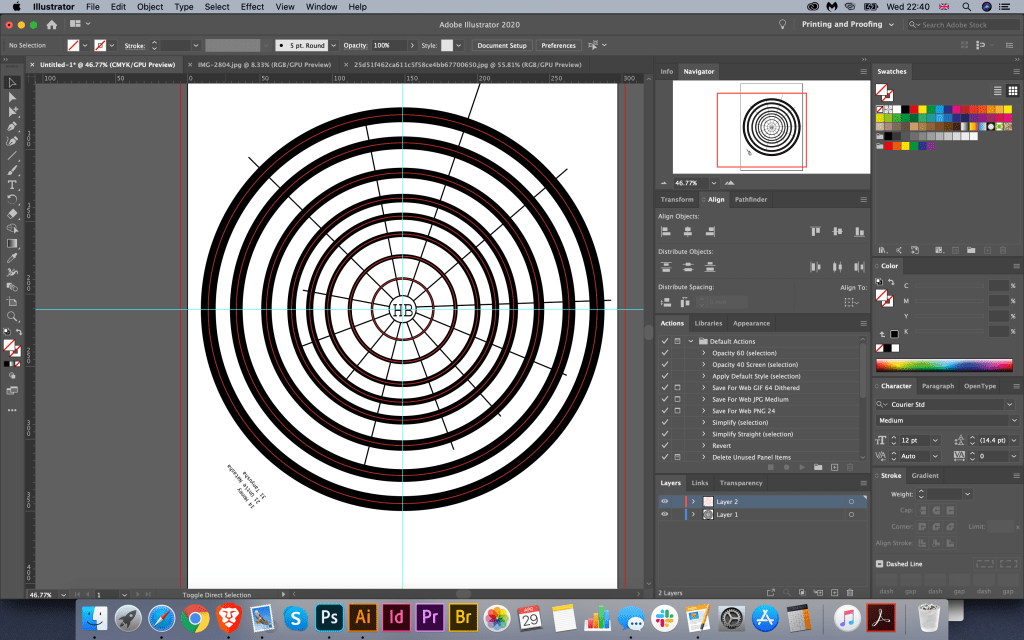

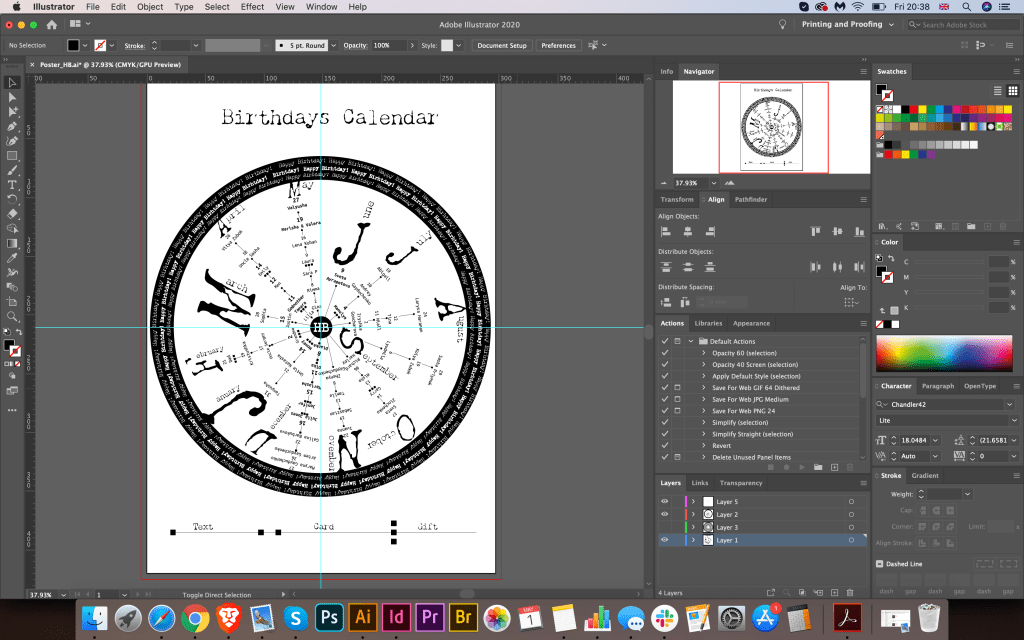
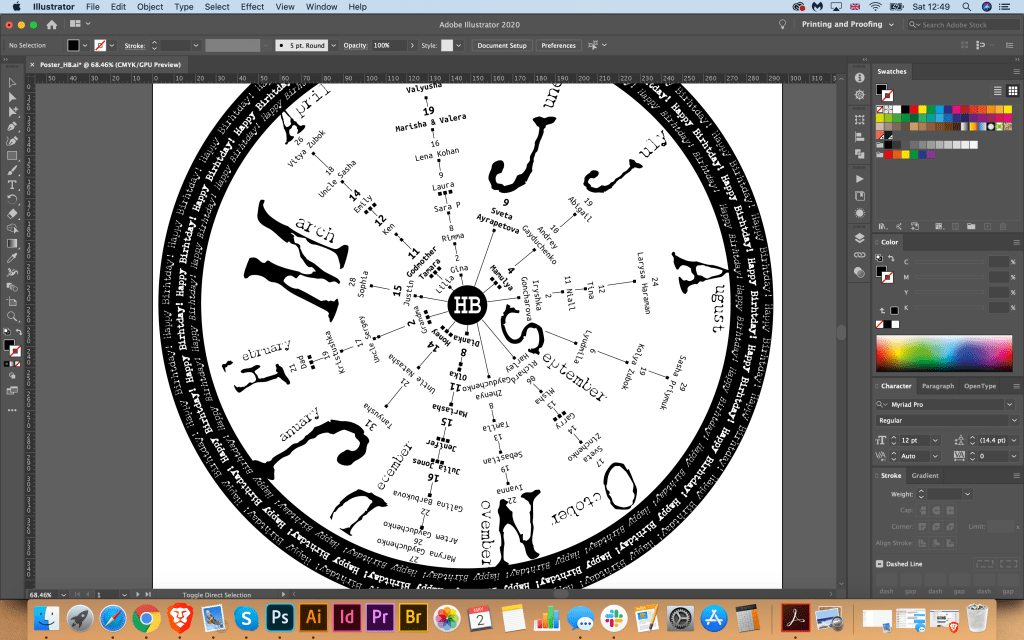

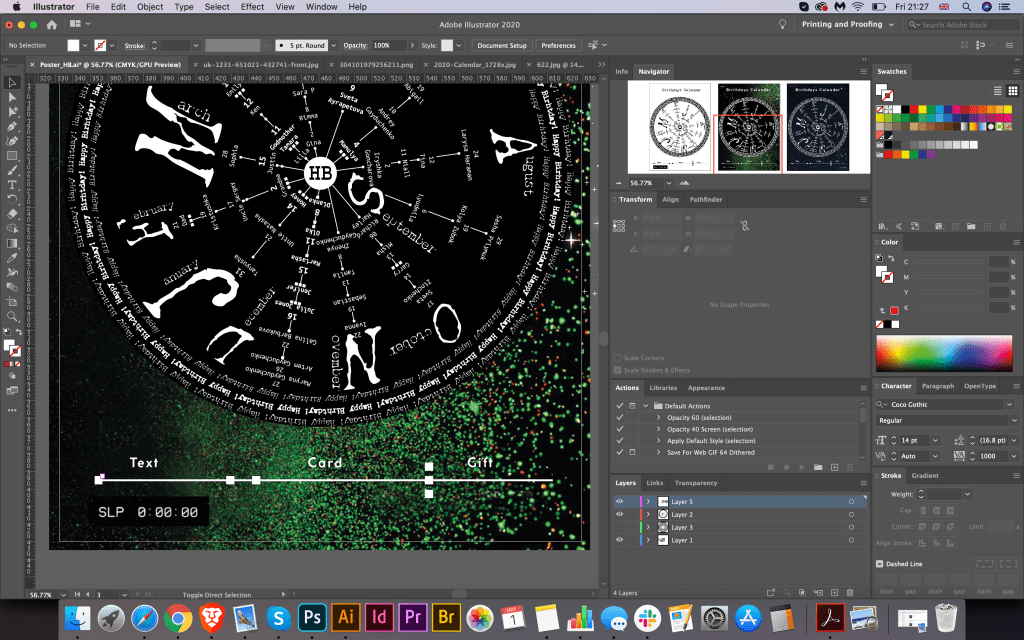
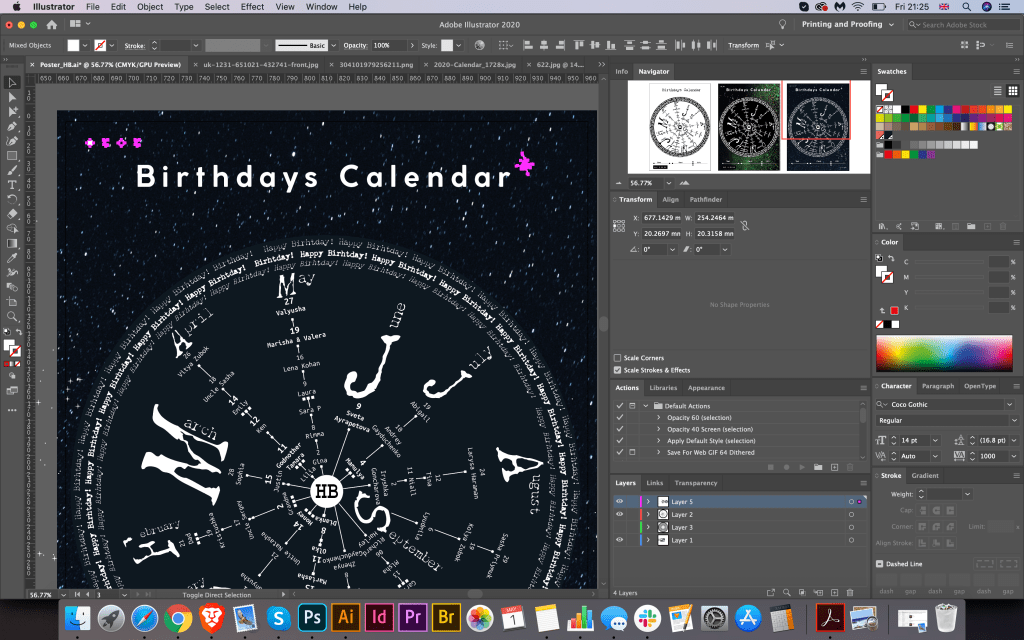
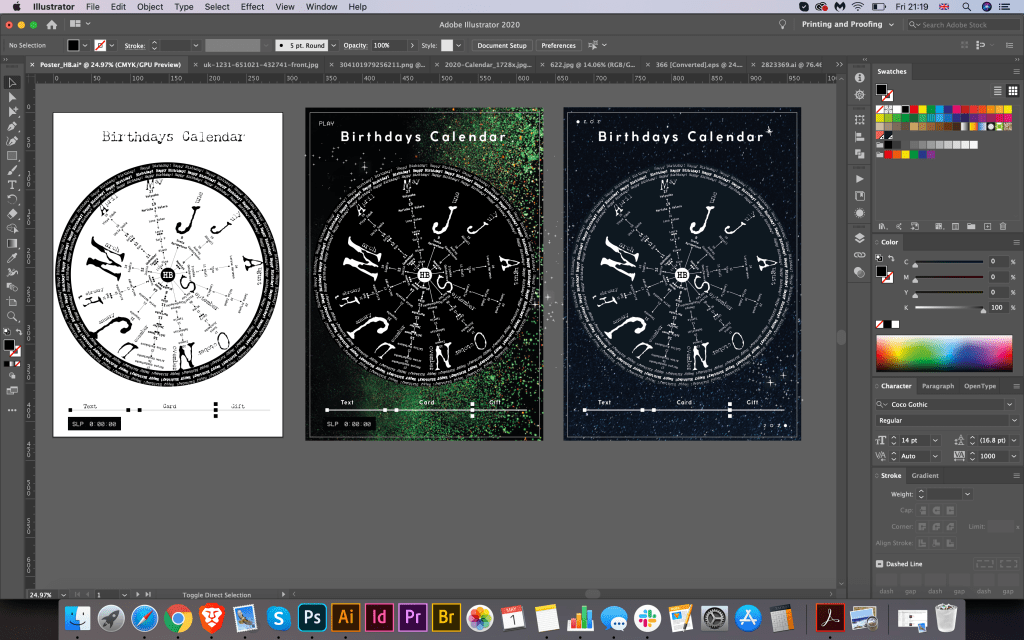
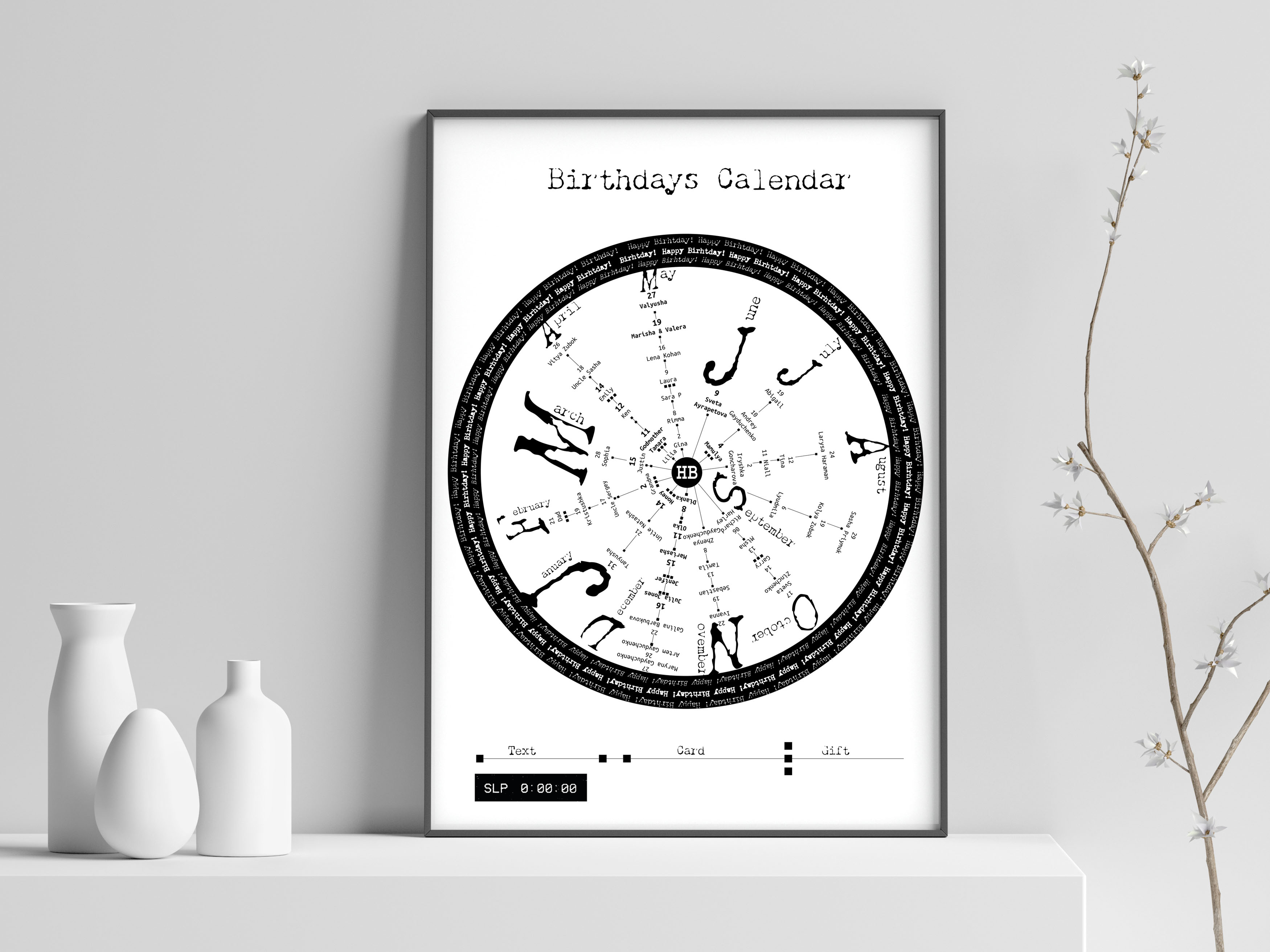
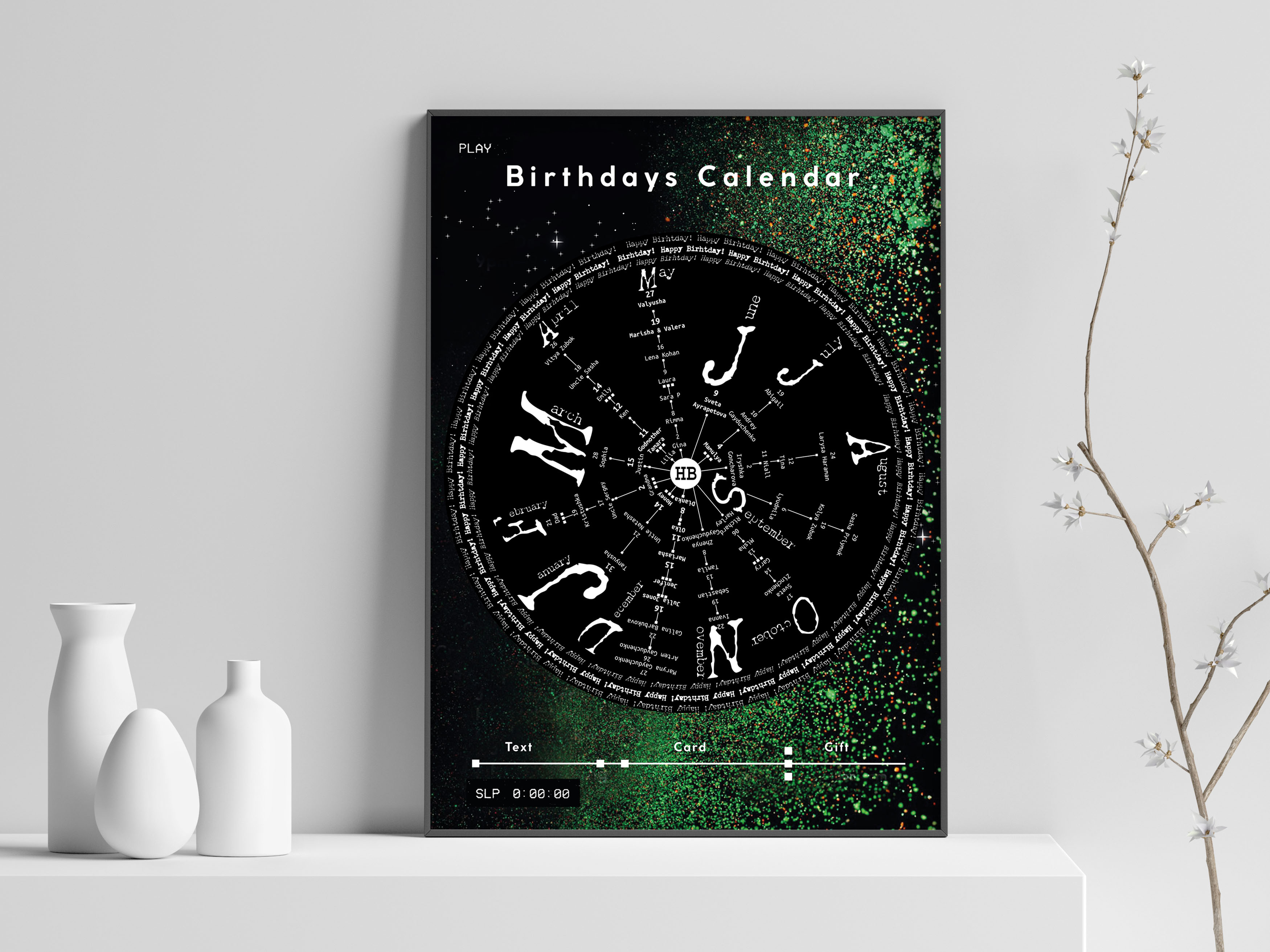
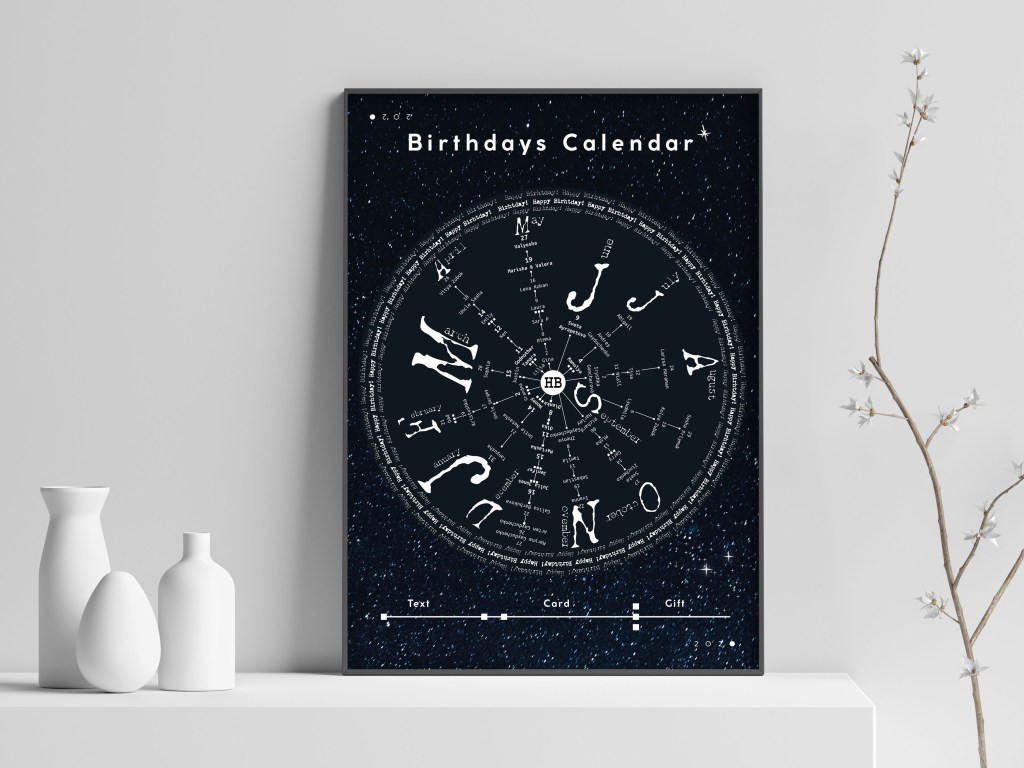

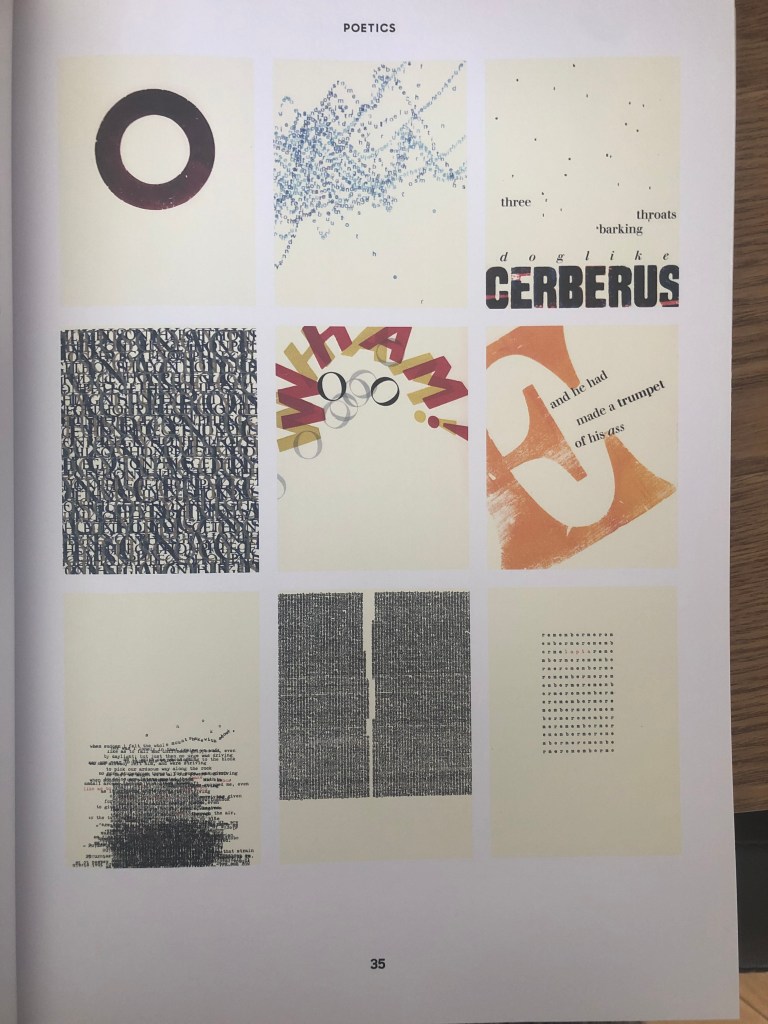
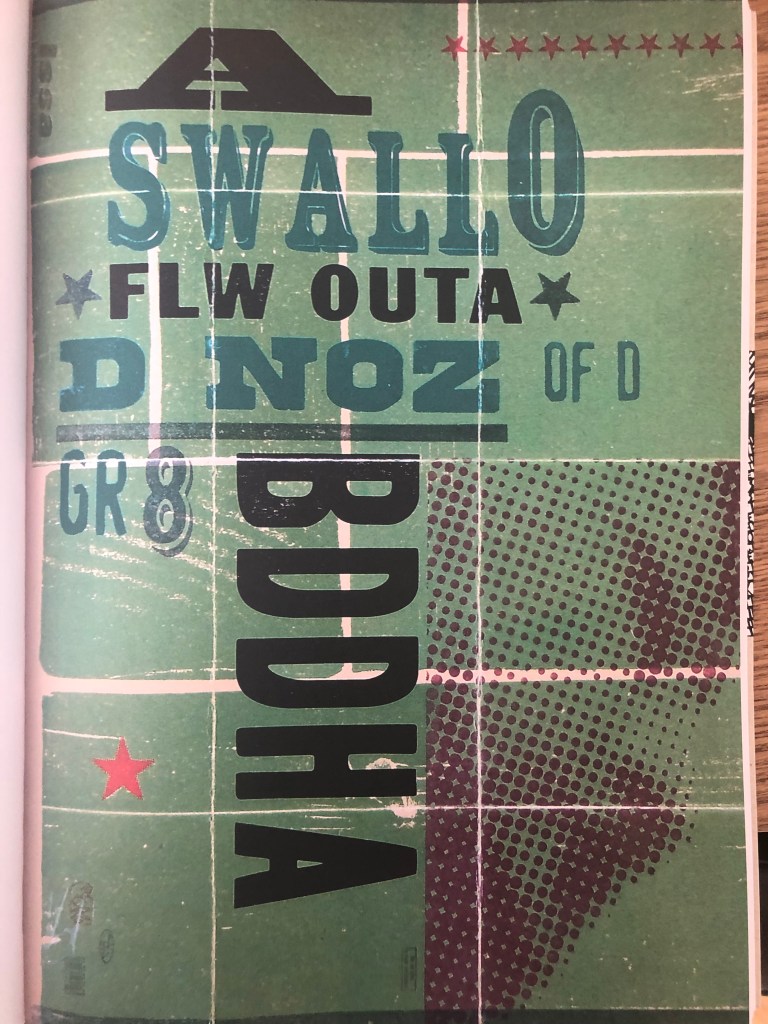
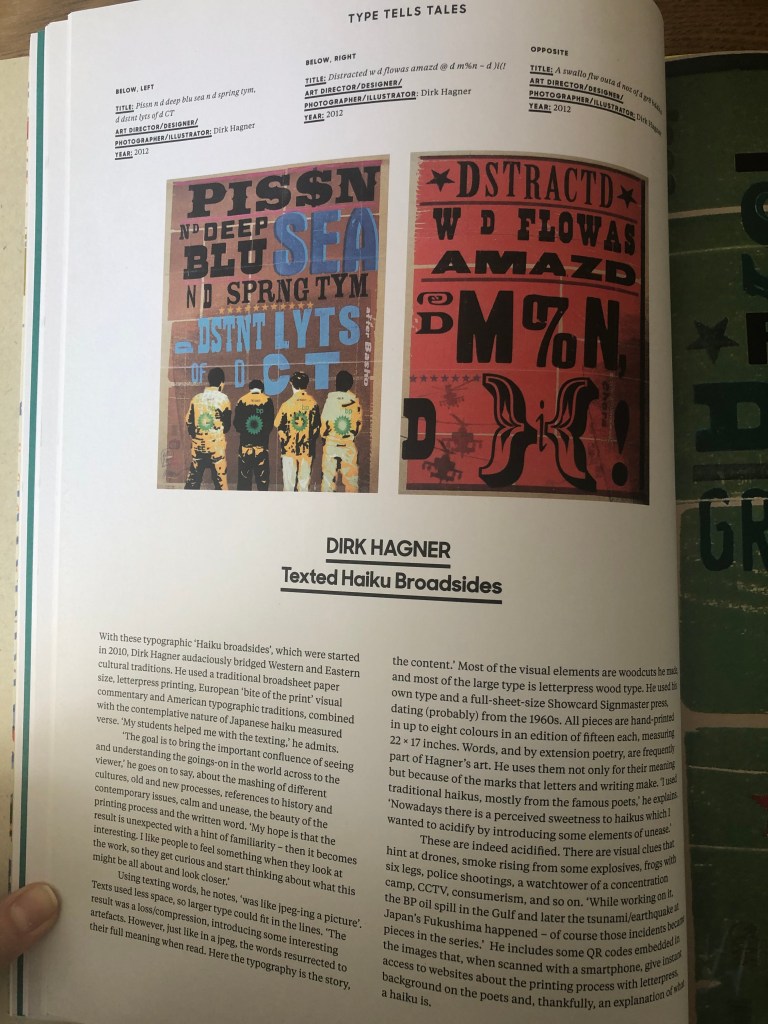
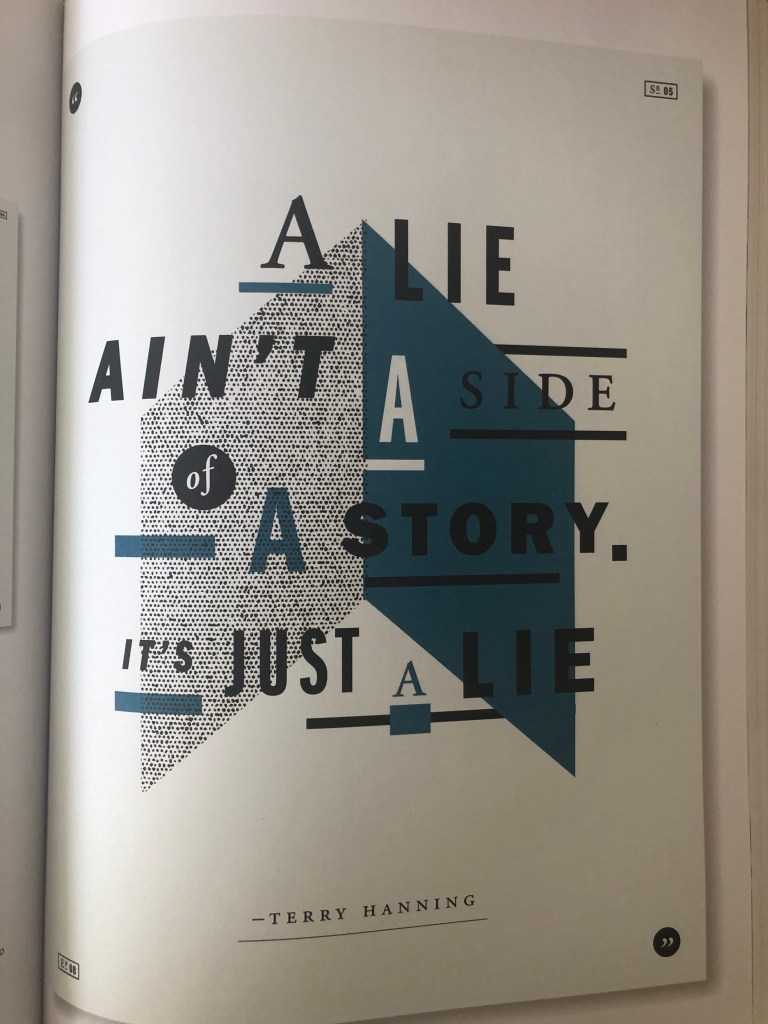
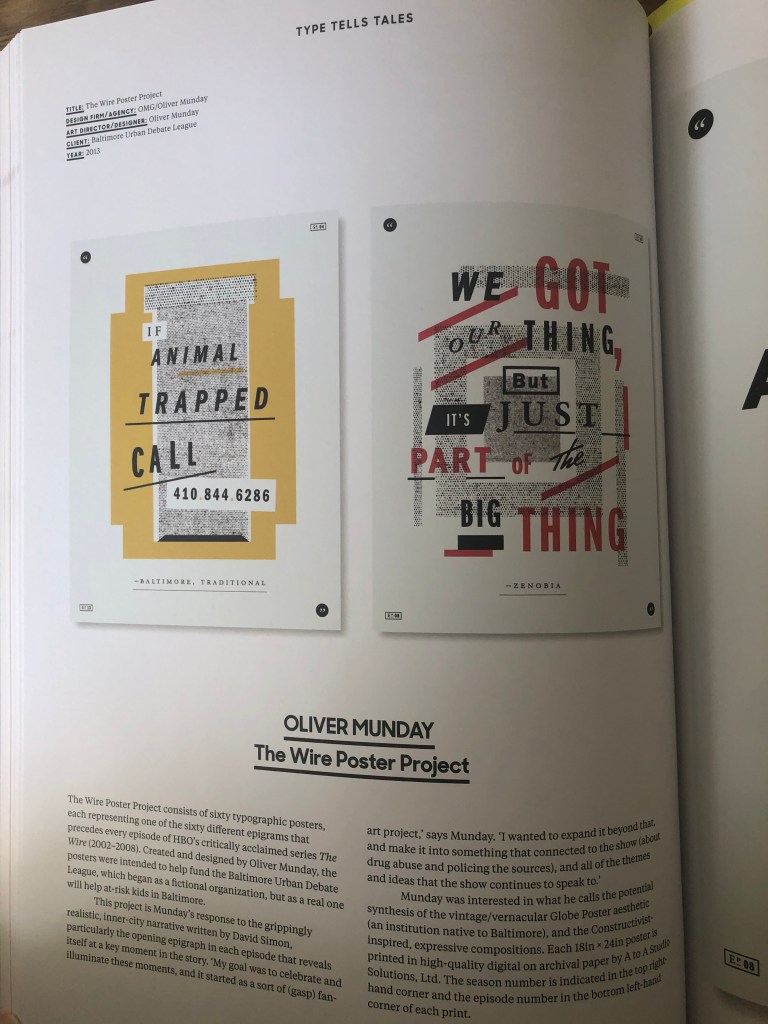
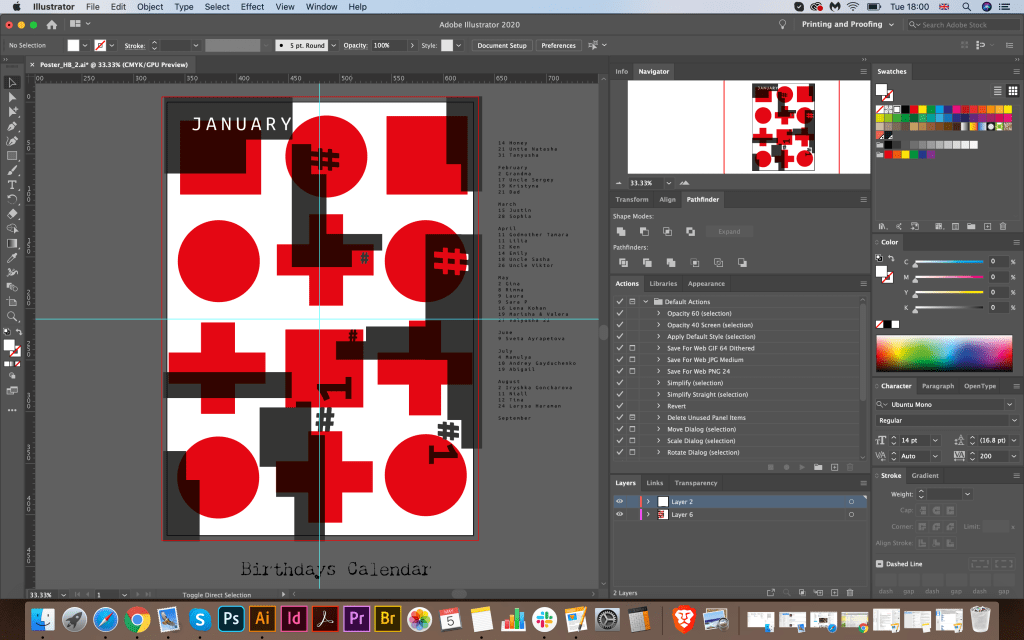
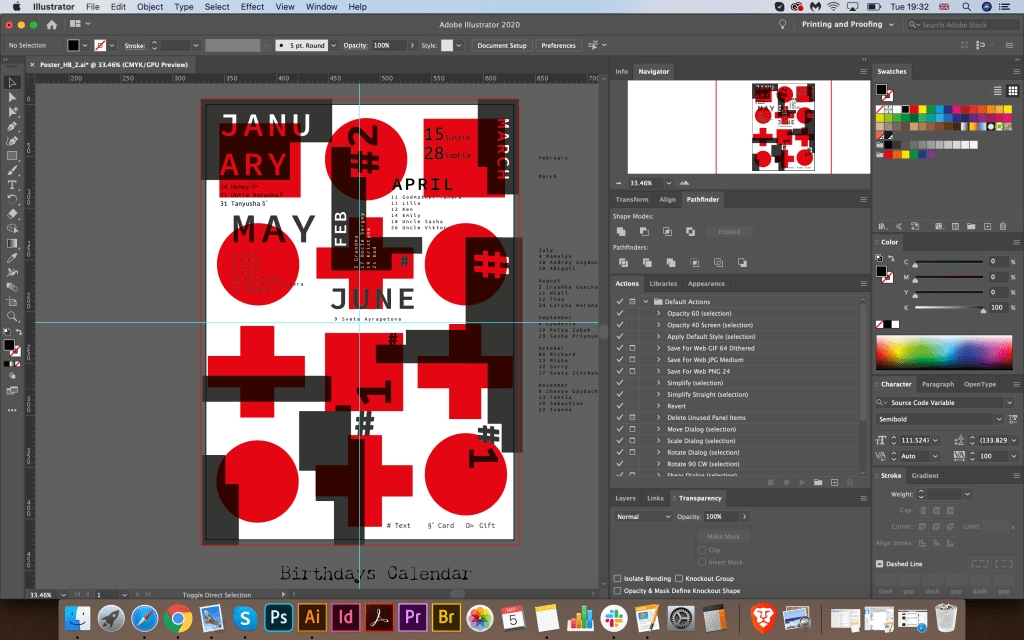
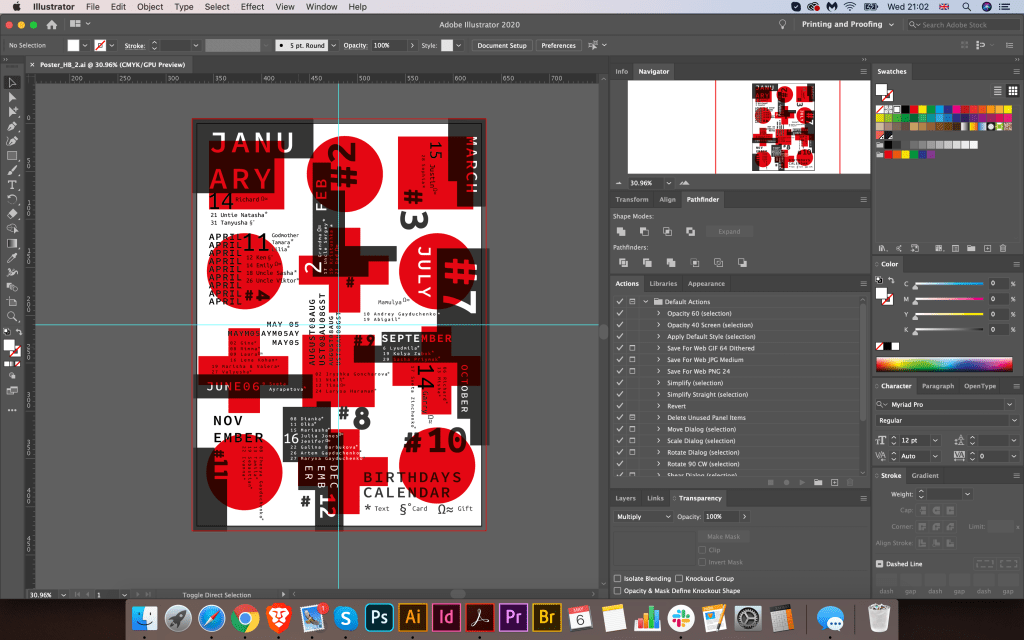
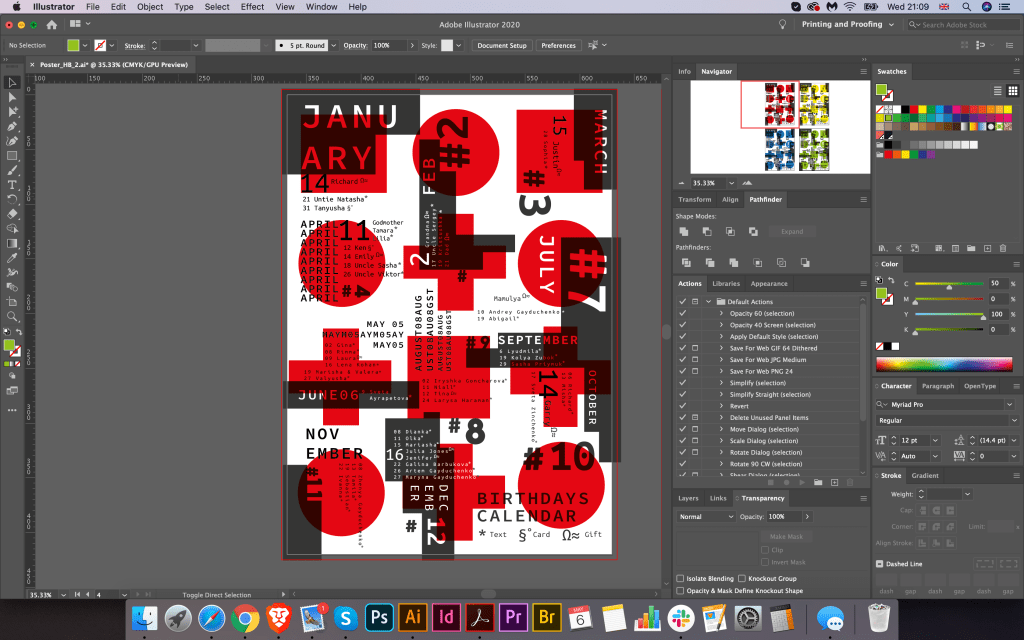
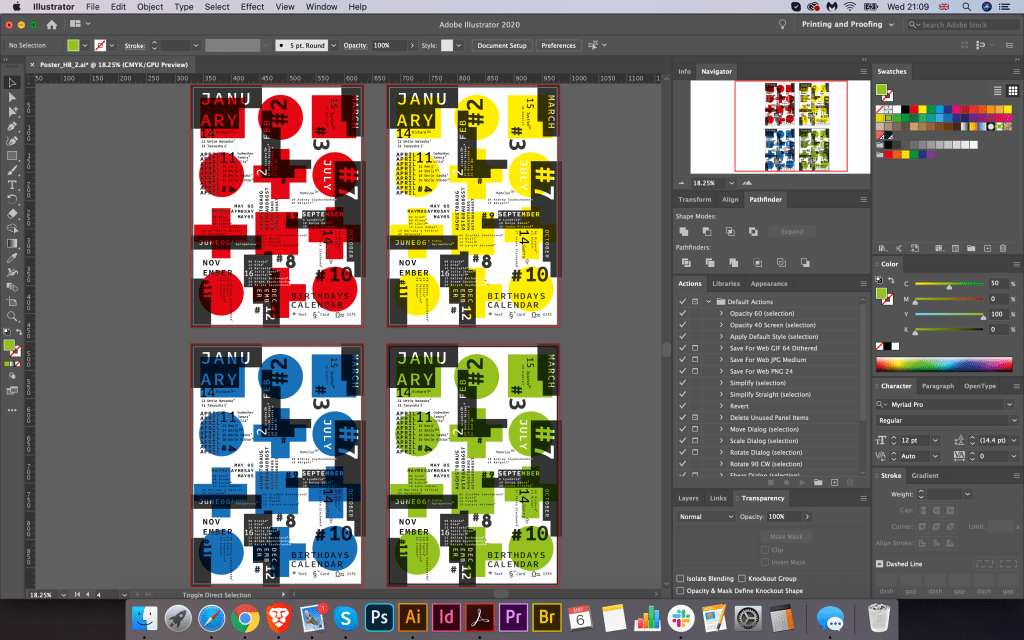


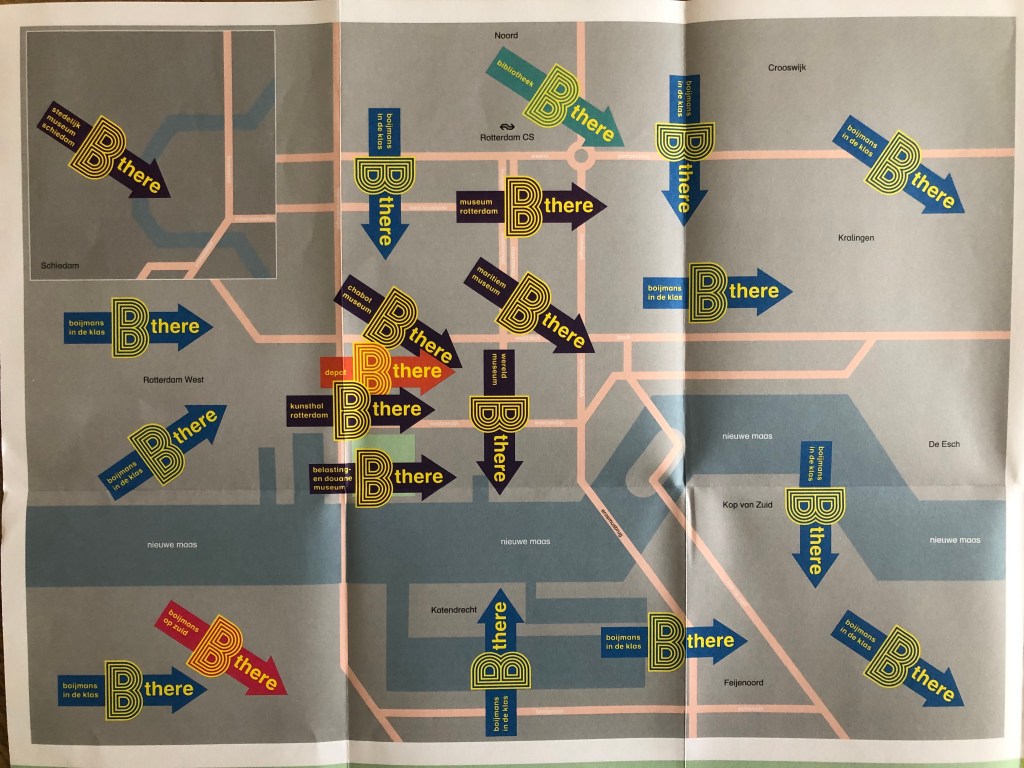
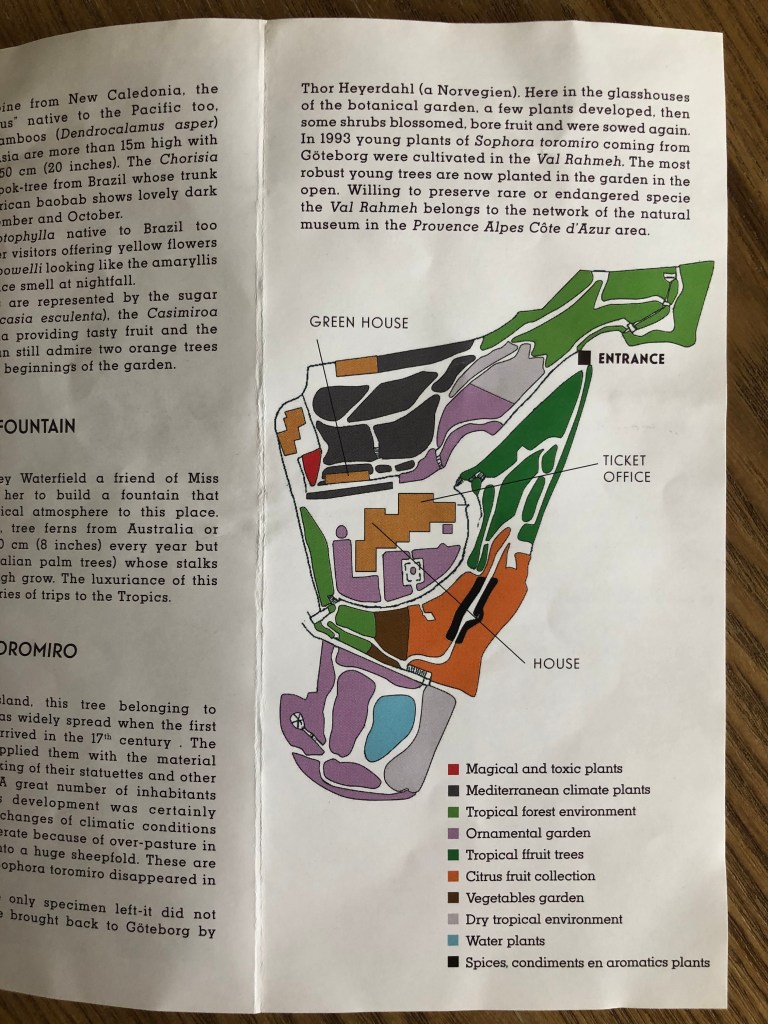
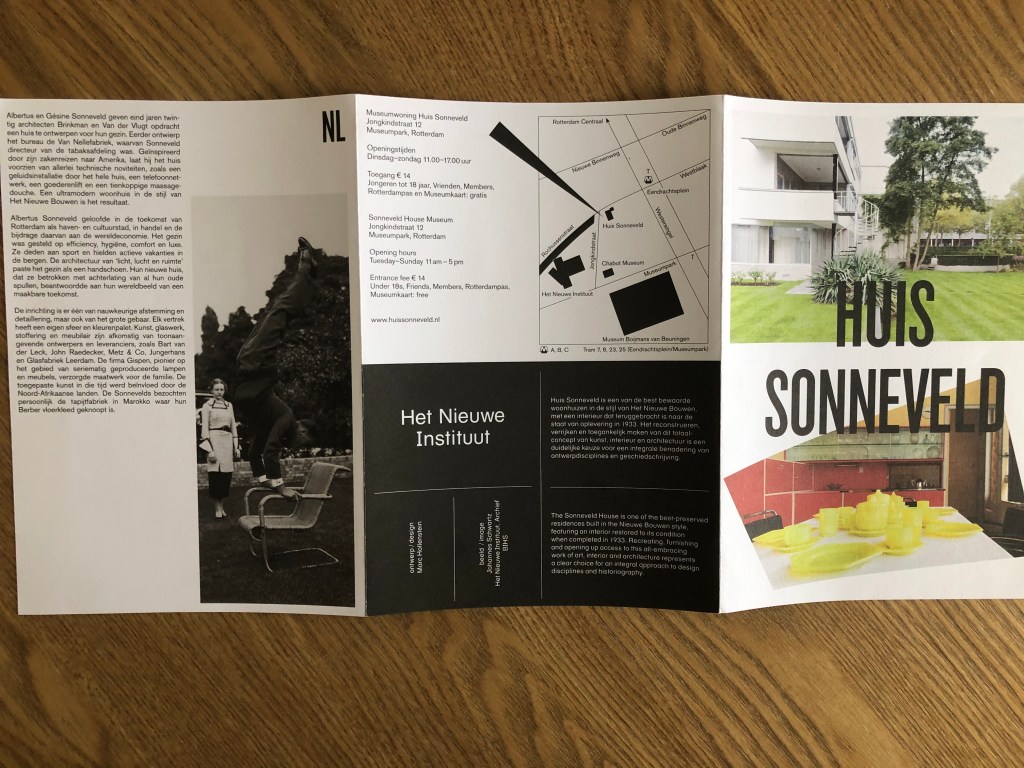
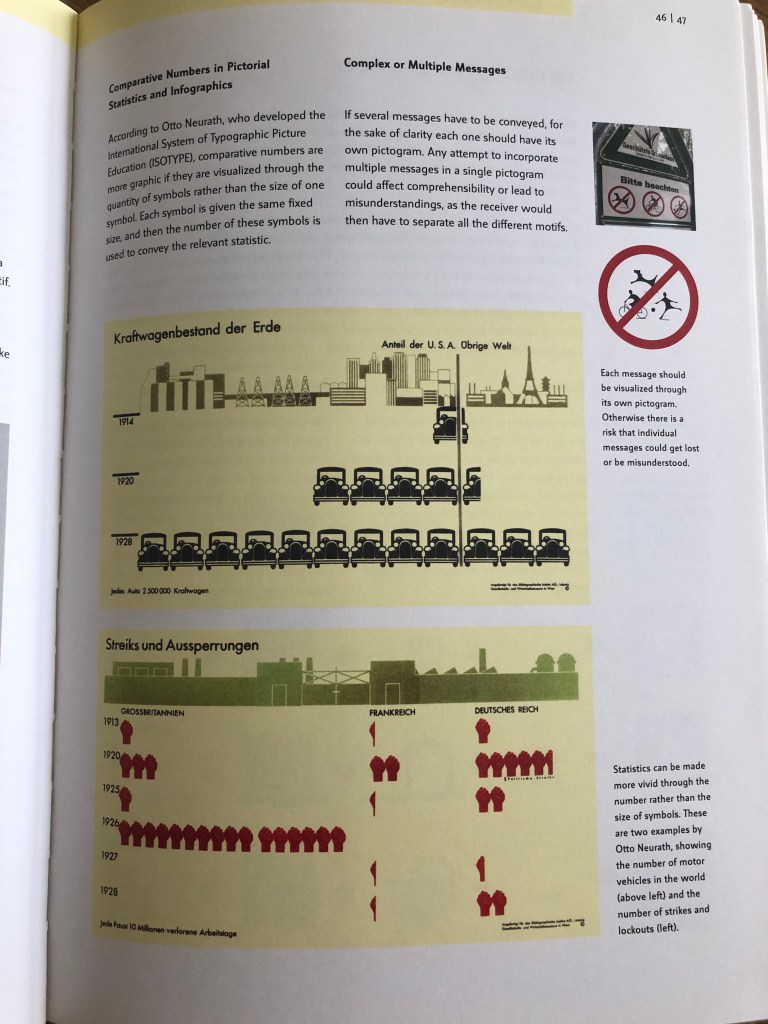
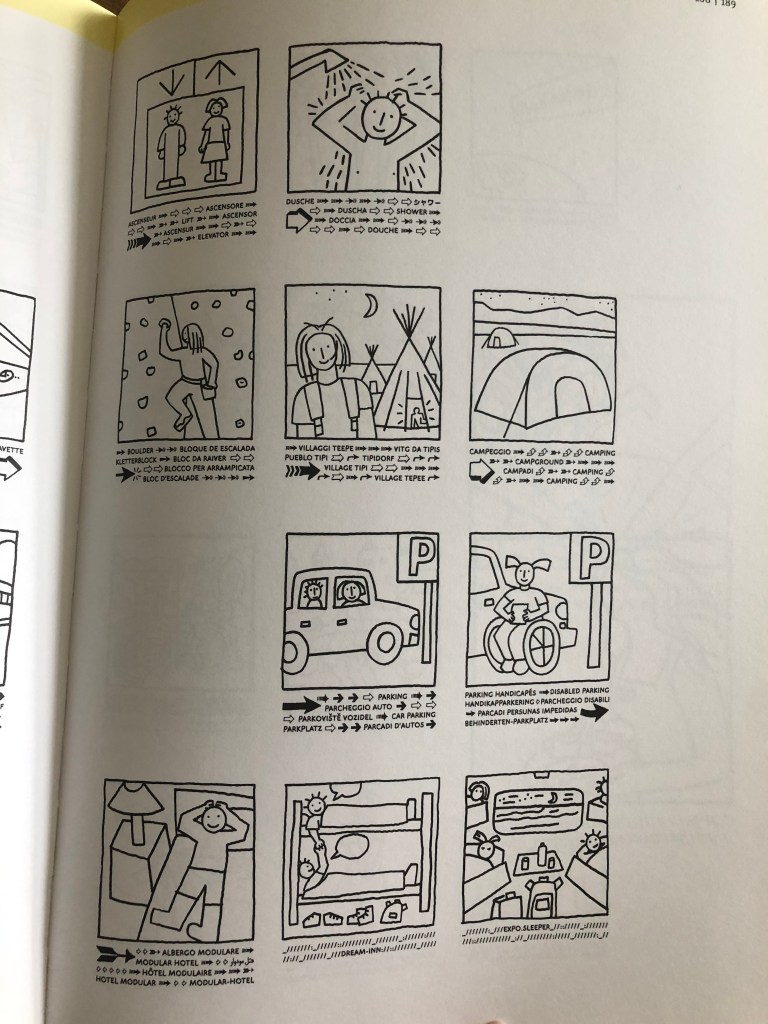
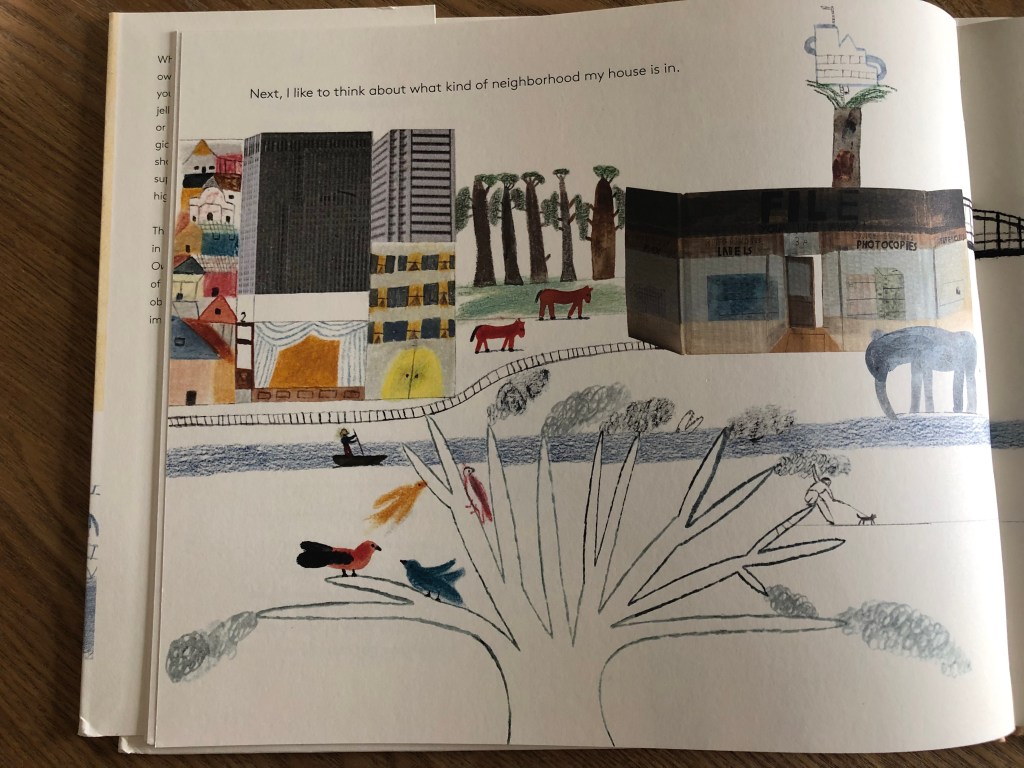
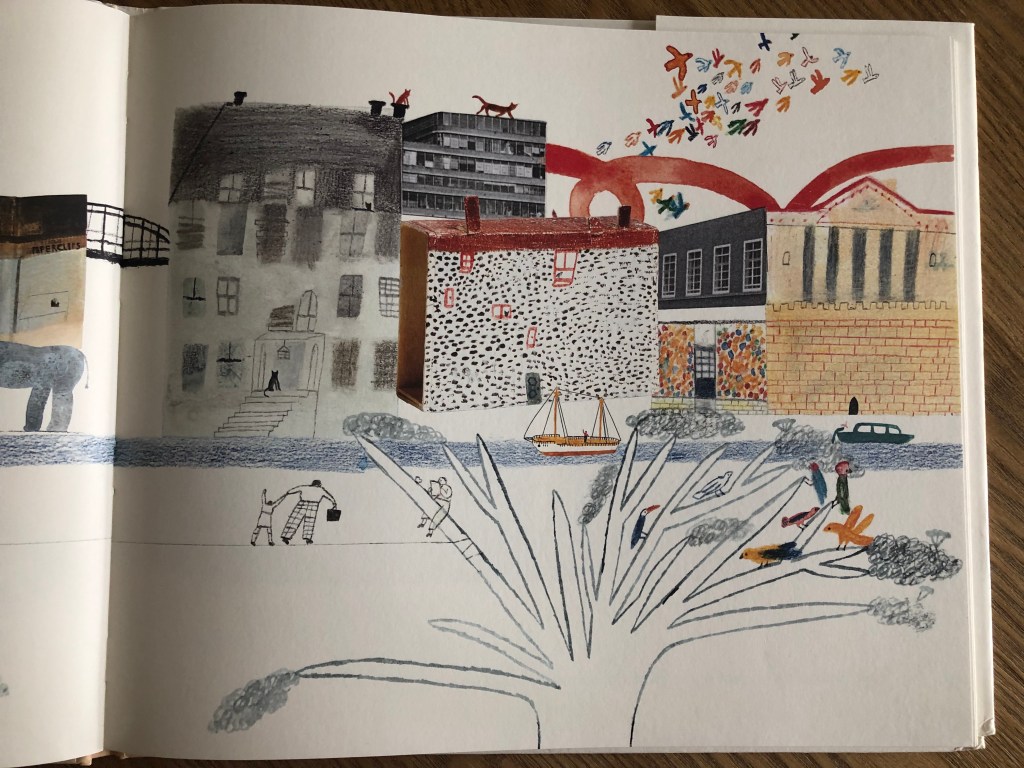
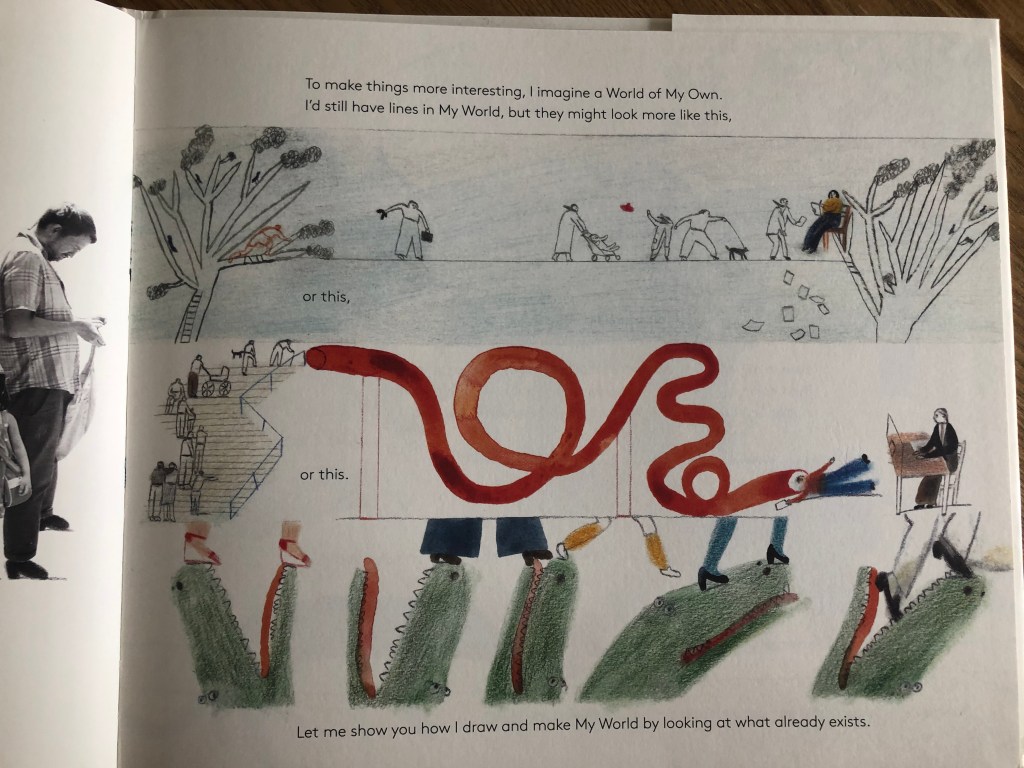
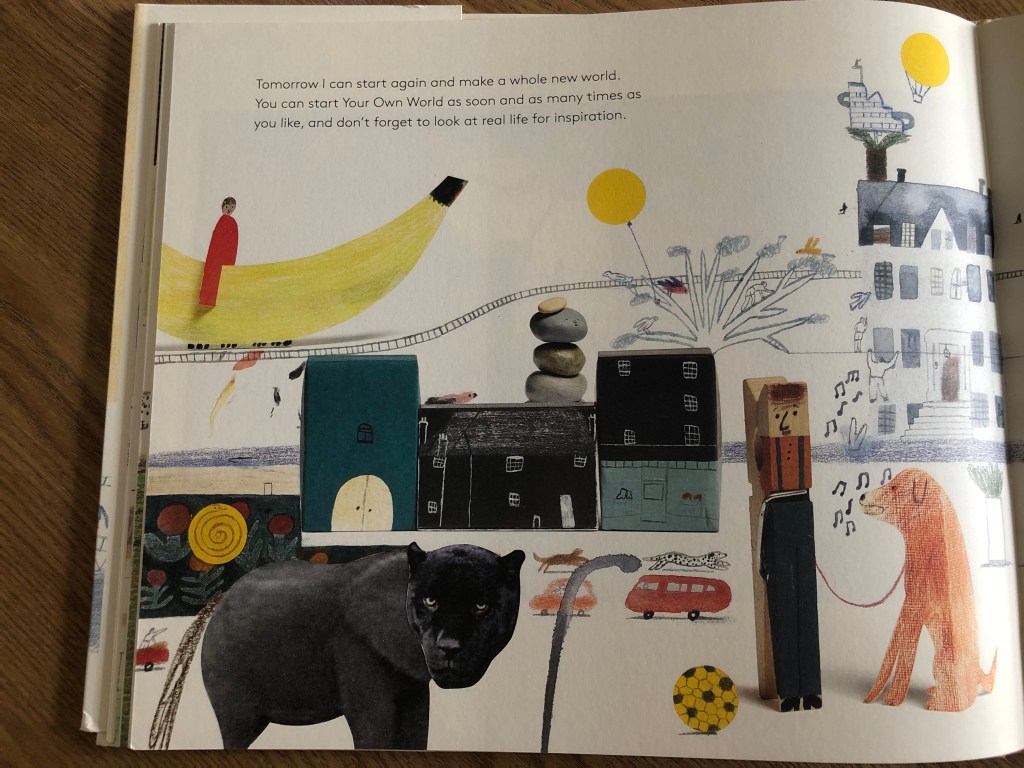
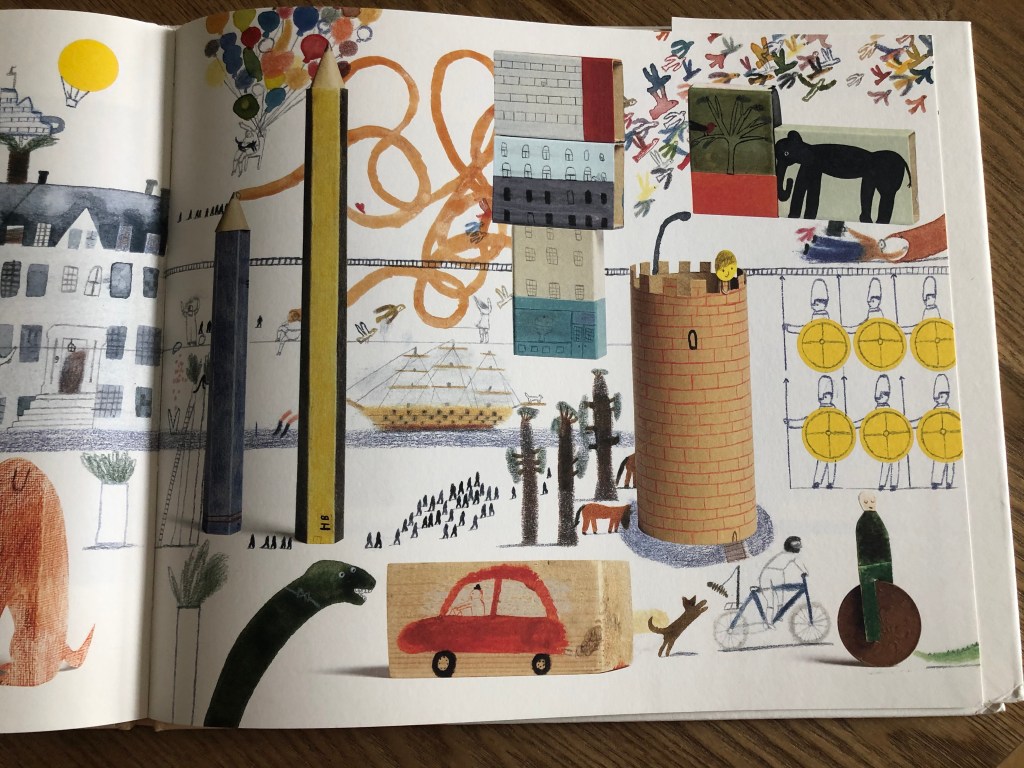
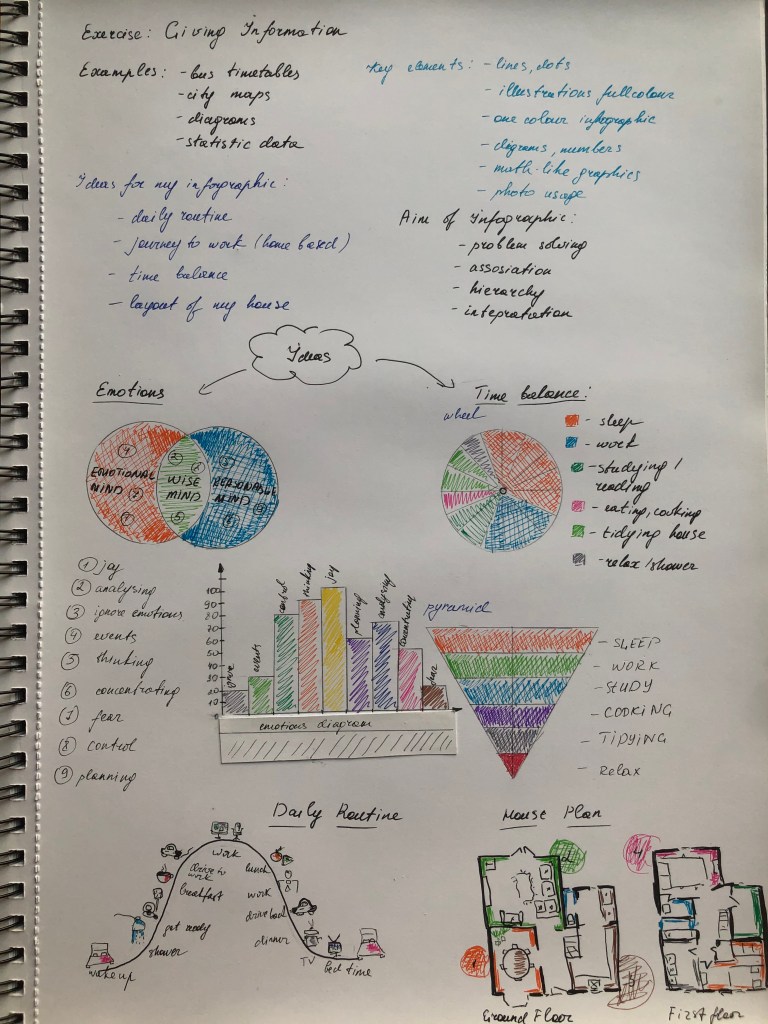
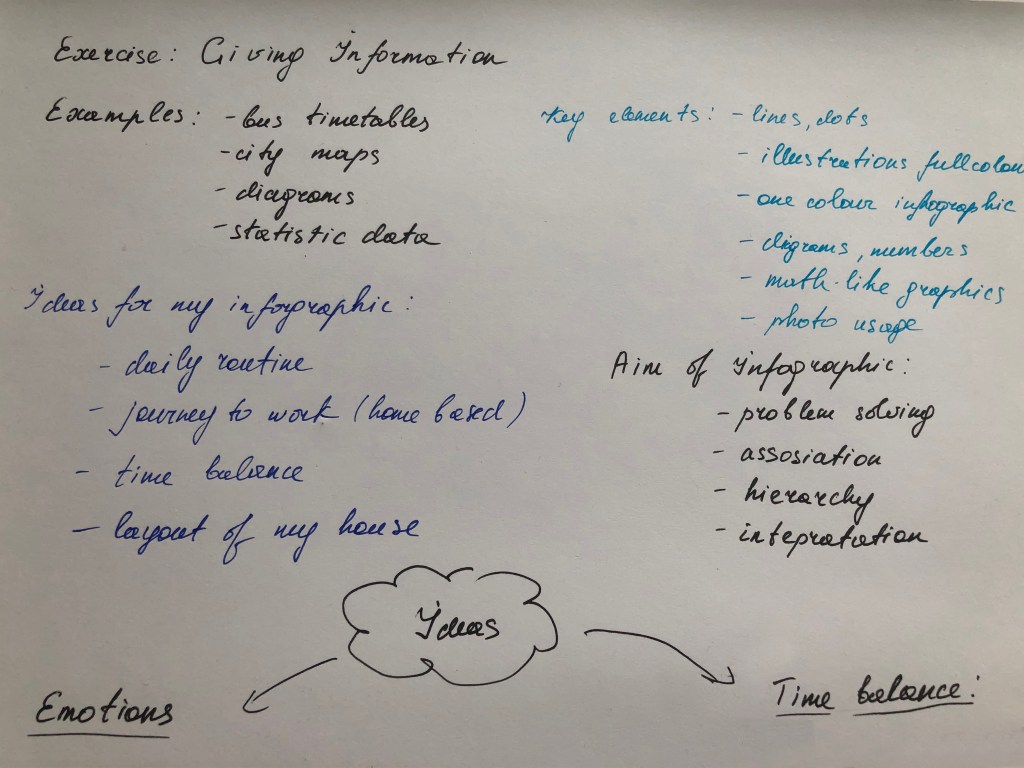
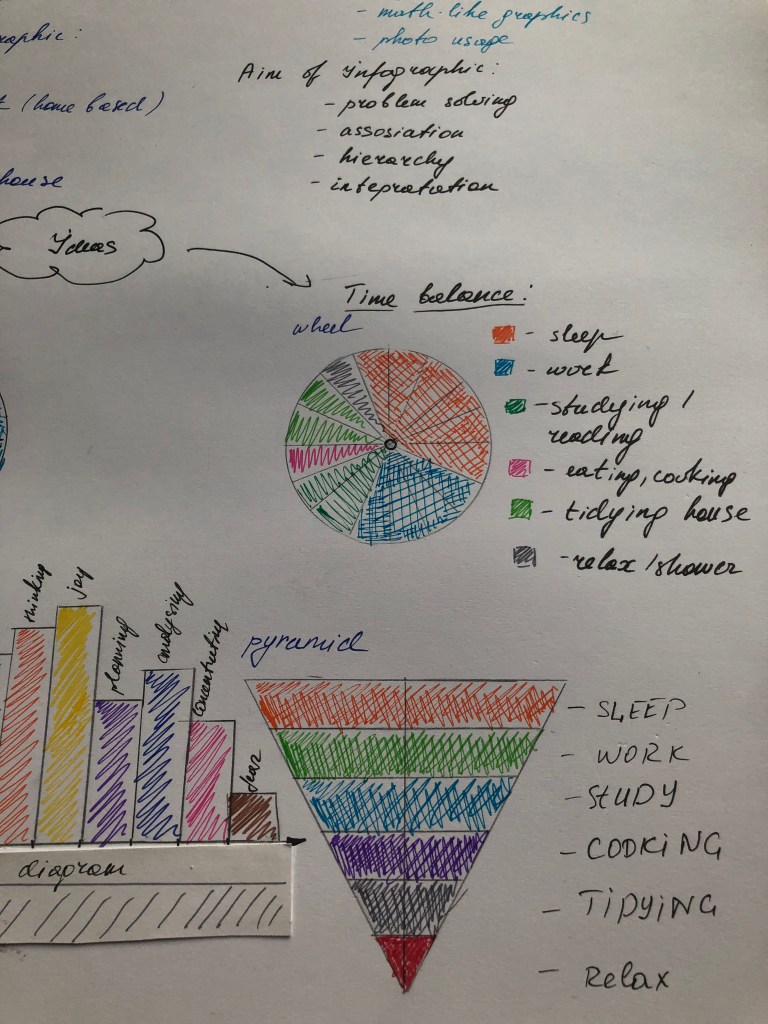
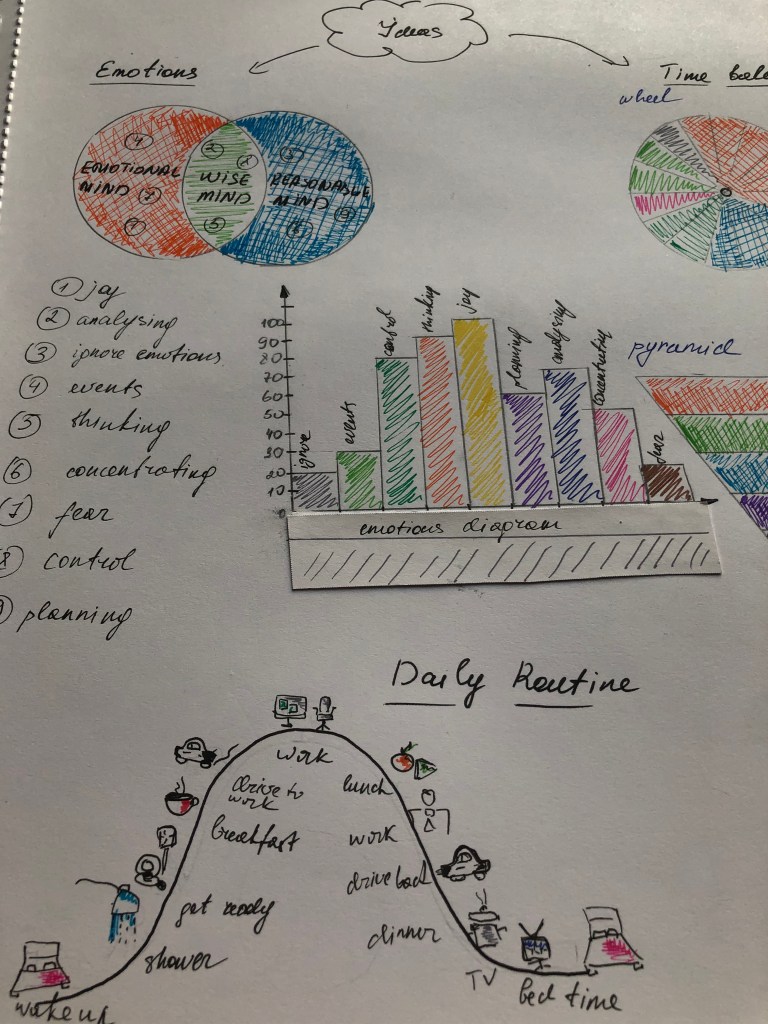
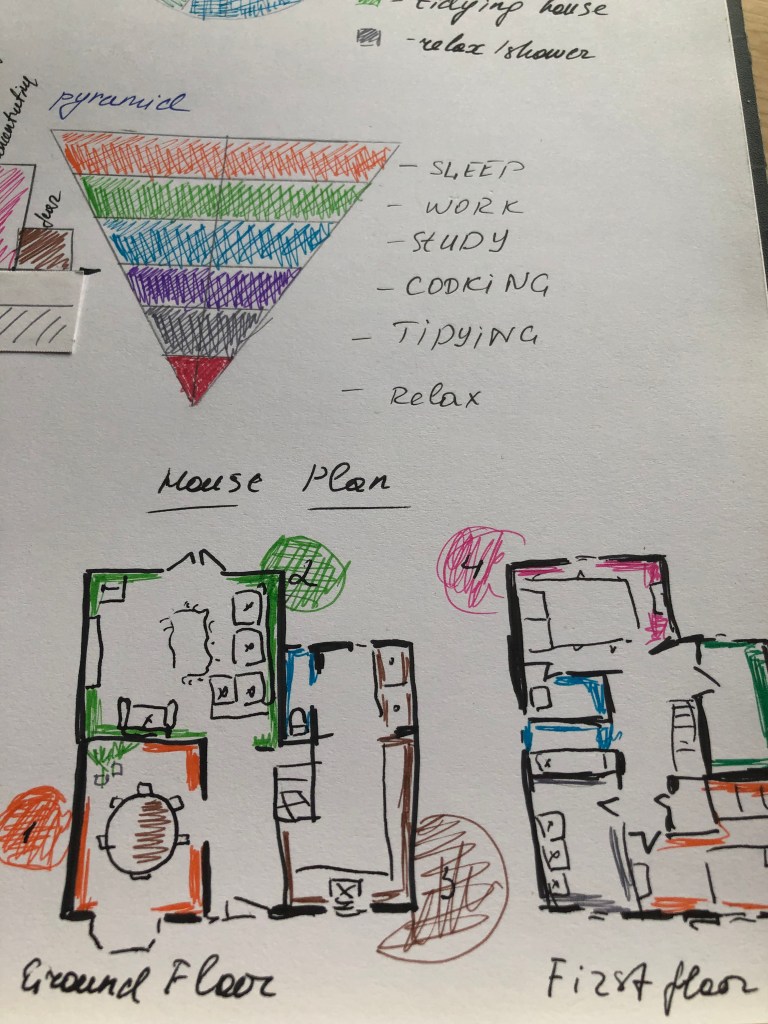
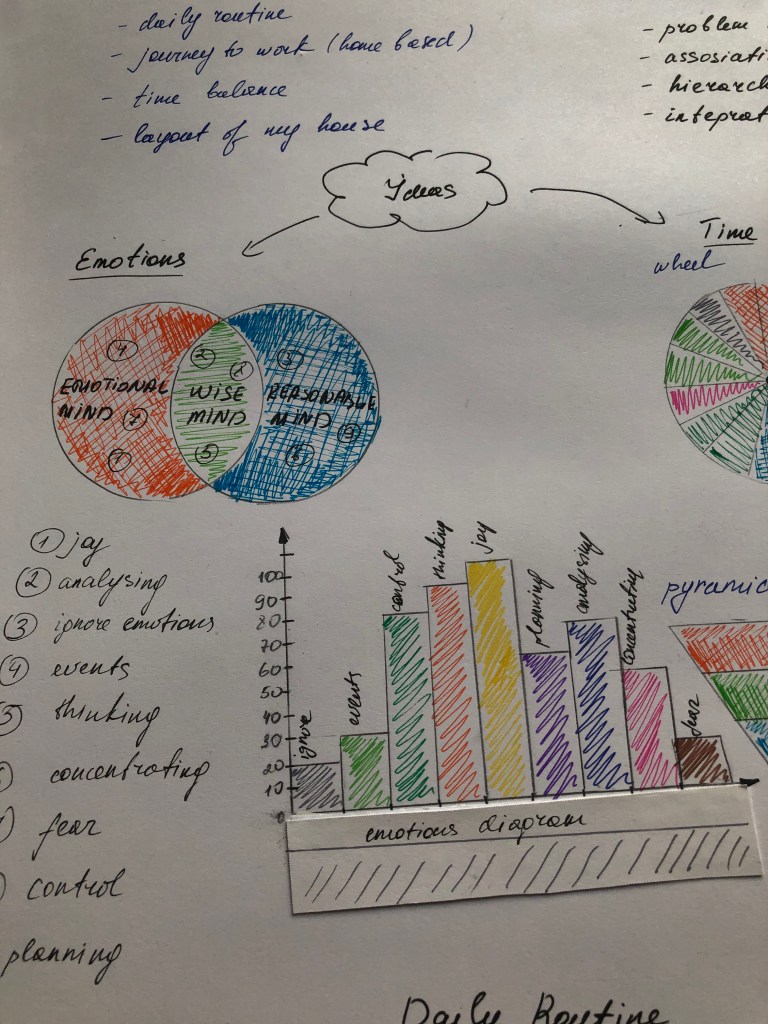
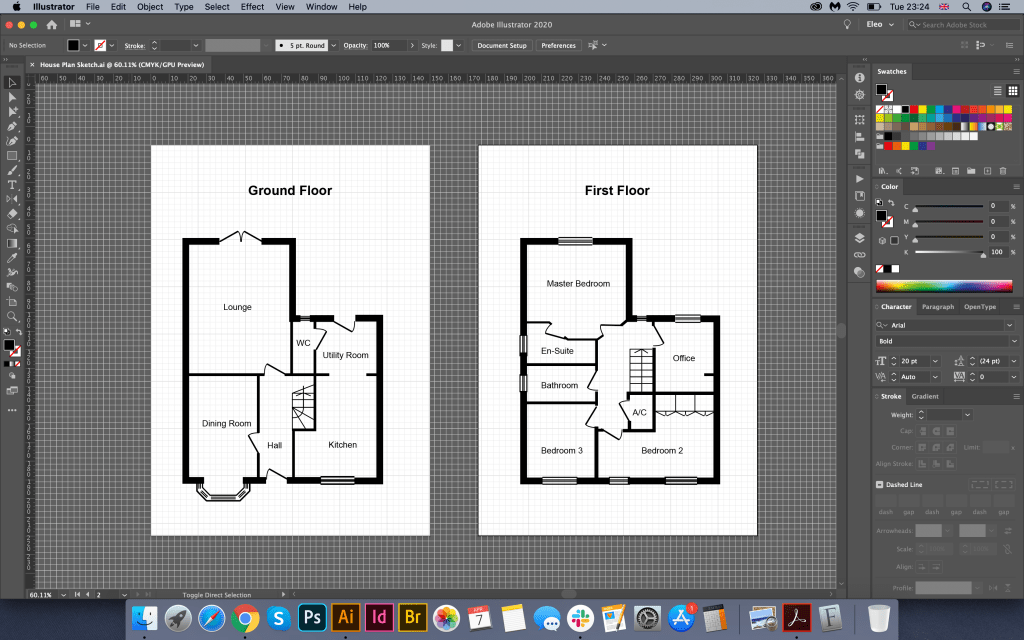

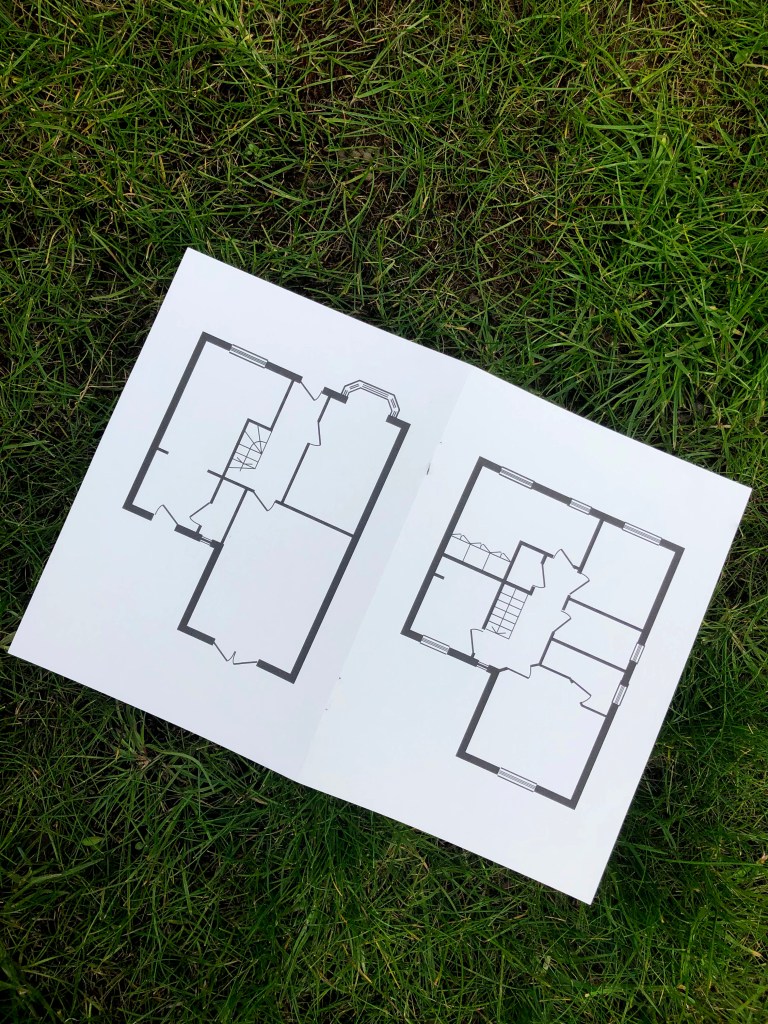
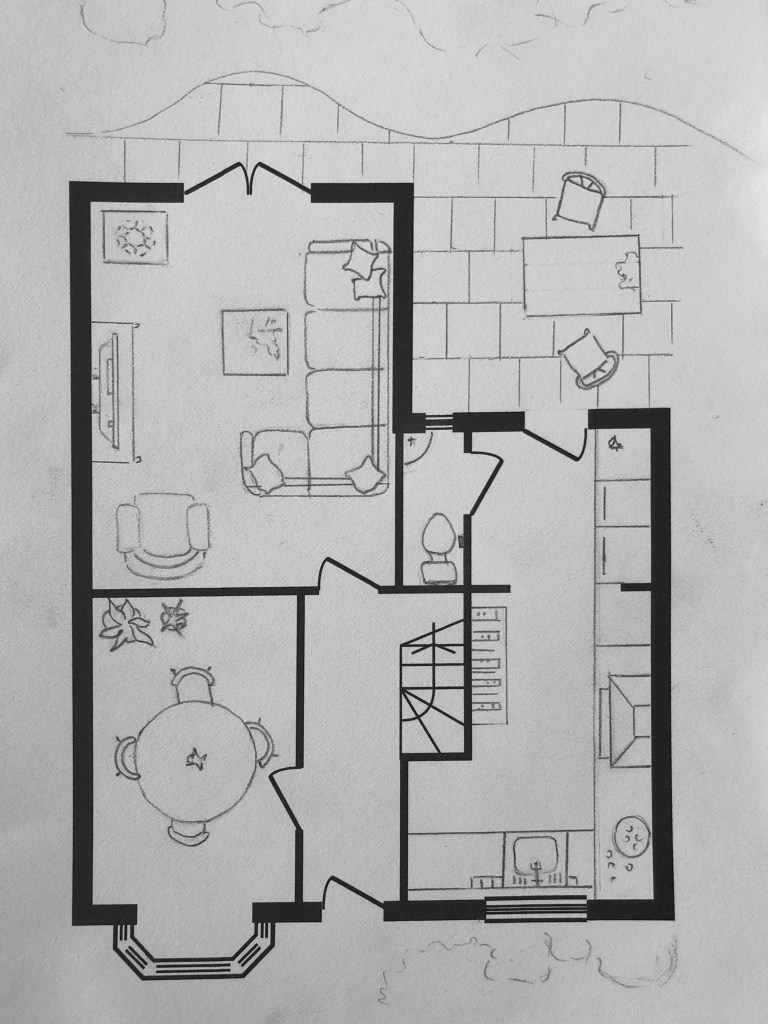
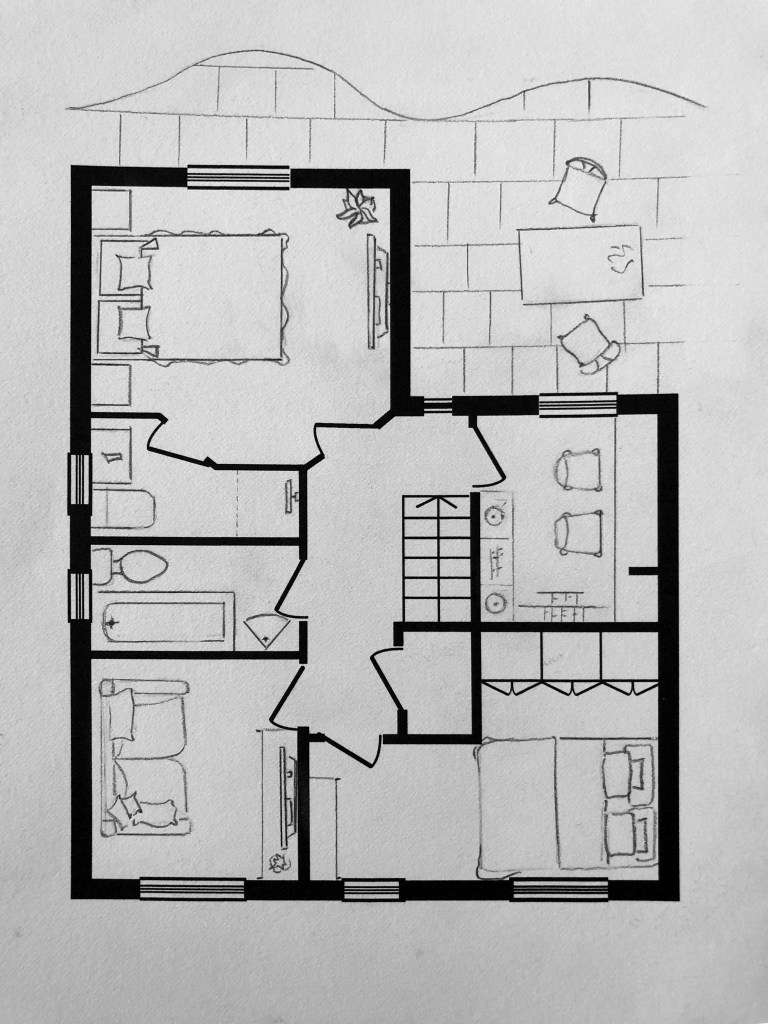
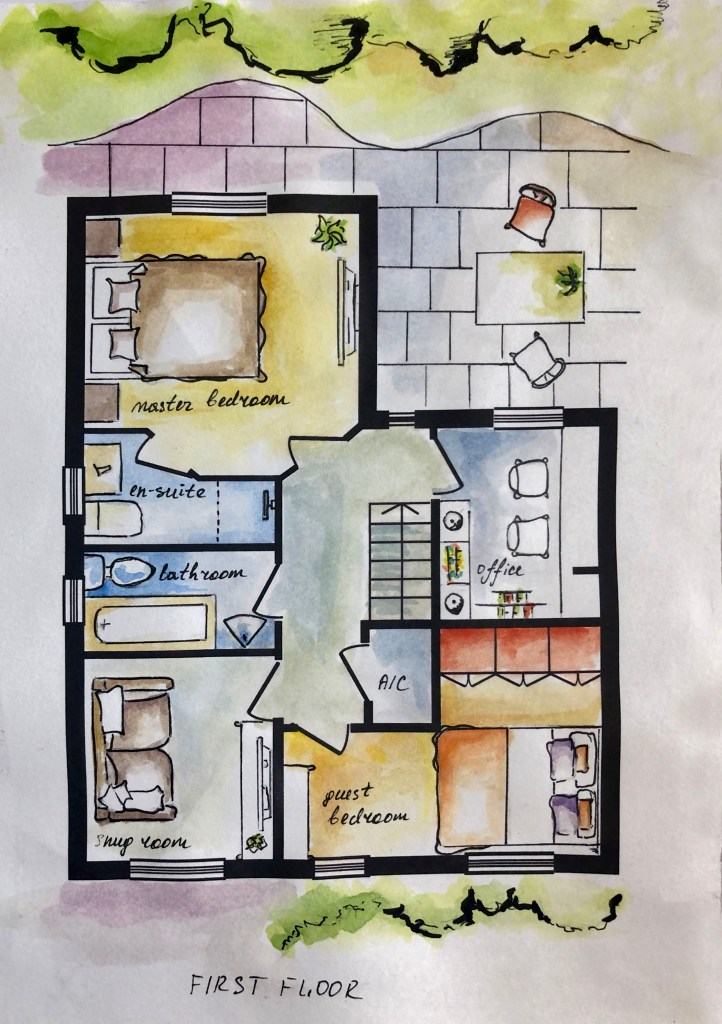
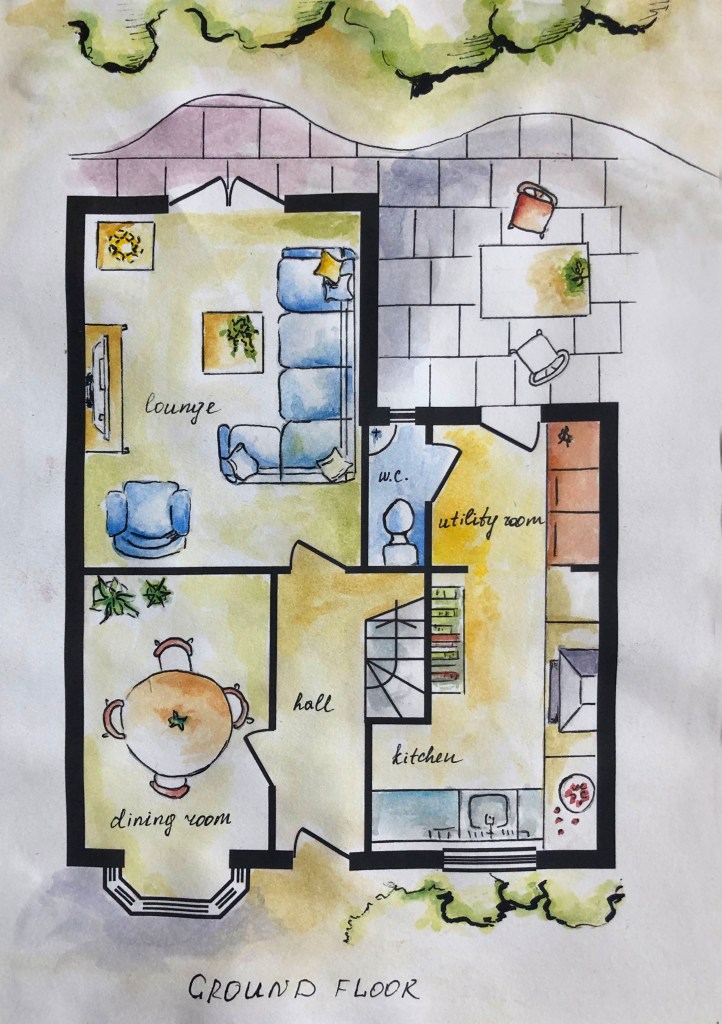

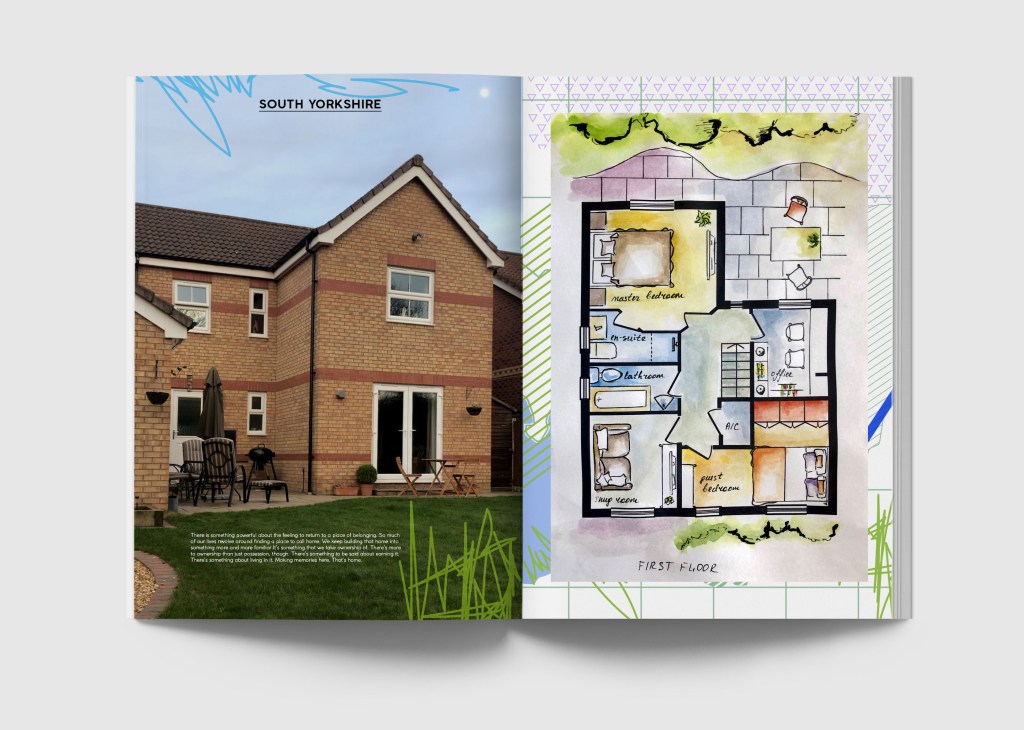
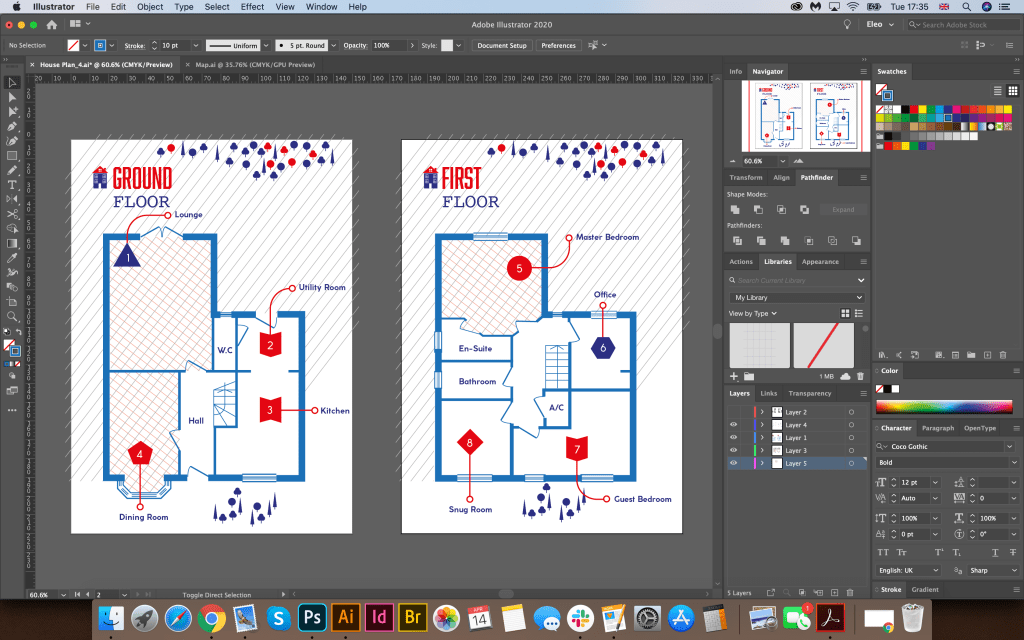

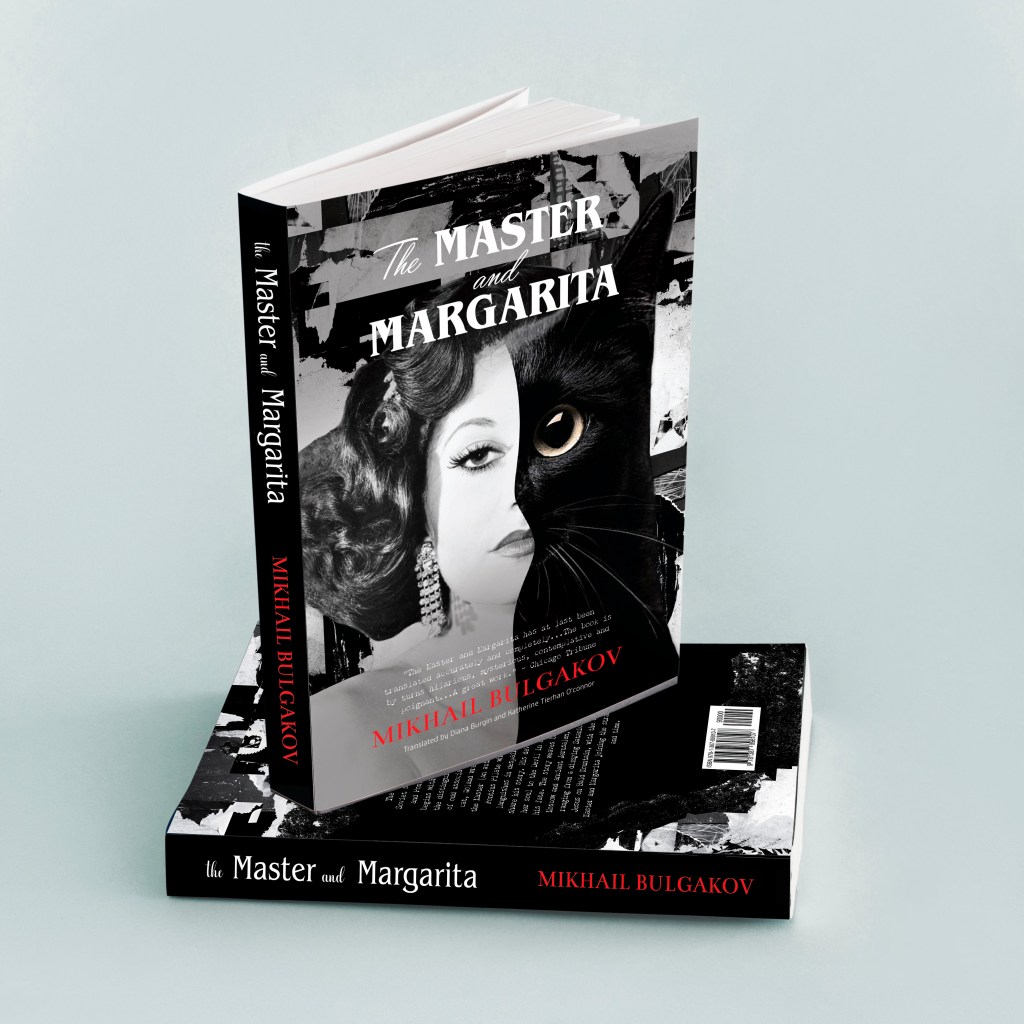
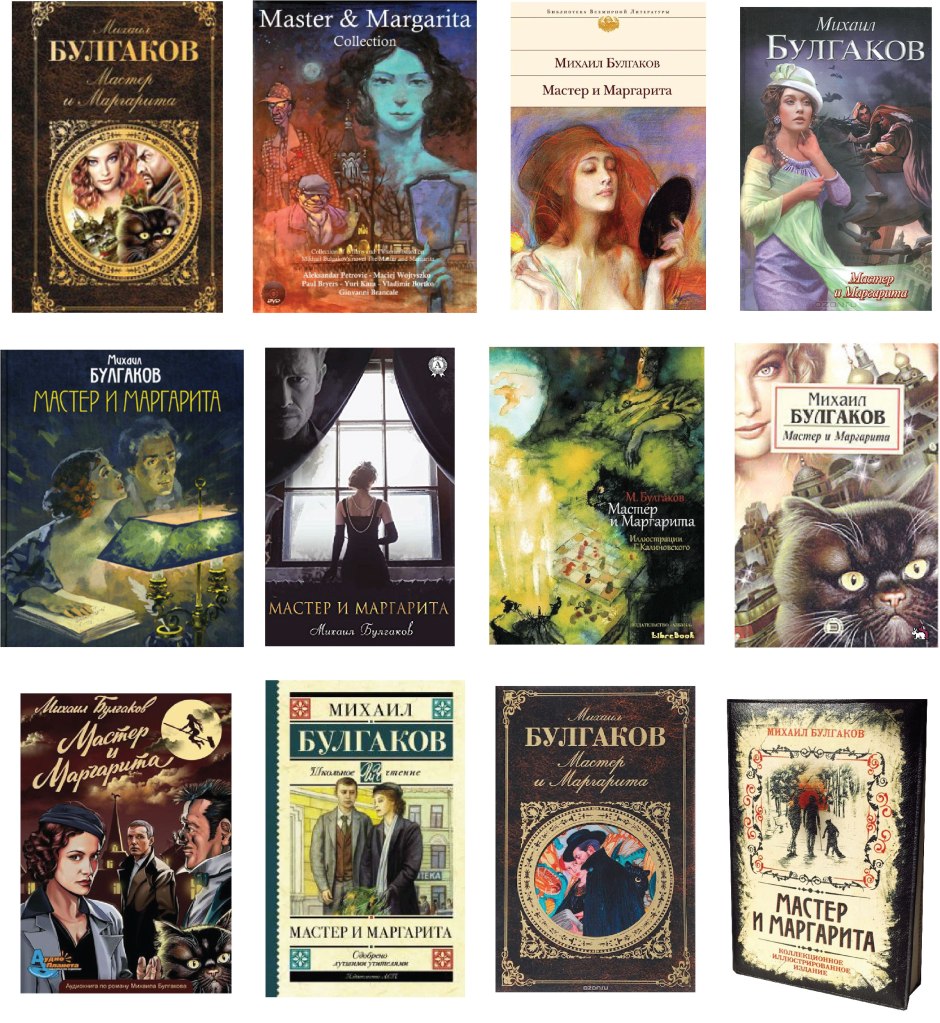
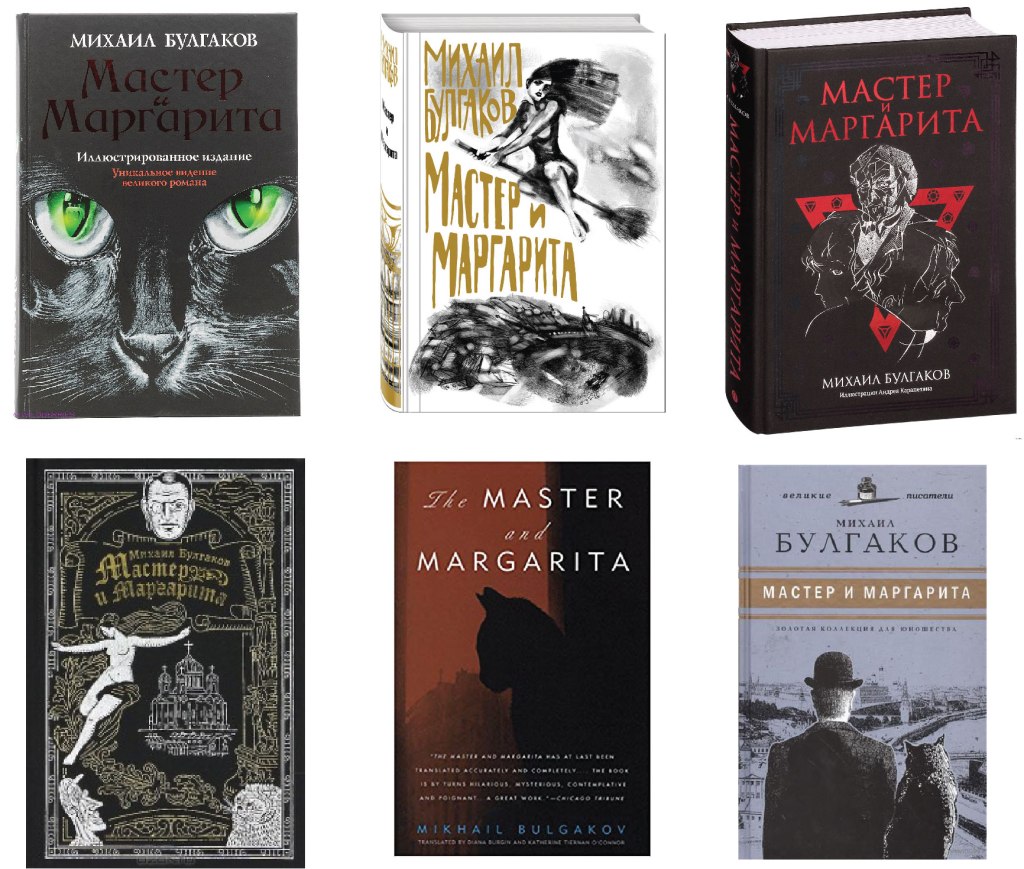
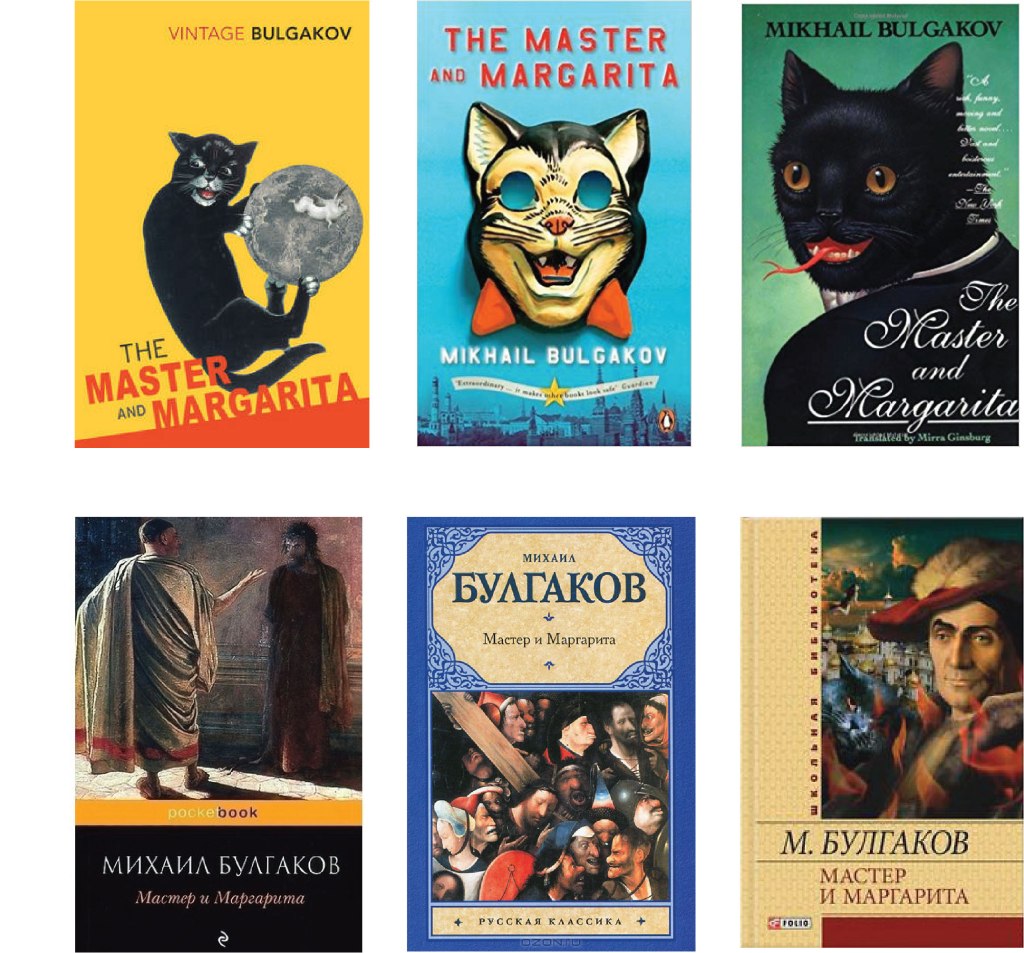
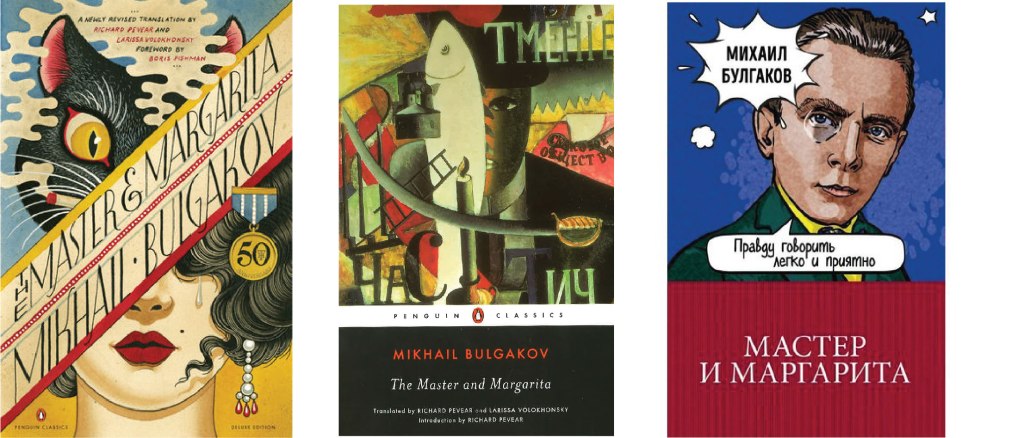
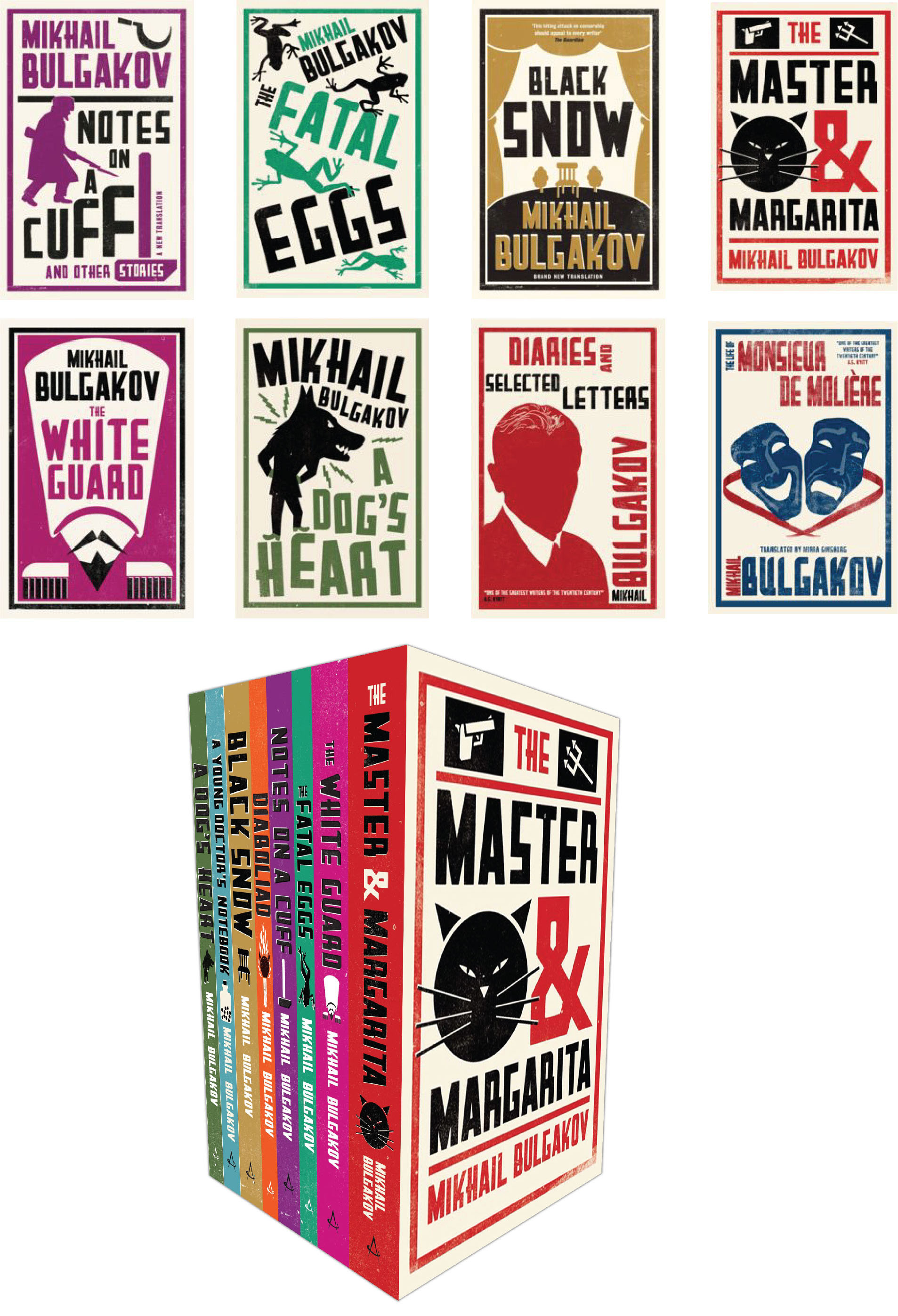


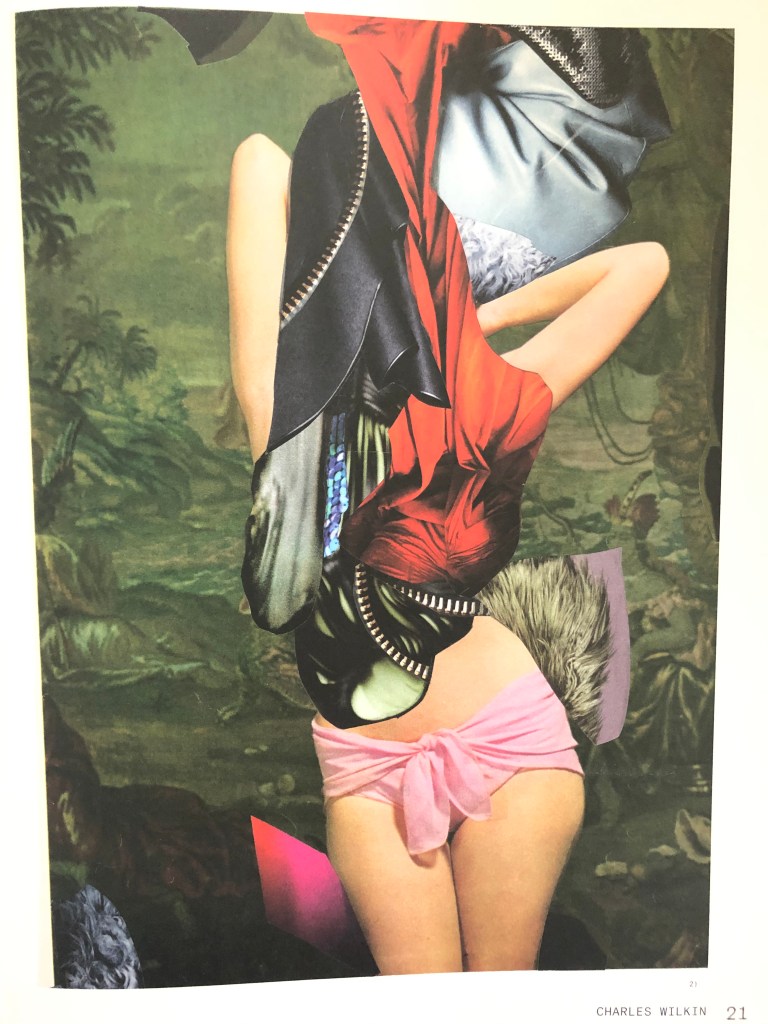
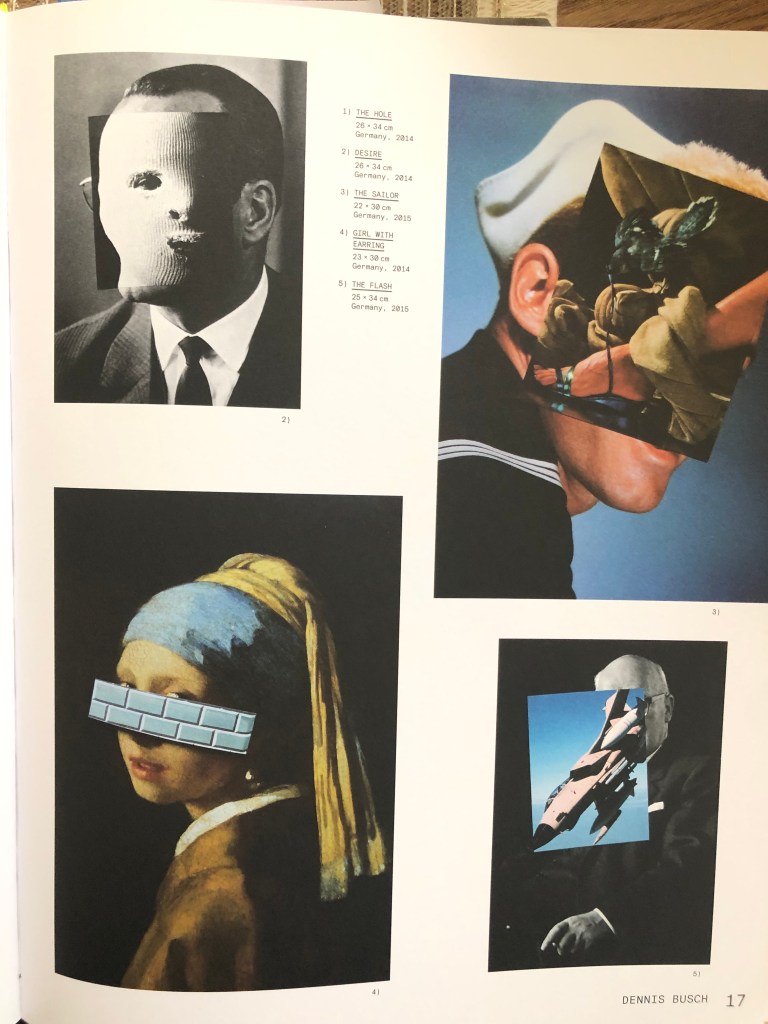
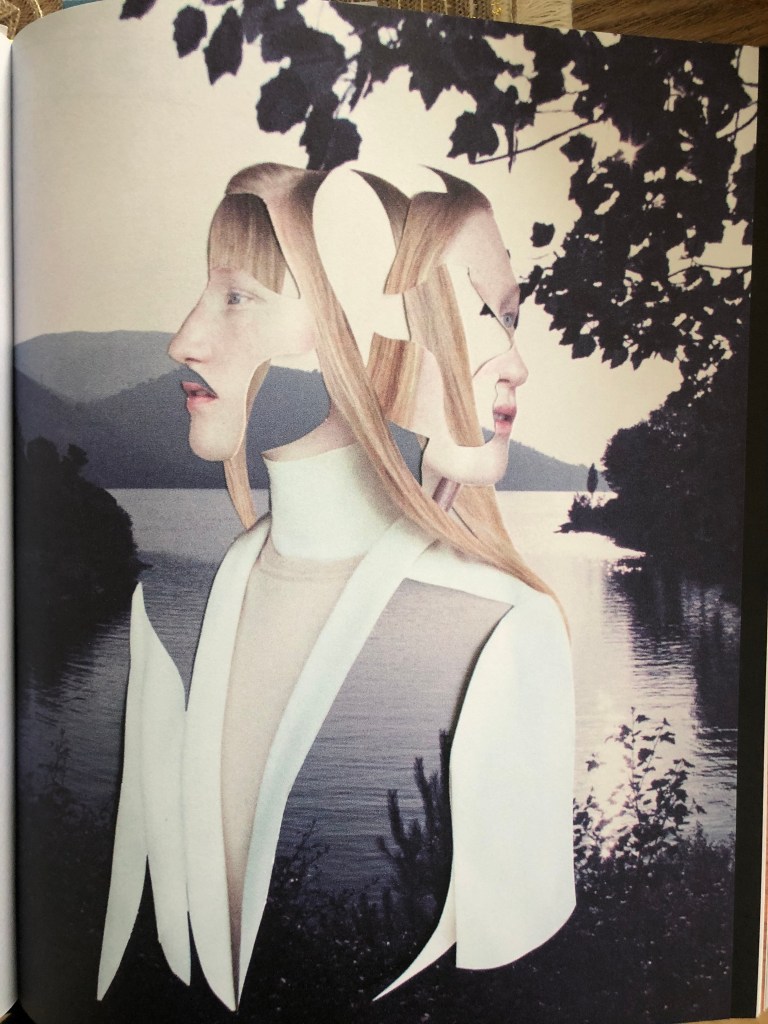
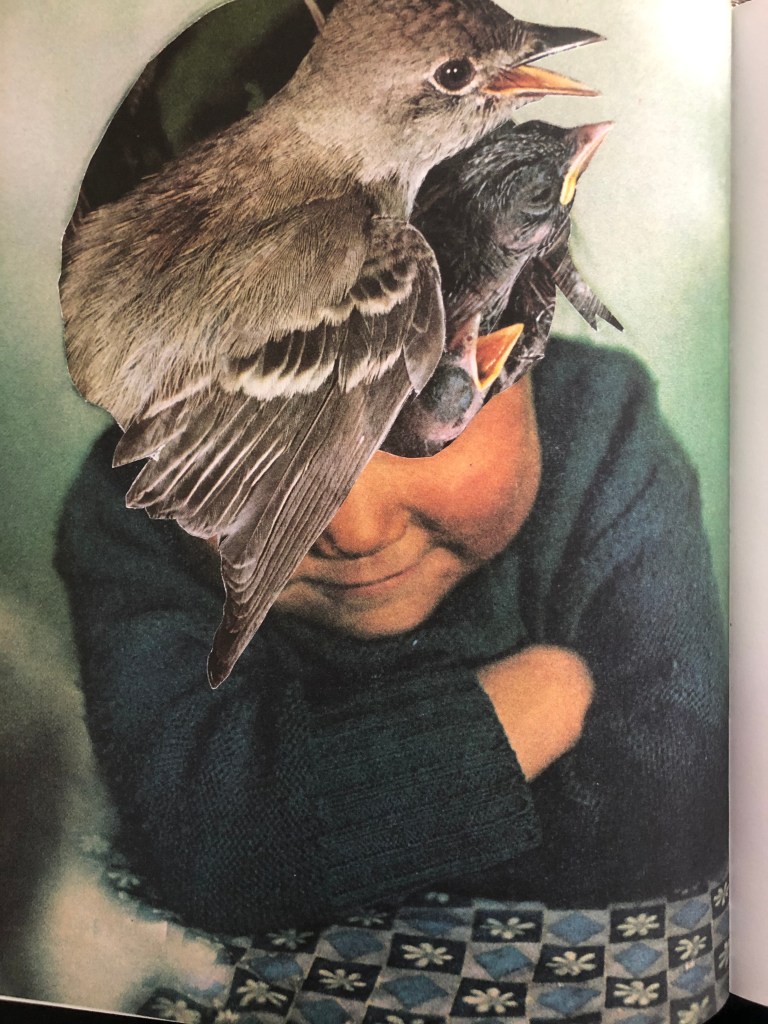
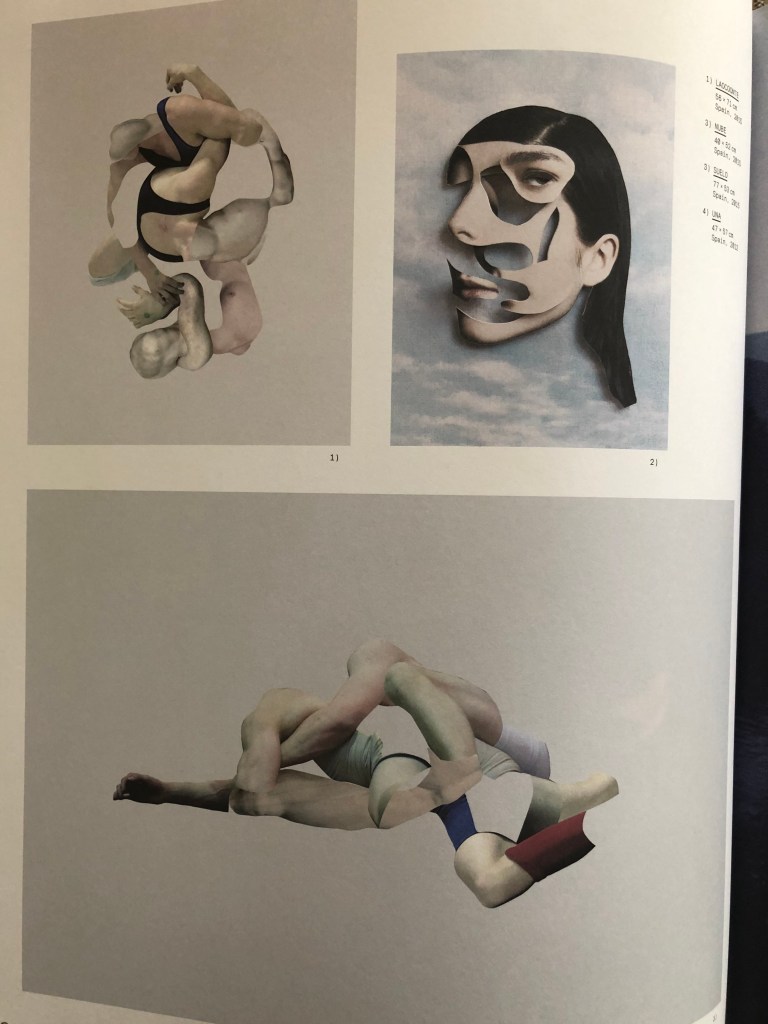
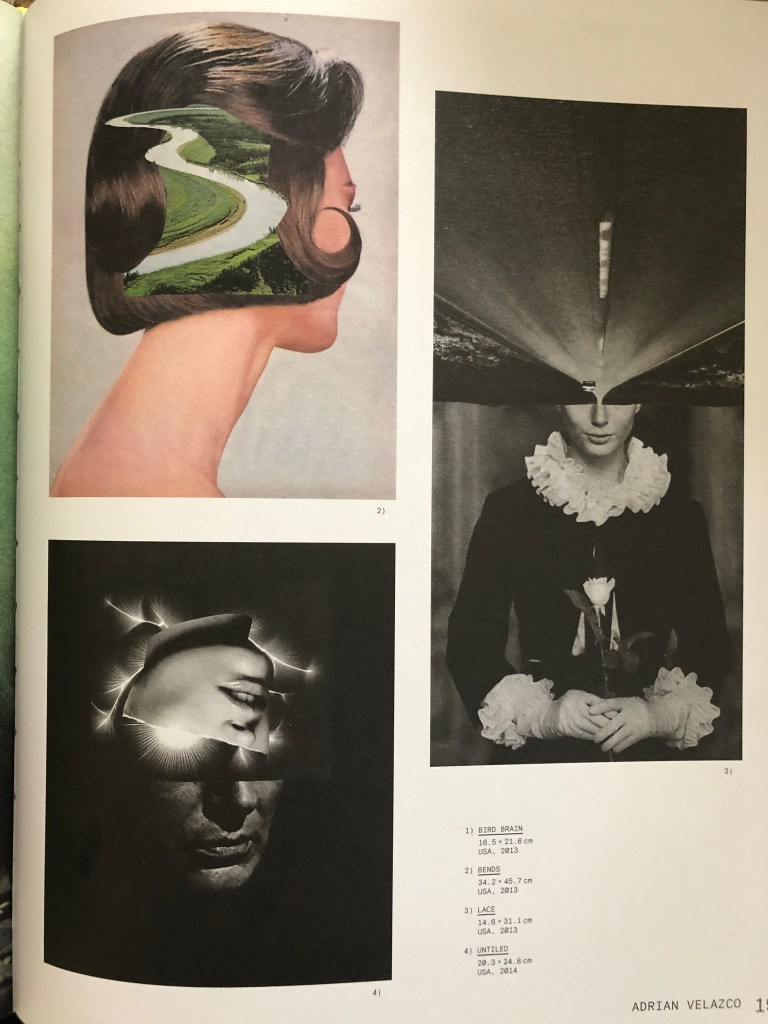
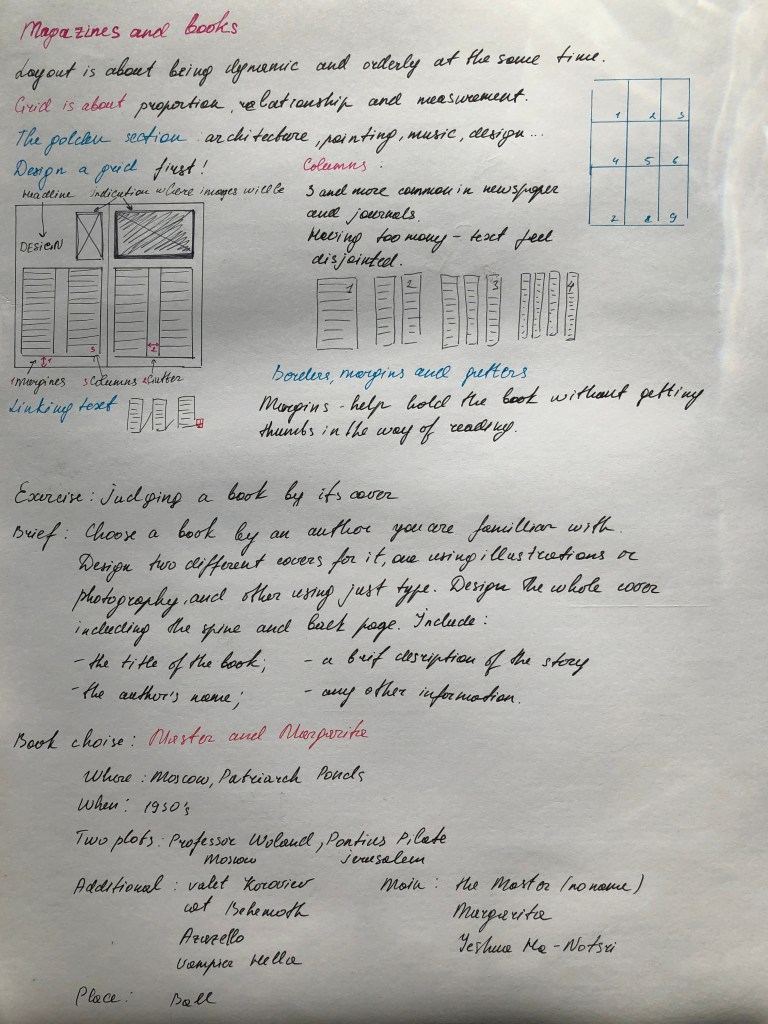
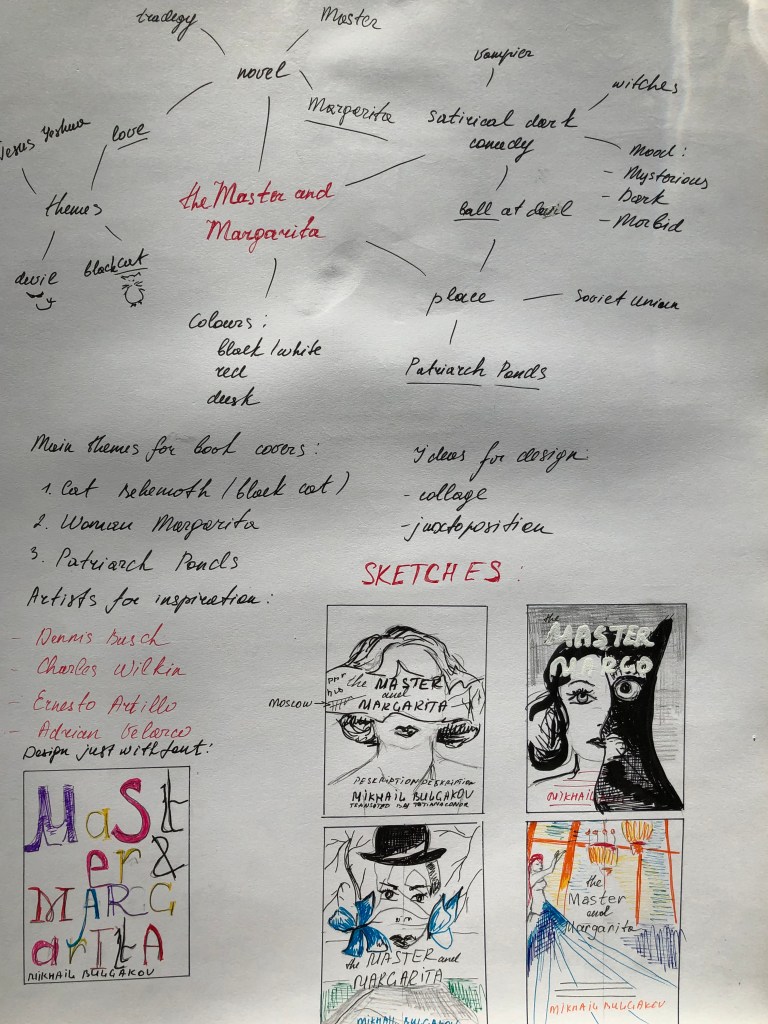
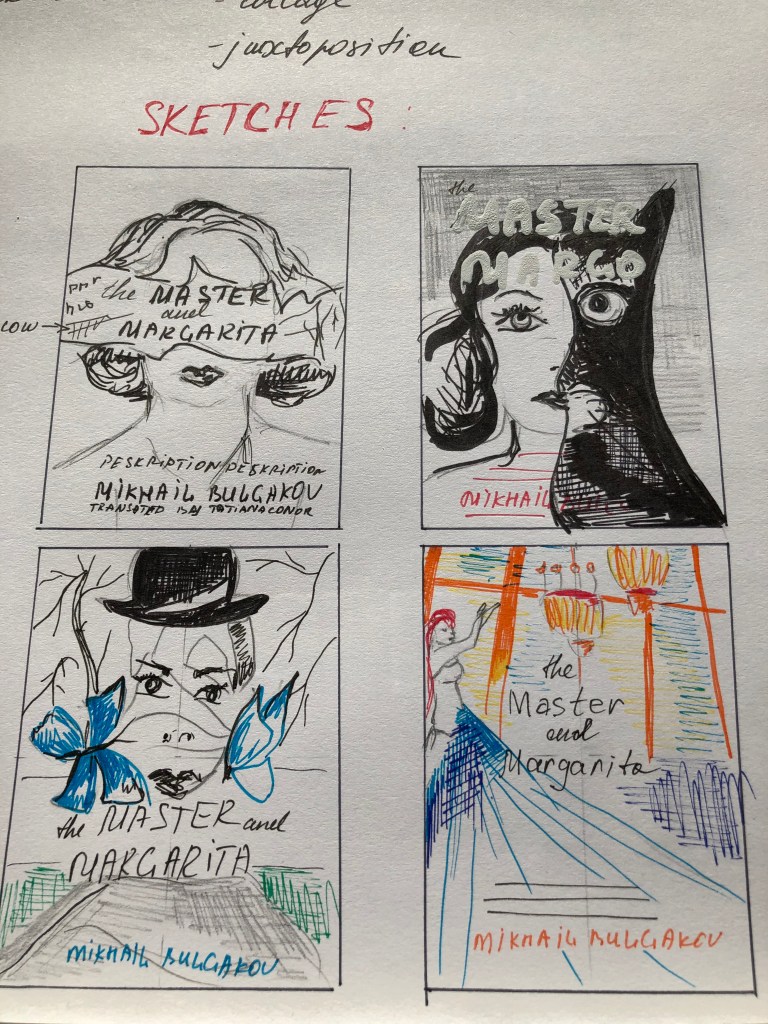
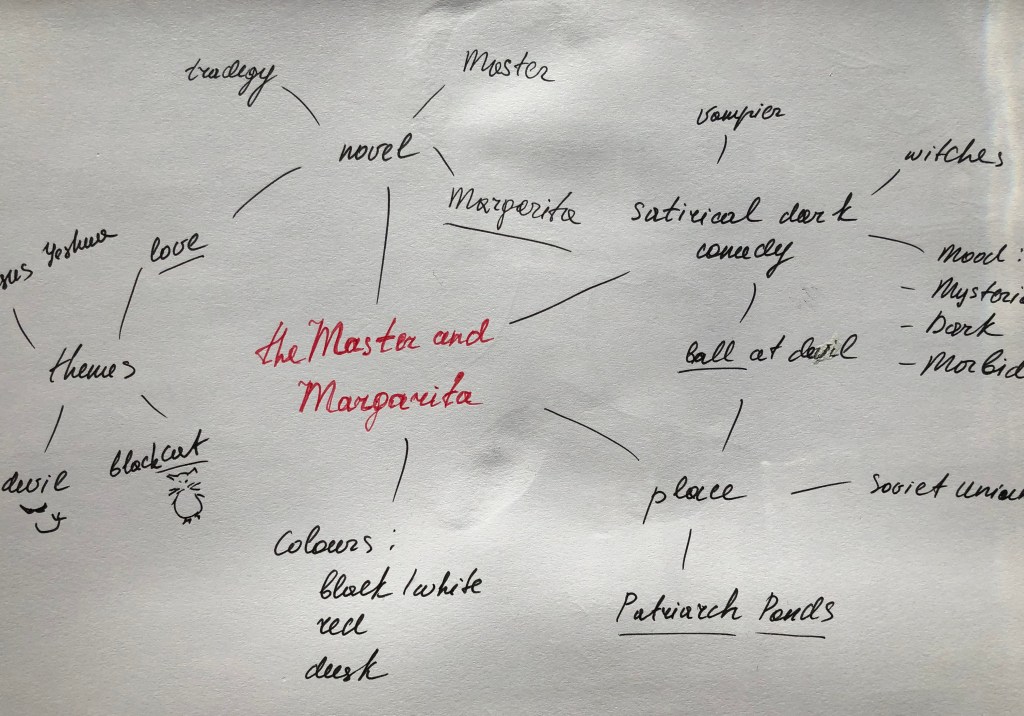

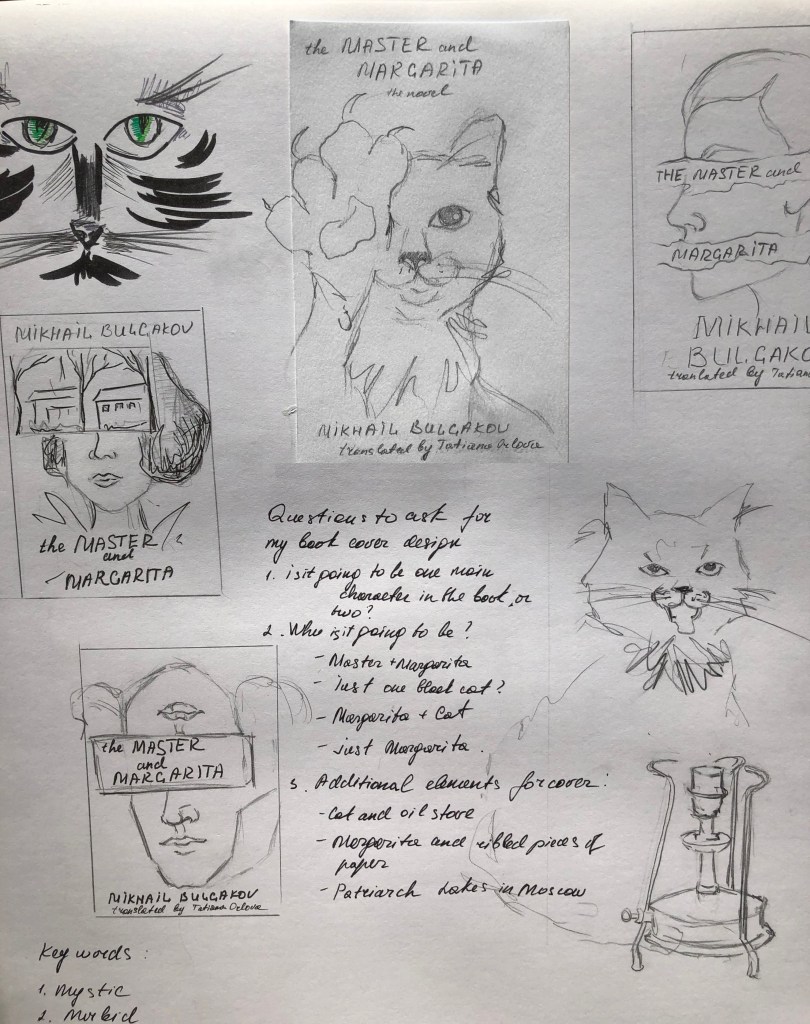
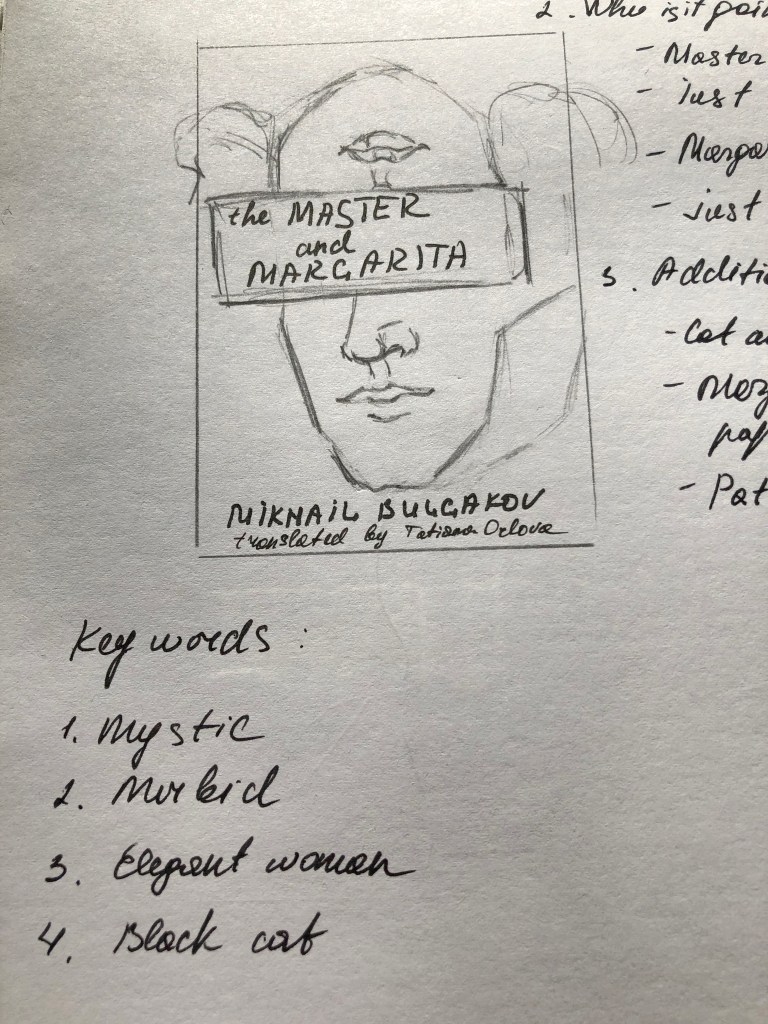
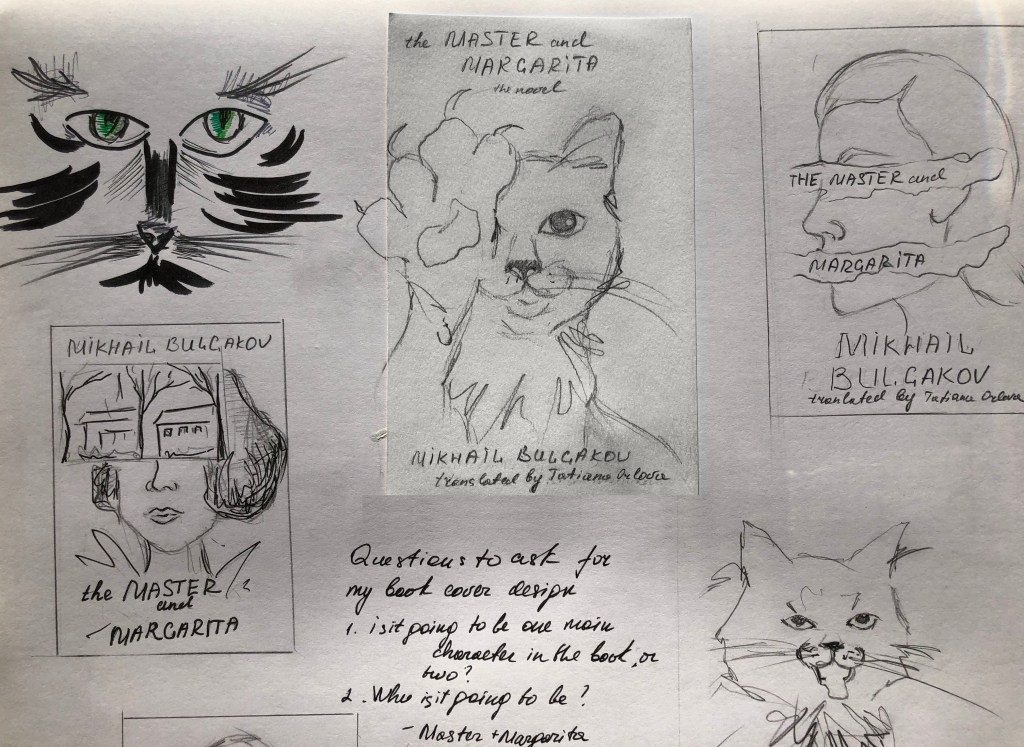
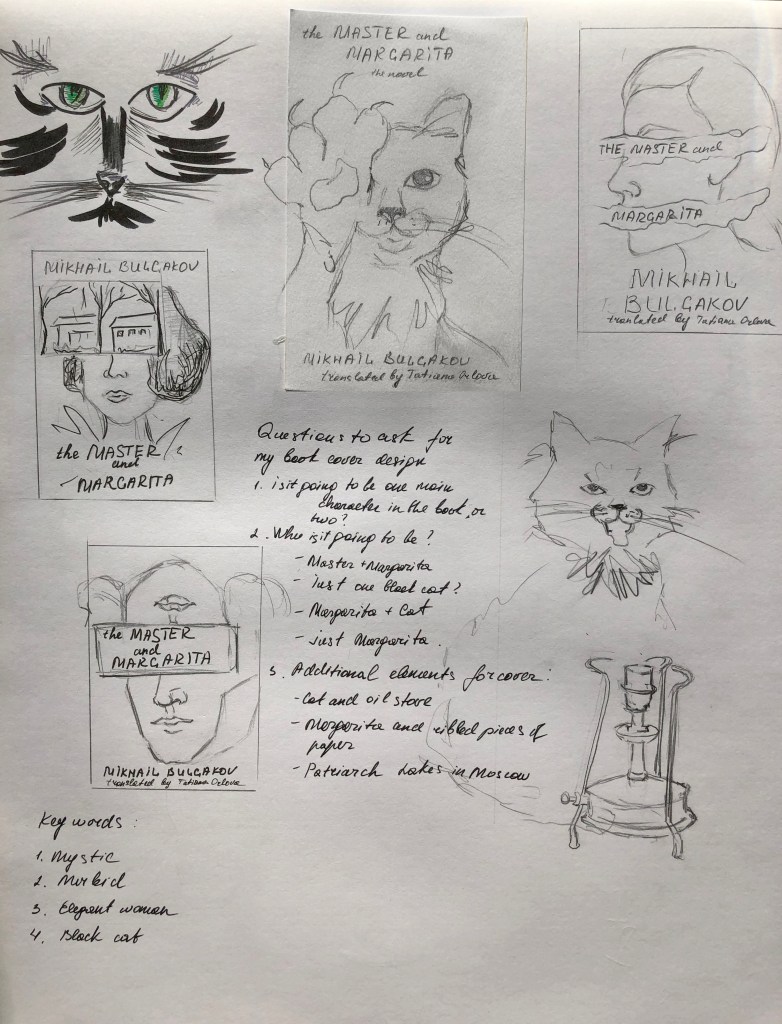
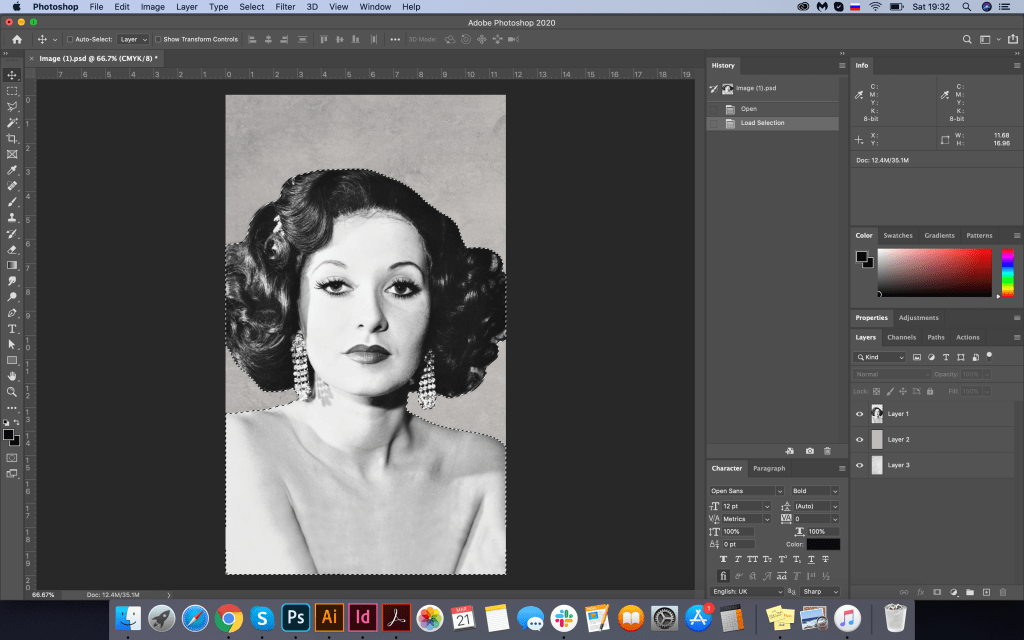
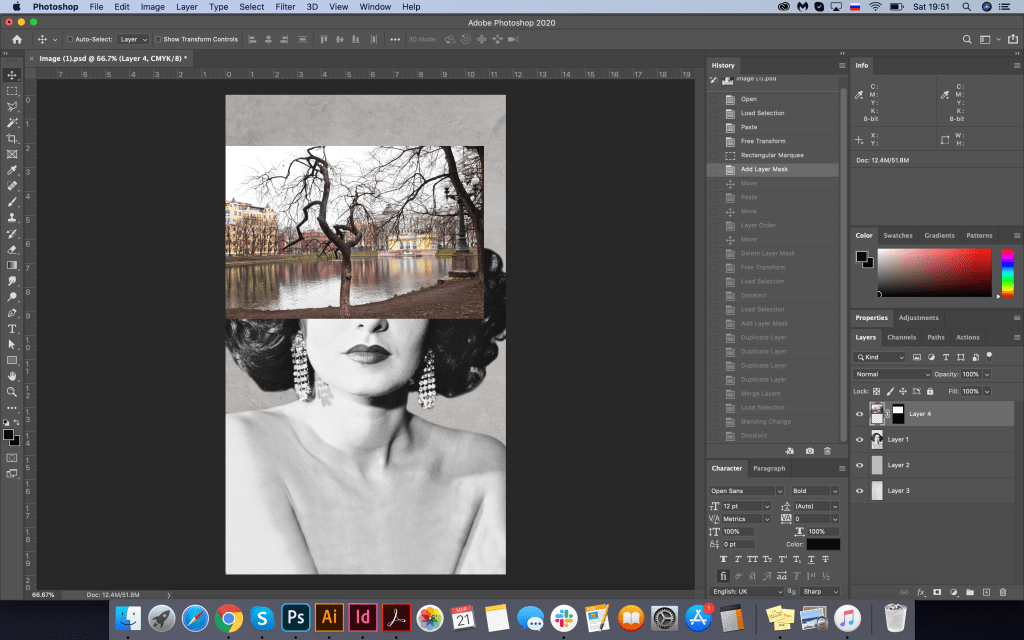
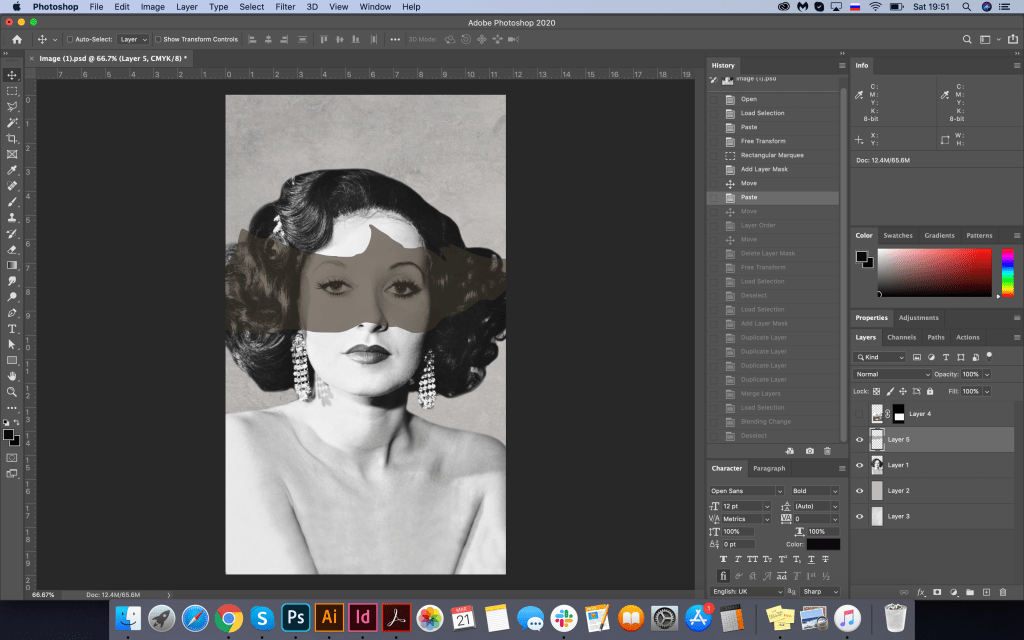
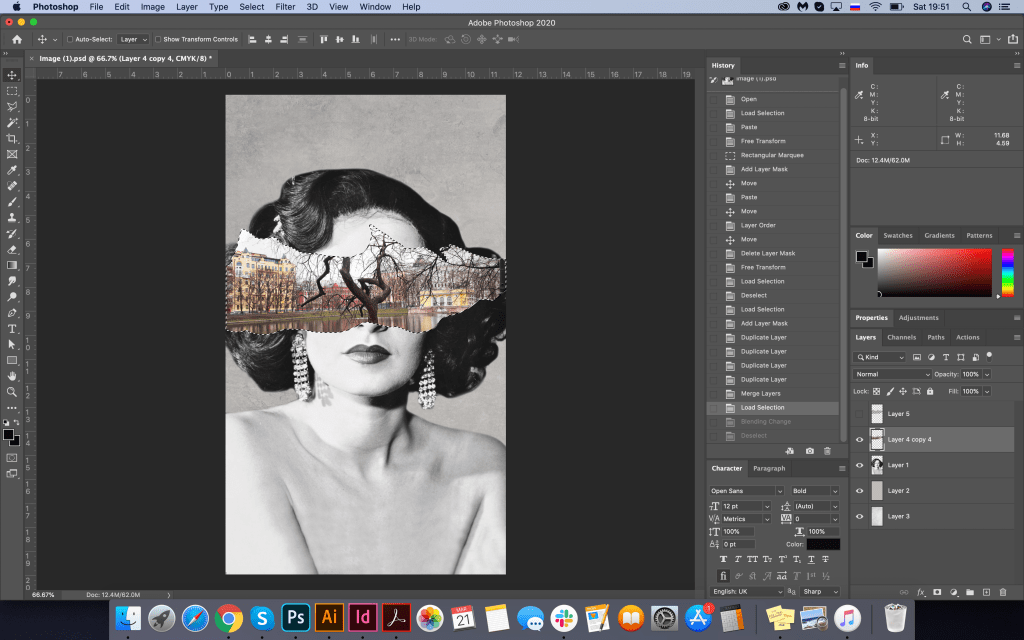
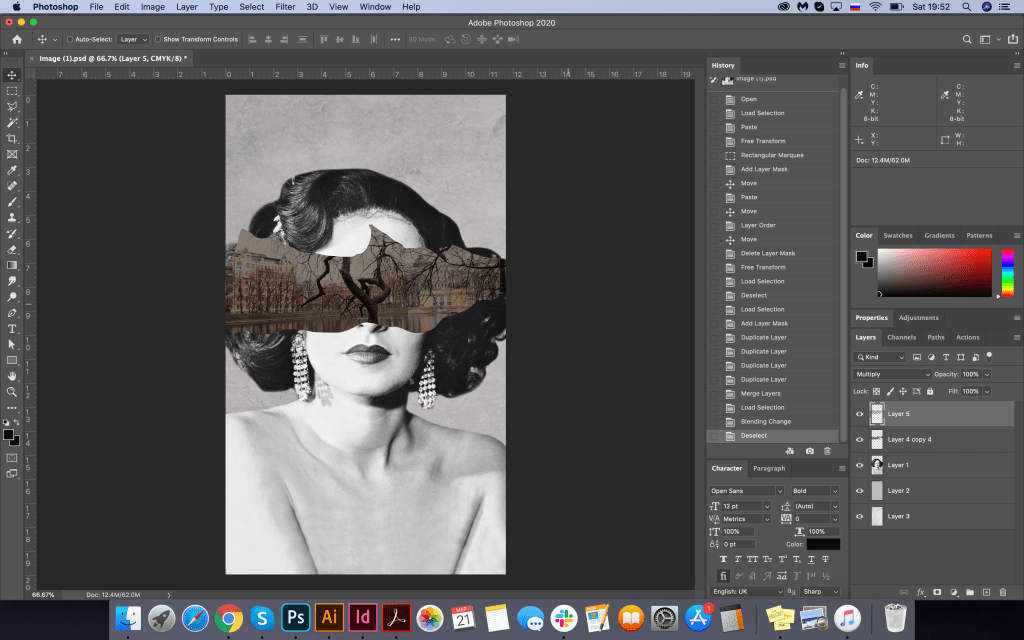
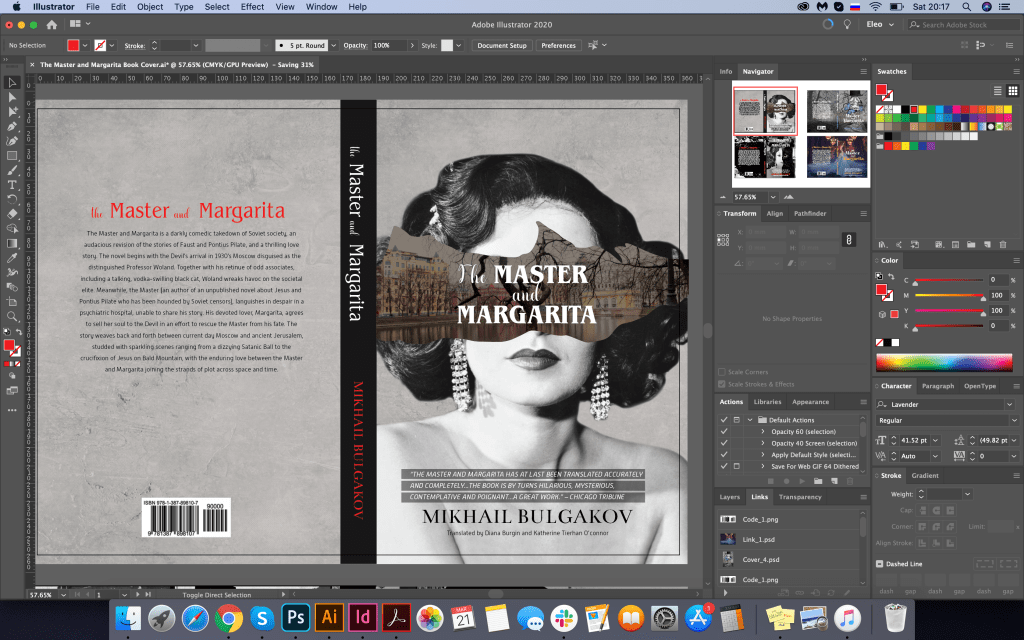
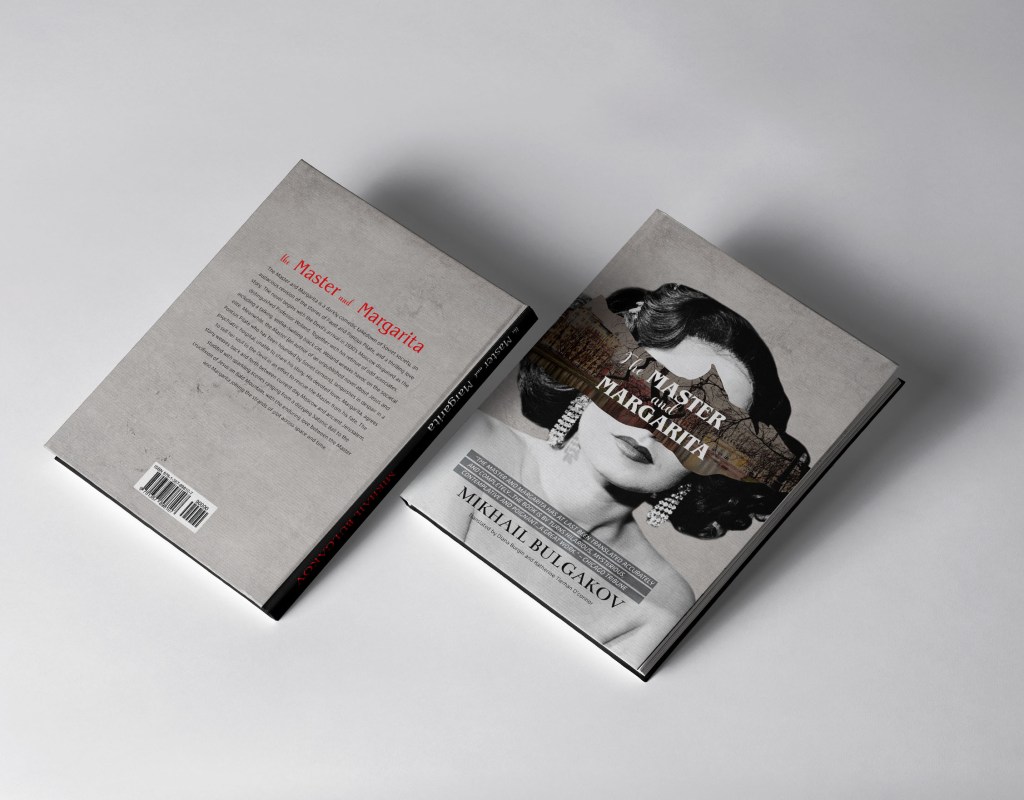
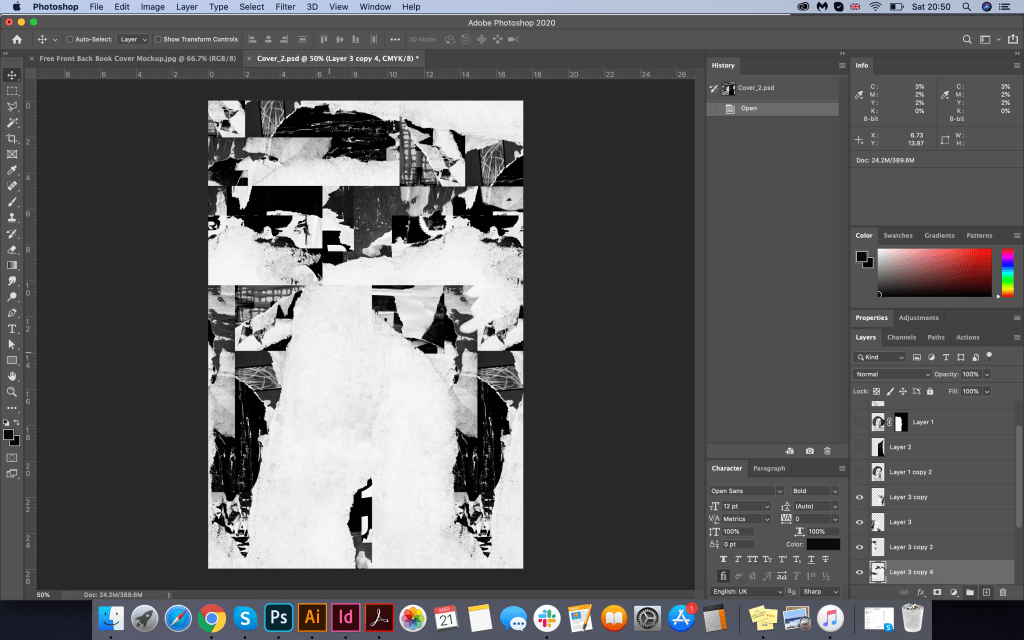

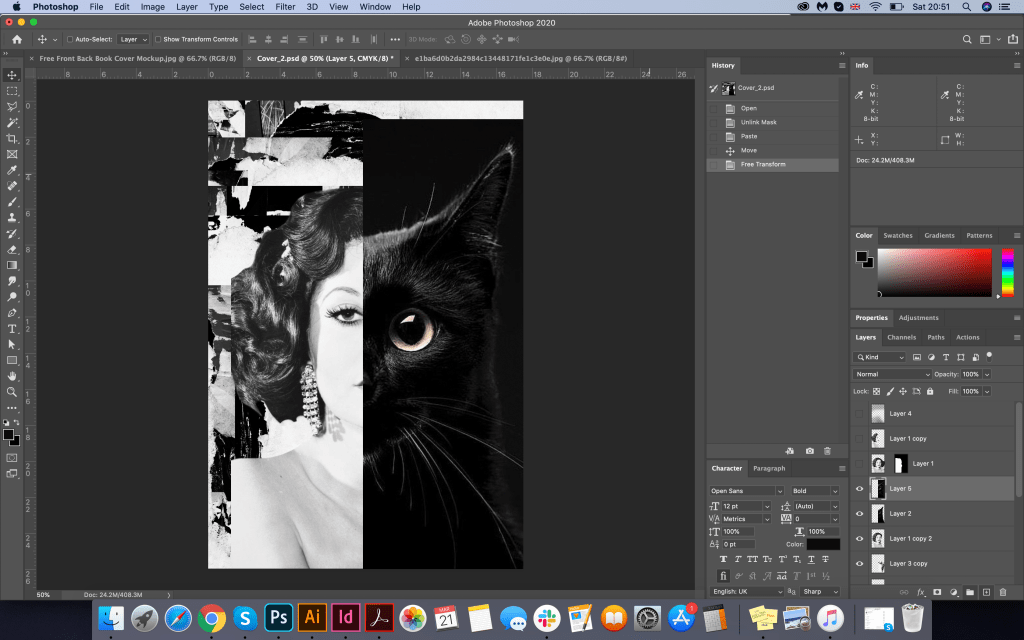
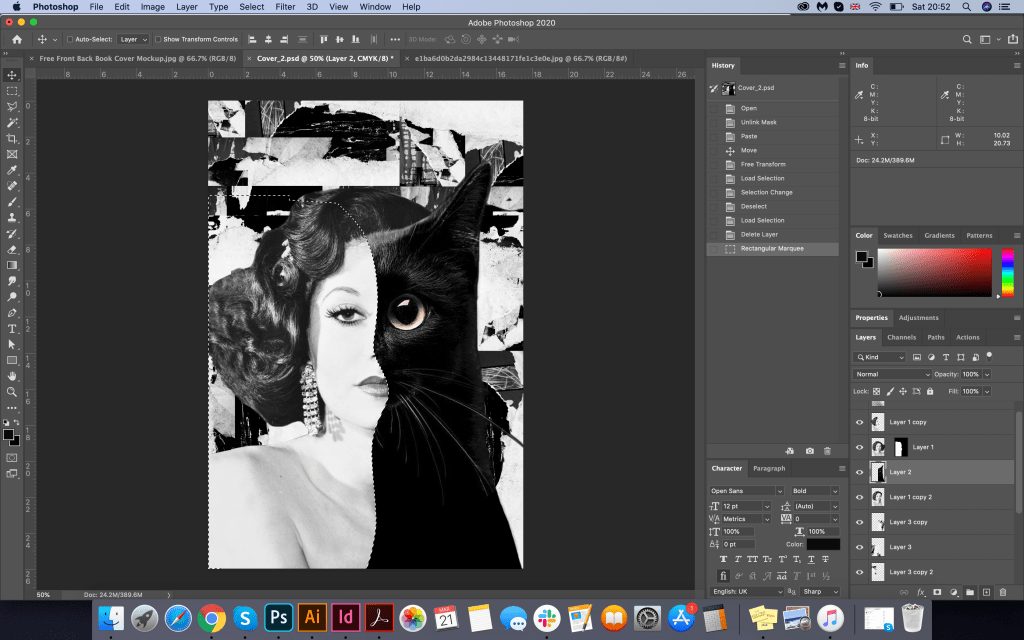
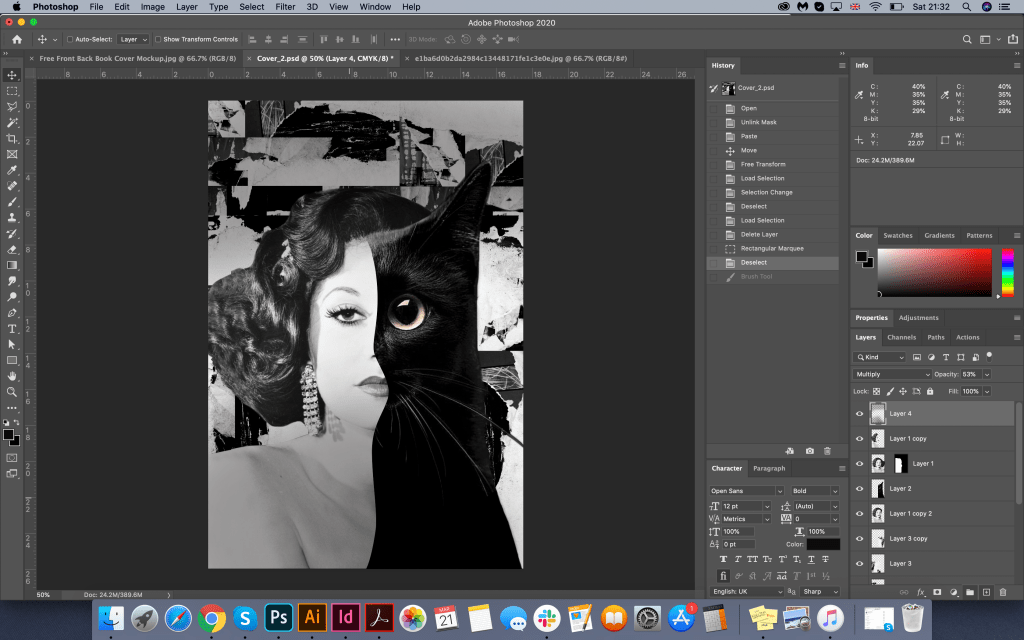
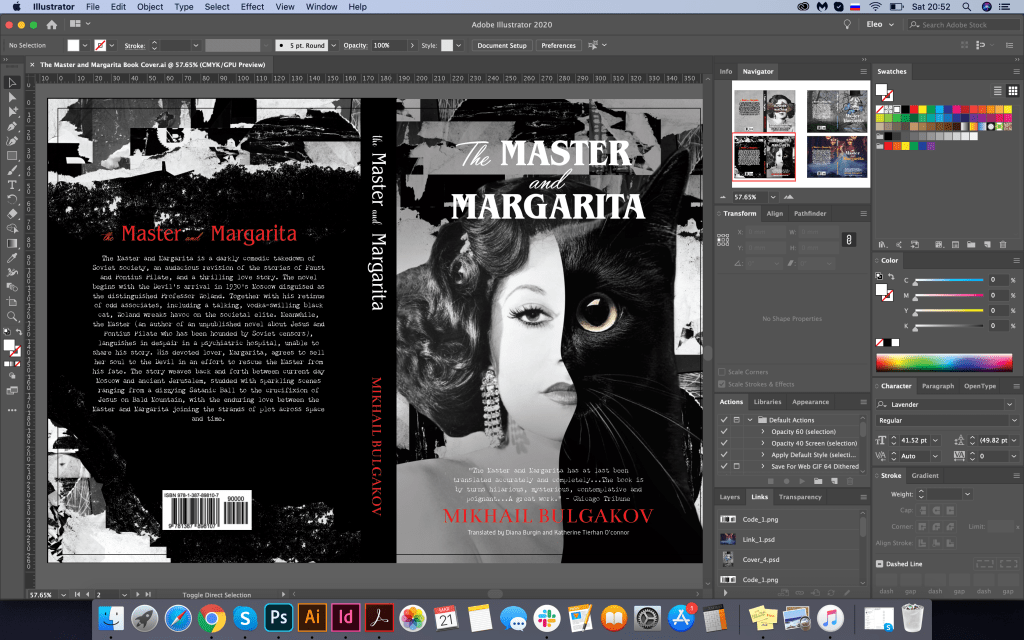
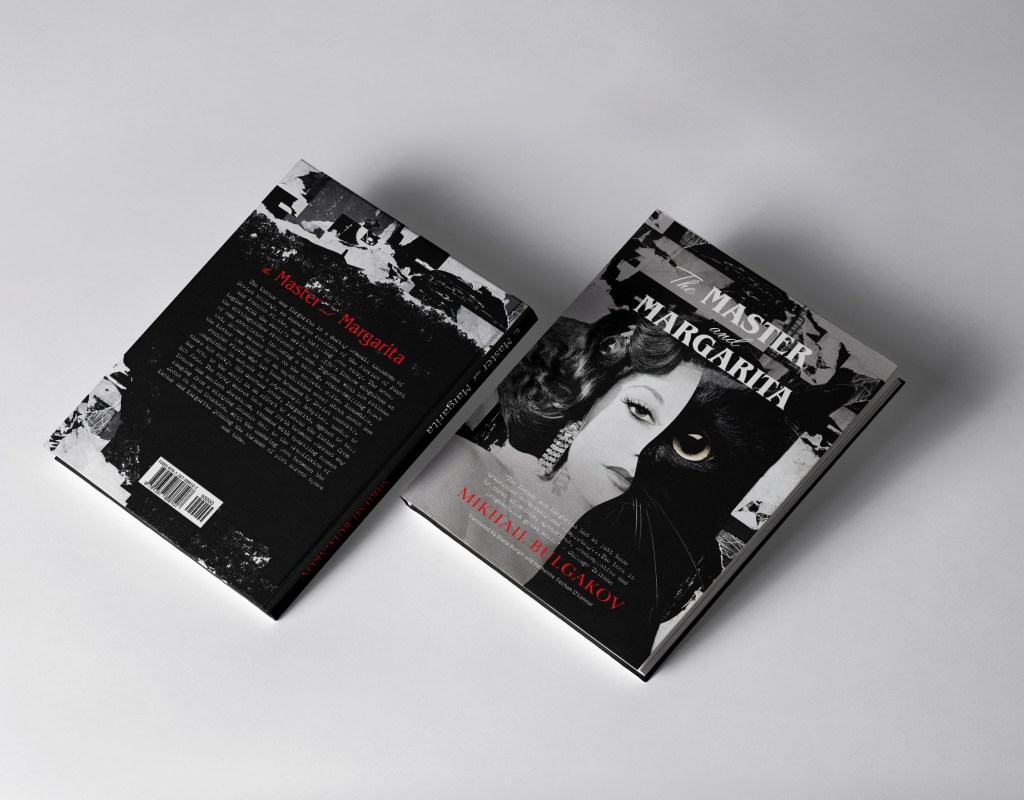
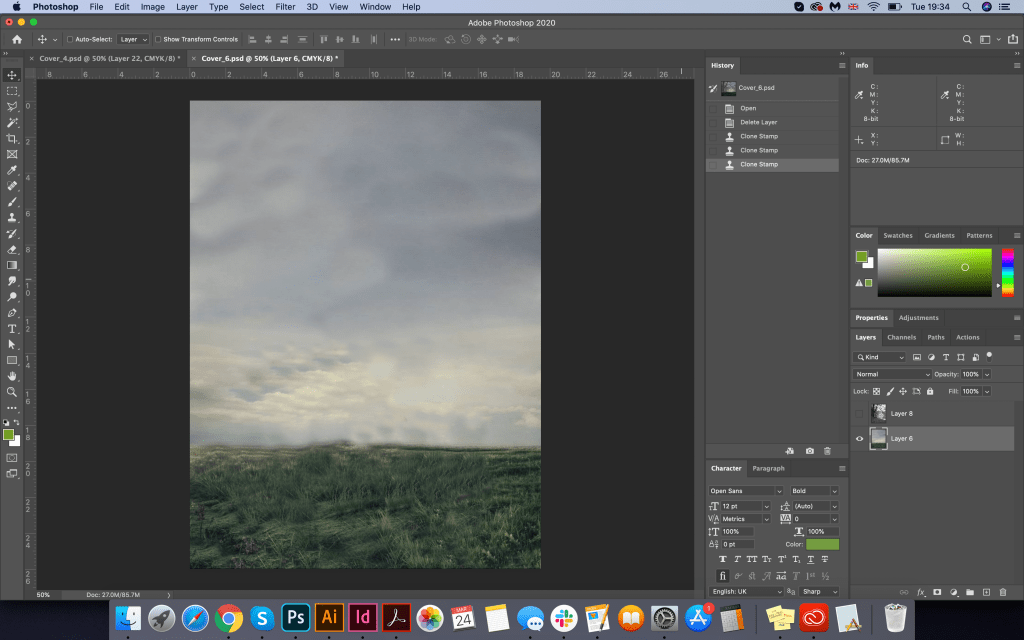
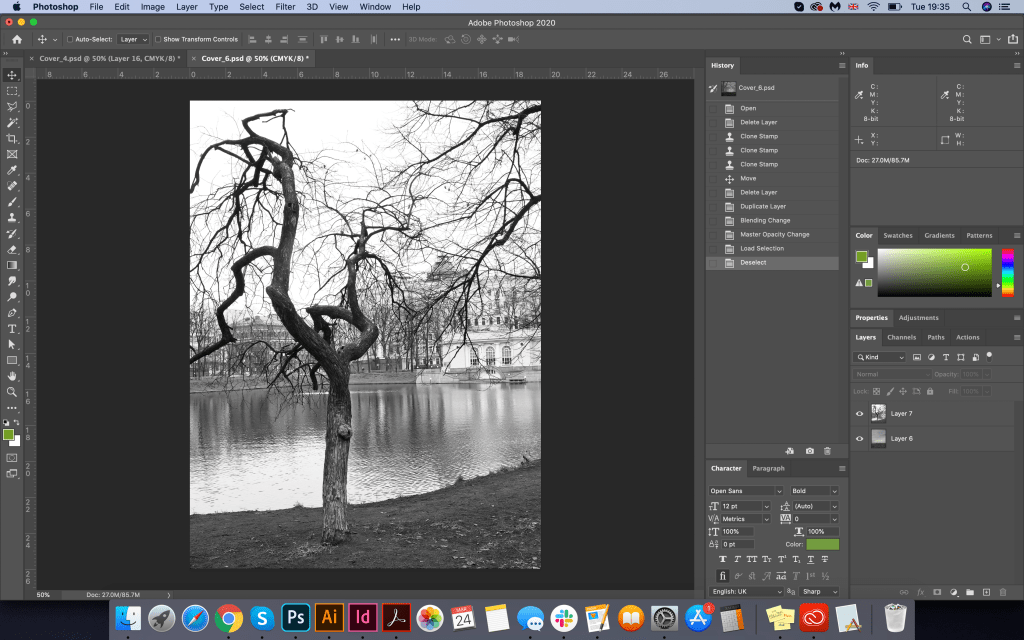
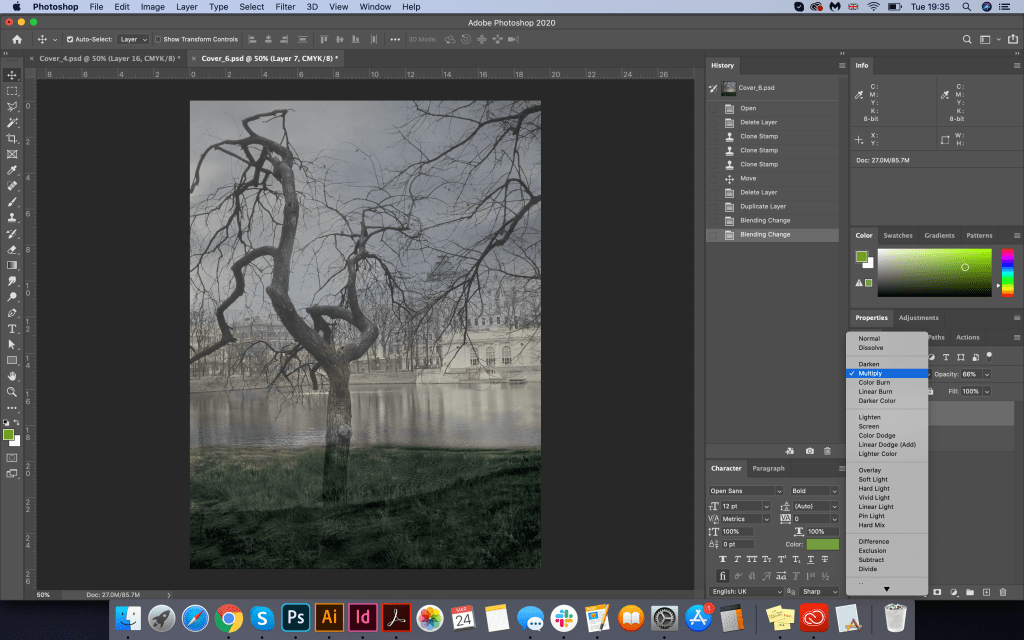
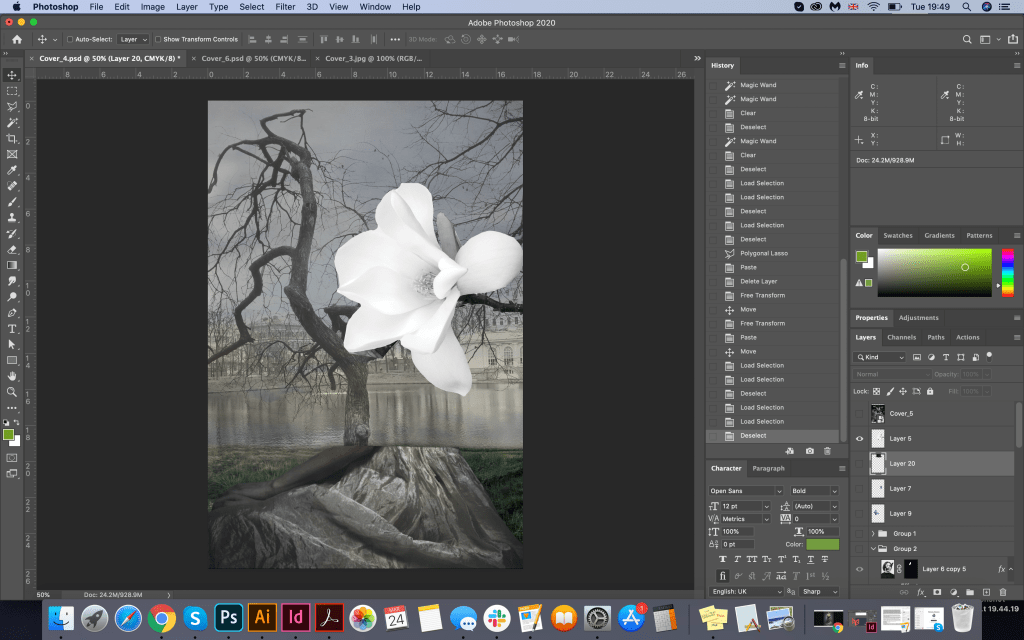
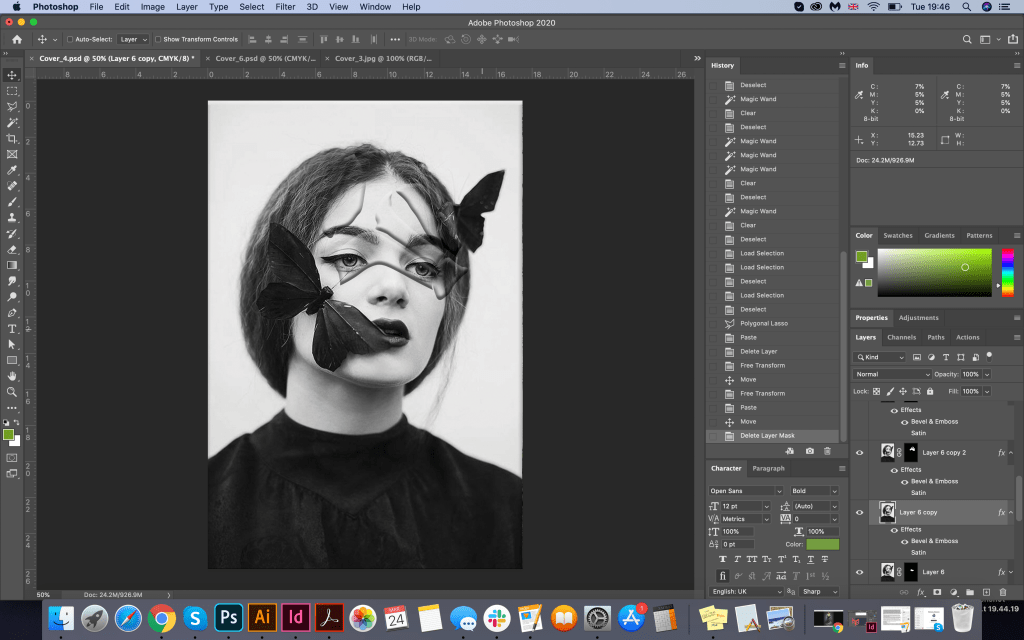

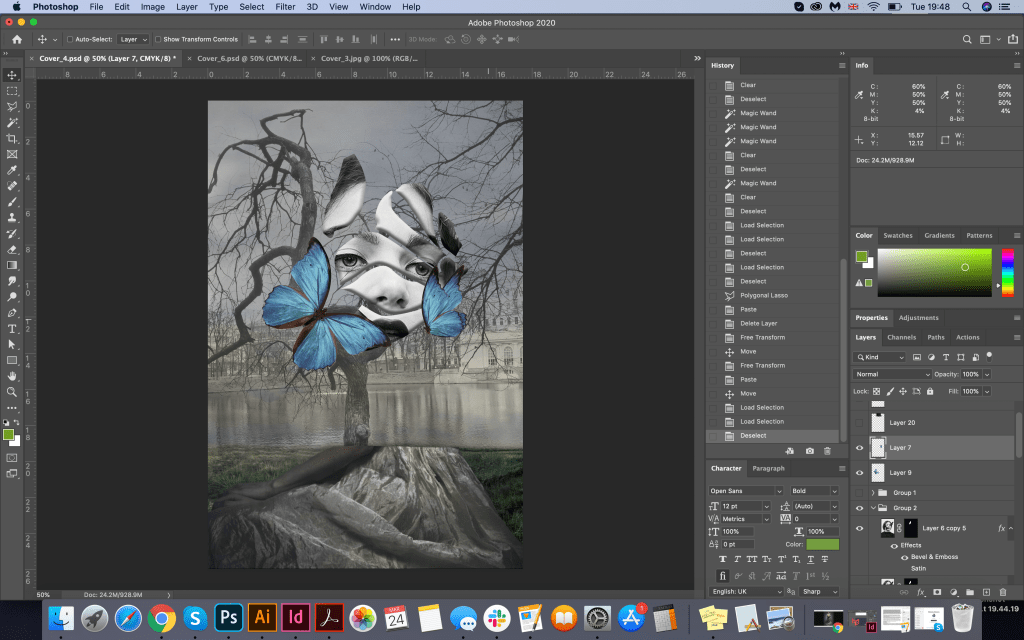
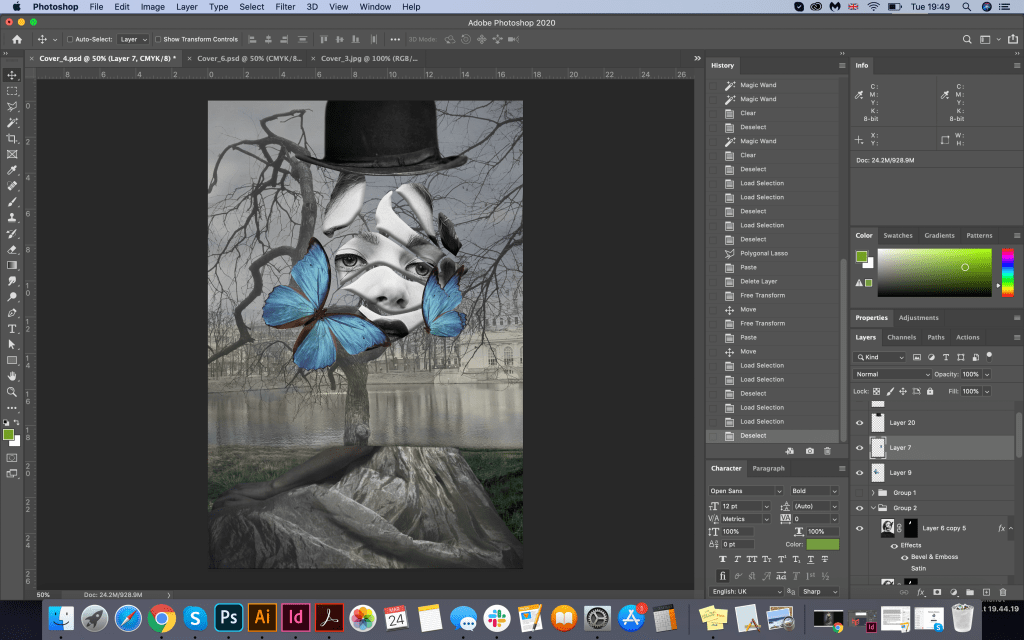
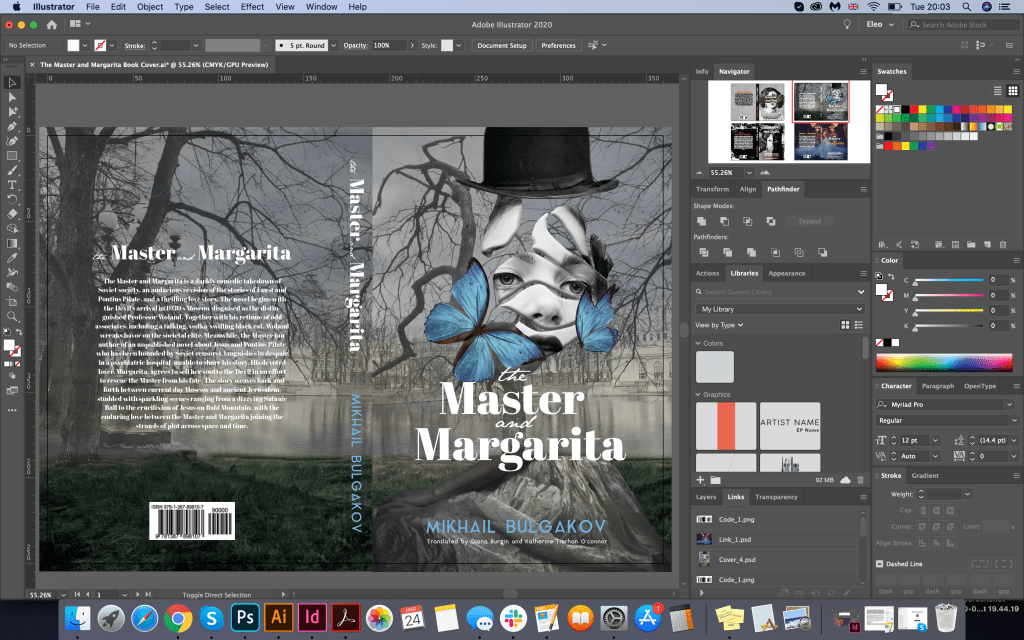
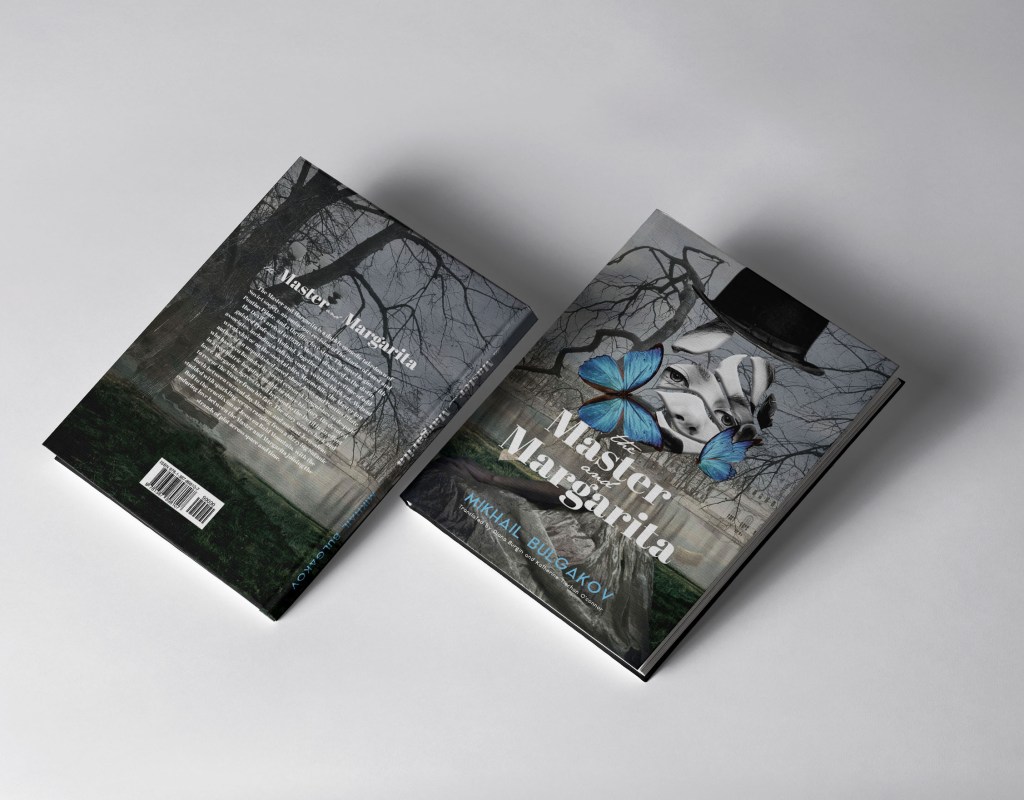
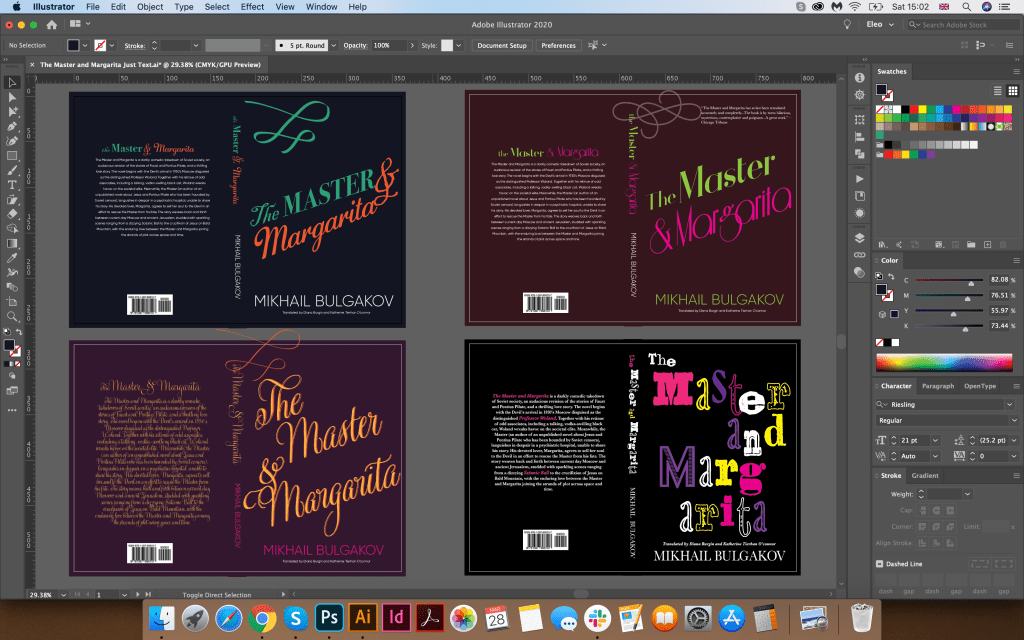
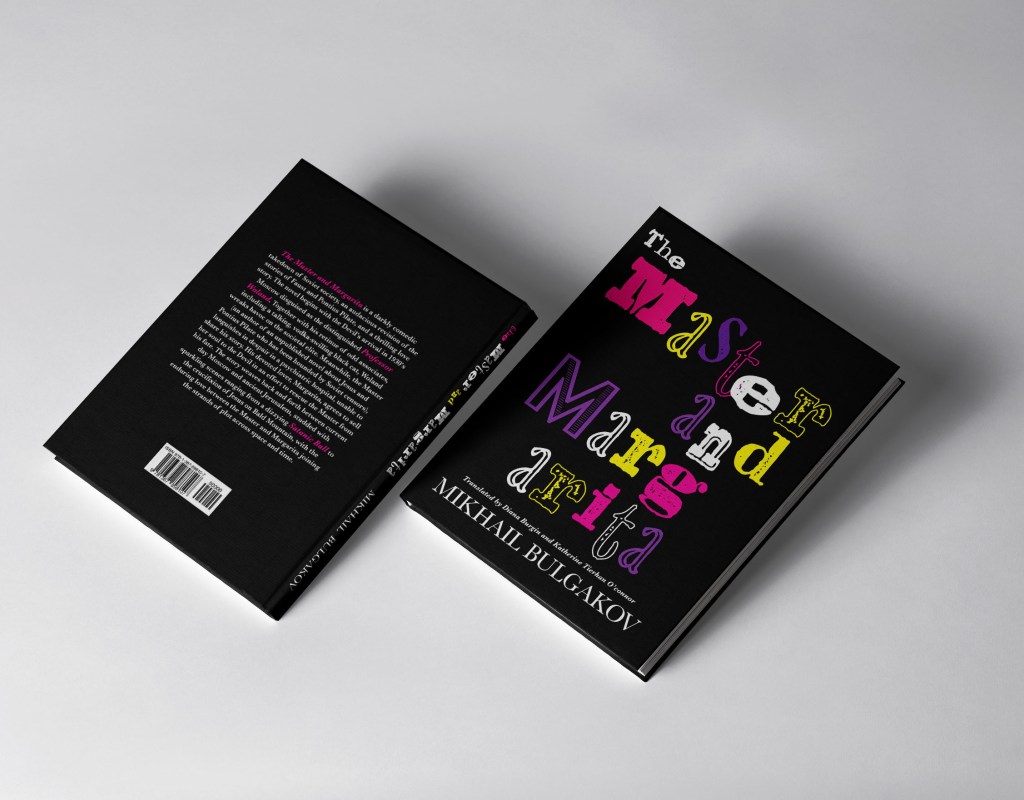
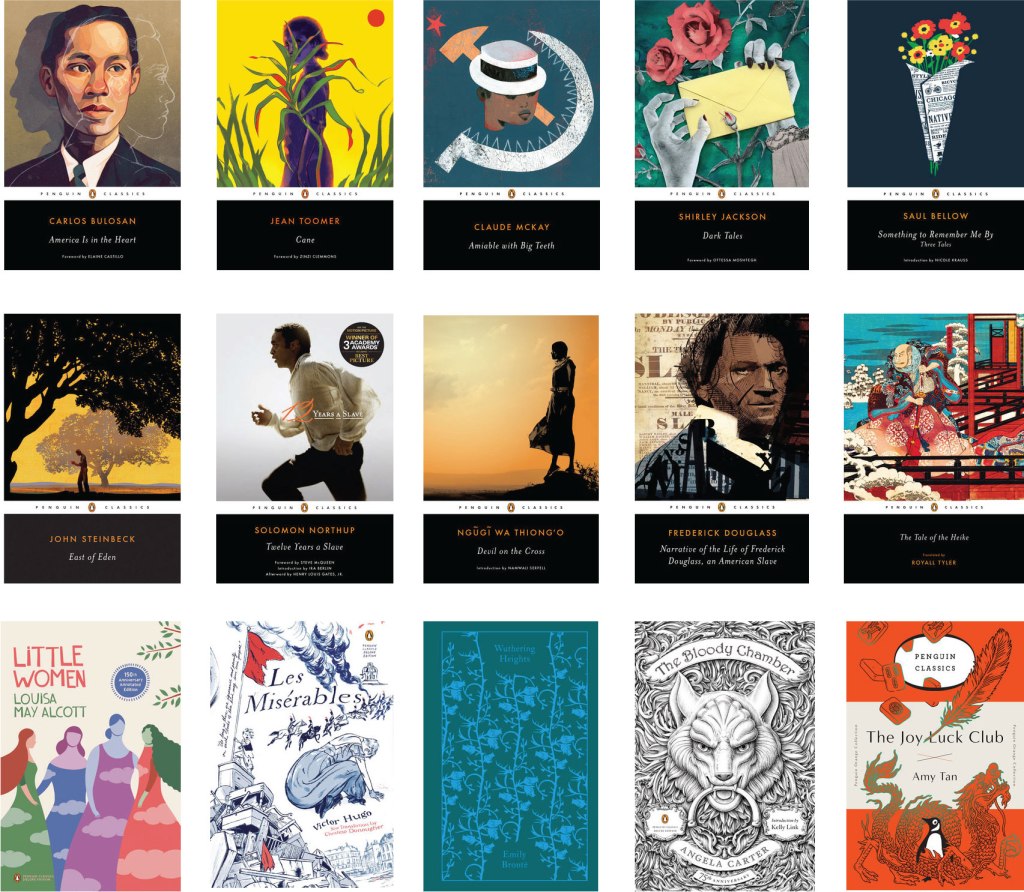
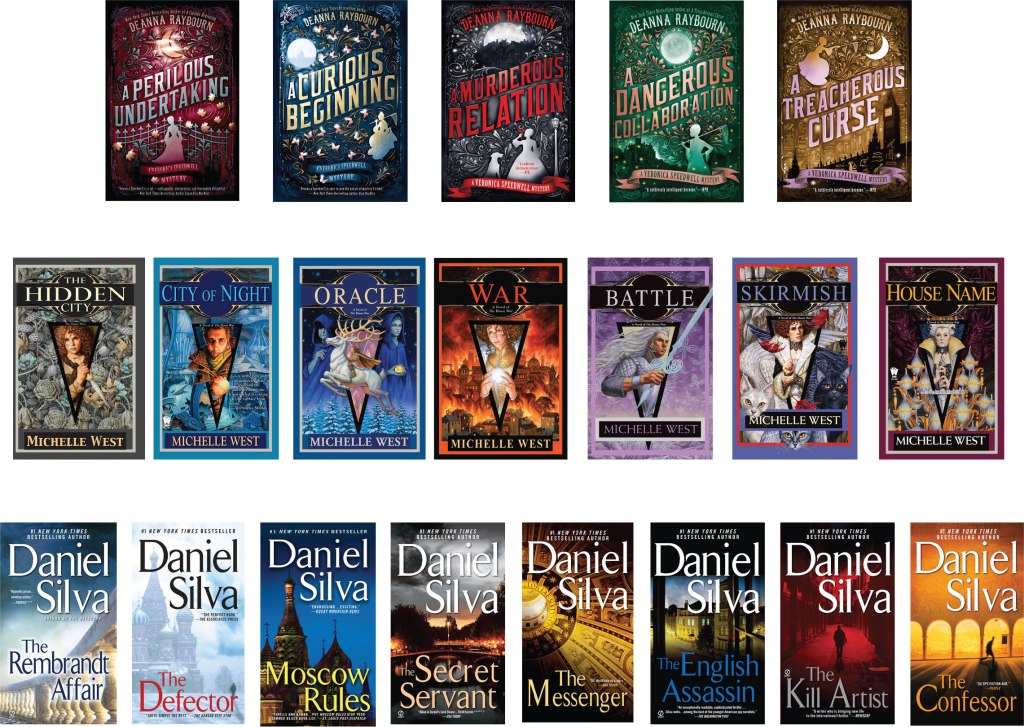
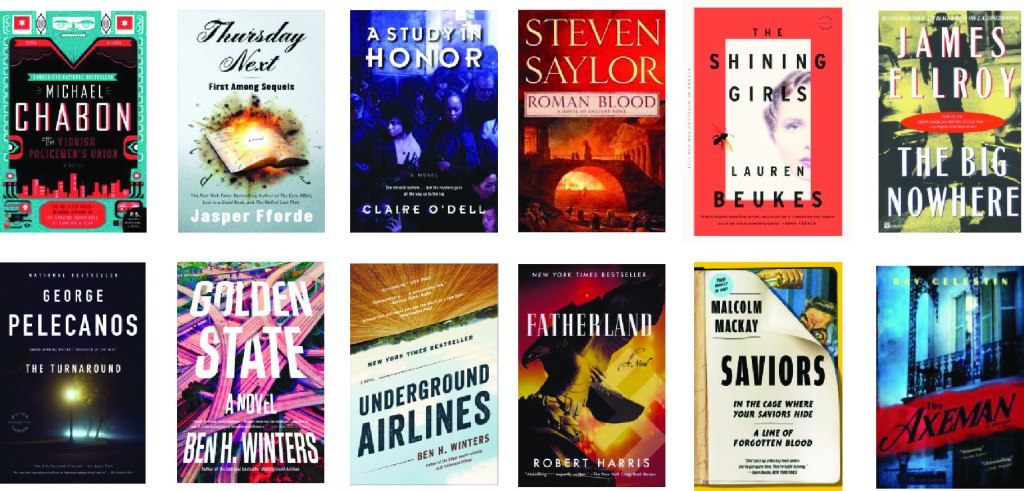
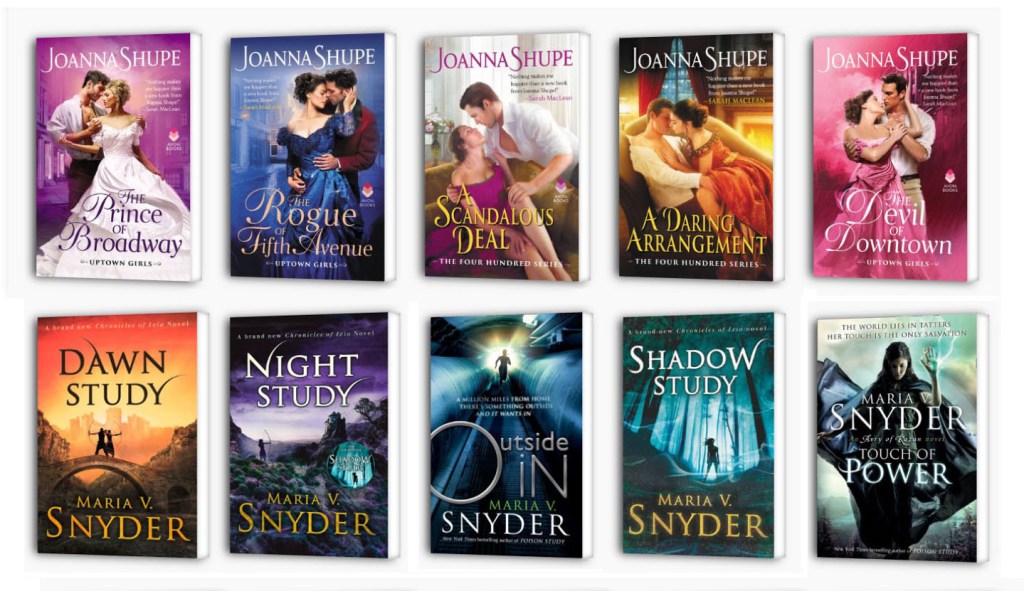
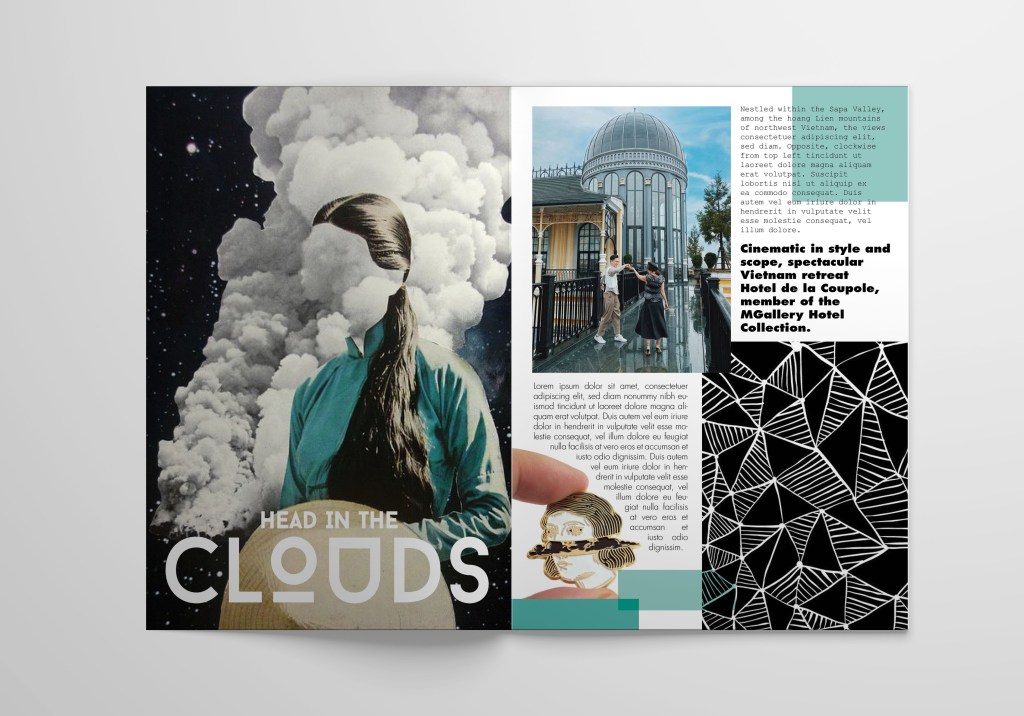
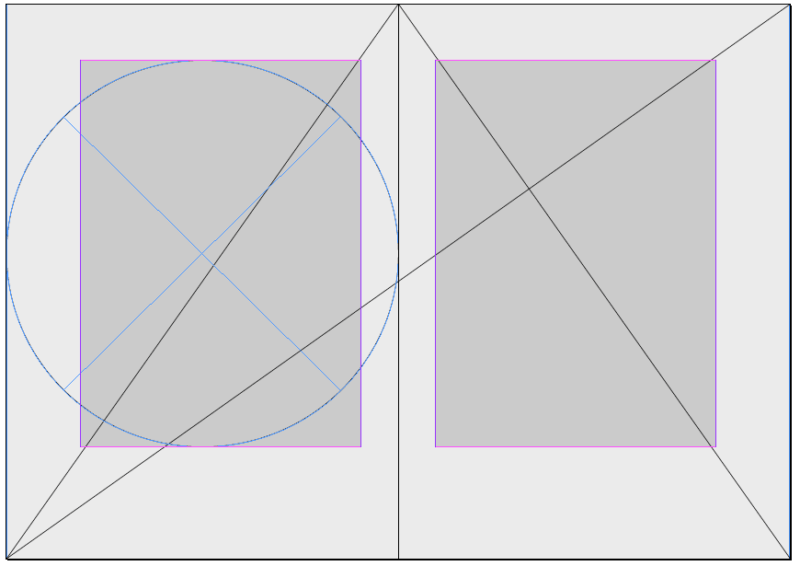
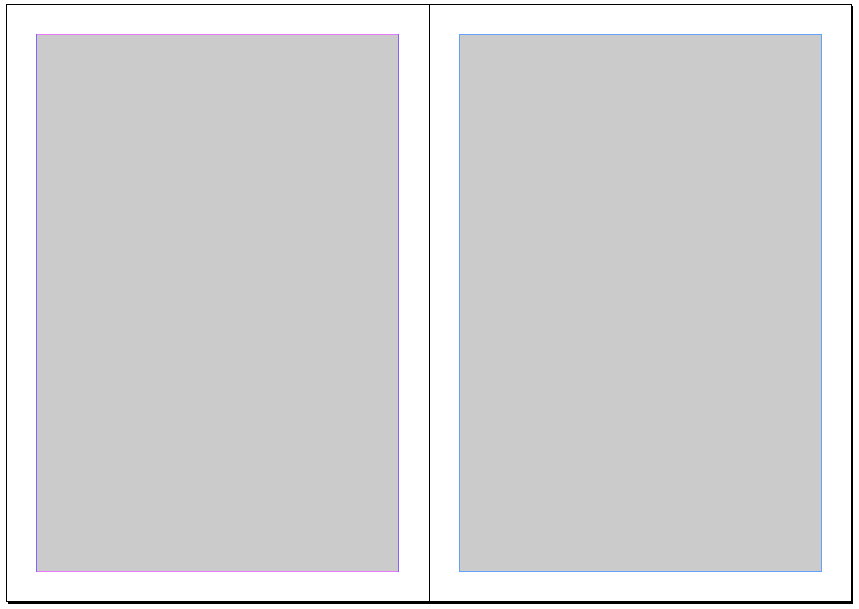
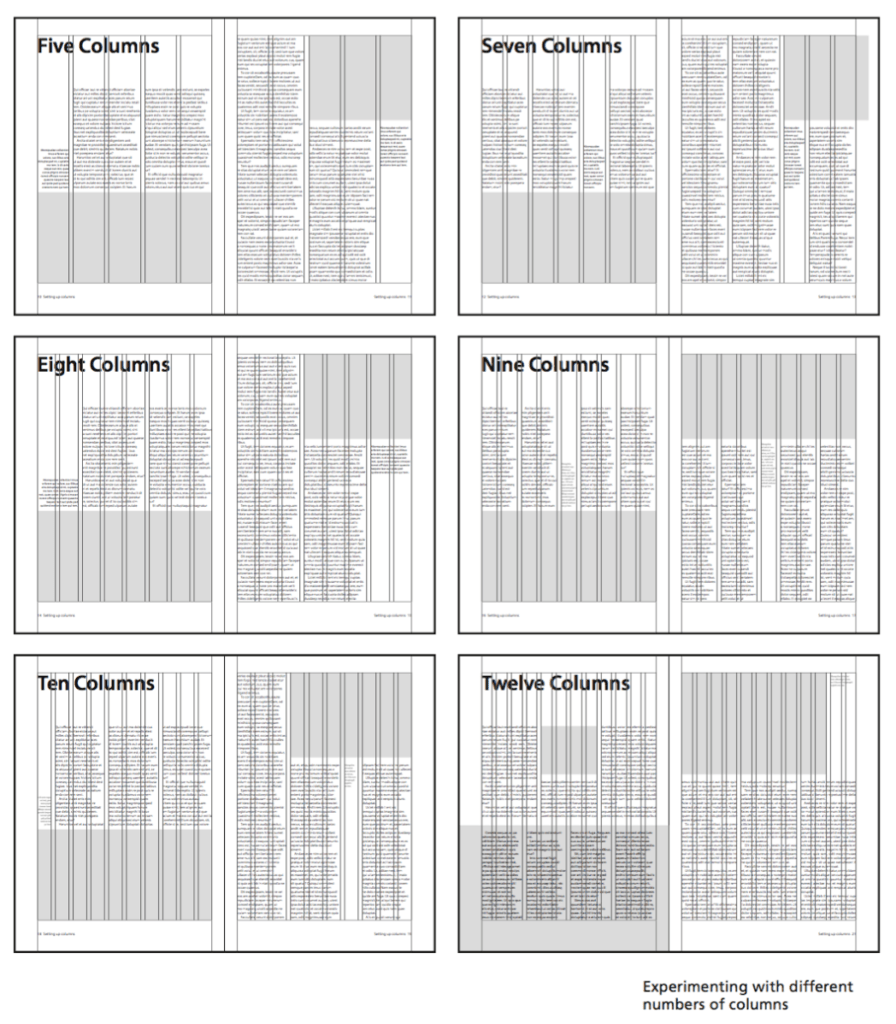
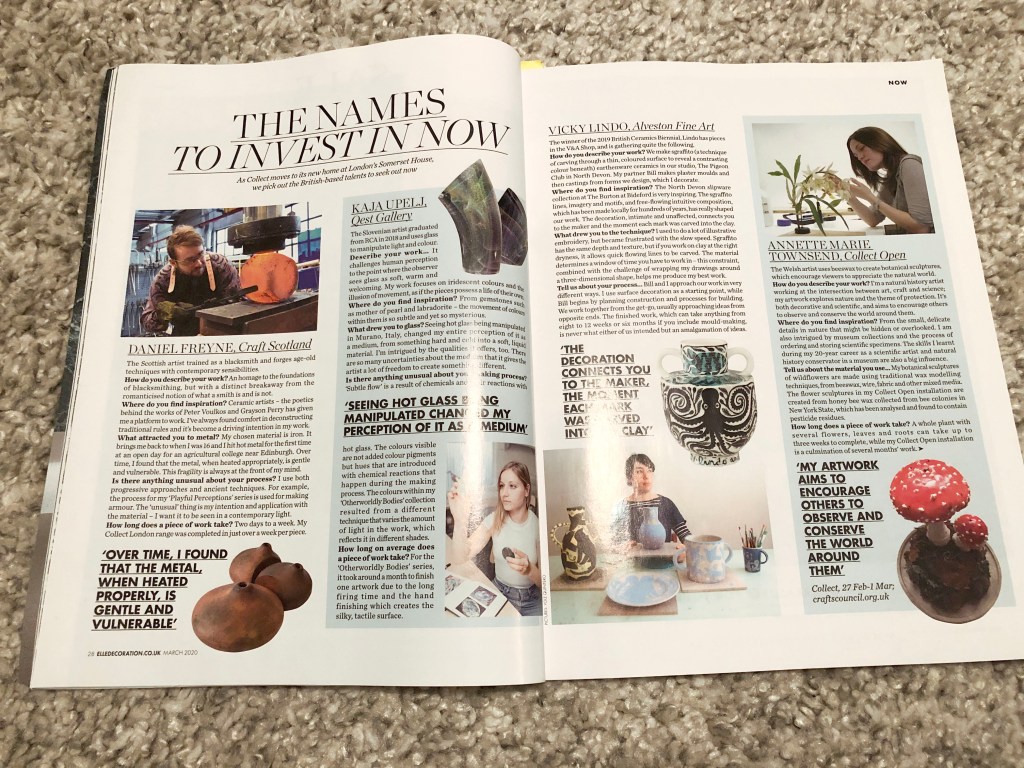
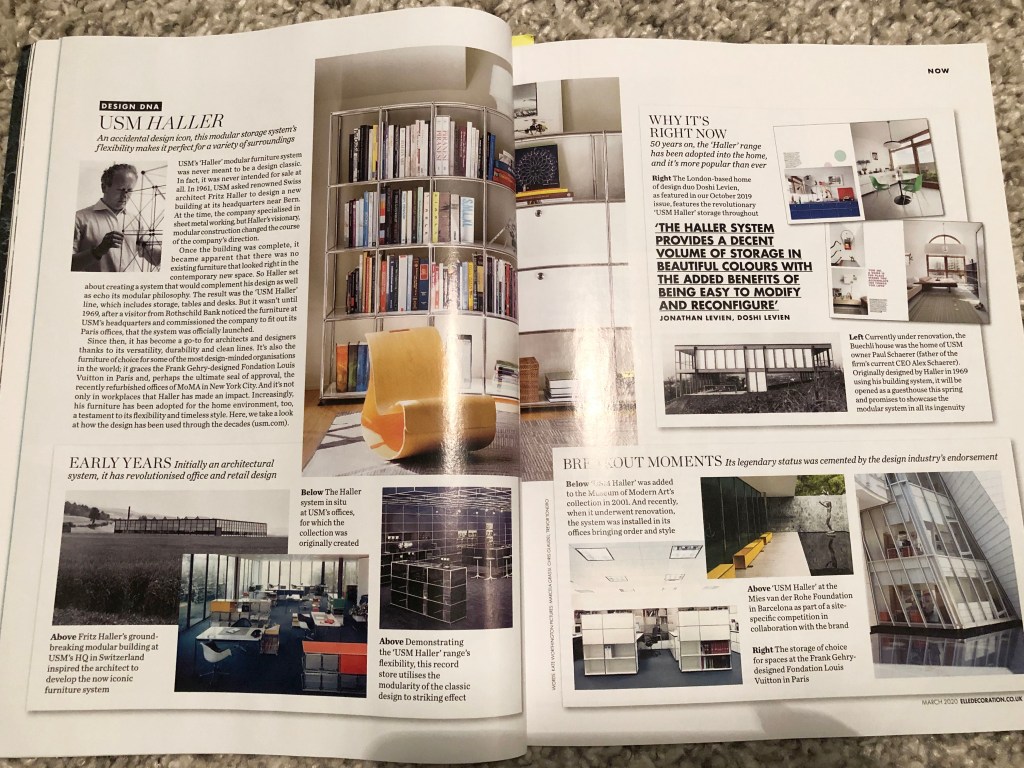
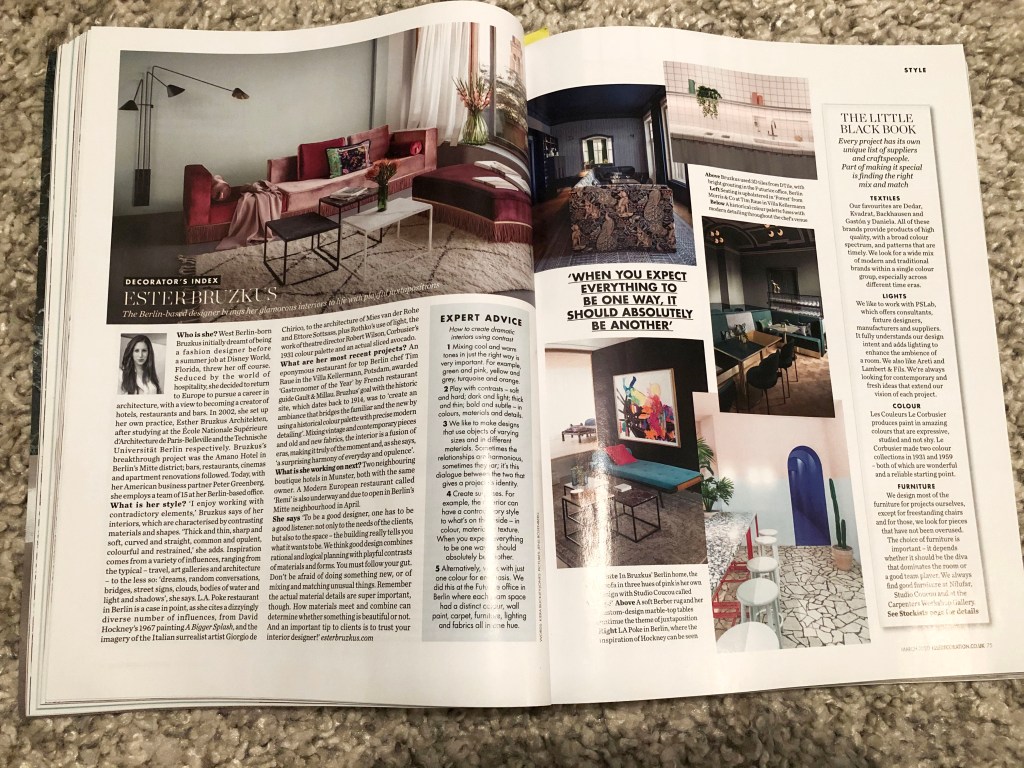
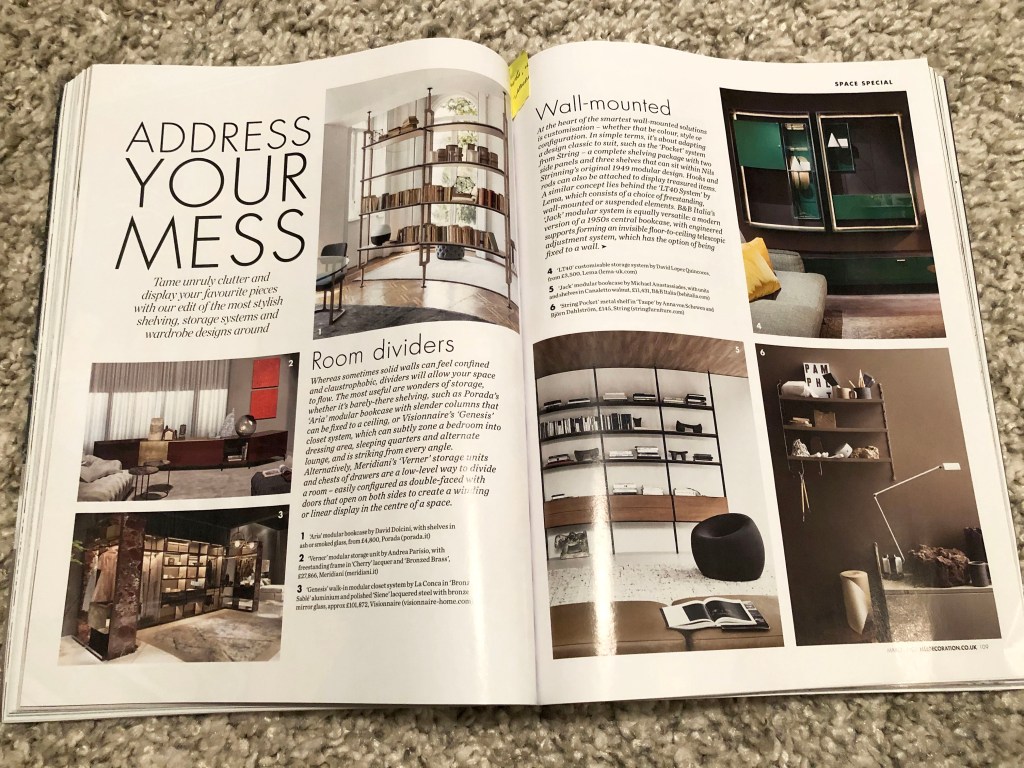
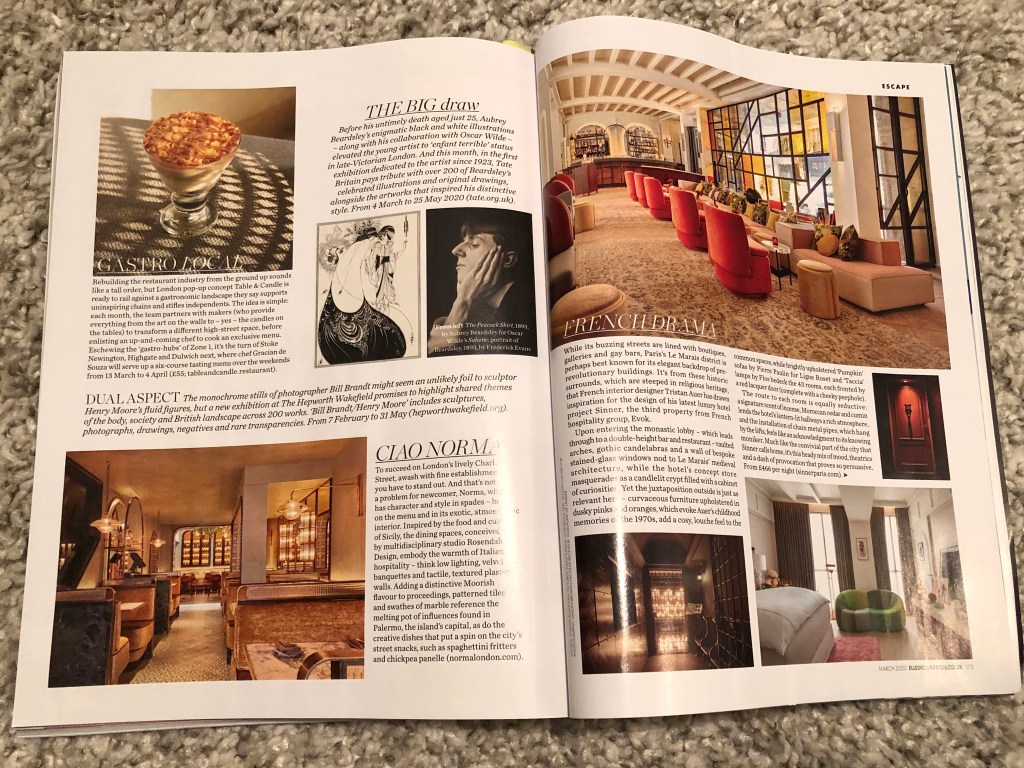
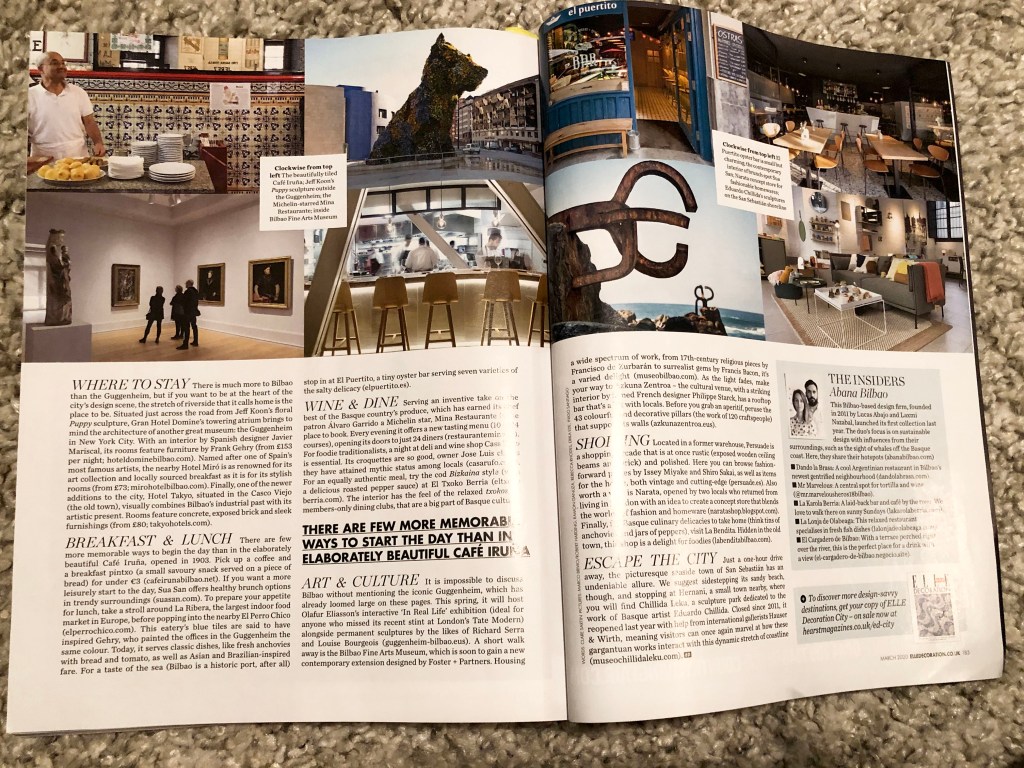
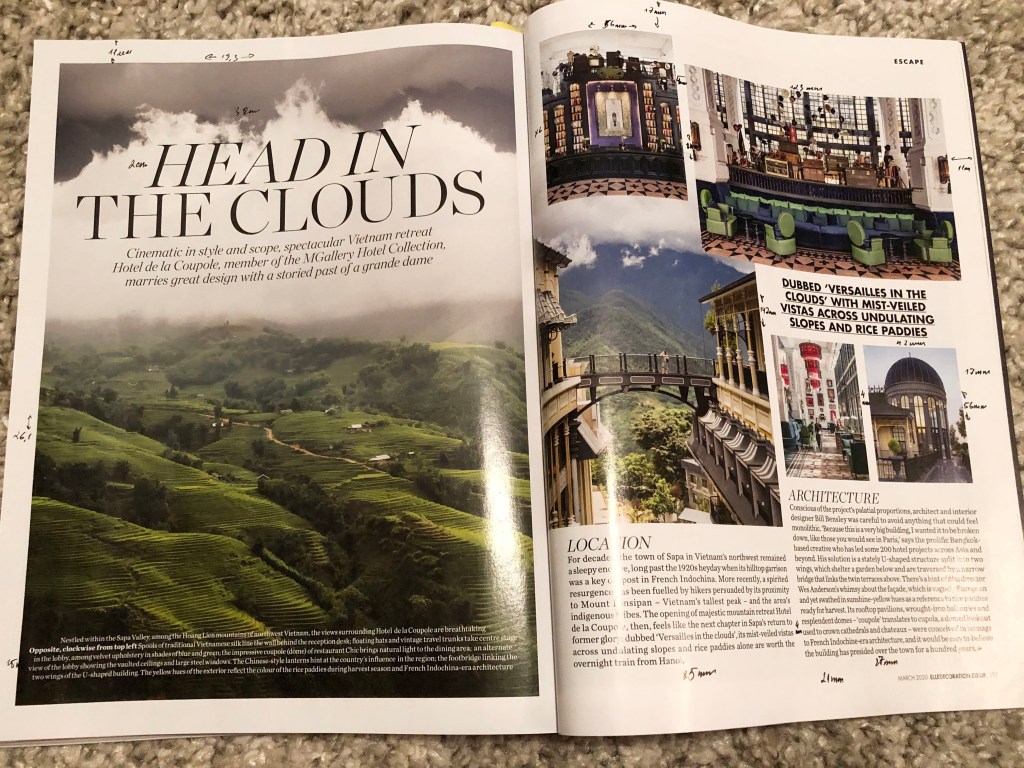
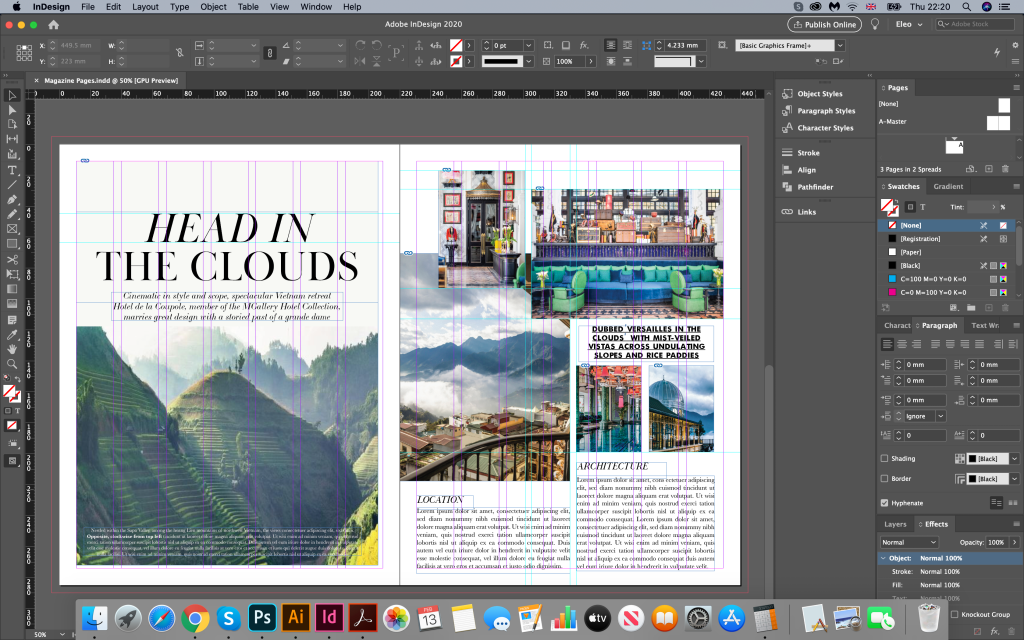
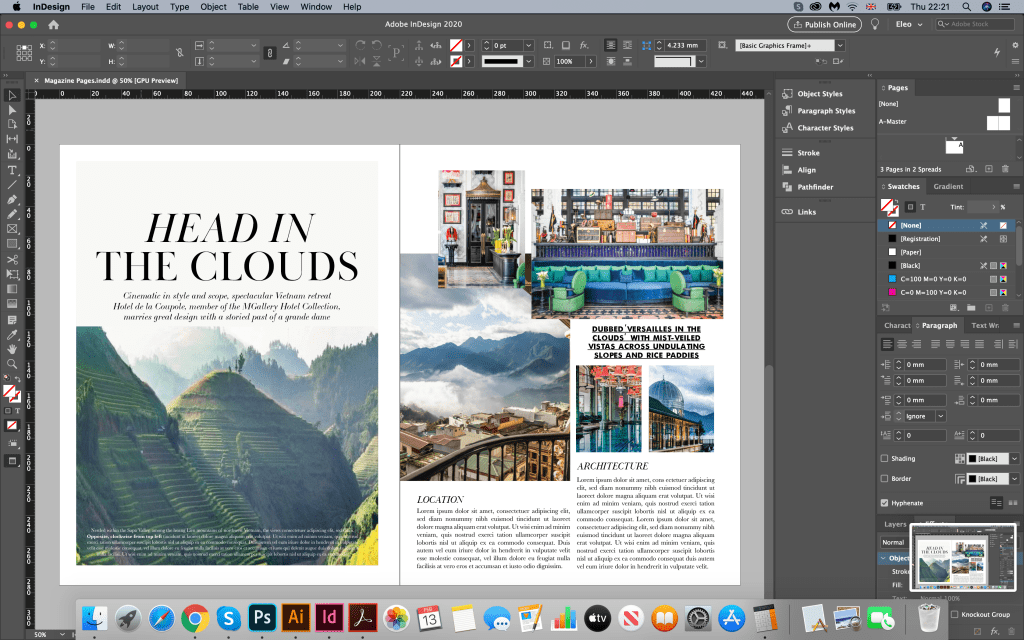
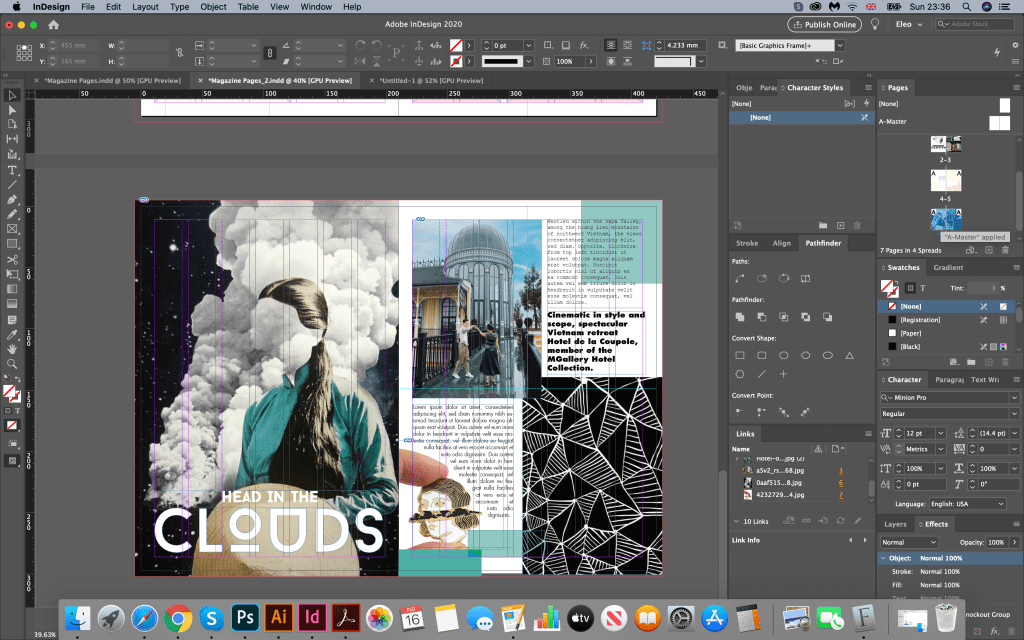
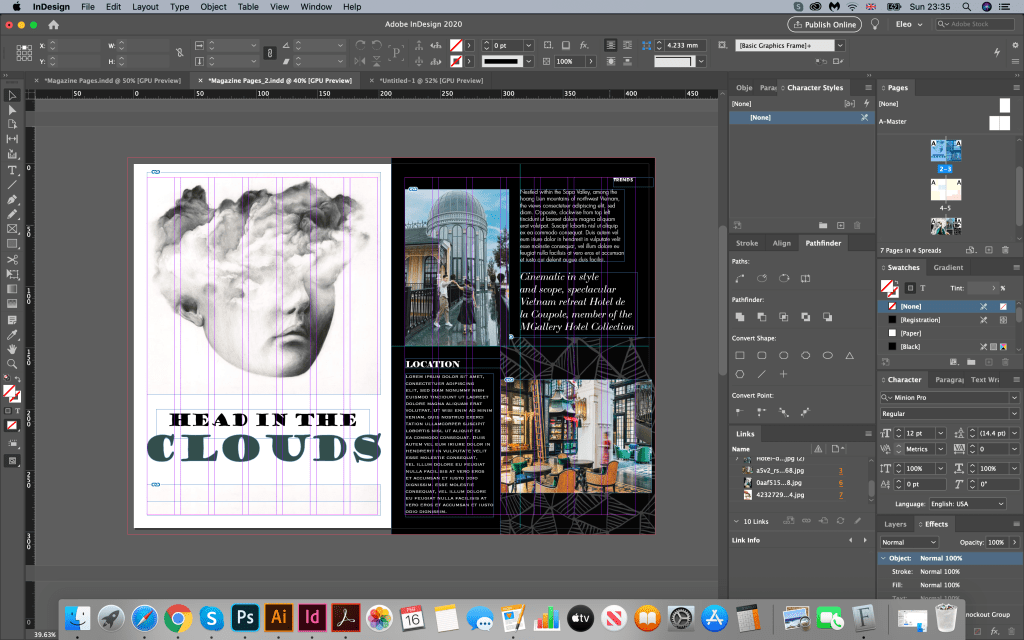
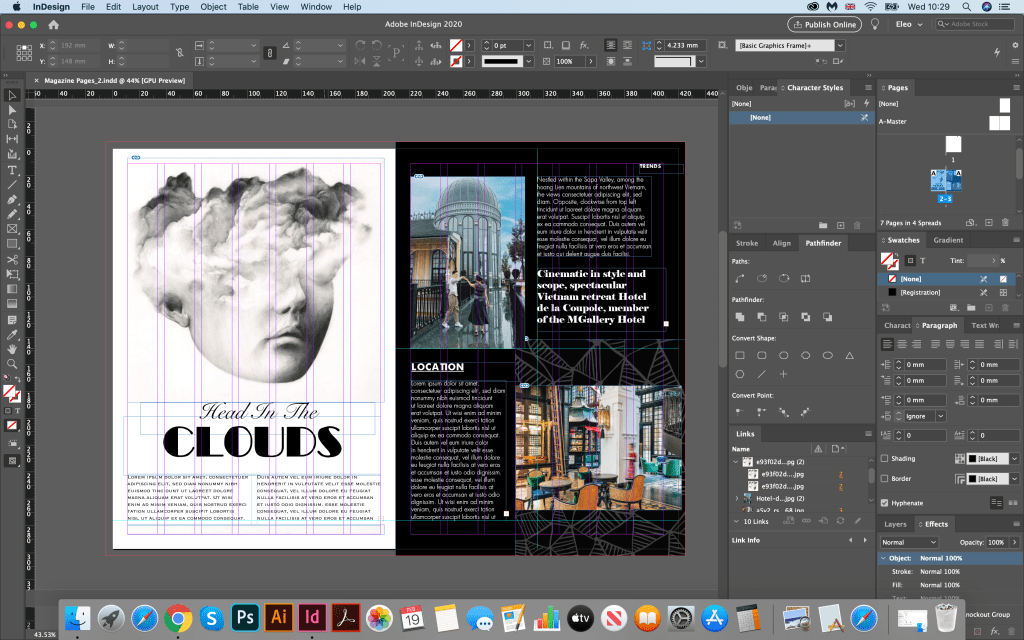
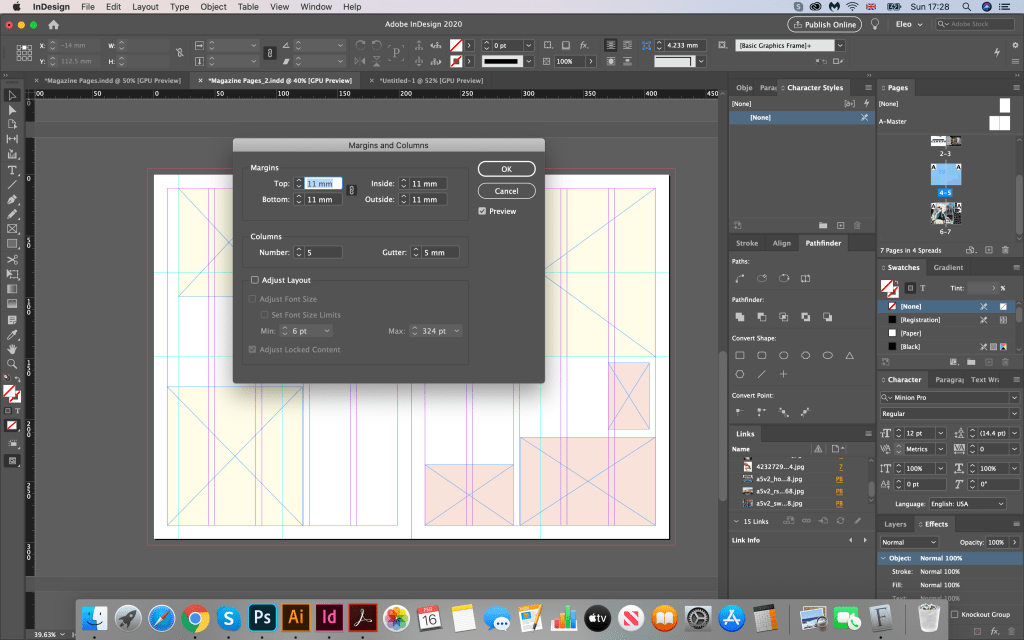
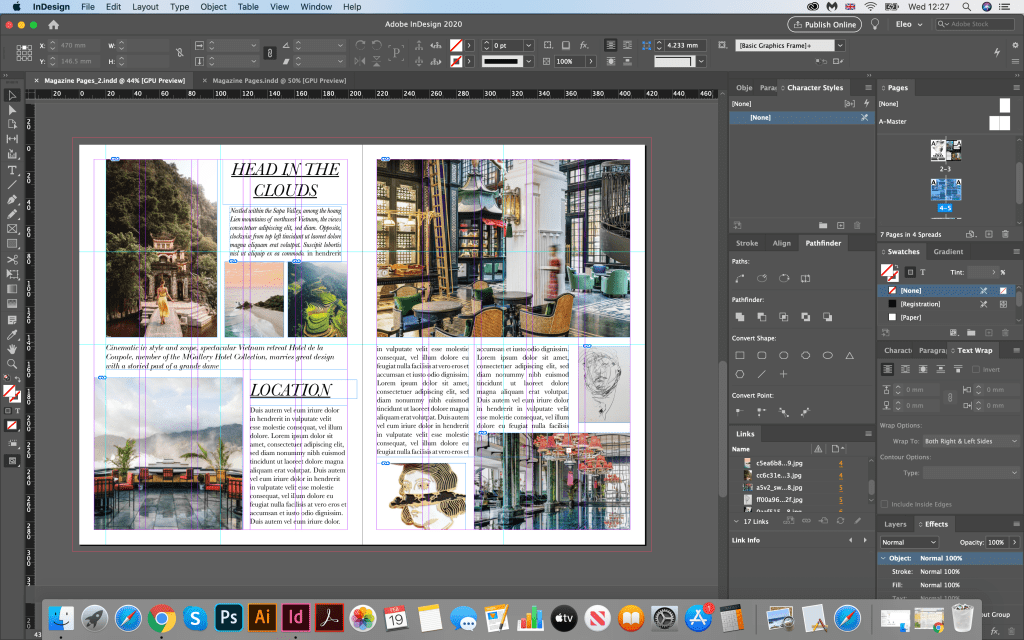
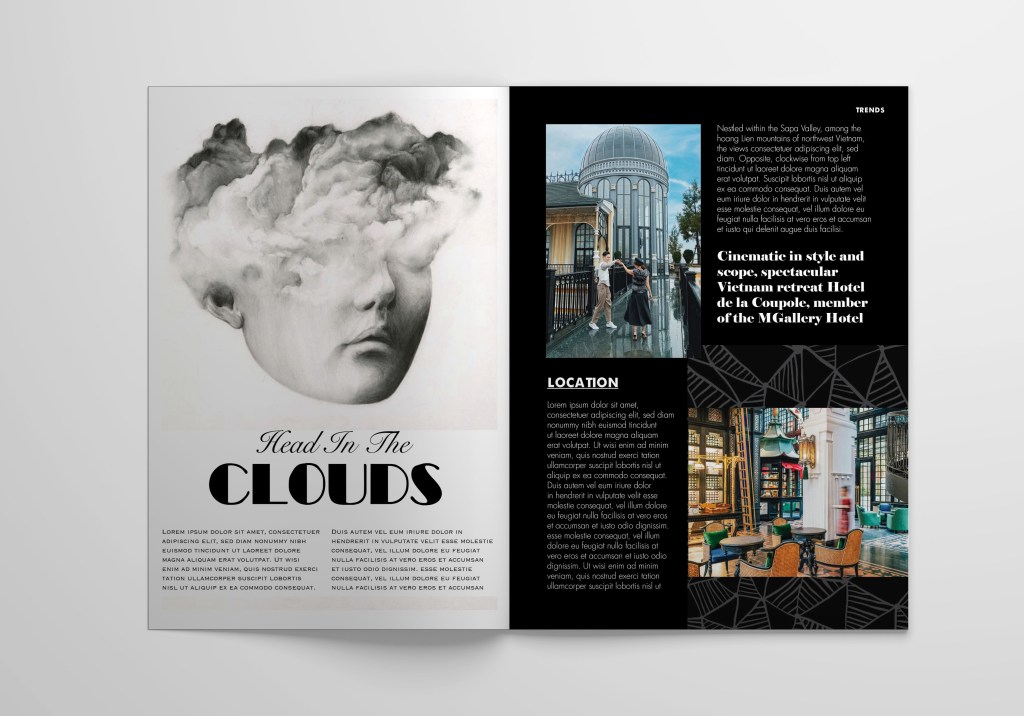
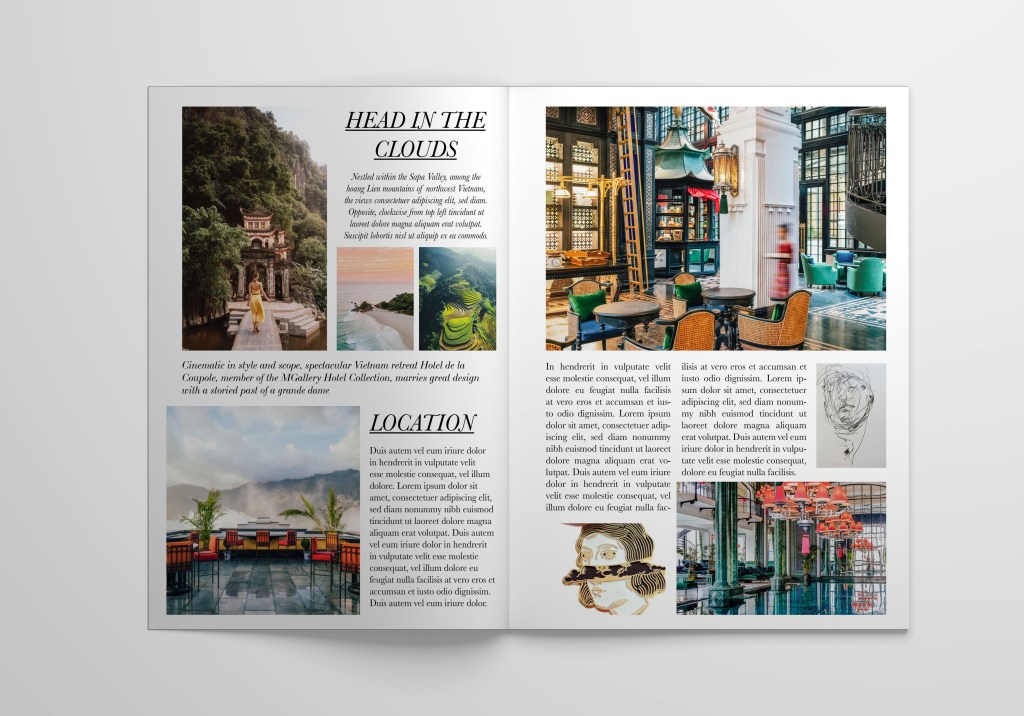
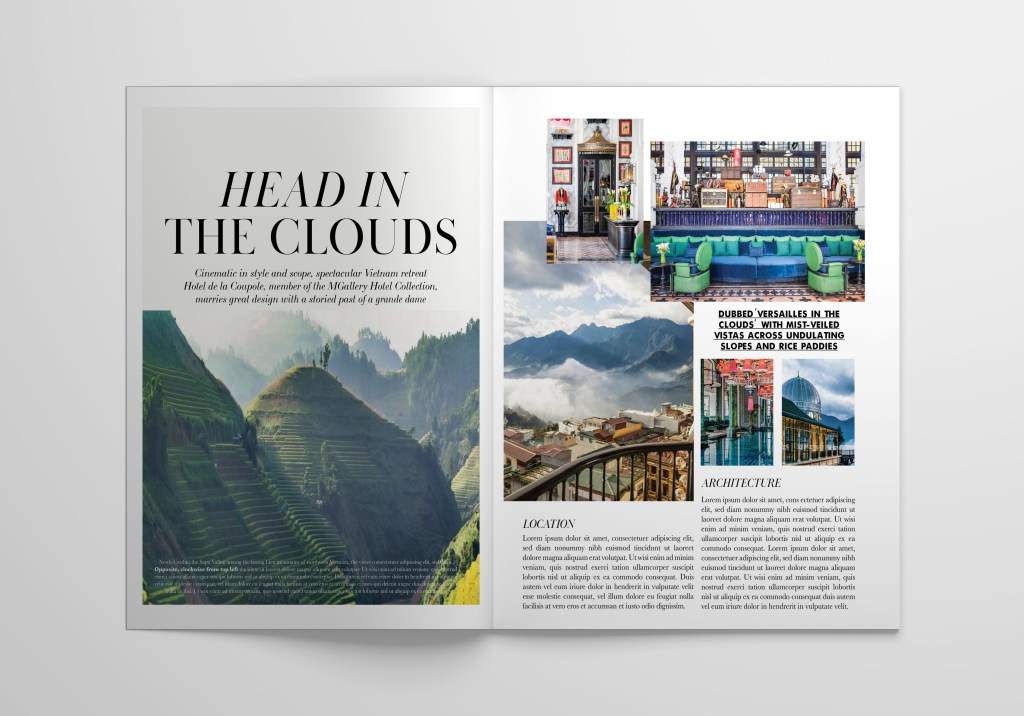


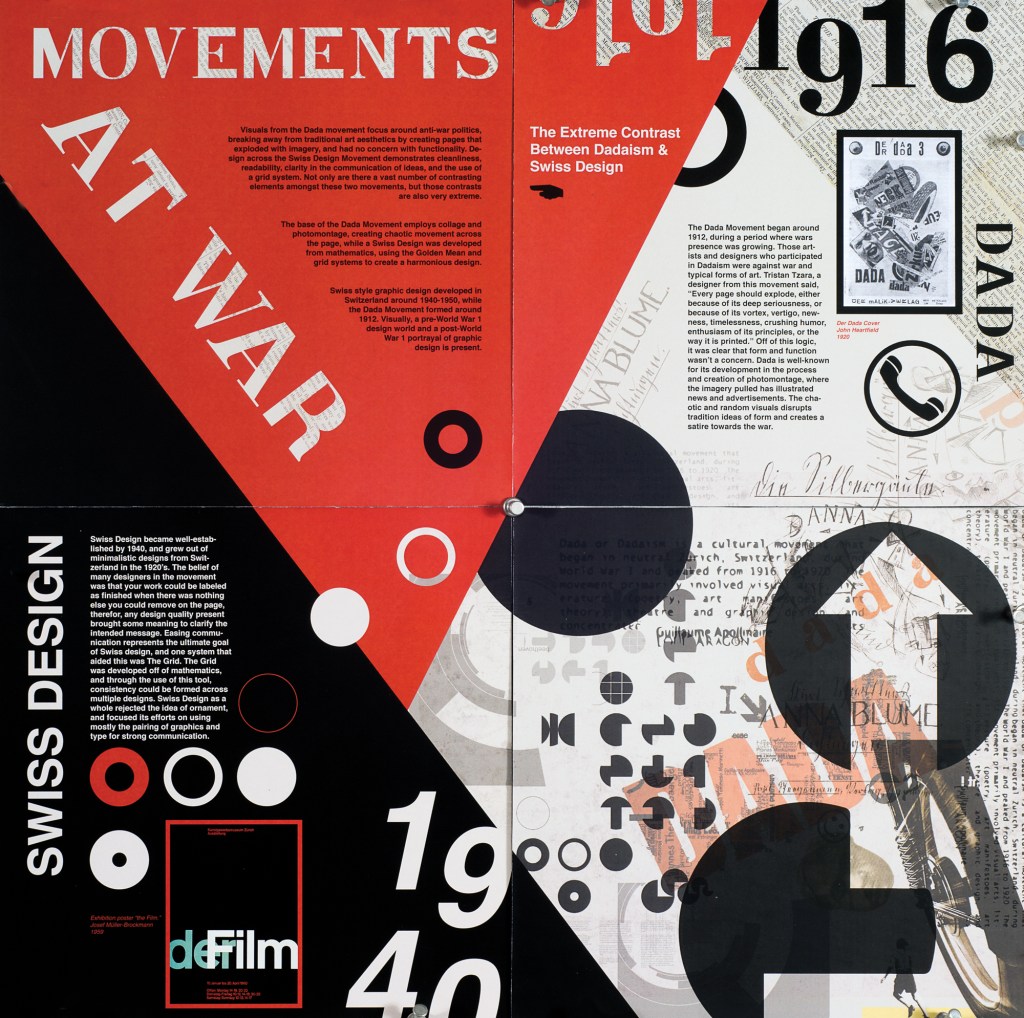
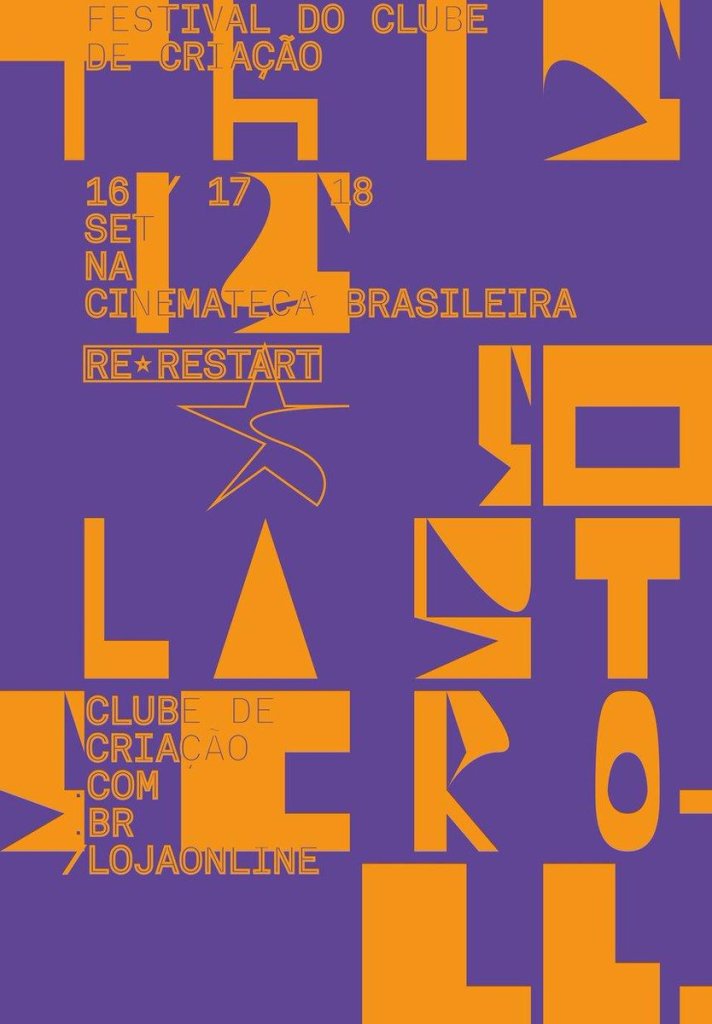
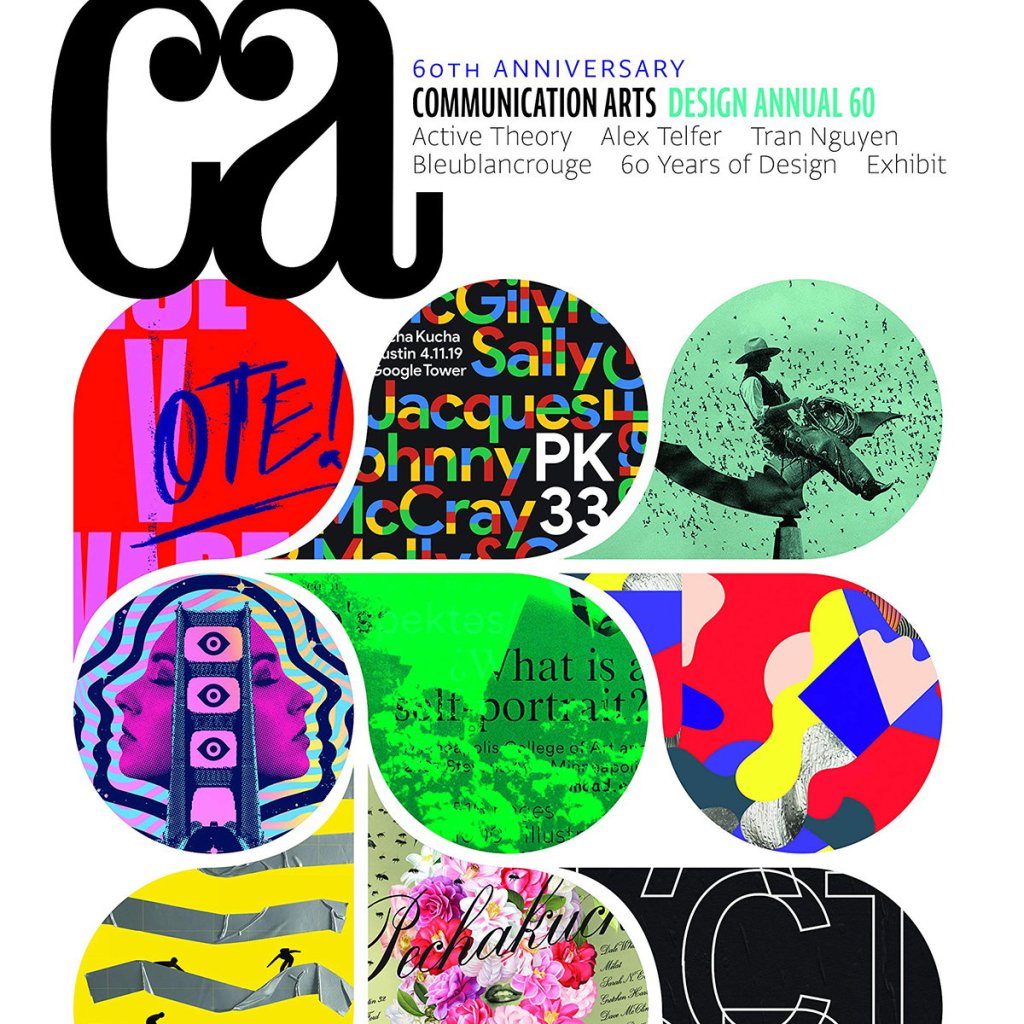
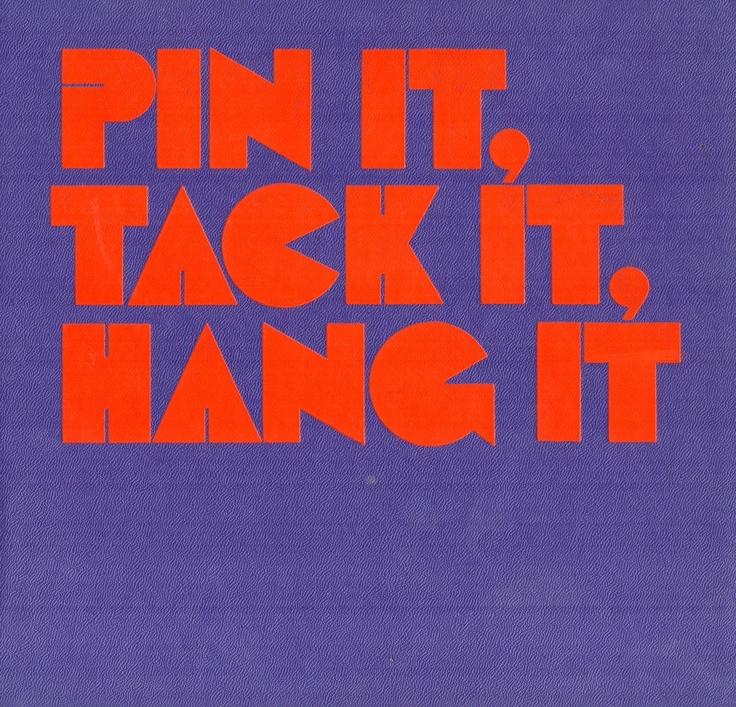

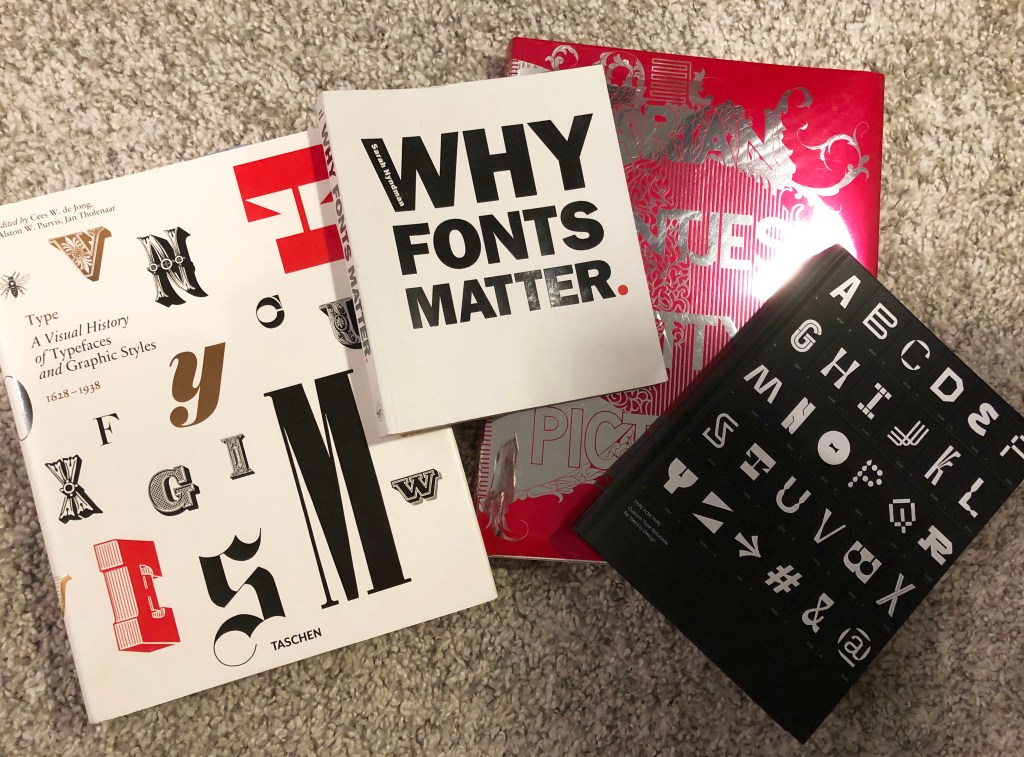
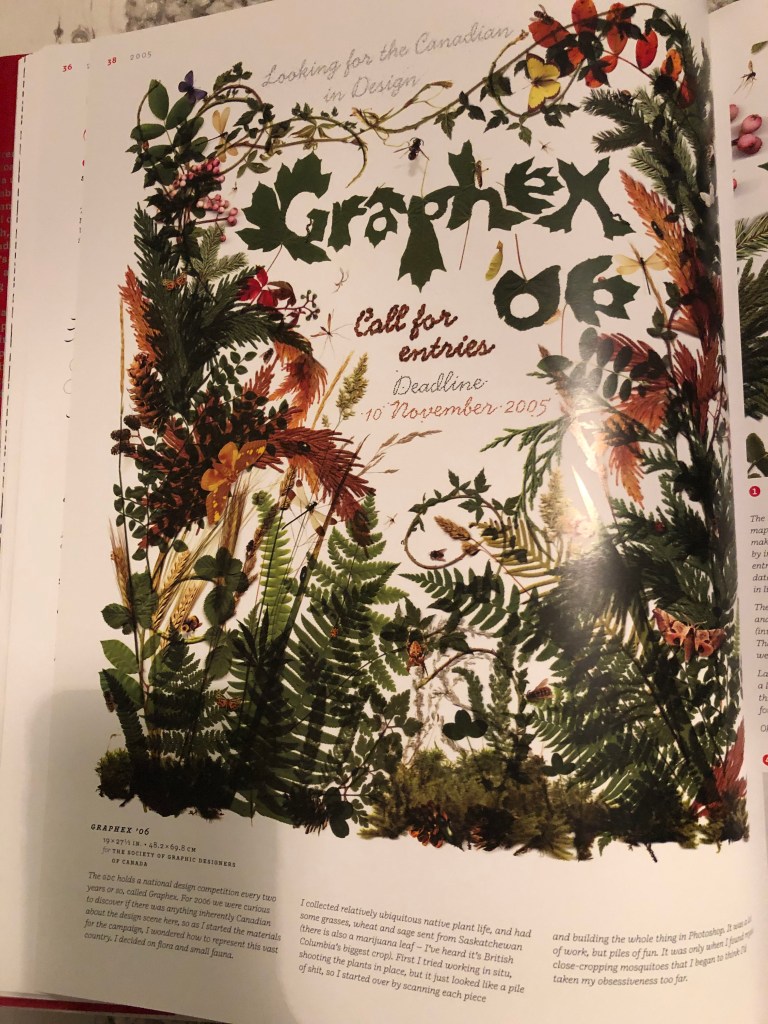
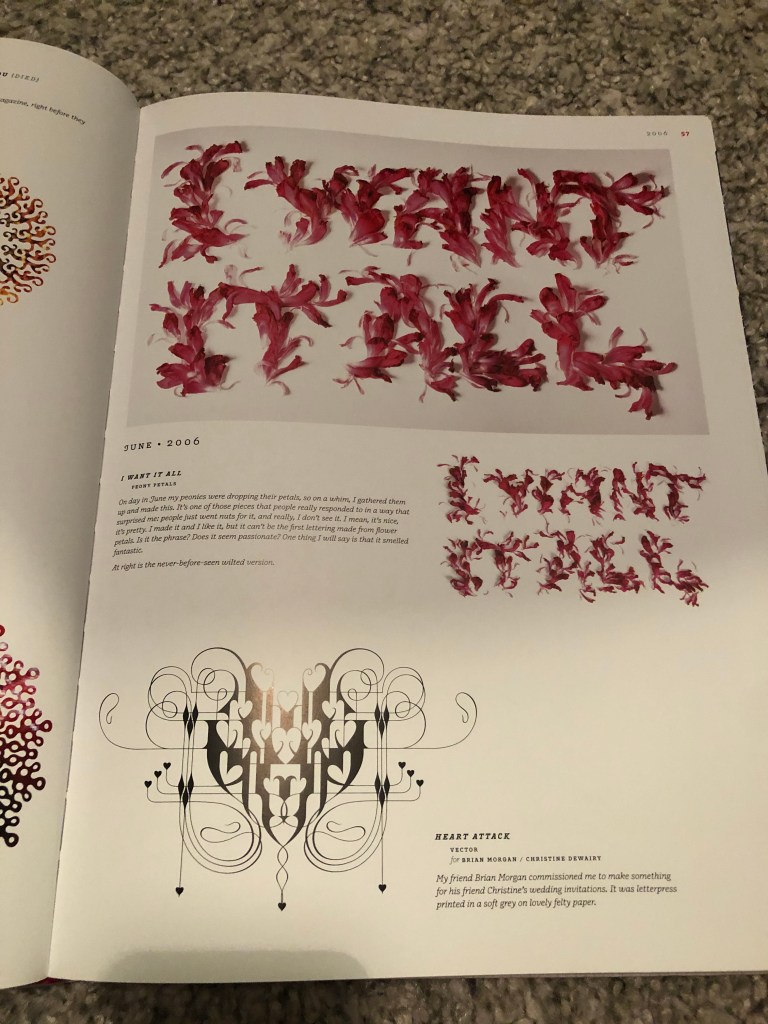
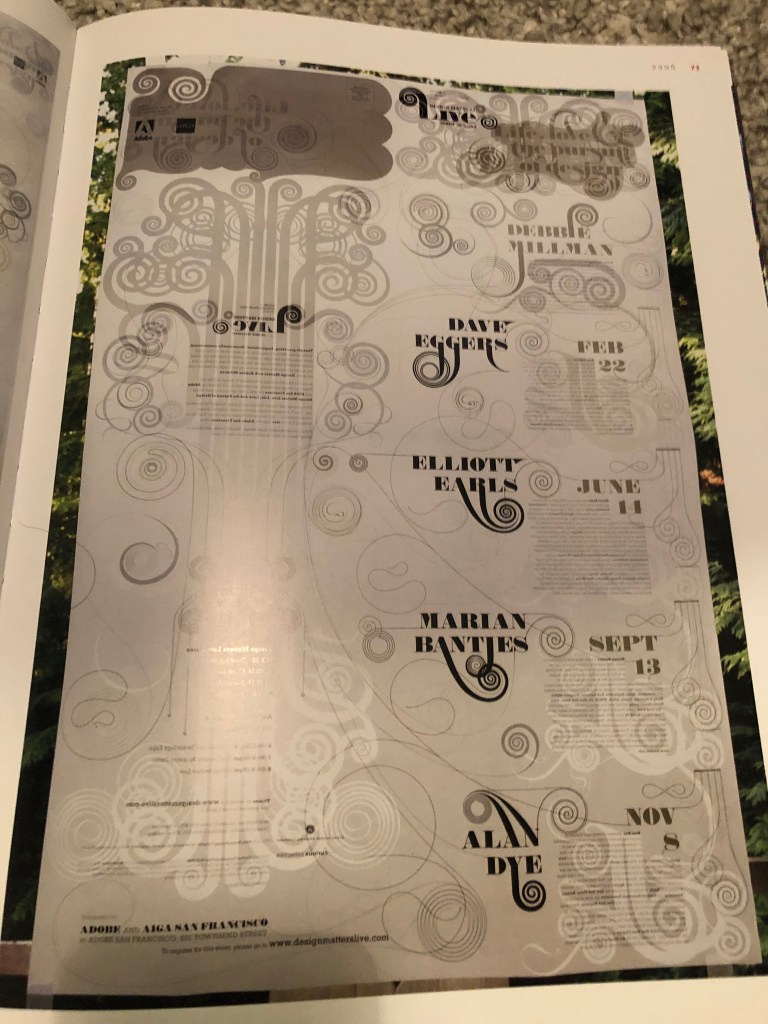
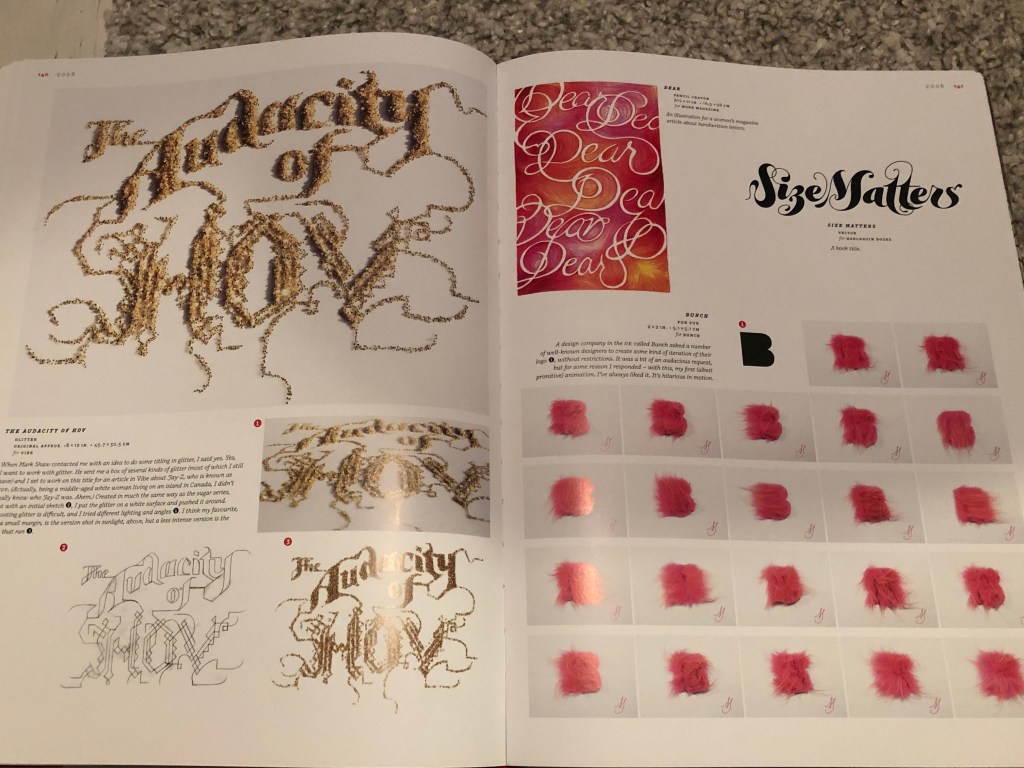
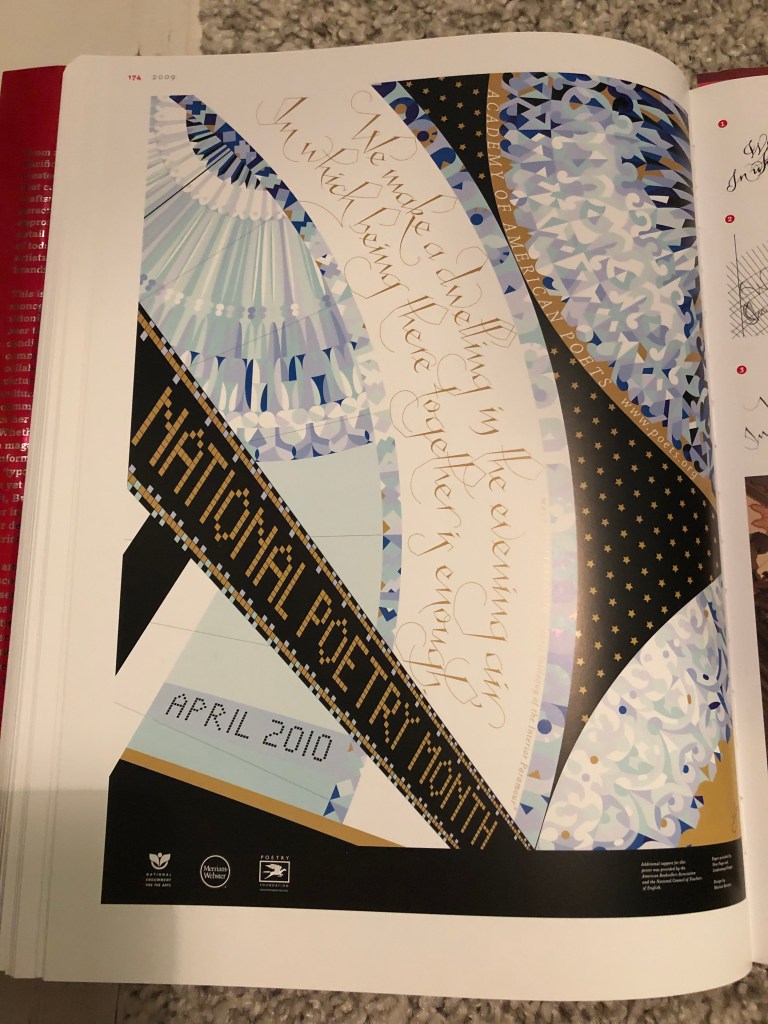
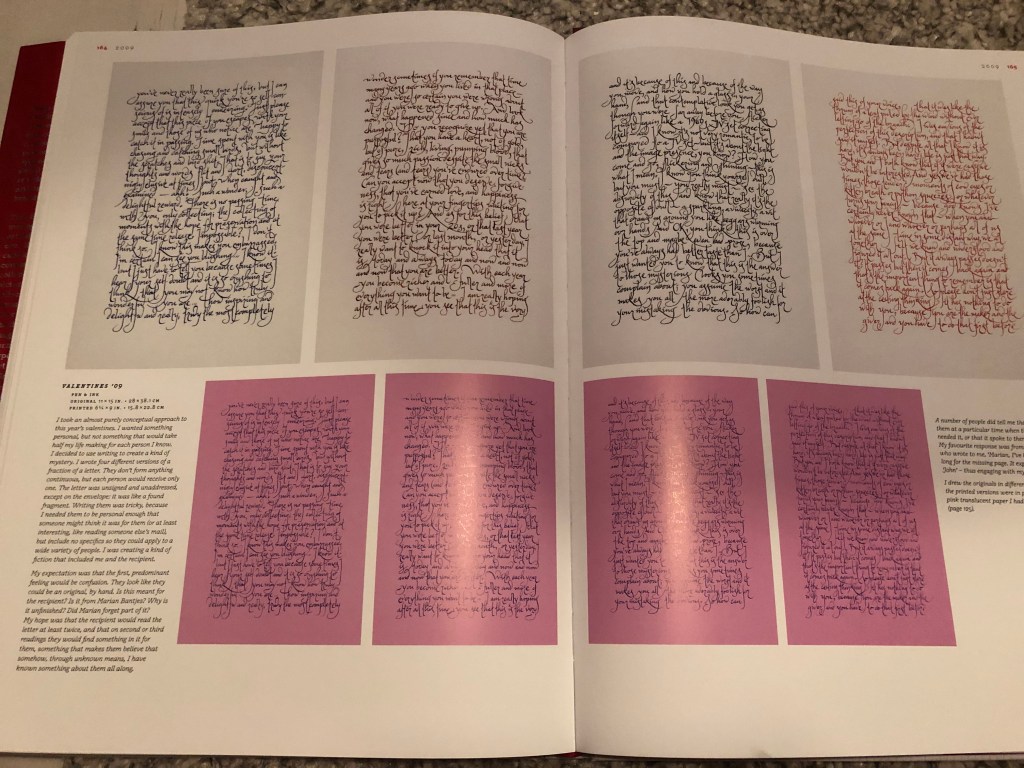
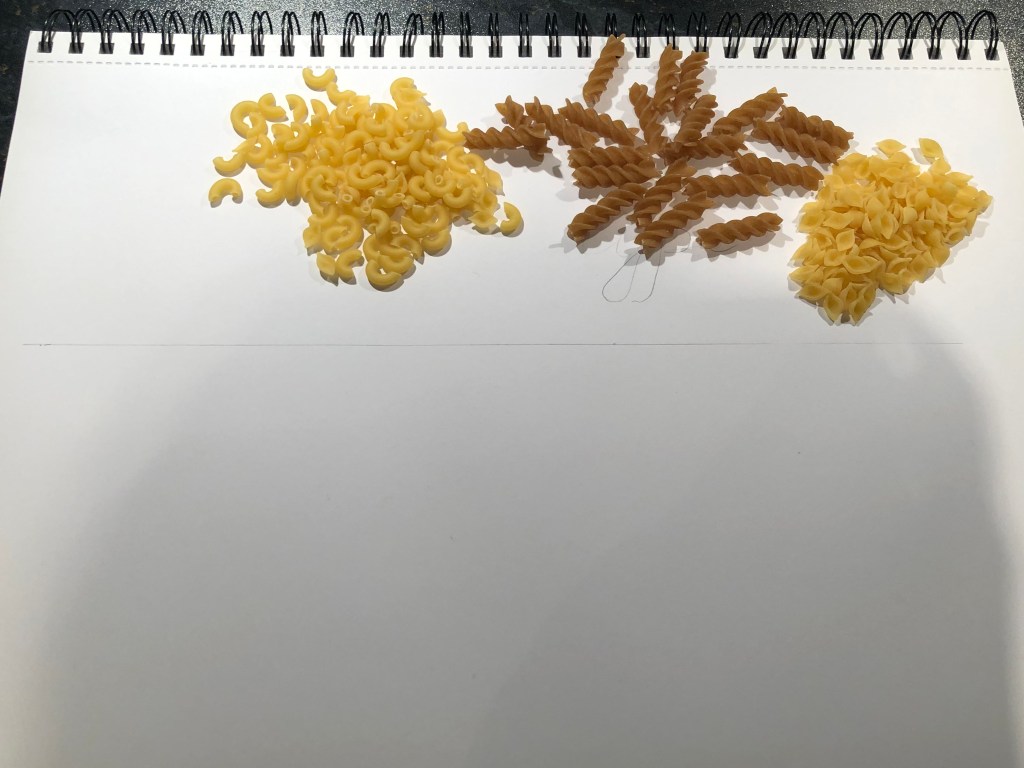
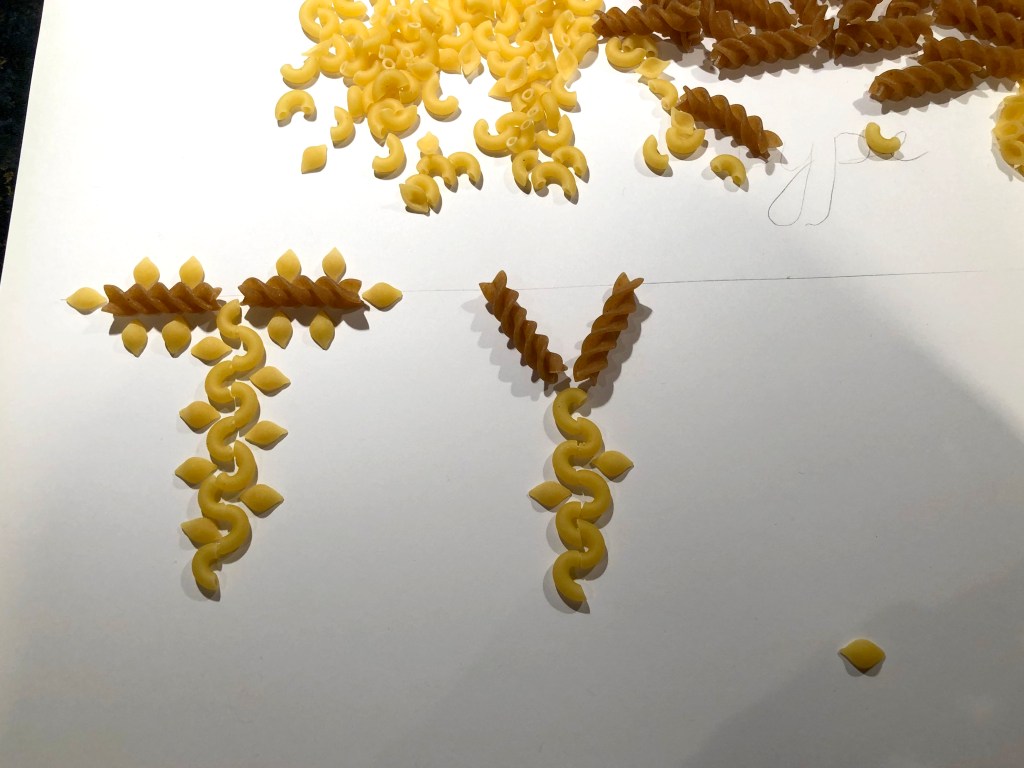
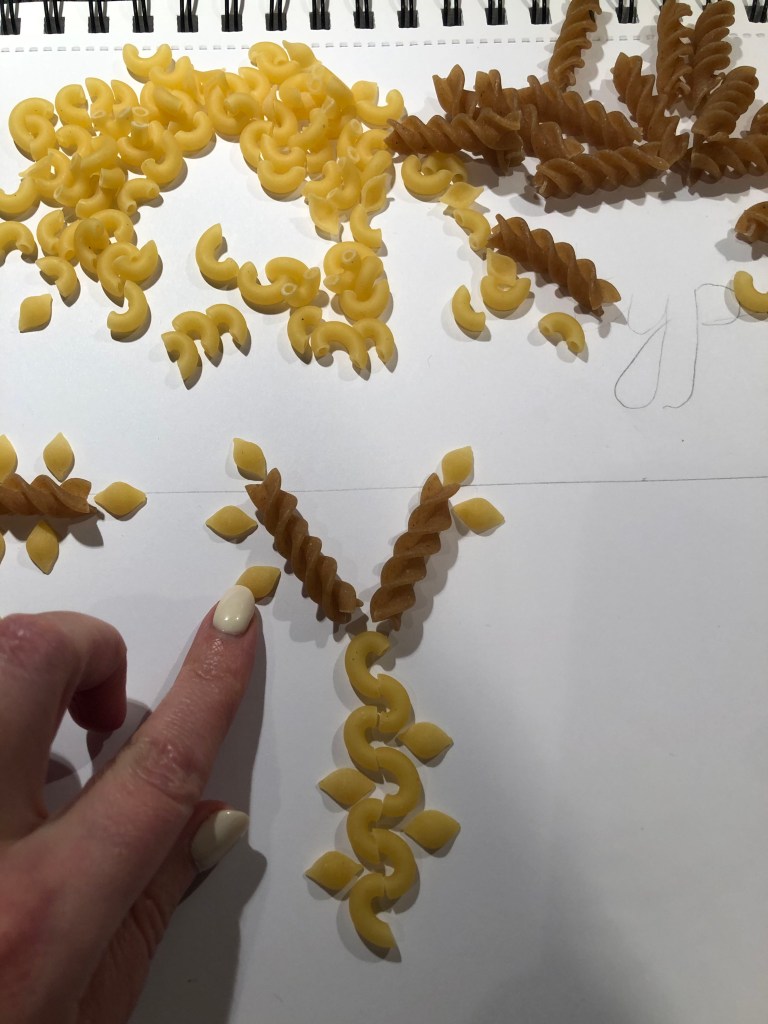
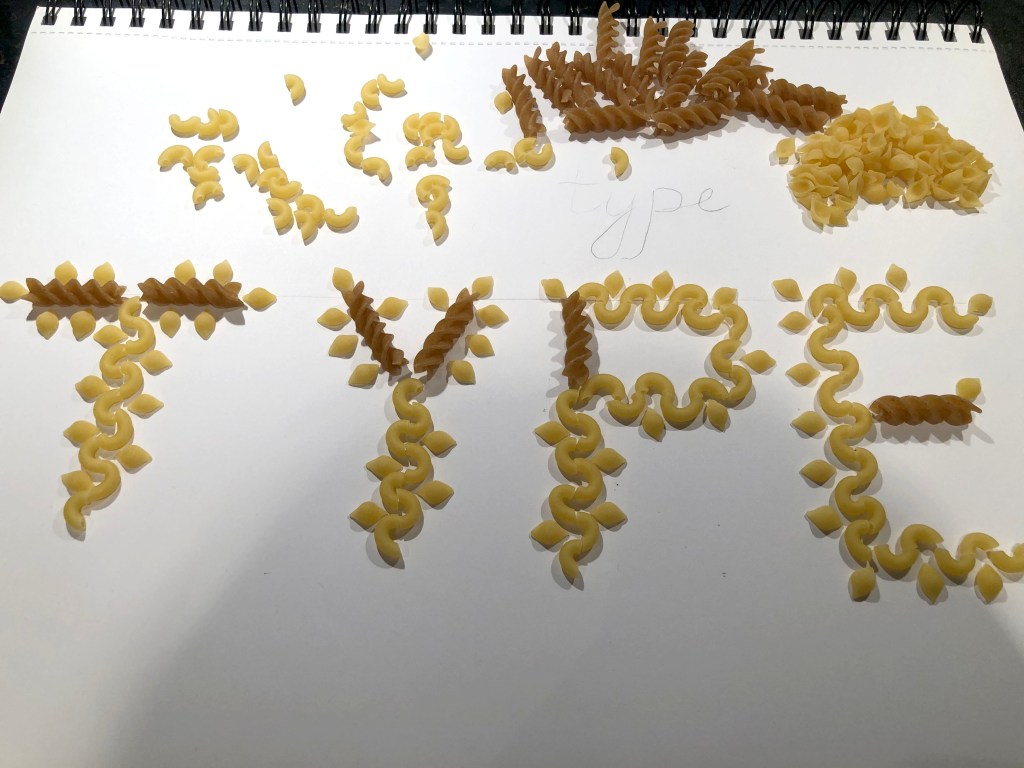
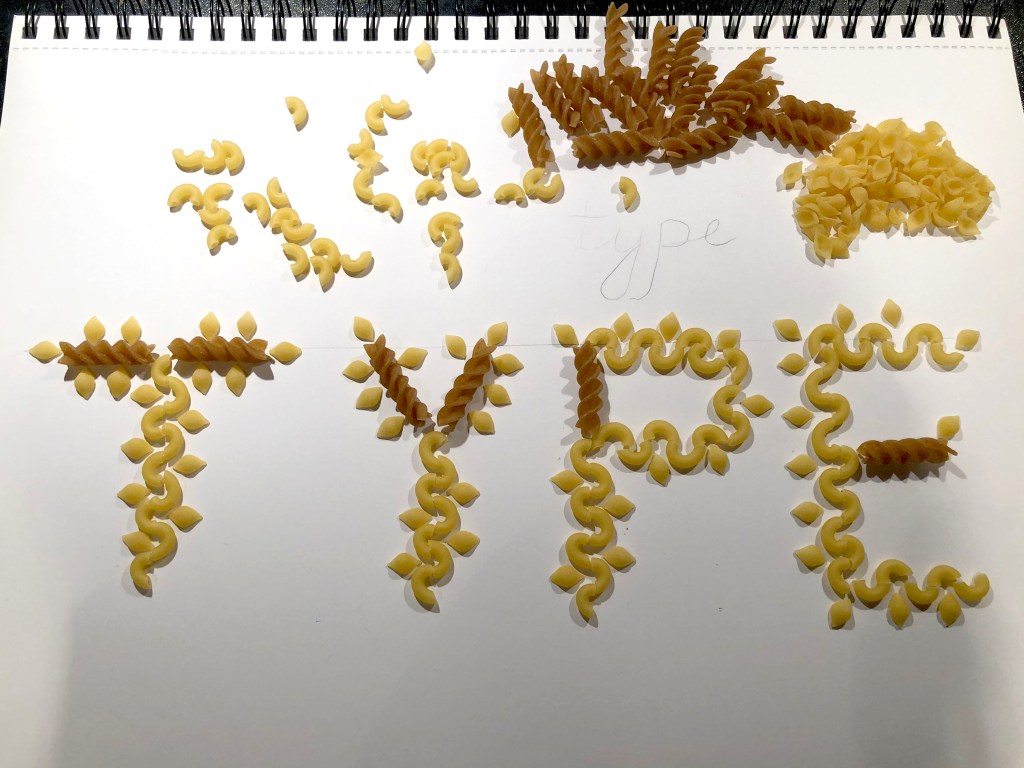

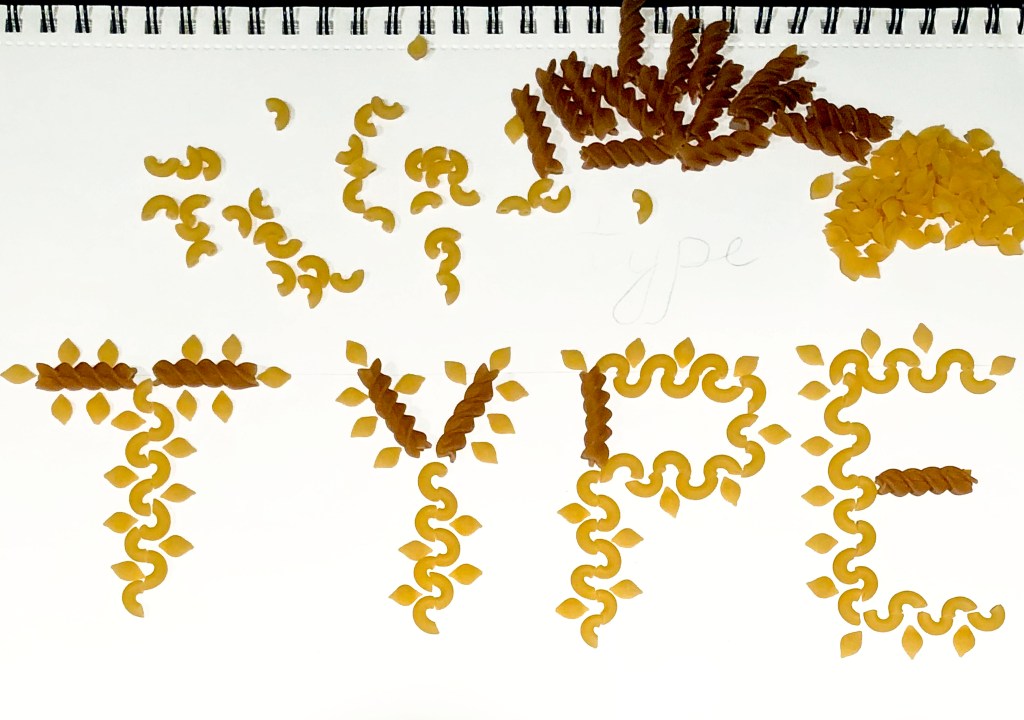
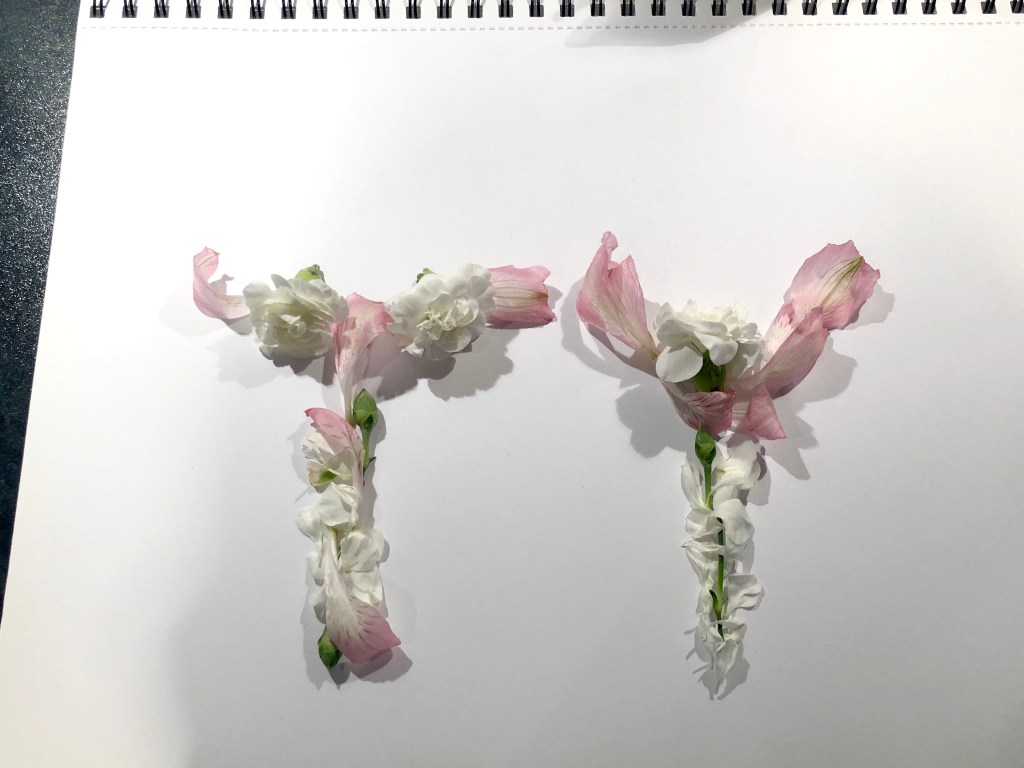

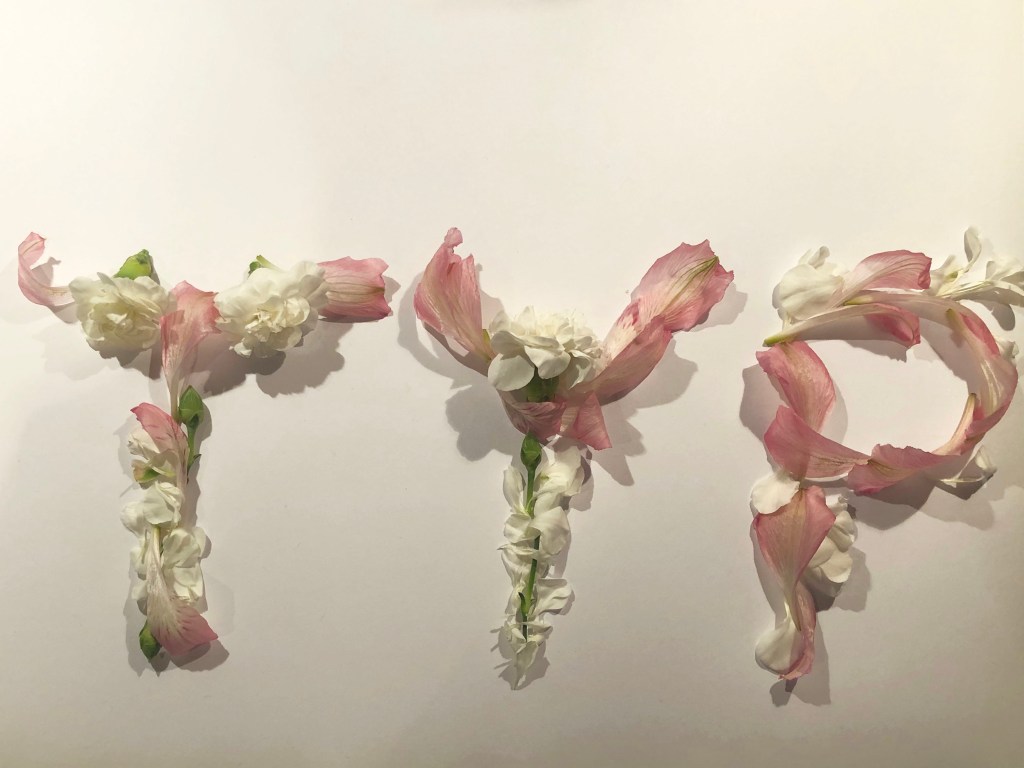

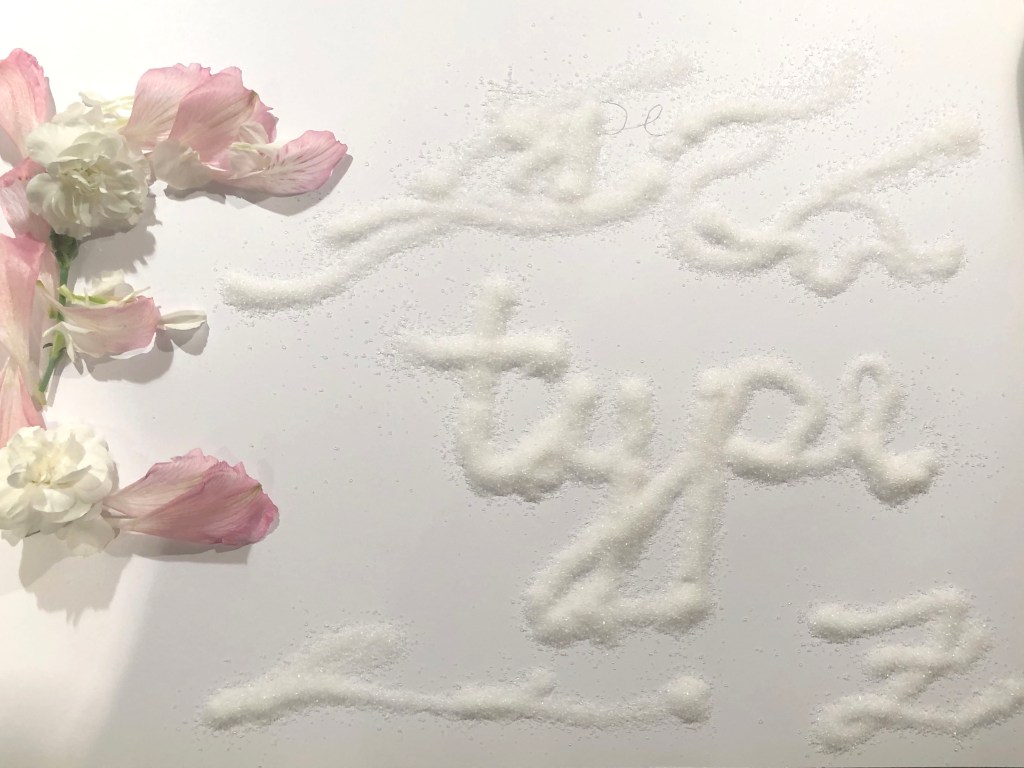
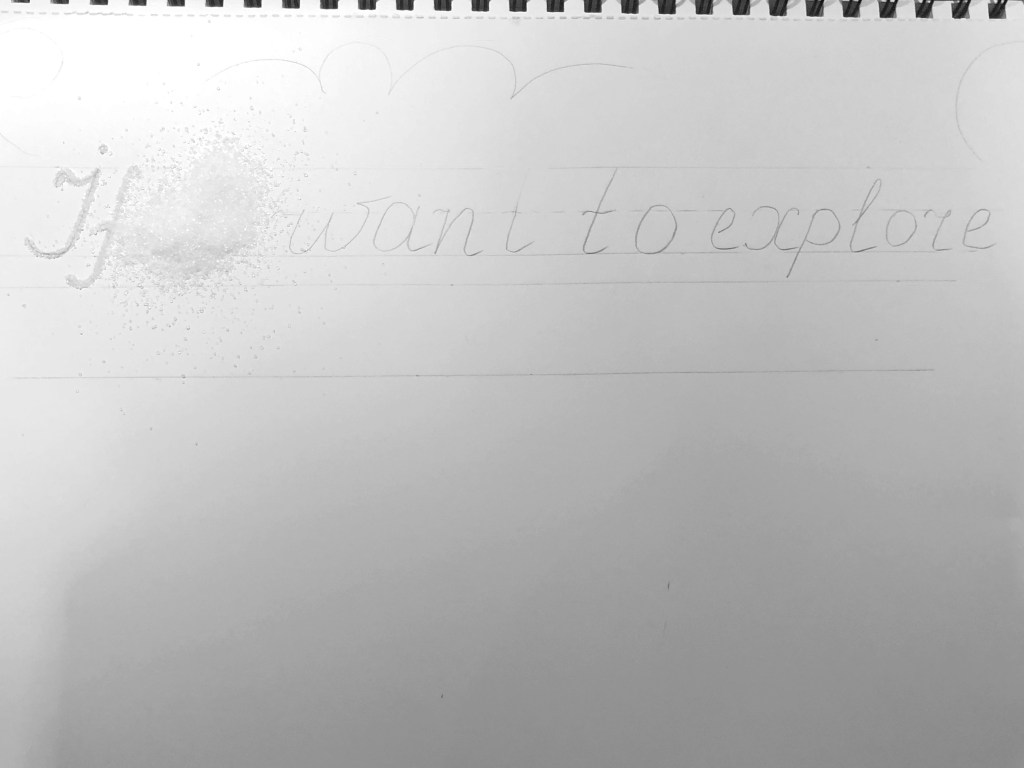
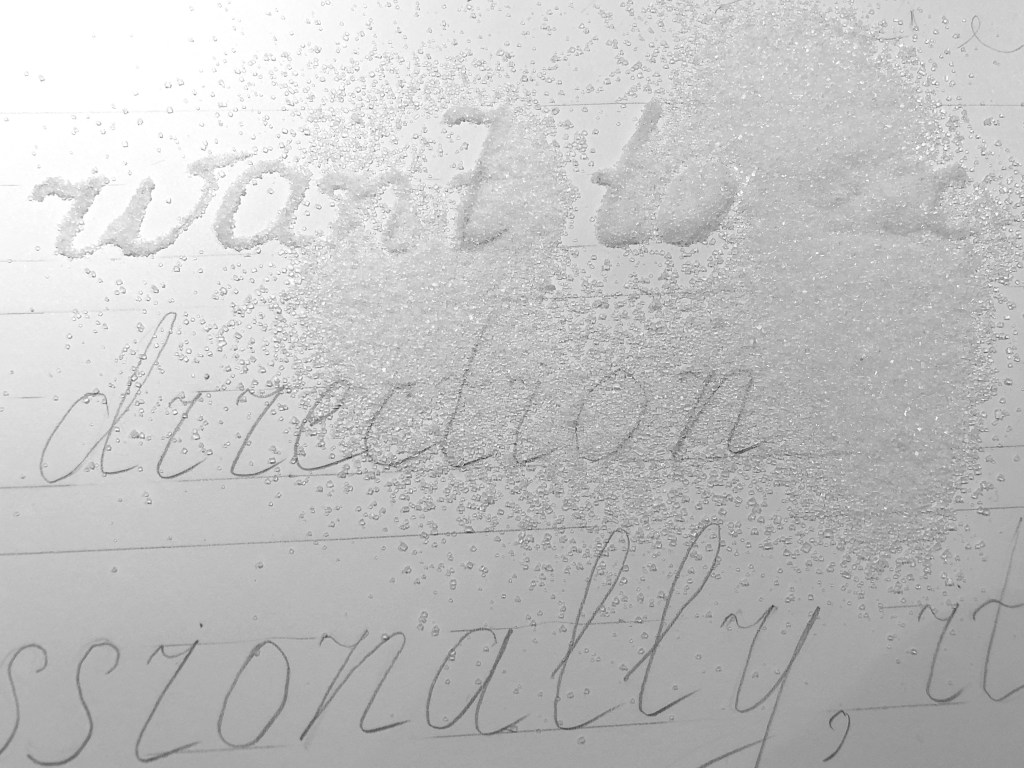
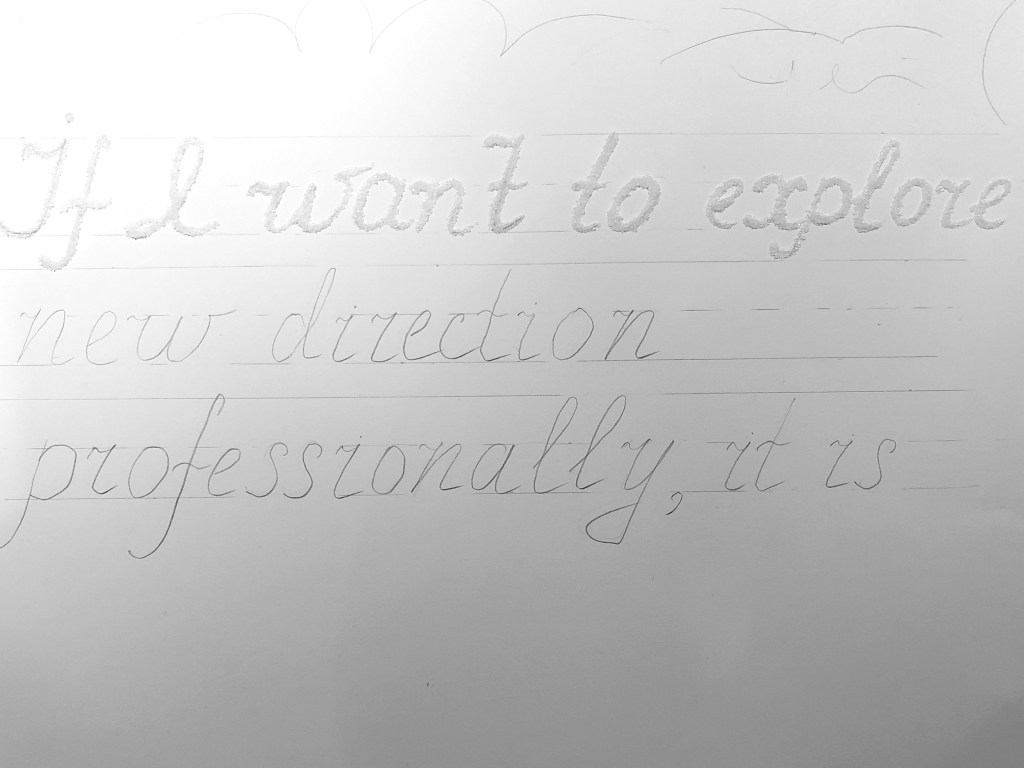
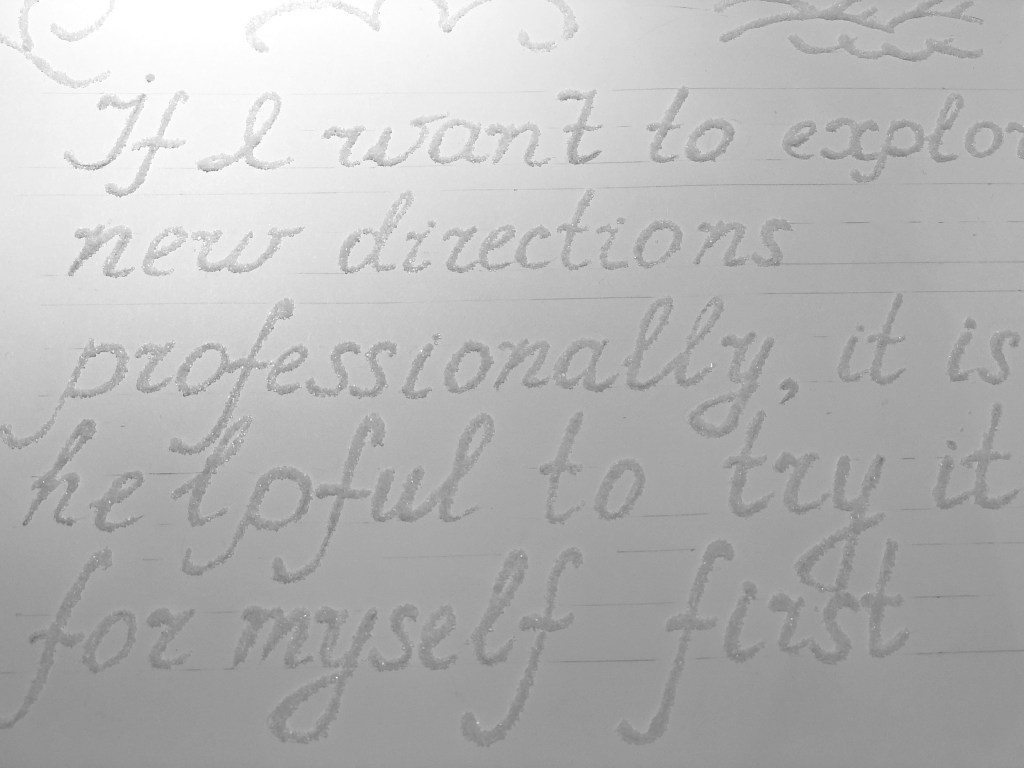
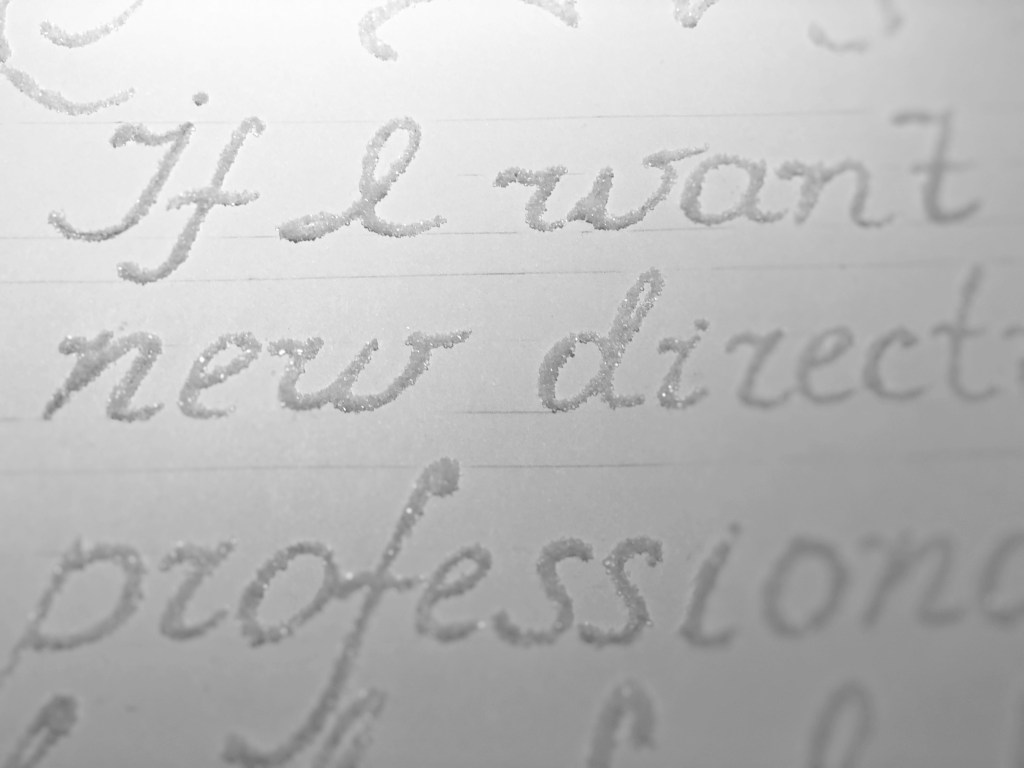
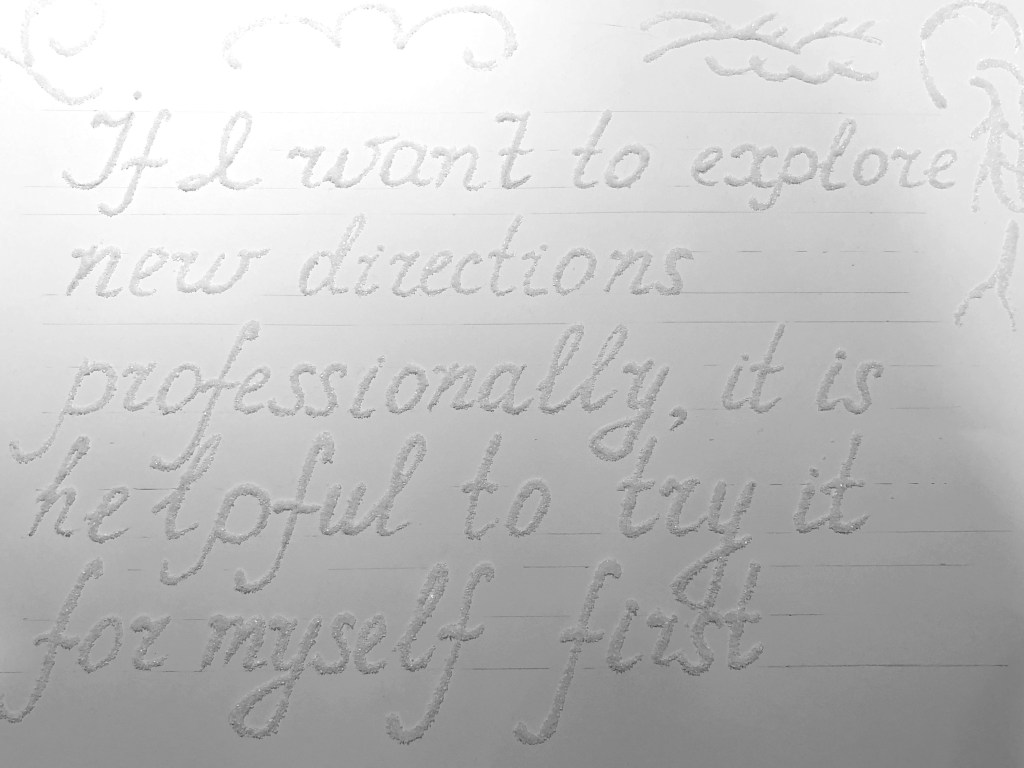
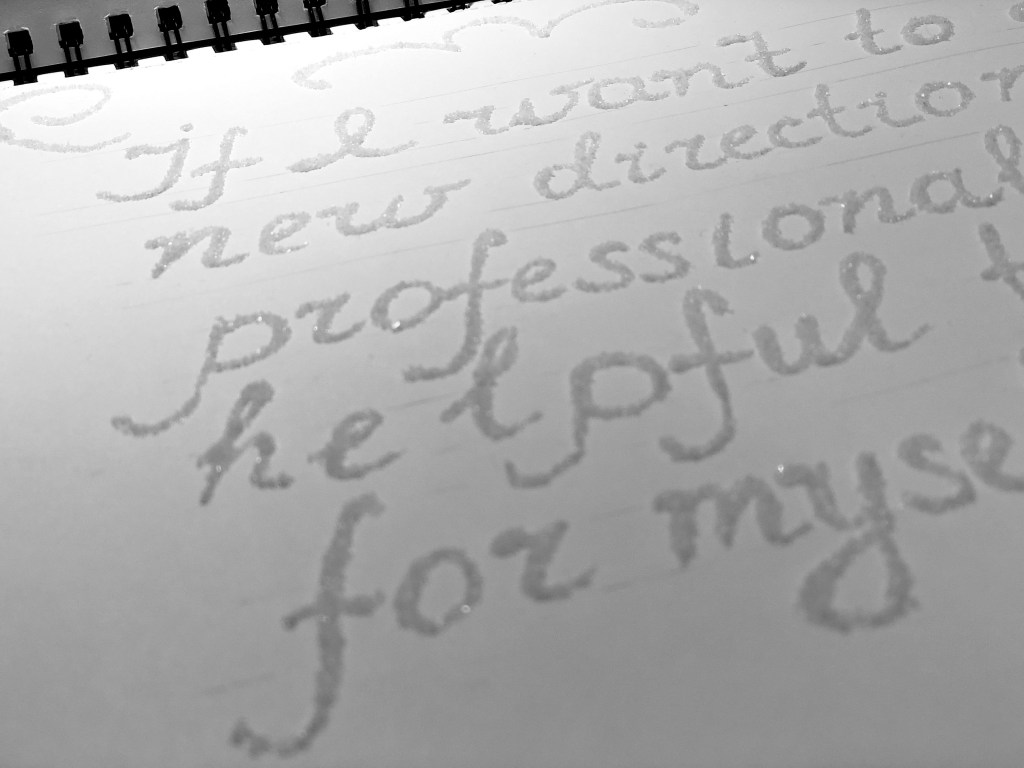
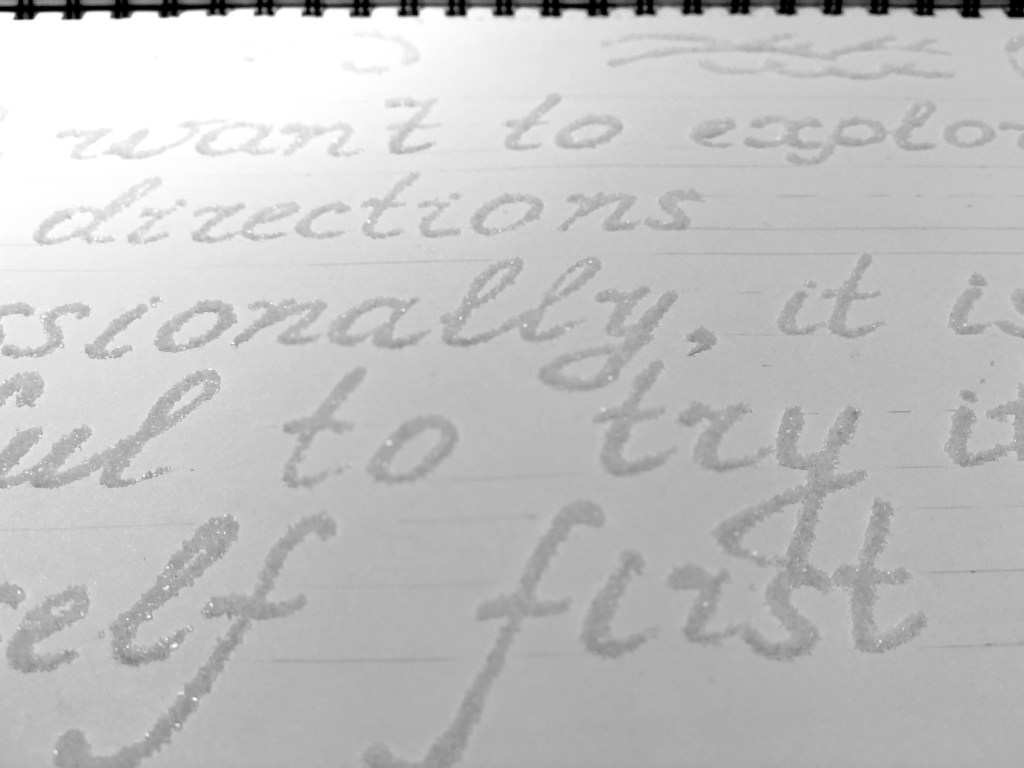
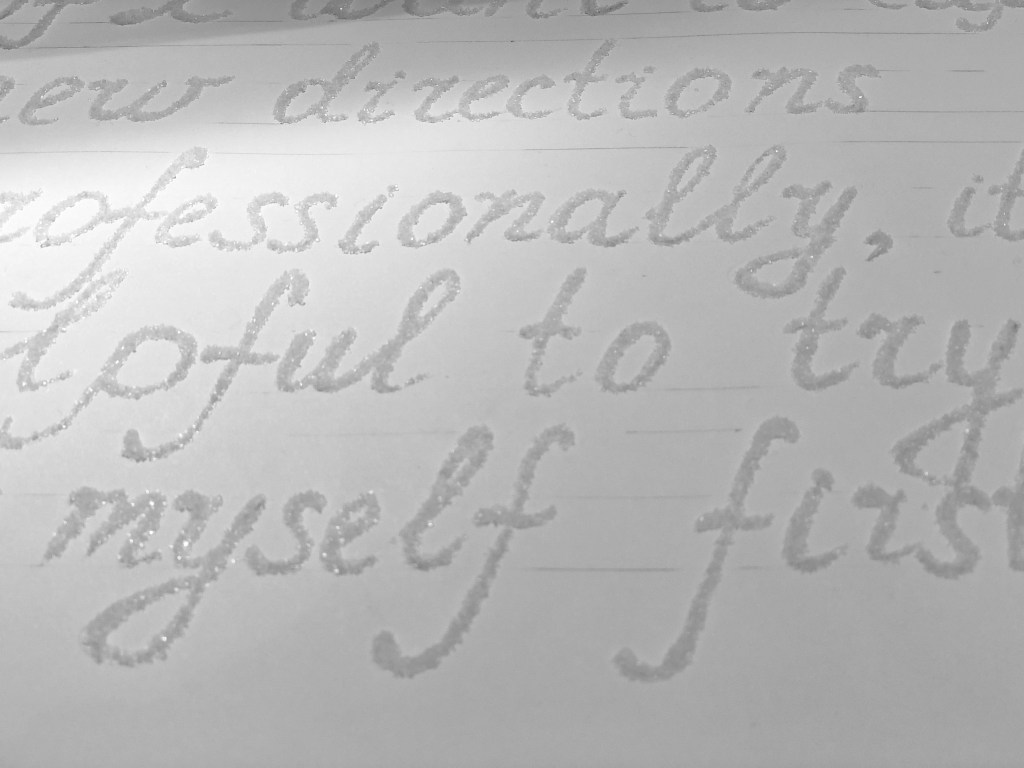
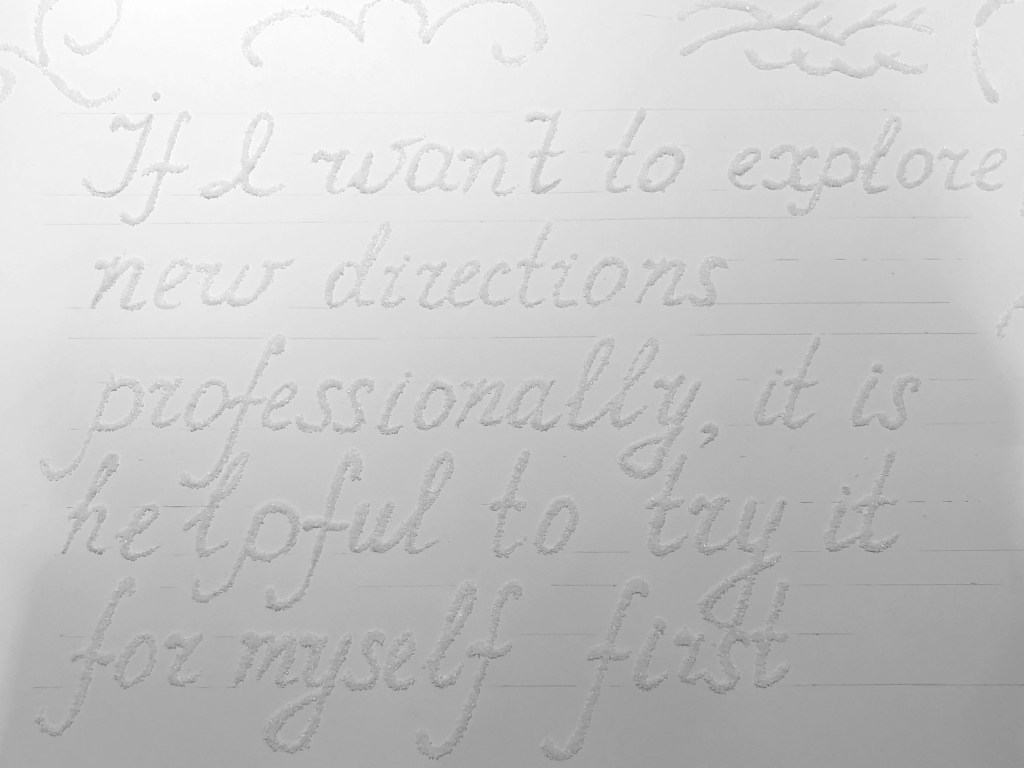
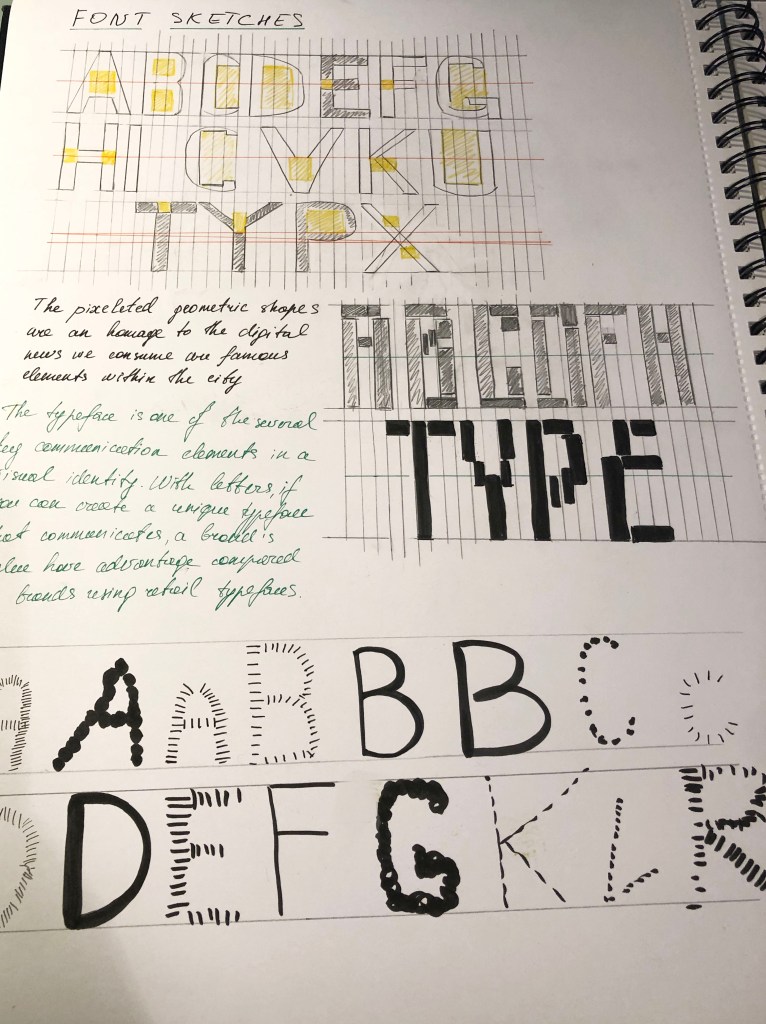
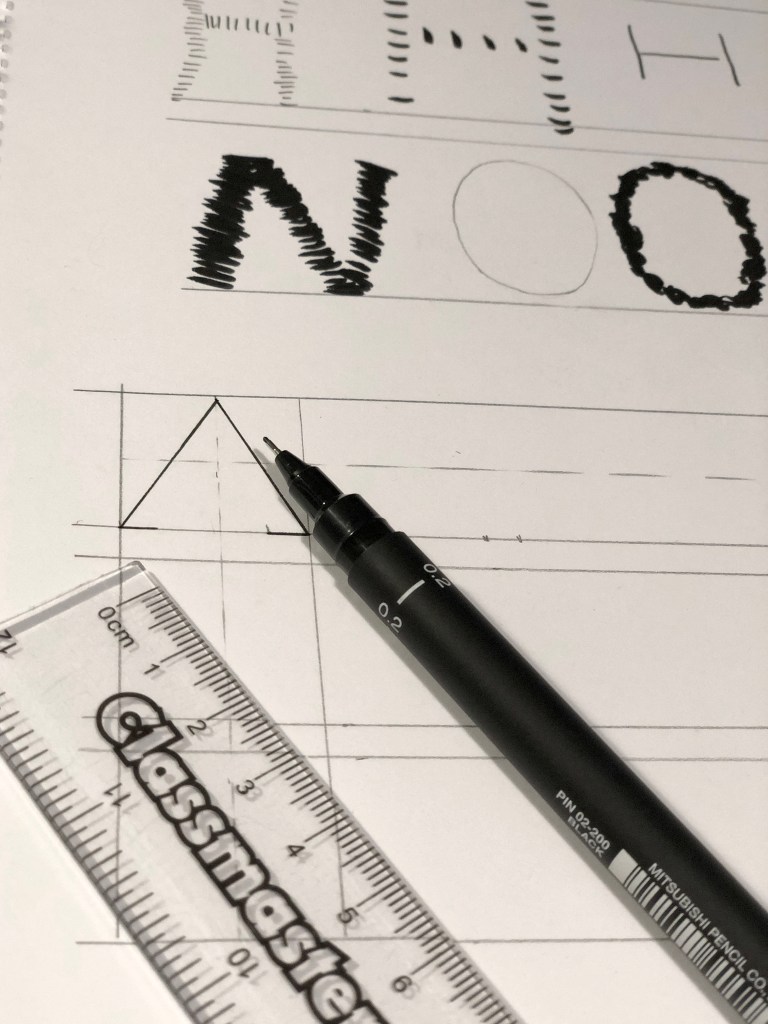
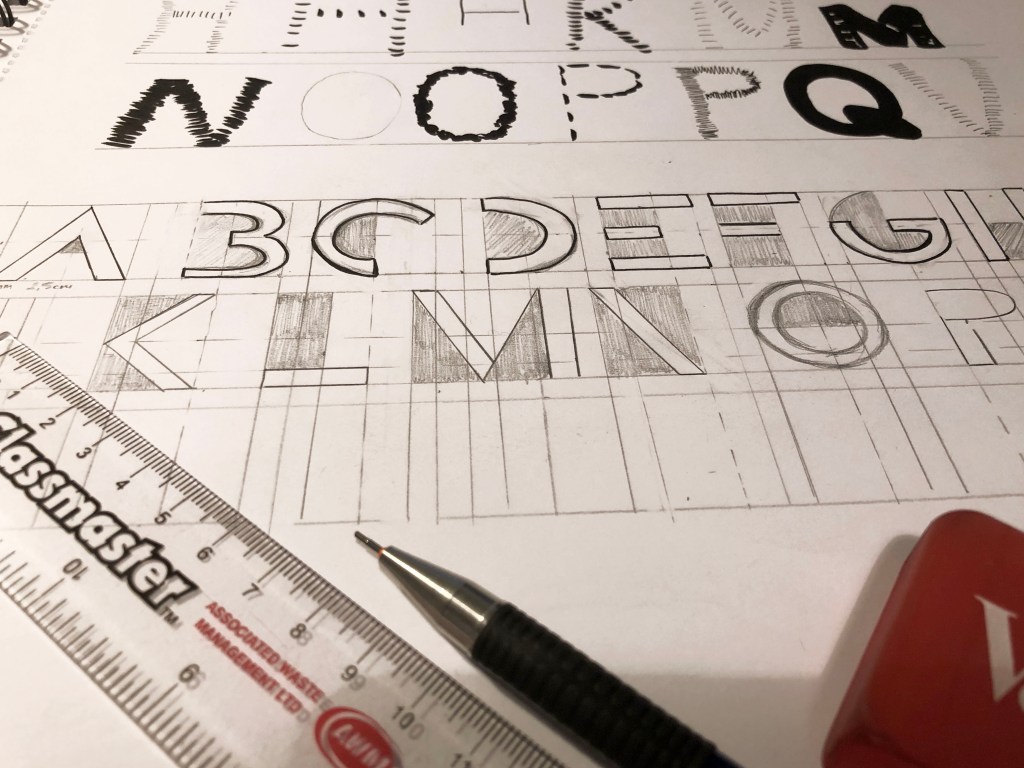
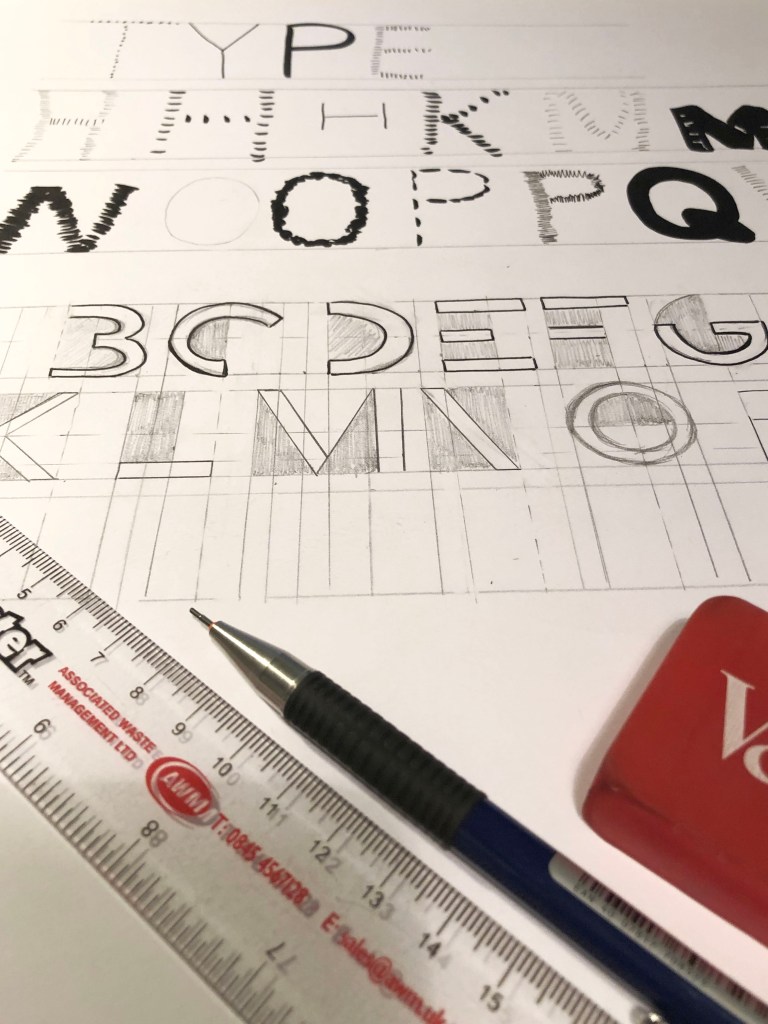
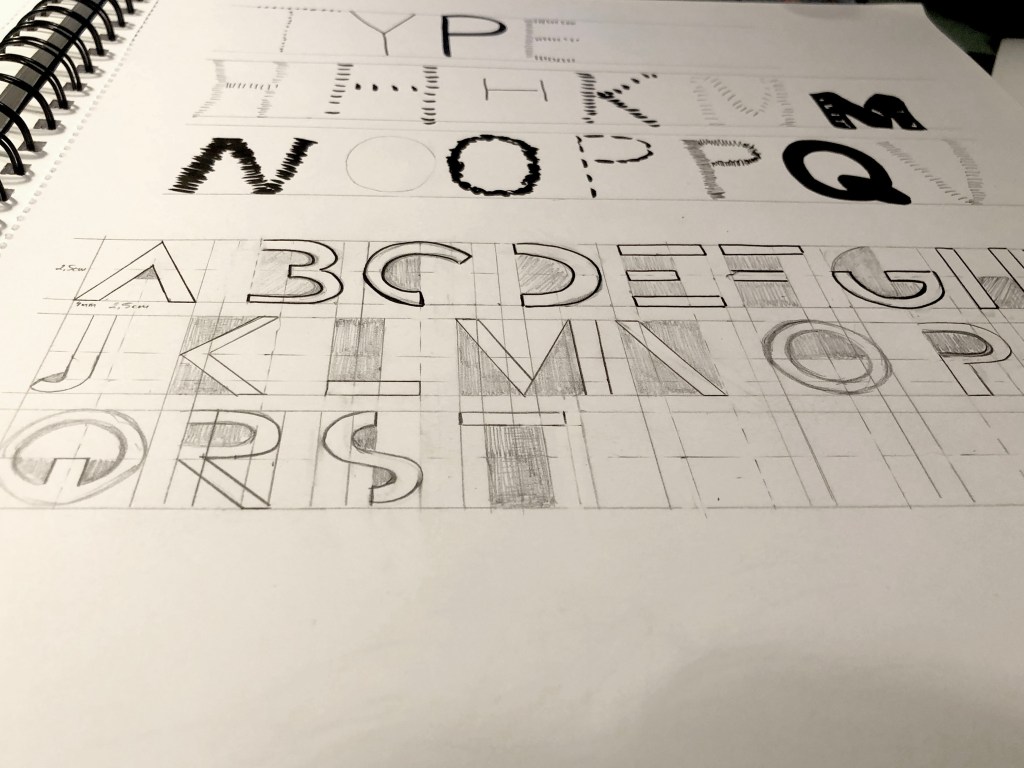

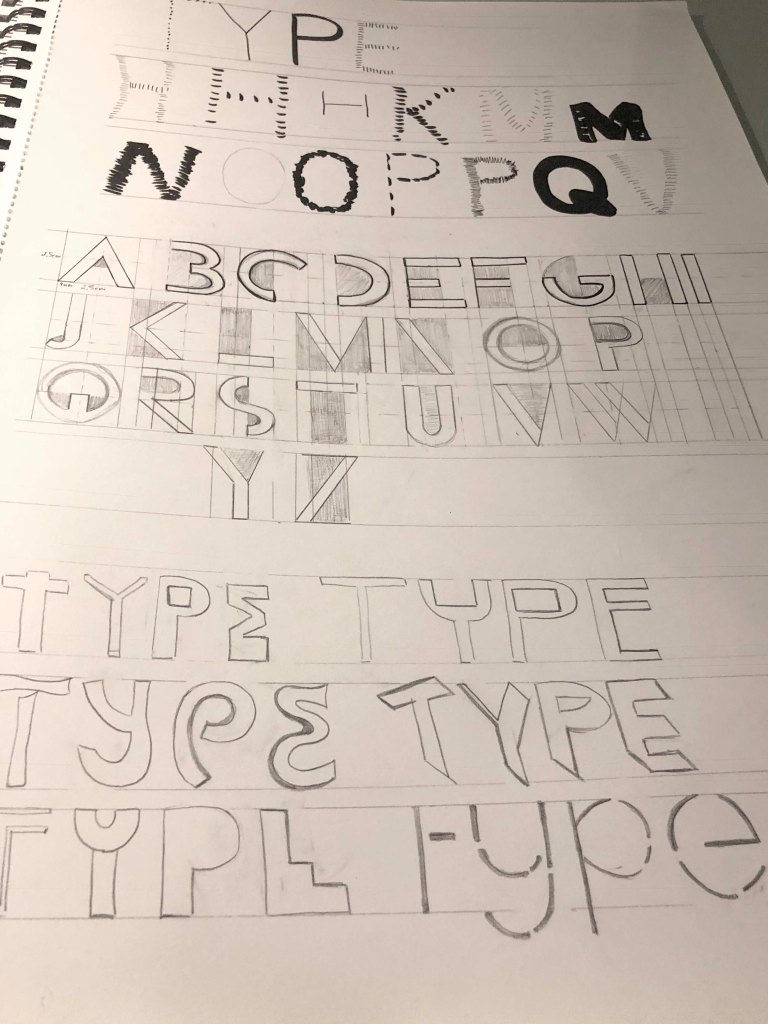

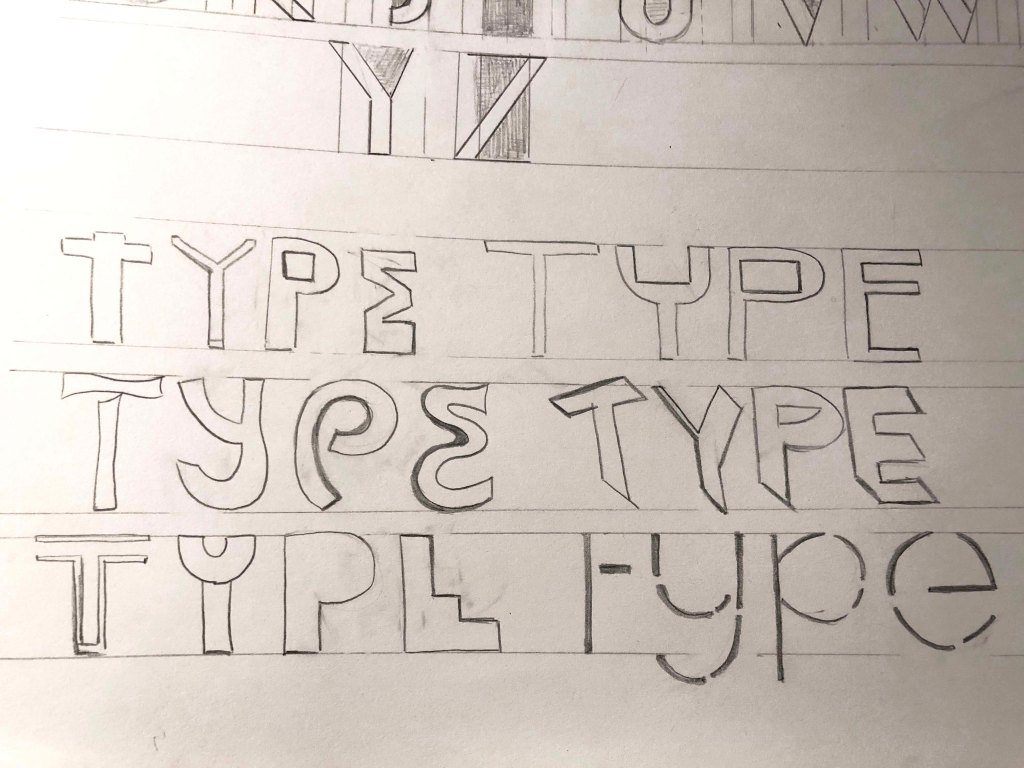
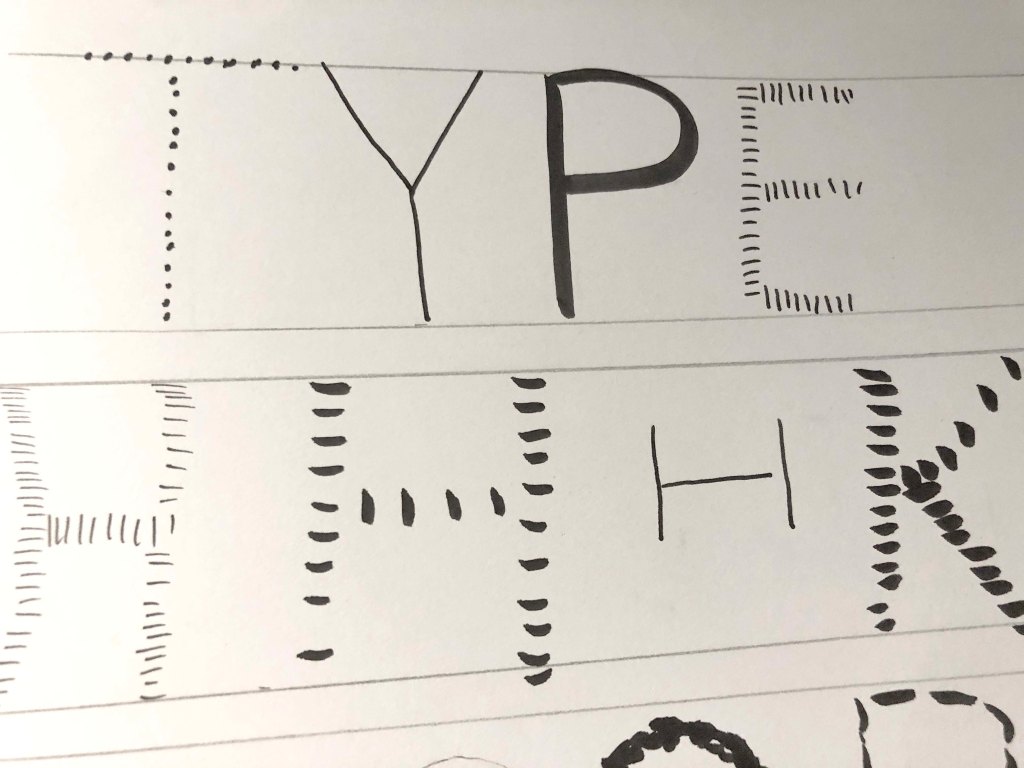


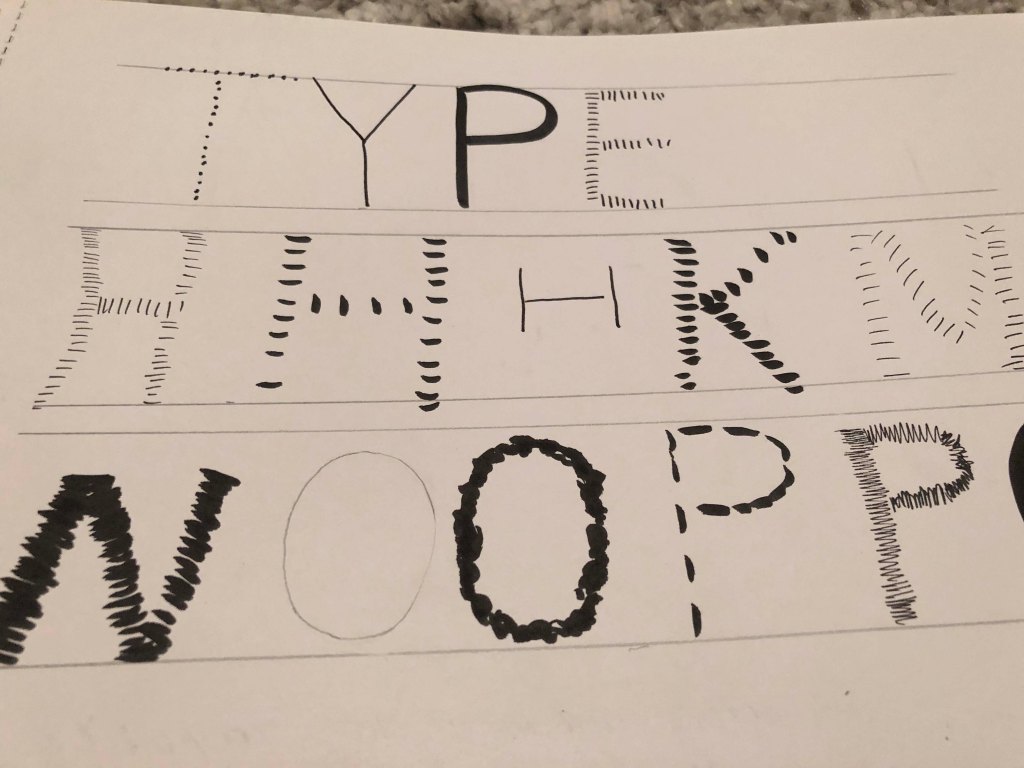
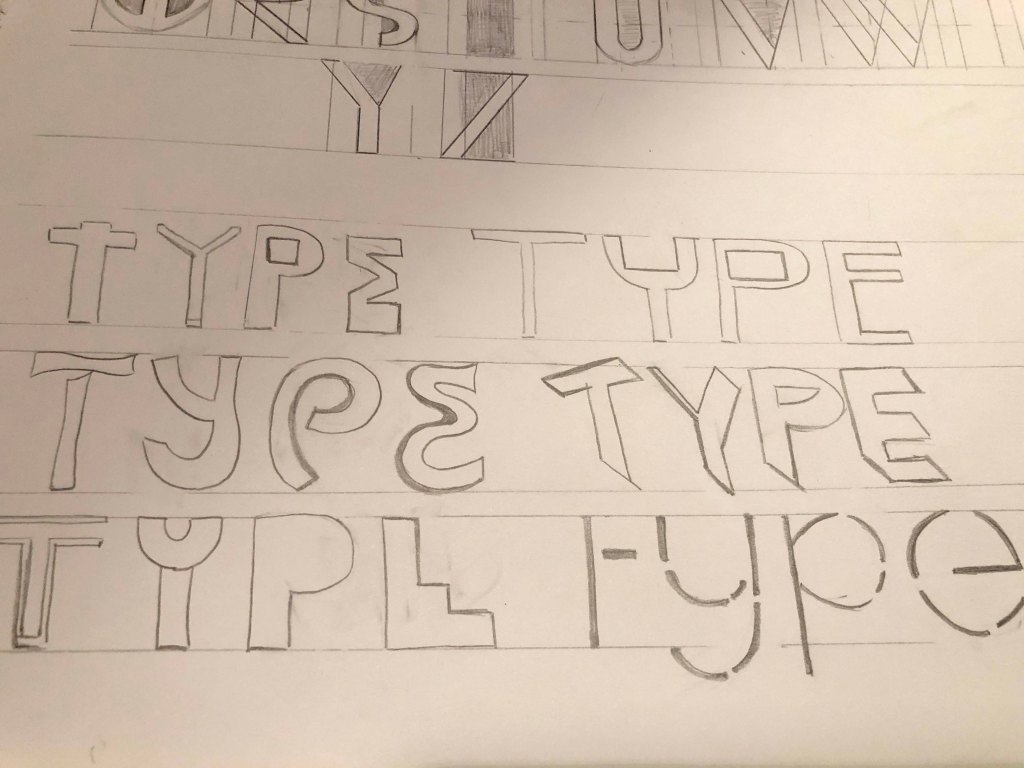
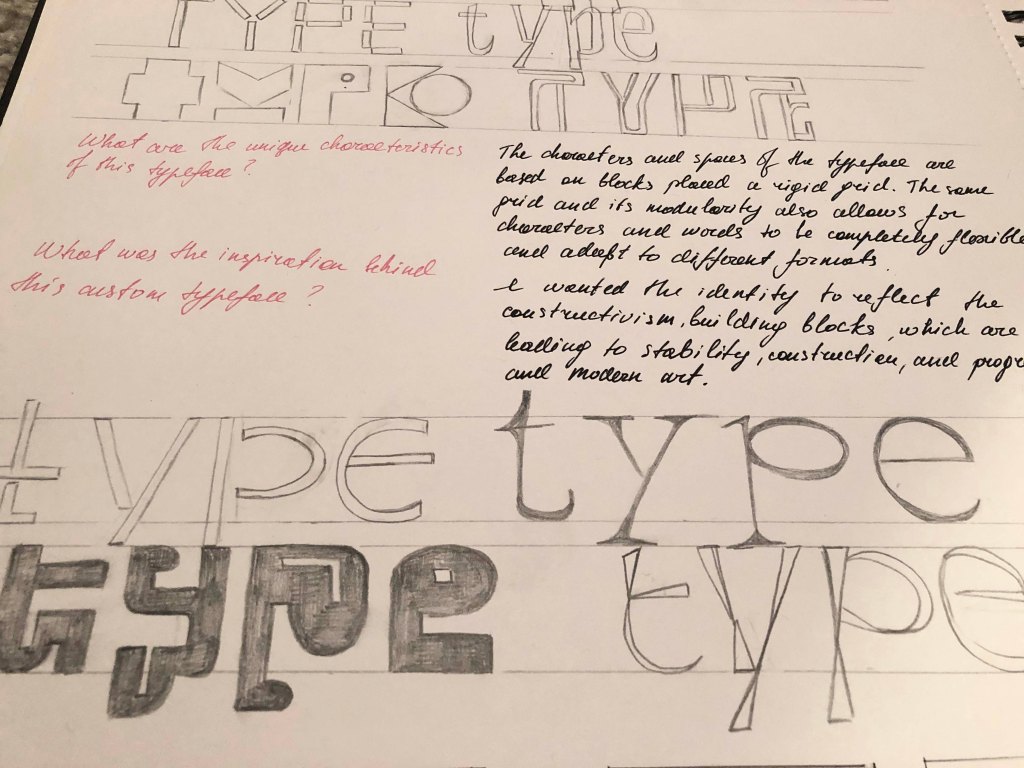


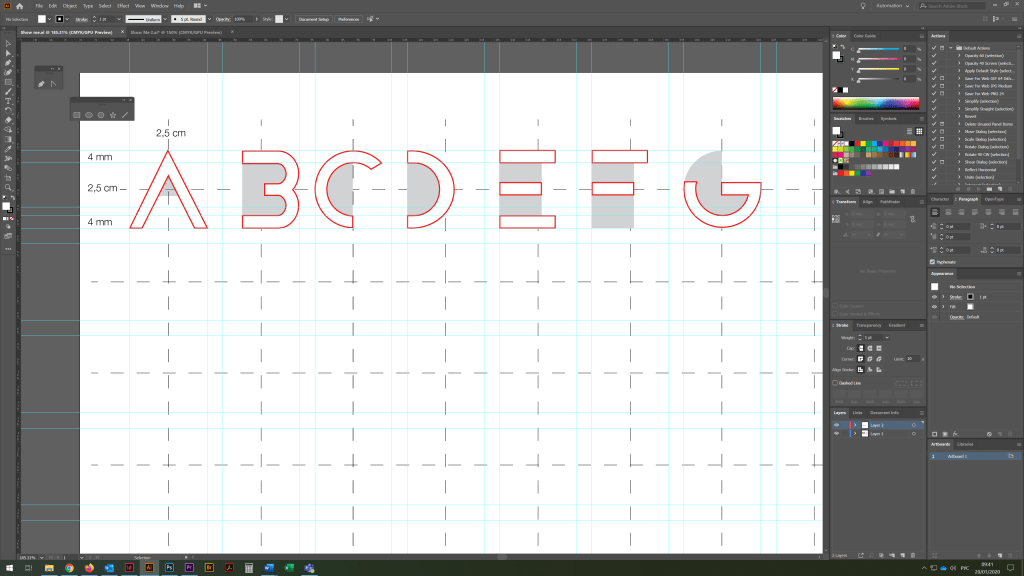
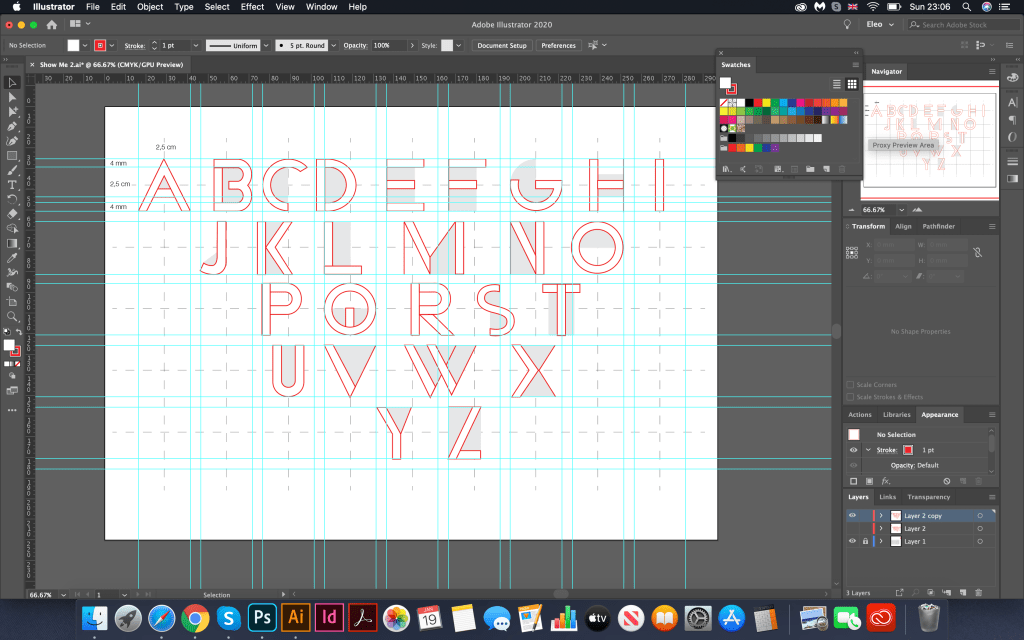
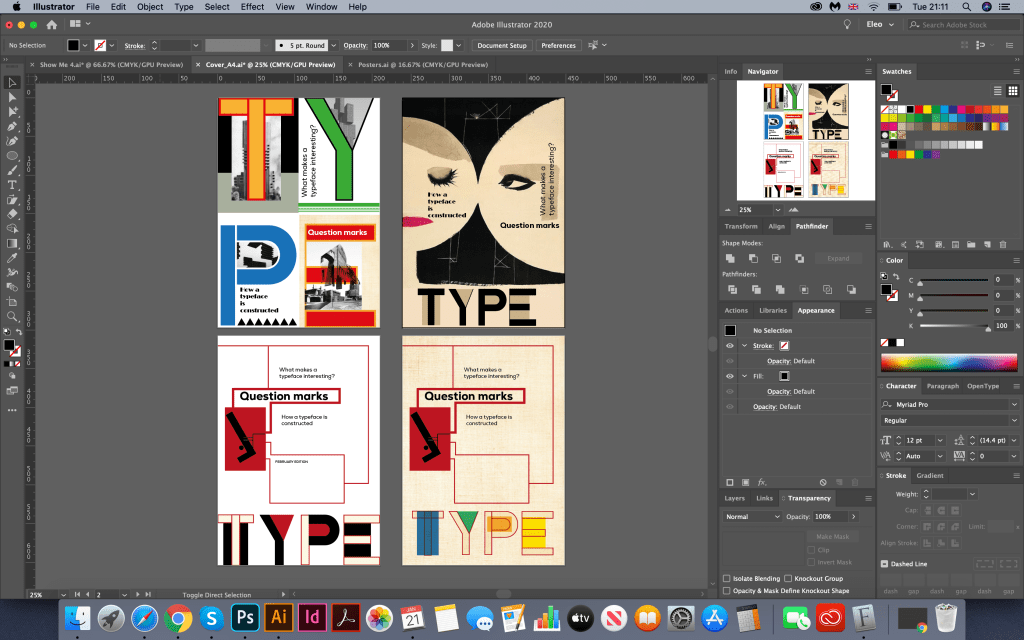
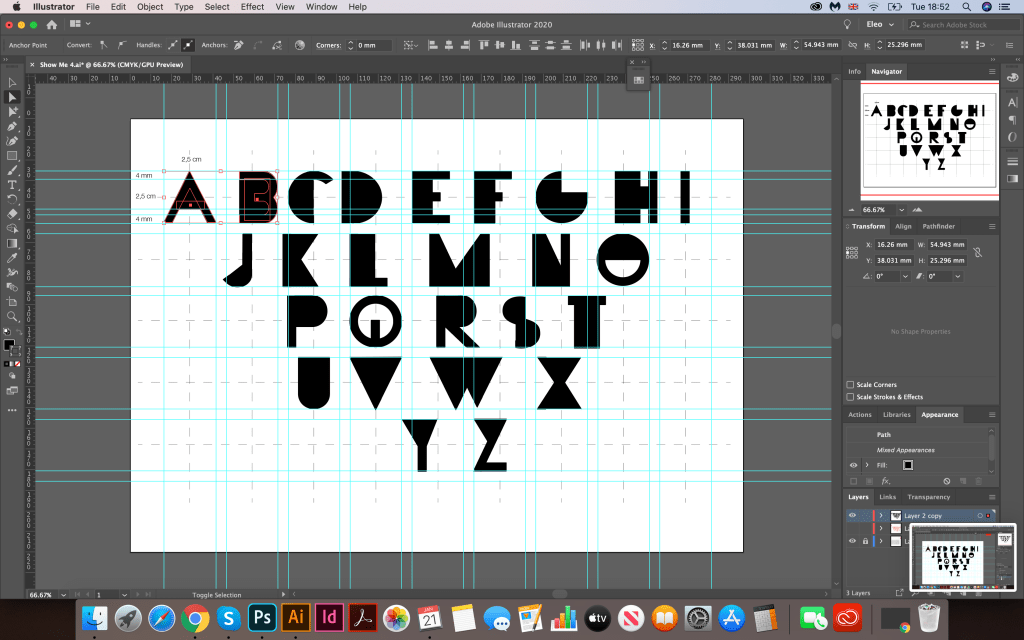
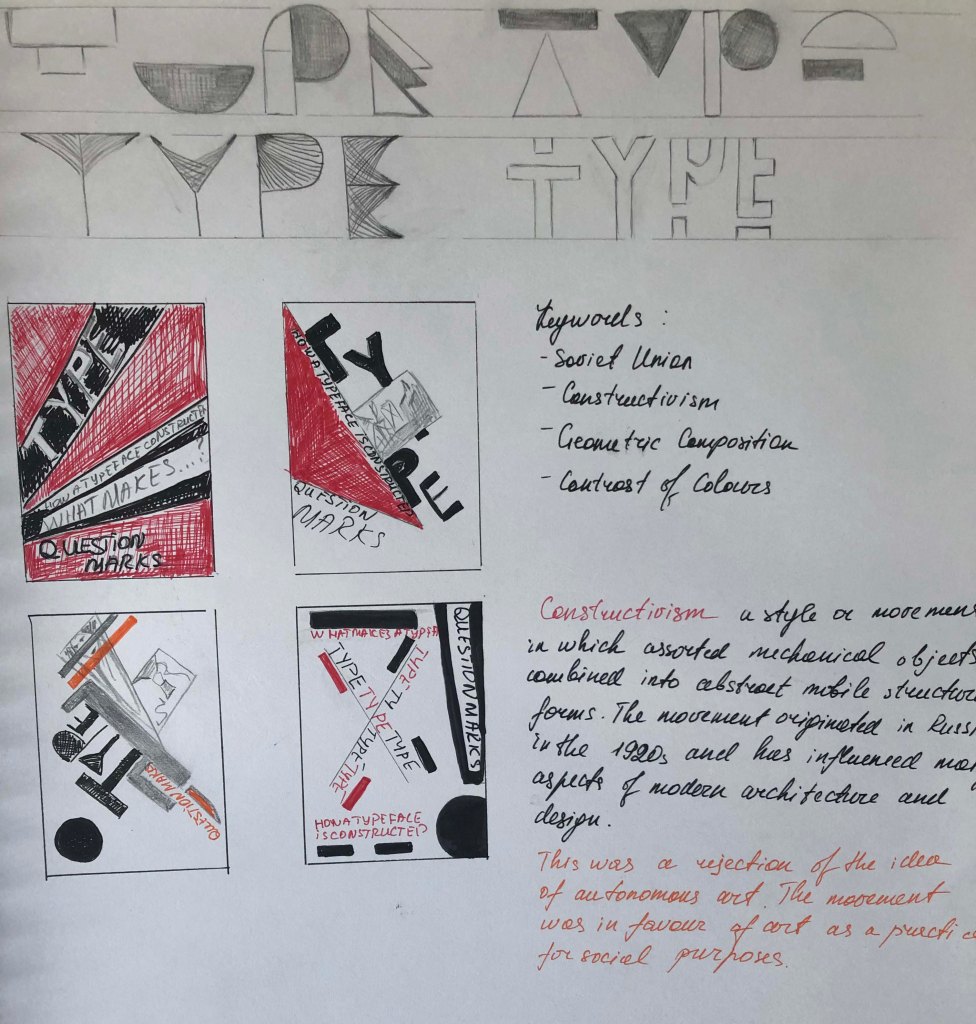
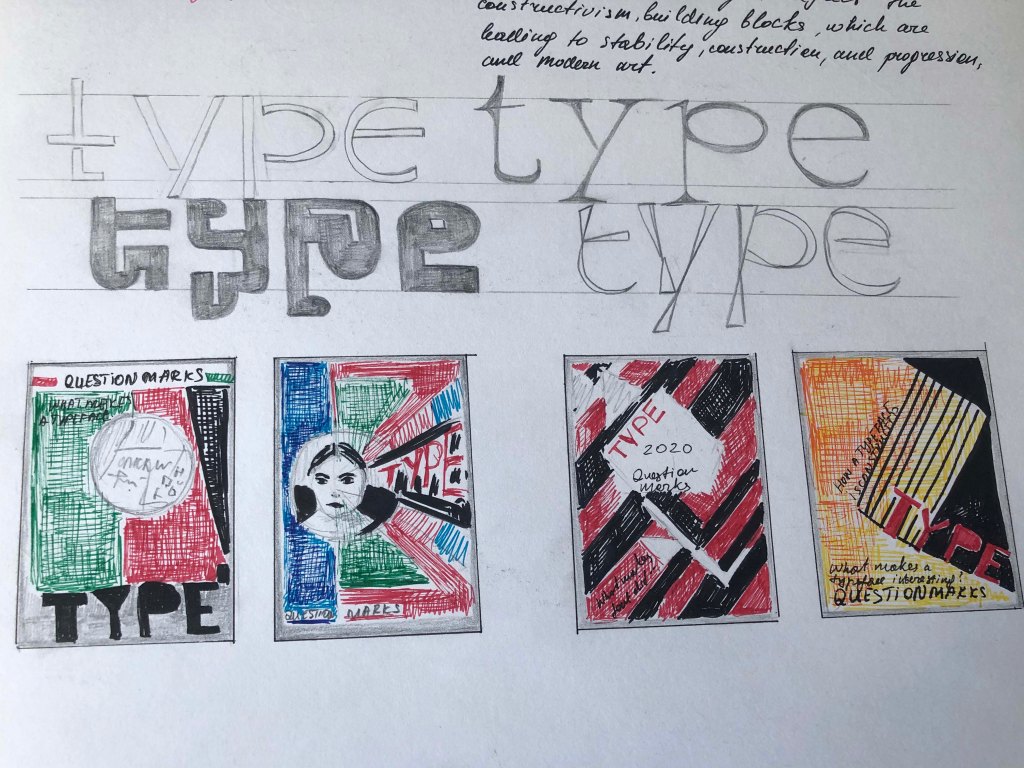
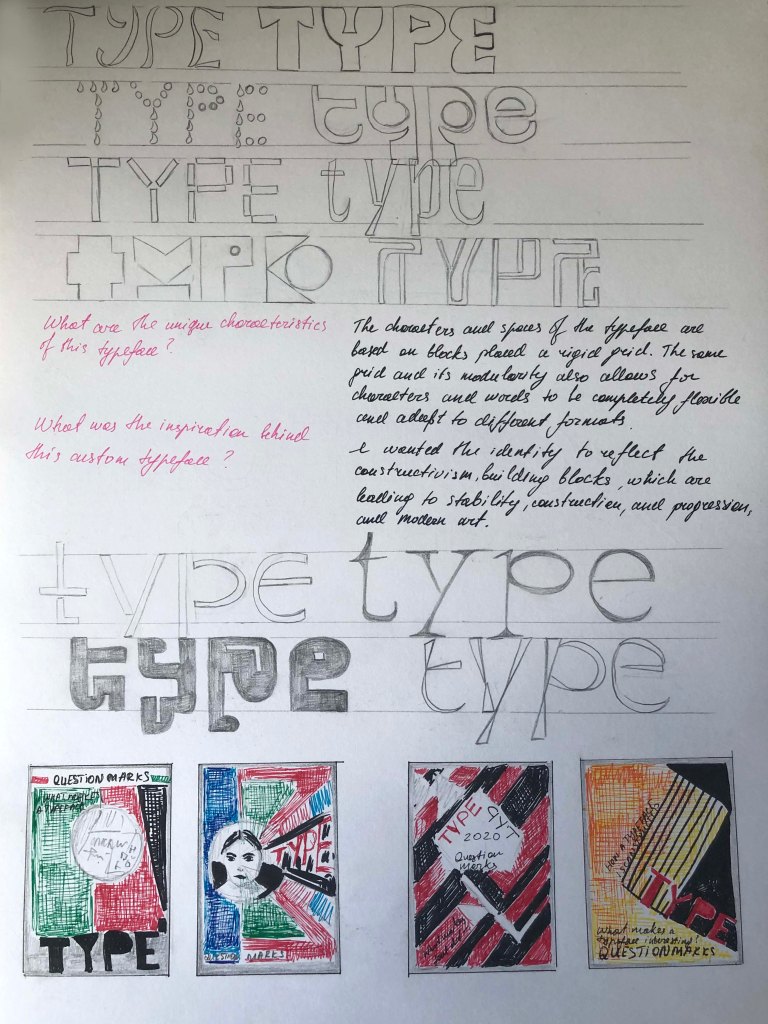
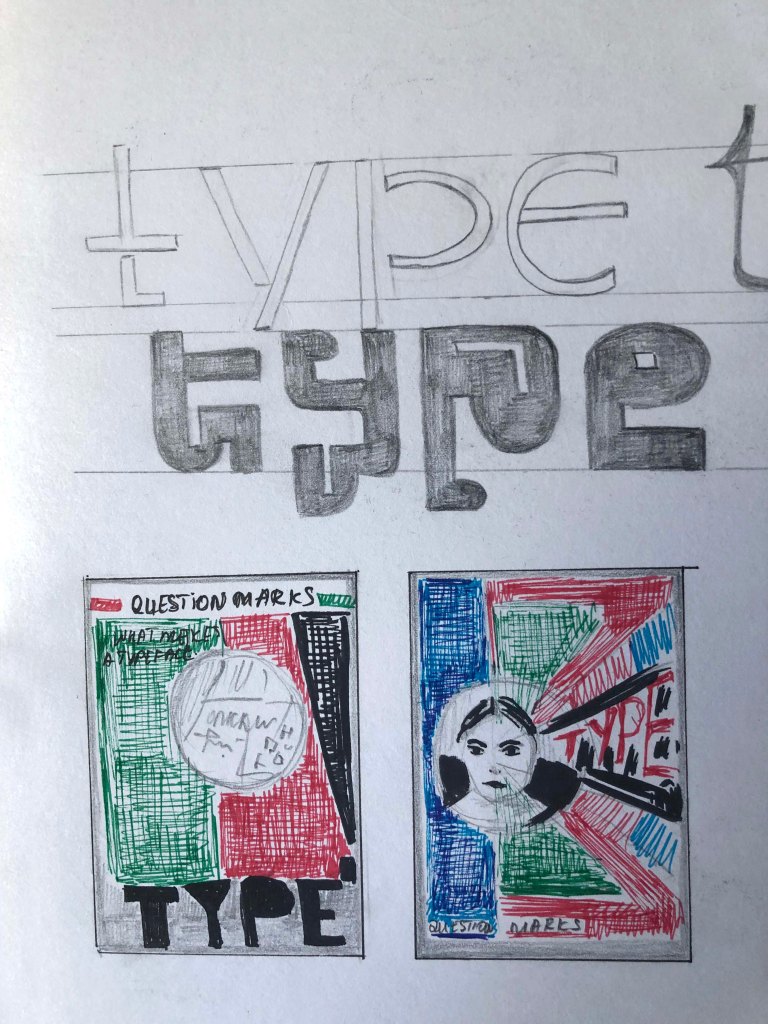
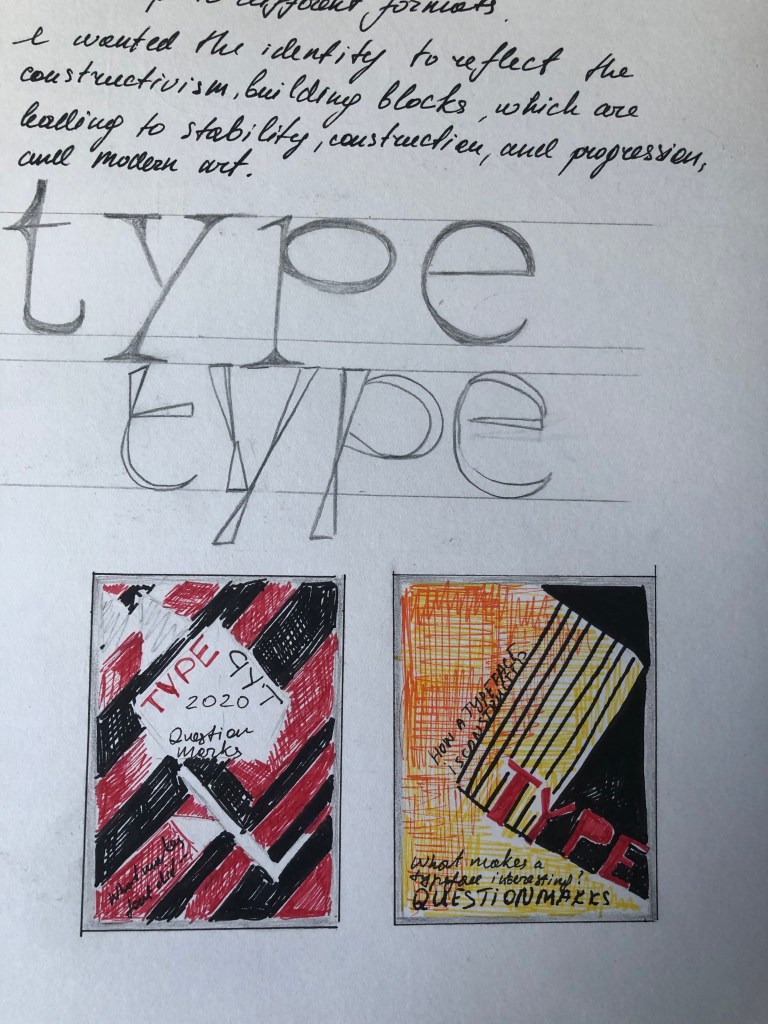
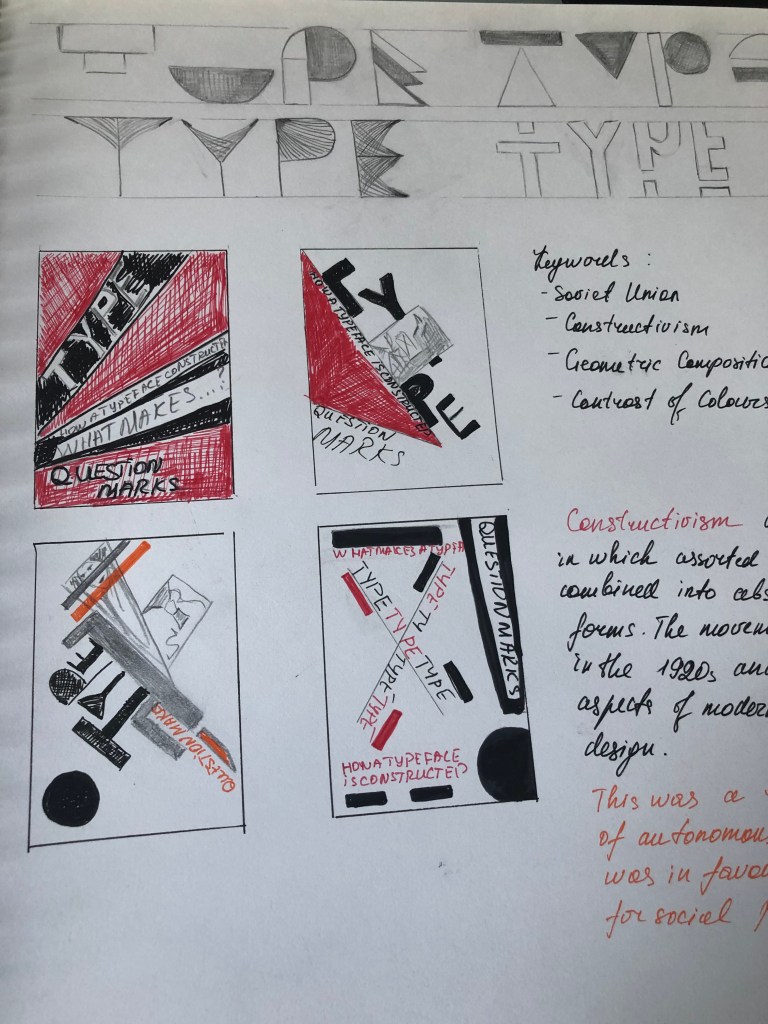

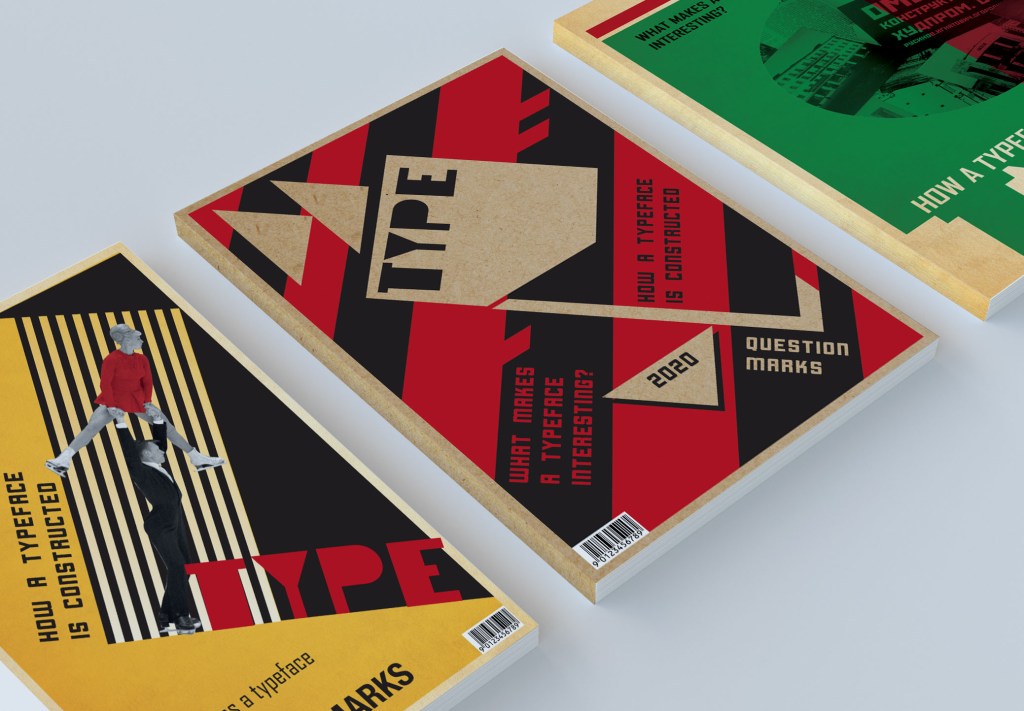
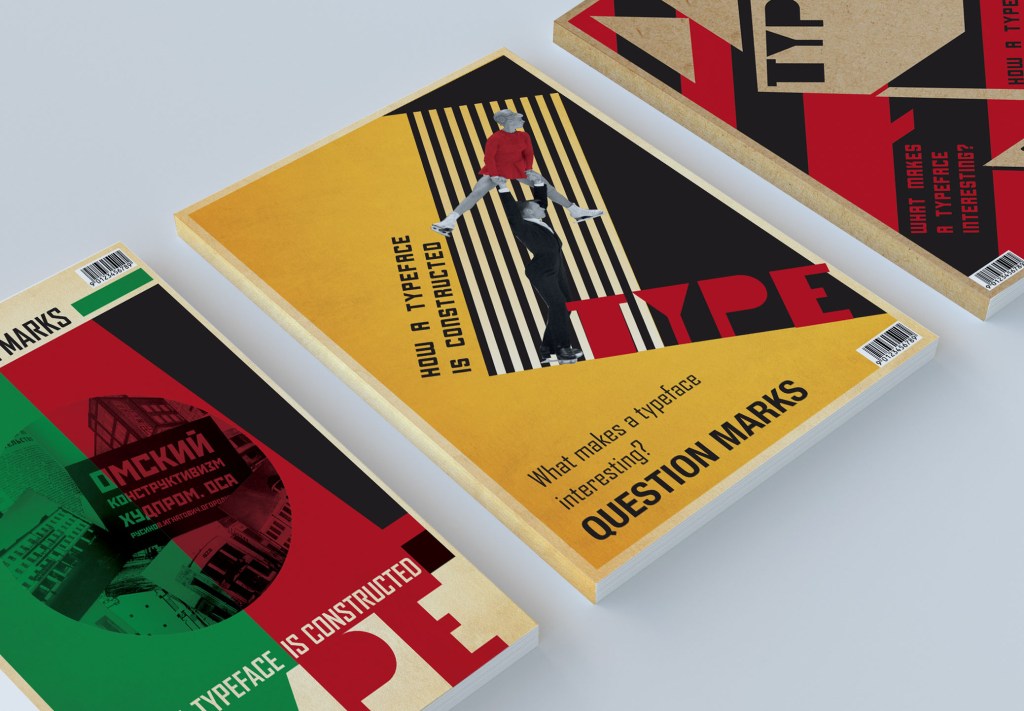
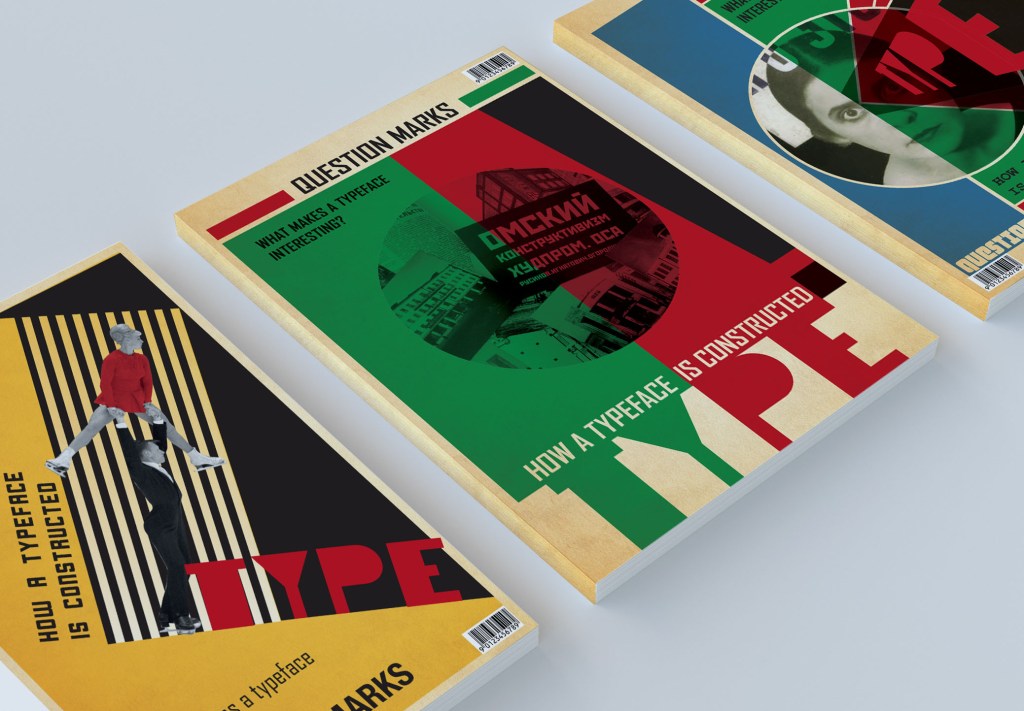
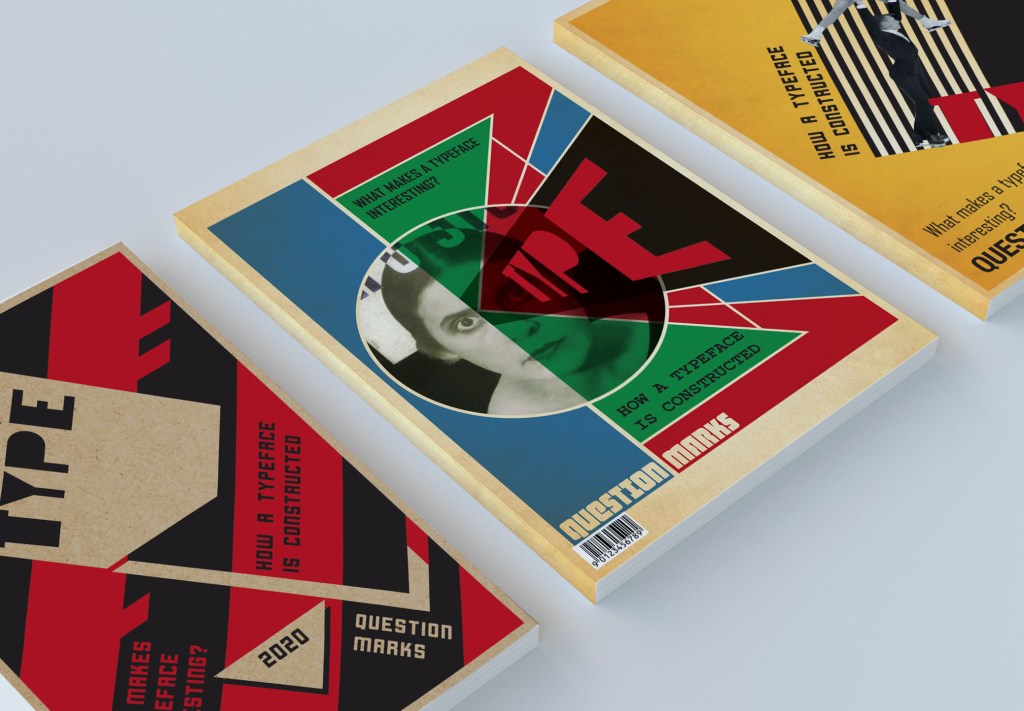
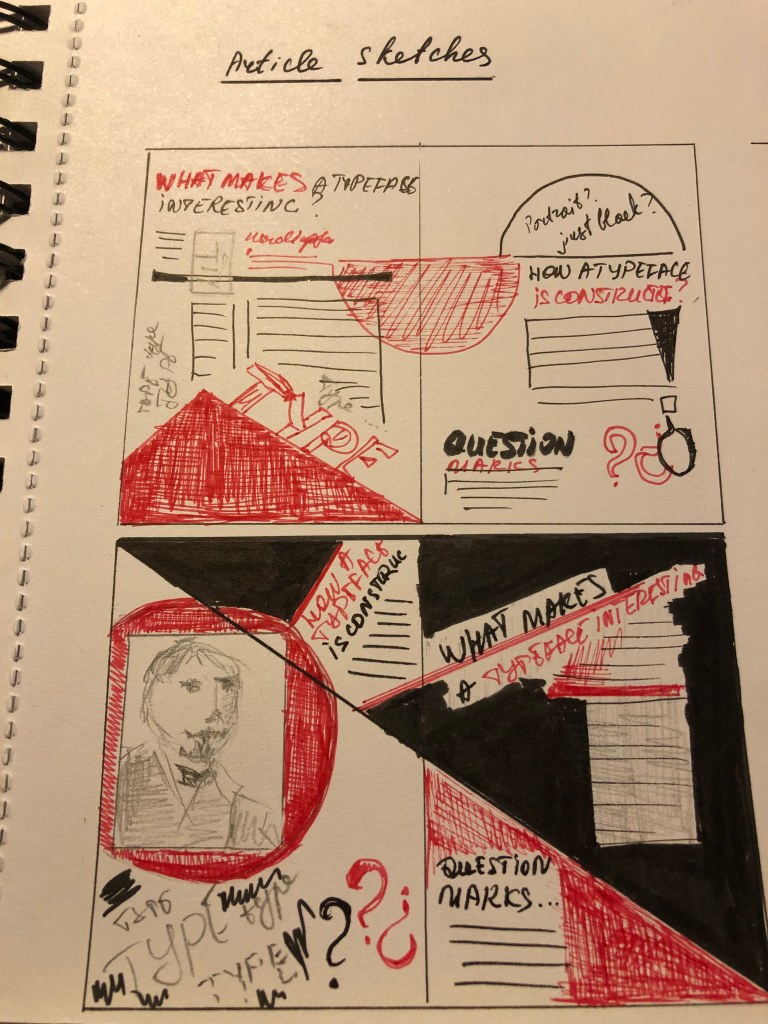

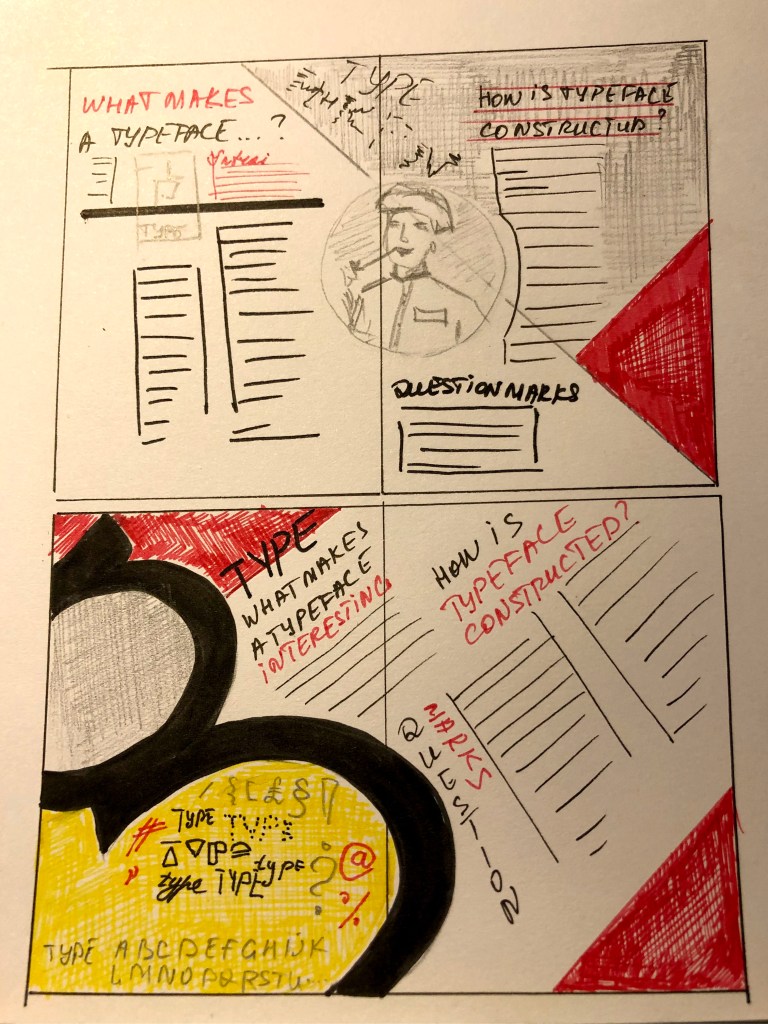
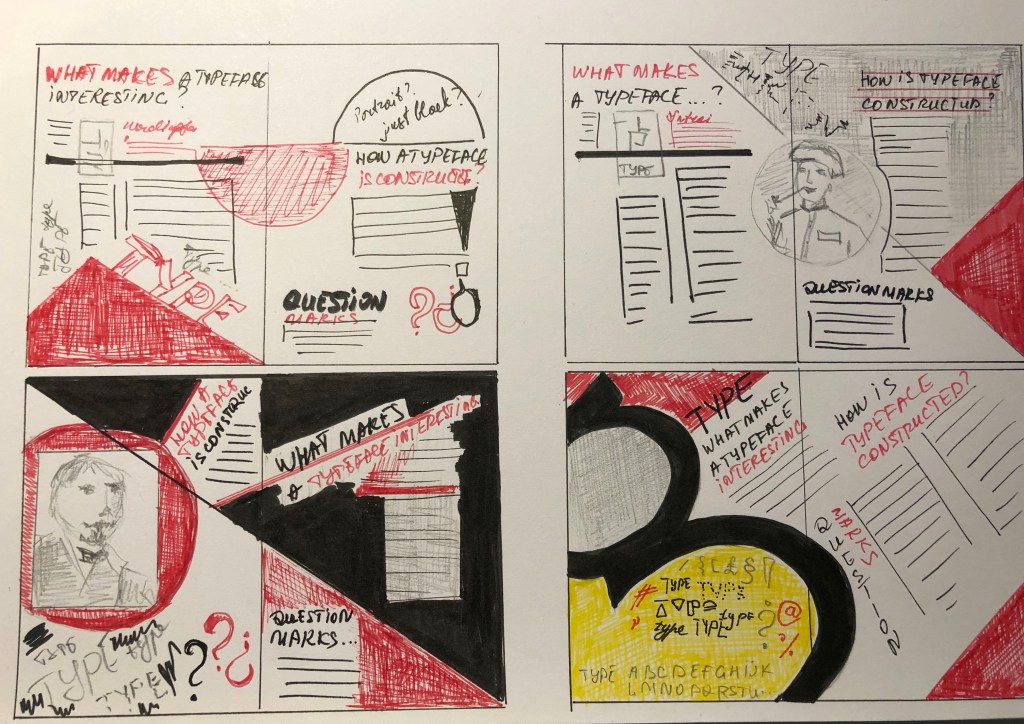


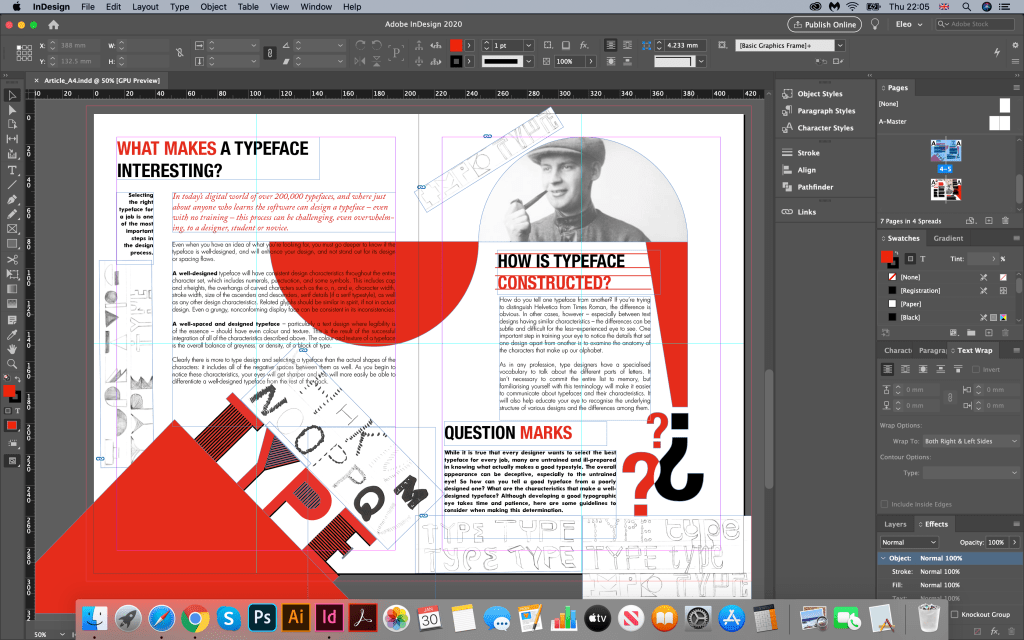
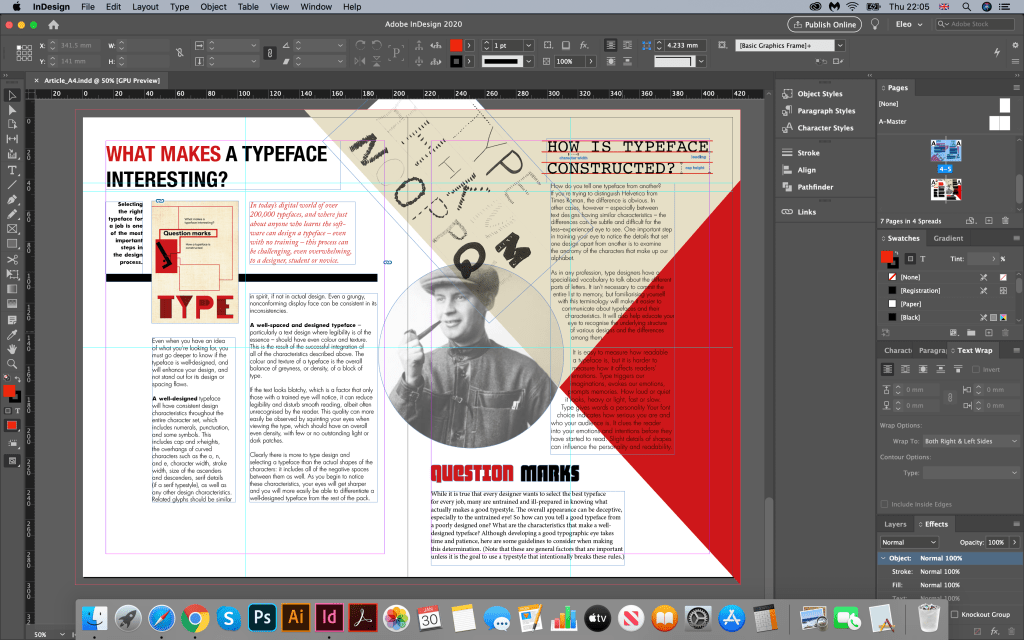


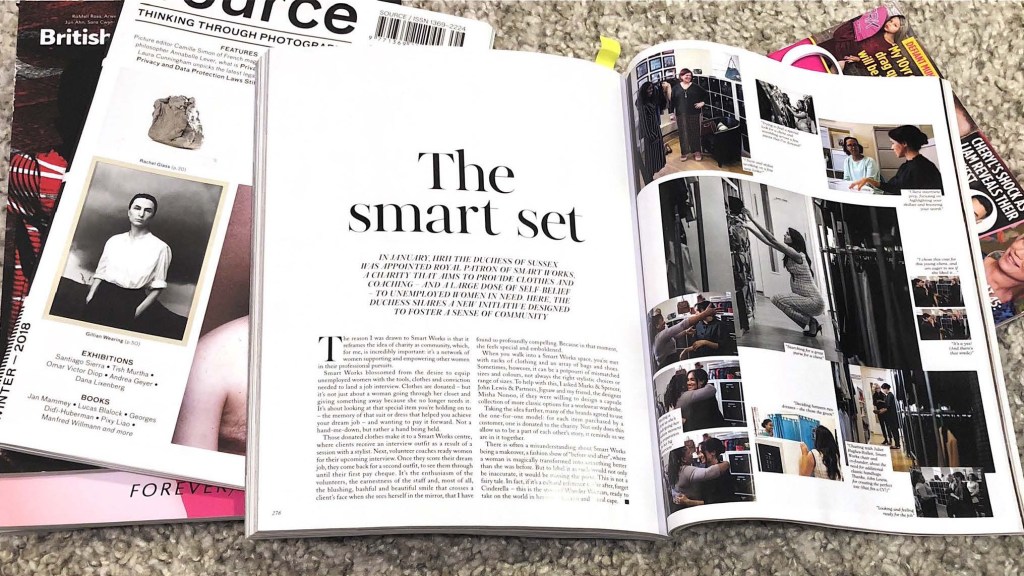
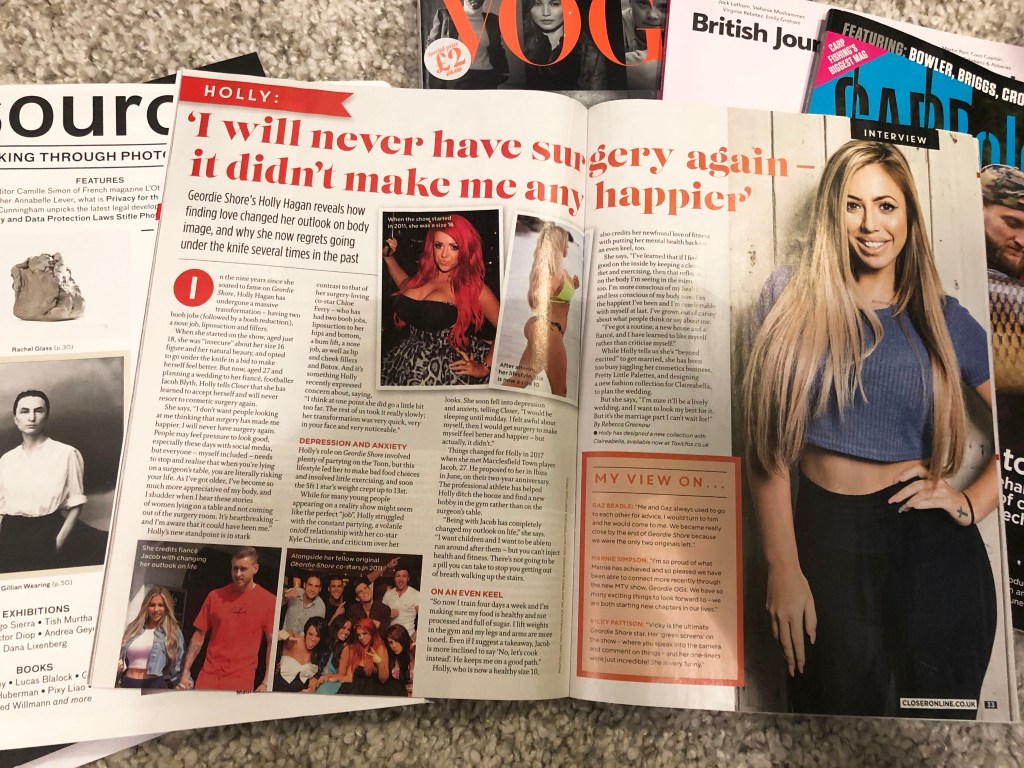
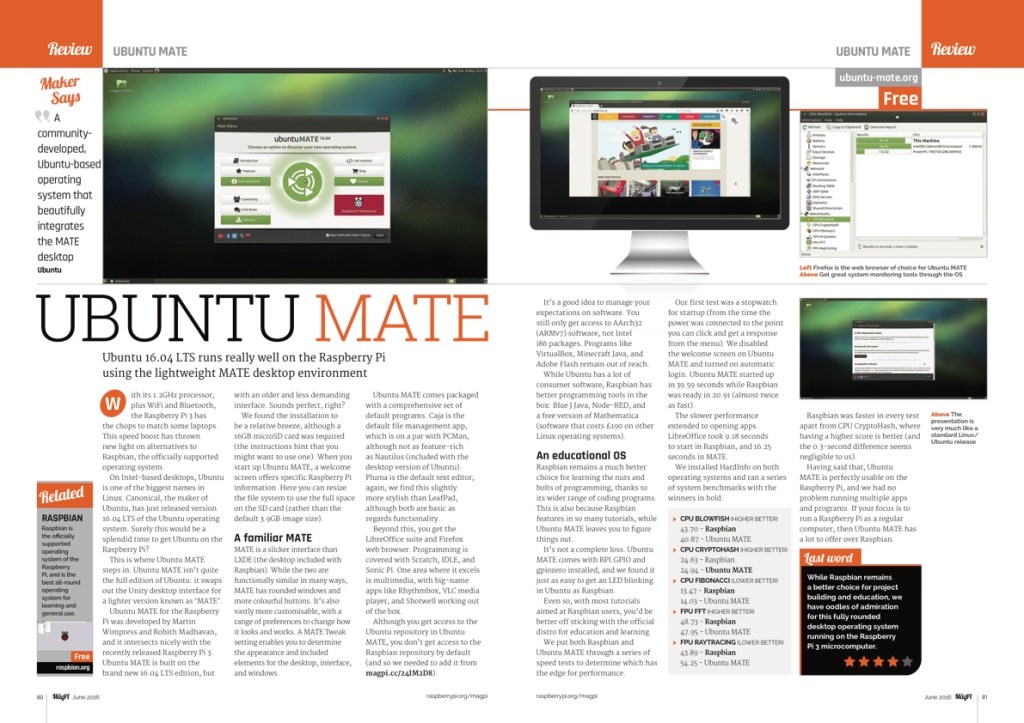

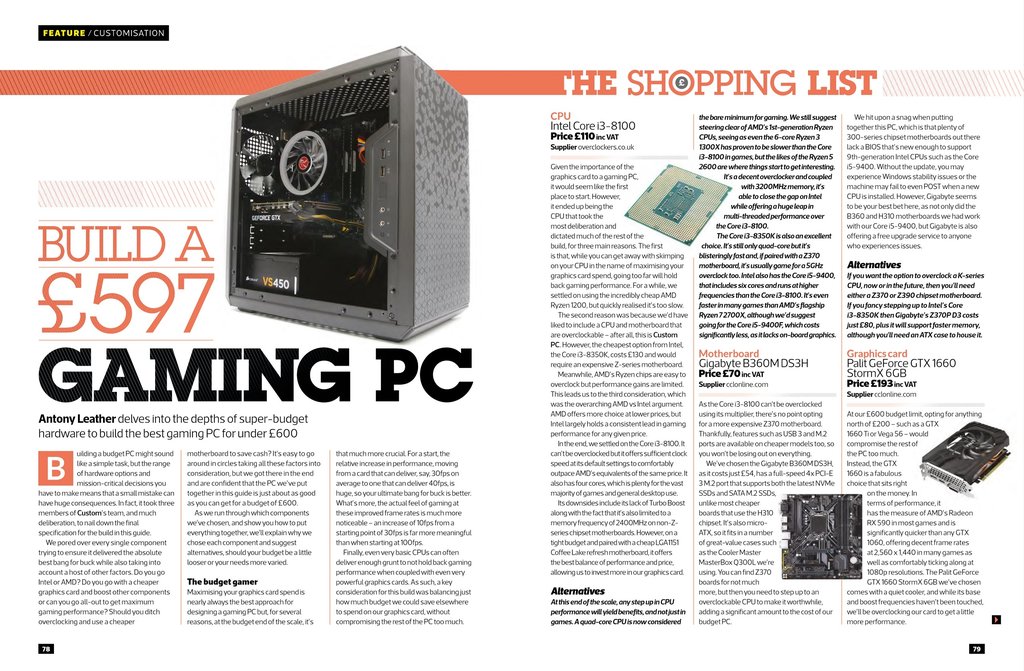
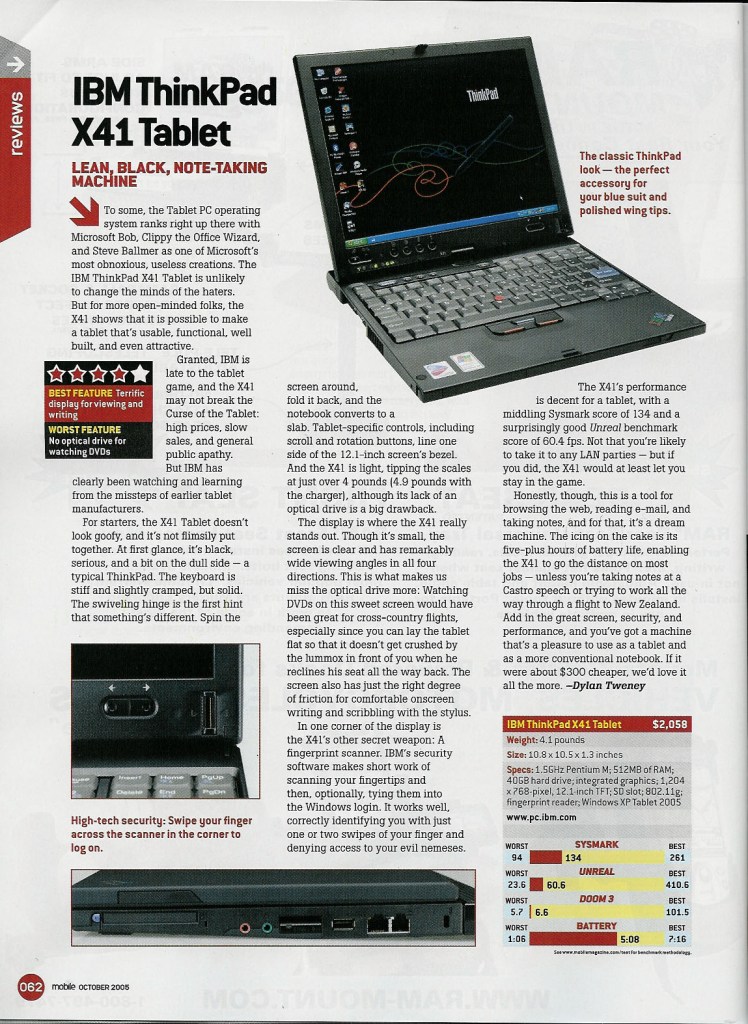
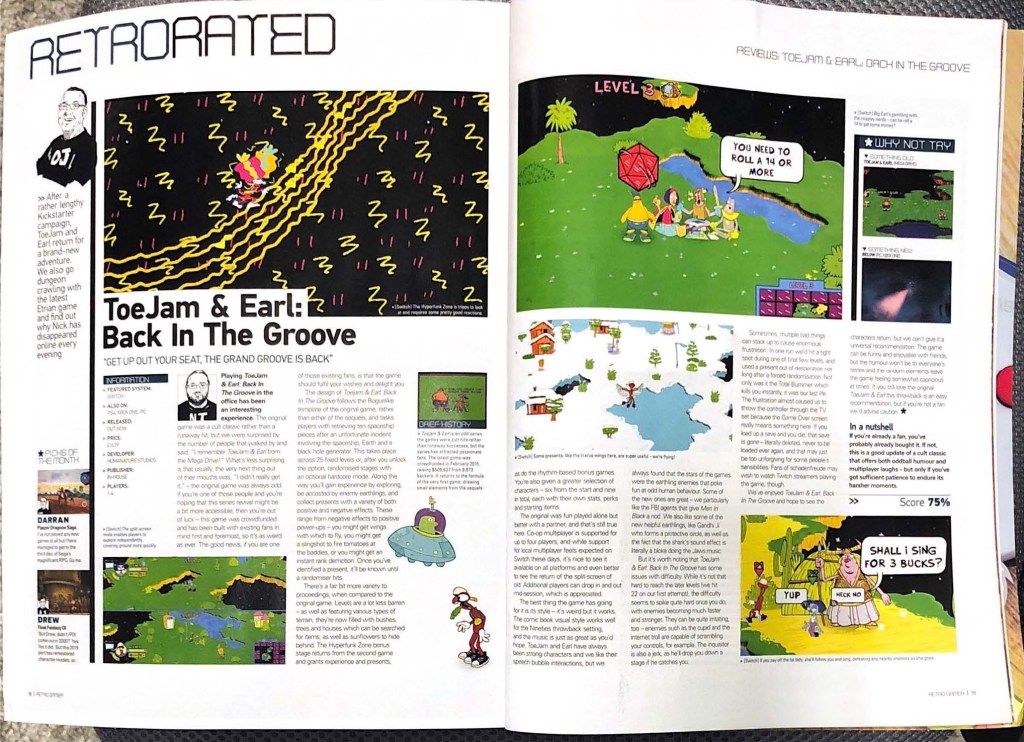
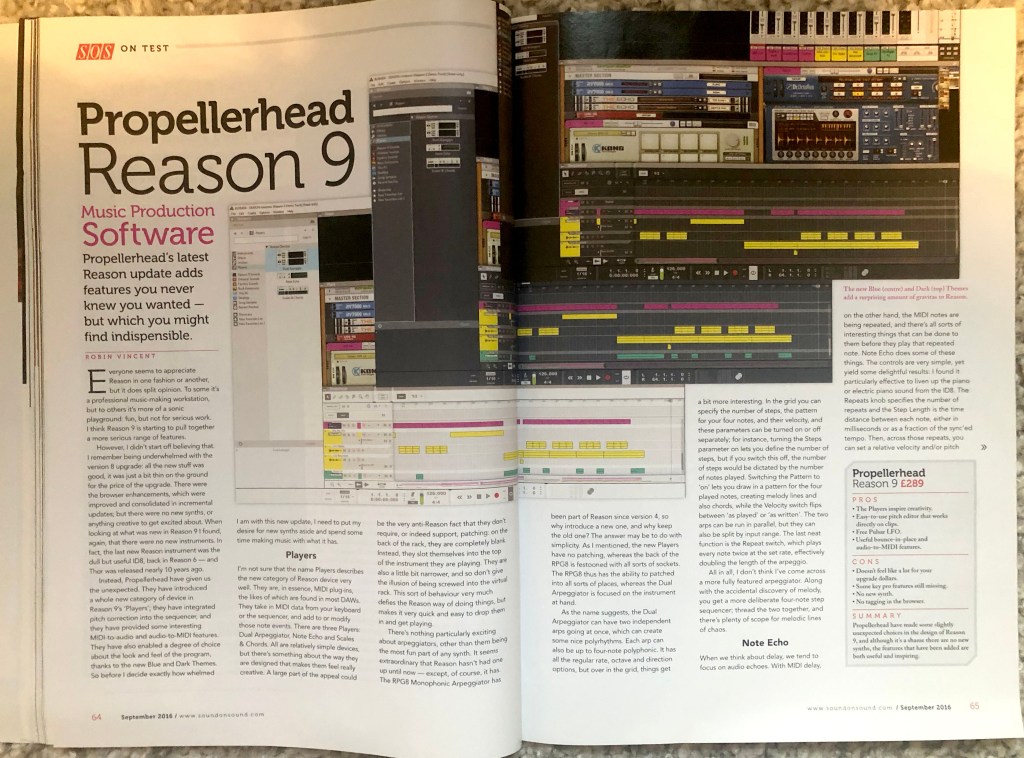
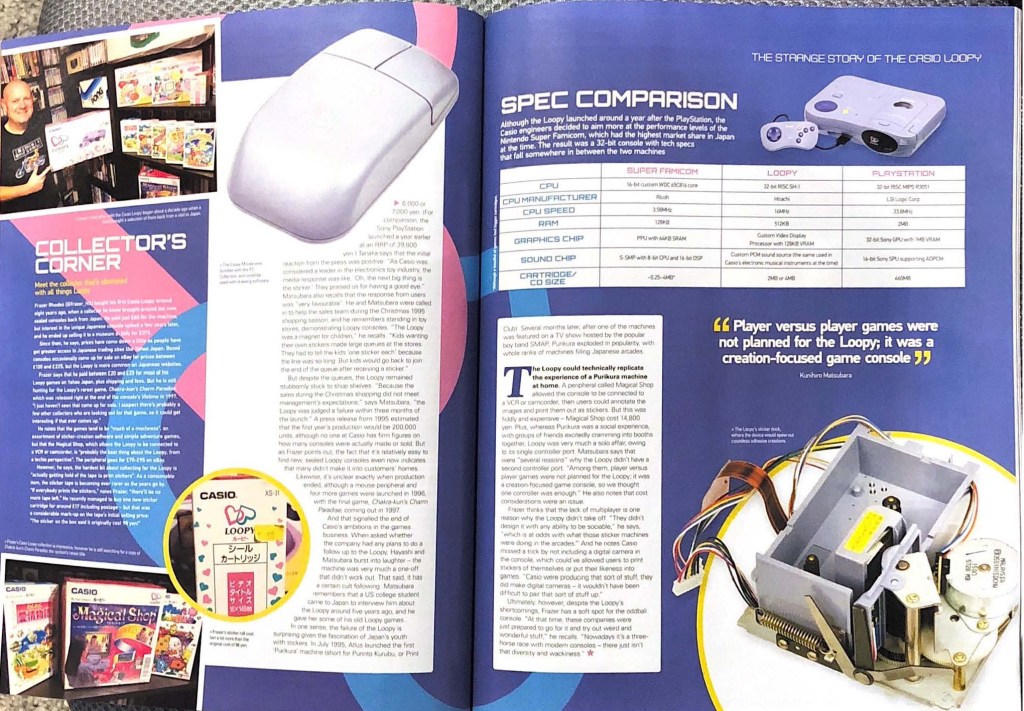
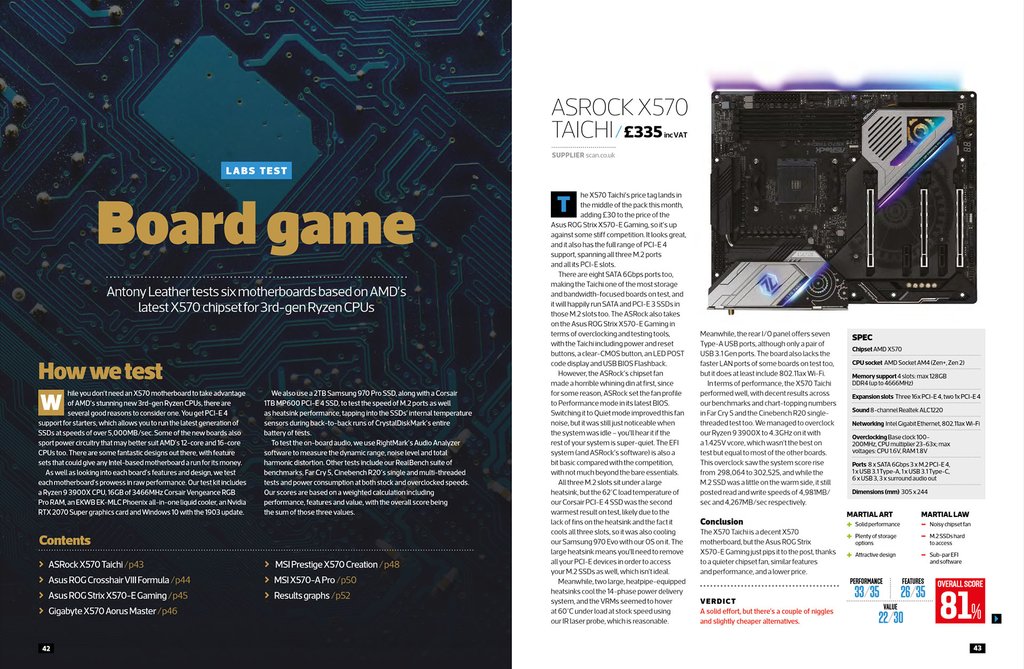
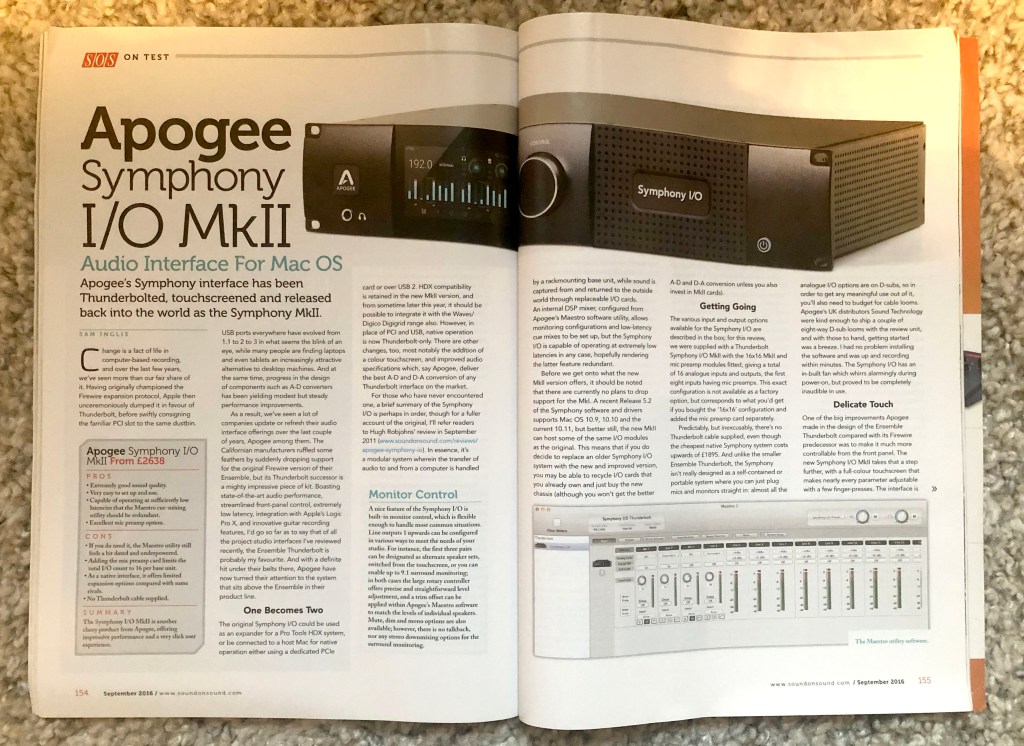
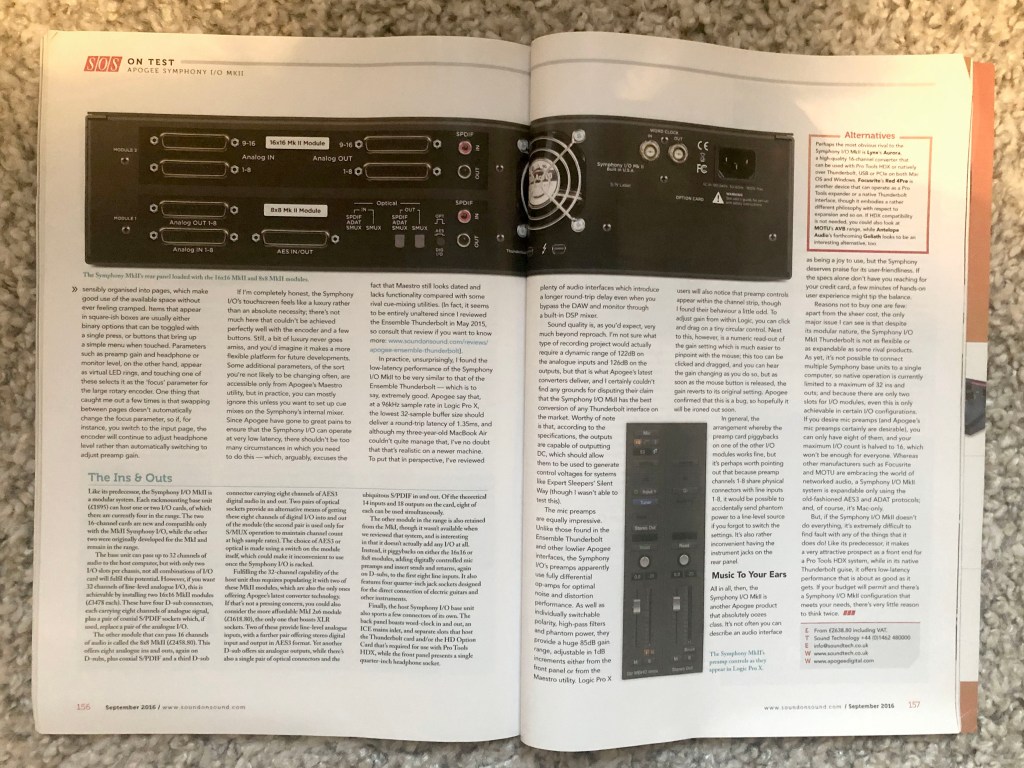
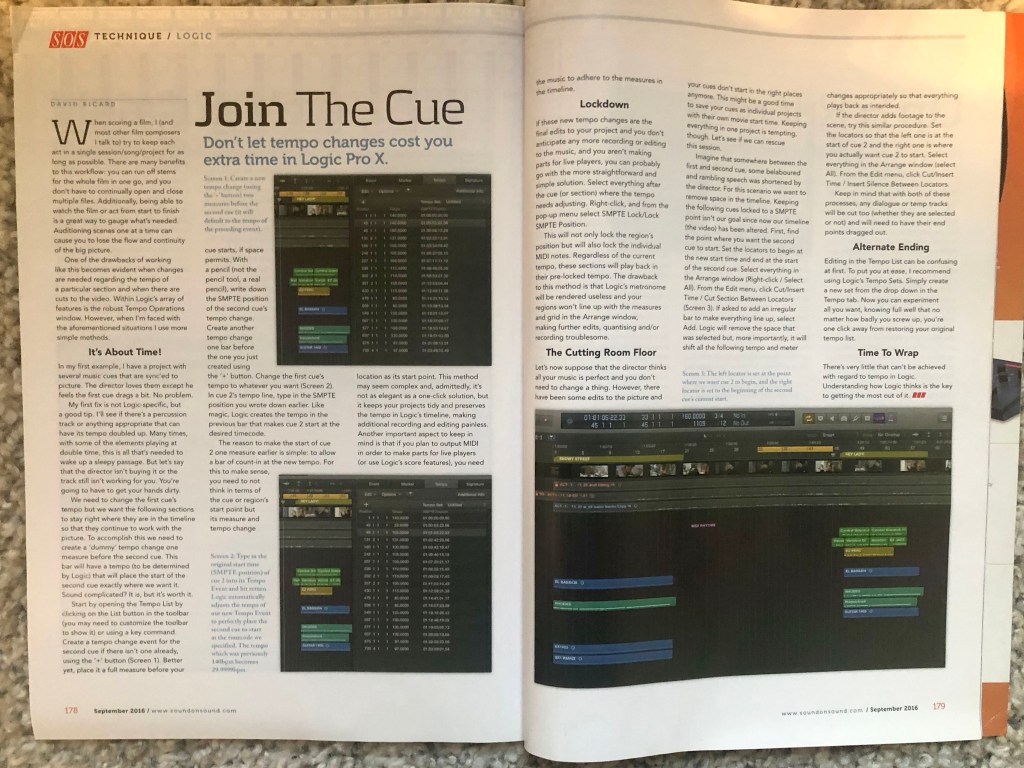
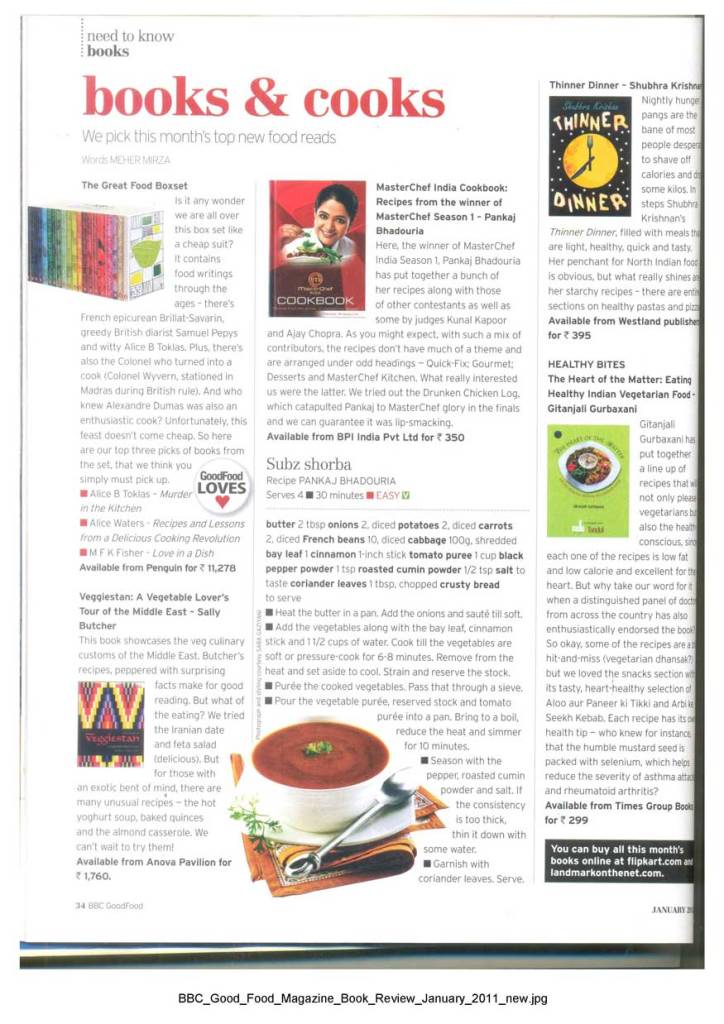
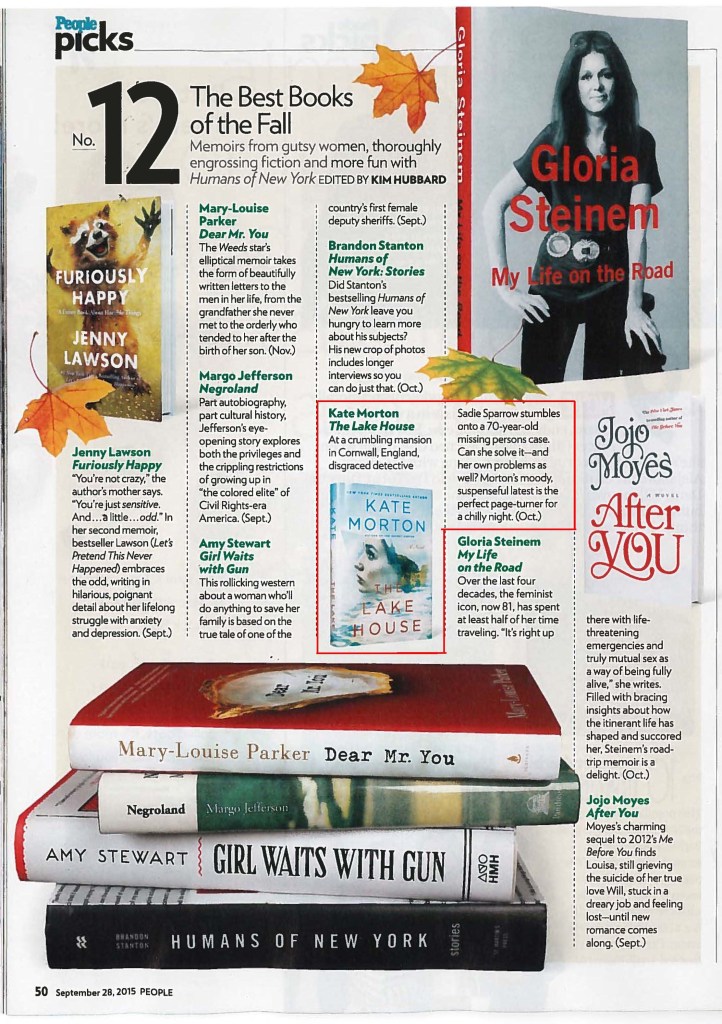
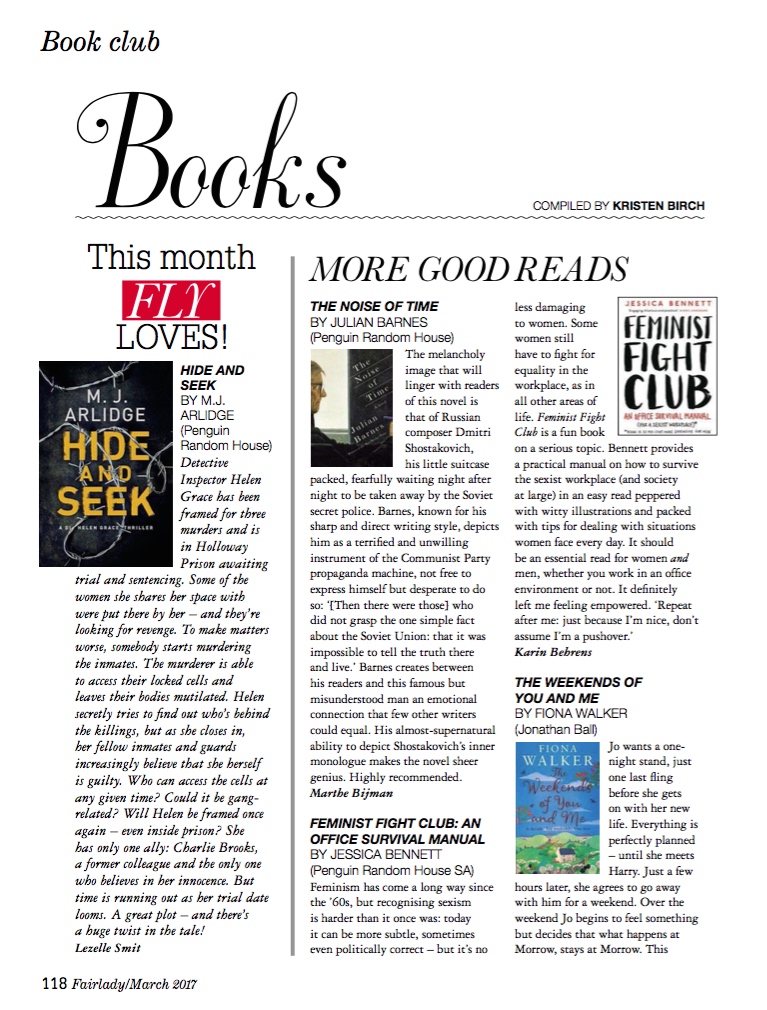
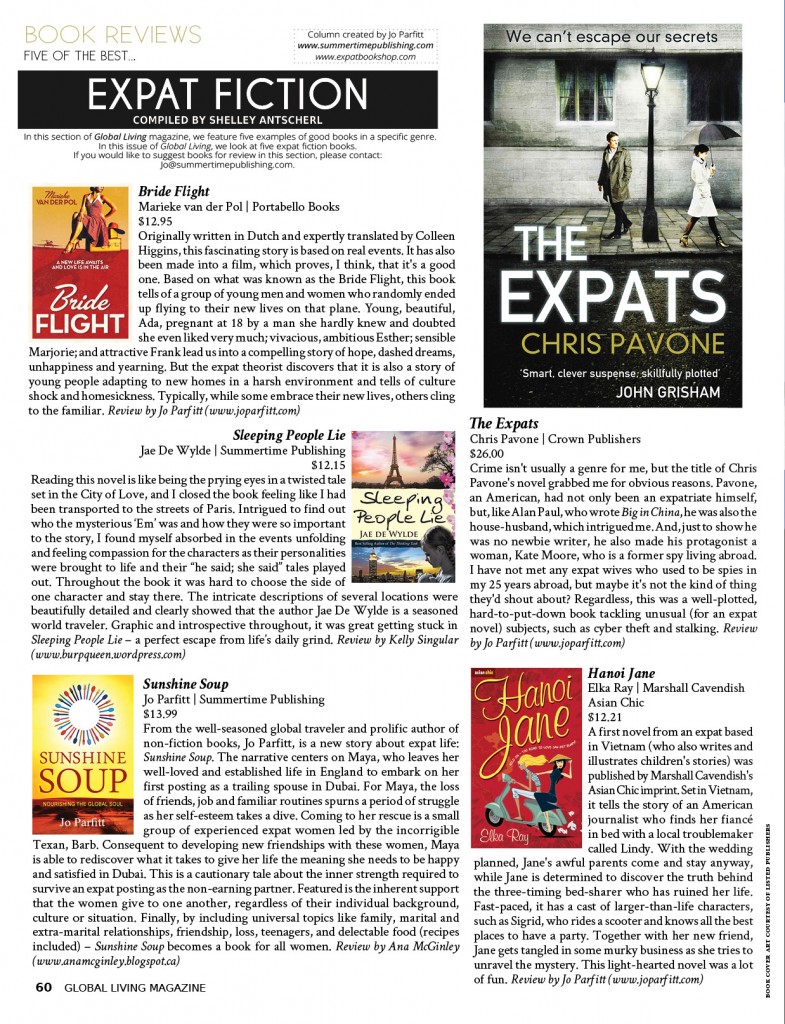
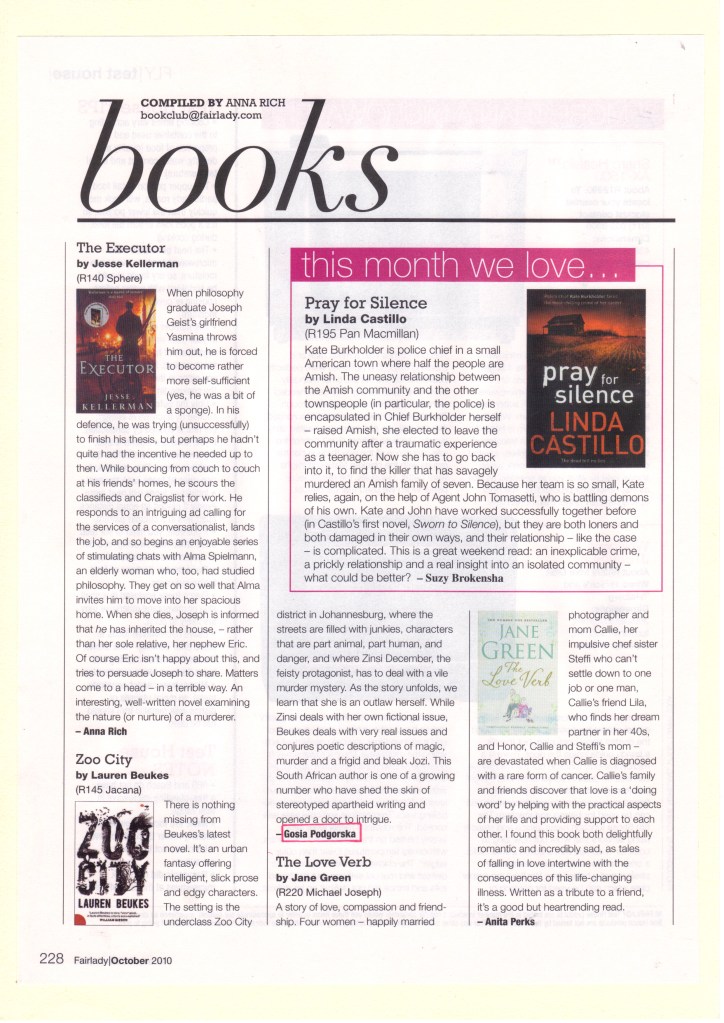


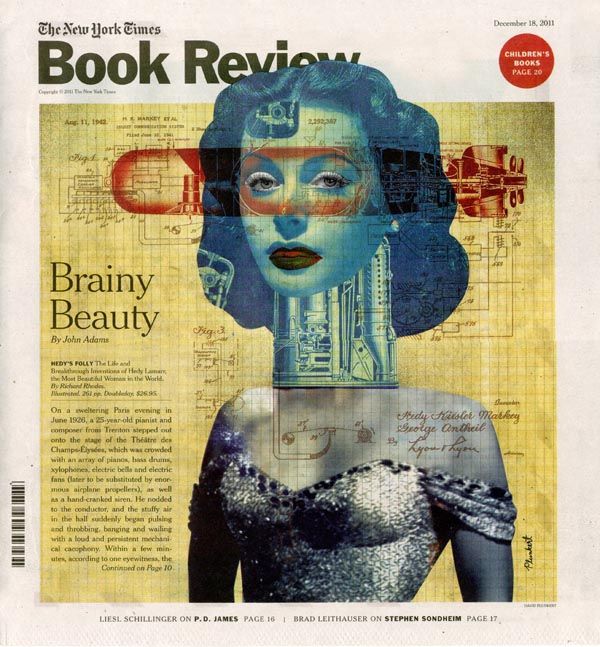
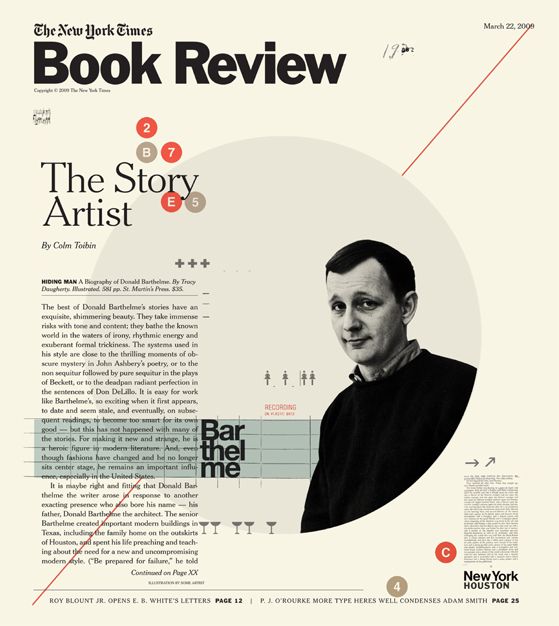
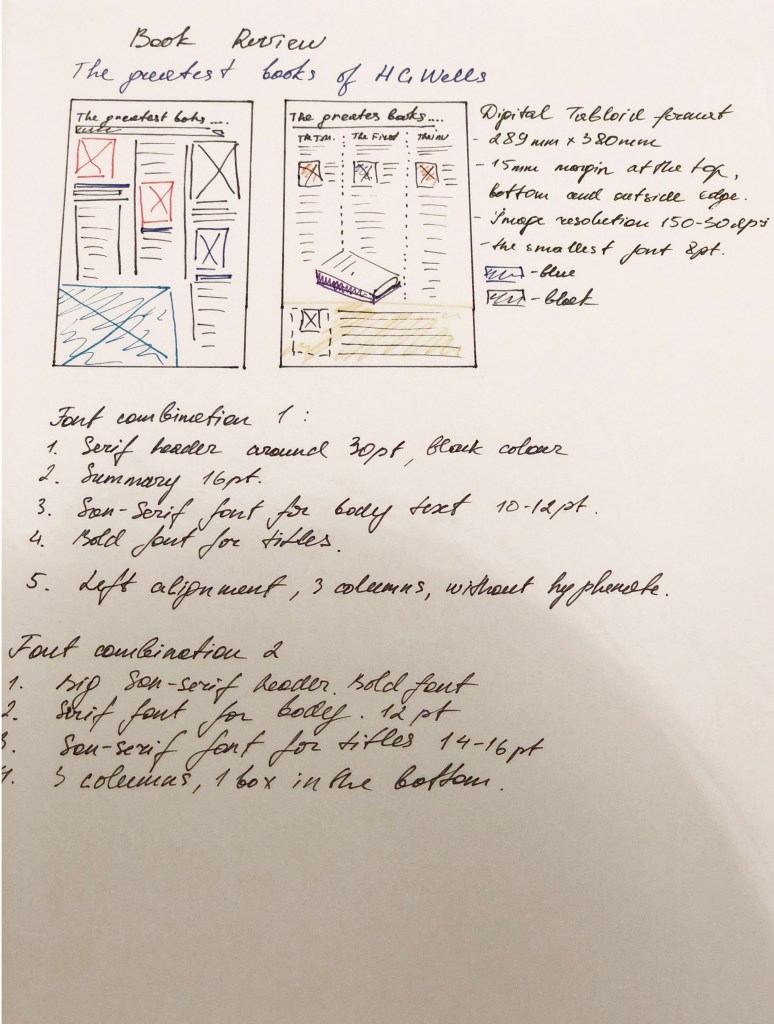

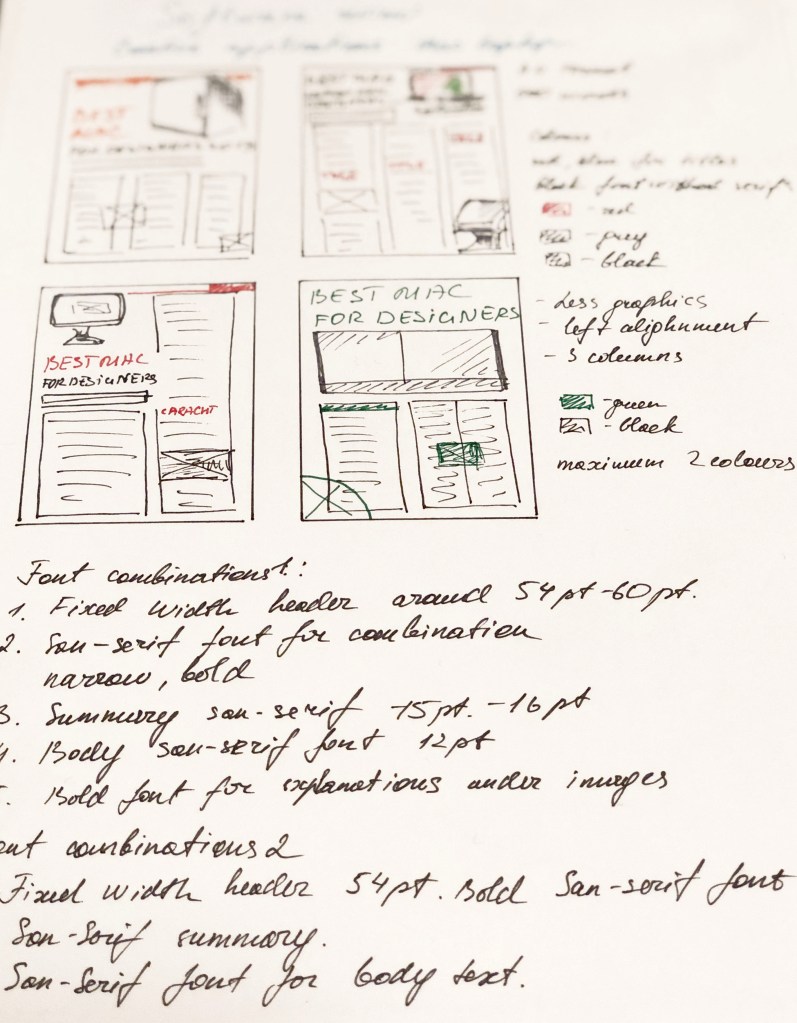

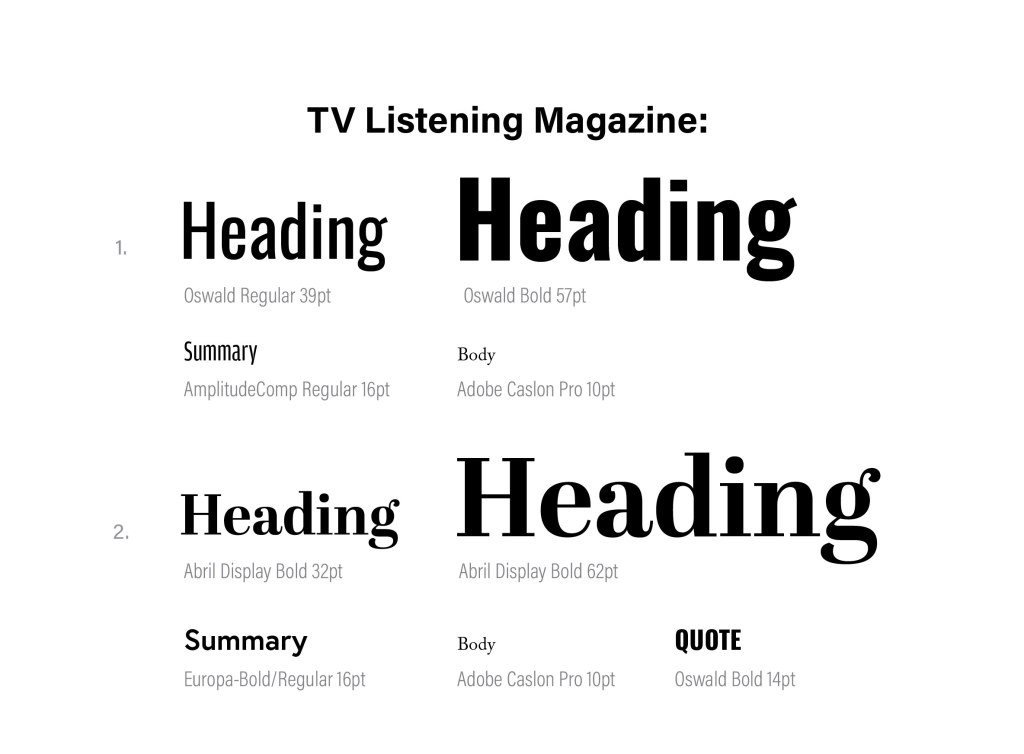
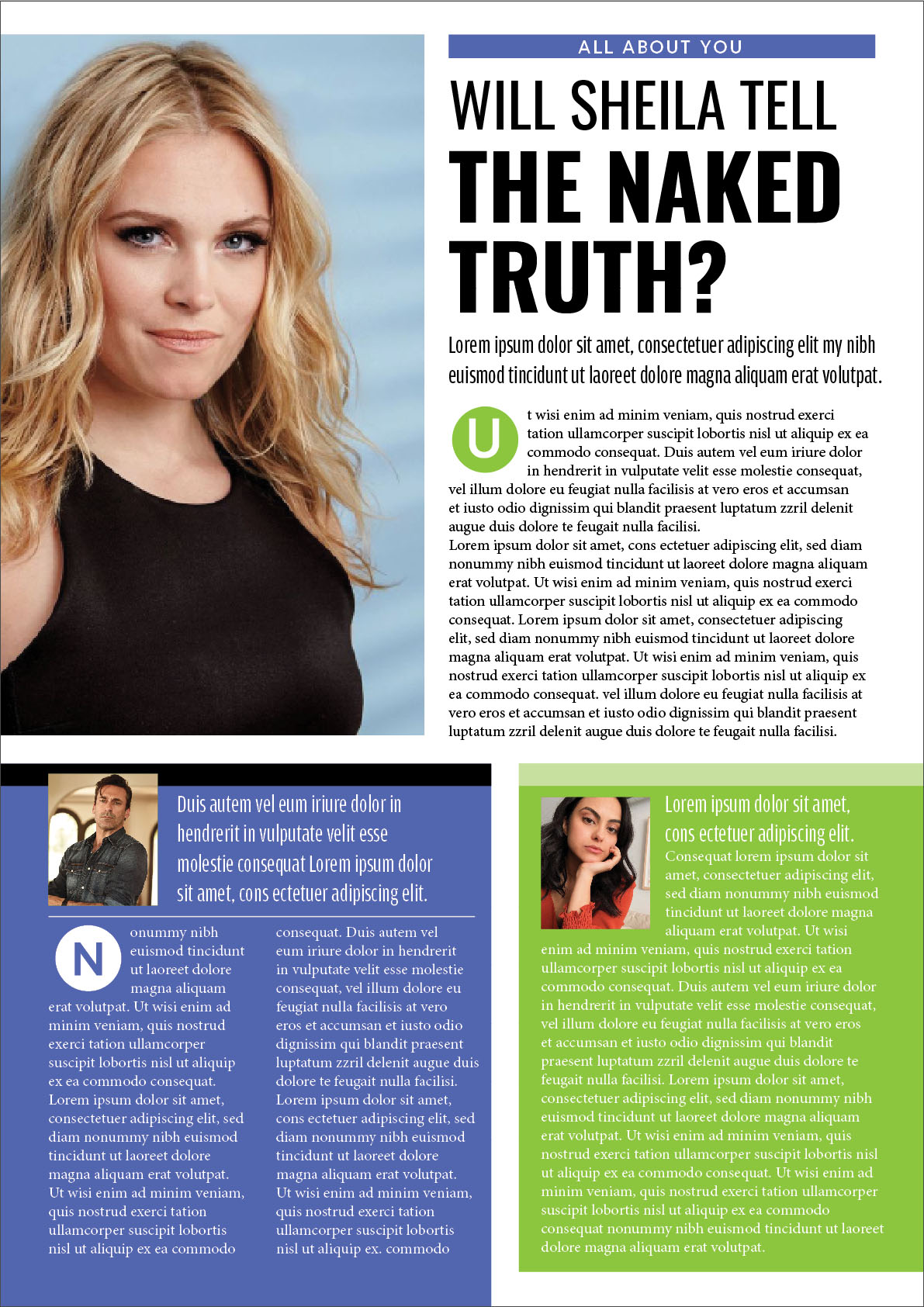
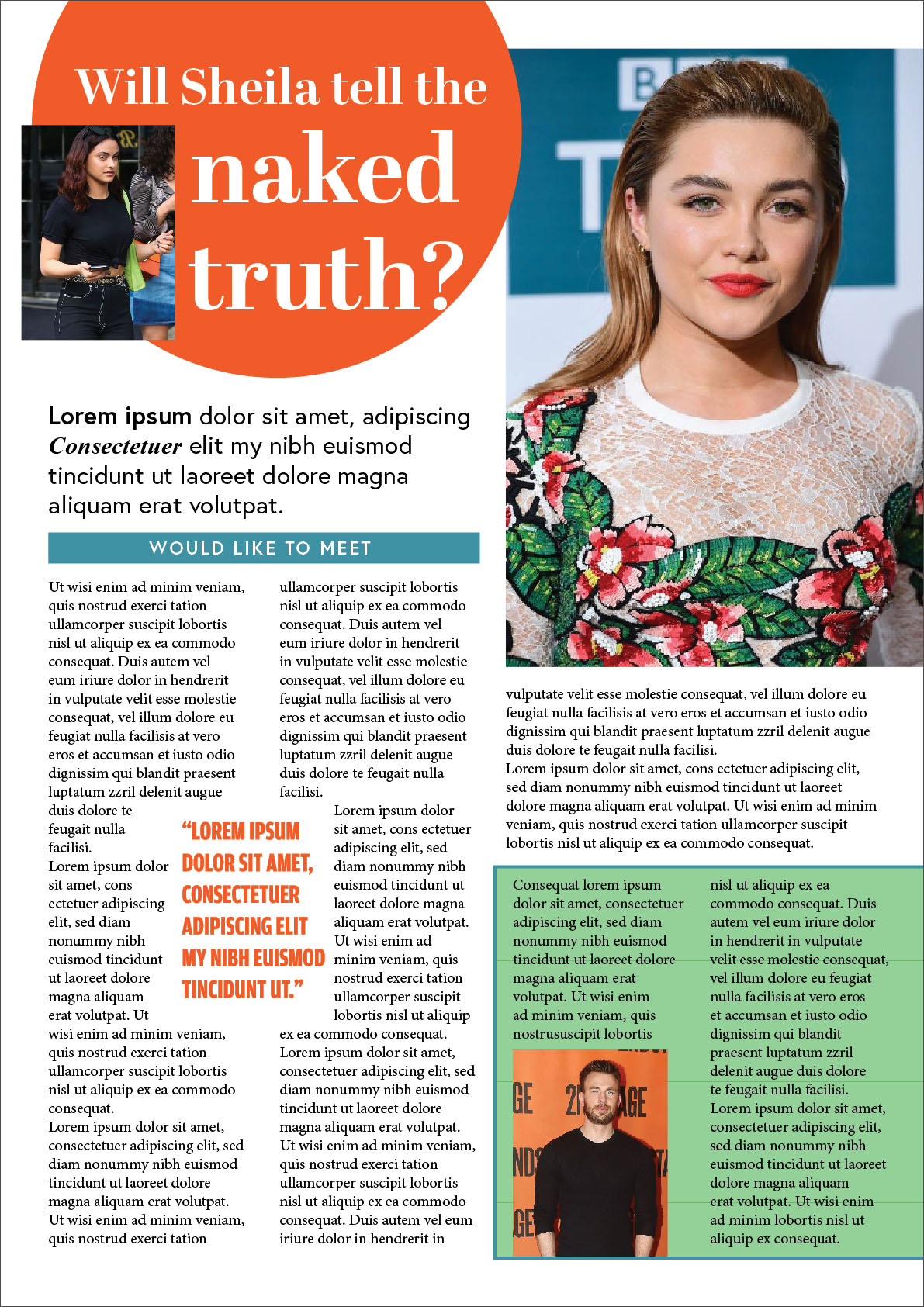
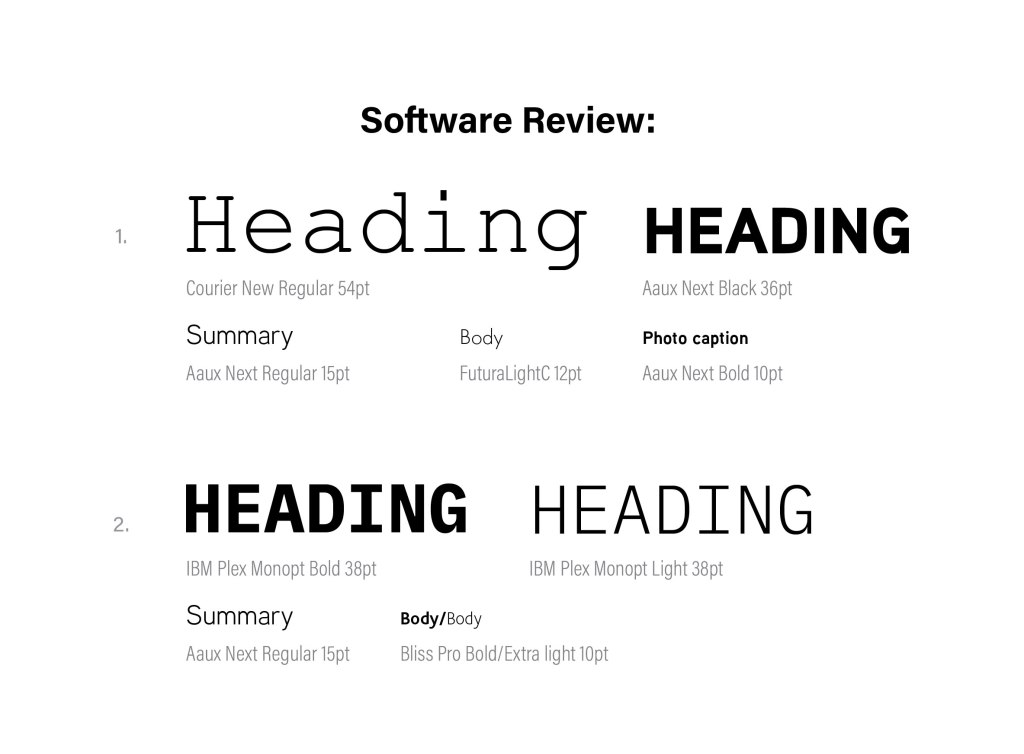
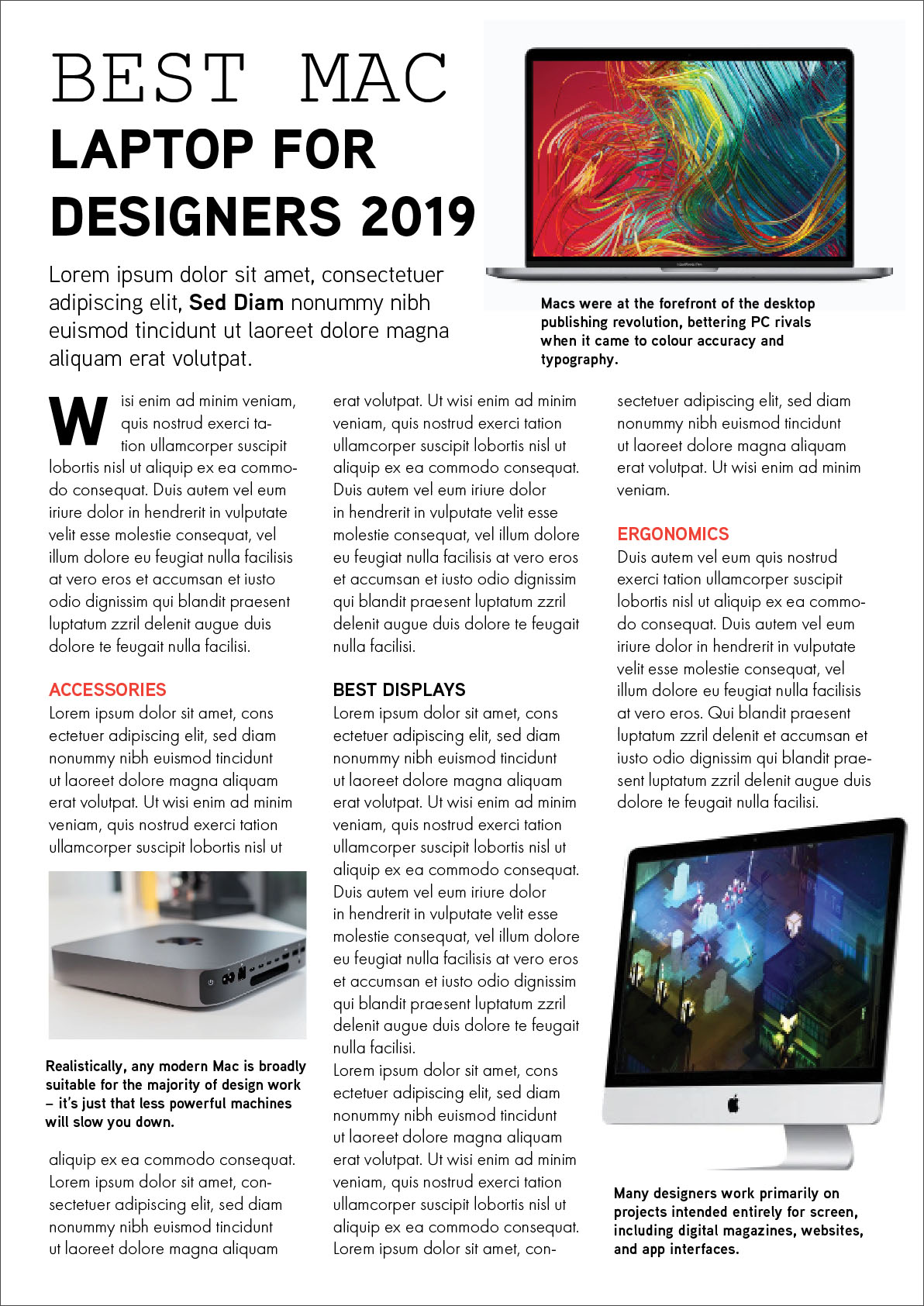
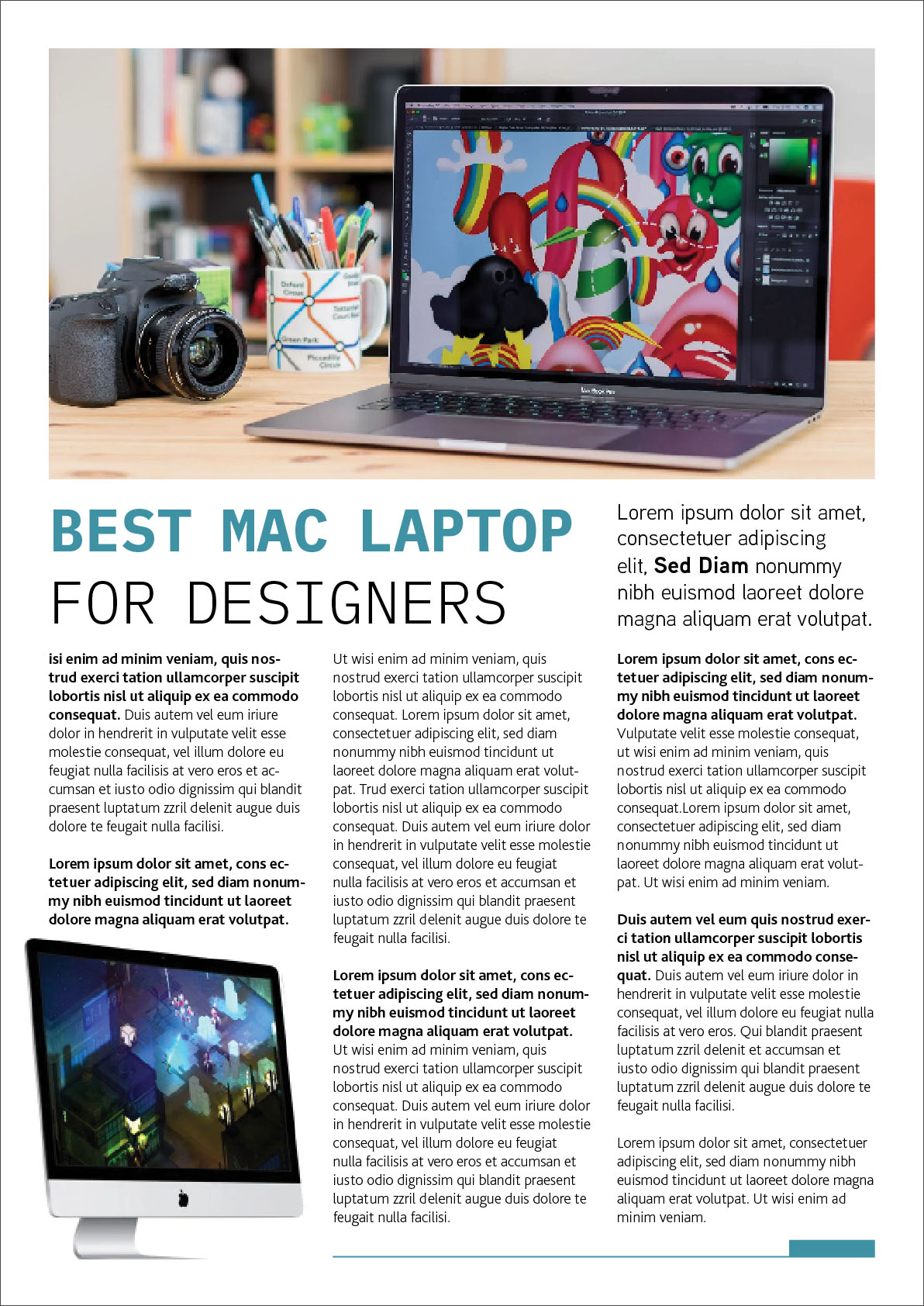
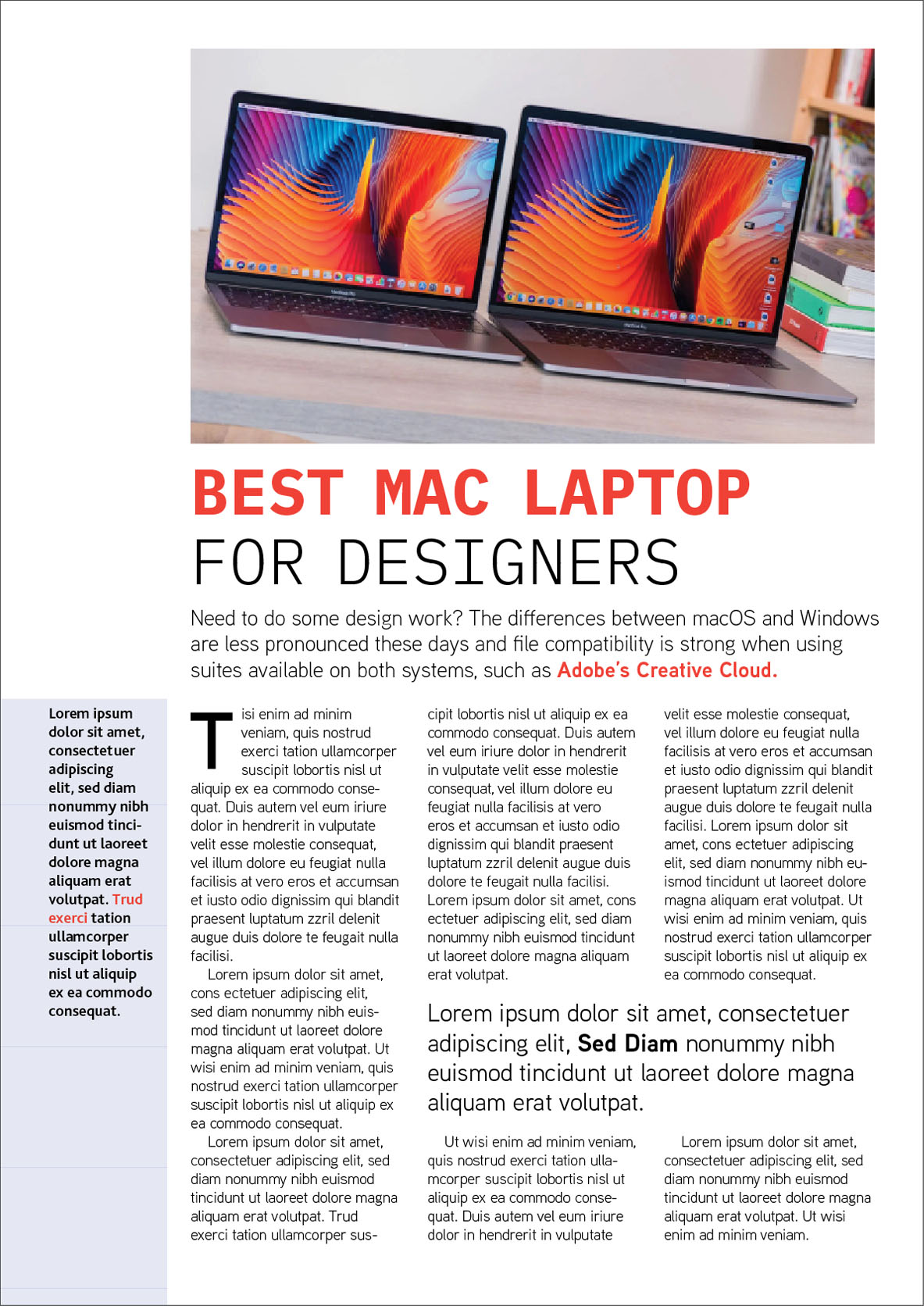
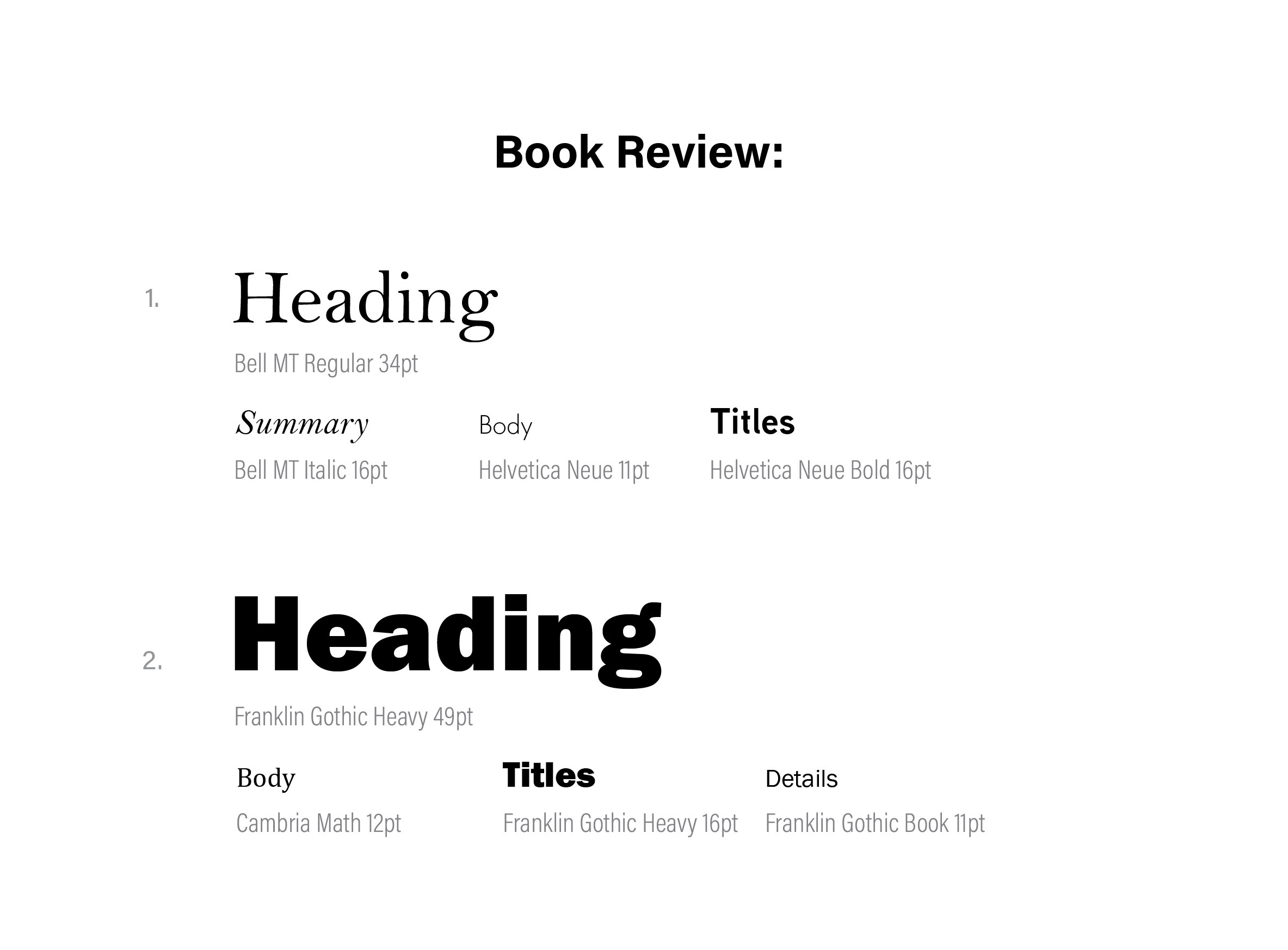
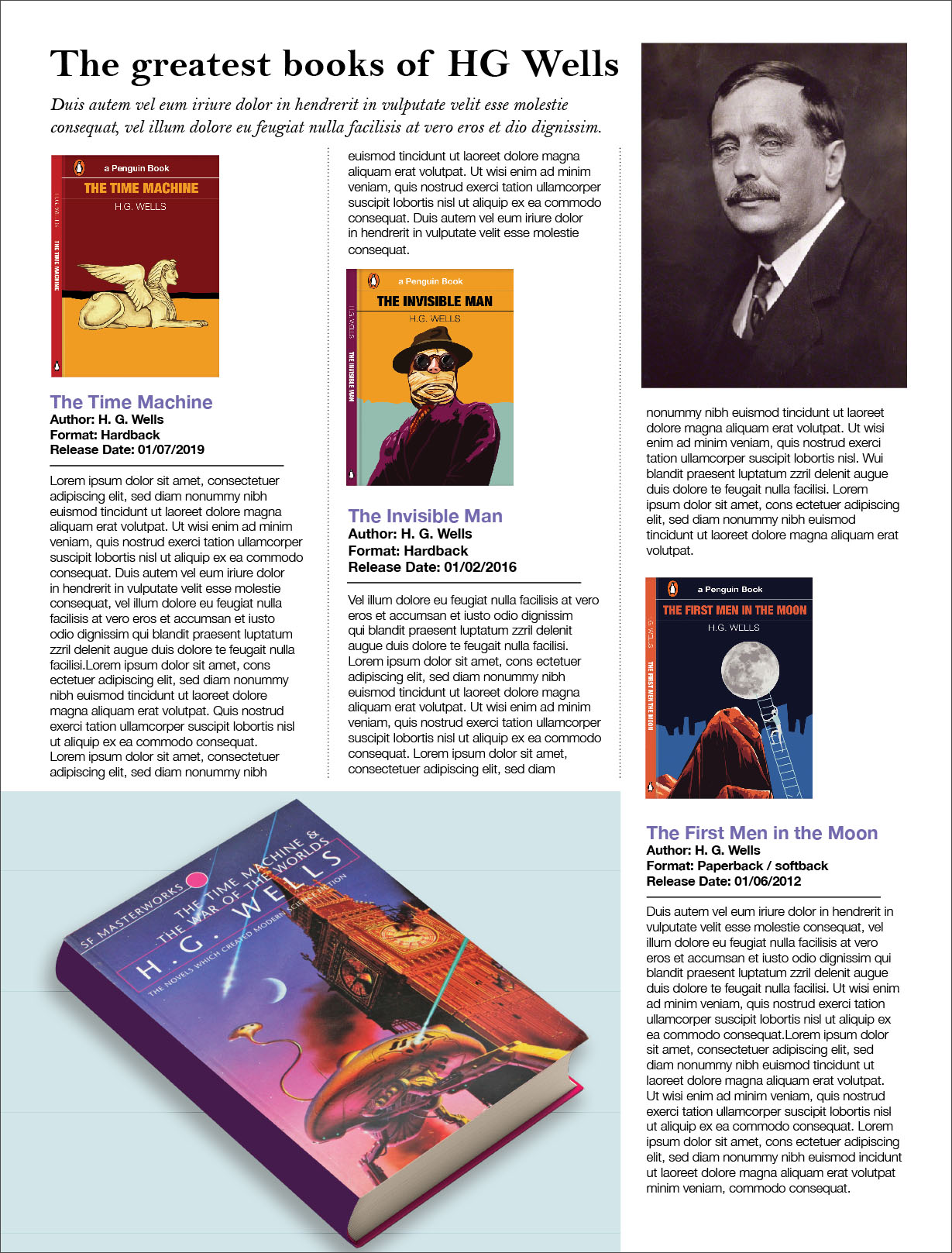
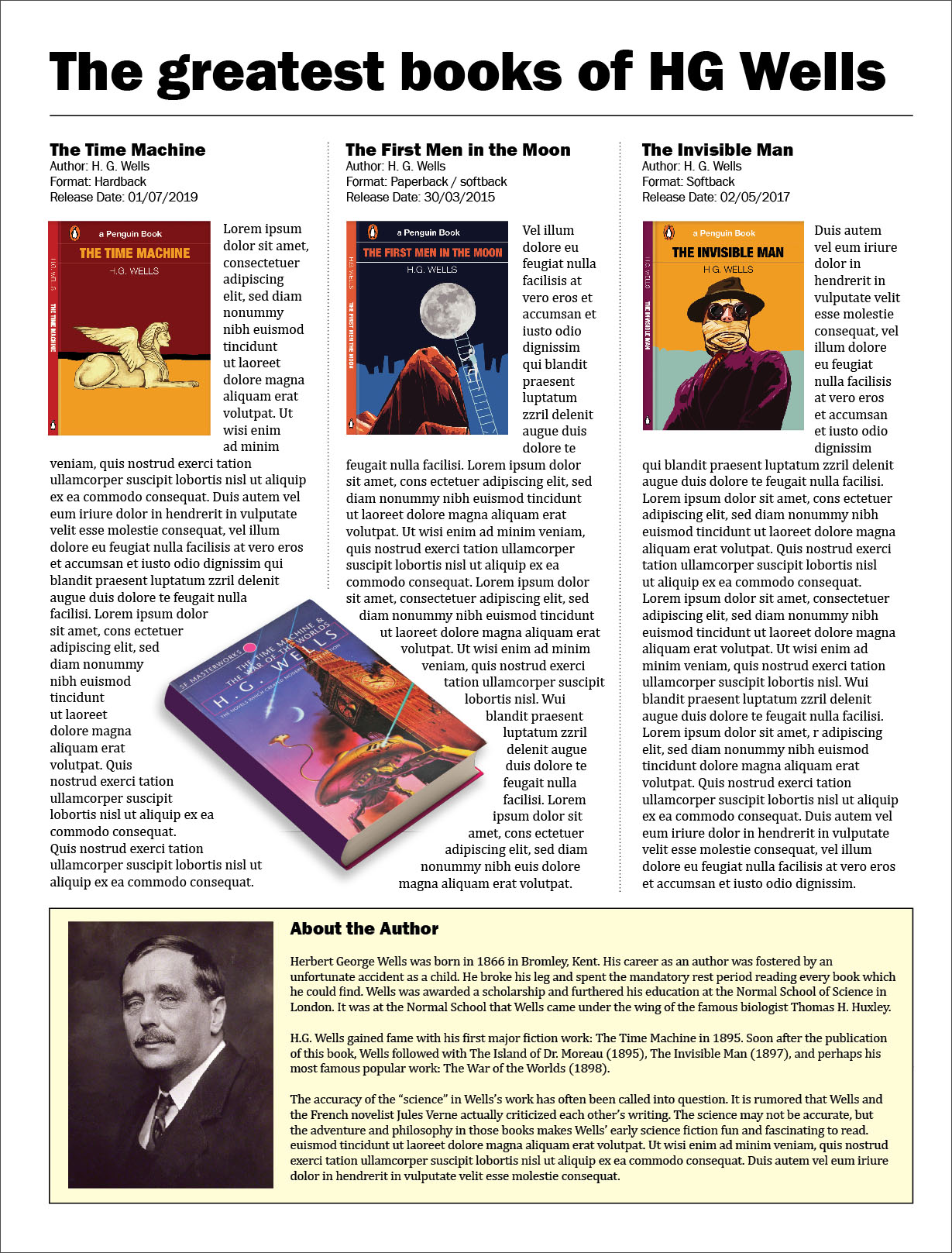
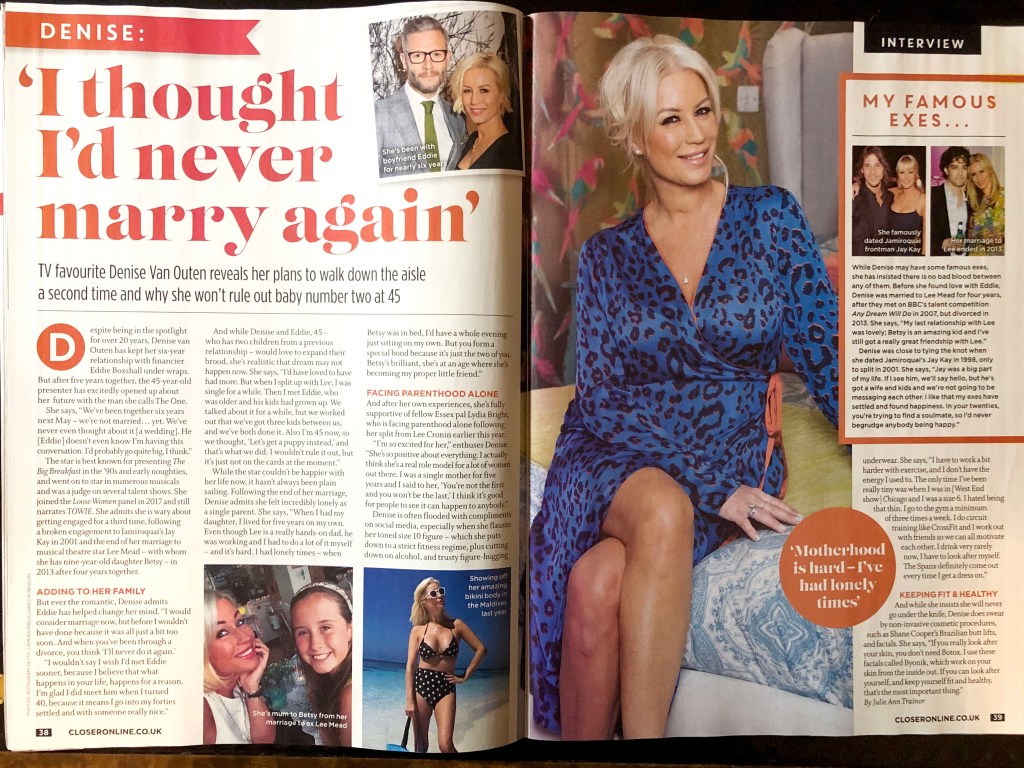
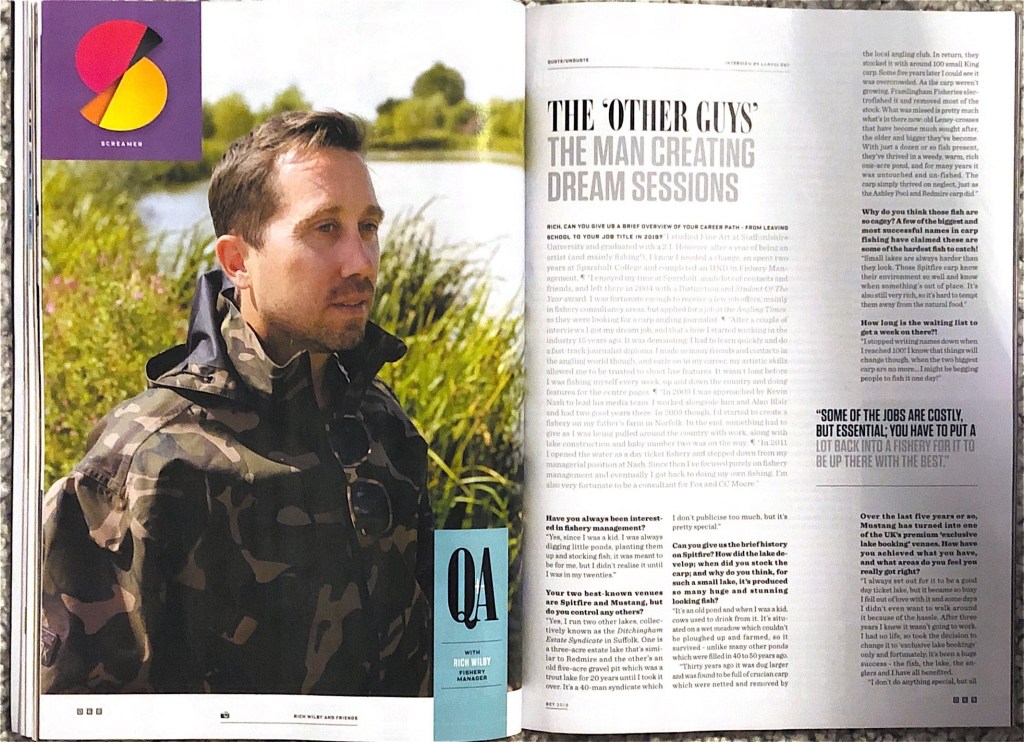
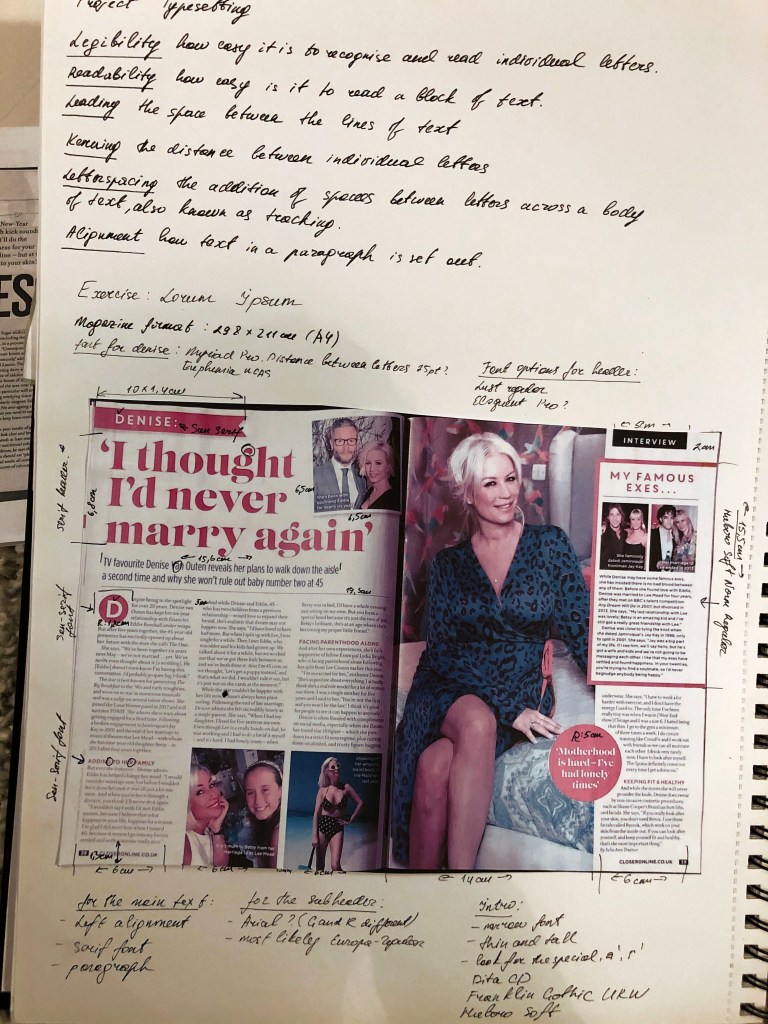
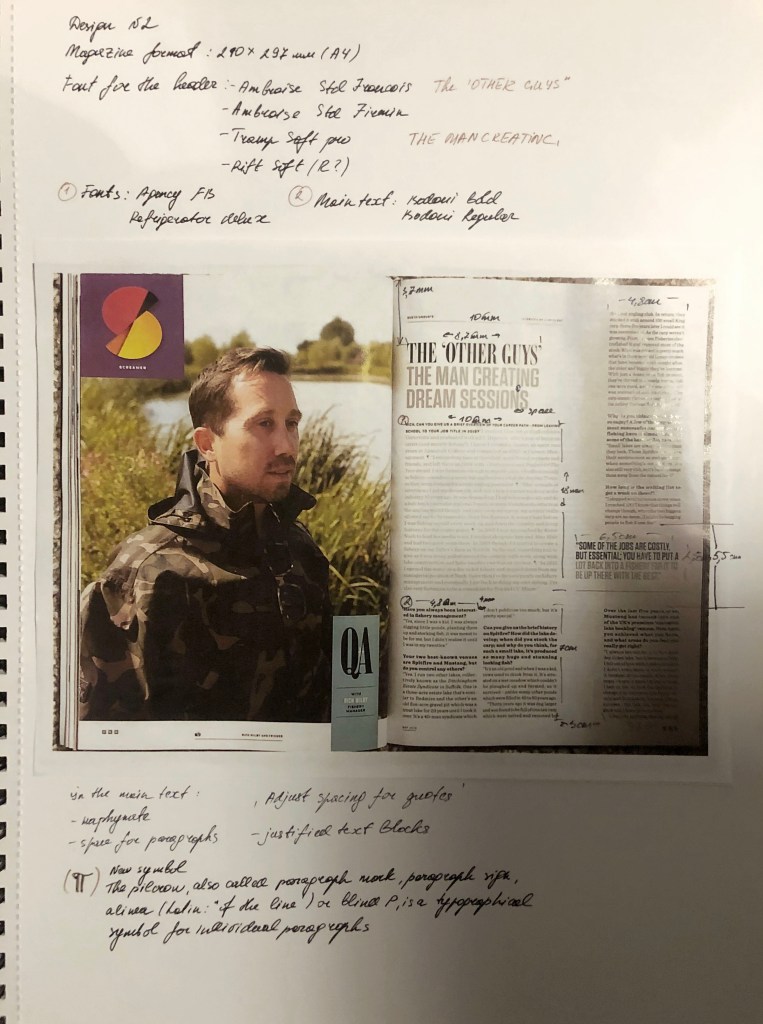


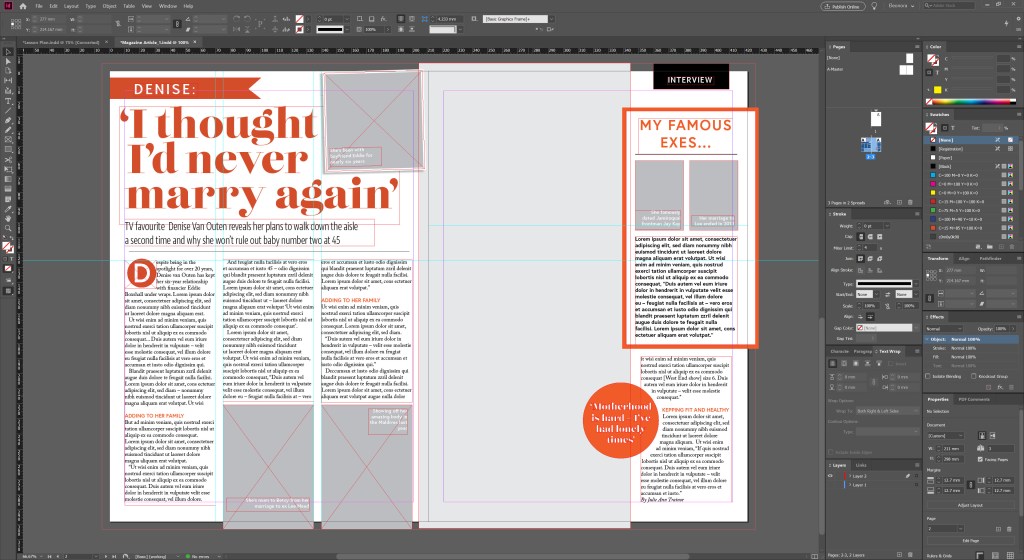
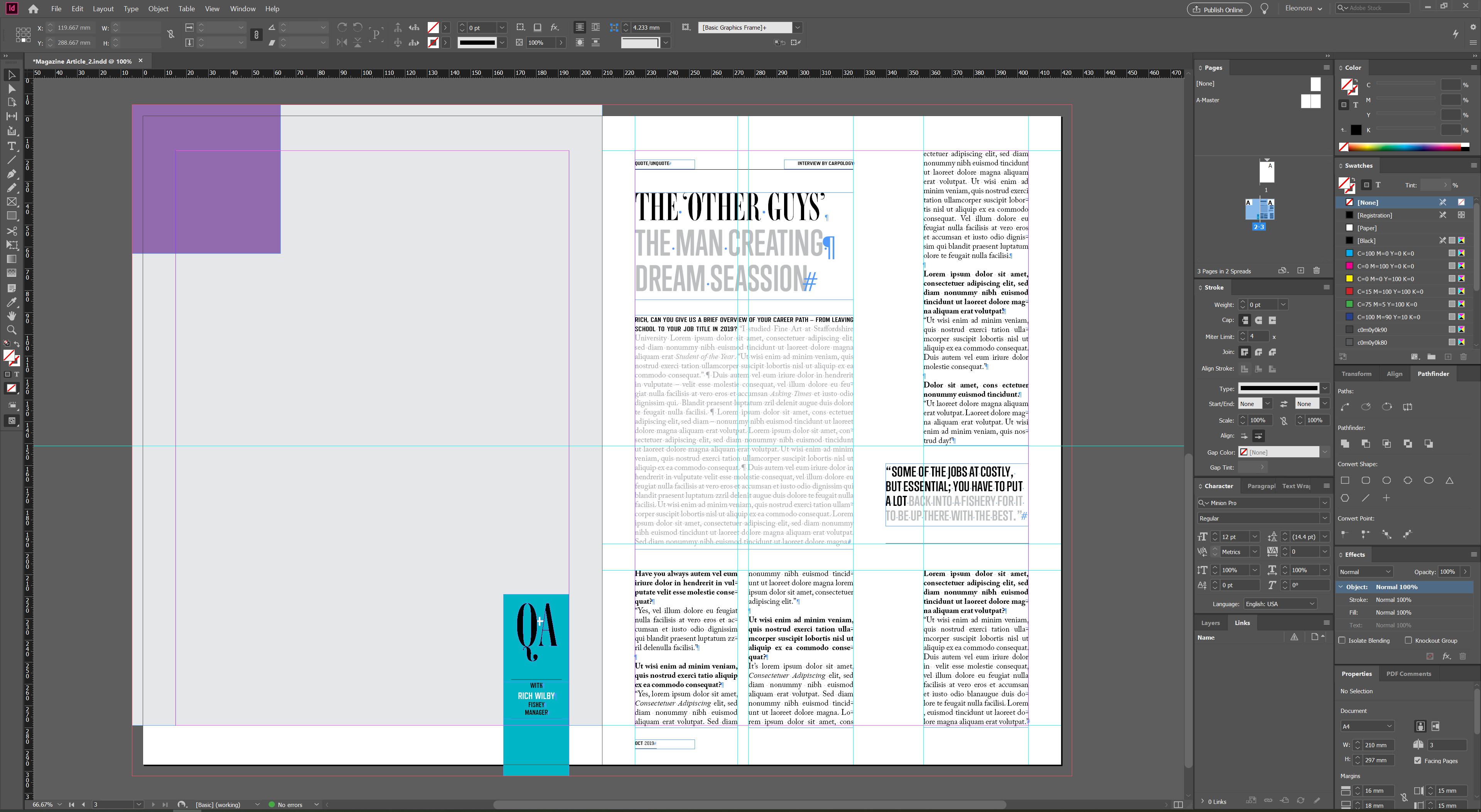
 Eleonora's Art Blog