“A rat in a maze is free to go anywhere, as long as it stays inside the maze.”
Margaret Atwood, The Handmaid’s Tale , 1985
Following on from the discussion of George Orwell’s novel 1984, look at the covers for Margaret Atwood’s equally dystopian novel The Handmaid’s Tale (1985), in which a woman finds herself surviving inside a harsh American fundamentalist society, that sees women’s roles as subservient cooks, matrons, and mothers. Alternatively, you can pick a different book to respond to, but it needs to be one with more than one cover design, so avoid recently published books.
Are there key conceptual motifs being used over and over again within different cover treatments? Can you identify more expressive versions of the covers? Check the date of each version and try to speculate about the historical, political or social context for each one. (Don’t spend long on this but it’s important to realise that creative design doesn’t happen in a vacuum.)
Using one of the main motifs you have identified (such as the uniforms that feature the book), the title of the book, author’s name, and no more than three colours (including black and white), generate as many different layouts of the cover design as you can. Think about how you can dynamically layer, organise, frame, clash, or balance these elements. Work quickly and come up with lots of different visual possibilities.
This is a similar exercise to the Lightbulb Project in Graphic Design 1, which aims to generate quick design possibilities by arranging your typography, motif and colours in as many, and as varied, ways as possible. Examples of students’ responses can be seen here:
Use thumbnail drawings or DTP layouts to achieve at least ten fundamentally different layouts. This is a warm up exercise that will help you with your approach to designing a cover for assignment two.
Research
This is quite a good exercise to work with, as the previous project The Light Bulb was easy and creative and I leant how the same objects can respond differently depending on the position in the space.
Margaret Atwood’s The Handmaid’s Tale, is a beloved Canadian novel and the covers brought it to life. The hit TV series sparked some serious conversations about feminism, politics, and the state of our world.
I wanted to find out more about this book, as I have never read it before. So, what I have learned, is that Handmaid lives in a religious totalitarian state in what was formerly known as the United States. She is placed in the household of The Commander, Fred Waterford – her assigned name, Offred, means ‘of Fred’. She has only one function: to breed. If Offred refuses to enter into sexual servitude to repopulate a devastated world, she will be hanged. As she recalls her pre-revolution life in flashbacks, Offred must navigate through the terrifying landscape of torture and persecution in the present day, and between two men upon which her future hangs.
The Handmaid’s Tale book cover has been redesigned numerous times. The marine visual that comes to mind when I think about this novel is a hidden faced woman in red clough, wearing that unsettlingly sharp white cap, dwarfed by an enormous wall.
The true first edition, 1985 (Canada) As a rare book dealer who has handled first edition copies of this book. The very first cover ever published has this old painting look, with the theme of European traditional art from the 17-18th century, made in the icon style.
Those book covers went through all possible variations, I could see that the image of the particular dressed woman was heavily used for most of the covers. For example, the third cover has only a silhouette of the woman wearing a white dress, she looks like a ghost, I’m guessing that relates to the story itself, the woman whose personality was patronised. Also, most of the covers have an expressive approach, with strong sad and desperate emotion into it, and only a few the conceptual (Vintage, 2017; Vintage Classics edition (“Vintage Futures”), 2016; German edition, Claassen, München, ca. 1985).
The woman hidden behind a white veil in the McClelland and Stewart edition of 2006, has proven that tender colours can be presented for this book cover as well. But mainly, of course, white, red and black colours are dominating, I think that is the way to show the power of the story through these colours. Around the world, too, there are some great covers: a cover published in Russia, as a visual of burnt matchsticks. Also, another example of the cover, which is completely different to others closeup of the face of an old-school Hollywood noir woman, with some pink colours implemented in it for a cover published in France. The German edition looks completely different as well, with red flowers with green leaves and made on a pure white background, those covers are definitely different to others.
I quite liked a few book covers from the set, especially Vintage Classics, 2016 book cover, with the back of the woman with beautiful flowers on them, I think there is meaning into it, that despite the desperation, there is still some beauty (hope) inside to grow. Also, I liked the modern cover Vintage, 2017, I think it was designed by Suzanne Dean, Penguin publisher, the illustrative silhouette of the woman on the plain dark background, the simplicity of it is quite attractive and eye-catching too.
The true first edition, 1985 (Canada)The first American edition (1986)Vintage Classics edition (“Vintage Futures”), 2016Bloomsbury edition, 2009Vintage Classics, 2010McClelland & Stewart edition, 2006Vintage Classics, 2016TV tie-in editionAmazon E-bookPenguin Random HouseEmblem Books, 2011Vintage, 2017 Vita Sleigh DesignThe Handmaid’s Tale (Movie Tie-in)McClelland and Stewart, 1998Russian edition, Эксмо [Eksmo], 2006Seal Books, 1986Spanish edition, Ediciones B, 2008Vintage Classics, 1996Heinemann, 1993Vintage Classics, 2005Kindle EditionGerman edition, Claassen, München, ca. 1985French edition, Editions 84, 1998German edition, Verlag Ullstein, 2006French edition, Robert Laffont, 2015
Also, I wanted to highlight beautiful iconic illustrations by Anna and Elena Balbusso. The visuals, originally created in 2012, are influenced by Soviet propaganda posters and have a constructivist style that appears to have been echoed in the anticipated TV adaptation, which follows the story of a totalitarian, post-revolutionary American society.
To start with, I decided to try to identify the image that I wanted to use in the book. I went through some keywords that I wanted to use for the cover, and that helped me to choose the direction for researching the image to express.
Uniforms that feature the book
Silhouette of the woman
Desperate
Emotional
Expressive and conceptual
I made some sketches of ladies, looking from different angles. I had ideas to design the image where the whole face was seen, or the face pointing down, so only the top of the hat could be seen, also I sketched different shapes of hats. I found the process of looking for the right sketch I could work with quite useful, I went through as many options as possible, and I found a few solutions I could use for the book cover. I wanted to use the hat of the woman, with her uniform, on the hat itself I could design a face only like an outline, as the details of the face were not necessary at all for it, as I wouldn’t be able to manipulate with it through possible options. All my sketches are presented below.
I’ve noticed, that the full face didn’t show the desperation of the story, it was a more suitable illustration for stories like, for example, Pride and Prejudice. But the image of a woman with stitches on her mouth showed pain and sorrow, which was closer to the plot. The image of a woman with wings had a power in her sight like despite everything she is ready for the challenge and the wings on her back are a good symbol of the holy spirit of the poor woman.
Designing the cover
After my sketches, I created a standard book cover in Adobe Illustrator and started the illustration painting process. I tried different shapes for the hat and chose the second option to develop different designs. I chose the middle option for the book design, and I like the idea of showing the elegant face line in it, to highlight the feminity of the protagonist, despite the complicated destiny.
Sketches of the hat
The first cover was a test, I thought I could use that hat shape with the steached mouth woman, but then I could see that option could only work in more illustrative design, but not for a limited colours vector image I was going to produce. Also, I couldn’t use just only three colours in it, as it needed more shades to illustrate the lady’s face.
I went through as many options as possible for my book cover. I specified colours I wanted to work with, so they were red, white and black, for some covers I tried to see different shades of red and experimented with cream shades instead of pure white, the feel of the cover changed with that slight adjustments as well. What’s so interesting I noticed about my designs, is that I tried not only different locations and scales for the hat, but I used different styles for the cover, like depending on the font, dominant colour and hat location, the feel of the book changed as well. Also, with the location of the objects, with different styles for the cover, some book covers look more like classical novels, some of them have a feel of a dark story, and some of them are lighter and easy-going. For example, an option with little scaled hats, that look like polka dots looked like a girly novel, and the dark cover with huge font in it brought a feeling of the dark side of the story.
I preferred the option of the woman in front of the brick wall, I loved the texture that the background had, and the san-serif font with the image of the girl looked in harmony together. Also, for inspiration, I used similar techniques following the works of Phil Baines, concrete typography and white background for the cover. Also, I had inspiration from artists like Suzanne Deann for her skilful use of illustrations, Ellen Lupton in the option of using little objects for patterns, and Peter Mendelsund for using the handwritten font in the name of the cover. I quite enjoyed comparing different design options for the book cover and the feel that they gave depending on the dominating colour use and object scale. My favourite design option I placed in the mockup.
Book Cover Designs
Conclusion
I enjoyed this exercise and experimenting with different book covers for the same story. What is useful to learn about this part, is the understanding of how the same objects can respond differently, depending on their scale, proportions, colour and font use. From my previous exercises, I learned that font could change the whole feel of the book, but in this case, the size of the object and its location can play a role too. Now I’m excited to see what I can use from the knowledge I’ve got in the second assignment.
This exercise hopes to broaden your understanding of other book designers’ work by looking at their cover designs. Start to identify the kinds of book covers you are drawn to, and critically assess why you think these designs are successful.
1. Undertake a combination of library and internet research into the following designers, identifying a number of book cover designs for each. Reflect on their conceptual and/or expressive approaches to design. Write a very brief description of your selected cover designs and a brief overview of the designer – try to focus on keywords rather than long descriptions. Do this in note form, using the designer and the chosen example design to visually inform how the information appears in your learning log.
Phil Baines
Coralie Bickford-Smith
Derek Birdsall
Kelly Blair
Irma Boom
Suzanne Dean
Julia Hastings
Linda Huang
Jost Huchuli
Ellen Lupton
Peter Mendelsund
Paul Rand
Paula Scher
Jan Tschichold
Wolfgang Weingart
2. Compare and contrast some of the cover designs. For example, how does the cover of Peter Mendelsund’s Kafka series compare with Coralie Bickford-Smith’s gothic horror series for Penguin? Are these expressive or conceptual in nature? Are they both conforming to genre expectations, or are they challenging them in some way? Do Jan Tschichold and Ellen Lupton’s cover designs have anything in common? Make a drawing, sketch or tracing of the covers you’re comparing to help give you a better understanding of the imagery, typography and arrangement within the design. Use your learning log to reflect on your comparisons, identifying which covers you think are the strongest and why.
3. Now, select three or more designers from the list that you are particularly drawn to, either because you like their work or because you don’t understand their approach, and research their design careers in more depth. Think about how they’ve responded to very different design challenges, whether they have an underlying conceptual and/or expressive approach, and how their work has evolved over time. Continue to use your learning log to record their work visually, explore these covers through drawing, and your responses in note format. See this as a quick-fire activity rather than a long essay.
4. Finally, identify at least three different book designers you find visually engaging. To do this you might want to visit a library, or bookshop, or browse online. Identify who designed these covers and find out more about them. Try to work out why you are drawn to them. Is it to do with genre or their approach to design? What is it about the design that captures you? What sort of imagery, if any, is used on the cover? How does the text relate to the image? What atmosphere or style does the cover evoke? Summarise your thinking in your learning log – focusing on the kinds of book covers you are drawn to and why – and continue to document what these covers look like.
Part 1
Phil Baines
Phil Baines is a well-known British graphic designer and a senior lecturer at Central Saint Martins College of Art and Design. The designer put a detailed opinion on the history of Penguin Books, and had a book written with Andrew Haslam for ‘Type and Typography’. From his works, I can see the inspiration from typography and medieval manuscripts. Each design is printed just in two colours, black and additional blue. His designs are quite minimalistic and have a restrained style. Also for some of his covers, he used concrete poetry. This book covers based on the conceptual approach.
Coralie Bickford-Smithis an in-house designer at Penguin Books. Her designs won awards among famous publications and magazines. Refinement and painted details are inherent in her works. Also, she designed a series of Conan Doyle’s original Holmes stories using the compositional techniques of the film poster. She uses a lot of illustrations on her book cover, pictured in only a few colours. These designs have an expressive approach.
Derek Birdsall is an internationally renowned British graphic designer. He is famous for designing covers for Penguin, a series for Penguin Education. Also, he redesigned the Church of England’s prayer book, Common Worship. The designer applied a conceptual approach to the Penguin Education covers. The breadth of the series content was held by two elements: the use of a single typeface (Railroad Gothic), and a cover arrangement that reflected the content of individual volumes. I loved how clever the font was used in his book covers, that he created a series of designs based just on big bulky fonts and one coloured background. His works show a skilful way of using minimum graphic design imagery, but at the same time, they are professional and have a strong representation in book cover design.
Kelly Blair is the art director of Pantheon Books and a freelance illustrator from New York. Her designs have a strong feel of covers from the XXI century. She has her techniques, as mainly designs are clean, with the dominant colour in it, and one particular object being highlighted. There is a very clever approach to the font hierarchy in her covers. These designs have an expressive approach.
This is a designer that everyone related to graphic design should be aware of. Irma Boom is an Amsterdam-based graphic designer widely recognised as being one of the world’s most inventive, creative and experimental book designers. She is an inspiring, clever artist with one of the most valuable works. She started her creative path as a painter but found herself in book cover design. Some of her works are like an encyclopedia for a graphic designer, she has innovative ideas, and she thinks out of the box.
I was impressed with the company history book she did for SHV Holdings, which took her 5 years to complete. At the foredge of the book, she illustrated the colours of the tulip’s field. Also, she designed a book with the word inside and outside on the foredge of the book. One of her creations has a book only with colours in it, and it has torn edges. From Van Gogh, Dürer and Rembrandt to Warhol and Fontana, the paintings are translated into colour diagrams which are in turn translated into vertical stripes. She has lots of ideas that I have never discovered before.
This is the interview of Irma Boom I stumbled on earlier through the Discord student group. Was nice to see where the artists’ inspirations are coming from, and listen to the author’s ideas about design development.
Irma Boom interview
Suzanne Dean
Suzanne Deanis Creative Director at Random House. She began her career with Penguin Books and worked for Picador. She is a book designer who works across all publishing formats. Her book designs are standing out with the usage of patterns and illustrations in them. I like how she occupies the space with different objects and typography. I like how she placed the book’s name and author inside of the objects, so typography like embedded into the design, this is an exciting way of seeing the book design. Most of her book covers are bright and eye-catching, this is a prime example of how brave and experimenting various graphic designers can be, but at the same time has a unique style. These designs are representing an expressive approach as well.
Julia Hasting is Zürich based graphic designer from Bremen, Germany. She has been contributing illustration work to The New York Times and The New York Times Magazine. I’ve noticed a rule of the golden ratio in her book covers, she has some kind of grade that she using, and most of the elements are placed parallel or according to line with each other. She doesn’t experiment with colour much, she uses a clean, light pallet, or mainly a few colours only, but her designs bring calmness and a Feng Shui feel. Her covers are based on conceptual thinking.
Linda Huangis a graphic designer based in New York. Her works have been recognised by The Type Directors Club, Print Magazine, The New York Times, and It’s Nice That among others. She is currently an Associate Art Director at Vintage & Anchor Books, an imprint at Penguin Random House. This book covers another example of how experimenting with the front cover of the book can be, I think the designer speaks to the reader and tell the brief story of the book through the first impression of the cover. Her works are modern, bright, and colourful, and have combined techniques with collages, experiments with typography, and illustration.
In this little article https://spinemagazine.co/articles/linda-huang she explains where the idea for the design with an egg in the book cover came from, and I found this path explained very useful, as that is the prime example of critical thinking.
Jost Hochuli
Jost Hochuli is a Swiss graphic designer known for his book designs and typography. He is a person who explains how books should be designed, and he is an author of Designing books and Detail in typography. Below represent a fine example of his design style and Aesthetic. Jost Hochuli applied a conceptual approach to the book covers.
Ellen Lupton is a writer, educator, and designer from Baltimore, U.S. Also she is a senior curator at Smithsonian Design Museum, the one I remember working on online for this course. It’s hard for me to see a particular style that she is following for her designs, what I can see, is a great usage of grids in her covers, and skilful usage of typography, collages and illustrations. Some of the book covers have a 3-D feel to them. Also, the designer uses one object to create a pattern with it. A talented artist with an expressive approach to cover design.
Peter Mendelsund is the creative director of The Atlantic, but he is the person who made his career from the very basic jobs, up to a professional designer. His works are easy, strange, abstract and creative. Peter has his vision for the objects and experiments with different shapes and forms for the covers, and he is not scared to be provocative. He has a big variety of fonts on his book covers, but at the same time, he uses classical motifs for his design. Also, I think his designs are eye-catching and have fresh ideas in them, a prime example of expressive book covers.
Paul Rand was an American art director and graphic designer, best known for his corporate logo designs. This artist has a recognisable style in his colour combinations, geometric images he used to picture particular objects, also the usage of handwritten fonts. In his portfolio works, I could see how his style has evolved from the early ’20s up to the modern days in graphic design. I think these designs have a mixture of conceptual and expressive approaches.
Paula Scher is one of the most influential graphic designers in the world. She is famous for her conceptual ideas, creative designs and collaborations with such companies as Microsoft, Bausch + Lomb, Coca-Cola, the Museum of Modern Art, and many others. She has developed her recognisable voice in graphic design, and for book covers, she uses complicated schemes developed from fonts. Her colour schemes for book covers are simple coloured, but her solutions are very powerful and strong.
Jan Tschicholdwas a calligrapher, typographer and book designer. He played a significant role in the development of graphic design in the 20th century. His designs are very simplified and conceptual. He uses mainly a few colours, like cream, black and red, or blue, white, black and red. Also, he uses simple fonts, and his designs are very minimalistic, but I think anyone familiar with the book printing industry, will recognise Penguin Books’ design, which becomes iconic.
Wolfgang Weingart is an internationally known graphic designer and typographer. His work is categorised as Swiss typography and he is credited as “the father” of New Wave or Swiss Punk typography. I think his conceptual covers demonstrate the clever usage of typography, dynamics and deep knowledge of graphic design.
Documenting book designers works in fanzine design
All book covers artists I documented in my learning log and created each template in InDesign. For convenience, I made a flip HTML brochure, with all pages gathered together in a pdf file. The link to it is below. Open in the new tab, please.
In the beginning, I wanted to clarify the difference between conceptual and expressive covers as a term. Conceptual covers that are based on conceptual thinking attempt to represent a book’s content through visual allegory, paradox, or cliché in an amusing fusion of image and title. Also, conceptual book covers have the name “a smile in the mind”, so the potential buyer will think, “oh, this book has a witty cover”. But an expressive approach to cover design is often used in novels and short stories, the aim is to communicate visually and conceptually. Drawing, mark-making, and symbolism are often used in expressive covers.
Below I compared Peter Mendelsund’s Kafka series and Coralie Bickford-Smith’s gothic horror series for Penguin. From this book’s covers, I could see similarities in the conceptual approach. Both book covers had illustrations in them, and both of them used a grid. But if to look deeper designs were different as well, for first covers was used hand-written font, for Penguin covers was used san-serif font aligned to the centre.
I made a grid for both designers’ examples, and I could see that their illustrations and book names fit into that grid frames. I think because of that it gives an aesthetical feel as well.
Here I’m comparing book covers of Jan Tschichold and Elen Lupton.
In this case, I went down the line of looking at designs through Villard de Honnecourt’s diagram and devised a method of geometrically dividing space. I think both designers used this method for their designs. But not only do proportionally those books look similar, but also they have similarities in the colour pallet and the feel of the design. For example, both use typography for the book covers, minimal colour scheme, orange and cream, orange and grey.
Looking at both designs I would assume that Elen Lupton, who is a modern book designer took inspiration from Jan Tschichold’s works, who established the first style for the Pinguin’s book covers. Ellen Lupton navigated herself by the simplicity of design, limited colour pallet, and proportions in book covers, which made the book covers aesthetically pleasing, simple and clean.
In these covers, I looked at the relationship in the arrangement of geometric objects according to proportions and a grid, which designers actively used for Penguin and Pelican books. In my case, this is the cover art by Derek Birdsall and Julia Hastings. I’m looking at who first invented the design, so I think Julia Hastings followed a similar principle, sans serif fonts, left-aligned text, and geometric objects in a solid grid.
In these designs, I saw similarities in performance. Both book covers have used the sketch to show an important figure, and the main background is a bright colour. The name of the book used calligraphic handwritten font, written in the freestyle. Both book covers didn’t keep the grid or golden section for design, they are more artistic and done in a creative, expressive way.
A set of covers where the photographic portraits have been manipulated to evoke the nature of the content. Images are designed as minimal posters. On the first and third posters, the text is centred. And on the second post, the font is minimal, slightly on the right of the cover.
This page shows three covers that make use of patterns. The first cover used a grid for the little animals in them, all aligned and strictly parallel to each other. The second cover has pencil shavings in chaotical orders and text hidden in it. And for the third cover little lines were used, the simple pattern colour makes it look special, as it has bright blocks for the text on the top of it.
This part has been quite complicated for me to go around. From the beginning, it looked like all covers were too different to compare them, and even when I saw similarities, it was not easy to explain in which way. That part of the exercise gave me an understanding of book covers, I learnt how to see them deeper and see each part of the book cover design as a vital role in the general feeling of the final design.
Part 3
For this part of the exercise I wanted to go through some artists that I found quite interesting, but at the same time, I tried to learn their approach to the design.
Susanne Dean
For example, the first artist Susanne Dean is the closest to my understanding of book cover design. She uses floral, watercolour and painting techniques in her book covers. She transports the mood of the book into the cover, so the potential reader could feel the book from first sight. I found her works quite inspiring and artistic. I tried to replicate some of her designs in my learning log, using watercolour and colourful pens. I made some notes in my sketches. I’ve found out that Susanne Dean was the author of the book for Yuval Noah Harari. Sapiens. A History of Humankind, where she used similar design techniques as Howard Jacobson’s book cover, with free space around the name, where she places a little fingerprint in the centre, and big font for the name of the book. Also, she designed the series of books for Michail Bulgakov, the cover with a cat on the bright yellow background has a feel from the ’60 book cover, but in modern performance. Her later covers were influenced by modern approaches, she became rather a conceptual book cover designer than an expressive.
Julia Hastings.Peter Mendelsund
I found Julia Hastings designs very professional, simple and complicated at the same time. And the reason for that is, that she uses very minimal elements of design, but her works are very deep and pleasing for the eyes. She has loads of free, light space around, she uses grids, and she experiments with shapes, but she is mainly the conceptual designer. I found it is quite a complicated form of design, to create something minimalistic but powerful. In my sketches I wanted to try to play around with red round shapes for the book cover, that to have a feel for that book cover design, and experiment with the transparency of the red. I painted those beautiful red stains, they remind blood, flowers, and something floating. I can see that Julia Hastings has inspiration from Japanese style in her book design, and I think that is the culture you need to learn, that to understand that way of thinking.
Also, I admire Peter Mendelsund’s works, as his designs out of my understanding of the book cover design approach. He has this unique style, of abstract images, his works like from the different reality, animals, people and objects look surrealistic. He uses watercolour, photography, arts, collages, sketches and drawings in his works. In those examples below I tried to perform some of his book covers that I found interesting. That is the stencil portrait of the man, with a pencil sketch around the mouth. Interesting portrait. Also, I used watercolour to replicate Peter Mendelsund’s experiment with shapes and forms like Salvador Dali’s art. No one did it before for the book cover, and it looks quite innovative.
Part 4
In the final part, I need to identify different book designers you find visually engaging. To do this, I visited my Pinterest board, and went through some articles for the best book covers, that to learn for myself what book covers I found the most interesting and why. It is quite an exciting process to bring the appreciation of the book covers to a new level now, as I’ve learnt so much about book cover artists, the components of the book, different techniques and styles in book covers, that I see them into the completely new way. Below I presented book covers that I found the most exciting and interesting from my point of view.
Jamie Keenan
Jamie Keenan London-based designer, started his career at the BBC weather channel, leading into graphic design, branding, and identity, but eventually lend his skills to book cover design. Jamie’s designed beautiful covers for works of fiction and non-fiction, including the reinvention of the cover for Lolita – a novel that has sent numerous designers into panic spirals, this is the book cover that no one has ever seen before. These book covers are a combination of collages, experiments with fonts, and objects, but mainly they are expressive.
Jamie treats book cover design as great fun because. He doesn’t see it as only a book cover, but as a piece of packaging, a mini-poster, corporate identity, something to use illustration on, or photography, the designer can be purely typographical, figurative or conceptual with just the right amount of type to play around with, have complete ownership. That is what I like about this book’s covers presented below, they have freedom and personality at the same time.
Laura Carlin’sbook covers what I remember from the Core Concepts course. Laura Carlin is an award-winning London based ceramicist and illustrator, whose eye-catching designs and quirky sculptures have developed a cult following in the UK and abroad. She is famous for her imaginative illustrations. She designed not only book covers, but she is the author of the book that I’ve bought recently “A world of your own”.
Laura Carlin’s vessels and decorative pieces are full of surprises. Laura applies her playful aesthetic to paper, ceramic and even household items turning the mundane into the whimsical. That is quite complicated for me, I think to do that kind of design the artist should have a great imagination and have the vision coming from inside. That’s why I admire her works.
Jaya Miceli is a book cover designer, illustrator, and the art director for Scribner, an imprint of Simon and Schuster. I found her works interesting as she use a book cover as a canvas, and created her designs like a picture in oil. She is working with her hands, using a paintbrush and starts her design from the painting first. Also, she uses stitches for her books, or wrapping them with rope and then taking a picture of them for the book cover.
Jaya Miceli‘s brief interview about her inspiration for book cover design is below.
Joan Wong
The last designer I wanted to describe in the exercise is Joan Wong. She worked at Penguin Random House where she designed covers for Chimamanda Ngozi Adichie, H.G. Wells, Samantha Irby, and Jonathan Lethem. She’s also a frequent collaborator with the New York Times, the New Yorker, and The Atlantic, helping to illustrate current events and think pieces about the world as it is today.
I’ve noticed about my preferred book covers that there is something that joins them together, whether it’s similarities in style, imagination and colours, or whether that is an expressive approach that I’m attracted to. Also, I’ve noticed that most of the book covers that I see as beautiful examples of the creative part, they have collage style, eye-catching performance and unusual font choices.
I think this exercise has been the hardest for the Creative Book Design part. I’ve challenged myself to make deeper research as possible, and I’ve leant how to see details in the covers, that I’ve never noticed before. I’ve learnt that behind famous book covers stand famous designers, it was a vital part that understanding the book cover as an important component of the whole design system itself. I found the process of learning them in such detail very effective and vital for the upcoming Assignment.
Further inform your understanding of paper and bookbinding by reading pages 165–180 of Alan Pipes’ chapter ‘ On Press’ available as a downloadable resource at http://www.oca-student.com/ Collect lots of different paper samples, and assemble these into a standalone book, or integrate them into your sketchbook. See this as the start of an ongoing resource that you can add to, and refer back to. Add notes to your paper sample book/sketchbook identifying the paper source, stock, and any reflection on the paper’s qualities. You may want to extend this investigation by exploring how your paper samples can be folded, combined, stitched, printed on, or bound together. Explore your samples’ physical properties by working with them, testing them out, and visually documenting the results of your research.
White examples of design papers
These are valuable examples of all possible textures of papers that typography market can provide. I borrowed them from my friend’s design department. I tried to take a picture of them in groups, that to see the difference between those papers. The density of designer papers is usually in the range of 80-350 g/m2, and for special purposes, factories produce papers from 60 g/m2 to 700 g/m2.
Most design papers are printing papers, and can be used in the common types of printing – offset, silk-screen, digital, letterpress, embossing – and all types of prepress and post-printing work. Each example has its unique texture and feel. Some of them I know quite well from my previous jobs, like wedding invitation cards, or events invitations. Design papers have so much texture on them, so printing is practically impossible on it, in a result I had to use a thinner layer of papyrus on the top of it, that to place a text on it. Some examples of paper have beautiful sparks on them and make them aesthetically pleasing to use that to create special moments.
From my experience the most commonly used papers usually were:
Stardream dolomite/diamond/quarz 285g/m2 (had beautiful shiny effect on it;
Splendor Gel EW 340g/m2 (very smooth and soft feel paper);
Plike 2swhite 330g/m2 (porcelain feel paper);
Pergamenta bianca/pearl ice 230 g/m2 (beautiful transparent paper for additional layer);
Constellation snow tela 340g/m2 (paper with some square lines on the texture);
Astroprint (have the widest variations for the texture, started from lines, honey comb, silk, sparkle types of paper).
Colourful examples of designpapers
This colourful pack is quite valuable as well, as each paper had been coloured in a particular hue, and has a consistent colour for the creative designs. Most of the colourful paper samples coming from white examples, and even has similar names, but the difference is in code. Here is the example of Stardream paper in purple, pink, green, blue, ruby colours. Or bright and string colour of red Plike design paper. But at the same time, there are some unique examples that I’ve seen only in two colours, velvet feel Daniel design paper in red and green. Also there some pieces of So…Silk series of glamour green, pink, and green colours, – amazing samples.
Examples of design paper
Here placed printed examples of wedding invitations I had in my portfolio. I keep them as a representation of how design paper can work together, what type of layers the designer can use. I showed that Pergamenta paper and thick cardboard paperwork quite well together. Some papers can be used only like a background or bottom layer for the card, like this dark blue sample, or some paper is sufficient enough, that to have a minimalistic design on it with only one or two colours.
Printed examples
These are printed examples that I’ve been collecting for a while. It’s a small collection of different postcards, invitations, business cards, calendars and notebooks. This task gave me inspiration to collect even more works, as some of them could be out of time and I can relate to them in my future designs.
Hybrid printing from typography
Additional examples of typeof printing, when lacquer elements were used on the top of brochure paper.
Familiarise yourself with the terminology used in describing the anatomy of a book and write some brief notes in your learning log on how the various structural elements could be modified to reflect the book’s function.
The kind of stock you choose will be informed by the nature of the job you’re doing. If you were working commercially, then checking paper quality – the weight and finish of the paper – is something you would do with your client, as paper choices can add both quality and cost to a design job. The advent of high quality digital printing in almost every high street has made high finished standards much more achievable and affordable – although you might be amazed at what can be achieved with a photocopier and coloured 80gsm paper!
Knowing what papers are available and their qualities is an important part of what you might offer as a commercial book designer. One way to do this is by requesting sample books from commercial paper merchants, or talking to your local printers, who can give you a swatch of the papers they recommend for you to share with your client and keep for future reference. Another way of doing this is by looking at as many different kinds of books as you can and critically start to gauge the weight, grain and finish of the papers. Do all books keep the same paper choices throughout? What’s the relationship between the covers and the paper inside? Which books do you like the feel of, and why?
Analyse the binding style of the books you’ve collected. How does the book block adhere to the cover? How does it adhere to the spine? Is it stitched or glued? You’ll notice that in case-bound or hardback books, the sections, or signatures, are sewn together and glued to the spine. Paperback books, on the other hand, are more likely to be ’perfect-bound’, where the pages are glued together and then directly onto the covering.
Research
Here I would like again to analyse a quite old book that I have in my home library. I’ve read this novel by Mikhail Bulgakov ‘Master and Margarita’ two times, and it’s quite good, one of my favourites. What is special about those older books that I have, that I can examine them in more details, and with time book became less immaculate, compare to a modern or new book. Inside parts of the book can be seen in more details, which is better for exploration.
I’ve decided to start examining the book from the top, to look at the headband, which is black and white. All leaves glued to the type of canvas that goes inside if the book. Then that block is glued to the spine. Book has 23 sets of signature (bundles of papers), each of them has 7 leaves of paper, that were bent in the centre, so it creates 14 leaves together, and later they were stitched between each other in 4 places.
It doesn’t create a perfect bind, as with time heavy pages could pull the whole block away from the spine of the book, and as a result, fell apart. I can see from the example of soft book covers, even though they are still quite old, glueing directly to the spine of the book, creates more secure binding. In some places book is still held together, but in some parts could be seen problematic zones. The pressure of the opened book can pull leaves away from the base.
For many books in the past was used that cheaper type of paper. What I like about it, is the smell and feel of the texture, it’s a practically vintage type of pages with offset touch. Feels like there were made from a recycled type of paper, with a slightly yellow tint. Modern books publishers use white glossy papers, which is more resilient to time, but it doesn’t give that feel of an ancient book.
Flyleaf was glued so tight to the next page, so it pulls the next page ones I opened that endpaper.
The cover has that interesting fabric feel like it was made from the wool type of material. That is probably the kind of design paper for book covers. As a result, not much design could be used for it, so the designer could offer only one colour white print on the top, which looks like gouache type of paint on the top. Book doesn’t have bios, blurb’s, critiques quotes or any others additional information. Just the name of the author, book name, publisher name and the price.
The cover design is minimalistic, have only straight lines and angles in it, therefore designs inside of the book has a complimentary design style to the cover. I can see similarities with Rodchenko and Kandinsky style, geometric designs, with colours such as black, white and red for the endpaper.
Enjoy Magazine
This is a completely different example to the previous book, as the magazine is modern printed, it has a thin spine, only 6 mm, and all pages glued directly to the spine. When I opened the spread, I could not find staples and stitch with threads in this magazine, so I’m guessing for magazines usually used the principle of glueing pages between each other.
Culinary Book
This book has a similar principle as the first book I explained at the beginning of this exercise. The hinge is red and glued to the spine of the book, and no gap can be seen between them, the construction of the book seems to be very firm. There are 12 sets of signature, that confidently glued between each other, but in the centre of the book, I discovered that leaves are stitched between each other 6 times.
TheGenius of Design. Penny Sparke
This book has quite a wide spine, around 3 cm, but only 8 sets of signature blocks, which consists of 14 leaves each. As a standard page sets 6 times stitched between each other. I’ve noticed that the hinge is glued to the spine as well, but a little gap is there, I think it happened of the time, as it is not completely seen through. I liked how the colour of the hinge is matching to the book cover design, it has red and white shades in it.
Conclusion
This was another valuable exercise that was important to complete. I have never examined books in such details before, and I find it quite fascinating how I could hold that amount of information in my hand before, but never pay attention to the internal world of the book. I believe my new knowledge will help me to establish a new approach to books and their design.
Identify a range of books that have fundamentally different functions in terms of how these books are engaged with – how they’re held, where they’re read, by whom, and for what purpose. Try to look at least six books, but you can extend this if you want to. The differences between these books might be determined by their genres. For example, you might look at a cookery book, a biography of a sports personality, a travel guide, a work of historical fiction, a teenage film tie-in like Twilight, this course guide – the choice is yours.
Think about how each book’s form reflects its function. The front cover is an obvious starting point (and the focus on your upcoming assignment) but try to look more broadly than this. Think about things like page extent, paper quality, typeface, the weight of the book, imagery and more. Is the book illustrated with photographs, reproduced images or drawings? Are these concentrated in one or two places or distributed throughout the book?
What about front matter and end matter? Historical novels like Hilary Mantel’s Wolf Hall may have family trees and/or a list of characters as part of the front matter. A scholarly biography will usually have many pages of end-notes and references.
Reflect on this in your learning log, with examples of some of the books you’ve selected. Identify how each book designer has reflected the genre and function of your chosen books in their final design.
The Age of Collage 2. Dennis Busch & Gestalten
The function of the book. A comprehensive collection of examples ranging from subversive to museum-worthy masterpieces. This book audience is people involved in art, graphic design, or photography. They could be students of art colleges or professional art experts to see the variety of juxtaposition and learn how this part of art developed, and who are the major influences in this field. When I saw this book in the art-gallery shop table with other art and design-related publications, it stands out for me, because of its size, a big heavy book full of images, and the paper is white and quite thick, so the images from another side of the page can’t be seen. I would say probably 70% of that book are pictures of collages. Book size slightly bigger than A4 24 × 30 cm, full-colour print, hardcover, 320 pages. The front cover. Hardcover with a slight texture on the top of it, so the feel of the cover is more similar to the matt surface. In terms of the naming, there is only a small name of the book on the side, all capital letters, san-serif font, even the name of the author of the book is absent, only the publisher name. The main point in this book is the collage art of the lady, which should attract a potential book buyer eye. Page extent. 320 pages. Front matter. Front pastedown and front flyleaf have joined a colourful image, made in red and white colours, just like a bright collage. The next spread has just white paper, on the right page the name of the book and the publisher name. The next three pages are introductory to the book, no such information as publisher details, logos or copyrights were not placed for the front matter. End matter. The same image as from the front matter, but with slightly rotated images. Flyleaf is quite thick, and I’ve noticed that pastedown pages like glued to the cover. I’m guessing it works like that for all hardcover books. The next spread has information only on the left page, it has the name of the book, editor names, type editor, the name of cover and book designers, and copyrights, with some certifications logos. The next spread has two pages of contents organised in alphabetical order with the name of the artists. Paper quality. High-quality paper, not transparent, so all images can’t be see-through on another side. Typeface. The typeface used inside of the book has distinguished difference from the standard books. It is a fixed-width typeface similar to Courier New font. The text columns are justified and have hyphens, also the space between lines is slightly bigger than automatic, which gives a free feel for the reading of the text, so it’s not a super strict traditional style book. The weight of the book. The book is quite heavy, so I have never could take it with me causally somewhere out of the house. It meant to be in the book library, or attached to the office. I think that caused by the card cover, the size of the book and the thick paper print. Imagery. The book is illustrated with photographs of collages and portraits. Images are distributed throughout the book, so each page has an image. The wording is not as important in this book, mainly it has a brief biography of each artist, but the main point here the artist’s works.
Type Tells Tales. Steven Heller, Gail Anderson
The function of the book. Type Tells Tales book that focuses on typography and the story that it’s expressing. This book orientated on graphic designers, publishers, and books related specialists for widening their knowledge in the design and purpose of the fonts used in art. Could be read at home, in student libraries for studying purposes, and for increasing the knowledge about the font as an independent object. The front cover. Softcover, paperback with flaps. On the cover page, only fonts were used for the name of the book, shown in different styles of typography, combined with the name of the publisher in the left bottom corner, and the authors’ name in the top central position. All design goes in the centre of the book, showing that font is dominant here. The size of the book 34 x 24 cm. Page extent. 224 pages. Front matter. This book have flaps on the front and back cover, so the designer placed book description text on that flap, which is quite wide, it has the prehistory of the book, and the number of illustrations (332). On the right side, there is a white page with only the name of the book in the black san-serif font. As the cover is soft paper, no such things as pastedown or flyleaf were used. The next spread is colourful, has the name of the book again, placed at the same position as the previous page, but also names of the authors and publisher name Thames and Hudson. The next spread is the page of contents, placed on the bright yellow spread. End matter. On the backside of the cover, the is a flap as well, and there was placed a description of the role for each author, and the list of books from the same writers, and the location that the book was printed in China. The next pages have such information as acknowledgements, copyrights, and website. For this kind of books, there are usually two types of contents pages, based on the chronology, and based on the name of artists in alphabetical order. Also, as this is a complicated design book, and had a page for the list of designers. Paper quality. Good quality clean white paper, more glossy on touch, not thin, all images can’t be seen through on another side. Typeface. Serif font for this book was chosen for this book. For each artist, there are descriptions in two columns, text block aligned to the left side with an indent on each new paragraph. No hyphens were used in the text blocks. The weight of the book. The book doesn’t feel too heavy, easy to take somewhere on the journeys, to have a casual read through. Probably that’s because of soft cover, and the number of pages. From my point of view, everything below 200 pages is fine to carry around. Imagery. This book as the previous one illustrated with printed examples of typography, mainly illustrations and drawings. As well as images taking most of the space in this book, on some spreads were used drawings and colours only. The purpose of the book to show the reader as many images as possible, with fewer descriptions, and that what I like about that kind of books, it is like self-analysis, and having a visual understanding of the subject.
Anna Karenina. Leo Tolstoy
The function of the book. This one of my favourite book I have in my possession. Anna Karenina book published at 1936 with old-fashioned design and paper style. I think this book could be read by classical Russian novels admires, students at universities and colleges, mainly at library or for home read to learn the culture and history of Russia in the end of XIX century. The front cover. The cover of that book has the first association with older times publications. As this example is almost 100 years old, back in that times book was considered more like an object to read, but not to have a kind of marketing sales tool. Hardcover medium grey colour with some canvas texture on the top of it. No names of the book or name of the writer on it. That information was placed on the spine of the book, I think that is because that book was meant to be in the library, and didn’t have intentions to be eye-catchy, just a pure piece of literature for someone who loves reading. Page extent. 698 pages, plus 2 leaves in the end matter and 5 leavesfor the front matter. Front matter. The front pastedown page and front flyleaf paper are thicker but just blank. Next page on the right side the name of the publisher and logo, then again empty spread. The next spread has the name of the author, and the name of the book, years when the book was written, and the text editor name apart from the name of the publisher, and next spread is empty again, just with the name of the painter on the dust jacket. The next page is the pencil image by Mickael Vrubel of Anna Karenina and her son was placed on the left side and the number of the chapter. This book has the most pages for the front matter. End matter. Back pastedown and the back flyleaf are the thickest paper as well, blank white page, and next spread white too. But the next page I found quite interesting, as I have never seen it, it has the list of errors that the book have, with the name of the page, and line number for each paragraph. Also, on the left side of the spread, there is additional information with editor names, price, typography number, and other technical specifications. Also the page of content, with the name of the artist for the frontispiece. Paper quality. Can’t say for sure what kind of paper was used when it was first printed, but the colour of the paper turned into yellow colour, more like a vintage kind of shades. Some of the pages are falling, as they were glued to the spine of the book, but what’s positive about that, that book gives a feel of older times, that you can’t experience with modern books. Typeface. For this book was chosen classic typeface with serifs, looked like it was printed by a typewriter. The text blocks are justified, with an indent on the left side, obviously with hyphenations on the right. Those text blocks definitely followed the role of the golden ratio. The weight of the book. The book is very heavy, definitely, it was purposely made for the reading at libraries or home. Imagery. Practically no images were used here. I can say that approximately 10 drawings, one for each chapter. They all look like quick pencil sketches, but they are valuable images, that reflect the style of the book.
Mamushka. Recipes from Ukraine & beyond. Olga Hercules
The function of the book. Culinary book of recipes originated from Eastern Europe written by a London-based Ukrainian chef. Mamushka is a celebration of the food and flavours of Ukraine and the “Wild East”. I think this is a visual book for people who love experiments in cooking and high-quality book design. I really loved that book because of the professional images, good book design inside and obviously good food ideas. First time I discovered that book in the local restaurant, it was located on the shelfs, like a book to look through while people drink their coffee. Later we got that book as a gift, so now it takes place in our kitchen shelfs. The front cover. Hardcover made in beautiful blue colour with some traditional pattern printed in gold. The texture of the cover nice and smooth, with only some textural shapes around printed foil. On the the front cover the name of the book Mamushka was placed on the top centre position. Decorative font probably was designed specially for the cover, with the name of the author below. And some explanations to the book bottom centre. Page extent. 240 pages. Front matter. Has a beautiful spread for the front pastedown and front flyleaf with design on it, traditional Eastern Europe ornaments. Next spread has the name of the book with the same type of font as on the cover, but in the slightly painted cream colour paper and little photo image of sunflowers field on it. For the next spread on the left page all information about publisher, copyrights, web address, ISBN number, and on the right page again duplicated the name of the book with some family portraits on it. Additional spread for the contents, and extra family photos from around the countries. End matter. Has duplicated first beautiful spread with ornaments on it. And standard next spread with all information about copyrights, addresses, ISBN numbers, editors, designers. Paper quality. Paper has that nice textured feel, it’s not super smooth, more like deep coated paper touch. Typeface. The font for this book was chosen standard for publications, serif easy read font, aligned to the left, with free side on the right, no hyphenations were used in that text columns. The weight of the book. Not too heavy, but the hardcover definitely makes it heavier, than normal. I would say standard cooking book weight. Imagery. As that is a recipes book, it is full of food photographs for each recipe. Also on white pages were used some traditional grey patterns.
The Butterfly of the Stars. Bernard Werber
The function of the book. I think that is the kind of book that younger generations could read, or people who like fictions. It describes a generation ship under the form of a long rotating cylinder, with 144,000 people leave Earth to travel to an exoplanet. It has some clever philosophy ideas, but at the same time the story developing in the imaginary world. Ideal for people who loves fantasy stories. It doesn’t have any illustrations inside, just a plane text to read through. The front cover. White hardcover with grey and blue photo collage design on it. What’s interesting about the author and book name on the front cover, is that all letters are low letters, even the name of the author, which is like a part of font design. The back cover. Has the picture of the author, with a short story about the book, barcode, signature of Bernard Werber and publication logos. The dominant colour of cover is white. Page extent. 343 pages. For the front matter were used 6 leaves, for the end matter extra 5 leaves. Front matter. Front pastedown and front flyleaf are traditionally thicker paper than the rest pages, which are of the same quality. The second page has the logo of the publisher and city name. The next spread has the name of the book, in Russian and French languages, publisher name, and years published (different from French and Russian version). After on the left side page with ISBNs, copyright information, translator name, and for the right page the name of the book same as on the cover page, but with black and white colour was used. The next spread is blank, with some wording fo honour for the book, and the next spread is blank too, with the name of the chapter only. End matter. Same paper quality as from the front, thicker than the rest, next 4 pages with book adverts, some covers that has been released by the same publisher. The next 2 pages contain such information as the address where the book could be bought. After there is a page with the designer’s name, publisher names, web address and contacts. And next spread contains the list of books by the same author. Paper quality. Paper has that nice textured feel, it’s not super smooth, more like coated paper touch. Slightly cream-grey colour. Typeface. Standard serif font, column justified with hyphenations. The weight of the book. The book is quite light, because of it small size 13 x 21 cm, I could put in your bag that to read somewhere in the public transport on the way to work. Imagery. No images were being used, just a plain text.
The Orange Gide. Capital Tour
The function of the book.Travel guide book for people who visit Kiev city first time. The book is for Russian speaking travellers, it has all important city sites locations to visit, the list of the restaurants, museums and cultural spots, and underground map. Also it can be valuable for people who are interested in the history of Kievan Rus. The front cover. Orange softcover with flaps 9×19 cm, as big as the size of the cover 11×19 cm. On the front has lacquer design elements. Th front cover contain the name of the book Kiev, Orange guide, capital tour logo, and publisher Eksmo. The back cover. Has same flaps as the front cover. The back of the book has general description of the book, address of the project and barcode. Page extent. 271 pages. For the front matter were used 5 leaves, for the end matter extra 3 leaves. Front matter. First page has a duplicate of the cover page, but on the white background. On the flapper was placed the picture of the author of the book, and short description of her interest in Kiev as a tourist location. Rest pages has timetables for the places to visit and page of content. End matter. Inside of the cover was placed the map of Kyiv city, and for the flapper was used the map of the underground. So for the travel guide all space was sufficiently used, so even inside of the cover have important information for the tourist. As this is softcover, no flyleaf or pastedown. Only one page with ISBN number, the number of books that was printed, addresses, designer name, editor names and format of the book. Paper quality. Offset printing, coated paper. Typeface.San-serif font, 2 columns each page, justified with hyphenations. The weight of the book. The book is very light and handy, meant to be carried around the city in the bag, just in case for the tourists. Imagery.Has photos of the city sites and maps.
OSHO. About Love
The function of the book. Indian philosophy type of book for people who are looking for some answers about the love, and how to become free from negative thoughts, something crossed with meditation and yoga studying. This book was written based on the Osho’s conversations, so it doesn’t have a plot, the genre of this book reminds more questions and answers structure, similar to the interview. I think it was written mainly for people who are interested in Indian culture, to have some casual read to get distracted. The front cover. Softcover, with some gloss effect on the top of it. The dominant colour is white, but with it has some collage with it. Looks old-fashioned as to my taste, I had this book for almost 15 years. The main highlighted point is pseudonym of the writer, in addition to that cover has the saying from the book, and placed in brackets name [about love}. On the top right corner little logo of the publisher. The back cover. Mainly white colour for the back cover, with a small image of philosopher, but the name OSHO still was being used. Also some phrases and quotes around, similar to the front cover really. Page extent. 281 pages, with 3 leaves for the front matter, and 4 leaves for the back matter. All pages same quality. Front matter. The first page is the same quality paper as the rest, it has duplicated location for the name of the book About love from the front cover. No such thing as pastedown and fly leaf on this book. What’s interesting, on the next was printed black and white duplicate of the cover page, also it has logo of the publisher. And in addition standard spread with ISBN number, copyrights, explanations to the book and year printer. On the right side the page of contents. End matter. Only two pages for the end matter, with address, translator name, corrector name, designers names for the cover and book itself. Paper quality. The book is quite casual, so the quality of paper quite low, very simple paper, with see through pages. Typeface. Standard serif font, column justified with hyphenations. The weight of the book. Very light book, it is very small as well, only 12.5 x 20 cm, similar to the copybook, or notebook, that someone can carry around. Imagery. No images were used.
Conclusion
I would like to say that exercise was quite engaging for me, I have never examined books in such details before, there were some facts that I’ve learnt from it. For example, I’ve noticed that for the classical books, or novels designs there are lots of spare pages for the front and end matter, with copyrights, and regular commercial information. The quality of the paper isn’t the greatest, I can see that publisher tried to save up on the printing, as books on sale don’t go as expensive. But for designer books, which far more expensive than a classical novel, the best quality of paper was used, complicated designs, and unique fonts. Front matter and end matter organised into different ways I can see creative approach, some artworks printed from the very first pages, and mainly there is information such as a content page in chronological and alphabetical order. I’m sure some knowledge that I’ve got from these exercises, such as attention to each part of the book, will be useful for my next assignment.
“An intimacy derives from the fact that fanzines remain amateur, ‘handmade’ productions operating outside mainstream publishing conventions and mass-production processes. The hand – the imprint – of the individual producer or maker is readily evident in the fanzine itself. This suggests, then, that the history of the object is bound up not only with the history of fanzines more generally, but also with the history of the individual maker.”
Your first assignment asks you to create a small publication or fanzine based on your interest in books and their design. It allows you to introduce yourself, and your interests in book design, so that your tutor can get to know you and your work better.
Your fanzine can be digitally printed, photocopied or handmade. Aim to design a sixteen-page simple folded and stapled A5 fanzine, though you can add more pages, or change the scale, if you want to. You can use any medium or materials to generate your artwork and make your publication. You may want to work much larger and reduce your artwork for the fanzine. While visually it doesn’t have to look like a punk fanzine, try and embrace the lo-fi ‘cut and paste’ attitude, so you’re making the work relatively quickly and not too preciously. Be creative with this task both in terms of the content and how you choose to present it, this could extend to challenging some of the assumptions about what a fanzine should look like, or how it’s made.
Use the work you have produced so far, in the earlier exercises, as a starting point for your content. Not all of this material needs to be included in your fanzine. You may want to develop new visual ideas, or add to the work you have already produced.
As a guide, your fanzine should contain the following elements:
● Introduce yourself – say something about your relationship with books. Why are they important to you? Communicate this through writing and images.
● Your creative process – how do you like to work creatively, what sort of process do you follow to research and generate ideas, and what are your preferred mediums to work in. Say something about you as a creative practitioner and your approach. Show your approach to book design through your design decisions and the hands-on sense of immediacy and energy that is an attribute of fanzine design.
● Looking at books – present the most interesting books you’ve looked at, or those you find influential as a reader, designer or both? Present a selection of books, or focus on one particular example to present in more depth.
Think about how you can present these books, and your reflections, in visually engaging ways.
● Global influences – which books with a wide-reaching scientific, artistic, historical, political, geographic, fictional, poetic, religious or other impact have you chosen. Present them along with a brief rationale as to why, or how these books have affected you personally. Again, can your designs echo the ideas in these books in anyway?
● The future of the book – where do you see the book heading? Show and tell. Try and summarise your thinking into a series of short statements, quotations, images or ideas. Be creative in how you approach this.
● How can you creatively respond to one or more of following book related sayings – Bookworms, A closed/open book, The oldest trick in the book, You can’t judge a book by its cover, In someone’s good/bad books, or, by the book. Use your fanzine to present your ideas. Can any of your images, text or ideas also feed into your cover designs?
Using your learning log
Keep notes to accompany the making of the publication in your learning log. These notes could cover why you decided to portray what you did, what you included and what you omitted. See it as a way to document and reflect on your creative design process.
Remember that this is an opportunity to experiment with your ideas, so document your creative process, the various stages of your work, and any ideas you rejected along the way. Aim to do this visually by photographing, scanning or taking screenshots of your work in progress and sharing them in your learning log.
As your first book, there’s room to make mistakes, take creative risks and enjoy the creative process, so don’t worry too much about getting it ‘right’. If your visual research takes you away from the above categories, that’s fine, afterall they are just prompts to start the dialogue about your interest in book design.
Researches
Finally, I come to the main task of the first introductory part of Creative Book Cover. After running my eyes over the basic requirements of Assignment 1, I was glad that I could apply some of my best practices from the previous exercises and collage, and document the finest works that I’ve done in this part. It seemed to me that I was able to create some remarkable work that can be combined into one material. Since the brief consists of sub-points, I realised that it is vital for me to write essential points in my learning log. Below I have attached notes with a brief and some mind maps.
My interest in book design
If I ask myself what inspiring and so exceptional about book design, I would confidently say they are golden-section formats that have been used for books, grids and typefaces. I wanted to go through all of those factors with some explanations for why I’ve chosen those points.
Originally the golden ratio principle in books was discovered by Jan Tschichold at the beginning of the XX century. The typographer noticed after some analysis, that many Western books and manuscripts were designed according to the golden-section format. We all know that the natural proportion was embedded in some of the greatest artworks created by artists, architects, designers, and painters. That rule was the main point to express the beauty of nature. I thought, what if all books have been printed according to the special proportions to make them pleasant to read.
The chambers of nautilus show the logarithmic spiral of a Fibonacci sequenceA spread from Le Modulor shows Le Corbusier’s proportional division of space based on the measurements of the human bodyAndrew Haslam. Book Design
Secondly, I wanted to mention the vital role of grids in the design of the book. If we look at the book which consists of some images and text columns, we don’t realise that the layout was not created randomly. The designer should understand that the visual proportion in the book helps to focus on content rather than the form of the book. I’m fascinated with the importance of the grids, as they create a visual relationship between the text and images.
The Van de Graaf canon is a historical reconstruction of a method that may have been used in book design to divide a page in pleasing proportions. The geometrical solution of the construction of Van de Graaf’s canon works for any page width:height ratio. It enables the book designer to position the type area in a specific area of the page.
Van de Graaf canonMedieval manuscript framework according to TschicholdTschichold’s “golden canon of page construction”
The grids can be symmetrical or asymmetric. Most medieval books have a symmetrical grid, as natural symmetry was the main aspect of art at those times. For example, The Book of Kells, a ninth-century book containing the gospels of the New Testament, shows careful attention to the arrangement of elements on guidelines to create symmetry between hand-written text and visual decoration. Over time, the style for book design has changed, and in the example of the layout of this Gutenberg Bible, we see a new arrangement of the text, split into two columns with wide spacing between them.
Type is considered the smallest element of a book page design. Widely-used system of measuring the font size calls Didot, which is popular across Europe. Type size is the main point that the designer should deal with, as it has a high influence on the design of the page. Depending on on what type of font the designer uses, with serifs or without serifs, even if the font size is the same, the different spaces on the page could be taken.
The Univers Medium Condensed 690 Monotype sheet is a clear example of a mixed system of measurement. The detail shows top, 16 didot (on 18pt body) and bottom, 22 didot (on 24pt body). This was important for its Swiss designer Adrian Frutiger; his ambition for the typeface, as the name implies, was for it to be universal, and it therefore had to work with different units of measurement.Andrew Haslam. Book Design
Most book designs consist of several types and sizes. For example, headings, captions, and footnotes can have their own individual font and depending on the font thickness and size, the font hierarchy could be established through the process.
Another fascinating fact about book and magazine design is that the Fibonacci series could be applied for the font size as well. This helps to establish a harmonious and comfortable reading experience. But most of the time designers get used to using an eye that to establish the right proportion for the font size.
A simple Fibonacci scale using type size. Andrew Haslam. Book Design
Looking at books
I’ve read lots of books throughout my earlier life and recently. There were lots of books about different cultures from all over the world, also in my selection of books were various times, it could be the fallen in love protagonist at the beginning of XIX century, some modern stories based on the true-life. So, before this course, I was treating a book just like an object to learn something more, but now I see the book as an art masterpiece, that could be shaped and designed uniquely and creatively. I thought if on this part I’m discovering the book like an art object would be a great idea to go through examples of creative books in Smithsonian Libraries.
These particular books are not just objected to reading, they are artworks combined with photography, design, printing and poetry. ‘Site and Spirit.’ book attracted me, as it has a strong connection with nature, and used some environment-friendly materials. From that book can be seen that art could be inspired by nature, water and mountains around.
Another example of a book connected with nature is this red textured heart. This artist’s book is a reminder of the fragility of the planet and the challenge to preserve the Earth.
The forms and structures of these artists’ books blend with a stunning range of African themes explored by both African and international artists. This book attracted me as it had a copy-paste approach. In particular, I liked how different styles of sketches, pencil drawings, collages and fanzine liked designs were combined in one edition. I could refer to that style in My Zine design when the main object is in the centre and some words are around it.
I loved how some of the pages in that Artists Books approached the placing of the text. Some lists were made like little doors that could be opened, so this is not just reading through the book, the tactile connection with this printed material also can be seen. Also, I noticed that calligraphic font was used, which creates an imaginative but unreadable script, drawing elements from the natural world into the artist’s book.
M.L. Van NicePlinitude Somerville, Massachusetts, 1994John Wood Bird Wing and Plain Planes Baltimore, Maryland, 1994
The exploring of Artists Books gave me some inspiration and ideas I could implement in My Zine design. I really was looking forward to some experiments with objects, I wanted to use some materials around me, some cut and paste objects, glue them together, try to make objects fly around and be floating, have some unusual paths for the wording and phrases. Let’s tackle My Zine booklet design.
My Zine Design
The first part of the research has been completed. I was quite happy with ideas I could discover, some research about book design and artist’s books gave me a good package and feel for my future booklet. This assignment was quite complicated for me to start with, I had many ideas but I didn’t know how to join them together. I had complete freedom to express myself, which could be tricky as well. Also, I had to write some essays, and implement all images, phrases and wordings into the one piece.
But before the first designs, I needed to create a ‘spine’ of the future booklet. To do so I used technic from the previous exercise by dividing A4 pages into spreads numbering them from 1 to 16 page. Also, I used the guidance from the brief to know what topics I needed to cover inside. For each, I was going to use the spread, so altogether I was going to have 7 topics plus front and back cover, which included:
Introducing myself. My relationship with books
Why books are important to me (collage design)
My creative process (mind maps, steps that I’m taking for each task)
Global influences (central spread)
What I like in book design
The oldest trick in the book (book cover design mockup)
The future of the book article
I thought that this path I can briefly use for my booklet, by adjusting some of them if they need moving around, but approximately they were the main topics I wanted to describe.
The Future of the book (amended design)
That to establish the direction for My Zine booklet I decided to go from the magazine spread that was designed earlier by me for one of the first exercises. I thought that the idea of that layout could give me some inspiration for fonts, and placement of the wording and images. I loved the combination of red images with handwritten style red headers. It looked creative and neat at the same time. I thought why not try to combine a few styles in this booklet design, experiment with vintage collages, juxtaposition and magazine layout, where text is divided into columns. At the same time, I wanted to have a presence of a cut and paste approach for phrases and quotes. My plan was to combine two different styles in one booklet, to create a union of two styles into a solid piece.
As I printed this spread for my previous exercise, I saw some disadvantages in it, and some improvements that it needed doing. For example, the images on the right side were too small, and they didn’t make much sense to be placed if they were not visible. Also, I corrected slightly the text blocks. For that page, I created a Baseline Grid to attach images and text to it. That helped me to establish the right spacing between texts and images. I knew that that grid will be useful only for the magazine-style layout. I had an idea to implement some freestyle pages, but at the same time keep fonts for the headers, so I have the running theme throughout the booklet.
Test Designs
The direction of the booklet I found, but I still was trying to experiment with some collages and casually scattered text blocks around. I was thinking to make use of previously designed fanzine collages, but I thought that some of them looked too messy and punk-like for the style that I was looking for. I liked the idea of collage pages, but they probably needed to be more relatable to the book design, I wanted them to evolve around book, magazine and devotion of reading. Also, sharp ages around blocks didn’t look right. My conclusion was to try to use magazine cuts but look for some more inspiring ideas.
Why books are important to me
I know that I was not going in the page order, so I decided to go from the path “Where the inspiration is coming from”, as it was quite a creative task, I tried to catch a mood from the objects I had around. I was looking through some magazines I had, like Vogue and Elle, and some of them had articles and images about books, I thought they could be useful for my collages. I found that black and white picture of the smiley and happy girl, so I had an idea to put some books around her like they are flying in a circle around her thoughts. I placed around the cut images of books and library room on the sheet of paper format A3, didn’t glue them, so I could move them for the better placement, and here I received the first outcome.
I really loved that collage. I thought that it could give me another direction for design. It is dynamic, had a fanzine feel, and had some nice spacing around to place a text.
I moved the design into Adobe Photoshop, corrected the paper colour and tried to play around with the background. I decided to leave light space around the girl, as I didn’t want to overload it with dark patterns. The idea was to see the girl as the main point of the composition, then the library and books. In addition, I placed some of my favourite books in the right corner of the spread. I thought that would be great to place some phrases coming from girls head. I prepared some personal through on the separated piece of paper, chose the selection of fonts in Adobe Illustrator, and after played with them in the fanzine layout. For each phrase, I created hand-painted pieces of paper. It was quite tricky to find the right position for the wording, as I didn’t want to make it look too busy and overloaded. But the result that I got made me very happy, I really enjoyed the final piece. I had dynamic, creative, airy, cut and paste collage. All objects were collected from different magazines, but all together they made a good composition, something I was looking forward to achieving.
My relationship with books
Later my thinking path brought me to the idea of creating the page Introducing Myself. I wrote an essay about my relationship with books, how it all began, and where my passion for the book is coming from. That was quite exciting processes for me to write, as I remembered myself in earlier life, and I’m glad I could tie together my experience in graphic design and my enthusiasm for the reading and books. I found the image of the tree in the magazine, and I wanted to place on the top of it the person ‘thinker’, in the cut and paste manner. That image symbolises me in the thinking process. I tried to put some of the mind maps on the top of the image, but they looked slightly messy, so I decided to place some phrases on it, a similar way I used for the “Why books are important to me” page, but with different decorative font Amatic Bold. I tested a few options with a black and white version for the images. For the right page, I used the picture from my collage book with some red effect on the top of it.
I liked that page I got in the result. It looked something like the melting part between the magazine layout I designed for the “Future of the book page”, and at the same time, it had a feel of “Why Books are important” to me collage type. I was thinking to place this page straight after the cover page, I think this page has a good introductory feel for the booklet.
My Interest in Book Design
The next stage was the creating page about My interest in book design. I have never asked myself what I like in books from the design point of view. Because books attracted me not only from perspective of having illustrations or images on them, I liked books even with just a simple text and vintage paper. I went down the line of a deeper analysis of the book design, as there would be a new world to learn about. I described below my point of view on books from the composition and proportions point. There are some new discoveries for me, and it was important to find the right design for them.
Golden Section
If I ask myself what inspiring and so exceptional about book design, I would confidently say they are golden-section formats that have been used for books, grids and typefaces. I wanted to go through all of those factors with some explanations forwhy I’ve chosen those points.
Firstly, the golden ratio principle in books was discovered by Jan Tschichold at the beginning of the XX century. The typographer noticed after some analysis, that many Western books and manuscripts were designed according to the golden-section format. Moreover, the natural proportion was embedded in some of the greatest artworks created by artists, architects, designers, and painters. That rule was the main point to express the beauty of nature.
I thought, what if all books that have been printed in terms of the design were kept in the special proportions to make them pleasant to read? That could be the answer to most book designs.
Grids
Secondly, I wanted to mention the vital role of grids in the design of the book. If we look at the book which consists of some images and text columns, we don’t realise that the layout was not created randomly.
The designer should understand that the visual proportion in the book helps to focus on content rather than the form of the book. I’m fascinated with the importance of the grids, as they creating a visual relationship between the text and images.
The geometrical solution of the construction of Van de Graaf’s canon works for any page width: height ratio. It enables the book designer to position the type area in a specific area of the page.
Typeface
Type is considered the smallest element of a book page design. Widely-used system of measuring the font size calls Didot, which is popular across Europe. Type size is the main point that the designer should deal with, as it has a high influence on the design of the page. Depending what type of font designer using, with serifs or without serifs, even if the font size is the same, the different space on the page could be taken.
Most book designs consist of several types and sizes. Headings, captions, and footnotes can have their own individual font, and depending on the font thickness and size, the font hierarchy could be established through the process.
Another fascinating fact about book and magazine design is that the Fibonacci series could be applied for the font size as well. This helps to establish a harmonious and comfortable reading experience. But most of the time designers get used to using an eye to establish the right proportion for the font size.
Design Process
After writing the article I needed to place the wording into the booklet. I was going to use a white background for it with a template I used for the Future of the Book page, as I had some text to make it look like for the magazine spread. I placed the image of the shell, which is the symbol of the golden ratio, also I wanted to place some square images around the layout. But I thought that that page need still to have a feel of collage design, I wanted to bring that juxtaposition mood into it. That’s where the idea with a book headed boy came from. In Adobe Photoshop I made some manipulations with the image, by swapping guys with the shell image, the idea of juxtaposition is seen in that design with some vintage like the background in it. Later I had a little issue with text visibility, so I needed to make sure that the image is contrasting enough for the white or black fonts. I made the page darker and used same grid which I had in my page template. To bring the dynamic into the page I used some phrases about the Fibonacci series and the golden ratio around the shell-head.
I was quite pleased with the result. This cut and paste approach works quite well for my booklet. It has a modern feel and at the same time vintage style. I liked how this spread supported the concept of the magazine, and I was looking forward to design some more pages.
The Oldest Trick in the Book
For this spread I used the cover I designed in earlier exercise. The design of that “Oldest Trick in the Book” cover has the same feel as I implemented into my booklet, like brown shades, juxtaposition, objects around, and some bright elements into it. I downloaded a mockup for the book cover and placed it in the centre of the spread slightly to the left. I tried to place some wordings into it, but it didn’t look right. Also I wanted to keep this page different to other pages, with just book being the main point. But colourwise this page looked in harmony with the booklet concept.
Global Influencers
For the Global Influences page, I decided to make a white clean page, with some books related to design highlighted on it.
When I ask myself which books influenced the formation of me as a person, the works of classics and contemporaries, mostly classical literature, come to my mind. Nevertheless, here I would like to highlight the books that are important to me as a specialist in the field of graphic design. Previously, I always read what I came across, be it a novel or a detective story of the 19th century. But after I started my training in graphic design, I began to pay more attention to books on my professional activities.
My first book on graphic design was a Christmas present from my family, The Genius of Design, which kicked off my passion for design. I had a long lag between buying my first design book and the books I got as I went through college. Each of these books generated more and more interest and helped develop my creative imagination. The Age of Collage series of books became special for me, they were a kind of navigator in my work for a music label, and also helped to form a creative approach to design.
Also, I always wanted to find a clue to how to make a font an independent art object. For many, fonts are an everyday way of conveying information, but for me as a designer, I understood that a font can be an independent design element, convey a person’s mood and have an individual form. Therefore, on this list, I have attached the book Type Tells Tales. Also, I attached the book Marian Bantjes Pretty Pictures, as it has lots of inspiration for me from a creative point of view, she uses lots of different textures and objects for her designs, and I loved her experiments with samples in words with writing pen.
Design-wise I used juxtaposition collage on the right side of the spread, and four columns of text and books on the left side. Another page was created for my booklet, and it has combined styles from the magazine pages and collage, but with lots of white space around.
My Creative Process
This spread was quite tricky for me to get right. I think I used so many different layouts and at the same time kept a similar theme before, so I wanted to create something in keeping with the general feel. I was thinking of creating the mind map look for this page, but instead, I just used some drafts I made for the creative process from my learning log and based on that notes I wrote a text for this part. This page I decorated with loads of magazines and books and with a picture of a thoughtful girl surrounded by printed materials. For the text, I used a wide column. This page probably is not the leading style for the booklet, but it has a similar feel to the general idea, and I’m glad I could organise my creative process into the path which starts from the brief and finishing in the approved final design.
Cover
For the cover, I had an idea to create a collage with books on the back page and for the front to create cut and page collage from magazine leftovers pages I had. I placed the image of a guy with a book in his hand, and for the corner, I used the abstract image with some torn edges. This particular page I collected together in Adobe Photoshop, previously took some pictures of the objects I was going to use. Later I got rid of the books collage on the back cover and placed the picture of the library and some arch image from the magazine. For the front cover, I also used the girl’s shoulder, and it helped to bring the mystery to the cover page. For the My Zine writing, I used the same font as I applied for phrases inside of the booklet LTNotec Regular, but I made it extremely big, so it went beyond the ages, I wanted to see that ‘writing on the run’ feel.
My Zine Mockup
Printed Fanzine
When I printed this piece of design it really made me super happy and proud of the work I’ve done. That was the occasion when I enjoyed the designing, loved the process, and during the process experimented with different forms and shapes. It took me a while to design it, and the idea came quite easily into my head, but it took me longer to describe what principles I applied for this booklet, and I did a lot of writings about topics in this booklet. I’m happy that I can be a copyrighter and designer at the same time, but obviously time-wise it was quite time-consuming process. I loved the quality of printing I had, this design had a style, harmony in colour and creative approach. I hope that will be a good direction for my future discoveries and designs.
Based on your work from the previous exercises, think about how your designs within the context of the book. For example, visually explore how your artwork sits within the format of your A5 pamphlet – how the page might frame the artwork, how different pages sit together or how you might begin to develop a narrative across multiple pages.
This process might suggest new ways of presenting or developing your work. Think about how you want to finish your artwork, whether this is through typography, illustration, photography, drawing or another format.
Critique your work – what has the format of the pamphlet offered you, how might your ideas develop further, and how has your understanding of creative book design changed through this exercise?
Production
As a designer, you need to have an understanding of the processes involved in creating a book. Some of these processes remain essentially the same as in early books, for example, folding paper to form pages and binding these together to form a spine. The spine, like our own backbone, is structurally significant in that it holds the pages of the book together and allows us to open and read the pages.
For the purposes of your first assignment, your book will be based on a simple, fanzine-like publication. For the production, you will need to consider how you print or reproduce your content, what sort of paper you can use, how you will bind it, and importantly, how many copies you will produce. Even with a very simple black and white photocopied publication, you will need to consider how your artwork, and the structure of your content fits, with this mode of production. In other words, what are the possibilities and limitations of photocopying, and how can your design approach and artwork accommodate these?
Critiquing my work
That was a quite interesting turn for this part. When I designed this spread I didn’t think I would have to go back to it again. I thought that from the design point of view it was a good layout, and partly I could have inspiration for the future My Zine booklet. I loved that font I’ve discovered for the headers, the combination of red images with it, and usage of different size columns in one spread. I’ve noticed some disadvantages on that booklet, that I was going to correct. For example, little images on the right side needed to be bigger, as they practically disappeared on that page, they were too small. And I didn’t like the white space on the left side of the page under the text columns as much, the text definitely needed to go more down. As I was going to use this pamphlet for the A5 magazine page, I thought I could make the font bigger, and naturally, it will go slightly down. Overall, it was a good template to work with.
I found a book in my home library, measured the size of it and printed like a super-cover for it. That cover design turns out to be so bright and colourful, didn’t expect that at all. The collage approach I used for this cover could be useful for My Zine design. I was going to borrow that style again, but with different objects. This book cover had a vintage feel, probably that was because of the dominant sort of dark green and brown colour. I was thinking about how to combine these two opposite styles in one piece, and I was looking forward to some interesting solutions for my future design.
There are two elements to this exercise – thinking about how you produce your publication, and making a smaller scaled down version as a mock up.
Creating a small mock up
Printers use large sheets of paper to print multiple pages, which are then cut and folded. You’re going to use a simple A4 sheet to recreate the process of imposition and folding into ‘sections’ or signatures at a smaller scale.
Fold an A4 sheet of paper in half, to create an A5 sheet. Now fold it in half again, so that you have an A6 size. This will comprise four leaves and eight pages. A page has a recto (facing) side and a verso (back) side. The terms recto and verso are also used to describe right-hand and left-hand pages in a double-page spread. With the sheets still folded, number the pages as they would read, from page 1, the front, through to page 8, the back. Now unfold the pages and notice how the numbers are distributed on the outspread sheet. This is a very rudimentary form of imposition, but the principle is essentially a miniature version of the same process within print production. By refolding your A4 sheet and then cutting the folded edges, you create pages, which can be stitched or stapled at the centre (gutter) to form a rudimentary book.
Books are constructed from folded sheets in this way, each one of which creates a signature. A signature is a section made up from a folded sheet which will create pages when guillotined. Signatures are built up in 2, 4, 8, 16, 32, 64 or 128 pages then stacked up in sequence and glued or stitched (or both) across the back edge to form the book block, which is then bound to the cover.
Creating a full scale mock up
To create an A5 pamphlet with 16 pages take four A4 sheets together, and with the sheets positioned landscape, fold in half. Stitching or stapling on the fold will secure the sheets and form your publication.
Additional pages can be added, but there is a finite number that can be slotted together before you notice how the folded pages start to stick out from the non-folded edge. This can be remedied by trimming the edges of your pages. For professional book designers working on large publications, this process needs to be taken through binding choices, and carefully adjusting page designs across the whole document.
Number each of your sixteen pages from front to back cover. Unpack the document and notice how the relationship of the numbers on the front and back of each sheet. For example, 1 and 16 should be alongside each other, with 2 and 15 on the reverse. These numbers dictate where your content will go, and how this content needs to be printed, and are known as ‘printers pairs’.
Translating your DTP artwork, which has been produced in chronological order, 1-16, into the format needed to print your publication, is known as pagination. Commercially, printers often undertake this work, but as designers, it is also useful to understand how pagination works.
A simple way to approach this, is by taking the overall number of pages (often including the covers), and add one. So for your sixteen page booklet the magic number is 17. Go back to your mock up and add up your page numbers – each of your spreads should add to 17.
Critiquing and editing
Making decisions about which of your designs are the strongest is an important part of the creative process. Thinking about your designs within the context of a book can help spark new ideas, so the critiquing and editing of your work can initiate the start of a new creative process. With this in mind, don’t leave reviewing your work to the very end. It’s a good idea to test out your ideas within a book format as you go. This might mean seeing how your work is framed within a book’s borders, how content sits alongside each other on the spread of different pages, summarising your ideas down to essentials forms, or seeing how the turn of the page might start to build a narrative from one idea to the next.
Creating a small mock up
Following the instructions, I created small blanks of the book in miniature. Previously, I was present in the print shop, but mainly my role was to approve the design for the composition and colour correction of calendars and magazines. But in this task, I was able to see how DTP works with a small example. This task seemed to me fascinating because I was able to create mock-up books using materials at hand. Also, if I have to design a book, I could use this small layout for sketches.
Creating a full scale mock up
With this 16th pages book model I’ve got slightly confused. But once the puzzle was solved, from now and then I can see how multiple pages book can be created. What fascinated about book design, that pages in the middle of the book can be smaller than first and last pages, as when the book thickens, it can cause some pages sticking out problem. But designer should know from the technical points of view how to create the final products without errors.
Conclusion
This exercise was a good introductory into the internal printing process of the book. From that simple example clearly can be seen how printers creates multi-numbered pages products. For me, as a graphic designer, the structure of the InDesign software is only small process of the big process, and it’s vital to understand how the book printing works at all levels.

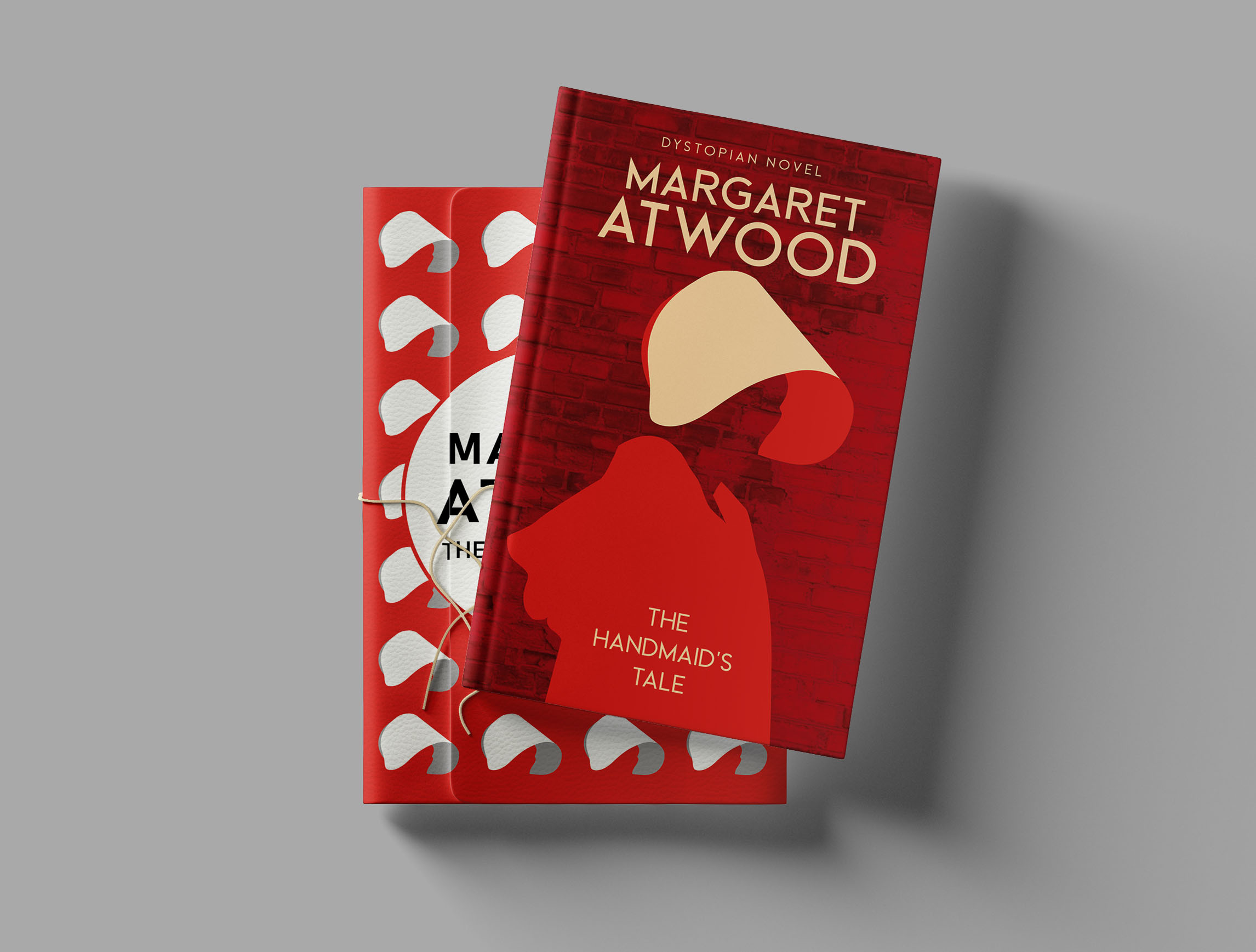
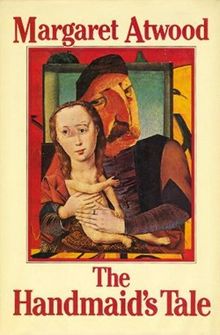
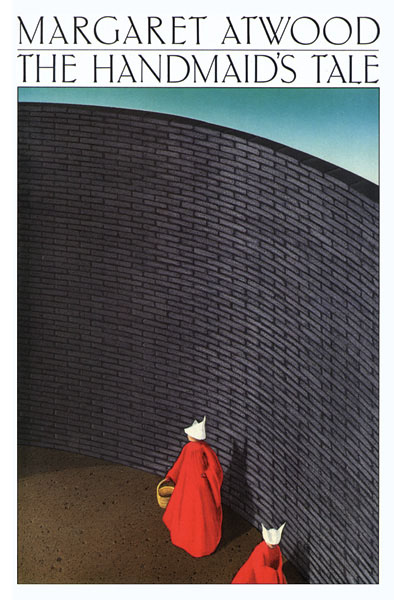

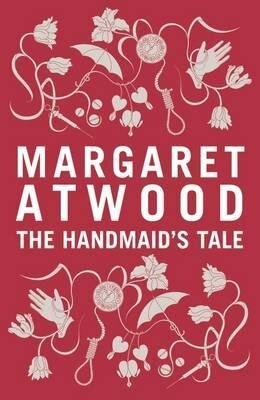
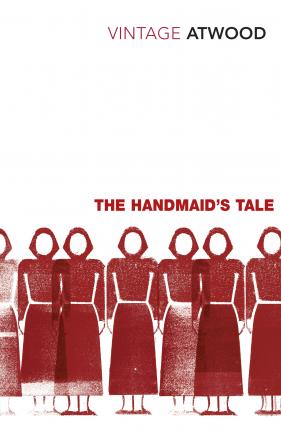
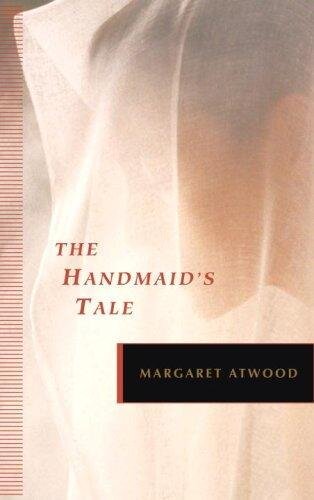


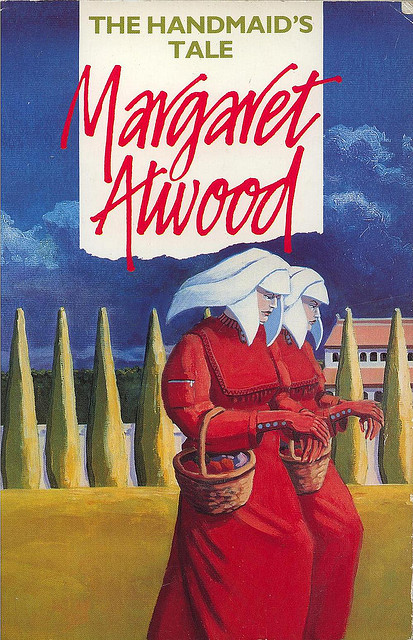
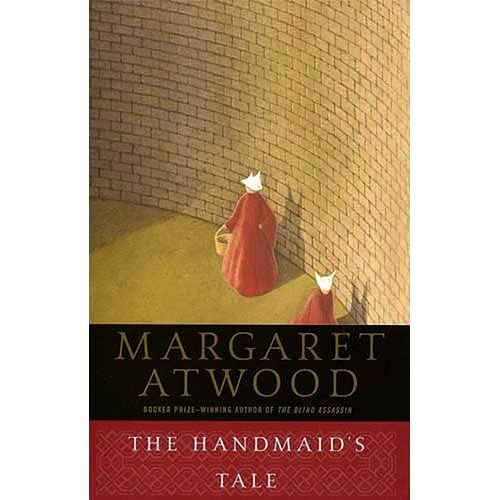
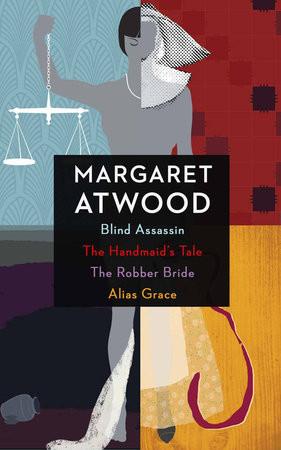

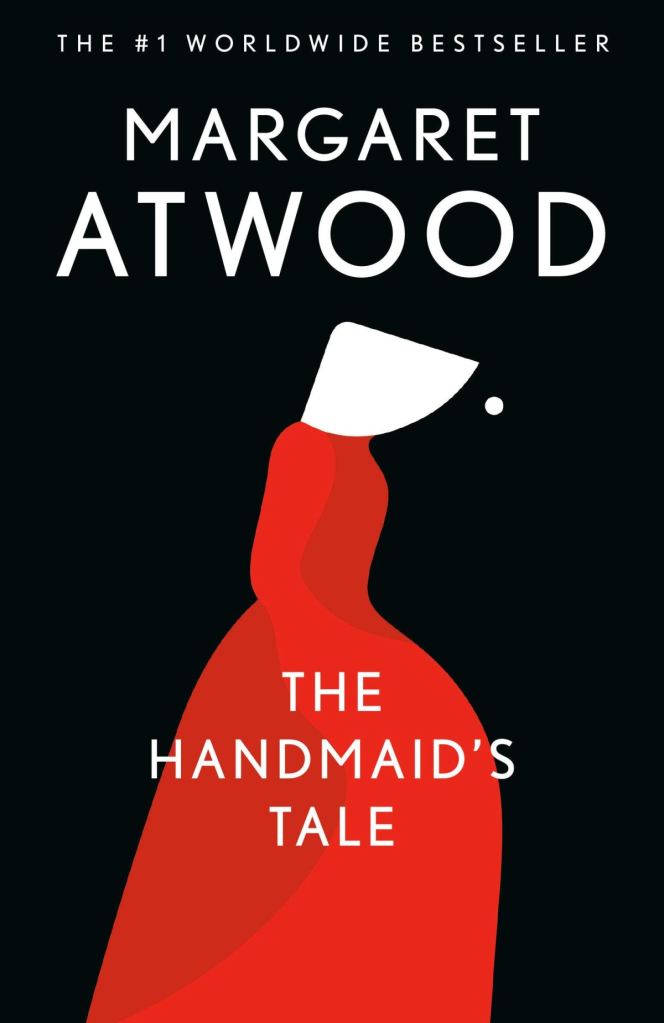
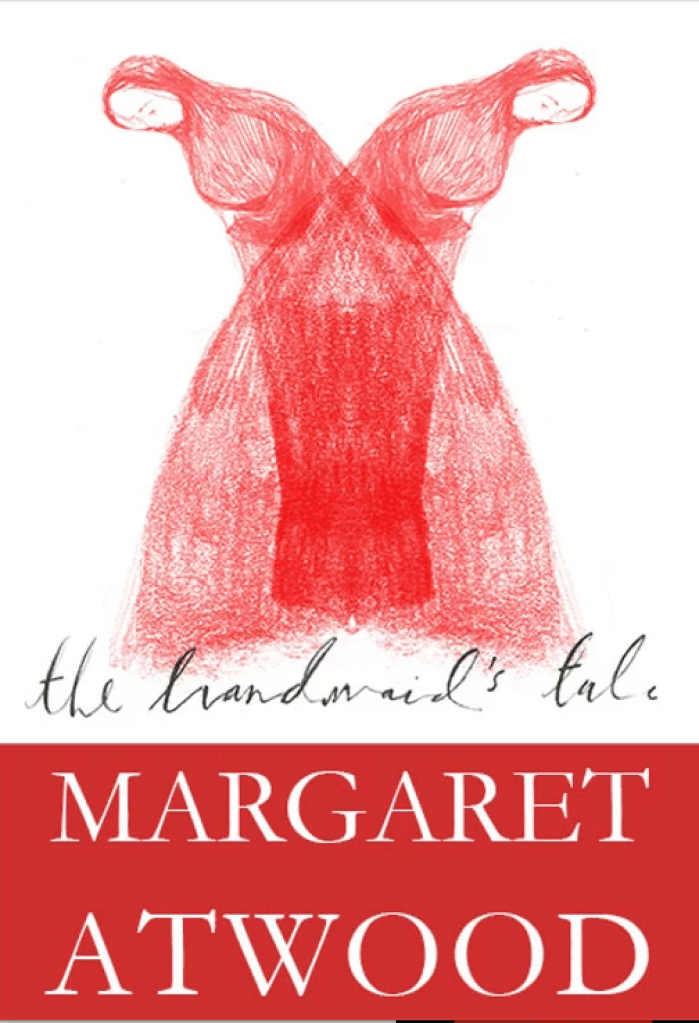
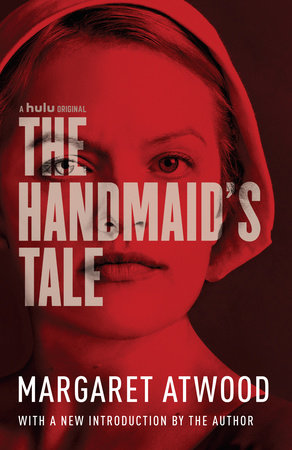
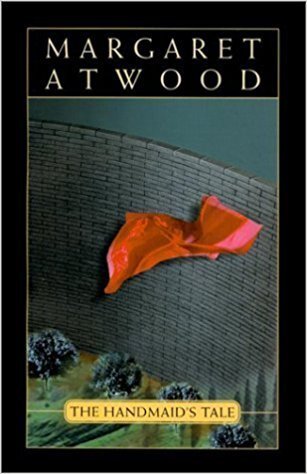


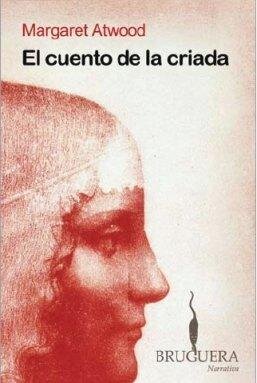
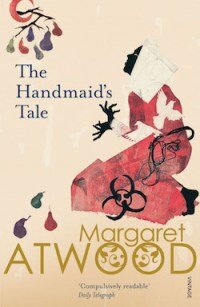
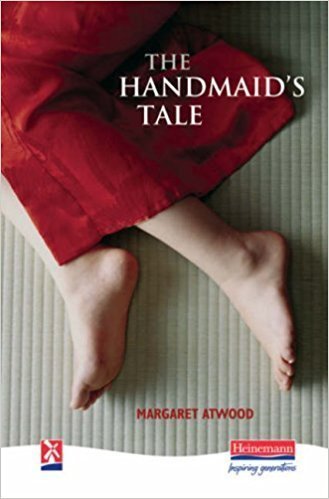

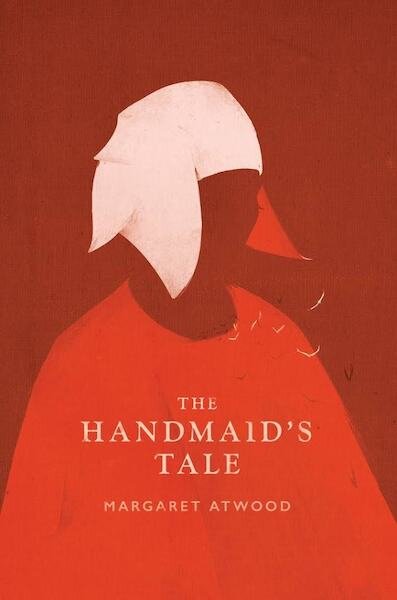

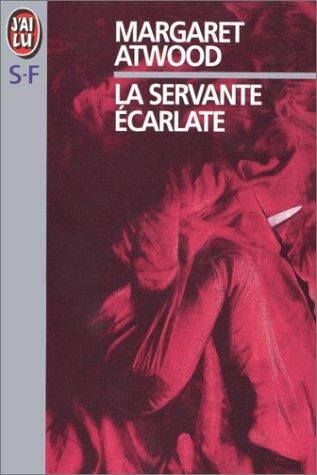

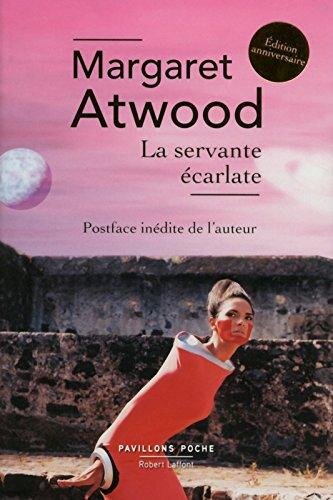

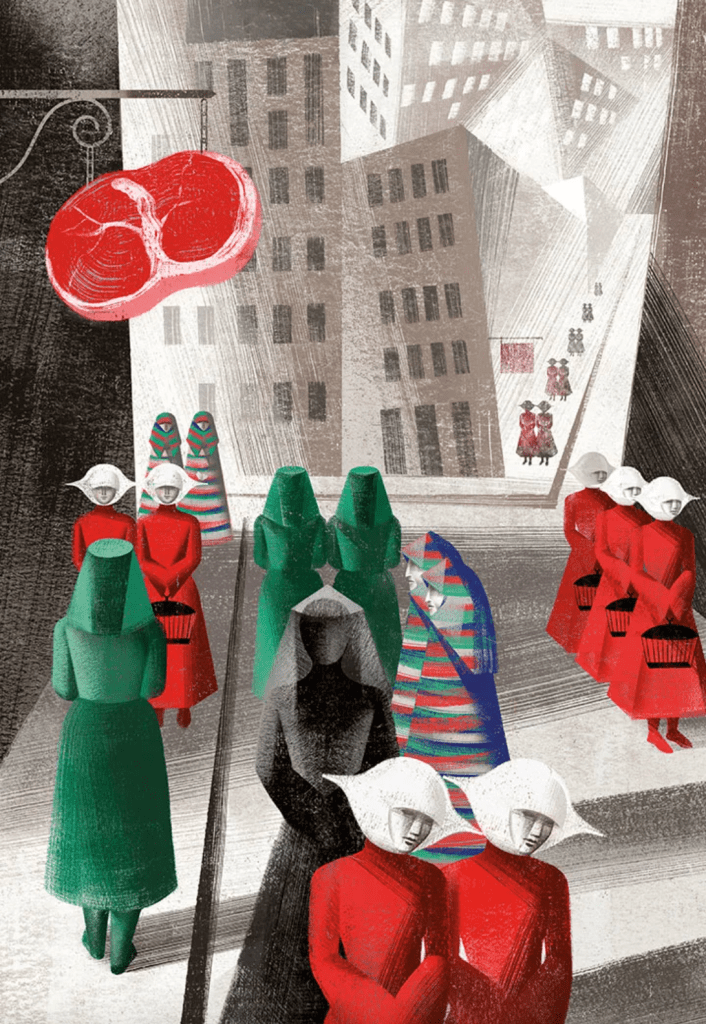
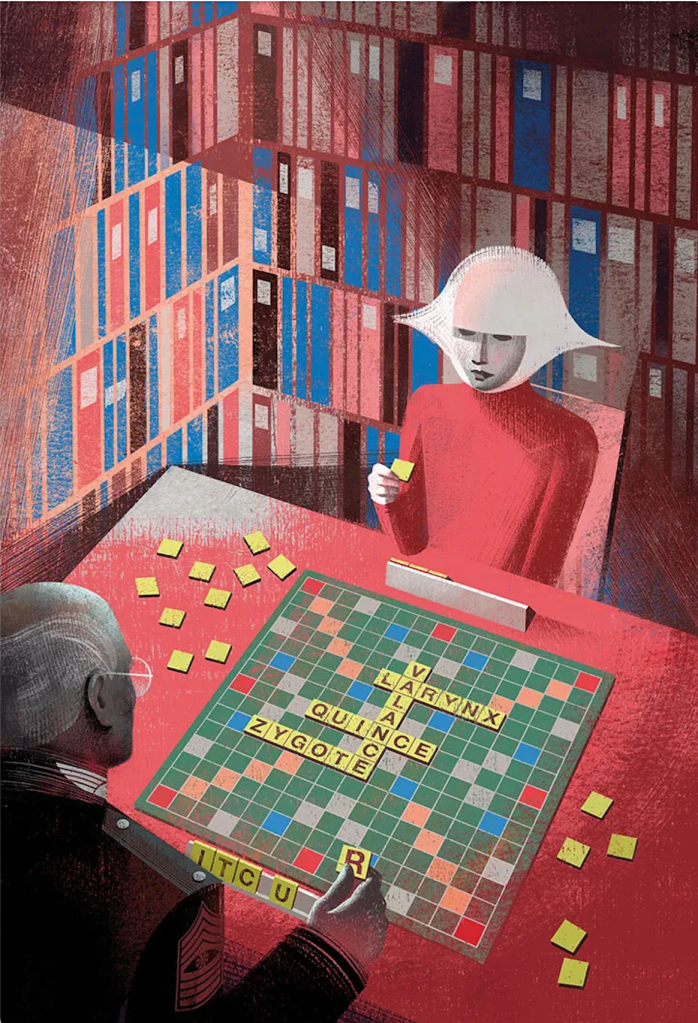
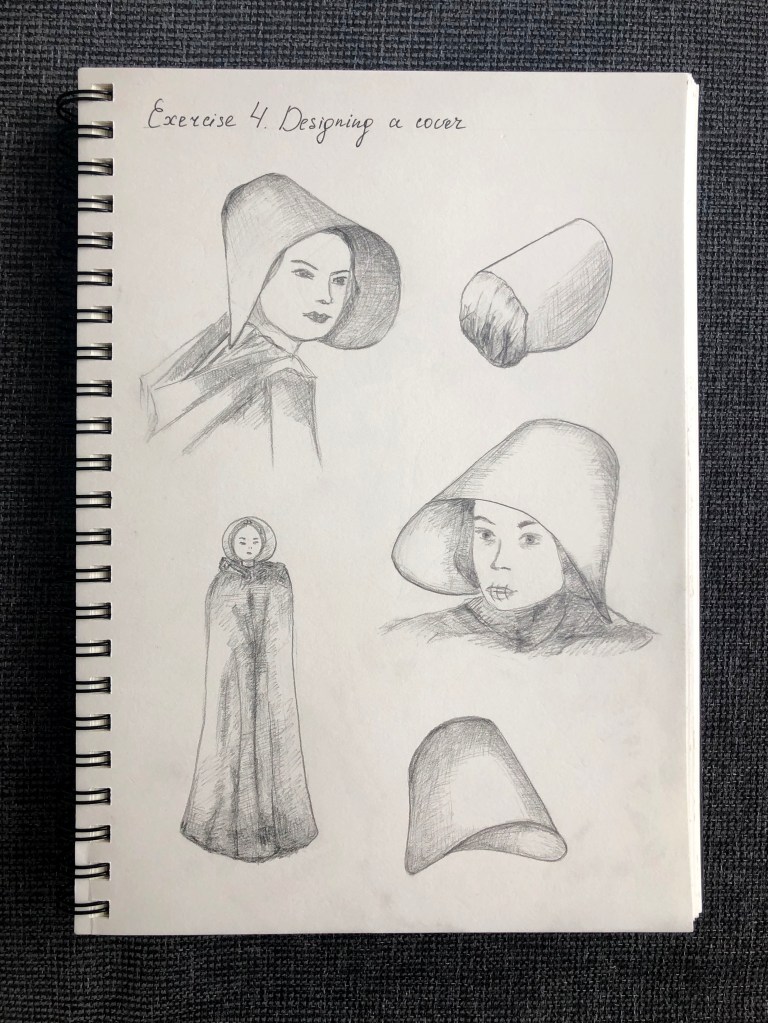
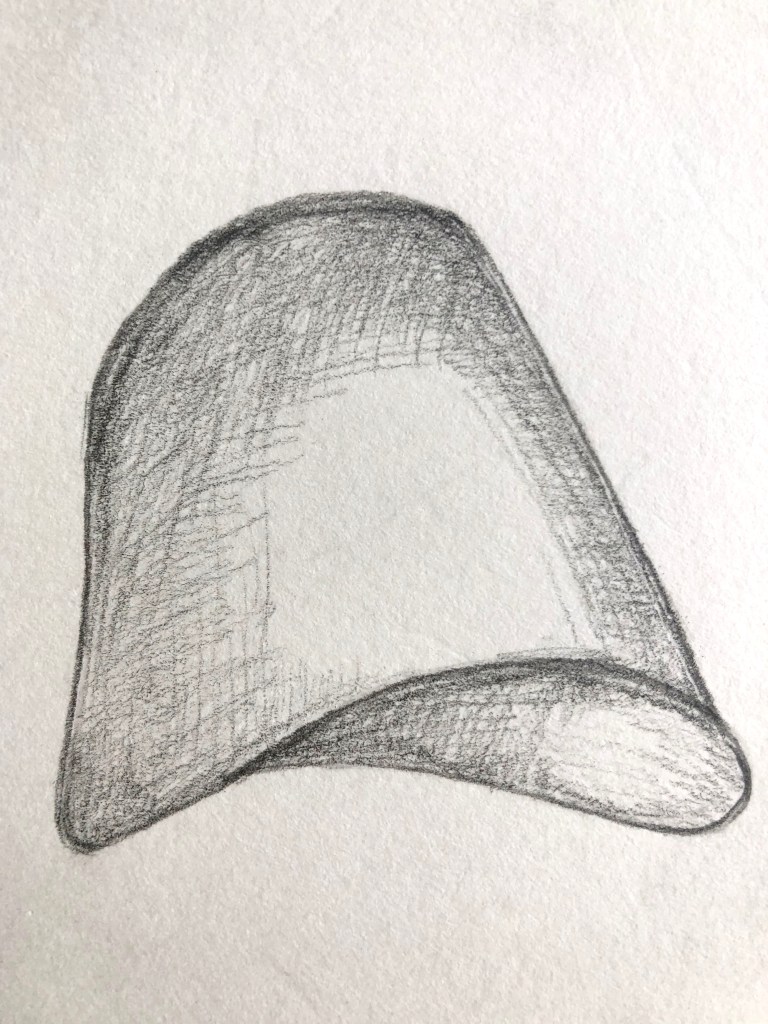
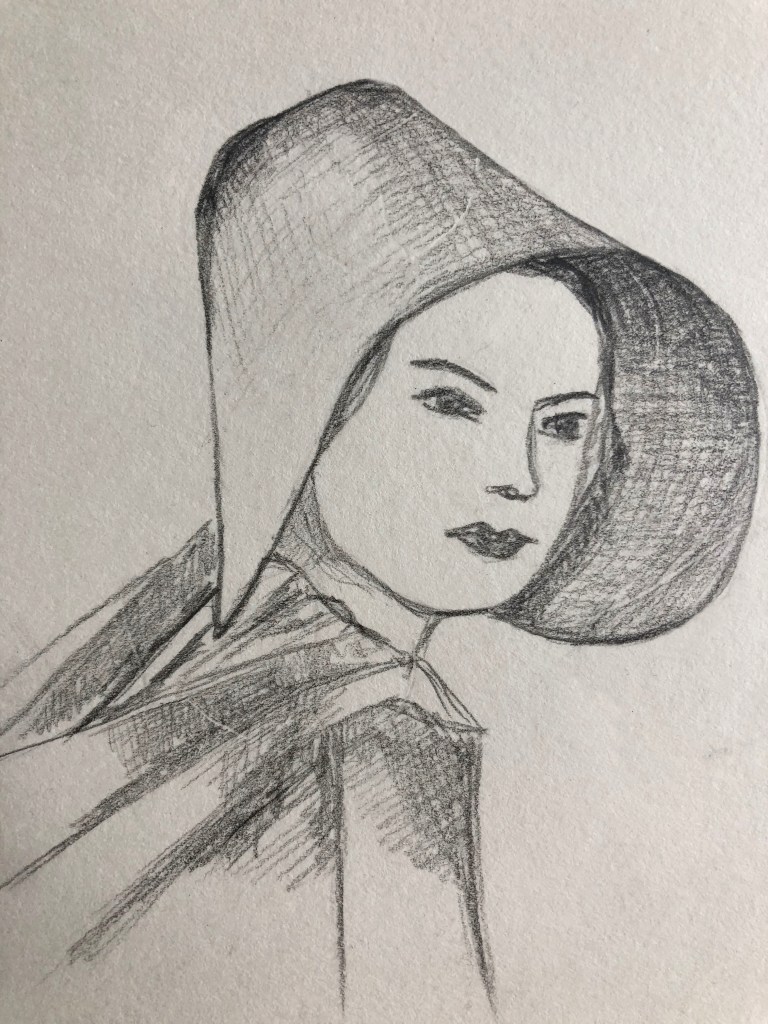
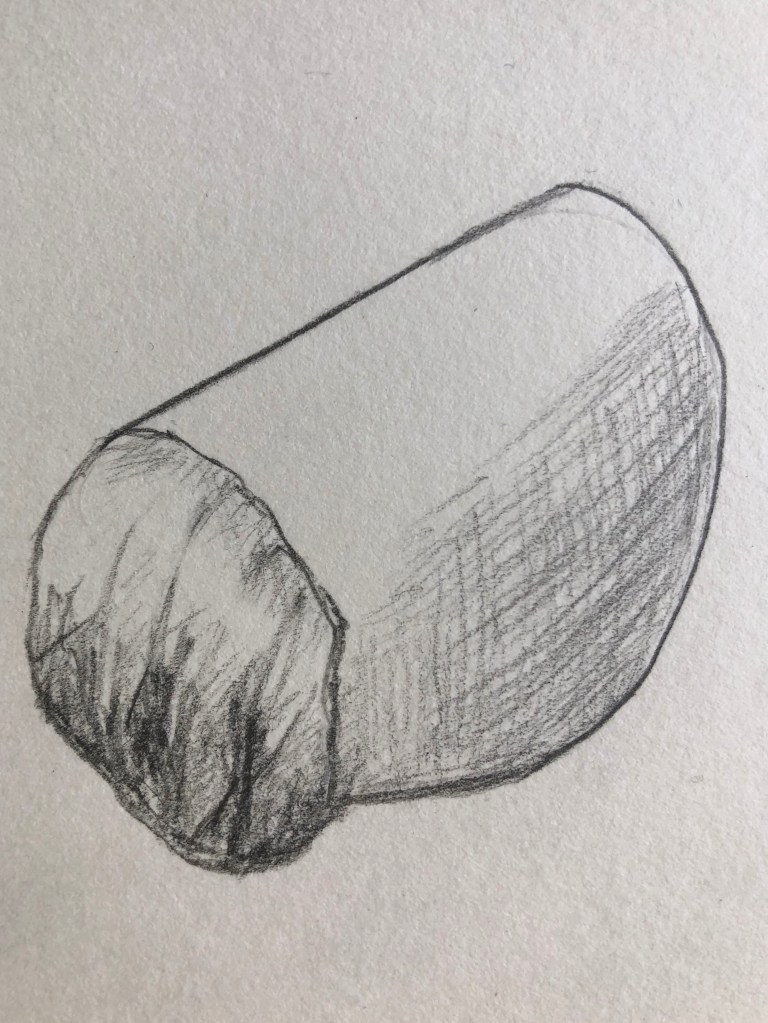
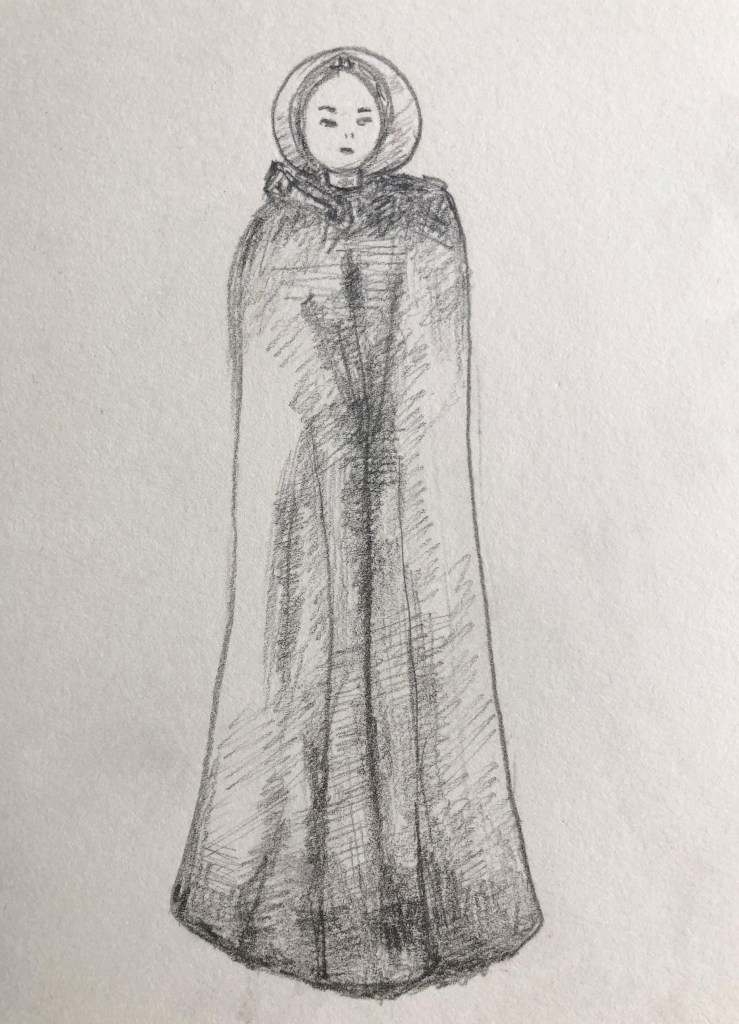
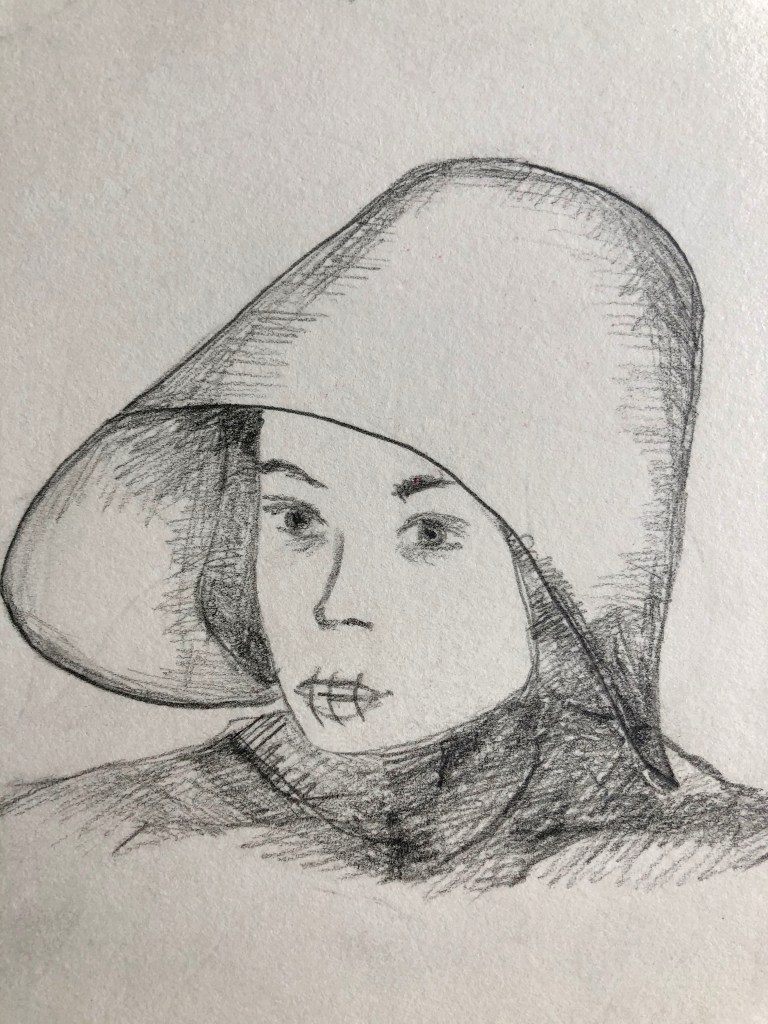

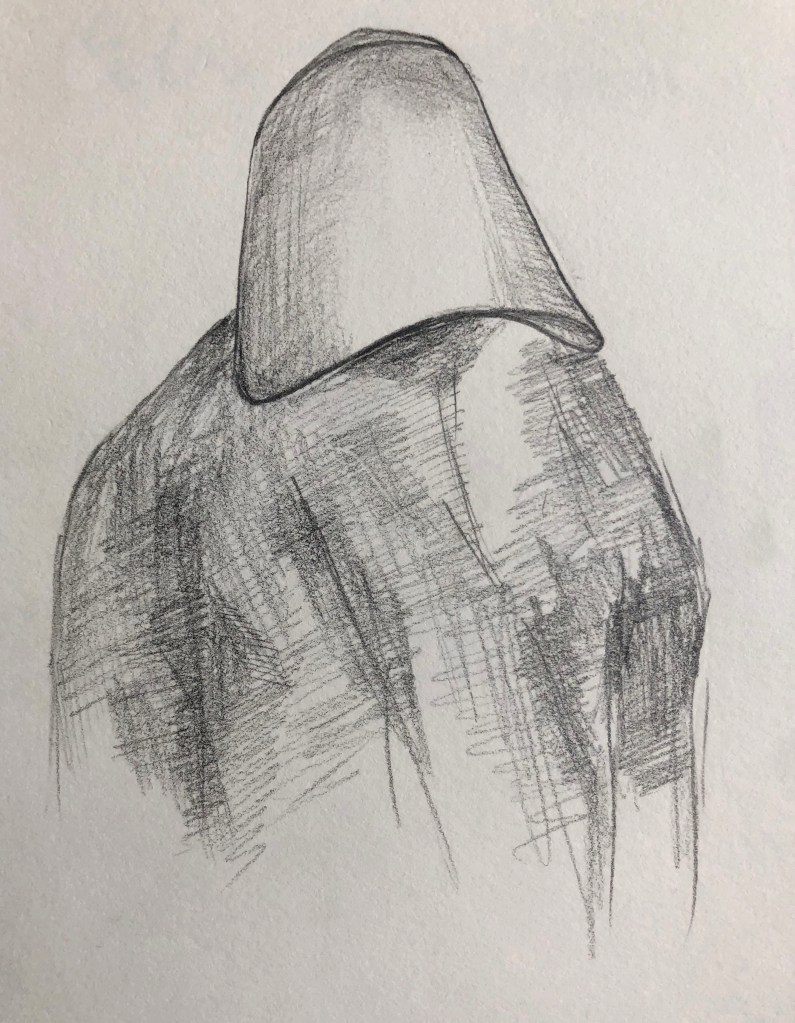
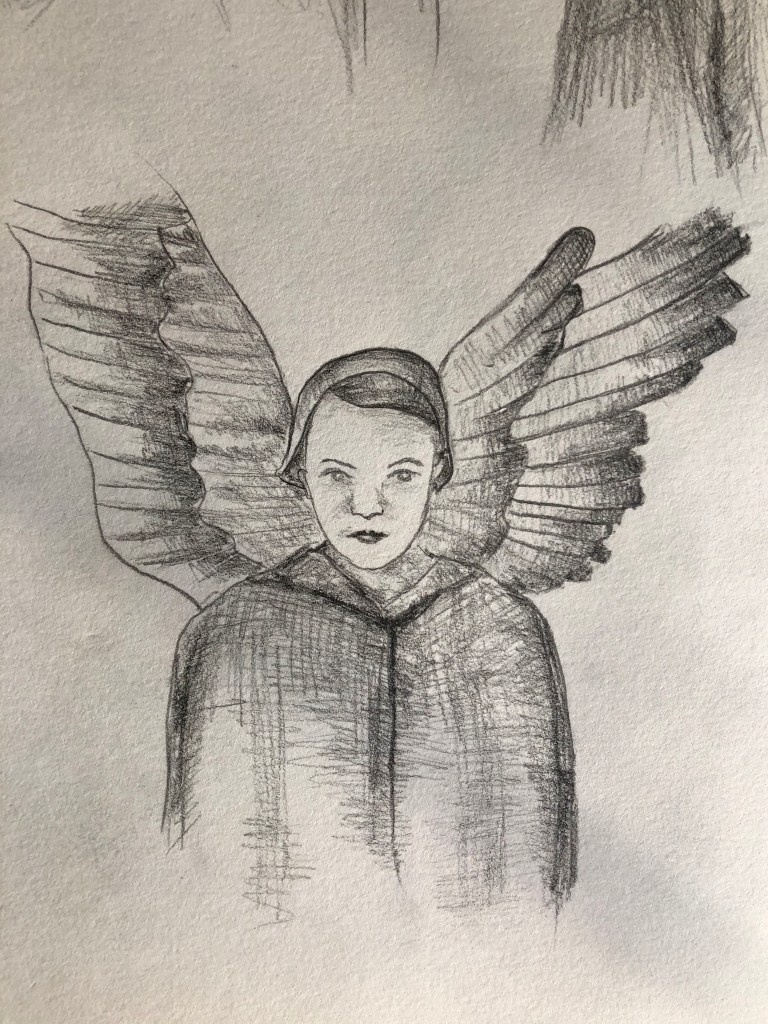
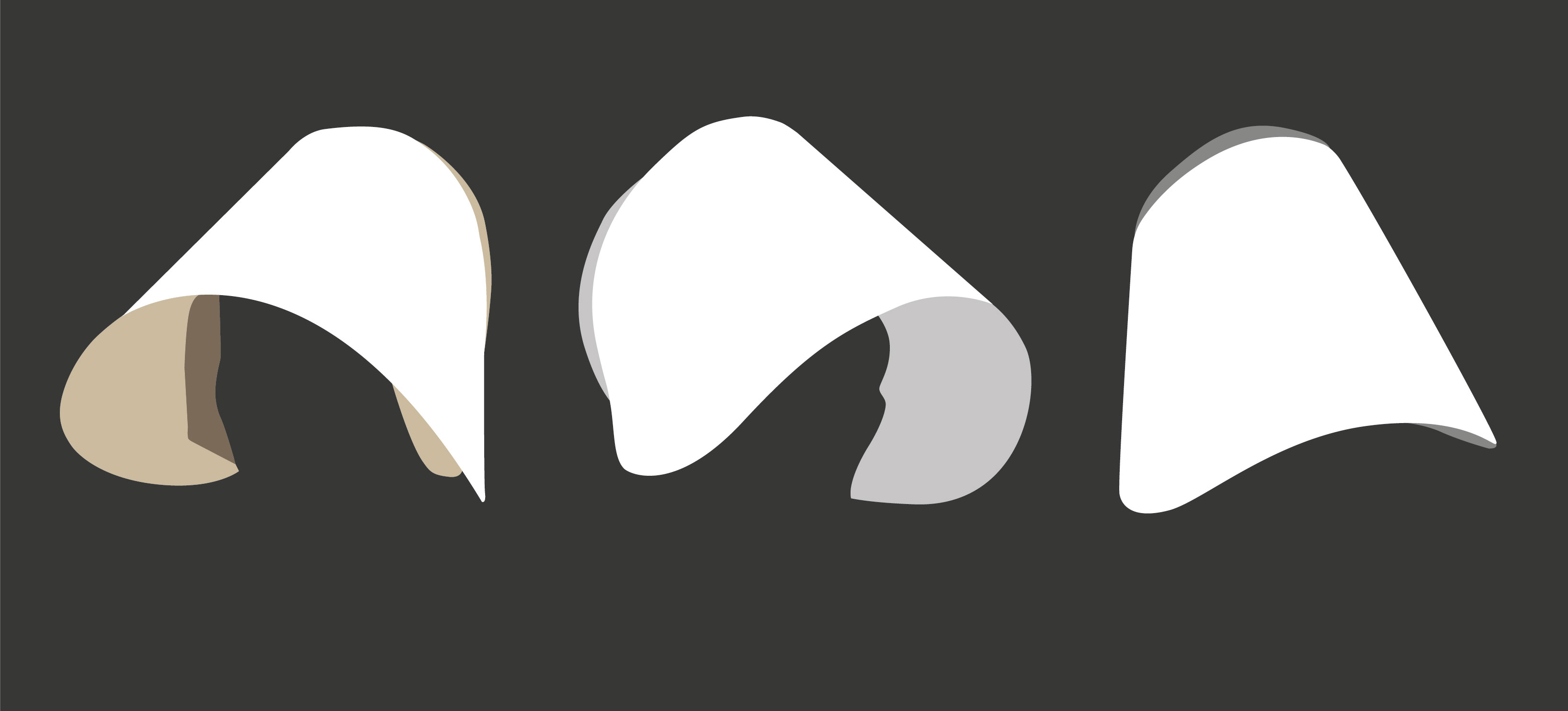
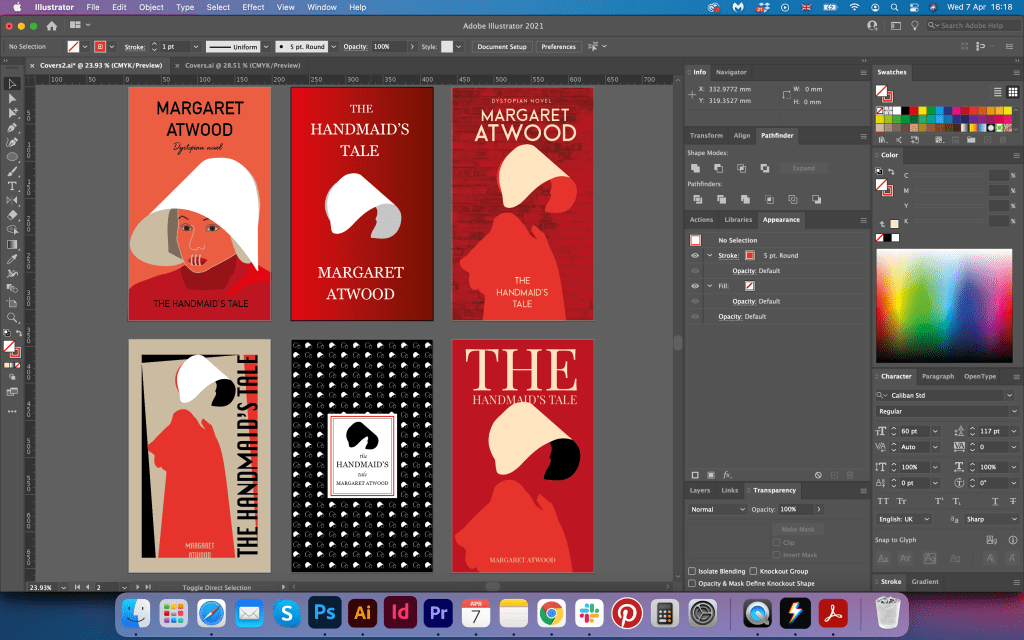
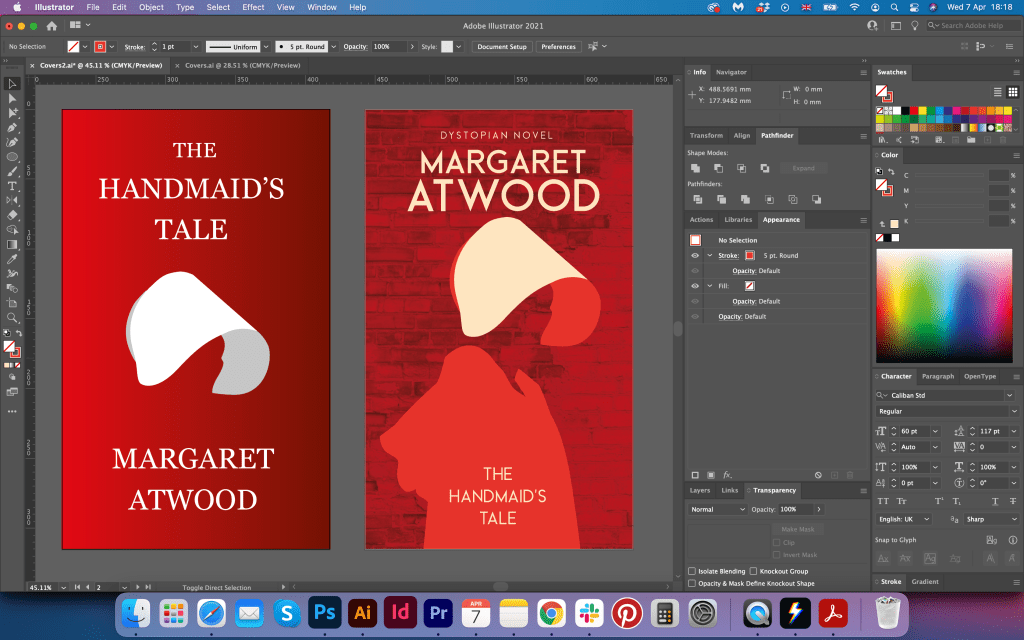
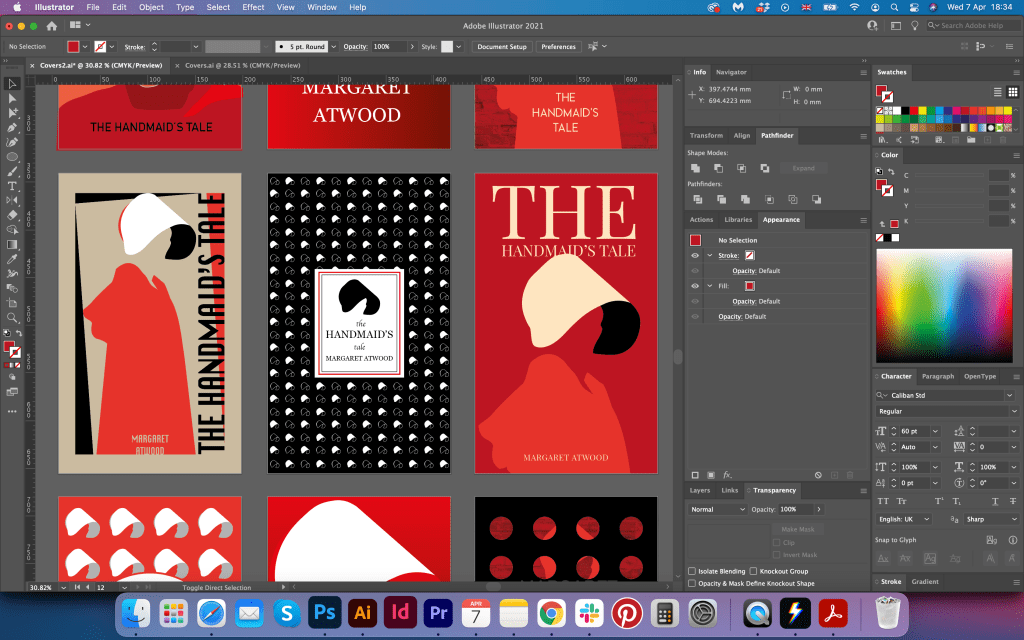


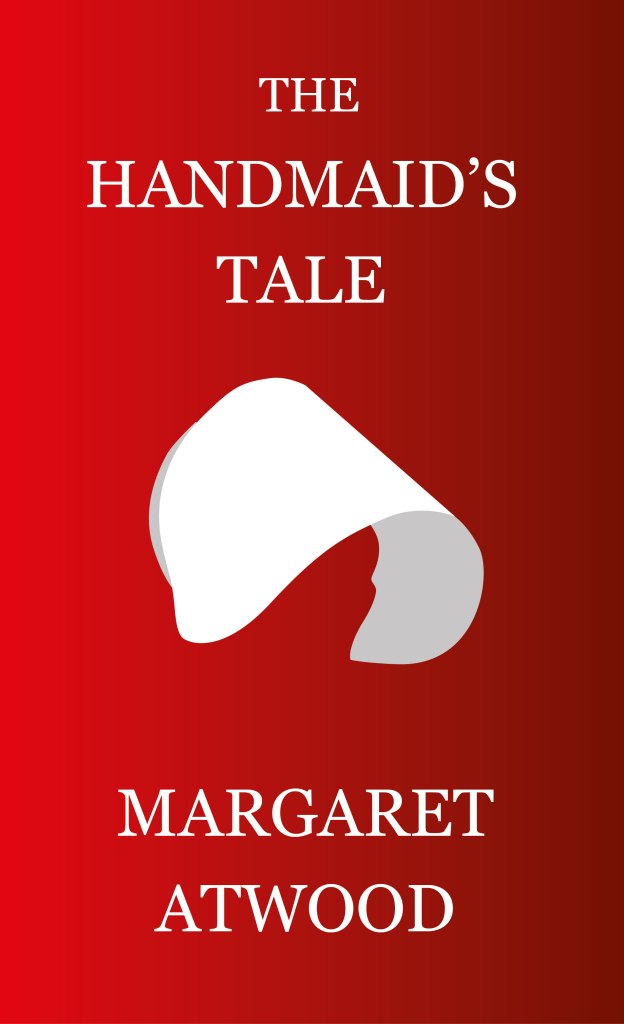
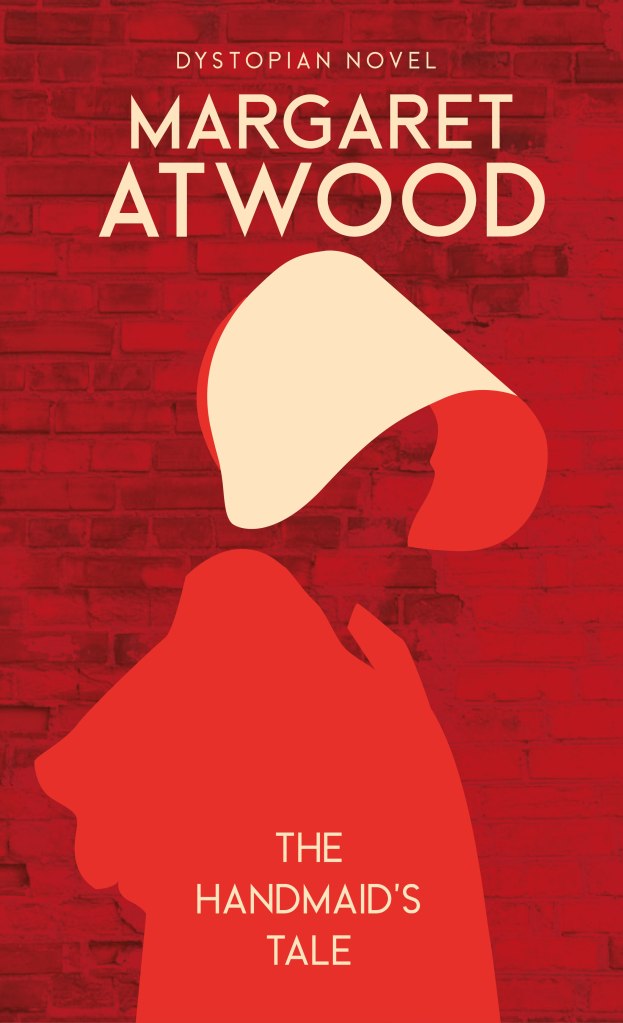


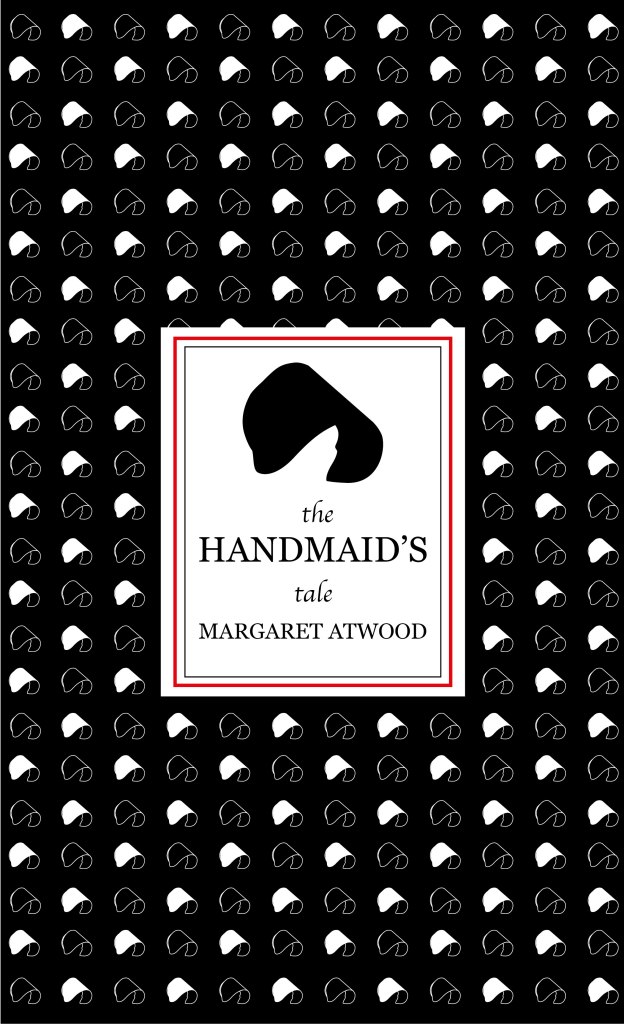

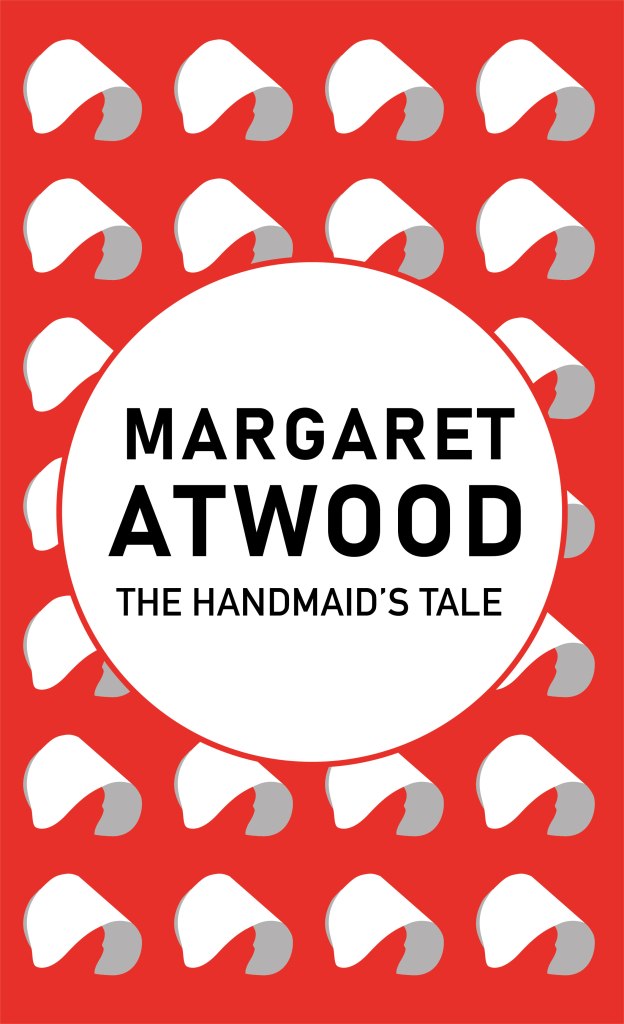
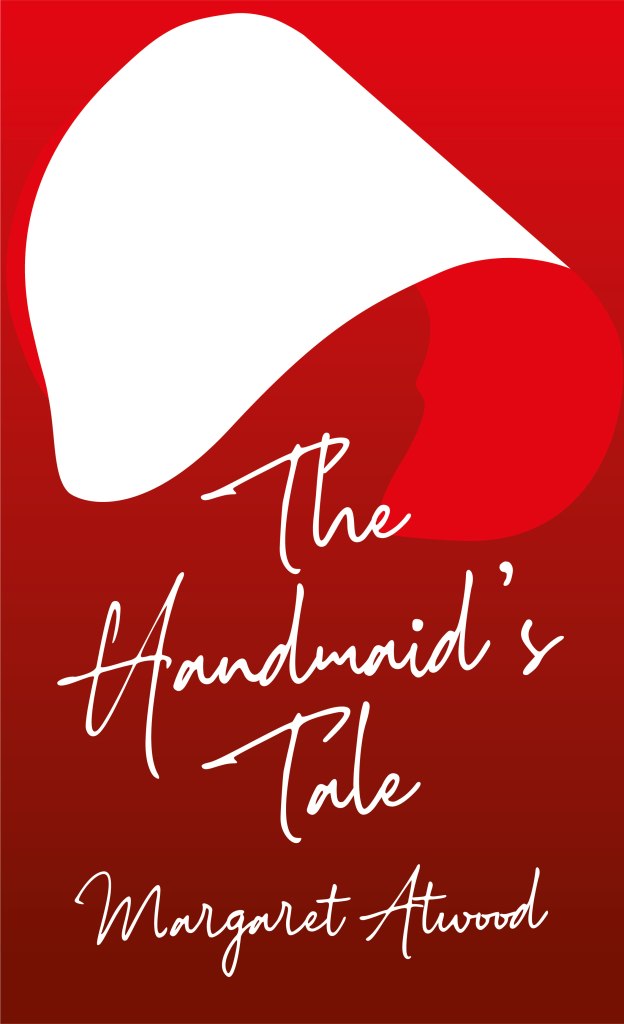
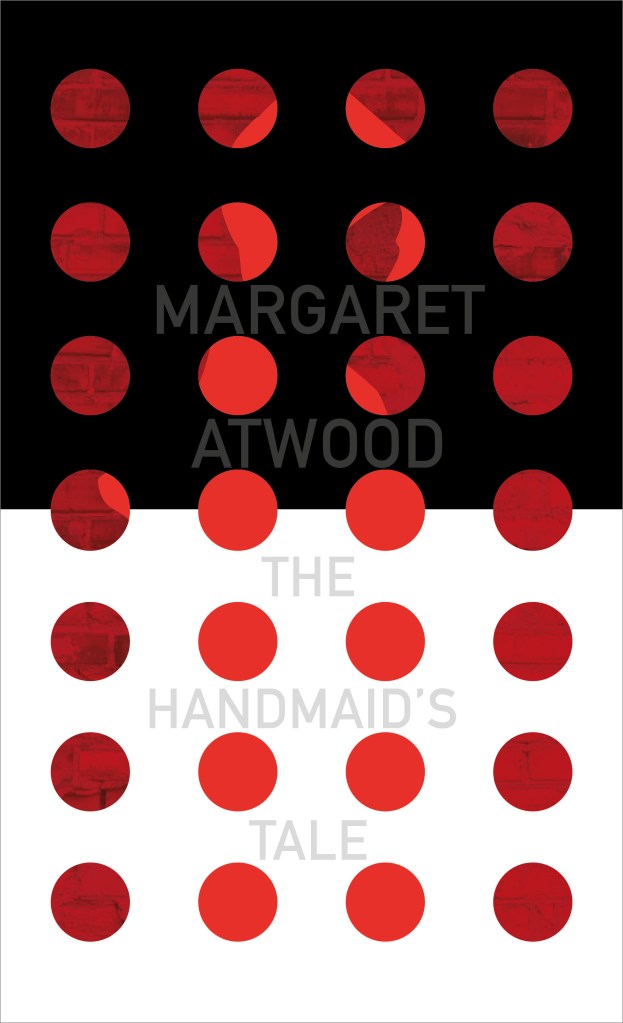
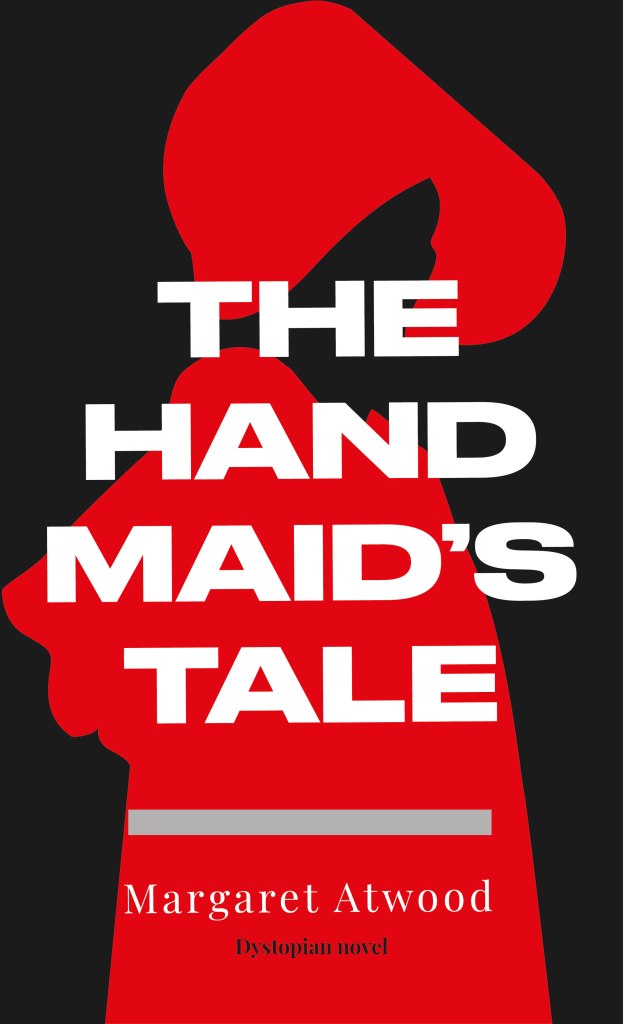
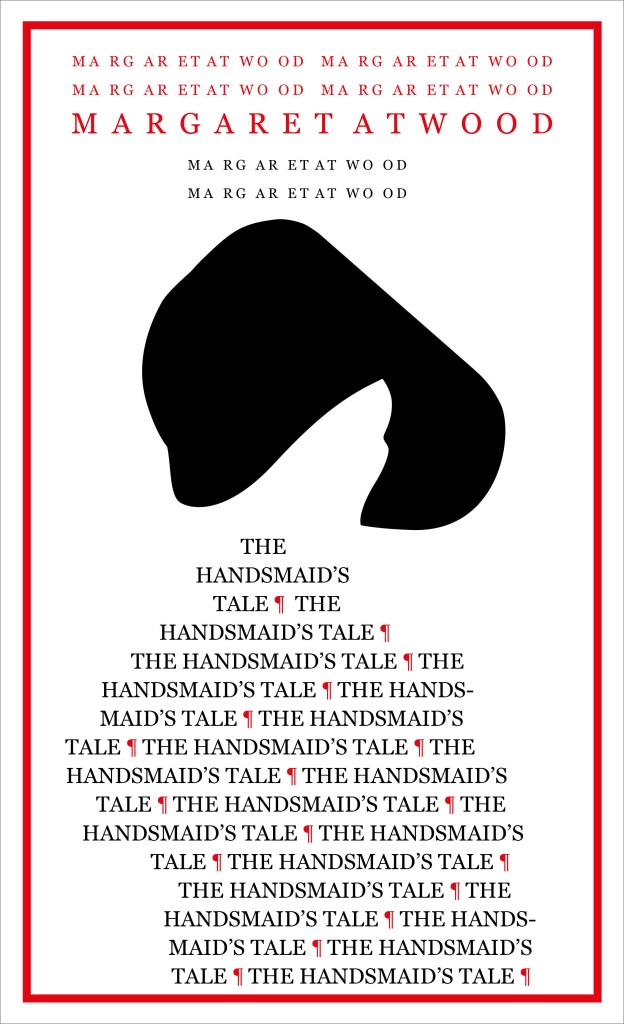
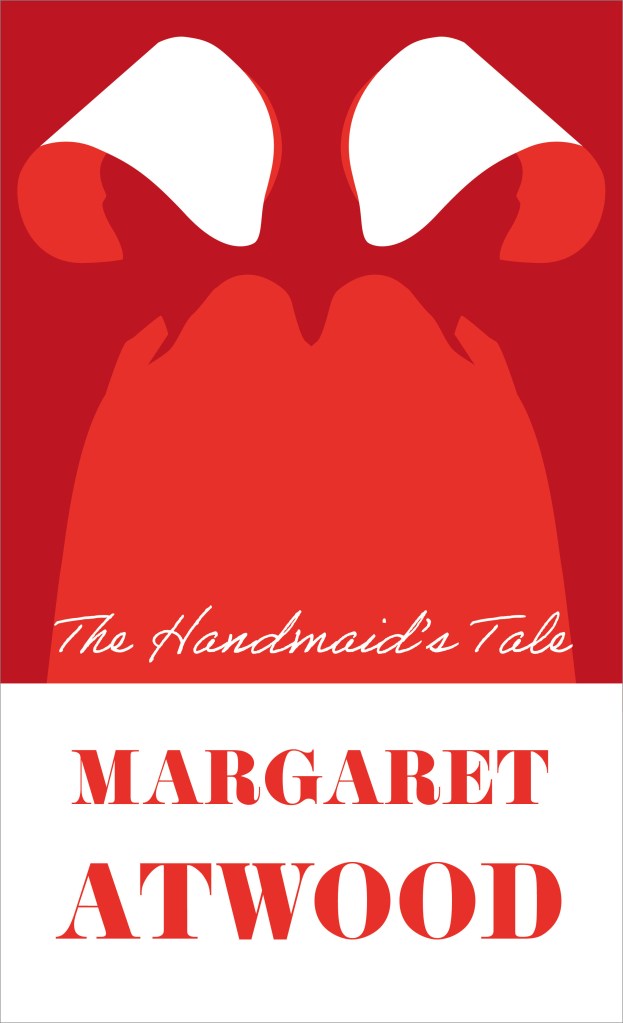

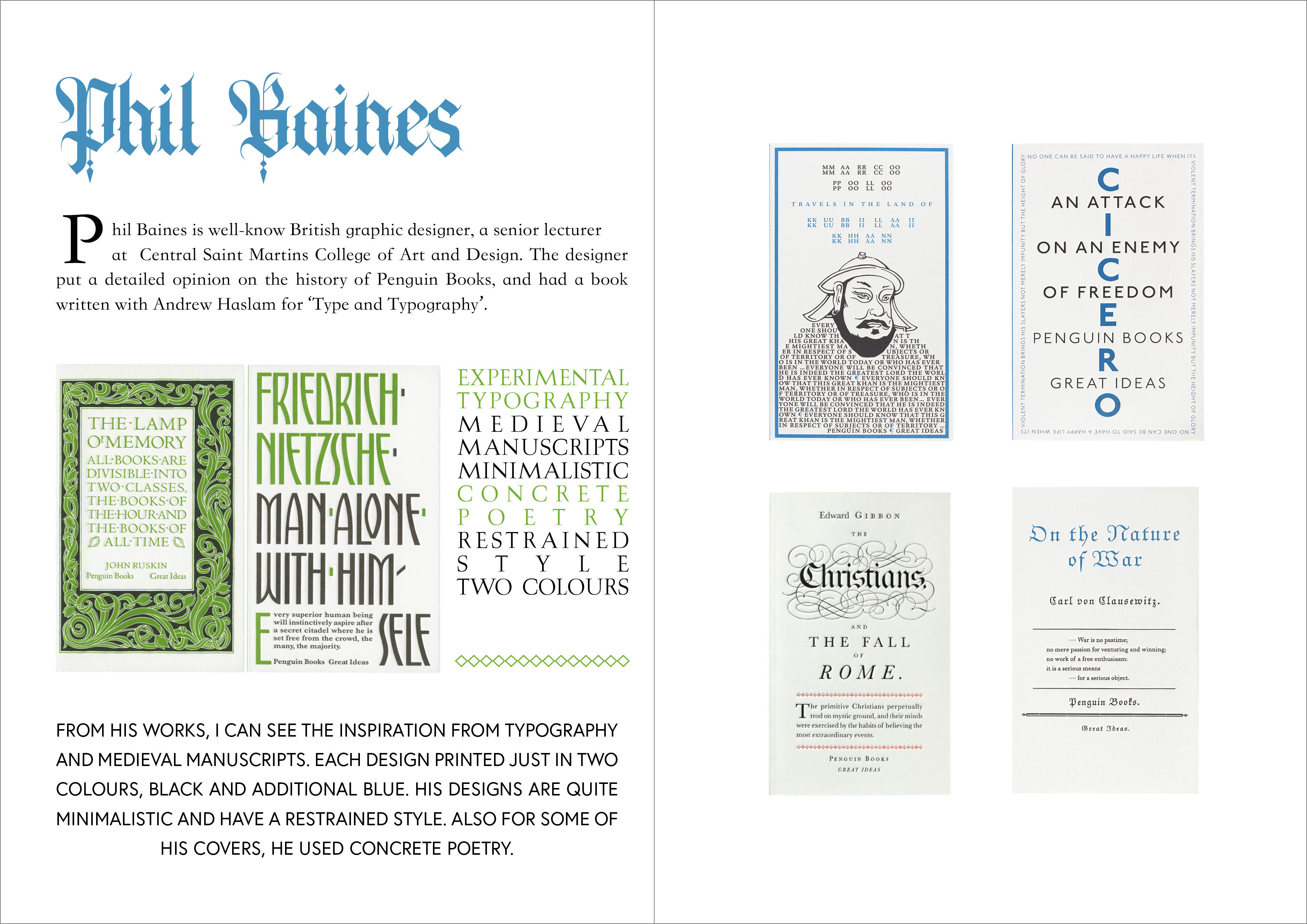
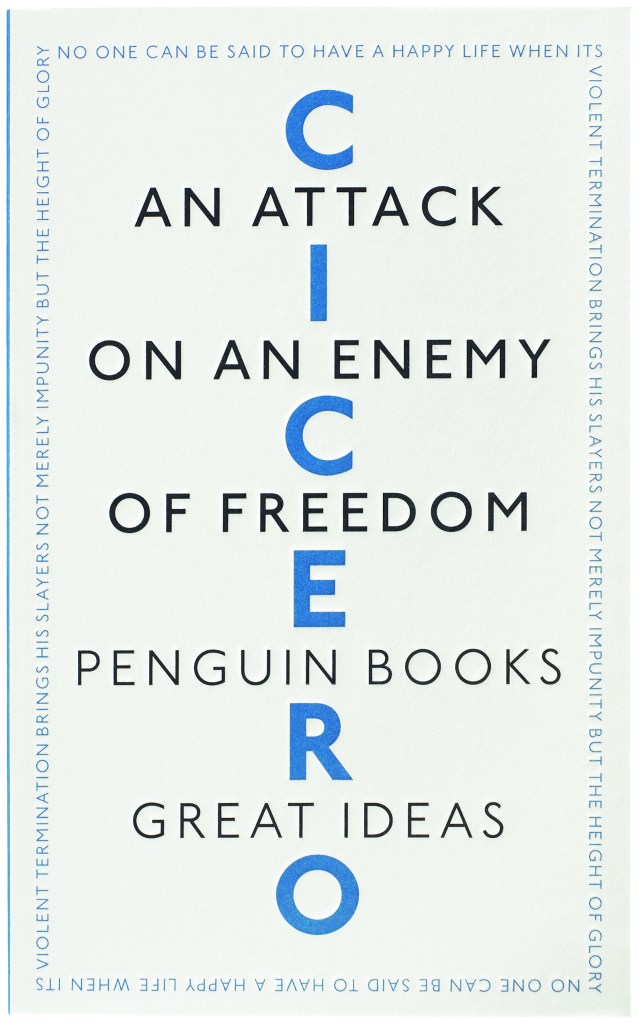

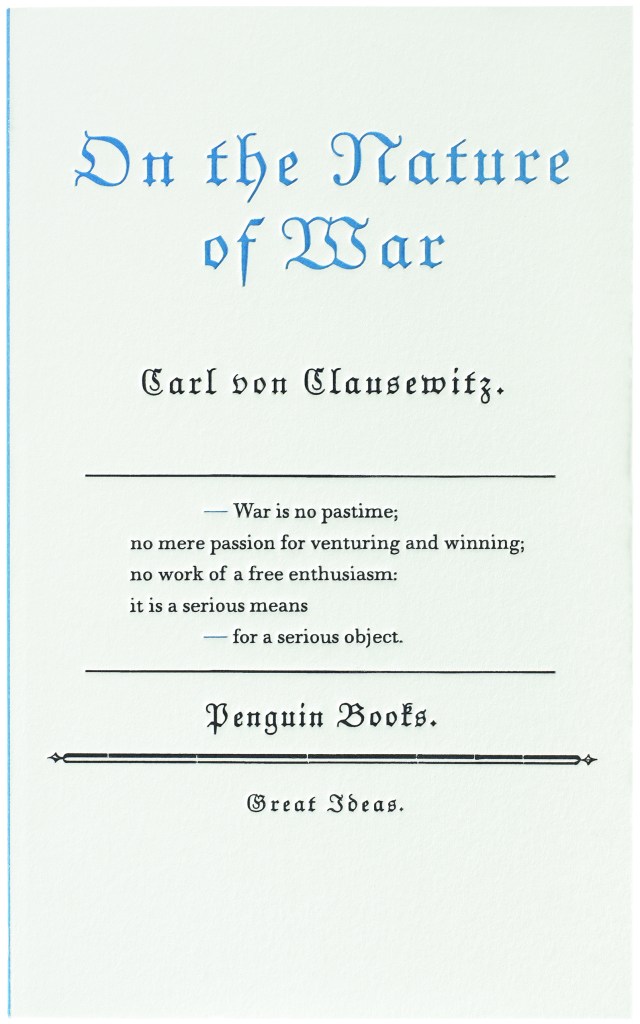
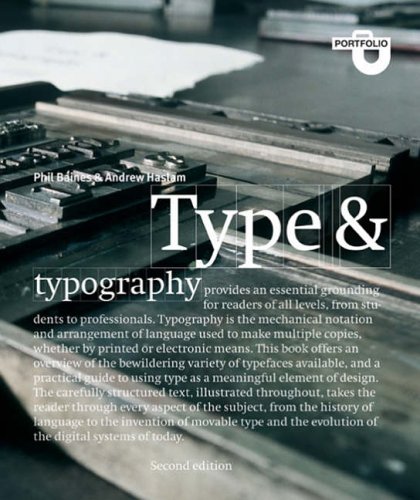
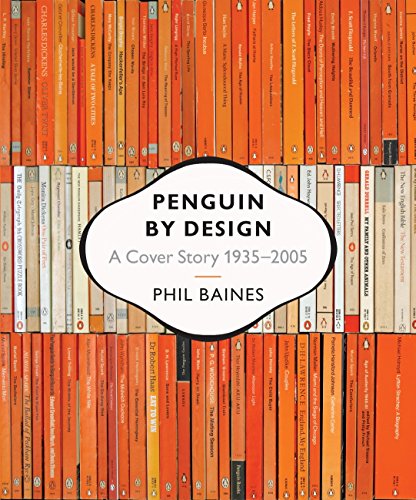

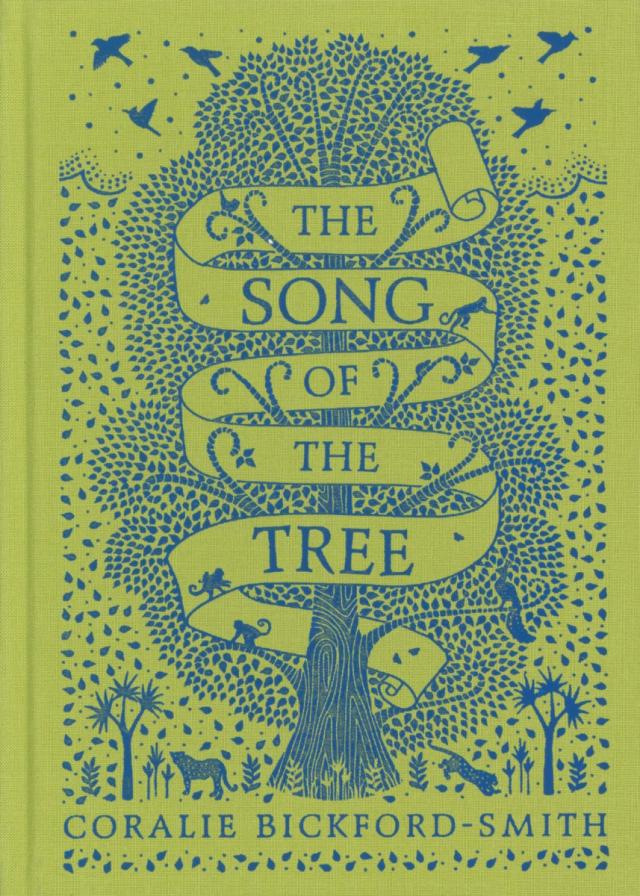


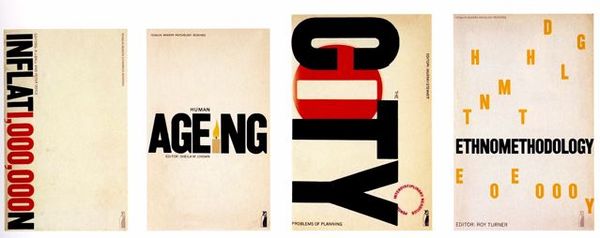


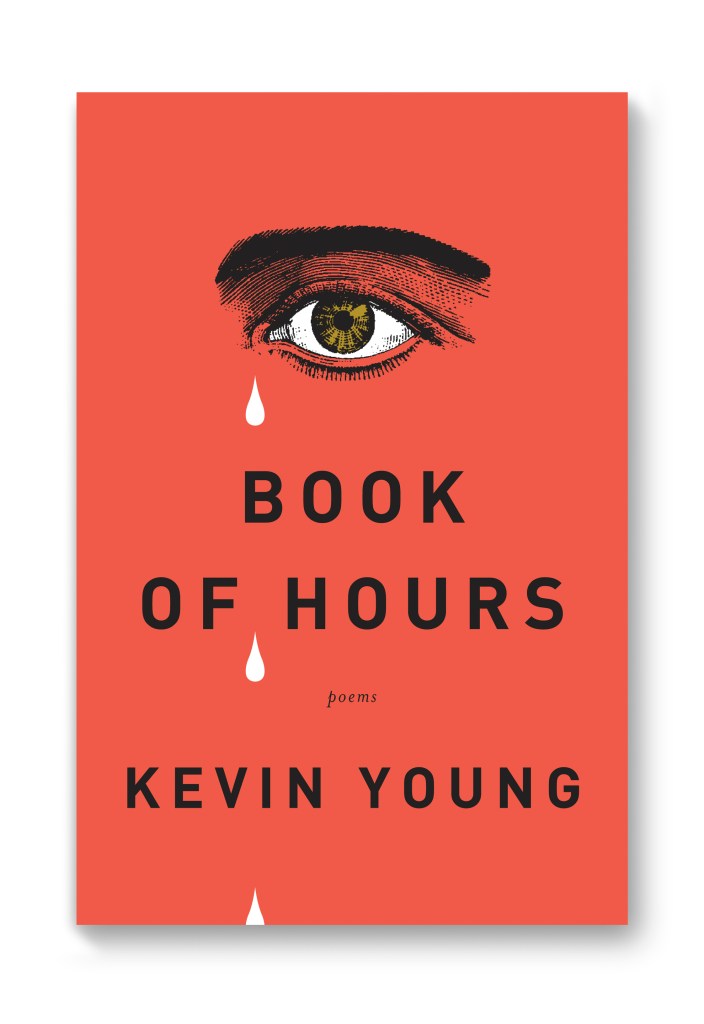


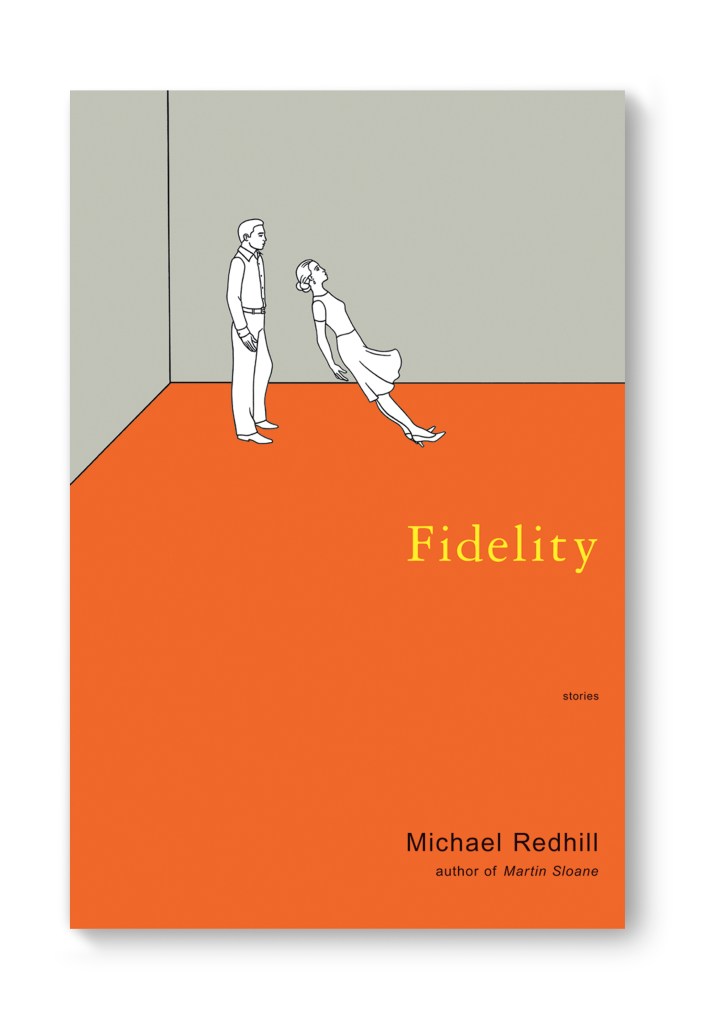
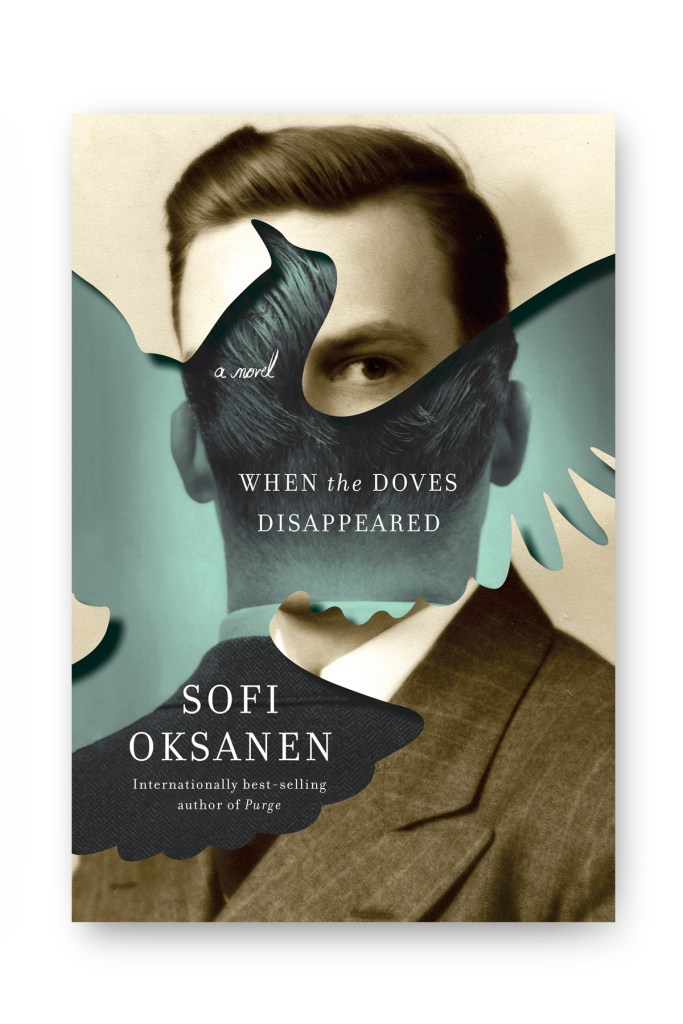


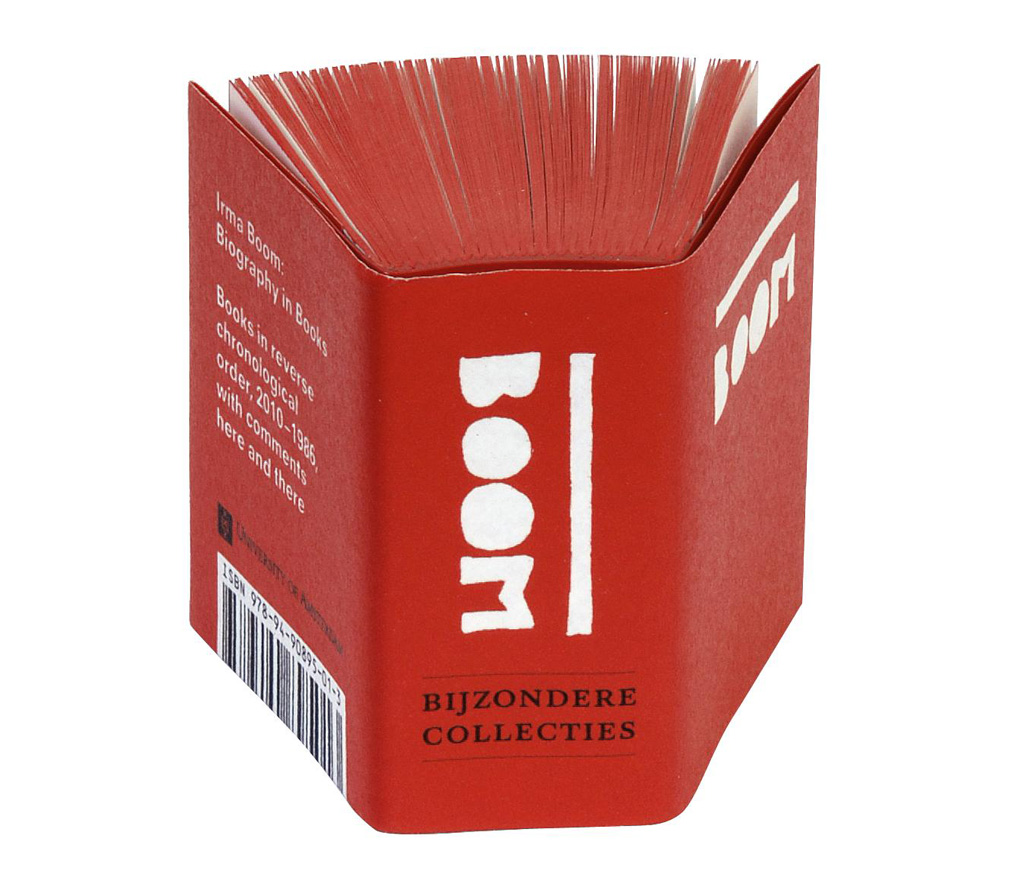
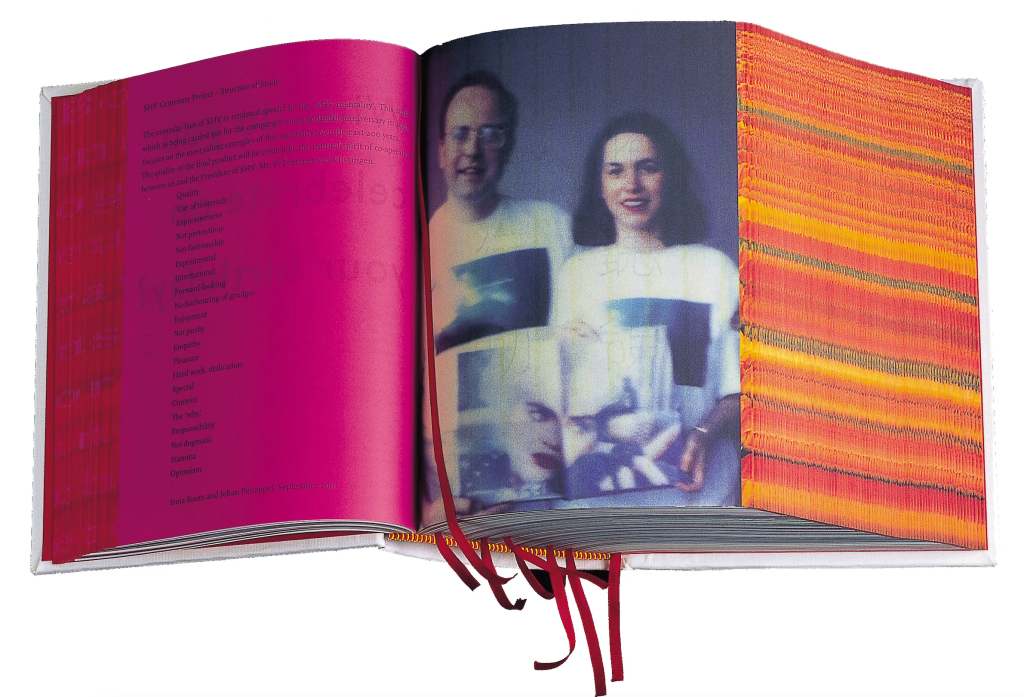
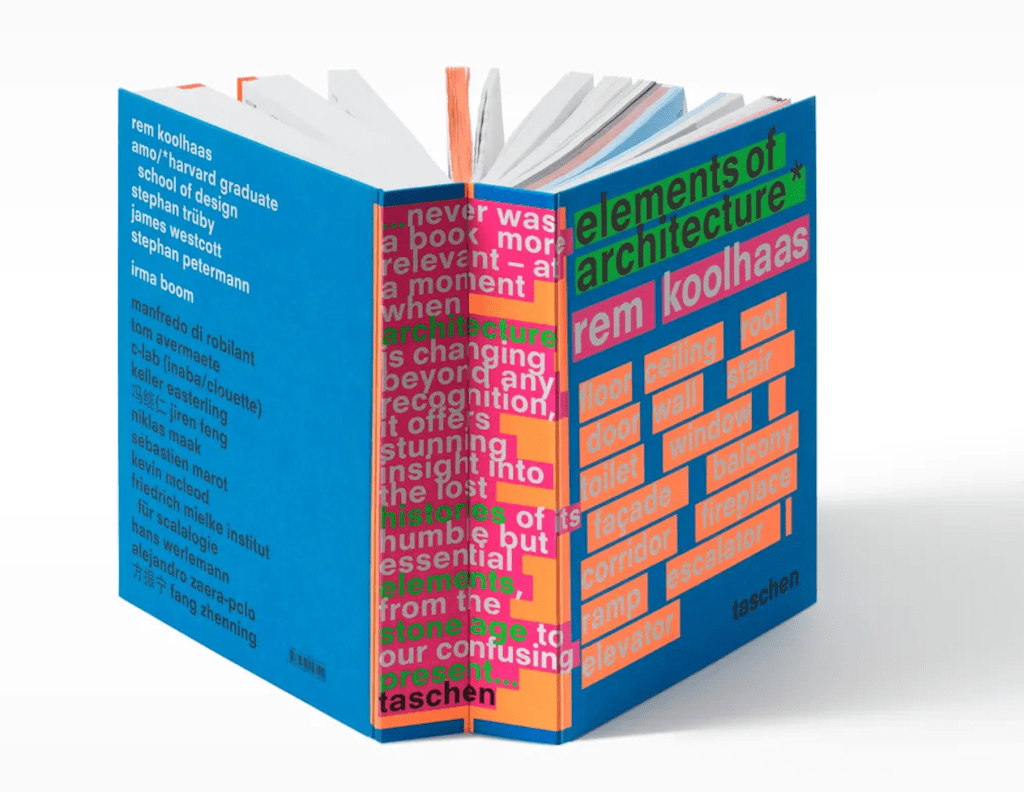


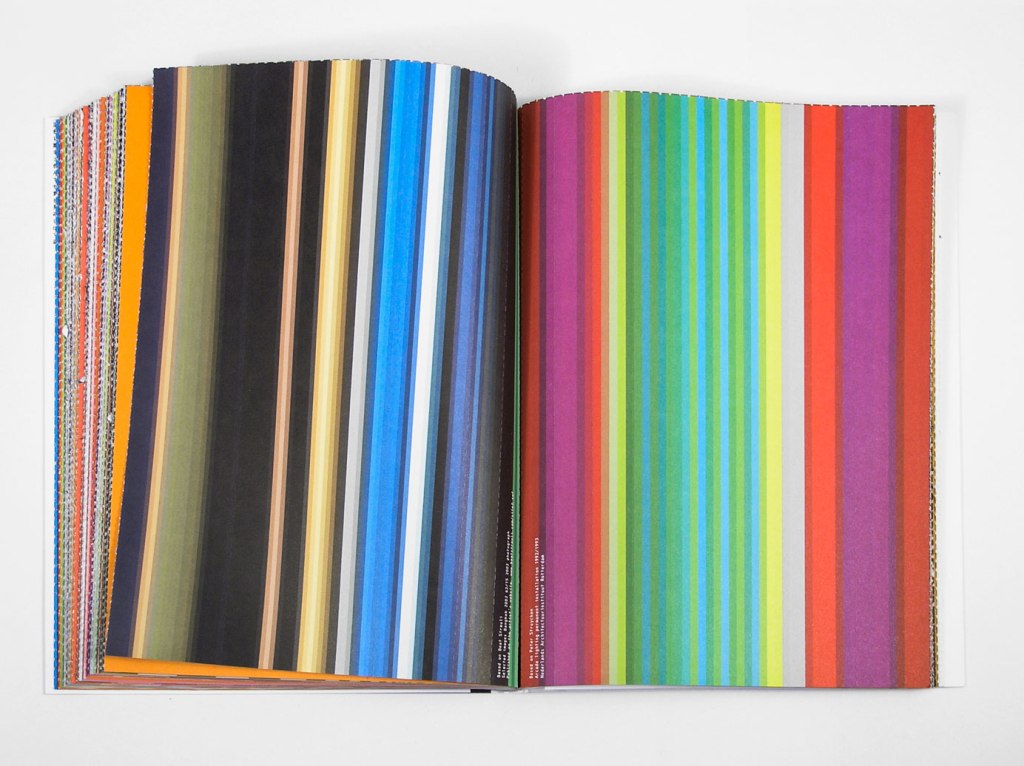


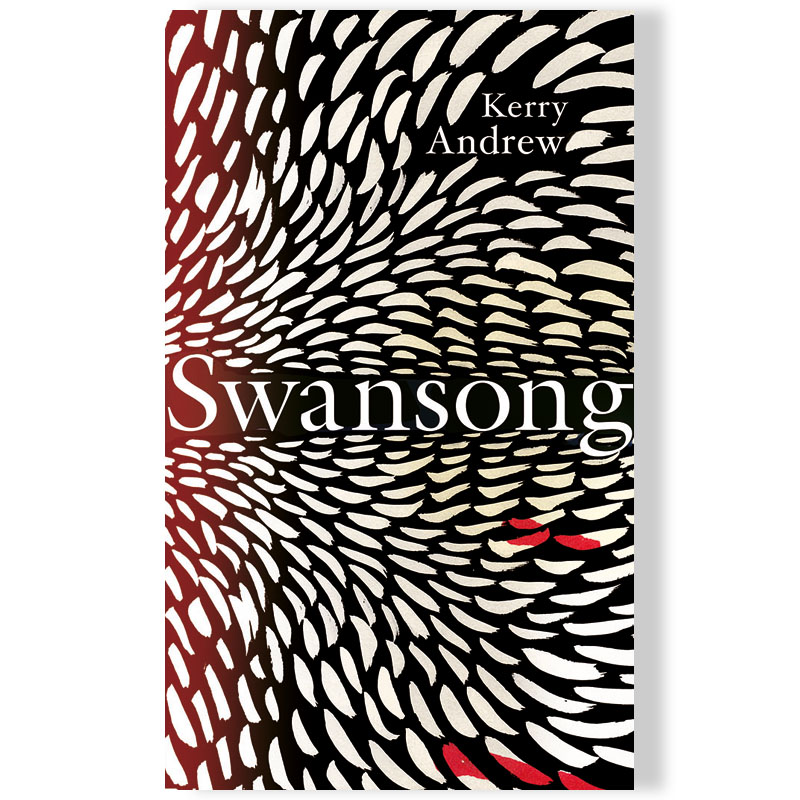
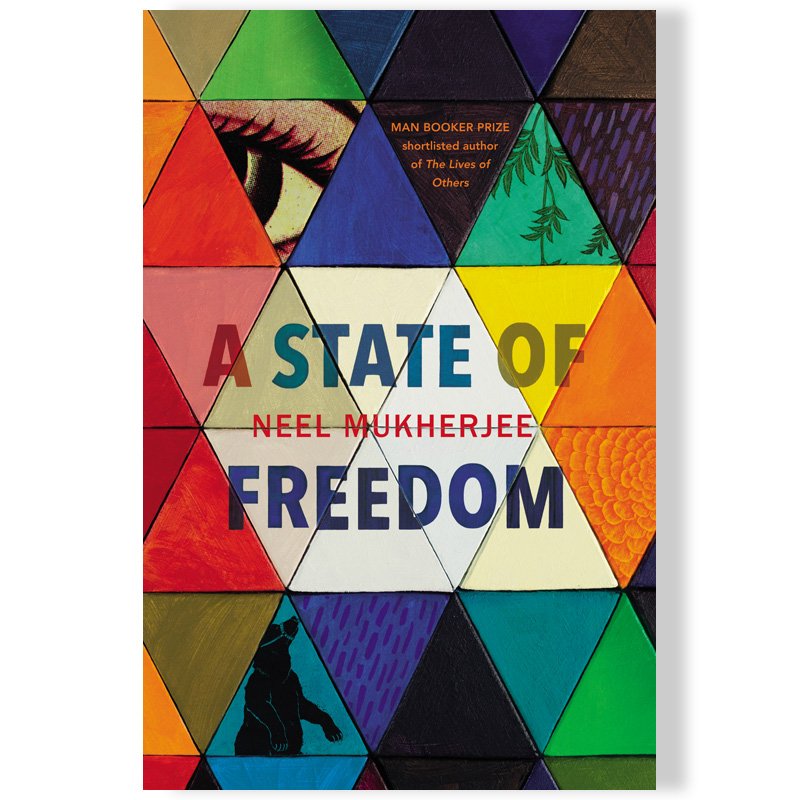
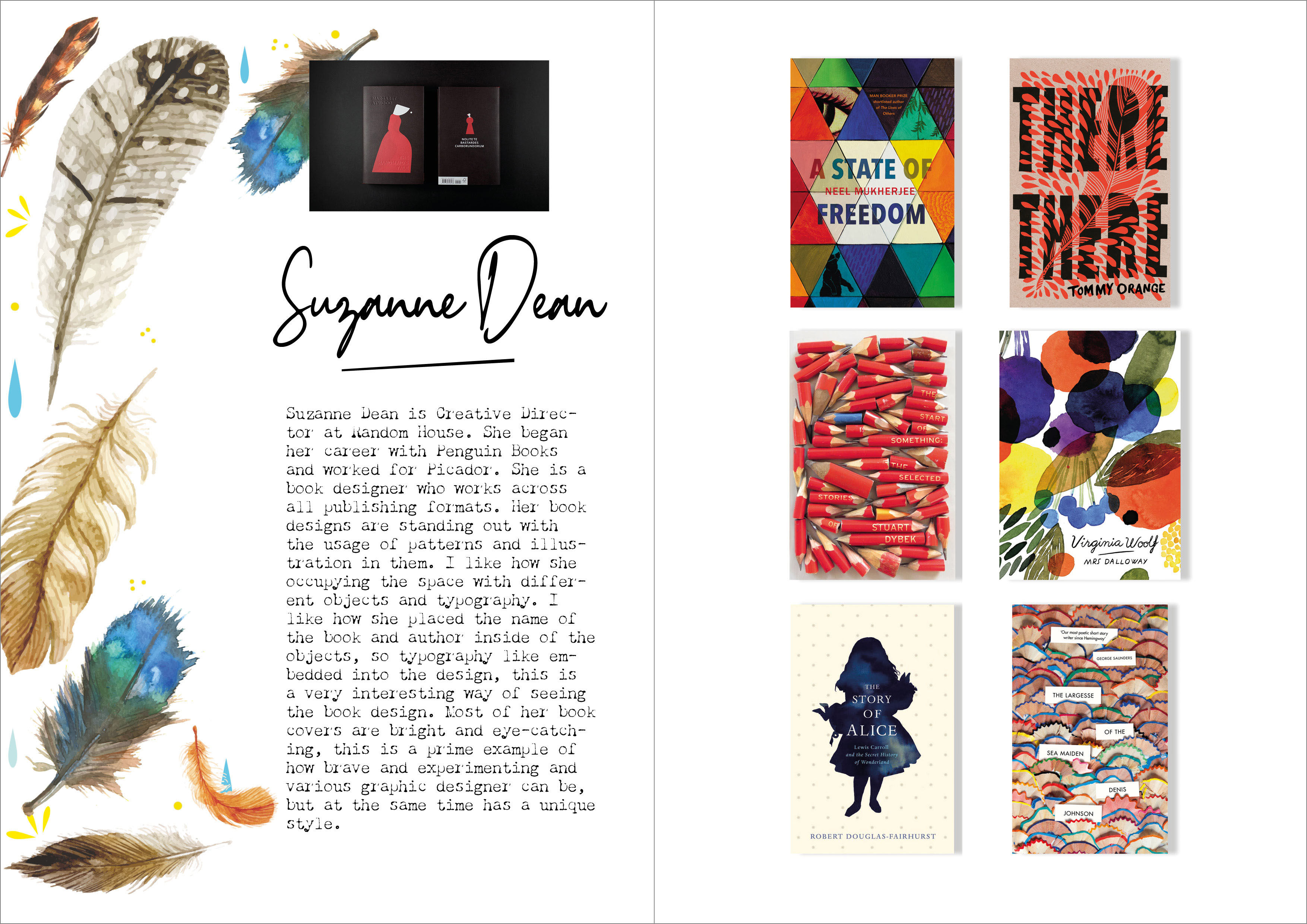
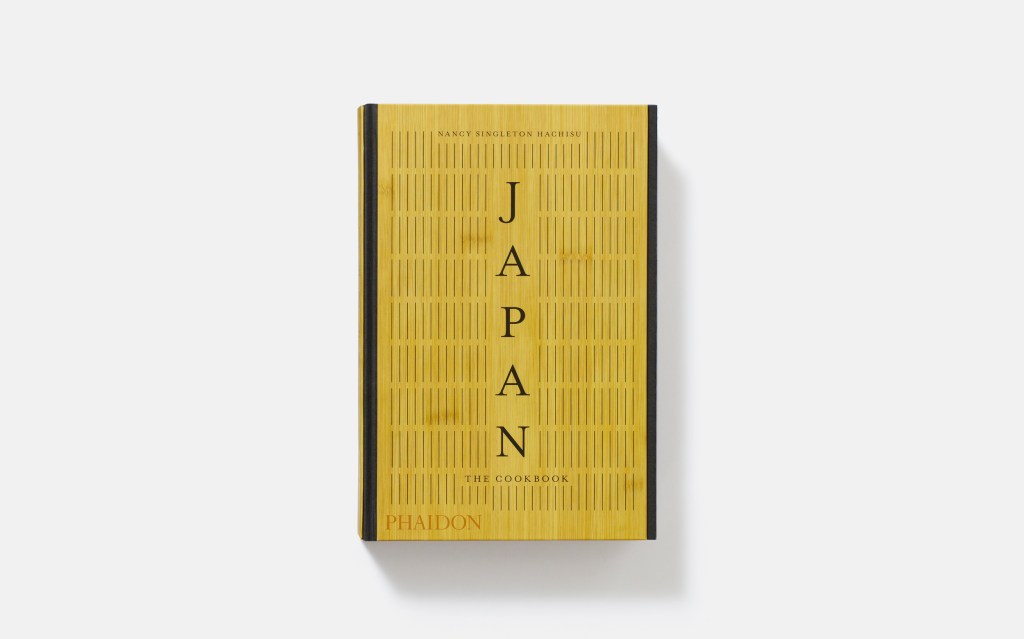

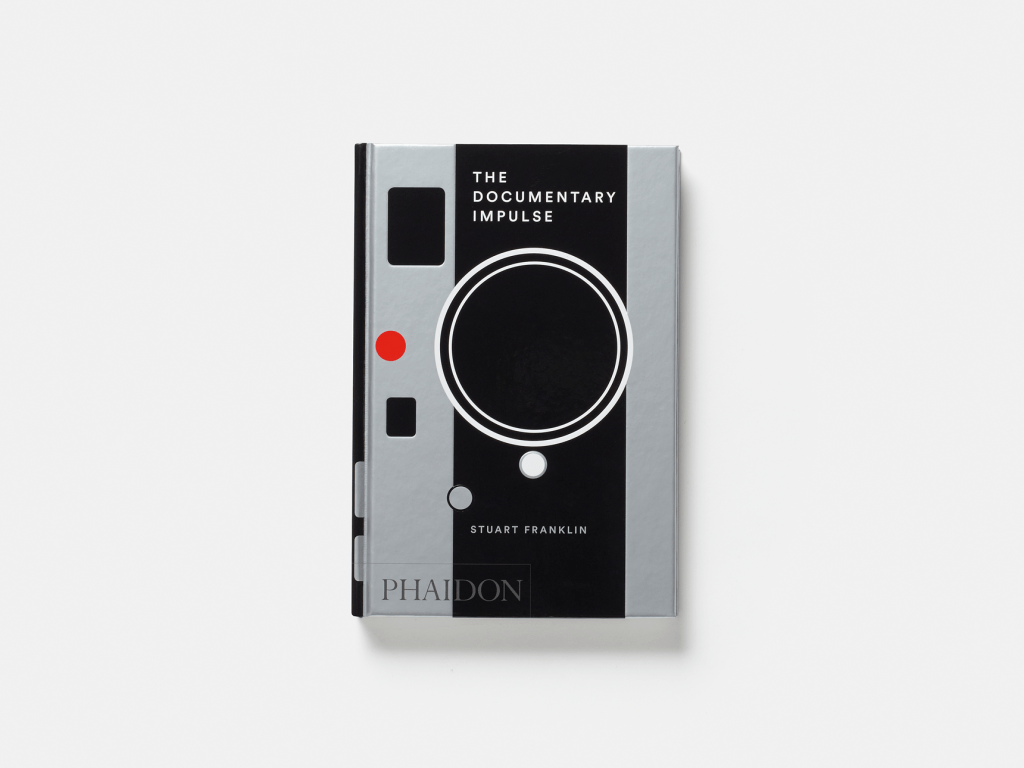
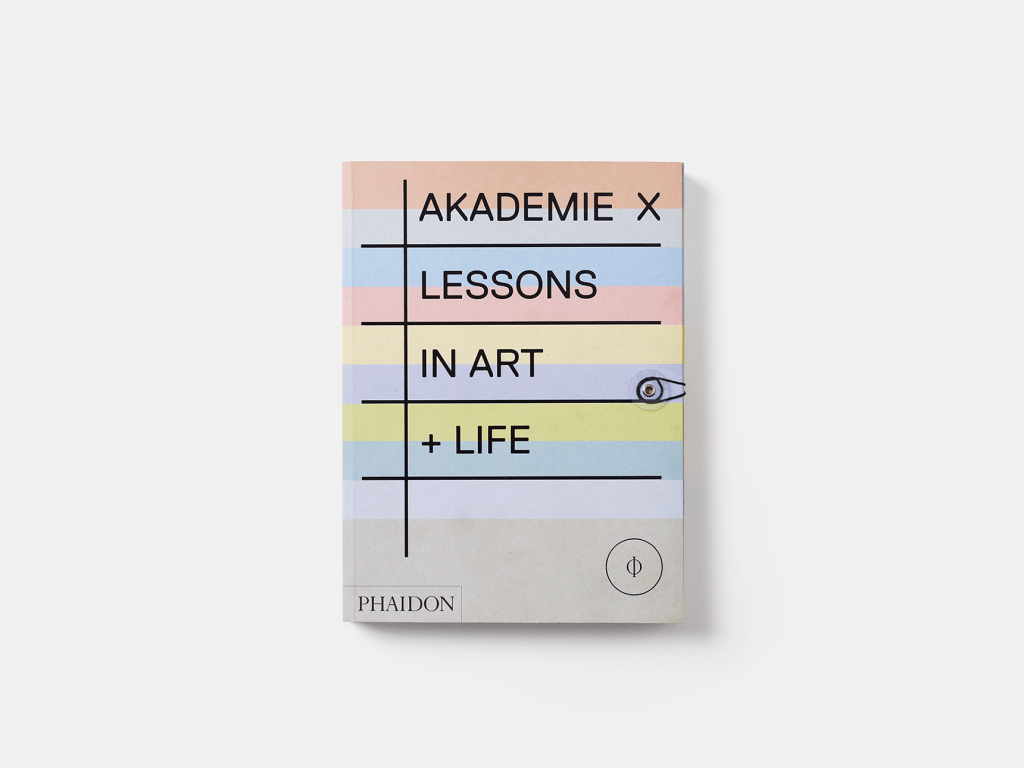

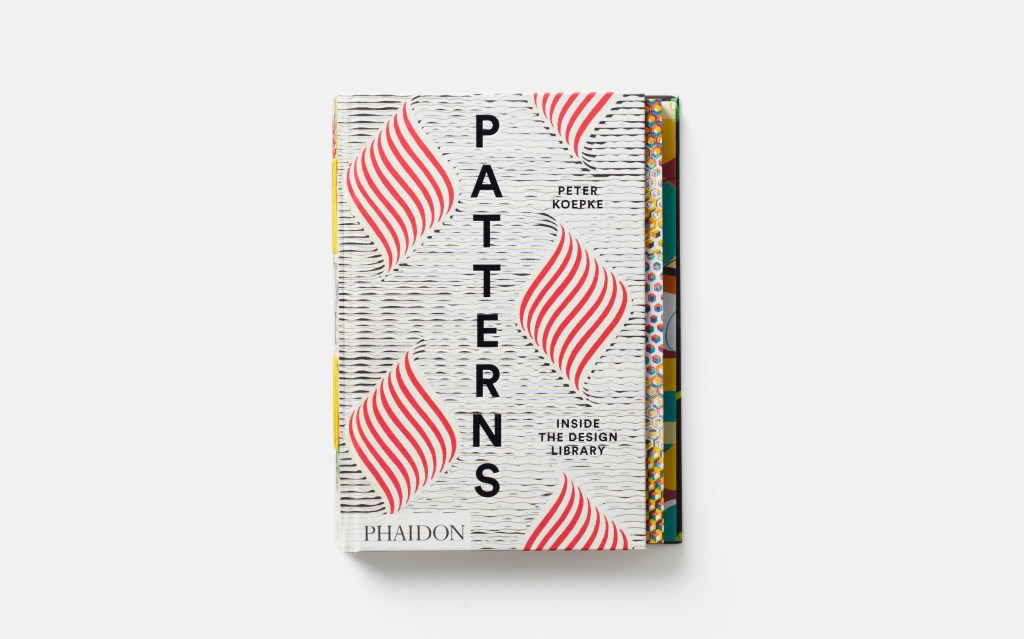
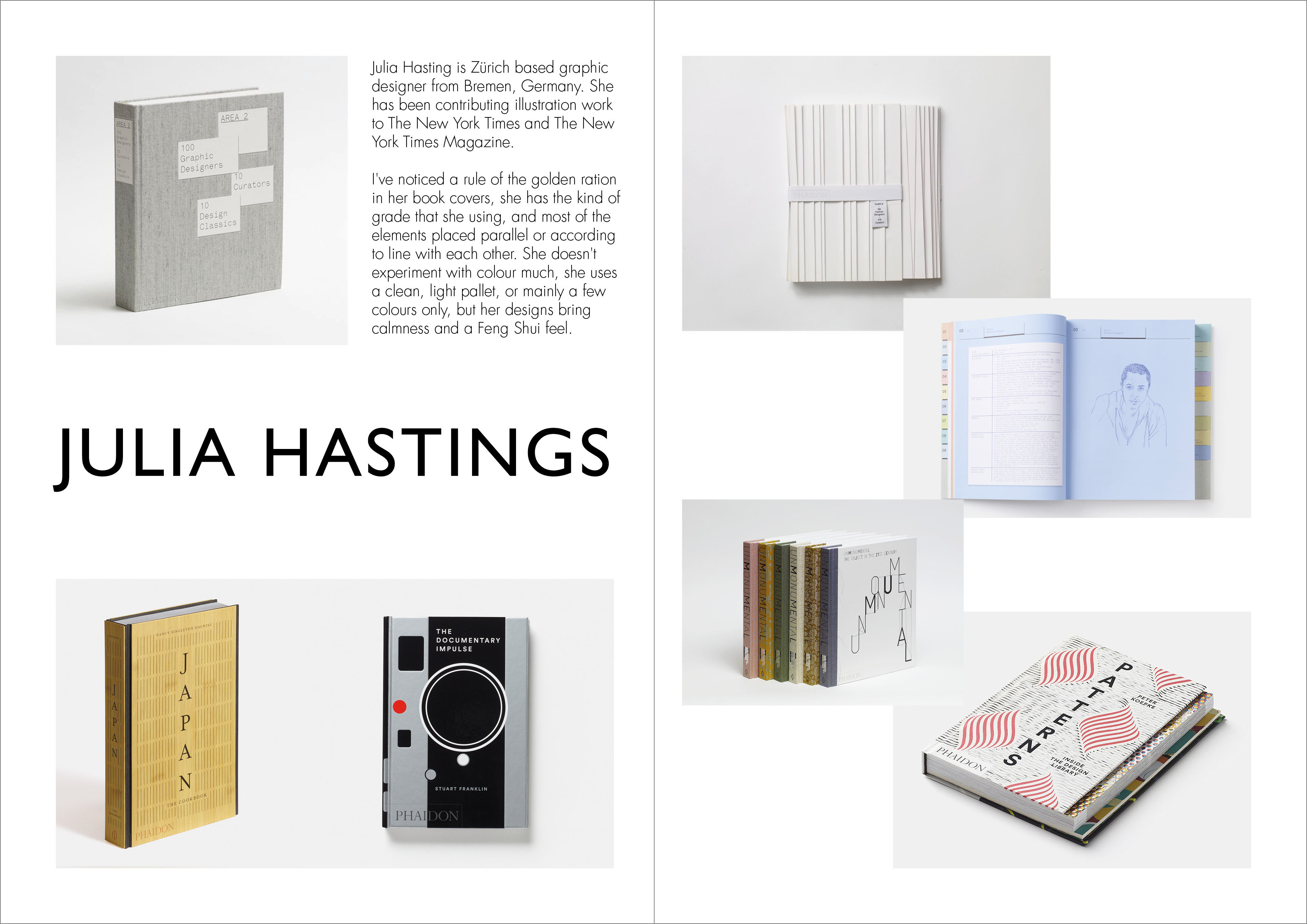
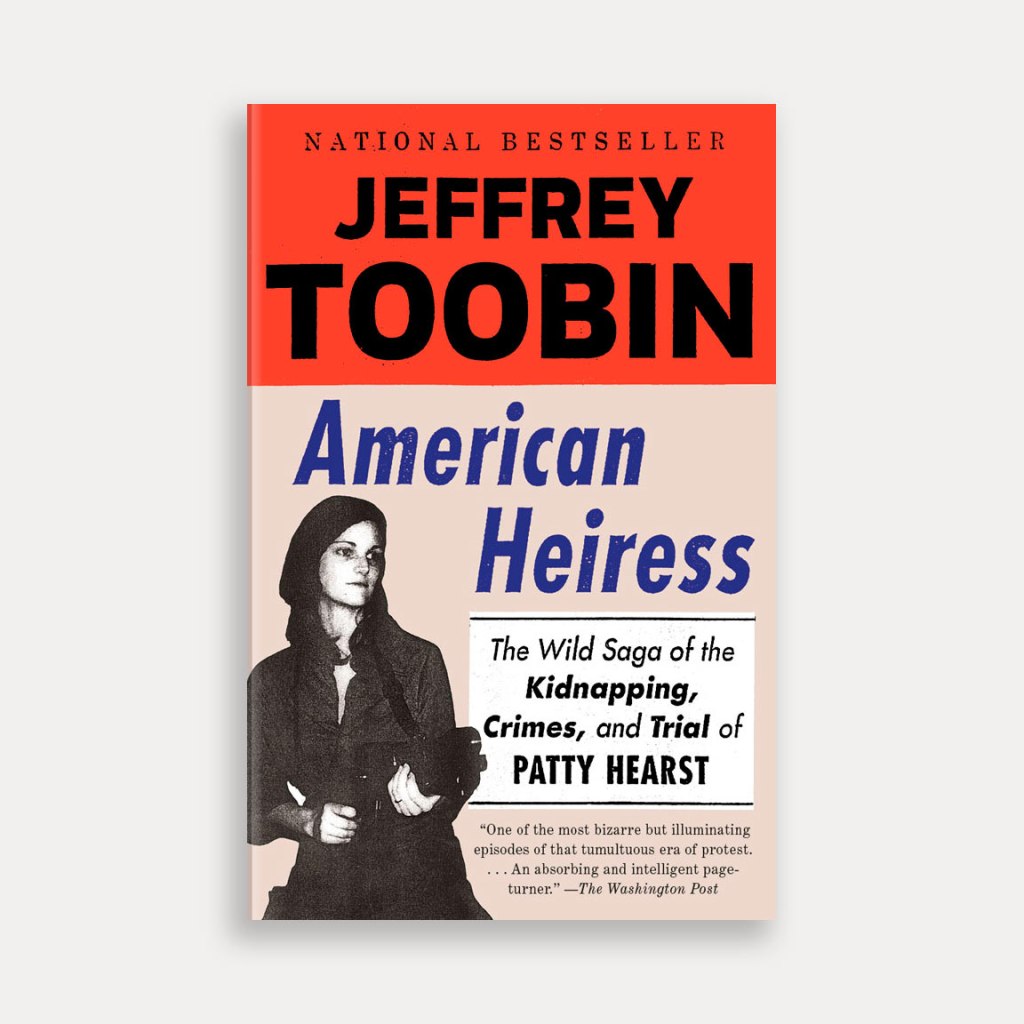
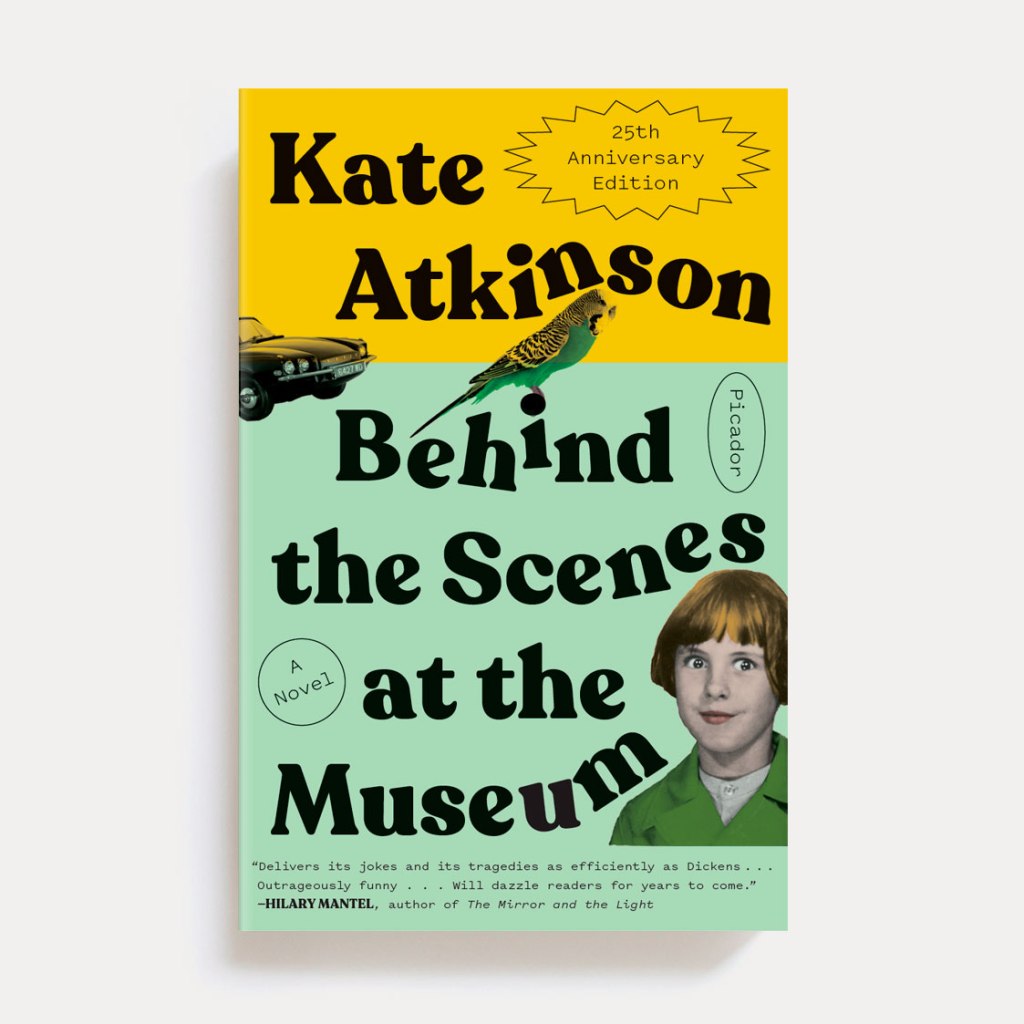


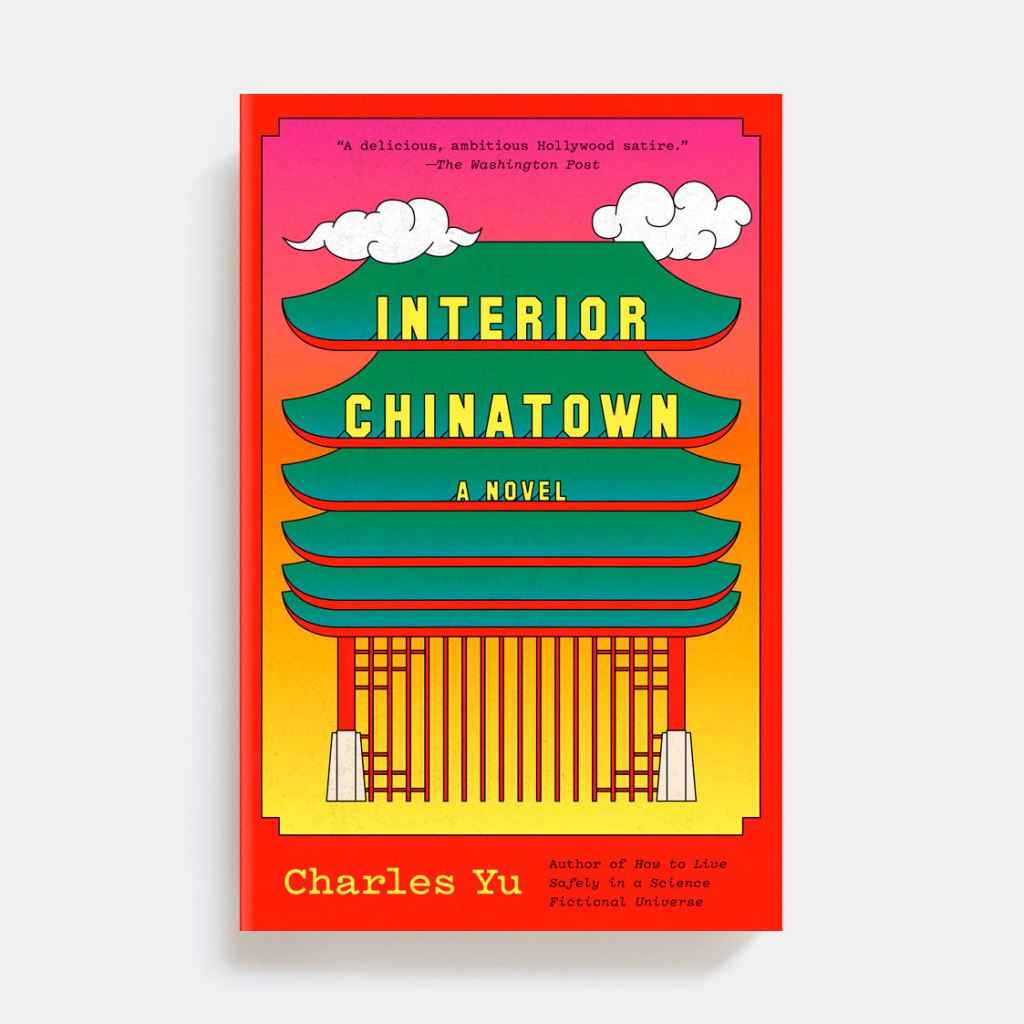
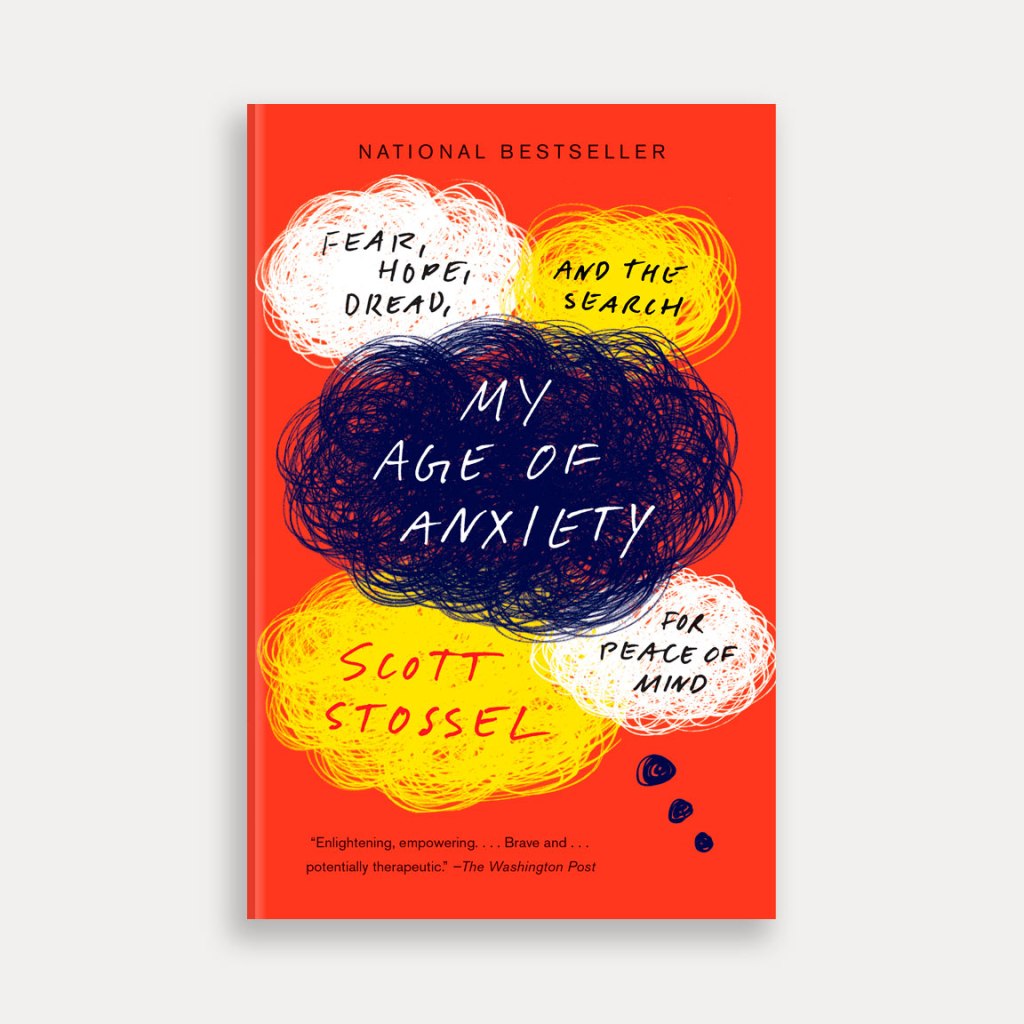


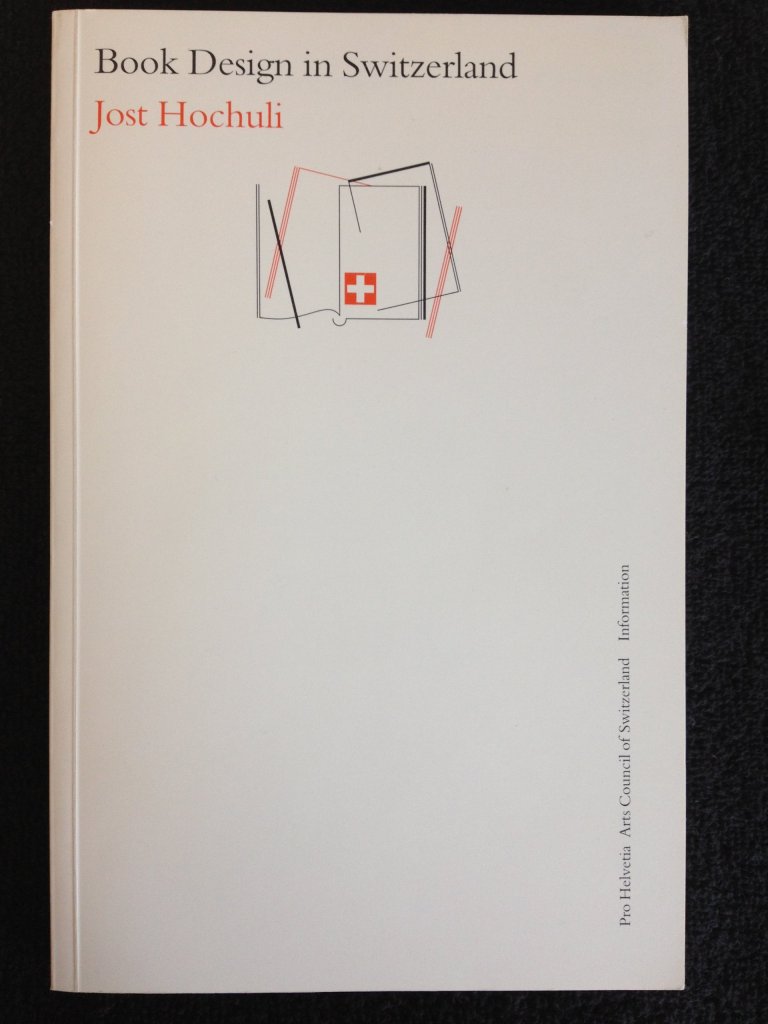

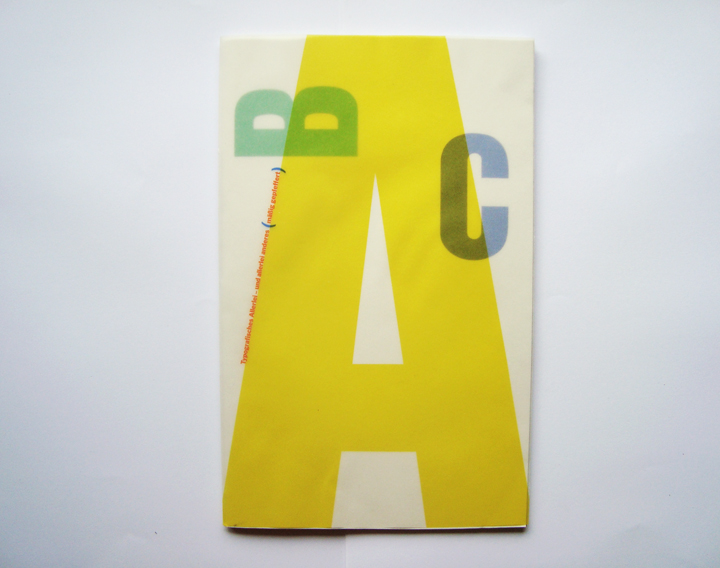
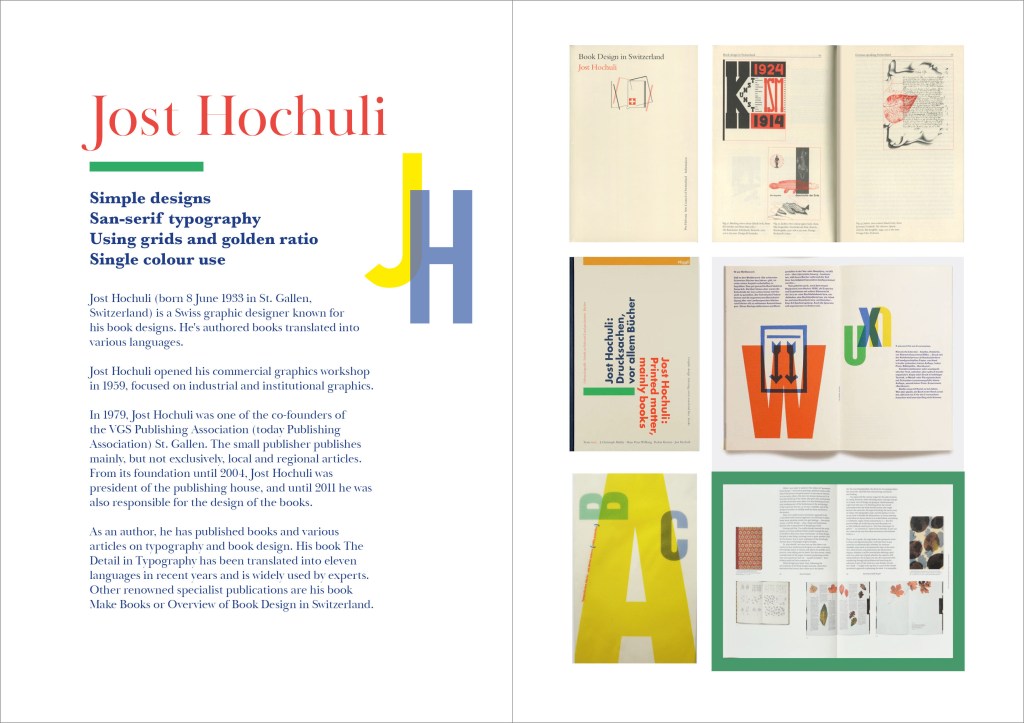
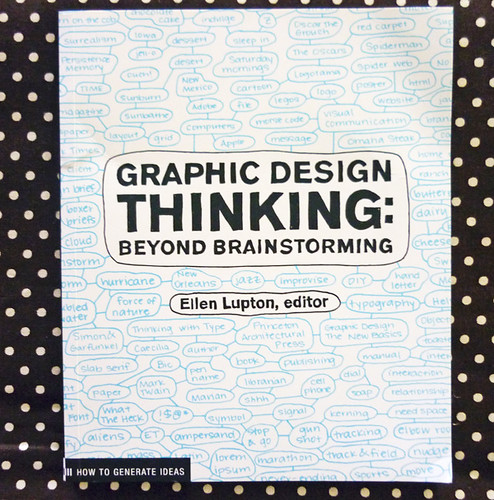
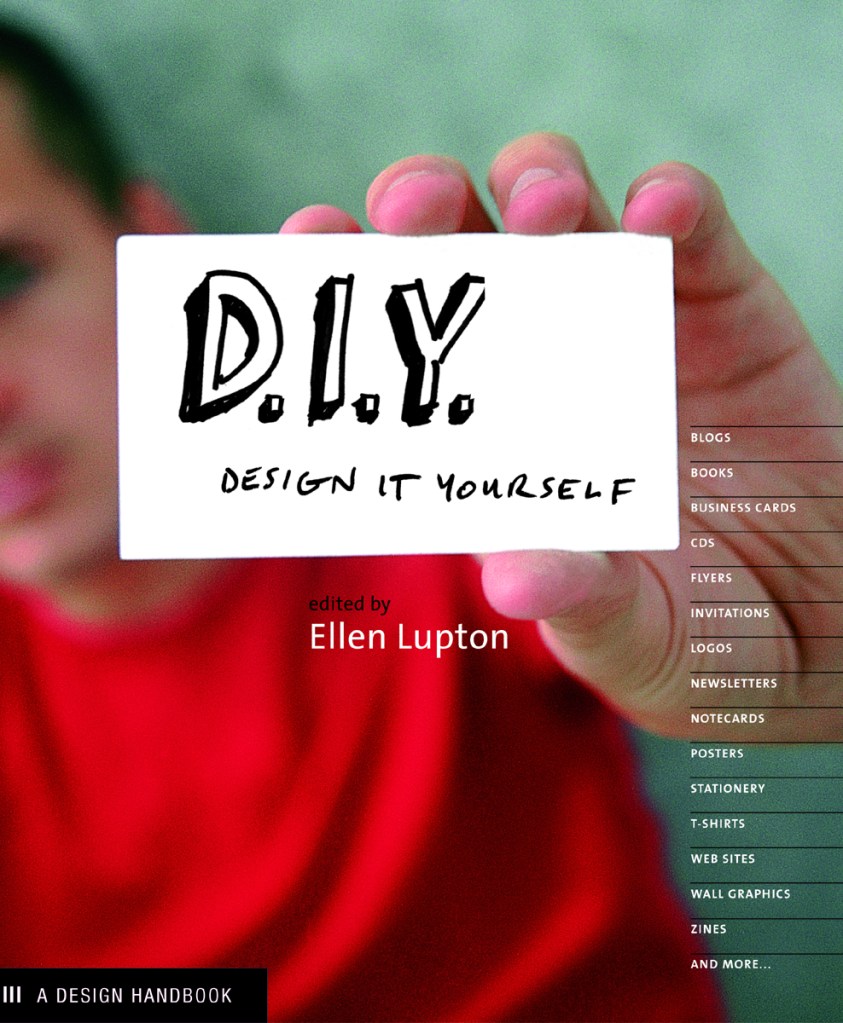
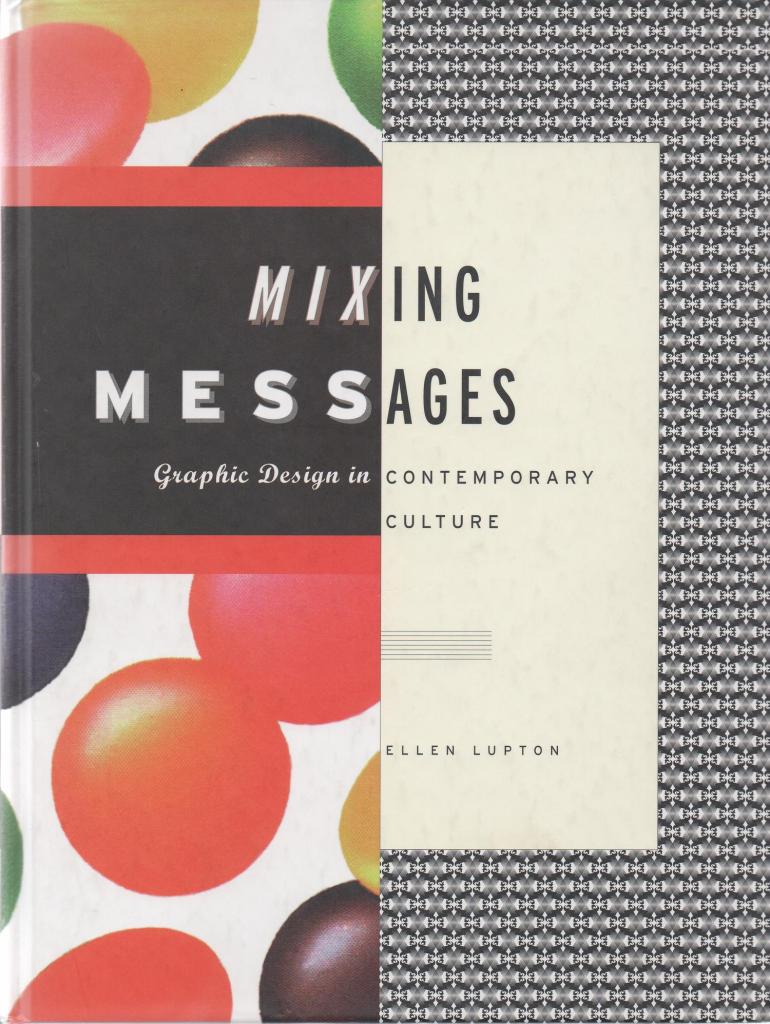

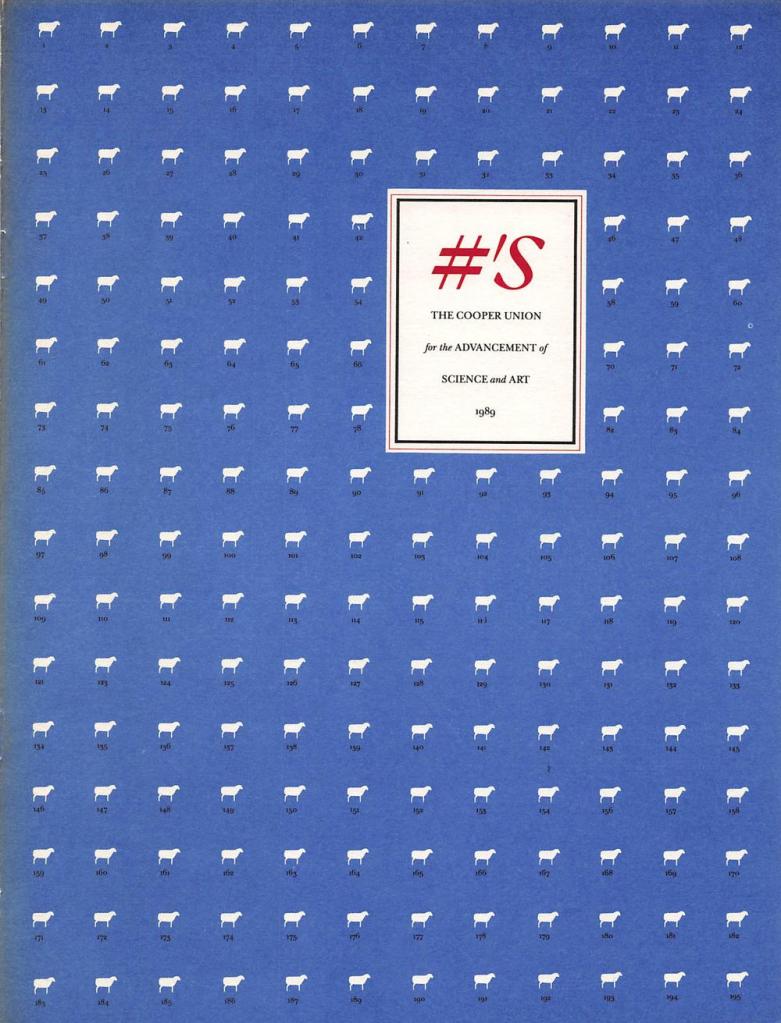
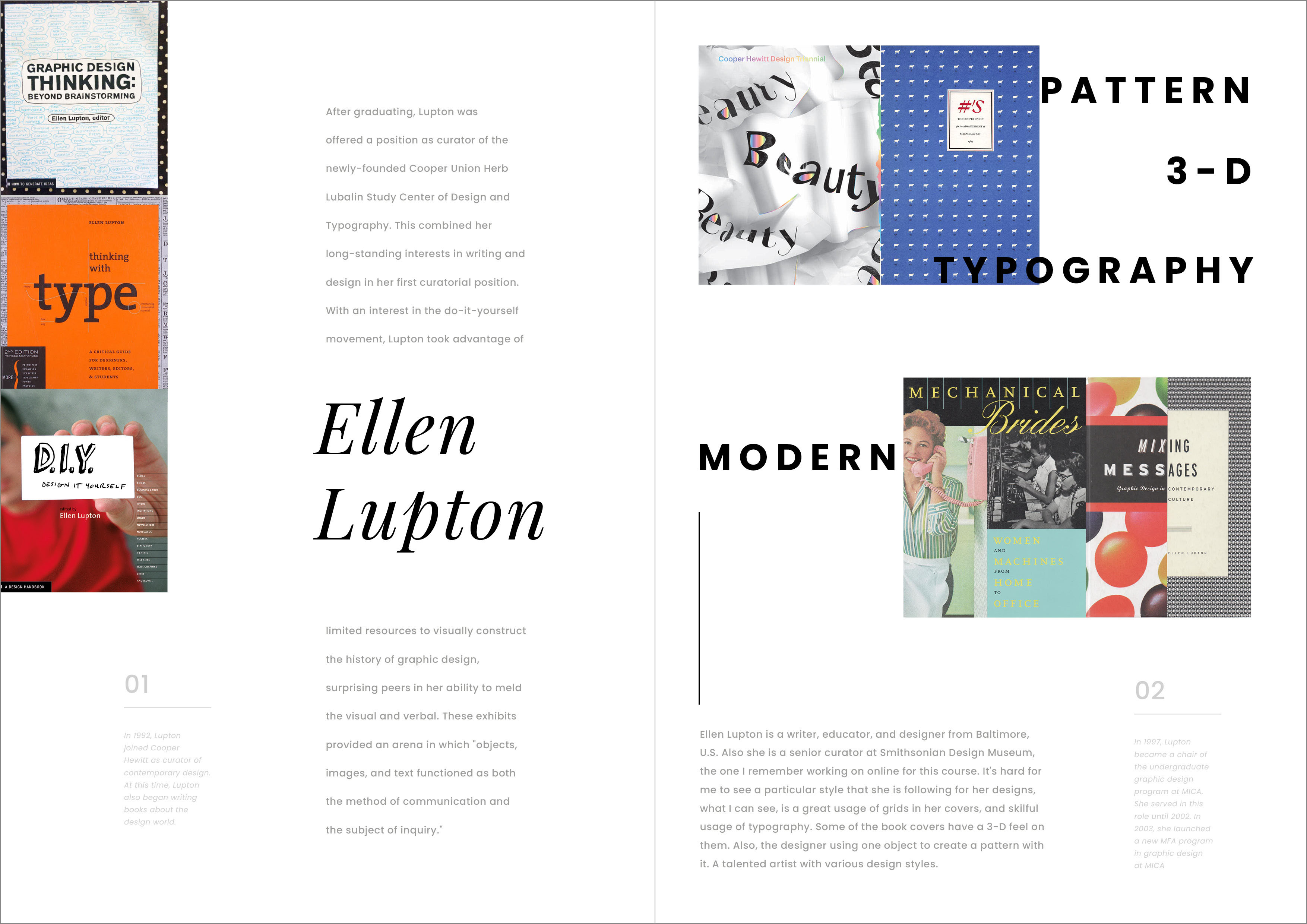


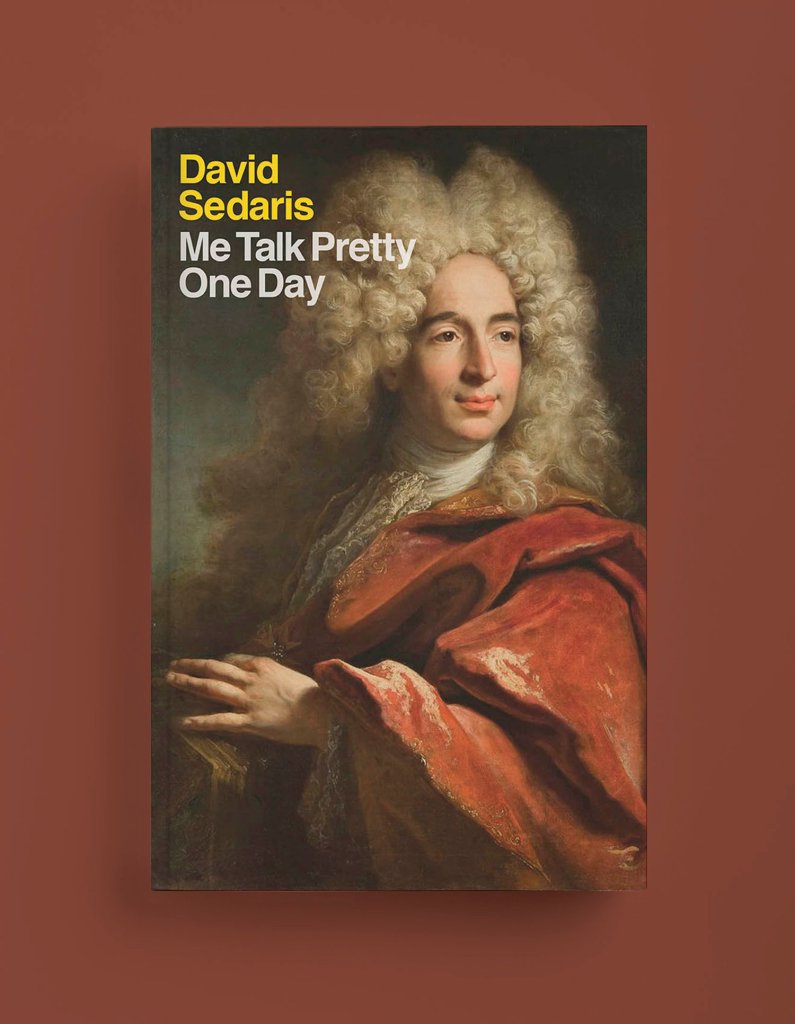
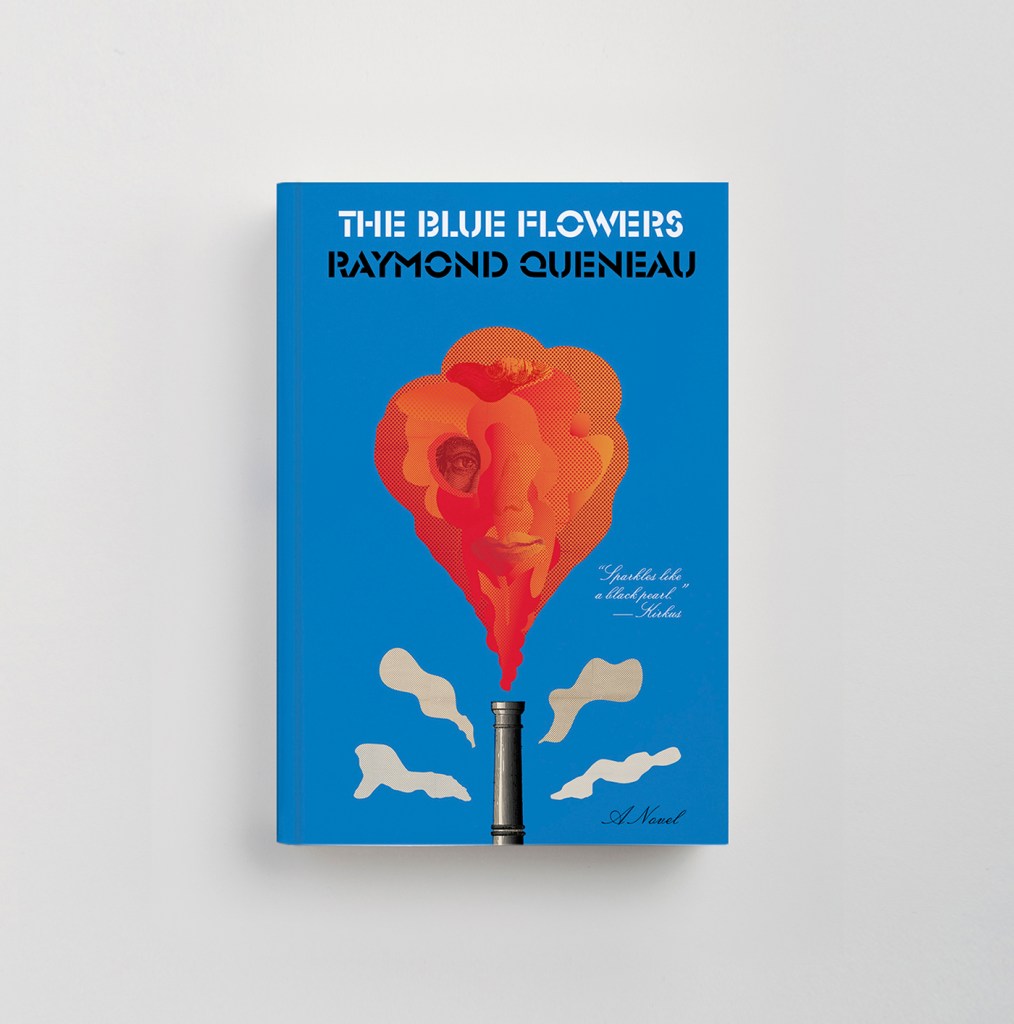
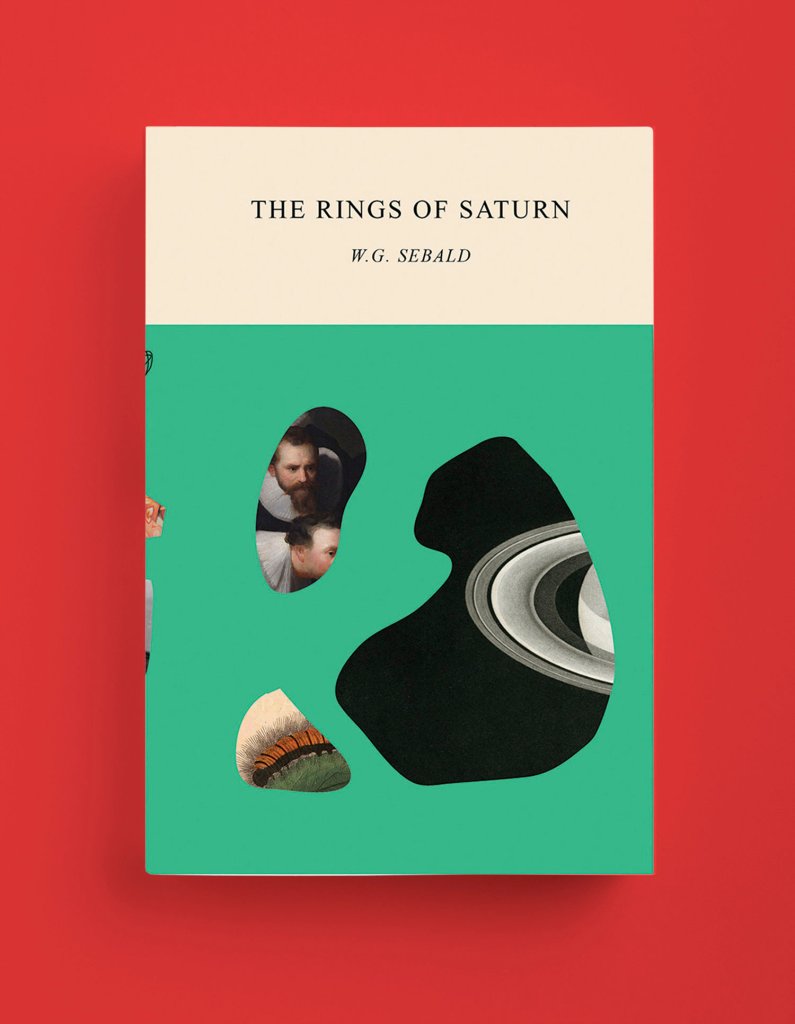

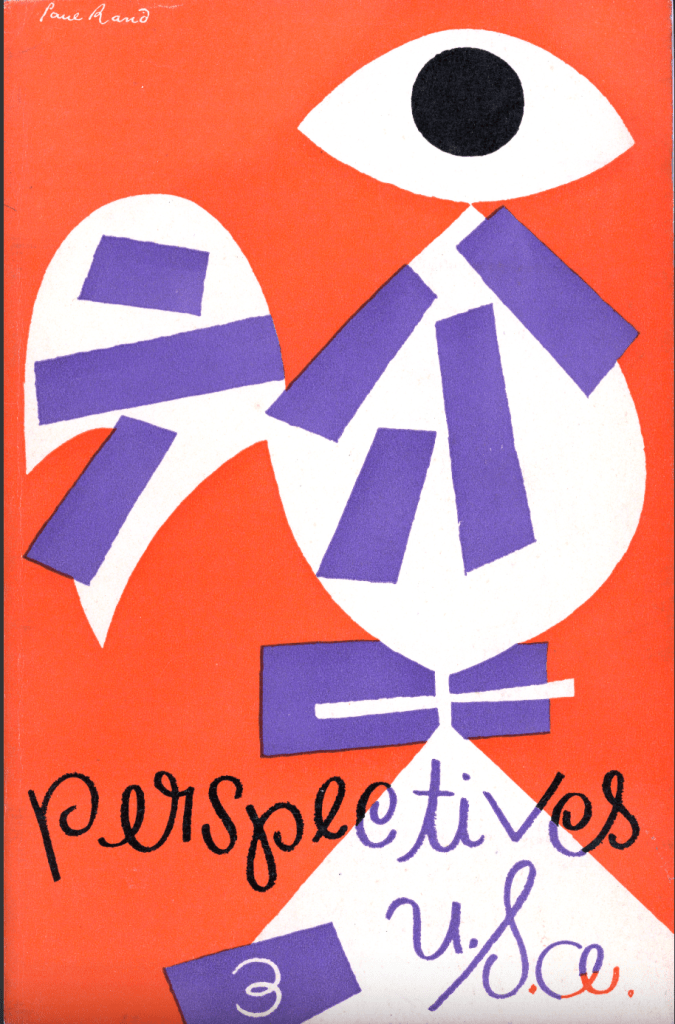
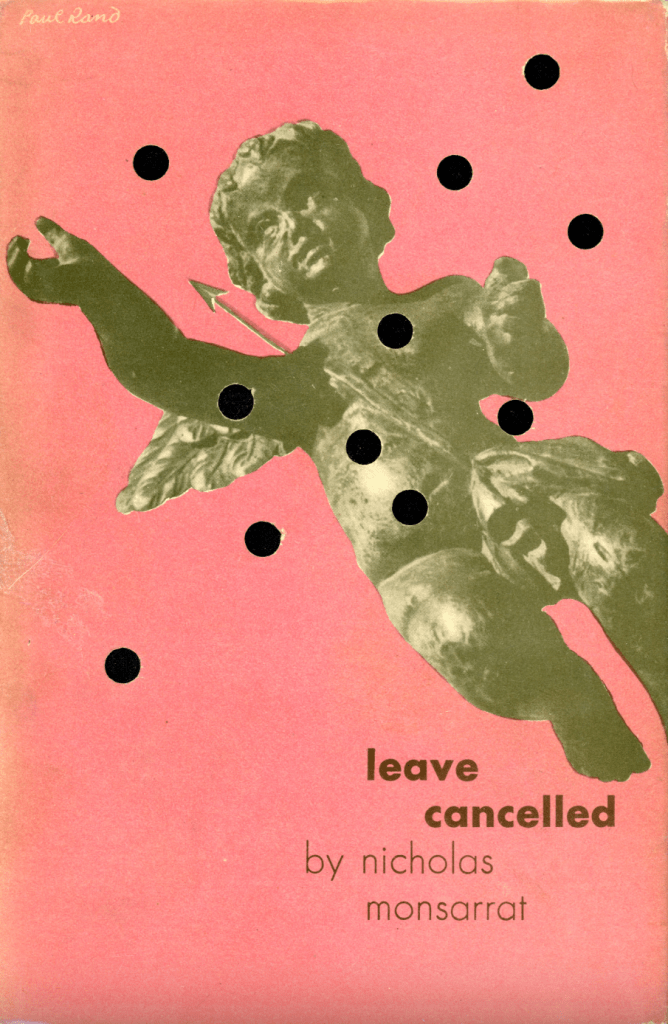

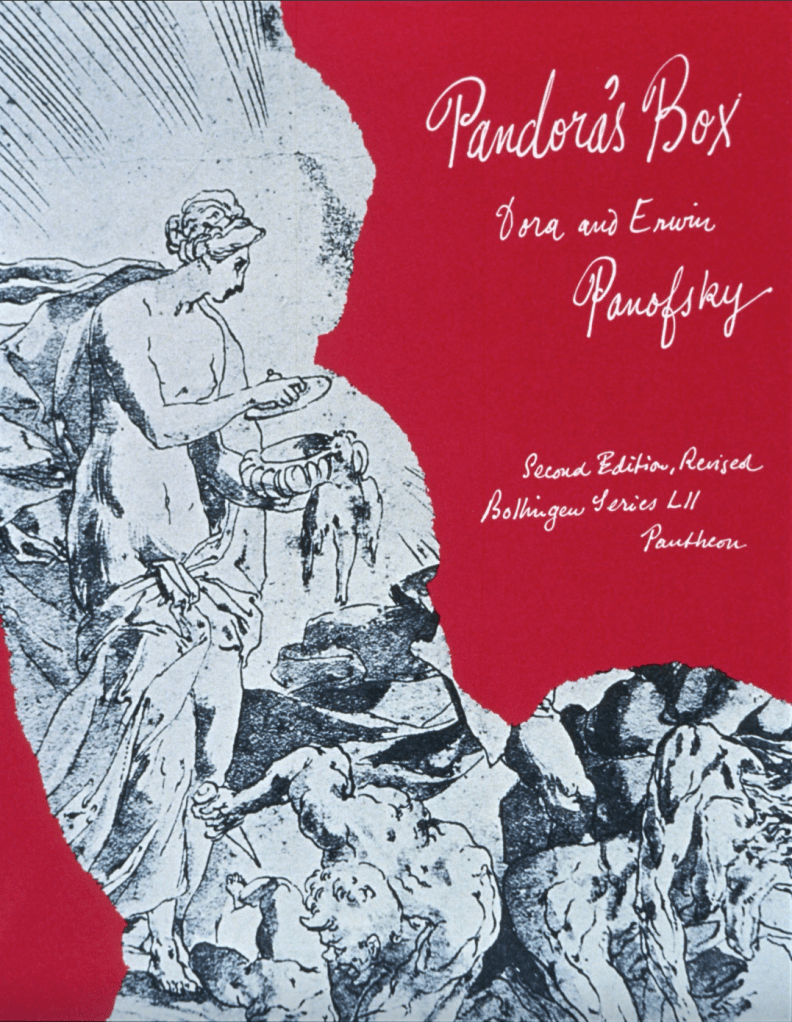
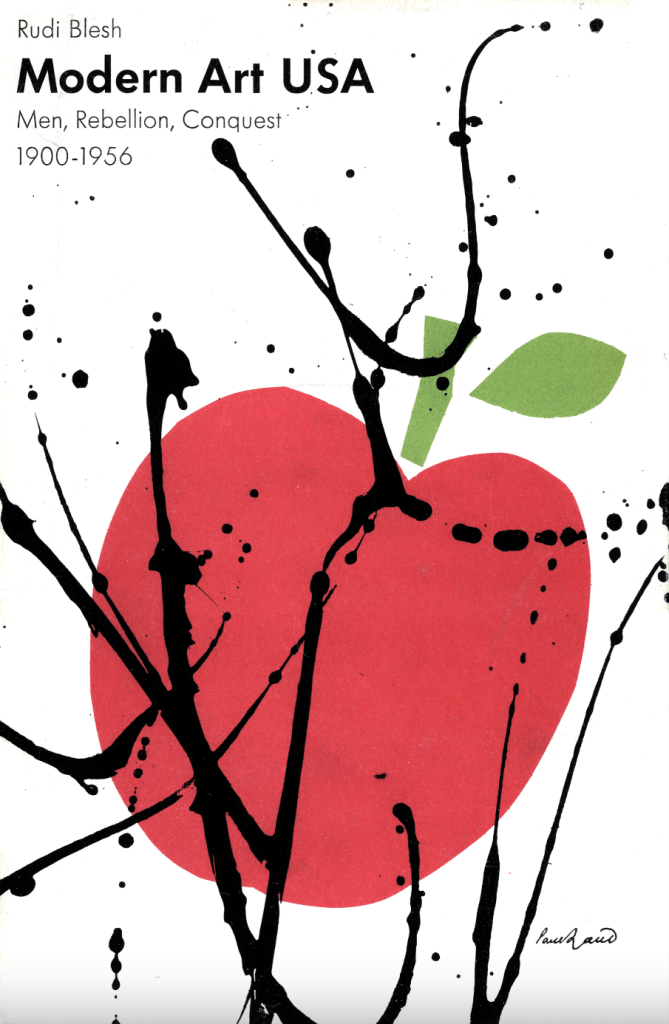
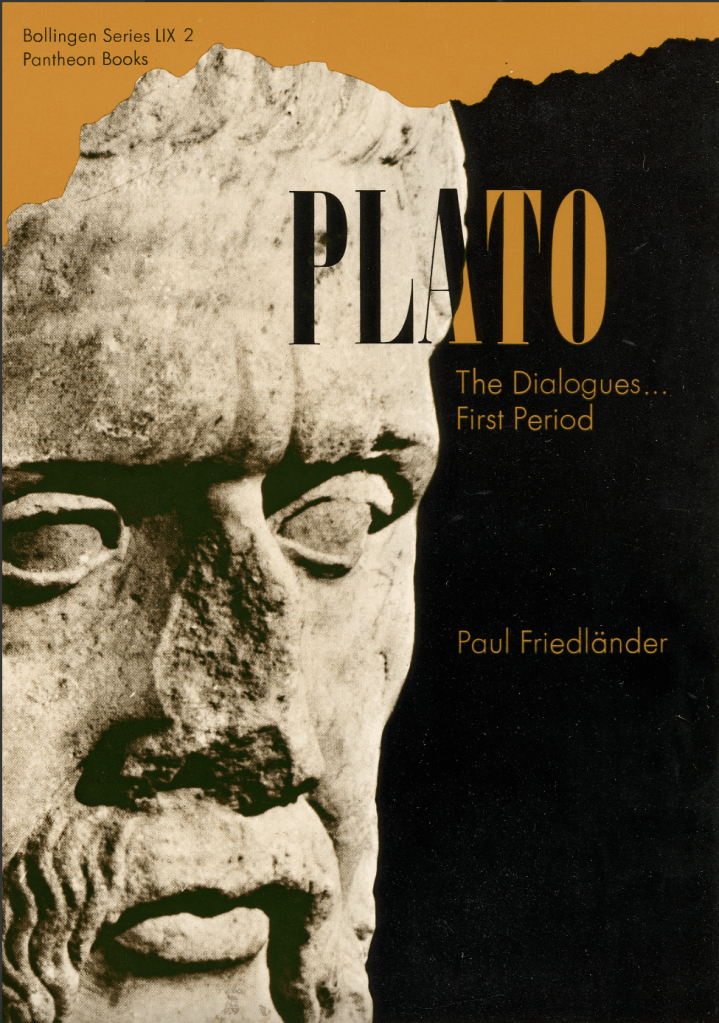
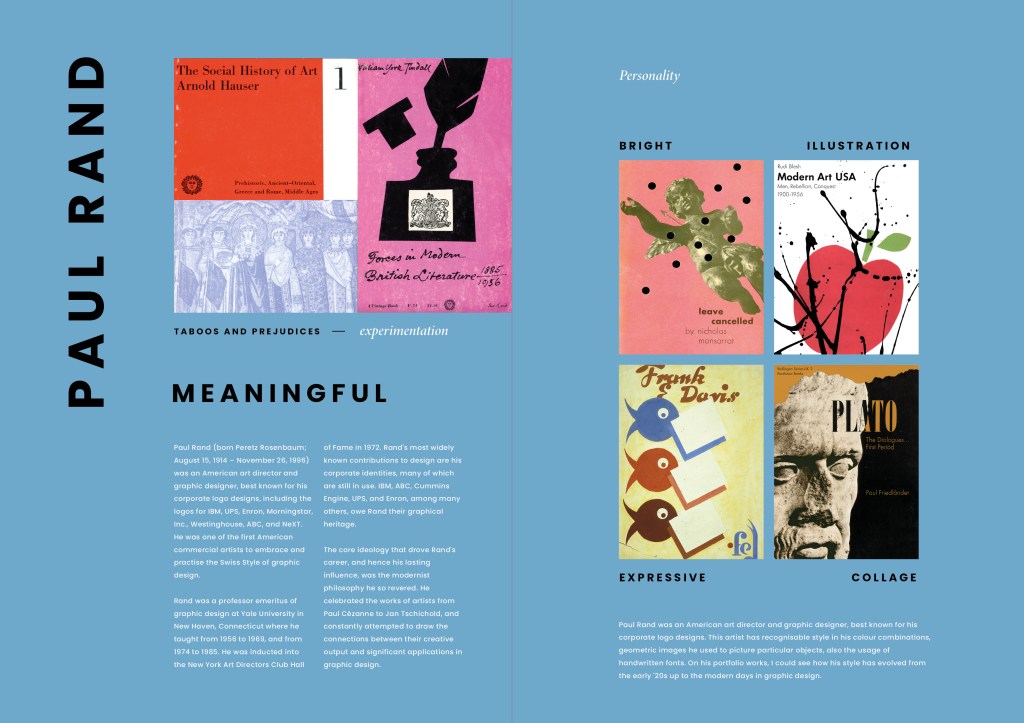
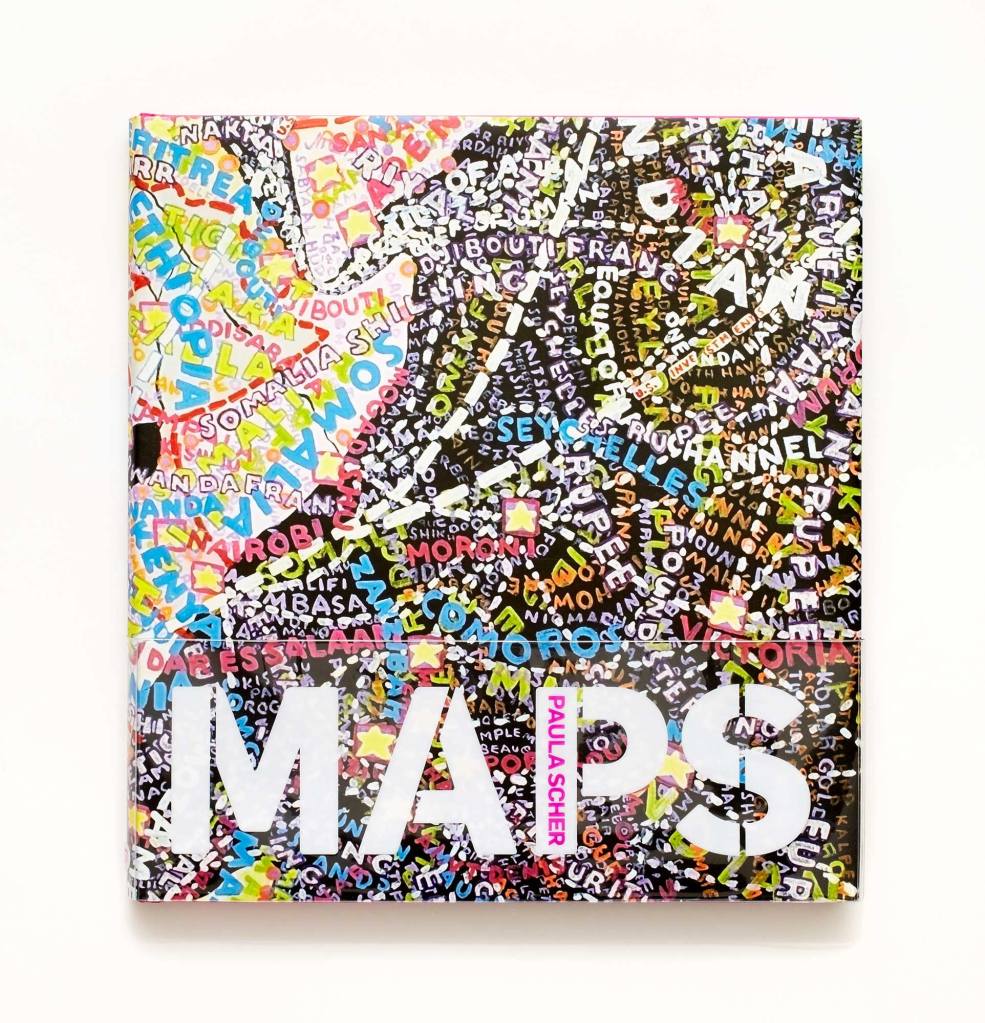
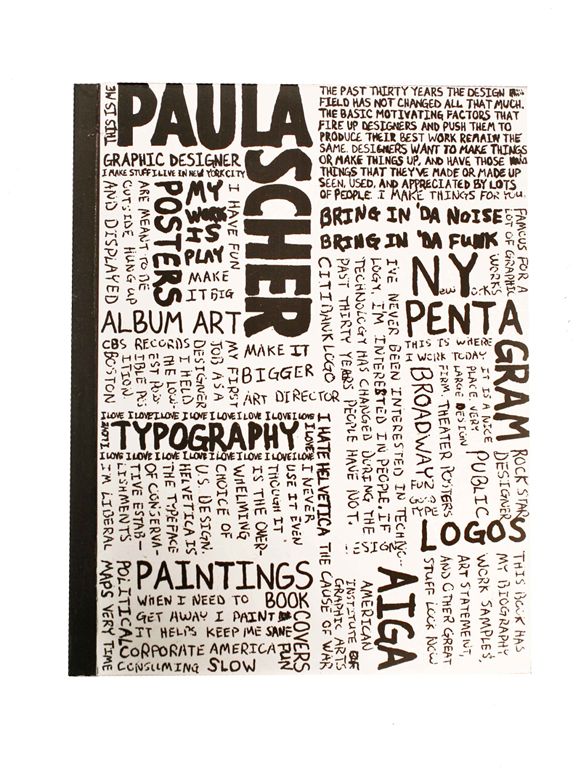


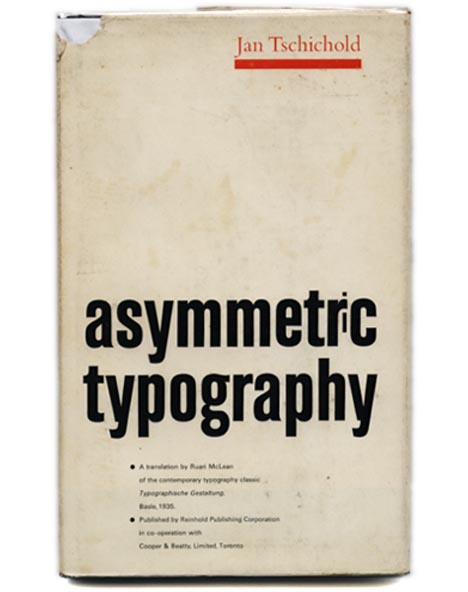

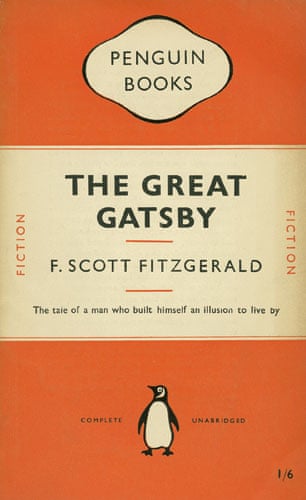
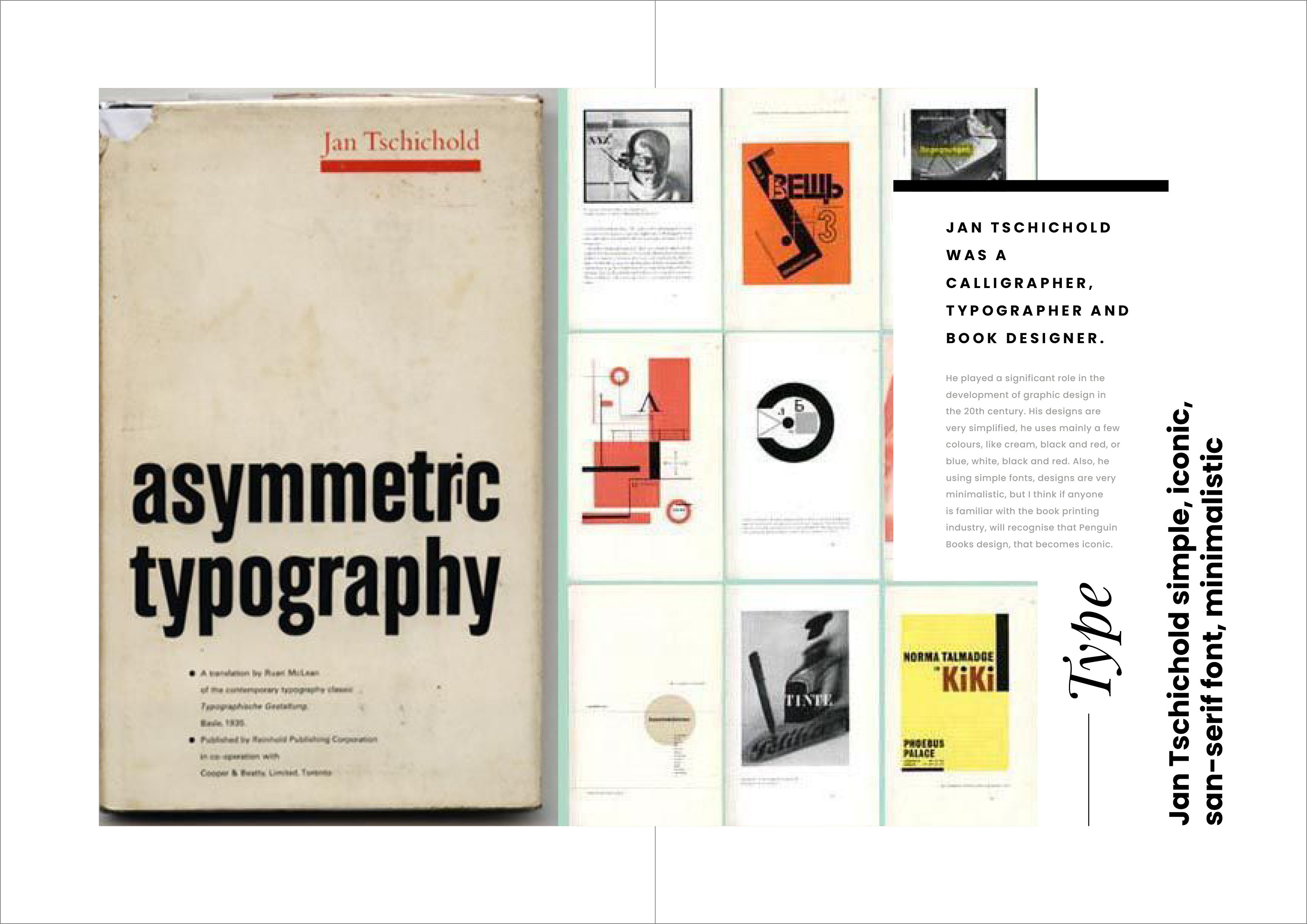

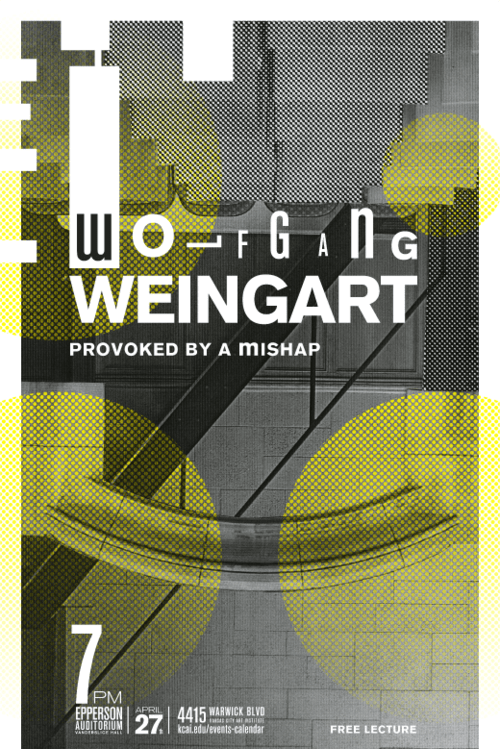
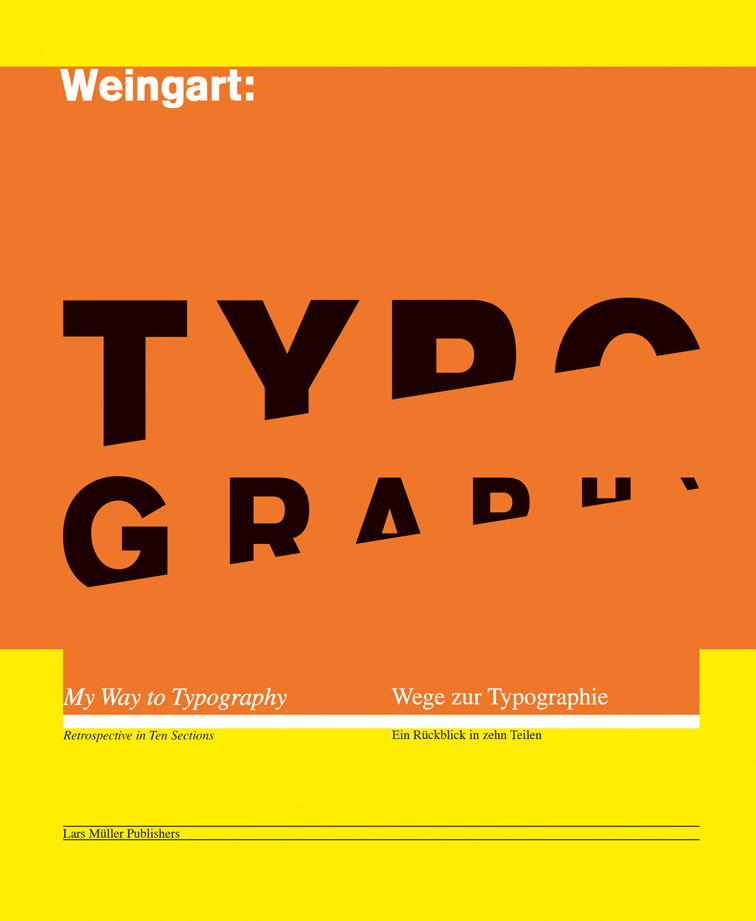
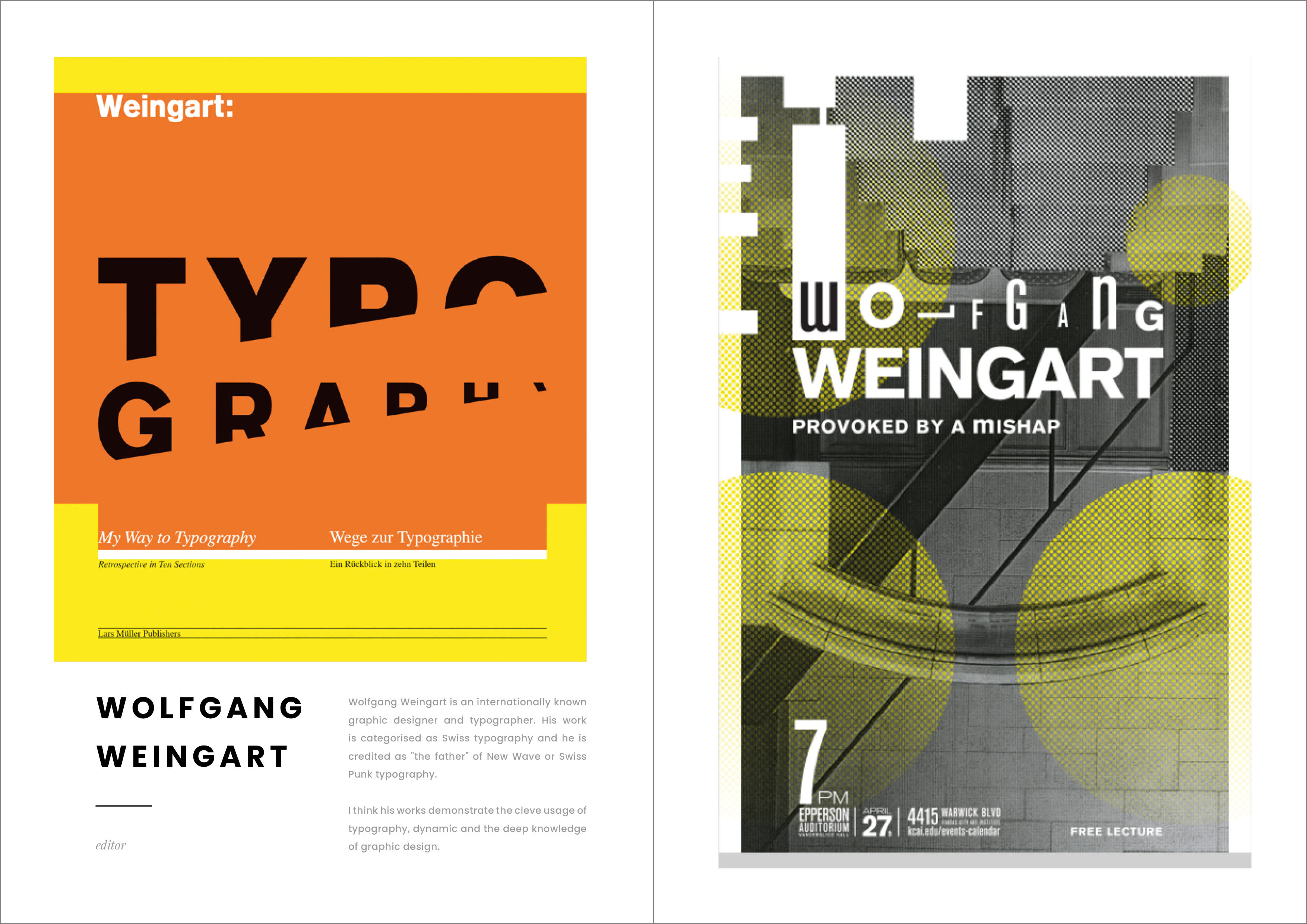
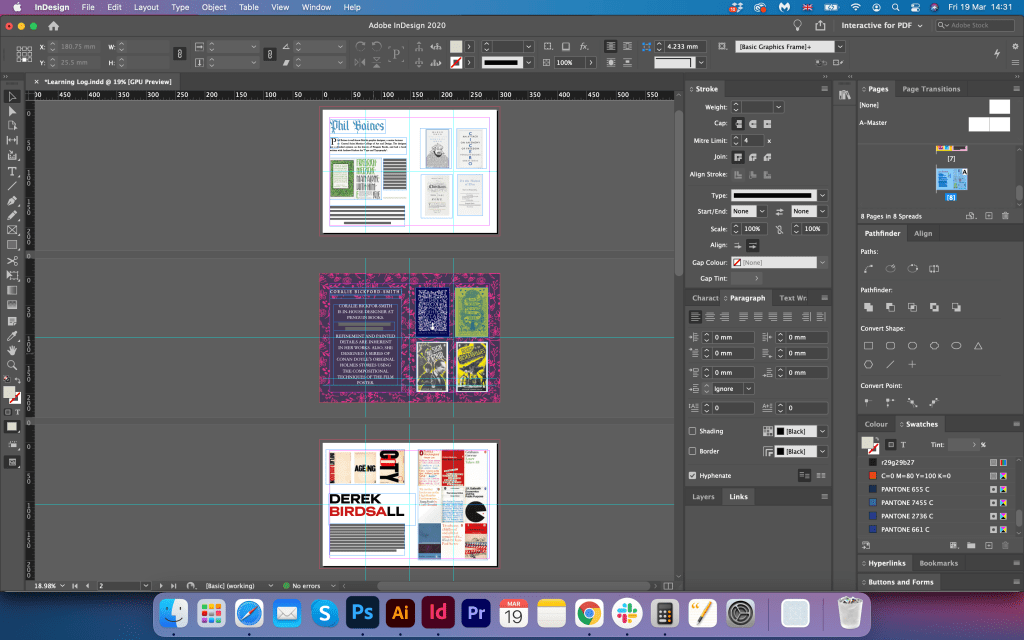
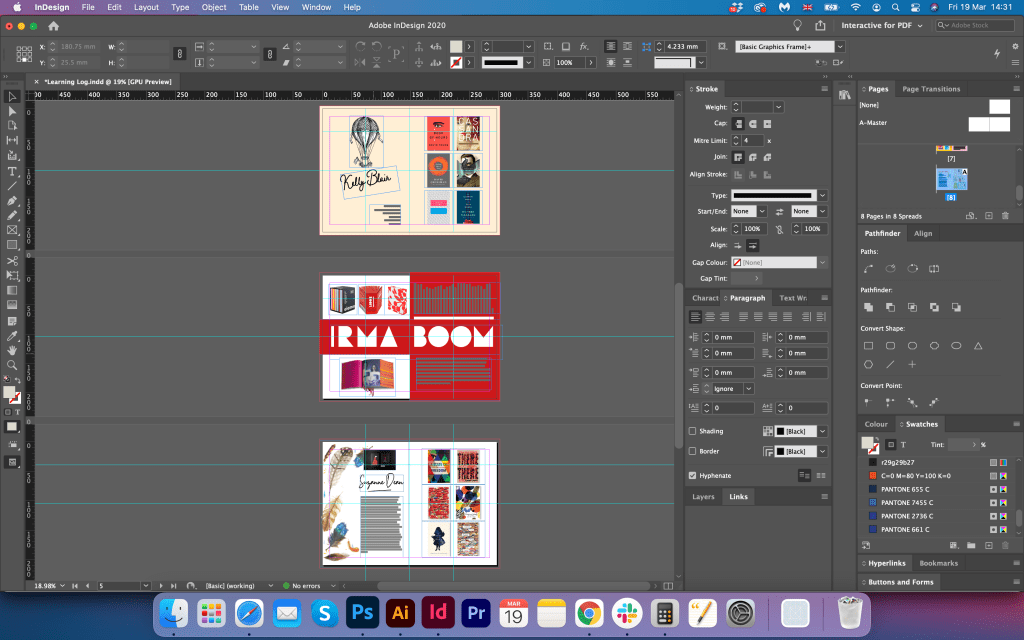
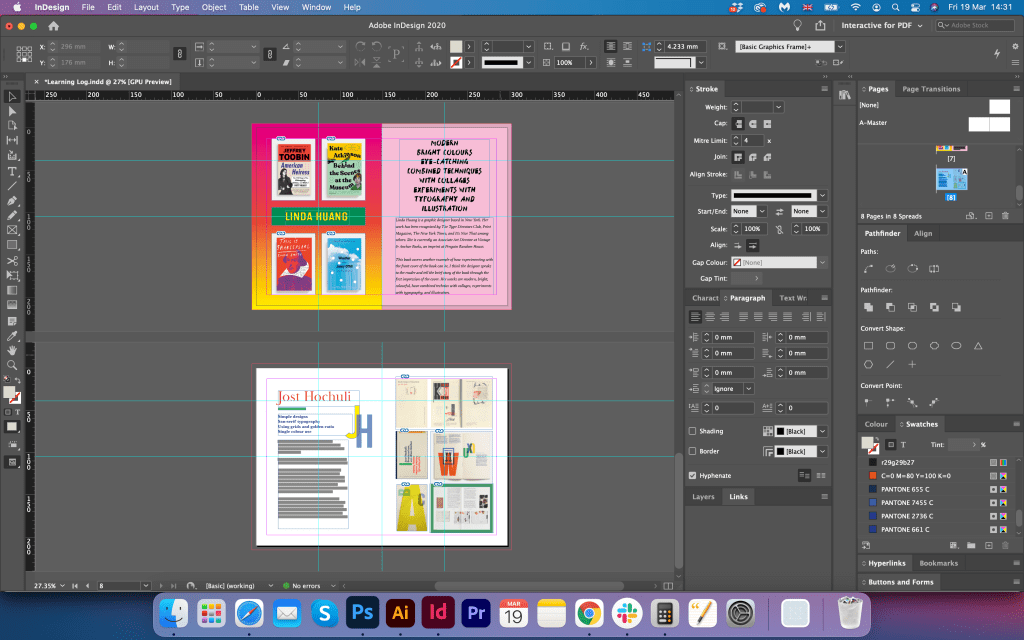
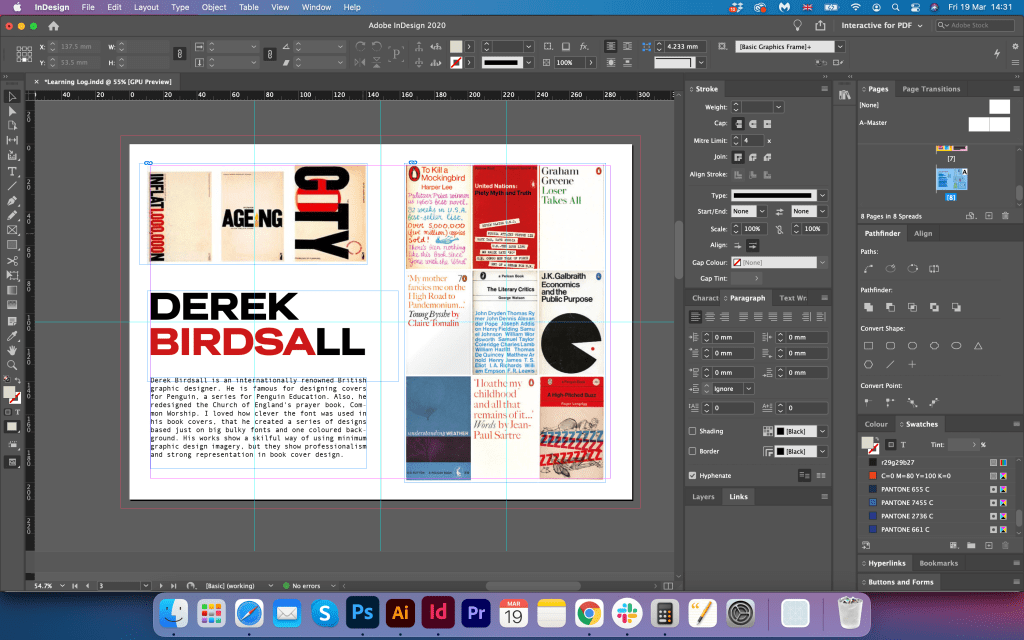
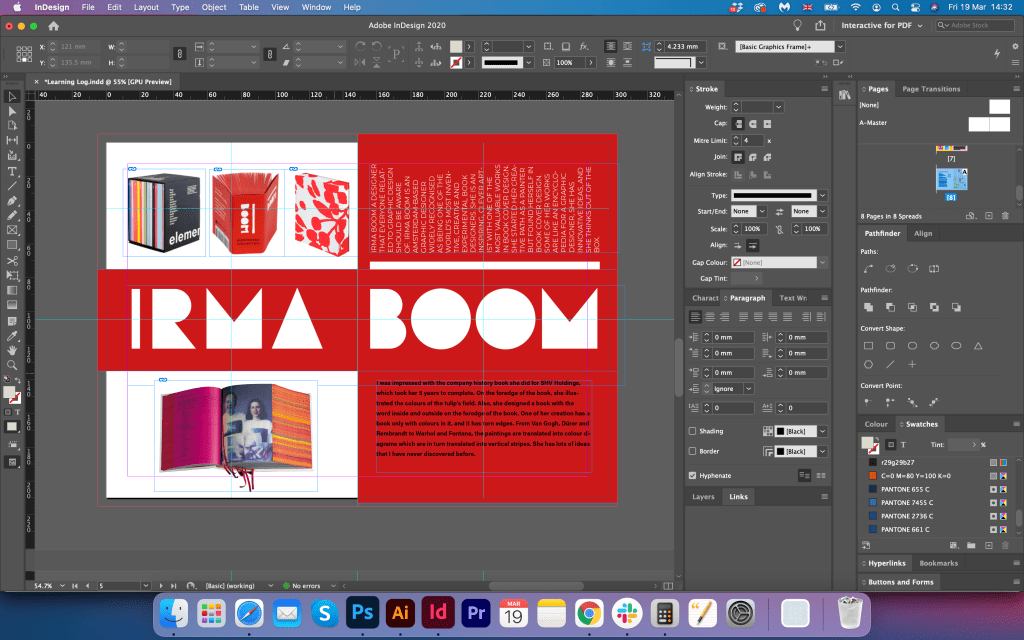
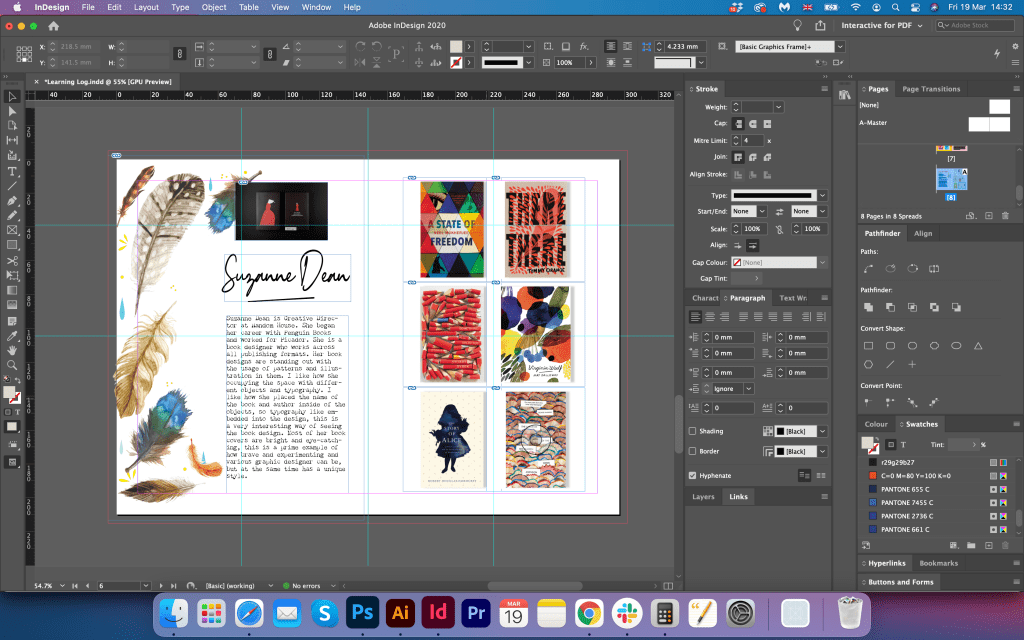

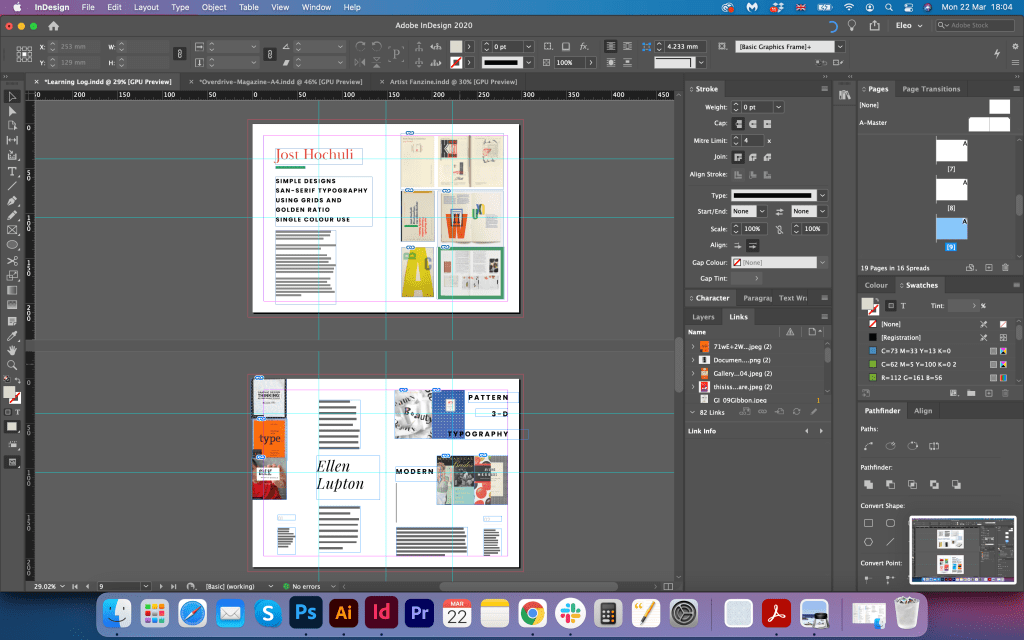
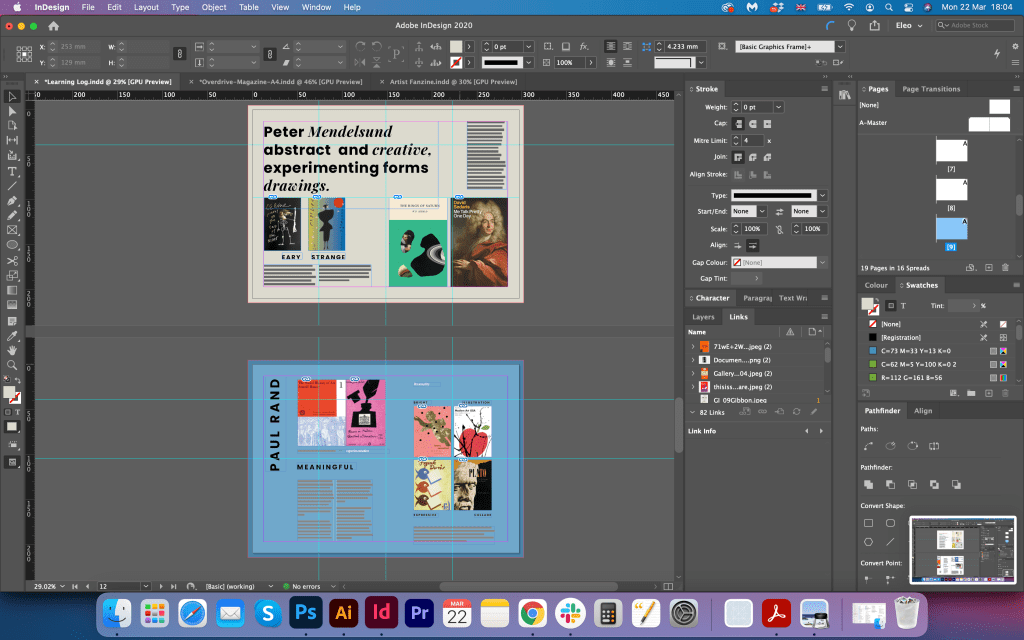

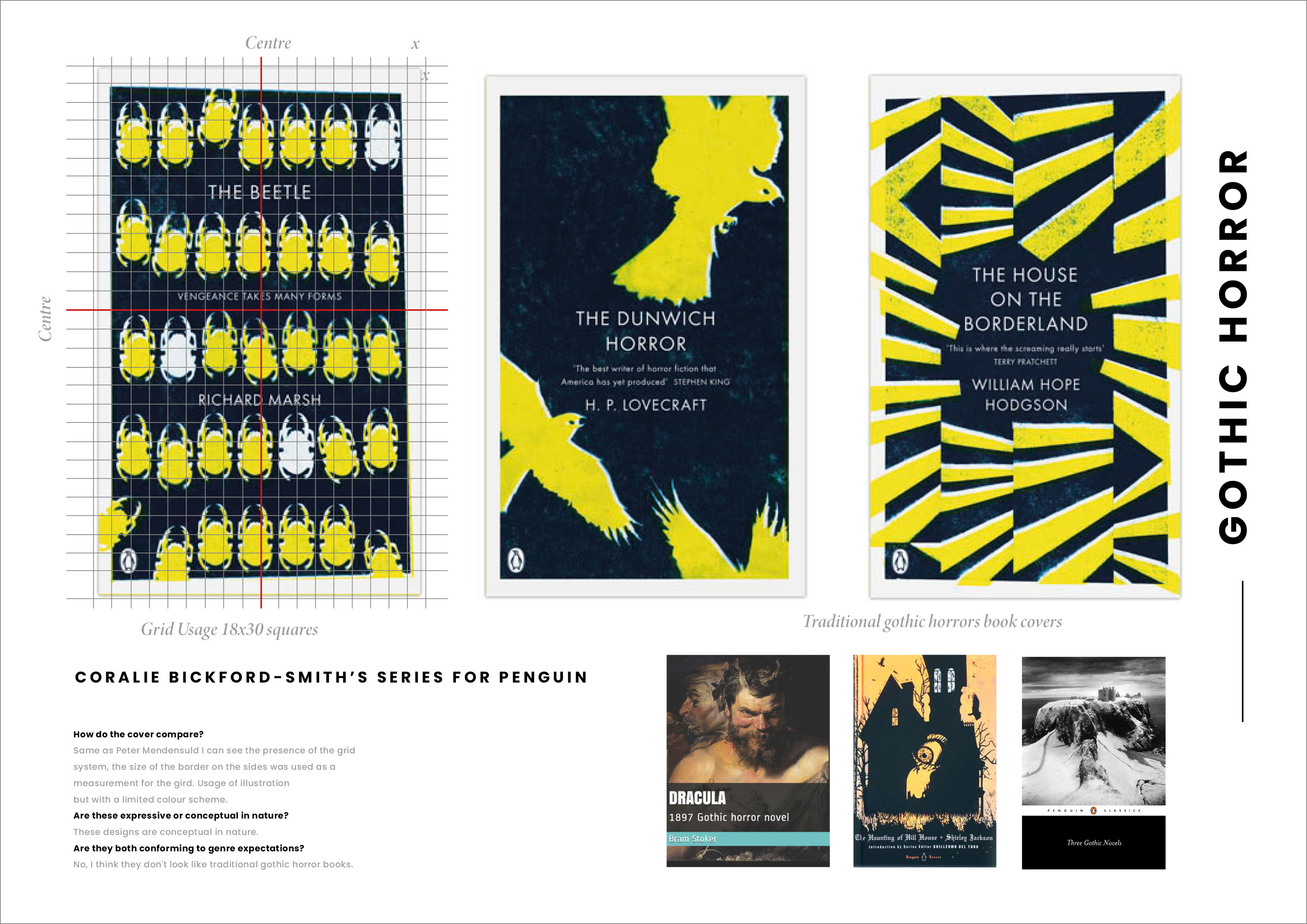

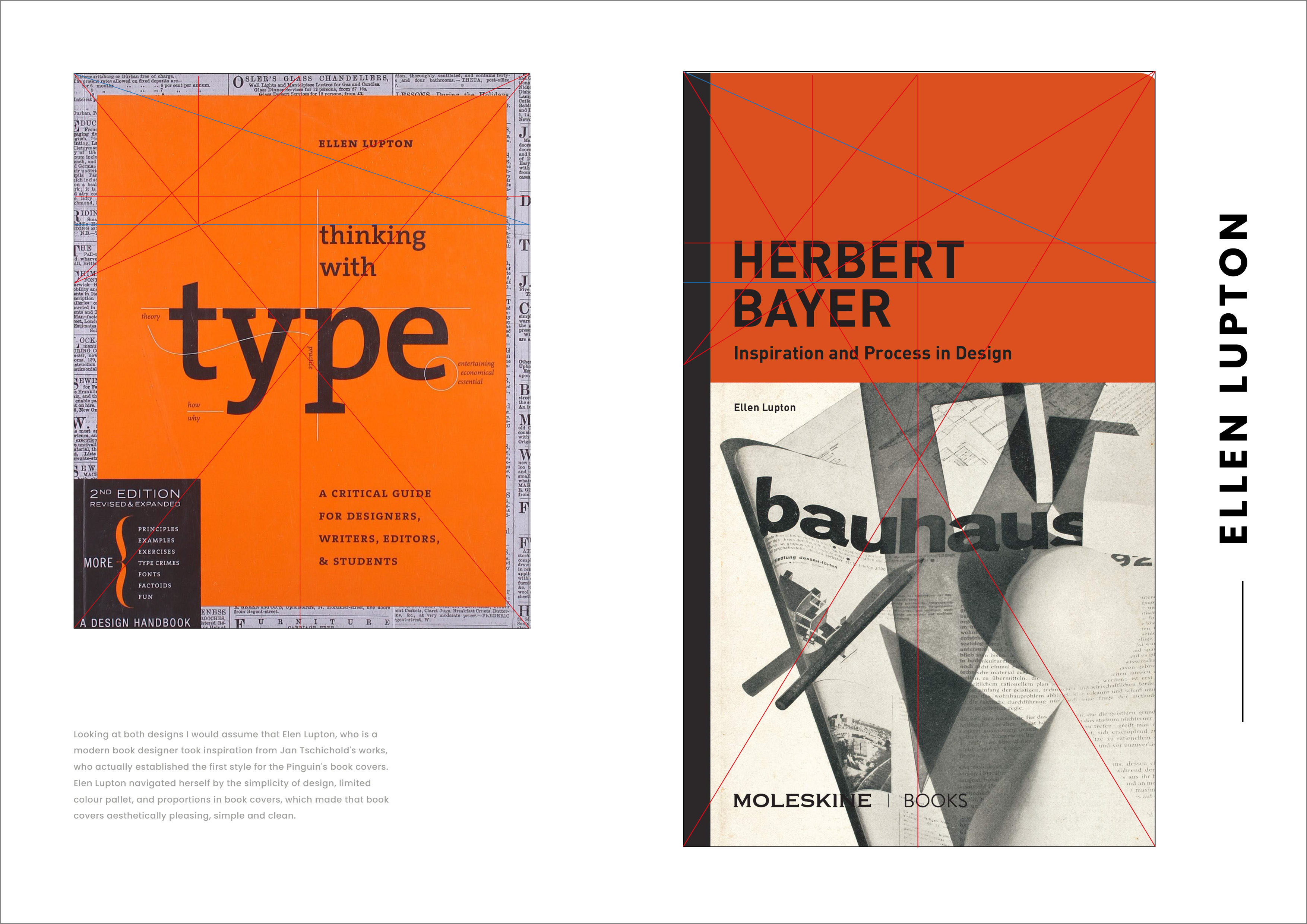
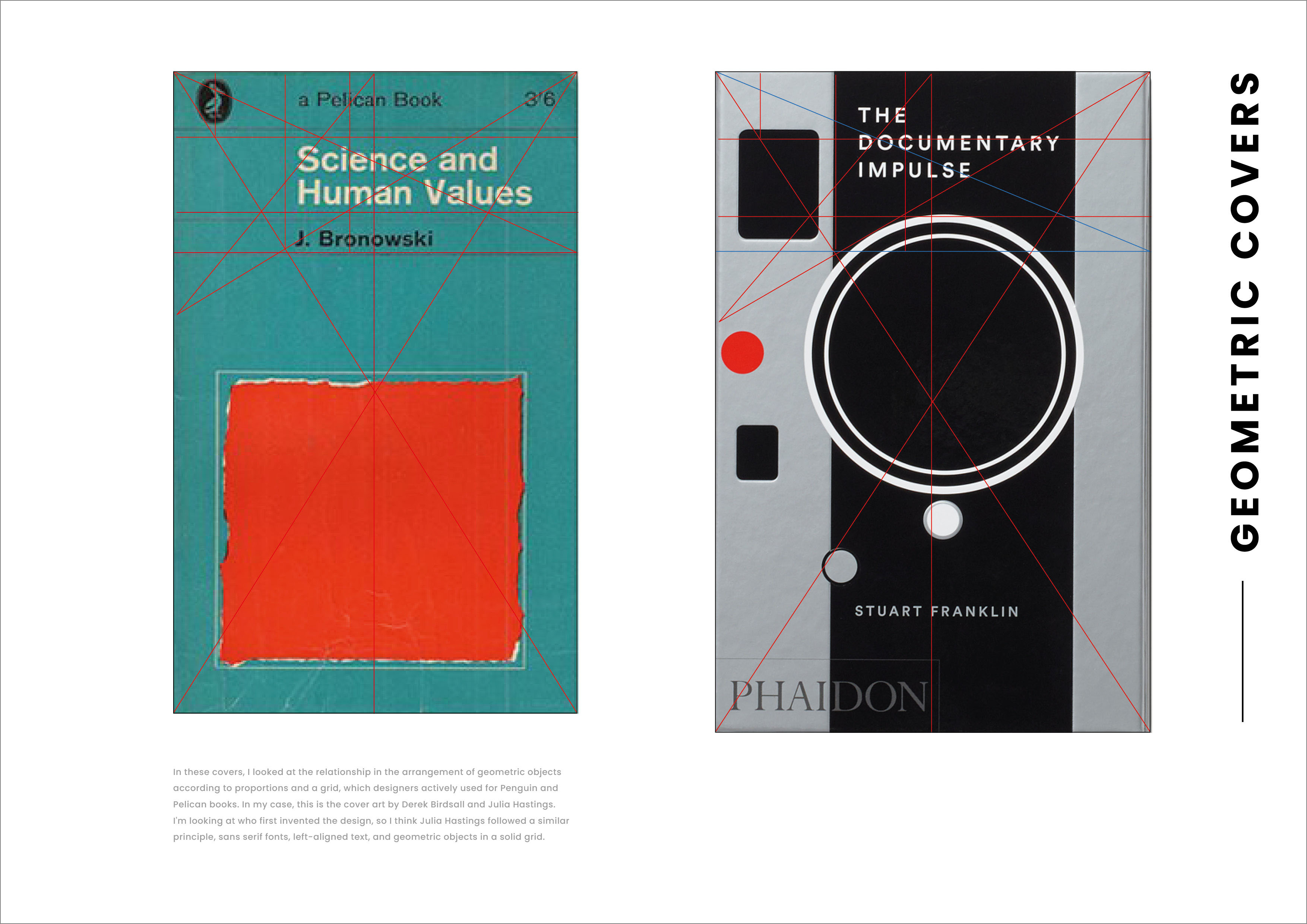

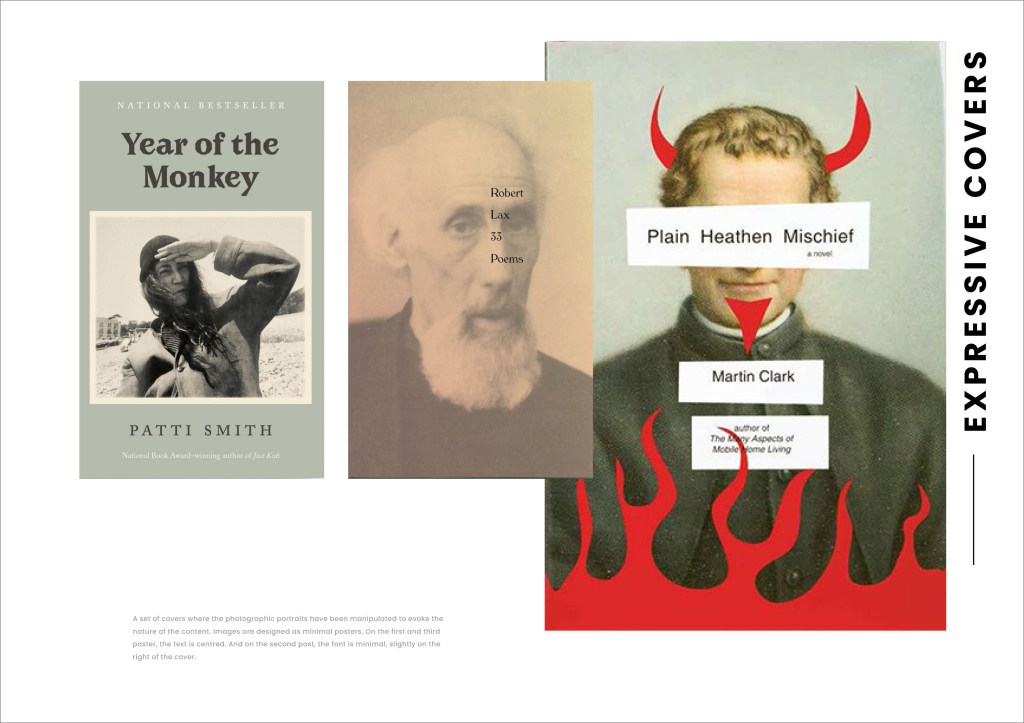

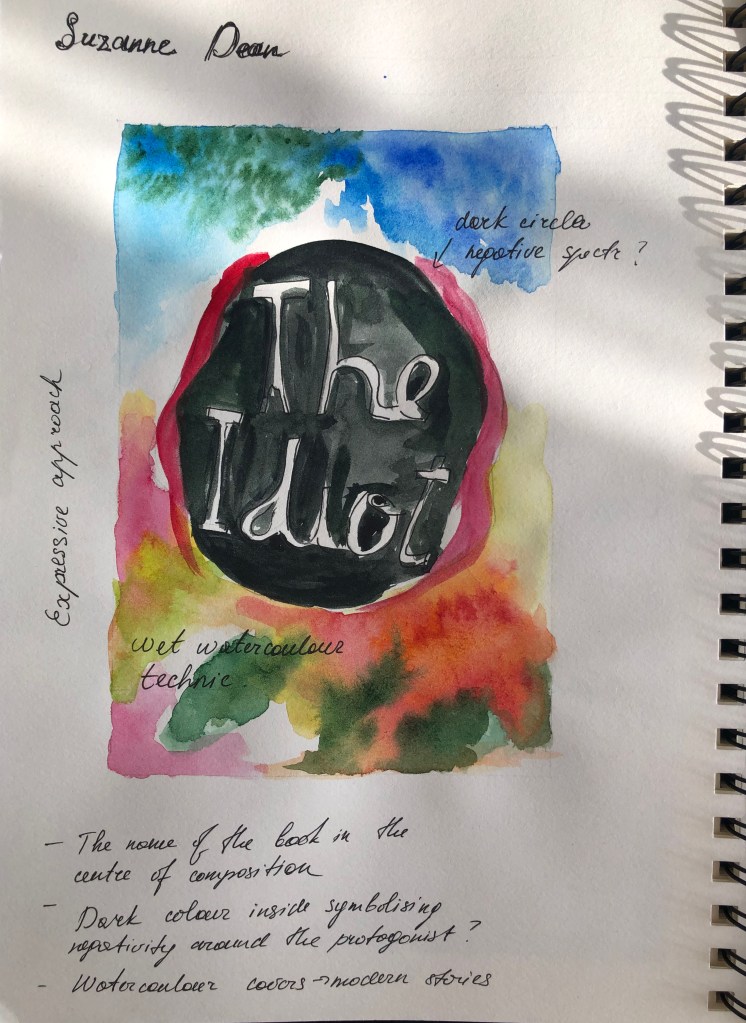
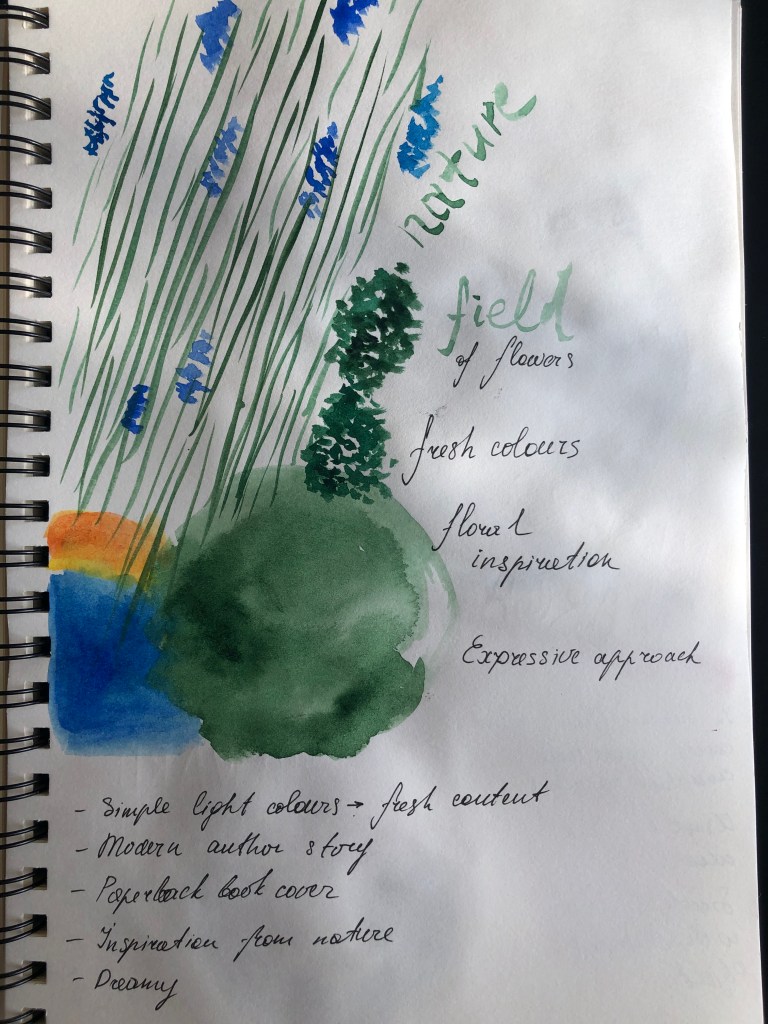
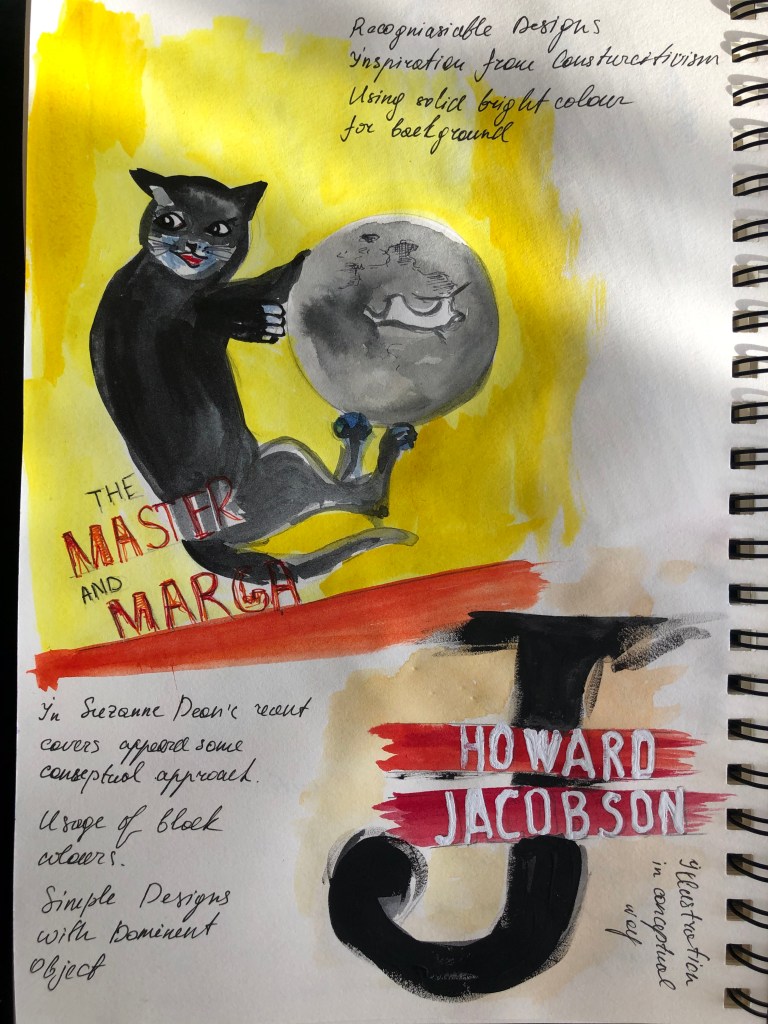
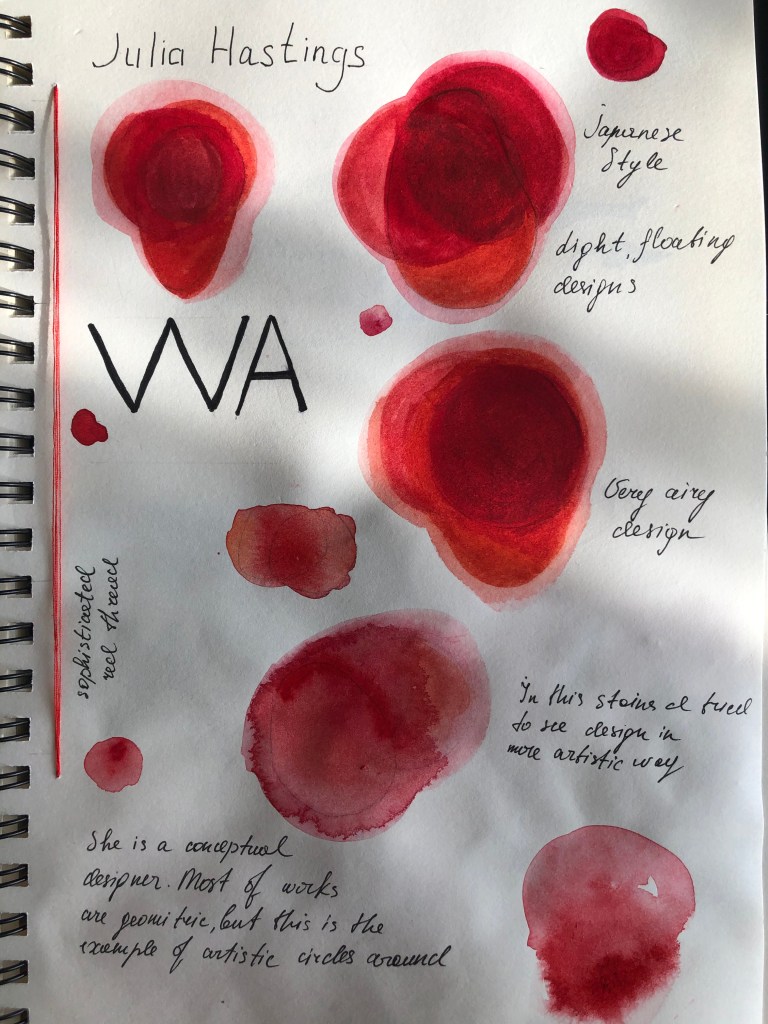
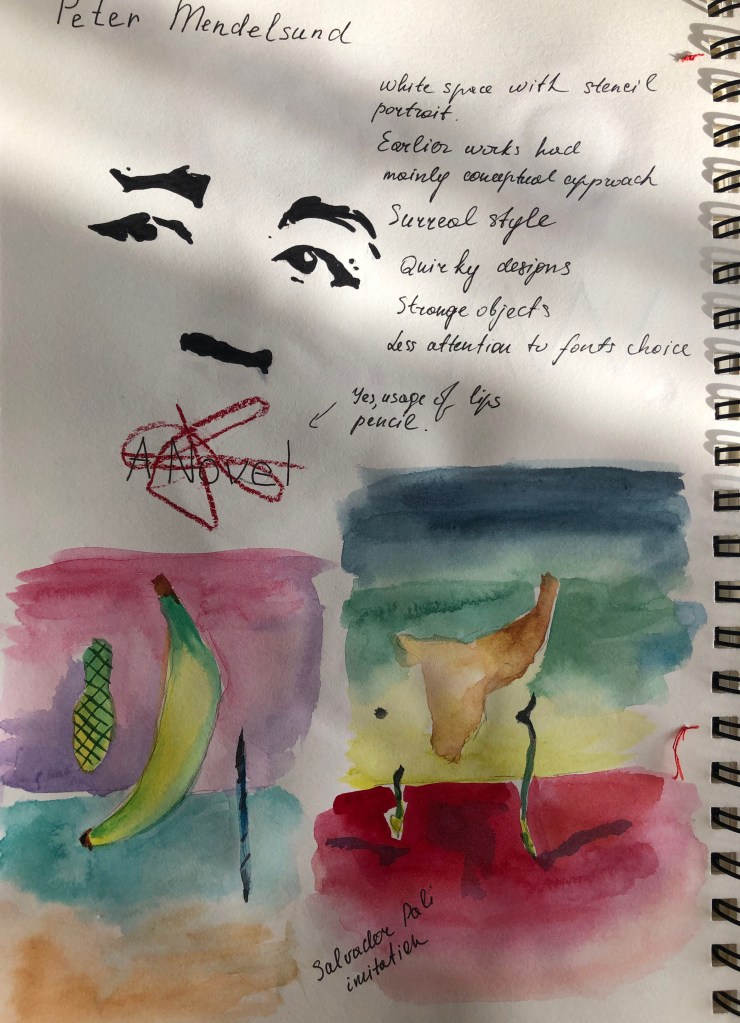
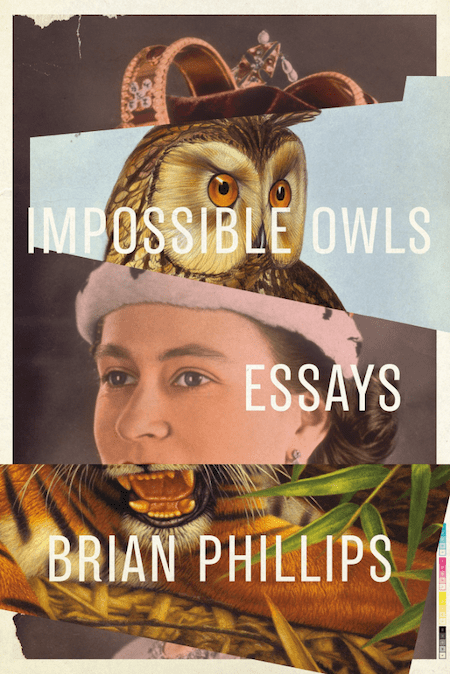
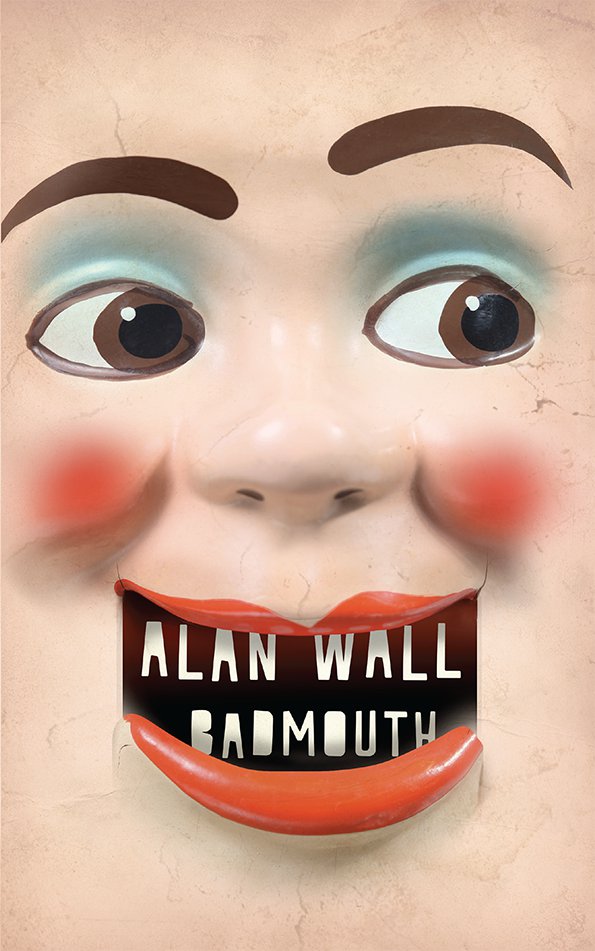
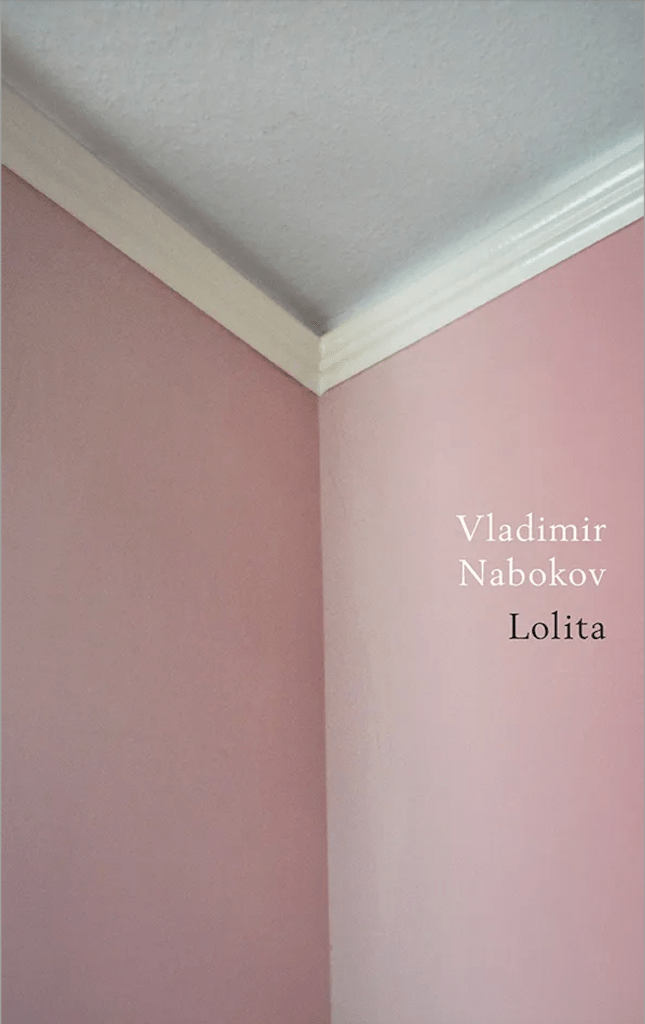

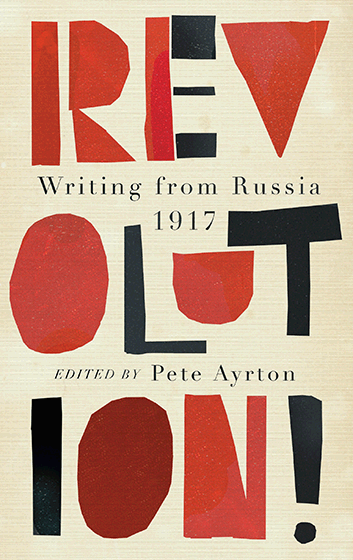
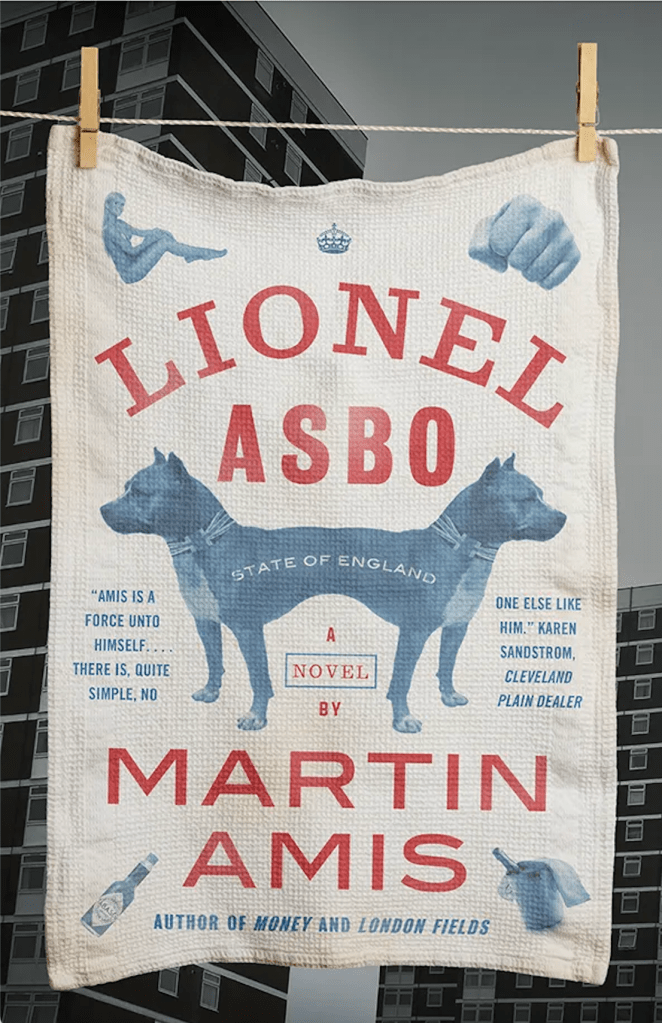

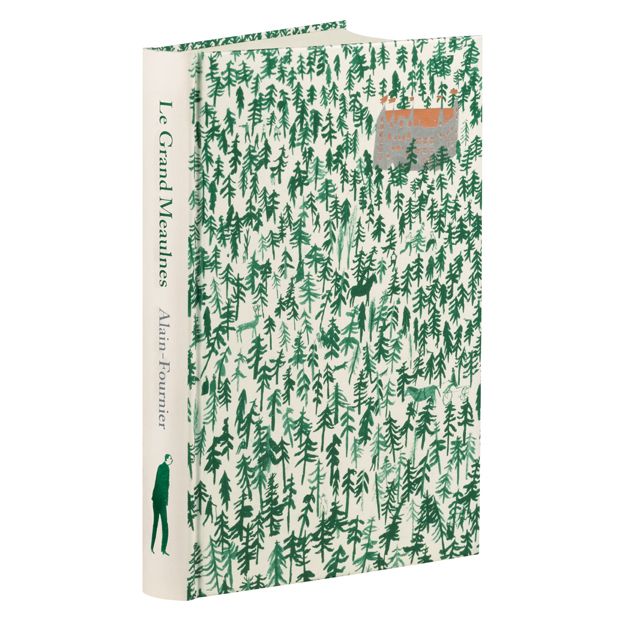


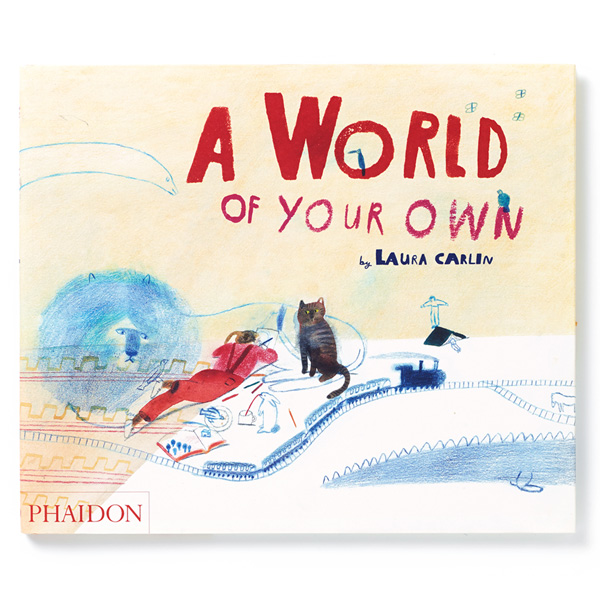


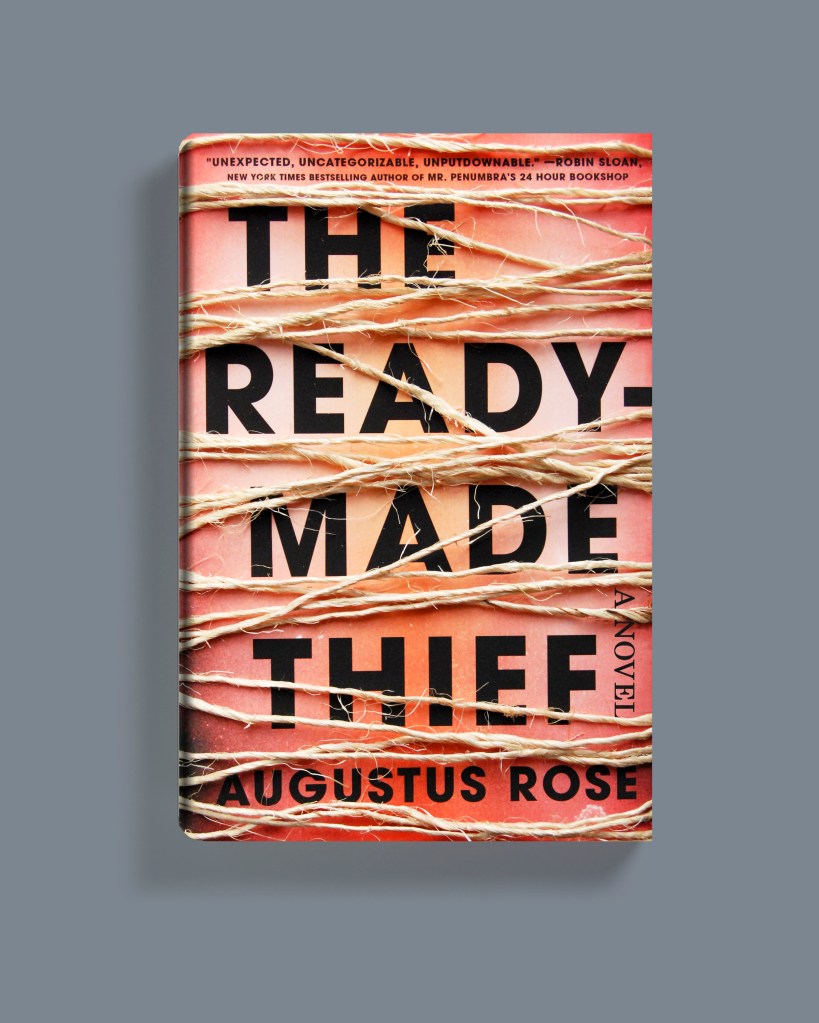

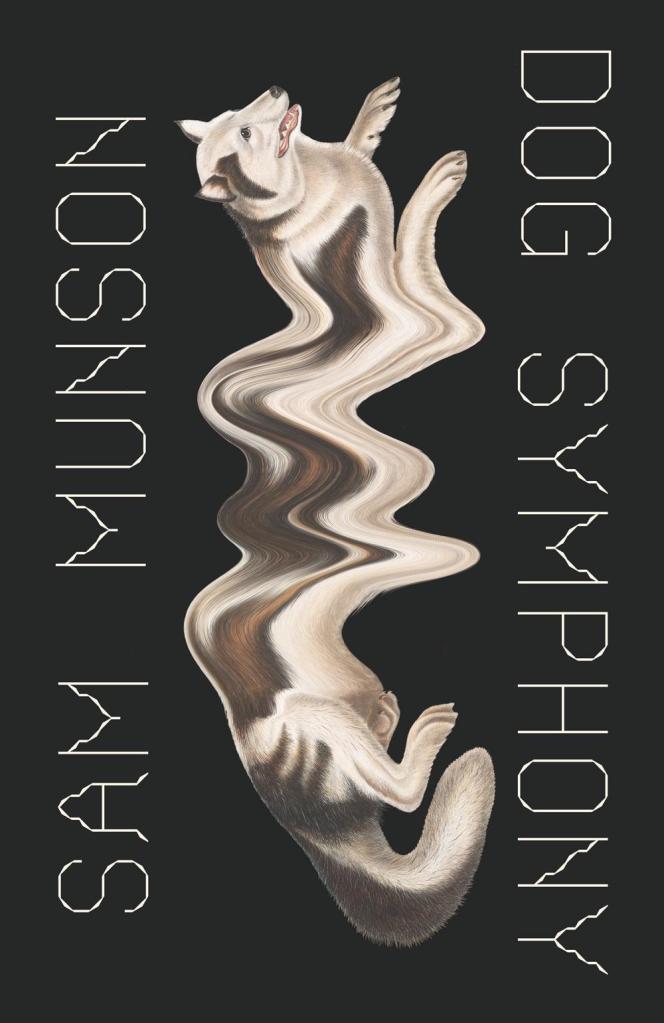
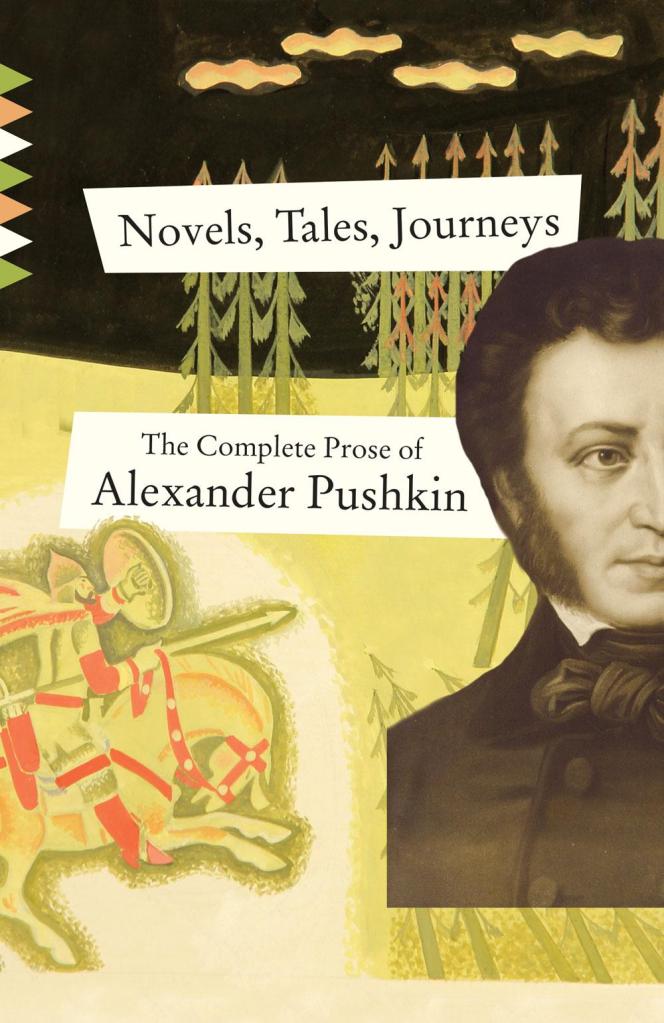
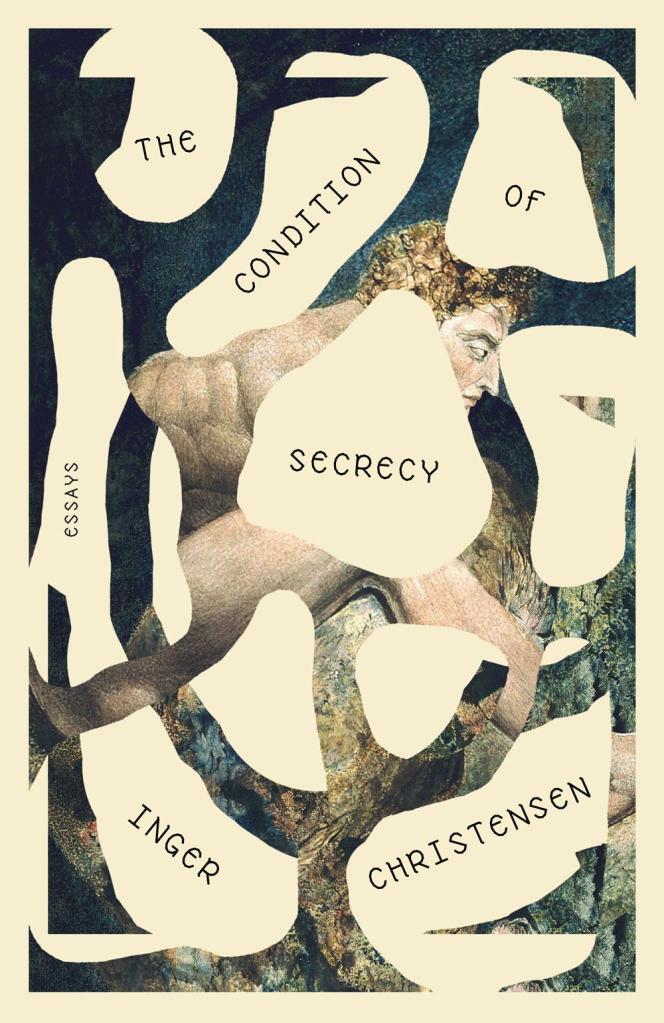

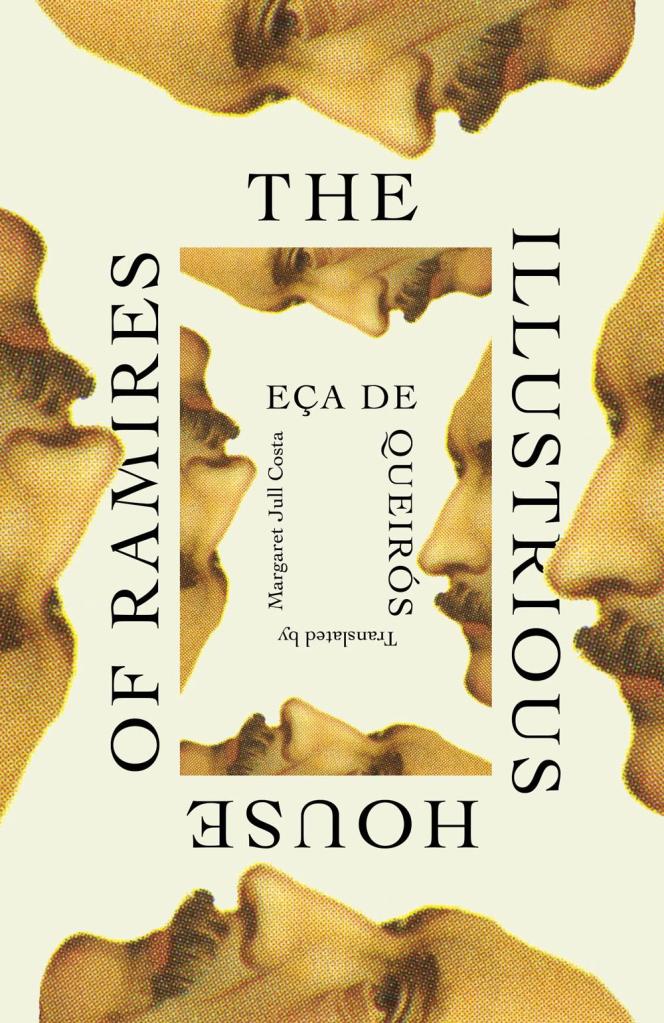
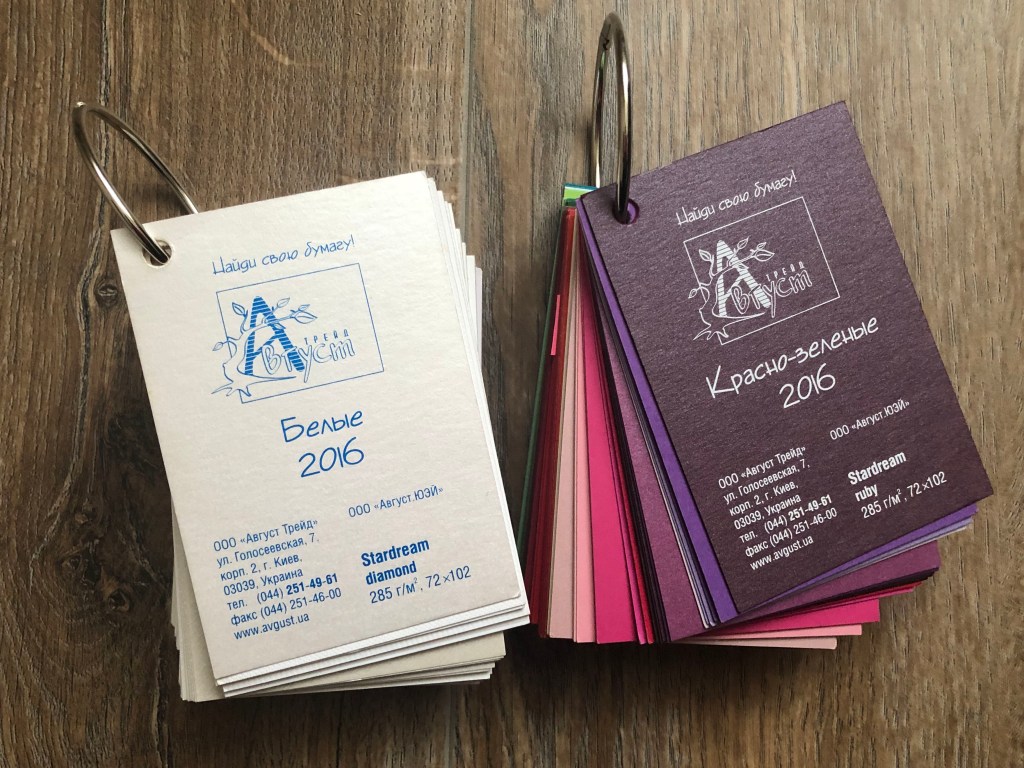
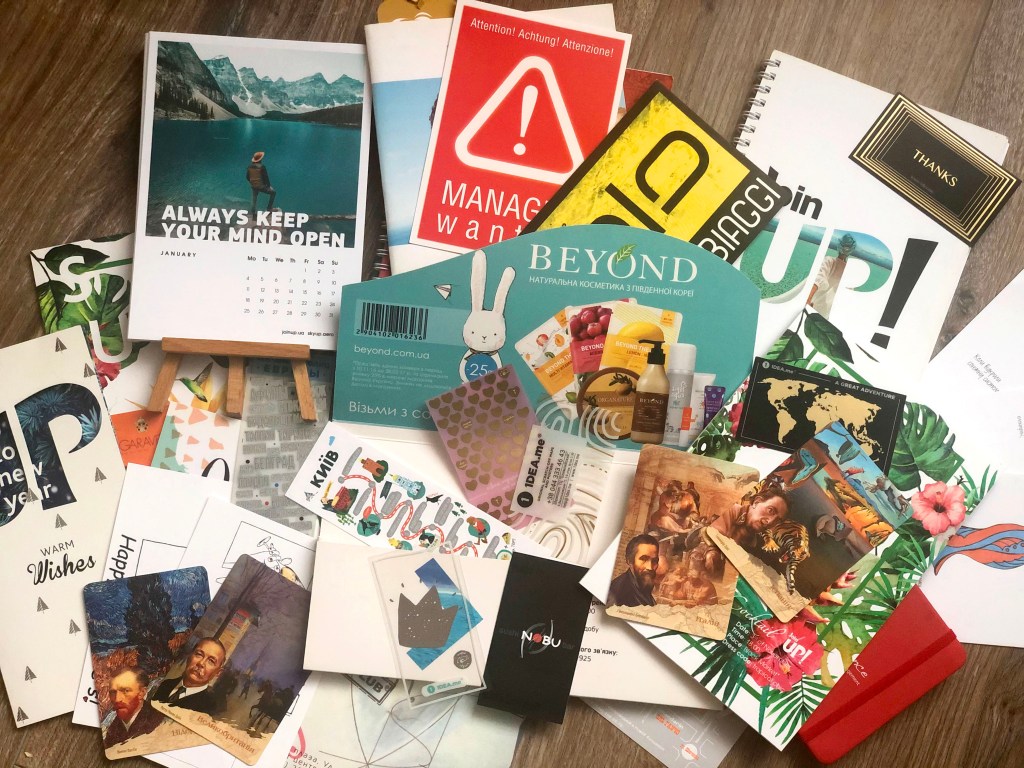
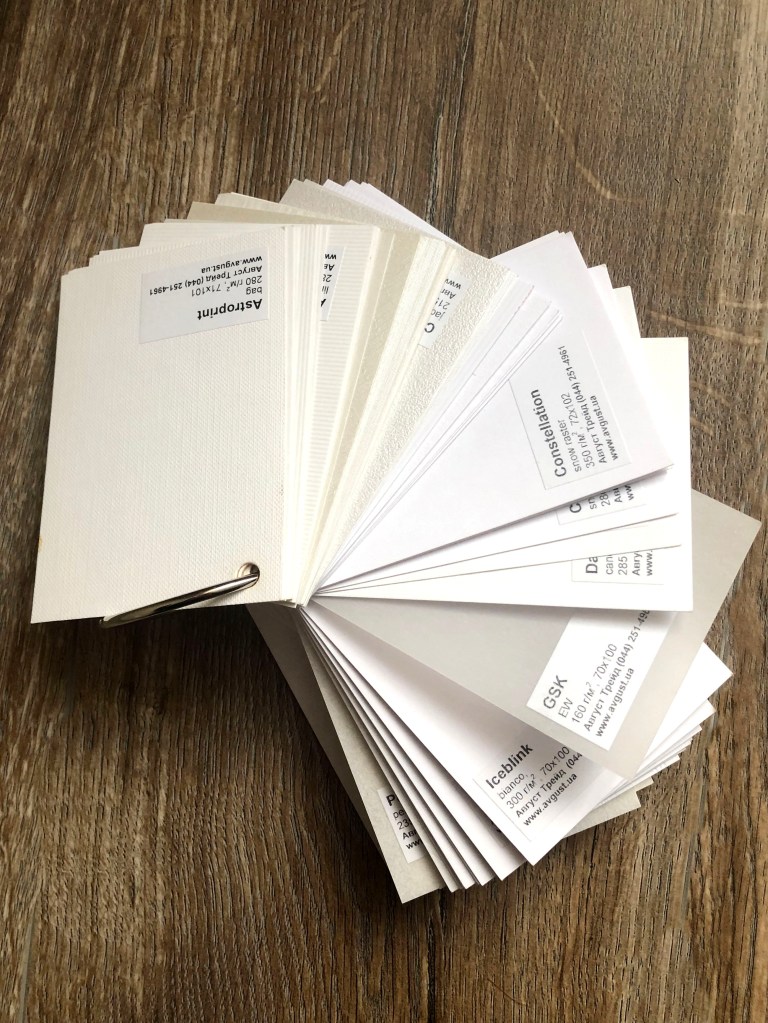
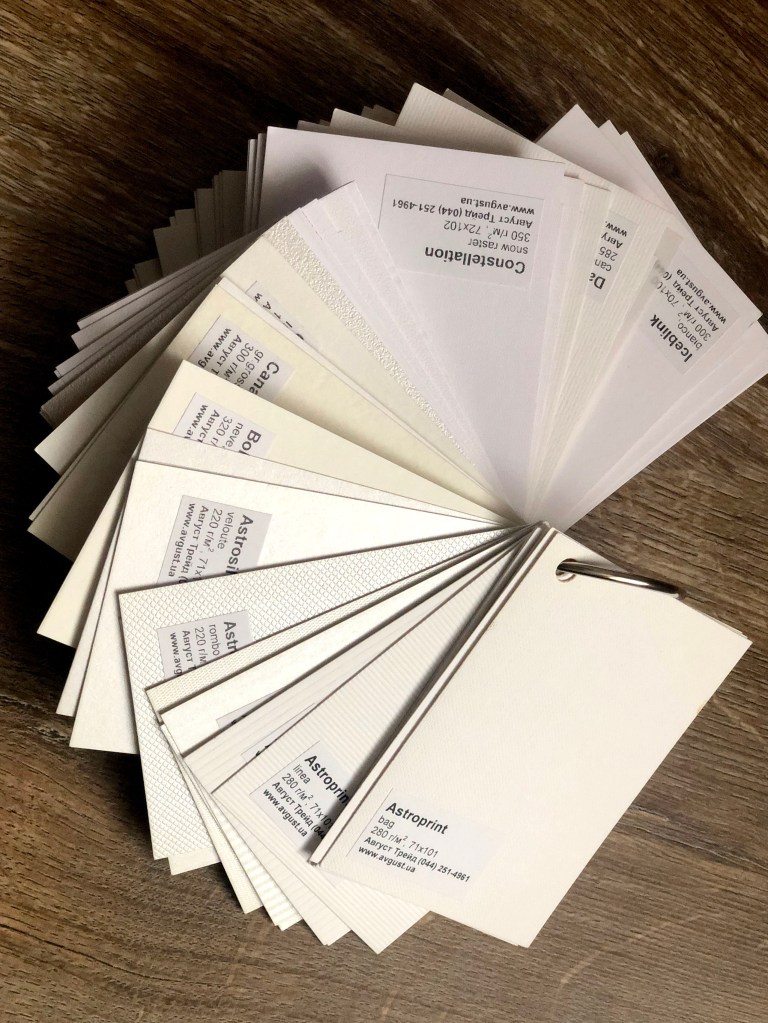
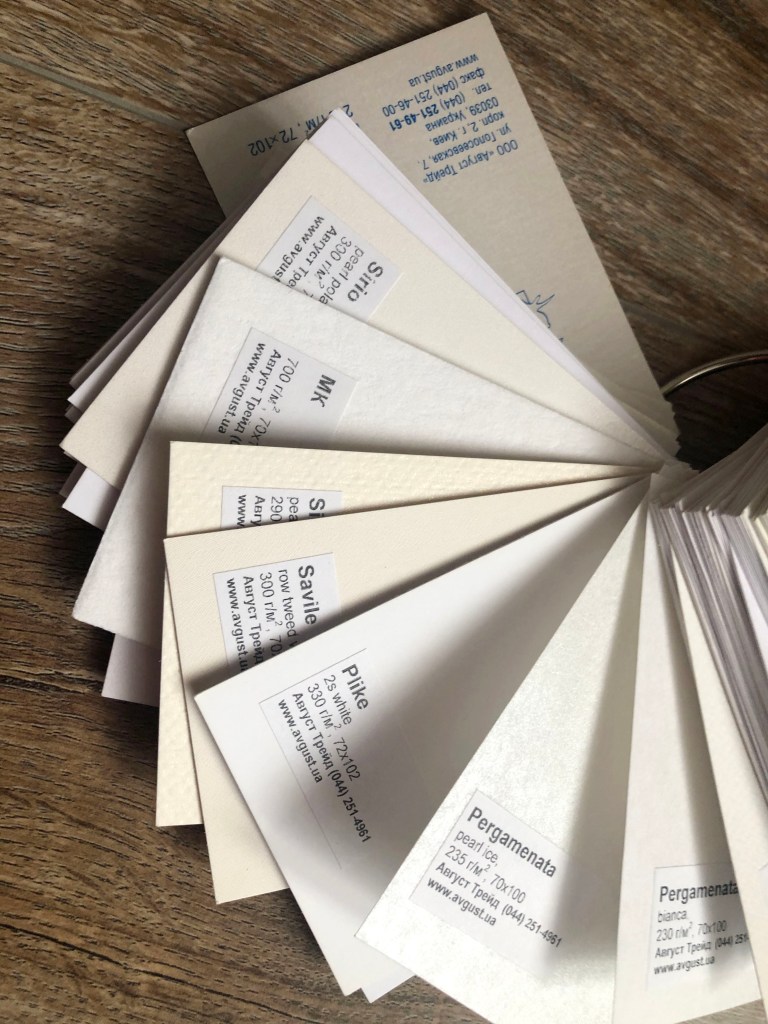
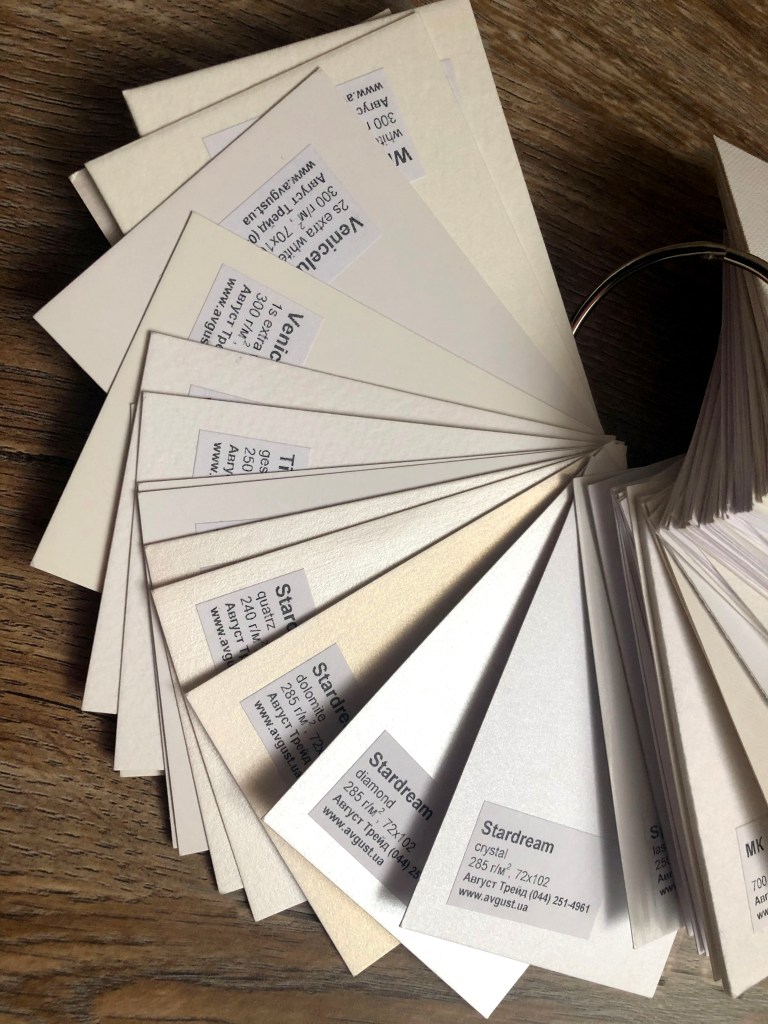
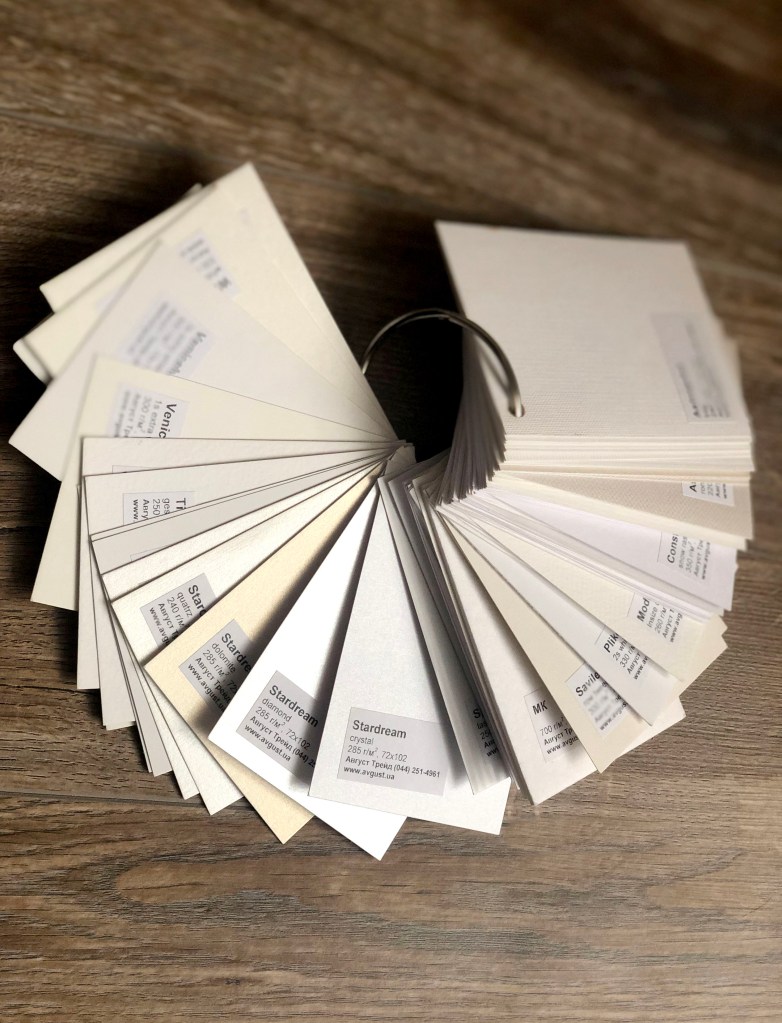
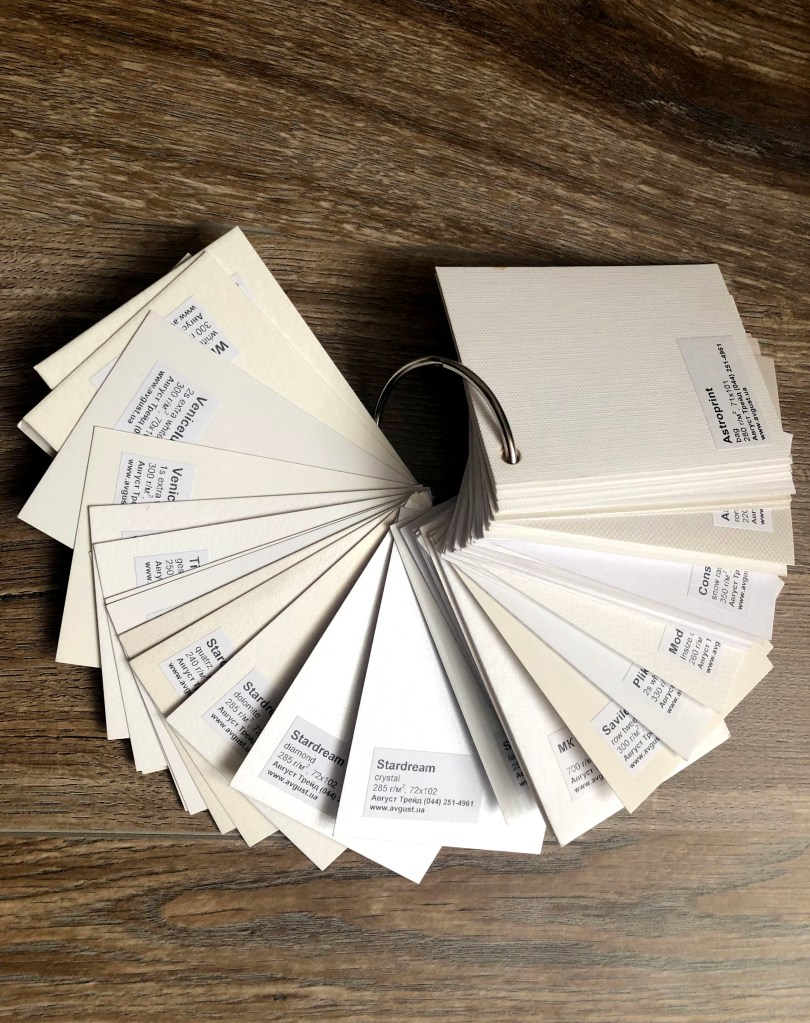
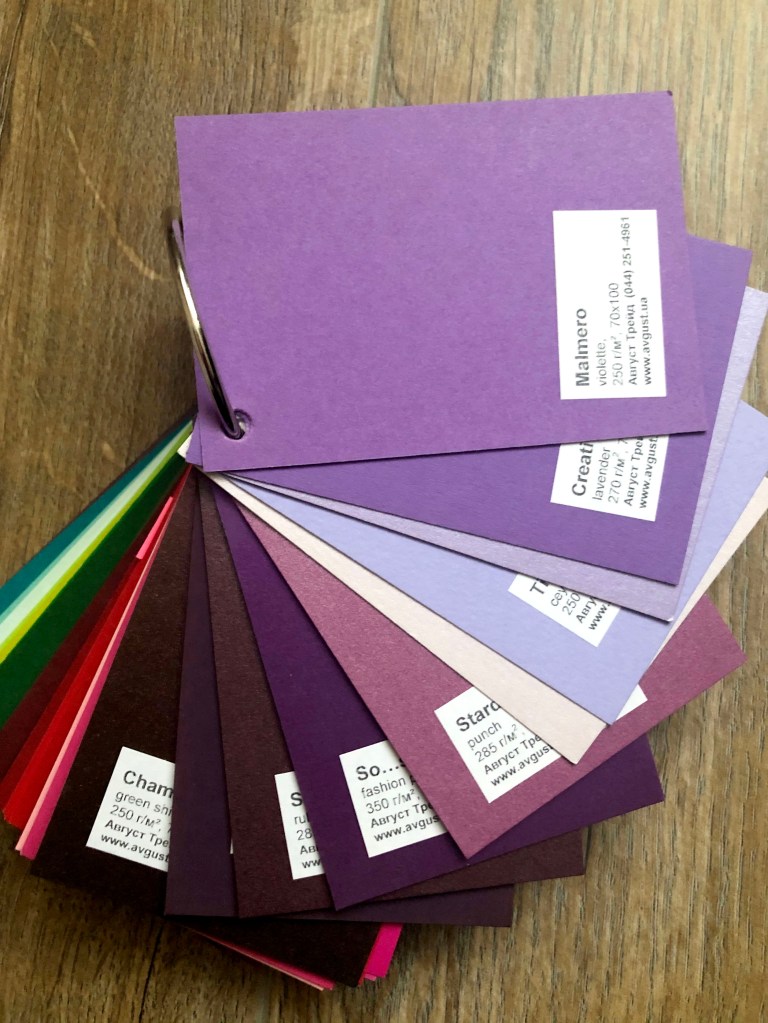
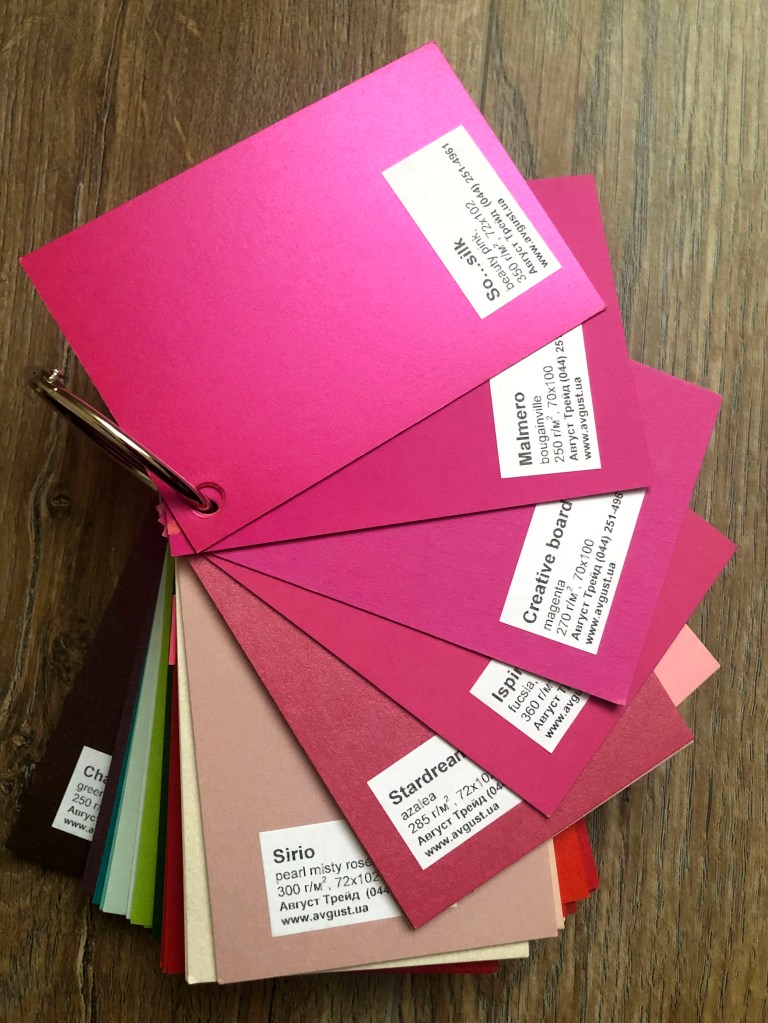
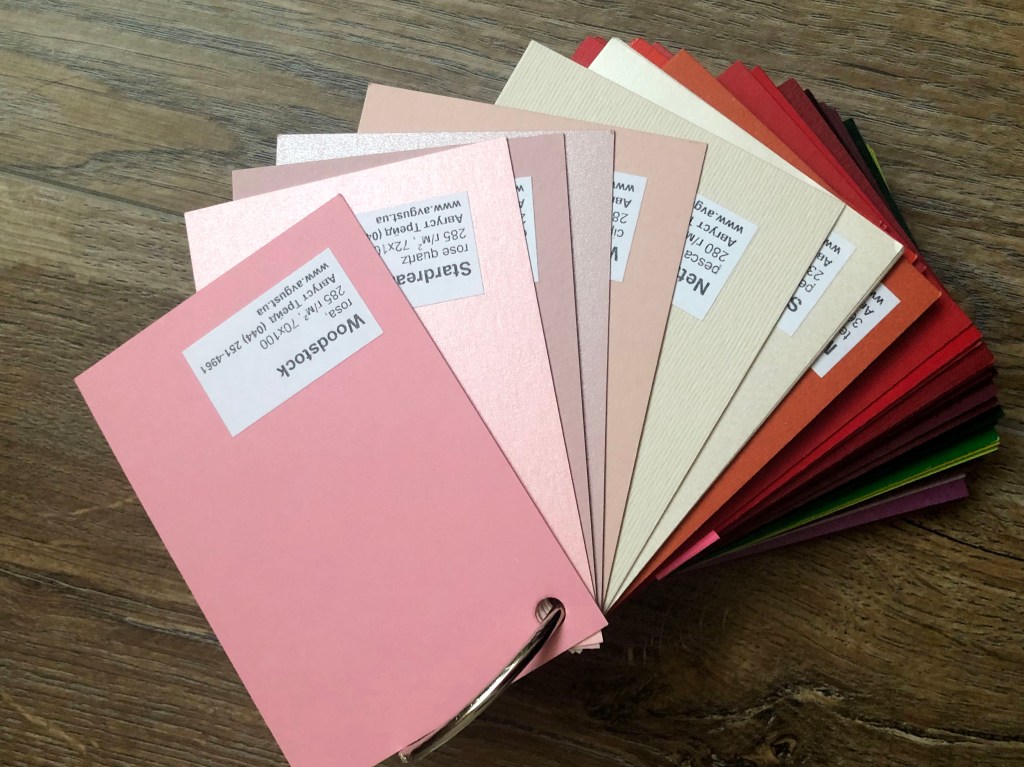
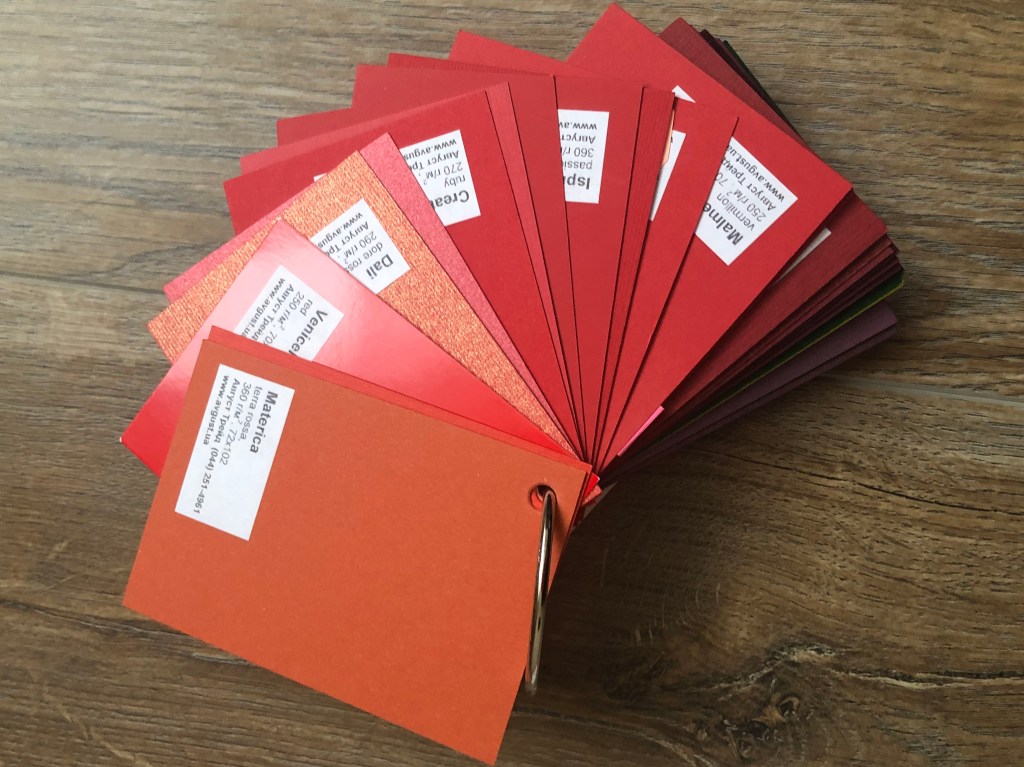
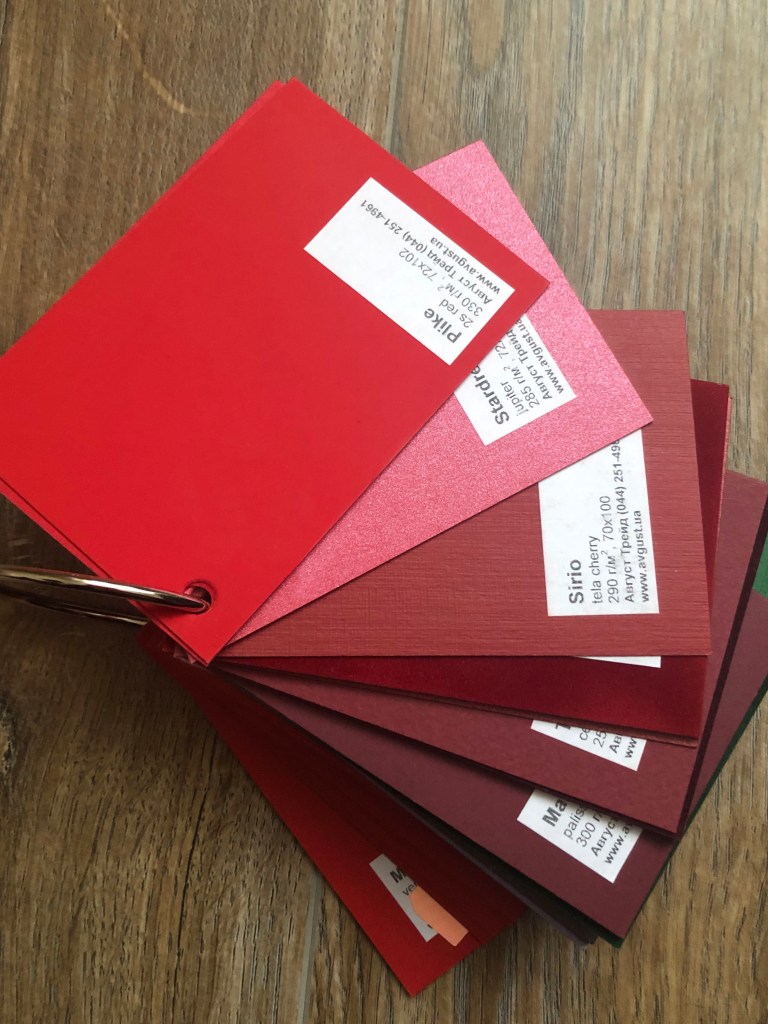
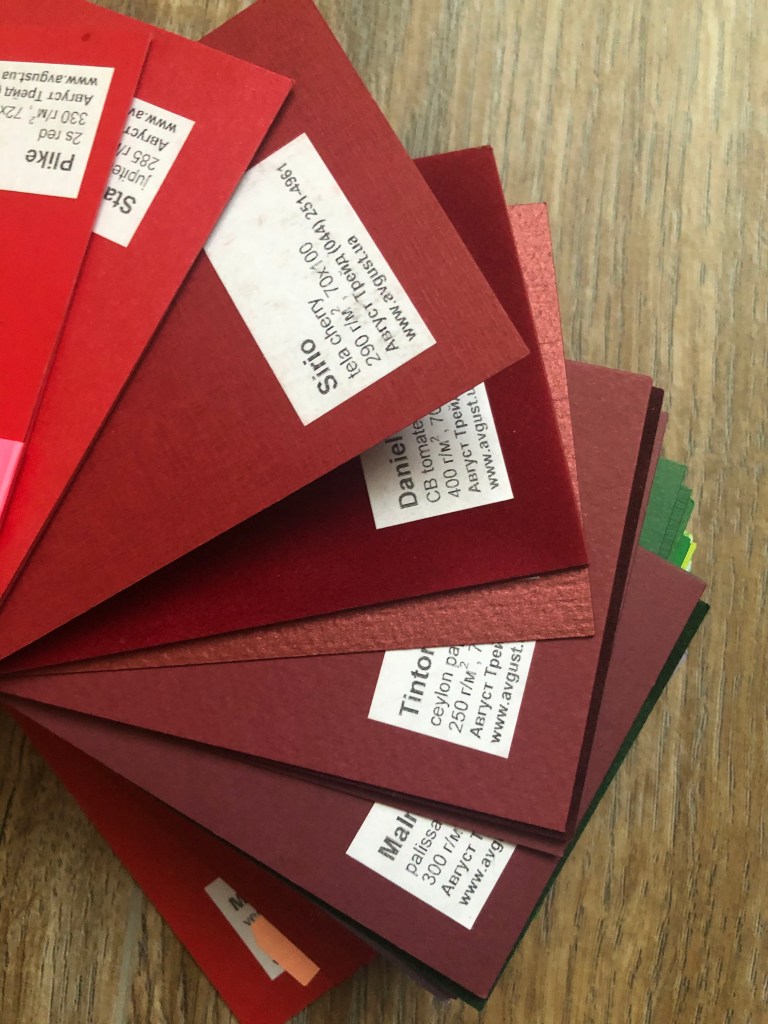
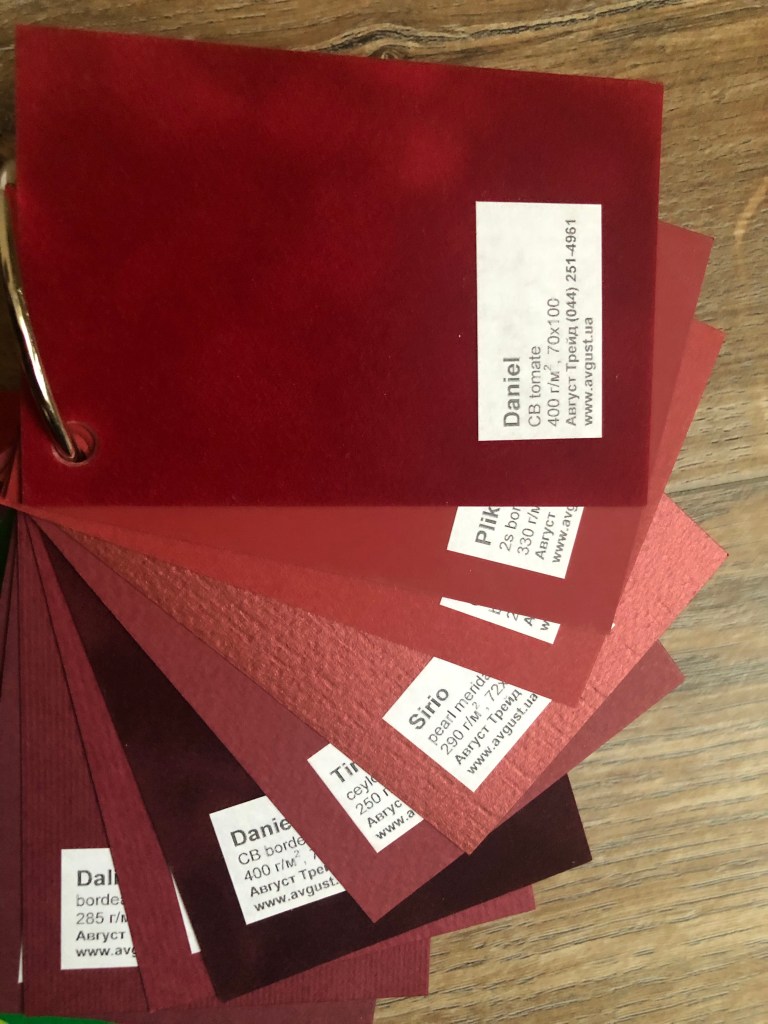
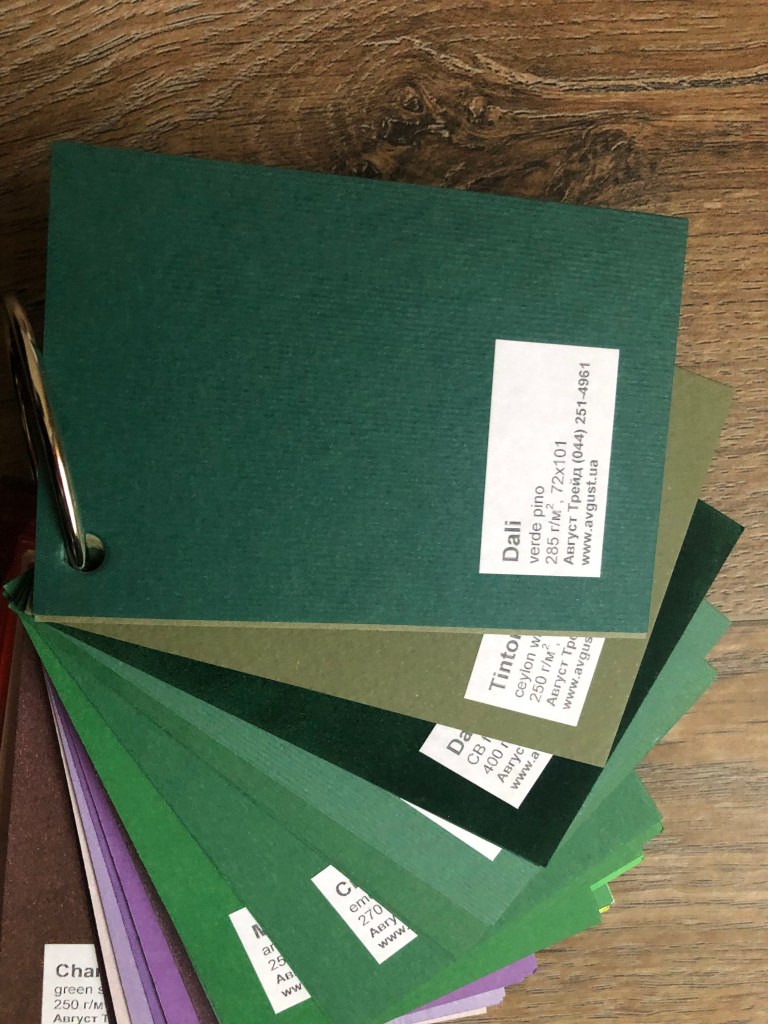
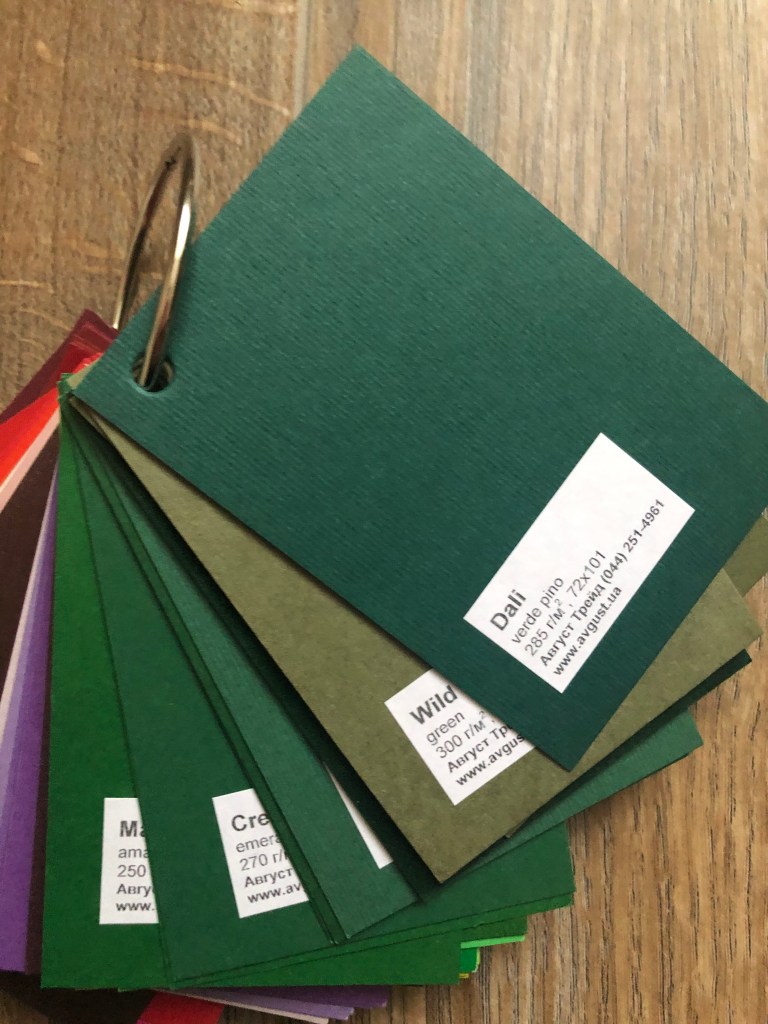
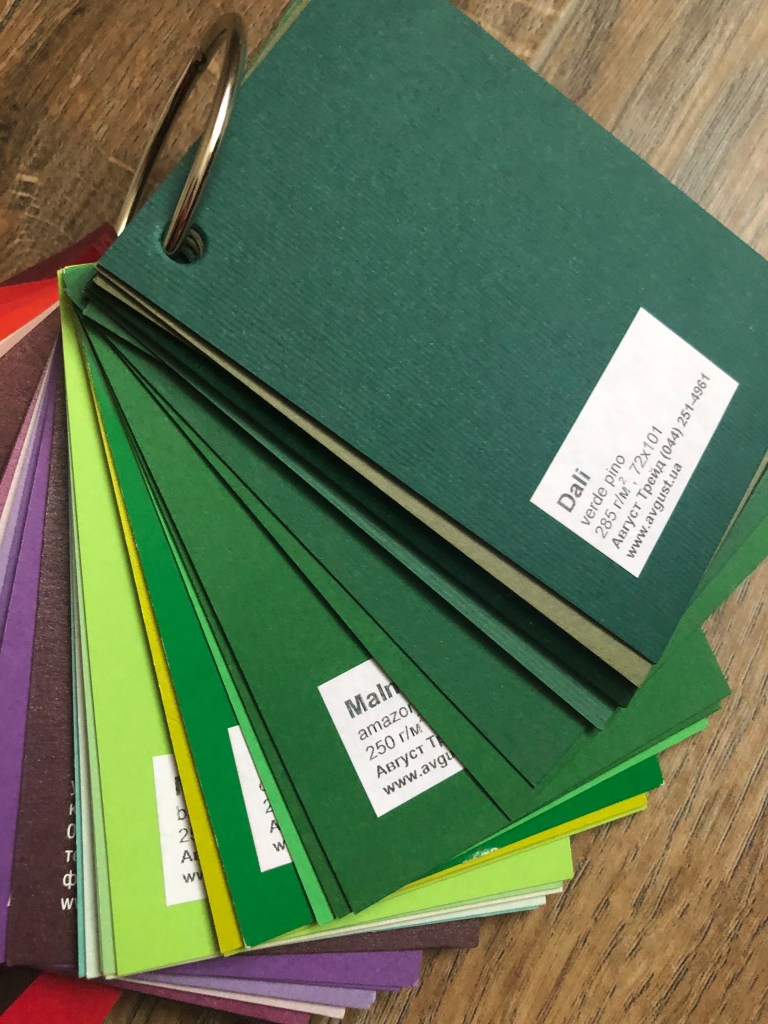
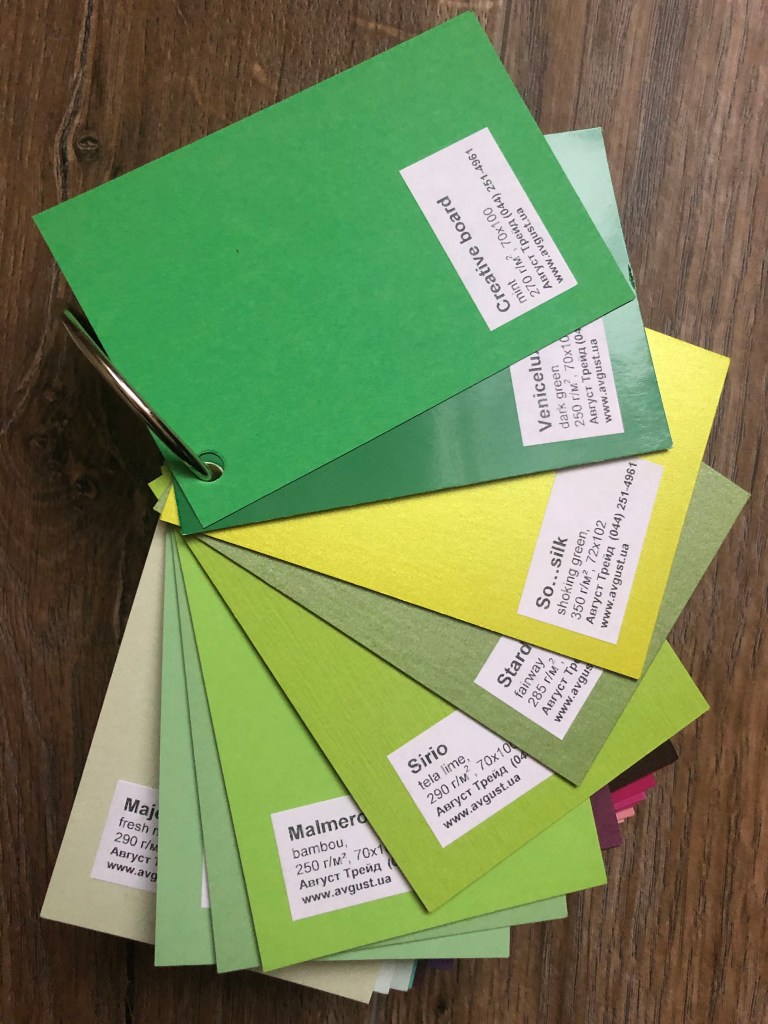
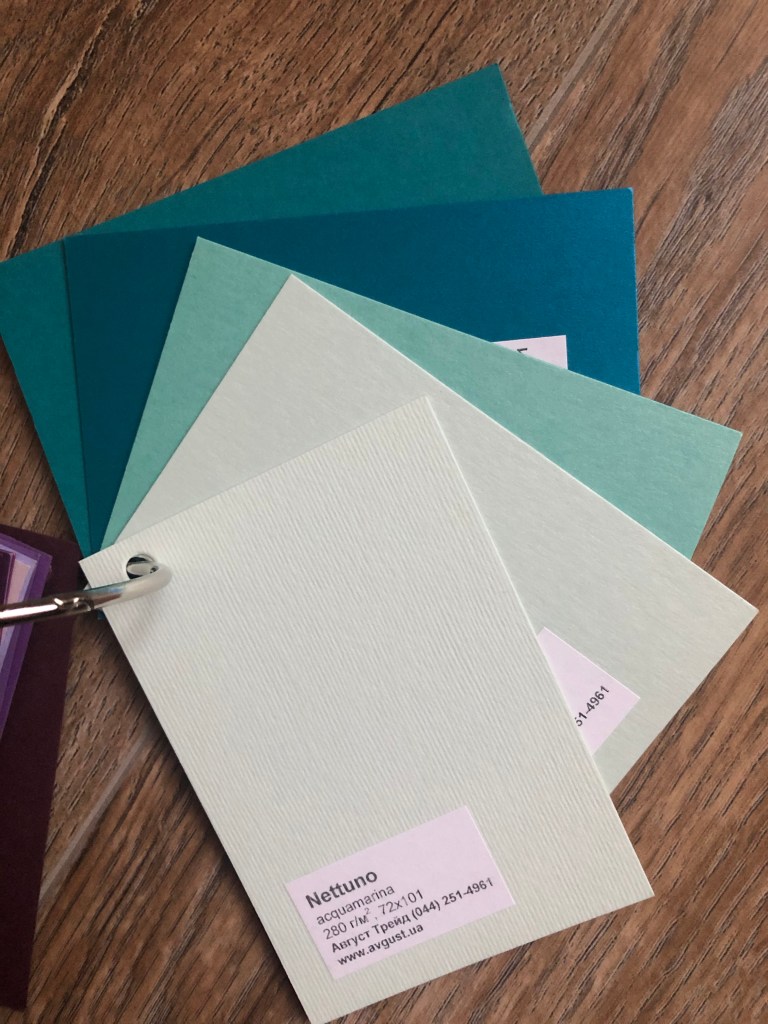

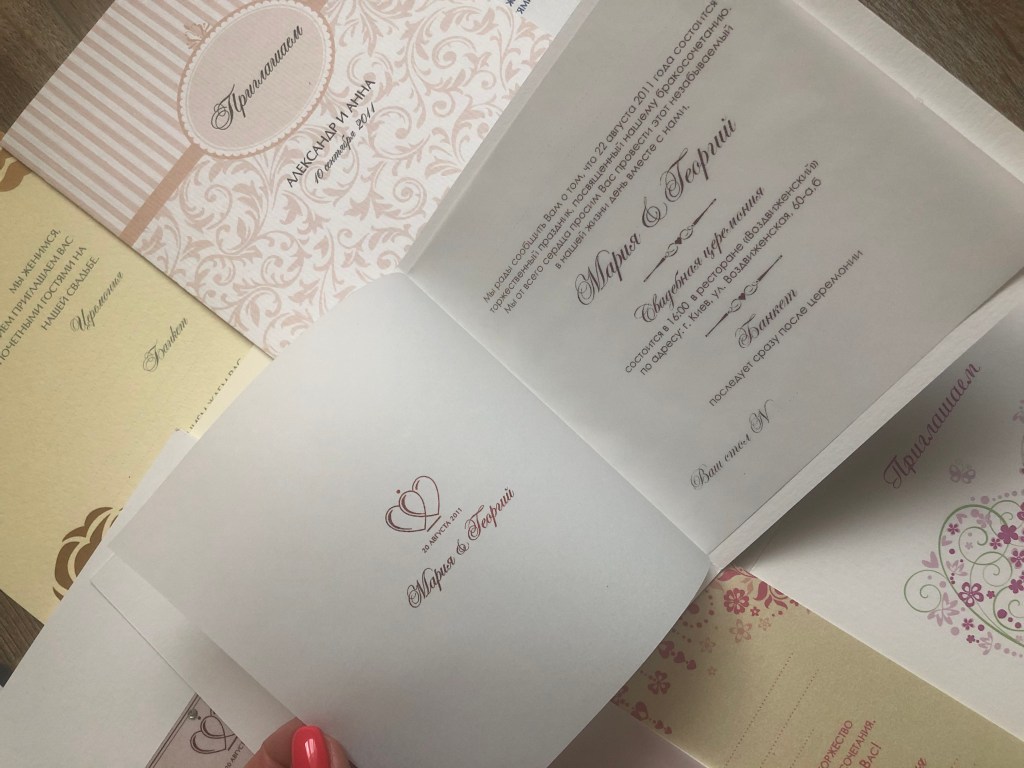
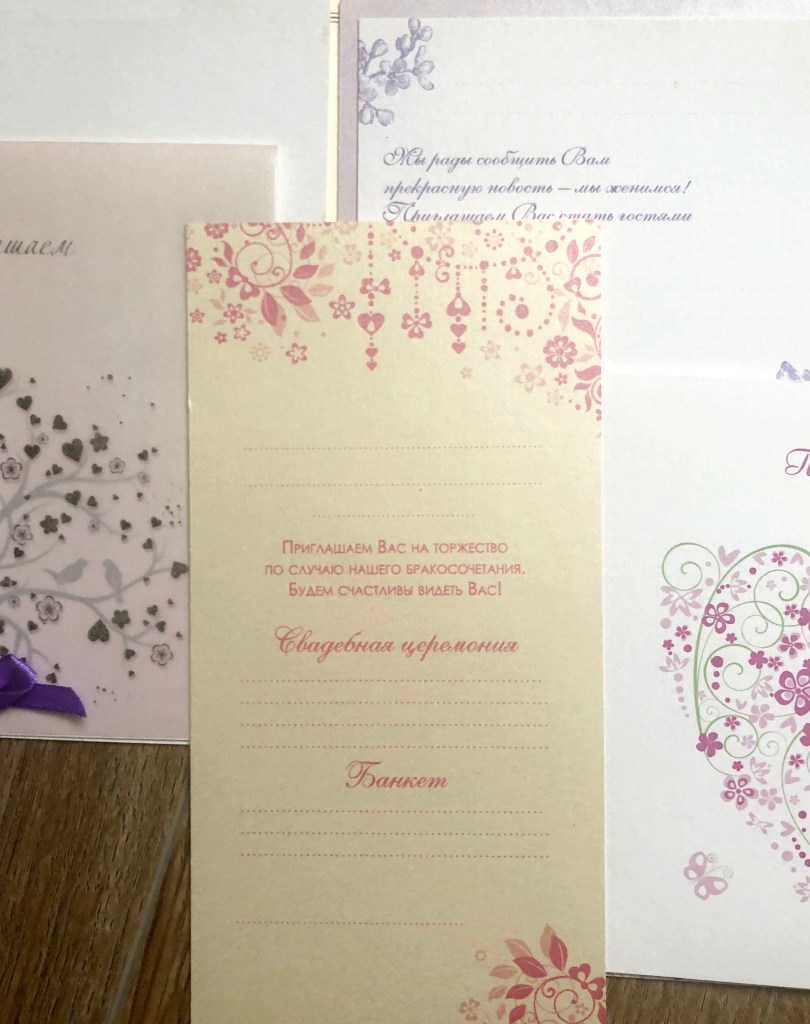
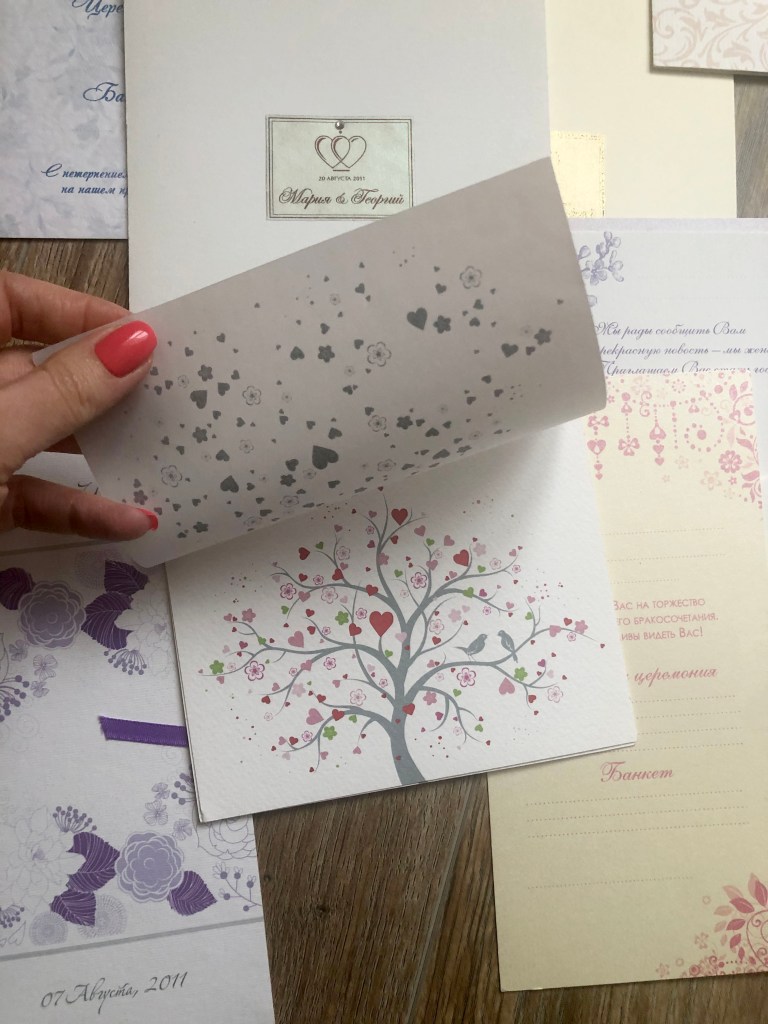
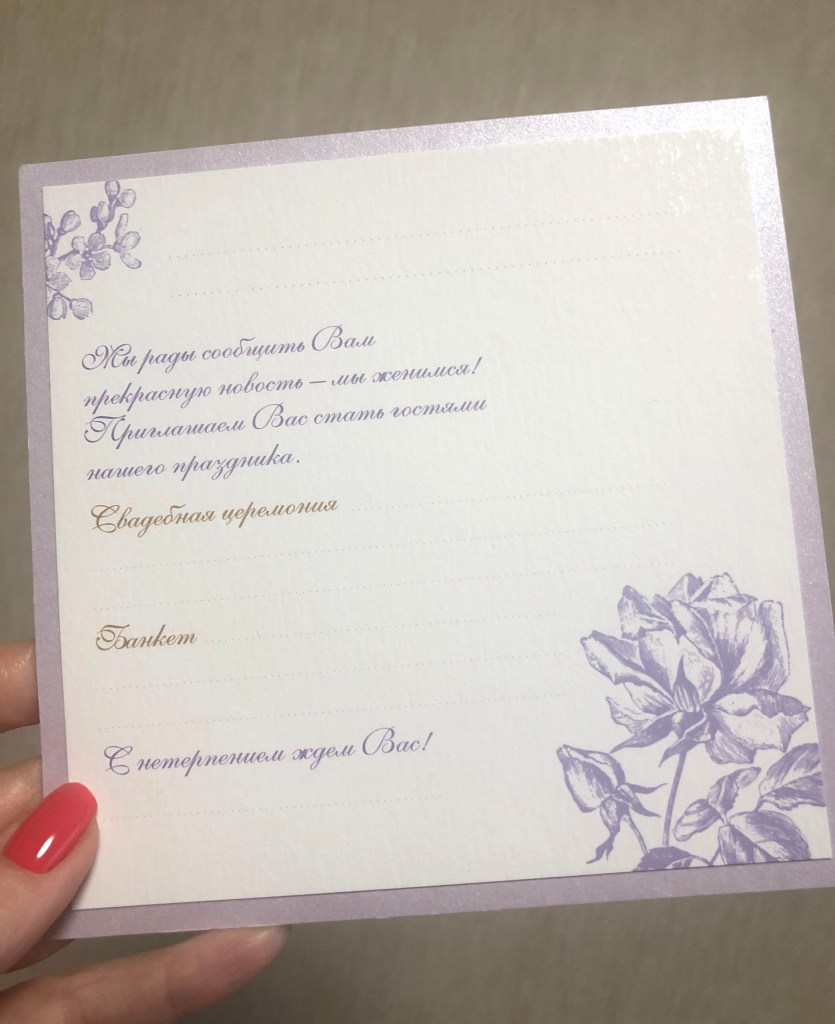

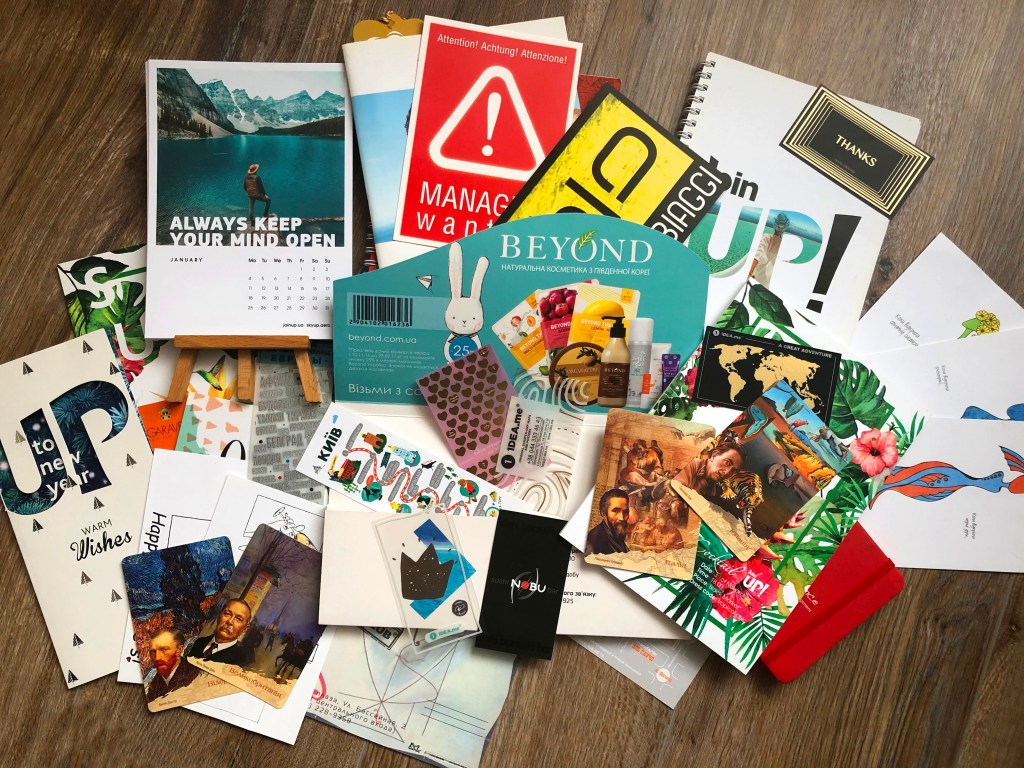
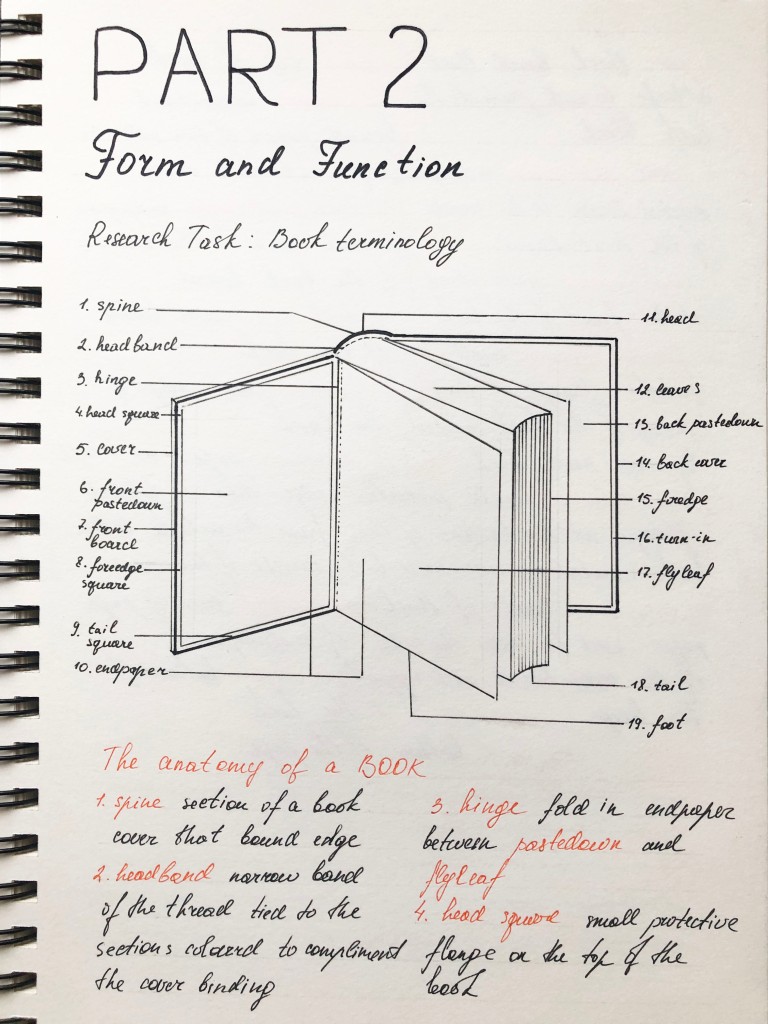

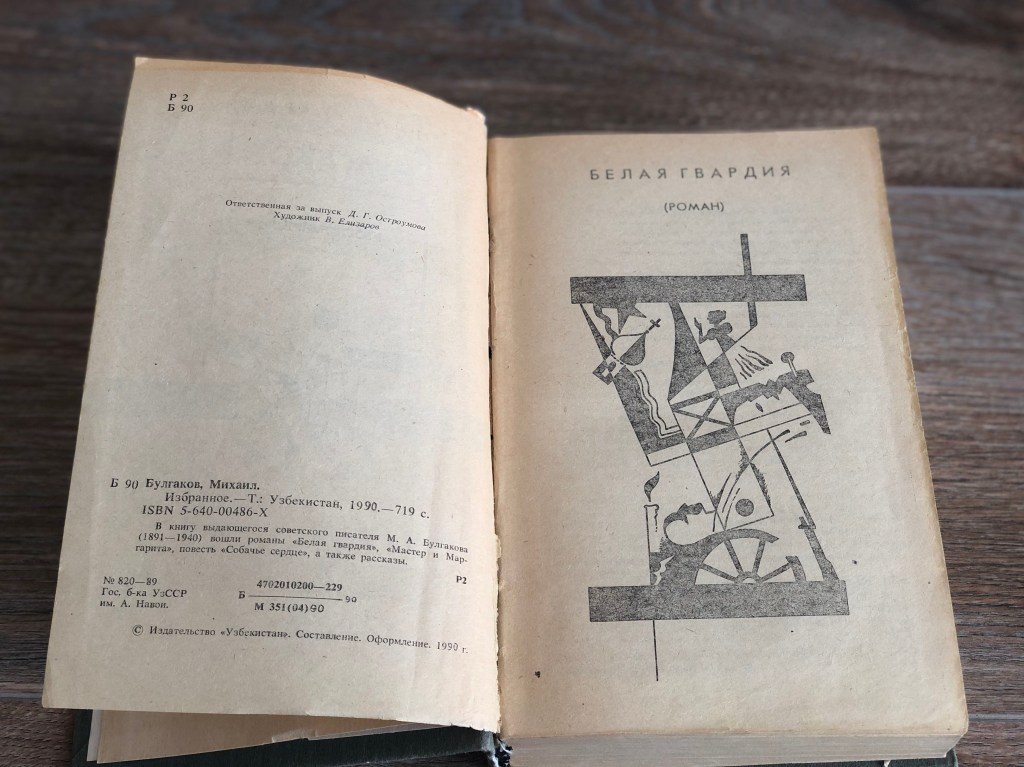
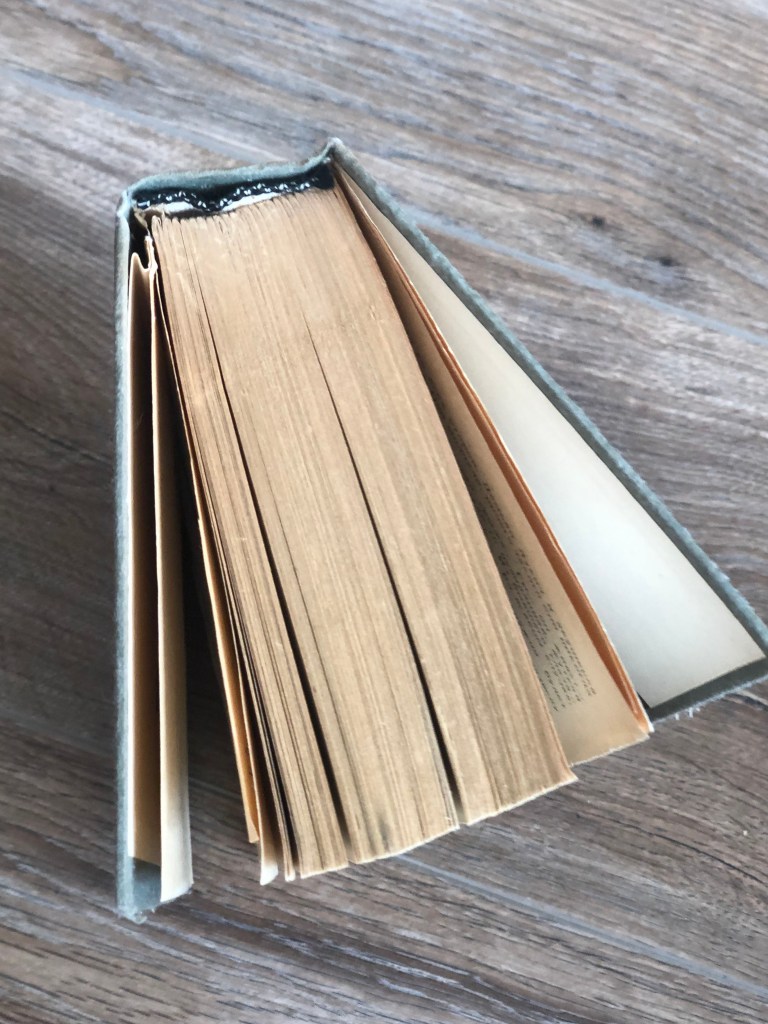
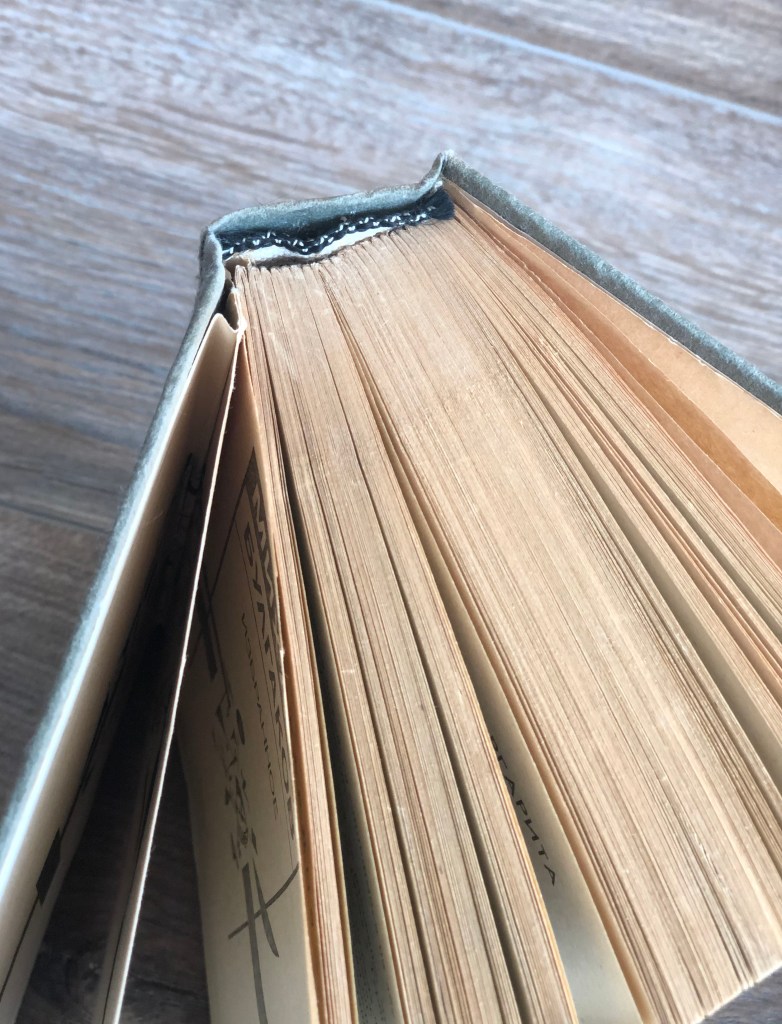
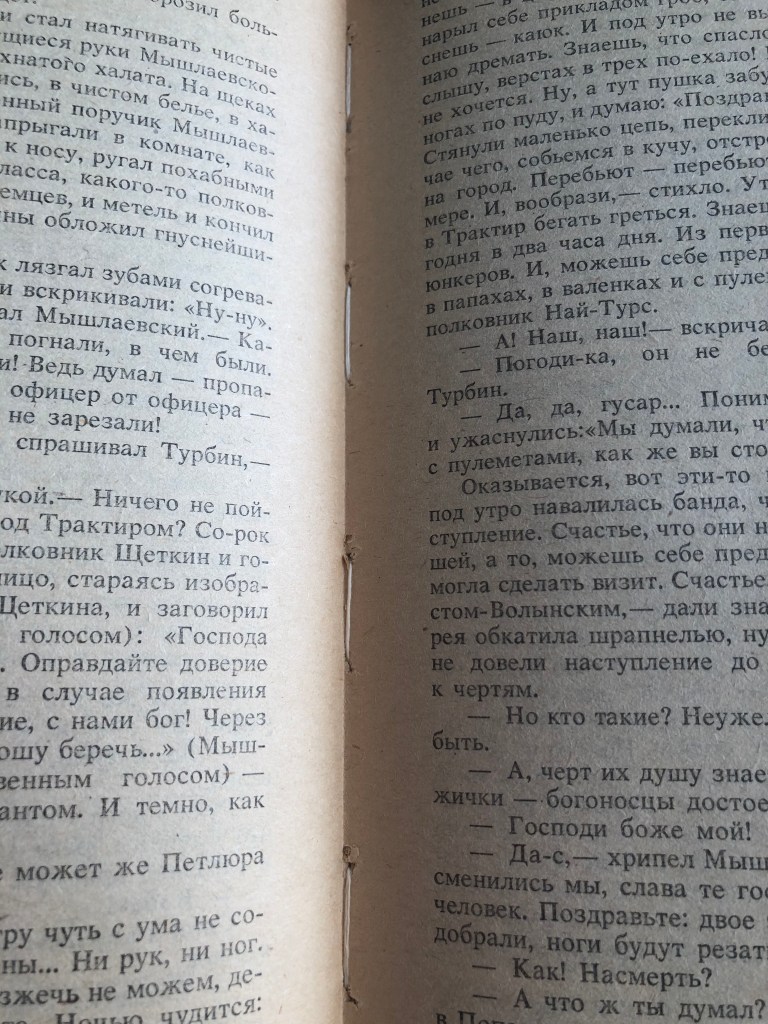

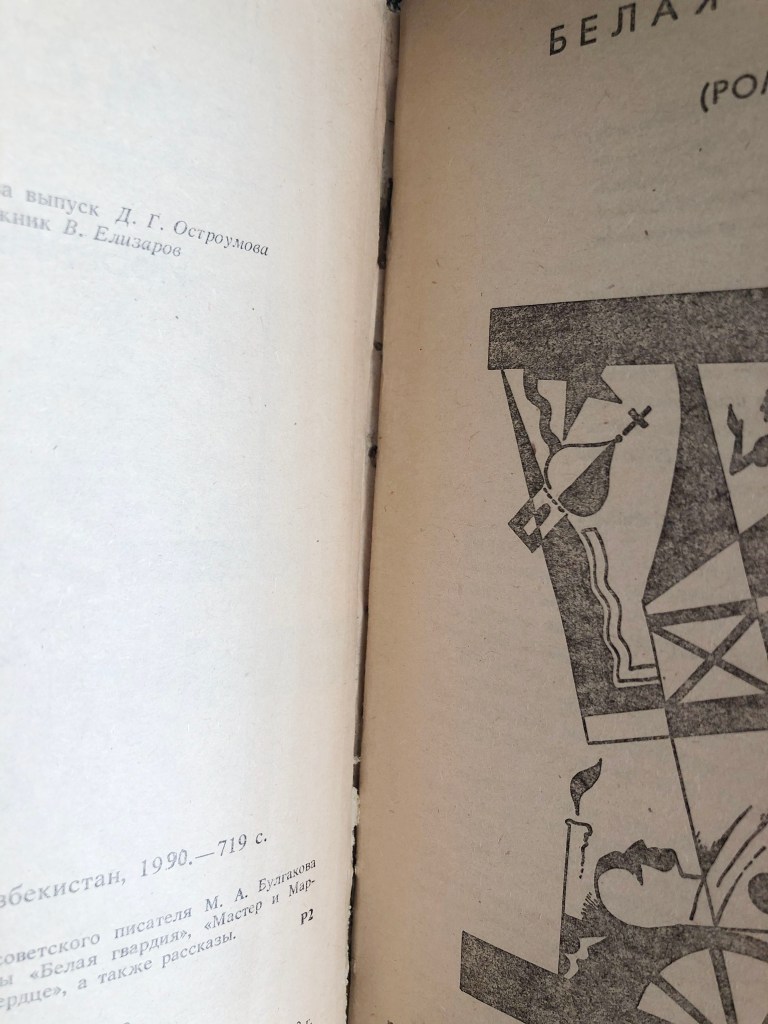
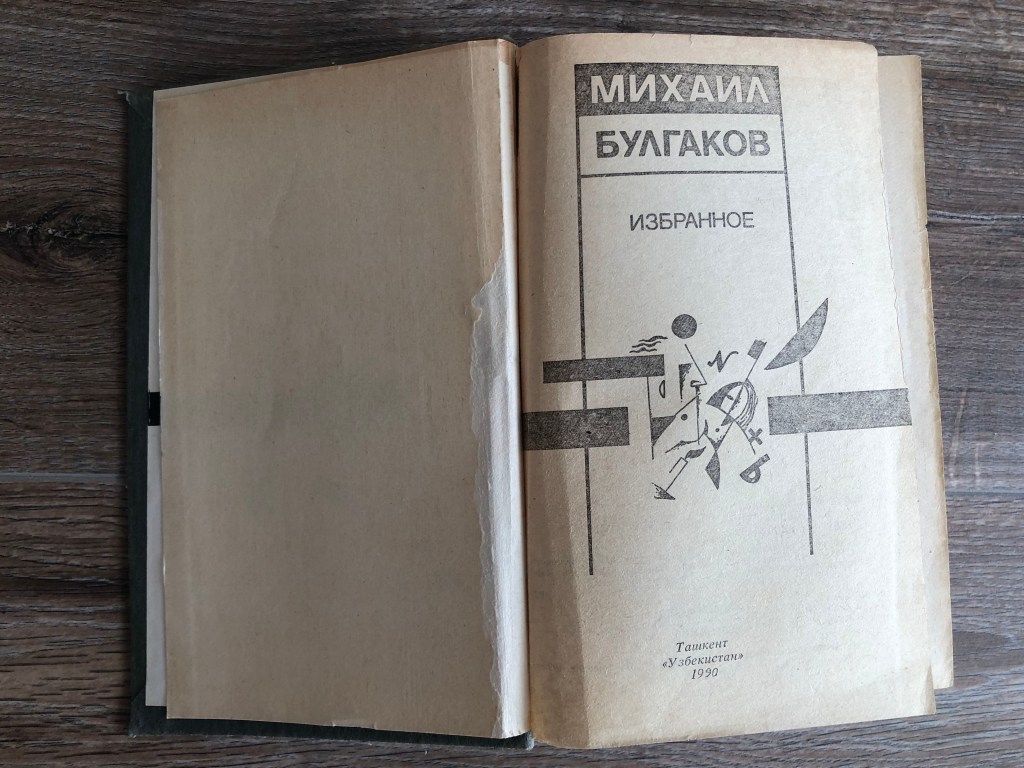
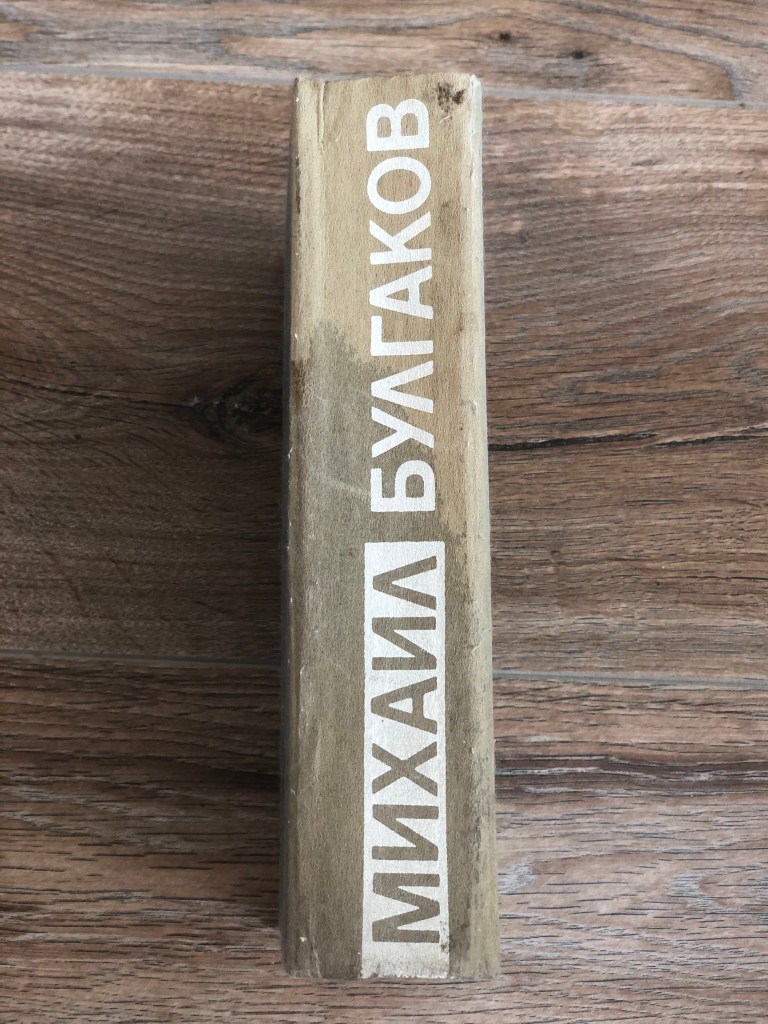
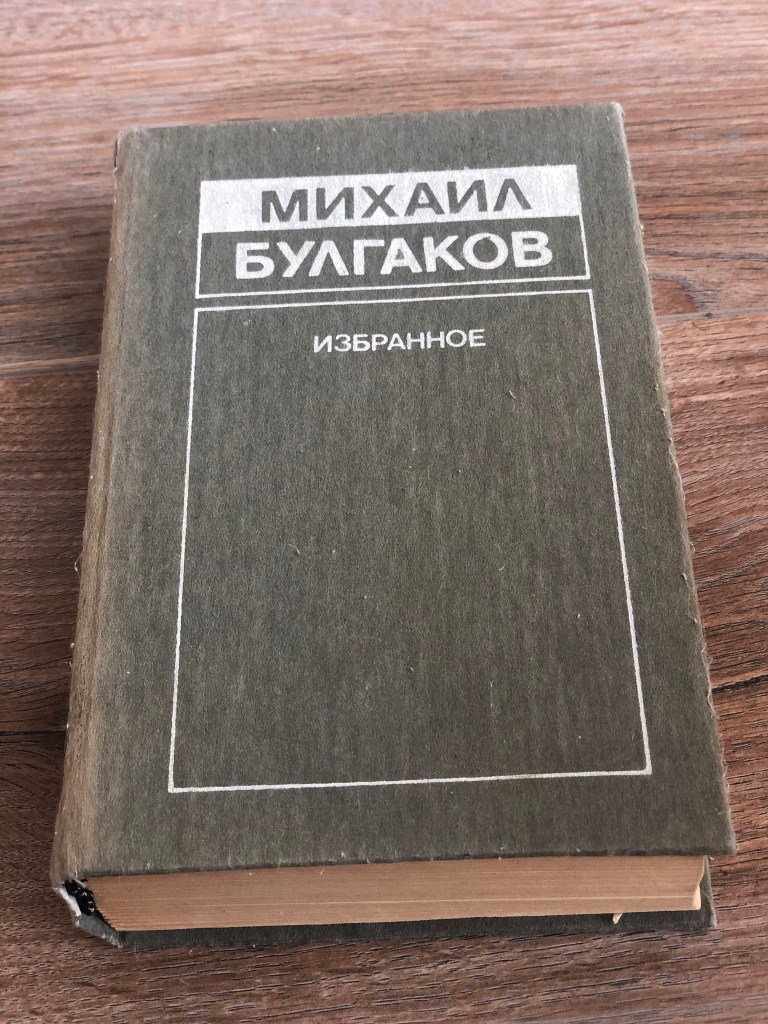
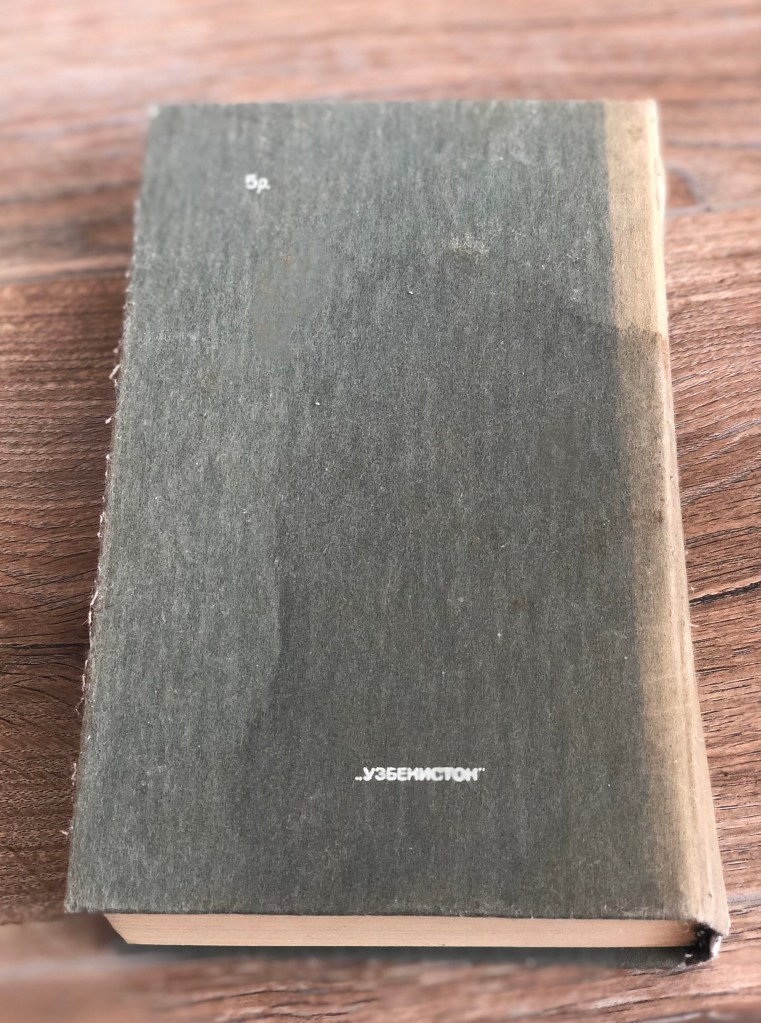
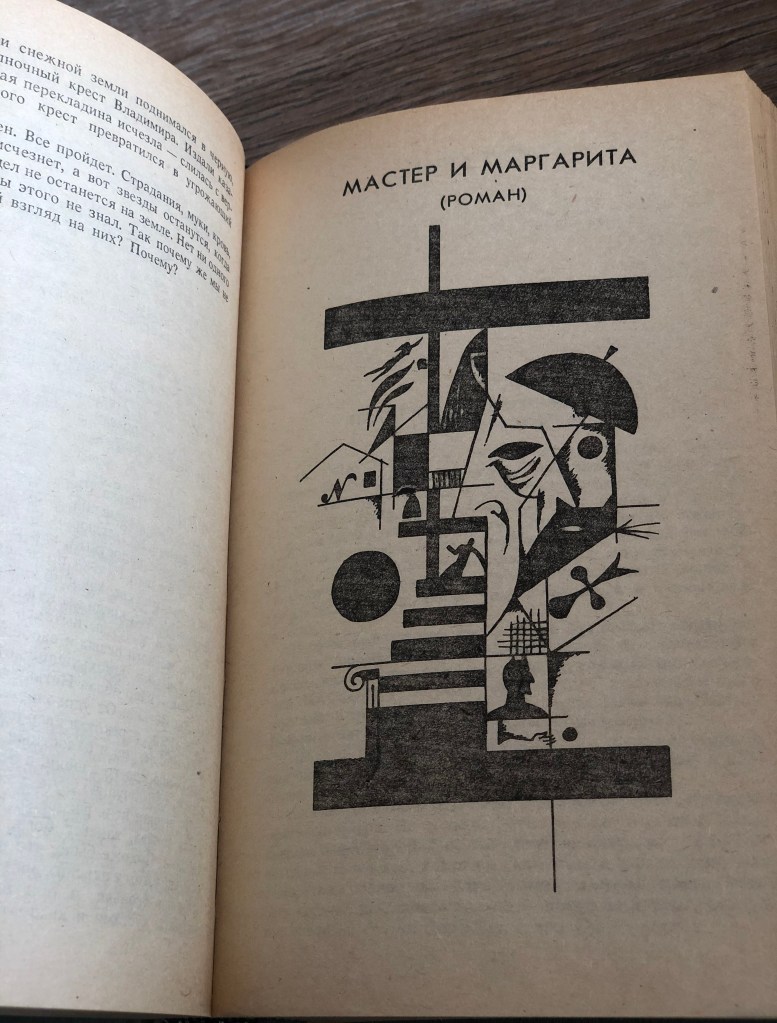
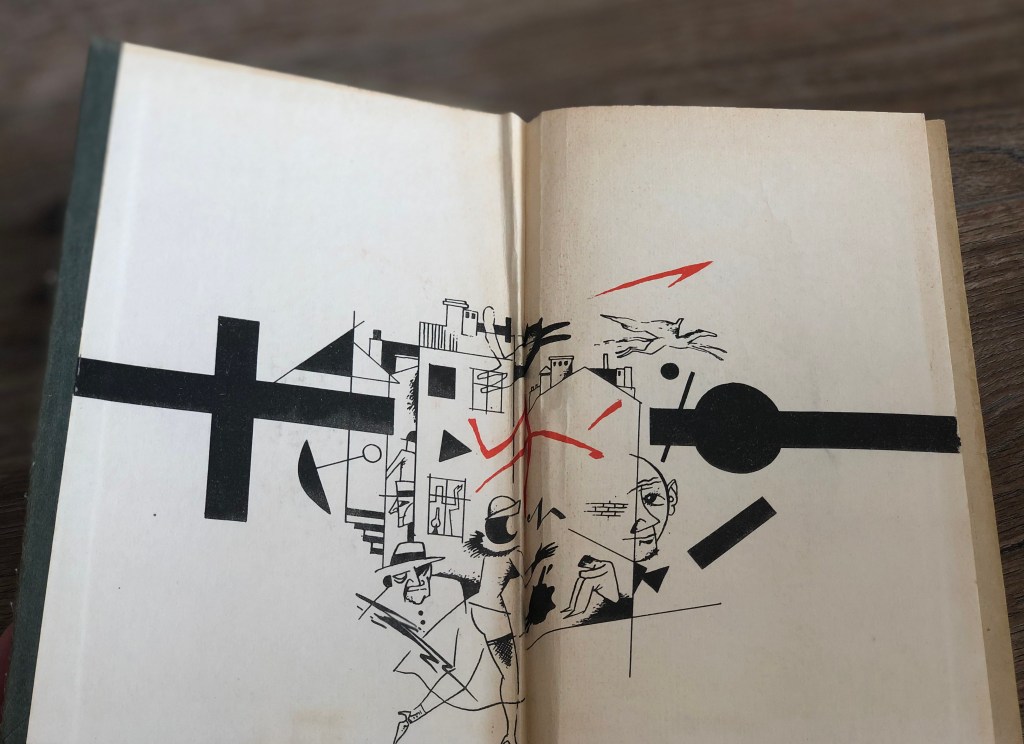
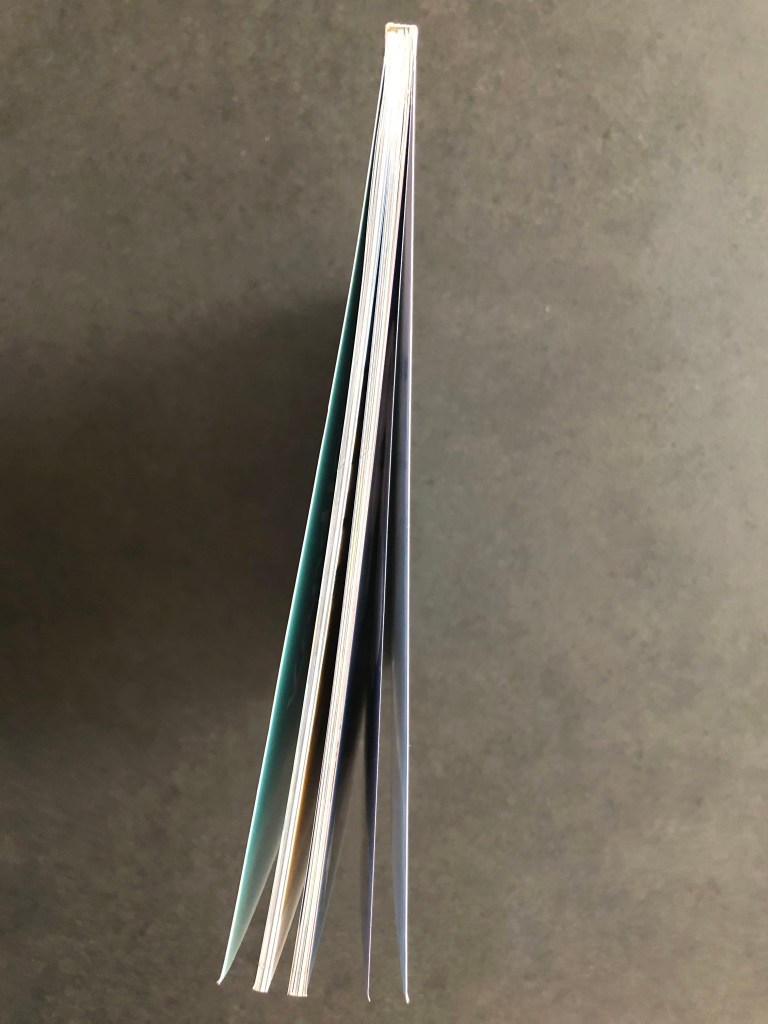
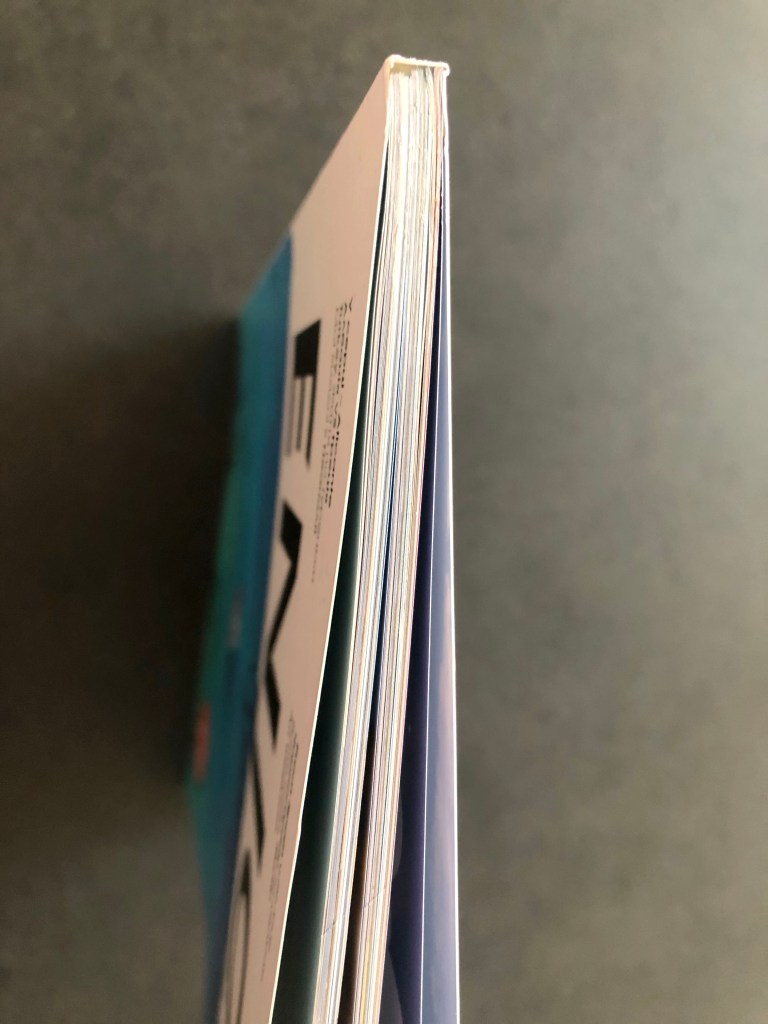
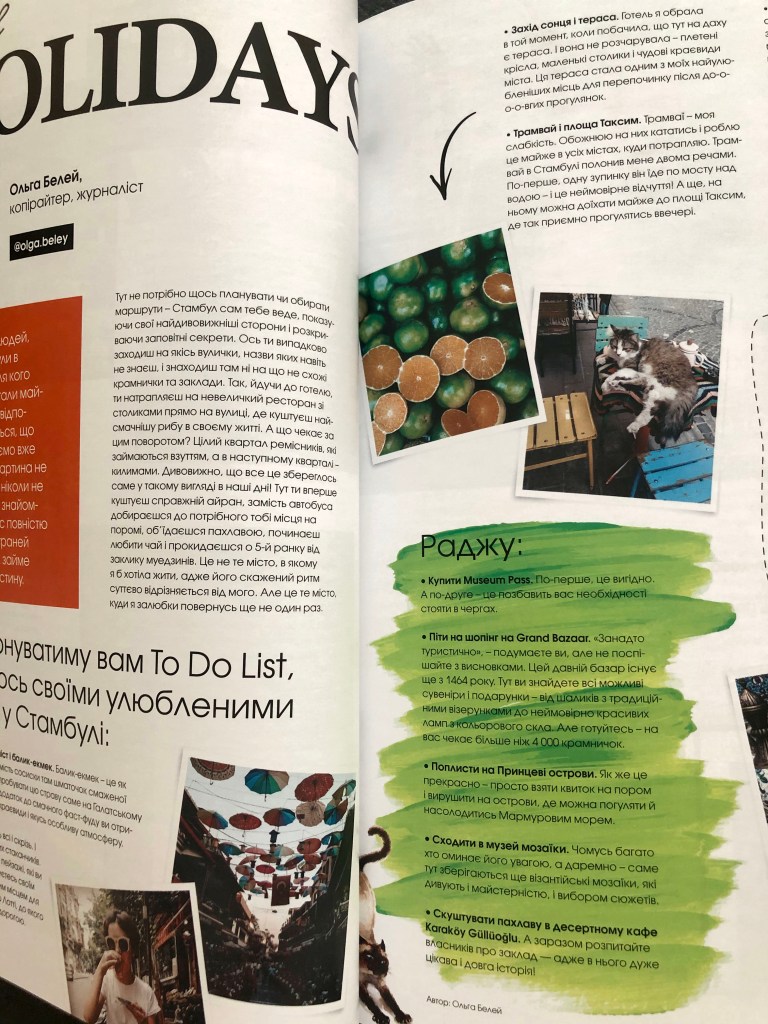
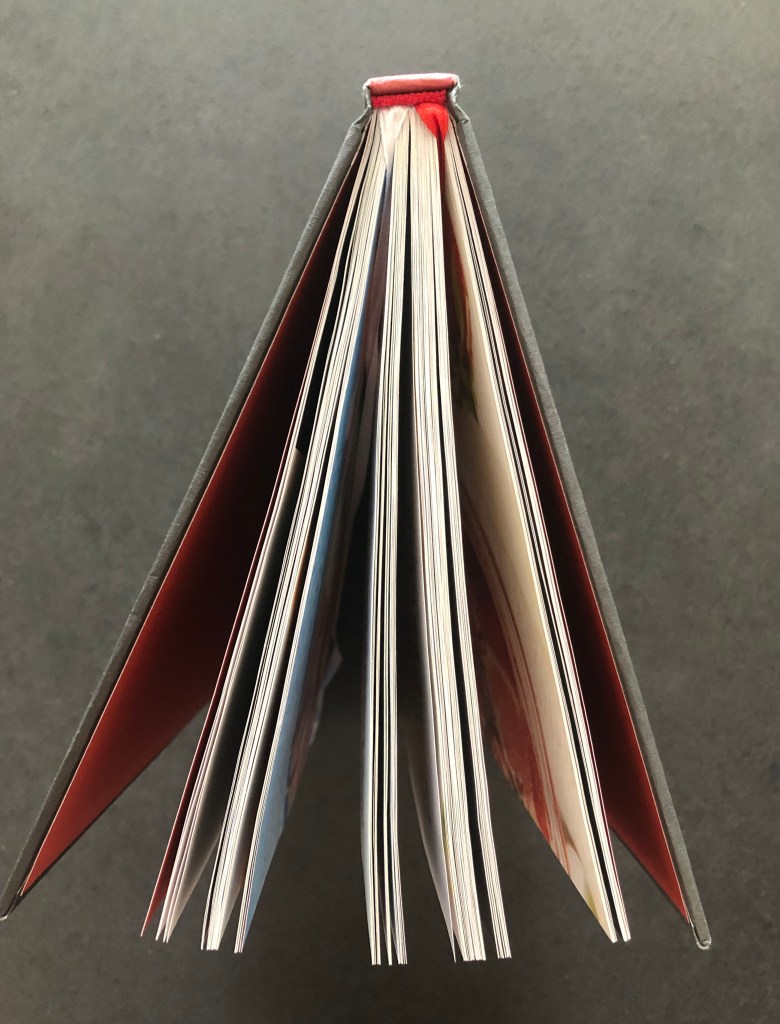
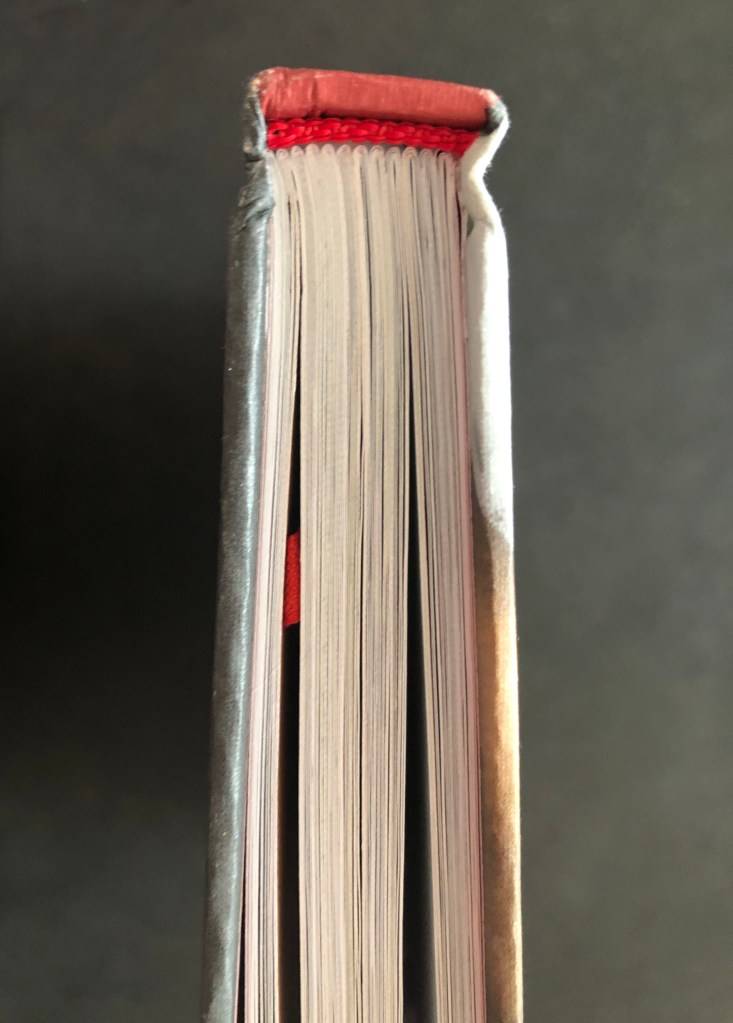
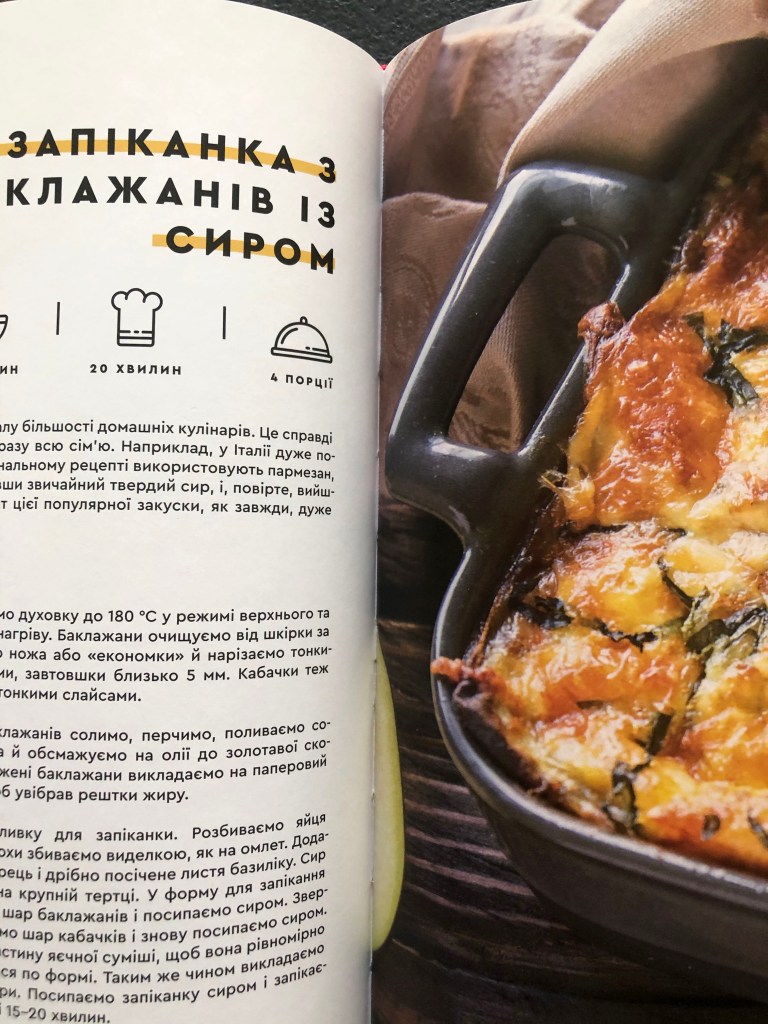
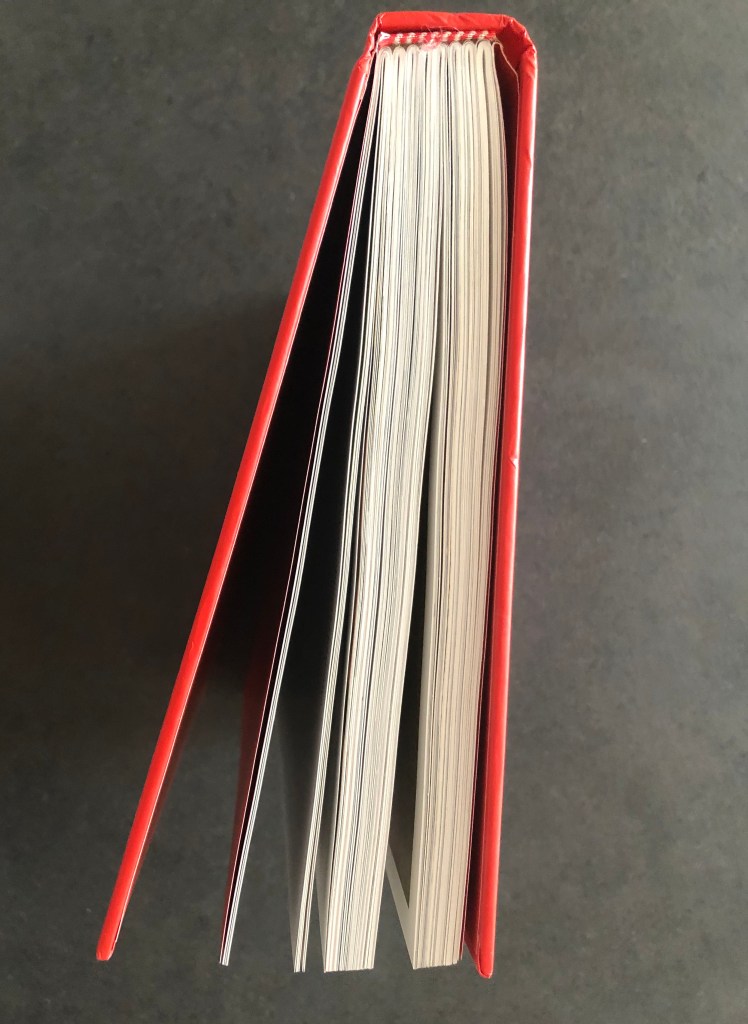
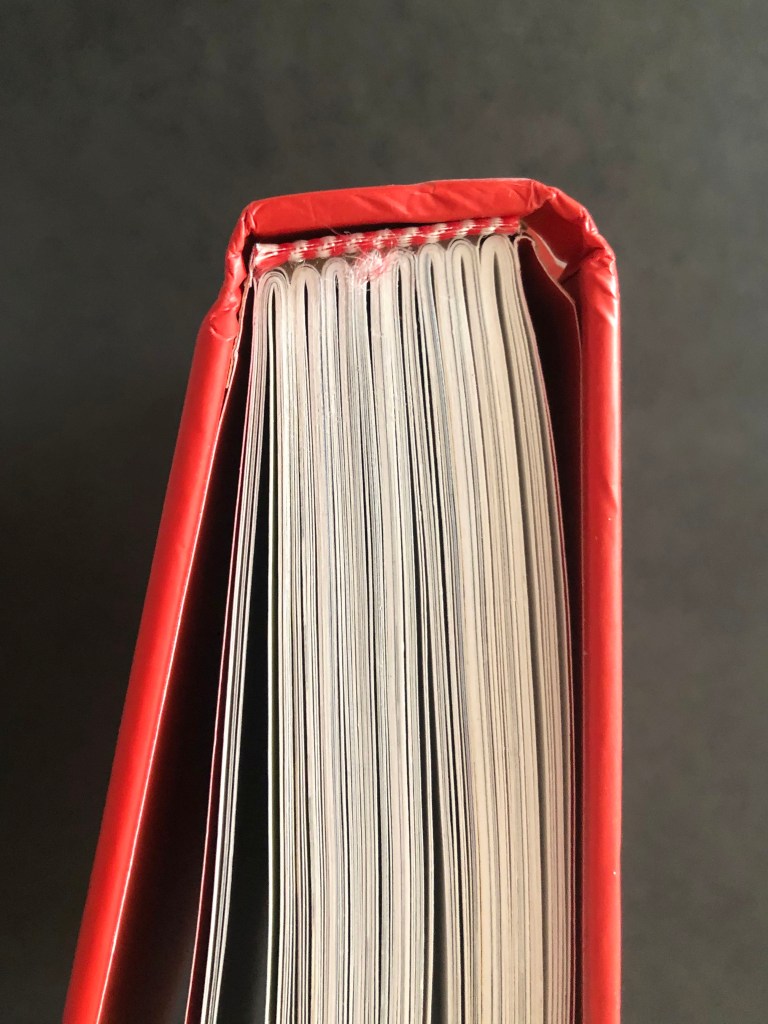
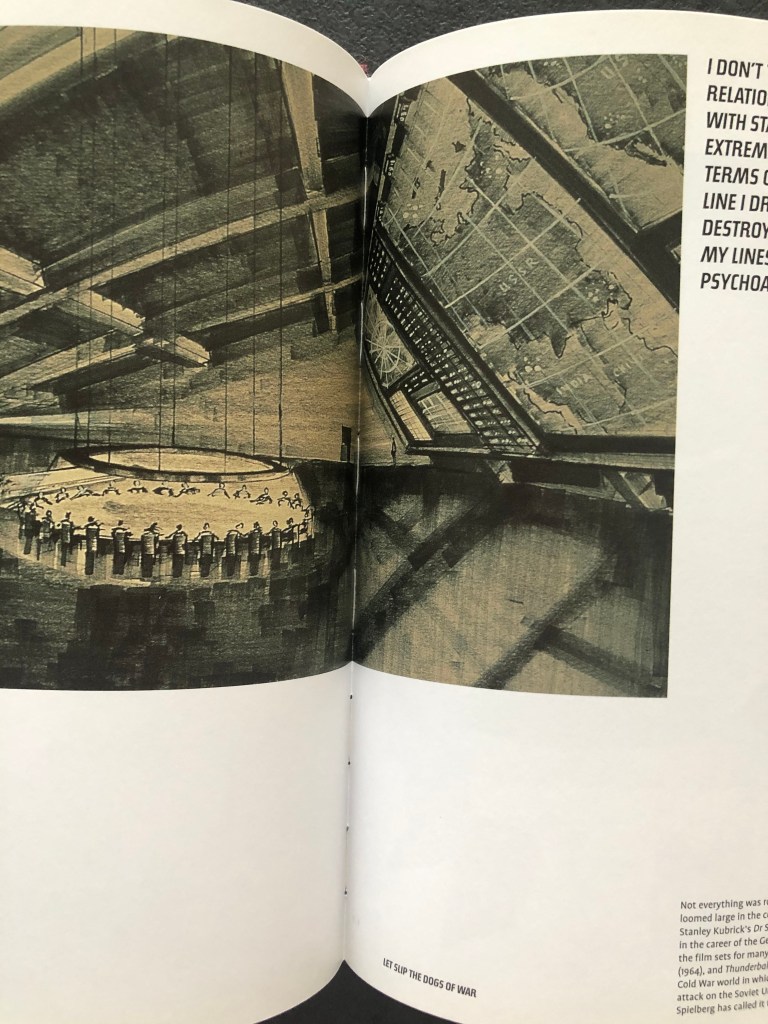
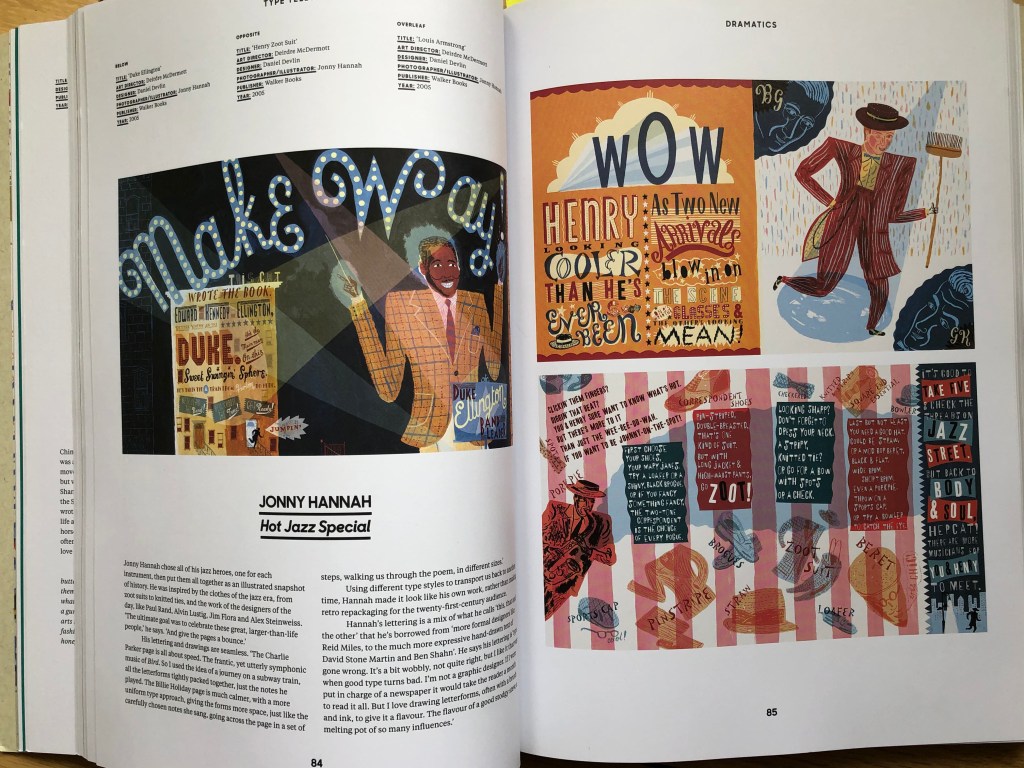

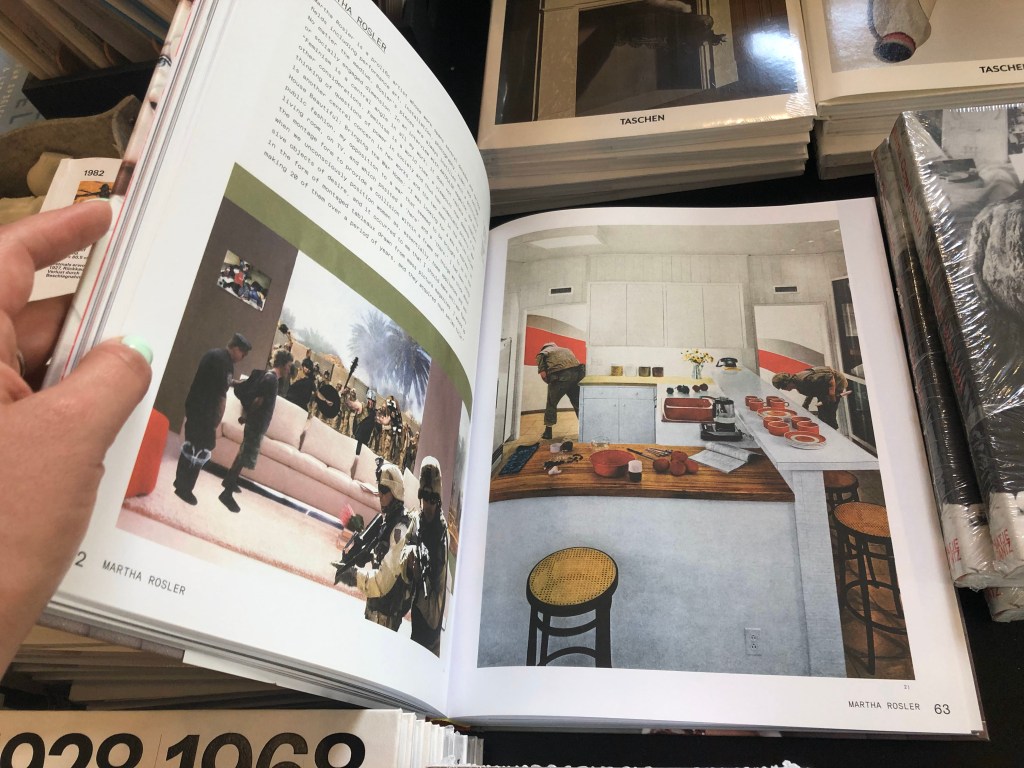
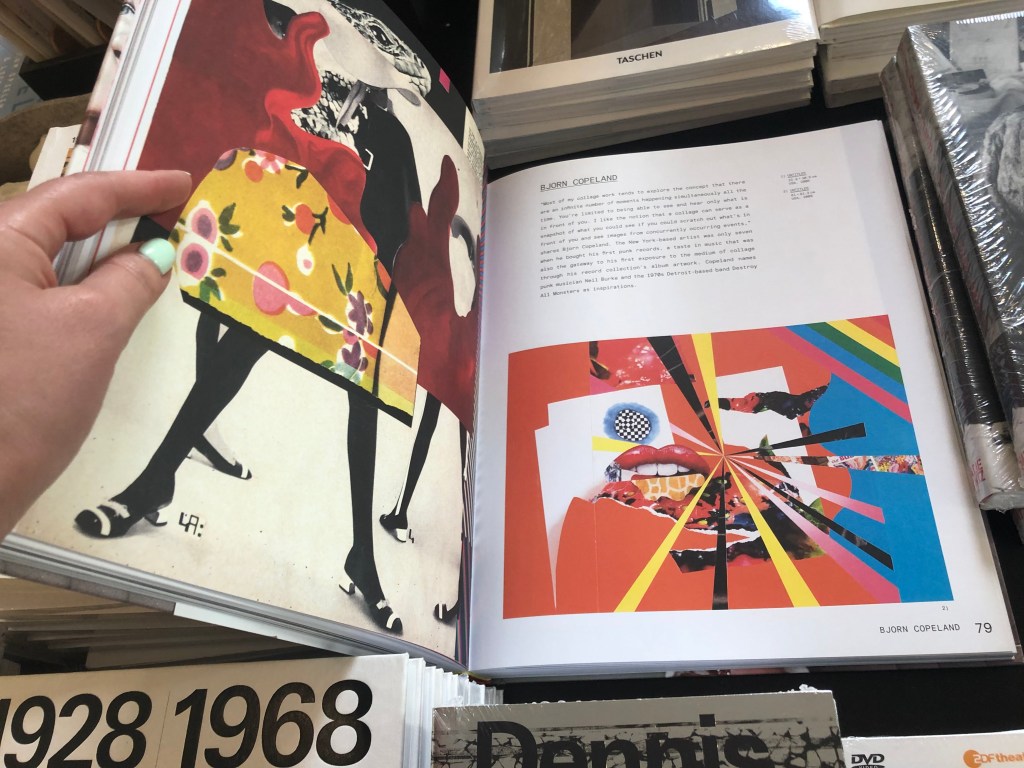

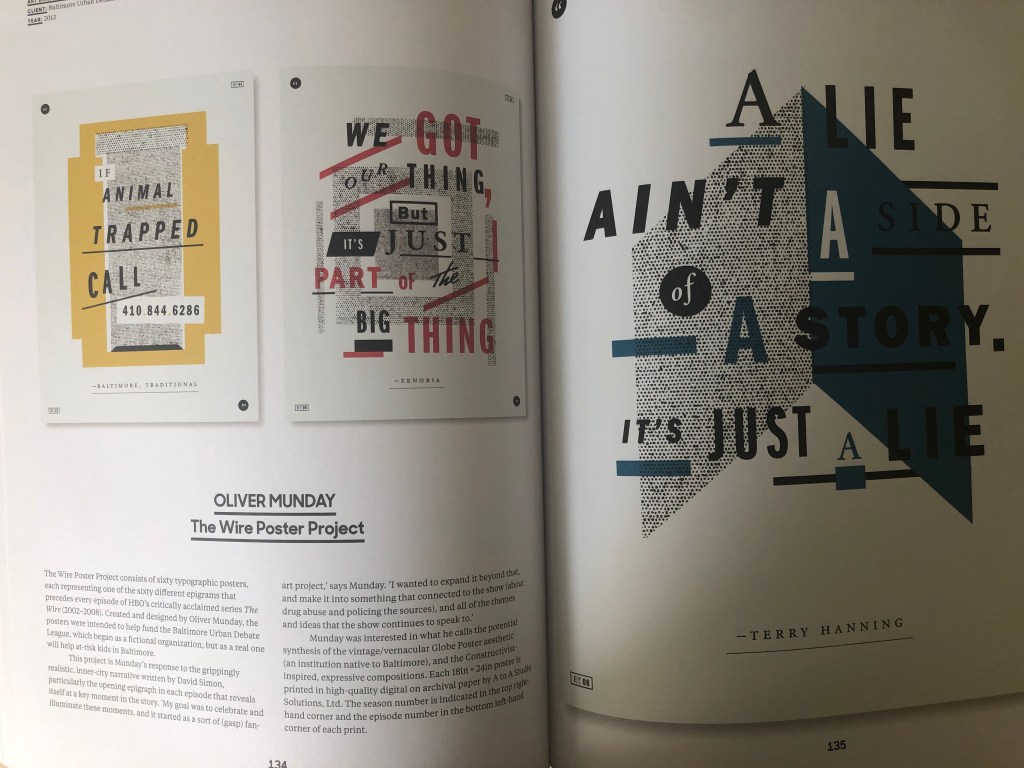
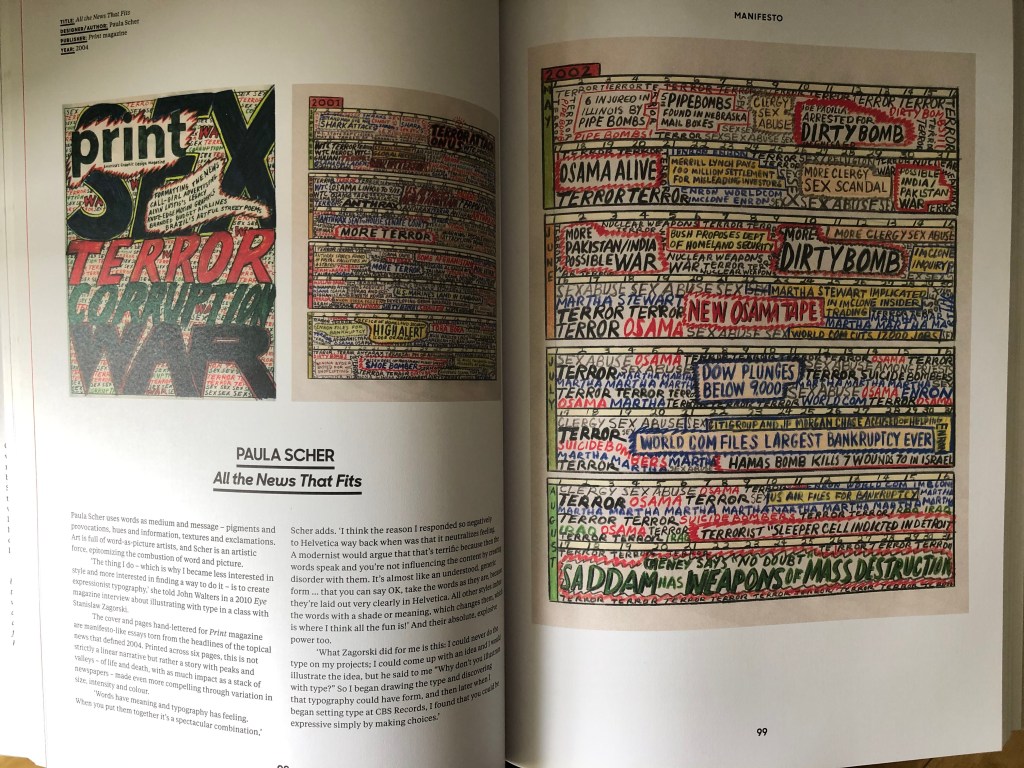
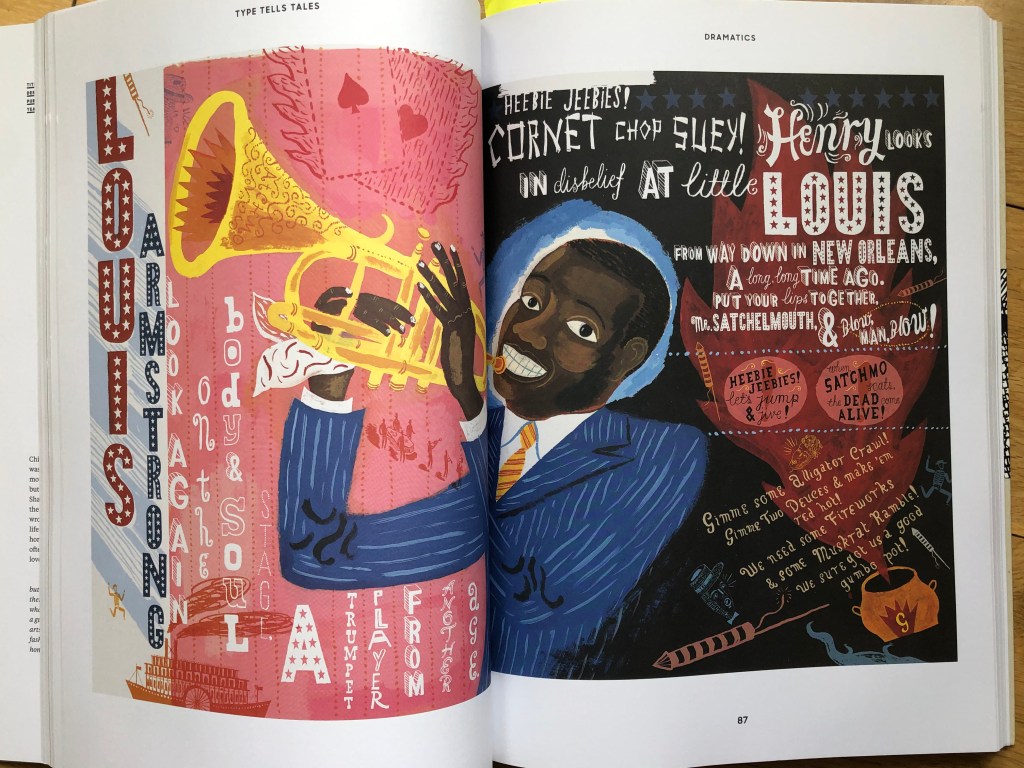
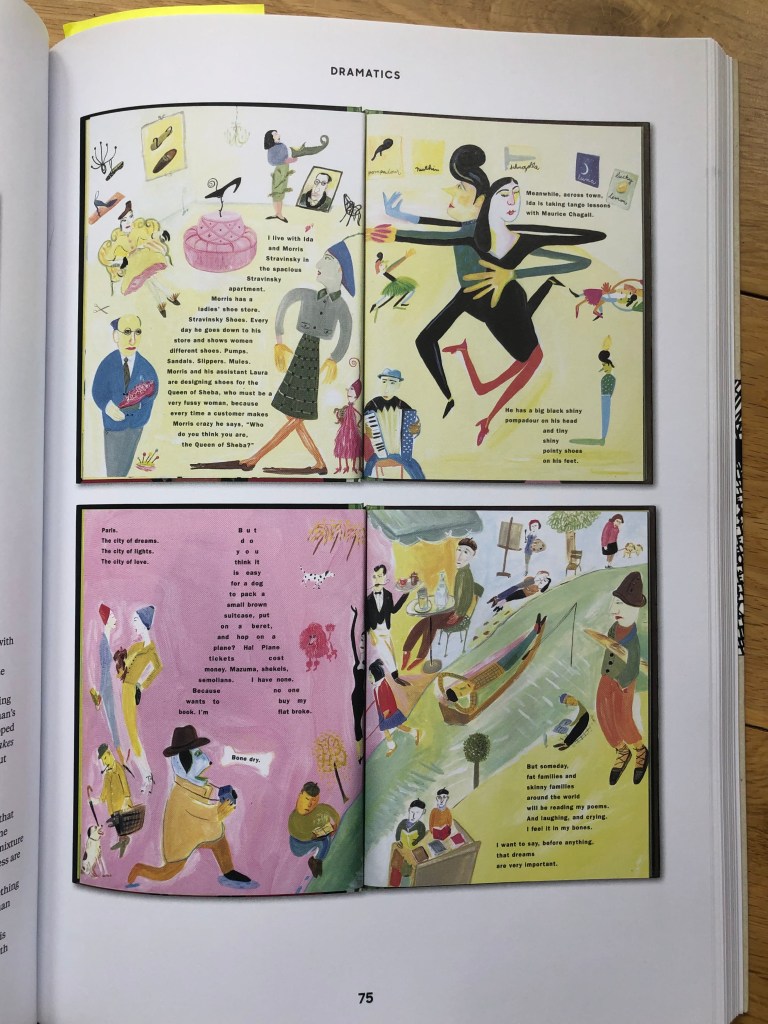
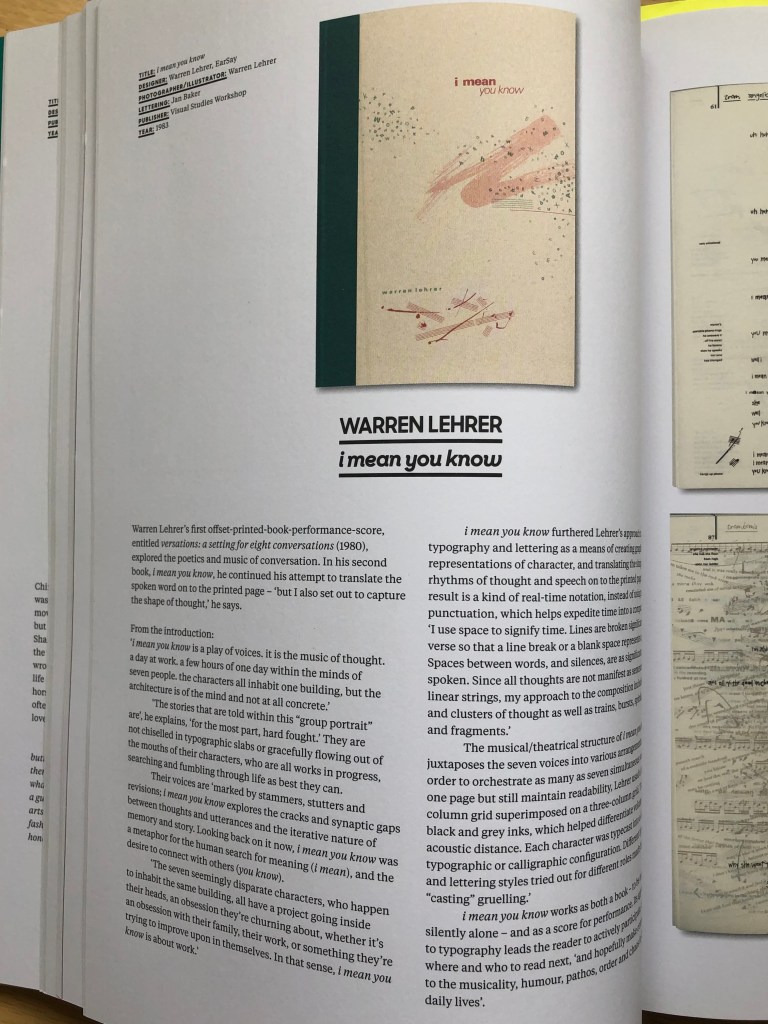
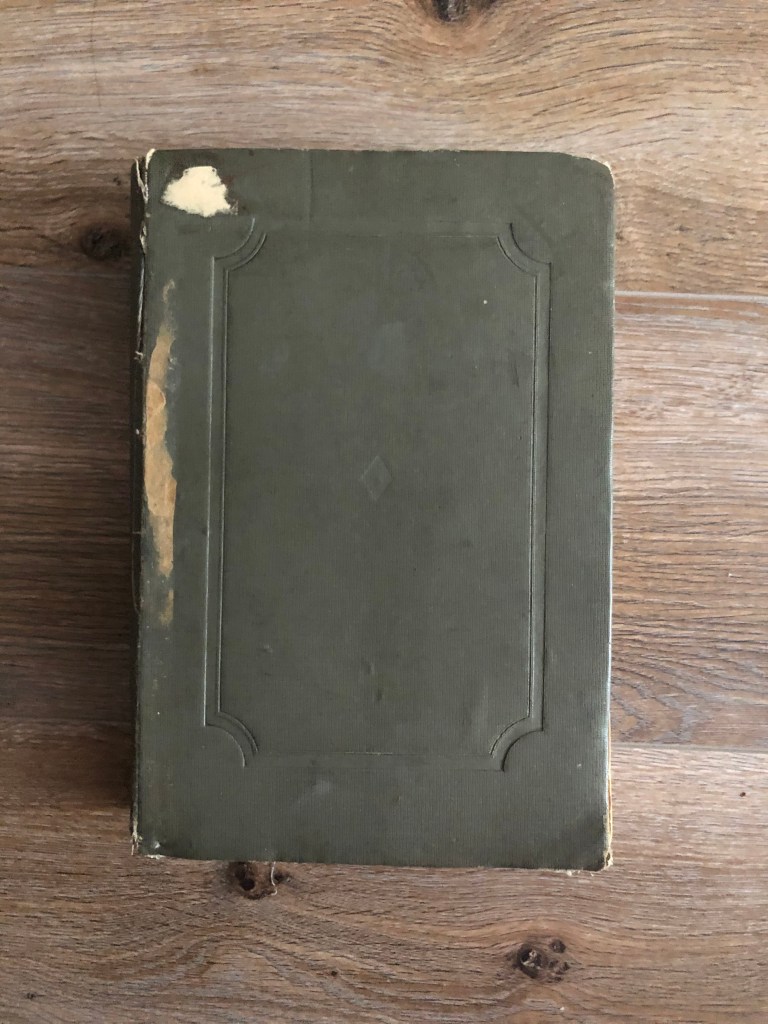
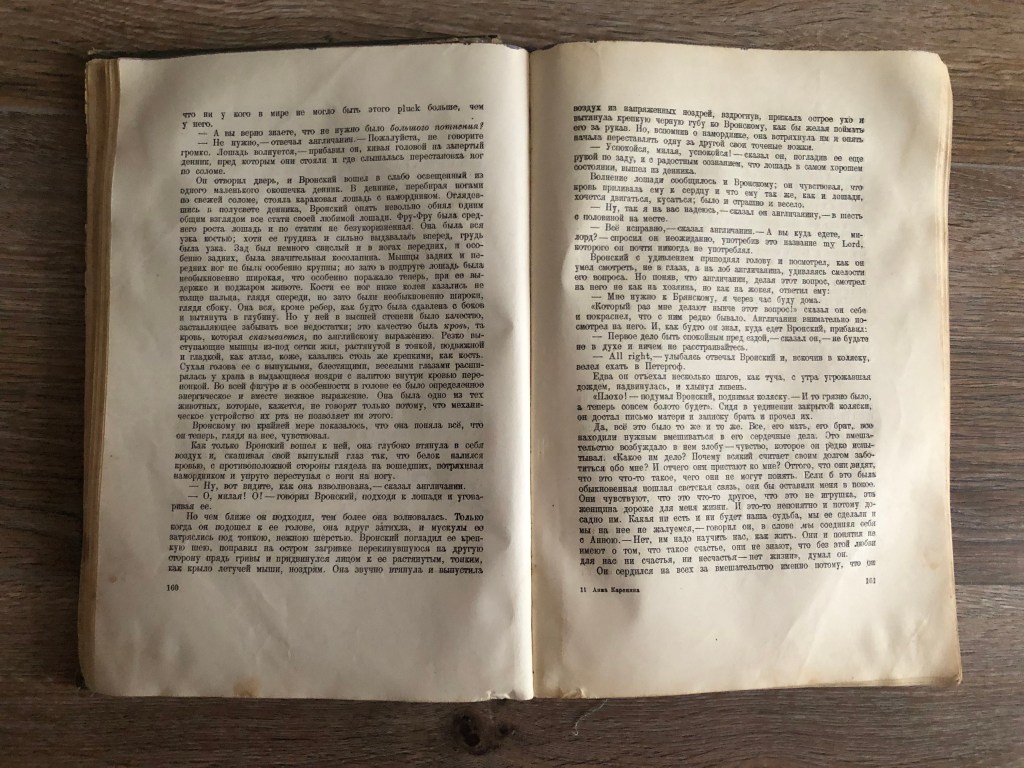
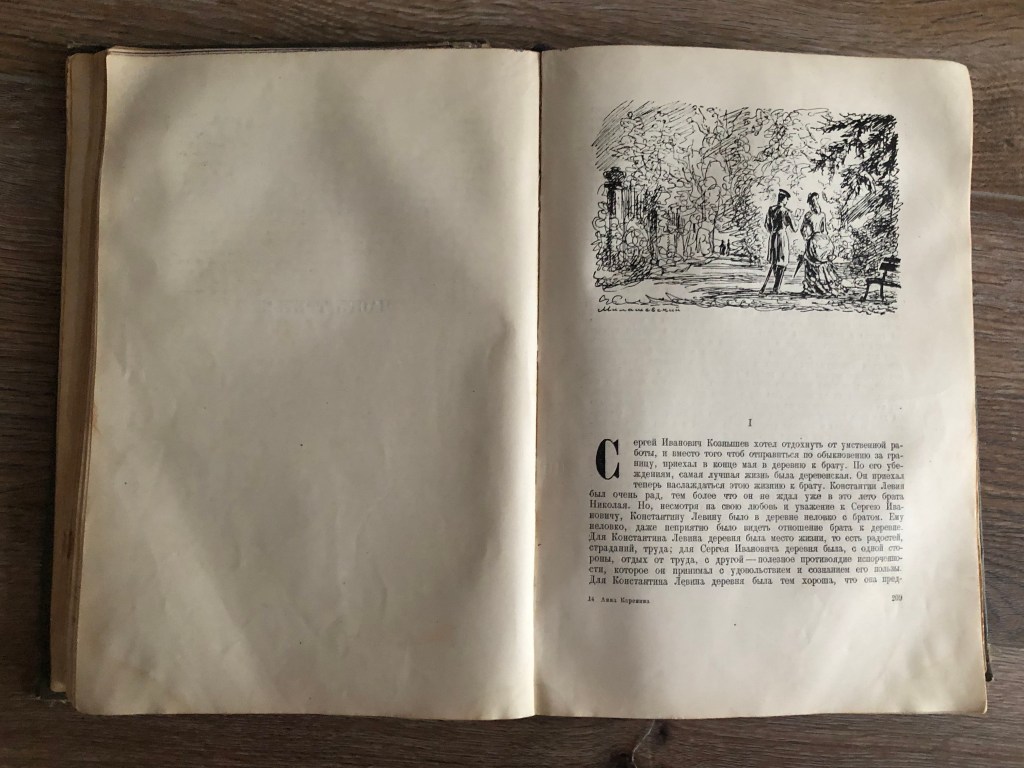
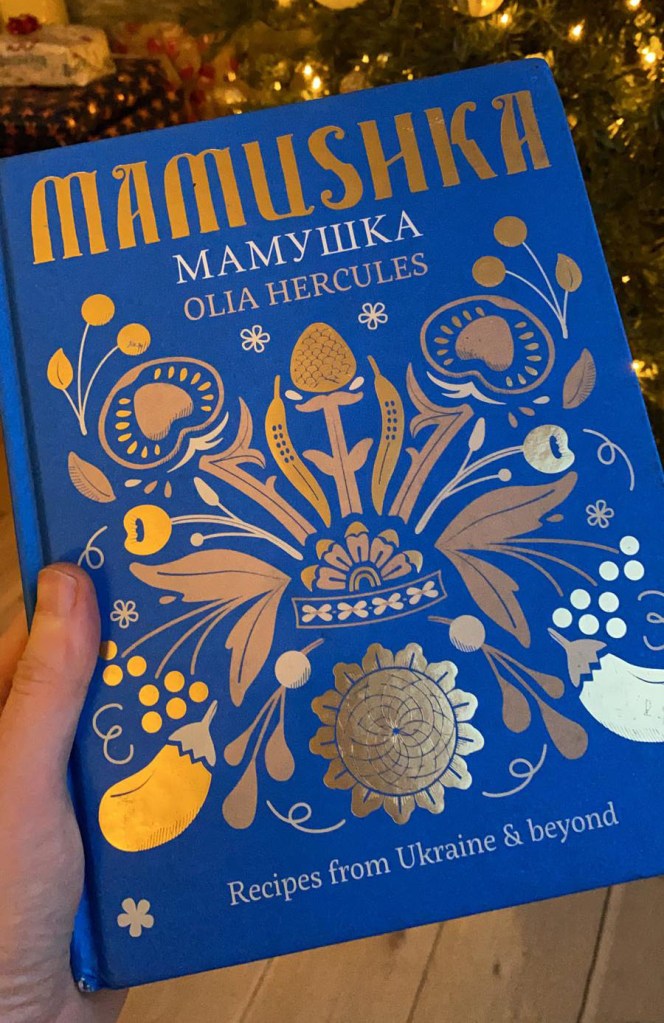
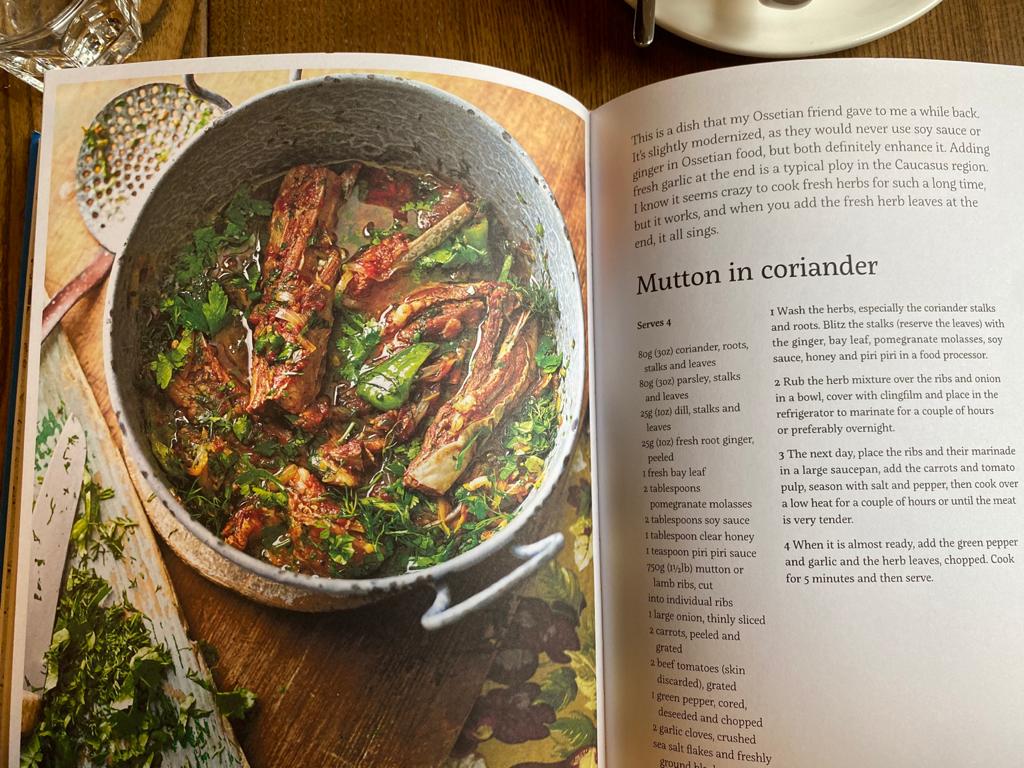
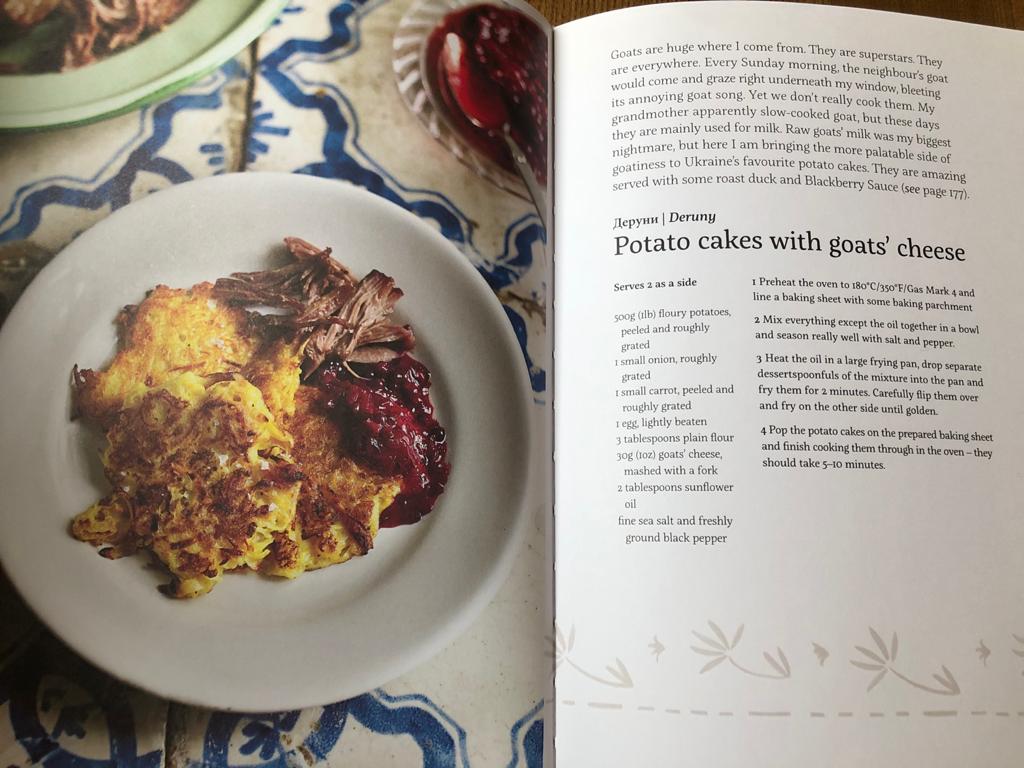
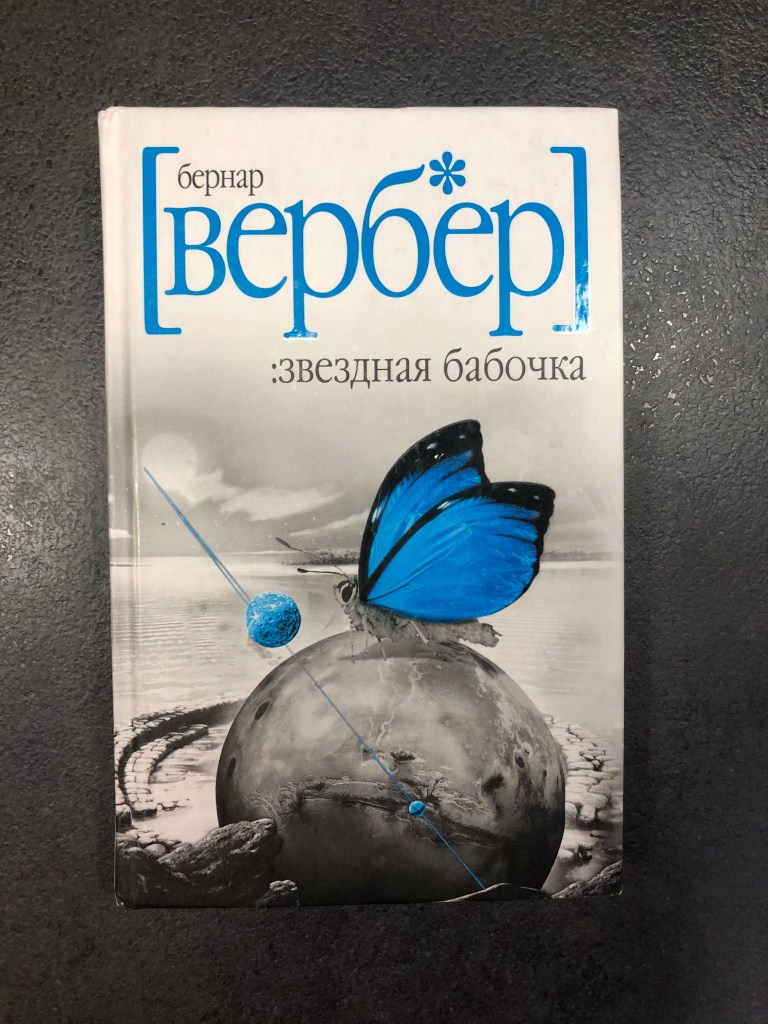
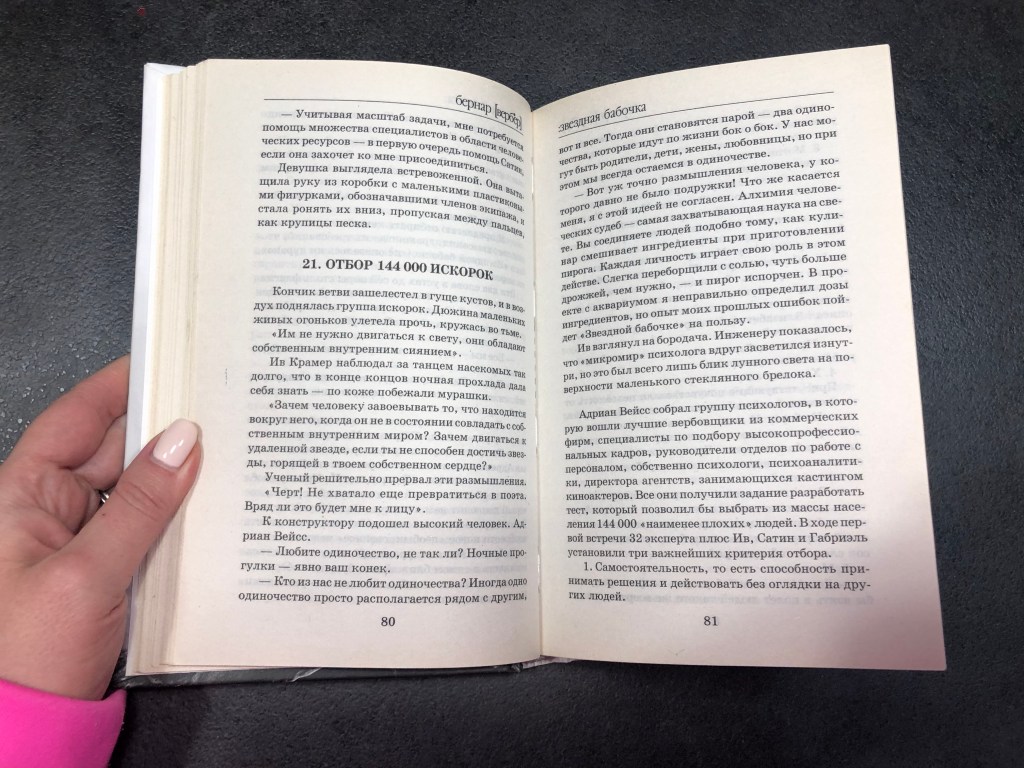
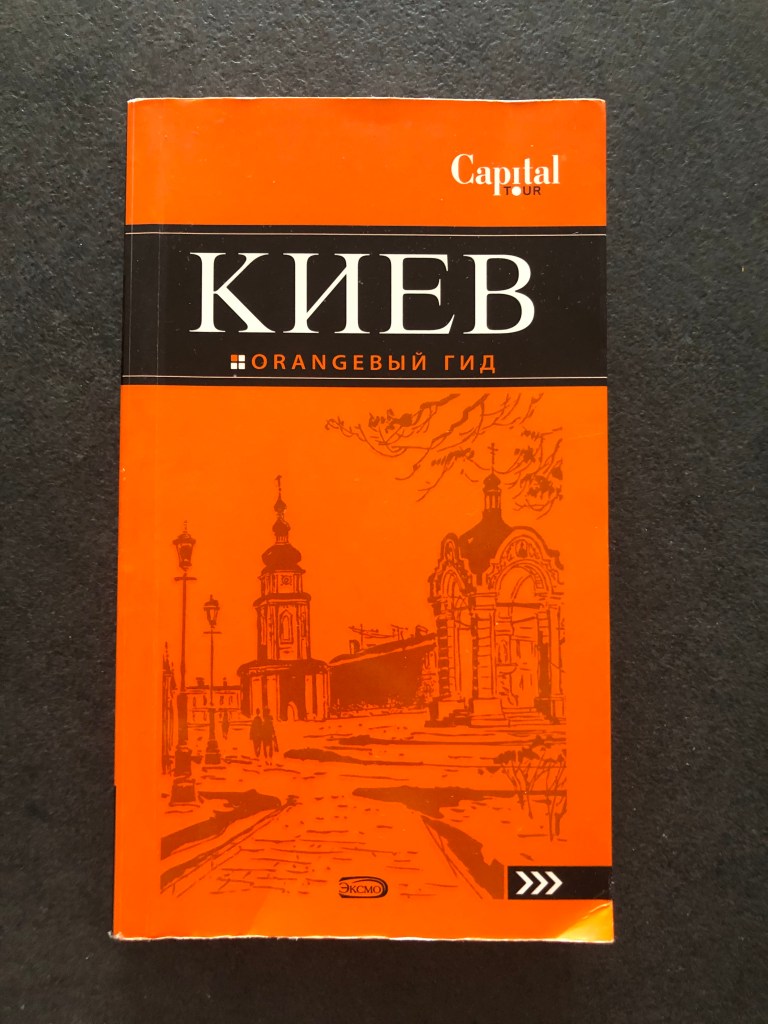
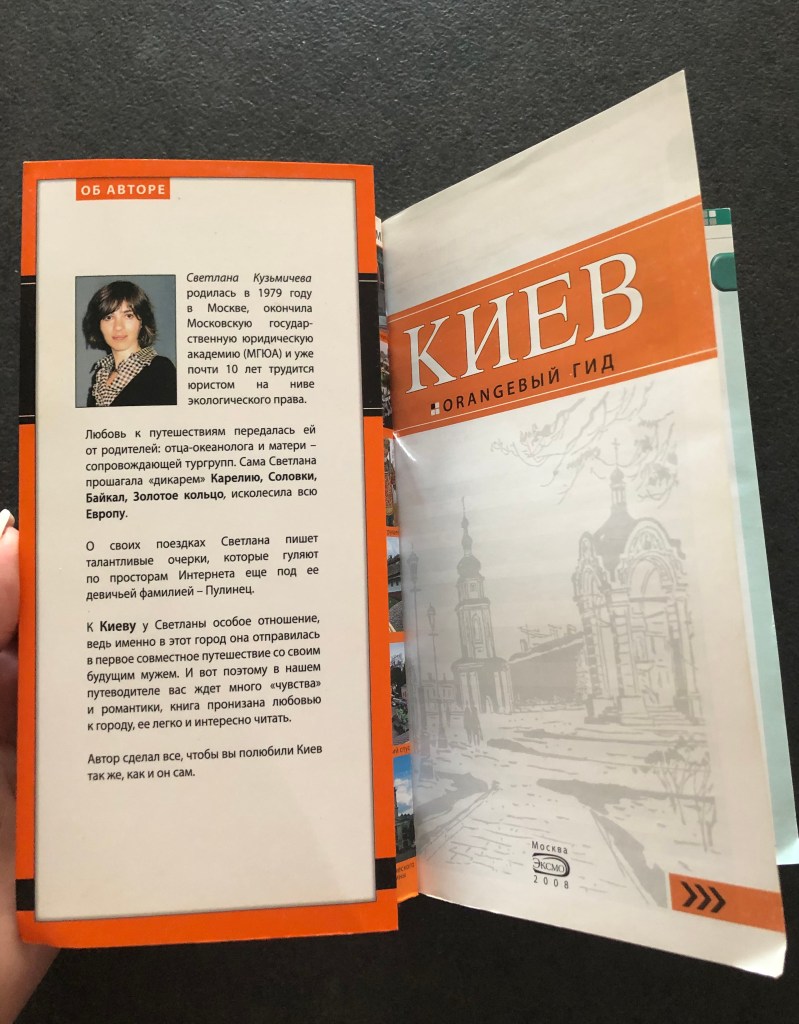
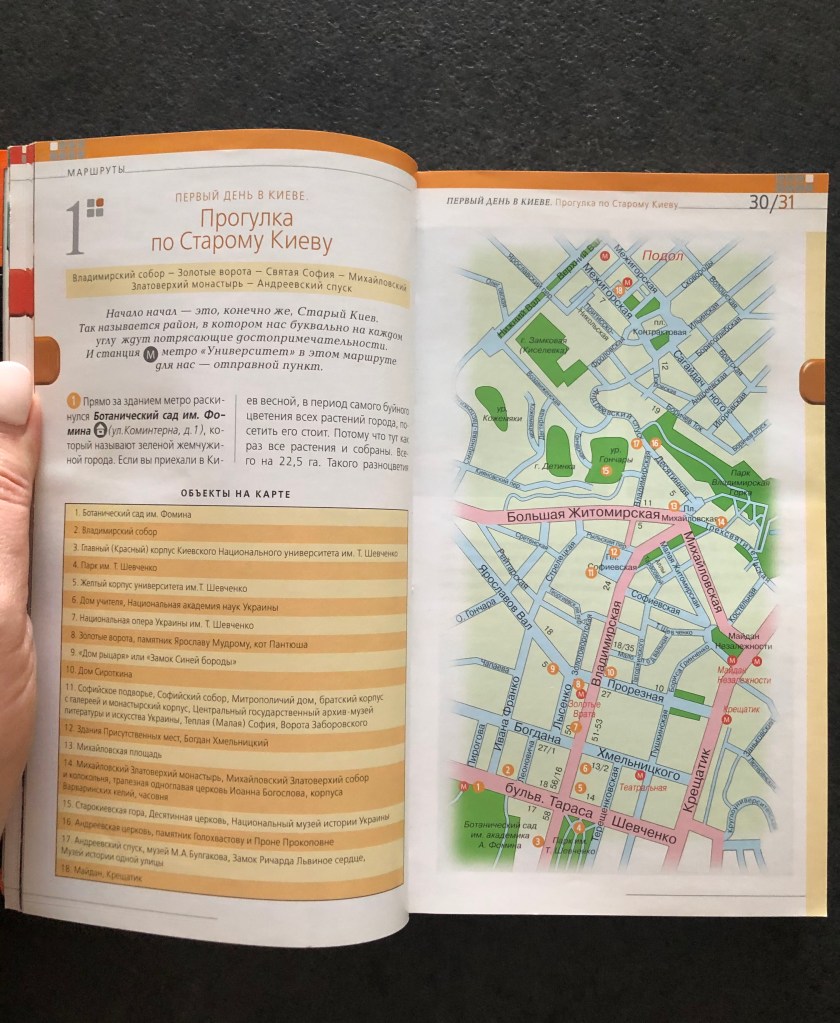
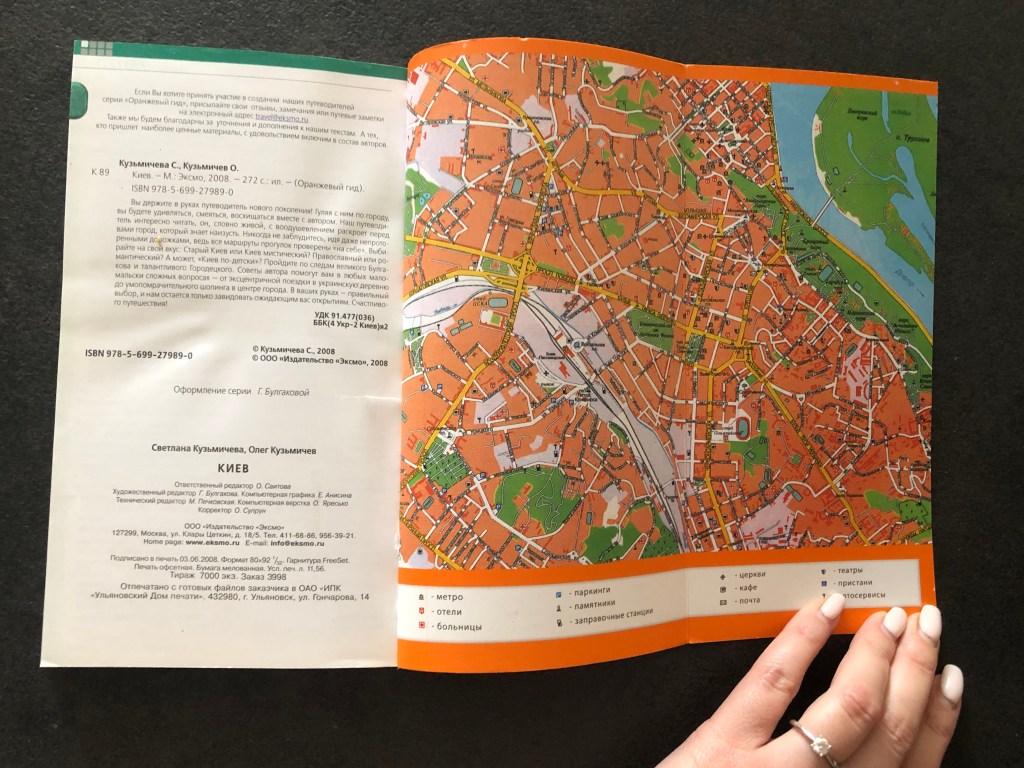
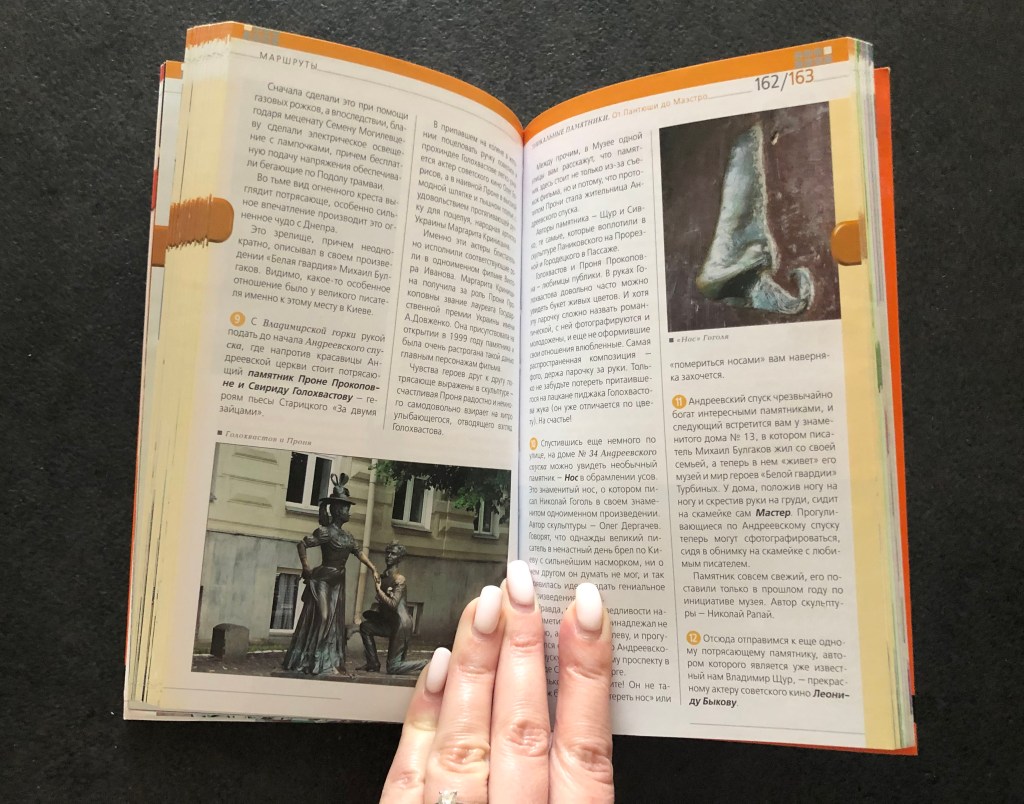
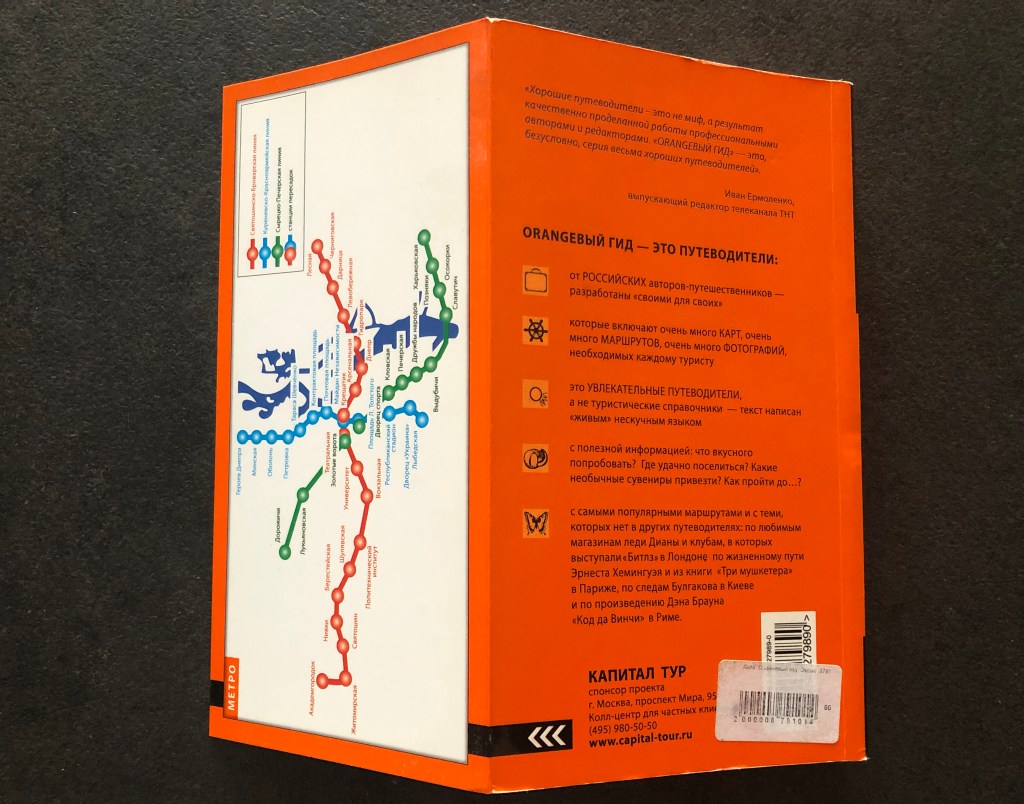
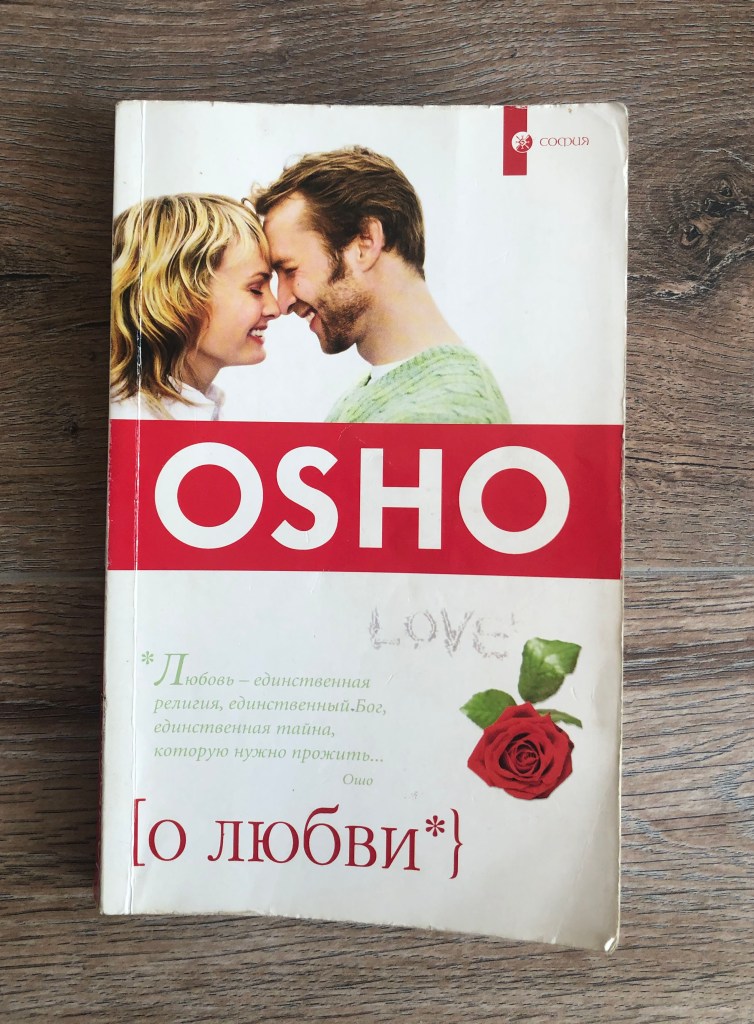
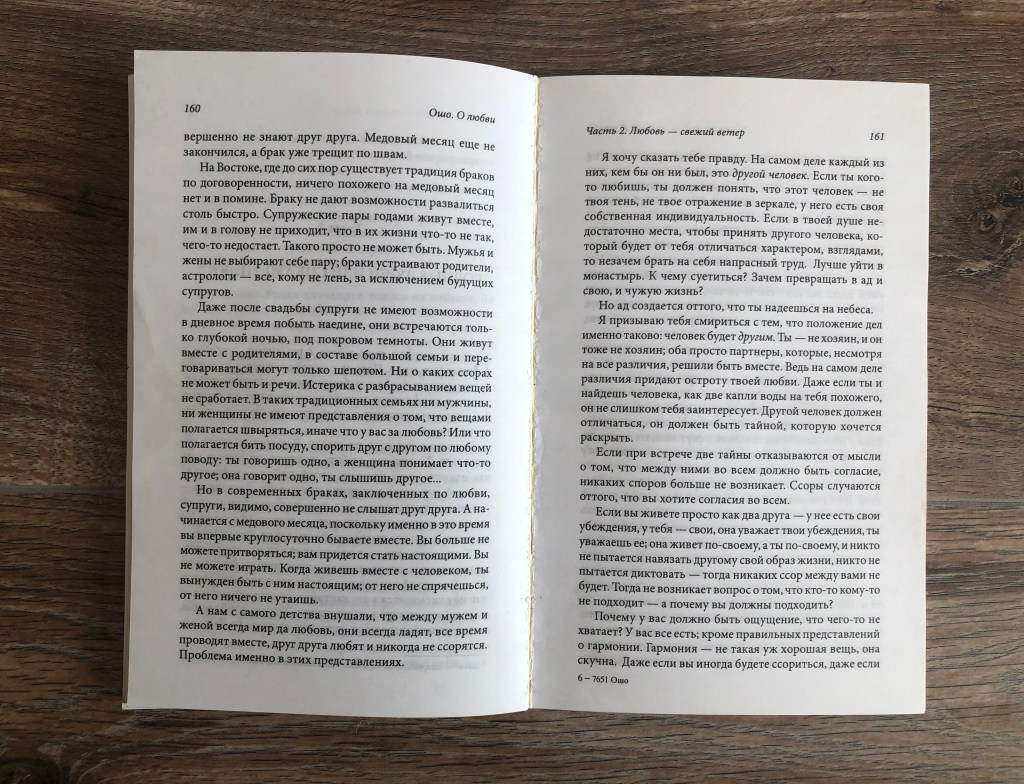
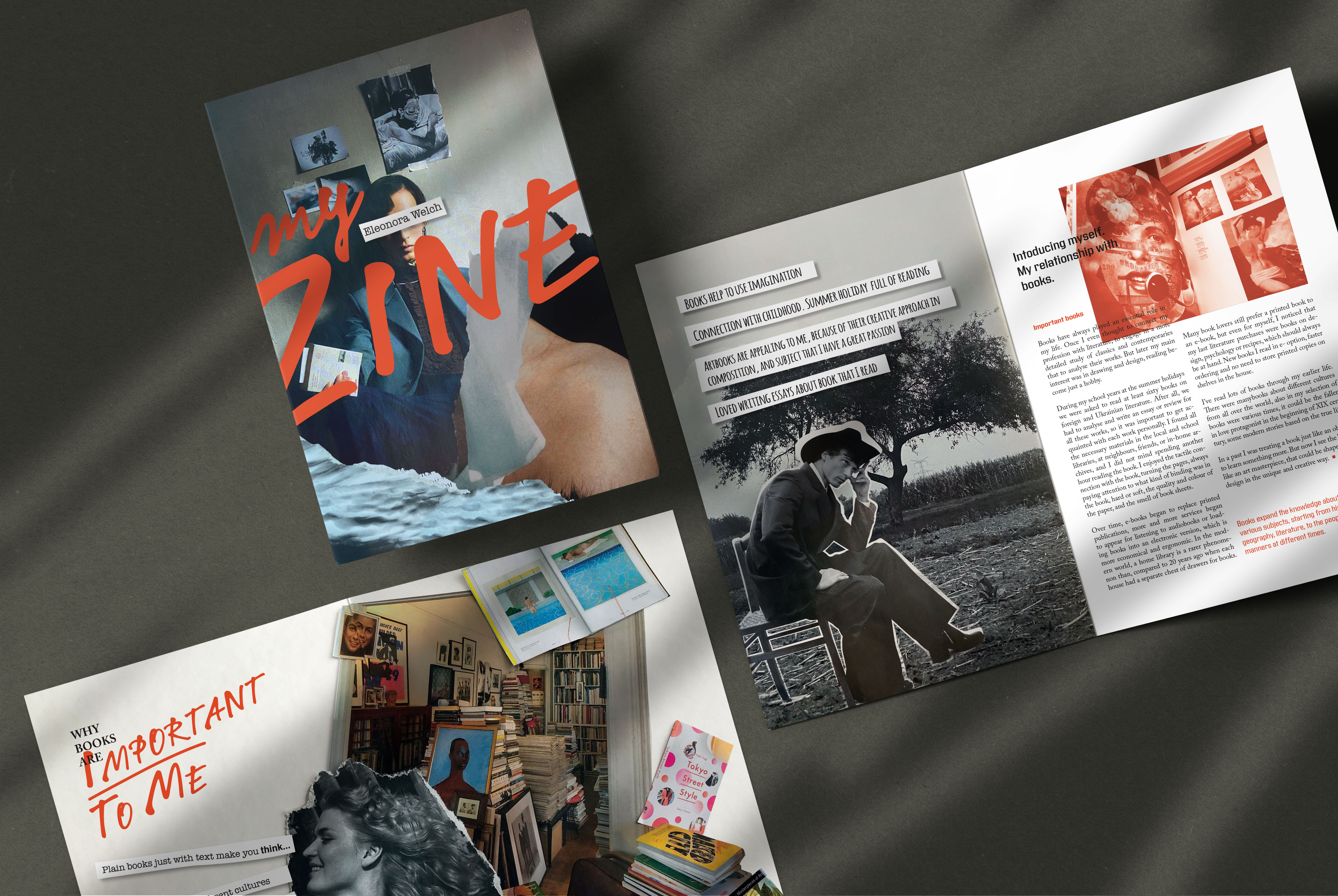
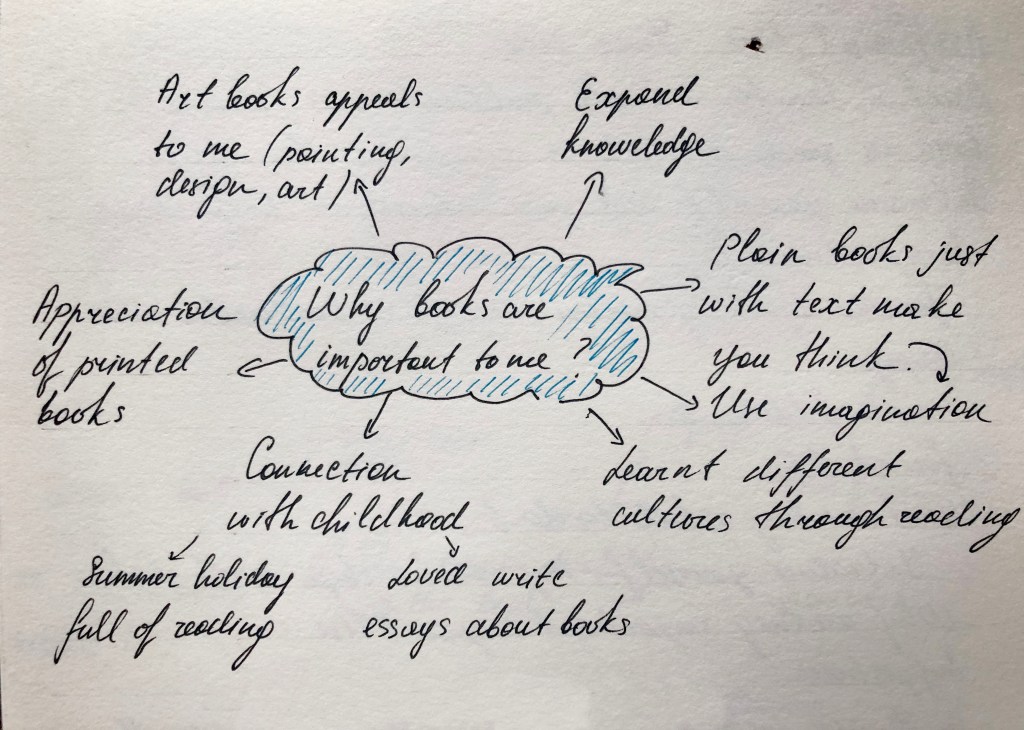
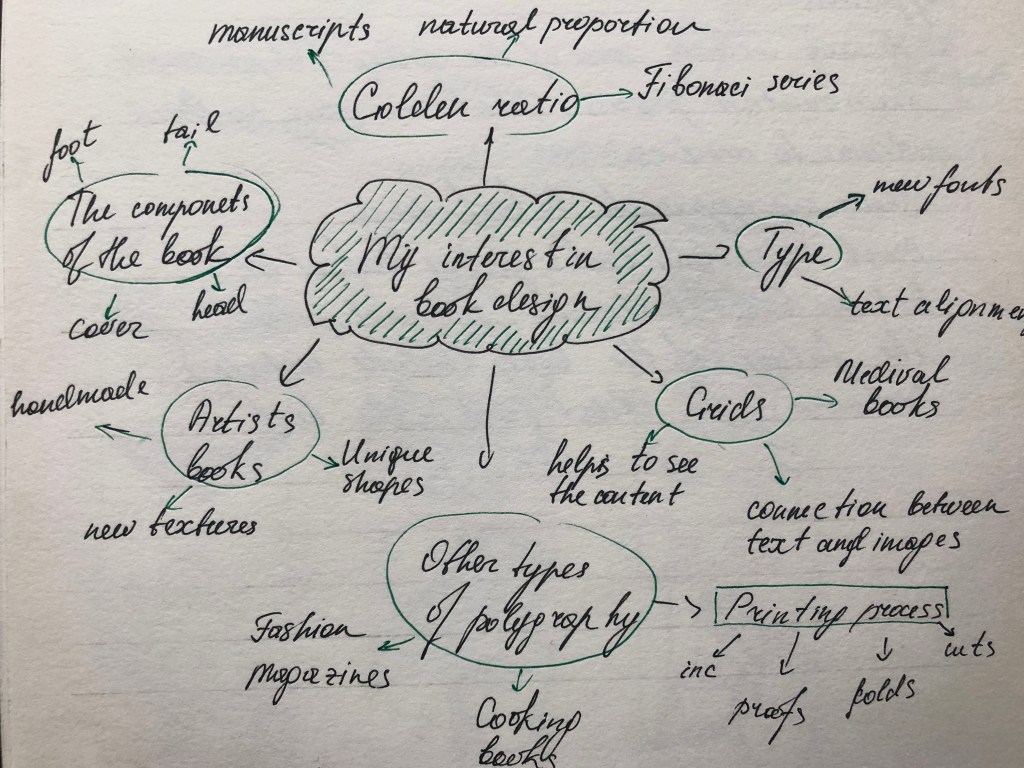
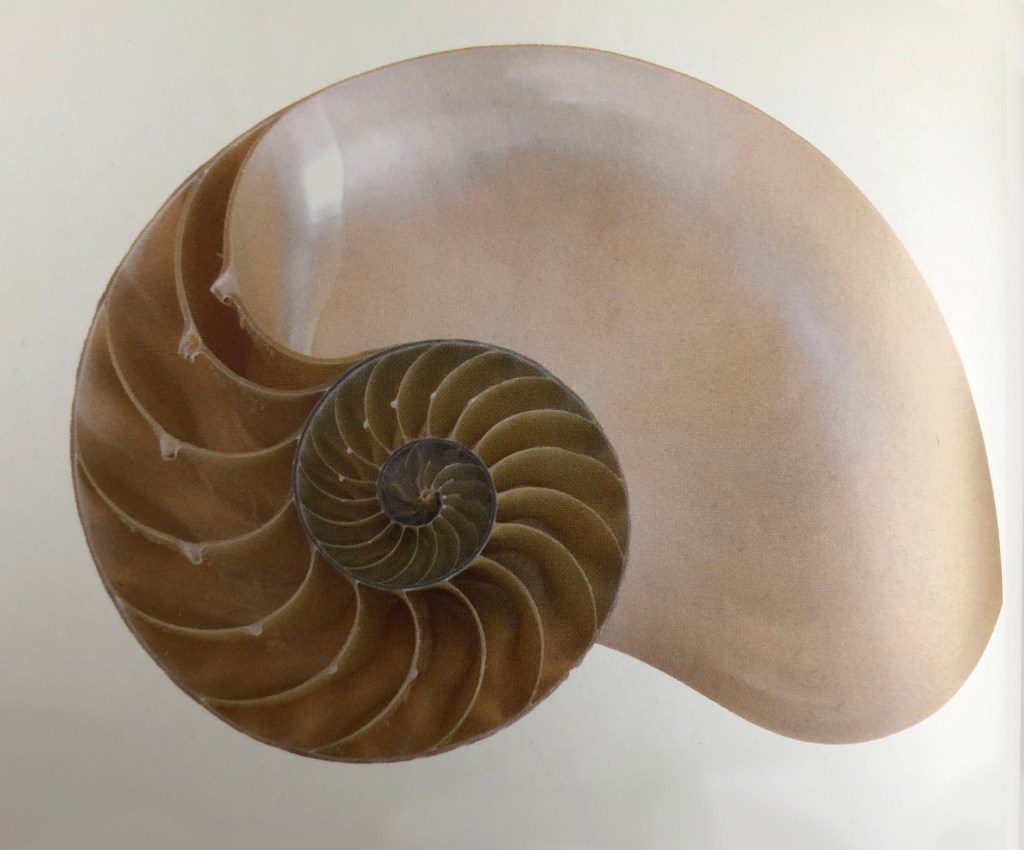
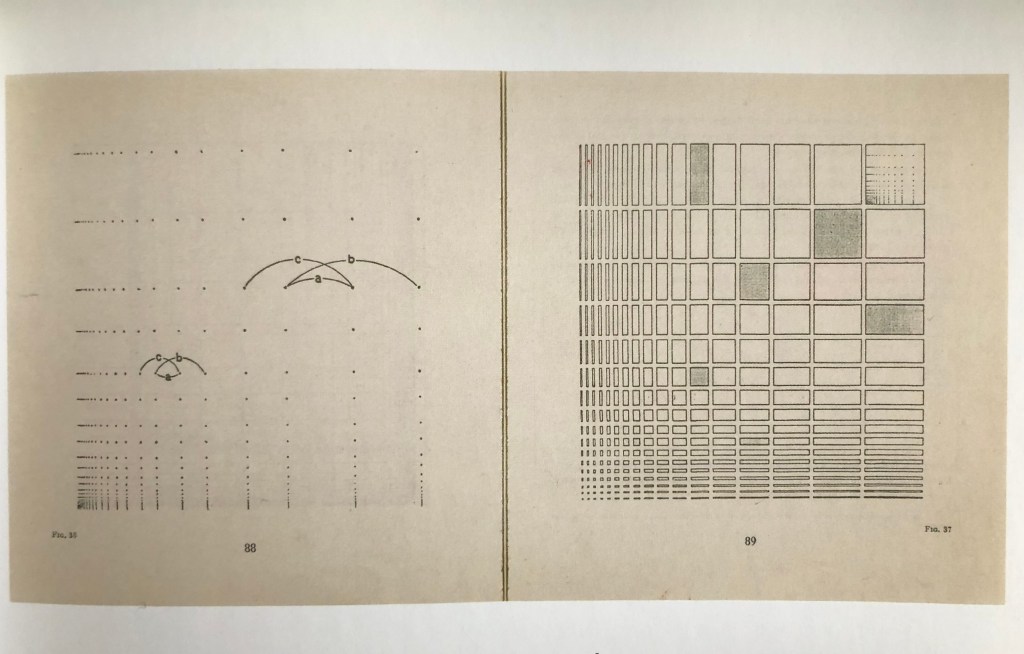

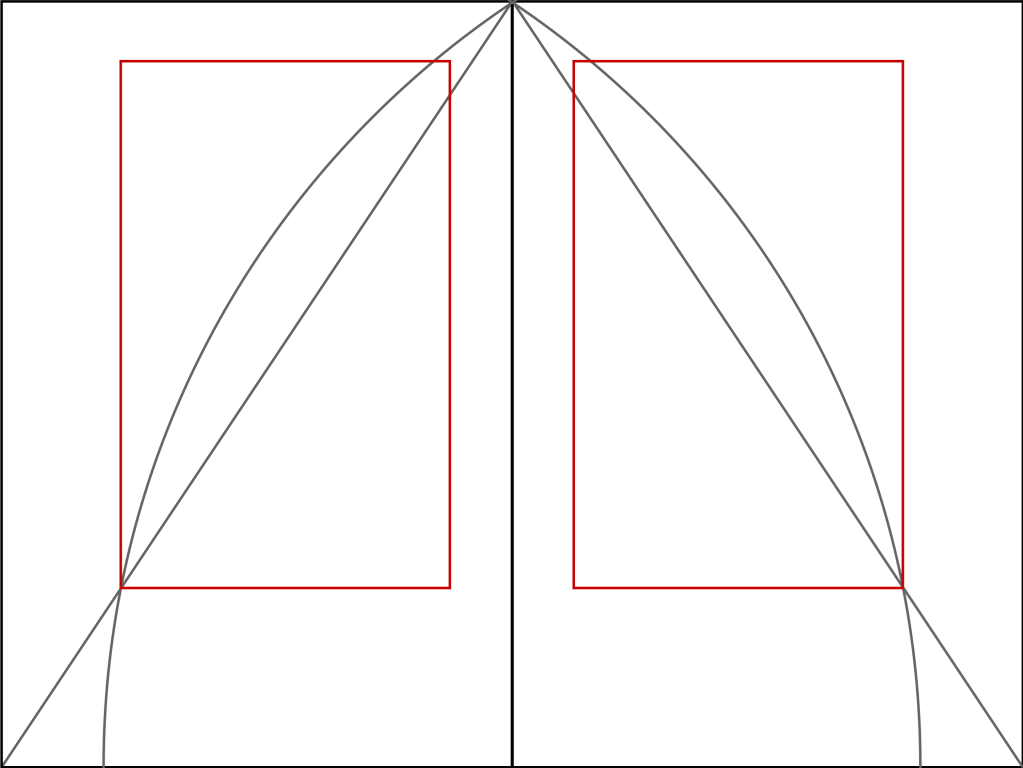
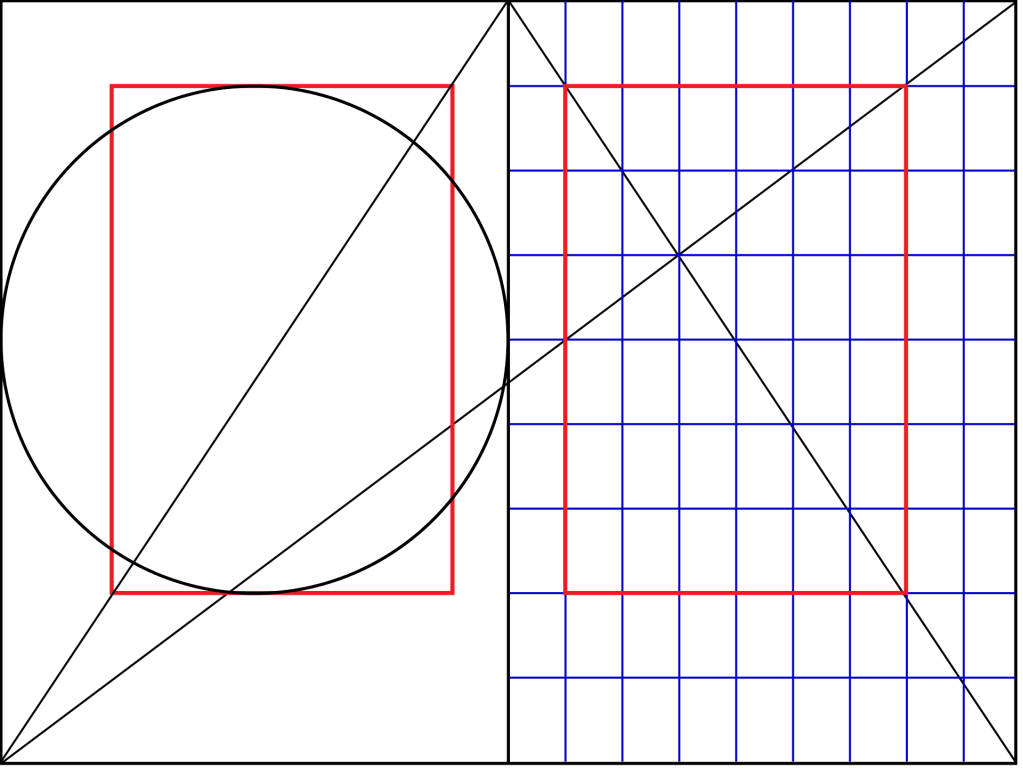

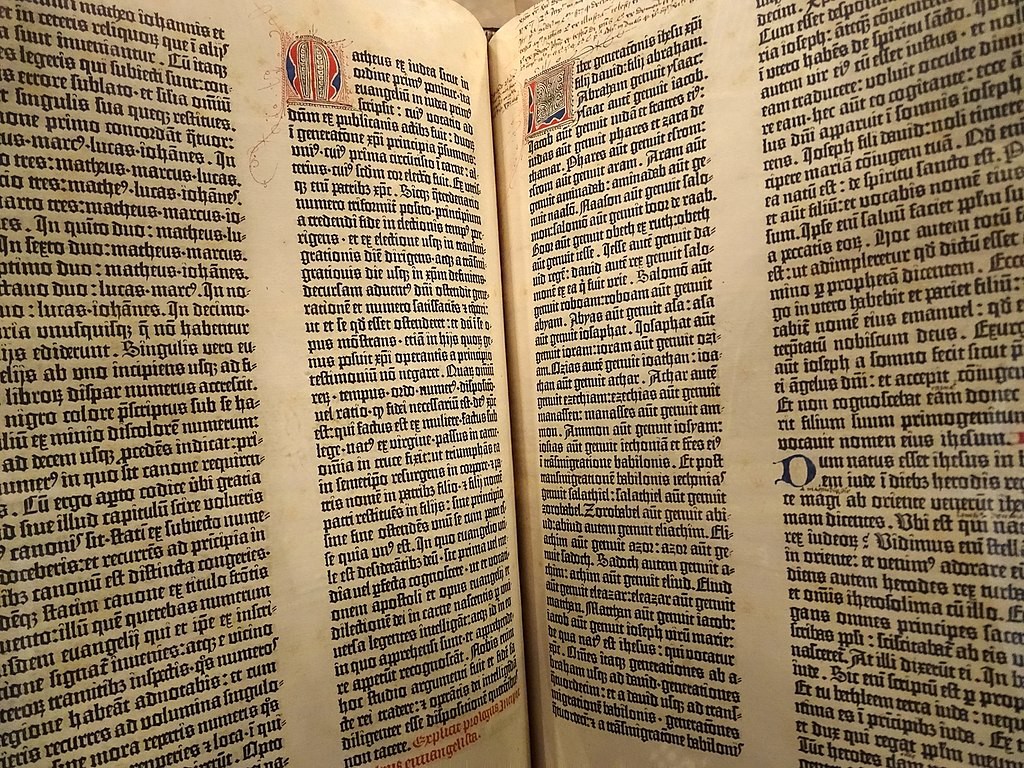
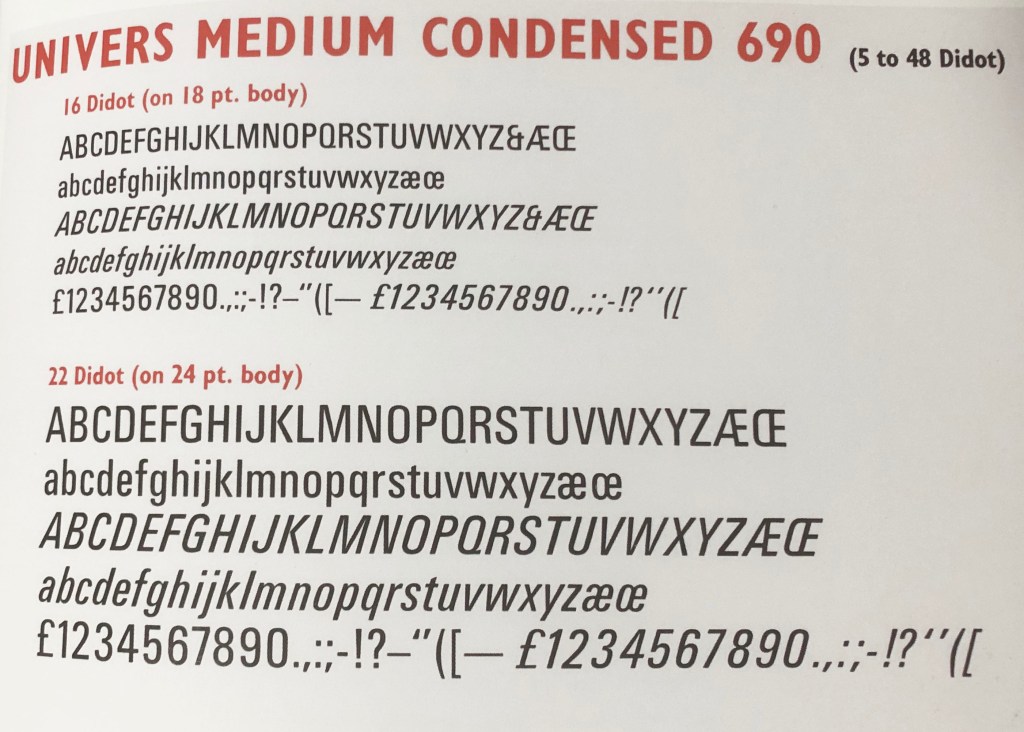
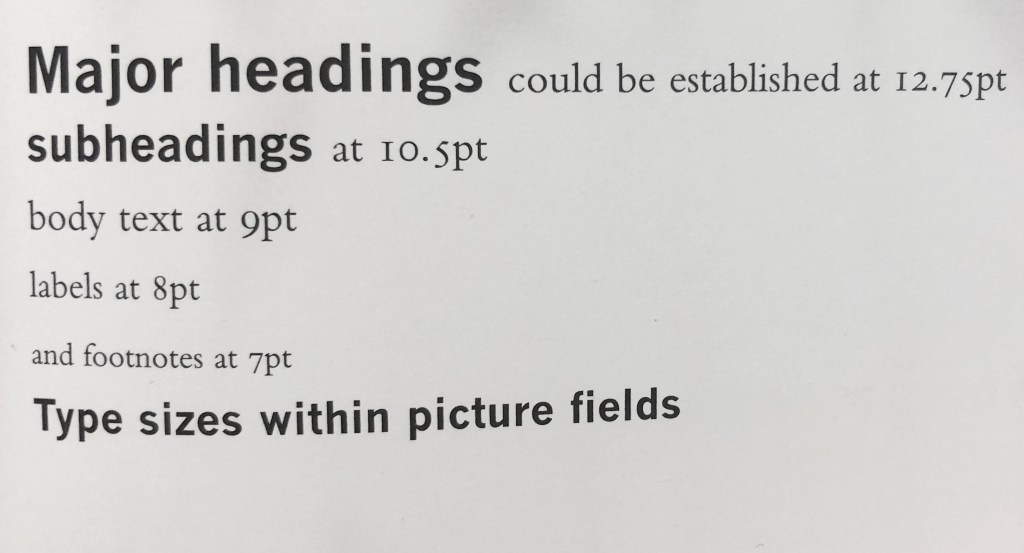
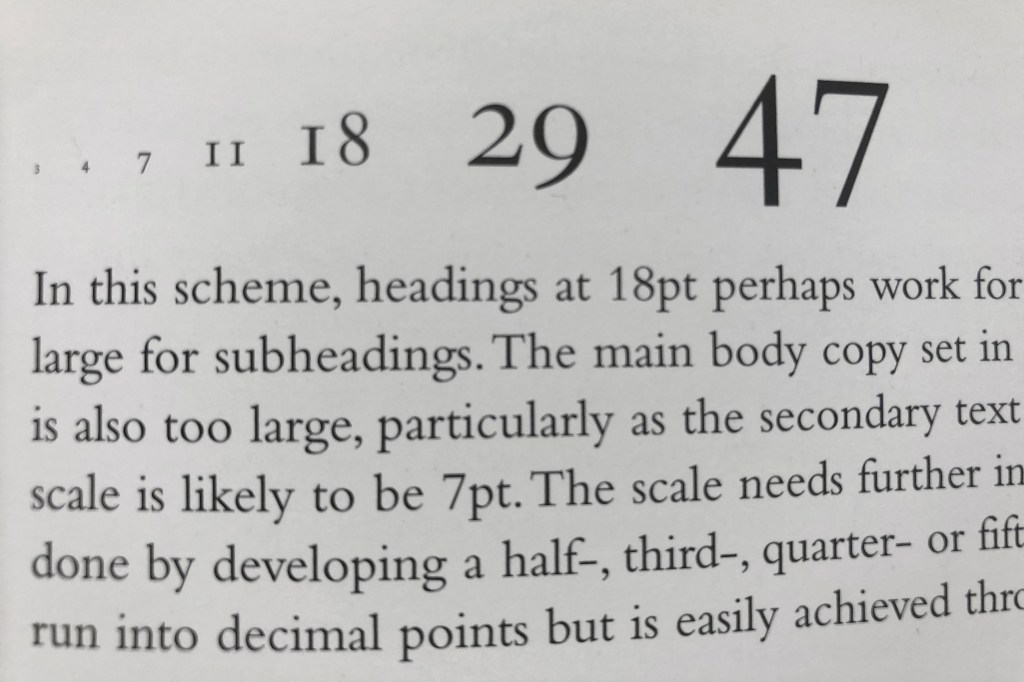
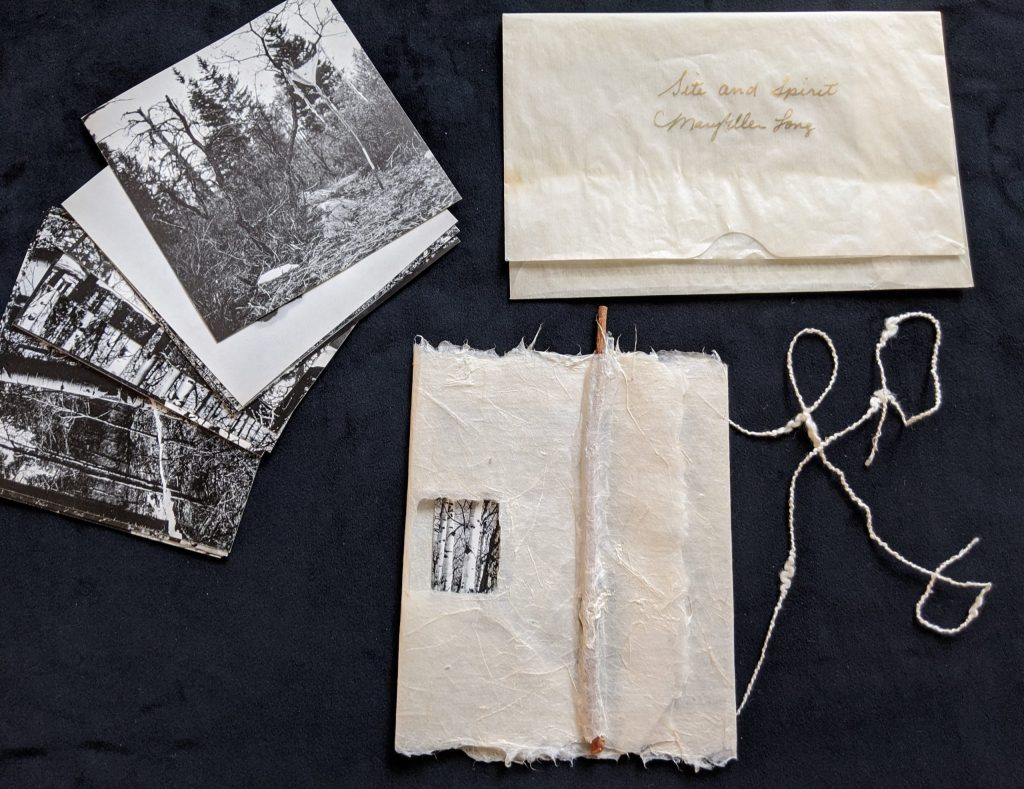
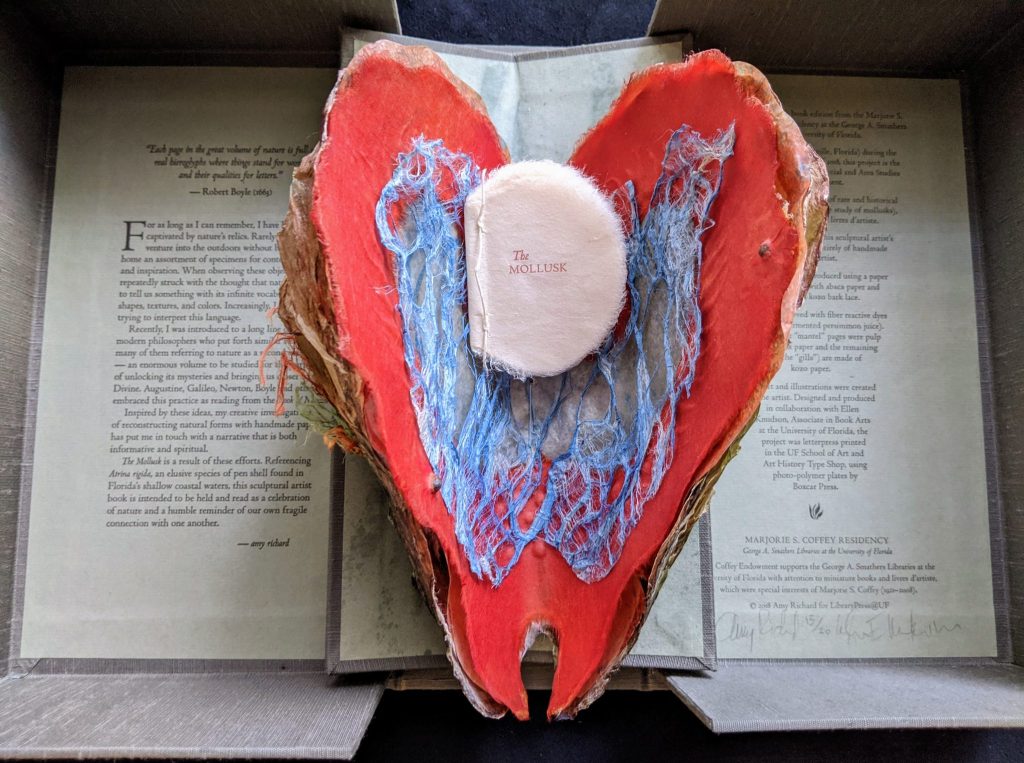
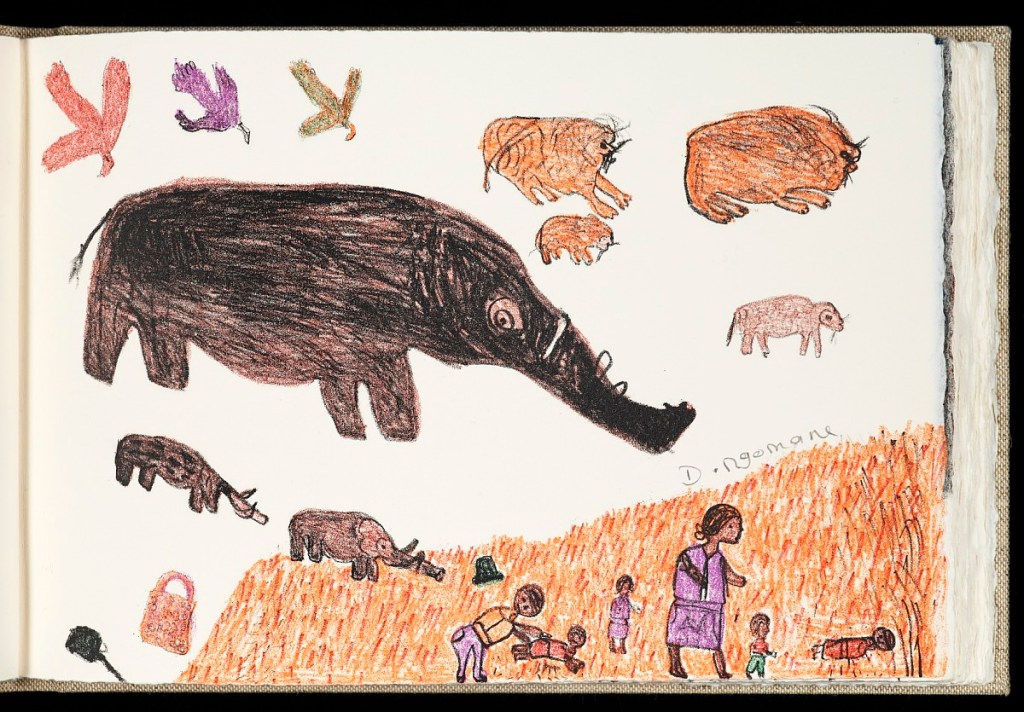
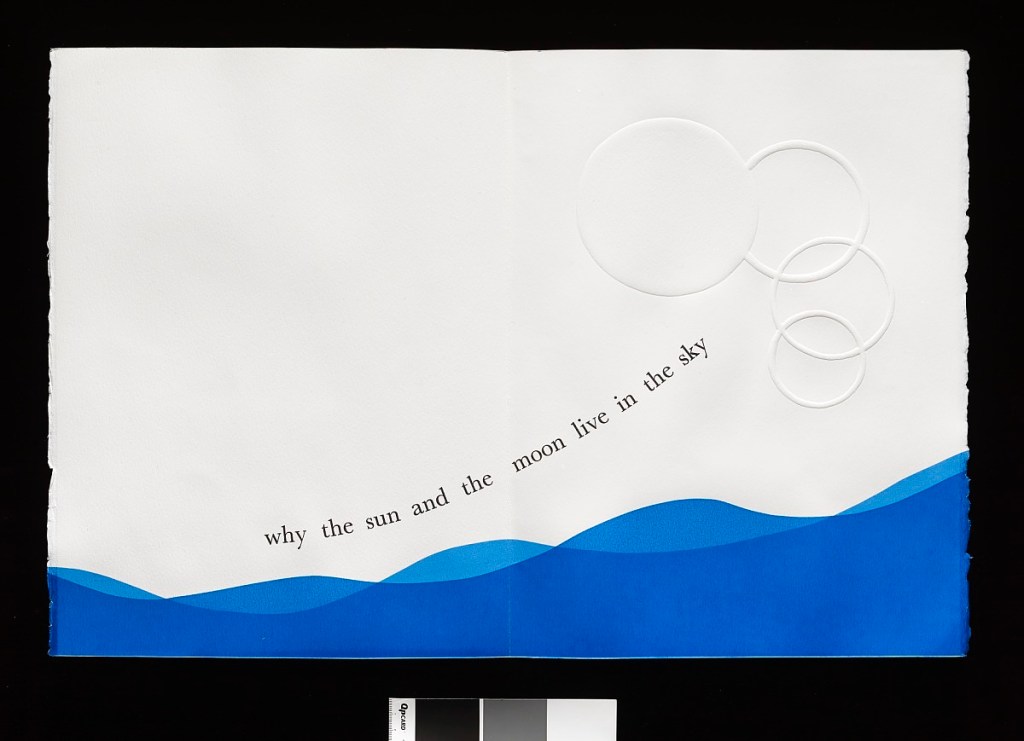


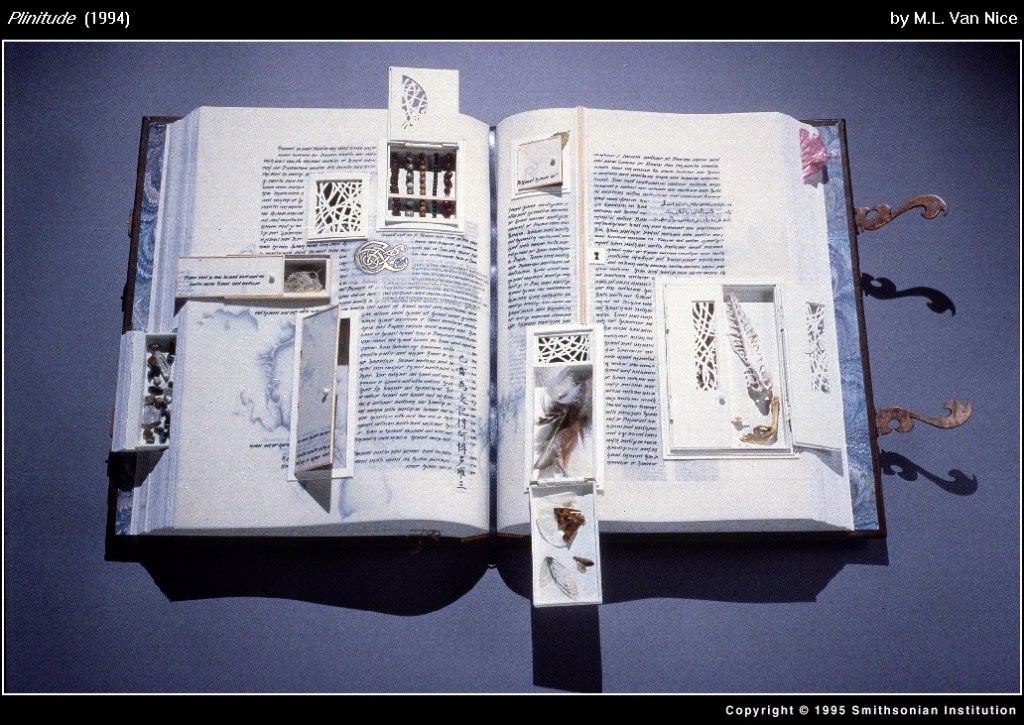
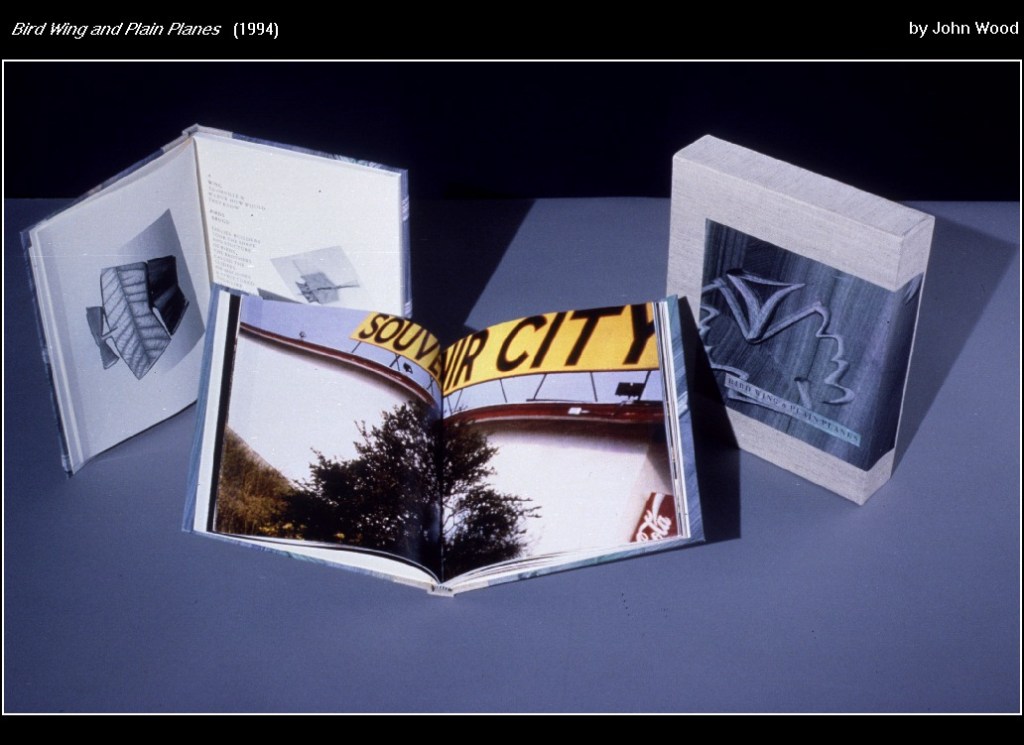

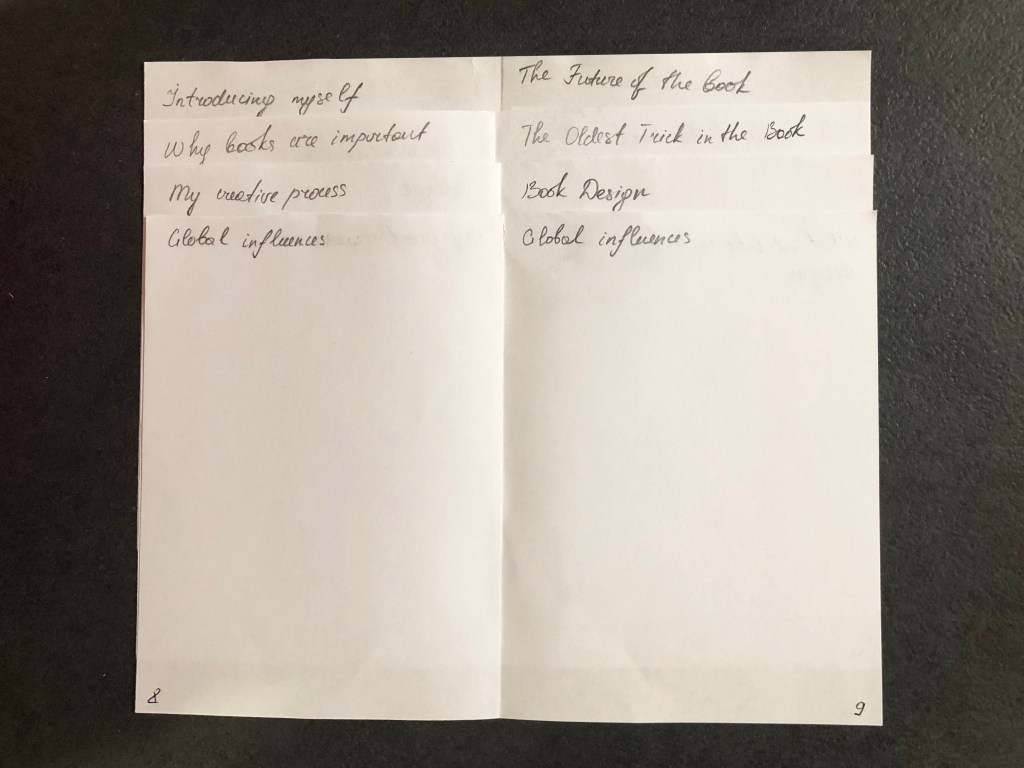
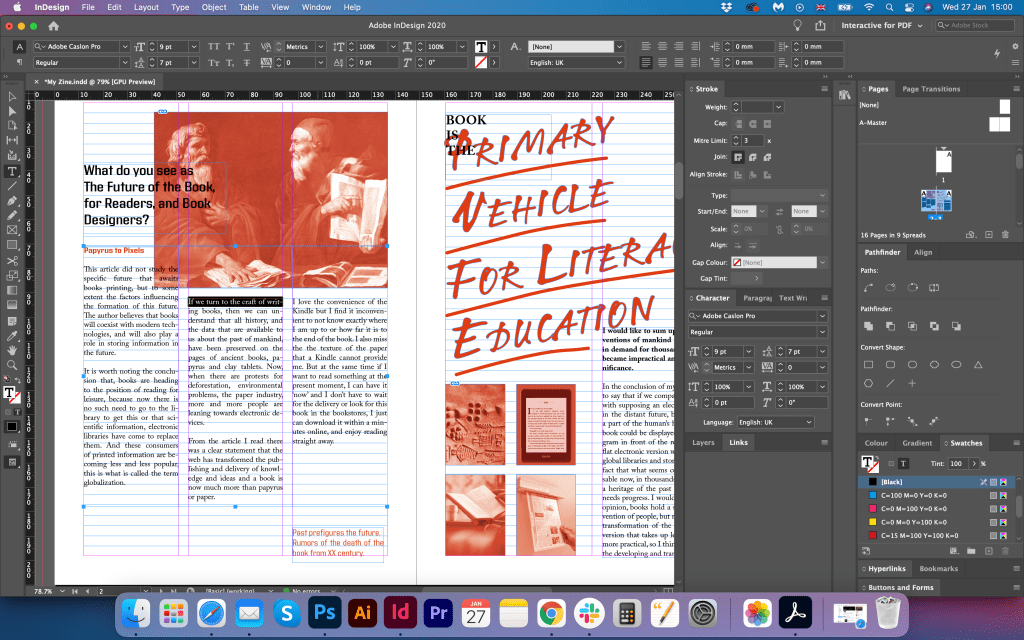
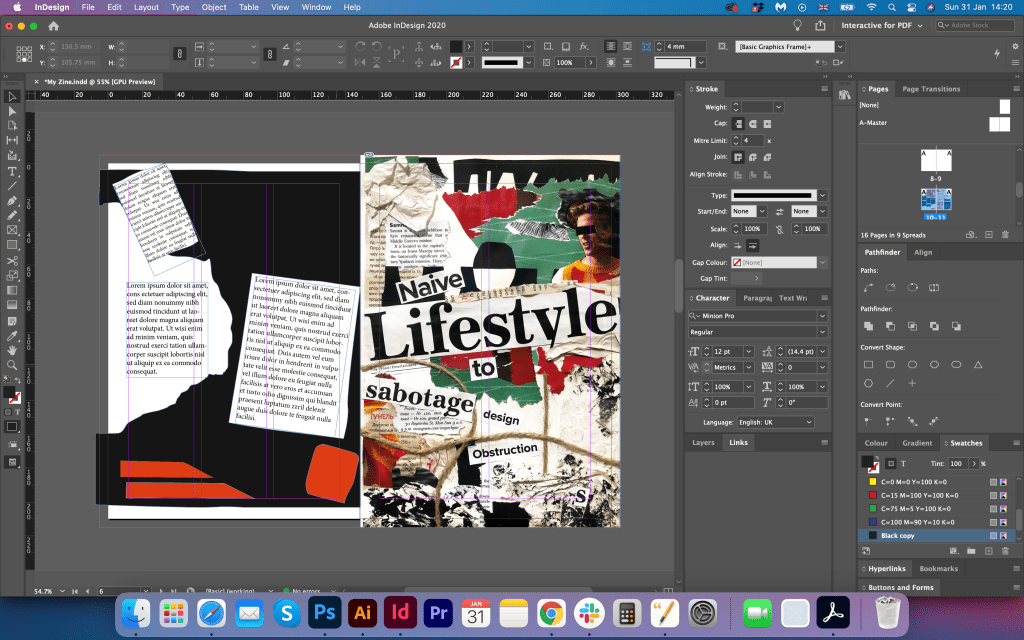
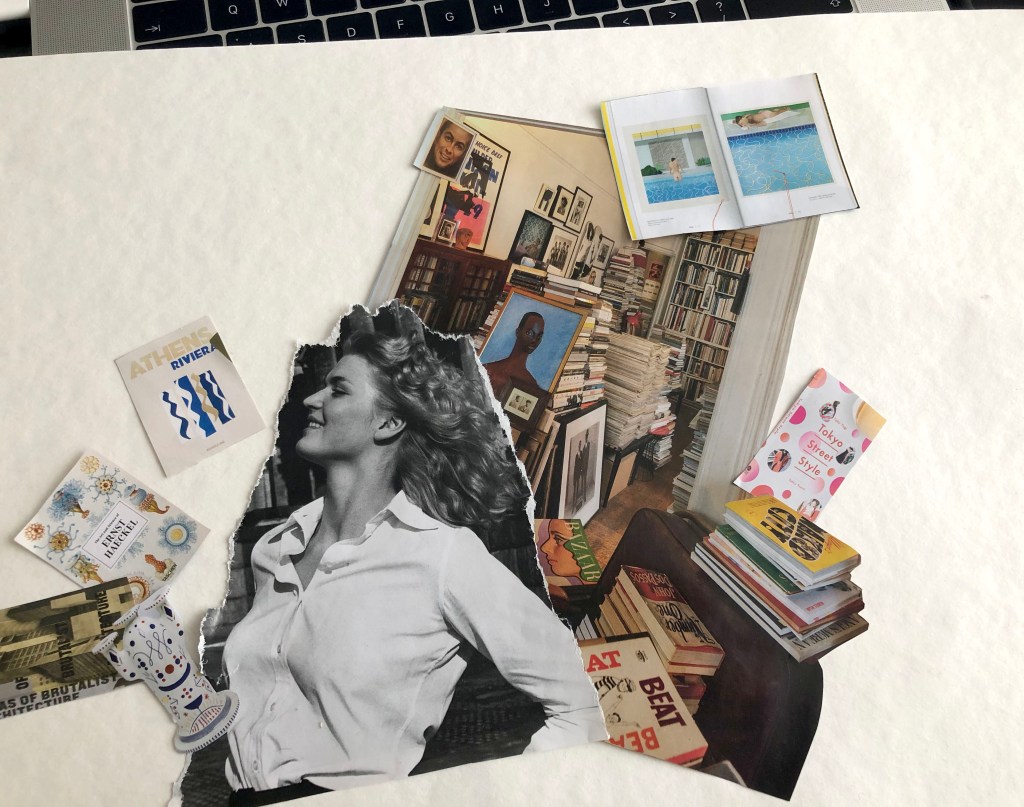
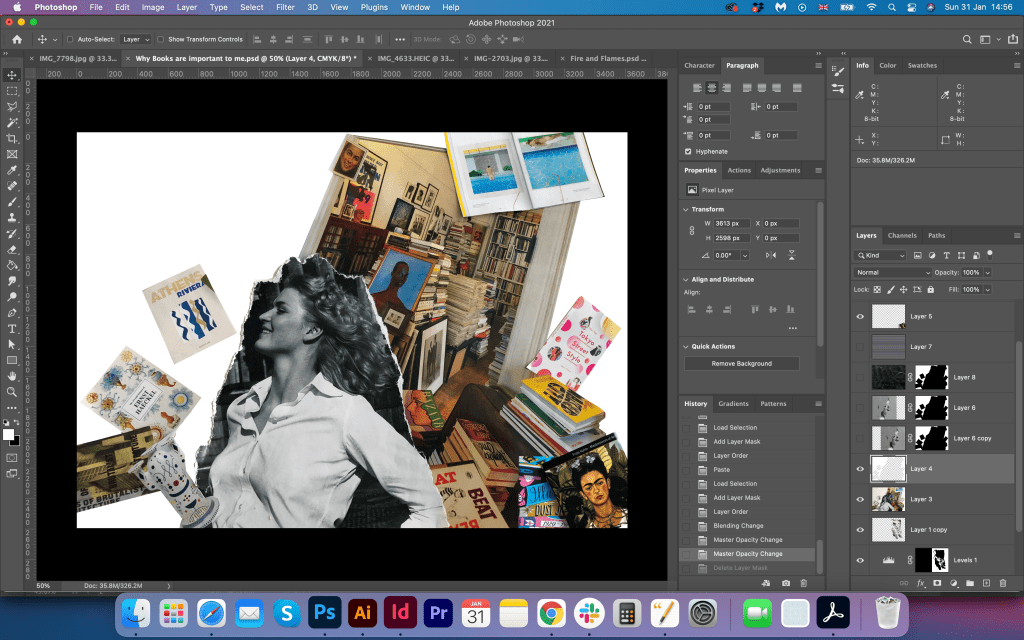
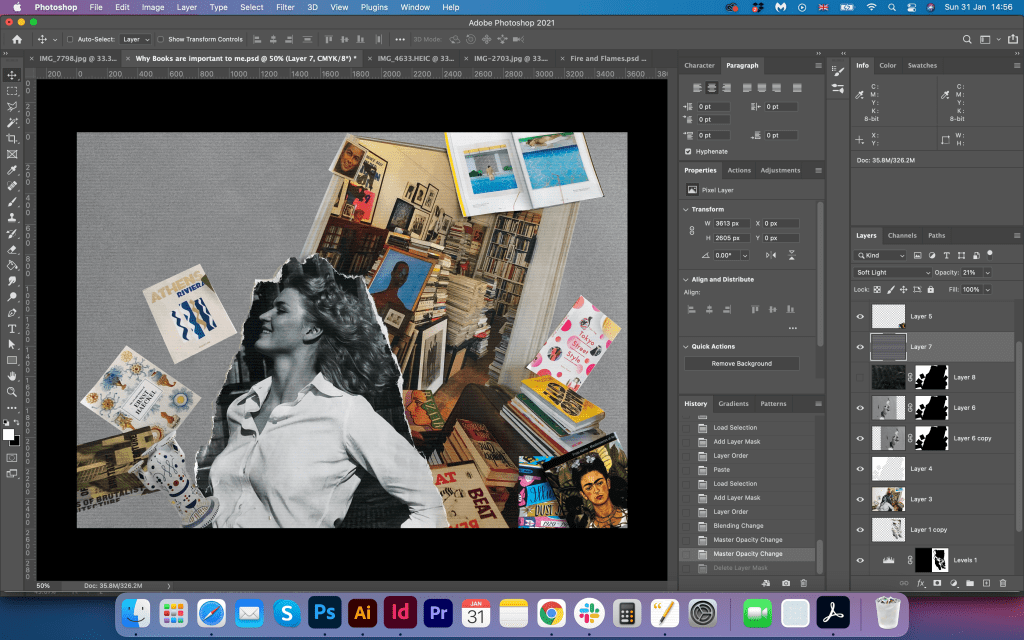
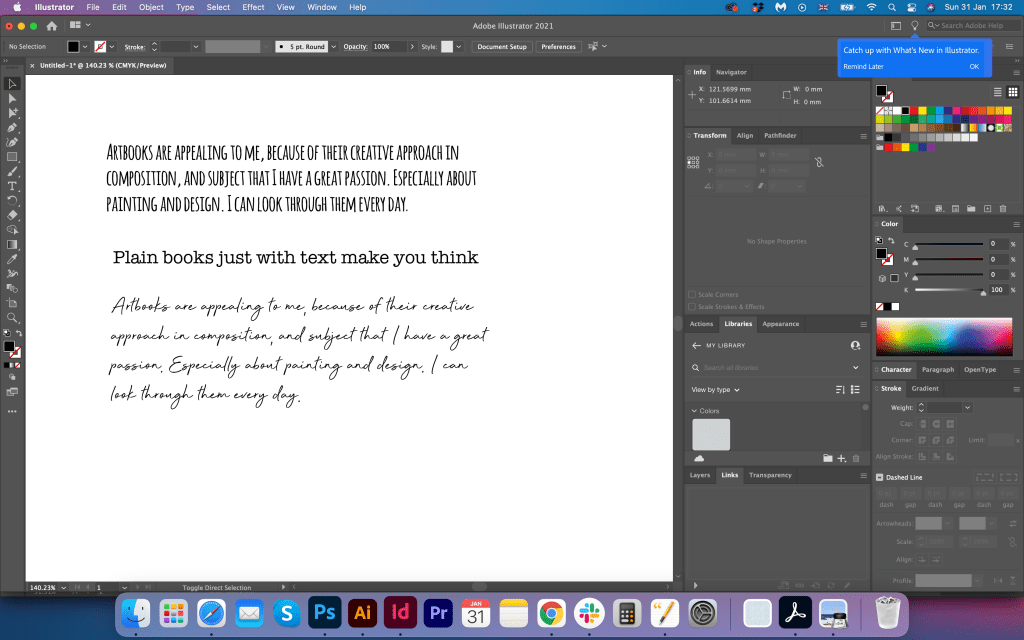
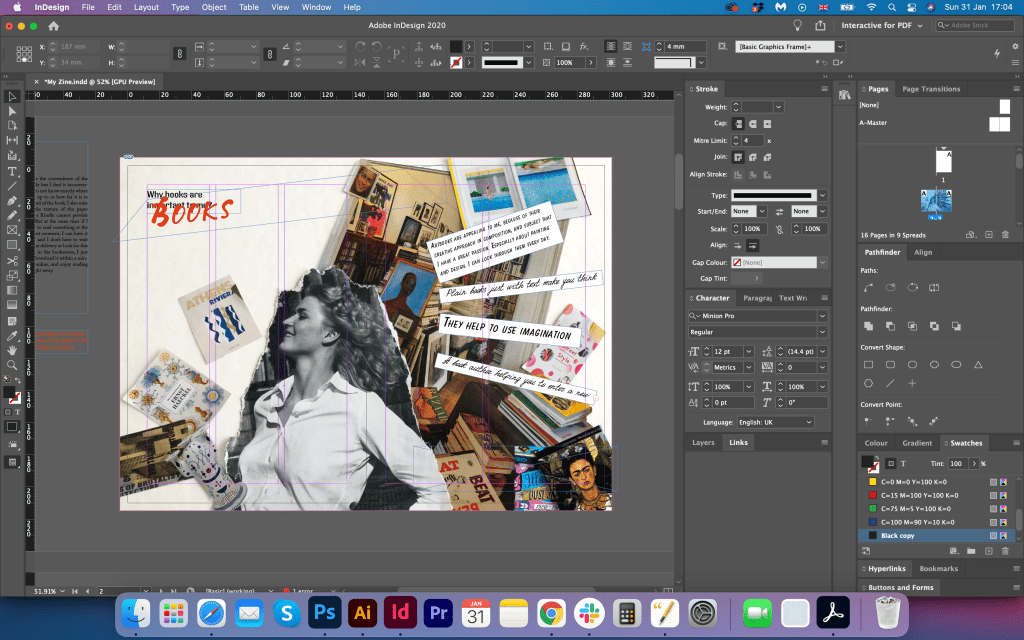
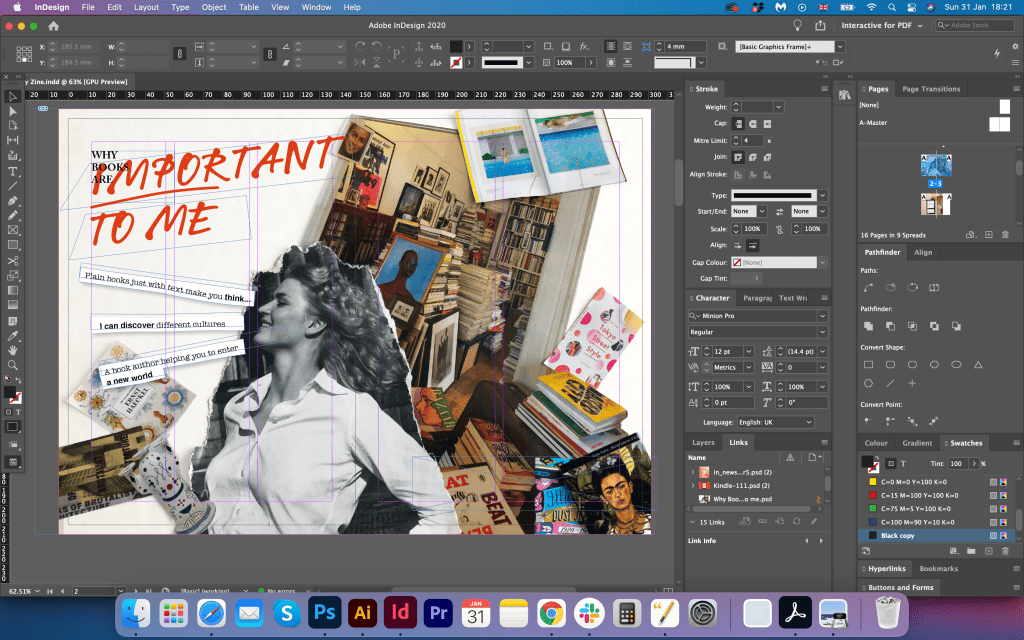
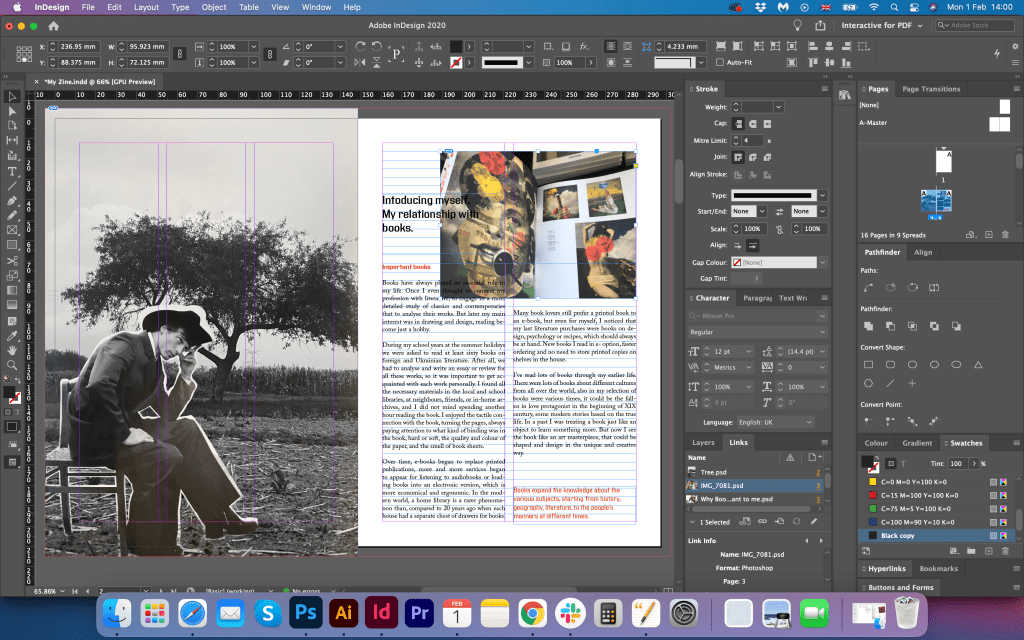
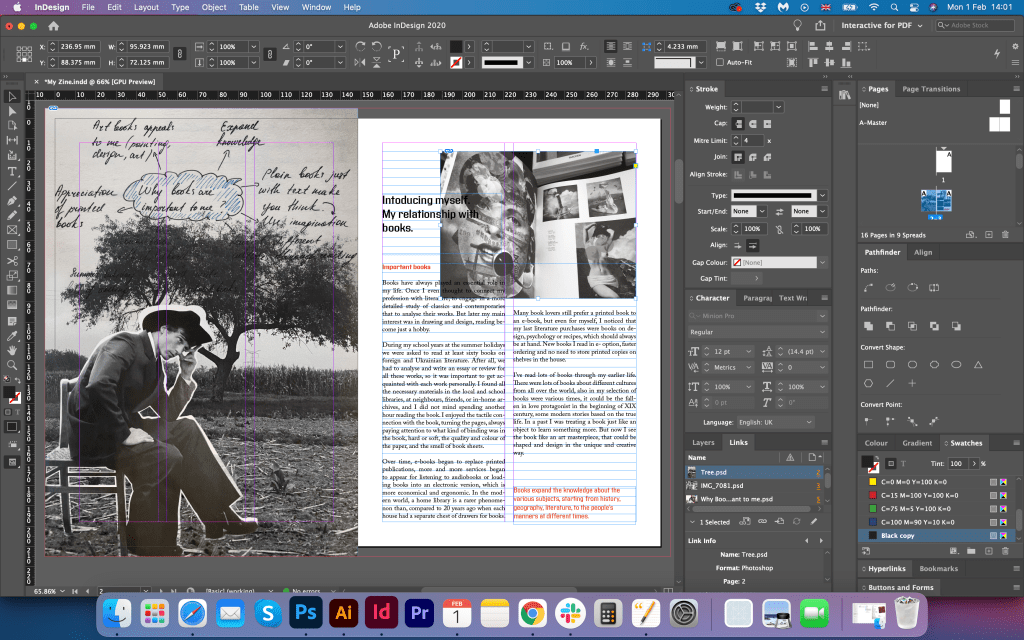

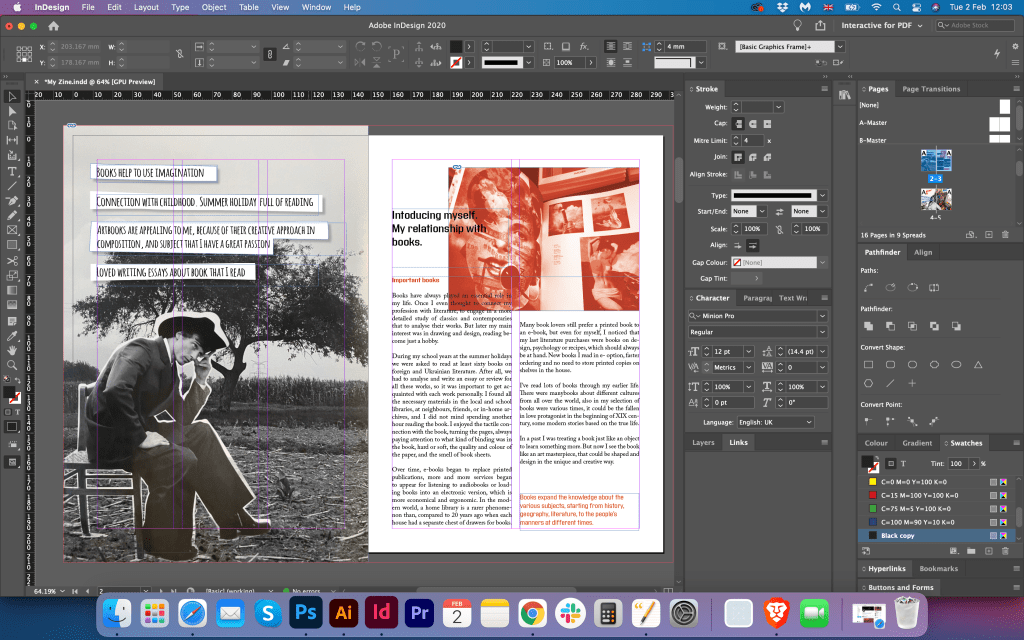

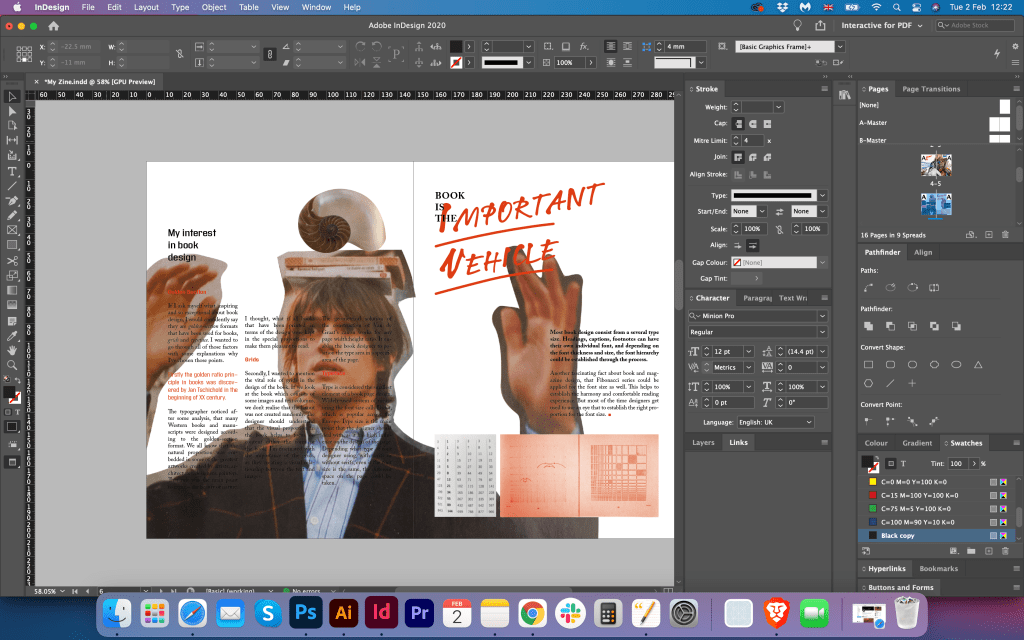

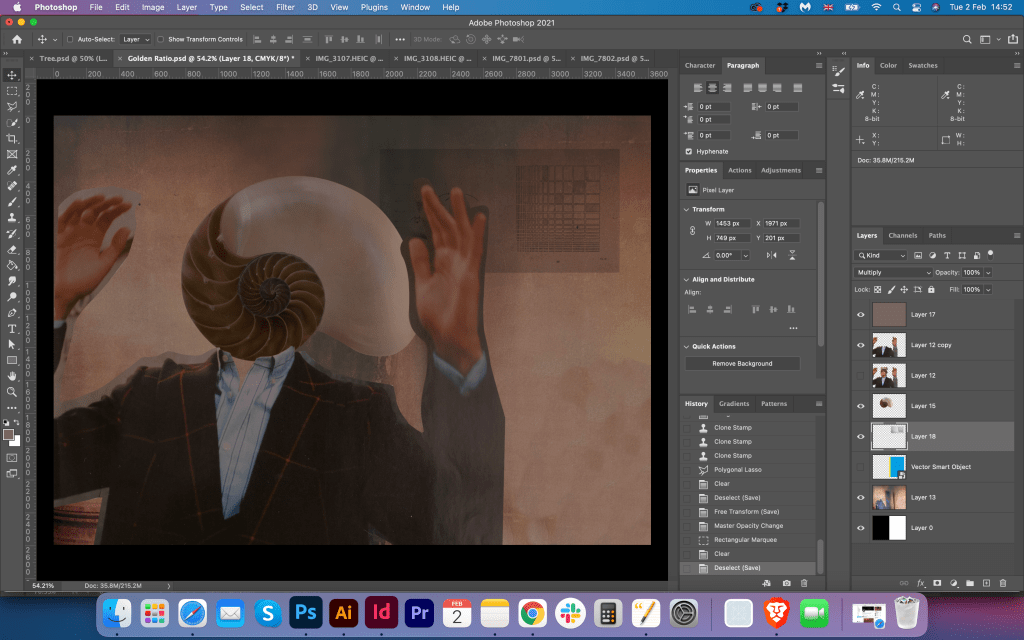
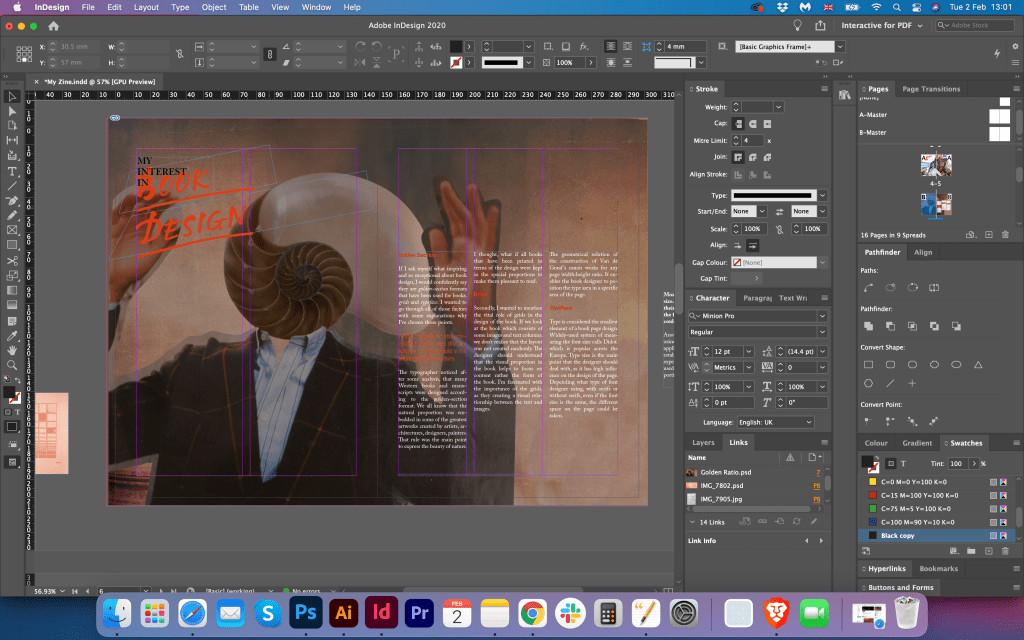
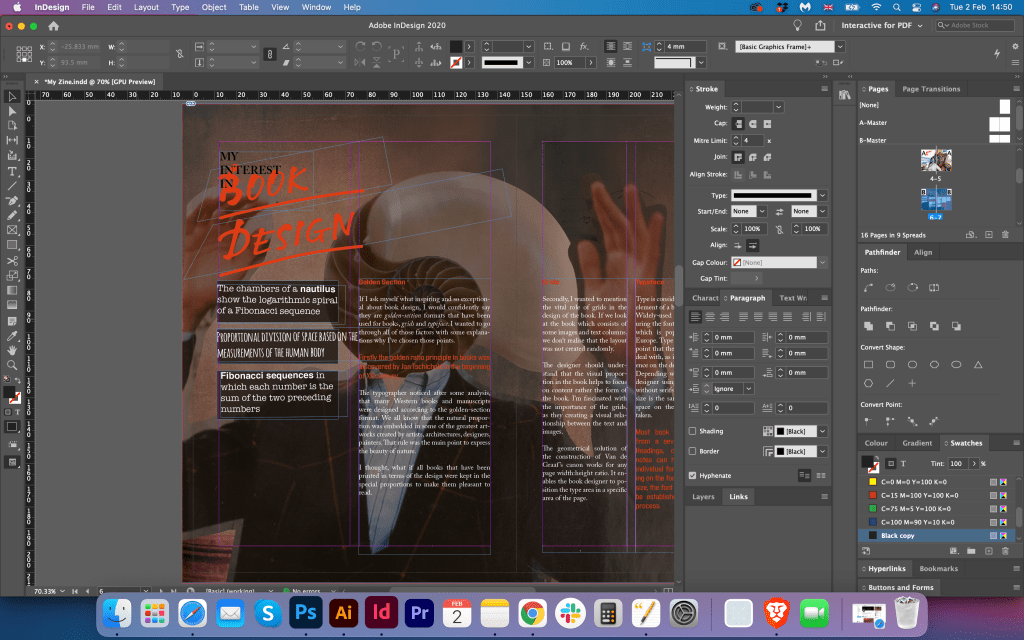
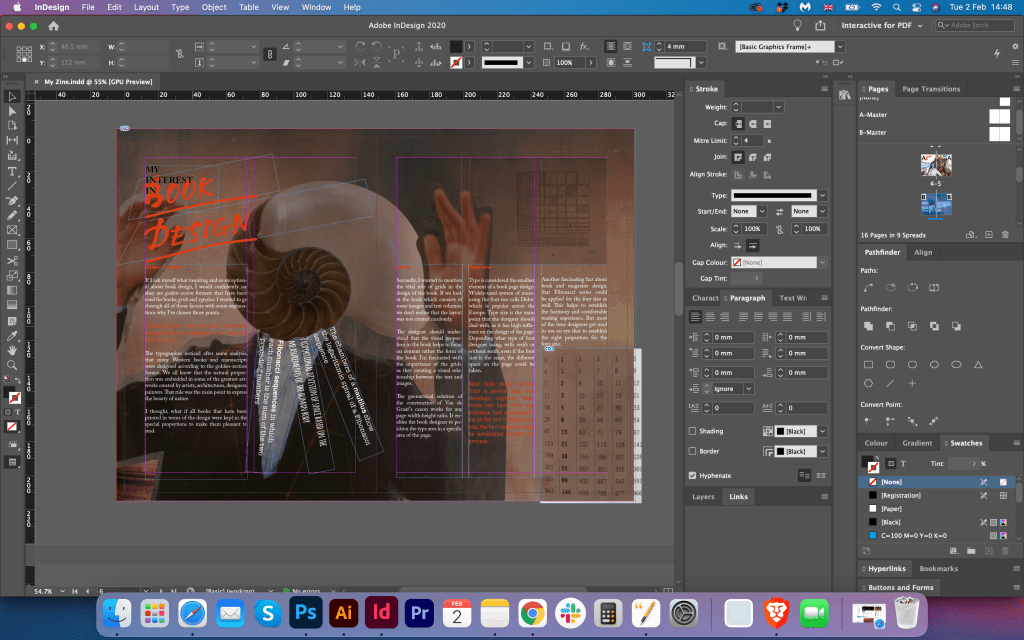
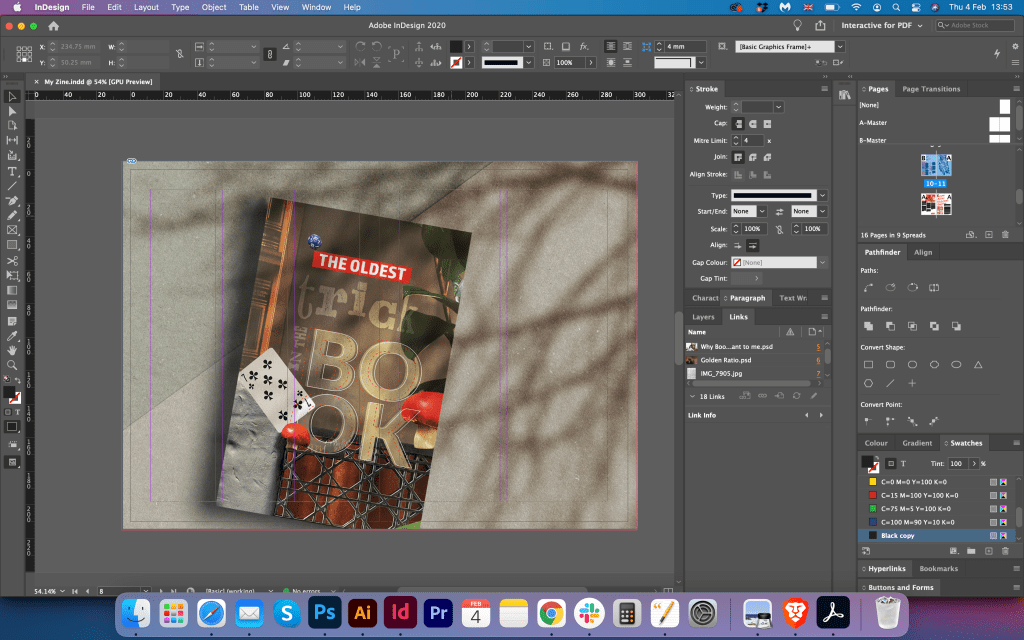


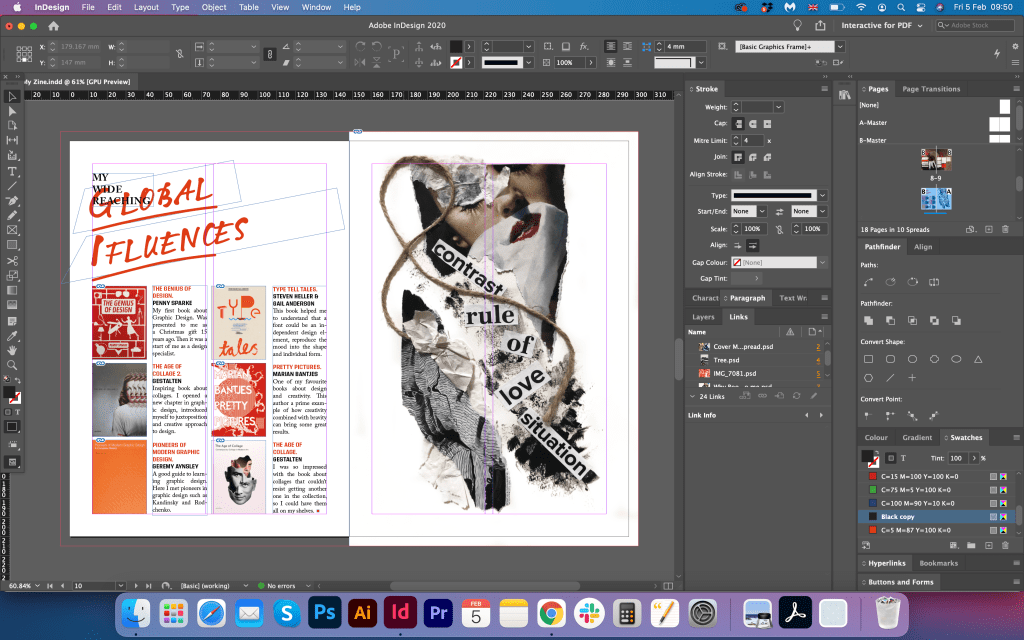
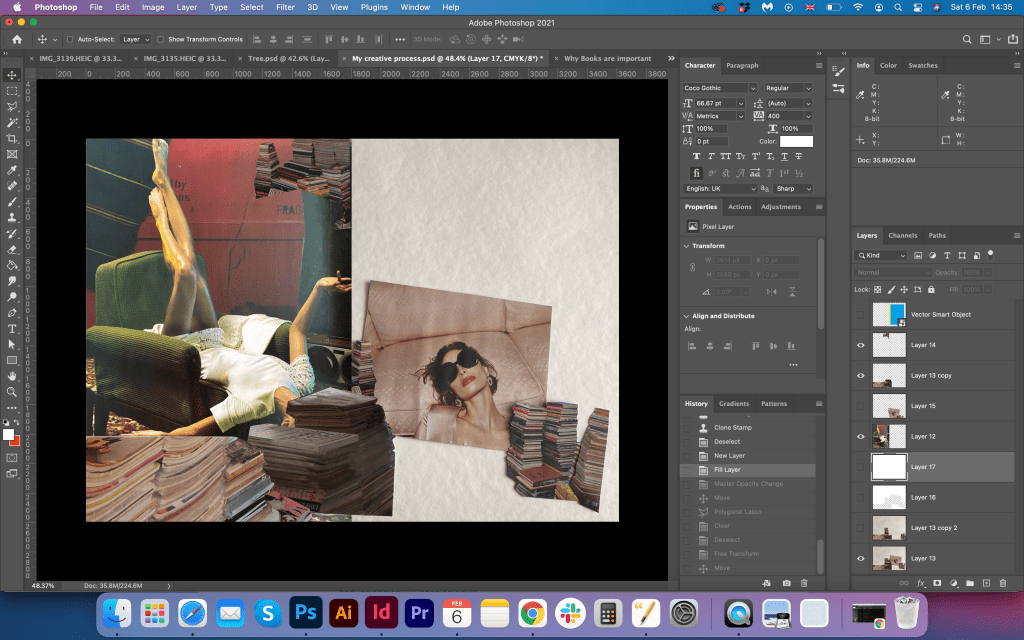

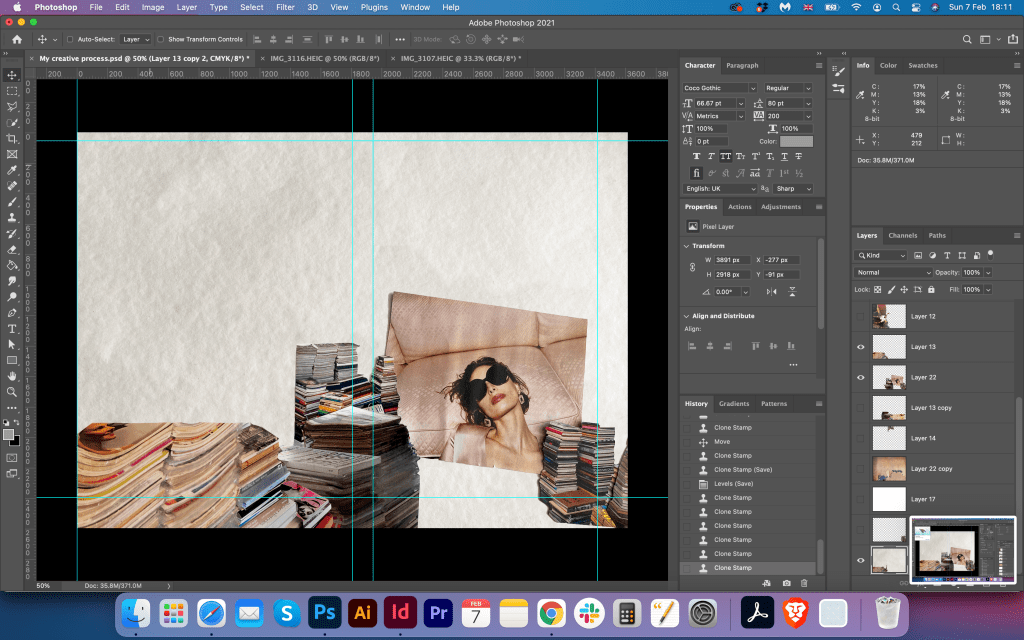
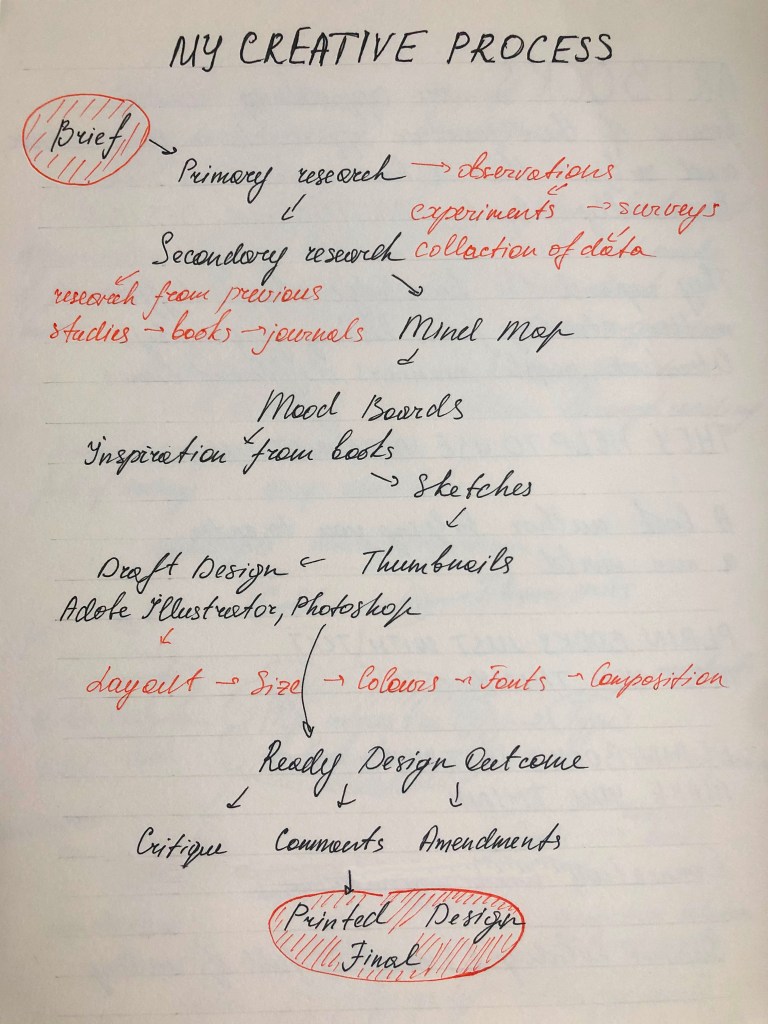
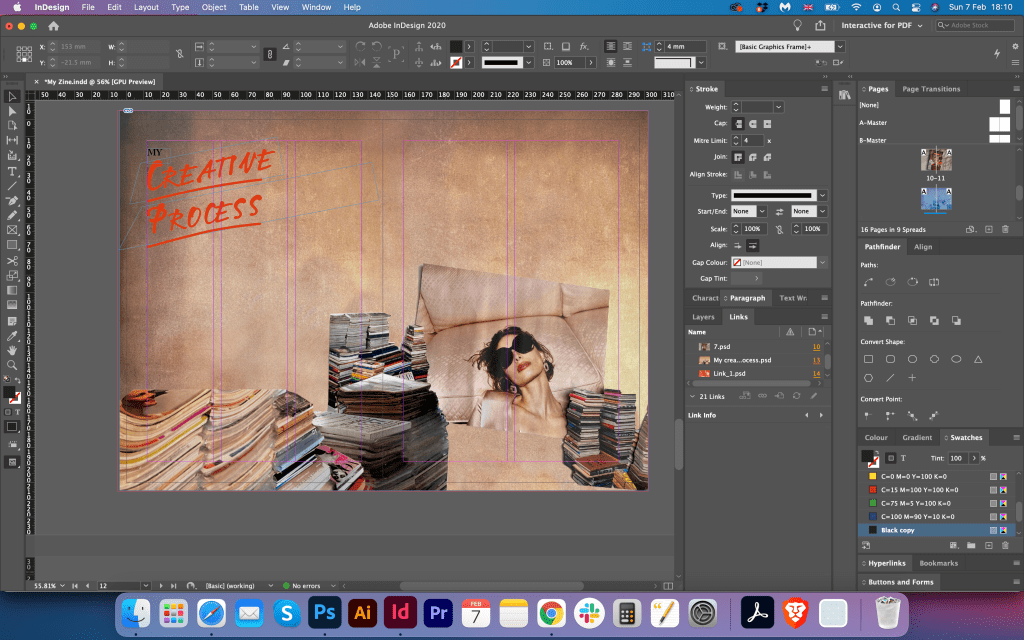
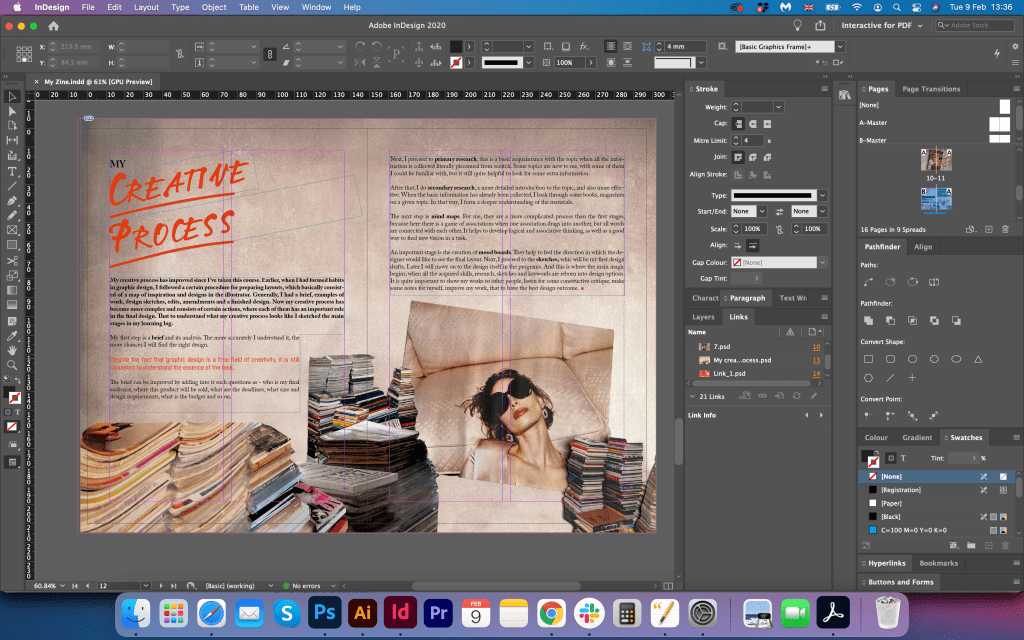

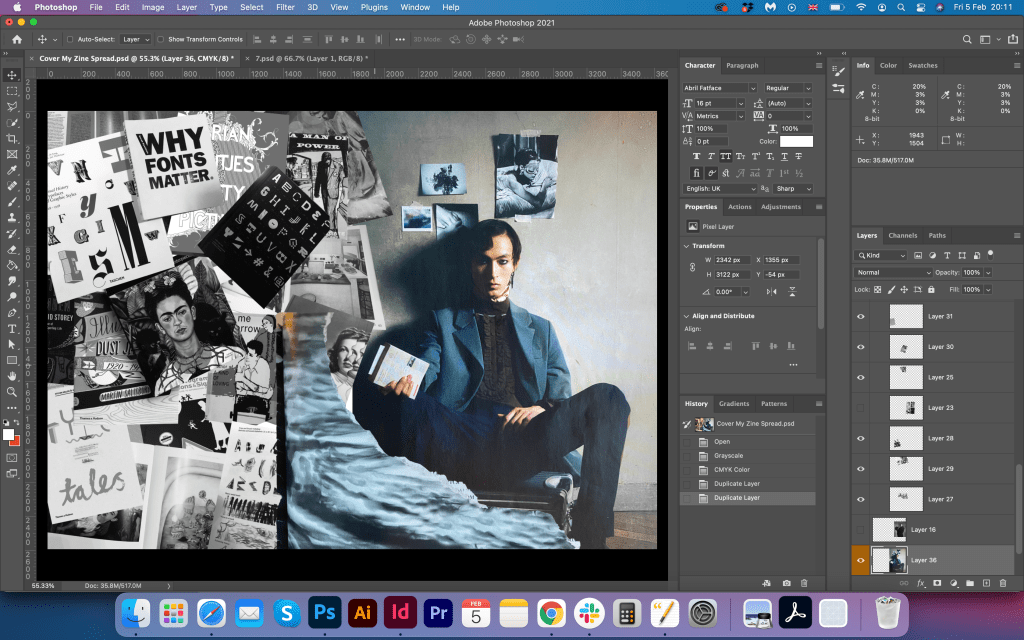
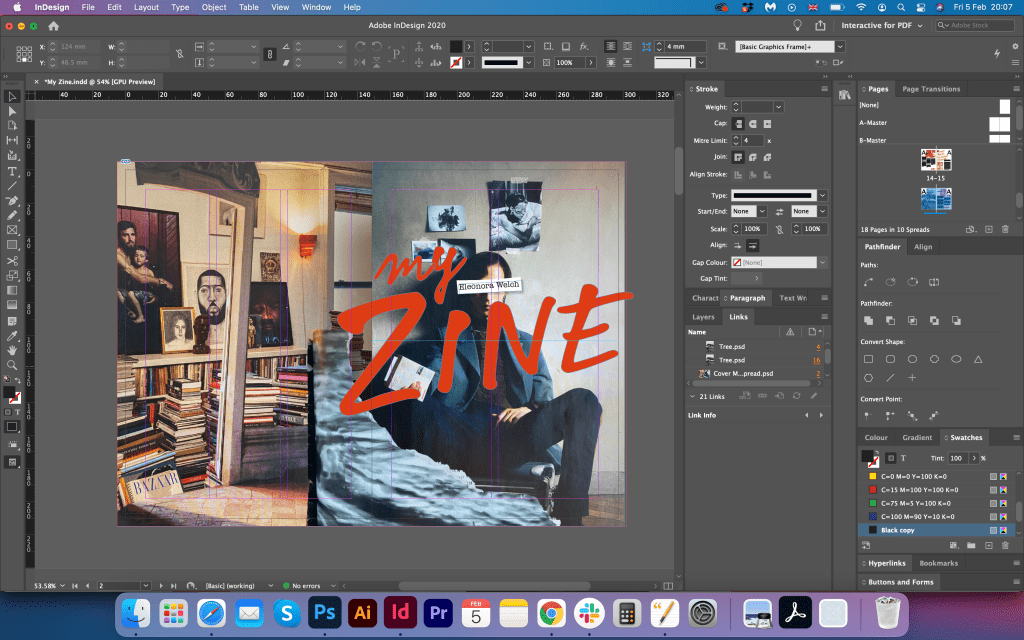

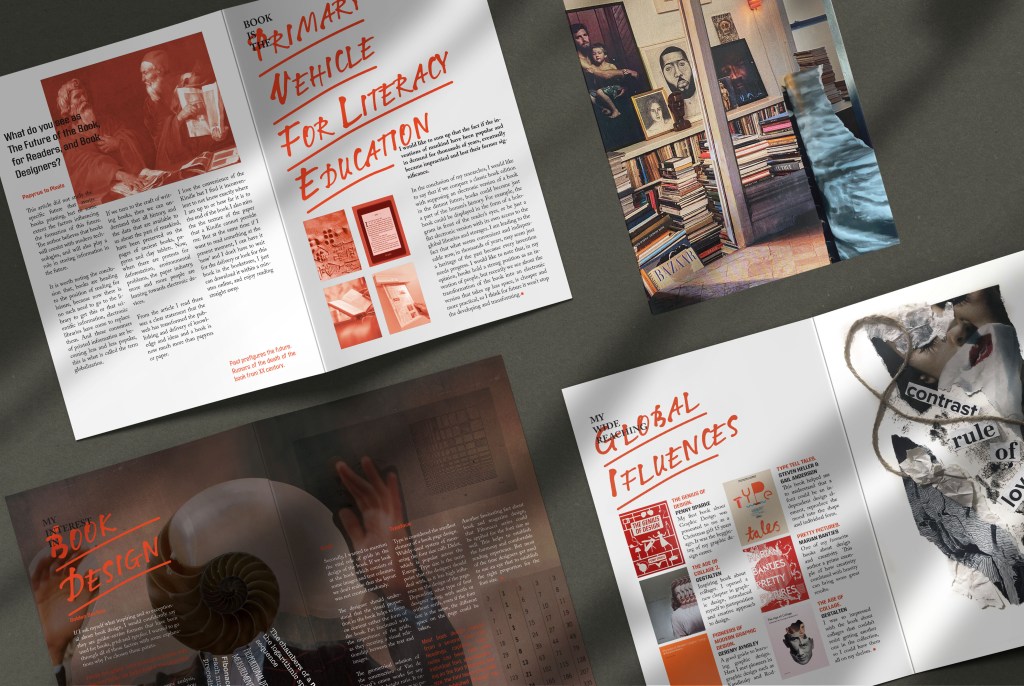

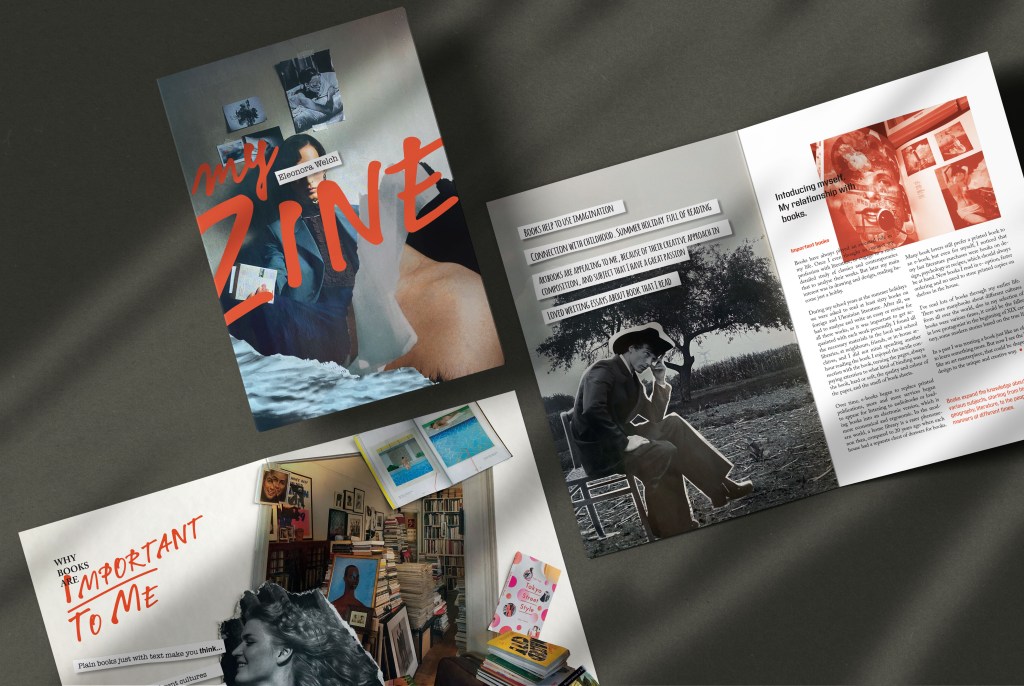
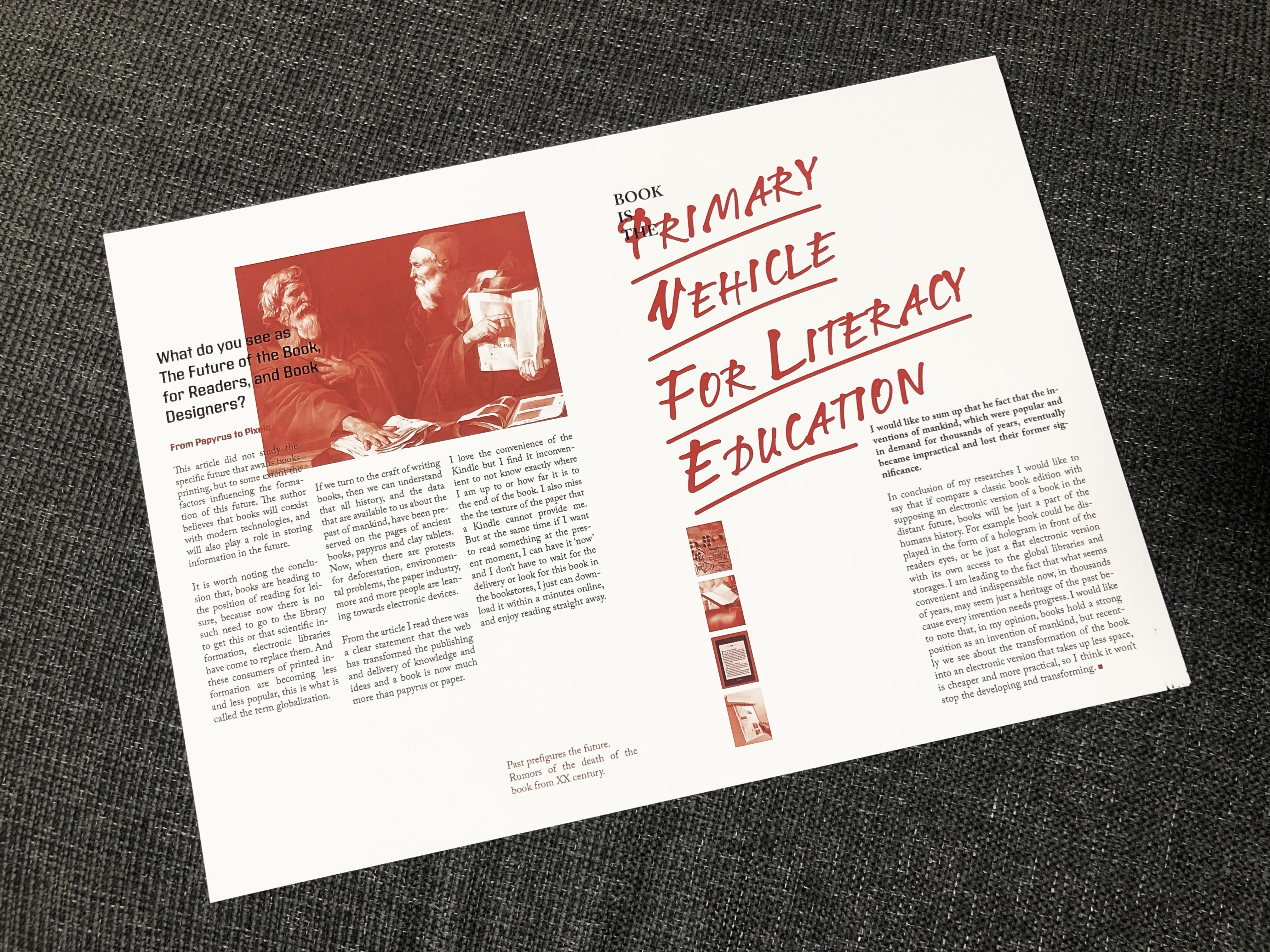
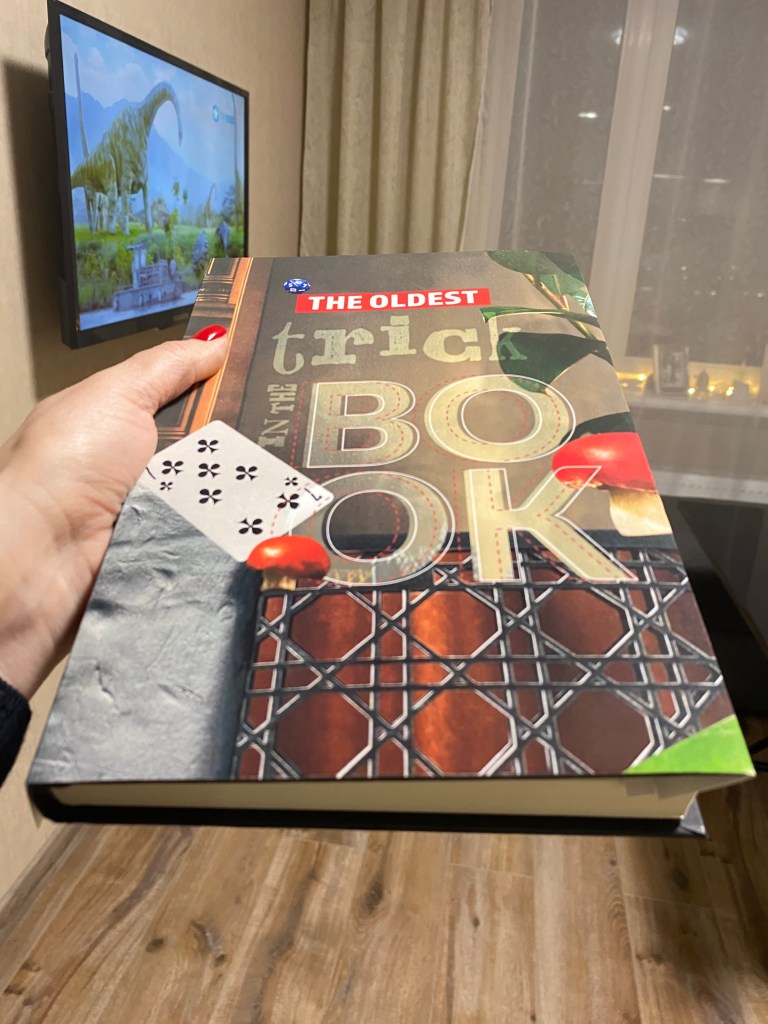
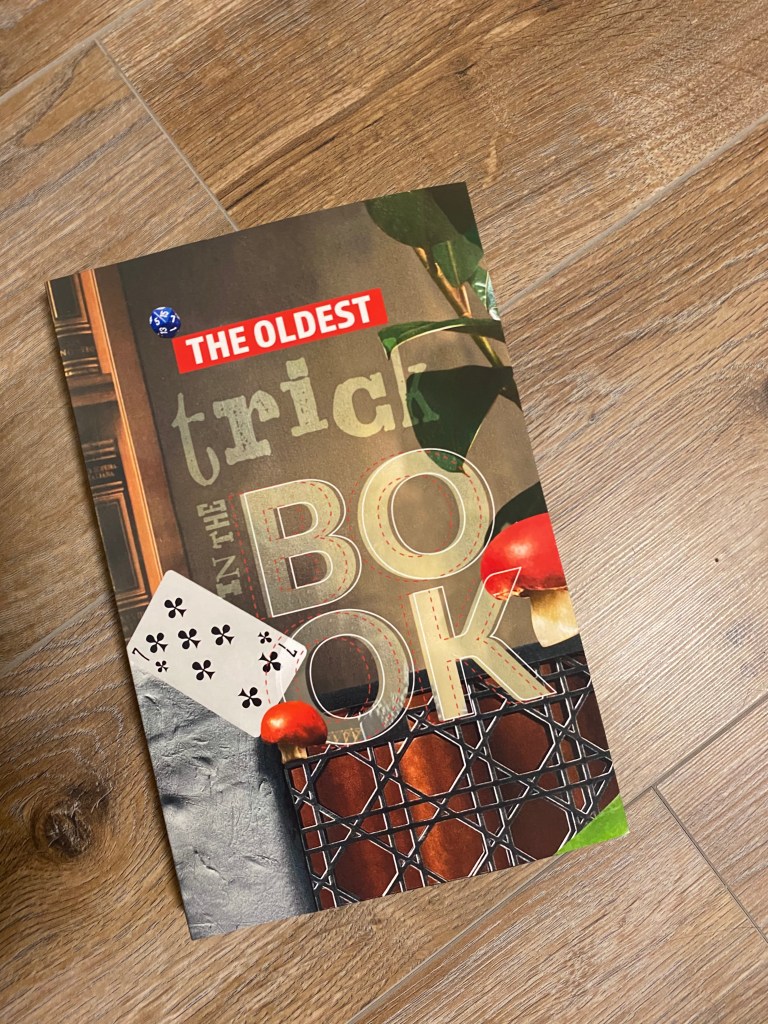
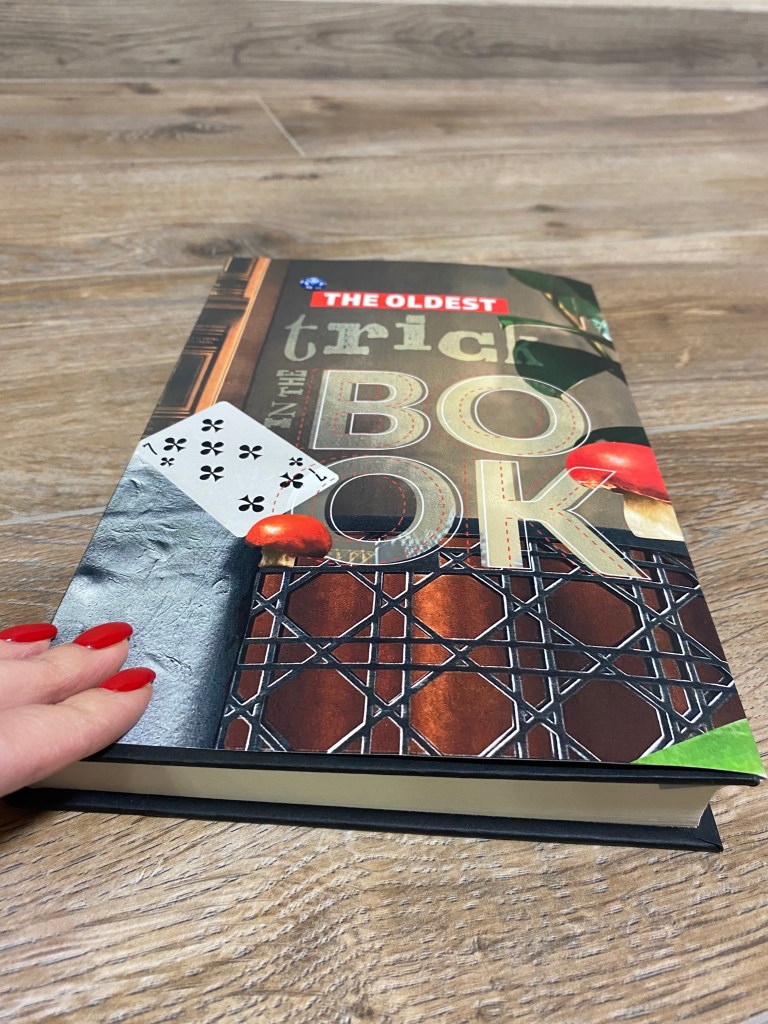
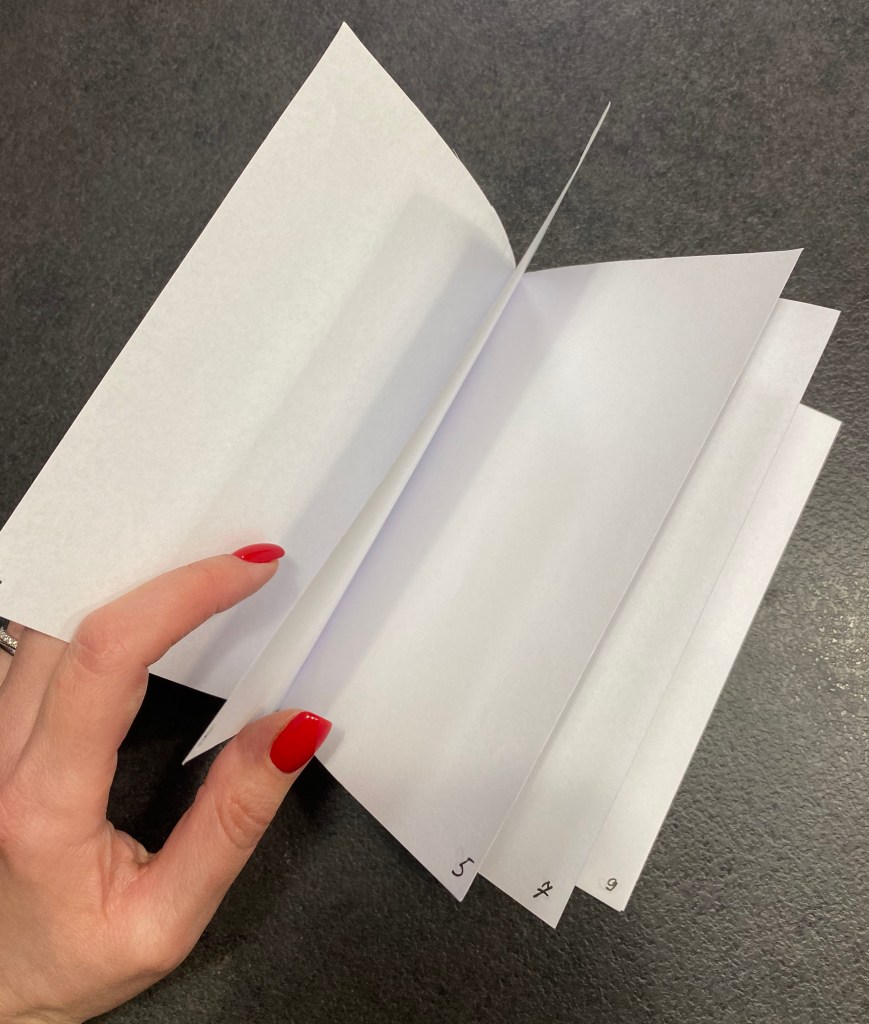
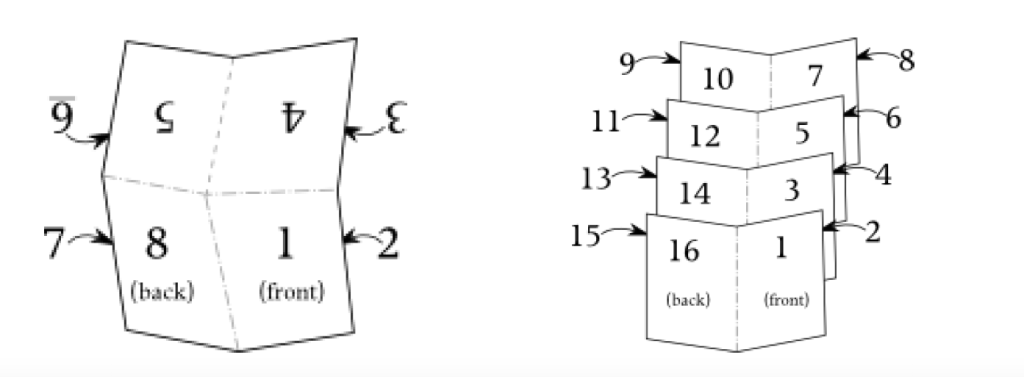
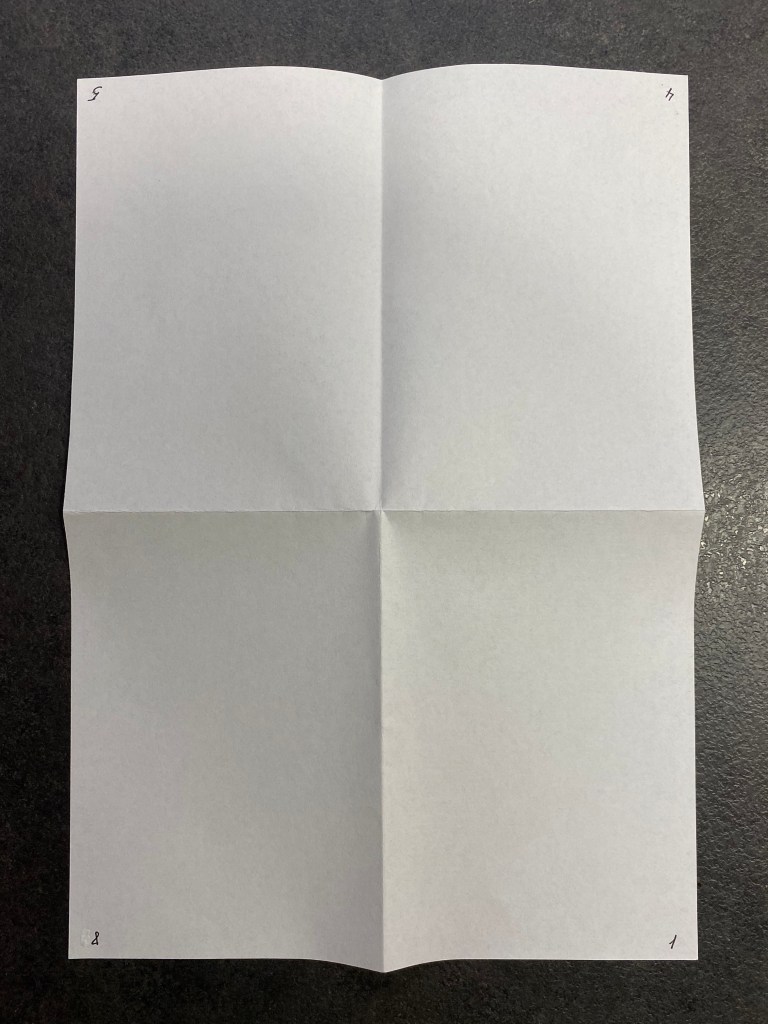
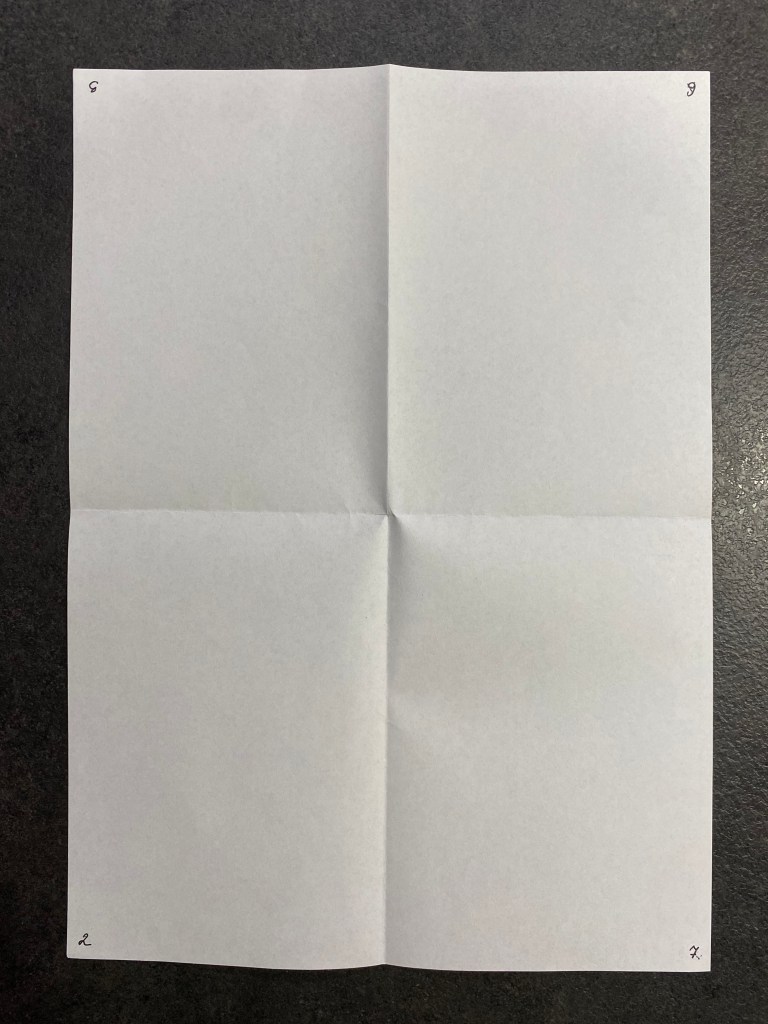
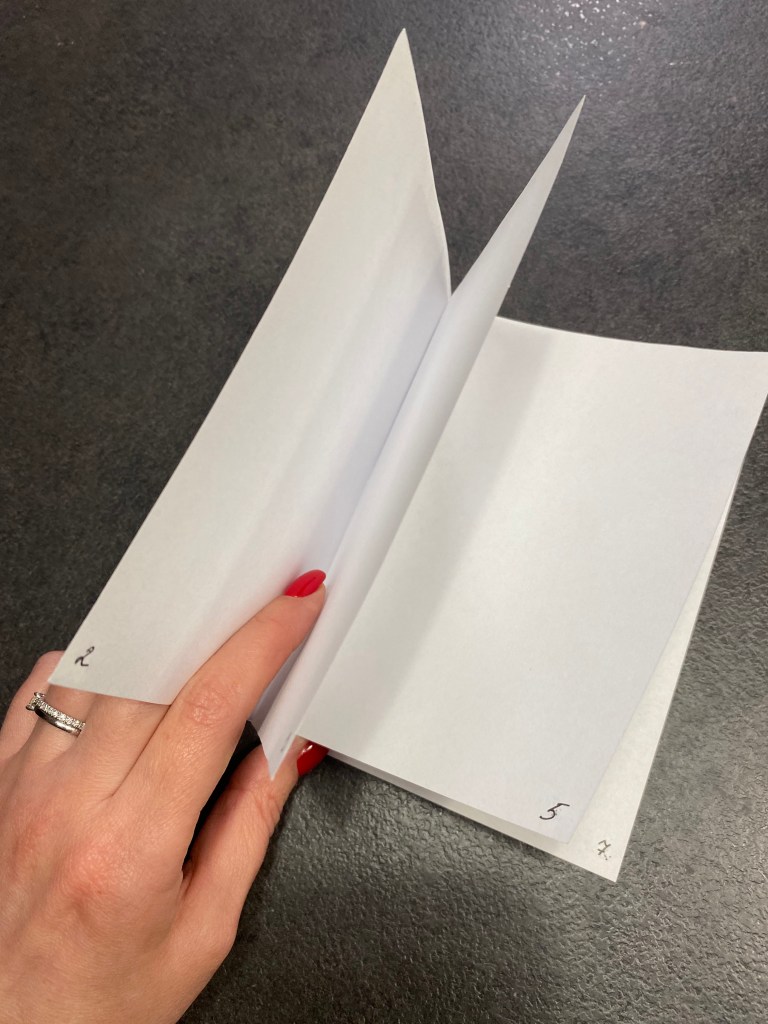
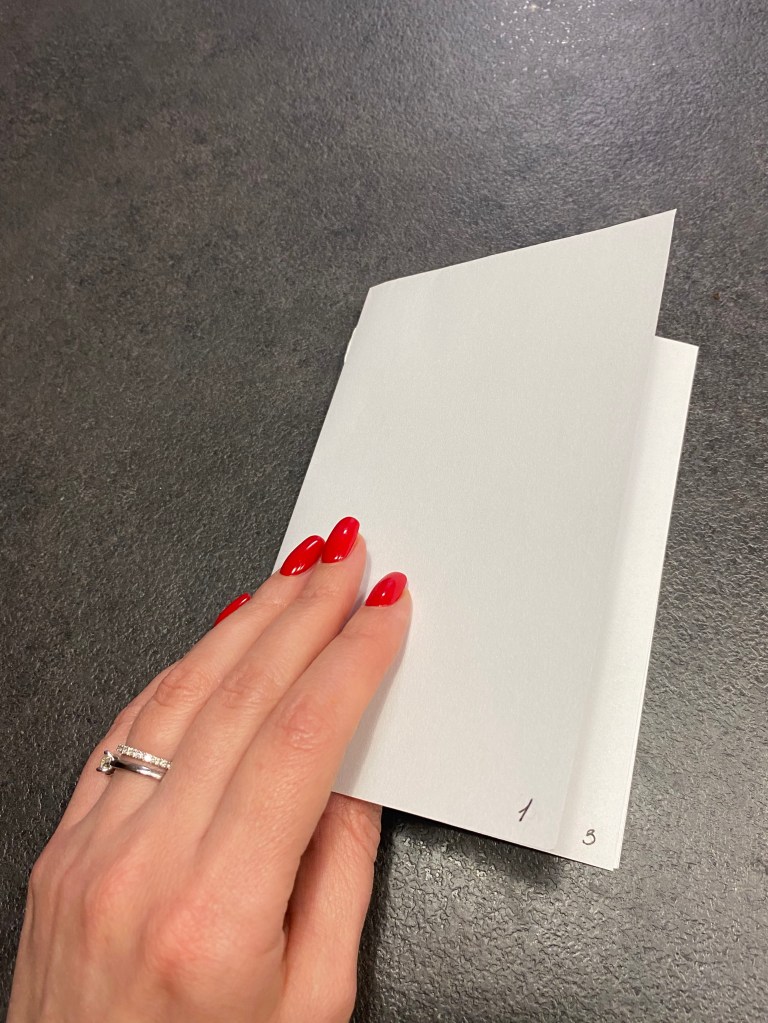
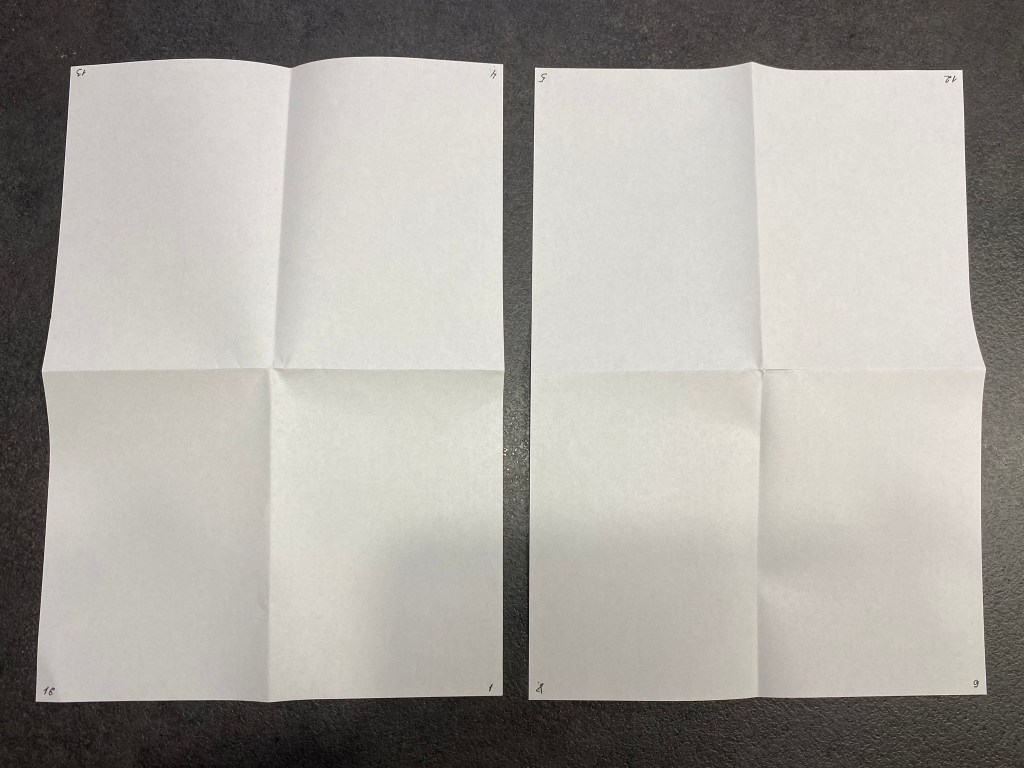
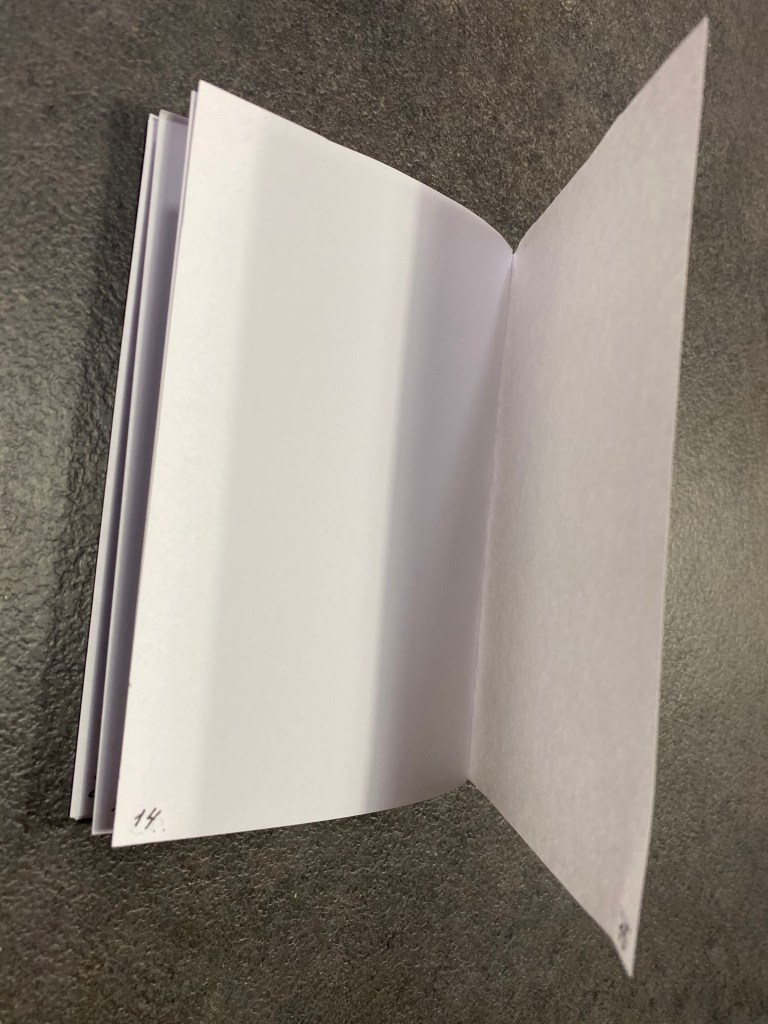
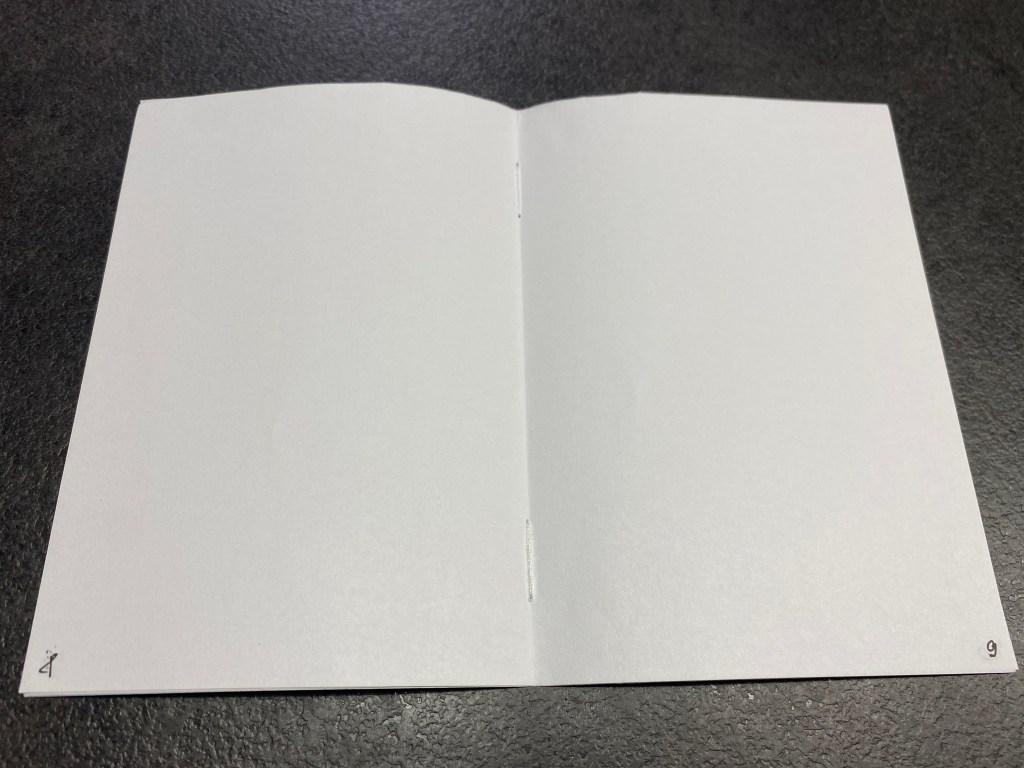
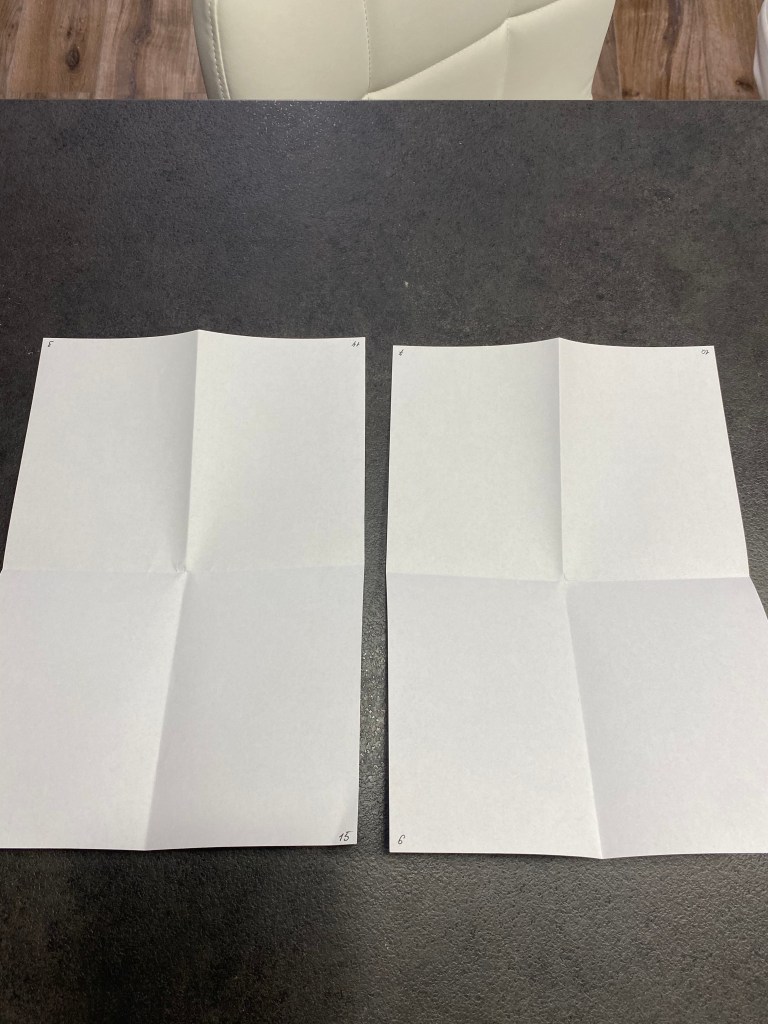
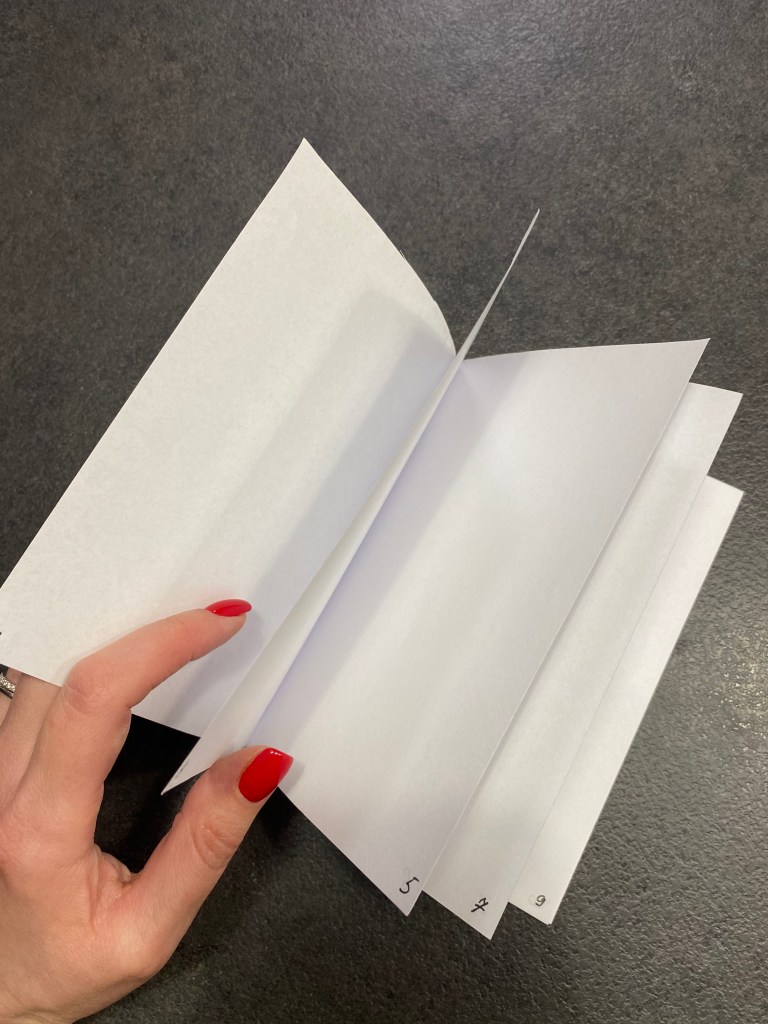
 Eleonora's Art Blog