There are two elements to this exercise – thinking about how you produce your publication, and making a smaller scaled down version as a mock up.
Creating a small mock up
Printers use large sheets of paper to print multiple pages, which are then cut and folded. You’re going to use a simple A4 sheet to recreate the process of imposition and folding into ‘sections’ or signatures at a smaller scale.
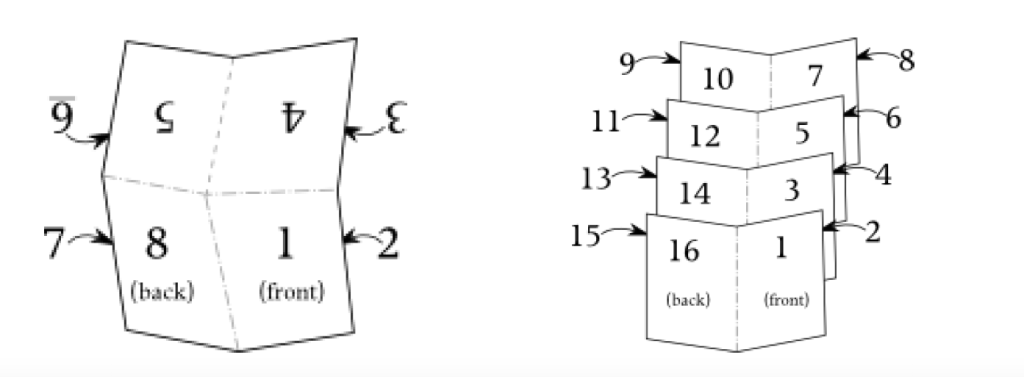
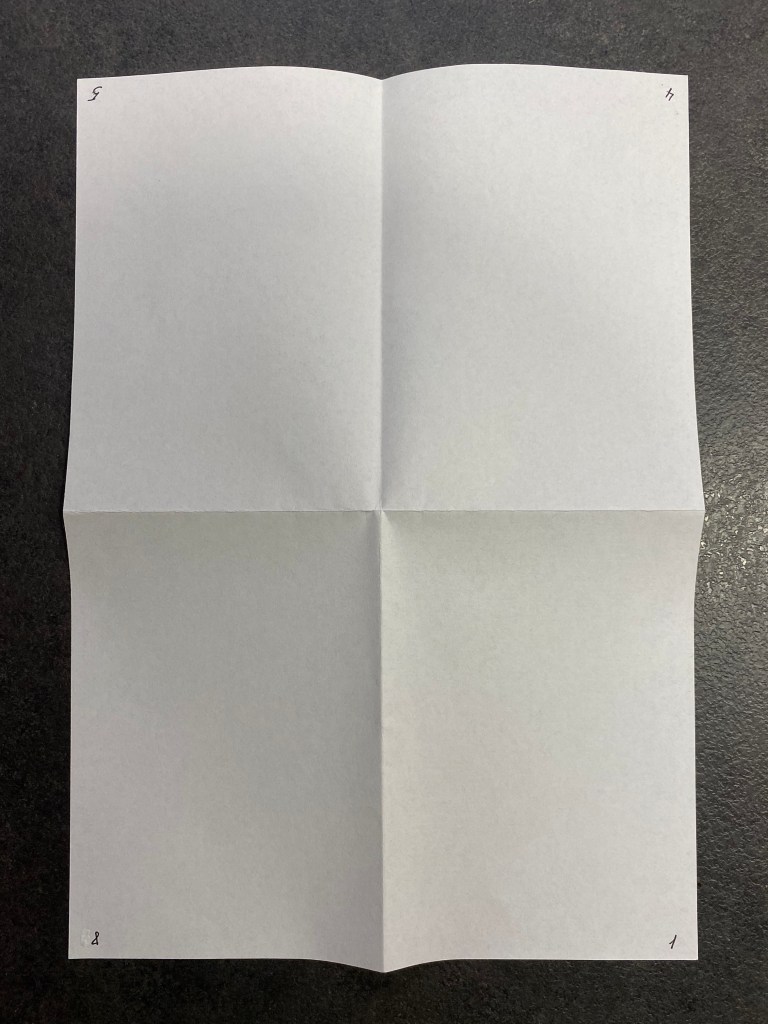
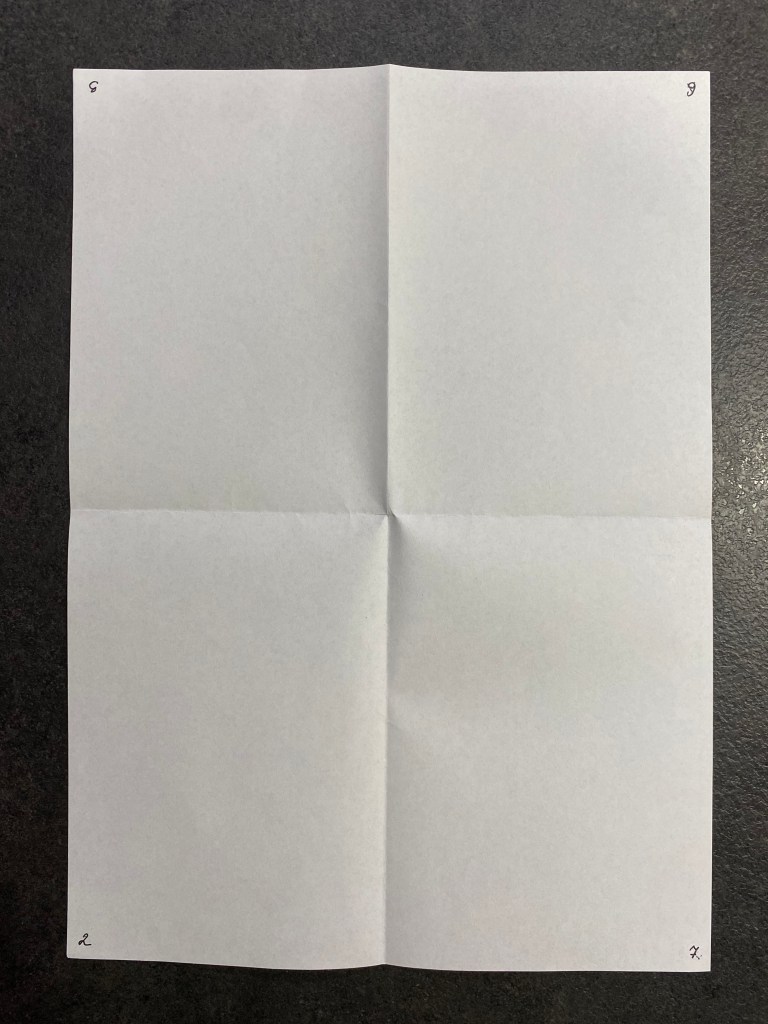
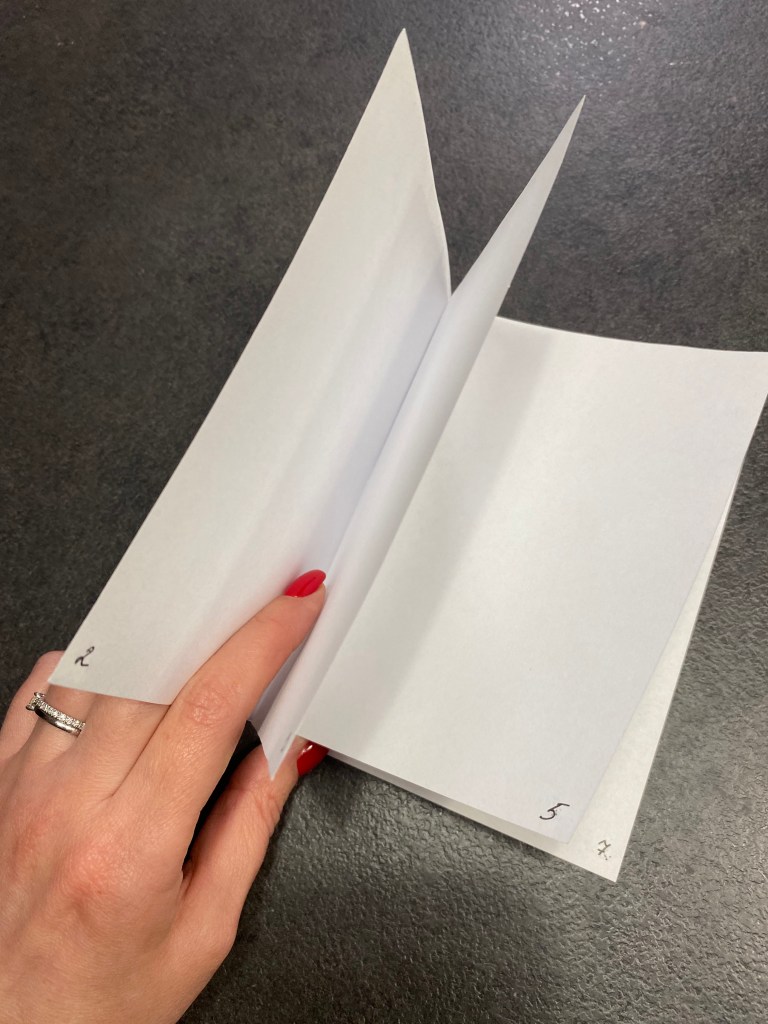
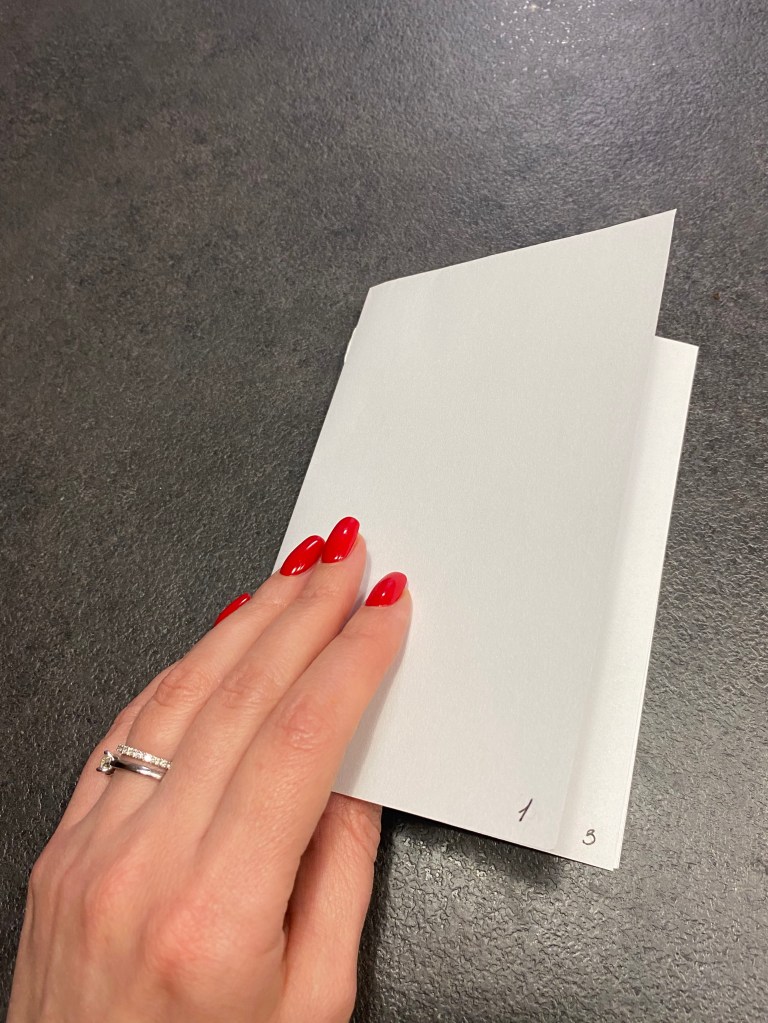
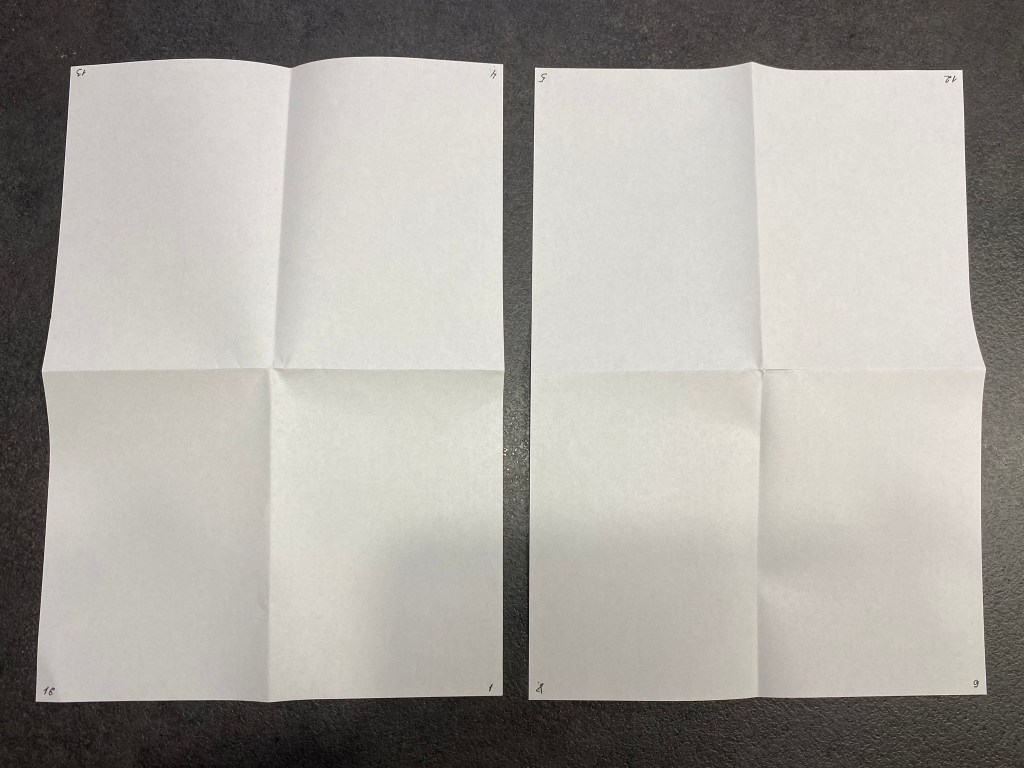
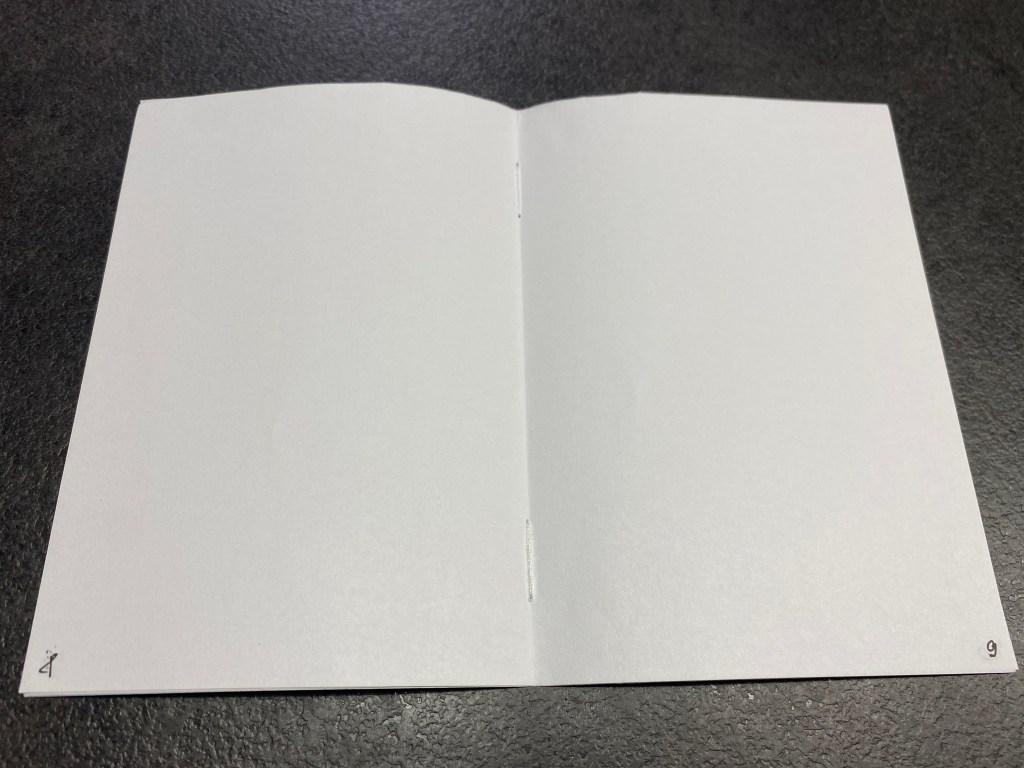
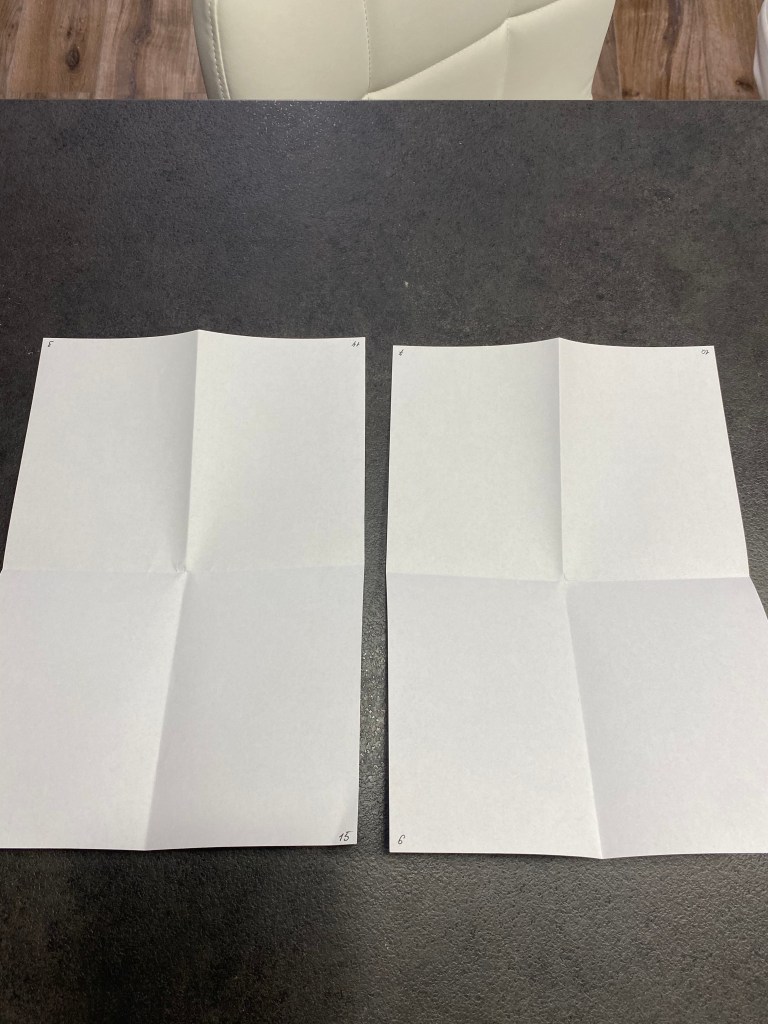
Fold an A4 sheet of paper in half, to create an A5 sheet. Now fold it in half again, so that you have an A6 size. This will comprise four leaves and eight pages. A page has a recto (facing) side and a verso (back) side. The terms recto and verso are also used to describe right-hand and left-hand pages in a double-page spread. With the sheets still folded, number the pages as they would read, from page 1, the front, through to page 8, the back. Now unfold the pages and notice how the numbers are distributed on the outspread sheet. This is a very rudimentary form of imposition, but the principle is essentially a miniature version of the same process within print production. By refolding your A4 sheet and then cutting the folded edges, you create pages, which can be stitched or stapled at the centre (gutter) to form a rudimentary book.
Books are constructed from folded sheets in this way, each one of which creates a signature. A signature is a section made up from a folded sheet which will create pages when guillotined. Signatures are built up in 2, 4, 8, 16, 32, 64 or 128 pages then stacked up in sequence and glued or stitched (or both) across the back edge to form the book block, which is then bound to the cover.
Creating a full scale mock up
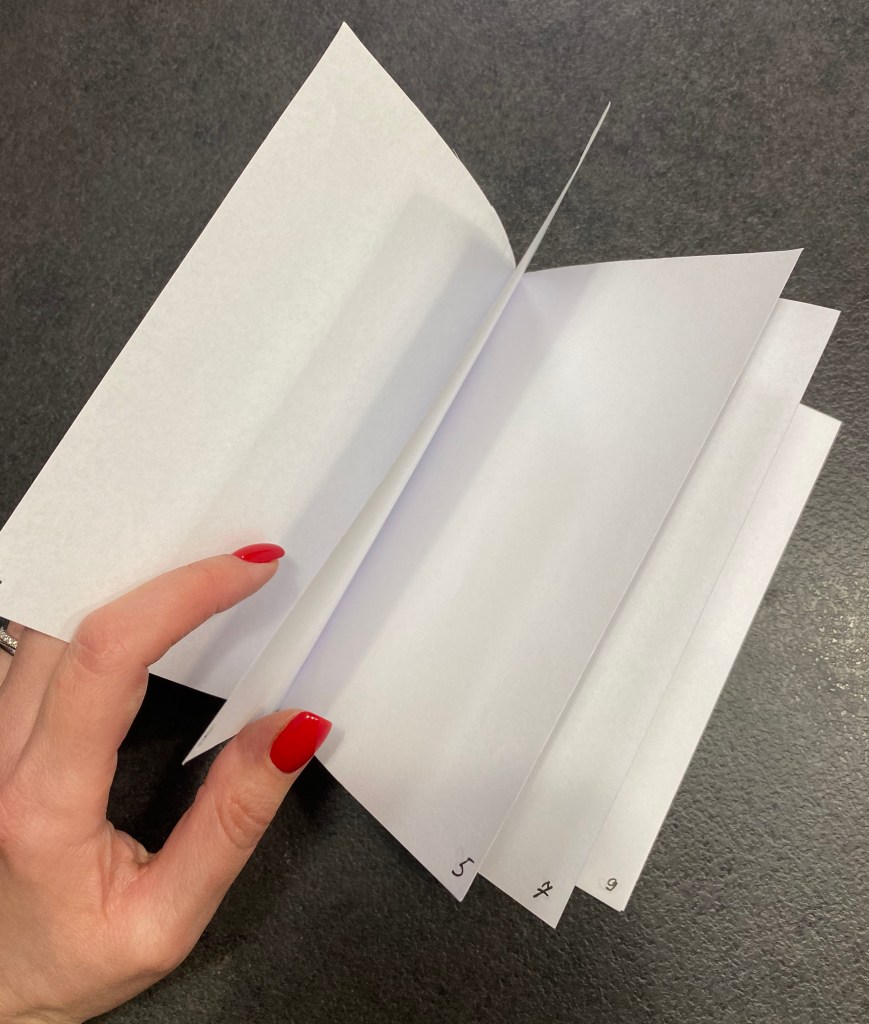
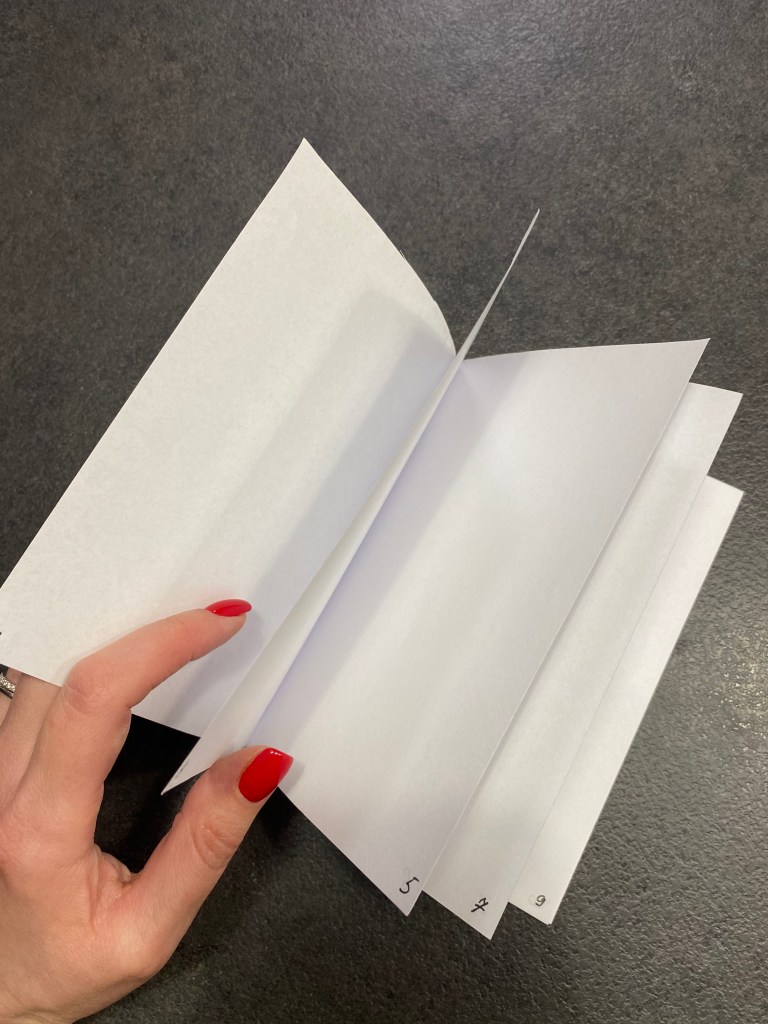
To create an A5 pamphlet with 16 pages take four A4 sheets together, and with the sheets positioned landscape, fold in half. Stitching or stapling on the fold will secure the sheets and form your publication.
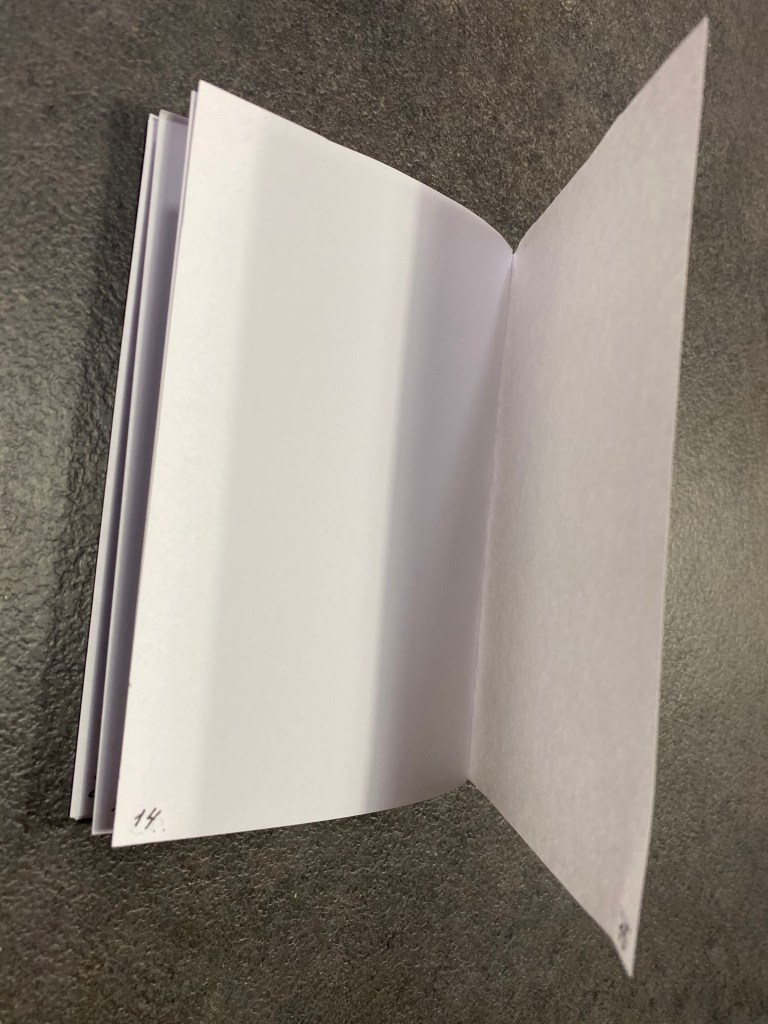
Additional pages can be added, but there is a finite number that can be slotted together before you notice how the folded pages start to stick out from the non-folded edge. This can be remedied by trimming the edges of your pages. For professional book designers working on large publications, this process needs to be taken through binding choices, and carefully adjusting page designs across the whole document.
Number each of your sixteen pages from front to back cover. Unpack the document and notice how the relationship of the numbers on the front and back of each sheet. For example, 1 and 16 should be alongside each other, with 2 and 15 on the reverse. These numbers dictate where your content will go, and how this content needs to be printed, and are known as ‘printers pairs’.
Translating your DTP artwork, which has been produced in chronological order, 1-16, into the format needed to print your publication, is known as pagination. Commercially, printers often undertake this work, but as designers, it is also useful to understand how pagination works.
A simple way to approach this, is by taking the overall number of pages (often including the covers), and add one. So for your sixteen page booklet the magic number is 17. Go back to your mock up and add up your page numbers – each of your spreads should add to 17.
Critiquing and editing
Making decisions about which of your designs are the strongest is an important part of the creative process. Thinking about your designs within the context of a book can help spark new ideas, so the critiquing and editing of your work can initiate the start of a new creative process. With this in mind, don’t leave reviewing your work to the very end. It’s a good idea to test out your ideas within a book format as you go. This might mean seeing how your work is framed within a book’s borders, how content sits alongside each other on the spread of different pages, summarising your ideas down to essentials forms, or seeing how the turn of the page might start to build a narrative from one idea to the next.
Creating a small mock up
Following the instructions, I created small blanks of the book in miniature. Previously, I was present in the print shop, but mainly my role was to approve the design for the composition and colour correction of calendars and magazines. But in this task, I was able to see how DTP works with a small example. This task seemed to me fascinating because I was able to create mock-up books using materials at hand. Also, if I have to design a book, I could use this small layout for sketches.
Creating a full scale mock up
With this 16th pages book model I’ve got slightly confused. But once the puzzle was solved, from now and then I can see how multiple pages book can be created. What fascinated about book design, that pages in the middle of the book can be smaller than first and last pages, as when the book thickens, it can cause some pages sticking out problem. But designer should know from the technical points of view how to create the final products without errors.
Conclusion
This exercise was a good introductory into the internal printing process of the book. From that simple example clearly can be seen how printers creates multi-numbered pages products. For me, as a graphic designer, the structure of the InDesign software is only small process of the big process, and it’s vital to understand how the book printing works at all levels.
Firstly, review your visual ideas based on from the previous exercise through a process of critical evaluation. Which ideas are you drawn to? Which ideas have ‘legs’ – possible interesting outcomes which are worth pursuing? Often the ideas which are strongest are those which have depth, or many layers of association. Perhaps you are intuitively drawn to a particular idea. Select a few ideas you would like to push further. Use your learning log to record your thoughts.
Now, do you need to undertake any research to help move your selected idea on? The form your research will take depends on the individual elements of your idea. Find source material that helps informs your ideas. For example, by doing objective drawings or taking photographs, to understand your subject better, and to consider aspects of composition. You can use both primary and secondary sources of research in this way. Research feeds into the development of your visual work, informing and advancing your ideas. Document this phase of the work accordingly.
The developing your ideas stage is about building on your initial ideas by reworking them, adding the visual or other insights gathered through your research, and testing out different versions or possibilities. Spend 45 minutes developing the possibilities of one of your ideas. How many different ways can you visualise this?
If you want to develop a broader range of ideas, then repeat the previous exercise to generate more possibilities, potentially using a different phrase as a starting point. Use your learning log to document this process of review, research and development.
Visualising your ideas is the culmination of all your preliminary work in which you work up some more developed visual sketches and ideas. This artwork can be hand-drawn illustrations, photographs, and/or include typography. The presentation can be a little rough around the edges but should show the main elements of your designs. Select the strongest variation of your ideas from the previous research and development exercise to start exploring how you can visualise them within a mock-up. Use your learning log to document these research and development stages, and to reflect on the process and your results.
Researches
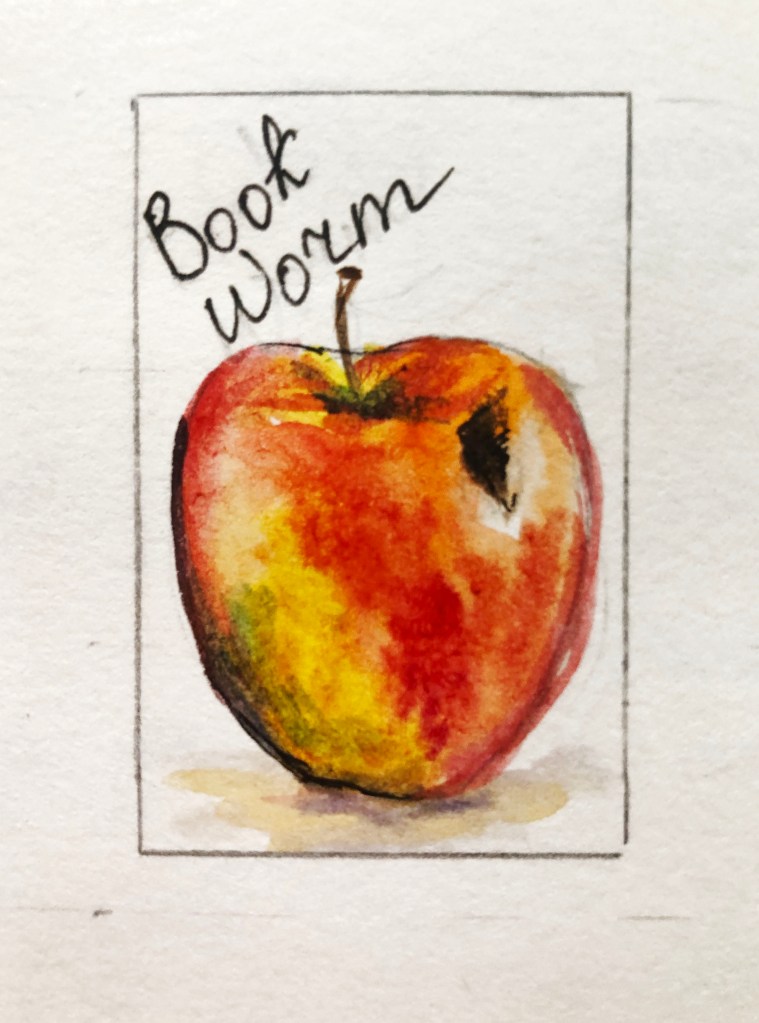
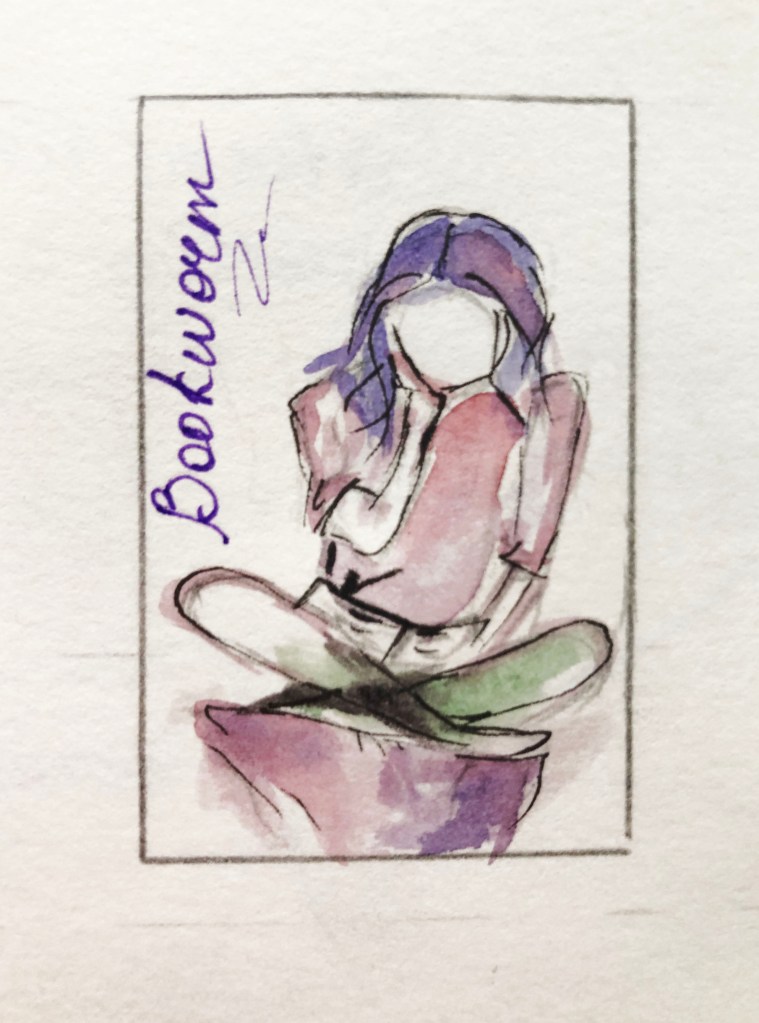
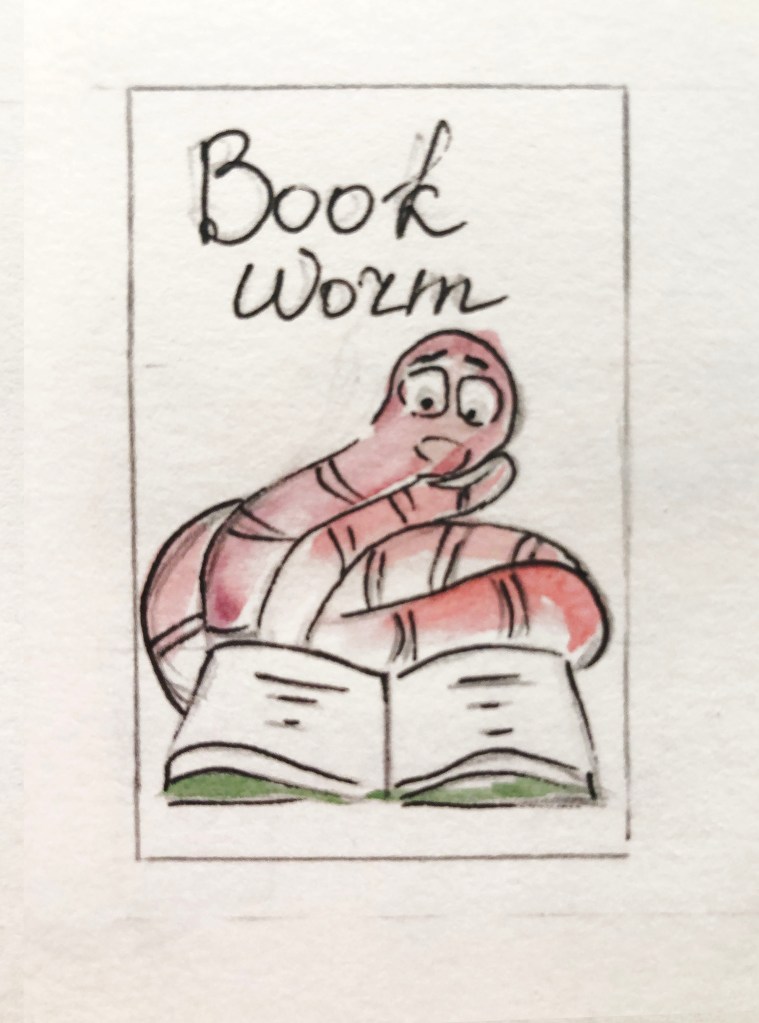
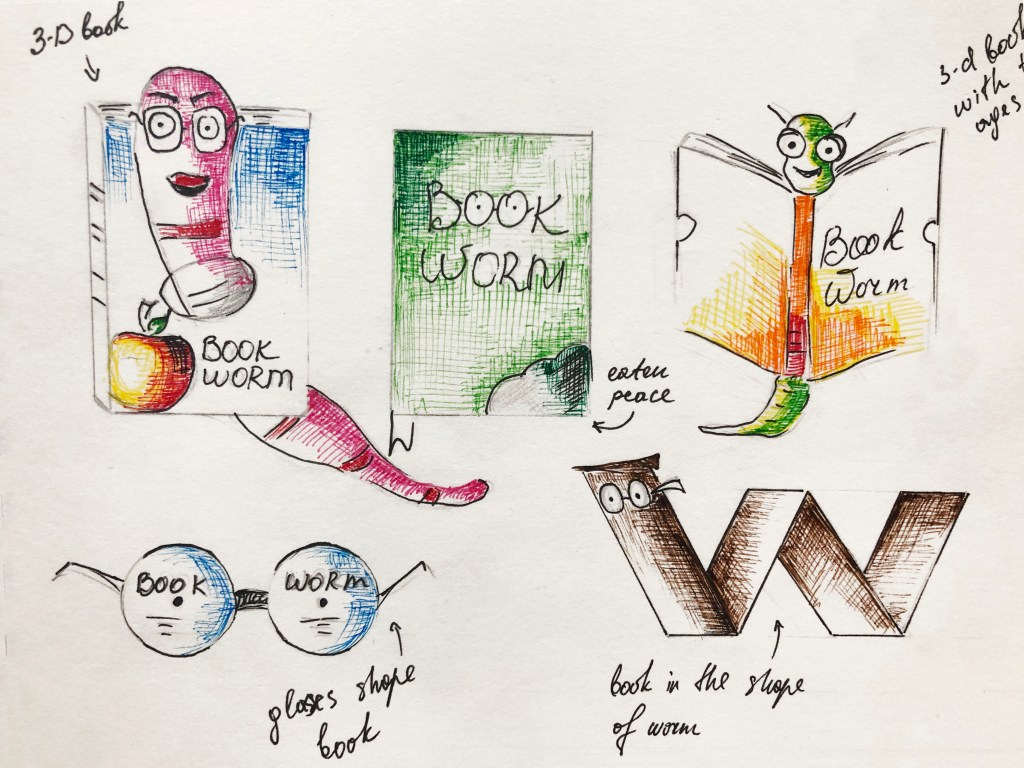
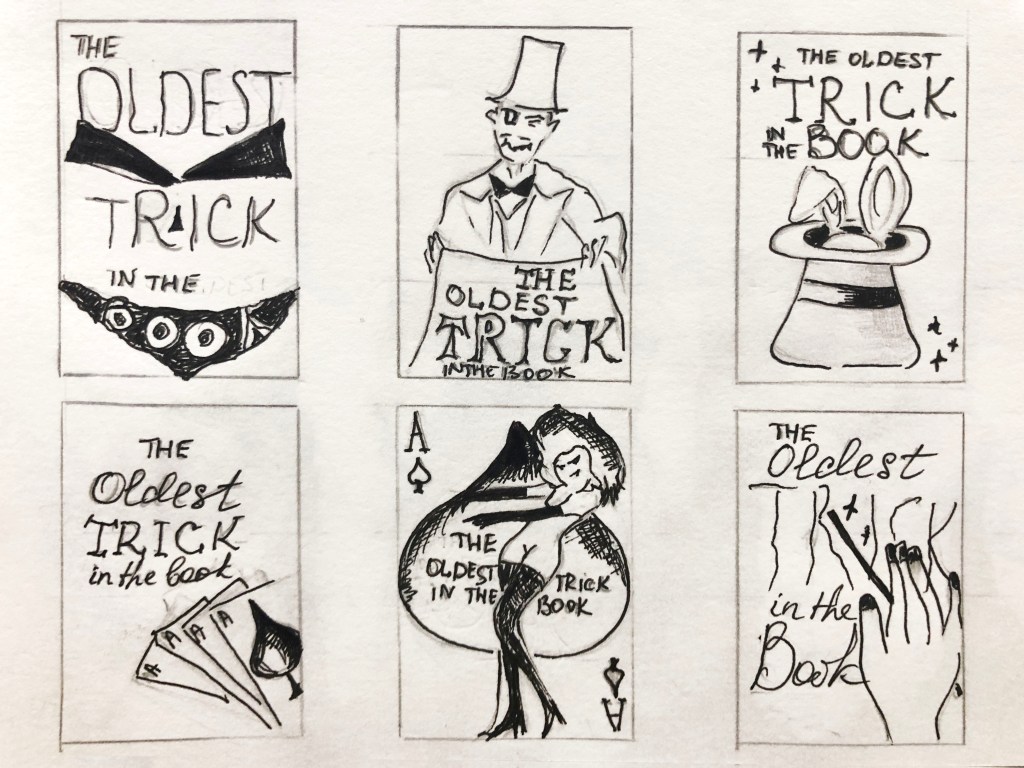
In my previous exercise, I developed a couple of ideas for British idioms like ‘Bookworms’ and ‘The oldest trick in the book’. Those sketches were done in completely different style, for the ‘Bookworms’ I tried to play with the shape of the book, I had a thought that I can produce 3-D kind book, maybe with a little worm sticking out of it, or create a book with a shape of the worm. But for ‘The oldest trick in the book’ I chose a different path, all book covers had the standard rectangular shape, but I thought that here I had more potential in discovering original ideas for the book cover.
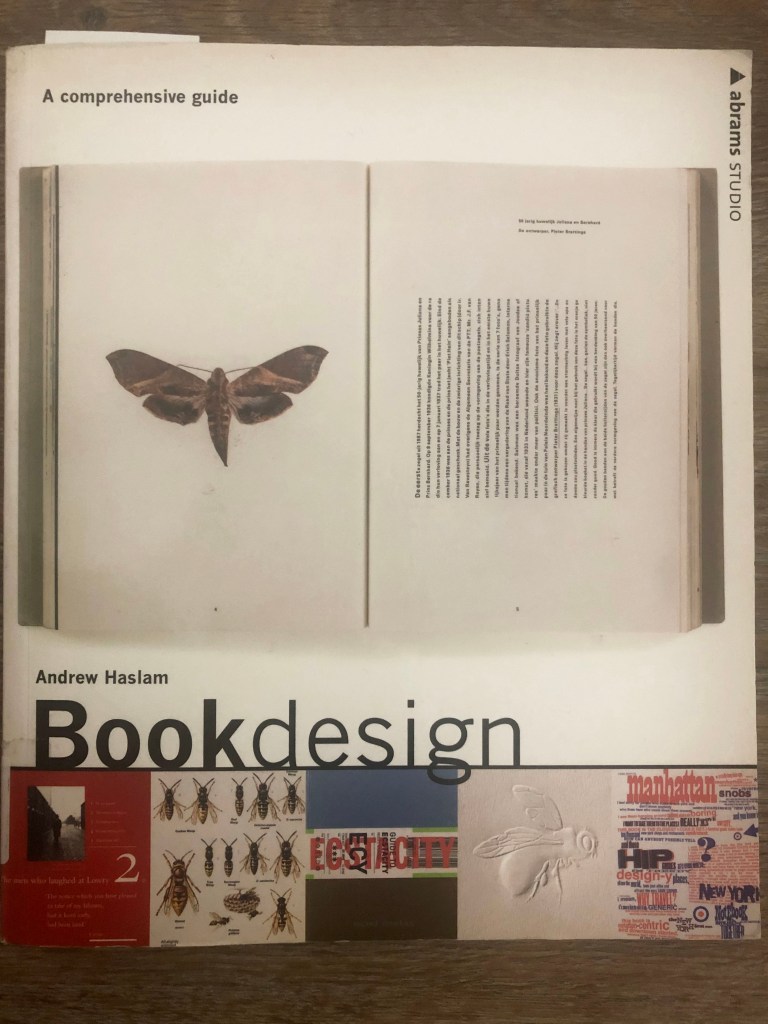
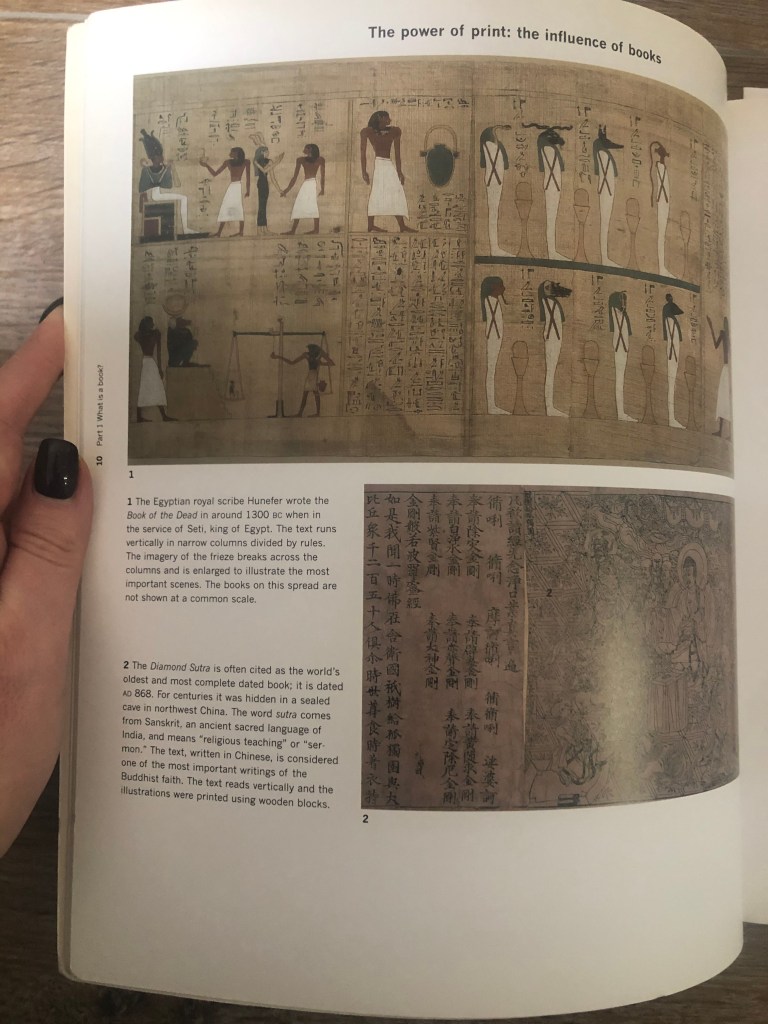
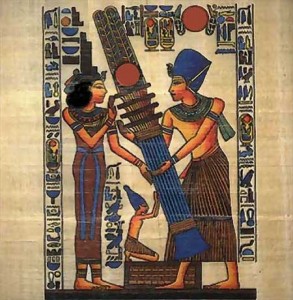
I had a wide range of different ideas for the old trick saying, ranging from the term illusion, card games, magic, Halloween tricks and others. I was thinking what if I try to make some researches for the most ancient sources tricks ever produced. It was the direction where I wanted to move on. I thought that I could do researches for the oldest trick in the world. A book by Andrew Haslam ‘Book Design’ became handy. The author described the most ancient book ever preserved by a human were the Egyptian papyri. Papyrus was used throughout the ancient world, with some samples of Egyptian, Roman and Greek writings.
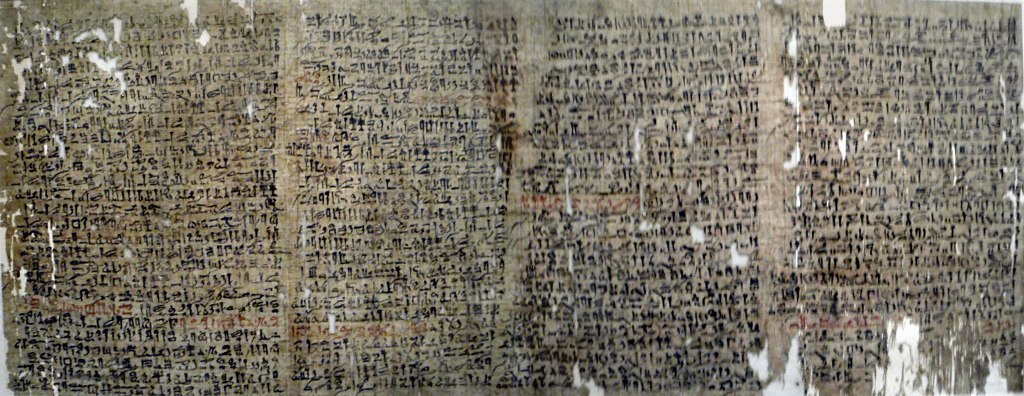
Some answers to the question what could be the oldest trick in the book I found it this little video. Which sounds quite fascinating. Someone called Dedi a fictional ancient Egyptian magician appearing in the fourth chapter of a story told in the legendary Westcar Papyrus. He worked wonders during the reign of pharaoh Khufu (4th Dynasty). Magical tricks that show animals being decapitated and their heads being replaced were performed as recently as a few decades ago, though today they are rarely shown because of aesthetical and ethical misgivings.
Some images from my researches about the oldest papyrus with Egyptian text containing stories about miracles and magic. Also the image of Egyptian magician Dedi.
I created two mood boards on Pinterest. One of them contains some objects and researches I had in Egyptian patterns and books in magic. For another mood board I created a selection of creative book covers. I hope that those major steps starting from sketches, then Egyptian mythology and creative book covers can lead me to the unique book cover design.
Pinterest Mood Board
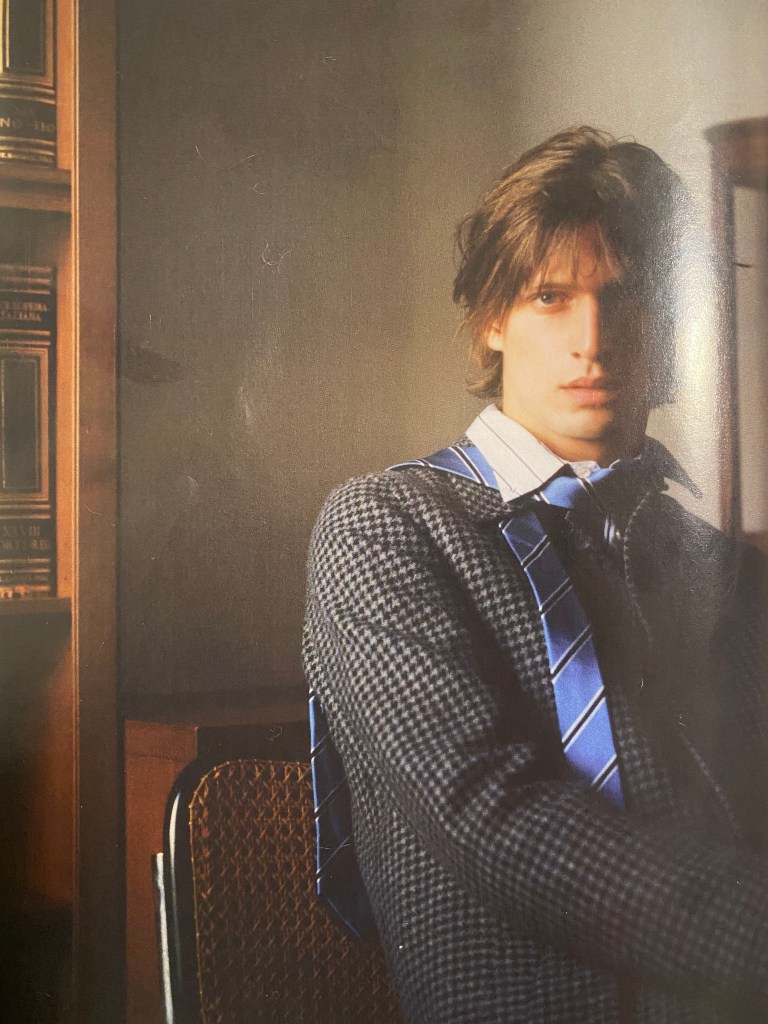
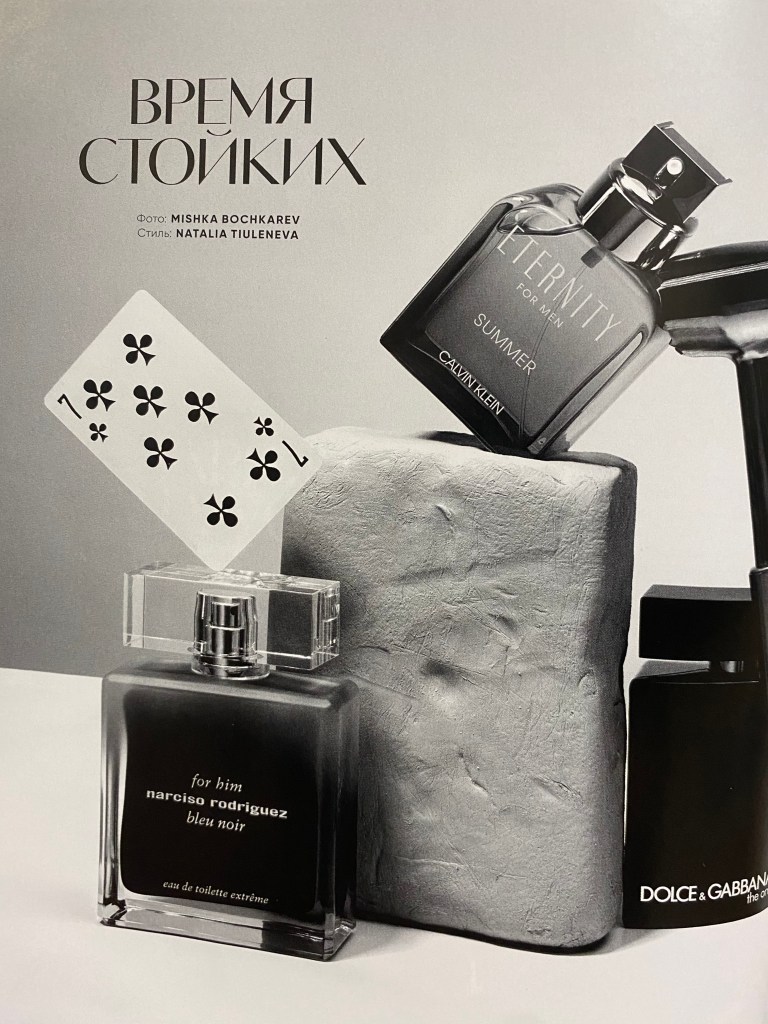
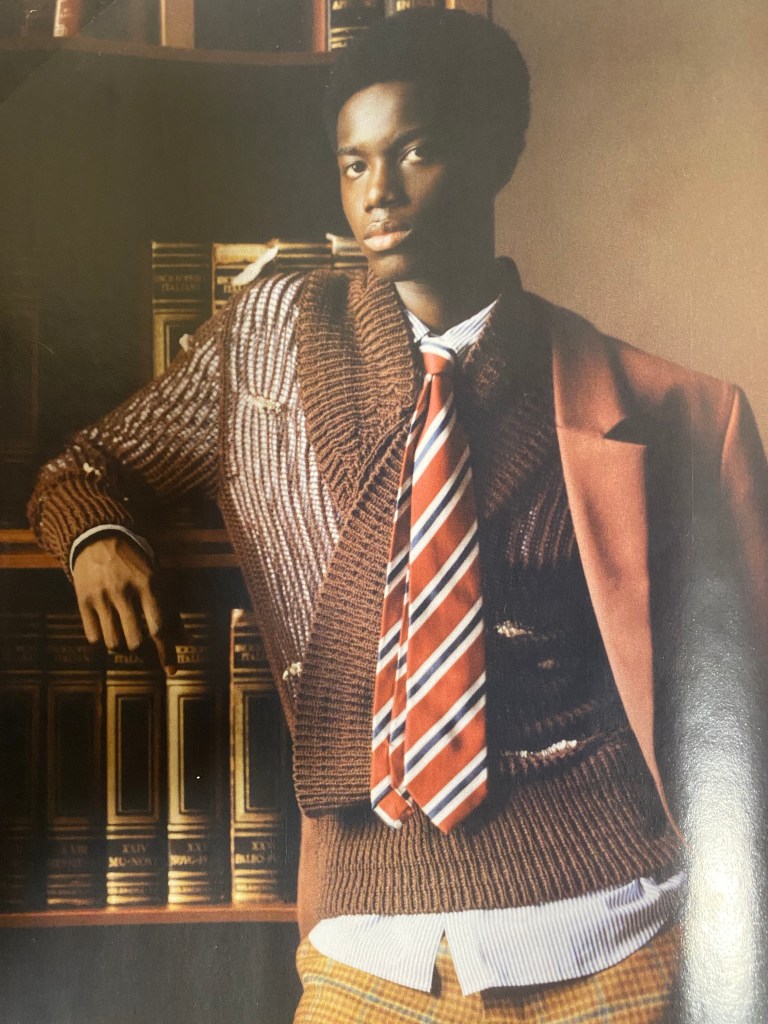
Vogue Man Magazine
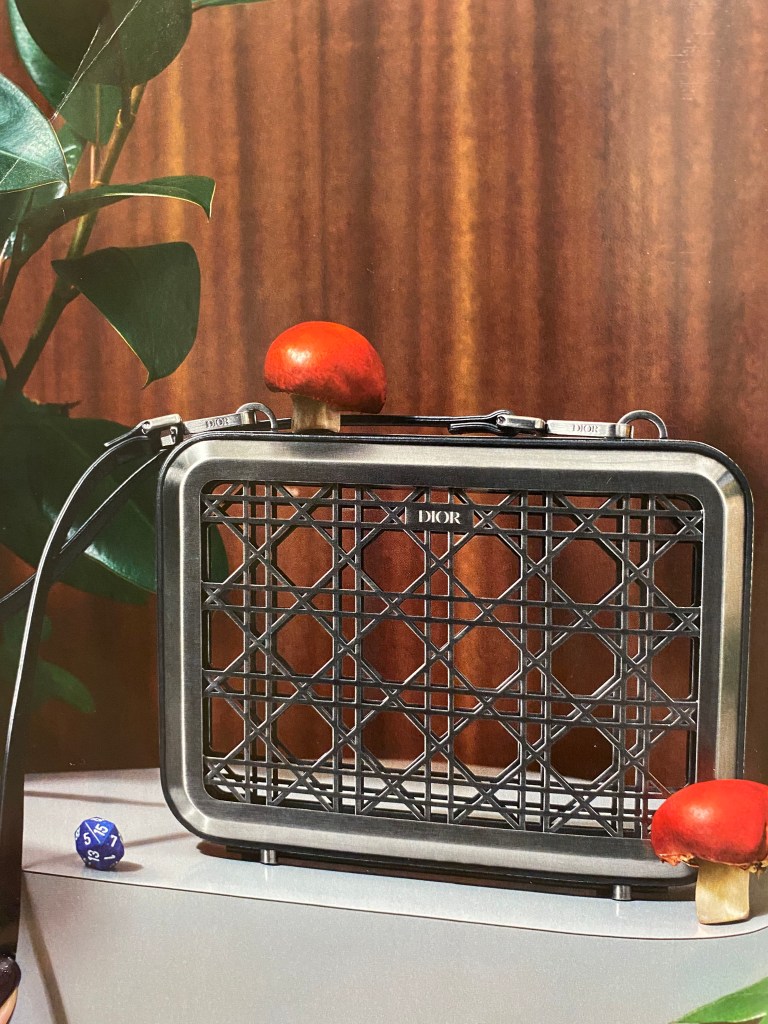
I remembered that in my drawers I had some Vogue Man fashion magazine with some interesting photographs made on brown, warm mood colours. I decided to go through it and took some snaps of pages that I could probably apply in my designs. I loved those wall colours, with some old book covers on them, they had a right colour direction for my book cover. Also I paid attention to the picture with old stone and playing card next to it. In addition I could probably use the pattern of the fashion bag, as a texture for the book cover. I thought I can paste some of the elements into book design and create original collage from them.
Designs
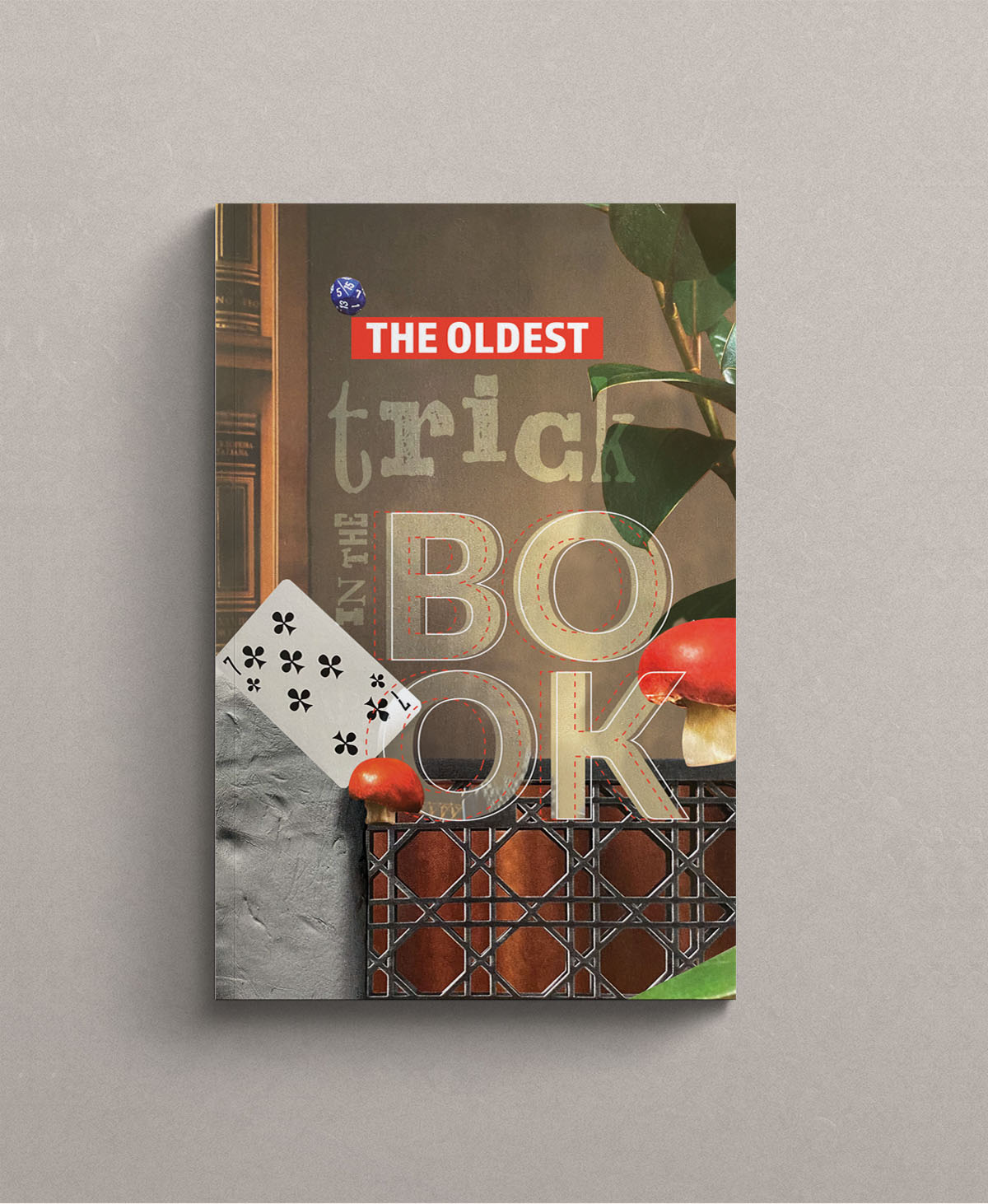
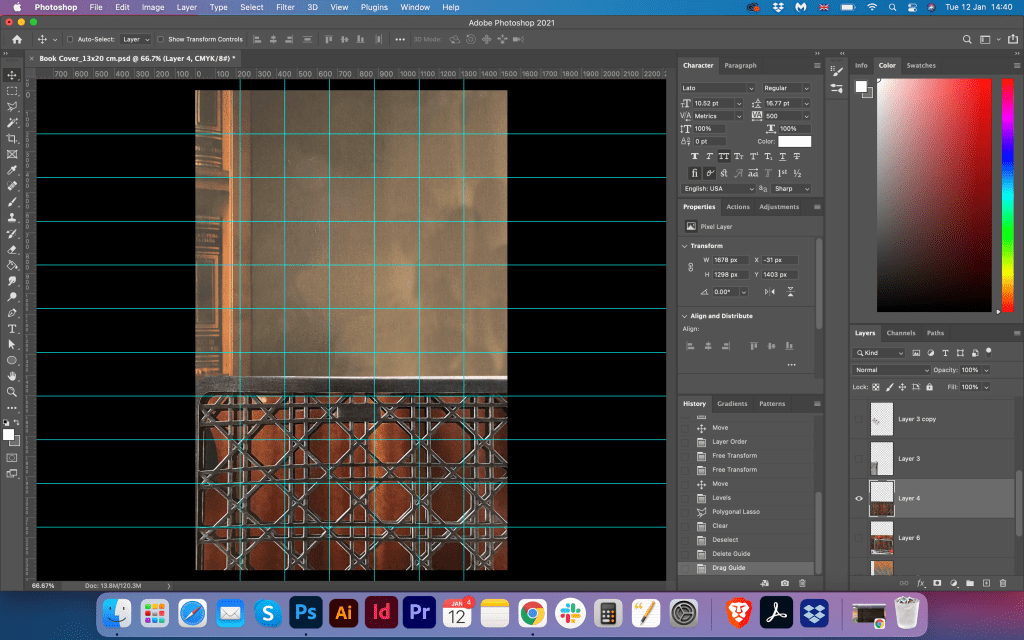
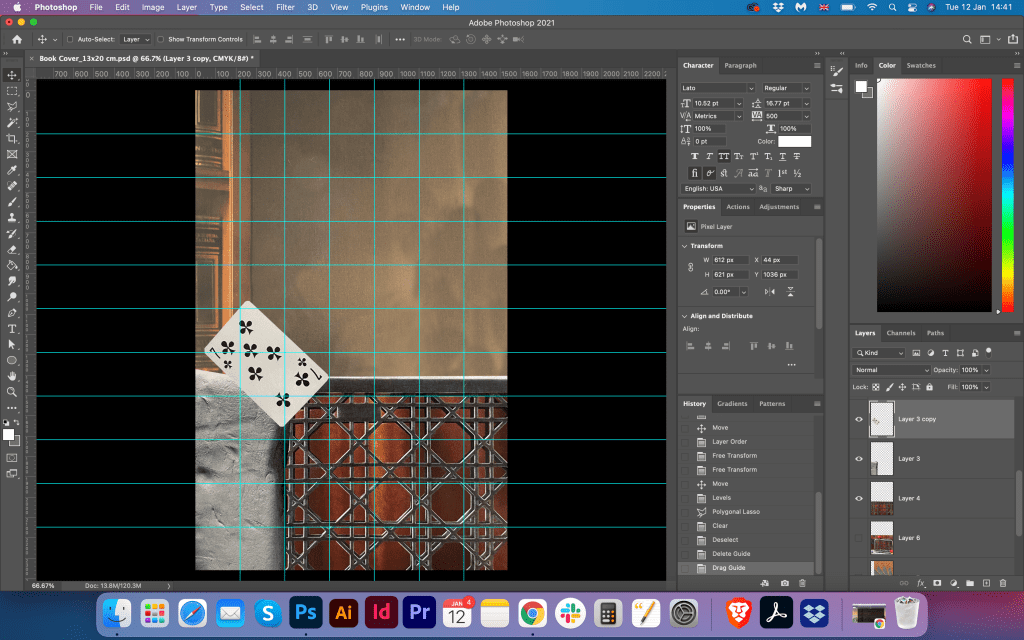
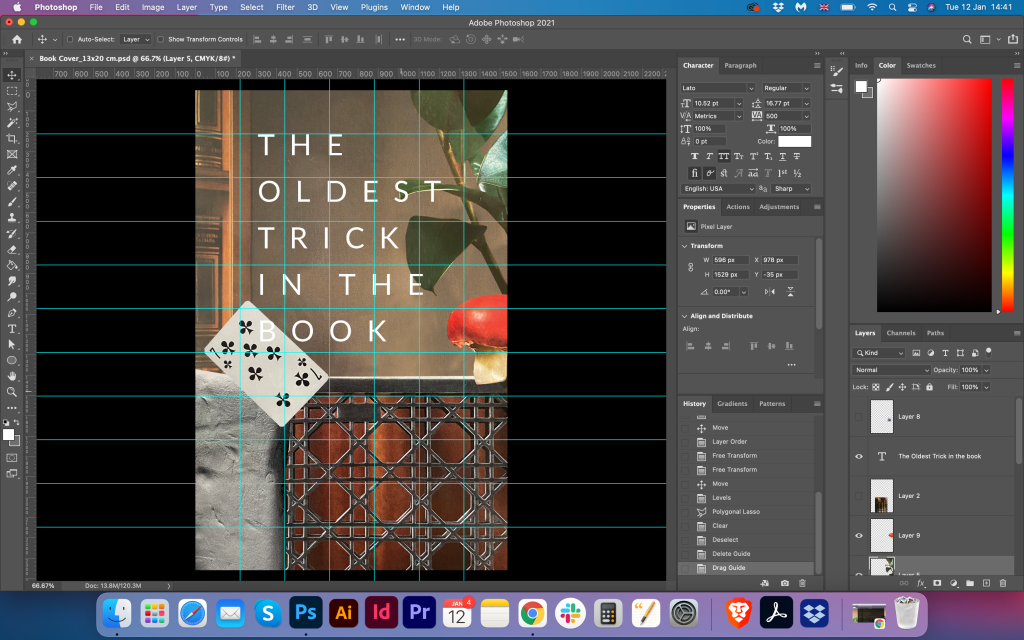
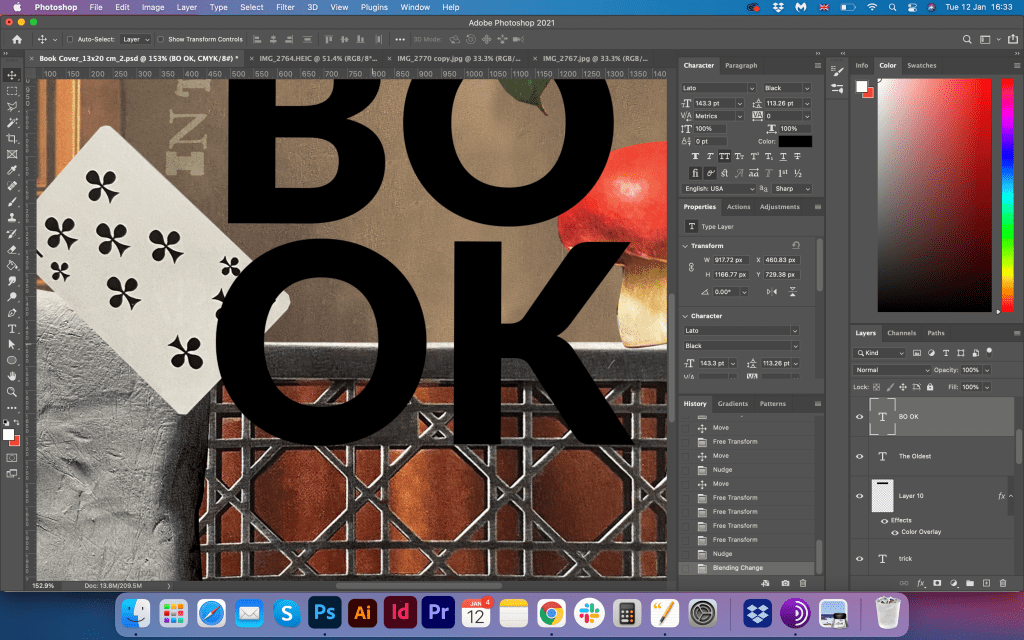
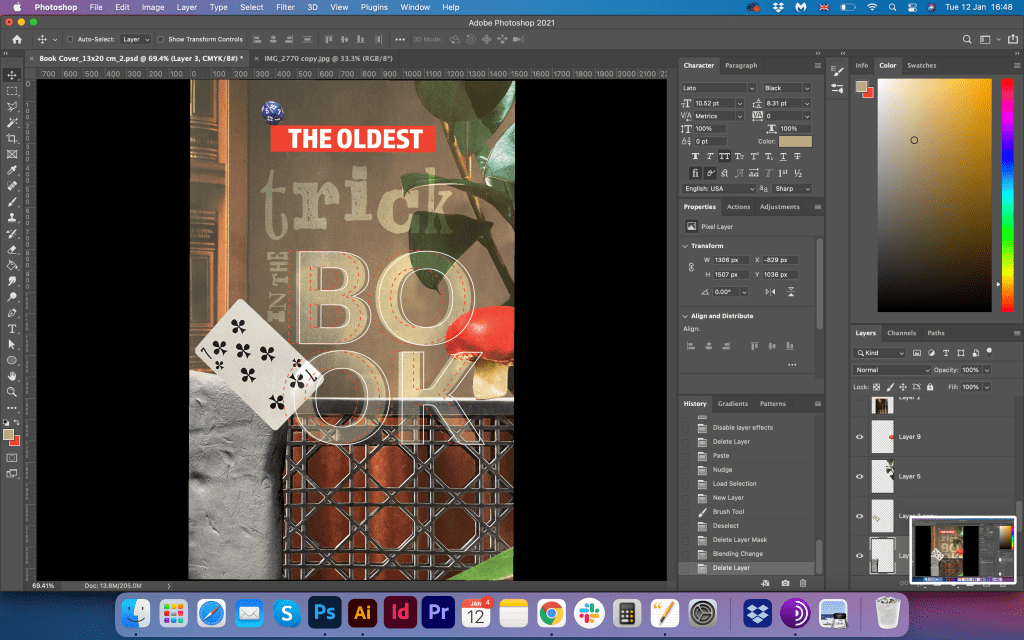
I created a grid for the image, so I could see where the centre of the composition, and how to align all the objects. I started from the main image for the background, going forward filling the space with different copy paste figures. My intention was to create the abstract cover with eye-catching elements on it, so the first reaction would be: “Wow, this looks fascinating! I wonder what is this book about?” I played around with some colours, adding to the corners red, green objects, and playing card in the corner. For the book cover name I placed the simple white type Lato regular, big letters. I thought that it was direction of design that I wanted to be, but I decided that would be good if I could play with the font, and combine some different types together. That experiment I pushed forward in the designs below.
Updated Fonts
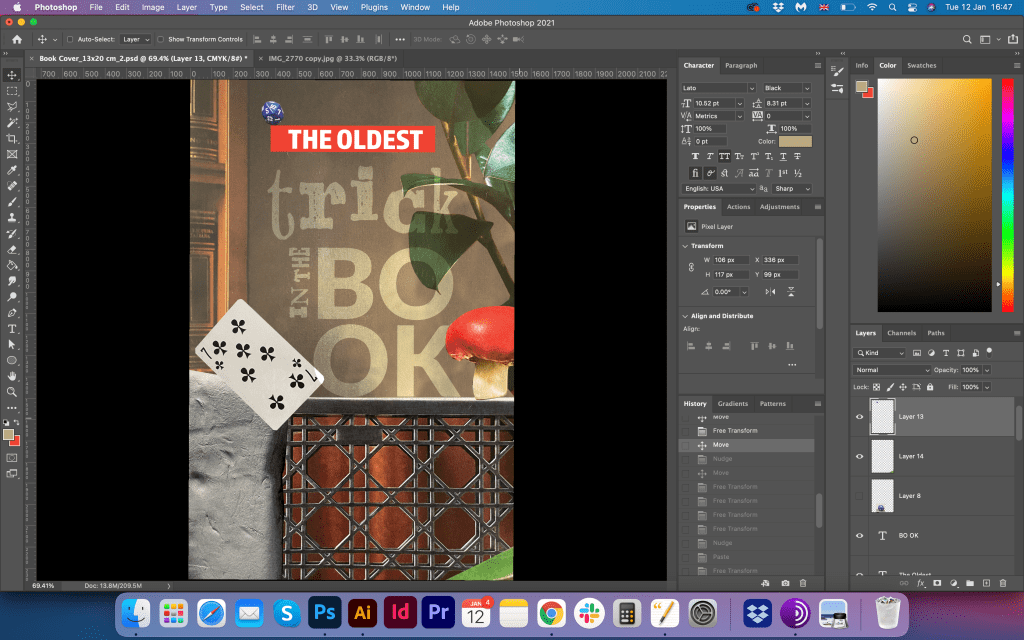
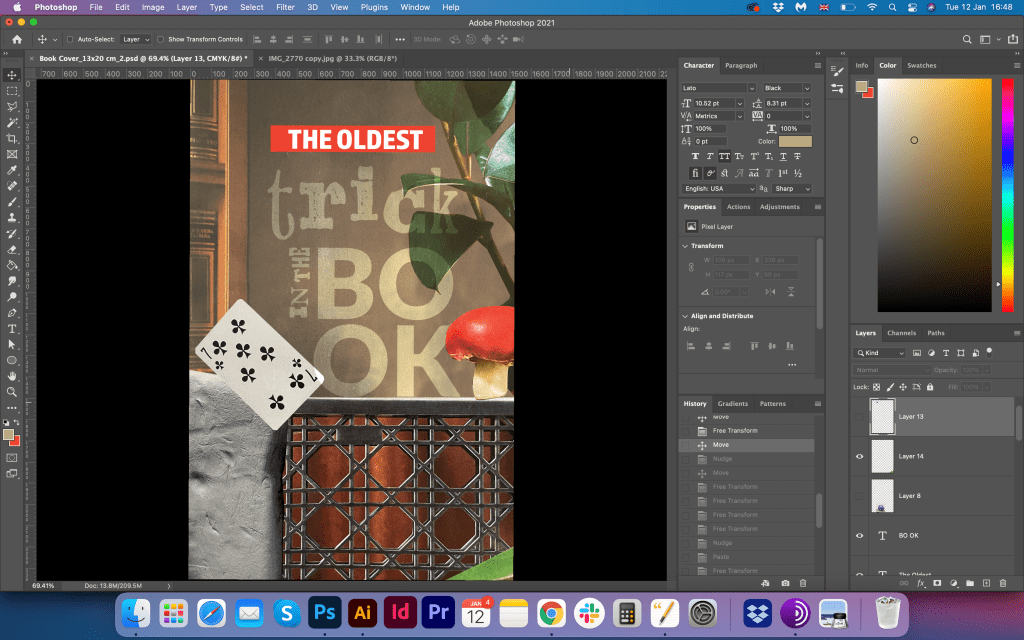
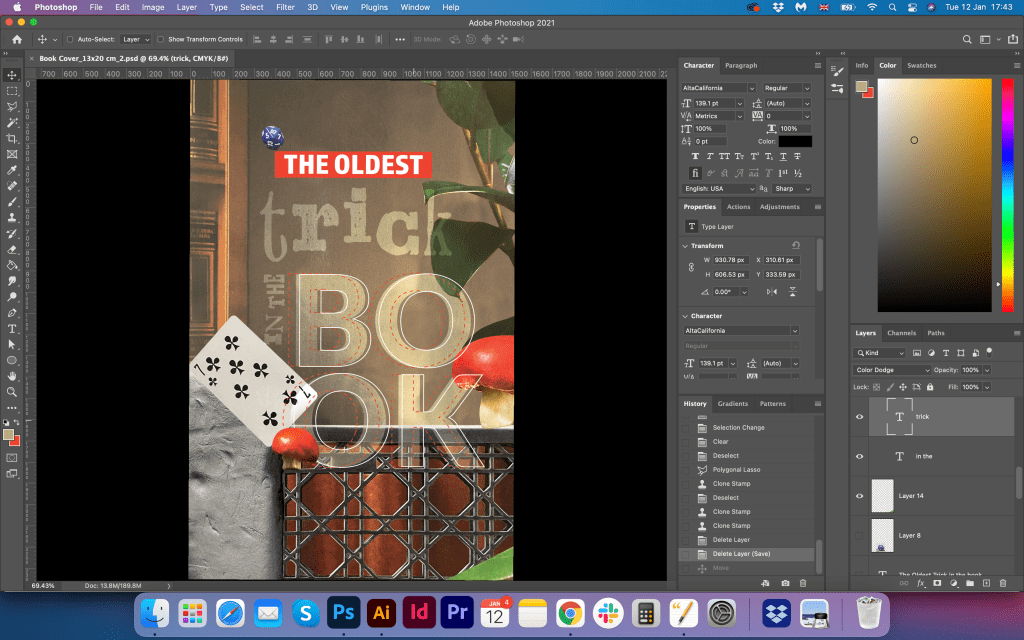
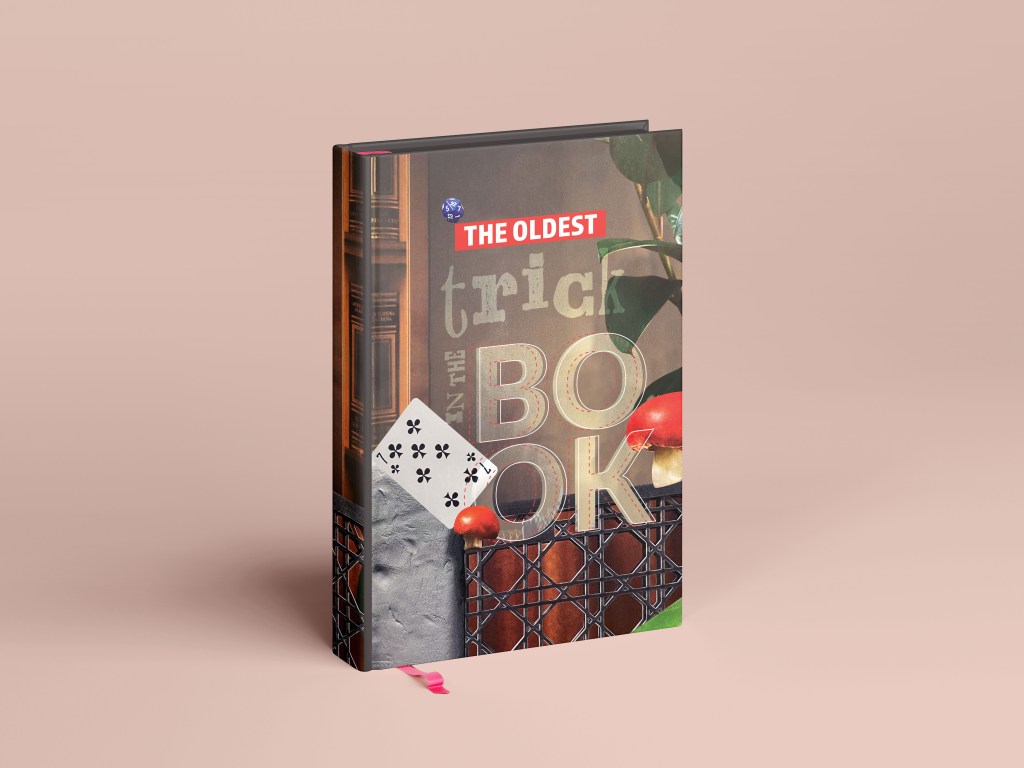
In this part, I felt like I could be more experimental with the font choice for the words at the cover. I wanted to create that playful mood between the words, make them different but at the same time to join them together in an unusual way. For the word ‘The Oldest’ I used Almaq Refined font all capital letters, also I highlighted it with the same red colour as the mushroom. On the age of those letters, I put a little playing cube. I thought that I can fill the design with little elements that would speak on behalf of the trick elements, magic mushroom, playing card, with some brown colour from Egyptian papyrus. Decorative font AltaCalifornia for the word ‘trick’, and big transparent letters ‘Book’ made in the font Lato. As I made letters transparent, I added thin stock around them. I thought that the final design looked quite eye-catching and innovative.
Conclusion
The most crucial part of these exercises was the researches part. From the first point of view, there were so many possibilities to explore, but when I choose one specific direction, I realised that it still can go into so many different ways. What is fascinating about this exercise that even when I tried to predict the design in the result all materials and researches can lead the designer into some unusual solutions. I’m sure there is some more work that could be done for this book cover, it could be much more various solutions, for example, I could produce more options related specifically to the Egyptian theme. However, the direction I chose was more related to the abstract collage, and I was quite satisfied with the outcome I got.
Browse the American based Smithsonian Libraries’ Artist Book archive to identify books that you find interesting or questions the notion of the book in some way. https://library.si.edu/collection/artists-books Explore fanzines in more depth by reading Teal Trigg’s chapter Definitions and early days (pages 6–43) from her book Fanzines: A do-it-yourself revolution (2010). This chapter is available as a course resource on the student site. Document visual examples of work you find interesting with annotations in your learning log. You’ll be using some of this research in your first assignment.
Researches
In this research exercise, my task is to analyse non-standard designs for books and fanzines. As a term, I had never heard the term fanzines before, so here was the opportunity to discover some information about them.
To begin with, I followed the link to the Smithsonian Libraries ’Artist Book, which contains all kinds of book design variations. Here I see an obvious example of how you can go beyond and create a real work of art from everyday things, this is something that does not occur in everyday life, and also helps to see new facets of art.
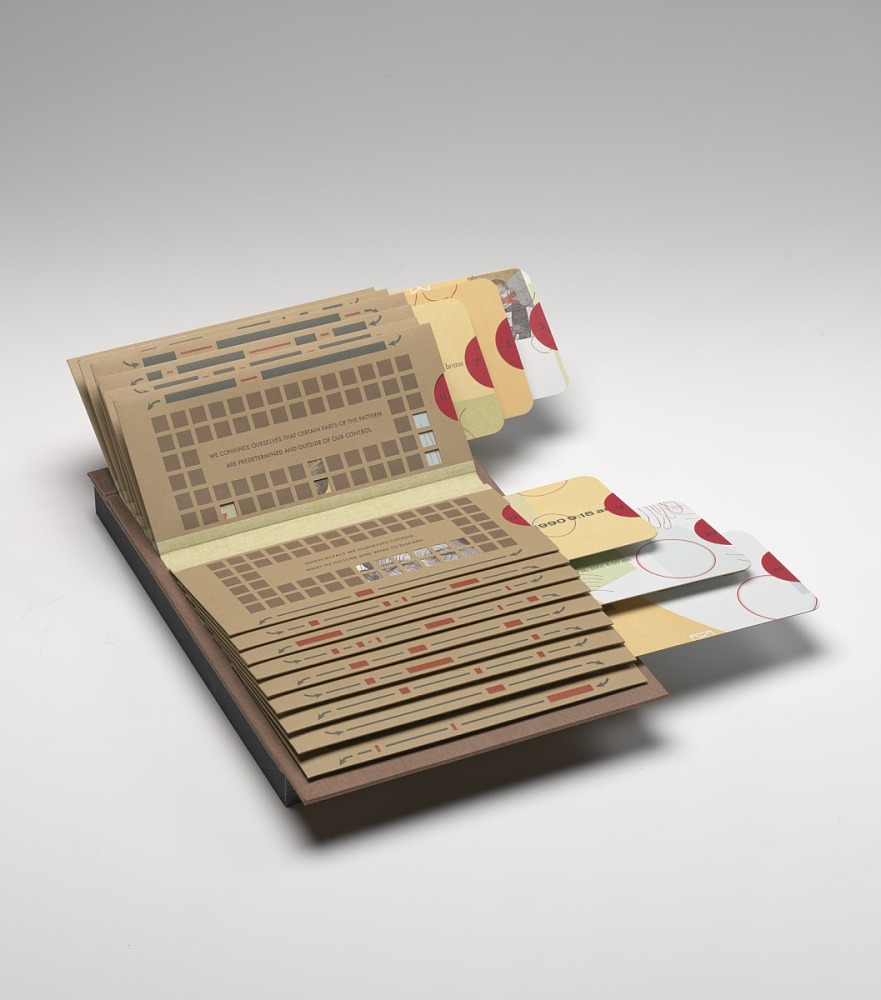
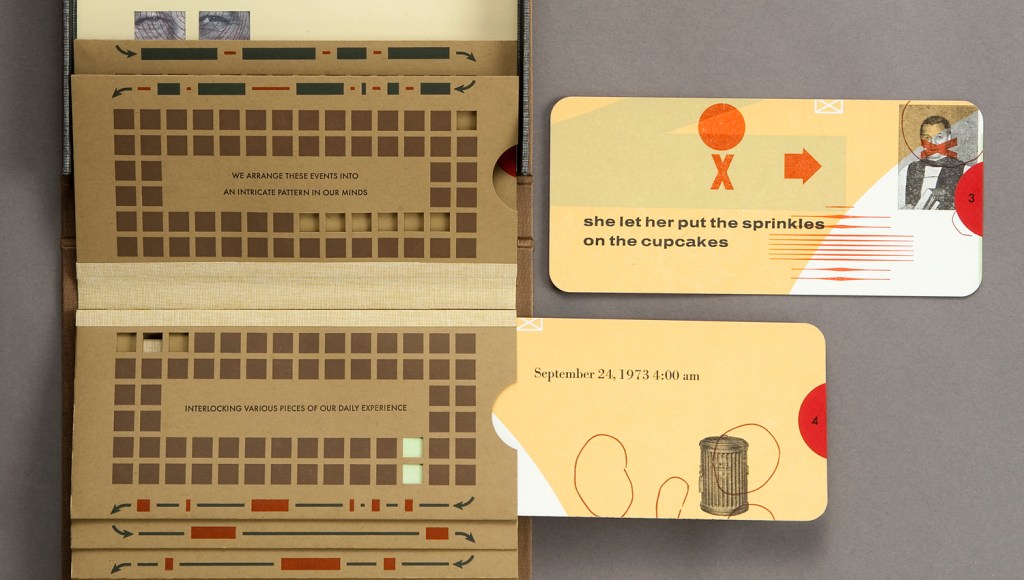
The first book I would like to highlight is Glimpse by two authors Barbara Tetenbaum & Julie Chen, who put their creativity into one project. In this project, the authors examine the idea of the creation of their biography. For the design of this book was used letterpress from hand-set type, wire, antique news cuts, dingbats and photopolymer plates. They gathered together their prominent events in some kind of photo album style book.
In this book, cards could be pulled out from each envelope. Cards contain some phrases, dates and collages. I like the sepia colours used for this book and vintage style of images. They gave a feeling that it could be a historical masterpiece. This is a unique example of seeing ordinary events in an original way. At the same time, ‘Glimpse’ is another example of how creative approach could make something unusual and artistic.
Gifts from our elders by Kerry McAleer-Keeler
Another book creation that paid my attention is the book Gifts from our elders by Kerry McAleer-Keeler. Visually it has a similar feel to the book described above, like vintage objects, similar colour pallet, but in this case book was folded into the box. It reminded me pop-up books I remembered from the childhood, which had 3-D objects inside of it, so I could read the information not through words, but through images.
I loved the key theme of this book, the celebration of femininity and the gift of life. Here, the author, through medical images of the heart and brain, reflected the favour of the intellect and love for art. I noticed that Kerry McAleer-Keeler has a whole series of similar works, where she combines her philosophical views and her attraction to beauty in the boxes.
“I’m an artist who wishes to tell you a visual story.”
I am impressed that the artist wants to take the viewer into a new imaginary world, and through symbolic elements creates a new perception of spirituality and life cycle, especially I like associations she created for objects and the way she folded it altogether.
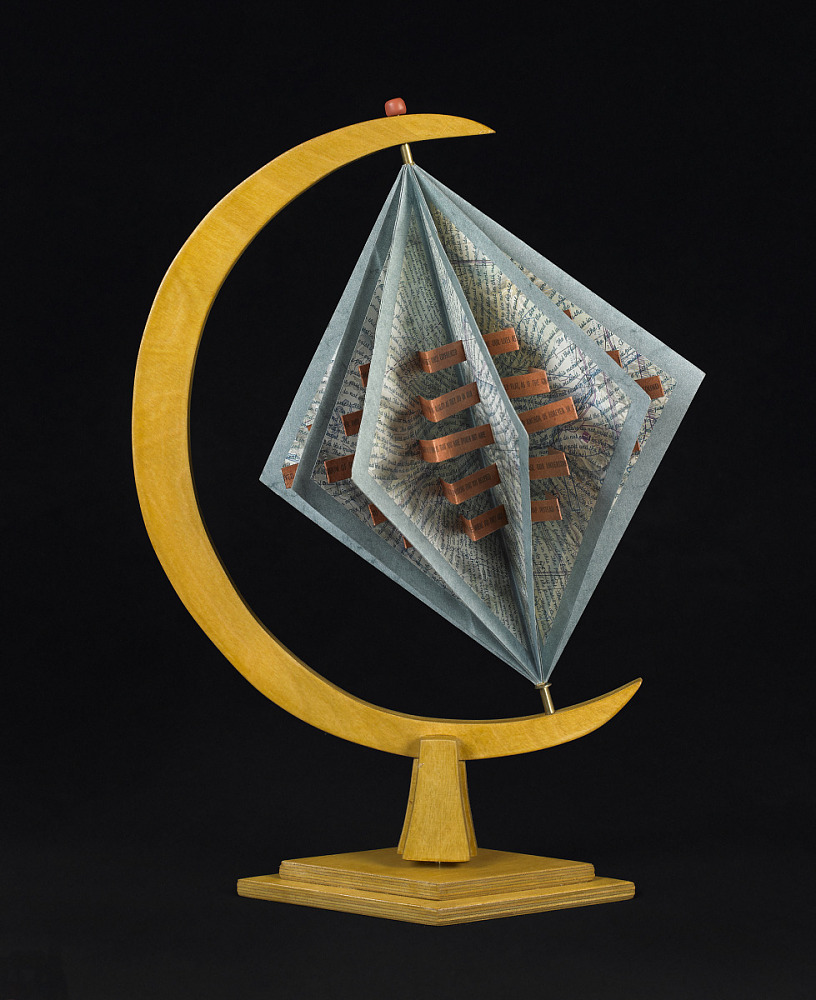
World without end / / by Julie Chen
Another example of artists’ book I would like to mention was designed by the same author of Glimpse, Julie Chen. I think this work stands out because of it’s unique and original shape. I really loved that concept of endless globe, but in the shape of rhombus and envelops. Overall I would like to mention that I loved to learn more about exploring the sculptural and interactive potential of the book form, and discover a notion of what a “book” can be.
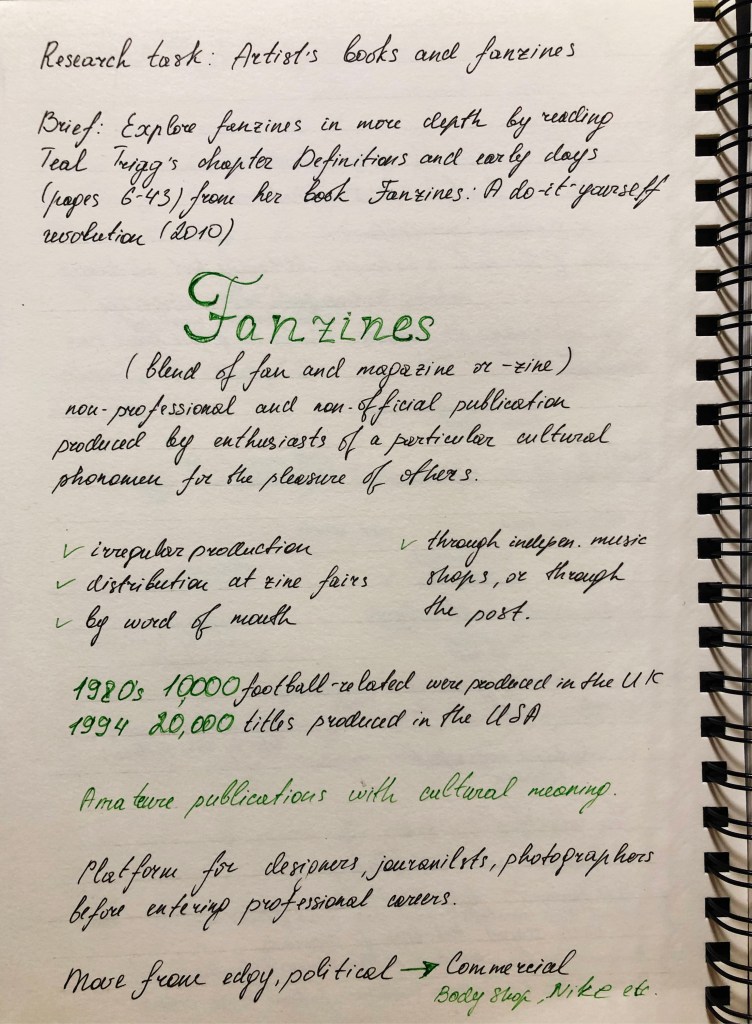
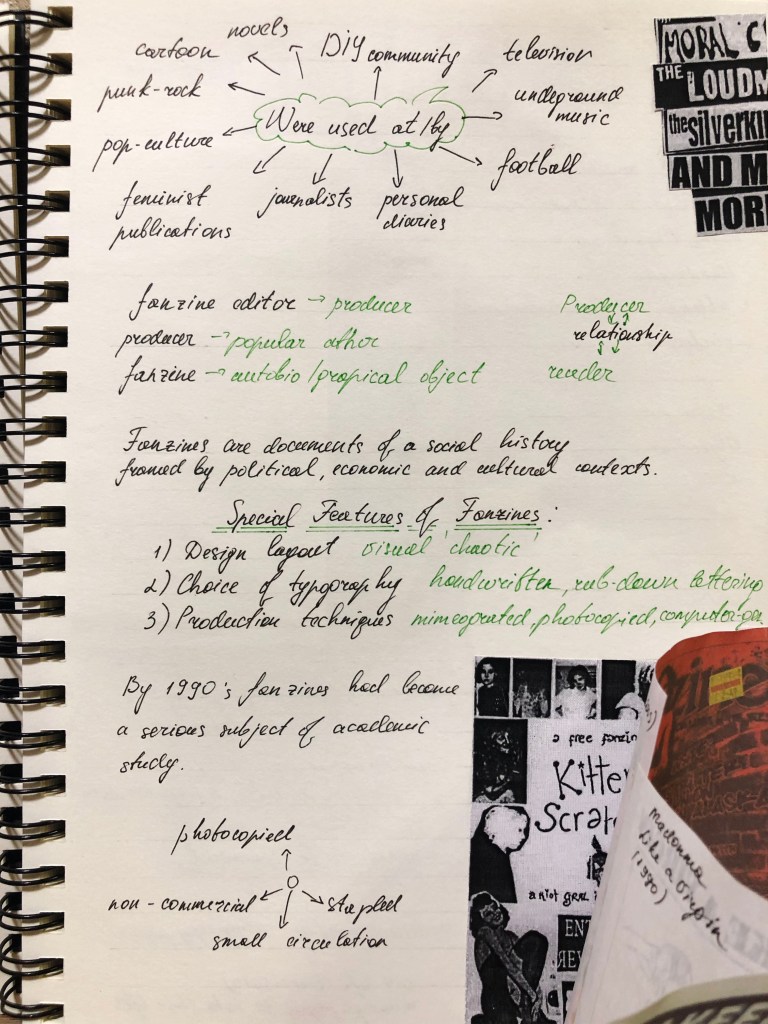
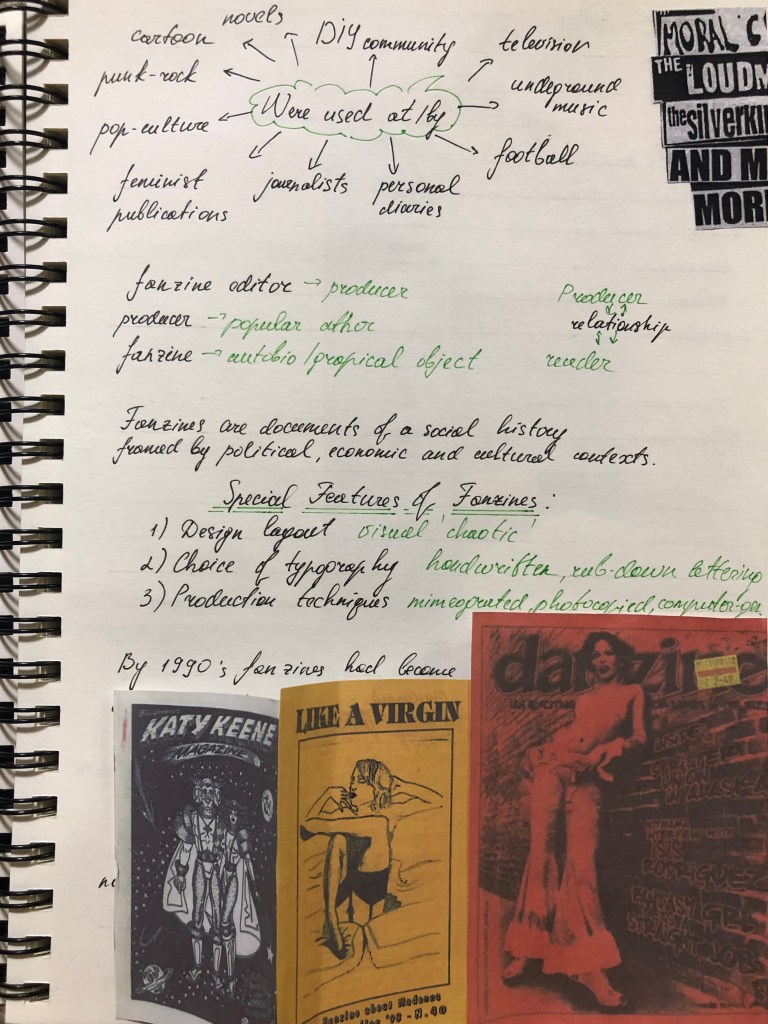
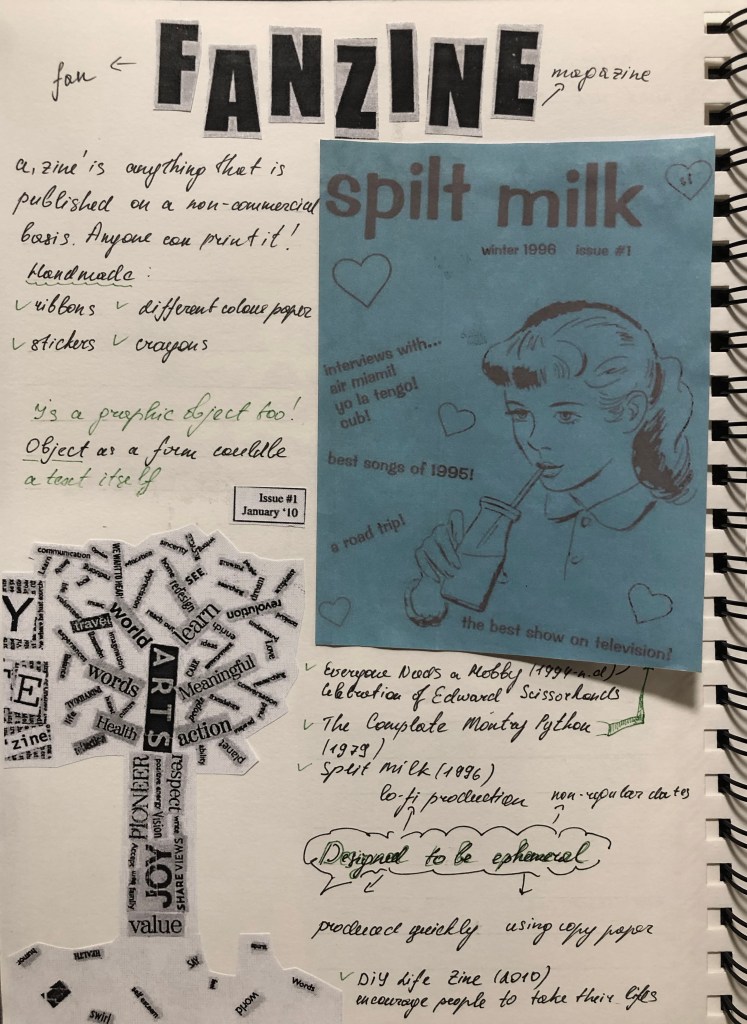
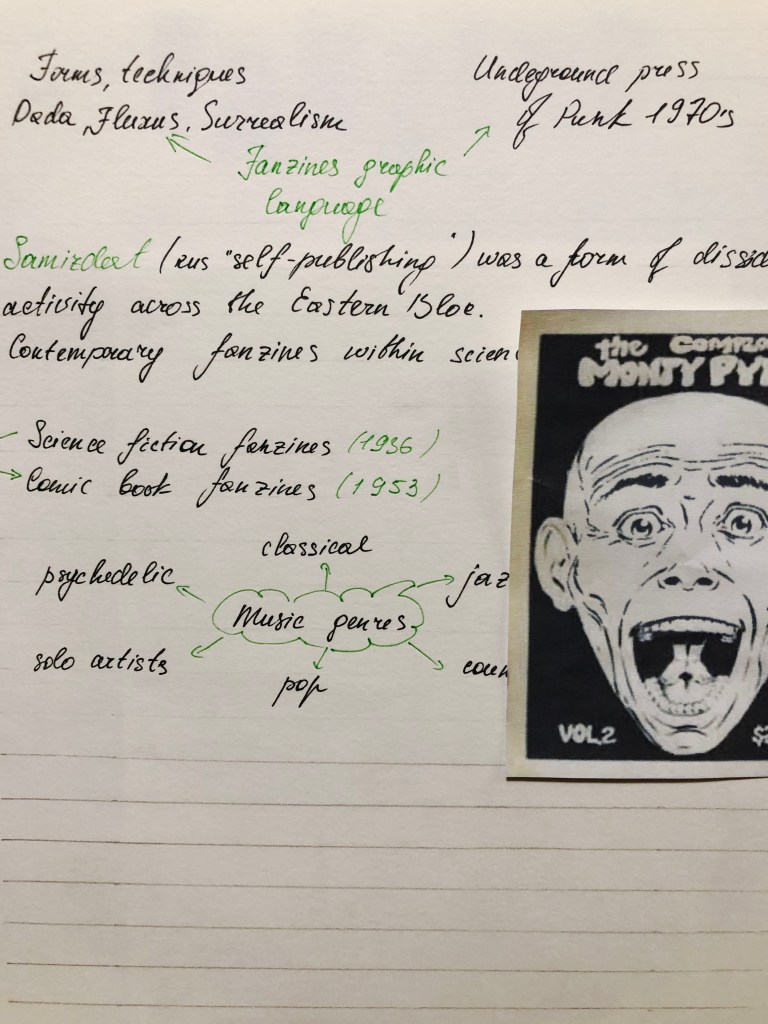
After researches some of the shapes and forms of creative books I proceeded to the next part, discovering the history of Fanzines. Overall, I found this article quite impressive, as here i could see example how something invented in the general publics, amateur and non-professional, but with a lot of passion and creativity could become an official term and implemented into the world of professional fashion industry, music, books, cinematographs and other forms of art. All important notes I gathered together in my learning log. I tried to create some mind maps, and graphics, highlighting annotations and dates, as these researches will be useful for my first Assignment.
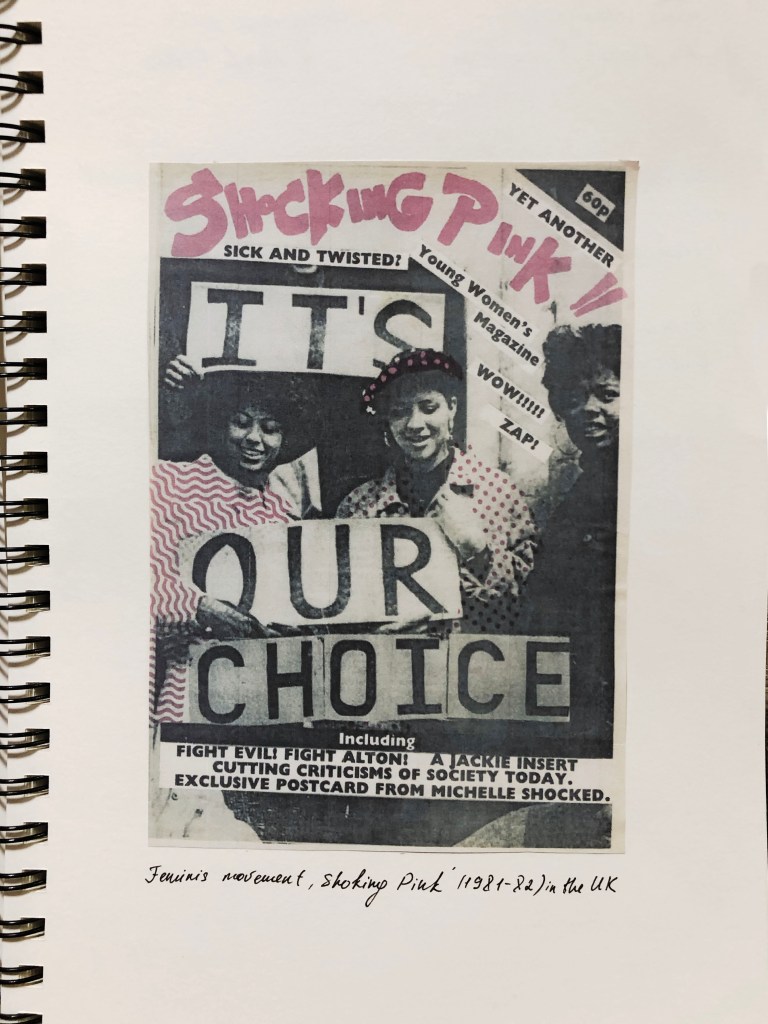
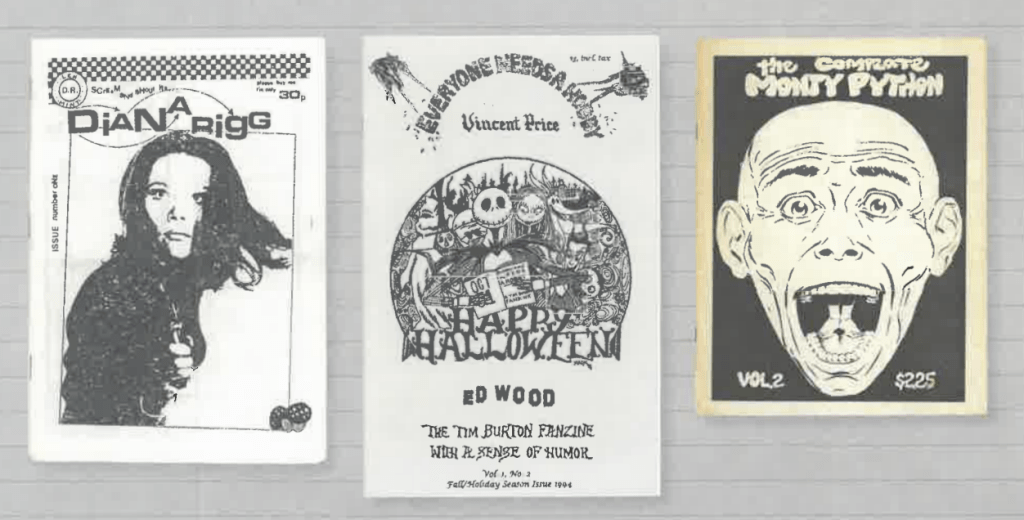
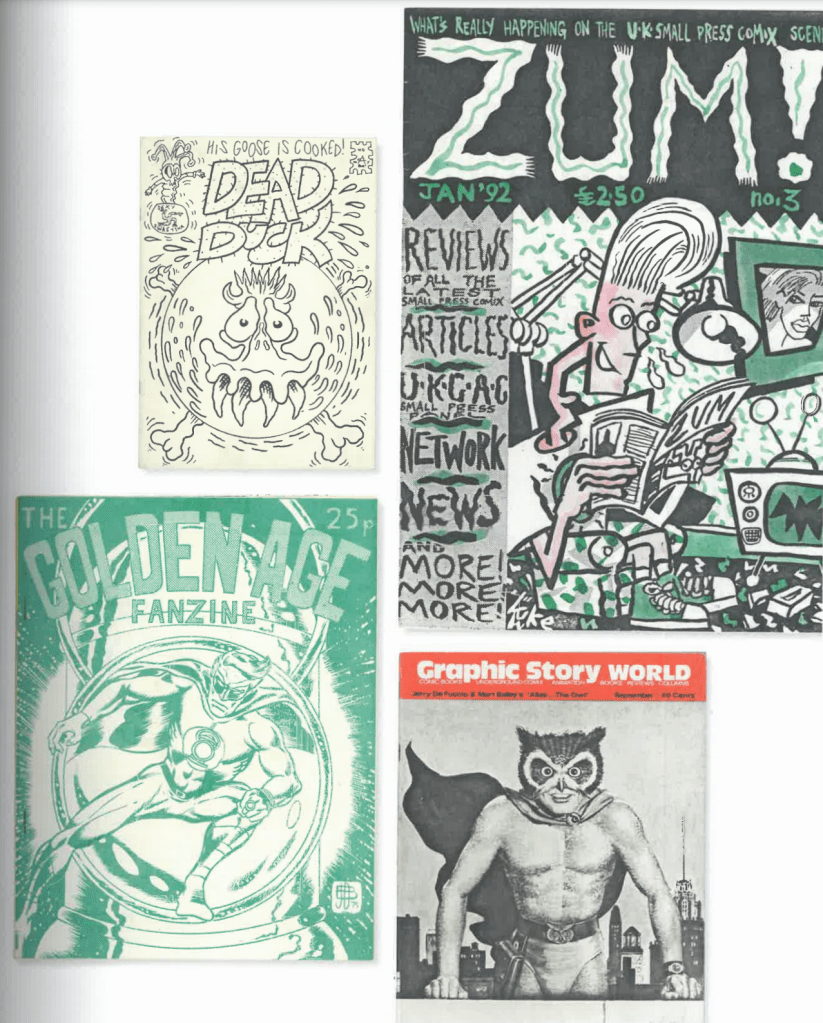
Also, I’ve placed some screenshots of different fanzines from the article, so I could go back to them as a point of inspiration for my later works.
Diana Rigg (1986), Everyone Needs a Hobby (1994), The Complete Monty Python (1978)
Kitten Scratches (1999), DIY Life Zine (2010), Beer Can Fanzine (1999)
Shocking Pink (1981-82)
Dead Duck/Corpsment Comix 1991), Zum! (1991), Golden Age Fanzine (1970), Graphic Story World (1970)
That research task was quite entertaining for me, as I love analysing and learn something new about artists, art movements and influencers in the culture. I found useful that here I discovered some new terms not only in graphic design but in the art culture in general. The challenging part was not only to get myself familiar with this article briefly but to understand the purpose of it for my future designs.
Given the current development of the book from printed to digital technologies, what do you see as the future of the book, for readers, and book designers? Where do you see the book heading? Show and tell. Try and summarise your thinking into a series of short statements, quotations, images (collage) or ideas. Be creative in how you approach this. Use your learning log to reflect on the essay and your own thoughts and visual ideas about the future of book design. This research will feed into part of your first assignment.
Researches
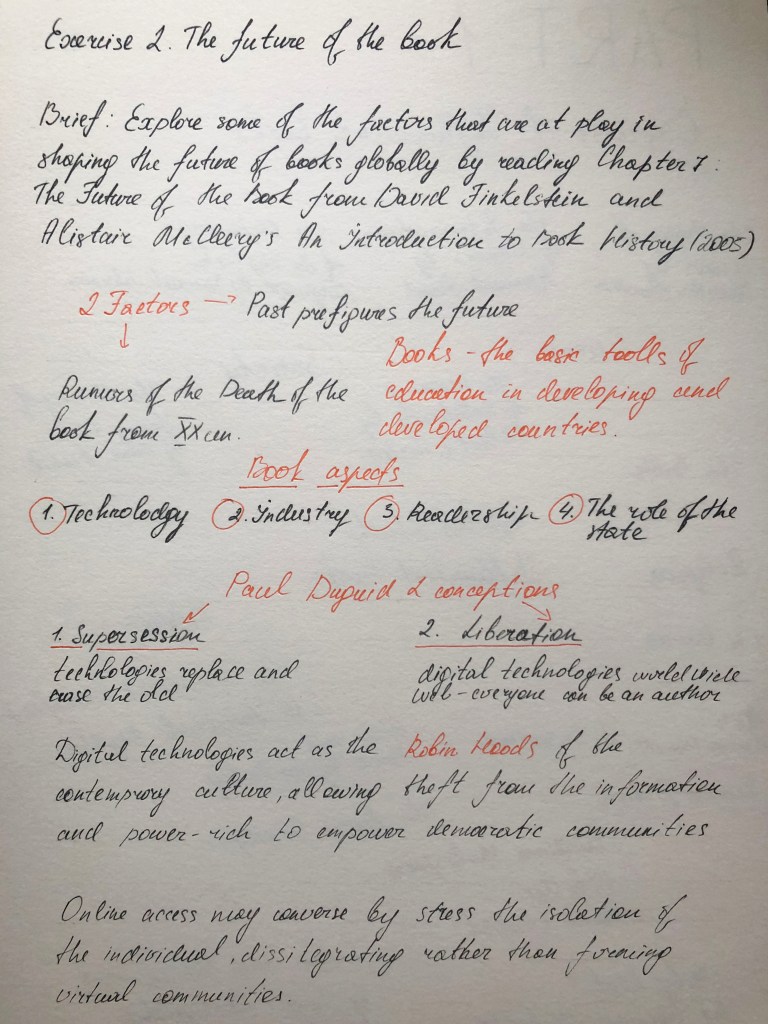
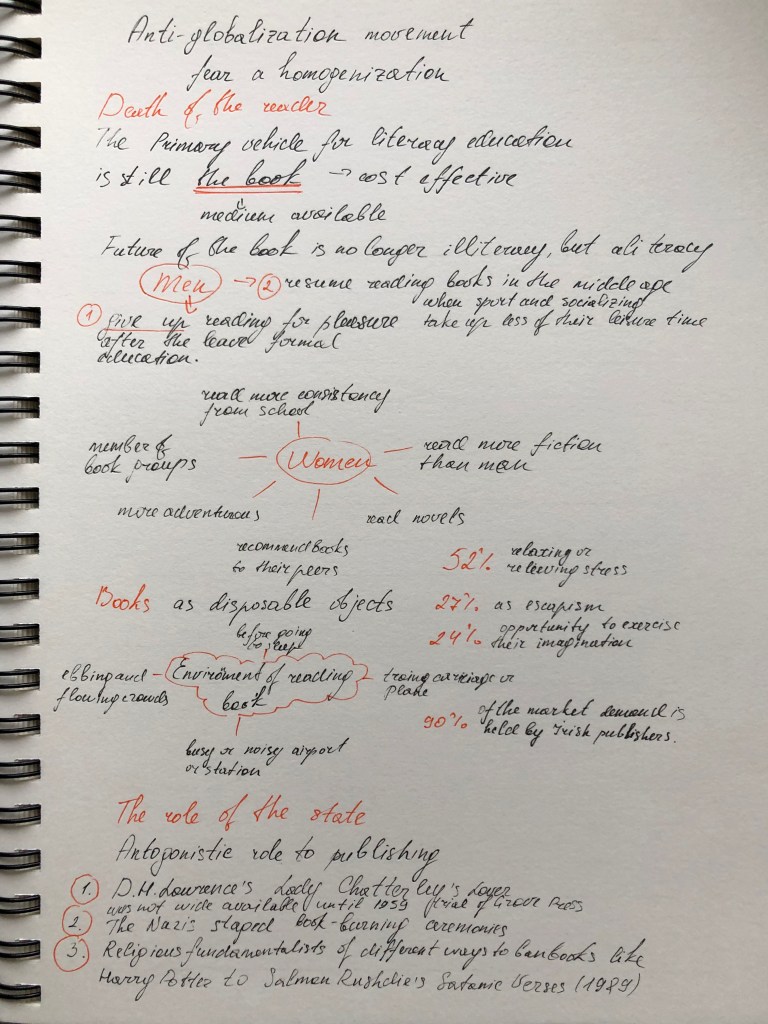
This task turned out to be quite complex in my understanding, as the requirement was to get familiarise on the article first, create my own views on the described topic, and later express my visions on the collage or design. To get started, I decided to reviewing Chapter 7: The Future of the Book from David Finkelstein and Alistair McCleery’s An Introduction to Book History (2005). This book contained from a lot of arguments, facts, figures and assumptions. First of all I decided to put some assumptions into my sketchbook, which helped me to highlight the main statements from this article. In the result I was able to summarise what requires attention in this article, what are the positions of publishing companies in the modern world, what changes have been taking place over the years and how the popularity of the printing business has changed. My mind map entries are presented below.
Mind Map
This article did not study the specific future that awaits books printing, but to some extent the factors influencing the formation of this future. The author believes that books will coexist with modern technologies, and will also play a role in storing information in the future. For the sake of fairness, it is worth noting the conclusion that, books are heading to the position of reading for leisure, because now there is no such need to go to the library to get this or that scientific information, electronic libraries have come to replace them. And these consumers of printed information are becoming less and less popular, this is what is called the term globalization. If we turn to the craft of writing books, then we can understand that all history, and the data that are available to us about the past of mankind, have been preserved on the pages of ancient books, papyrus and clay tablets. Now, when there are protests for deforestation, environmental problems, the paper industry, more and more people are leaning towards electronic devices.
From papyrus to pixels
From the article I read there was a clear statement that the web has transformed the publishing and delivery of knowledge and ideas and a book is now much more than papyrus or paper.
Books now come in many digital and analog formats.
eBooks
PDF Books
Kindle books
Hardcover books
Paperback books
Interactive books
iPad books
iPhone books
Tablet books
Nook books
I love the convenience of the Kindle but I find it inconvenient to not know exactly where I am up to or how far it is to the end of the book. I also miss the the texture of the paper that a Kindle cannot provide me. But at the same time if I want to read something at the present moment, I can have it ‘now’ and I don’t have to wait for the delivery or look for this book in the bookstores, I just can download it within a minutes online, and enjoy reading straight away.
I do not argue that there are aesthetes or book lovers, but mostly if I see some kind of reviews about books, or if my friends recommend reading this or that novel, these are people whose profession is associated with copywriting.
First storages of information
In my researches, I would like to review related to the development of the writing in the book Sapiens. A Brief History of Humankind. Noah Harari, particularly on the ancient storaging system of information. My goal is to create a parallel between the ancient system of keeping records, their practicality compared to the modern book.
Signature: Kushim
A clay tablet with a business record from the city of Uruk. The word “Kushim” can mean both the position of the official who accepts this tax and a personal name. If this is his name, then Kushim is the first person whose name has survived in history! It is characteristic that the first recorded name in history did not belong to a prophet, poet or conqueror, but an accountant.
Here the author mentioned a data processing system invented by an unknown Sumerian called “writing”. It took scientists a long time to understand the essence of this message. At this early stage, the writing was limited to numbers and facts. The great Sumerian novel, if it was ever composed, never made it to the clay tablets. The writing process itself was time-consuming, the readership was extremely small, so no one saw any point in wasting efforts on any other writing other than the much-needed bookkeeping. Perhaps our modern books in a few thousand years will seem just as impractical a way of storing information, something that will be perceived only as a valuable relic of the author’s communication with society.
Another example is the Andean writing, which differs in many respects from the Sumerian – so much so that not everyone dares to call it writing. First of all, these were not the signs usually used on clay tablets or other material: the Indians saved information using the kipu, a nodular writing system. A kipu is a bundle of coloured laces spun from wool or cotton. On each lace, knots were made in certain places, and one kipu, thus, could contain hundreds of laces and thousands of knots. The almost inexhaustible variety of combinations of types of knots, distances between them and the colour of laces made it possible to store large amounts of numerical data concerning, for example, taxes or property. After a long Spanish occupation, very little kipu survived, and now they can no longer be deciphered – the ancient art of reading kipu has been lost. Another example of the development of civilisation, probably when first Indinans invented these kipu system they didn’t know that that is not convinient or practival enough to be wildly used in the future.
I would like to sum up that he fact that the inventions of mankind, which were popular and in demand for thousands of years, eventually became impractical and lost their former significance. I know that it could probably be quite extreme comparison, as I still have to analyse what is the future of the book, I need to ask myself a question, how far that future is. If we speak about hundred years ahead, I don’t think there will be completely vanishment of book publicity, but if we speak about more distant future, I believe that books could be more a part of museum property, something that people used to have hundreds of years ago, and instead of paper books society will have only electronic or hologram version for reading the information.
In conclusion of my researches I would like to say that if compare a classic book edition with supposing an electronic version of a book in the distant future, books will be just a part of the humans history. For example book could be displayed in the form of a hologram in front of the readers eyes, or be just a flat electronic version with its own access to the global libraries and storages. I am leading to the fact that what seems convenient and indispensable now, in thousands of years, may seem just a heritage of the past because every invention needs progress. I would like to note that, in my opinion, books hold a strong position as an invention of mankind, but recently we see about the transformation of the book into an electronic version that takes up less space, is cheaper and more practical, so I think it won’t stop the developing and transforming.
Books themselves, however, likely won’t disappear entirely, at least not anytime soon. And there still will be some work for designers and publishing companies to do. For example, publishers looking for the new topics all the time to attract the readers. So the psychology book, or book how to respect yourself and become successful in 21 century will be more popular than book written by classical novel writer in the past century. Books meant not to be read but to be looked at – art catalogues or coffee table collections – will likely remain in print form for longer as well. I think, that print will exist, but it will be in a different realm and will appeal to a very limited audience, like poetry does today.
Design
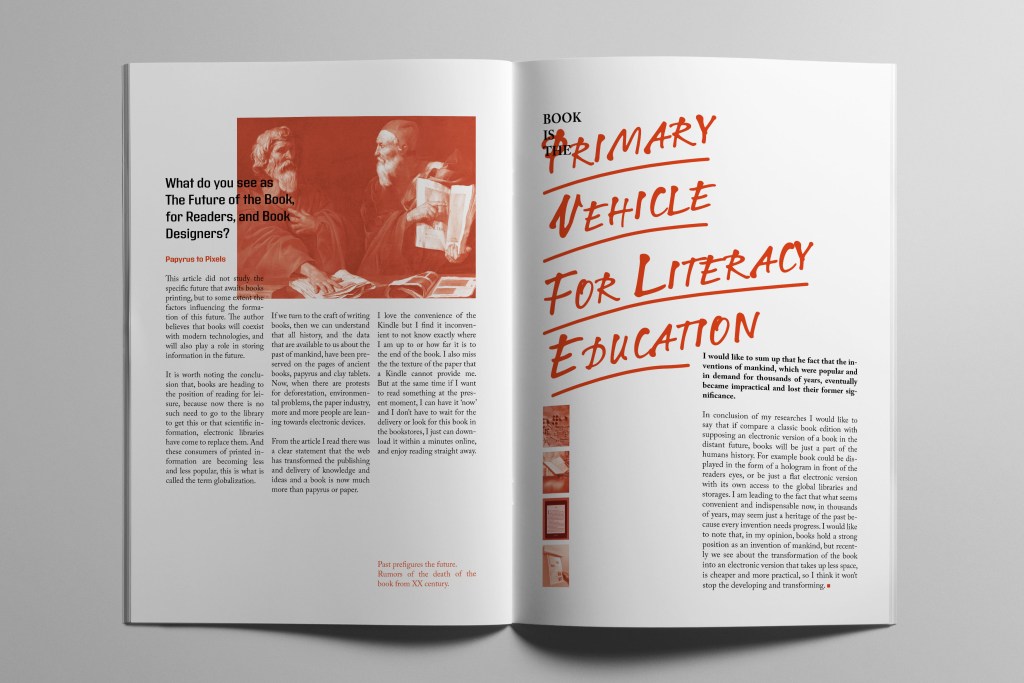
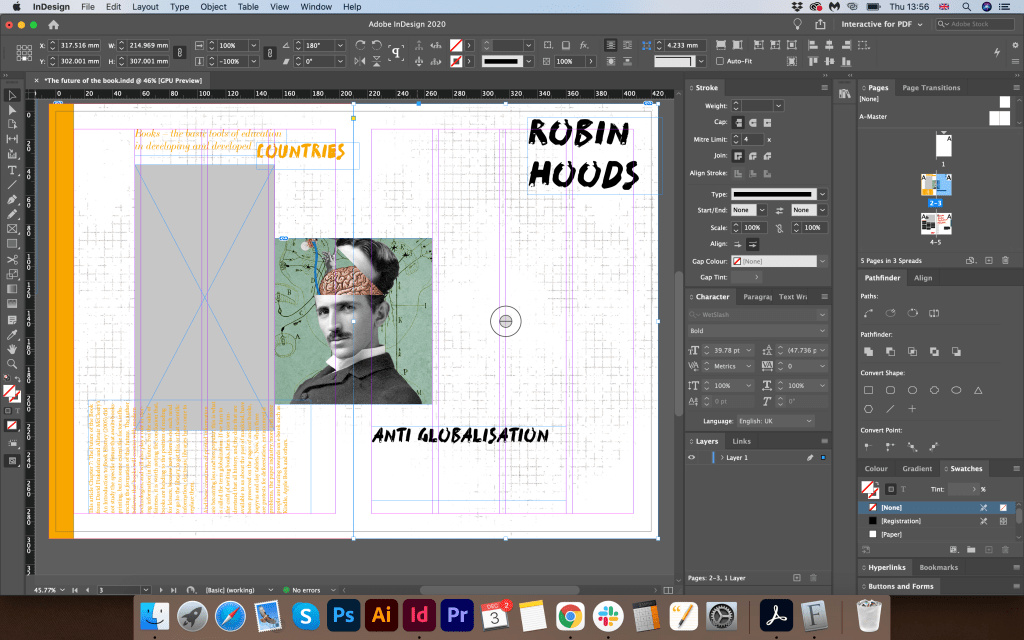
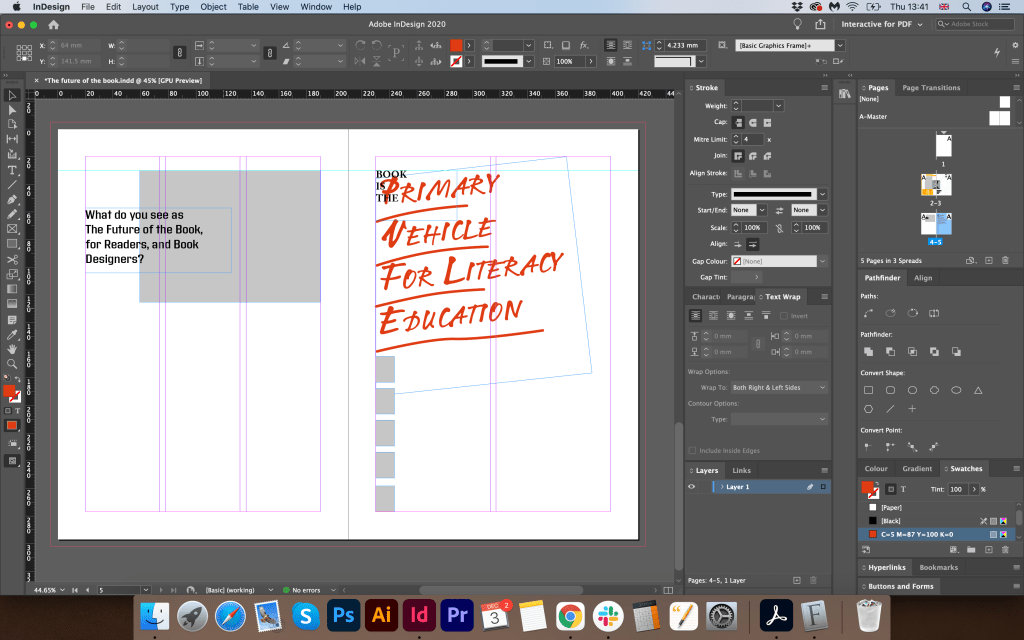
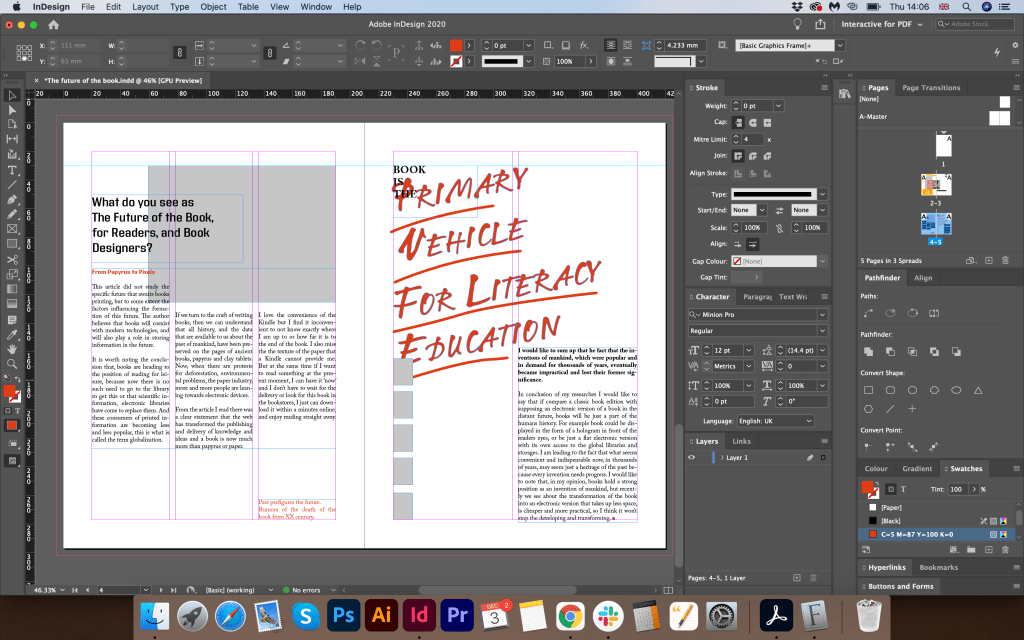
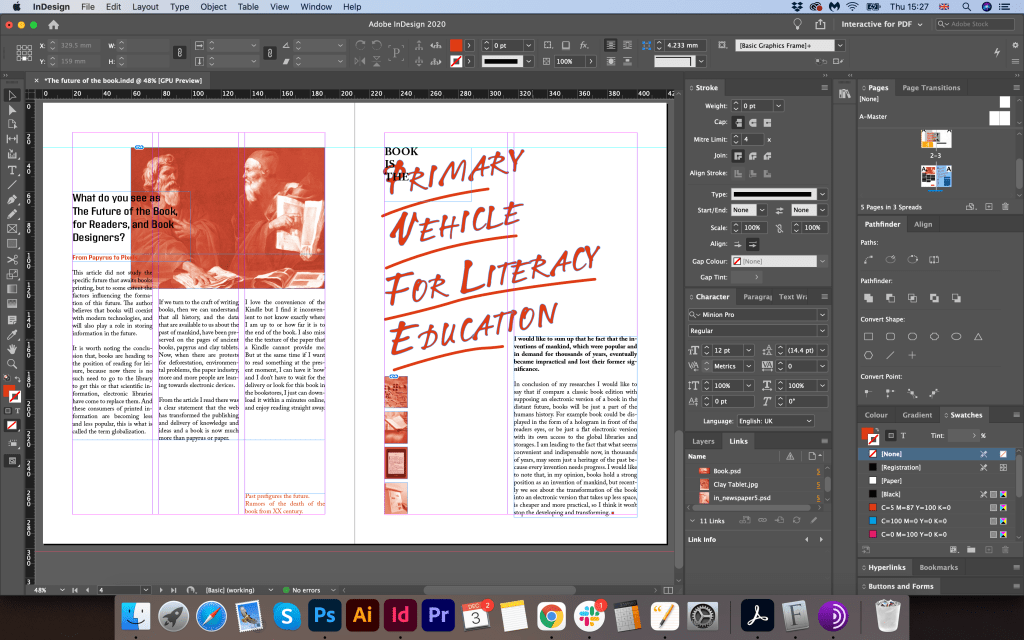
After I analysed the possible options for the future of the book and printed publications, I moved on to the design of the article. To begin with, I created a document in the Adobe Indesign program in A4 format and a spread. I wanted to create a collage of an article with my essay. I placed information around like for a magazine layout. The first option using yellow did not make much progress for me, so I decided to try a new option using large slogans around it, with a red colour palette. I divided the pages of the document on the left side into three columns, and the right side into 2. I wanted to create more air in this article, so I placed the text itself not on the entire page, but leaving a lot of free space at the bottom.
For the main image, I chose The Philosophers painting by Master of the Judgment of Solomon (fl. 1620-25). I put a red filter on top of all the images. In the result, I got a harmonious combination with the big slogan that I placed on the right side of the layout. For the slogan, I chose the phrase Book is the primary vehicle for literacy education from Chapter 7: The Future of the Book. I chose the typeface similar to handwritten LTNotec as if in a hurry, combined with the serif font Adobe Caslon Pro. I wanted to show an example of a modern layout, with the stages of development of mankind and books. So I created a grid of rectangles with a red filter on top, and inside I have images of a clay tablet, a book, an e-book, and an example of a print edition in the future.
In this collage, I wanted to capture the phased development of the book, as a source of information conservation, where it all began and how we came to the electronic book, today the most modern representation of storing printed information. Nevertheless, printed editions are still preserved in our time. Of course, there are significantly fewer of them, but they are still in demand among lovers of literature.
Conclusion
As a result, I would like to say that I enjoyed this exercise, in it, I was able to carry out my arguments and thoughts in combination with scientific publications about the theory of book development, and what the future holds for it. I think that in my article design I was able to summarise my researches. Also, the article colour scheme and composition identifies the modern view of book publishing. I liked the look at book publishing on a global scale, as a source of information, and which contains everything that happened in civilisation, various historical thoughts collected in the world library. I believe that the book will coexist with modern technologies for many years and will be in demand as one of the most important inventions of mankind.











 Eleonora's Art Blog