Find as many examples of type as you can from a range of sources, including newspapers, magazines, flyers, leaflets, online, and printed ephemera. Broadly classify them into serif and sans-serif groups. Explore your computer to see whether you have any of the typefaces mentioned on the previous page. Find other examples on your computer that relate to these classifications. Print these off and begin to create a collection of type samples.
Identify
Choose five different typefaces from your classification collection and now look for examples of how they can be used for reading in different contexts. For example, which typeface would be appropriate for a magazine, a science book or newspaper? Have you collected a typeface that might be suitable for all these subjects? As a way of testing out which typefaces might be appropriate for a particular job, also consider them as inappropriately as you can – find contexts in which they don’t work, look ugly or feel ‘wrong’ in some way. Do this by experimenting visually with your typeface choices.
Reflect
Consider and reflect on the nature of the type you are collecting. Examine and annotate printouts with your own impressions of the letterforms. Use descriptive words that express something of the form and character of the typeface. Follow the same process for your ‘wrong’ typefaces as well.
Develop
Trace some interesting, unusual and everyday letterforms onto clean paper. This will help you to understand the distribution of weight of line within a particular letterform. Draw over the tracing to enhance the line and fill in the letterform with an even dark grey tone – HB pencil is fine – to recreate the impression of print.
Document and present
The work you produce for this exercise will feed directly into your assignment, so collate your notes, printouts, traced letterforms and samples of type you have gathered. Consider how these could be inventively and visually integrated, and how your ideas could be creatively developed further for your assignment.
Researches
For this first exercise, I have been asked to collect some examples of type from different sources. Every day we are surrounded by different printed materials, and we are accustomed to seeing all types as the method of reading the information, however, as a graphic designer, I’m learning to analyse the information from the design point of view. Attention to the details teaches me how to identify unusual typography, the usage of fonts for different purposes, to see the misusage of the font and learn how to improve my typography skills. Below are presented some of the examples I examined around me.
I collected typographic materials from different sources, such as brand identity, logos, magazines, books, packaging for food and cosmetic products, etc. The variety of fonts is great, but that to summarise my point of view on the typography intake, I’ve noticed that for the magazines, and newspapers mainly serif and san-serif typography were used, thin and elegant, but for such promotional materials as logos, or brand advertisement companies goes for more experiments, here could be seen some big, bold fonts, or more decorative and hand-written.
Typography Analysis
I found the process of analysing typography quite detailed, I went a bit further with my researches, and tried to identify what fonts companies are using in their brands. Through the source WhatTheFont! I added some more typographies to my library. Some of them I could probably use for my designs and articles later. It’s useful to see what principles and technics established companies are using, and follow those rules that to developing my approach.
Uppercase letters in the logo with Script font
PARAMARIBO Light Condensed Italic
Wonder Balm font is classy and elegant, I think it’s a good play around the serif font, which has a bold design, all capital letters, and in addition the white line inside adding some uniqueness into it. The font has something quirky and girly, and also works well with handwritten text with the ribbon on the top of the logo. In addition, they are using simple and easy to read san-serif font with central alignment.
PARAMARIBO Light Condensed Italic is quite extraordinary handwritten font, each letter stands separately from each other, even though it is kind of hand-written font. Letters sits like uppercase would do, but they are written in the lowercase. This type good for posters, books design, using independently as a part of the design.
Arvo
Olivette CF
Arvo type if big and bulky, square serif font, very eye-catching and works perfectly for posters and big distance read promotional materials. Here is the example of contrasts for the typography, as it combined with difficult to read handwritten font, which looks like was written in the rush. I thought that is a good example how two opposite fonts can work in the team together.
Olivette CF for the Elle magazine headers. What’s so special about that font, that it looks like the hybrid between serif and san-serif font, it has a feel of serif font with combination thinner and thicker stems, but the serifs are missing. Useful font to have in the library for the magazine designs and headers. Modern, classy, elegant typography.
MartinGot Tonic
The last set of fonts I analysing here is from cosmetic products around me. I have noticed that some companies are experimenting with the font, they still keep them elegant and classic, but the shape is quite unusual. For example, how I can see with the hand creme from Yves Rocher, those typography selections of san-serif font, they look like fonts for the logo. Again, I could detect MartinGotURWTMed type combined with Tonic Bold. They are readable and not common for publishing materials, mainly those fonts that could be used for brands. The Sanctuary Spa candle had a combination of san-serif typography, there are all different, I can see around five different fonts in the little space, but they do look in harmony together.
Fonts Library
On my computer I have a big selection of fonts, I’m trying to add new fonts into the library for each purpose, whether I’m doing a new poster or online social media post, it’s useful to have the library updated, read some articles about trends in typography, and what new fonts have been released. But at the same time, I have a habit of using the most readable and tasteful fonts for the different promotional materials over again and again. I thought that is a great idea of creating visual examples of fonts, for some future projects I could relate to them, and it will help me to widen my fonts usage.
I printed the set of typography and placed them in the order. I tried to classified them into the groups, but also analysed what area could be appropriate for some of them.
Fonts for Fashion Magazine
For the magazine layouts I collected five different fonts combinations, to see how they will work together. To say ahead, I was surprised with the results, as fonts that I thought would be less readable, or appropriate for the context, had better impression than I expected. Bellow I mentioned the list of fonts I was going to use, mainly they were from the selected fonts that I picked through WhatTheFont?
Poppins for the header (san-serif), Georgia for the main text (serif)
Olivette CF for the header (san-serif, bold, wide), Orkney for the main text (san-serif)
Arvo for the header (square serif, bold), Lev Serif for the main text (square serif)
Antique Titul DcFr (serif, decorative font), News Gothic Std for the main text(san-serif)
Bickham Script Pro (handwritten, script font), Tonic bold (san-serif)
Poppins san-serif type gives a light feel for the header, it works well for the art and history kind of magazine, in combination with George serif font the magazine spread looks classic and elegant. For the main text I used tracking 8pt, with the spacing 11 pt, otherwise, the sentences were too dense. The disadvantage of this font combination, that it is too straightforward, and doesn’t have a creative or extraordinary feel. Also, that font combination doesn’t give the challenge to grab attention. But it is a great pair for the clean, easy to read layout. Intro word I made in Poppins font as well, but in bold and doubled spaces between the sentences.
Olivette CF font has more personality, it is eye-catching, wide and noticeable. For the body I used san-serif Orkney light font. ThrohandRegular serif font for the intro. In my designs I tried to experiment with different types combinations, so I could see which works better. Visually the main text font is slightly wide and round, it is readable, but I had to increase the font size to the 9pt, as the font was too small. Also, it was noticeable gaps between the words, I think that is something to do with the shape of the font. Altogether the article have the modern feel, and I think will be suitable for the contemporary magazine edition.
Arvotype has a strong, bold and straightforward impression, and it bold and noticeable font, which gives the article a strict feel. For the header, I used the wording about the music and art as for the previous templates, but in this case, this structure and font of the article will work also for the books review, newspaper, or publication about the technologies. For the body text, I decided to use Lev Serif square serif font, without much hope that the font will work for it, but surprisedly it was the most readable and coherent type I tried to use so far. I realised how important try different options because only in comparison the real results can be seen. Also, another Big John PRO for the subheads with bold and round writing was a good addition to this magazine template.
Antique Titul DcFrheader with decorative look serif fonts doesn’t work for the publications as it has too much personality, which is more suitable for logos, or marketing materials. Also, the white lines in the middle of the letters gaining too much attention. News Gothic Std medium serif font for the main body is too narrow and not easy to read.Arkibal Seriffor the subheads works fine, but not in this template and fonts combinations.
For the last version I tried completely different fonts combination. I used script Bickham Script Pro for the header. The header font looked fine, it didn’t look tike the type I would see every day for the magazines, but it could be acceptable font for the classic music publication. Sansumi-DemiBold serif font forintro, Tonic Bold main body, MartinGotURWTMed subhead, not something I would use, as the shape of the fonts conflicting and don’t work together. I can see that types mismatch in this template, so it’s still good to be considerable, when choosing appropriate typography for a magazine, a science book or newspaper.
Letterform tracing
For the last part, I tried to trace different typographies around me. The font selection is quite unusual. I was curious to see that for the type from the word ‘Really’ that look like the script, mainly consist of straight and parallel lines. Or the font that looks round, the word ‘Yoga’ has some angles in it.
Conclusion
This exercise helped me to make analysis of typography, see how fonts communicate with the reader and learn that there is a connection between types in publication. I believe this part will help me to establish first steps for my next assignment.
Assignment two provides a creative opportunity to put into practice what you have learnt so far, by exploring the physicality of the book in relation to its function and working through the design process in relation to a set brief.
Your brief
Design the book format and cover artwork for two different versions of Daniel Defoe’s classic 1719 novel Robinson Crusoe. The publishers, Viking Press, have decided to re-release this title as a new pocket edition for readers on the move that reflects the adventurous nature of the story within a contemporary setting. This paperback version should have a modern visual feel that can compete with new titles in the bookshop. They also want a deluxe edition for armchair readers and classic book collectors that references the historical nature of the story and its associations. Produce book design ideas and cover artwork to reflect the content of the story across both formats and contexts. Be creative and inventive with both the look and format of these books.
As a side project to accompany the re-release of Robinson Crusoe, Viking Press has also asked you to design a new book called Washed ashore: The ultimate guide to surviving on a desert island by Rik Bennett. This is a ‘how to’ guide that should reflect not only the practical advice it offers, but something of the adventure of being a castaway.
The scale, stock and binding of these publications are up to you. The pocket edition needs to celebrate the functionality of the book as a lightweight, transportable object, and to connect to the story’s travel or survival themes in a contemporary way. The deluxe edition can present the content in a larger, finer, more luxurious, considered or expanded way, that perhaps makes reference to the history of the book itself. Your designs need to be seen as part of a series across both versions, so think about how you adapt your designs to fit each format. The shipwreck guide needs to be seen as a separate genre, piggy-backing on the success of Robinson Crusoe. Develop visual ideas that can distinguish the survival guide from your Robinson Crusoe designs, while at the same time making some thematic connection between them.
Your design should include the front, back, spine and flaps of your covers – if you opt for a traditional book binding. You can also come up with alternative ways of binding, and therefore designing your books if you want to. Generate your own illustrations, photography or artwork for the covers, source copyright free images, or treat the covers purely typographically. This is an opportunity to be creative with both your design thinking and outcomes, so experiment, and test out a range of visual and physical options.
You may want to extend your project by also designing a number of sample pages from the inside of the book. When creating sample pages, try to make a link between the cover design and the design of the inside pages.
Present your ideas by mocking up each of the books and their covers, and by presenting the overall spec of your designs (what paper stock you are using, etc.).
Daniel Defoe, Robinson Crusoe , 1719. Title Page and Cover featuring engraving by John Clark and John Pine after design by unknown artist. Wikipedia. 82 Book
Work through the design process, documenting it in your learning log as you go. Use rough drawings, notes, diagrams, mock-ups of your books, photographs of what you’re working on, and by saving different stages of any digital work to show your process. Talk about your creative process through notes and reflections.
Research and ideas
Read the brief, identifying keywords, and do the same for Defoe’s text. You don’t have to read the whole book, but make yourself broadly familiar with the story and identify key themes, motifs and images. The full text of the novel is available here: http://www.gutenberg.org/ebooks/521
Identify the research you need to undertake. This could include researching existing versions of this cover, others of the same genre, or seeking inspiration elsewhere. The same goes for your survival guide. This brief requires some lateral thinking, so develop ideas that are unexpected, as well as the obvious.
Generate thumbnail sketches to document and explore your creative thinking process. Aim to come up with a range of different ideas from which you can select and test different outcomes.
Present visual outcomes
Develop your initial ideas through making, drawing, collage, photography or whatever other mediums you choose. Be playful and let new ideas emerge through your making process. See this as a project, rather than a linear journey, so you may want to return to earlier stages of the process to develop new lines of visual enquiry or to take creative risks and try new things out.
For the deluxe edition of the book, you may want to access the Bridgeman Library to source copyright free illustrations from previous editions of the book.
Think about how your choice of scale, paper selection, and binding can help support your ideas in visual and tactile ways. If you are unable to source particular materials, then find other ways of visualising or describing your choices.
Lay out the jacket using DTP software and incorporating text and image(s). Design a range of versions of the jacket to choose from. Print the jacket designs and make a mock-up of the jacket onto either an existing book, or find other ways of mocking up the scale of the books. Photograph both versions of the book jackets as your final outcome to the project brief.
Reflection
Reflect on your outcomes but more so on your creative process – what worked for you, and how might you adapt these approaches for future projects? Just a reminder to think about how well you have done against the assessment criteria and make notes in your learning log.
Analysing the brief
First edition
Robinson Crusoe is a novel written by Daniel Defoe over 300 years ago. It was published on 25 April 1719. The first edition didn’t mention Defoe as an author of the novel, the full first name of the book was “The Life and Strange Surprising Adventures of Robinson Crusoe, of York, Mariner: who lived eight and twenty years, all alone in an un-inhabited island on the coast of America … Written by himself”. Because of that everyone believed Robinson Crusoe was a real person and the book is a travelogue of true incidents.
The story has been thought to be based on the life of Alexander Selkirk, a Scottish castaway who lived for four years on a Pacific island called “Más a Tierra”, now part of Chile, which was renamed Robinson Crusoe Island in 1966.
The book blends many different genres. It is the escapist adventure of a young man who spends 28 years on a remote tropical desert island near the coasts of Venezuela and Trinidad; and braves shipwrecks, pirates and cannibals. But it also prompts us to ask ourselves how we would cope – alone ‒ in Crusoe’s place?
This is the first edition of the famous castaway tale. The iconic frontispiece shows Crusoe in his goatskin jacket and cap, with guns slung over his shoulders. The original image of Robinson has been used for numerous book covers in the future. I think that is the main visual to show the spirit of the book, and it’s vital to learn the history of this book design, as it can help to invent something new based on the original images.
Research
The first time I read this book was at the age of 10. I read it according to the school’s World Literature programme. I was fascinated by the story, as it brought a spirit of adventure into my mind, but at the same time, I was not old enough to see this story as a psychological drama, as Robinson was the individual who was lost in the middle of the ocean, but who despite all still kept social aspects in him, and implemented modern cultures around him, like making friends, and adapt his life with a new friend Friday, and battling enemies as wild culture. The story is very old, and it sounds very authentic compared to modern life, where we learn how to collaborate with different cultures, but at the same time, I think this book was like the start of the cultural development in different societies. Also, there are social values that were risen in that book. When I was little I saw the story only from the point of an adventure, I thought that the person who appeared on the wild island would start to battle for life naturally, adapting to the surroundings. But the main point here was motivation, the will to survive and having a clear mind despite challenges. I think, the modern-day it will be practically impossible to appear on the undiscovered island, as all lands and territories have been civilised by now, or owned by someone, but back 300 years ago, the story sounded like truth, as people wouldn’t leave their natural habitat as often as we do nowadays.
Earlier, in the first part of Book Cover Design Unit, Exercise 1: Influential books, I mentioned that book, as one of my favourite books, probably the story shaped my mind to dream about faraway islands to visit, that to feel myself like a Robinson, who discovers a world. https://eleonoras.art.blog/2020/11/23/exercise-1-influential-books/ That design can be classed as a pocketbook. Its size of it is 124×200 mm, which is similar to the 5×8 inches, but slightly smaller. The spine is only 1,5 cm. The book is light to take in the handbag. The spirit of the book cover is quite optimistic and easy-going, it’s a picture of a man wandering around a beautiful island, even though on the back cover they showed a shipwreck.
That cover was dated 1981 and has a similar theme to the covers I found from the Bridgeman photography source, illustrative style to visualise the protagonist and the full background around it, such as see, island, and landscapes. What’s so fascinating, the book cover was designed so many times, throughout all these years, so it has thousands of different illustrations, that are kept in people’s libraries. Most of the designs I would call a pocket edition, they all have an expressive approach, which illustrates the protagonist and the abandoned island. The painting of Robinson Crusoe is usually a beardy man, with heavy clothes, accompanied by a dog, parrot or Friday. On some covers, Robinson appears like a lonely person, surrounded by thousands of kilometres of water. All illustrations are colourful, with loads of details, painted in watercolour and gouache type of paintings. Later designs became minimalistic, I could see the presence of flat colours and outlined painted objects, like a palm leaf, or moons. I quite like the design with green leaves, which look like a jungle design by Pinguin. It could confuse Jungle Book design, but because it is so different to others Robinson Crusoe books, I think it stands out quite well.
I found all illustrations below from different sources, including Bridgeman photography bank. Also, I added some modern covers, that to compare the evolution of the book covers. Most of the covers look like a pocketbook, and only a few designs have a look of luxury additions. I thought it will be quite interesting to work on that design style, which was not used for this book often too, but at the same time have it in keeping with the pocket edition.
In the local bookshop, I found some interesting additions for Robinson Crusoe books as well. There were three different versions. The first book was on bookshelves for kids, the book had hardcover, and it was combined with Treasure Island adventure novel by Scottish author Robert Louis Stevenson. The book had illustrations inside, made in pencil technic. The second book was the one that I bought. It was located on the classical books shelves, and that was my favourite. It contained loads of watercolours in it, and the cover was designed by famous Russian illustrator Anatoly Itkin. One of the books was classed as a luxurious edition as it had a hardcover, lacquer on the top of some painted elements, and gold stamping for the font. The third book had a prime design, and it was twice more expensive as compared to the rest, and it was located on the gift section bookshelves. I couldn’t look inside of it, as it had a wrap around it, but on the main cover, it was said it has watercolour paintings inside made by Zdeněk Burian, who was a Moravian (region of the Czech Republic) painter, book illustrator and paleoartist whose work played a central role in the development of palaeontological reconstruction. The book itself had a golden stamping for the font, also the foredge of the book had a golden colour.
Here I found the inside world of the deluxe book design.
Mind Map
To organise the mind map I decided to go through the main points of the story again, trying to highlight the object that I could use in my book cover. I had the key points to work with, and they were: adventure, society, the look of the protagonist, nature as land and the sea, and borrowing some elements from the originals of the book in 1719.
Pinterest Mood Board
Some additional options for the book cover I selected in the Pinterest mood board. It helped me to visualise different compositions for my future book covers. Here I placed various genres of design, some colour combinations I could go for, the font selections, and a comparison of a modern approach to Robinson’s cover and classic ways of painting.
Sketches
The next stage was to make some sketches, I identified visuals I could use in my designs, and tried to recreate them in these little drawings. I painted many possible objects for pocketbook covers, starting from the different positions of nature, I created different scale portraits and abstract images. They helped me to shape the book cover I was going to design. I was thinking about visualising a lonely man on the edge of the island or creating a close-up portrait of Robinson and his ‘team’. Some of the options had just abstract lines for it, to visualise some gradient to go from sand to the water and then into the sea, like three main parts of nature. Also, I was thinking to design just a simple leaf on the book cover, to visualise the jungle theme in it or just a few leaves on the side of the book. In addition, I had some ideas about abstract design, like using symbols of Robinson Crusoe’s name, and some jungle elements inside it. For some modern versions, I wanted to experiment with a grid, and place the order of some elements from the book, flowers, leaves, and palms, and create a pattern from it. Sketches helped to understand the direction of my future design.
Book format
In this part I wanted to go through some book cover sizes, some points the designer should consider before designing a book, and what standard sizes for different types of books.
Standard book sizes can vary depending on the genre. If the publisher is planning to produce physical copies of the book, the size of the book is quite an important part. The choice of book size will not only affect how the designer typesetting the manuscript but the audience’s reading experience and potential profit margin.
The final size of the book calls the trim size, which relates to these dimensions, in Width x Height format. The importance of the trim size potentially can affect reading experience, marketability, and cost.
What are the industry’s terms for trim sizes?
Mass-market paperbacks: Compact and inexpensively produced, these books (also called pocketbooks) are around 4.25” x 6.87”. Can be found on the racks of grocery stores and supermarkets.
Trade paperbacks: Trade paperback sizes will range anywhere from 5.5” x 8.5” (a size that’s called digest) to 6” x 9” (also known as US trade). In today’s market, this is the go-to paperback size range for many novels, memoirs, and non-fiction books.
Hardcover: These are premium formats. Book sizes tend to range from 6” x 9” to 8.5” x 11”.
The size comparison I wanted to achieve
What are the standard book sizes in publishing?
Fiction: 4.25 x 6.87, 5 x 8, 5.25 x 8, 5.5 x 8.5, 6 x 9
Novella: 5 x 8
Children’s: 7.5 x 7.5, 7 x 10, 10 x 8
Textbooks: 6 x 9, 7 x 10, 8.5 x 11
Non-fiction: 5.5 x 8.5, 6 x 9, 7 x 10″
Memoir: 5.25 x 8, 5.5 x 8.5
Photography: Whatever you see fit!
Finally, I could identify book cover sizes for my designs.
Pocket book size 5 x 8 inches size, which is equivalent to 127 x 203 mm;
‘How to’ guide book 5.5 x 8.5 inches, 140 x 203 mm;
Deluxe version 6 x 9 inches, 152.4 x 228.6 mm.
Book cover design
In this section, I would like to go through some inspirations for my book cover design. I think I can identify my design style close to the doodling, or sketching. I like how painted covers look from the visual point of view, and experiment with them myself. Here for the inspiration, I went to look for Suzanne Dean’s book covers. I love all the details she is using for the covers, how she keeps the minimal colour pallet, and the contrast lines dominating the black colour. That gave me an idea of what I can develop for my book cover.
Also, I got inspiration from Fragonard brand perfumes, I loved how they are combining white objects with black outlines on the colourful background. I had an idea of using flat background colour, then on the top to go some patterns in white colour and black outline, and then on the top colourful object, like Robinson’s portrait. Similar to the design birds were used like three layers for design. In addition in my mood board, I attached water-coloured background with just white plants, or, usage of white background and some doodles on the top. For painted elements, I wanted to use nautical style, like the anchor design, with confident sketched lines.
In addition, I explored designs inspired by Coralie Bickford-Smith. She used the central part of the cover to place the name of the book, and around she filled it with different patterns, flowers, and ornaments, to bring the cultural feel of the book.
Before the actual design, I decided to make the final sketch for my book cover. The idea was to divide the space into a grid and use each segment for the purpose. The top part I wanted to use for the floral, jungle elements, like palm leaves, hibiscus flowers and some pattern outlines. Below I wanted to place the name of the book and the author’s name, and 3/4 of the book to use for the initials of Robinson Crusoe with letters “RC”, placed in the big squares, and fill the space with geometric lines, anchors and palm leaves. I sketched some main elements I was going to use for the design, that I could trace in Adobe Illustrator.
Also, I sketched Robinson Crusoe’s portrait in his traditional clothes, his hunting tools and some birds around. That design I was planning to use for the modernise book cover, with some very bright and contrast colours. The round shape frame I was going to use for the deluxe edition. I was thinking to design it in just simple black colour on the colourful background or apply like a foil effect on it. In the middle of that shape I was going to place the portrait of Robinson, but that part I’m going to explain later.
Some objects I traced in Adobe Illustrator are presented below. They all were designed with simple Pen Tool, and Arrows to navigate them. The round frame was a bit tricky, and I had to watch a quick tutorial, that to remind myself how to make a pattern out of the outline, that to organise them into the round shape.
Here can be seen the process of designing the first book cover. The original size of the pocketbook cover was 127×203 mm. I divided the space into equal squares for the grid, 6×9 pieces, but later I made twice more, 12×18, so I could have a more precise grid inside the cover. The colour pallet was natural blue, as a symbol of the water and sky, also I was thinking of a green book cover, but I thought I might keep it for the Deluxe version. As a result, I had three shades of blue, white and black colour within the design.
I was thinking of placing the portrait of Robinson in the middle, that to create a third layer on the top, but then I thought that the design could be too busy and loaded with staff. So in the result, I had only two layers, the background of flat colour and doodled elements on the top. For the initials “RC” I used serif font, Trajan Pro 3, with some black and white stripes on the top of it. Elemnts like leaves, flowers, anchore I doodled in Adobe Illustrator, apart from the rope, that I had to take from the Freepik vector elements. (Source: https://www.freepik.com/free-vector/vintage-sailor-naval-set_9586144.htm#page=1&query=vintage-sailor-naval-set&position=0)
After some experiments, this is the book cover I came across. I used classic Playfair Display font for the name but was not quite sure about the placement of the author’s name, I thought it completely disappeared in that little corner. Also, I had some doubts about the back and the spine, looked like it needed some work, and some final touches to see the completed book cover design version.
As some work needed to be done with the font, and Daniel Defoe‘s name placement, I found good solutions. I have to admit, it didn’t come up to me straight away, to be fair, I noticed that the back of the book cover and the font on the front cover isn’t exciting at all only after designing the deluxe cover. However, the improved version I was going to keep as it is. I made the stripe for the name higher, and it gave me enough space for the two lines and arrange the composition in a more balanced way. Also, I found this nice decorative font Adorn Copperplate, which created a nice tandem with the general feel of the book cover design. In addition, I changed the back of the book cover. I thought that would be great if the open book would create a mirrored design, and each side would go smoothly from one like to another. I created a grid on the back of the book as well and placed objects in a similar way as in the front, and I thought that finally, I could see some Feng Shui in this design. The spine of the book had some changes as well. I outlined it, and I duplicated floral elements in it as well.
The design fits well for a paperback book. It creates the impression of a modern and elegant design. Mockups for the paperback book cover are presented below.
Option 2
As I still was going to experiment with some design ideas, I wanted to see what the minimalistic design would look like for this cover. Just a simple sunset, in natural crimson, red, blue, and magenta colours. I thought that the design will not be successful enough to grab the attention of the reader. Generally, it looked fine, but not exciting enough to examine all the nice details. I’m going to leave them here, that to show the progress and different approaches in my work.
Painting of Robinson Crusoe
The next stage for me was to design a cover with a painting of Robinson Crusoe. I had an idea to picturise the image of the protagonist, with a self-proud. I found some different portraits of Robinson, some of them showed the tired man, all wrapped in clothes, looking tired and lonely, and some of the images showed a happy man, who looked like he loved his life on the island, but this image showed just proud man, quite calm. He looked a bit like the owner of the space and the land, maybe a bit too unrealistic, but I loved the spirit that that painting could bring. I started with a sketch, adding some colours to it. For the background of that portrait, I added just slight transparent colours with blue (water) and green (land). I was going to use it for the deluxe book cover, and for the pocketbook as well.
Option 3
This is another alternative to my design. Here I was going to use the watercoloured painting of Robinson on the colourful background. For inspiration, I looked for some works by Linda Huang. I loved her bright vector book covers, with some nice coloured contrasts on them. Also, she was experimental with the font chosen, and I thought I could try this approach for my book covers. Her designed looks perfect for the pocketbook, as the are bright and eye catching. I wanted to try this path as well, and it’s the king of designs I understand and like to work with. I loved the fact she uses this handwritten font, however my design was probably too organised for the pocket version.
For the background, I used the sketch of Robinson I showed earlier in my blog. It was outlined design, of the protagonist looking far ahead, with some hunting tool in his hand. On the central left side, I placed the watercoloured image in the circle, with a little robe frame around it. I experimented with the font and contrast shades, and I think red and violet colours with handwritten font looked quite nice, it was something unusual about this design. I tried different fonts variations, starting from Playfair Display serif font, then Beckman font for sans-serif version, Homemade Apple Pro font for handwritten text option, and Linotype Notec for the red book cover.
The only problem with this design was, I didn’t know how to join this image with the deluxe cover, as it just looked like a contemporary visual for the modern pocketbook. I thought I can keep this option as one of the ideas.
Deluxe version
Here are my researches on deluxe design cover. Associations that I had with that design, mainly about beautiful gold patterns, getting to design the clothbound. This is the book to keep in the library as an important part of the collection. I can say, that approach to the luxury book covers has not changed much since the very first book covers. They still have similar objects, frames, and fonts as many years ago, maybe books aren’t that huge, so if for example, the story is big, there would rather be a few volumes as a part of one set. Some of the modern book covers are presented below.
That book cover, with circles designed by Coralie Bickford-Smith spent lots of hours in the Reading University library, and she wrote a dissertation about the printed editions of Robinson Crusoe. I would happily have an access to those hundreds of book covers as well, designed through all those years. The fact that by the end of the 19th century, no other book in the history of Western literature had more editions, spin-offs and translations meant that it was a great way to study how the process of printing and illustrating books changed with the changing tide of printing processes.
As I had this nice watercoloured painting of Robinson Crusoe I wanted to try to apply it for the deluxe cover. I realised that I won’t be able to use it for on the clothbound, as it presupposes using only one colour, like gold or silver, or Pantone colours. I thought that I can try to adapt the design for the book with the box. My first option had a similar design to the pocketbook, but instead, I used a dark green with coloured leaves. That frame that I sketched earlier I used for the round frame, and in the centre, I placed the watercoloured image. Also, I experimented with colour, I was thinking of designing like an ochre book cover, with golden elements, but the cover looked pale, so I thought I should concentrate on the green, and it would much better than the blue pocketbook.
Here can be seen the grid for the book cover. The size for the deluxe version I chose was 153×229 mm, with a grid of 12×18 squares. It helped me to choose the right proportions for all objects. For the top part near the name of the book, I placed a silver ribbon. Also, I changed the font to Adorn Copperplate, matching the pocketbook version.
I placed all designs into the mockups with the box. It looked quite pleasing a modern deluxe version. Also, both books matched each other. The only disadvantage I could see was that it was not the distinguished difference between pocketbook and deluxe book covers. They look equally the same, and I felt like I needed some criticism to understand where I could improve. The green book cover looked quite confident next to the blue cover design, but I still thought of adjusting it.
Mockup for the pocketbook and deluxe cover design for Robinson Crusoe
Additional Deluxe Optionin Gold
Whilst I was making my research, I found a unique website with some rare books for Robinson Crusoe, starting from $5 and up to the thousands. The most expensive, original version of the book, priced $15k, printed in two volumes, dated back from 1719, London. That book covers were something I could achieve in my design as well.
This website gave me some inspiration on how I could adapt the existing design from my pocketbook version for the deluxe cover. Mainly for the cover was used clothbound in one spot colour, like deep blue, green, or brown. And on the top, the gold foil was applied, and some Pantone colours print. I thought I could do something similar.
Why not take my first design, with nice details I made and convert it into one solid colour, for the foil effect? It will go nicely for any colour and will be in tandem with the pocketbook cover. It took me a while, whilst I was trying to create a clever outline for each element, considering that design for potential printing, as printing houses don’t like thin outlines. I still had some thinner lines, but before the actual printing, I can always adjust it according to the requirements of the publisher.
The first test on the clothbound went quite well. I showed it to my designer colleagues, and I got better feedback on this book cover to compare to the green design with the watercolour. This book had a classic feel in it, like traditional books to print, but at the same time was modern. I was not quite sure how this light brown colour matched the blue pocketbook, and some of the golden elements became too faded. But the direction for the design worked quite well, therefore for the next option I was going to try a dark green book cover.
This is an alternative cover with a nice green book cover, similar to one of those luxury book cover designs I’ve examined before. I loved that deep green cover, and how nicely it worked with a blue pocketbook. I showed all the fine details in the close-up mockups, and I was happy with the design outcome.
The final design for the pocketbook and deluxe cover design for Robinson Crusoe
‘How to’ guideresearch
Finally, the time came up for the third additional book for Washed Ashore Survival Guide. Here I went down the usual path of collecting some ideas for the how-to survive guide. Designs mainly looked quite a standard way, with some warning signs, or useful tools on them. The colour palette was quite simple as well, green, red, yellow, or some shades of cream colour. I’ve noticed that it’s common the usage of sketched vectors and illustrations for that kind of survival guides.
Sketches
For the Washed Ashore book cover, I was going to divide the space into three sections, similar to the Robinson Crusoe design. Here I had the challenge how to combine my classic and elegant designs, with such style for a survival guide. This design needed to be bright, and catching, but have some similar elements. I was going to use some survival tools in it, like an axe, compass, how to make fire, and other tools, also, I could bring the jungle theme into this design. I planned to experiment with the font as well, I thought would be great to use the big bulky or decorative font, so I was going to make the name of the book the main point of attraction.
Design
For the word WASHED I used interesting font, which looked like washed font Battery Park (I discovered it from the Unit 1 exercise about fonts and their purpose) For the word ASHORE I used Bebas Neue tall sans-serif font, which looks similar to Battery Park font but just without washed effect on it. I wanted to show a big alert name on that journal, so the buyer will spot it straight away. Also, a nice addition to this cover was Jane Austen handwritten font, which I used for the author’s name. Here I decided to apply juicy yellow colour, which explained the genre of the book, and it was the contrast colour for my blue and green set. I thought that maybe something more natural would be more logical for this cover, and I would have a similar colour palette for the book set, but for the design style I choose, and the dynamic around it, the yellow colour worked in the best way.
I was thinking about how I can join all designs between each other. And apart from palm elements, a boat on the island, similar stripes, and have a similar spine, I could not think of anything else.
Blue cover to compare designs.
Final mockups.
Reflection
In conclusion, I would like to say, that this assignment was quite enjoyable for me to go through. I appreciated the research and analyses I made on that book, but from the final design pieces point of view I could see it need a bit more work. Would be great of course if I could go to some libraries to examine more book covers in person, but due to the lockdown, I had access only to the digital materials from online libraries.
I think my designs went more down the elegant and classical way, and they are not too contemporary or modern, but there is my style in those book cover designs I produced. Another criticism about my book covers is that the additional cover for the Washed Ashore is different from the Robinson Crusoe designs, as I could not implement a completely similar style into it. The last cover looks more modern because of the fonts choice and illustrations around it. I tried to play around with colours, that to use a similar colour palette as the first book cover, but for the final design I chose yellow, as I loved how the contrast worked with this design set.
Also, I like the experiment with the few book covers, where I used watercolour illustrations, and just one colour golden foil for design, it helped me to compare both works, and find the most suitable design for the set. I hope this assignment helped me to widen my creative horizons and helped me to keep close to the brief.
Upgraded version of conclusion
What’s noticeable in my book cover design approach, is the similarities in the style of the course. My first book covers were designed for the H.G.Wells, the exercise https://eleonoras.art.blog/2018/12/24/exercise-book-cover-design/ and I used similar vector elements and flat, bright colours. In this assignment, I definitely could see some improvements, but I still feel that I was missing a bit of the conceptual part. I think I was struggling to go beyond the boundaries and create something different. Maybe more handwritten text for the book name, or one footprint or one tropic leaf would be more in keeping with the brief. My designs were too careful, and too much within the grid, they are neat, well balanced, but probably don’t represent the feel of the free spirit of the book story as much as I wanted it to. I think, for the pocketbook version I got slightly stuck, however, the Delux version was quite successful, as in this case, my attention to the details and fine lines worked well.
I’m editing this conclusion after I submitted the work, and I feel like those book covers have so much more work and potential. I could do more playful and free design for the pocket version, bring into it more experiments, but as I look at it from the perspective of completing the one year unit, I’m glad that this book covers can be judged from the selfcritisim.
The kind of stock you choose will be informed by the nature of the job you’re doing. If you were working commercially, then checking paper quality – the weight and finish of the paper – is something you would do with your client, as paper choices can add both quality and cost to a design job. The advent of high quality digital printing in almost every high street has made high finished standards much more achievable and affordable – although you might be amazed at what can be achieved with a photocopier and coloured 80gsm paper!
Knowing what papers are available and their qualities is an important part of what you might offer as a commercial book designer. One way to do this is by requesting sample books from commercial paper merchants, or talking to your local printers, who can give you a swatch of the papers they recommend for you to share with your client and keep for future reference. Another way of doing this is by looking at as many different kinds of books as you can and critically start to gauge the weight, grain and finish of the papers. Do all books keep the same paper choices throughout? What’s the relationship between the covers and the paper inside? Which books do you like the feel of, and why?
Analyse the binding style of the books you’ve collected. How does the book block adhere to the cover? How does it adhere to the spine? Is it stitched or glued? You’ll notice that in case-bound or hardback books, the sections, or signatures, are sewn together and glued to the spine. Paperback books, on the other hand, are more likely to be ’perfect-bound’, where the pages are glued together and then directly onto the covering.
Research
Here I would like again to analyse a quite old book that I have in my home library. I’ve read this novel by Mikhail Bulgakov ‘Master and Margarita’ two times, and it’s quite good, one of my favourites. What is special about those older books that I have, that I can examine them in more details, and with time book became less immaculate, compare to a modern or new book. Inside parts of the book can be seen in more details, which is better for exploration.
I’ve decided to start examining the book from the top, to look at the headband, which is black and white. All leaves glued to the type of canvas that goes inside if the book. Then that block is glued to the spine. Book has 23 sets of signature (bundles of papers), each of them has 7 leaves of paper, that were bent in the centre, so it creates 14 leaves together, and later they were stitched between each other in 4 places.
It doesn’t create a perfect bind, as with time heavy pages could pull the whole block away from the spine of the book, and as a result, fell apart. I can see from the example of soft book covers, even though they are still quite old, glueing directly to the spine of the book, creates more secure binding. In some places book is still held together, but in some parts could be seen problematic zones. The pressure of the opened book can pull leaves away from the base.
For many books in the past was used that cheaper type of paper. What I like about it, is the smell and feel of the texture, it’s a practically vintage type of pages with offset touch. Feels like there were made from a recycled type of paper, with a slightly yellow tint. Modern books publishers use white glossy papers, which is more resilient to time, but it doesn’t give that feel of an ancient book.
Flyleaf was glued so tight to the next page, so it pulls the next page ones I opened that endpaper.
The cover has that interesting fabric feel like it was made from the wool type of material. That is probably the kind of design paper for book covers. As a result, not much design could be used for it, so the designer could offer only one colour white print on the top, which looks like gouache type of paint on the top. Book doesn’t have bios, blurb’s, critiques quotes or any others additional information. Just the name of the author, book name, publisher name and the price.
The cover design is minimalistic, have only straight lines and angles in it, therefore designs inside of the book has a complimentary design style to the cover. I can see similarities with Rodchenko and Kandinsky style, geometric designs, with colours such as black, white and red for the endpaper.
Enjoy Magazine
This is a completely different example to the previous book, as the magazine is modern printed, it has a thin spine, only 6 mm, and all pages glued directly to the spine. When I opened the spread, I could not find staples and stitch with threads in this magazine, so I’m guessing for magazines usually used the principle of glueing pages between each other.
Culinary Book
This book has a similar principle as the first book I explained at the beginning of this exercise. The hinge is red and glued to the spine of the book, and no gap can be seen between them, the construction of the book seems to be very firm. There are 12 sets of signature, that confidently glued between each other, but in the centre of the book, I discovered that leaves are stitched between each other 6 times.
TheGenius of Design. Penny Sparke
This book has quite a wide spine, around 3 cm, but only 8 sets of signature blocks, which consists of 14 leaves each. As a standard page sets 6 times stitched between each other. I’ve noticed that the hinge is glued to the spine as well, but a little gap is there, I think it happened of the time, as it is not completely seen through. I liked how the colour of the hinge is matching to the book cover design, it has red and white shades in it.
Conclusion
This was another valuable exercise that was important to complete. I have never examined books in such details before, and I find it quite fascinating how I could hold that amount of information in my hand before, but never pay attention to the internal world of the book. I believe my new knowledge will help me to establish a new approach to books and their design.
Identify a range of books that have fundamentally different functions in terms of how these books are engaged with – how they’re held, where they’re read, by whom, and for what purpose. Try to look at least six books, but you can extend this if you want to. The differences between these books might be determined by their genres. For example, you might look at a cookery book, a biography of a sports personality, a travel guide, a work of historical fiction, a teenage film tie-in like Twilight, this course guide – the choice is yours.
Think about how each book’s form reflects its function. The front cover is an obvious starting point (and the focus on your upcoming assignment) but try to look more broadly than this. Think about things like page extent, paper quality, typeface, the weight of the book, imagery and more. Is the book illustrated with photographs, reproduced images or drawings? Are these concentrated in one or two places or distributed throughout the book?
What about front matter and end matter? Historical novels like Hilary Mantel’s Wolf Hall may have family trees and/or a list of characters as part of the front matter. A scholarly biography will usually have many pages of end-notes and references.
Reflect on this in your learning log, with examples of some of the books you’ve selected. Identify how each book designer has reflected the genre and function of your chosen books in their final design.
The Age of Collage 2. Dennis Busch & Gestalten
The function of the book. A comprehensive collection of examples ranging from subversive to museum-worthy masterpieces. This book audience is people involved in art, graphic design, or photography. They could be students of art colleges or professional art experts to see the variety of juxtaposition and learn how this part of art developed, and who are the major influences in this field. When I saw this book in the art-gallery shop table with other art and design-related publications, it stands out for me, because of its size, a big heavy book full of images, and the paper is white and quite thick, so the images from another side of the page can’t be seen. I would say probably 70% of that book are pictures of collages. Book size slightly bigger than A4 24 × 30 cm, full-colour print, hardcover, 320 pages. The front cover. Hardcover with a slight texture on the top of it, so the feel of the cover is more similar to the matt surface. In terms of the naming, there is only a small name of the book on the side, all capital letters, san-serif font, even the name of the author of the book is absent, only the publisher name. The main point in this book is the collage art of the lady, which should attract a potential book buyer eye. Page extent. 320 pages. Front matter. Front pastedown and front flyleaf have joined a colourful image, made in red and white colours, just like a bright collage. The next spread has just white paper, on the right page the name of the book and the publisher name. The next three pages are introductory to the book, no such information as publisher details, logos or copyrights were not placed for the front matter. End matter. The same image as from the front matter, but with slightly rotated images. Flyleaf is quite thick, and I’ve noticed that pastedown pages like glued to the cover. I’m guessing it works like that for all hardcover books. The next spread has information only on the left page, it has the name of the book, editor names, type editor, the name of cover and book designers, and copyrights, with some certifications logos. The next spread has two pages of contents organised in alphabetical order with the name of the artists. Paper quality. High-quality paper, not transparent, so all images can’t be see-through on another side. Typeface. The typeface used inside of the book has distinguished difference from the standard books. It is a fixed-width typeface similar to Courier New font. The text columns are justified and have hyphens, also the space between lines is slightly bigger than automatic, which gives a free feel for the reading of the text, so it’s not a super strict traditional style book. The weight of the book. The book is quite heavy, so I have never could take it with me causally somewhere out of the house. It meant to be in the book library, or attached to the office. I think that caused by the card cover, the size of the book and the thick paper print. Imagery. The book is illustrated with photographs of collages and portraits. Images are distributed throughout the book, so each page has an image. The wording is not as important in this book, mainly it has a brief biography of each artist, but the main point here the artist’s works.
Type Tells Tales. Steven Heller, Gail Anderson
The function of the book. Type Tells Tales book that focuses on typography and the story that it’s expressing. This book orientated on graphic designers, publishers, and books related specialists for widening their knowledge in the design and purpose of the fonts used in art. Could be read at home, in student libraries for studying purposes, and for increasing the knowledge about the font as an independent object. The front cover. Softcover, paperback with flaps. On the cover page, only fonts were used for the name of the book, shown in different styles of typography, combined with the name of the publisher in the left bottom corner, and the authors’ name in the top central position. All design goes in the centre of the book, showing that font is dominant here. The size of the book 34 x 24 cm. Page extent. 224 pages. Front matter. This book have flaps on the front and back cover, so the designer placed book description text on that flap, which is quite wide, it has the prehistory of the book, and the number of illustrations (332). On the right side, there is a white page with only the name of the book in the black san-serif font. As the cover is soft paper, no such things as pastedown or flyleaf were used. The next spread is colourful, has the name of the book again, placed at the same position as the previous page, but also names of the authors and publisher name Thames and Hudson. The next spread is the page of contents, placed on the bright yellow spread. End matter. On the backside of the cover, the is a flap as well, and there was placed a description of the role for each author, and the list of books from the same writers, and the location that the book was printed in China. The next pages have such information as acknowledgements, copyrights, and website. For this kind of books, there are usually two types of contents pages, based on the chronology, and based on the name of artists in alphabetical order. Also, as this is a complicated design book, and had a page for the list of designers. Paper quality. Good quality clean white paper, more glossy on touch, not thin, all images can’t be seen through on another side. Typeface. Serif font for this book was chosen for this book. For each artist, there are descriptions in two columns, text block aligned to the left side with an indent on each new paragraph. No hyphens were used in the text blocks. The weight of the book. The book doesn’t feel too heavy, easy to take somewhere on the journeys, to have a casual read through. Probably that’s because of soft cover, and the number of pages. From my point of view, everything below 200 pages is fine to carry around. Imagery. This book as the previous one illustrated with printed examples of typography, mainly illustrations and drawings. As well as images taking most of the space in this book, on some spreads were used drawings and colours only. The purpose of the book to show the reader as many images as possible, with fewer descriptions, and that what I like about that kind of books, it is like self-analysis, and having a visual understanding of the subject.
Anna Karenina. Leo Tolstoy
The function of the book. This one of my favourite book I have in my possession. Anna Karenina book published at 1936 with old-fashioned design and paper style. I think this book could be read by classical Russian novels admires, students at universities and colleges, mainly at library or for home read to learn the culture and history of Russia in the end of XIX century. The front cover. The cover of that book has the first association with older times publications. As this example is almost 100 years old, back in that times book was considered more like an object to read, but not to have a kind of marketing sales tool. Hardcover medium grey colour with some canvas texture on the top of it. No names of the book or name of the writer on it. That information was placed on the spine of the book, I think that is because that book was meant to be in the library, and didn’t have intentions to be eye-catchy, just a pure piece of literature for someone who loves reading. Page extent. 698 pages, plus 2 leaves in the end matter and 5 leavesfor the front matter. Front matter. The front pastedown page and front flyleaf paper are thicker but just blank. Next page on the right side the name of the publisher and logo, then again empty spread. The next spread has the name of the author, and the name of the book, years when the book was written, and the text editor name apart from the name of the publisher, and next spread is empty again, just with the name of the painter on the dust jacket. The next page is the pencil image by Mickael Vrubel of Anna Karenina and her son was placed on the left side and the number of the chapter. This book has the most pages for the front matter. End matter. Back pastedown and the back flyleaf are the thickest paper as well, blank white page, and next spread white too. But the next page I found quite interesting, as I have never seen it, it has the list of errors that the book have, with the name of the page, and line number for each paragraph. Also, on the left side of the spread, there is additional information with editor names, price, typography number, and other technical specifications. Also the page of content, with the name of the artist for the frontispiece. Paper quality. Can’t say for sure what kind of paper was used when it was first printed, but the colour of the paper turned into yellow colour, more like a vintage kind of shades. Some of the pages are falling, as they were glued to the spine of the book, but what’s positive about that, that book gives a feel of older times, that you can’t experience with modern books. Typeface. For this book was chosen classic typeface with serifs, looked like it was printed by a typewriter. The text blocks are justified, with an indent on the left side, obviously with hyphenations on the right. Those text blocks definitely followed the role of the golden ratio. The weight of the book. The book is very heavy, definitely, it was purposely made for the reading at libraries or home. Imagery. Practically no images were used here. I can say that approximately 10 drawings, one for each chapter. They all look like quick pencil sketches, but they are valuable images, that reflect the style of the book.
Mamushka. Recipes from Ukraine & beyond. Olga Hercules
The function of the book. Culinary book of recipes originated from Eastern Europe written by a London-based Ukrainian chef. Mamushka is a celebration of the food and flavours of Ukraine and the “Wild East”. I think this is a visual book for people who love experiments in cooking and high-quality book design. I really loved that book because of the professional images, good book design inside and obviously good food ideas. First time I discovered that book in the local restaurant, it was located on the shelfs, like a book to look through while people drink their coffee. Later we got that book as a gift, so now it takes place in our kitchen shelfs. The front cover. Hardcover made in beautiful blue colour with some traditional pattern printed in gold. The texture of the cover nice and smooth, with only some textural shapes around printed foil. On the the front cover the name of the book Mamushka was placed on the top centre position. Decorative font probably was designed specially for the cover, with the name of the author below. And some explanations to the book bottom centre. Page extent. 240 pages. Front matter. Has a beautiful spread for the front pastedown and front flyleaf with design on it, traditional Eastern Europe ornaments. Next spread has the name of the book with the same type of font as on the cover, but in the slightly painted cream colour paper and little photo image of sunflowers field on it. For the next spread on the left page all information about publisher, copyrights, web address, ISBN number, and on the right page again duplicated the name of the book with some family portraits on it. Additional spread for the contents, and extra family photos from around the countries. End matter. Has duplicated first beautiful spread with ornaments on it. And standard next spread with all information about copyrights, addresses, ISBN numbers, editors, designers. Paper quality. Paper has that nice textured feel, it’s not super smooth, more like deep coated paper touch. Typeface. The font for this book was chosen standard for publications, serif easy read font, aligned to the left, with free side on the right, no hyphenations were used in that text columns. The weight of the book. Not too heavy, but the hardcover definitely makes it heavier, than normal. I would say standard cooking book weight. Imagery. As that is a recipes book, it is full of food photographs for each recipe. Also on white pages were used some traditional grey patterns.
The Butterfly of the Stars. Bernard Werber
The function of the book. I think that is the kind of book that younger generations could read, or people who like fictions. It describes a generation ship under the form of a long rotating cylinder, with 144,000 people leave Earth to travel to an exoplanet. It has some clever philosophy ideas, but at the same time the story developing in the imaginary world. Ideal for people who loves fantasy stories. It doesn’t have any illustrations inside, just a plane text to read through. The front cover. White hardcover with grey and blue photo collage design on it. What’s interesting about the author and book name on the front cover, is that all letters are low letters, even the name of the author, which is like a part of font design. The back cover. Has the picture of the author, with a short story about the book, barcode, signature of Bernard Werber and publication logos. The dominant colour of cover is white. Page extent. 343 pages. For the front matter were used 6 leaves, for the end matter extra 5 leaves. Front matter. Front pastedown and front flyleaf are traditionally thicker paper than the rest pages, which are of the same quality. The second page has the logo of the publisher and city name. The next spread has the name of the book, in Russian and French languages, publisher name, and years published (different from French and Russian version). After on the left side page with ISBNs, copyright information, translator name, and for the right page the name of the book same as on the cover page, but with black and white colour was used. The next spread is blank, with some wording fo honour for the book, and the next spread is blank too, with the name of the chapter only. End matter. Same paper quality as from the front, thicker than the rest, next 4 pages with book adverts, some covers that has been released by the same publisher. The next 2 pages contain such information as the address where the book could be bought. After there is a page with the designer’s name, publisher names, web address and contacts. And next spread contains the list of books by the same author. Paper quality. Paper has that nice textured feel, it’s not super smooth, more like coated paper touch. Slightly cream-grey colour. Typeface. Standard serif font, column justified with hyphenations. The weight of the book. The book is quite light, because of it small size 13 x 21 cm, I could put in your bag that to read somewhere in the public transport on the way to work. Imagery. No images were being used, just a plain text.
The Orange Gide. Capital Tour
The function of the book.Travel guide book for people who visit Kiev city first time. The book is for Russian speaking travellers, it has all important city sites locations to visit, the list of the restaurants, museums and cultural spots, and underground map. Also it can be valuable for people who are interested in the history of Kievan Rus. The front cover. Orange softcover with flaps 9×19 cm, as big as the size of the cover 11×19 cm. On the front has lacquer design elements. Th front cover contain the name of the book Kiev, Orange guide, capital tour logo, and publisher Eksmo. The back cover. Has same flaps as the front cover. The back of the book has general description of the book, address of the project and barcode. Page extent. 271 pages. For the front matter were used 5 leaves, for the end matter extra 3 leaves. Front matter. First page has a duplicate of the cover page, but on the white background. On the flapper was placed the picture of the author of the book, and short description of her interest in Kiev as a tourist location. Rest pages has timetables for the places to visit and page of content. End matter. Inside of the cover was placed the map of Kyiv city, and for the flapper was used the map of the underground. So for the travel guide all space was sufficiently used, so even inside of the cover have important information for the tourist. As this is softcover, no flyleaf or pastedown. Only one page with ISBN number, the number of books that was printed, addresses, designer name, editor names and format of the book. Paper quality. Offset printing, coated paper. Typeface.San-serif font, 2 columns each page, justified with hyphenations. The weight of the book. The book is very light and handy, meant to be carried around the city in the bag, just in case for the tourists. Imagery.Has photos of the city sites and maps.
OSHO. About Love
The function of the book. Indian philosophy type of book for people who are looking for some answers about the love, and how to become free from negative thoughts, something crossed with meditation and yoga studying. This book was written based on the Osho’s conversations, so it doesn’t have a plot, the genre of this book reminds more questions and answers structure, similar to the interview. I think it was written mainly for people who are interested in Indian culture, to have some casual read to get distracted. The front cover. Softcover, with some gloss effect on the top of it. The dominant colour is white, but with it has some collage with it. Looks old-fashioned as to my taste, I had this book for almost 15 years. The main highlighted point is pseudonym of the writer, in addition to that cover has the saying from the book, and placed in brackets name [about love}. On the top right corner little logo of the publisher. The back cover. Mainly white colour for the back cover, with a small image of philosopher, but the name OSHO still was being used. Also some phrases and quotes around, similar to the front cover really. Page extent. 281 pages, with 3 leaves for the front matter, and 4 leaves for the back matter. All pages same quality. Front matter. The first page is the same quality paper as the rest, it has duplicated location for the name of the book About love from the front cover. No such thing as pastedown and fly leaf on this book. What’s interesting, on the next was printed black and white duplicate of the cover page, also it has logo of the publisher. And in addition standard spread with ISBN number, copyrights, explanations to the book and year printer. On the right side the page of contents. End matter. Only two pages for the end matter, with address, translator name, corrector name, designers names for the cover and book itself. Paper quality. The book is quite casual, so the quality of paper quite low, very simple paper, with see through pages. Typeface. Standard serif font, column justified with hyphenations. The weight of the book. Very light book, it is very small as well, only 12.5 x 20 cm, similar to the copybook, or notebook, that someone can carry around. Imagery. No images were used.
Conclusion
I would like to say that exercise was quite engaging for me, I have never examined books in such details before, there were some facts that I’ve learnt from it. For example, I’ve noticed that for the classical books, or novels designs there are lots of spare pages for the front and end matter, with copyrights, and regular commercial information. The quality of the paper isn’t the greatest, I can see that publisher tried to save up on the printing, as books on sale don’t go as expensive. But for designer books, which far more expensive than a classical novel, the best quality of paper was used, complicated designs, and unique fonts. Front matter and end matter organised into different ways I can see creative approach, some artworks printed from the very first pages, and mainly there is information such as a content page in chronological and alphabetical order. I’m sure some knowledge that I’ve got from these exercises, such as attention to each part of the book, will be useful for my next assignment.
“An intimacy derives from the fact that fanzines remain amateur, ‘handmade’ productions operating outside mainstream publishing conventions and mass-production processes. The hand – the imprint – of the individual producer or maker is readily evident in the fanzine itself. This suggests, then, that the history of the object is bound up not only with the history of fanzines more generally, but also with the history of the individual maker.”
Your first assignment asks you to create a small publication or fanzine based on your interest in books and their design. It allows you to introduce yourself, and your interests in book design, so that your tutor can get to know you and your work better.
Your fanzine can be digitally printed, photocopied or handmade. Aim to design a sixteen-page simple folded and stapled A5 fanzine, though you can add more pages, or change the scale, if you want to. You can use any medium or materials to generate your artwork and make your publication. You may want to work much larger and reduce your artwork for the fanzine. While visually it doesn’t have to look like a punk fanzine, try and embrace the lo-fi ‘cut and paste’ attitude, so you’re making the work relatively quickly and not too preciously. Be creative with this task both in terms of the content and how you choose to present it, this could extend to challenging some of the assumptions about what a fanzine should look like, or how it’s made.
Use the work you have produced so far, in the earlier exercises, as a starting point for your content. Not all of this material needs to be included in your fanzine. You may want to develop new visual ideas, or add to the work you have already produced.
As a guide, your fanzine should contain the following elements:
● Introduce yourself – say something about your relationship with books. Why are they important to you? Communicate this through writing and images.
● Your creative process – how do you like to work creatively, what sort of process do you follow to research and generate ideas, and what are your preferred mediums to work in. Say something about you as a creative practitioner and your approach. Show your approach to book design through your design decisions and the hands-on sense of immediacy and energy that is an attribute of fanzine design.
● Looking at books – present the most interesting books you’ve looked at, or those you find influential as a reader, designer or both? Present a selection of books, or focus on one particular example to present in more depth.
Think about how you can present these books, and your reflections, in visually engaging ways.
● Global influences – which books with a wide-reaching scientific, artistic, historical, political, geographic, fictional, poetic, religious or other impact have you chosen. Present them along with a brief rationale as to why, or how these books have affected you personally. Again, can your designs echo the ideas in these books in anyway?
● The future of the book – where do you see the book heading? Show and tell. Try and summarise your thinking into a series of short statements, quotations, images or ideas. Be creative in how you approach this.
● How can you creatively respond to one or more of following book related sayings – Bookworms, A closed/open book, The oldest trick in the book, You can’t judge a book by its cover, In someone’s good/bad books, or, by the book. Use your fanzine to present your ideas. Can any of your images, text or ideas also feed into your cover designs?
Using your learning log
Keep notes to accompany the making of the publication in your learning log. These notes could cover why you decided to portray what you did, what you included and what you omitted. See it as a way to document and reflect on your creative design process.
Remember that this is an opportunity to experiment with your ideas, so document your creative process, the various stages of your work, and any ideas you rejected along the way. Aim to do this visually by photographing, scanning or taking screenshots of your work in progress and sharing them in your learning log.
As your first book, there’s room to make mistakes, take creative risks and enjoy the creative process, so don’t worry too much about getting it ‘right’. If your visual research takes you away from the above categories, that’s fine, afterall they are just prompts to start the dialogue about your interest in book design.
Researches
Finally, I come to the main task of the first introductory part of Creative Book Cover. After running my eyes over the basic requirements of Assignment 1, I was glad that I could apply some of my best practices from the previous exercises and collage, and document the finest works that I’ve done in this part. It seemed to me that I was able to create some remarkable work that can be combined into one material. Since the brief consists of sub-points, I realised that it is vital for me to write essential points in my learning log. Below I have attached notes with a brief and some mind maps.
My interest in book design
If I ask myself what inspiring and so exceptional about book design, I would confidently say they are golden-section formats that have been used for books, grids and typefaces. I wanted to go through all of those factors with some explanations for why I’ve chosen those points.
Originally the golden ratio principle in books was discovered by Jan Tschichold at the beginning of the XX century. The typographer noticed after some analysis, that many Western books and manuscripts were designed according to the golden-section format. We all know that the natural proportion was embedded in some of the greatest artworks created by artists, architects, designers, and painters. That rule was the main point to express the beauty of nature. I thought, what if all books have been printed according to the special proportions to make them pleasant to read.
The chambers of nautilus show the logarithmic spiral of a Fibonacci sequenceA spread from Le Modulor shows Le Corbusier’s proportional division of space based on the measurements of the human bodyAndrew Haslam. Book Design
Secondly, I wanted to mention the vital role of grids in the design of the book. If we look at the book which consists of some images and text columns, we don’t realise that the layout was not created randomly. The designer should understand that the visual proportion in the book helps to focus on content rather than the form of the book. I’m fascinated with the importance of the grids, as they create a visual relationship between the text and images.
The Van de Graaf canon is a historical reconstruction of a method that may have been used in book design to divide a page in pleasing proportions. The geometrical solution of the construction of Van de Graaf’s canon works for any page width:height ratio. It enables the book designer to position the type area in a specific area of the page.
Van de Graaf canonMedieval manuscript framework according to TschicholdTschichold’s “golden canon of page construction”
The grids can be symmetrical or asymmetric. Most medieval books have a symmetrical grid, as natural symmetry was the main aspect of art at those times. For example, The Book of Kells, a ninth-century book containing the gospels of the New Testament, shows careful attention to the arrangement of elements on guidelines to create symmetry between hand-written text and visual decoration. Over time, the style for book design has changed, and in the example of the layout of this Gutenberg Bible, we see a new arrangement of the text, split into two columns with wide spacing between them.
Type is considered the smallest element of a book page design. Widely-used system of measuring the font size calls Didot, which is popular across Europe. Type size is the main point that the designer should deal with, as it has a high influence on the design of the page. Depending on on what type of font the designer uses, with serifs or without serifs, even if the font size is the same, the different spaces on the page could be taken.
The Univers Medium Condensed 690 Monotype sheet is a clear example of a mixed system of measurement. The detail shows top, 16 didot (on 18pt body) and bottom, 22 didot (on 24pt body). This was important for its Swiss designer Adrian Frutiger; his ambition for the typeface, as the name implies, was for it to be universal, and it therefore had to work with different units of measurement.Andrew Haslam. Book Design
Most book designs consist of several types and sizes. For example, headings, captions, and footnotes can have their own individual font and depending on the font thickness and size, the font hierarchy could be established through the process.
Another fascinating fact about book and magazine design is that the Fibonacci series could be applied for the font size as well. This helps to establish a harmonious and comfortable reading experience. But most of the time designers get used to using an eye that to establish the right proportion for the font size.
A simple Fibonacci scale using type size. Andrew Haslam. Book Design
Looking at books
I’ve read lots of books throughout my earlier life and recently. There were lots of books about different cultures from all over the world, also in my selection of books were various times, it could be the fallen in love protagonist at the beginning of XIX century, some modern stories based on the true-life. So, before this course, I was treating a book just like an object to learn something more, but now I see the book as an art masterpiece, that could be shaped and designed uniquely and creatively. I thought if on this part I’m discovering the book like an art object would be a great idea to go through examples of creative books in Smithsonian Libraries.
These particular books are not just objected to reading, they are artworks combined with photography, design, printing and poetry. ‘Site and Spirit.’ book attracted me, as it has a strong connection with nature, and used some environment-friendly materials. From that book can be seen that art could be inspired by nature, water and mountains around.
Another example of a book connected with nature is this red textured heart. This artist’s book is a reminder of the fragility of the planet and the challenge to preserve the Earth.
The forms and structures of these artists’ books blend with a stunning range of African themes explored by both African and international artists. This book attracted me as it had a copy-paste approach. In particular, I liked how different styles of sketches, pencil drawings, collages and fanzine liked designs were combined in one edition. I could refer to that style in My Zine design when the main object is in the centre and some words are around it.
I loved how some of the pages in that Artists Books approached the placing of the text. Some lists were made like little doors that could be opened, so this is not just reading through the book, the tactile connection with this printed material also can be seen. Also, I noticed that calligraphic font was used, which creates an imaginative but unreadable script, drawing elements from the natural world into the artist’s book.
M.L. Van NicePlinitude Somerville, Massachusetts, 1994John Wood Bird Wing and Plain Planes Baltimore, Maryland, 1994
The exploring of Artists Books gave me some inspiration and ideas I could implement in My Zine design. I really was looking forward to some experiments with objects, I wanted to use some materials around me, some cut and paste objects, glue them together, try to make objects fly around and be floating, have some unusual paths for the wording and phrases. Let’s tackle My Zine booklet design.
My Zine Design
The first part of the research has been completed. I was quite happy with ideas I could discover, some research about book design and artist’s books gave me a good package and feel for my future booklet. This assignment was quite complicated for me to start with, I had many ideas but I didn’t know how to join them together. I had complete freedom to express myself, which could be tricky as well. Also, I had to write some essays, and implement all images, phrases and wordings into the one piece.
But before the first designs, I needed to create a ‘spine’ of the future booklet. To do so I used technic from the previous exercise by dividing A4 pages into spreads numbering them from 1 to 16 page. Also, I used the guidance from the brief to know what topics I needed to cover inside. For each, I was going to use the spread, so altogether I was going to have 7 topics plus front and back cover, which included:
Introducing myself. My relationship with books
Why books are important to me (collage design)
My creative process (mind maps, steps that I’m taking for each task)
Global influences (central spread)
What I like in book design
The oldest trick in the book (book cover design mockup)
The future of the book article
I thought that this path I can briefly use for my booklet, by adjusting some of them if they need moving around, but approximately they were the main topics I wanted to describe.
The Future of the book (amended design)
That to establish the direction for My Zine booklet I decided to go from the magazine spread that was designed earlier by me for one of the first exercises. I thought that the idea of that layout could give me some inspiration for fonts, and placement of the wording and images. I loved the combination of red images with handwritten style red headers. It looked creative and neat at the same time. I thought why not try to combine a few styles in this booklet design, experiment with vintage collages, juxtaposition and magazine layout, where text is divided into columns. At the same time, I wanted to have a presence of a cut and paste approach for phrases and quotes. My plan was to combine two different styles in one booklet, to create a union of two styles into a solid piece.
As I printed this spread for my previous exercise, I saw some disadvantages in it, and some improvements that it needed doing. For example, the images on the right side were too small, and they didn’t make much sense to be placed if they were not visible. Also, I corrected slightly the text blocks. For that page, I created a Baseline Grid to attach images and text to it. That helped me to establish the right spacing between texts and images. I knew that that grid will be useful only for the magazine-style layout. I had an idea to implement some freestyle pages, but at the same time keep fonts for the headers, so I have the running theme throughout the booklet.
Test Designs
The direction of the booklet I found, but I still was trying to experiment with some collages and casually scattered text blocks around. I was thinking to make use of previously designed fanzine collages, but I thought that some of them looked too messy and punk-like for the style that I was looking for. I liked the idea of collage pages, but they probably needed to be more relatable to the book design, I wanted them to evolve around book, magazine and devotion of reading. Also, sharp ages around blocks didn’t look right. My conclusion was to try to use magazine cuts but look for some more inspiring ideas.
Why books are important to me
I know that I was not going in the page order, so I decided to go from the path “Where the inspiration is coming from”, as it was quite a creative task, I tried to catch a mood from the objects I had around. I was looking through some magazines I had, like Vogue and Elle, and some of them had articles and images about books, I thought they could be useful for my collages. I found that black and white picture of the smiley and happy girl, so I had an idea to put some books around her like they are flying in a circle around her thoughts. I placed around the cut images of books and library room on the sheet of paper format A3, didn’t glue them, so I could move them for the better placement, and here I received the first outcome.
I really loved that collage. I thought that it could give me another direction for design. It is dynamic, had a fanzine feel, and had some nice spacing around to place a text.
I moved the design into Adobe Photoshop, corrected the paper colour and tried to play around with the background. I decided to leave light space around the girl, as I didn’t want to overload it with dark patterns. The idea was to see the girl as the main point of the composition, then the library and books. In addition, I placed some of my favourite books in the right corner of the spread. I thought that would be great to place some phrases coming from girls head. I prepared some personal through on the separated piece of paper, chose the selection of fonts in Adobe Illustrator, and after played with them in the fanzine layout. For each phrase, I created hand-painted pieces of paper. It was quite tricky to find the right position for the wording, as I didn’t want to make it look too busy and overloaded. But the result that I got made me very happy, I really enjoyed the final piece. I had dynamic, creative, airy, cut and paste collage. All objects were collected from different magazines, but all together they made a good composition, something I was looking forward to achieving.
My relationship with books
Later my thinking path brought me to the idea of creating the page Introducing Myself. I wrote an essay about my relationship with books, how it all began, and where my passion for the book is coming from. That was quite exciting processes for me to write, as I remembered myself in earlier life, and I’m glad I could tie together my experience in graphic design and my enthusiasm for the reading and books. I found the image of the tree in the magazine, and I wanted to place on the top of it the person ‘thinker’, in the cut and paste manner. That image symbolises me in the thinking process. I tried to put some of the mind maps on the top of the image, but they looked slightly messy, so I decided to place some phrases on it, a similar way I used for the “Why books are important to me” page, but with different decorative font Amatic Bold. I tested a few options with a black and white version for the images. For the right page, I used the picture from my collage book with some red effect on the top of it.
I liked that page I got in the result. It looked something like the melting part between the magazine layout I designed for the “Future of the book page”, and at the same time, it had a feel of “Why Books are important” to me collage type. I was thinking to place this page straight after the cover page, I think this page has a good introductory feel for the booklet.
My Interest in Book Design
The next stage was the creating page about My interest in book design. I have never asked myself what I like in books from the design point of view. Because books attracted me not only from perspective of having illustrations or images on them, I liked books even with just a simple text and vintage paper. I went down the line of a deeper analysis of the book design, as there would be a new world to learn about. I described below my point of view on books from the composition and proportions point. There are some new discoveries for me, and it was important to find the right design for them.
Golden Section
If I ask myself what inspiring and so exceptional about book design, I would confidently say they are golden-section formats that have been used for books, grids and typefaces. I wanted to go through all of those factors with some explanations forwhy I’ve chosen those points.
Firstly, the golden ratio principle in books was discovered by Jan Tschichold at the beginning of the XX century. The typographer noticed after some analysis, that many Western books and manuscripts were designed according to the golden-section format. Moreover, the natural proportion was embedded in some of the greatest artworks created by artists, architects, designers, and painters. That rule was the main point to express the beauty of nature.
I thought, what if all books that have been printed in terms of the design were kept in the special proportions to make them pleasant to read? That could be the answer to most book designs.
Grids
Secondly, I wanted to mention the vital role of grids in the design of the book. If we look at the book which consists of some images and text columns, we don’t realise that the layout was not created randomly.
The designer should understand that the visual proportion in the book helps to focus on content rather than the form of the book. I’m fascinated with the importance of the grids, as they creating a visual relationship between the text and images.
The geometrical solution of the construction of Van de Graaf’s canon works for any page width: height ratio. It enables the book designer to position the type area in a specific area of the page.
Typeface
Type is considered the smallest element of a book page design. Widely-used system of measuring the font size calls Didot, which is popular across Europe. Type size is the main point that the designer should deal with, as it has a high influence on the design of the page. Depending what type of font designer using, with serifs or without serifs, even if the font size is the same, the different space on the page could be taken.
Most book designs consist of several types and sizes. Headings, captions, and footnotes can have their own individual font, and depending on the font thickness and size, the font hierarchy could be established through the process.
Another fascinating fact about book and magazine design is that the Fibonacci series could be applied for the font size as well. This helps to establish a harmonious and comfortable reading experience. But most of the time designers get used to using an eye to establish the right proportion for the font size.
Design Process
After writing the article I needed to place the wording into the booklet. I was going to use a white background for it with a template I used for the Future of the Book page, as I had some text to make it look like for the magazine spread. I placed the image of the shell, which is the symbol of the golden ratio, also I wanted to place some square images around the layout. But I thought that that page need still to have a feel of collage design, I wanted to bring that juxtaposition mood into it. That’s where the idea with a book headed boy came from. In Adobe Photoshop I made some manipulations with the image, by swapping guys with the shell image, the idea of juxtaposition is seen in that design with some vintage like the background in it. Later I had a little issue with text visibility, so I needed to make sure that the image is contrasting enough for the white or black fonts. I made the page darker and used same grid which I had in my page template. To bring the dynamic into the page I used some phrases about the Fibonacci series and the golden ratio around the shell-head.
I was quite pleased with the result. This cut and paste approach works quite well for my booklet. It has a modern feel and at the same time vintage style. I liked how this spread supported the concept of the magazine, and I was looking forward to design some more pages.
The Oldest Trick in the Book
For this spread I used the cover I designed in earlier exercise. The design of that “Oldest Trick in the Book” cover has the same feel as I implemented into my booklet, like brown shades, juxtaposition, objects around, and some bright elements into it. I downloaded a mockup for the book cover and placed it in the centre of the spread slightly to the left. I tried to place some wordings into it, but it didn’t look right. Also I wanted to keep this page different to other pages, with just book being the main point. But colourwise this page looked in harmony with the booklet concept.
Global Influencers
For the Global Influences page, I decided to make a white clean page, with some books related to design highlighted on it.
When I ask myself which books influenced the formation of me as a person, the works of classics and contemporaries, mostly classical literature, come to my mind. Nevertheless, here I would like to highlight the books that are important to me as a specialist in the field of graphic design. Previously, I always read what I came across, be it a novel or a detective story of the 19th century. But after I started my training in graphic design, I began to pay more attention to books on my professional activities.
My first book on graphic design was a Christmas present from my family, The Genius of Design, which kicked off my passion for design. I had a long lag between buying my first design book and the books I got as I went through college. Each of these books generated more and more interest and helped develop my creative imagination. The Age of Collage series of books became special for me, they were a kind of navigator in my work for a music label, and also helped to form a creative approach to design.
Also, I always wanted to find a clue to how to make a font an independent art object. For many, fonts are an everyday way of conveying information, but for me as a designer, I understood that a font can be an independent design element, convey a person’s mood and have an individual form. Therefore, on this list, I have attached the book Type Tells Tales. Also, I attached the book Marian Bantjes Pretty Pictures, as it has lots of inspiration for me from a creative point of view, she uses lots of different textures and objects for her designs, and I loved her experiments with samples in words with writing pen.
Design-wise I used juxtaposition collage on the right side of the spread, and four columns of text and books on the left side. Another page was created for my booklet, and it has combined styles from the magazine pages and collage, but with lots of white space around.
My Creative Process
This spread was quite tricky for me to get right. I think I used so many different layouts and at the same time kept a similar theme before, so I wanted to create something in keeping with the general feel. I was thinking of creating the mind map look for this page, but instead, I just used some drafts I made for the creative process from my learning log and based on that notes I wrote a text for this part. This page I decorated with loads of magazines and books and with a picture of a thoughtful girl surrounded by printed materials. For the text, I used a wide column. This page probably is not the leading style for the booklet, but it has a similar feel to the general idea, and I’m glad I could organise my creative process into the path which starts from the brief and finishing in the approved final design.
Cover
For the cover, I had an idea to create a collage with books on the back page and for the front to create cut and page collage from magazine leftovers pages I had. I placed the image of a guy with a book in his hand, and for the corner, I used the abstract image with some torn edges. This particular page I collected together in Adobe Photoshop, previously took some pictures of the objects I was going to use. Later I got rid of the books collage on the back cover and placed the picture of the library and some arch image from the magazine. For the front cover, I also used the girl’s shoulder, and it helped to bring the mystery to the cover page. For the My Zine writing, I used the same font as I applied for phrases inside of the booklet LTNotec Regular, but I made it extremely big, so it went beyond the ages, I wanted to see that ‘writing on the run’ feel.
My Zine Mockup
Printed Fanzine
When I printed this piece of design it really made me super happy and proud of the work I’ve done. That was the occasion when I enjoyed the designing, loved the process, and during the process experimented with different forms and shapes. It took me a while to design it, and the idea came quite easily into my head, but it took me longer to describe what principles I applied for this booklet, and I did a lot of writings about topics in this booklet. I’m happy that I can be a copyrighter and designer at the same time, but obviously time-wise it was quite time-consuming process. I loved the quality of printing I had, this design had a style, harmony in colour and creative approach. I hope that will be a good direction for my future discoveries and designs.
Based on your work from the previous exercises, think about how your designs within the context of the book. For example, visually explore how your artwork sits within the format of your A5 pamphlet – how the page might frame the artwork, how different pages sit together or how you might begin to develop a narrative across multiple pages.
This process might suggest new ways of presenting or developing your work. Think about how you want to finish your artwork, whether this is through typography, illustration, photography, drawing or another format.
Critique your work – what has the format of the pamphlet offered you, how might your ideas develop further, and how has your understanding of creative book design changed through this exercise?
Production
As a designer, you need to have an understanding of the processes involved in creating a book. Some of these processes remain essentially the same as in early books, for example, folding paper to form pages and binding these together to form a spine. The spine, like our own backbone, is structurally significant in that it holds the pages of the book together and allows us to open and read the pages.
For the purposes of your first assignment, your book will be based on a simple, fanzine-like publication. For the production, you will need to consider how you print or reproduce your content, what sort of paper you can use, how you will bind it, and importantly, how many copies you will produce. Even with a very simple black and white photocopied publication, you will need to consider how your artwork, and the structure of your content fits, with this mode of production. In other words, what are the possibilities and limitations of photocopying, and how can your design approach and artwork accommodate these?
Critiquing my work
That was a quite interesting turn for this part. When I designed this spread I didn’t think I would have to go back to it again. I thought that from the design point of view it was a good layout, and partly I could have inspiration for the future My Zine booklet. I loved that font I’ve discovered for the headers, the combination of red images with it, and usage of different size columns in one spread. I’ve noticed some disadvantages on that booklet, that I was going to correct. For example, little images on the right side needed to be bigger, as they practically disappeared on that page, they were too small. And I didn’t like the white space on the left side of the page under the text columns as much, the text definitely needed to go more down. As I was going to use this pamphlet for the A5 magazine page, I thought I could make the font bigger, and naturally, it will go slightly down. Overall, it was a good template to work with.
I found a book in my home library, measured the size of it and printed like a super-cover for it. That cover design turns out to be so bright and colourful, didn’t expect that at all. The collage approach I used for this cover could be useful for My Zine design. I was going to borrow that style again, but with different objects. This book cover had a vintage feel, probably that was because of the dominant sort of dark green and brown colour. I was thinking about how to combine these two opposite styles in one piece, and I was looking forward to some interesting solutions for my future design.
There are two elements to this exercise – thinking about how you produce your publication, and making a smaller scaled down version as a mock up.
Creating a small mock up
Printers use large sheets of paper to print multiple pages, which are then cut and folded. You’re going to use a simple A4 sheet to recreate the process of imposition and folding into ‘sections’ or signatures at a smaller scale.
Fold an A4 sheet of paper in half, to create an A5 sheet. Now fold it in half again, so that you have an A6 size. This will comprise four leaves and eight pages. A page has a recto (facing) side and a verso (back) side. The terms recto and verso are also used to describe right-hand and left-hand pages in a double-page spread. With the sheets still folded, number the pages as they would read, from page 1, the front, through to page 8, the back. Now unfold the pages and notice how the numbers are distributed on the outspread sheet. This is a very rudimentary form of imposition, but the principle is essentially a miniature version of the same process within print production. By refolding your A4 sheet and then cutting the folded edges, you create pages, which can be stitched or stapled at the centre (gutter) to form a rudimentary book.
Books are constructed from folded sheets in this way, each one of which creates a signature. A signature is a section made up from a folded sheet which will create pages when guillotined. Signatures are built up in 2, 4, 8, 16, 32, 64 or 128 pages then stacked up in sequence and glued or stitched (or both) across the back edge to form the book block, which is then bound to the cover.
Creating a full scale mock up
To create an A5 pamphlet with 16 pages take four A4 sheets together, and with the sheets positioned landscape, fold in half. Stitching or stapling on the fold will secure the sheets and form your publication.
Additional pages can be added, but there is a finite number that can be slotted together before you notice how the folded pages start to stick out from the non-folded edge. This can be remedied by trimming the edges of your pages. For professional book designers working on large publications, this process needs to be taken through binding choices, and carefully adjusting page designs across the whole document.
Number each of your sixteen pages from front to back cover. Unpack the document and notice how the relationship of the numbers on the front and back of each sheet. For example, 1 and 16 should be alongside each other, with 2 and 15 on the reverse. These numbers dictate where your content will go, and how this content needs to be printed, and are known as ‘printers pairs’.
Translating your DTP artwork, which has been produced in chronological order, 1-16, into the format needed to print your publication, is known as pagination. Commercially, printers often undertake this work, but as designers, it is also useful to understand how pagination works.
A simple way to approach this, is by taking the overall number of pages (often including the covers), and add one. So for your sixteen page booklet the magic number is 17. Go back to your mock up and add up your page numbers – each of your spreads should add to 17.
Critiquing and editing
Making decisions about which of your designs are the strongest is an important part of the creative process. Thinking about your designs within the context of a book can help spark new ideas, so the critiquing and editing of your work can initiate the start of a new creative process. With this in mind, don’t leave reviewing your work to the very end. It’s a good idea to test out your ideas within a book format as you go. This might mean seeing how your work is framed within a book’s borders, how content sits alongside each other on the spread of different pages, summarising your ideas down to essentials forms, or seeing how the turn of the page might start to build a narrative from one idea to the next.
Creating a small mock up
Following the instructions, I created small blanks of the book in miniature. Previously, I was present in the print shop, but mainly my role was to approve the design for the composition and colour correction of calendars and magazines. But in this task, I was able to see how DTP works with a small example. This task seemed to me fascinating because I was able to create mock-up books using materials at hand. Also, if I have to design a book, I could use this small layout for sketches.
Creating a full scale mock up
With this 16th pages book model I’ve got slightly confused. But once the puzzle was solved, from now and then I can see how multiple pages book can be created. What fascinated about book design, that pages in the middle of the book can be smaller than first and last pages, as when the book thickens, it can cause some pages sticking out problem. But designer should know from the technical points of view how to create the final products without errors.
Conclusion
This exercise was a good introductory into the internal printing process of the book. From that simple example clearly can be seen how printers creates multi-numbered pages products. For me, as a graphic designer, the structure of the InDesign software is only small process of the big process, and it’s vital to understand how the book printing works at all levels.
Use one or more of the following book related sayings as a starting point to generate visual ideas and responses:
● Bookworms ● A closed/open book ● The oldest trick in the book ● You can’t judge a book by its cover ● In someone’s good/bad books ● By the book
During this early formative stage, aim to be as wide-ranging and imaginative as possible in your ideas. ALL ideas are valid at this point, so don’t censor; this is not the stage to decide what is a ‘good’ or ‘bad’ idea – at this point they are all just ‘ideas’ with equal merit. Let one idea flow fluidly, intuitively and organically into another to make unexpected links and associations. Record your thought processes and ideas using thumbnail sketches, spidergrams and annotations. Thumbnail sketches are a way of recording ideas through quick pen or pencil line drawings. The quality of the drawing is not important; a drawing of a person does not need to be anatomically accurate, for example. The drawing serves as a visual reminder to you of a fleeting idea. Aim to make thumbnail drawings in the same quick way that you make short written annotations – keeping up with the flow of your ideas. Draw a range of visual and conceptual possibilities using the book sayings as your starting point. Aim to spend 45 minutes working on this, generating as much content, potential ideas, thumbnails, visual metaphors or imagined books as possible.
Thumbnails can give an indication of composition and art direction. For example, how does the subject sit in the frame? How is the subject lit? What particular attributes does that subject have? Thumbnail sketches, along with annotations, are a good starting point to begin exploring these aspects.
Researches
For this exercise, I decided to go with two choices for sketches ‘Bookworms’ and ‘The Oldest Trick in the Book’. I’ve heard some of those book-related sayings before, but for some of them, I had to do some researches. For example, the term bookworm was quite familiar to me, or open or closed book, as in the Ukrainian language we have identical meaning for it, for the rest, I discovered some new British idioms about books.
Sketches ‘Bookworms’
For the bookworms sketches, I thought it should be something cartoony with little friendly worms, the option as a 3-D book could work quite well, or eaten book. Also, I wanted to sketch something more serious, maybe like a thoughtful girl, who is a very attentive reader. I was thinking about designs made in the shape of the worm, it was more like a booklet look maybe, but that could work too. Some of my drawings didn’t look like quick sketches. I love the attention to details, so for some of them, I applied colours. The bitten apple, with a little sign of the worm, I painted in watercolour. I thought for the next book I could create more sketchy like designs.
Sketches ‘The Oldest Trick in the Book’
Here I experimented with different ideas for the term ‘The Oldest Trick in the Book’. I thought it all could be related to the magic, tricks, miracle, or playing cards, where wizards are tricking you. I tried to play with fonts, maybe make them all different look fonts, with some spooky details. I noticed, that we had that similar exercise with book covers, one I made as collage, and another one just font usage, probably I could apply similar principle here too. Anyway, they are just sketches, a first step to producing actual designs.
Conclusion
This one of those type of exercises I’m always trying to get better. Sketches and quick drawings are part of generating ideas skills, and they can help with the final design. Here I have a challenge of playing word and association’s task and cover them all into images. I like seeing the result because it gives me confidence that I can do more, and if I look deeper into each phrase, I can discover numerous different meanings and images. I love detailed sketches when they have colour and shape on them, but those 45 minutes sketches that is something I need to improve, as they are not as complicated tasks. I hope those sketches I produced will be useful in my first assignment.
Using your research into artists’ books and fanzines as a starting point, think about their physical or design qualities, and creatively apply some of these approaches to your own designs.
For example, there’s a distinctive visual quality to many fanzines which comes from a ‘cut and paste’ approach to designing and through the use of cheap photocopying and printing. Punk fanzines in particular make a virtue out of having limited resources, no computers and little, or no, formal training as graphic designers. Use your sketchbooks to experiment with a similar ‘cut and paste’ approach by cutting and collaging magazines and other material. What does this approach offer you as a book designer?
Alternatively, you can find other ideas you would like to test out in your sketchbook. You don’t need to make any finished designs, just give yourself room to experiment and try things out.
Research
This exercise is a kind of continuation of my previous research in the field of the fanzine concept, and its role in modern culture and creativity. Here I have to analyse what are the main qualities and properties of a fanzine in terms of design. First of all, what catches my eye is the amateur design, the untidy look and the scattered, chaotic composition, the unthinkable selection of fonts, the feeling of bouncing text, and the complete impression that the design was created on the run, sort of in a hurry. What’s also noteworthy is that fanzines use inexpensive, lo-fi printing tools. Here I am reminded of my exercises from the Core Concepts unit where we created a poster for local vocal lessons, a budget version, printed on a black and white printer, as a variation on coloured paper. https://eleonoras.art.blog/2020/05/13/exercise-poster-and-flyer/
One of the reasons for creating those odd posters was the low budget, but another reason was the passion and creative thinking, to demonstrate that admiration of the artists is coming first, and only after that the budget could be invested in it. I think it’s a free spirit as well, not to be limited by higher expectations, something that goes against the norms. The world of marketing materials is replete with magazine models and perfect design solutions, so the opposite trend has come into fashion, the improvised material of an ardent fan. I think, in this case, enthusiasm won out over professionalism.
In my past experience, I only used professional software for designing images, but now it’s time to learn something new and replace it with improvised materials, clippings from newspapers, magazines, and so on.
Mood Board Punk Fanzines
Using punk music fanzines examples, I would like to create a map for inspiration. When I see the location of the text in these designs, I recall another exercise from the past unit, where we needed to place words in such a position, depending on what association a particular word evoked. For example, speed is a slanted word, as if rushing forward, or silly, in a playful manner https://eleonoras.art.blog/2019/08/12/exercise-playing-with-words/ Also fanzines have a collage element that is noteworthy is the component that we went through in the 3rd part of Core Concepts too. So this specific exercises is replicated our previous experiences, and gather them together https://eleonoras.art.blog/2019/06/20/exercise-photomontage/
Here I have collected examples of punk fanzines that I liked. I noted a fascinating combination of fonts, amateur design, caricatures, and photographs taken in low quality, but all this together creates a unique style that is exclusive to this trend.
Mood Boards
Also, I would like to mention famous artists who work in a similar copy-paste manner. To do this, I again had to go back to my past notes on the Pinterest board. I noticed that I had several authors saved in my mood boards. There are Robert Rauschenberg and David Carson. Robert Rauschenberg uses more muted colours for his collages, with a vintage style, paints and brush strokes, while David Carson’s works are produced in a more modern way, and mainly with cut and paste objects. Nevertheless, both authors share a copy-paste style, and such a theme would be suitable for fanzines design.
Quite an interesting question, how could this fanzines-style collage skill be useful to me in Creative Book Design? I suppose I could apply this technique to a modern book edition. Even if the story was published a hundred years ago, and the publication wanted to reissue a new edition, perhaps collage techniques could work for the modern book cover design. Or, let’s say some art movement wants to publish a magazine book with some contemporary collages. Even if the designer works with different textures, in the end, everything can be photographed and printed in a brochure.
Another mood board I created specifically for this exercise. I created these mood board textures because they contained a lot of different materials that designers could work with. My aim was to see as many options as possible to create my own fanzine collage.
When I performed similar tasks in the previous unit, I always wanted to try working with different textures in design, use non-standard text, consisting of scraps from newspaper and magazine clippings, and try to combine the artistic part, and texture and design in one layout. While this exercise is mainly experimental, I would like to use as many different approaches and principles as possible in order to discover different variations of the creative layout.
Materials at hand
To get ready for this exercise I collected as many different materials as possible. I did not know if I would need everything but I thought better to have more, and if I don’t need something, I throw it back. So, I had at my disposal a few sheets of design paper, a packing wrap, a bubble wrap, gouache black paint, a paper bag, watercolours, rope, Kyiv Post newspaper, and Vogue Man magazine. I wanted to experiment with all the textures to see the result and compare which one works best.
‘Cut and Paste’ Approach
I created the first layout based on the principle of dividing the A4 size area into four even parts. The word Lifestyle was placed in the middle at a slight slope, and further around I filled the sheet with different objects. I wanted to create a layout inspired by the work of David Carson, who uses a huge number of different techniques in his work, which are later used in print. In this work, I used multi-coloured magazine clippings, so the design turned out to be full colour, mainly consisting of red, green, orange and black. Around I wanted to give some rigour to the layout, limiting it to black clippings. At the same time, I filled this collage with some smooth lines. I tried using small strokes of paint on paper, pasted one paper on top of another and tried to place the rope in the layout, all of this created a pretty interesting composition. I agree that it turned out to be a little overloaded, but since it was a test layout, I realised where I needed to improve. The process itself was entertaining. The conclusion was that even for such a chaotic composition, a strategy is needed, it was necessary to understand how to properly divide the sheet, and that here I got a square composition. There was little free air in it, but the layout itself looked confident and firmly in its foundation. I thought this was a good start for an experiment.
Naive Lifestyle to Sabotage Design Obstructions
The next layout I wanted to do in the economic field, is to make an analogue with numbers and financial risks. Here I have used fewer colours, mostly black and white with a bit of yellow added. This layout was characterised by straighter lines, with angles and slopes. I wanted to add some rigour to this layout in order to compare it with the previous one. Nevertheless, the style itself and perhaps my style of work brought a casual look. I have signed the names of the layouts, they consist of various cutout excerpts from newspapers.
Mountain Victims Challenges Risks
One more layout, in addition, I wanted to create lightness and freedom. Get rid of so many elements, bring in weightlessness, and a love line. I would like to say that perhaps this is my favourite experiment with collage and texture, the layout turned out to be so airy and delicate, there was something especially attractive about it. I used just a few scraps from a magazine, a bit of wrapping paper, a small piece of rope and strokes of gouache paints, with words scattered at an angle, and the layout is ready.
Contrast Rule of Love Situation
This exercise was an entry into the new world of hand-made designs, and the one I quite enjoyed. I could see first outcomes looked a bit mature, but I thought there is a potential in them for use in the future. Also, the software and special filters can elevate them to a new level. As a person accustomed to working exclusively with graphic software, I enjoyed the tactile process with texture, and collages as part of a fanzine, this is what I have long wanted to try, and now there is a reason for experimenting. Indeed, based on this principle, I could create postcards, magazines, brochures, illustrations for books and other materials, anyway it can be a great variety. Here, of course, was no reference to a specific topic, and we were free experimental artists, but I am sure that even if I had a given topic, I could still present it creatively.
Browse the American based Smithsonian Libraries’ Artist Book archive to identify books that you find interesting or questions the notion of the book in some way. https://library.si.edu/collection/artists-books Explore fanzines in more depth by reading Teal Trigg’s chapter Definitions and early days (pages 6–43) from her book Fanzines: A do-it-yourself revolution (2010). This chapter is available as a course resource on the student site. Document visual examples of work you find interesting with annotations in your learning log. You’ll be using some of this research in your first assignment.
Researches
In this research exercise, my task is to analyse non-standard designs for books and fanzines. As a term, I had never heard the term fanzines before, so here was the opportunity to discover some information about them.
To begin with, I followed the link to the Smithsonian Libraries ’Artist Book, which contains all kinds of book design variations. Here I see an obvious example of how you can go beyond and create a real work of art from everyday things, this is something that does not occur in everyday life, and also helps to see new facets of art.
The first book I would like to highlight is Glimpse by two authors Barbara Tetenbaum & Julie Chen, who put their creativity into one project. In this project, the authors examine the idea of the creation of their biography. For the design of this book was used letterpress from hand-set type, wire, antique news cuts, dingbats and photopolymer plates. They gathered together their prominent events in some kind of photo album style book.
In this book, cards could be pulled out from each envelope. Cards contain some phrases, dates and collages. I like the sepia colours used for this book and vintage style of images. They gave a feeling that it could be a historical masterpiece. This is a unique example of seeing ordinary events in an original way. At the same time, ‘Glimpse’ is another example of how creative approach could make something unusual and artistic.
Gifts from our elders by Kerry McAleer-Keeler
Another book creation that paid my attention is the book Gifts from our elders by Kerry McAleer-Keeler. Visually it has a similar feel to the book described above, like vintage objects, similar colour pallet, but in this case book was folded into the box. It reminded me pop-up books I remembered from the childhood, which had 3-D objects inside of it, so I could read the information not through words, but through images.
I loved the key theme of this book, the celebration of femininity and the gift of life. Here, the author, through medical images of the heart and brain, reflected the favour of the intellect and love for art. I noticed that Kerry McAleer-Keeler has a whole series of similar works, where she combines her philosophical views and her attraction to beauty in the boxes.
“I’m an artist who wishes to tell you a visual story.”
I am impressed that the artist wants to take the viewer into a new imaginary world, and through symbolic elements creates a new perception of spirituality and life cycle, especially I like associations she created for objects and the way she folded it altogether.
World without end / / by Julie Chen
Another example of artists’ book I would like to mention was designed by the same author of Glimpse, Julie Chen. I think this work stands out because of it’s unique and original shape. I really loved that concept of endless globe, but in the shape of rhombus and envelops. Overall I would like to mention that I loved to learn more about exploring the sculptural and interactive potential of the book form, and discover a notion of what a “book” can be.
After researches some of the shapes and forms of creative books I proceeded to the next part, discovering the history of Fanzines. Overall, I found this article quite impressive, as here i could see example how something invented in the general publics, amateur and non-professional, but with a lot of passion and creativity could become an official term and implemented into the world of professional fashion industry, music, books, cinematographs and other forms of art. All important notes I gathered together in my learning log. I tried to create some mind maps, and graphics, highlighting annotations and dates, as these researches will be useful for my first Assignment.
Also, I’ve placed some screenshots of different fanzines from the article, so I could go back to them as a point of inspiration for my later works.
Diana Rigg (1986), Everyone Needs a Hobby (1994), The Complete Monty Python (1978)
Kitten Scratches (1999), DIY Life Zine (2010), Beer Can Fanzine (1999)
Shocking Pink (1981-82)
Dead Duck/Corpsment Comix 1991), Zum! (1991), Golden Age Fanzine (1970), Graphic Story World (1970)
That research task was quite entertaining for me, as I love analysing and learn something new about artists, art movements and influencers in the culture. I found useful that here I discovered some new terms not only in graphic design but in the art culture in general. The challenging part was not only to get myself familiar with this article briefly but to understand the purpose of it for my future designs.

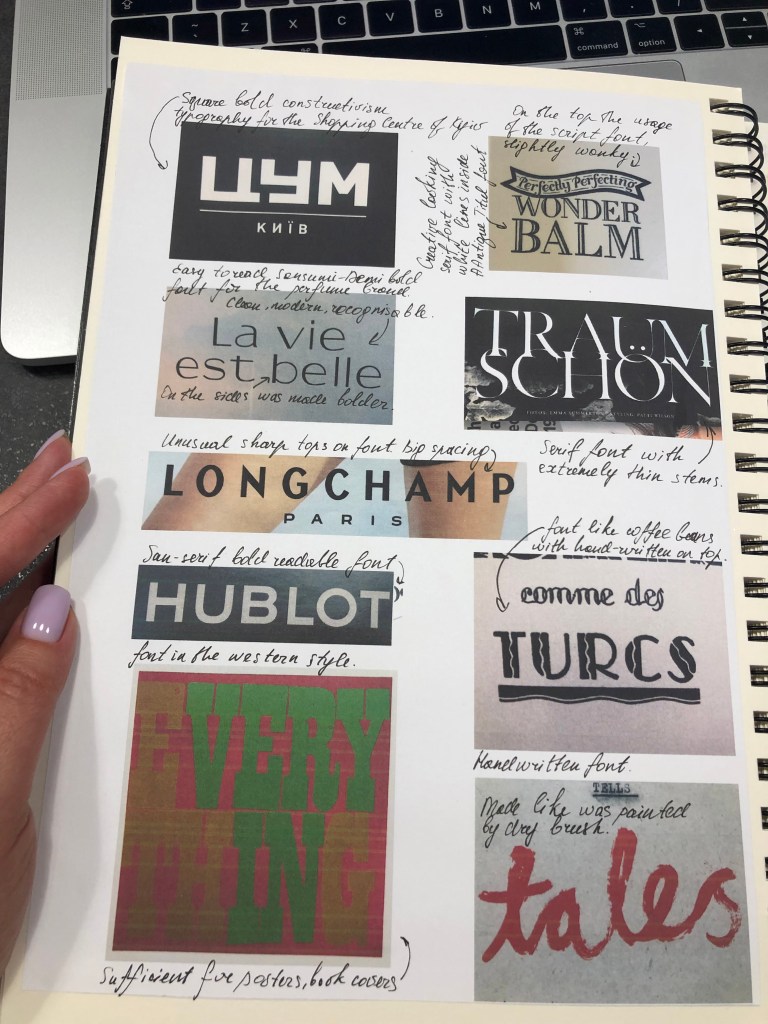
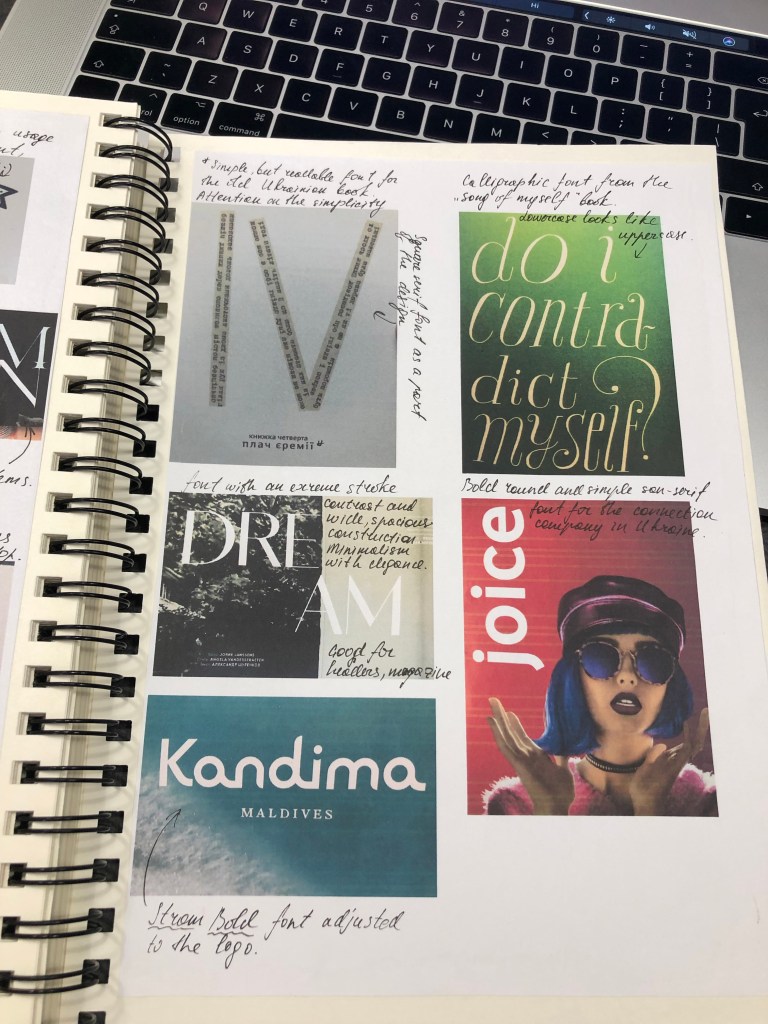
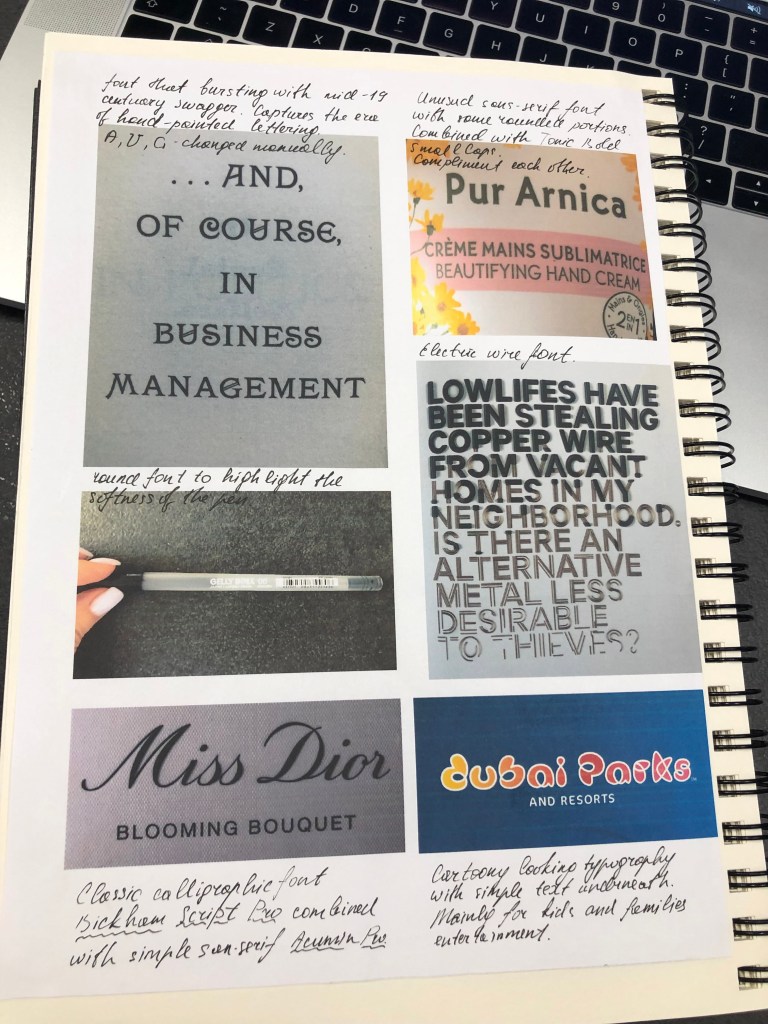
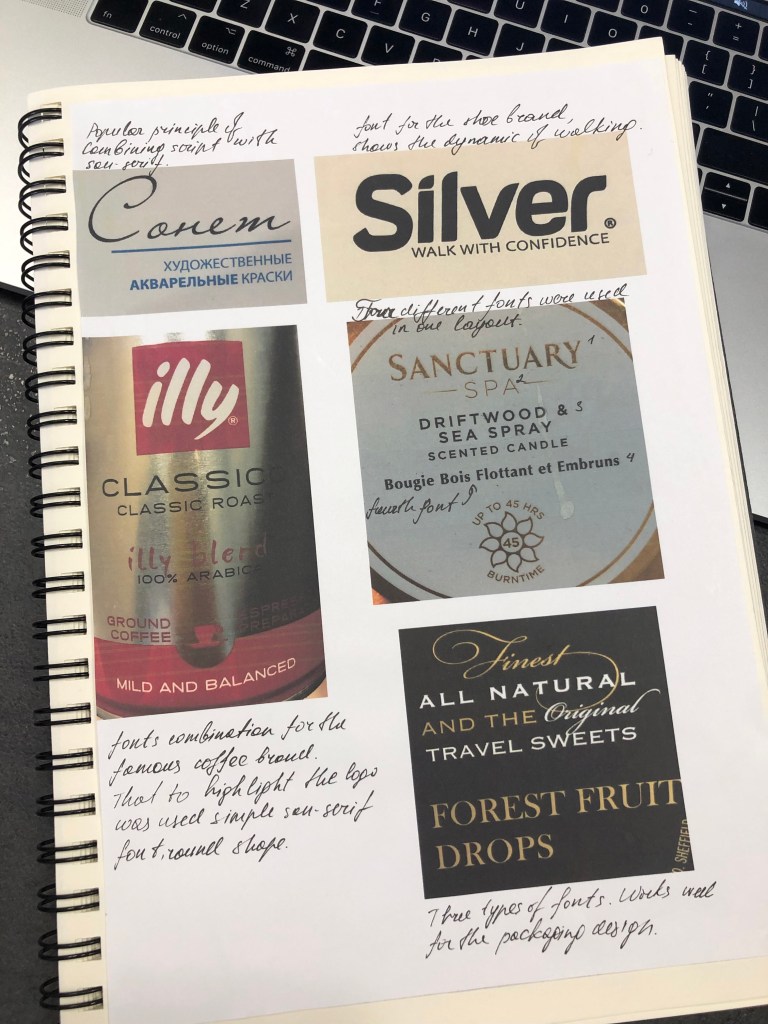
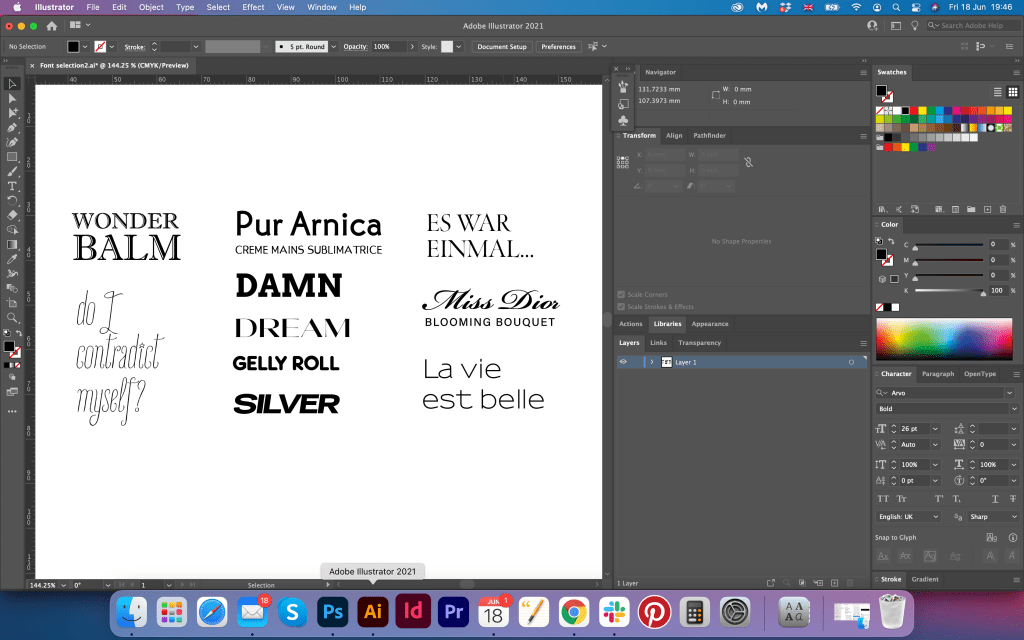
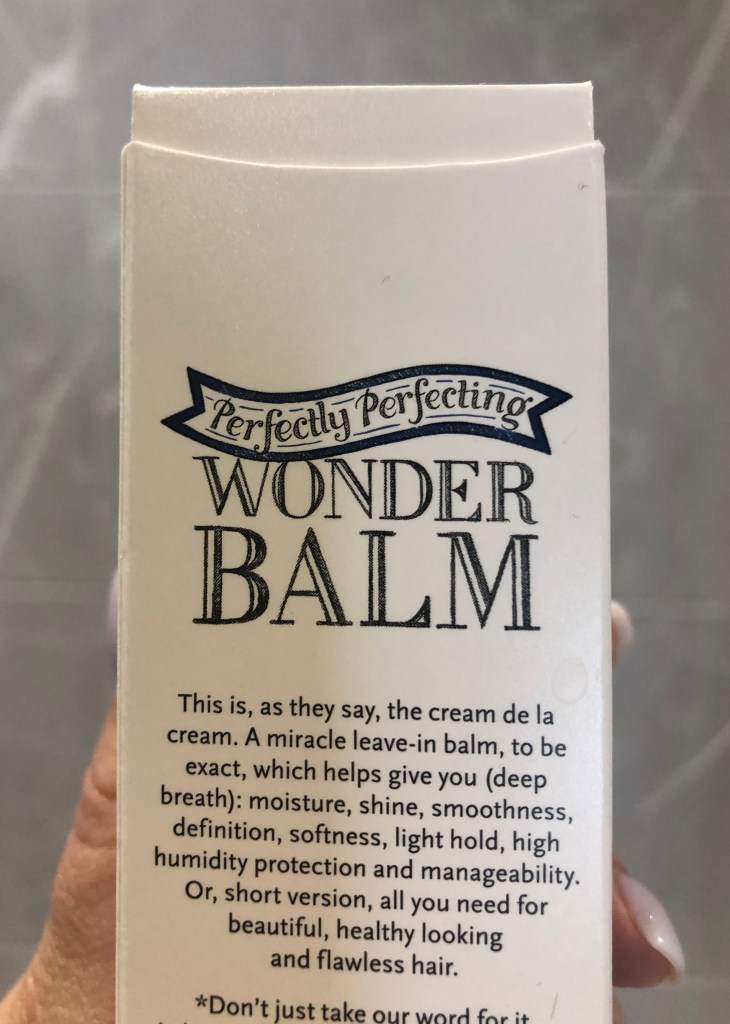
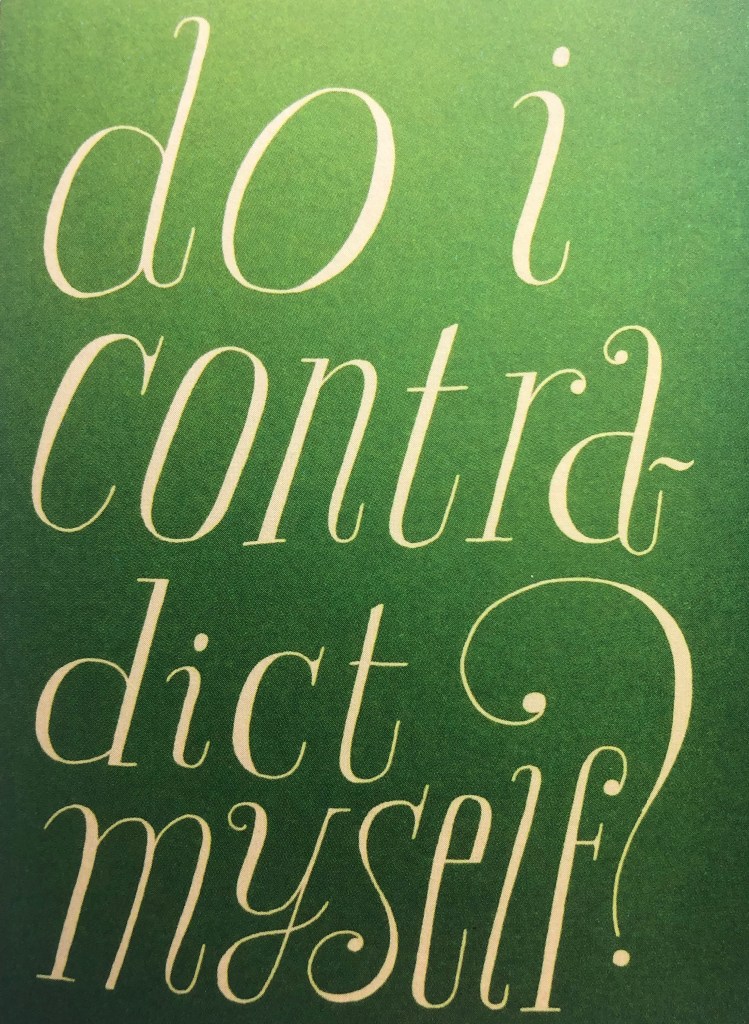
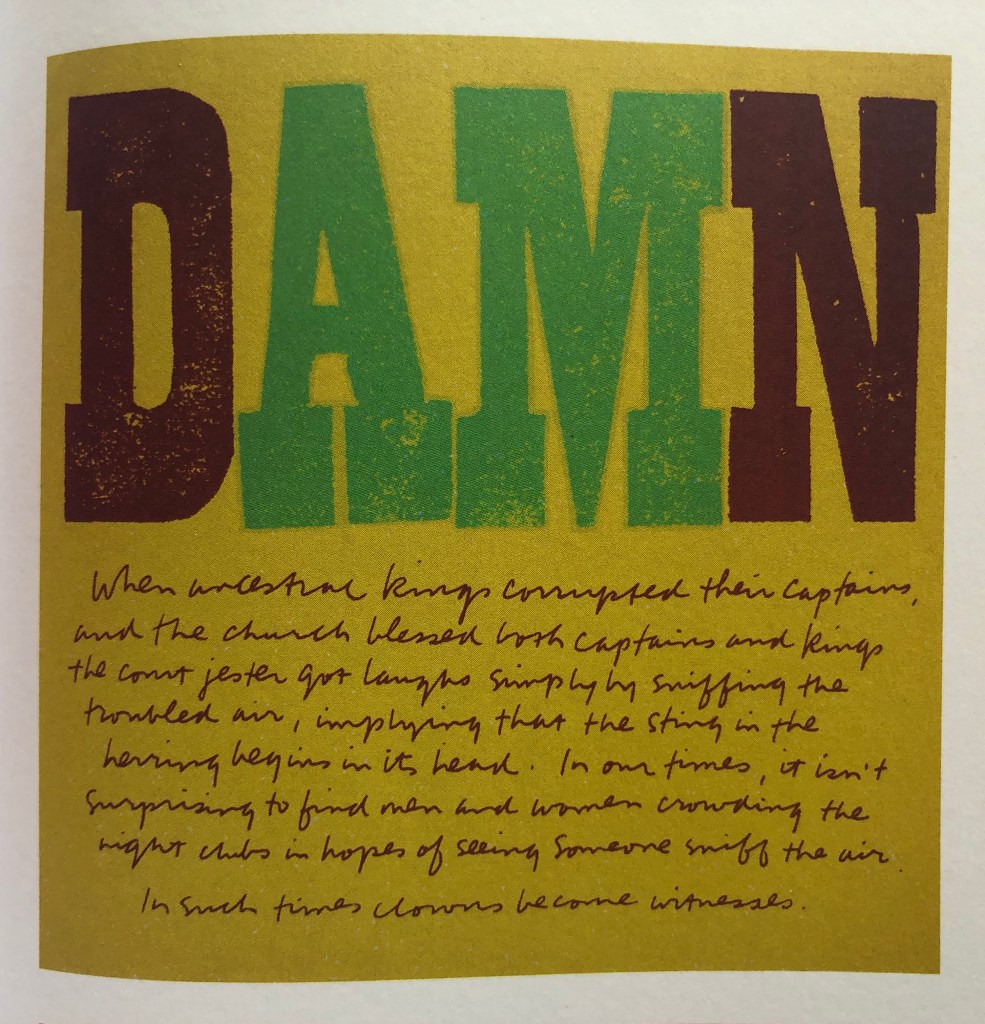
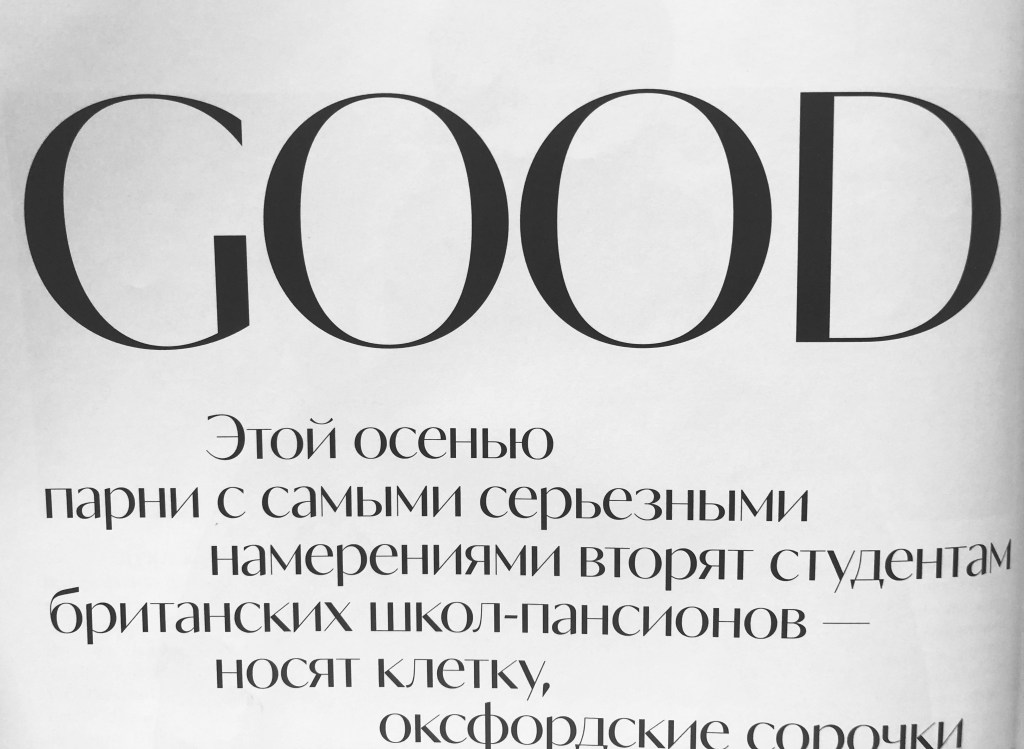

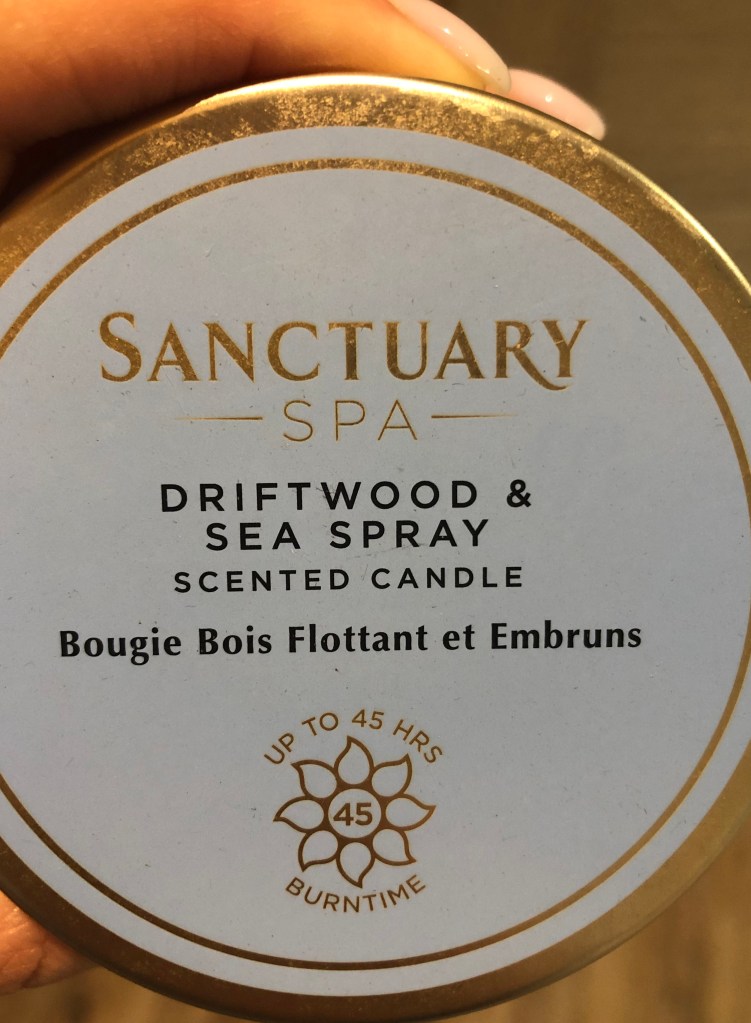
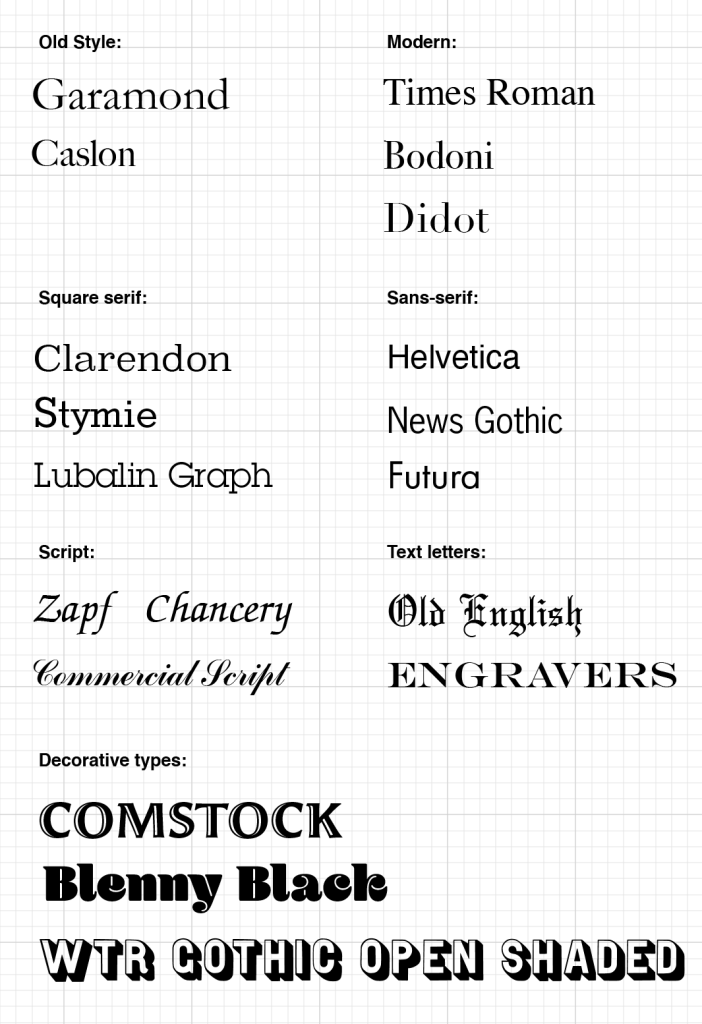
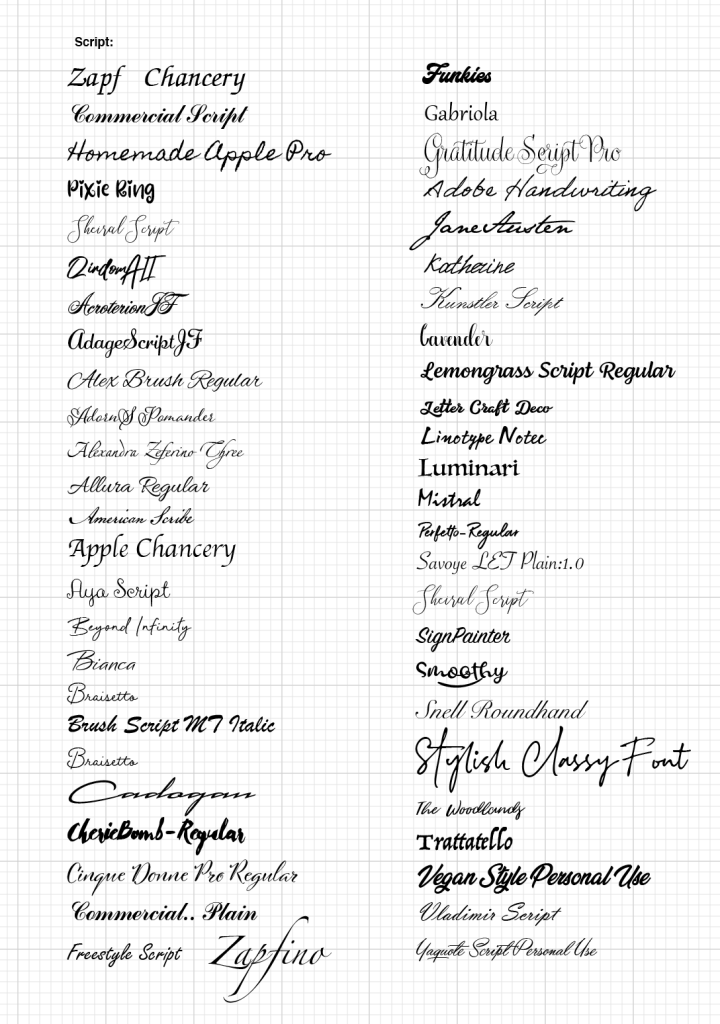
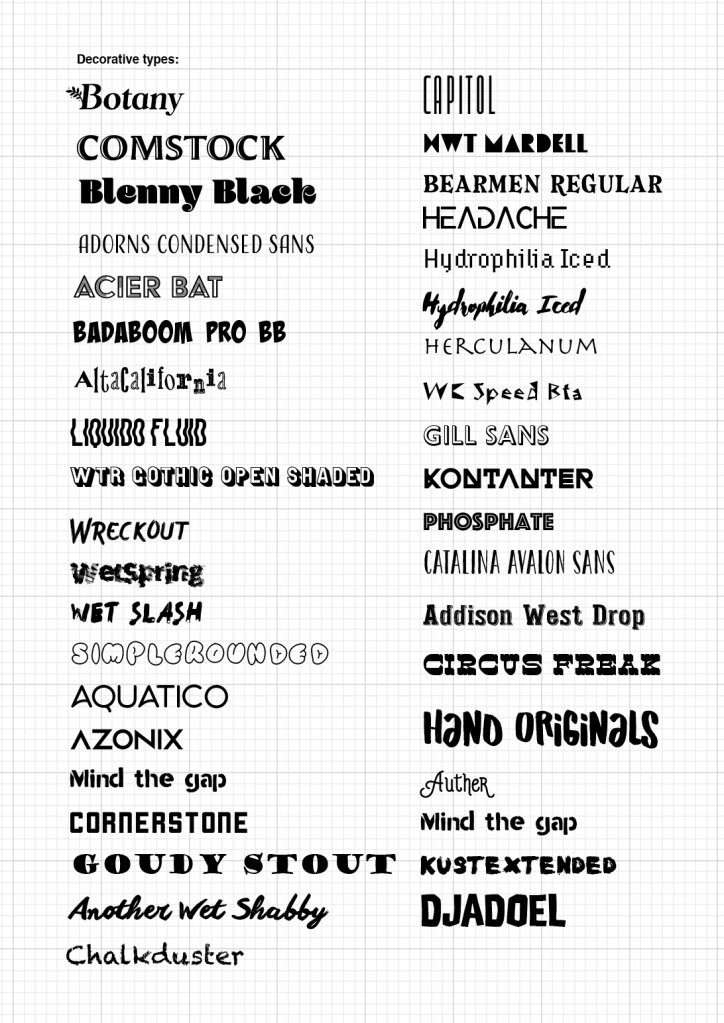
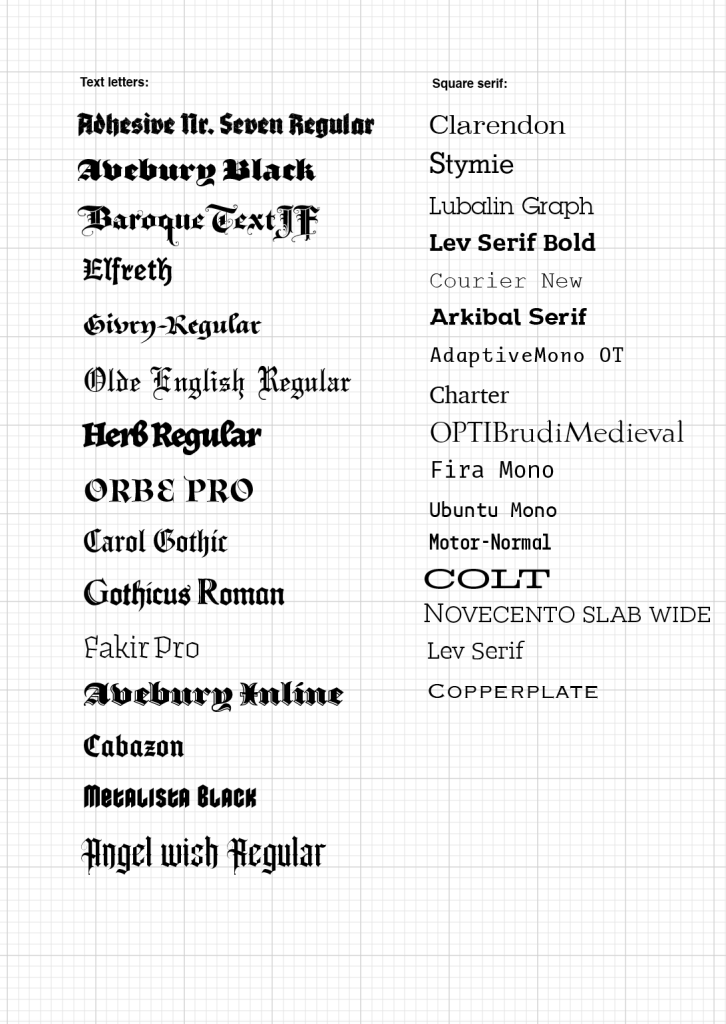
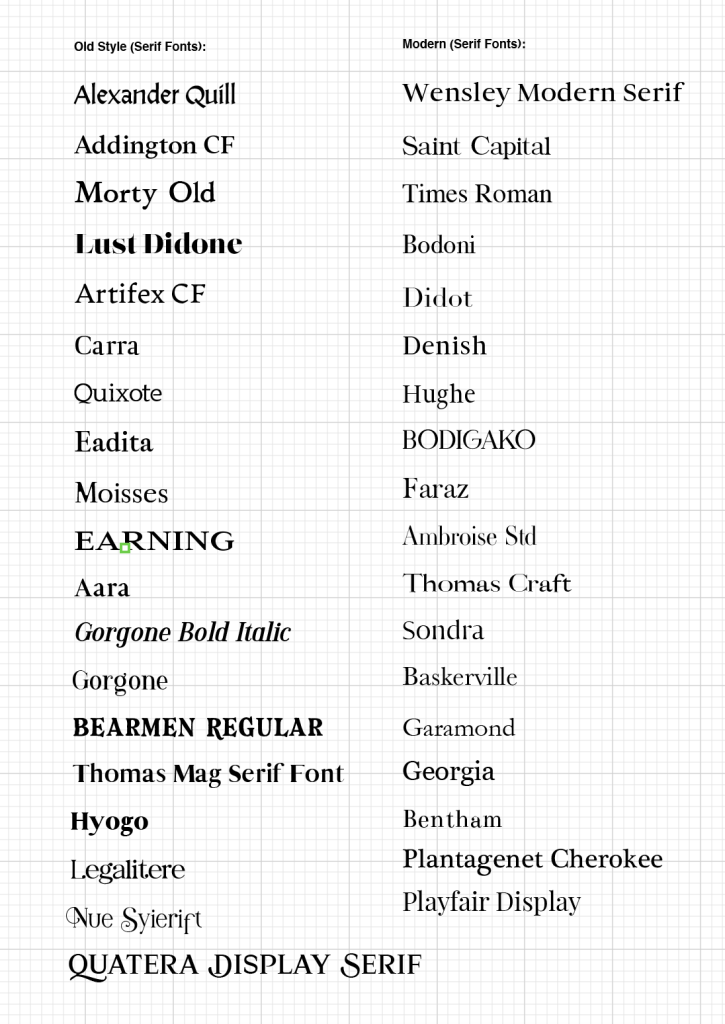
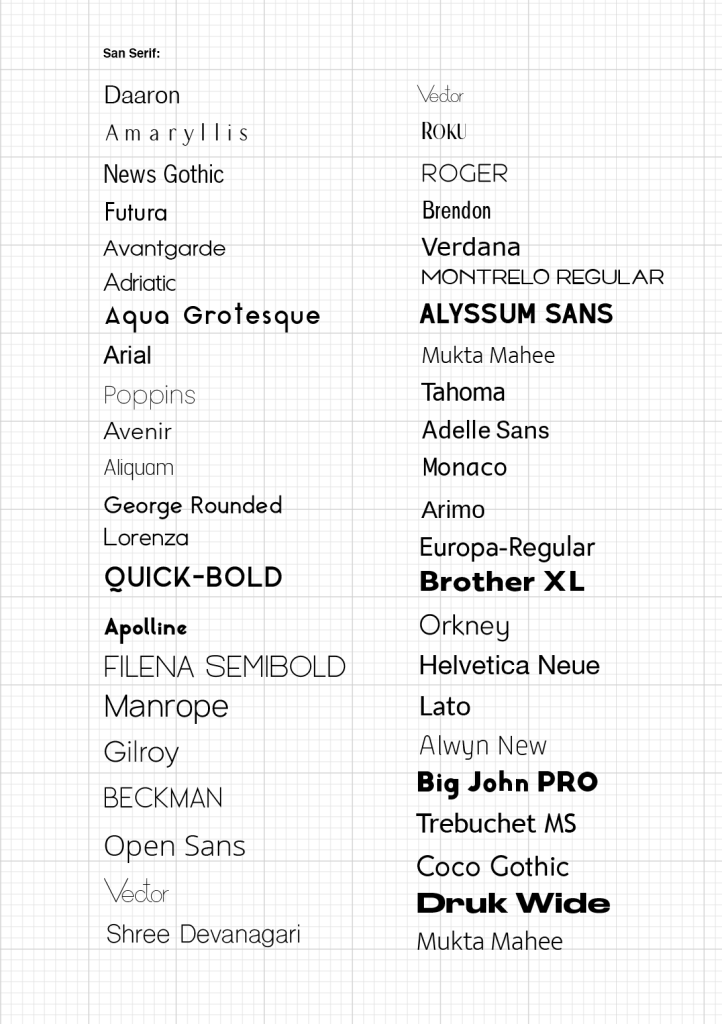
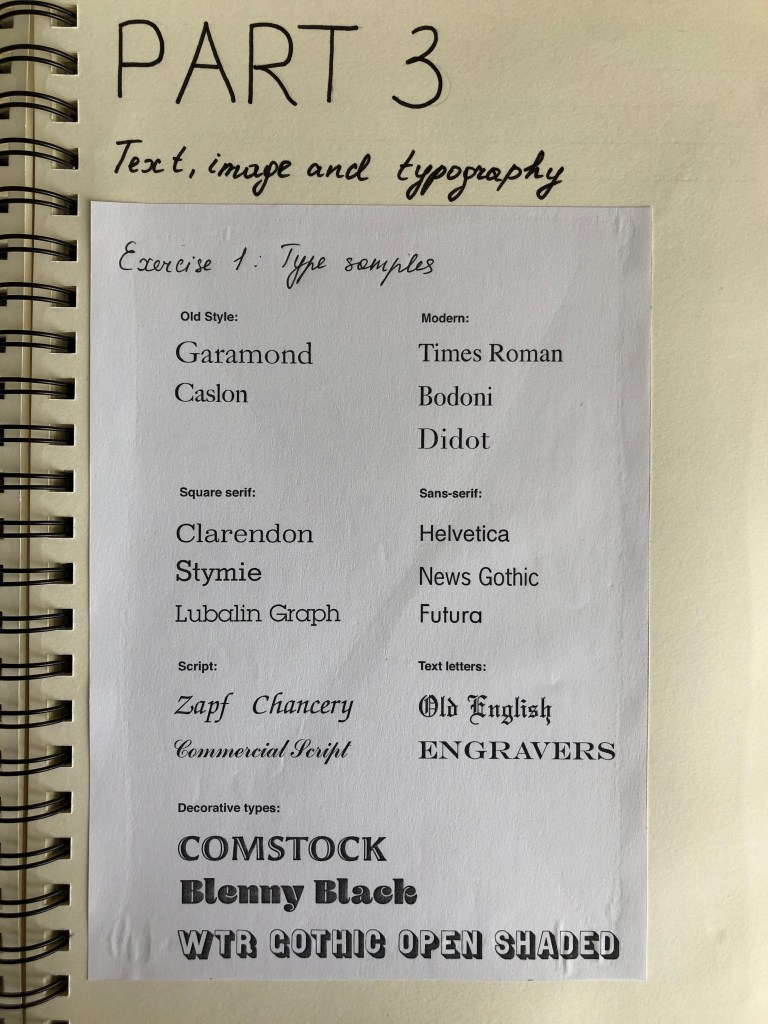
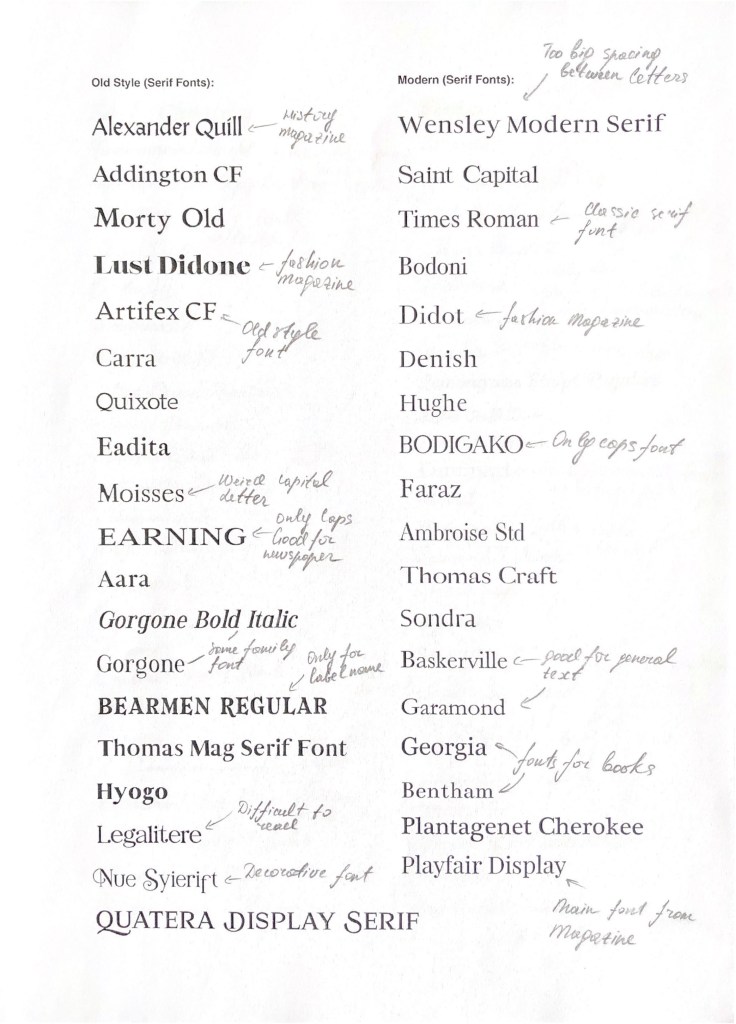


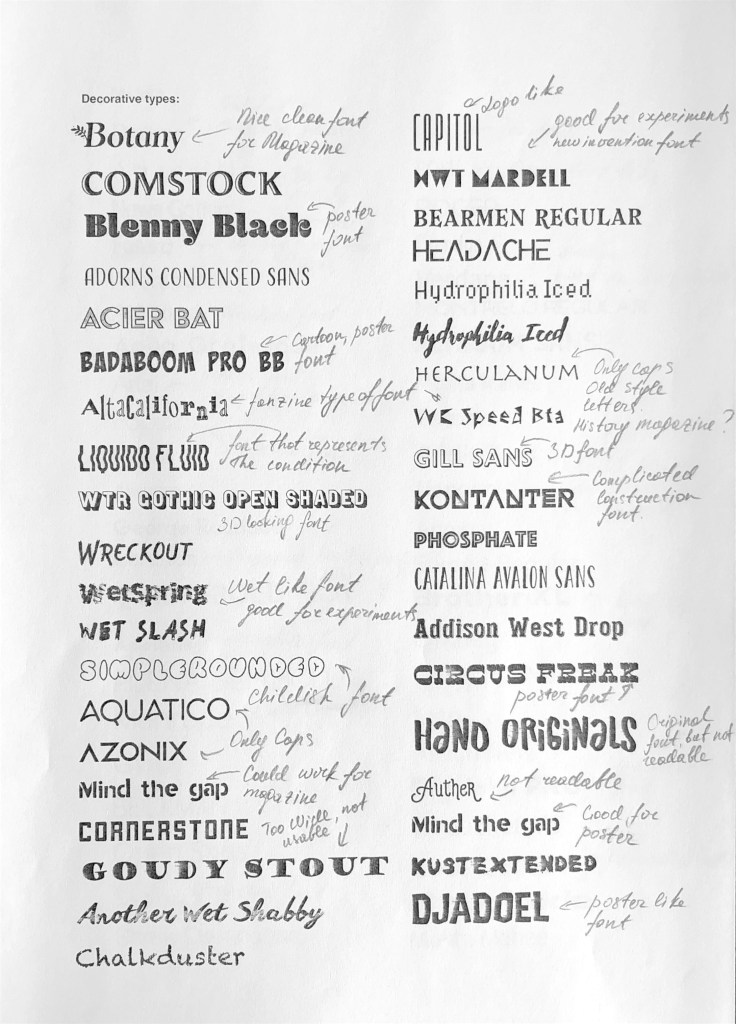

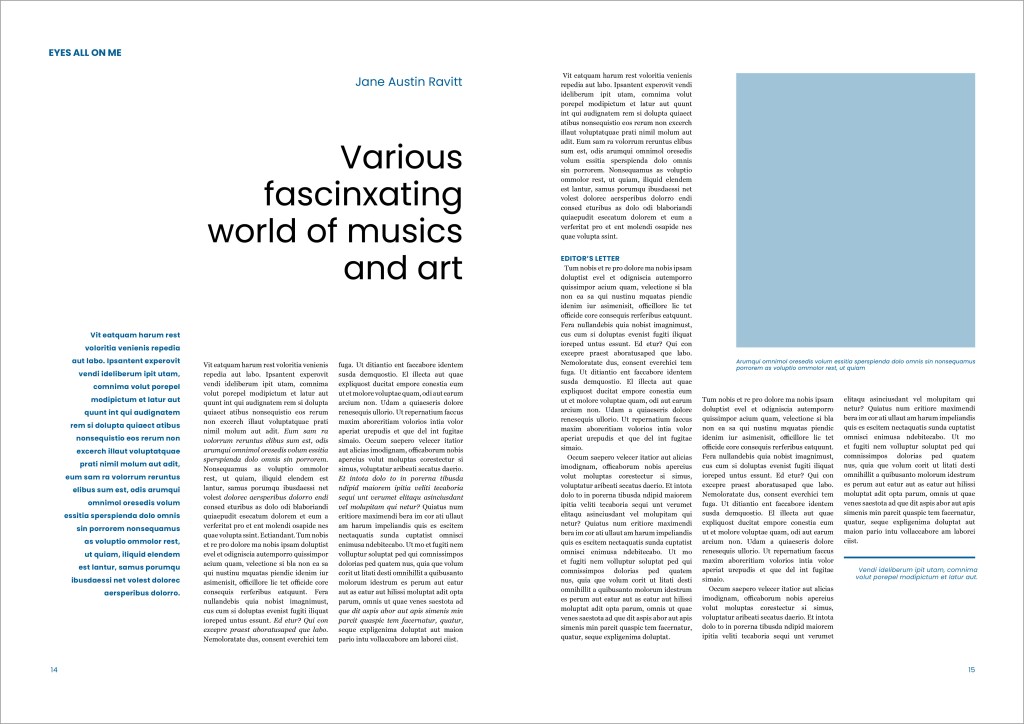

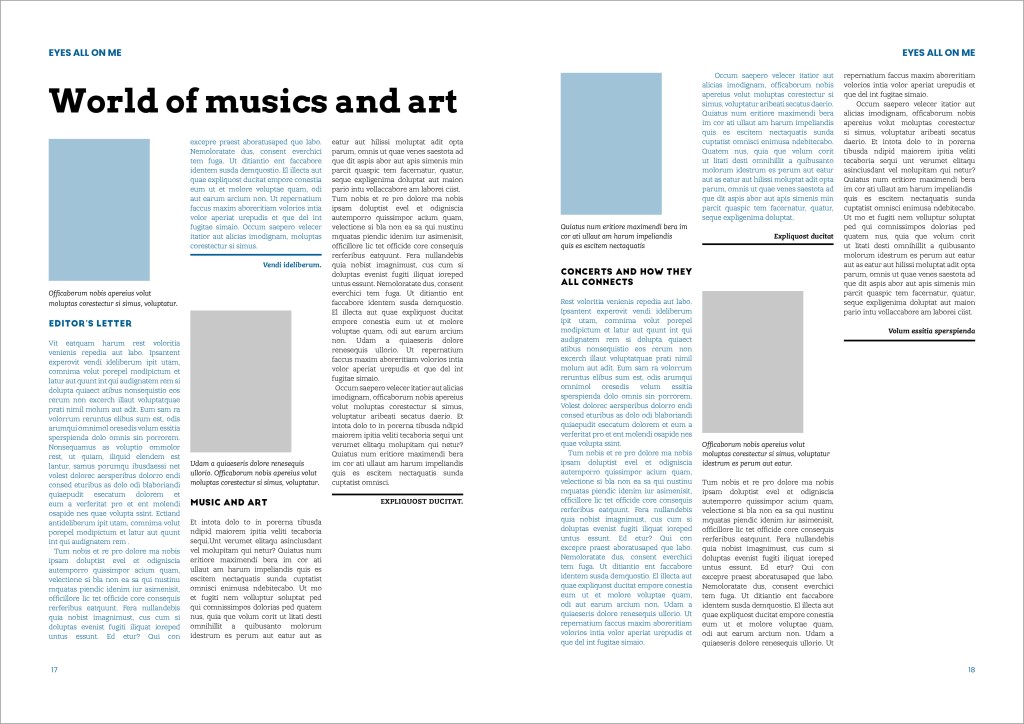
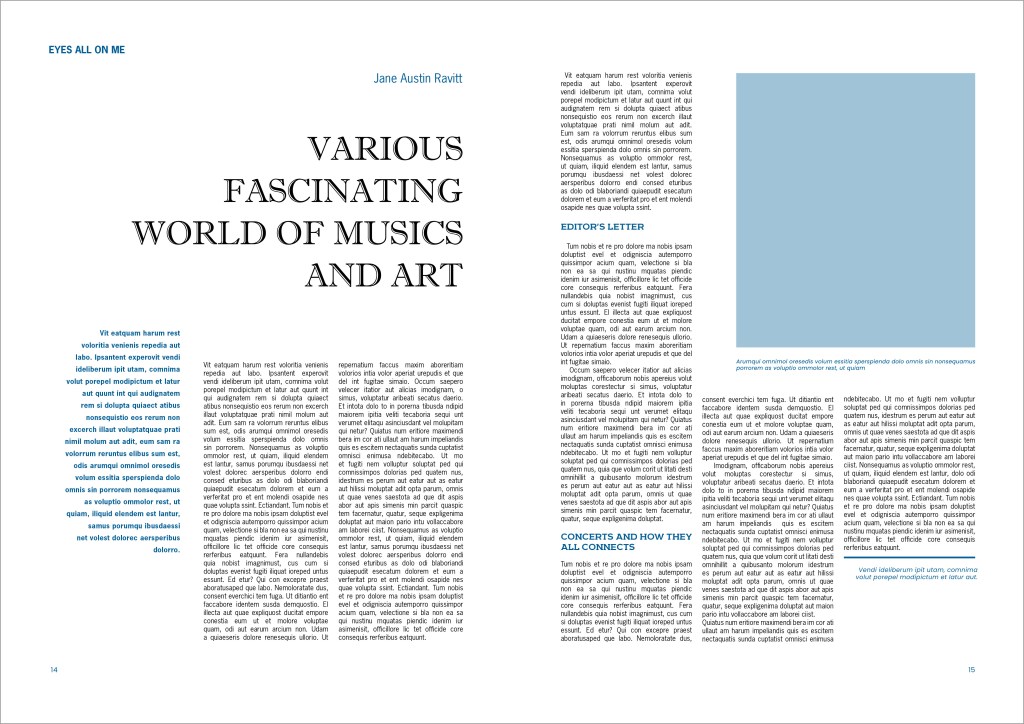
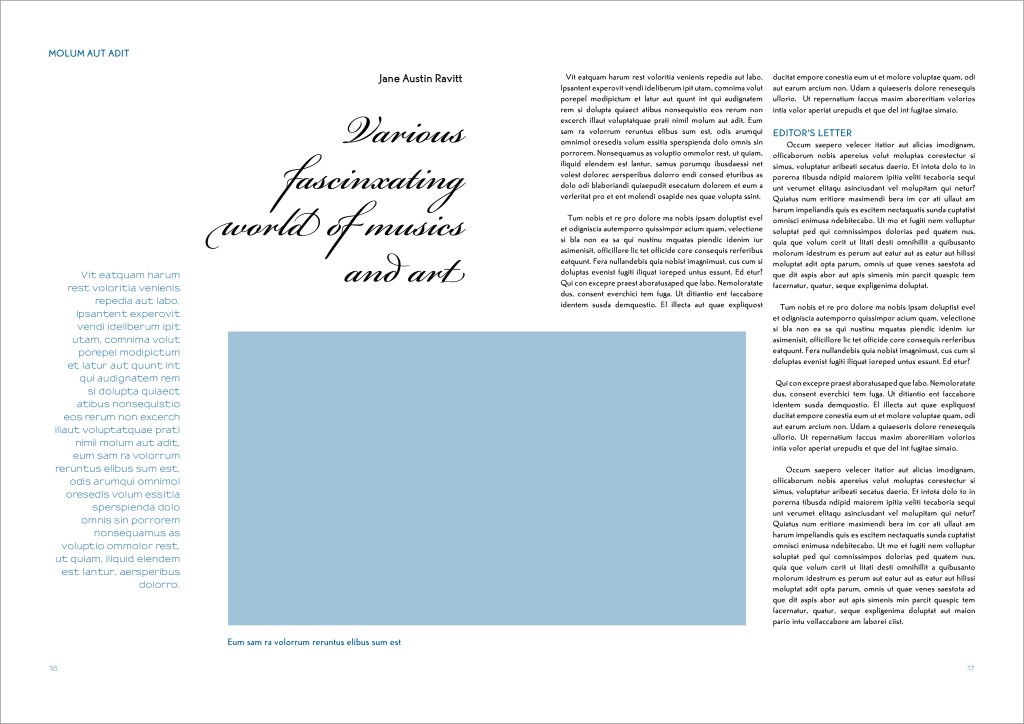
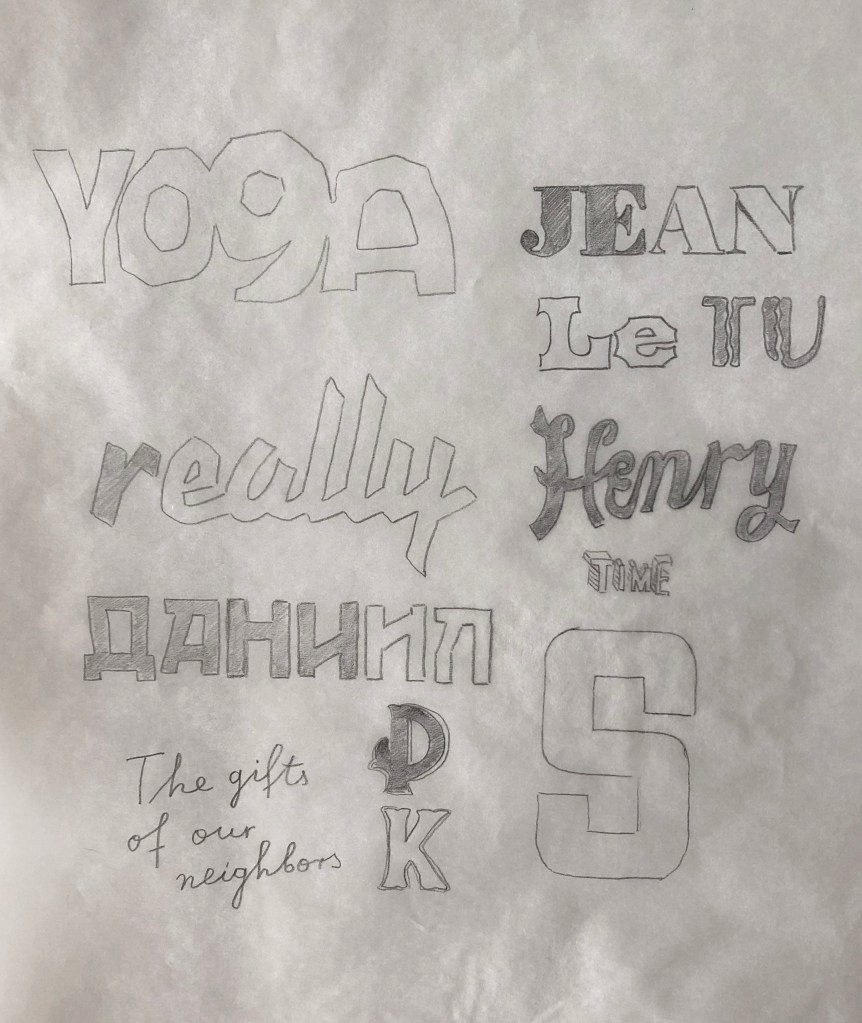
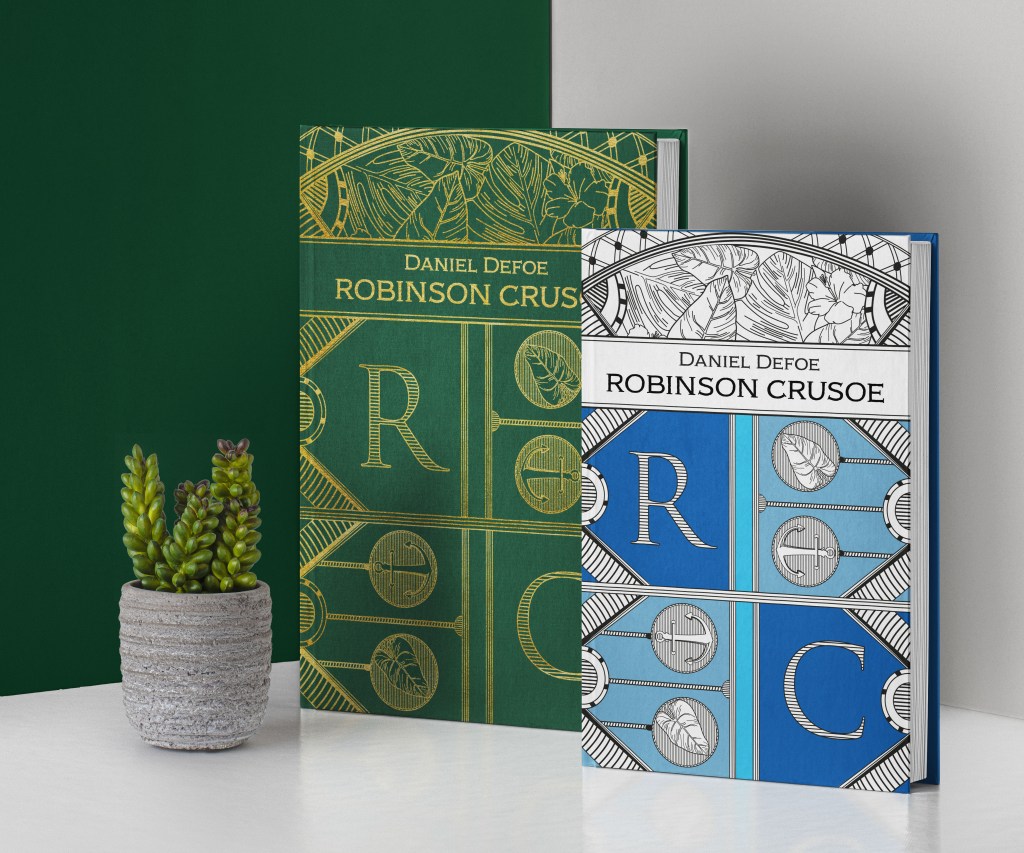
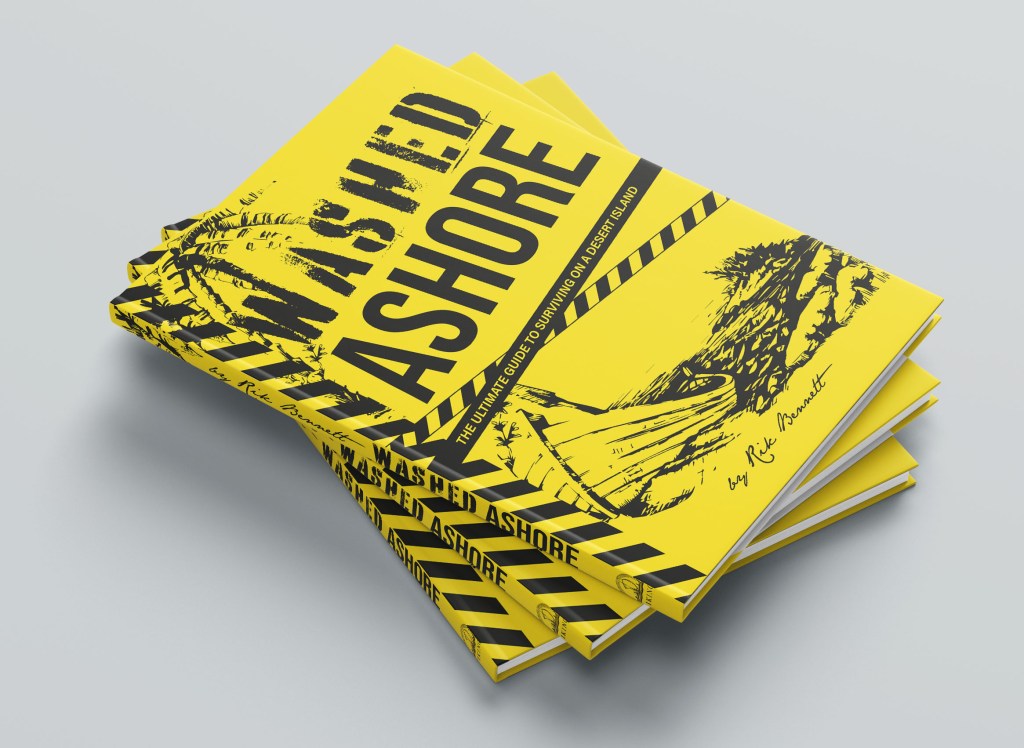
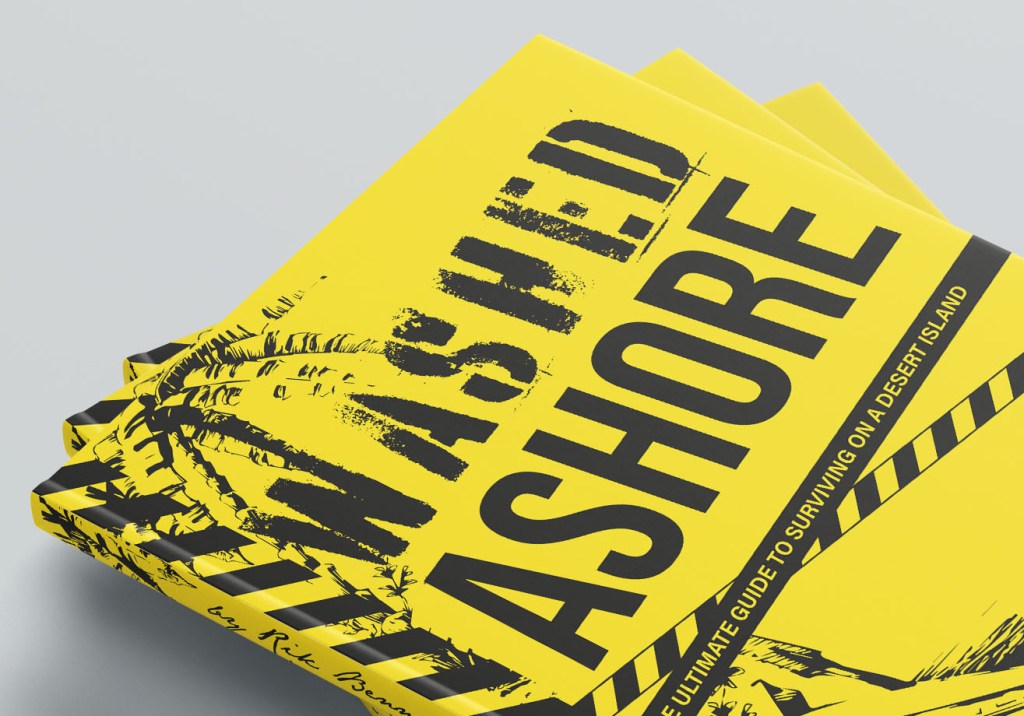
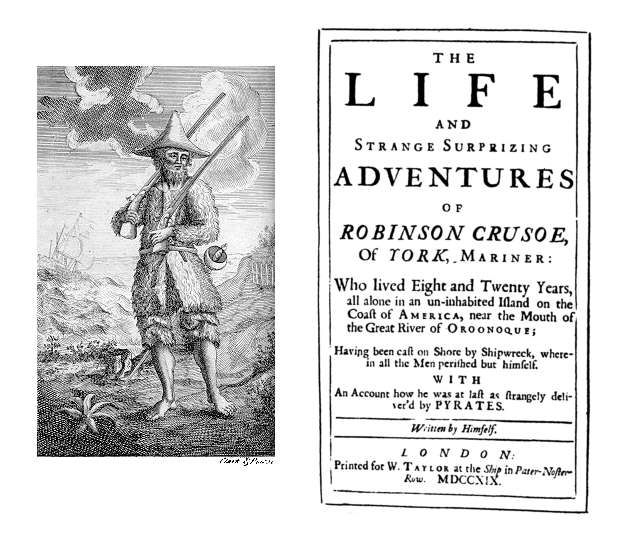
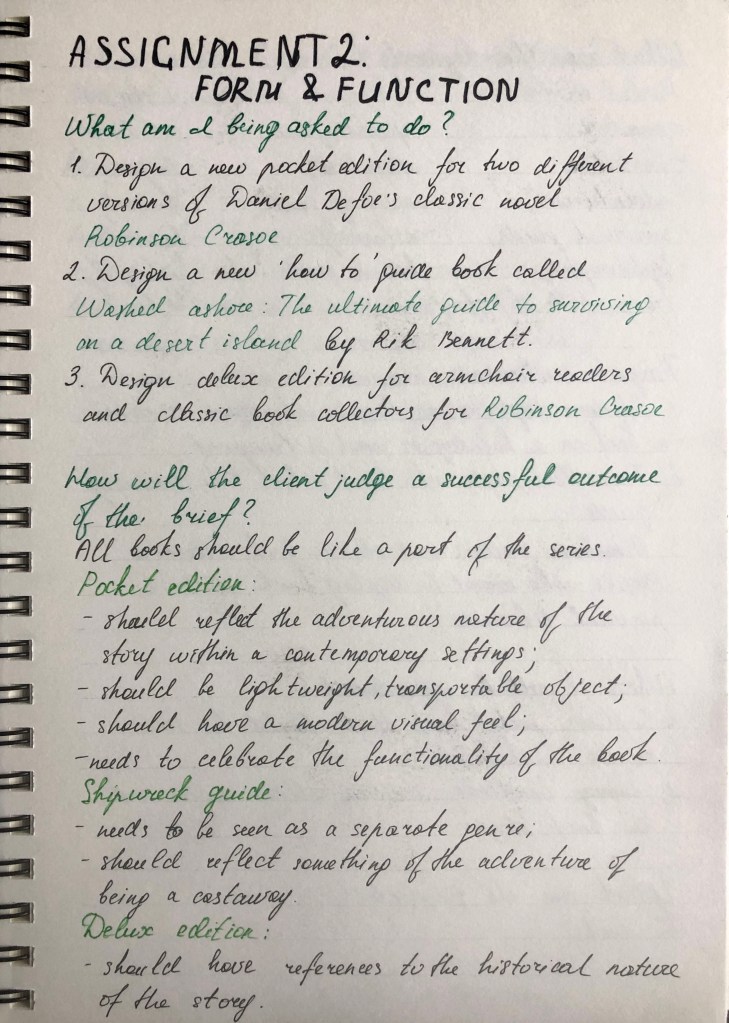
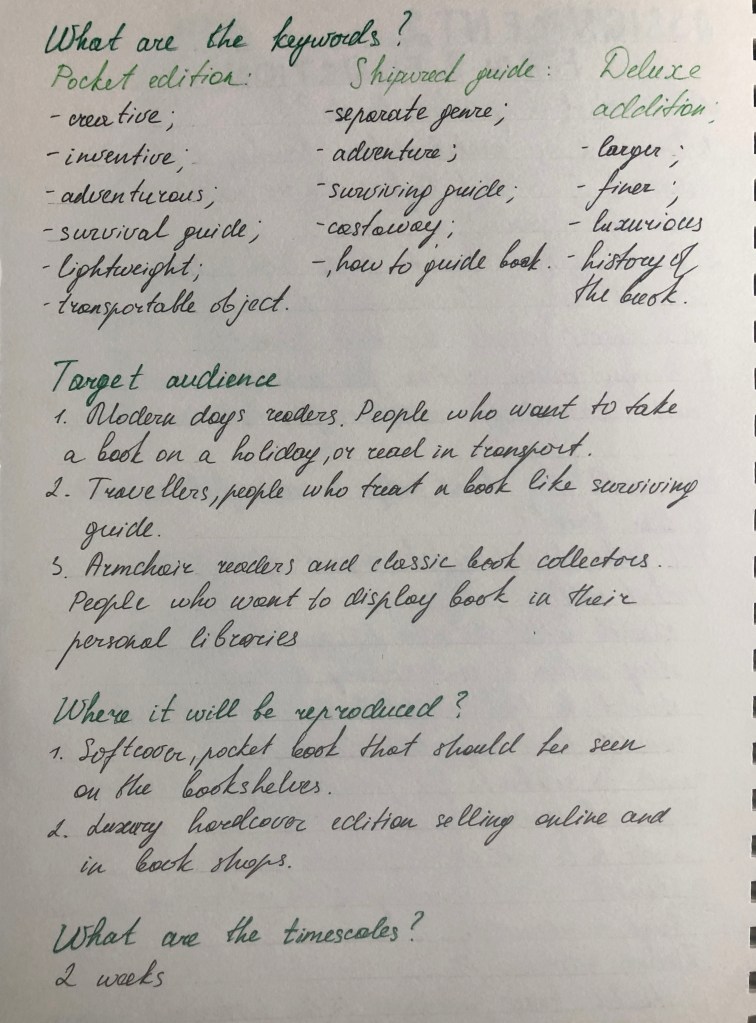
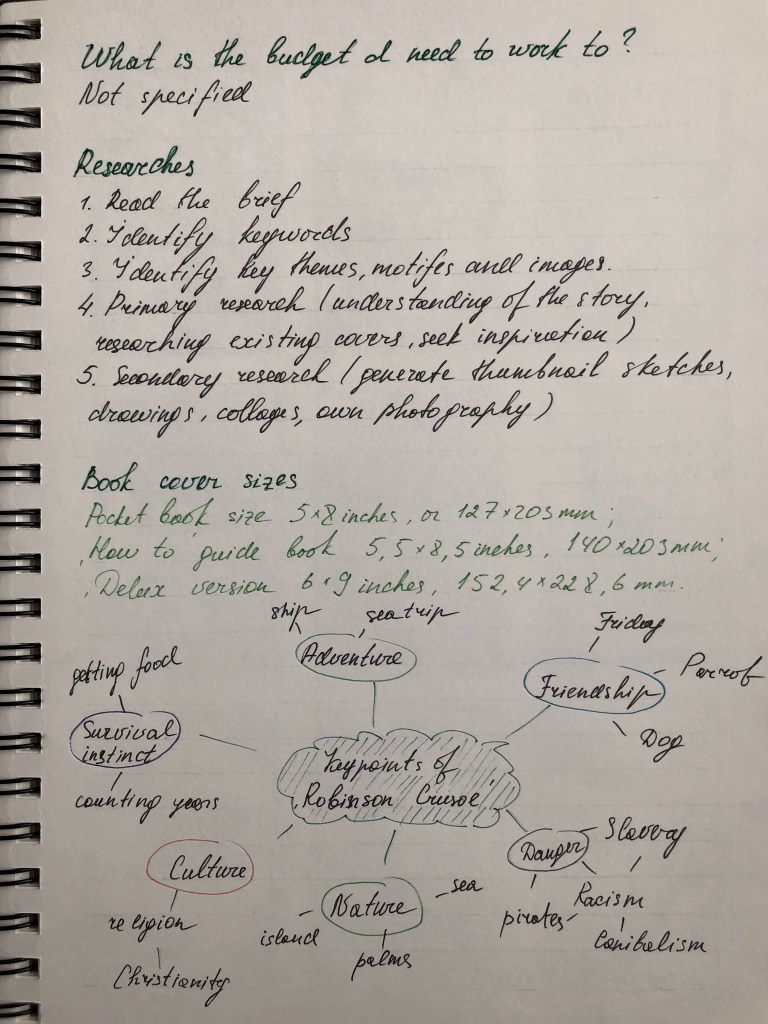
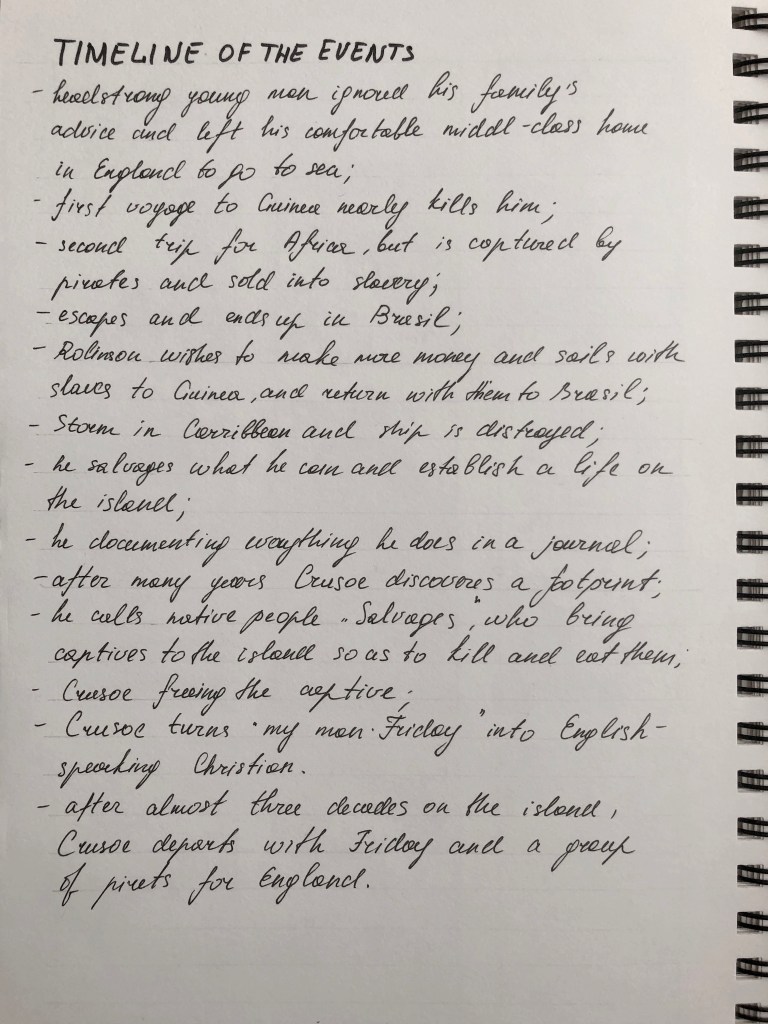
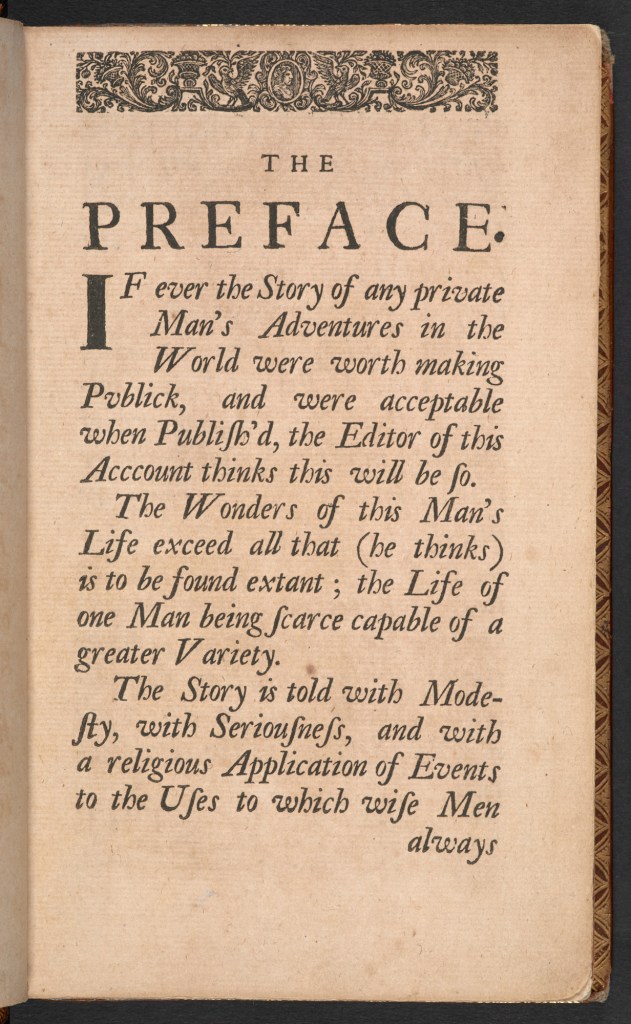

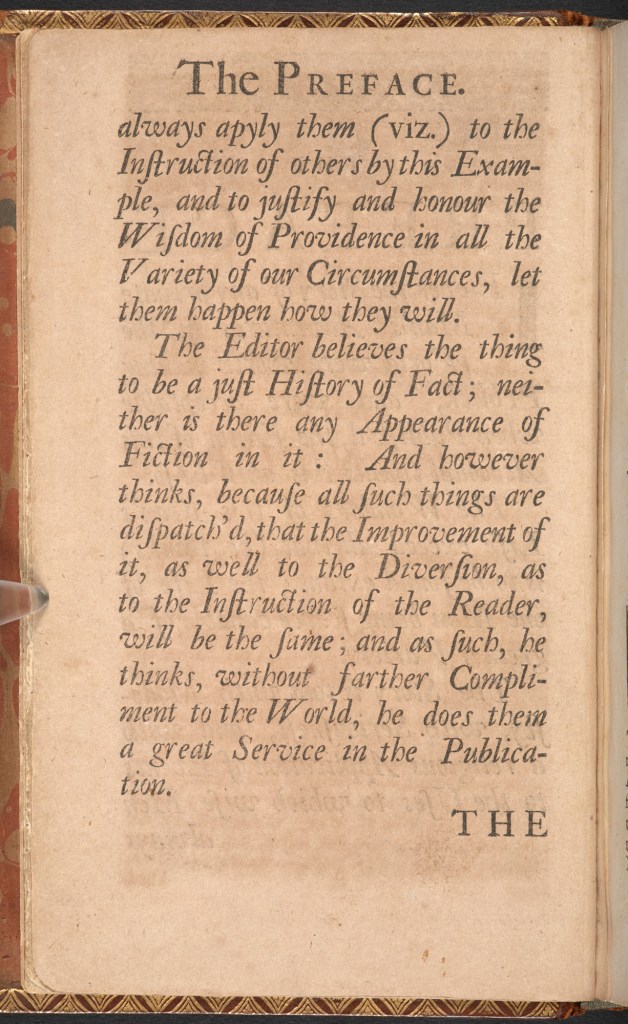
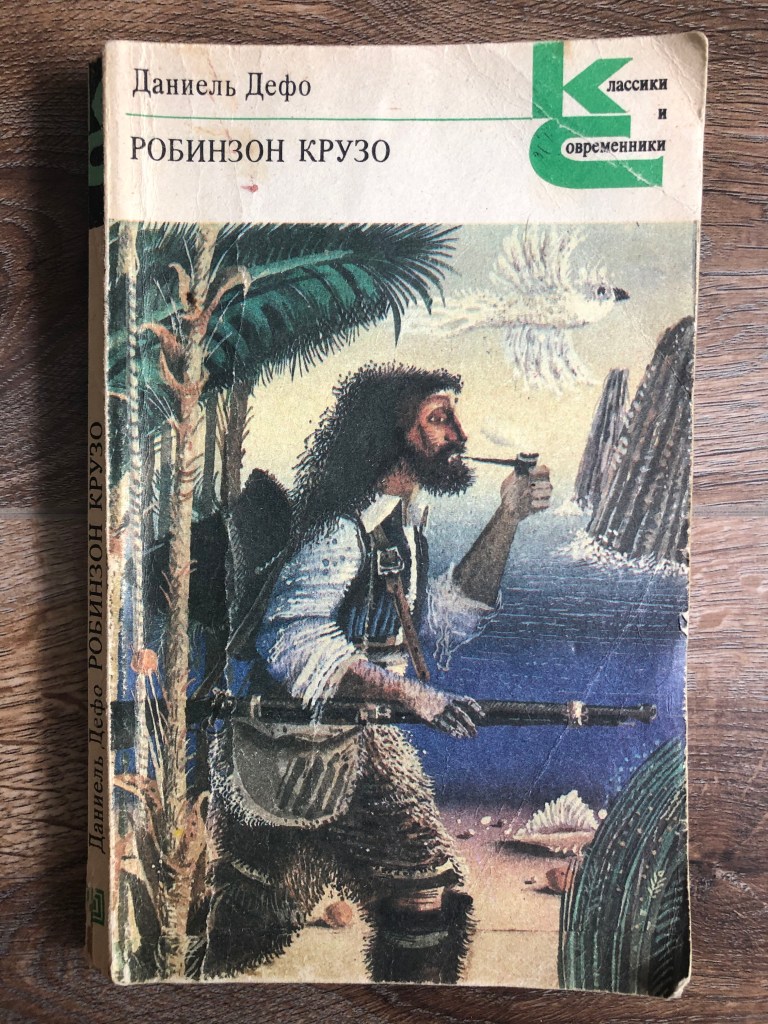
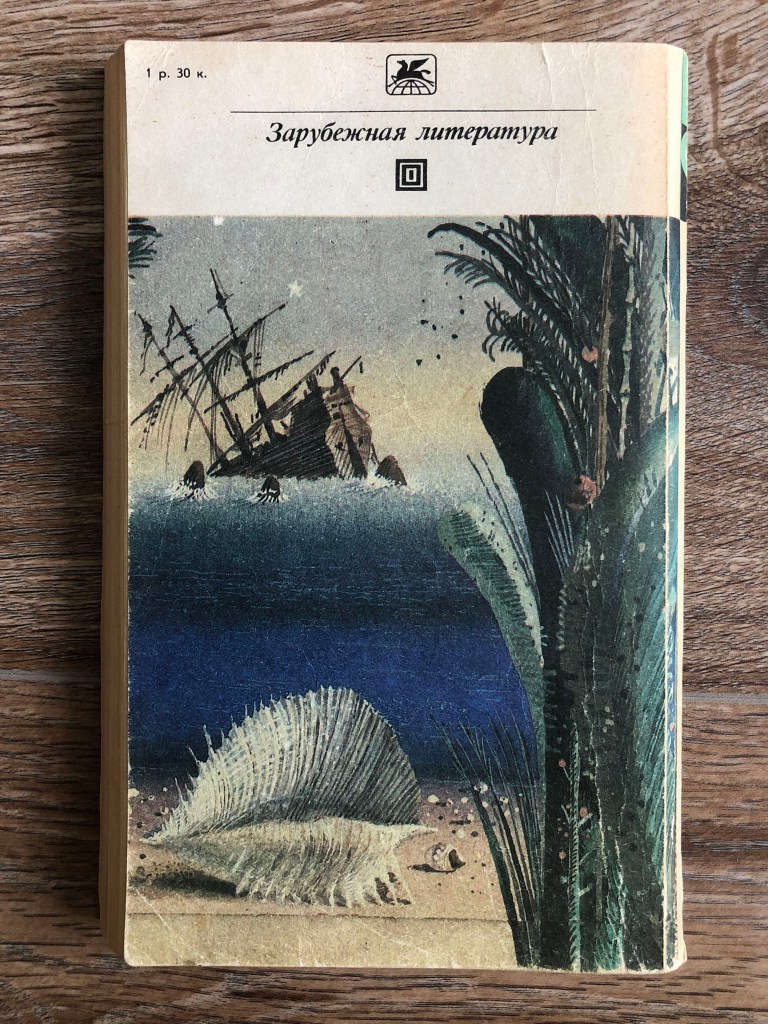
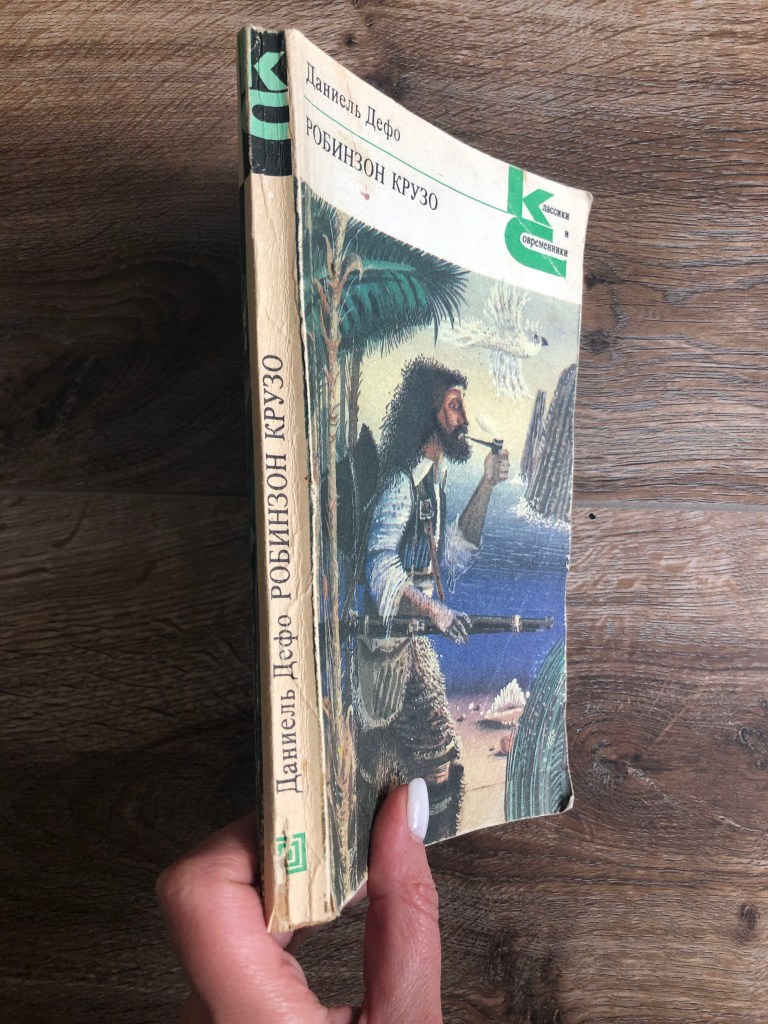


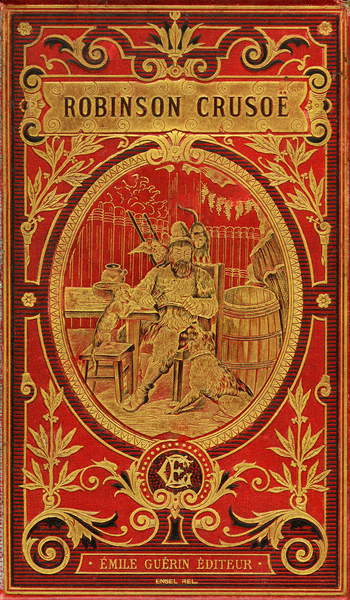

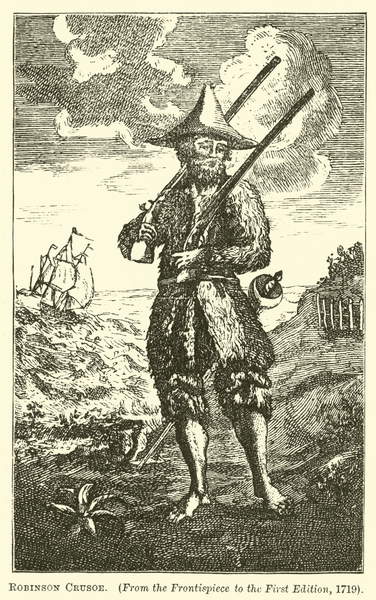

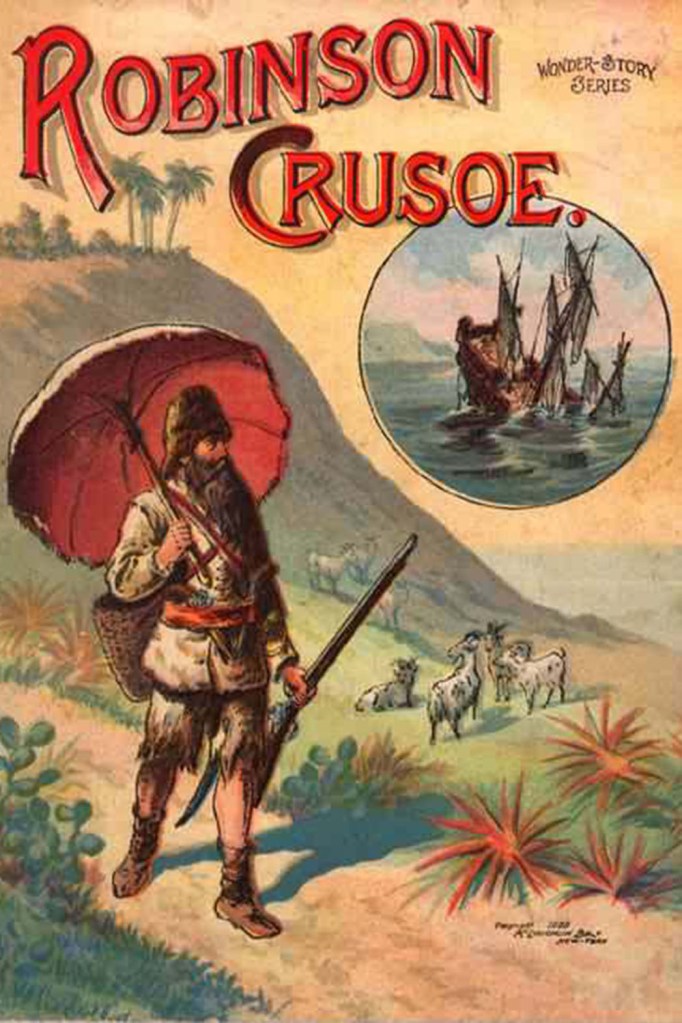


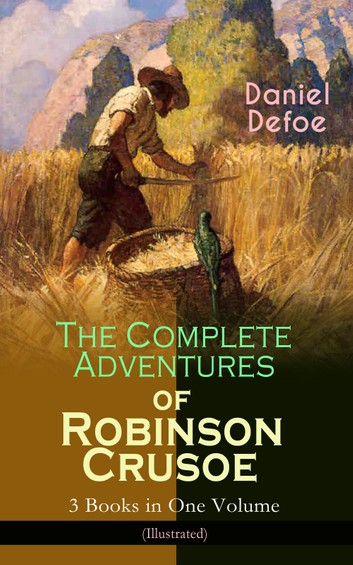

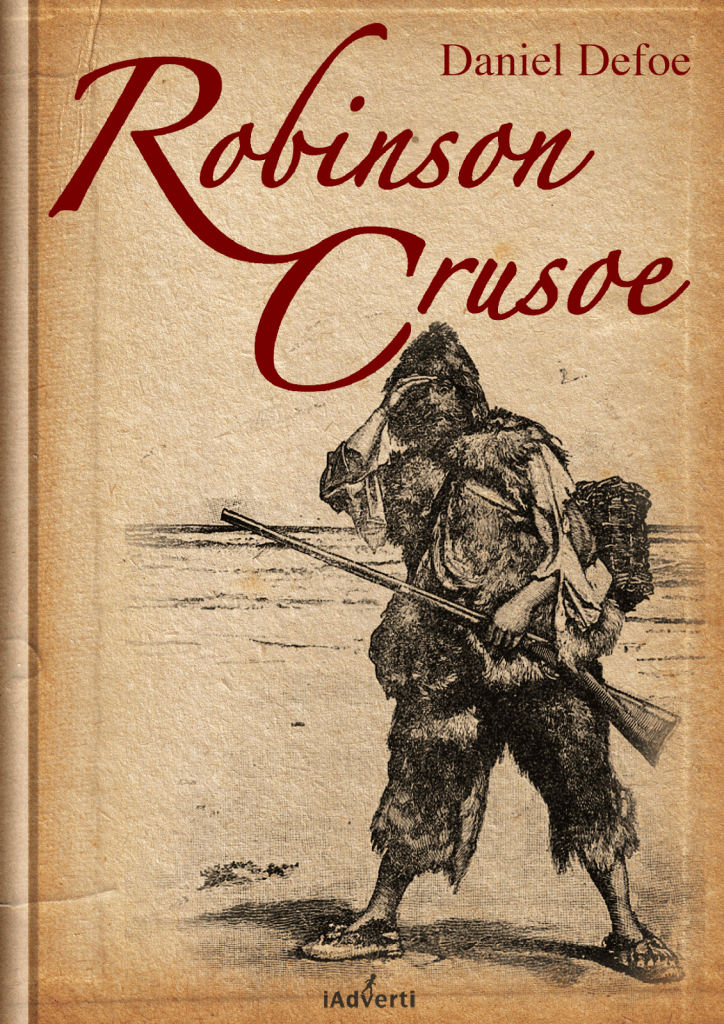
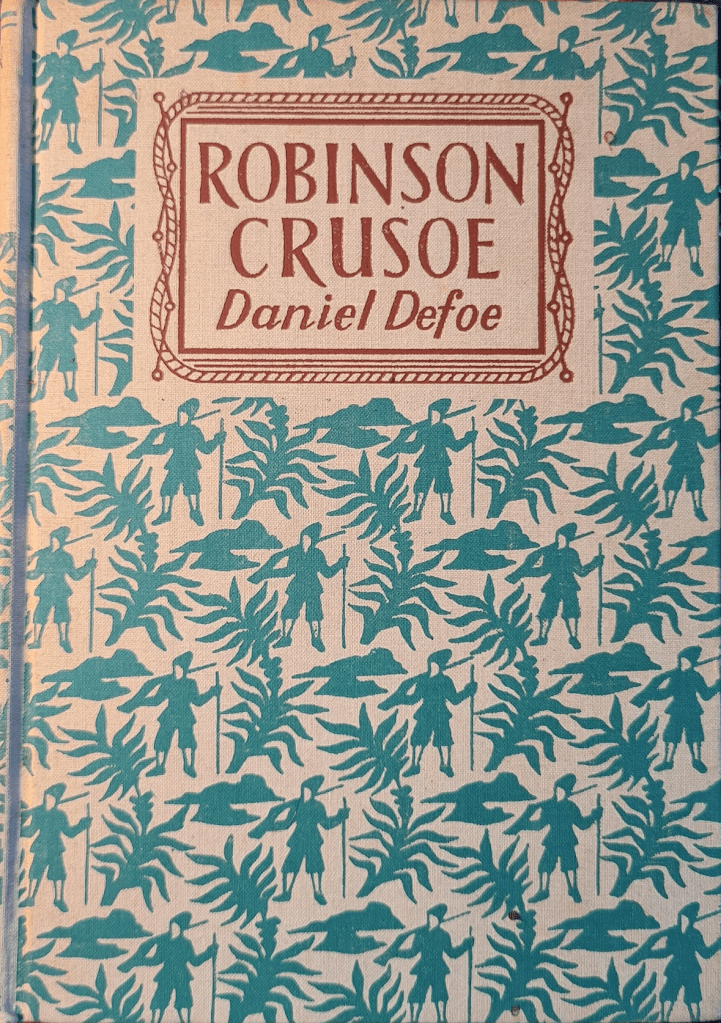
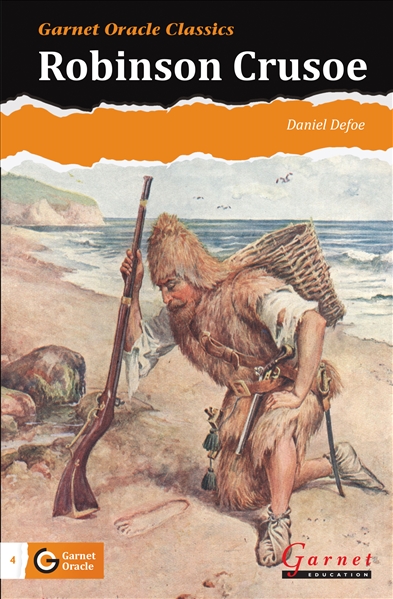


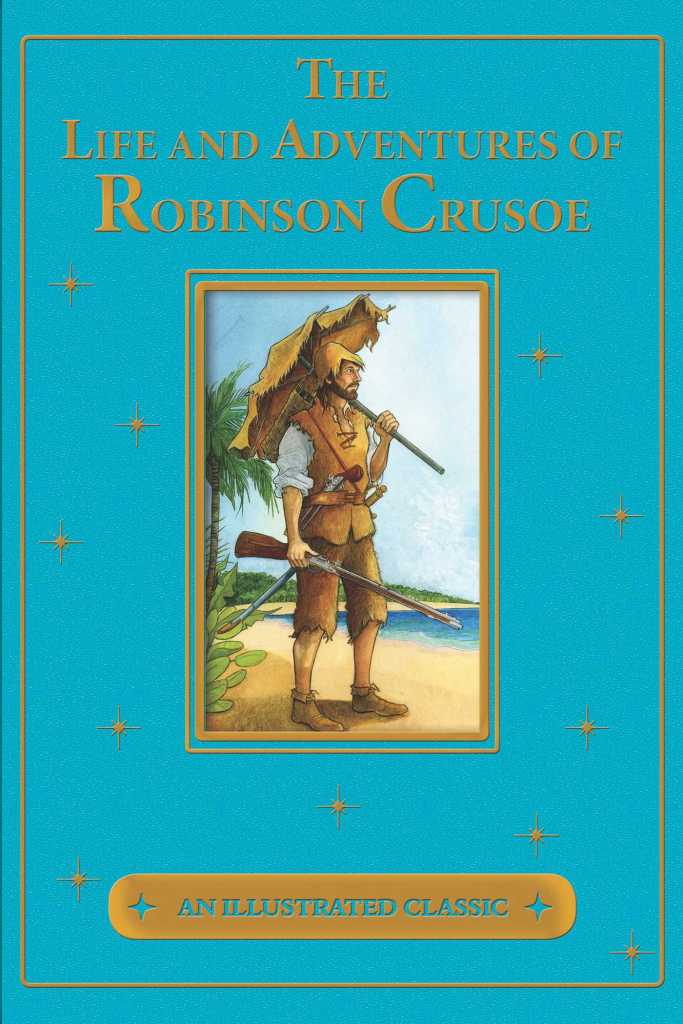
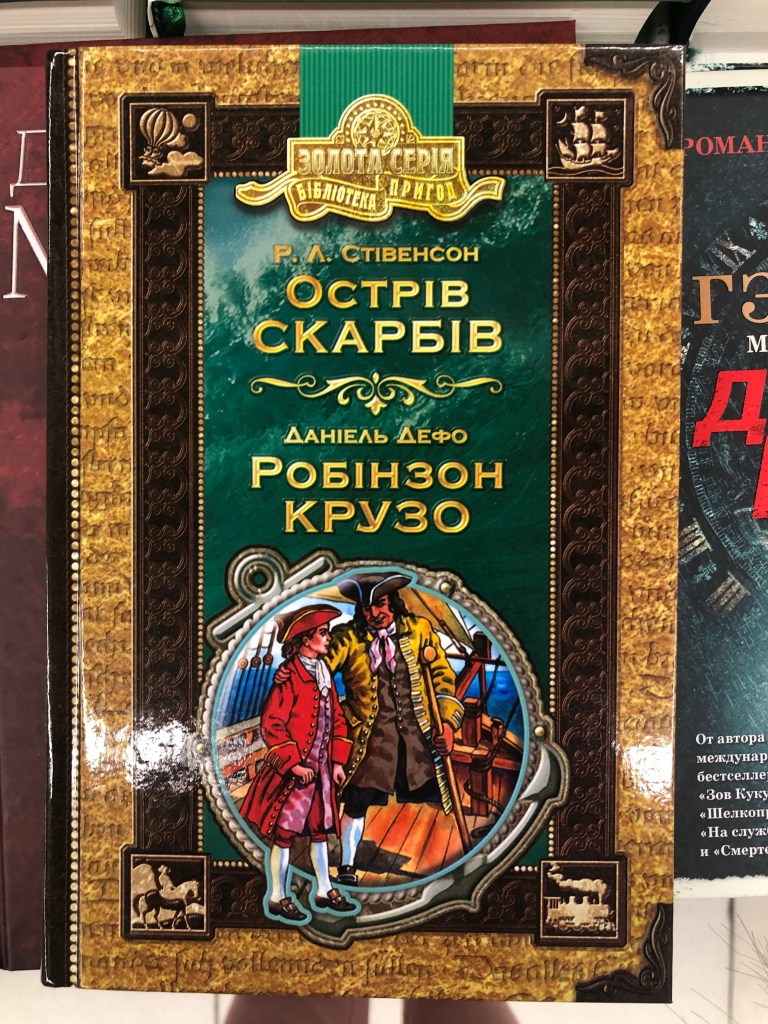
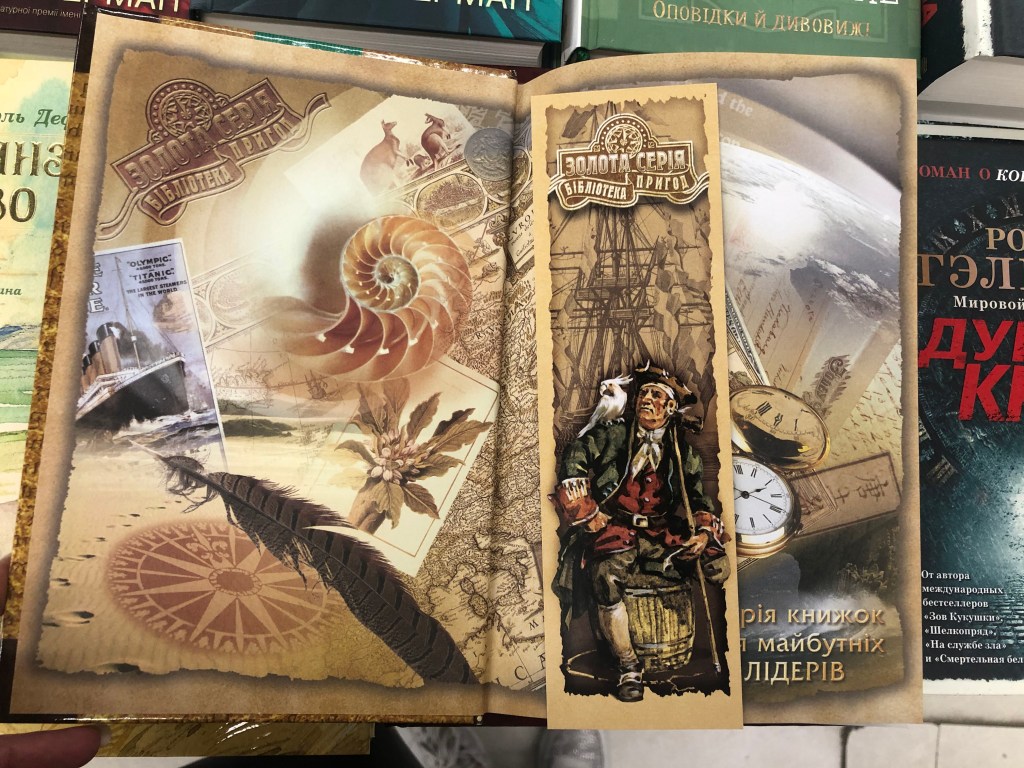
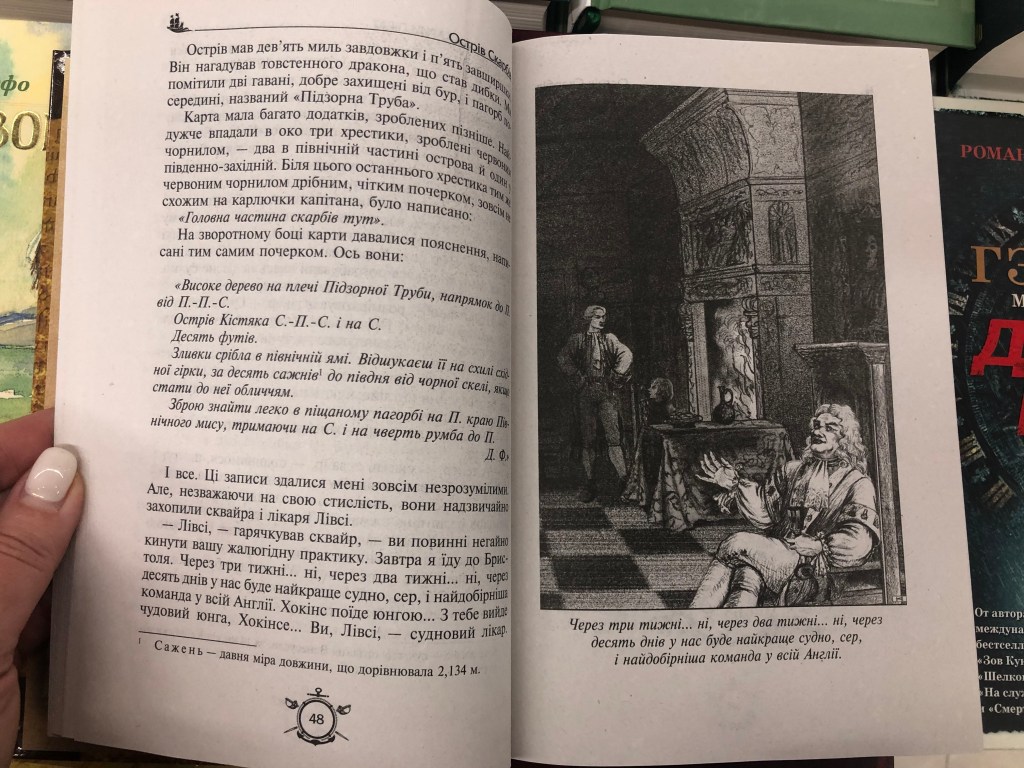
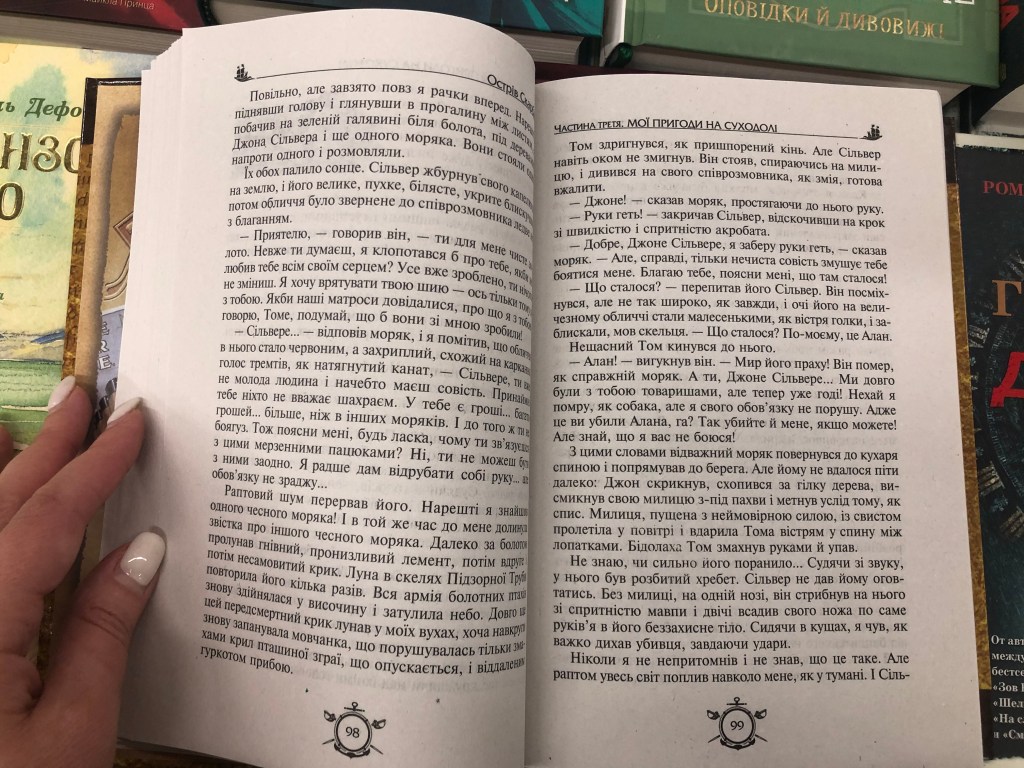
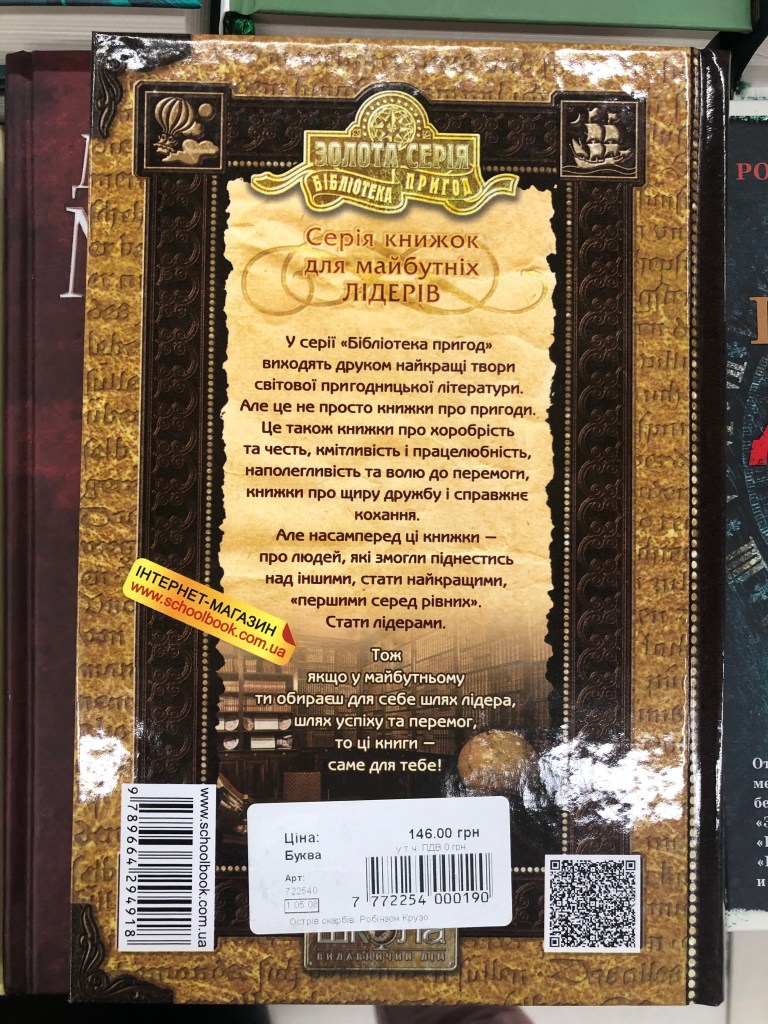
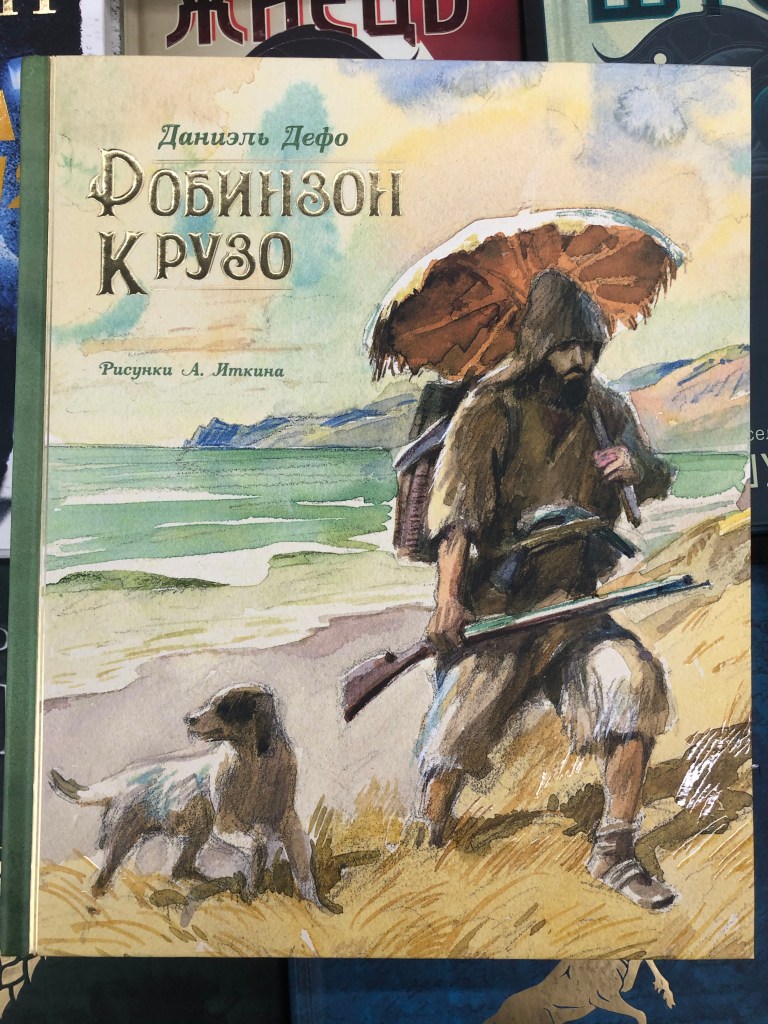
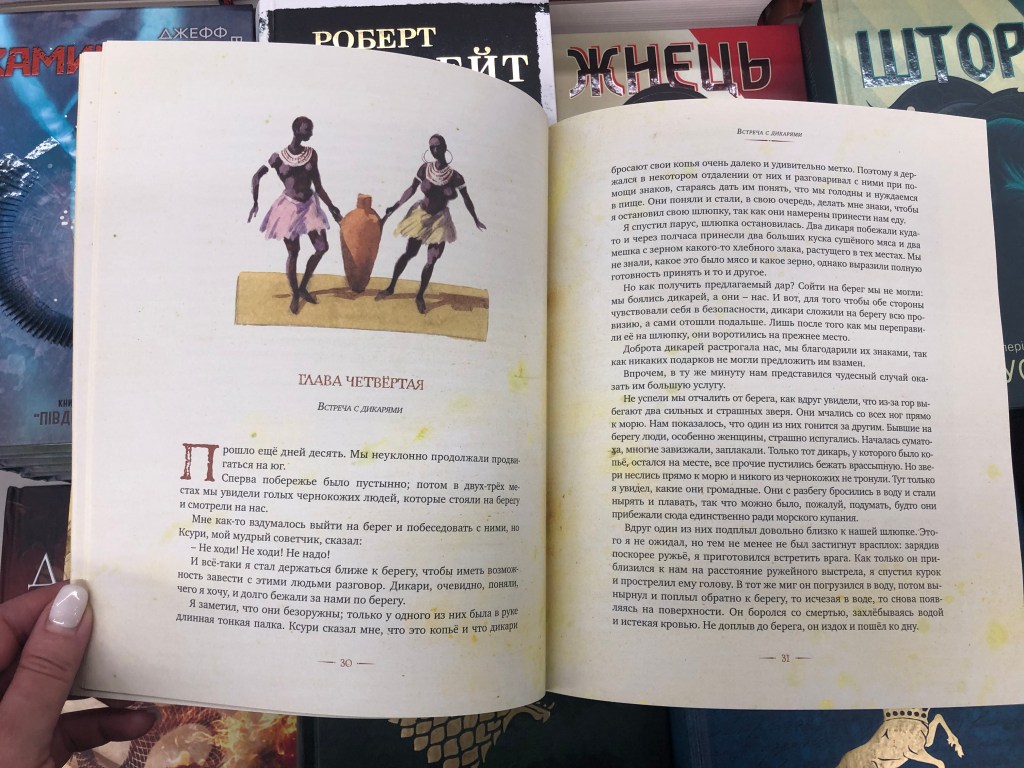
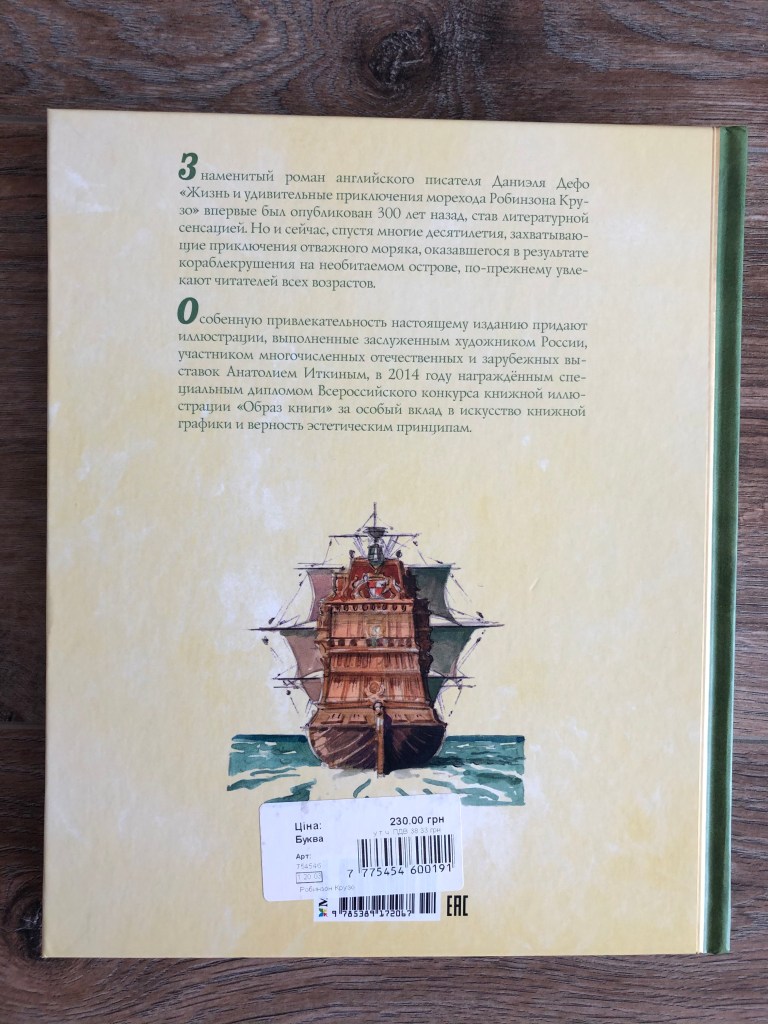
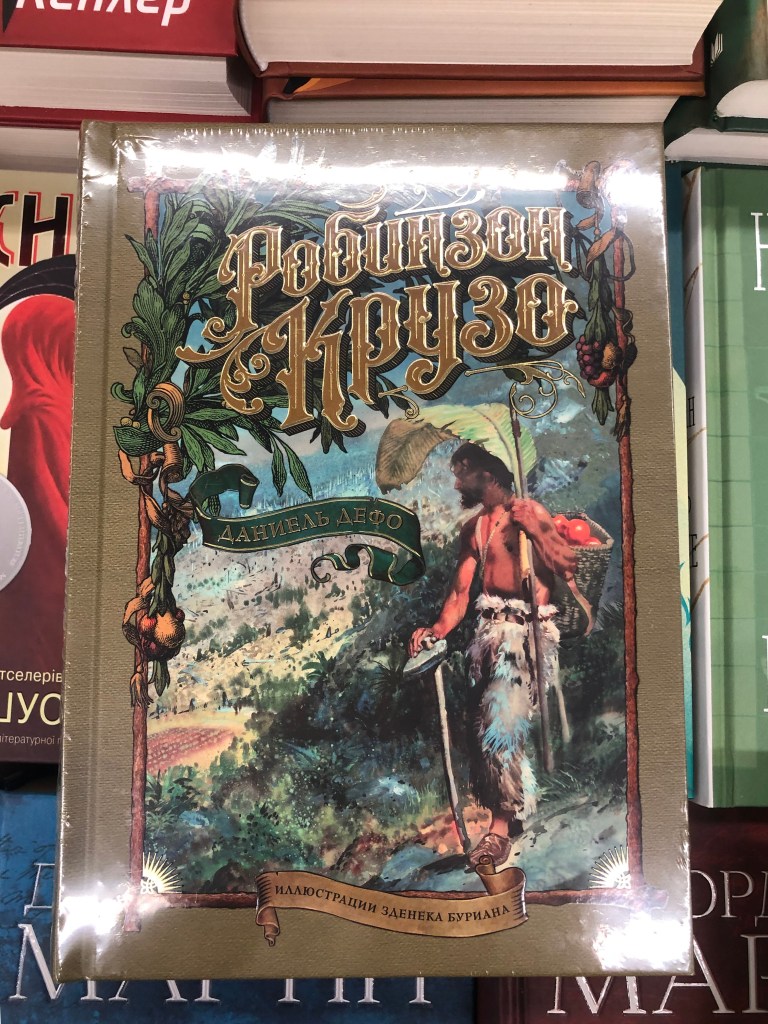
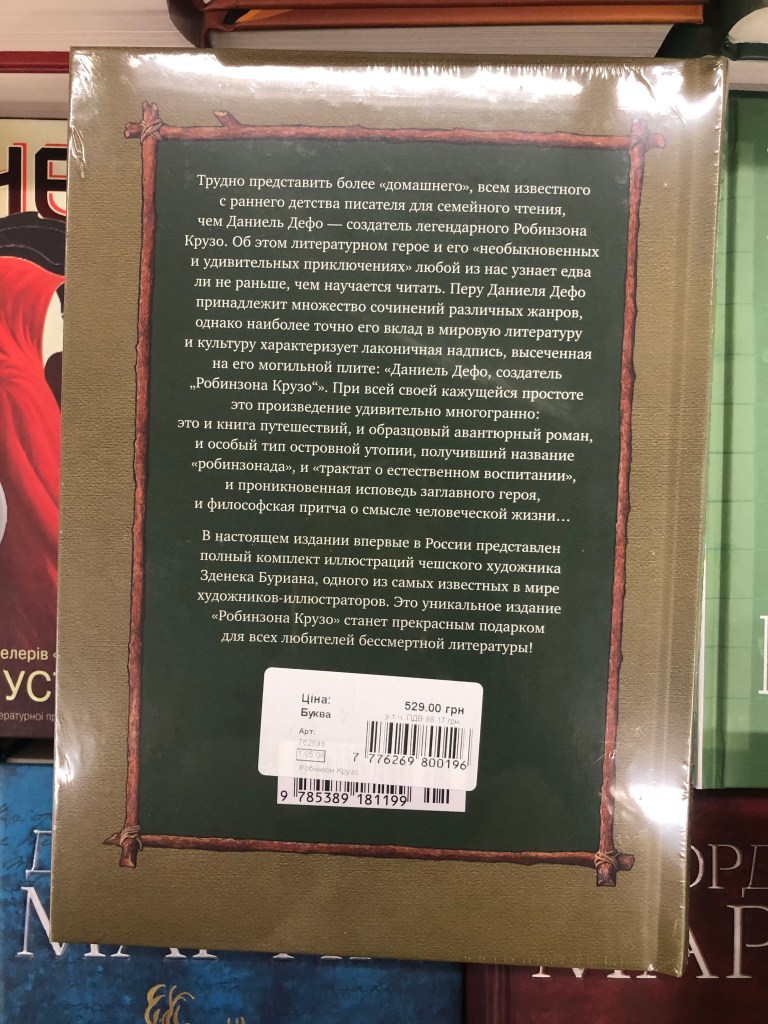
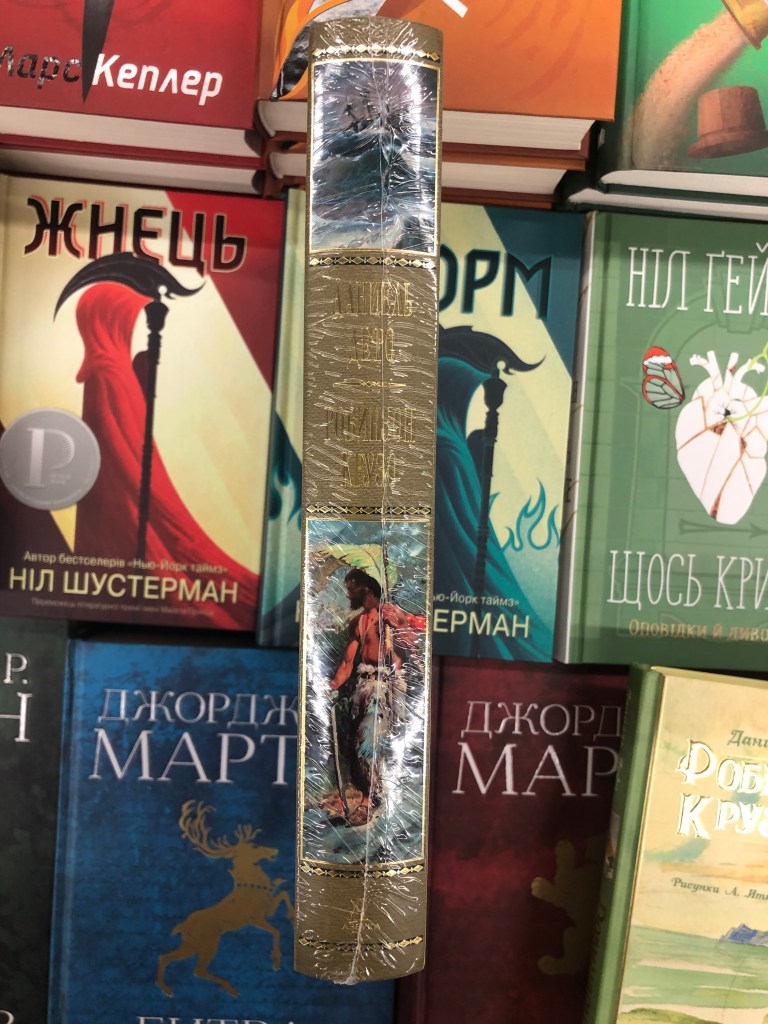


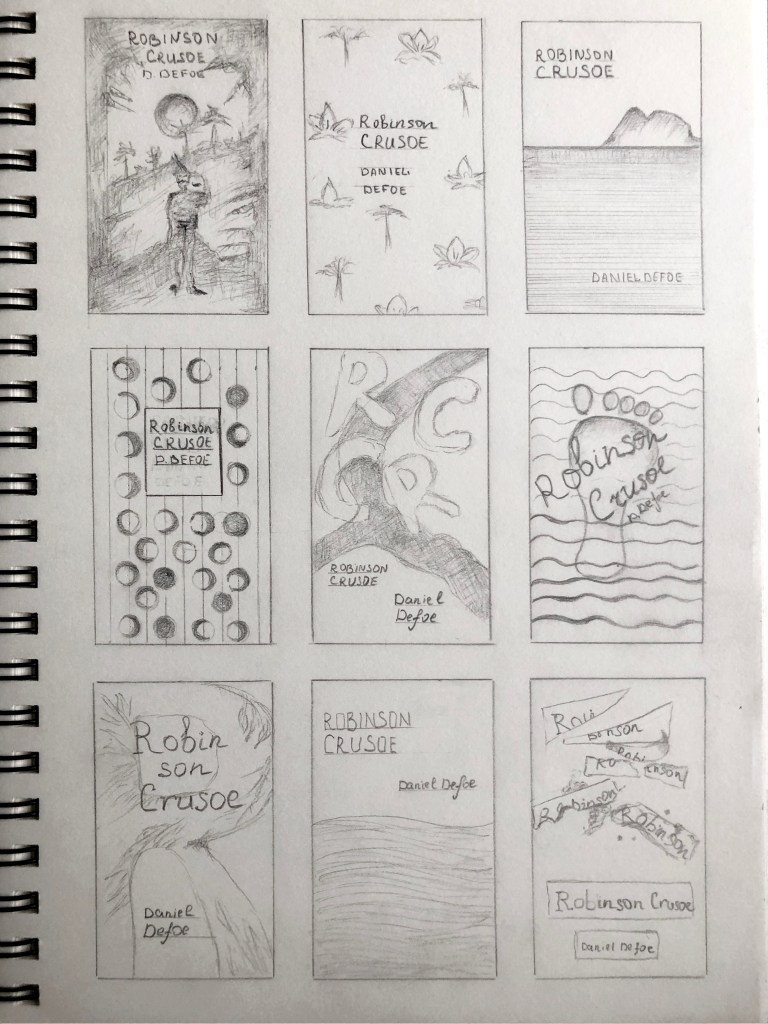
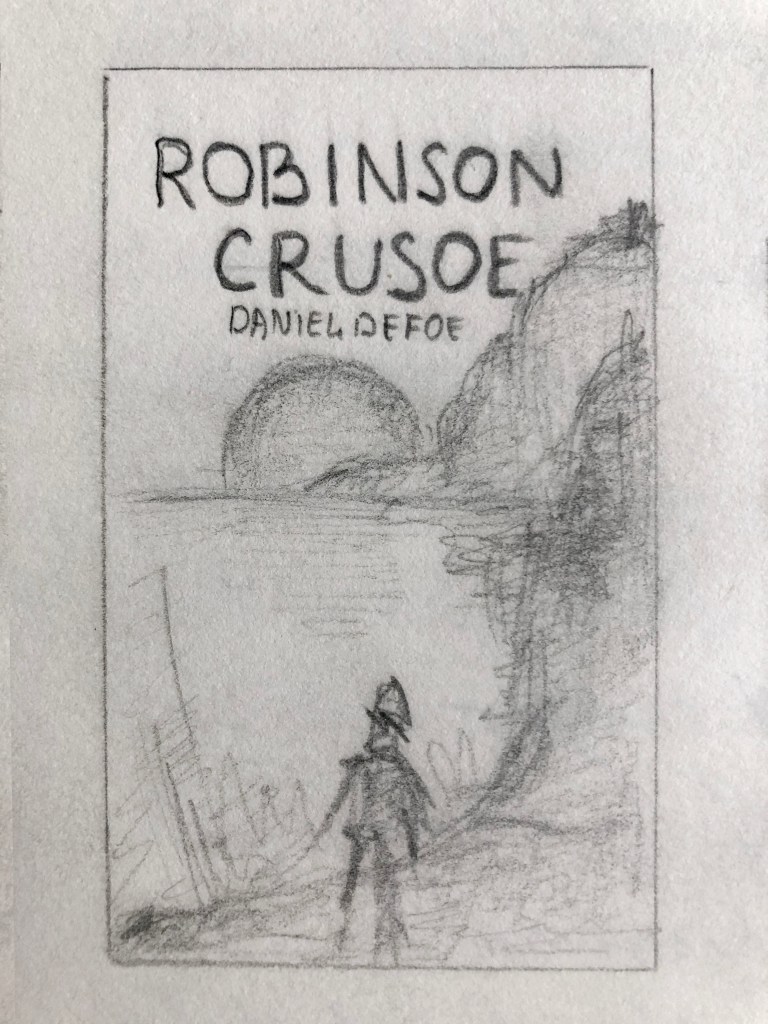
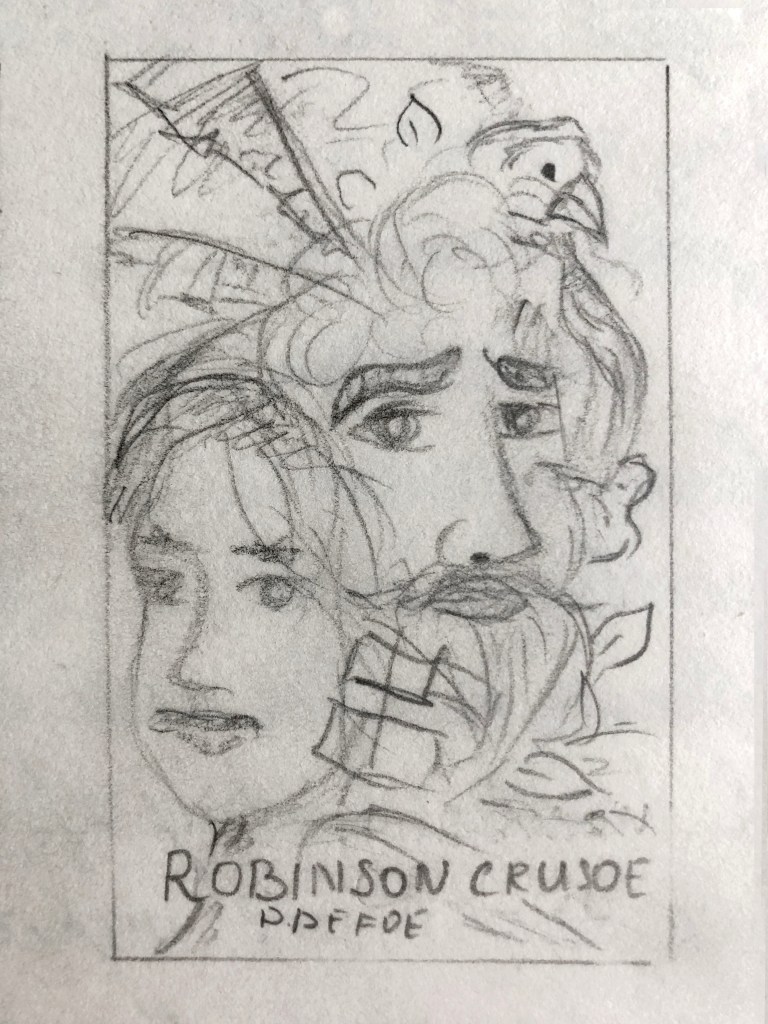
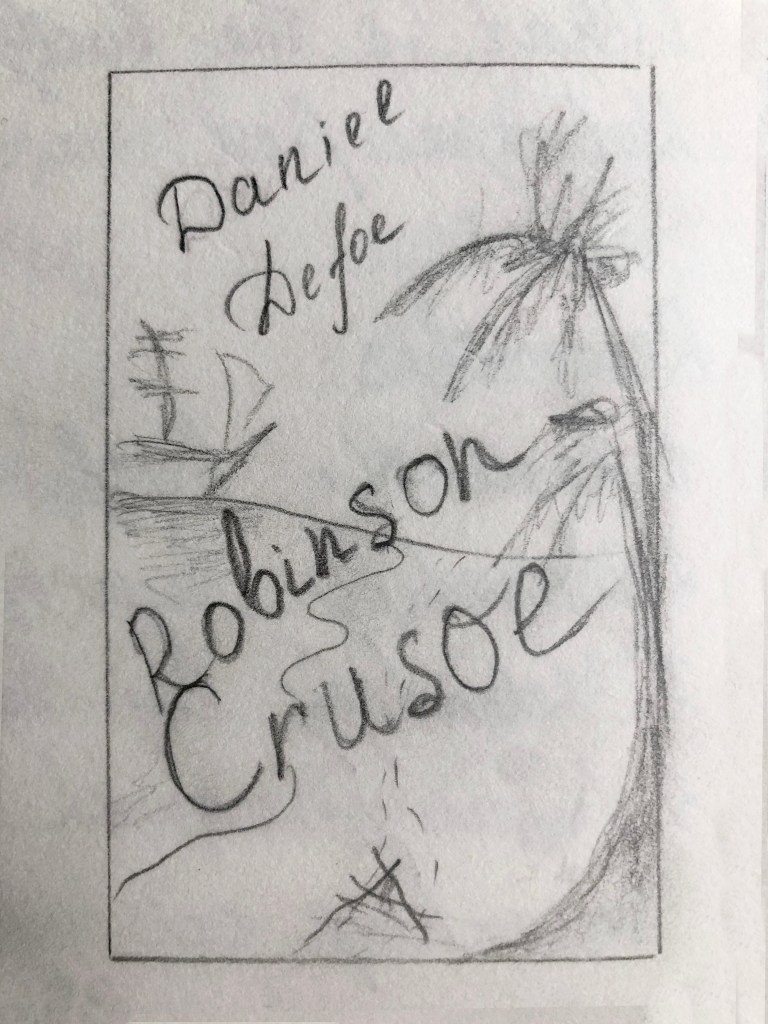
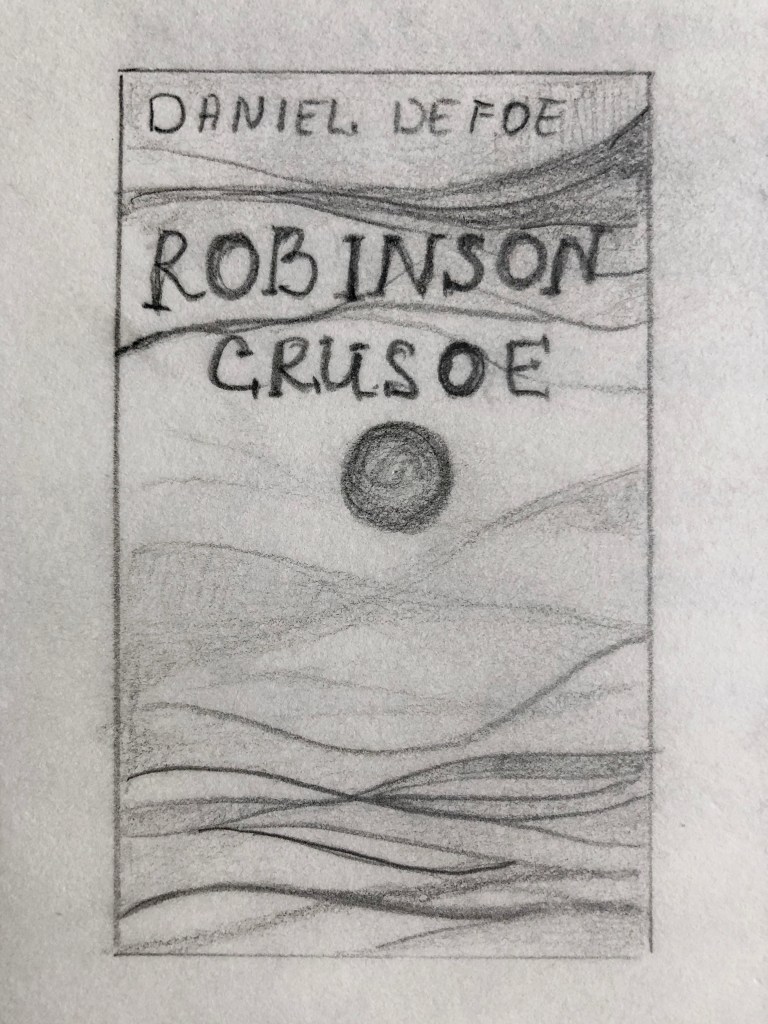
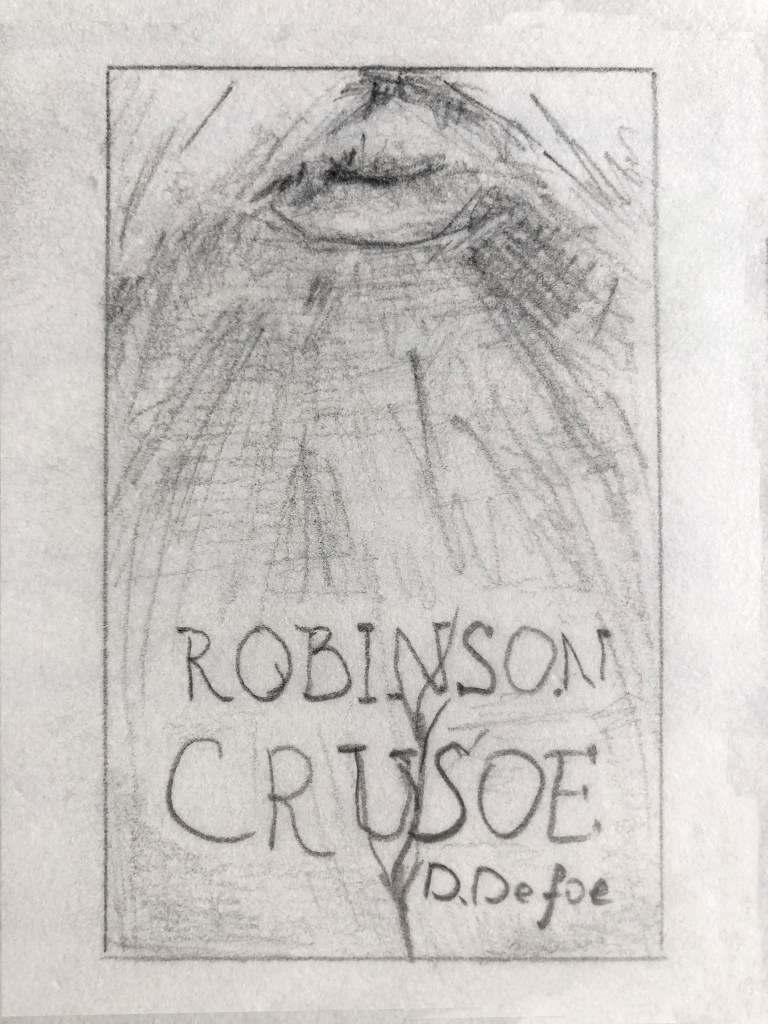
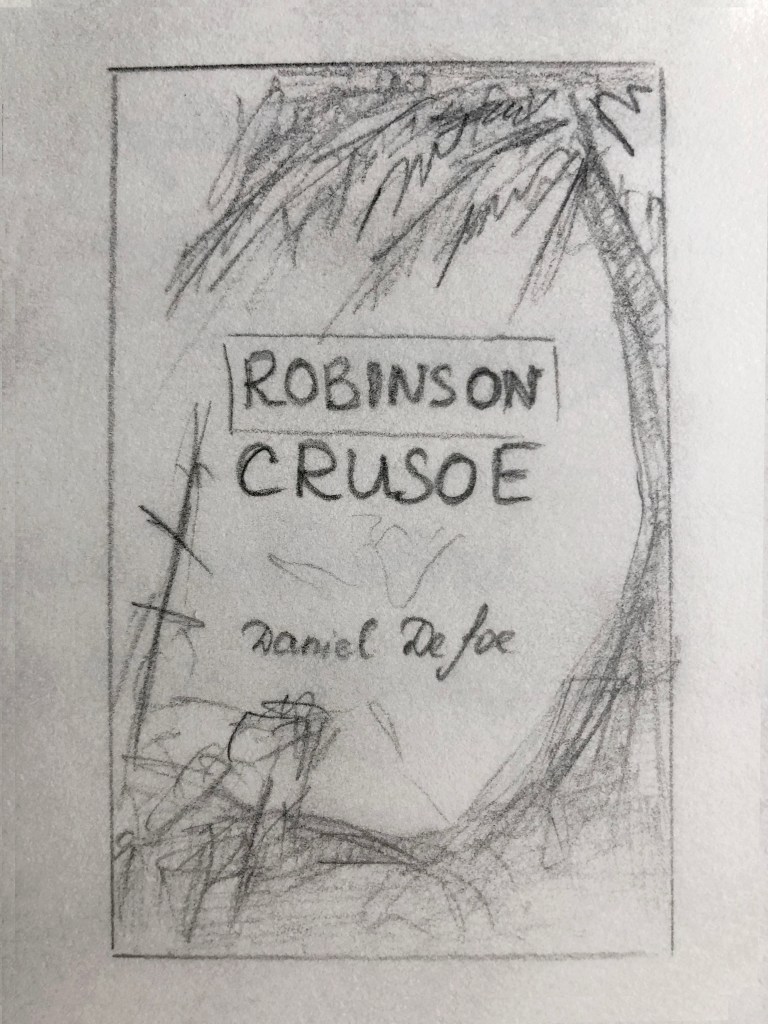
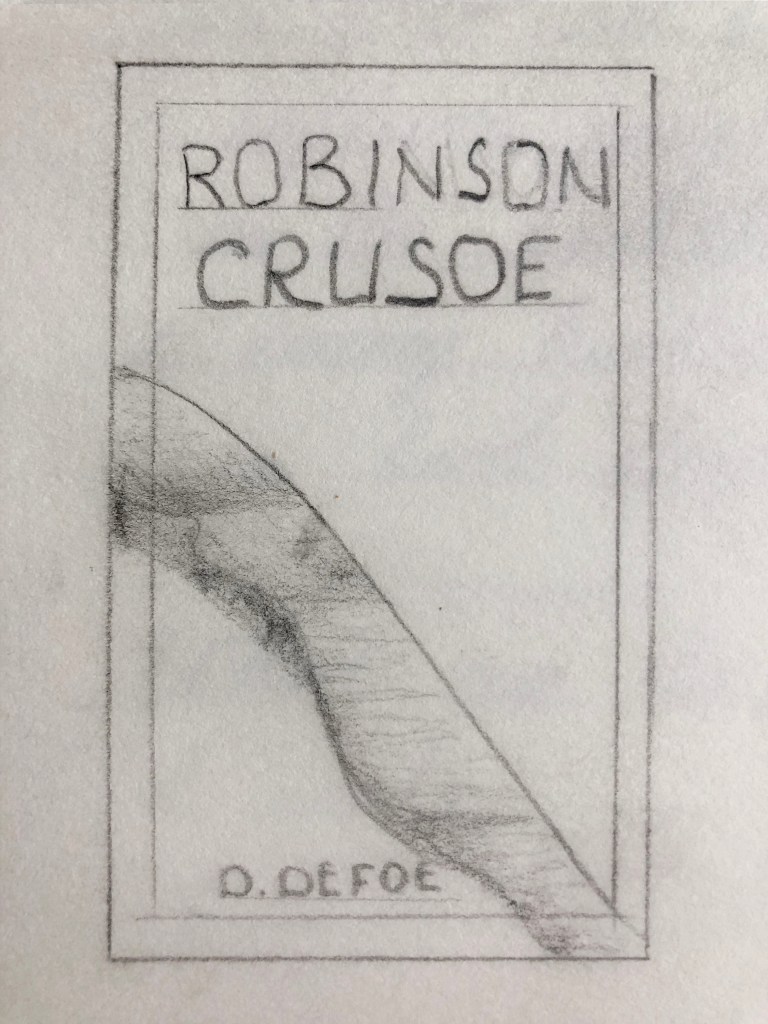
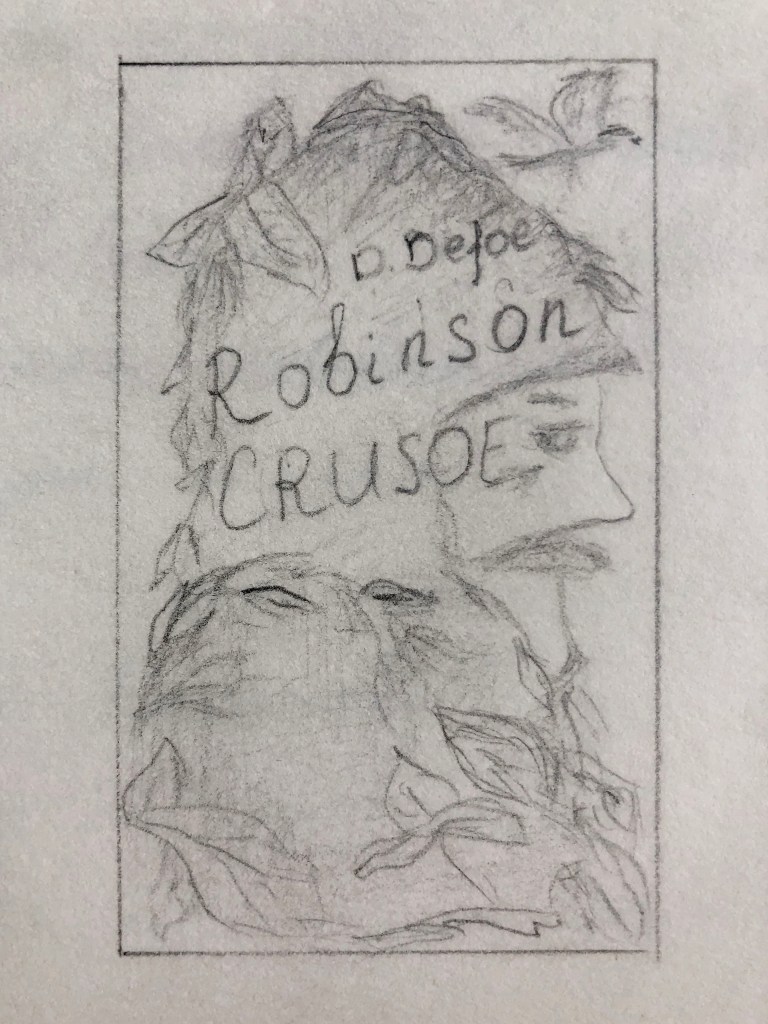

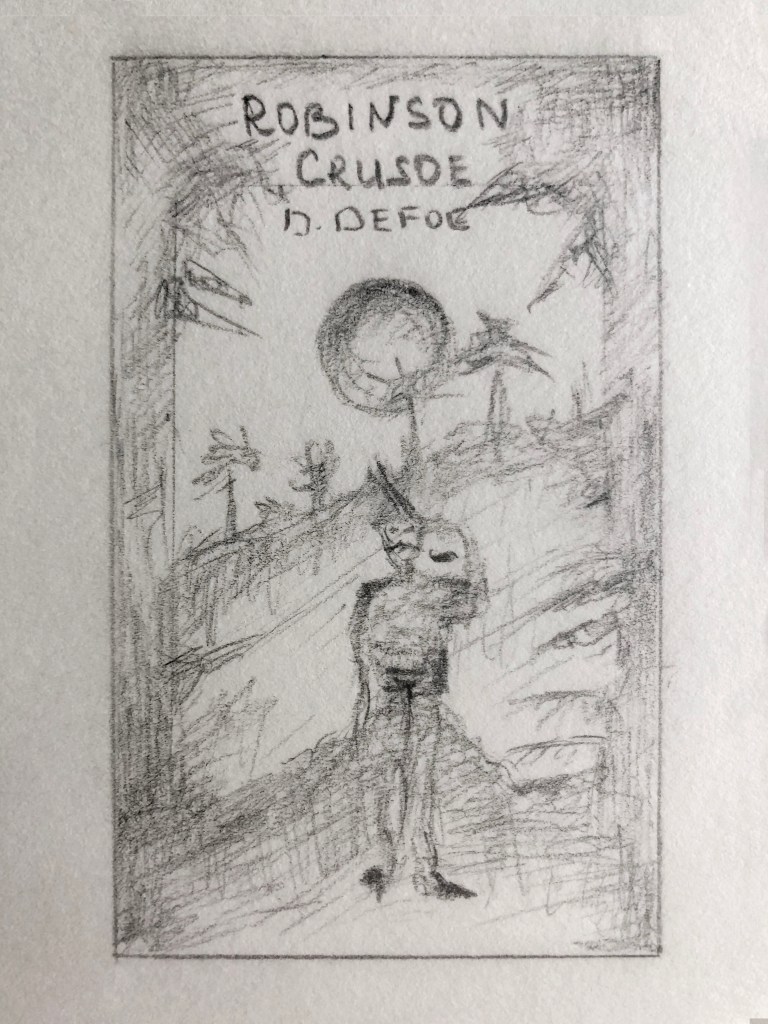
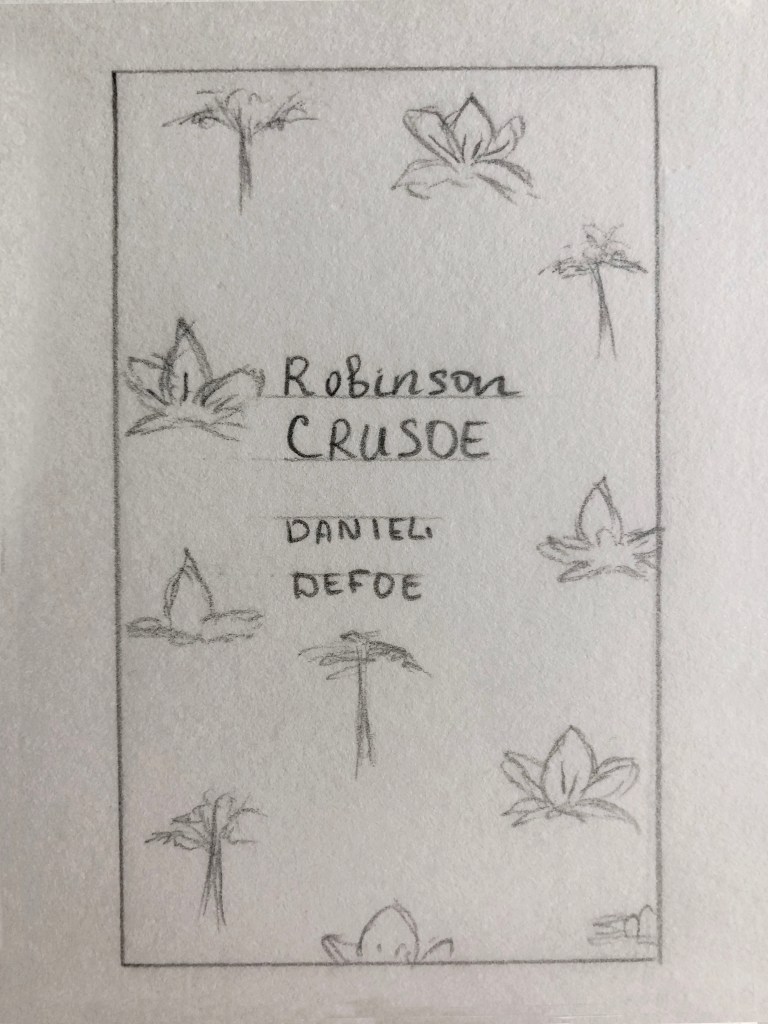
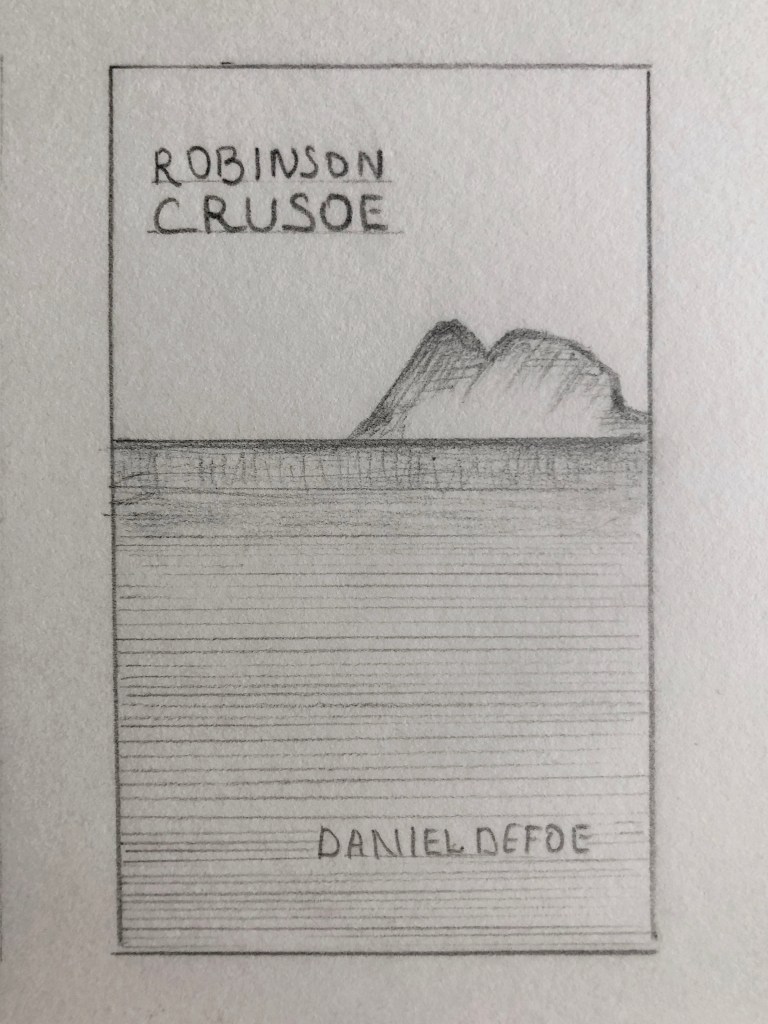
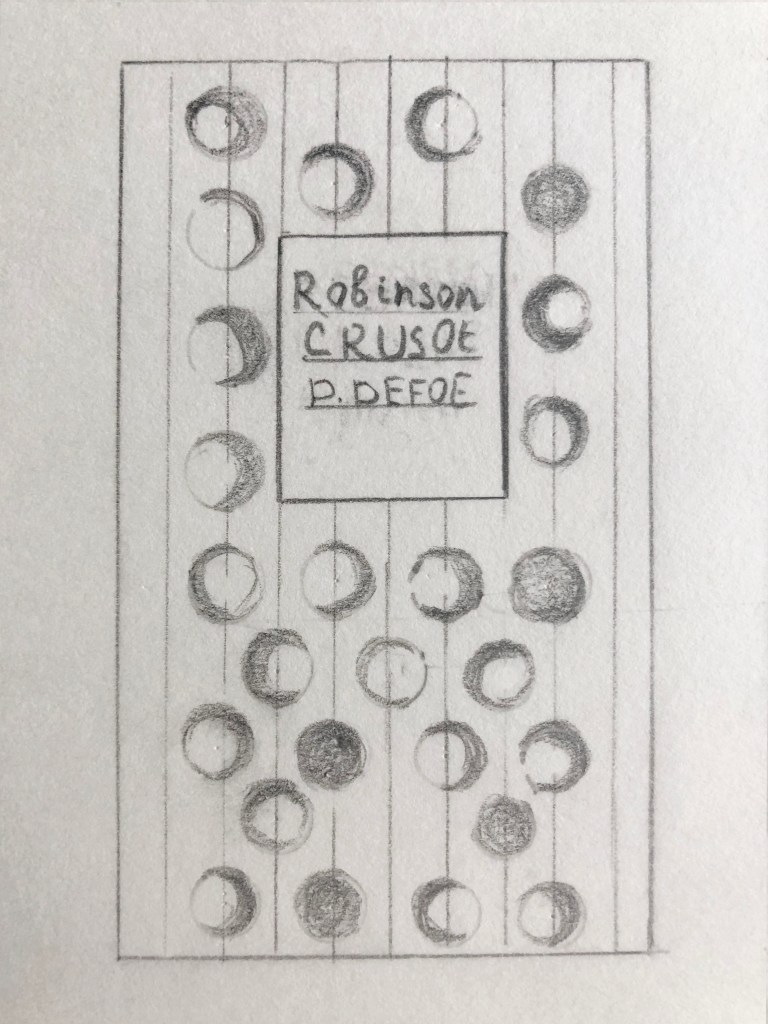
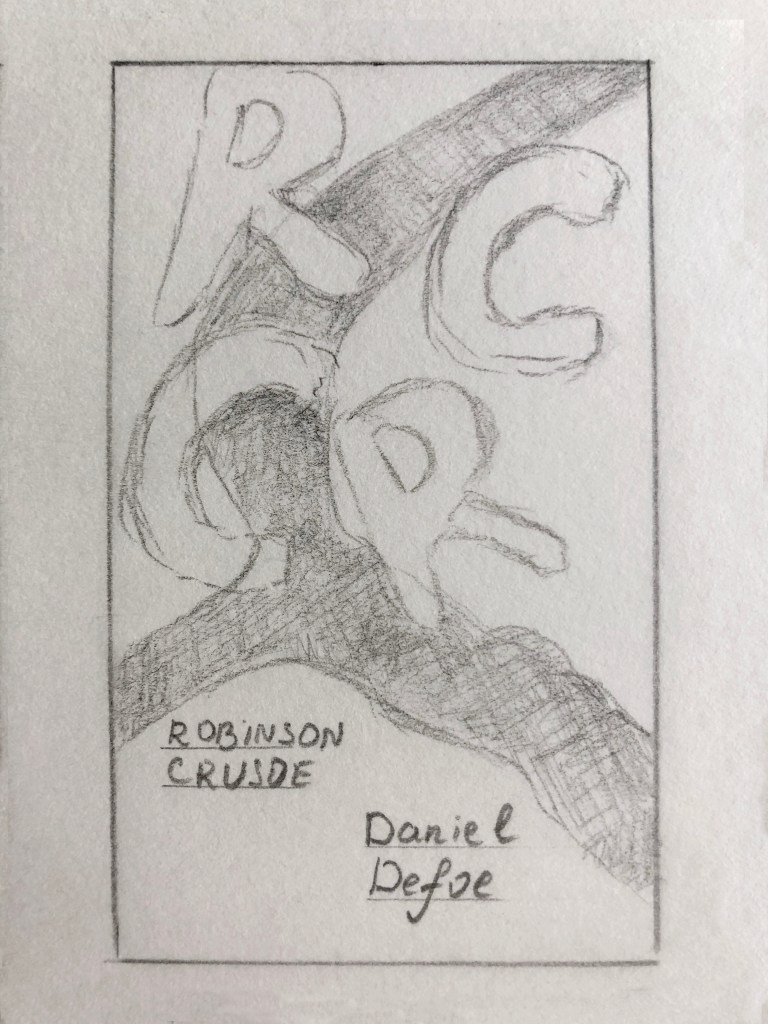
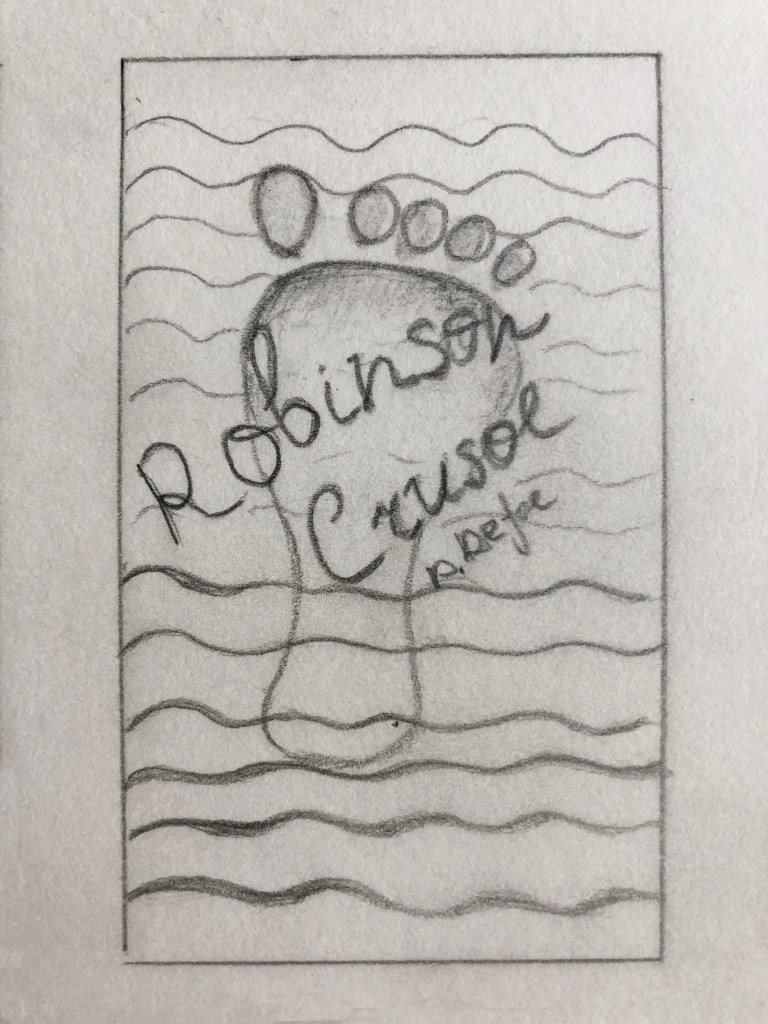
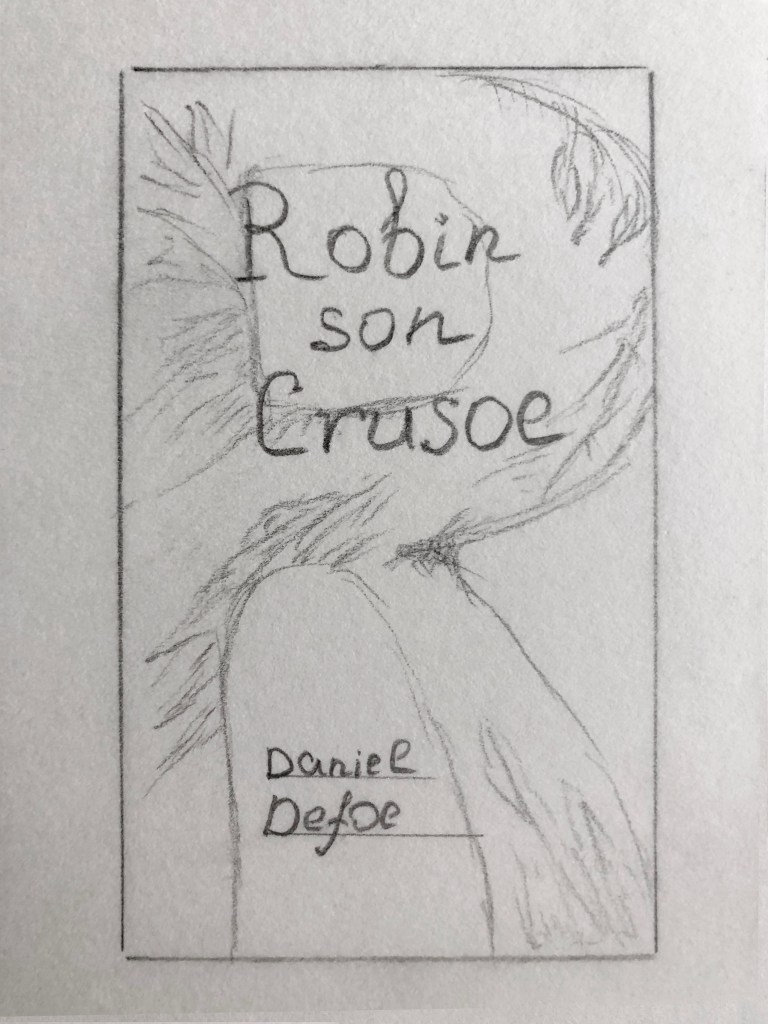
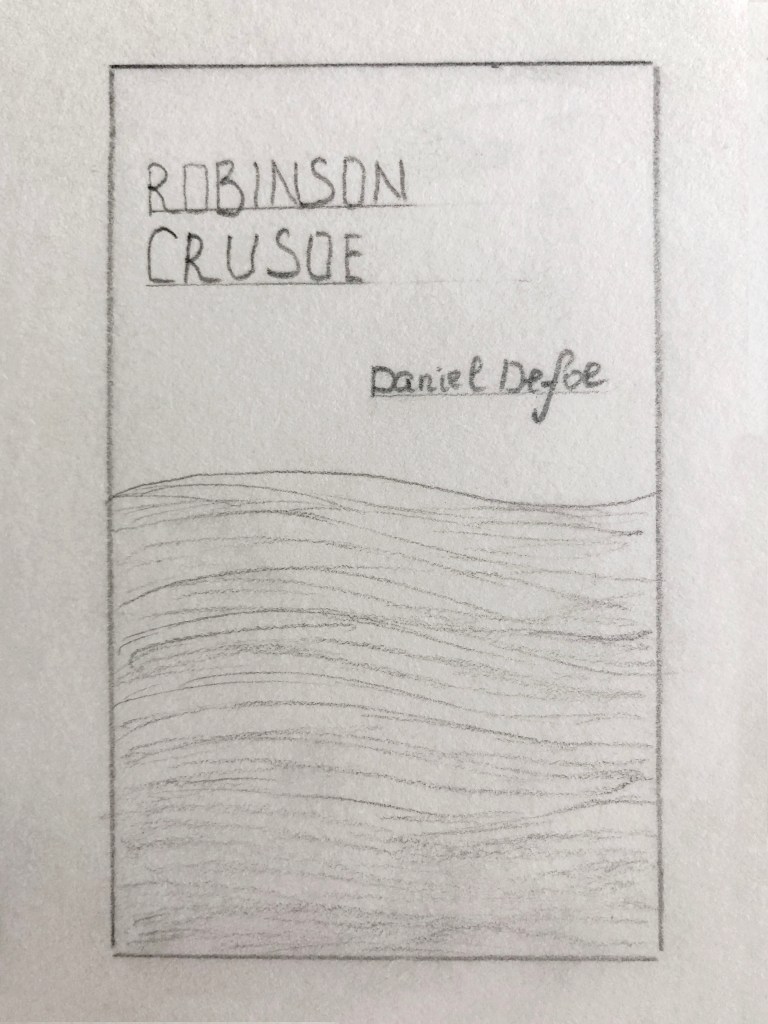
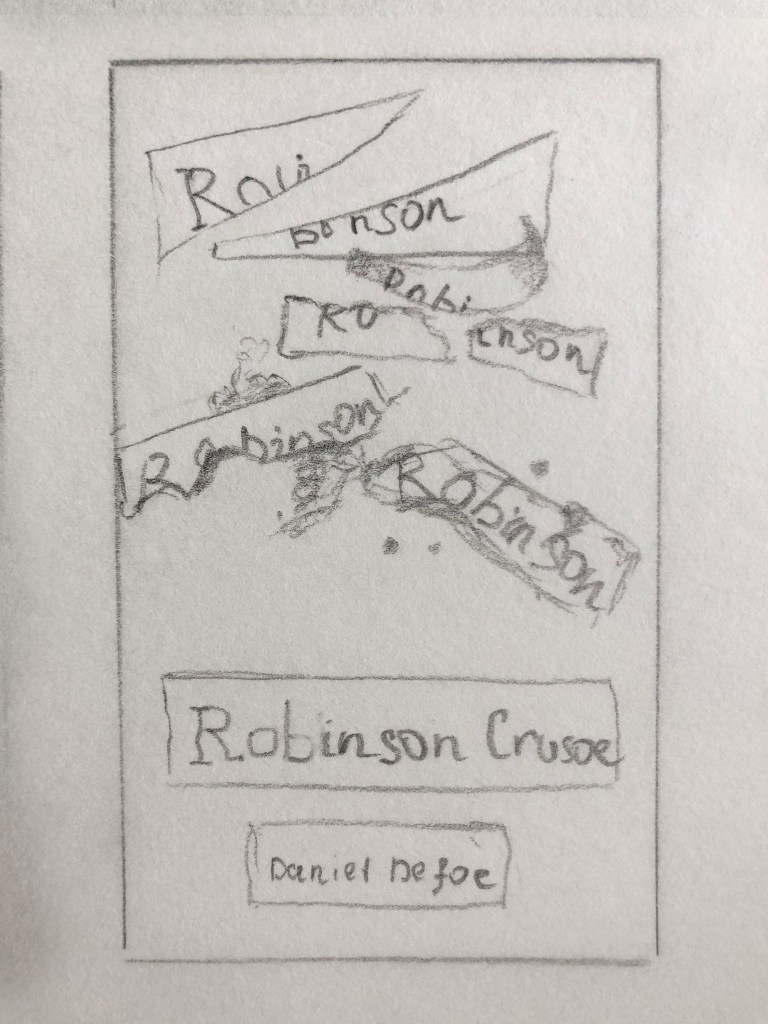

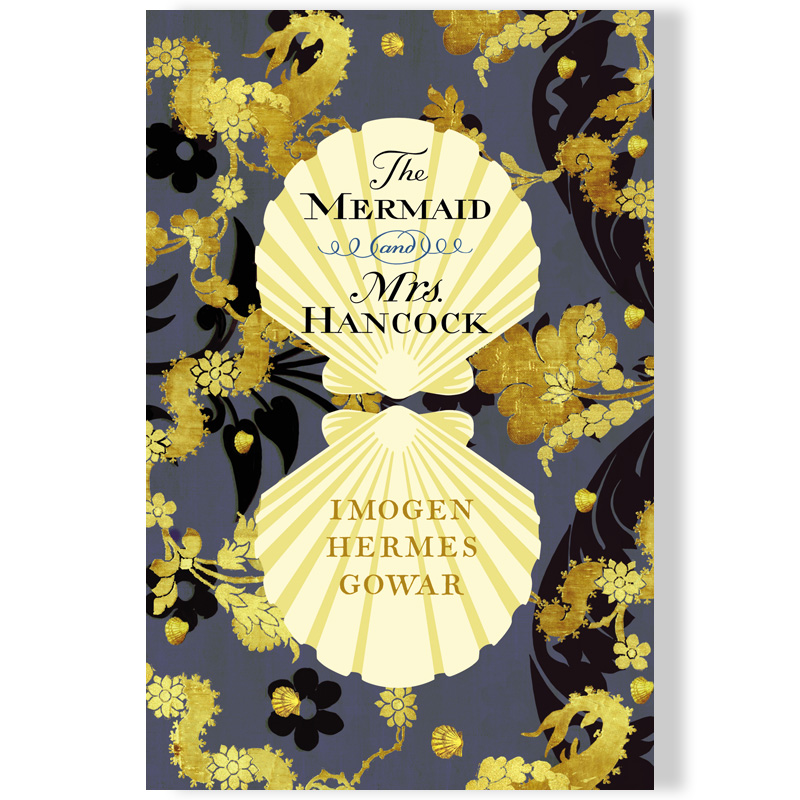


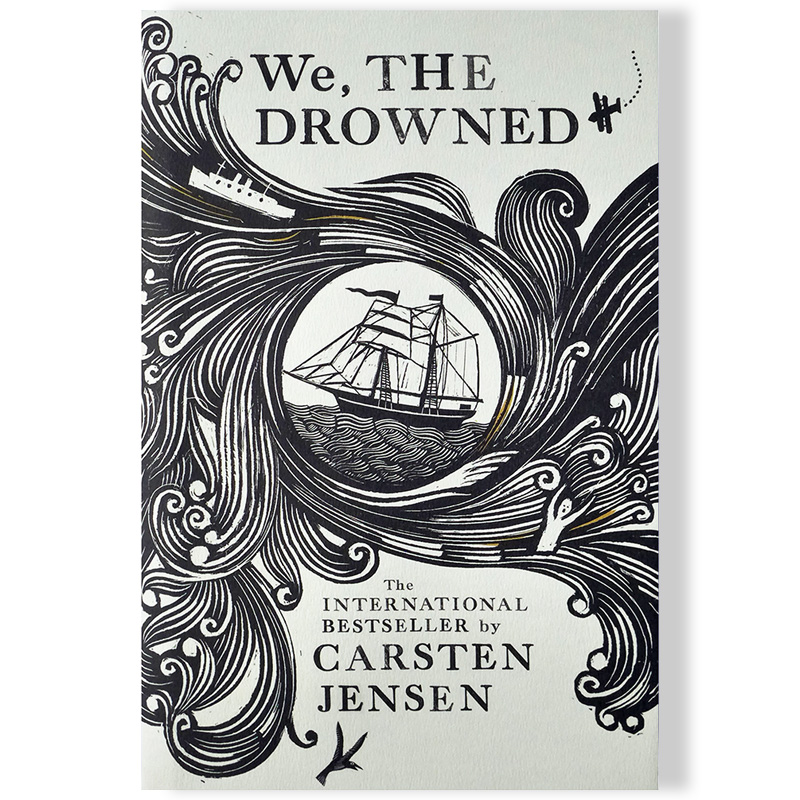
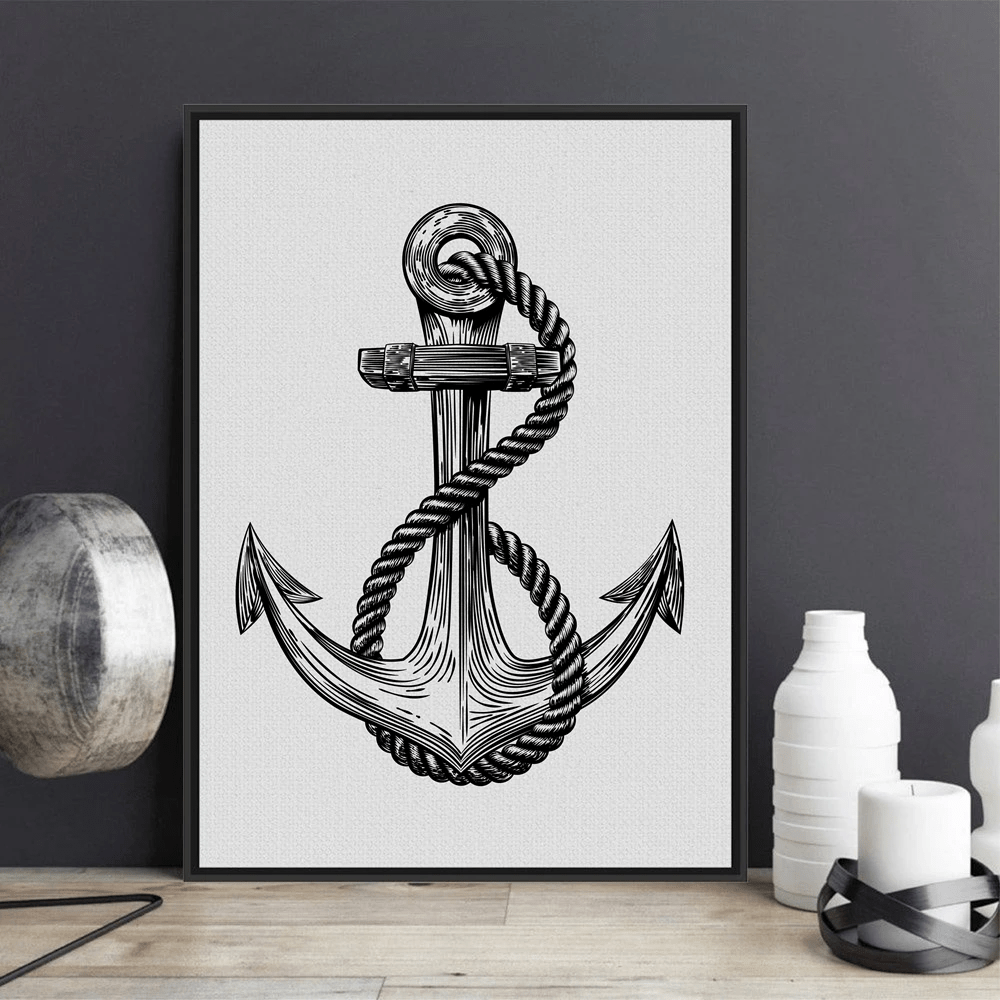

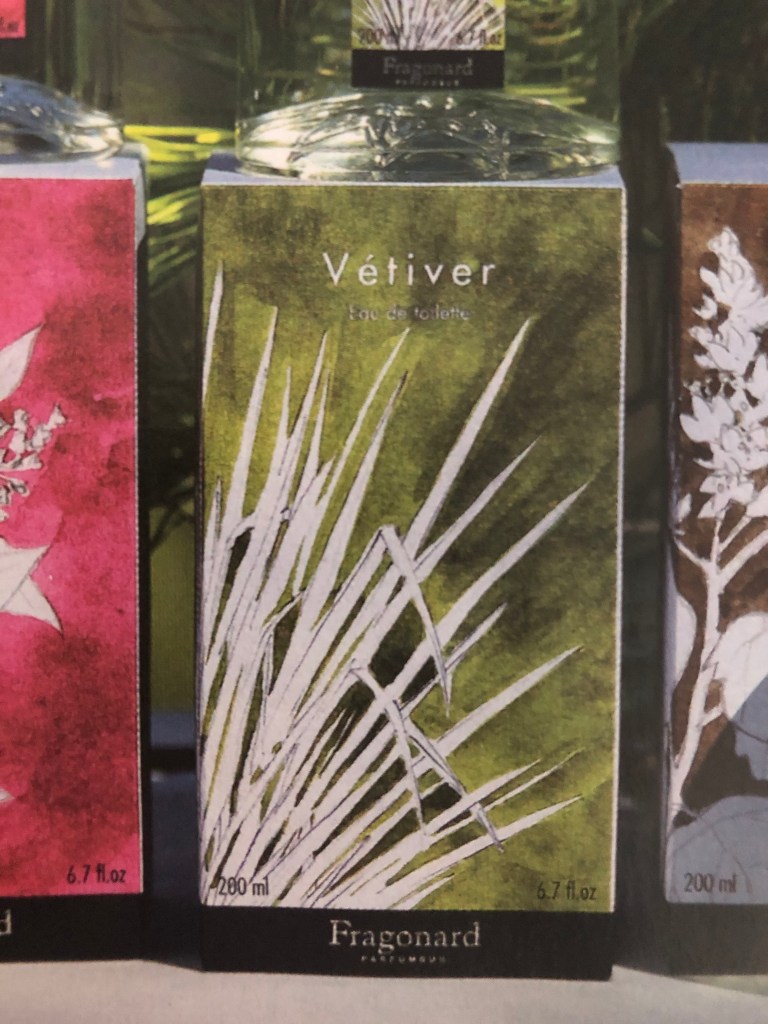
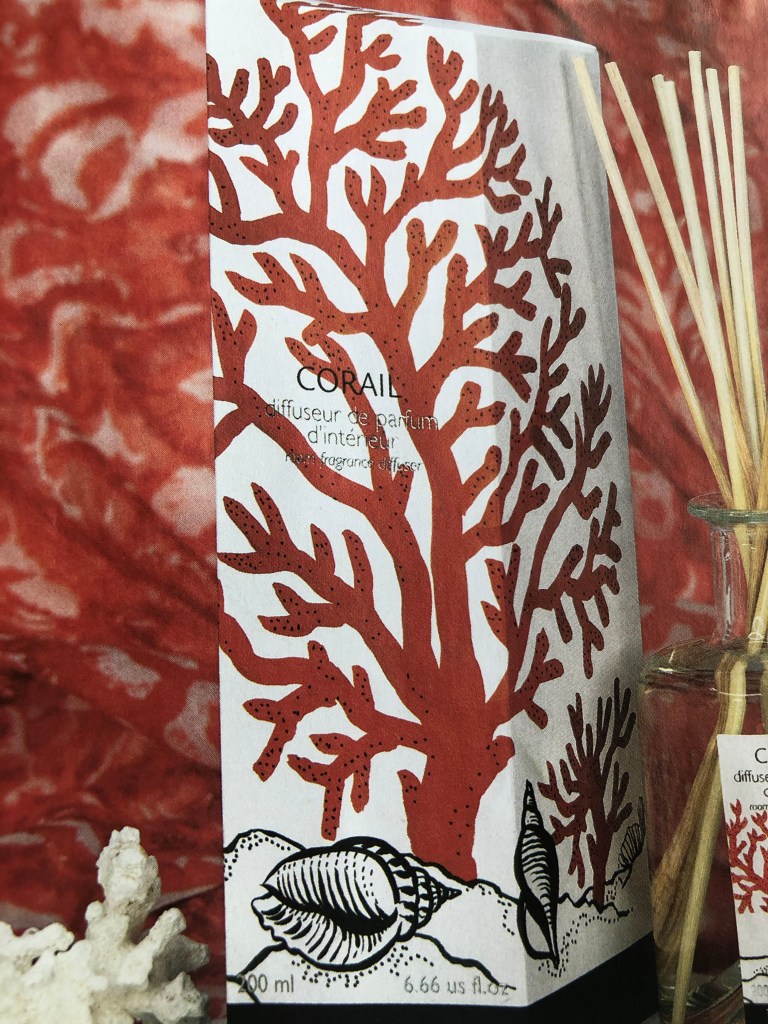

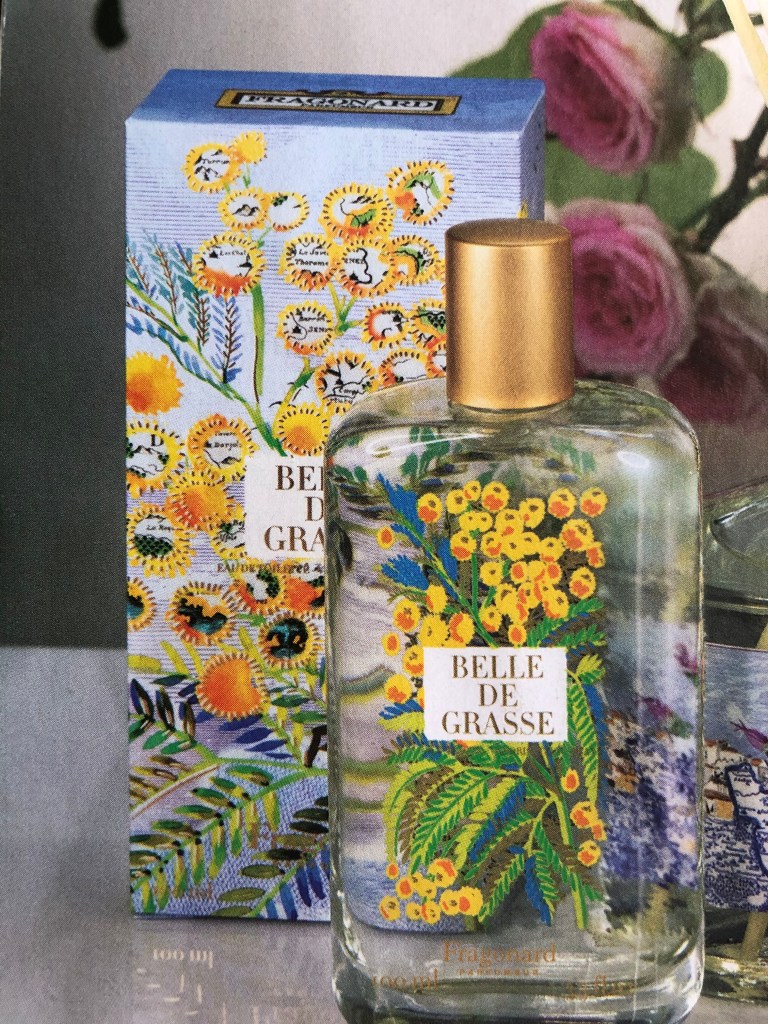
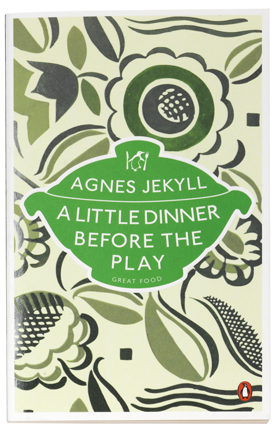
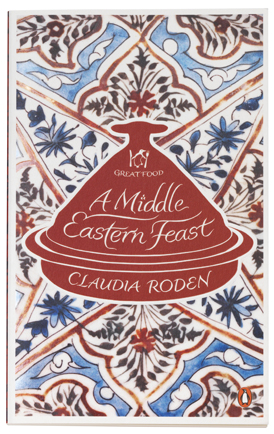

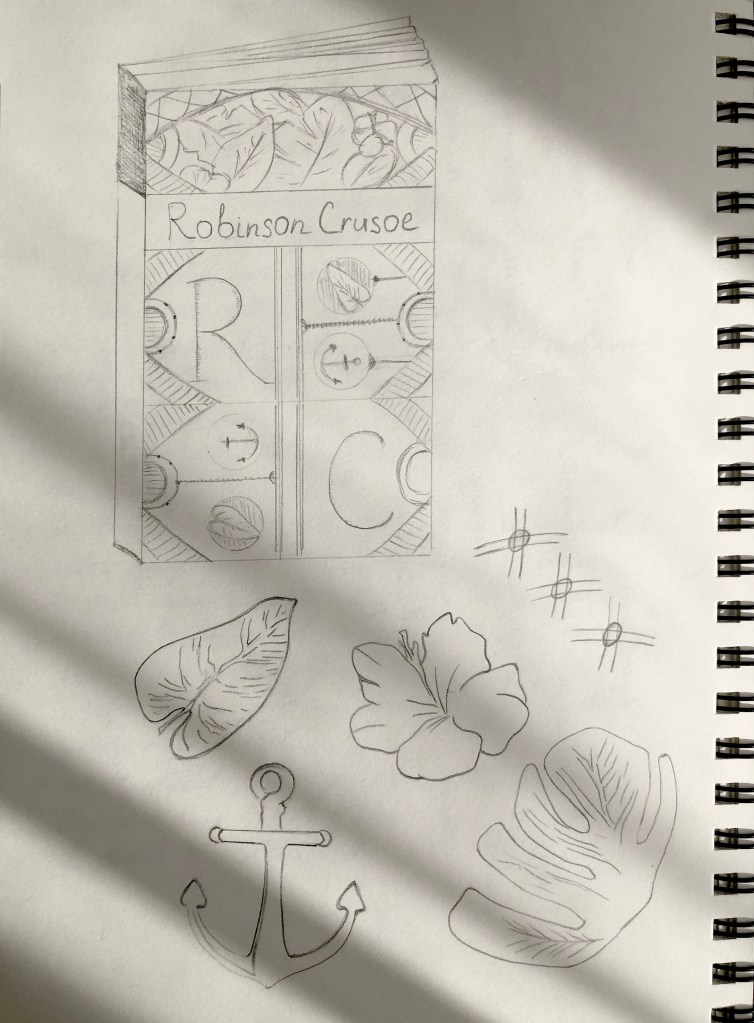
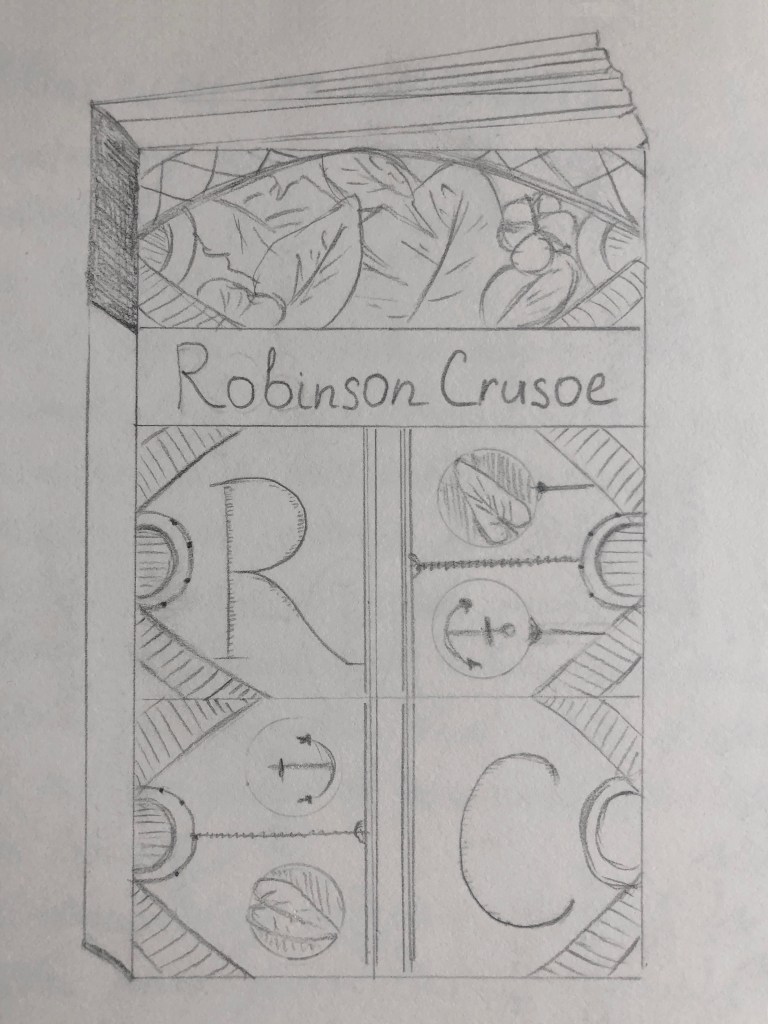
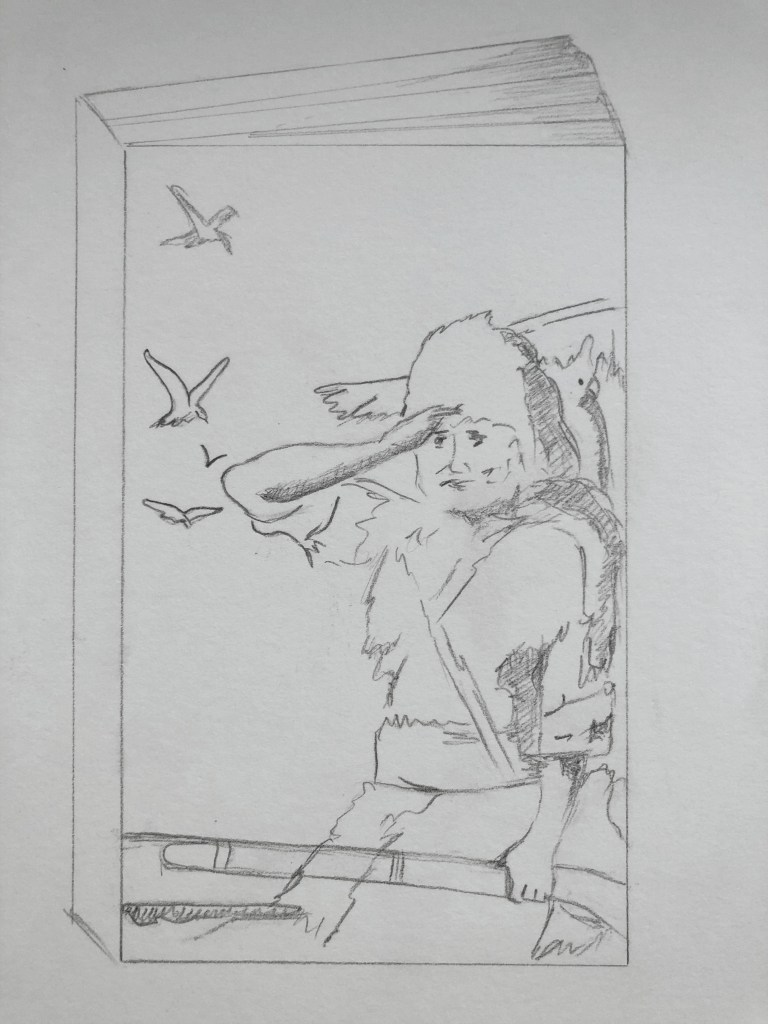
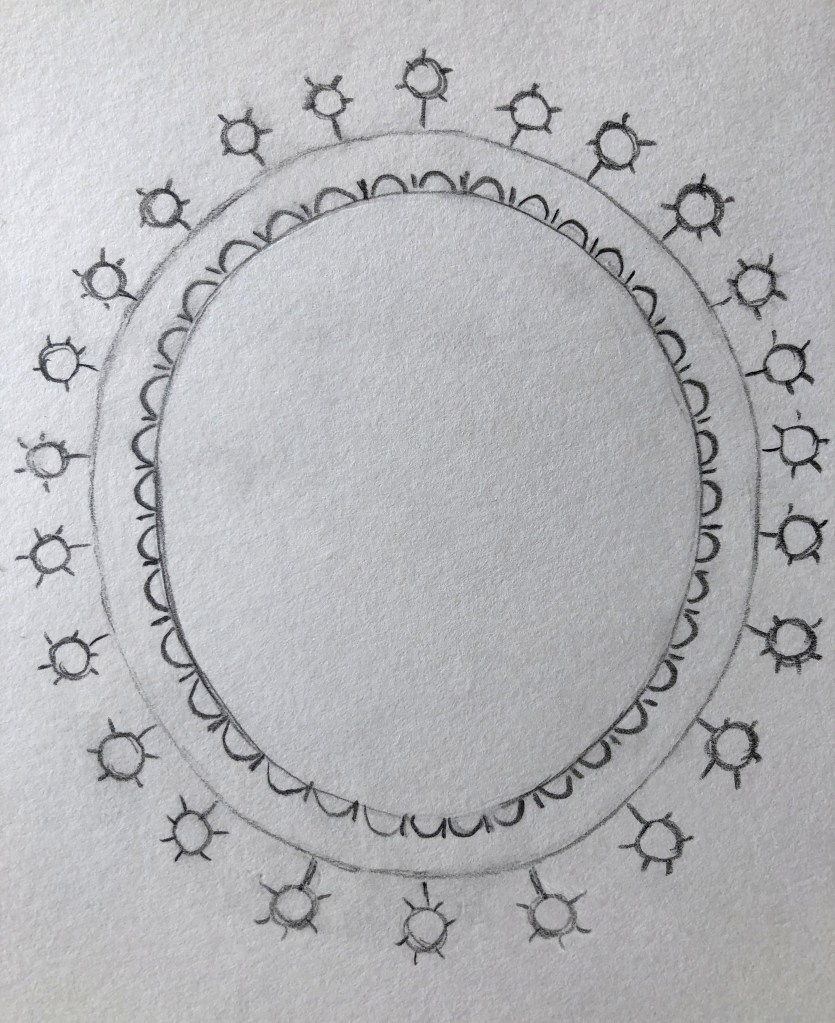
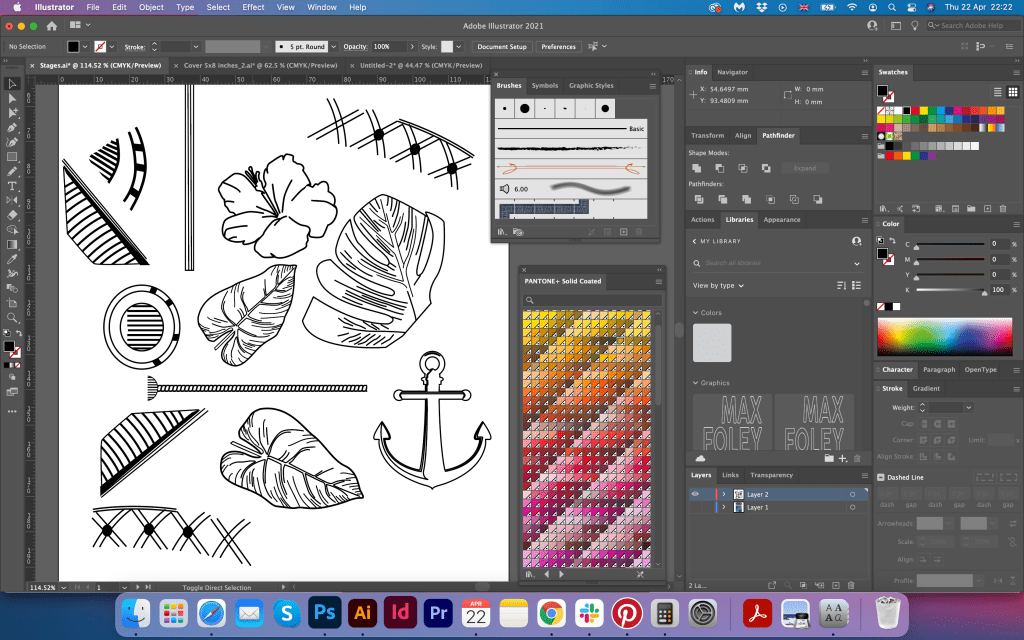
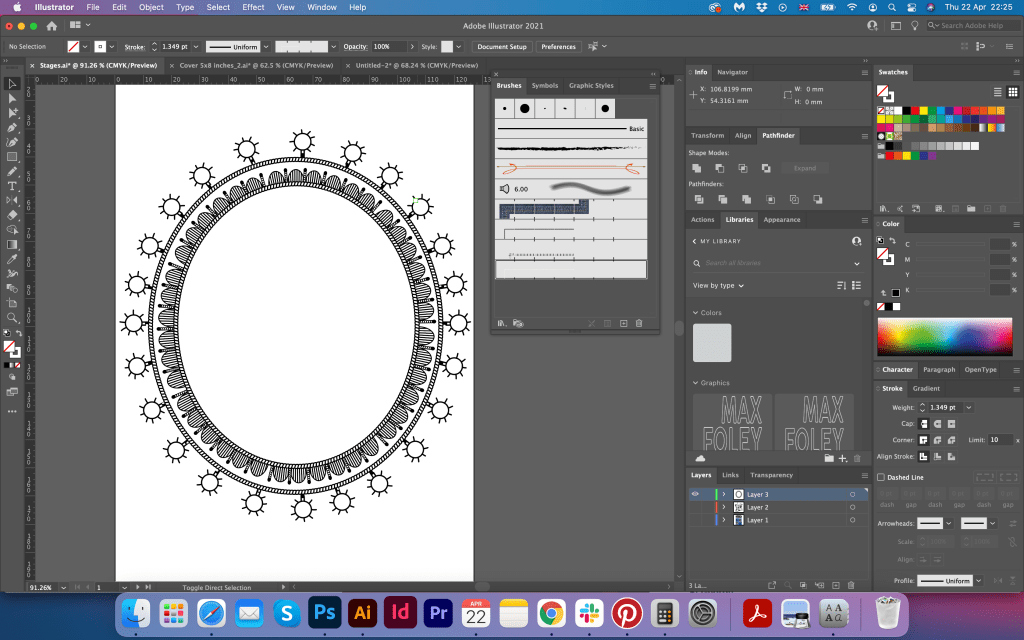
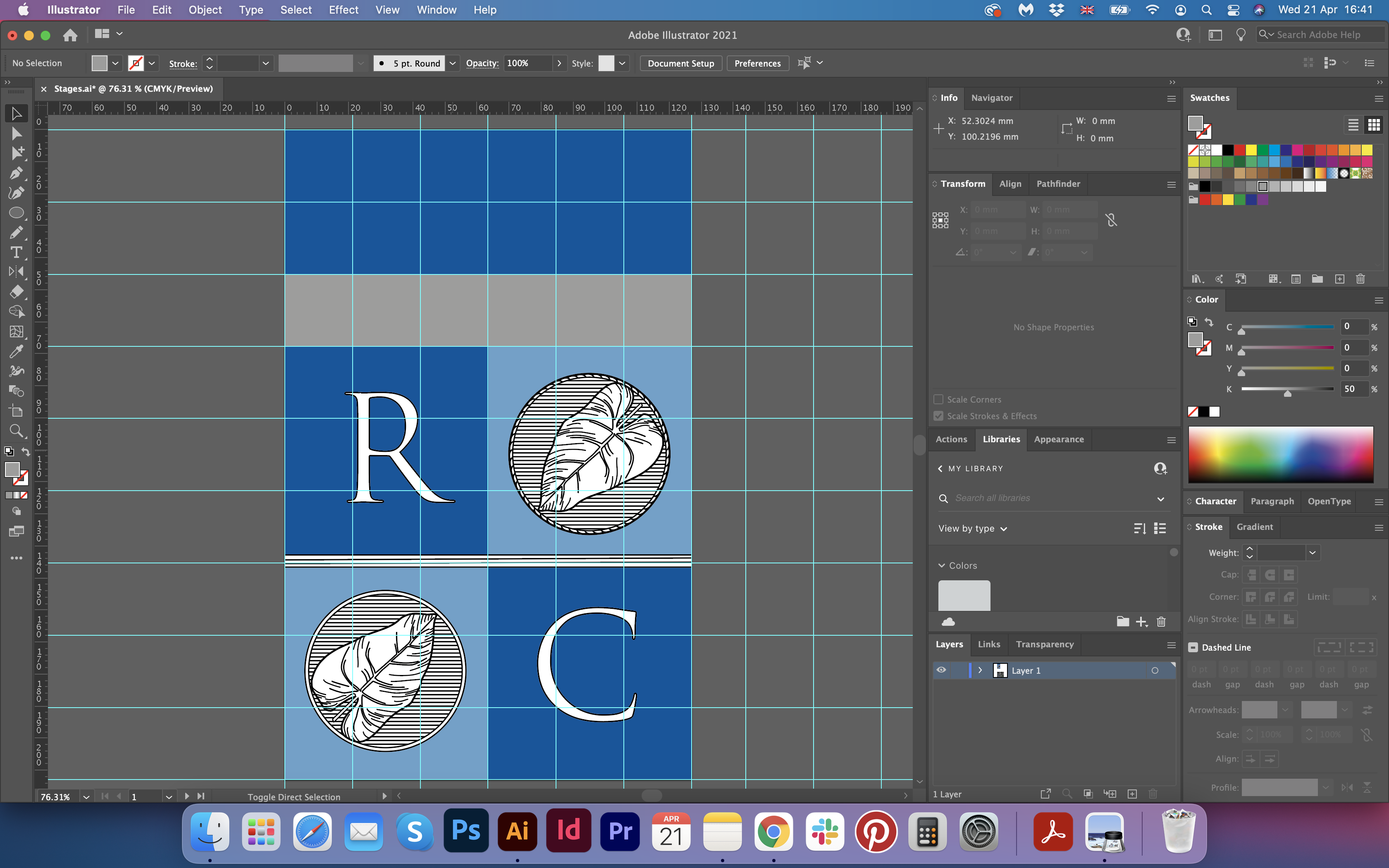
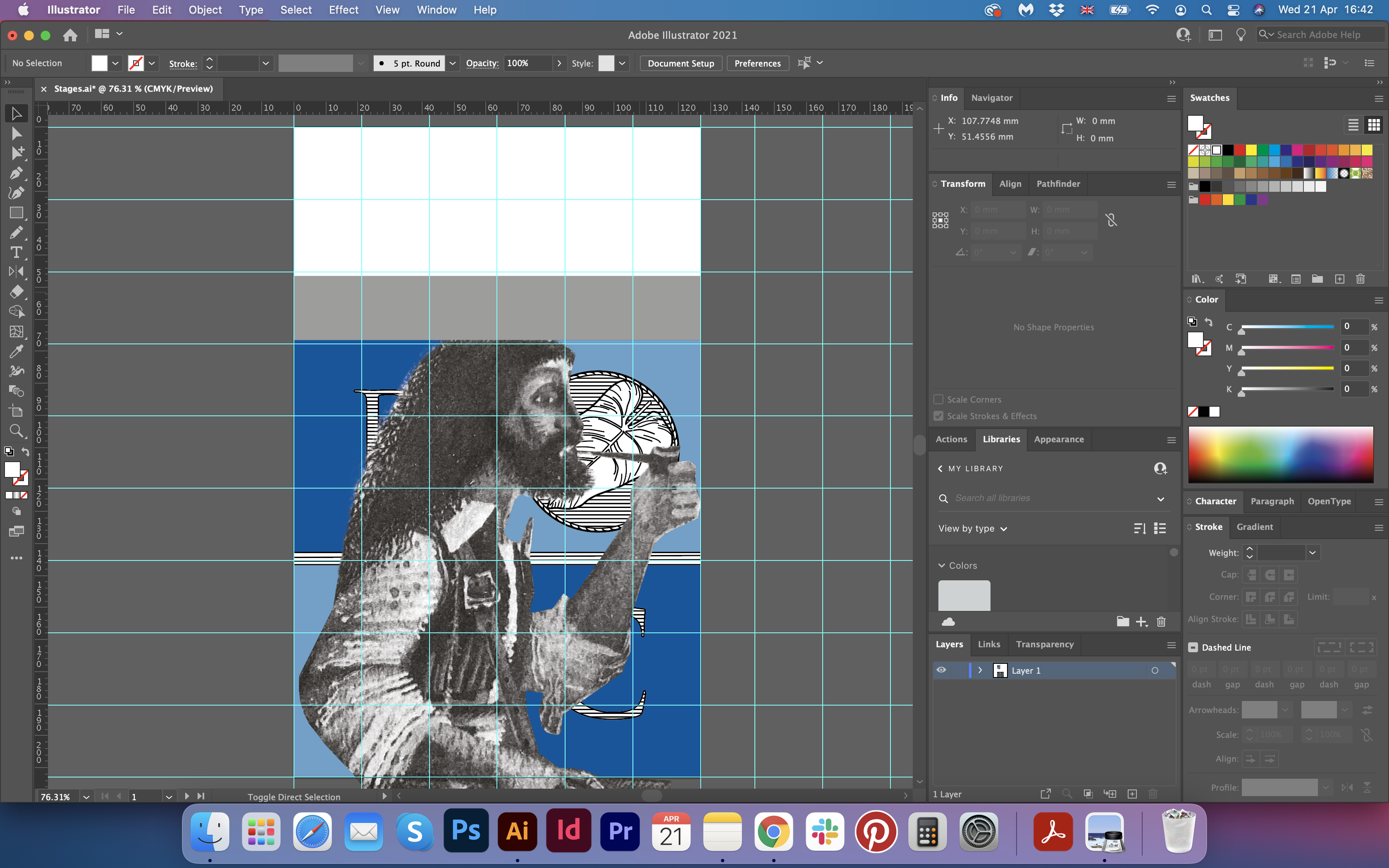
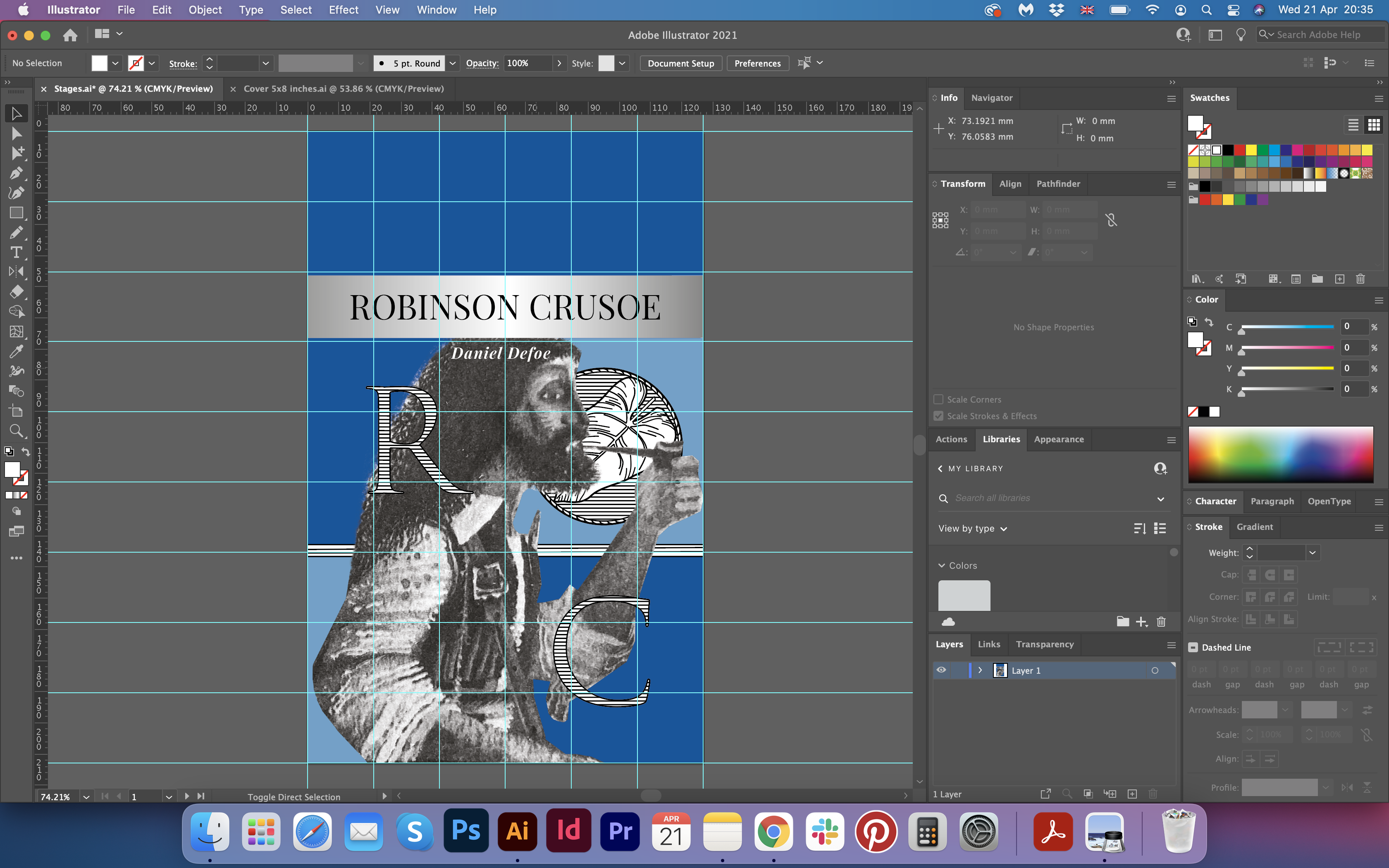

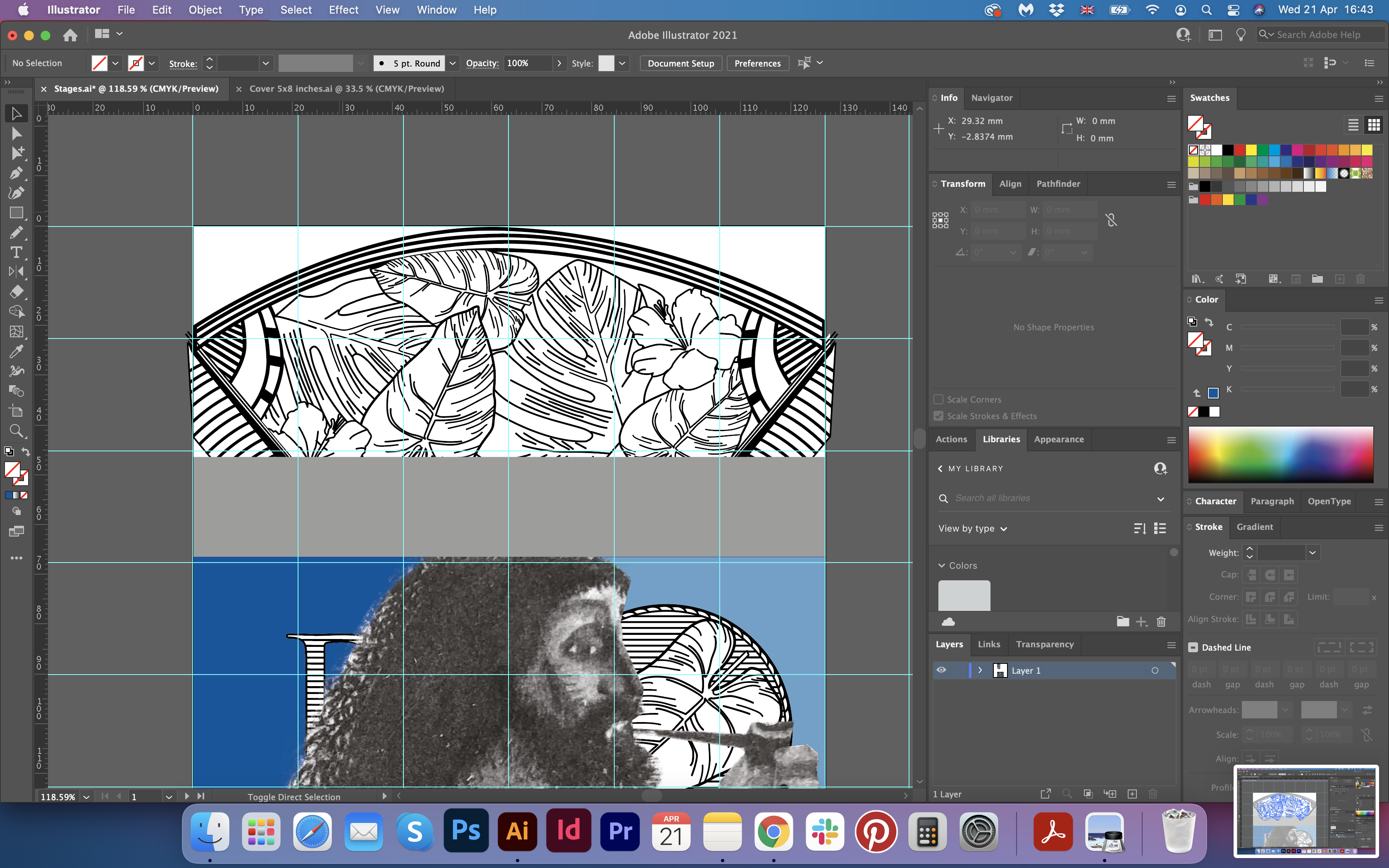
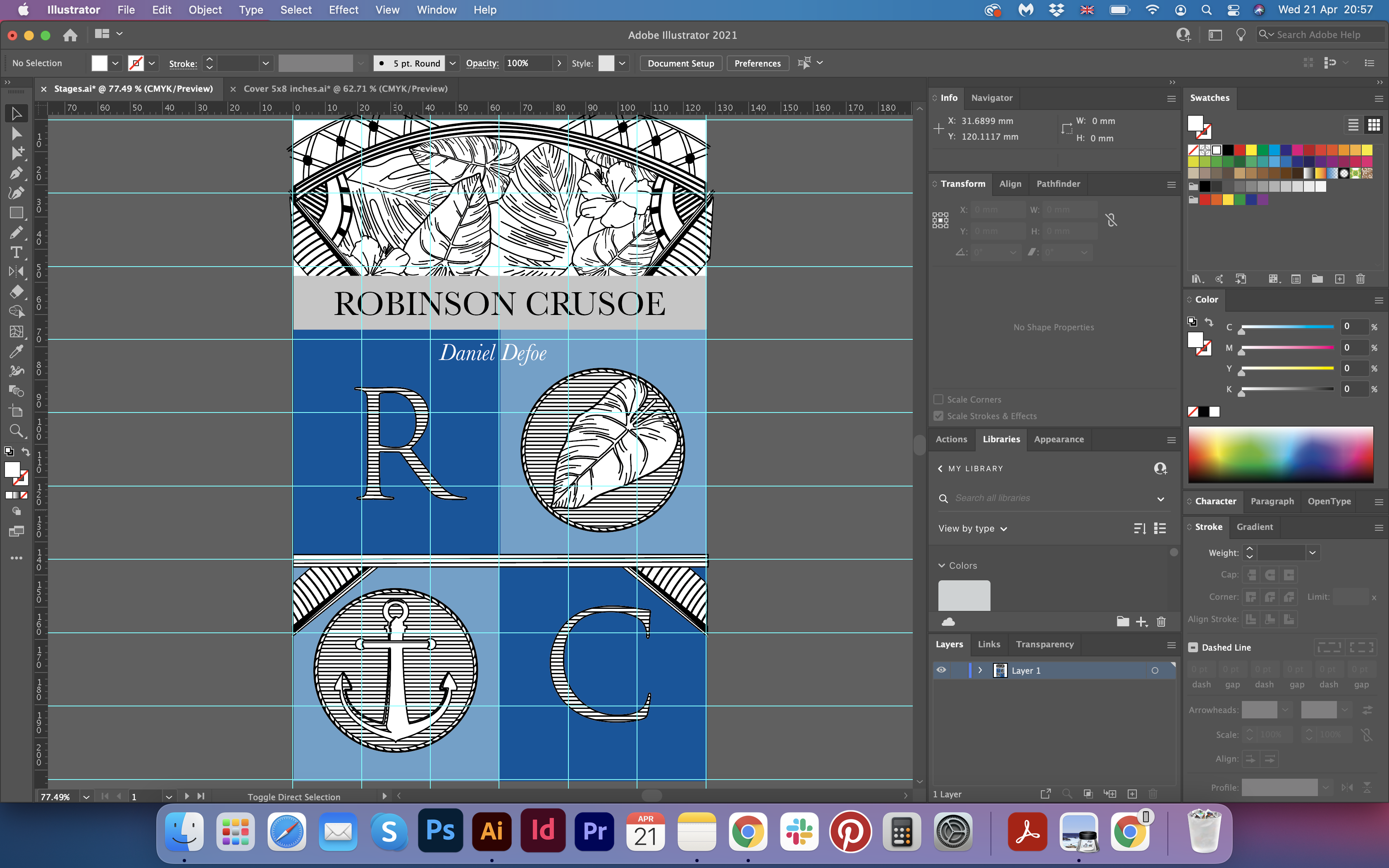
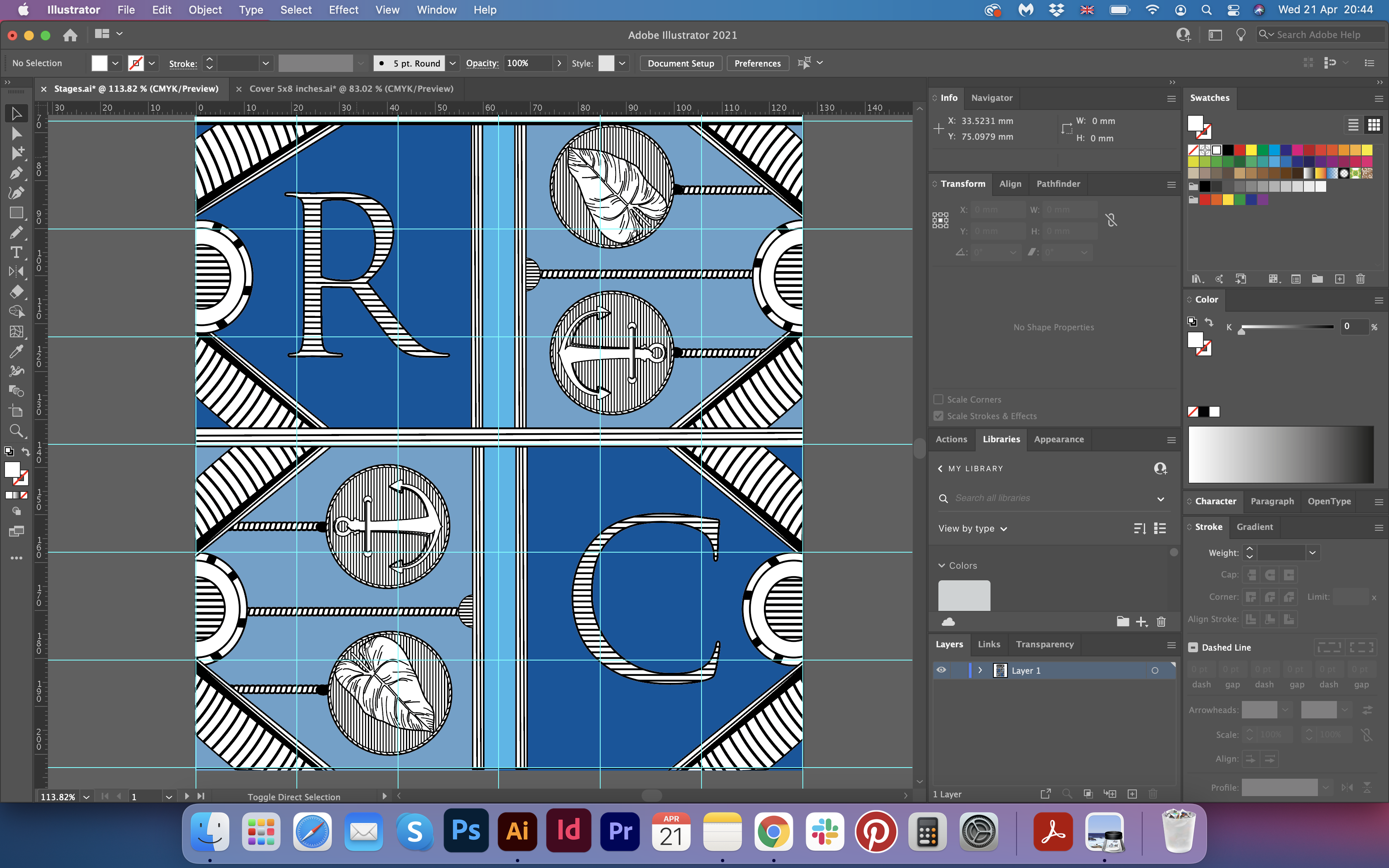

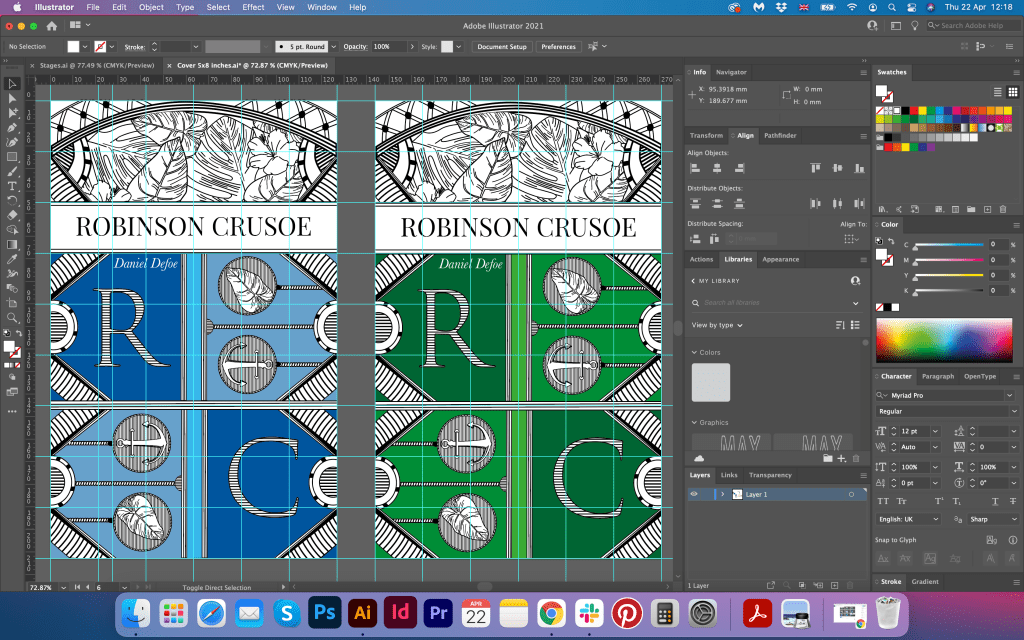
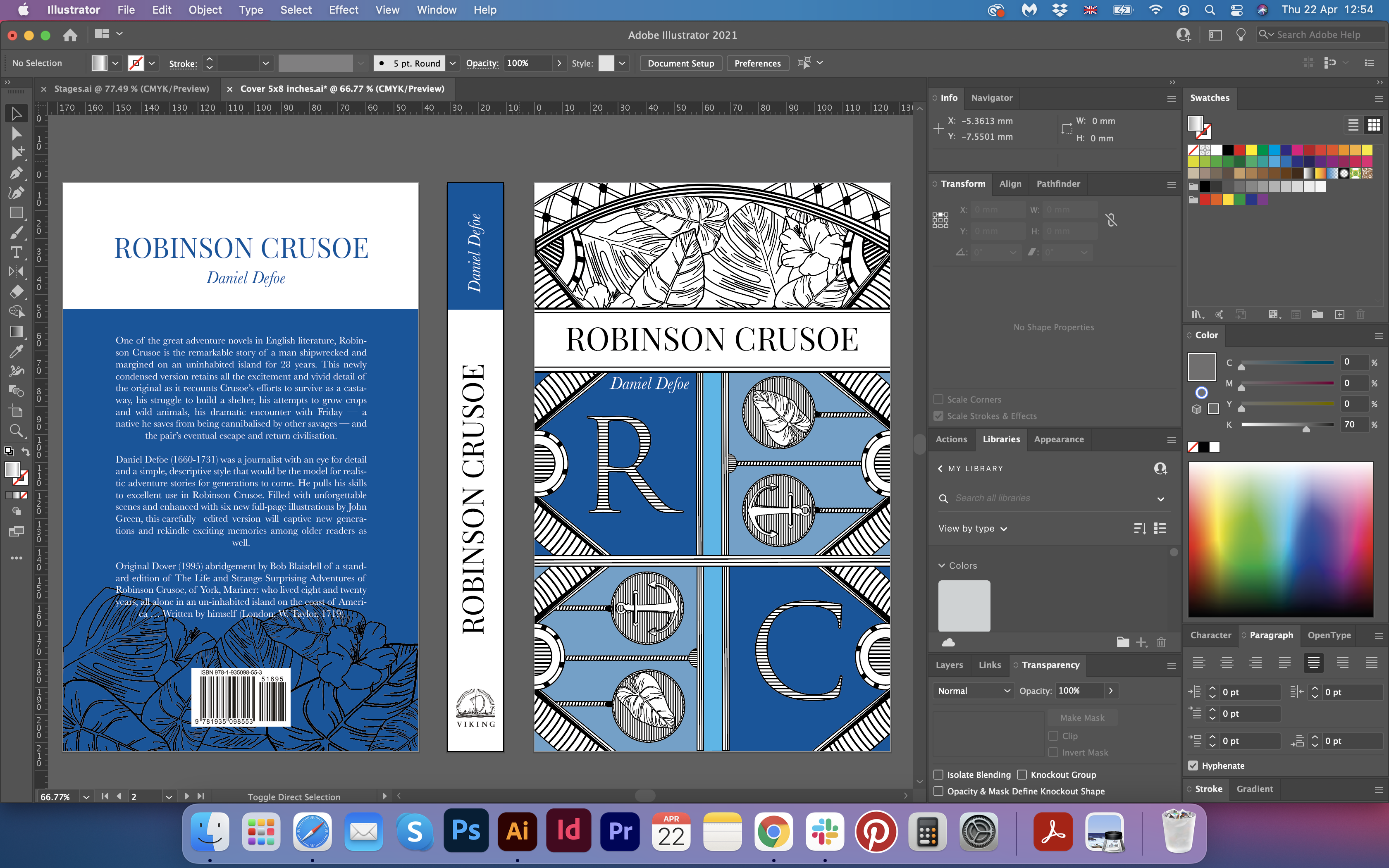
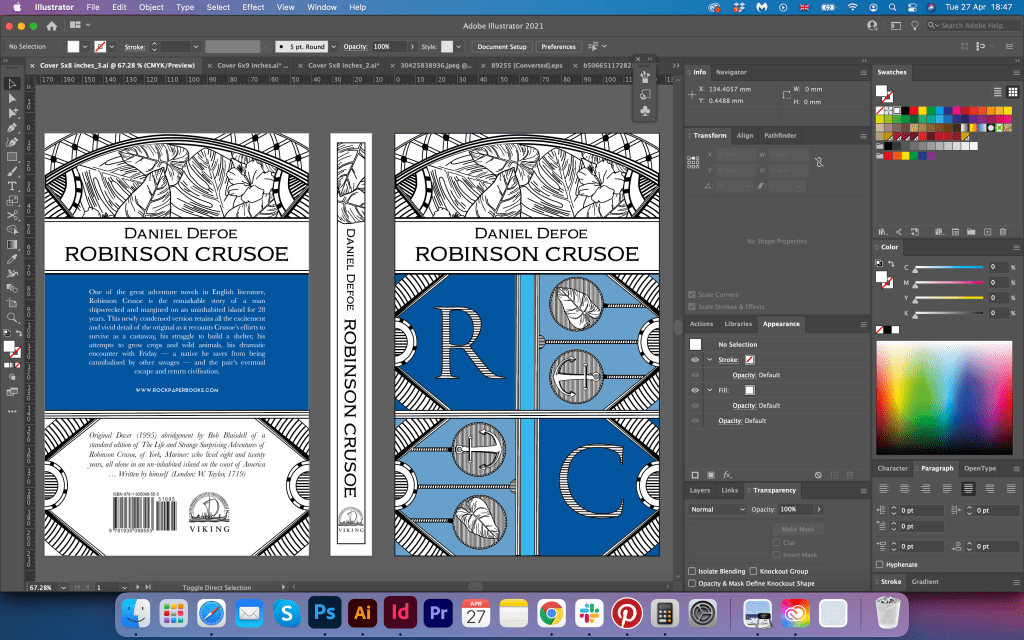
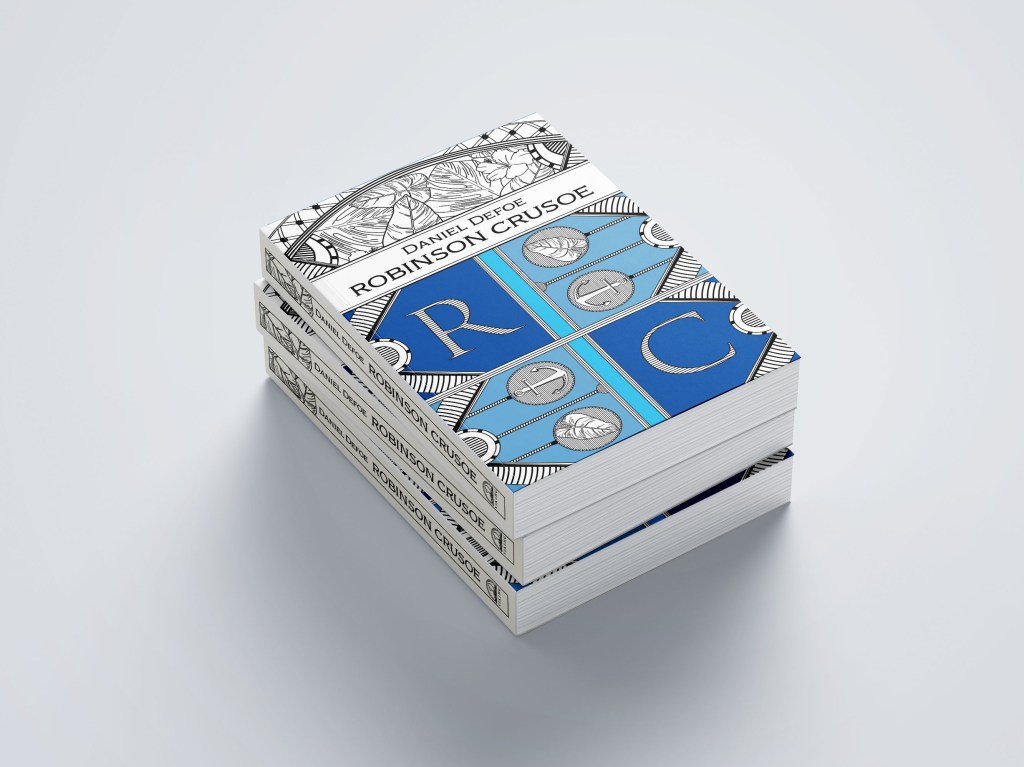
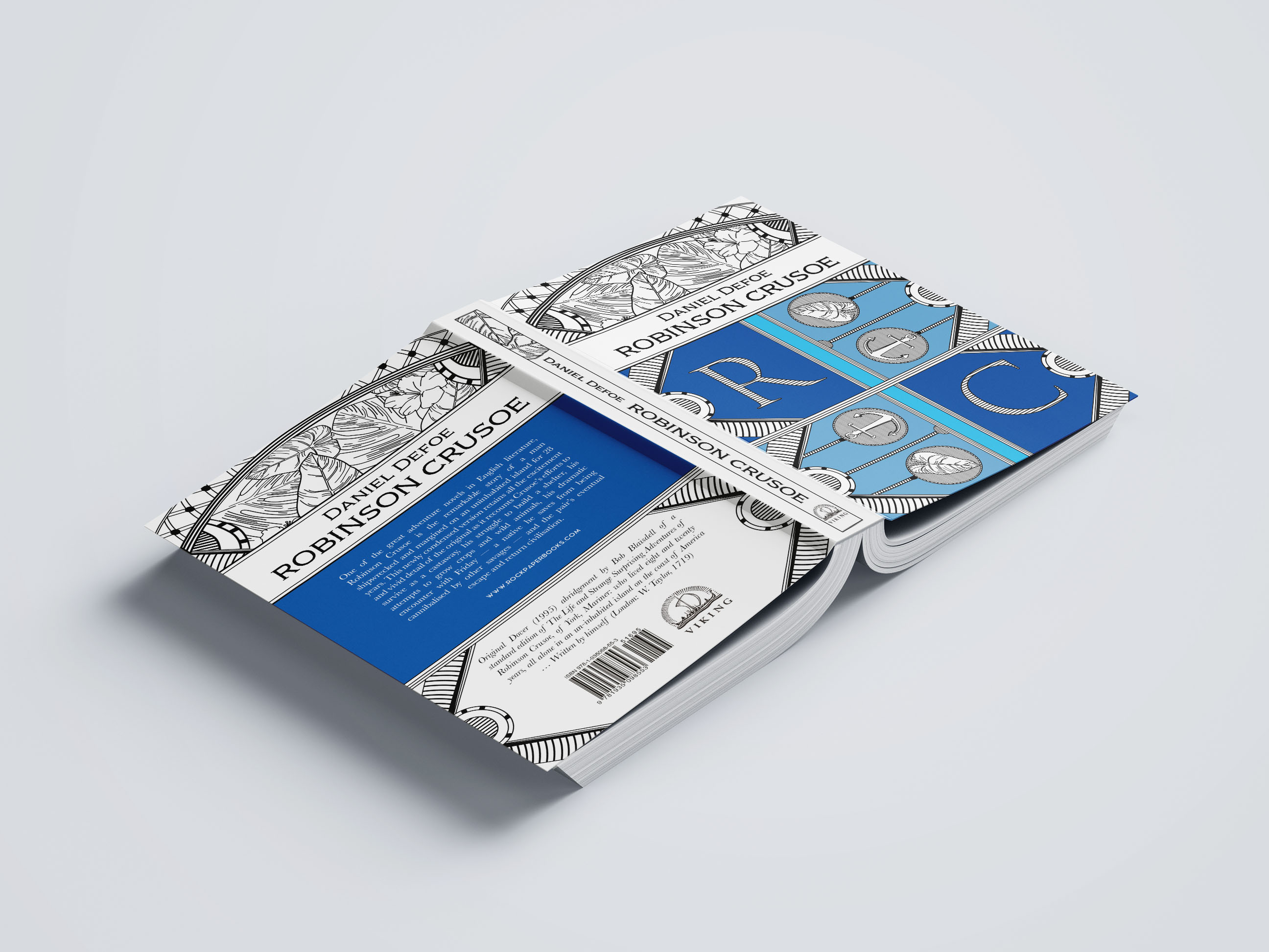
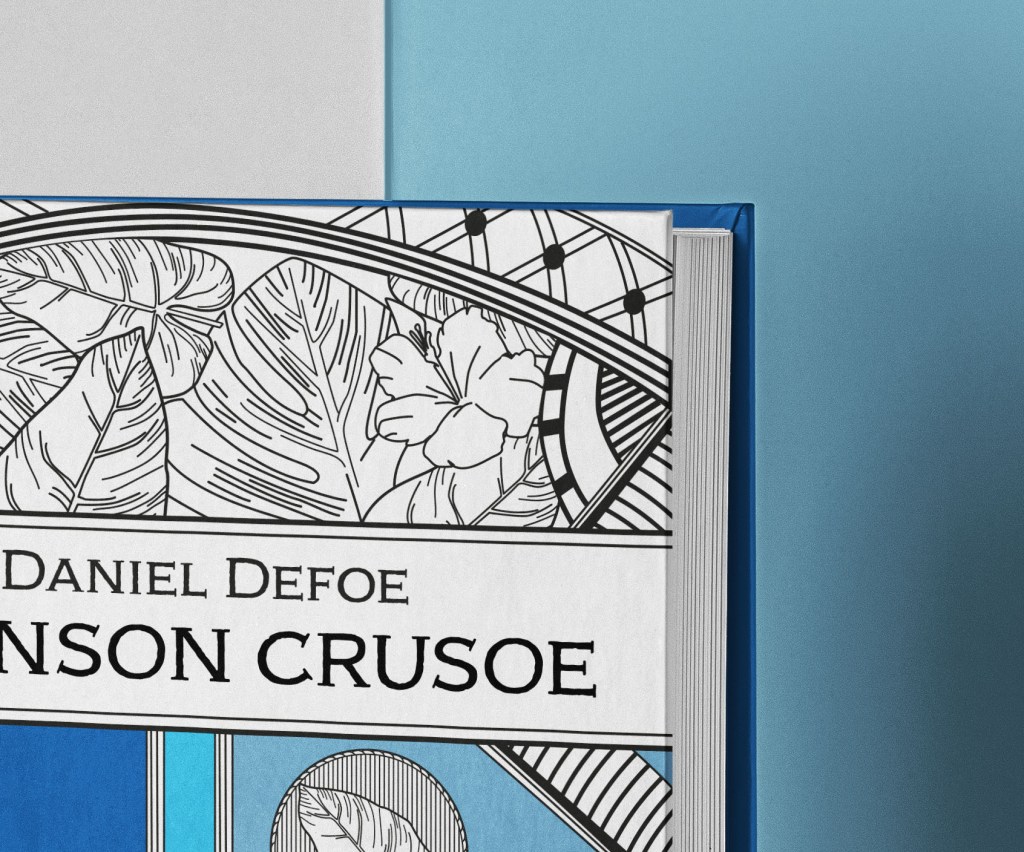

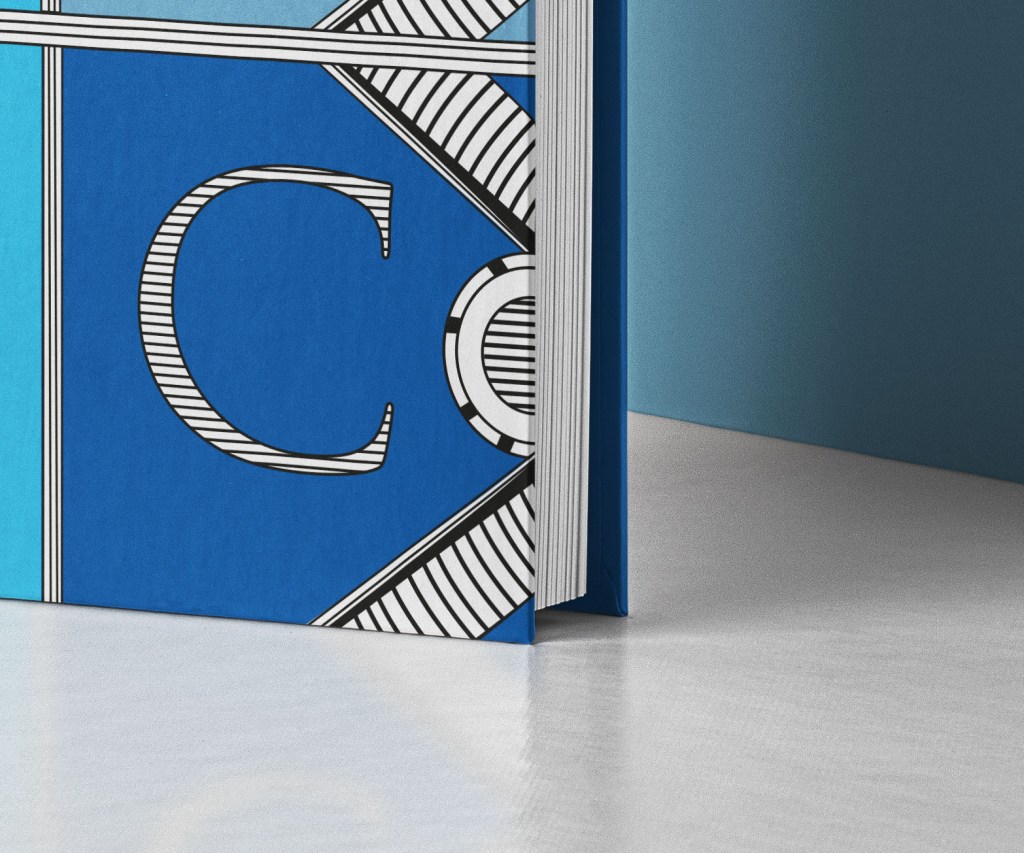
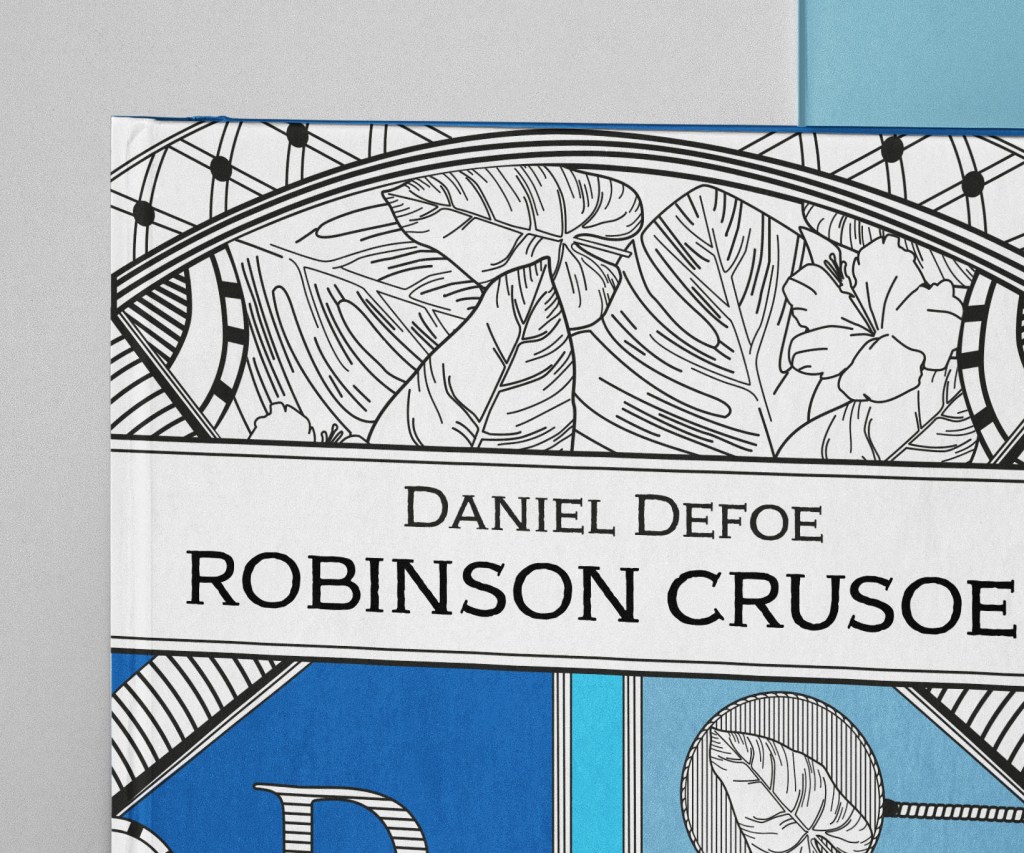
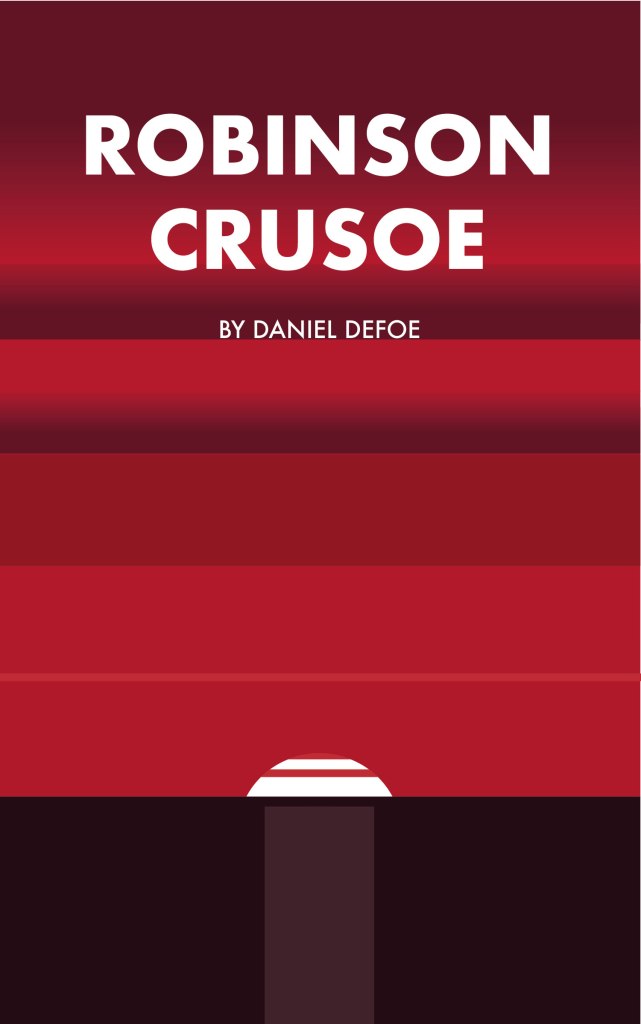
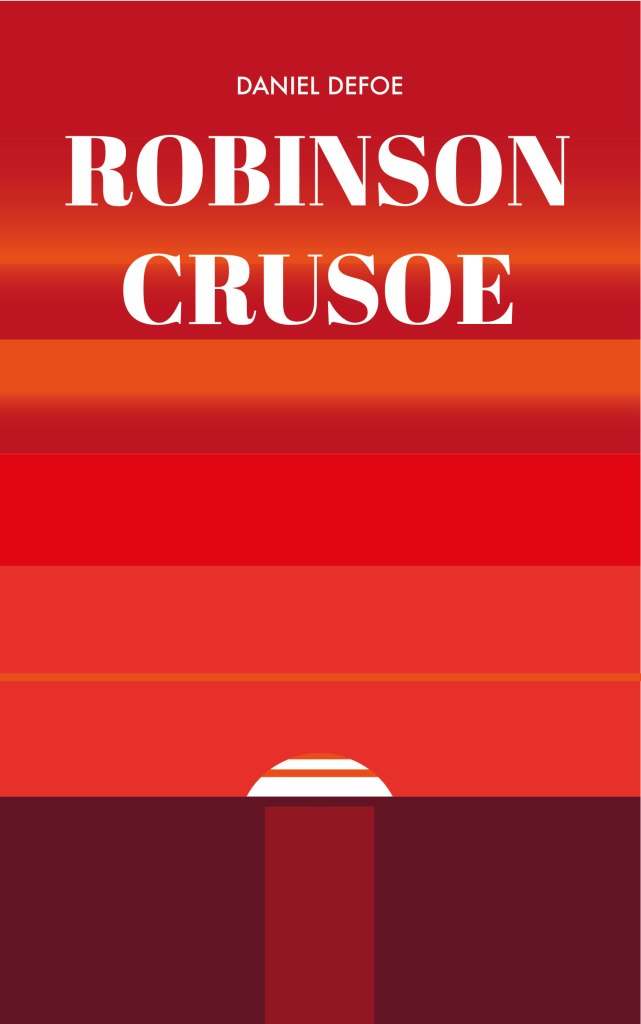
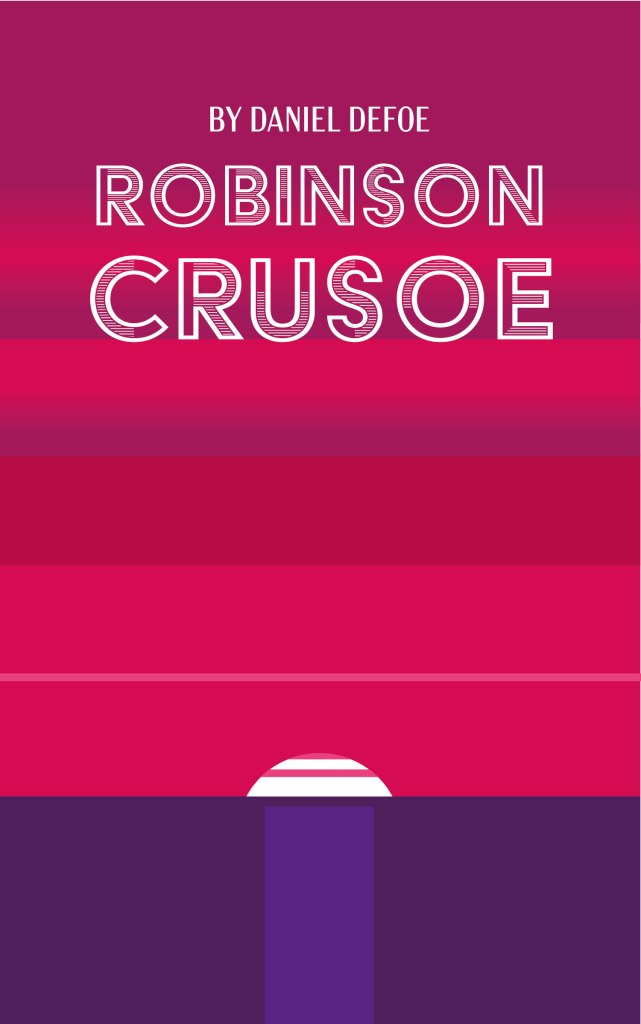

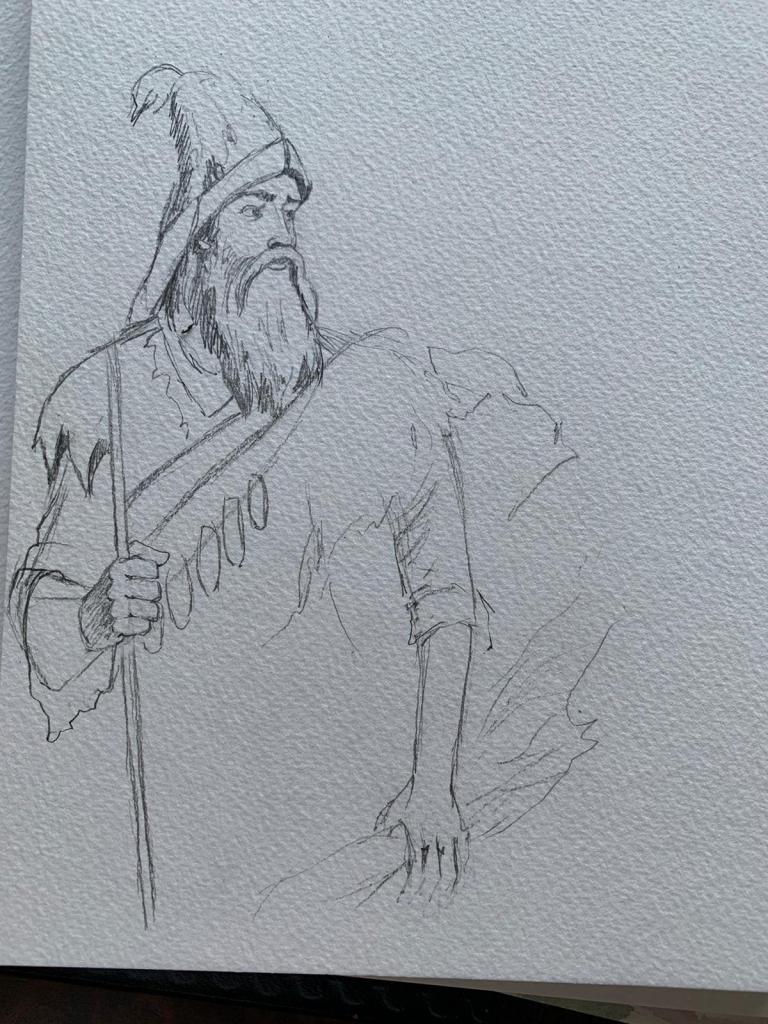

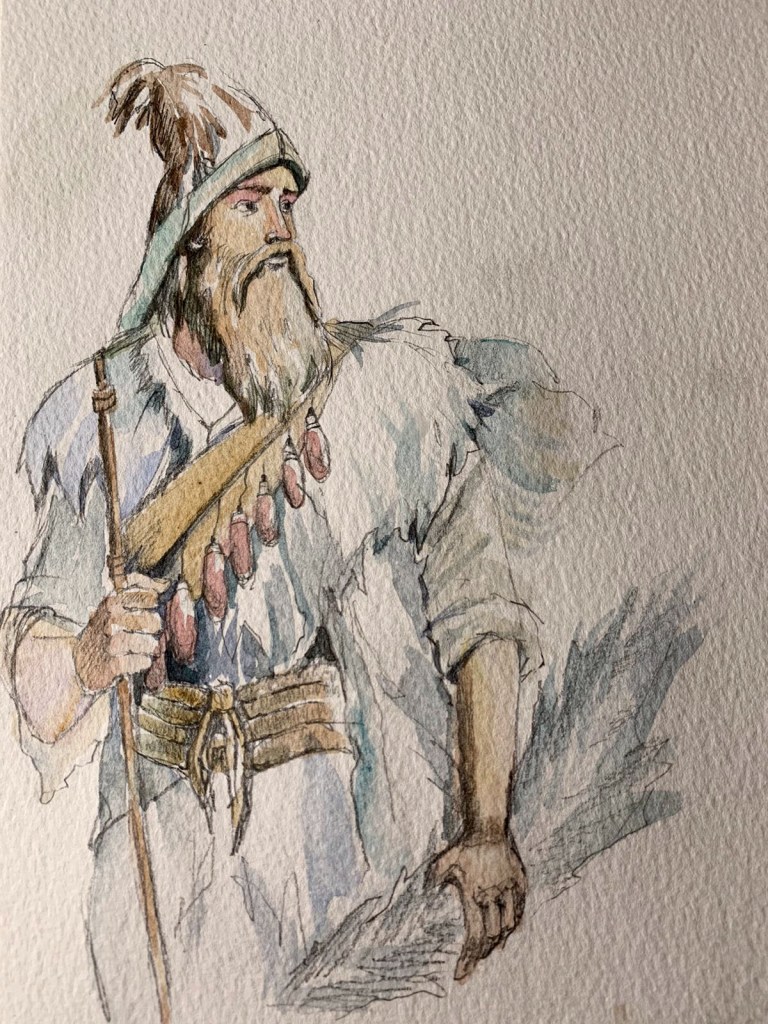

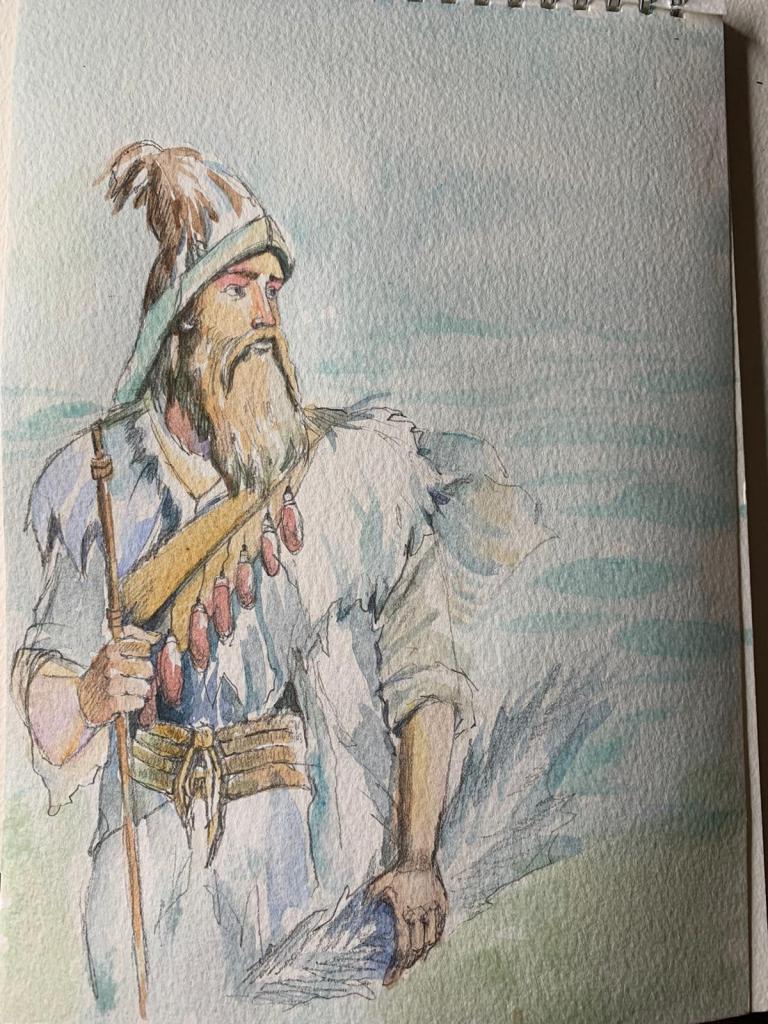


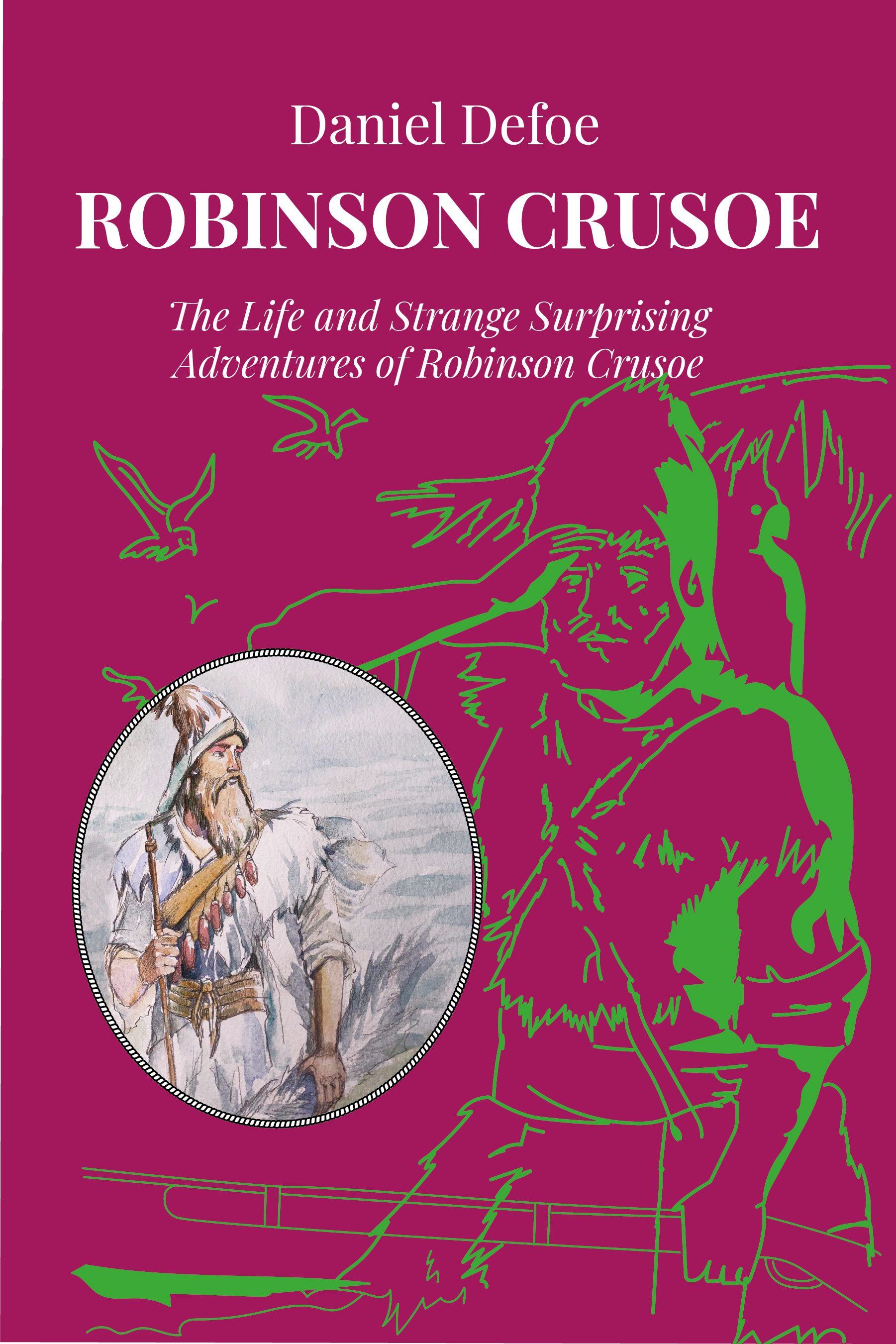
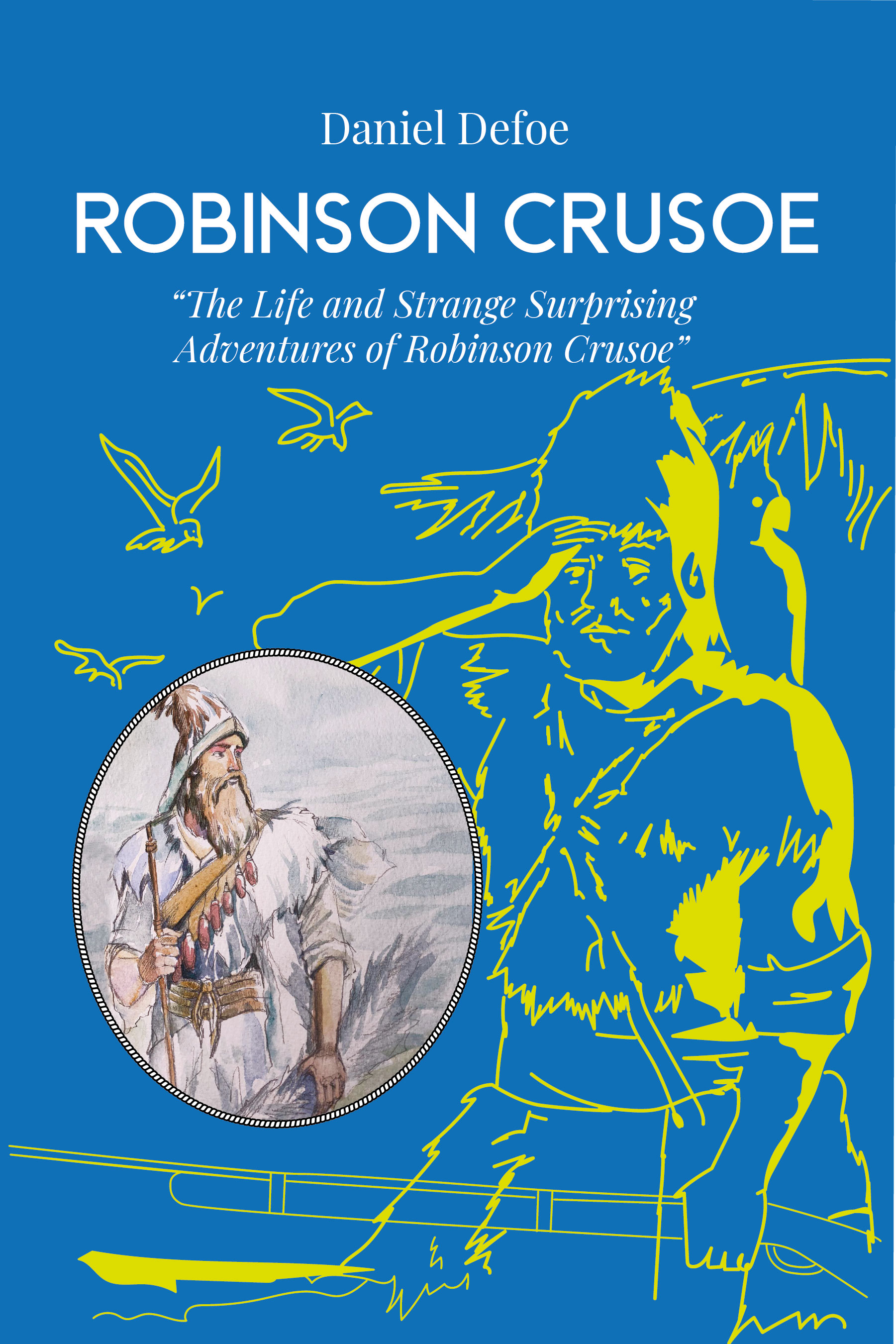
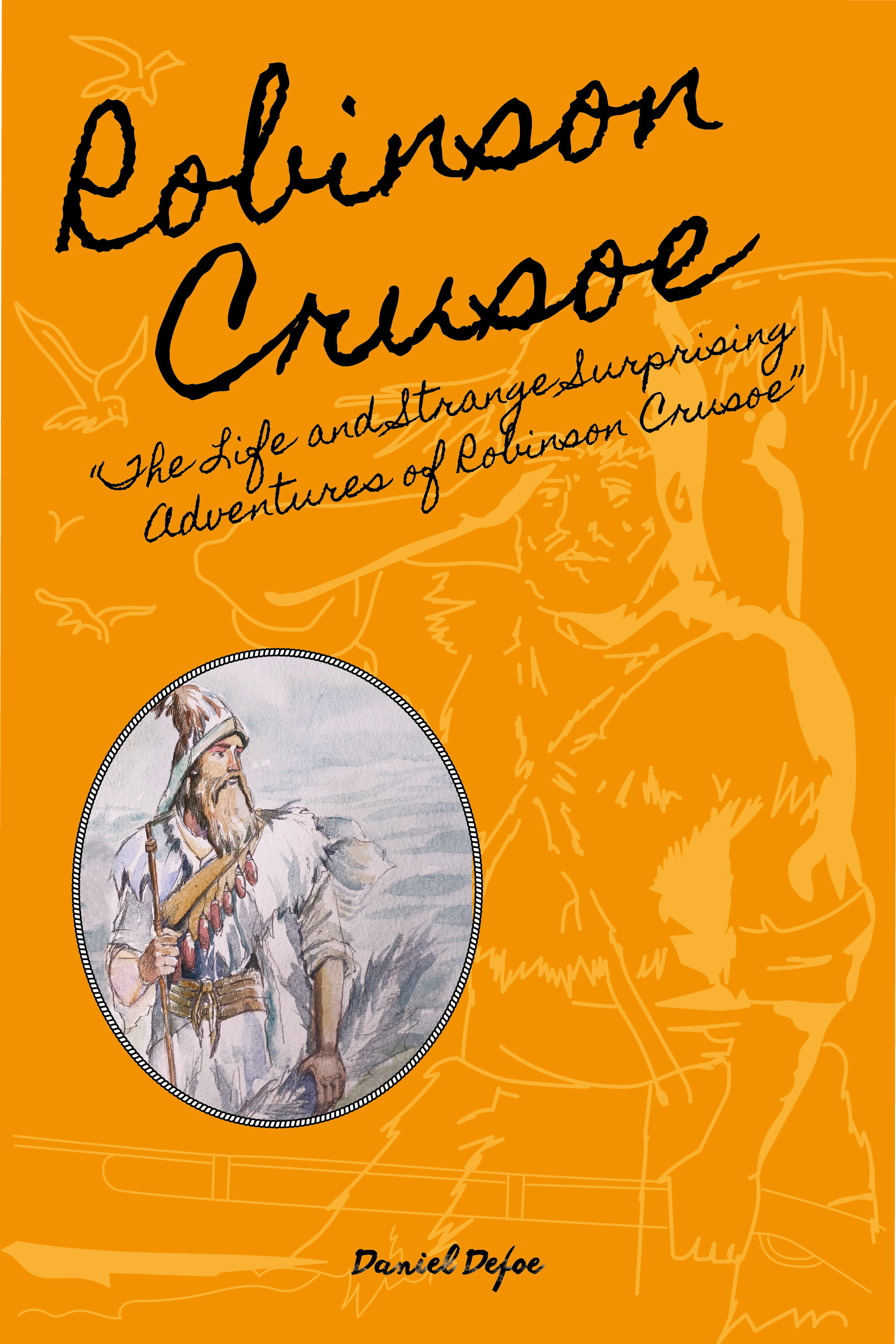
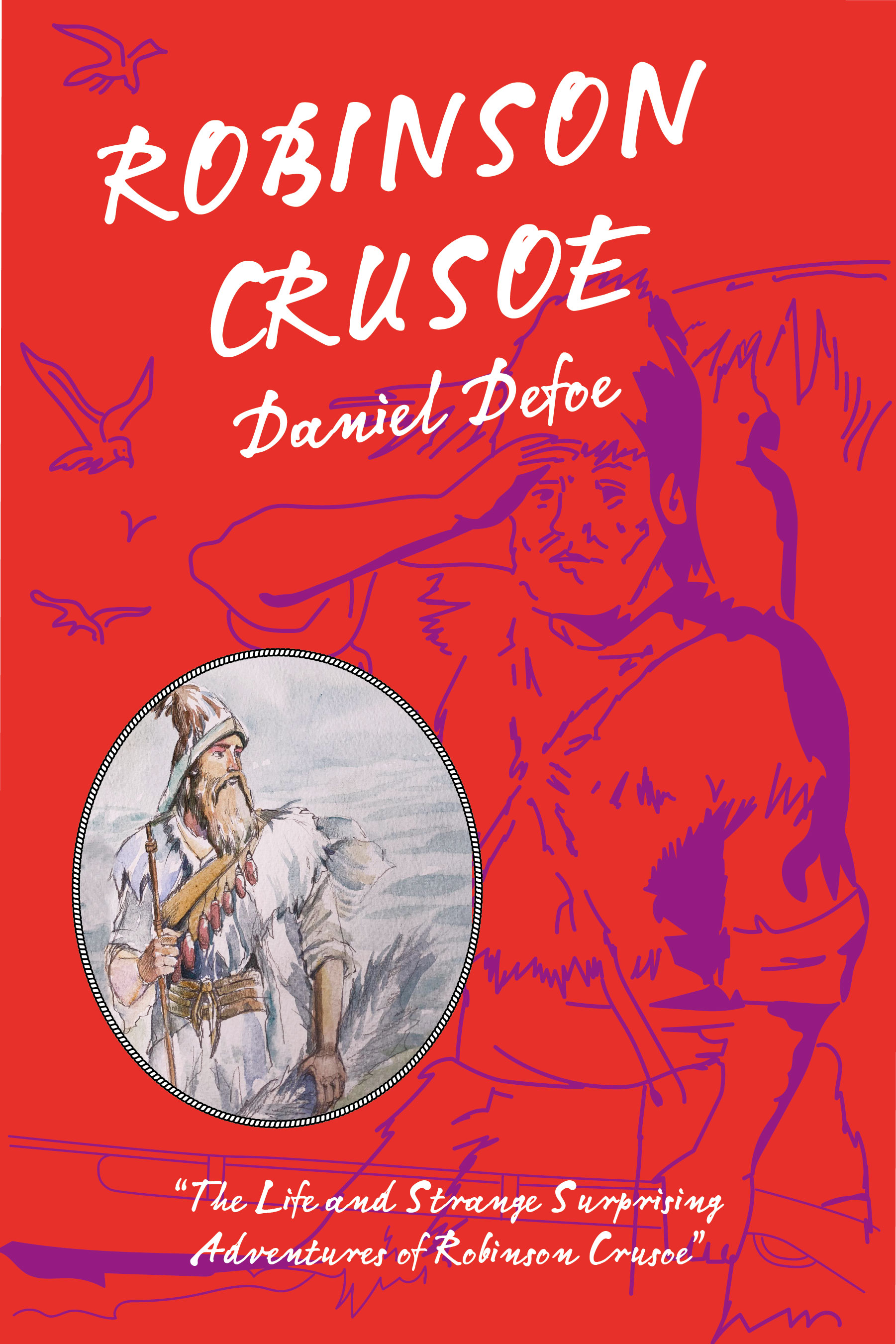
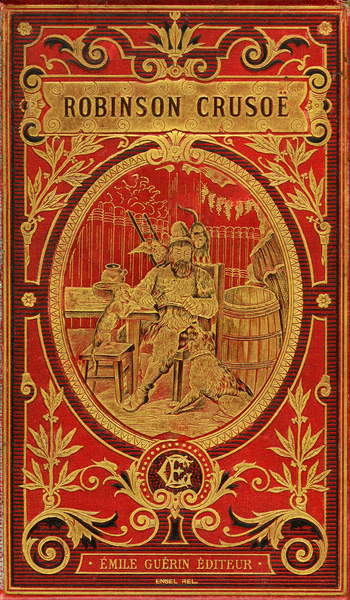


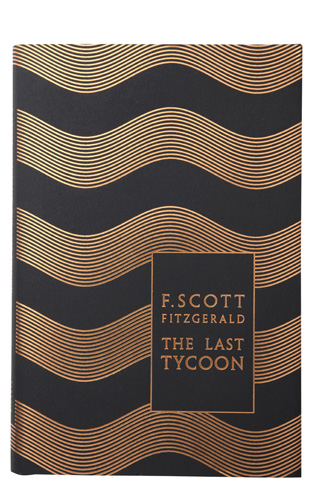
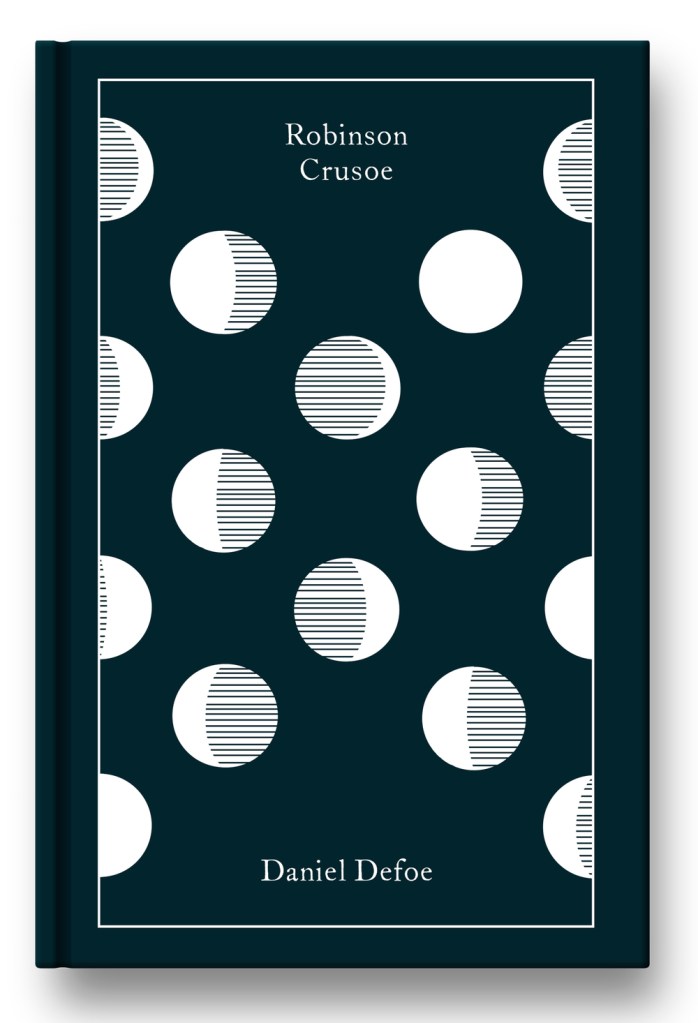
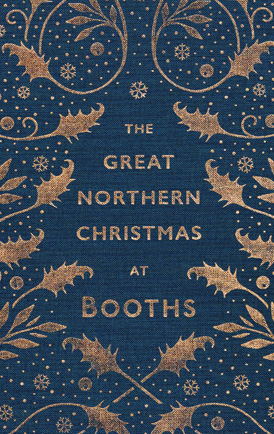

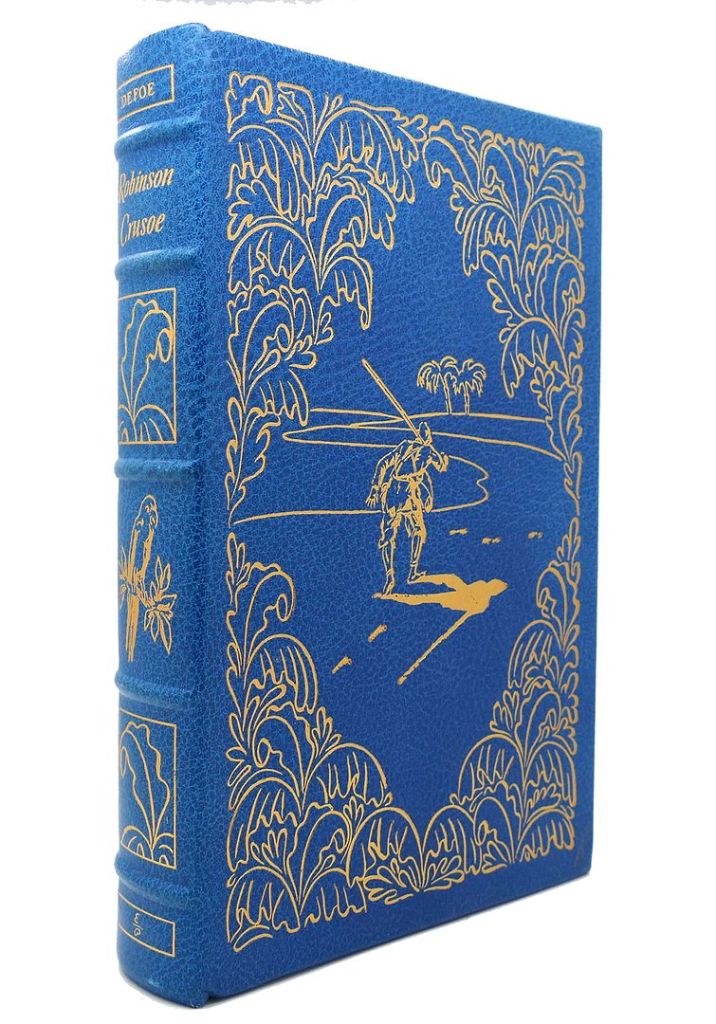
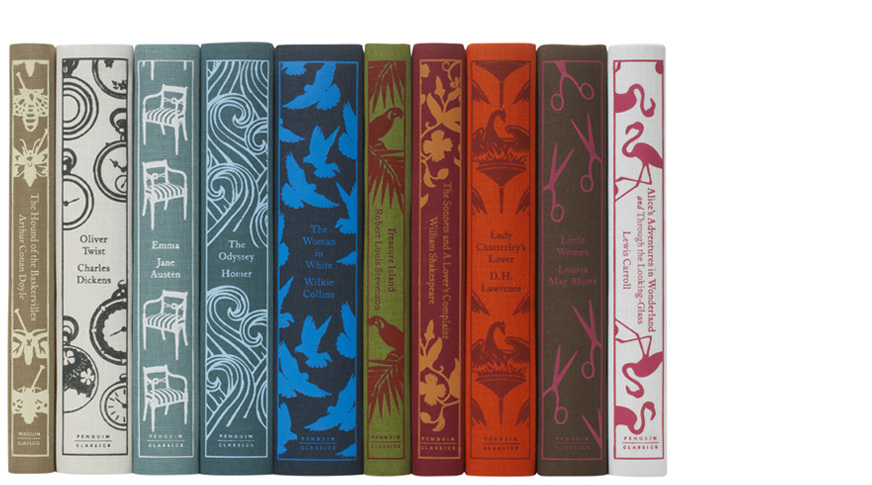

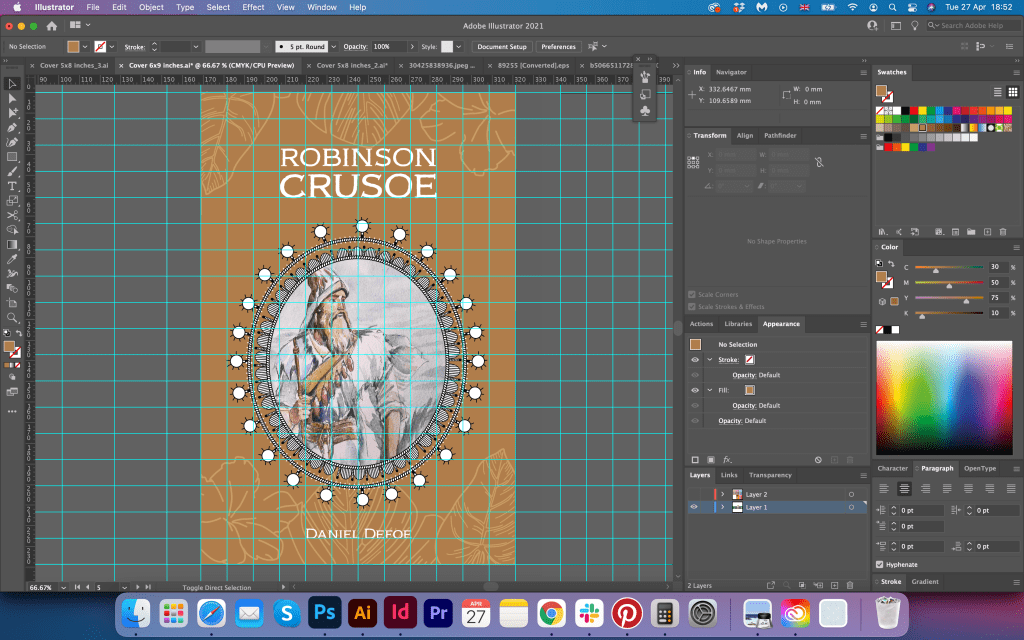
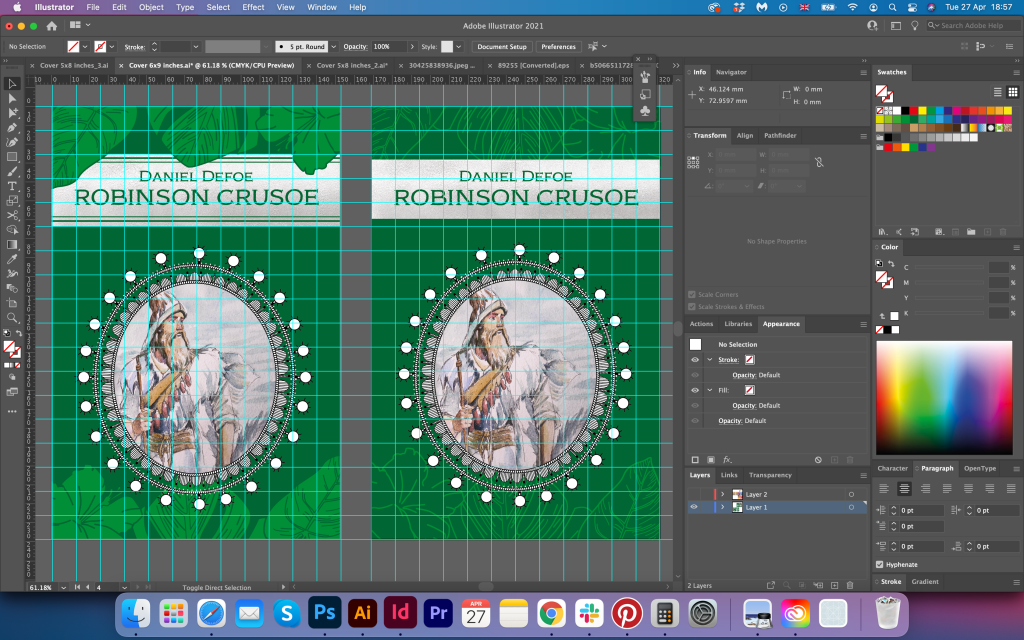
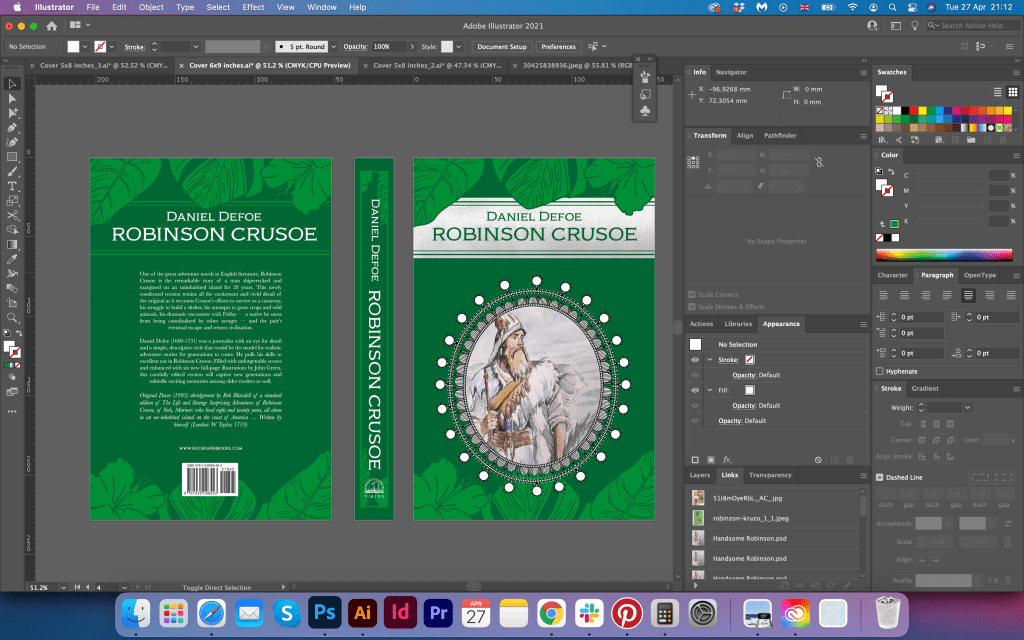
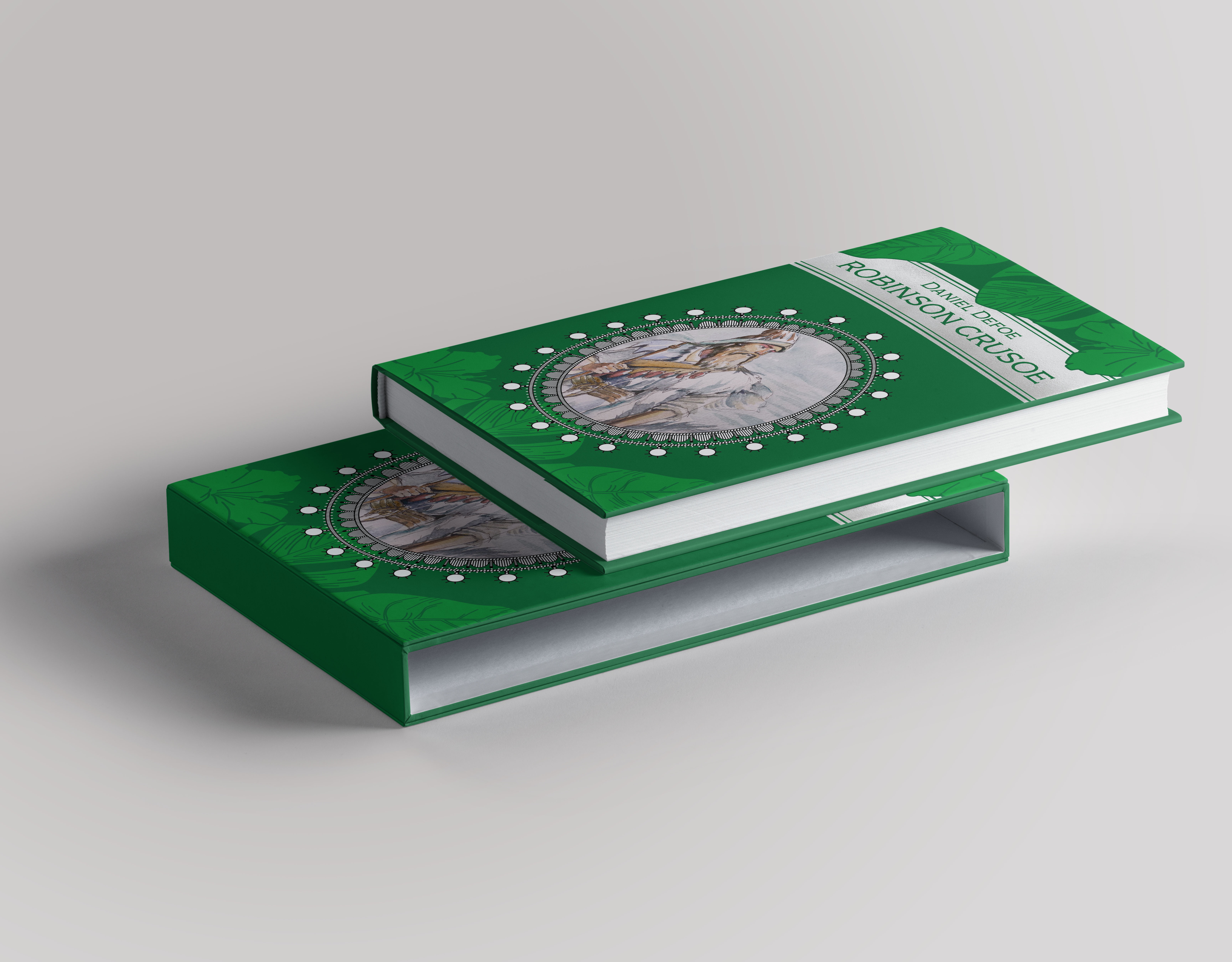
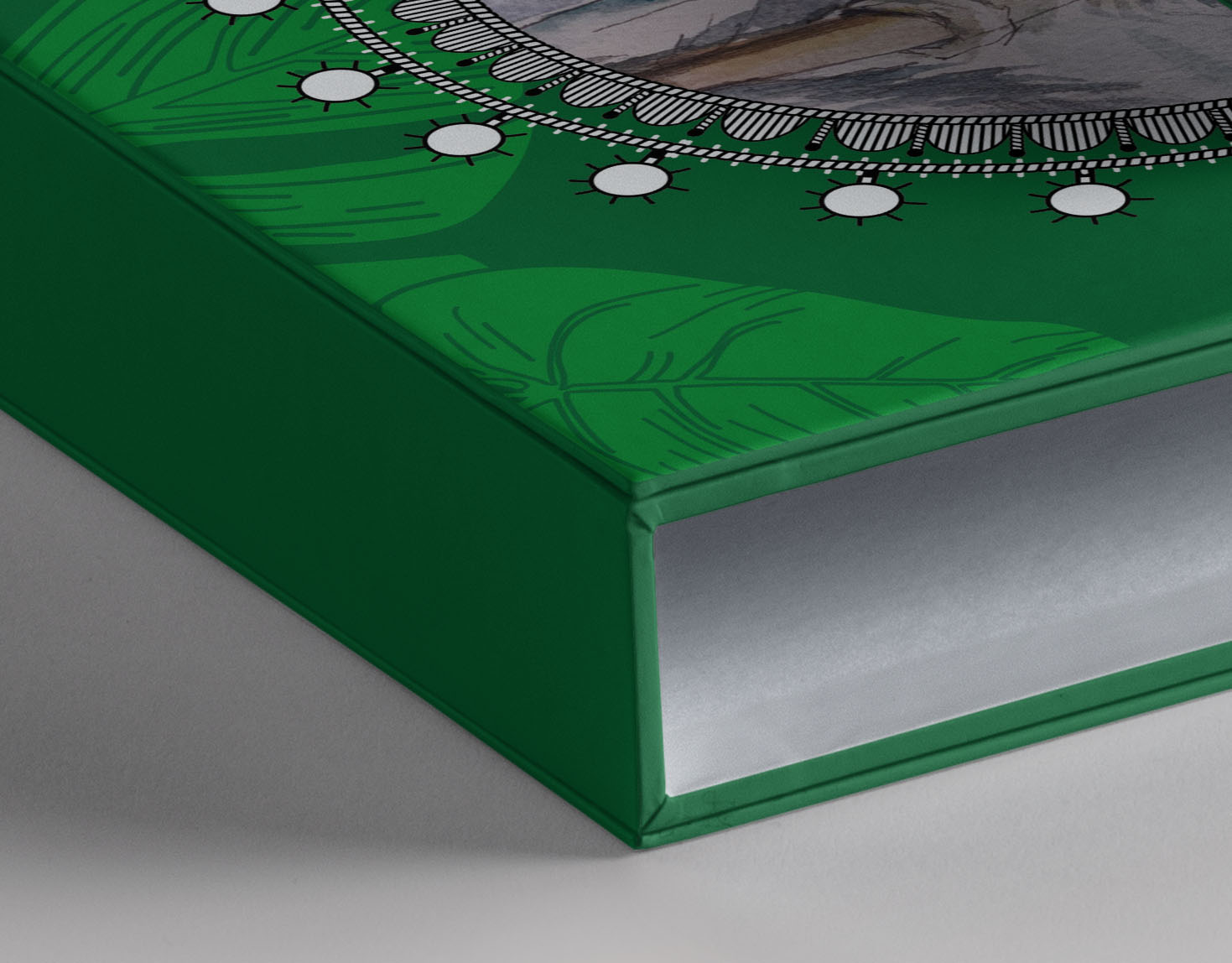
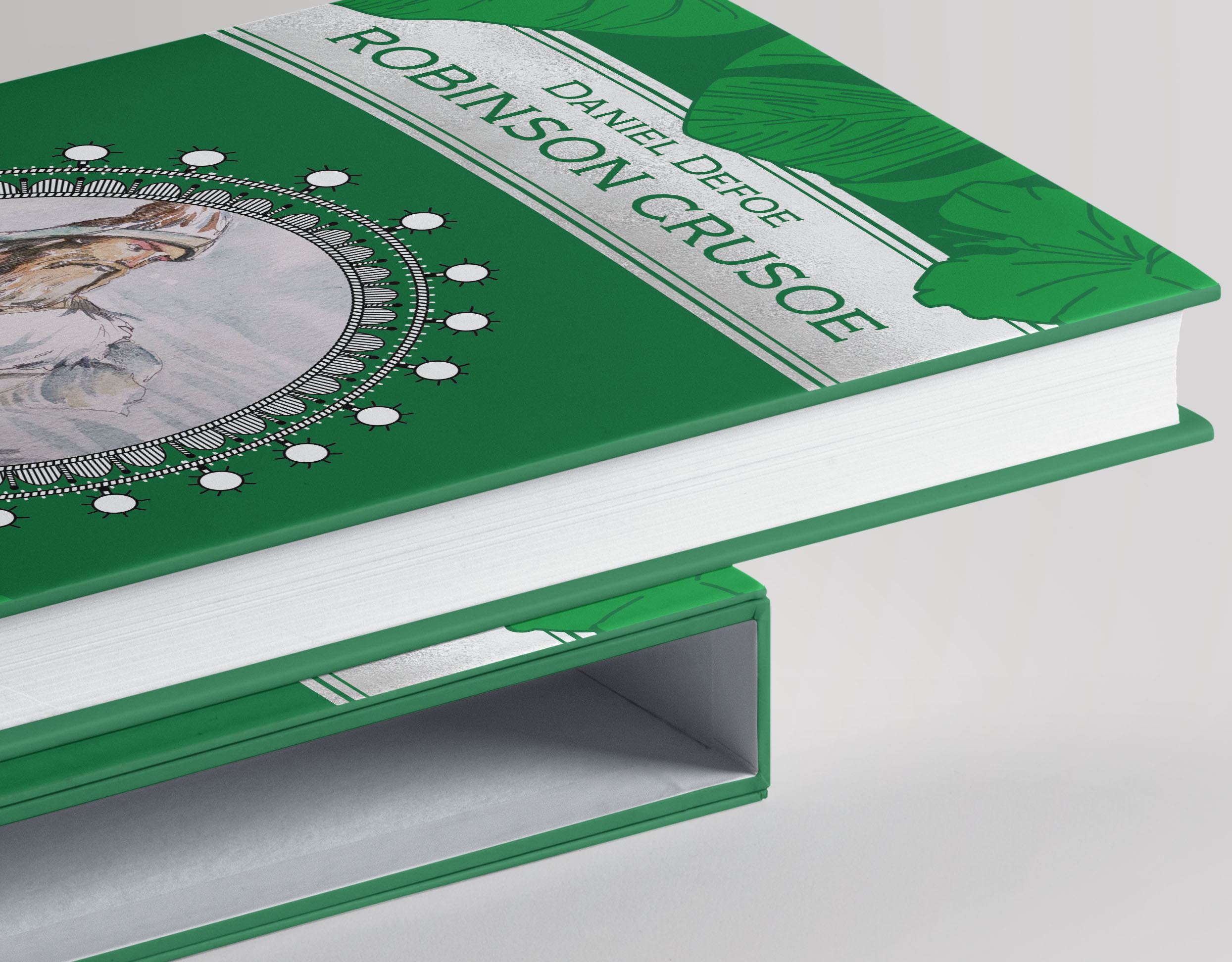
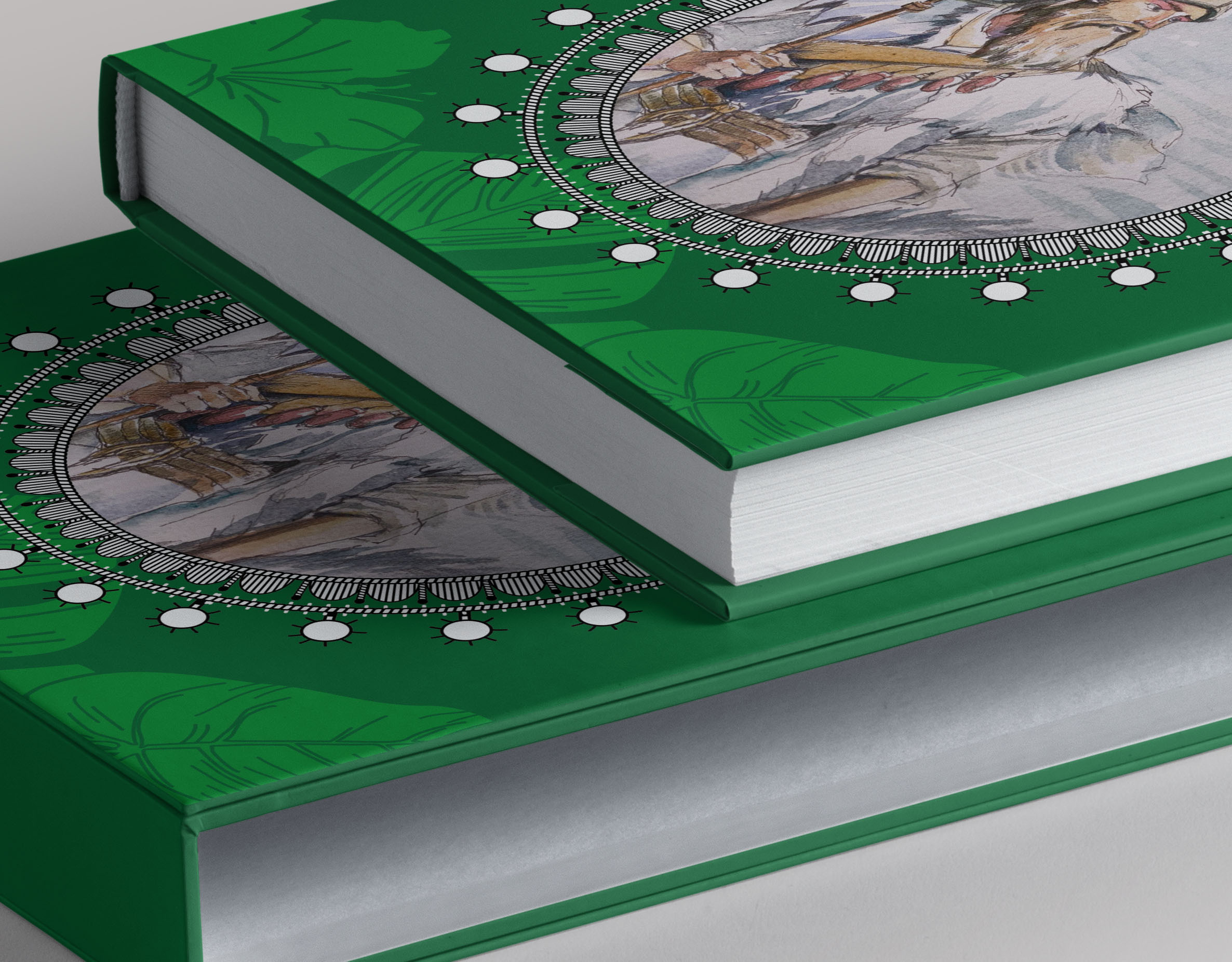
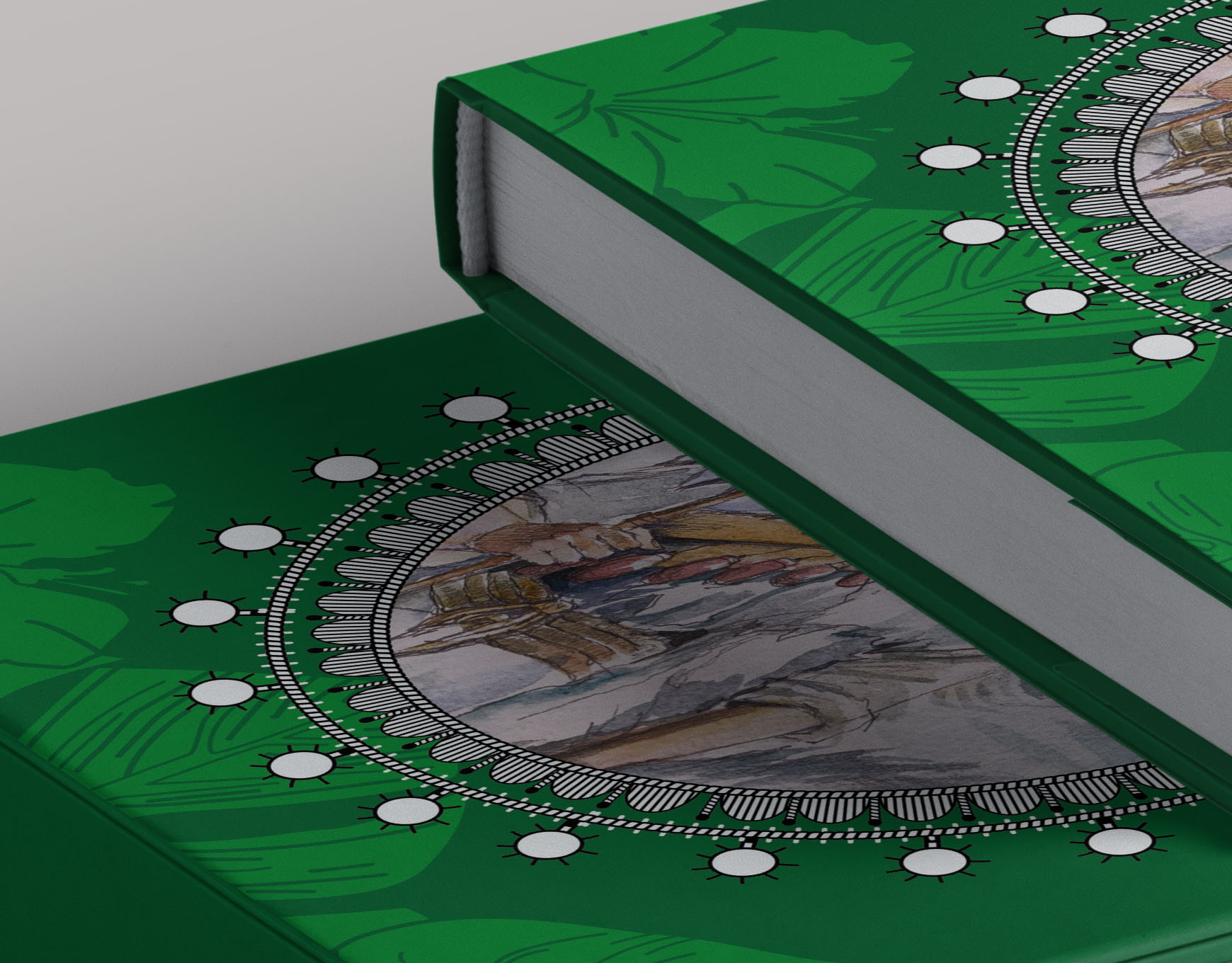
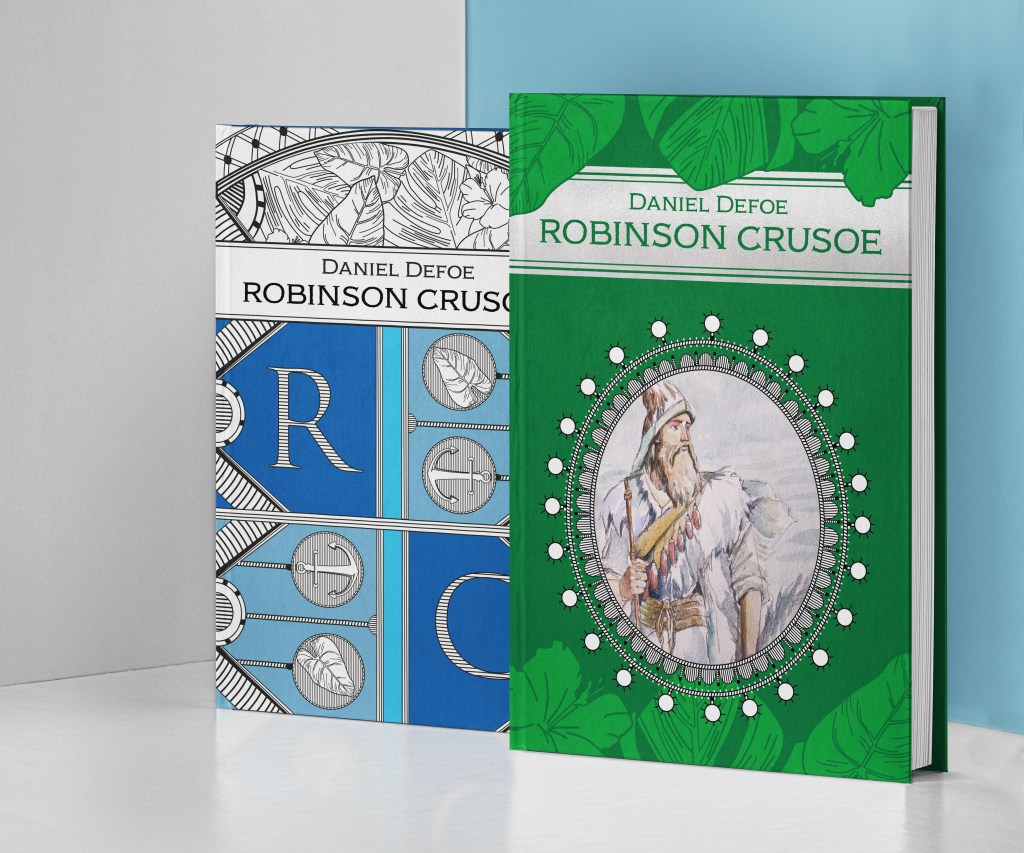

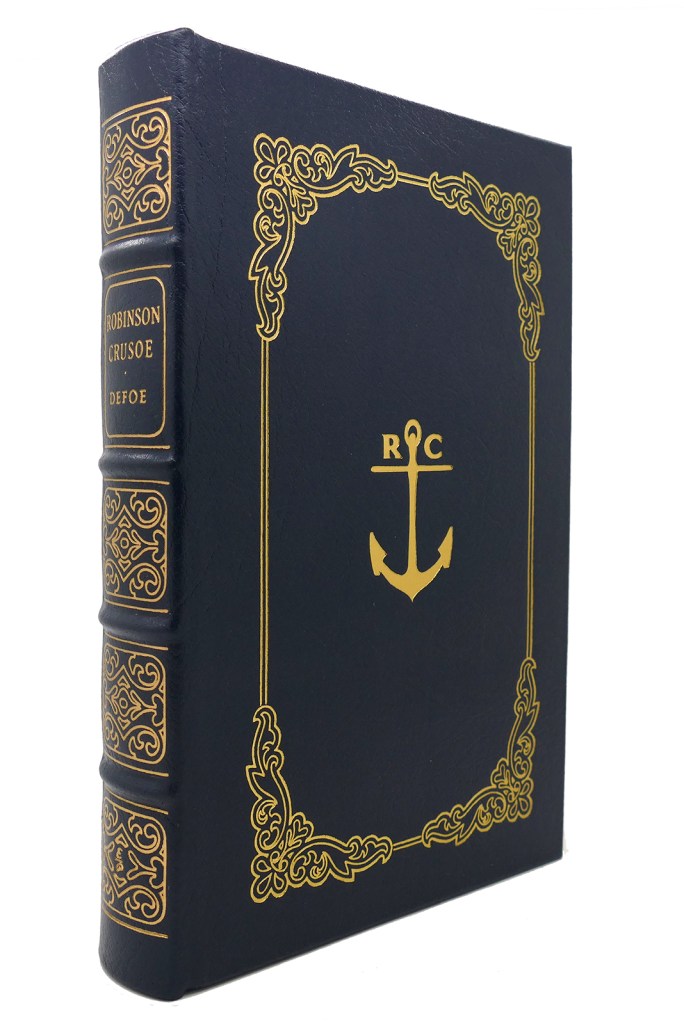
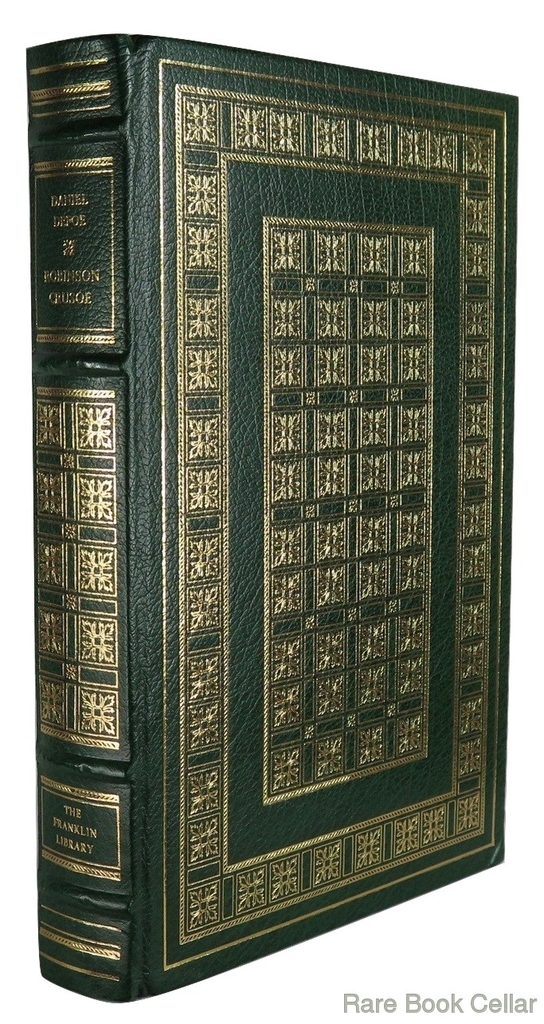
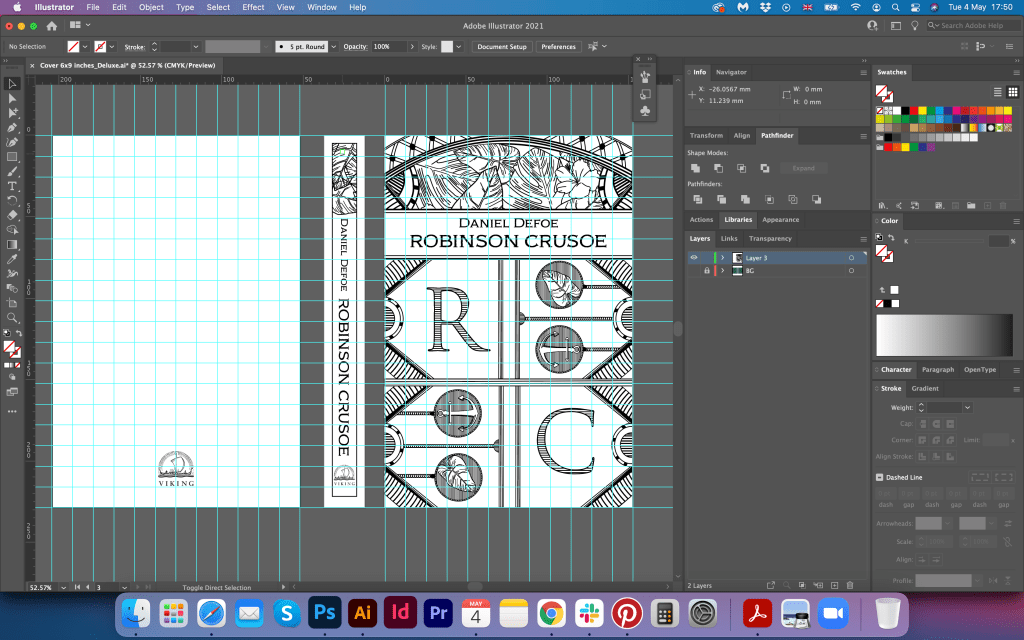
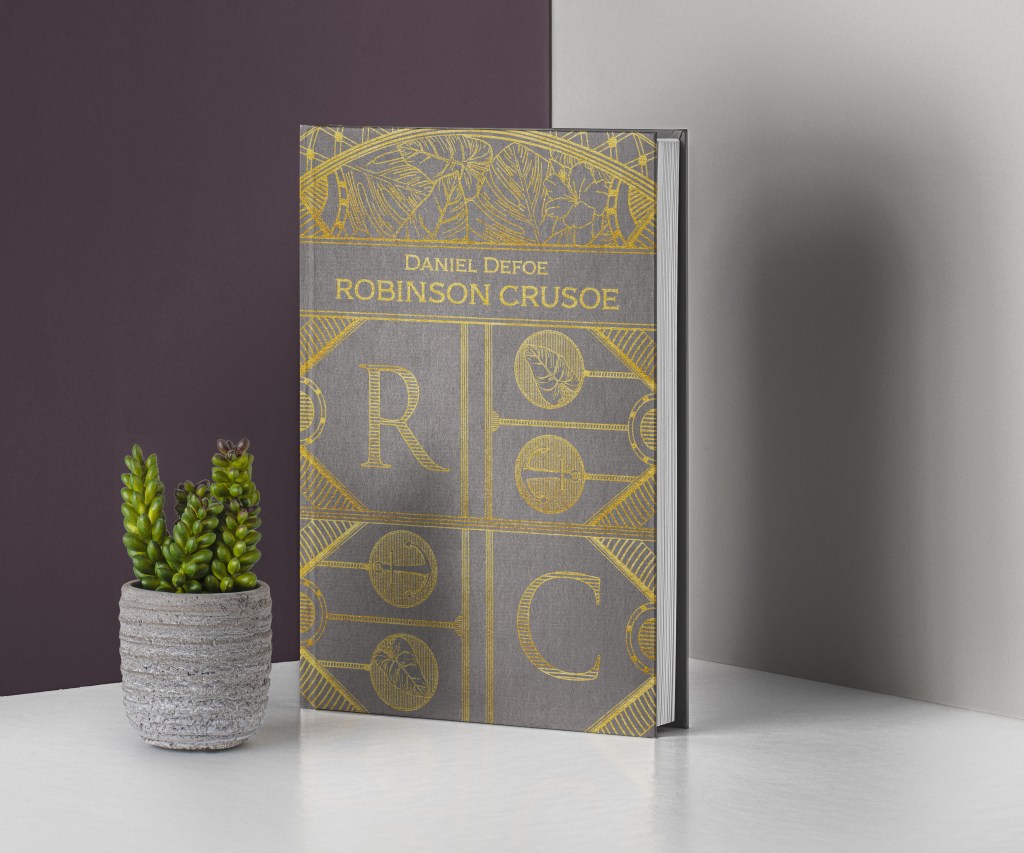
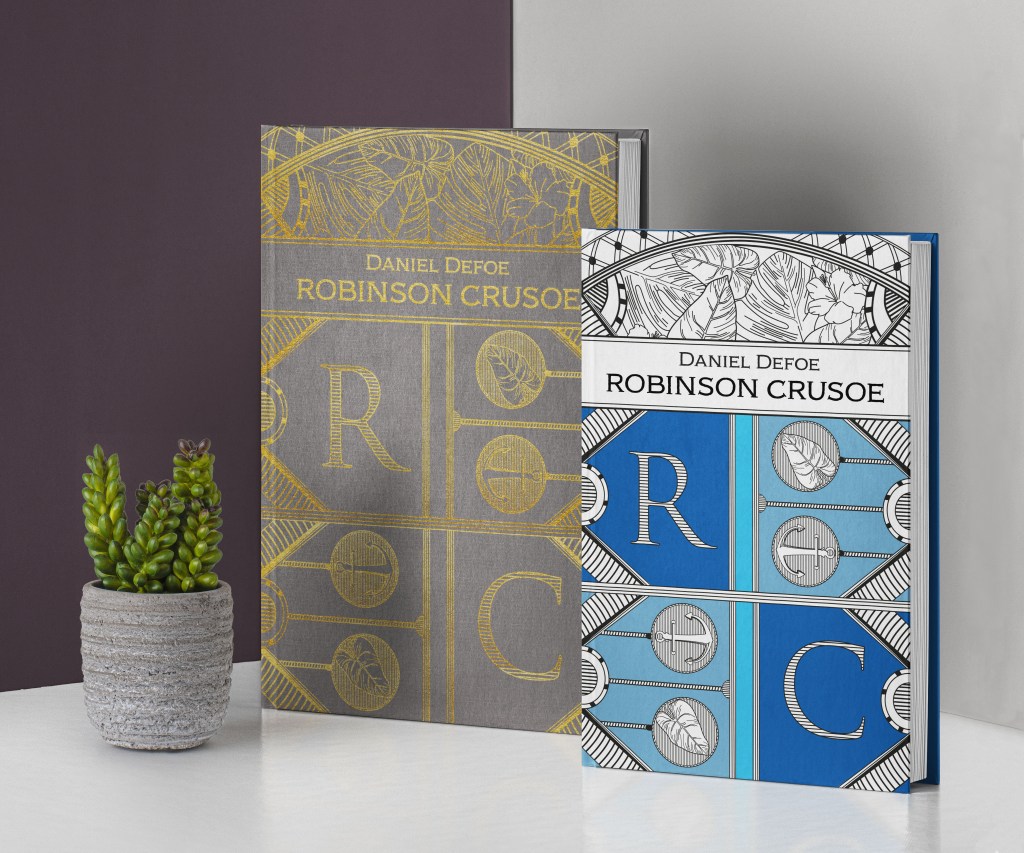
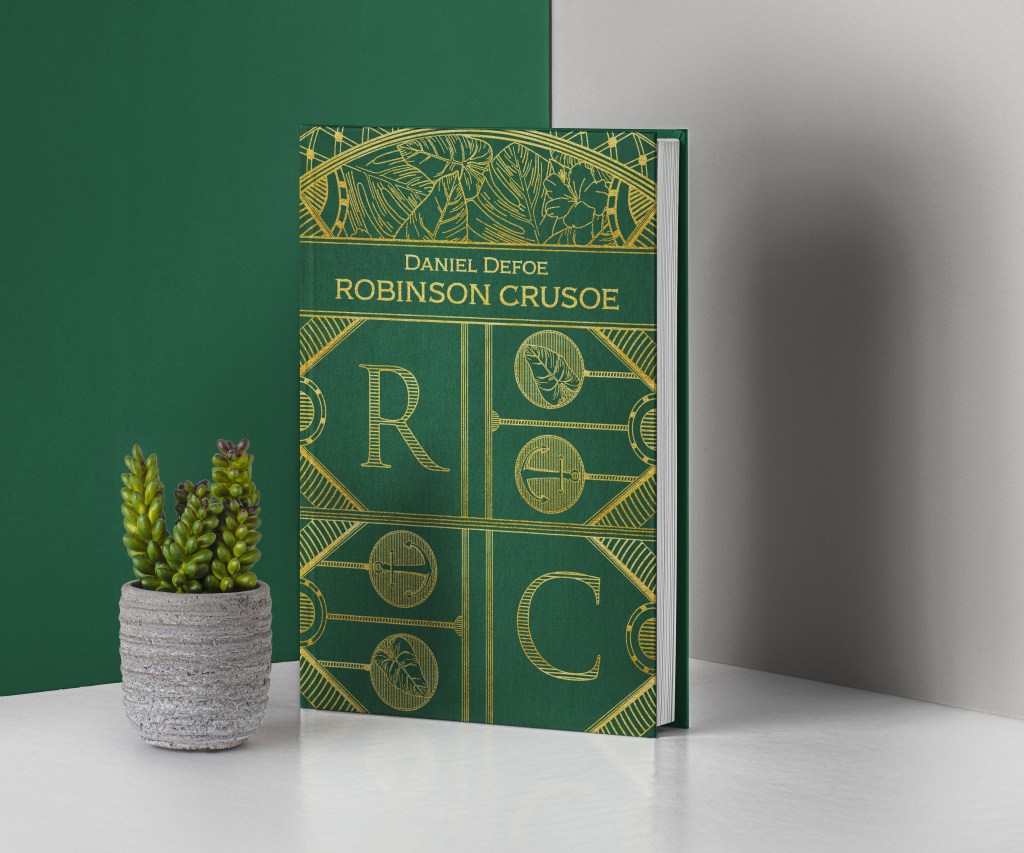
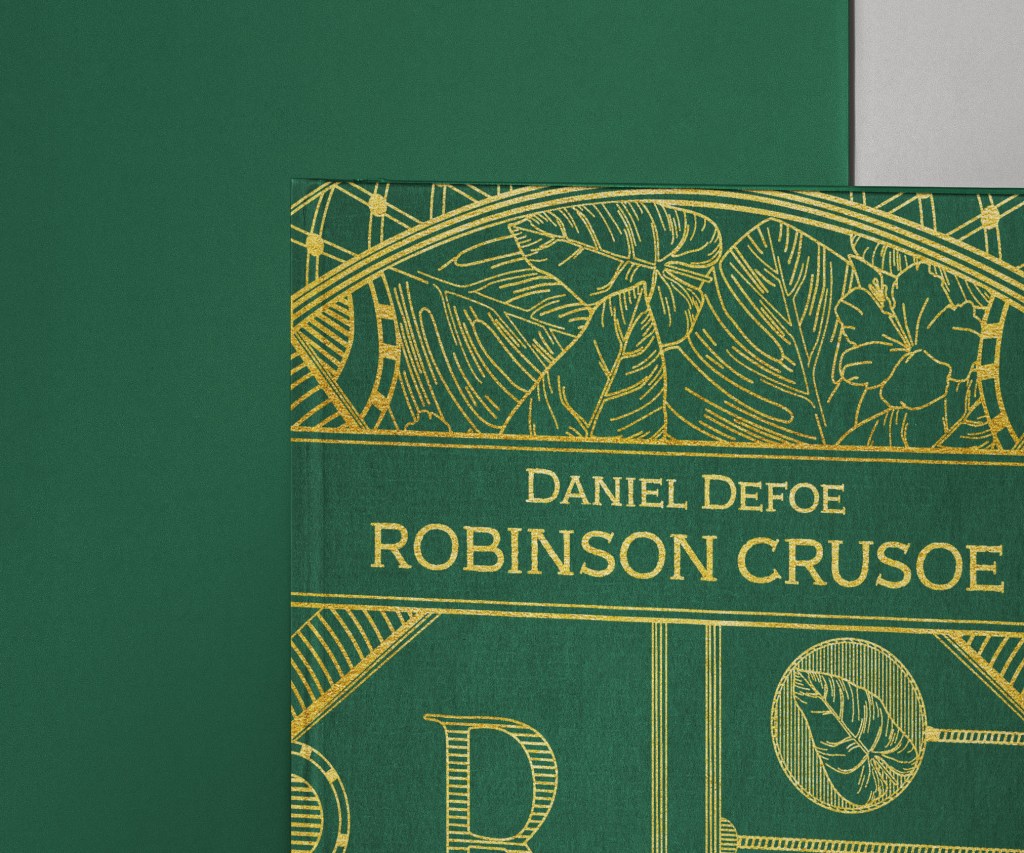
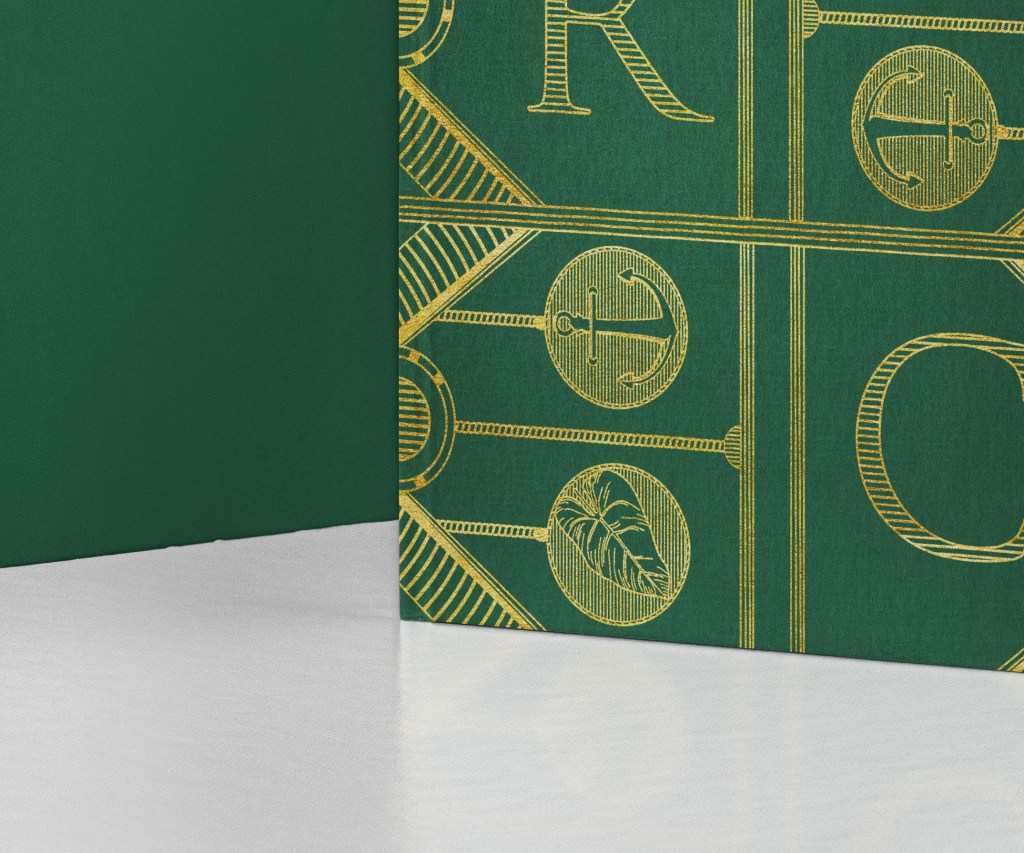
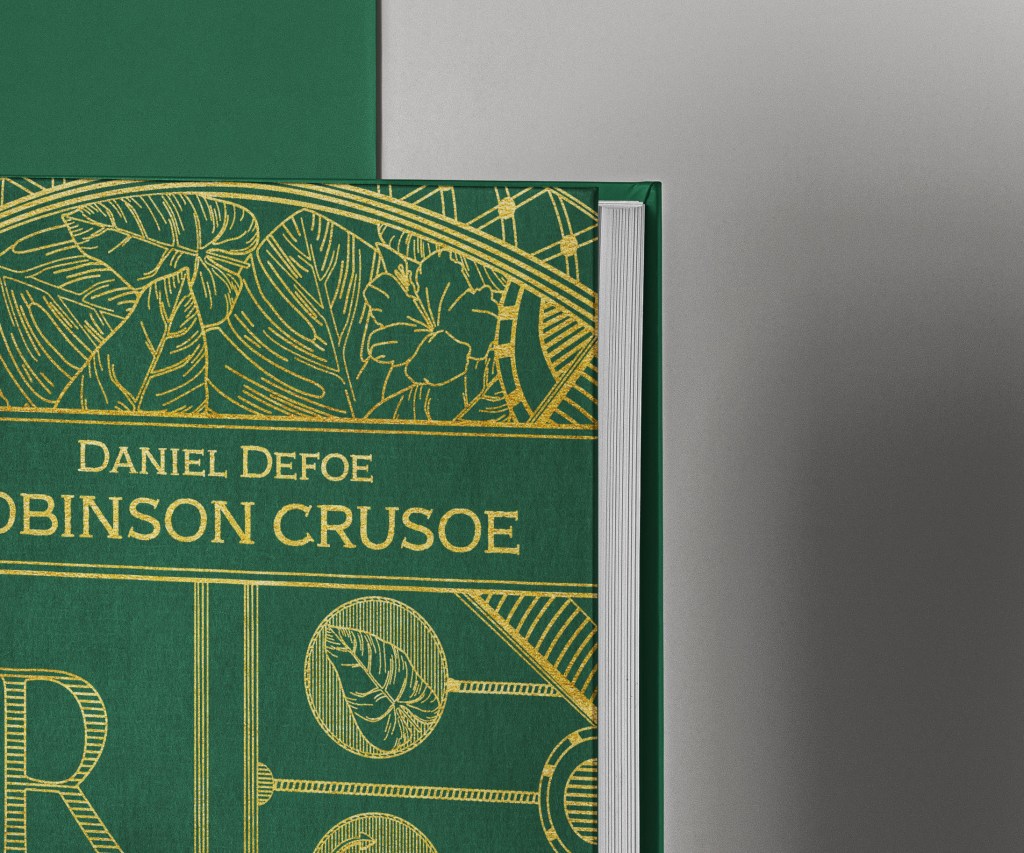
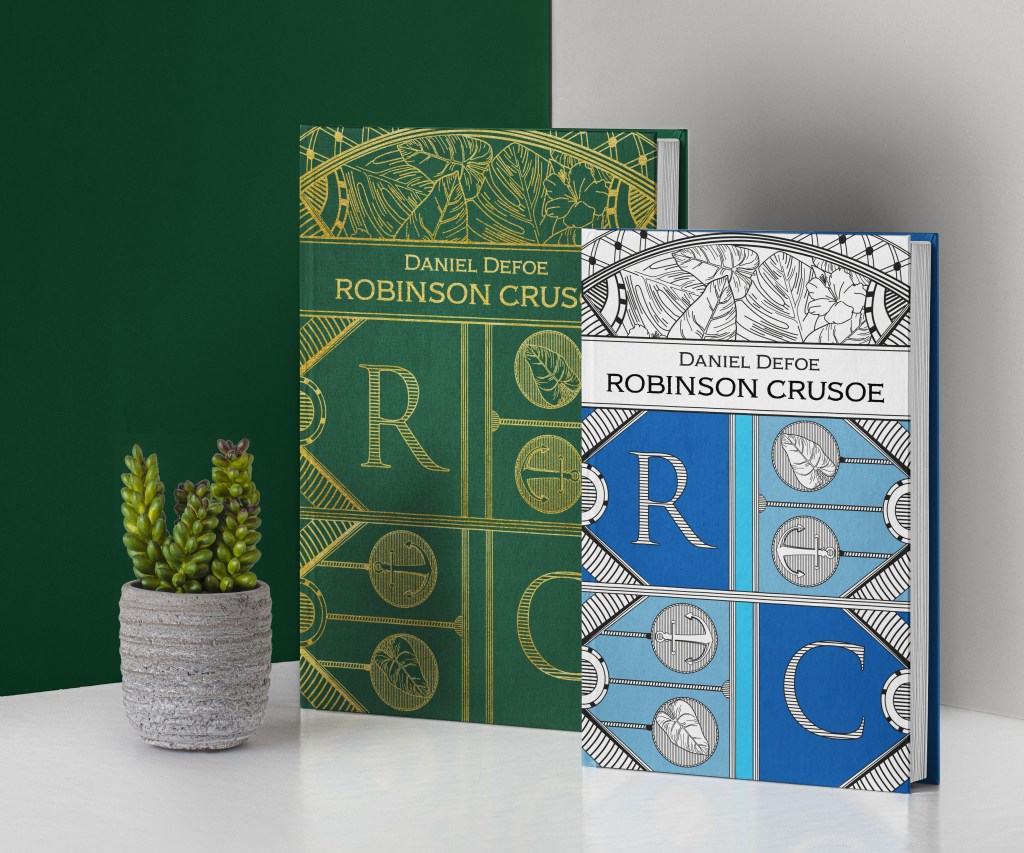


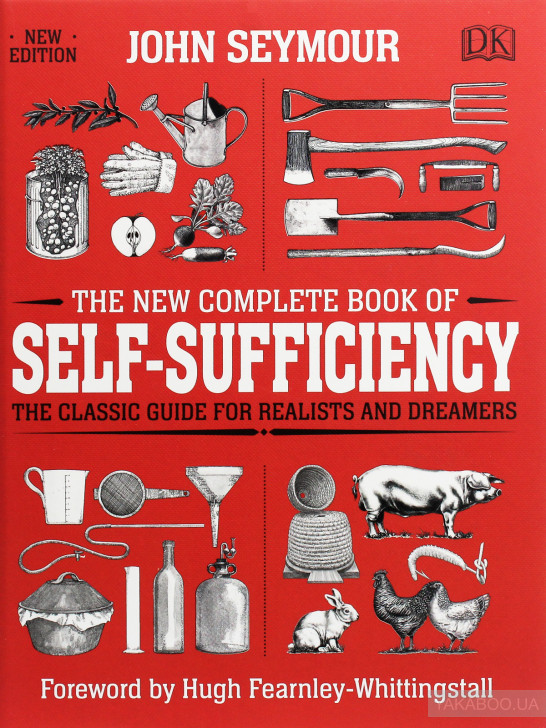
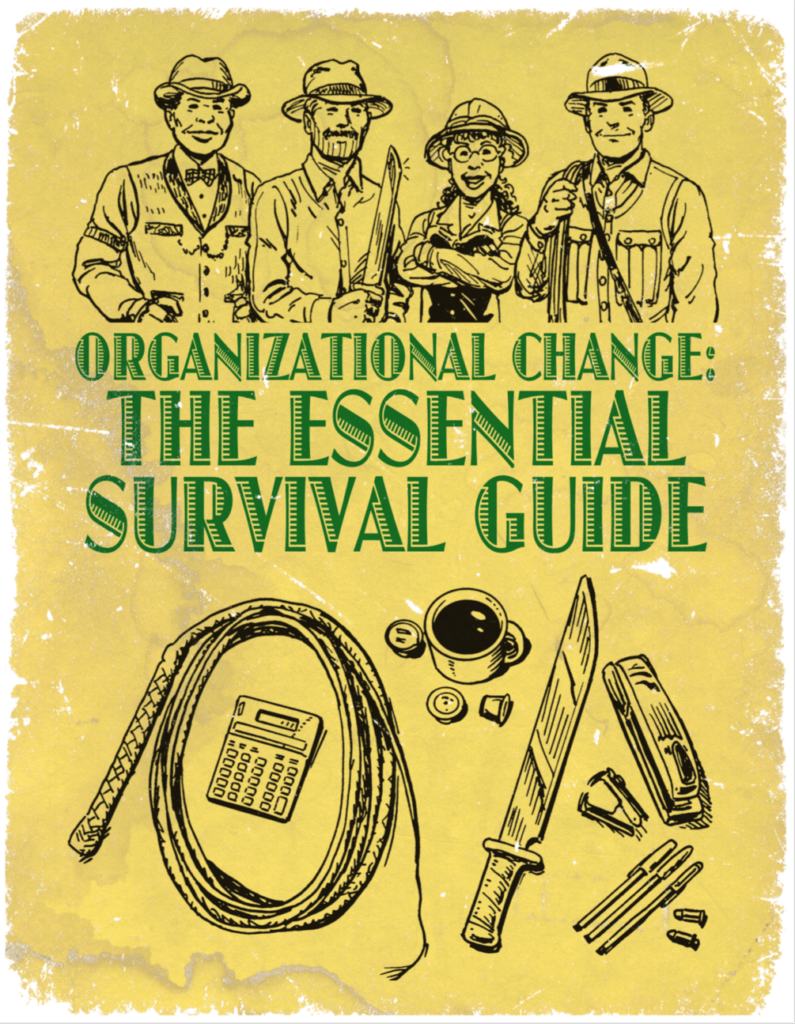
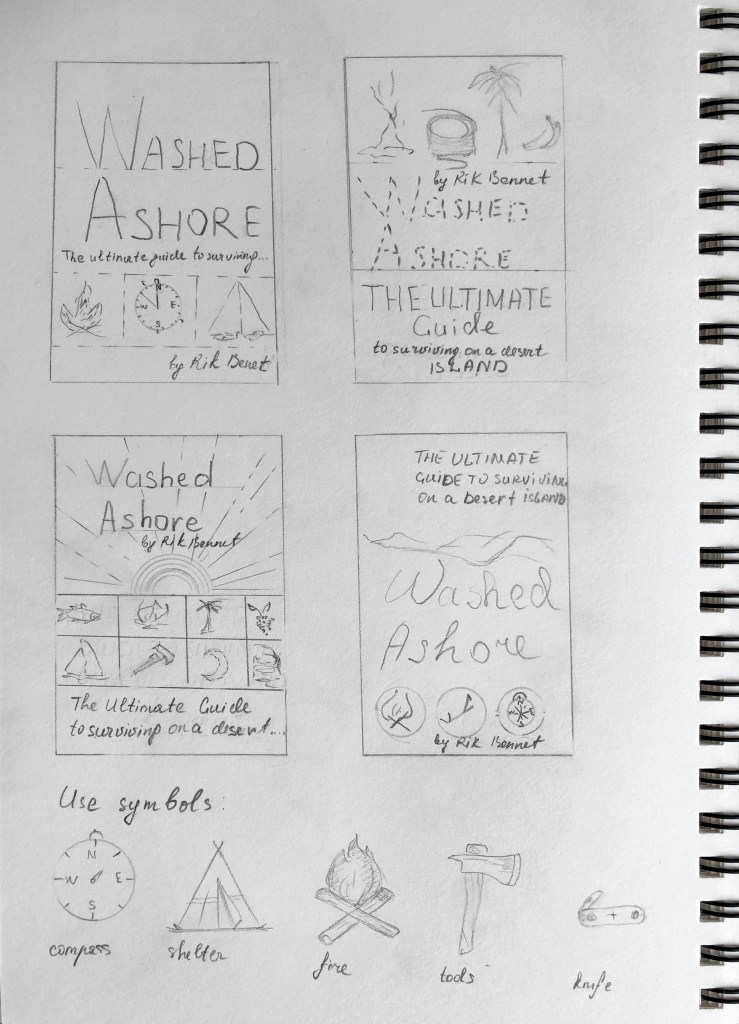
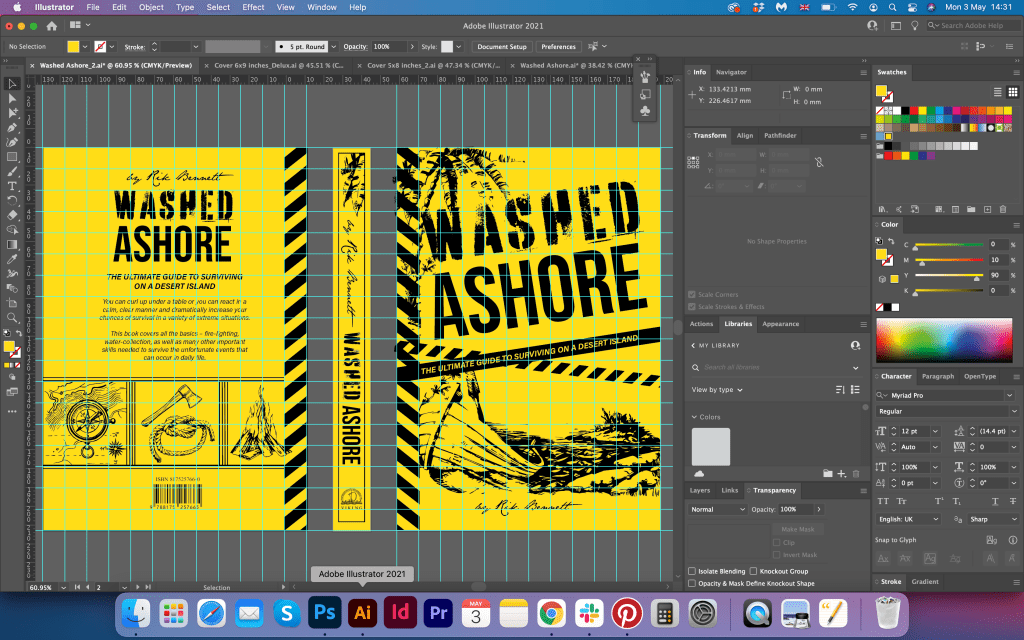

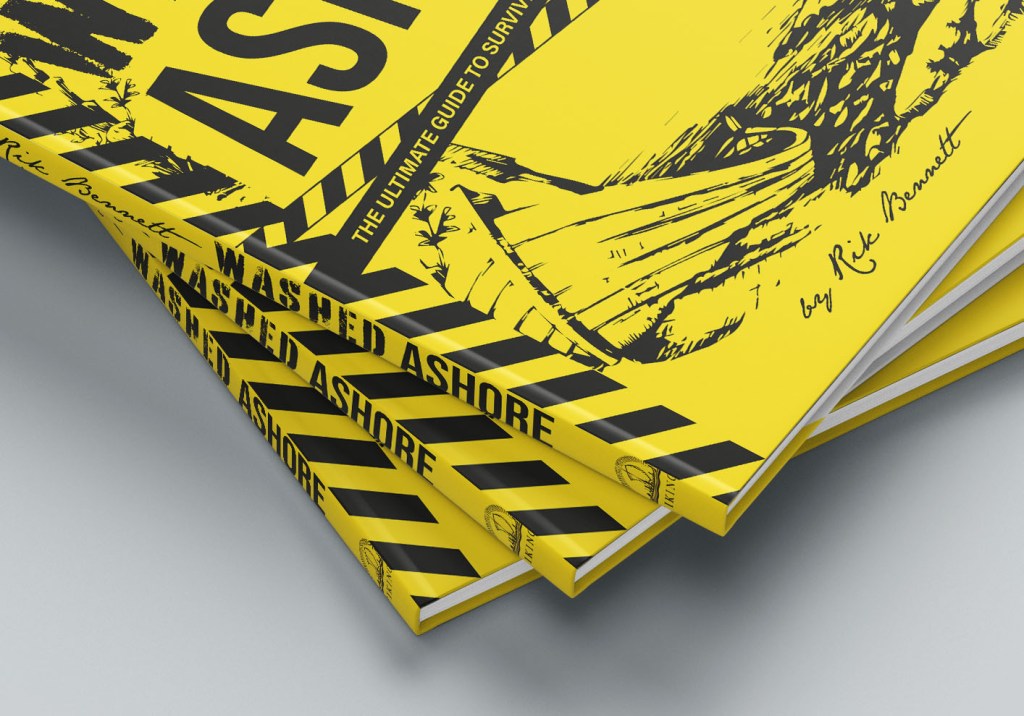

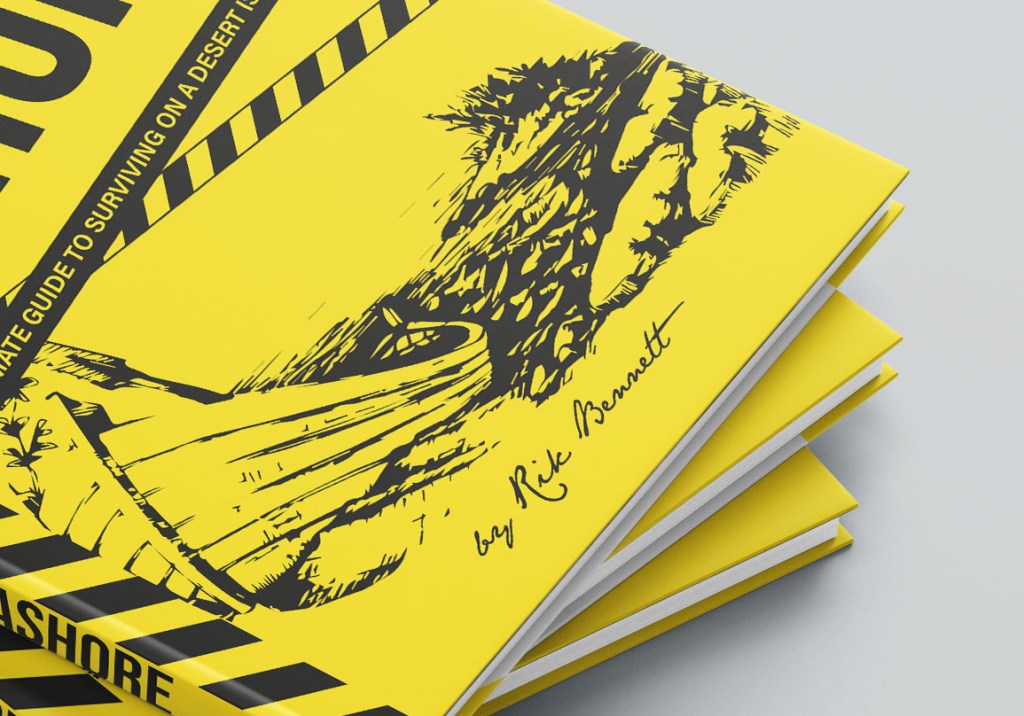
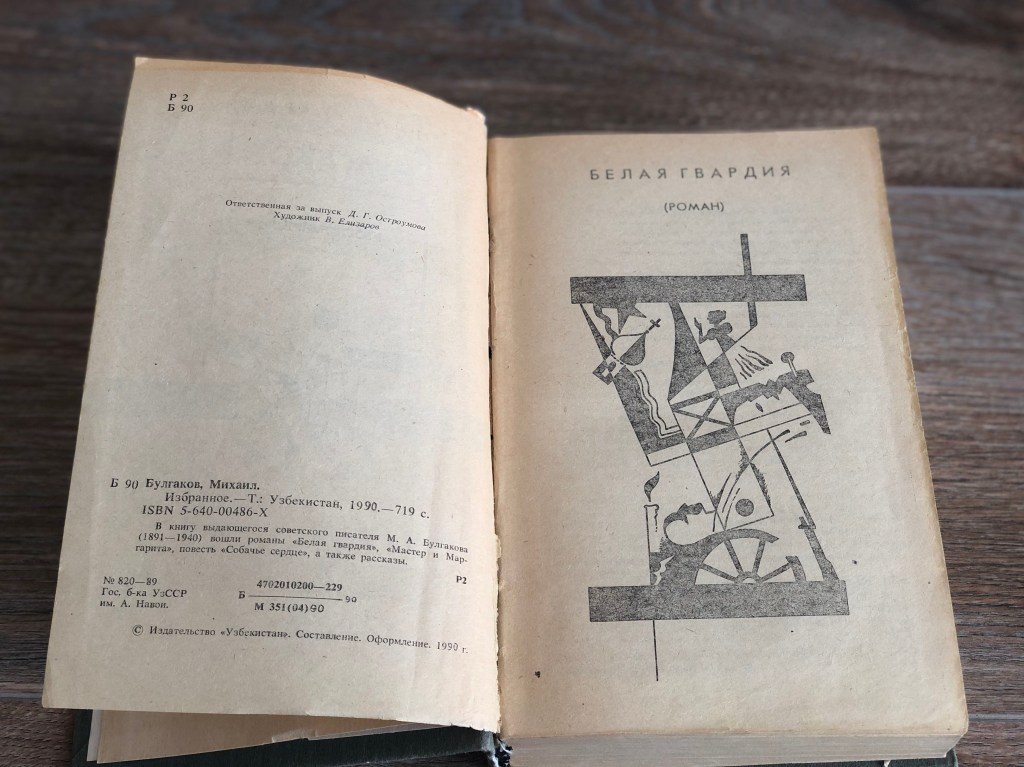
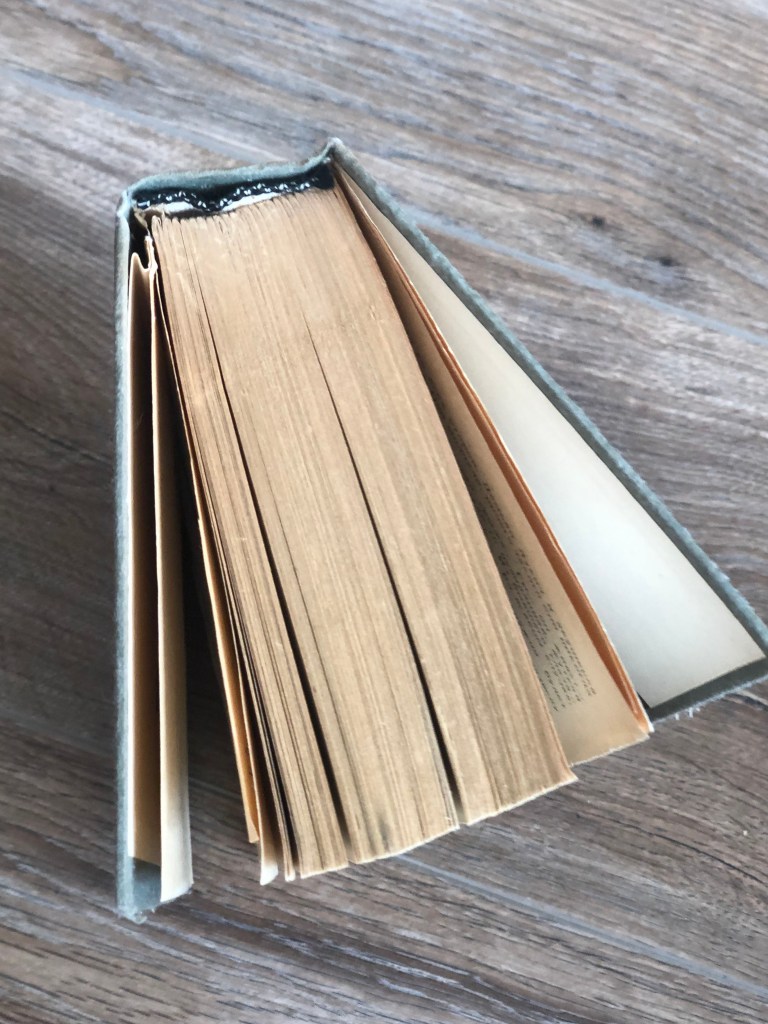
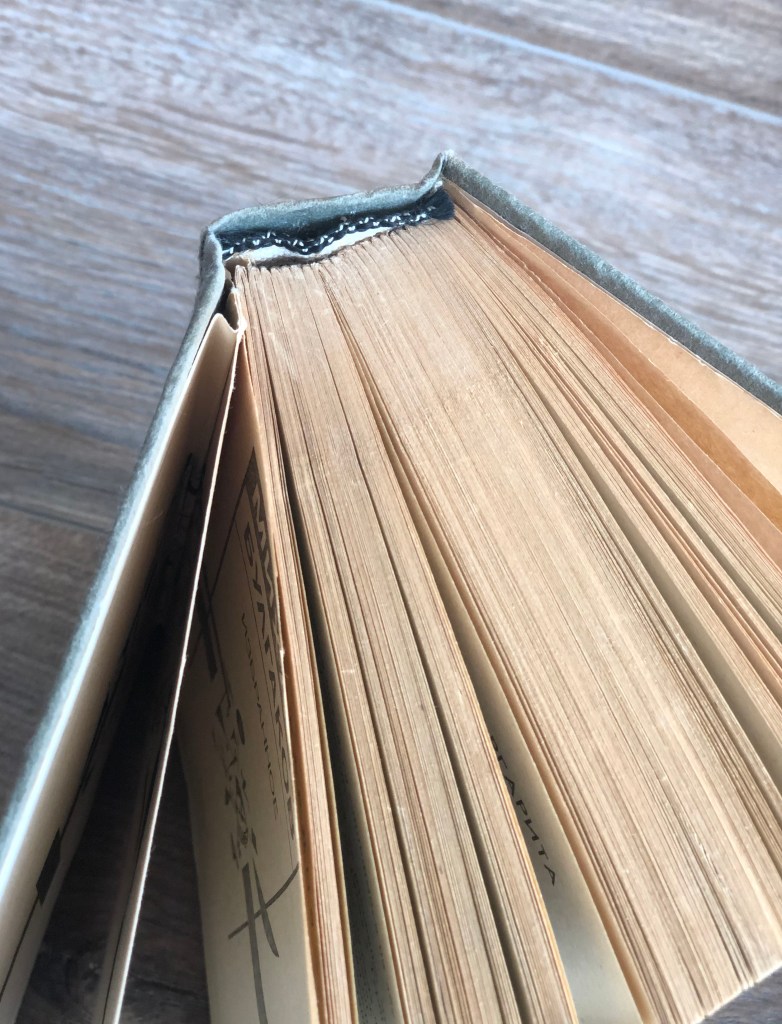
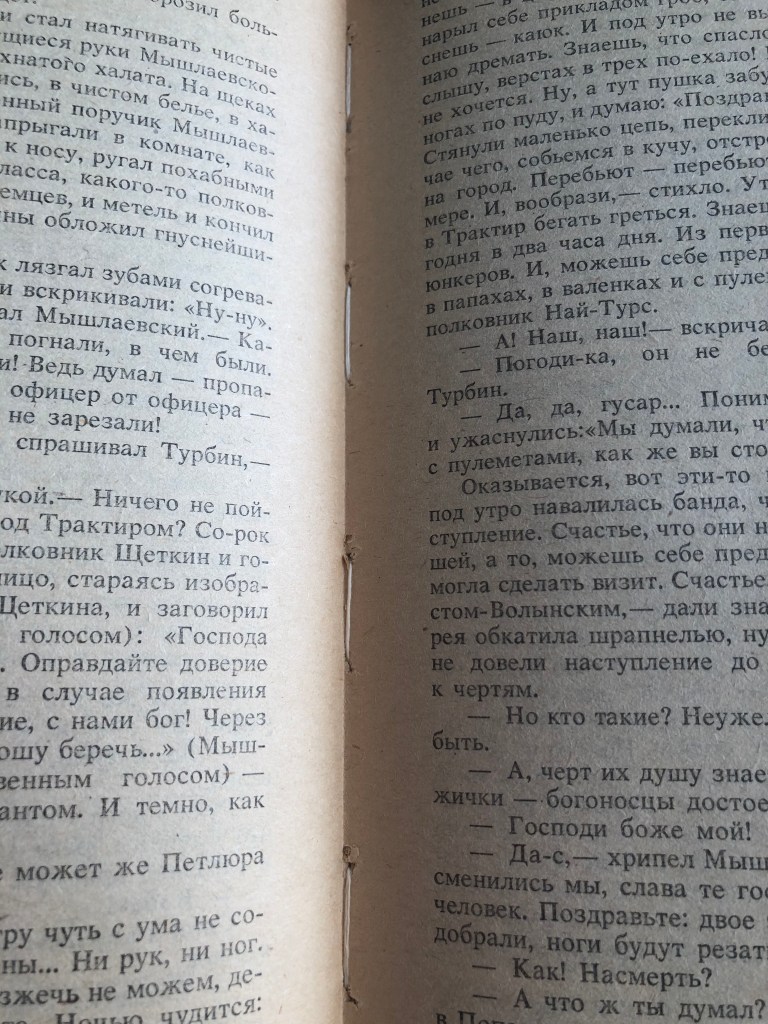

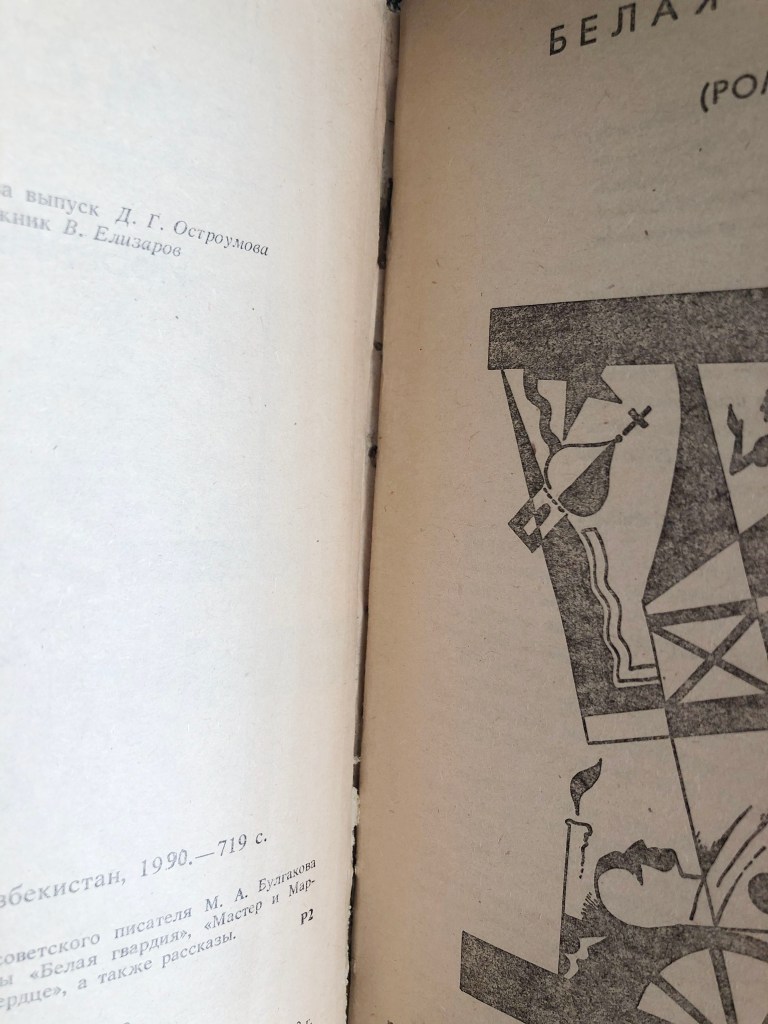
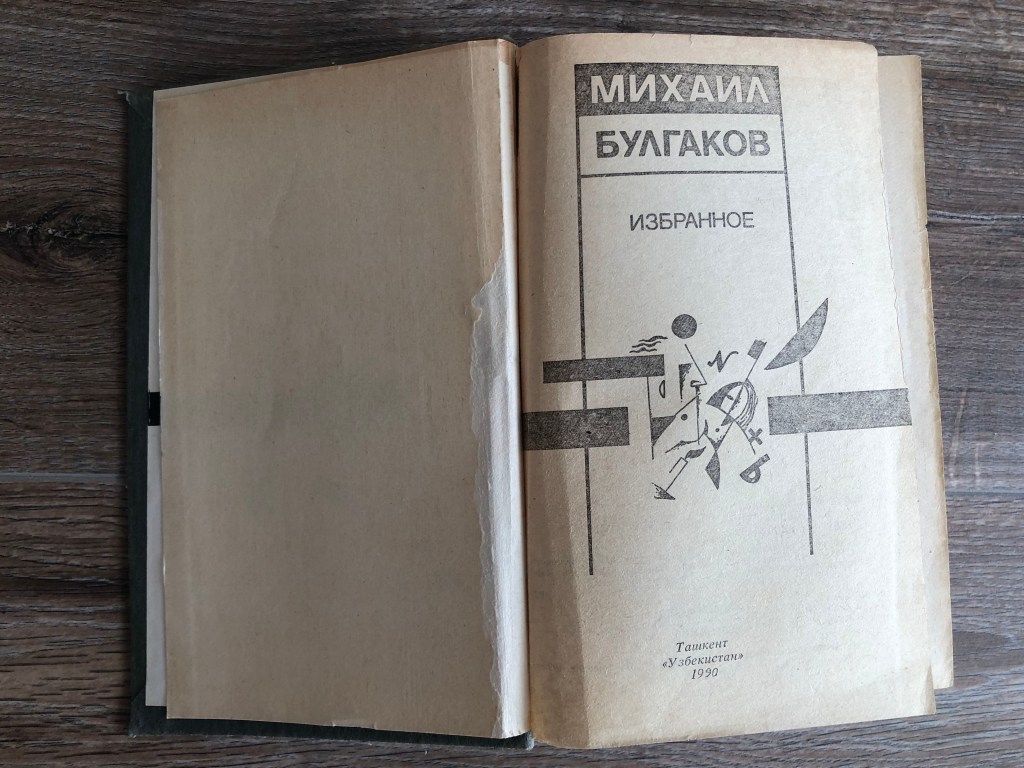
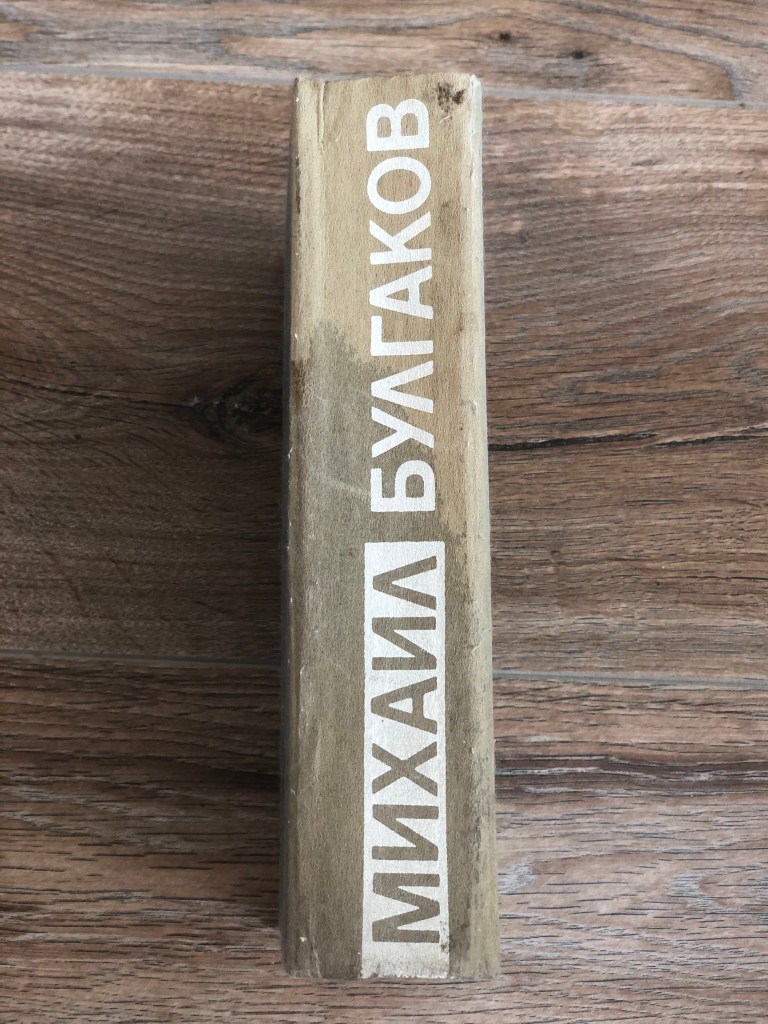
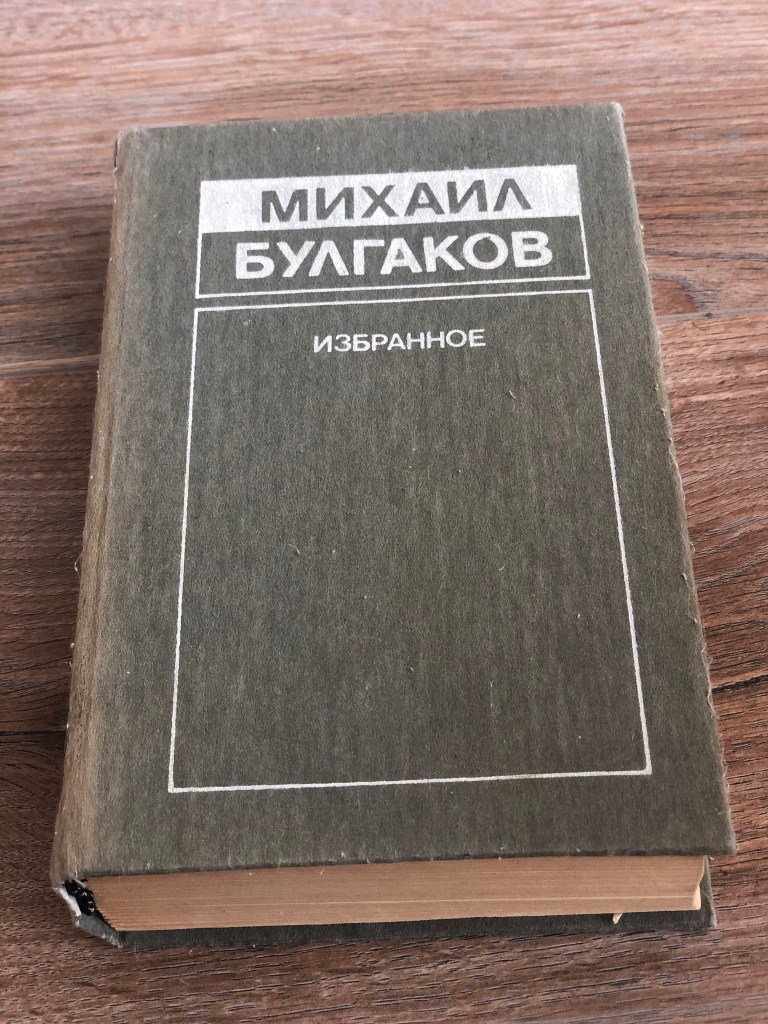
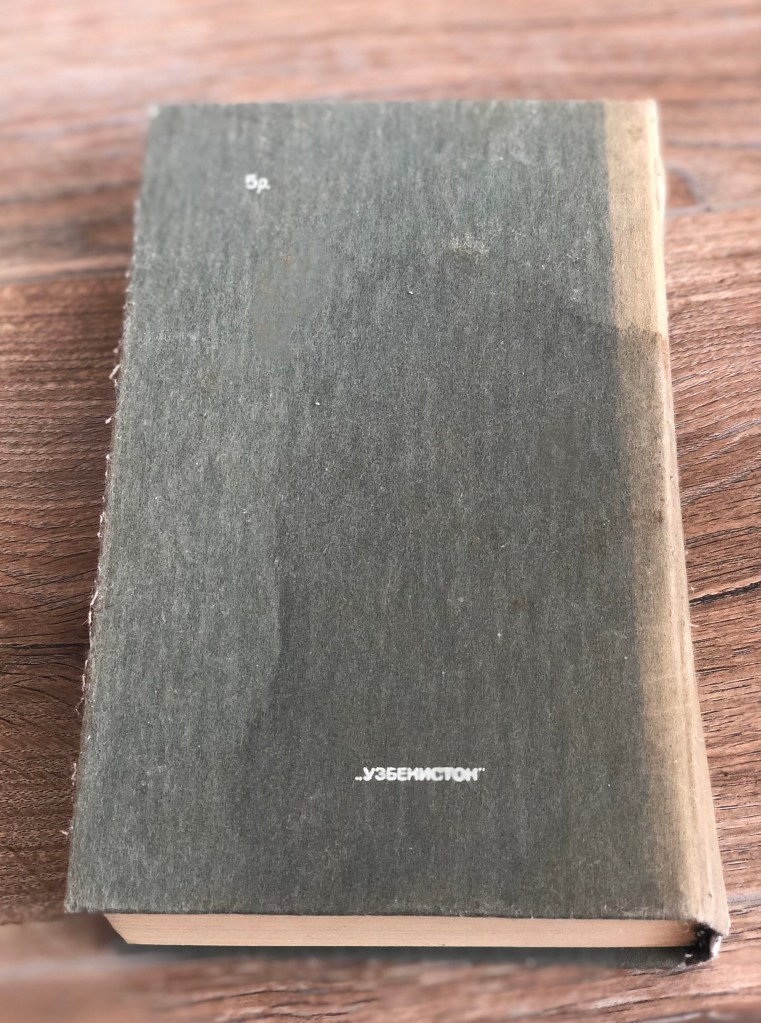
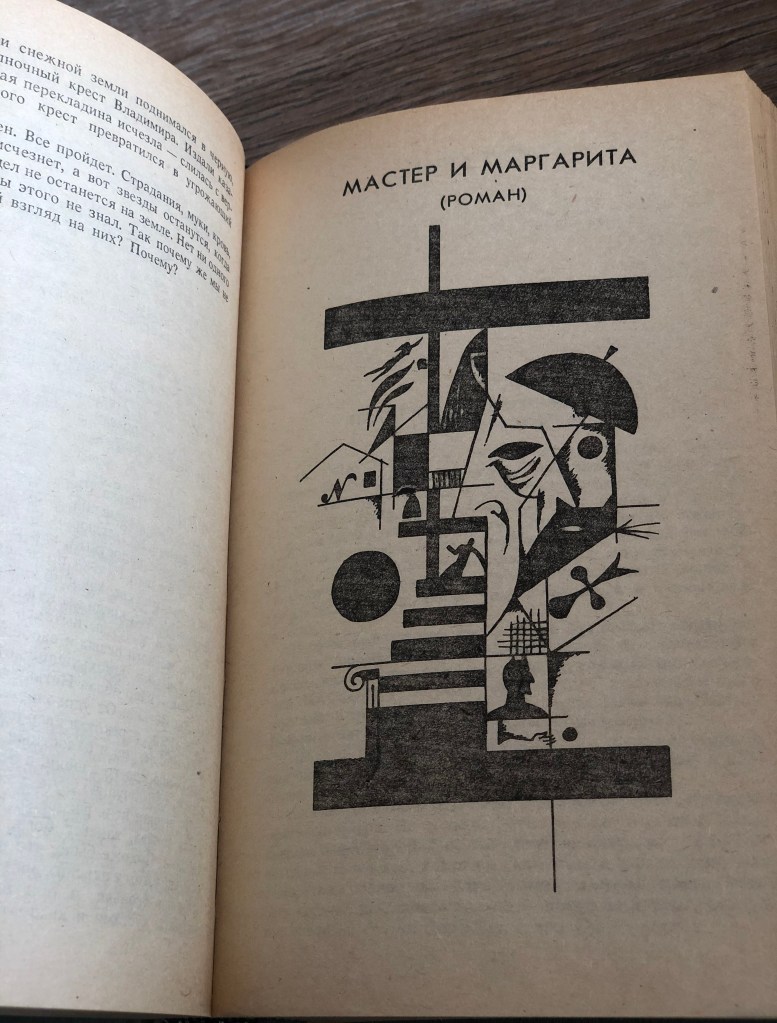
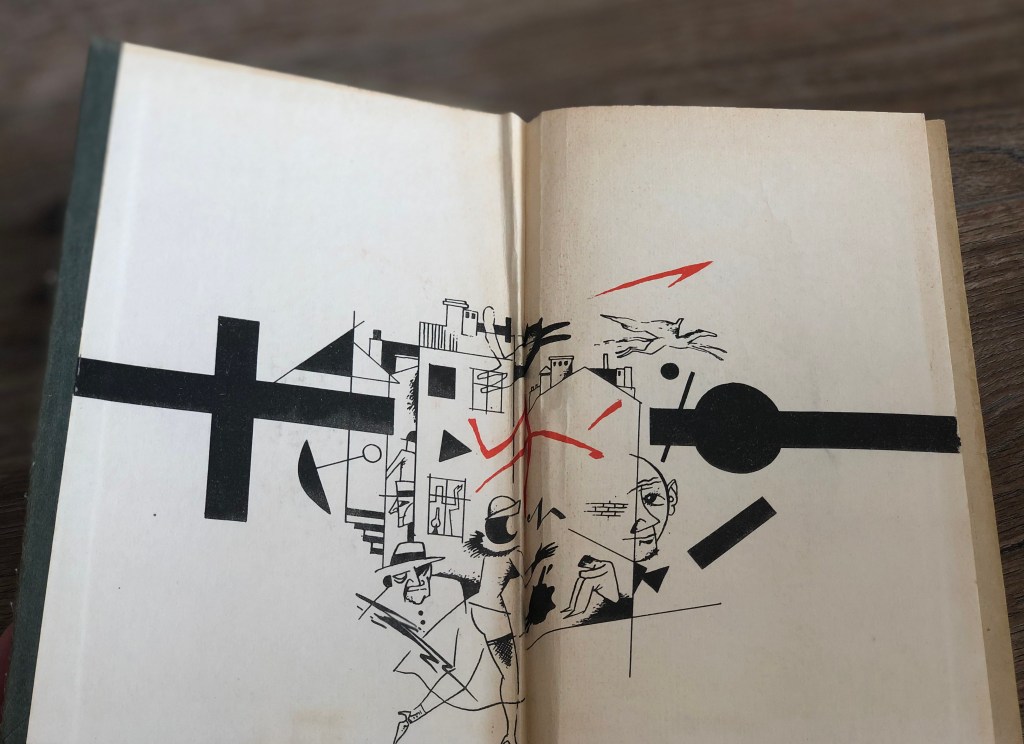
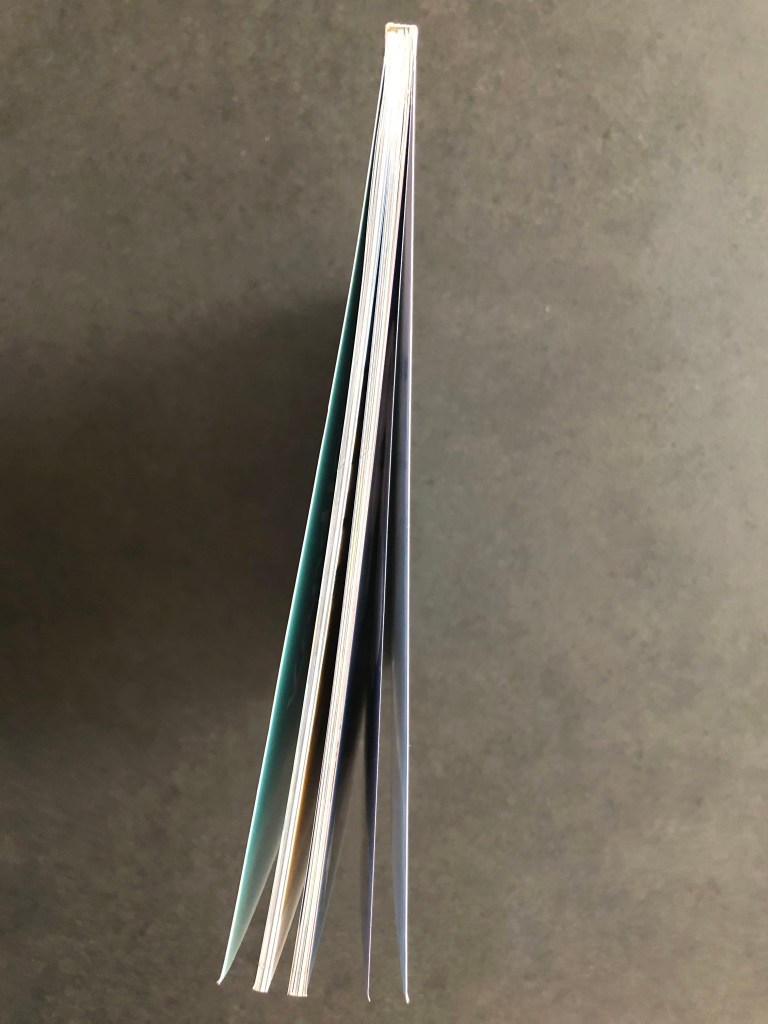
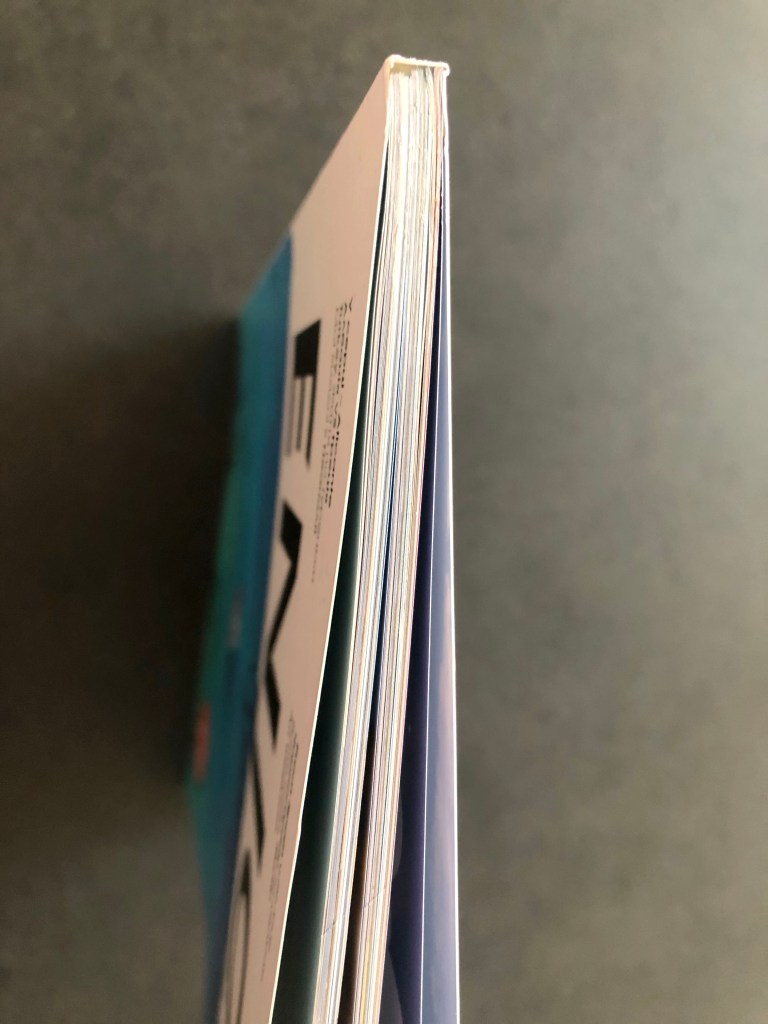
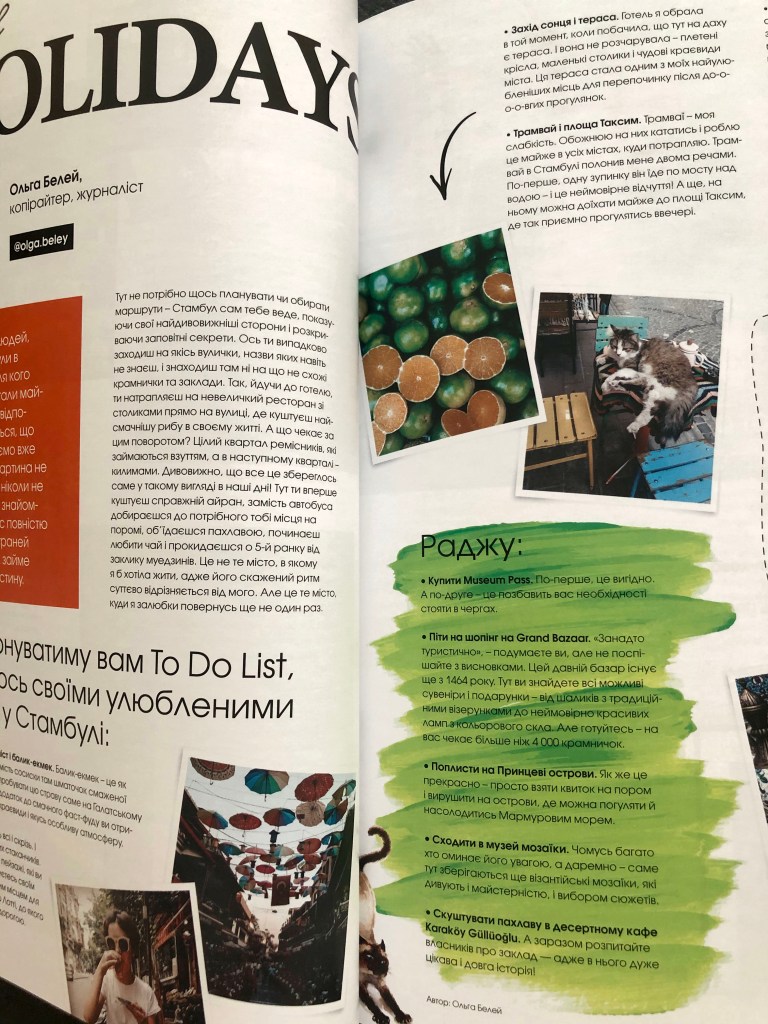
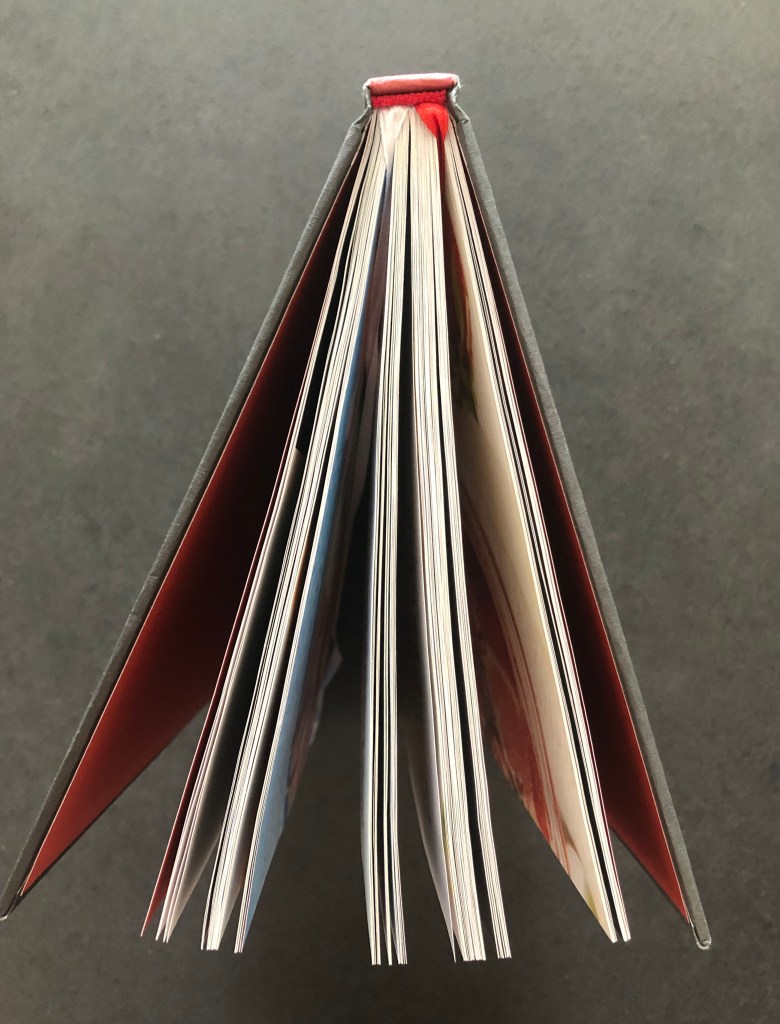
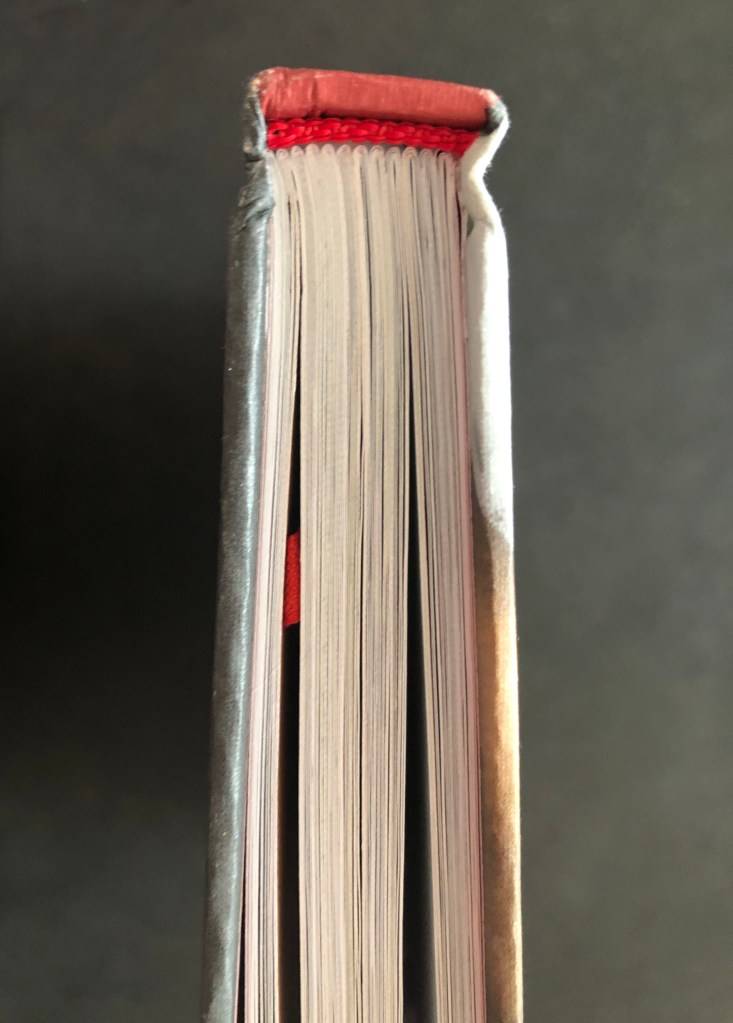
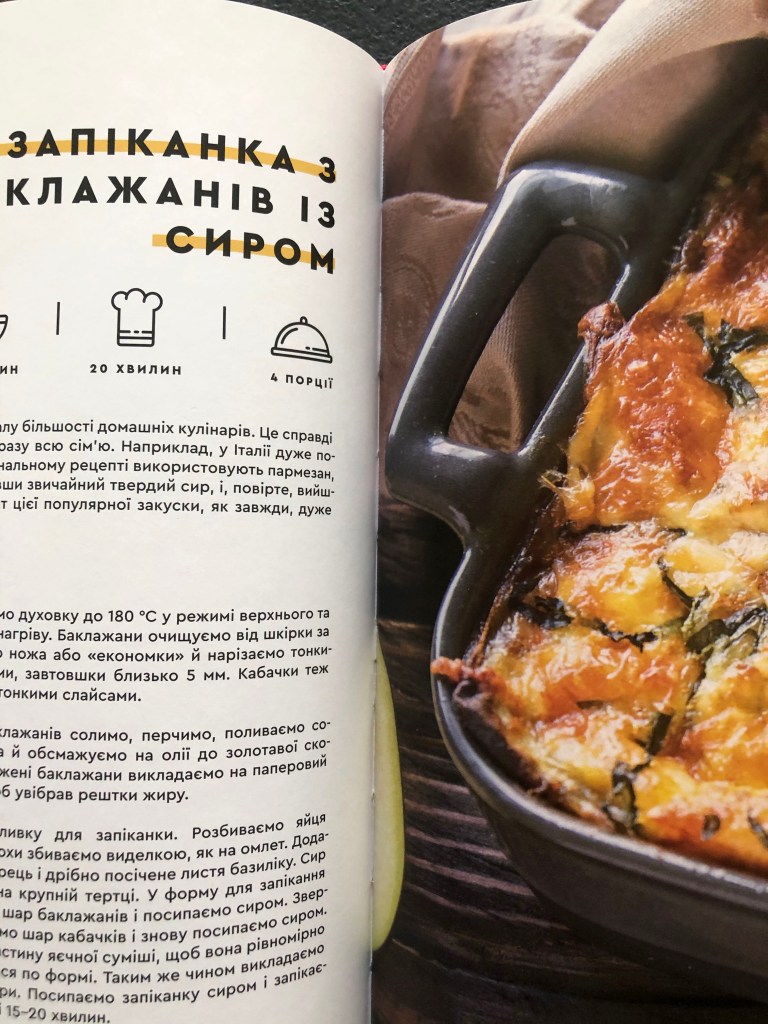
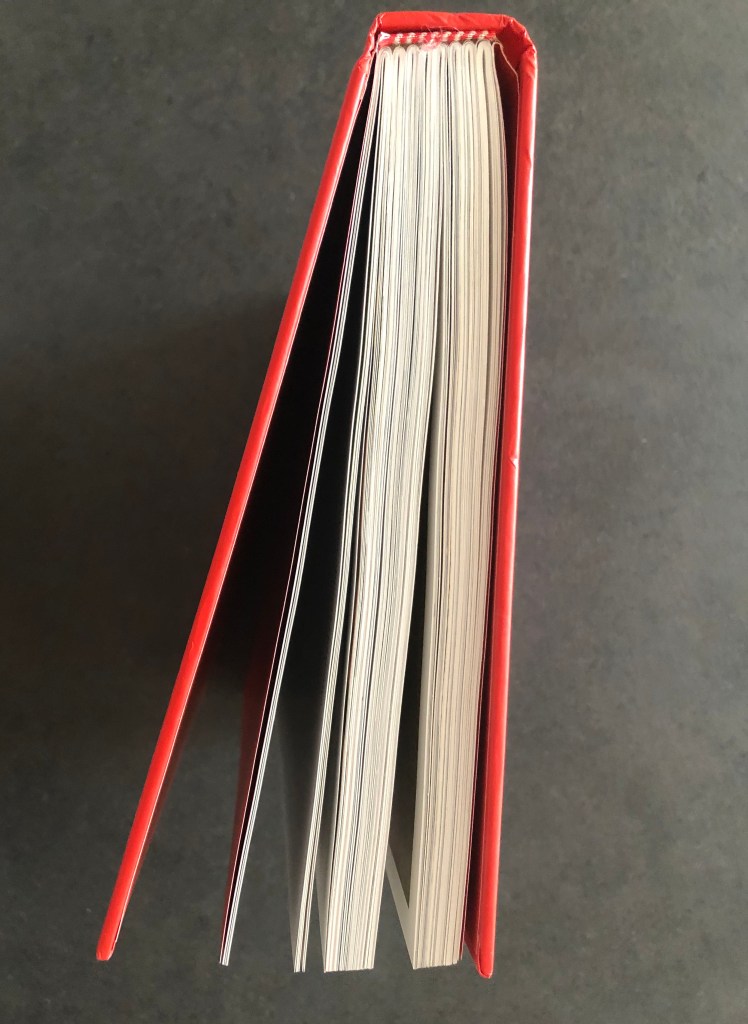
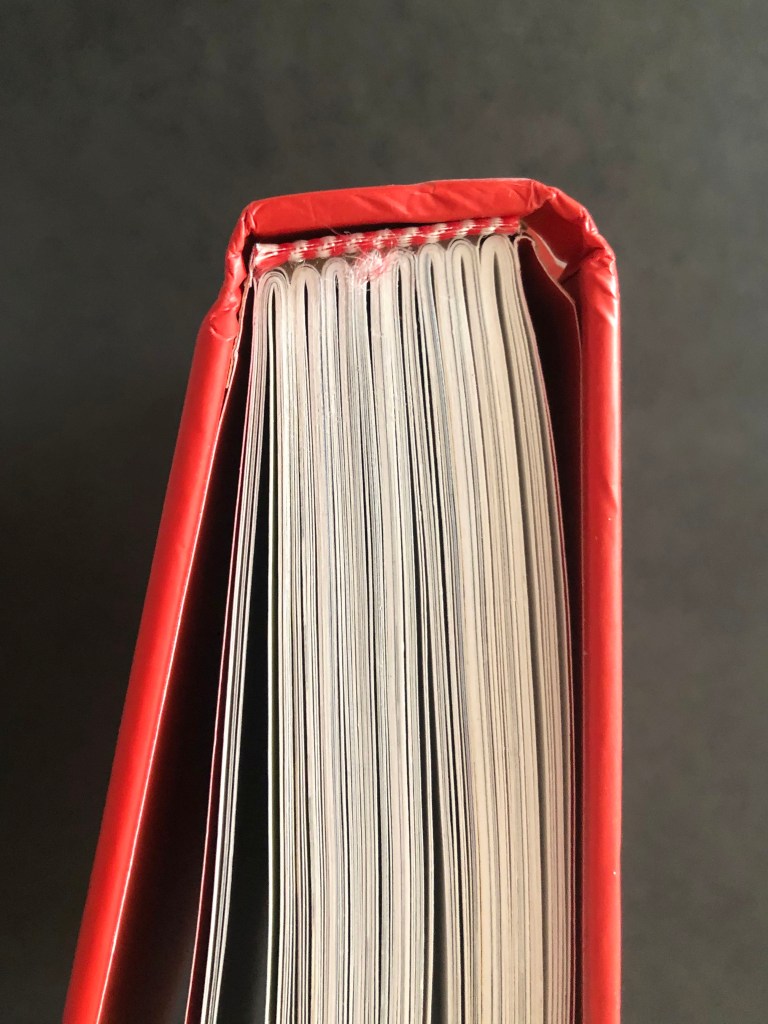
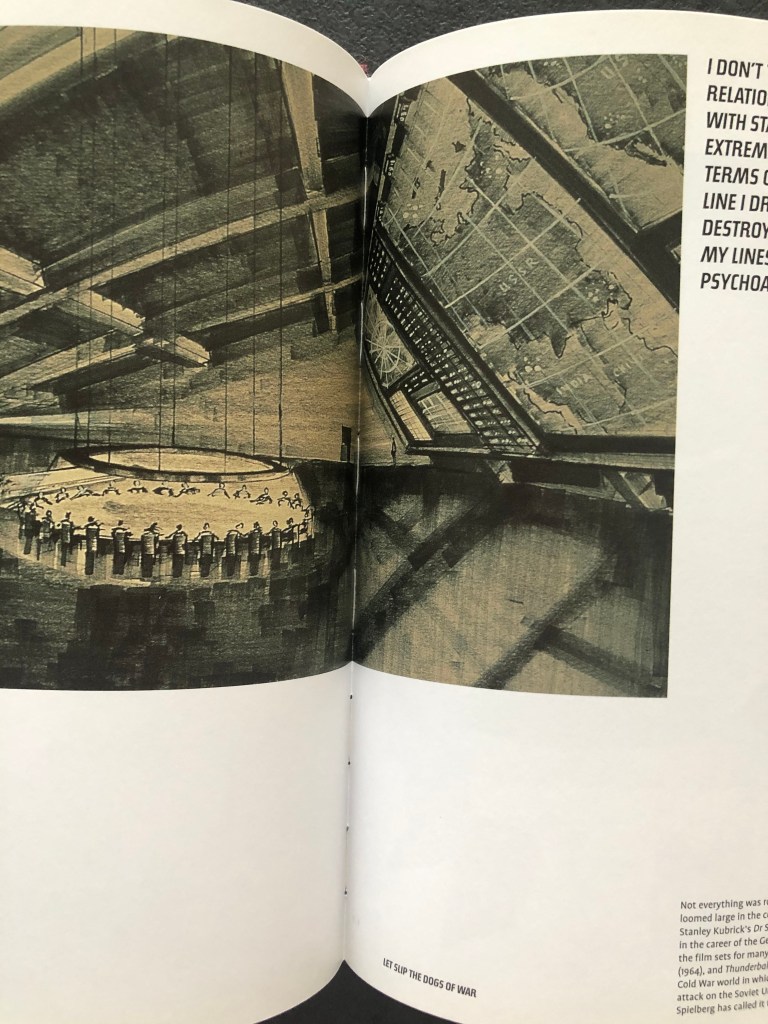
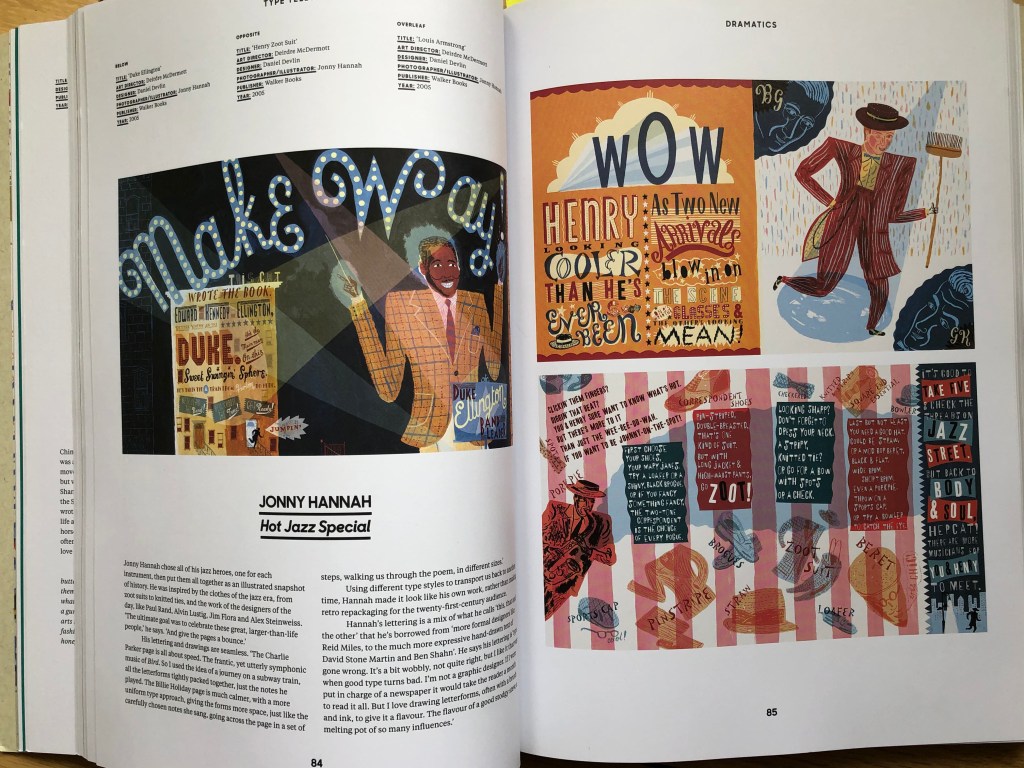

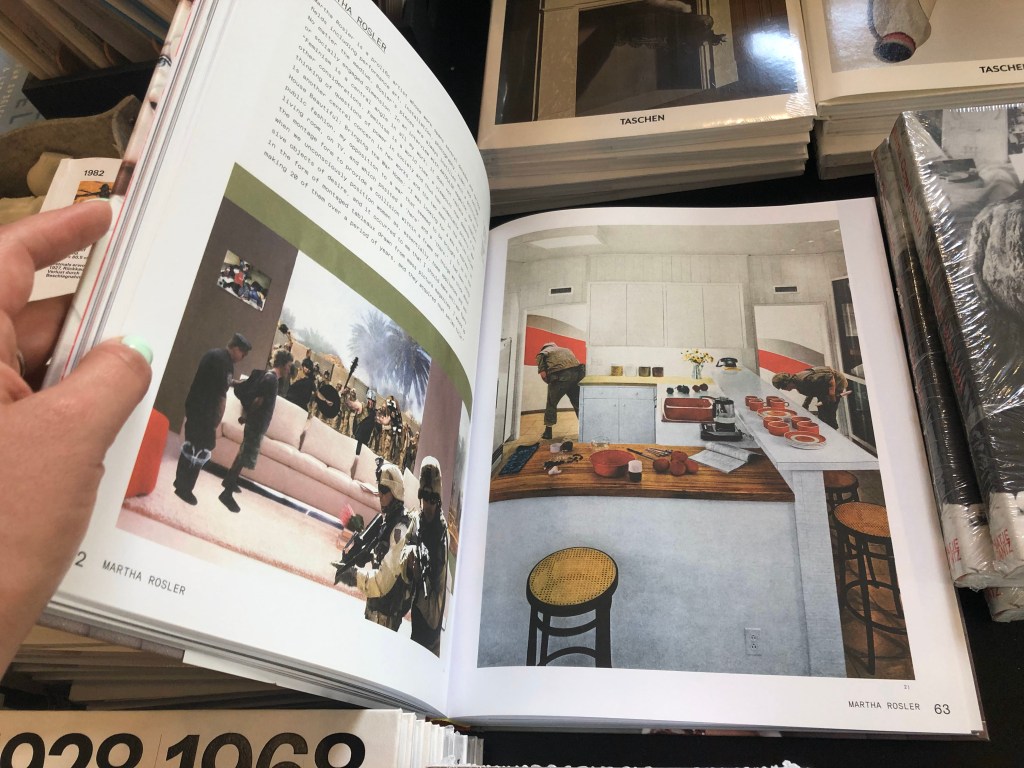
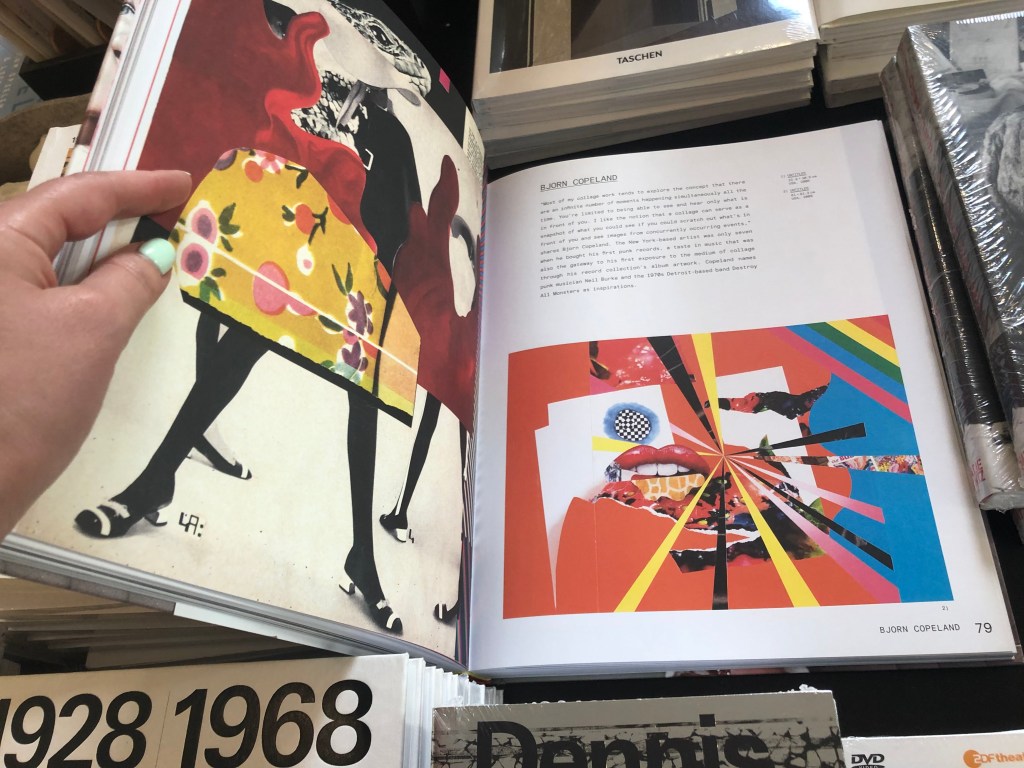

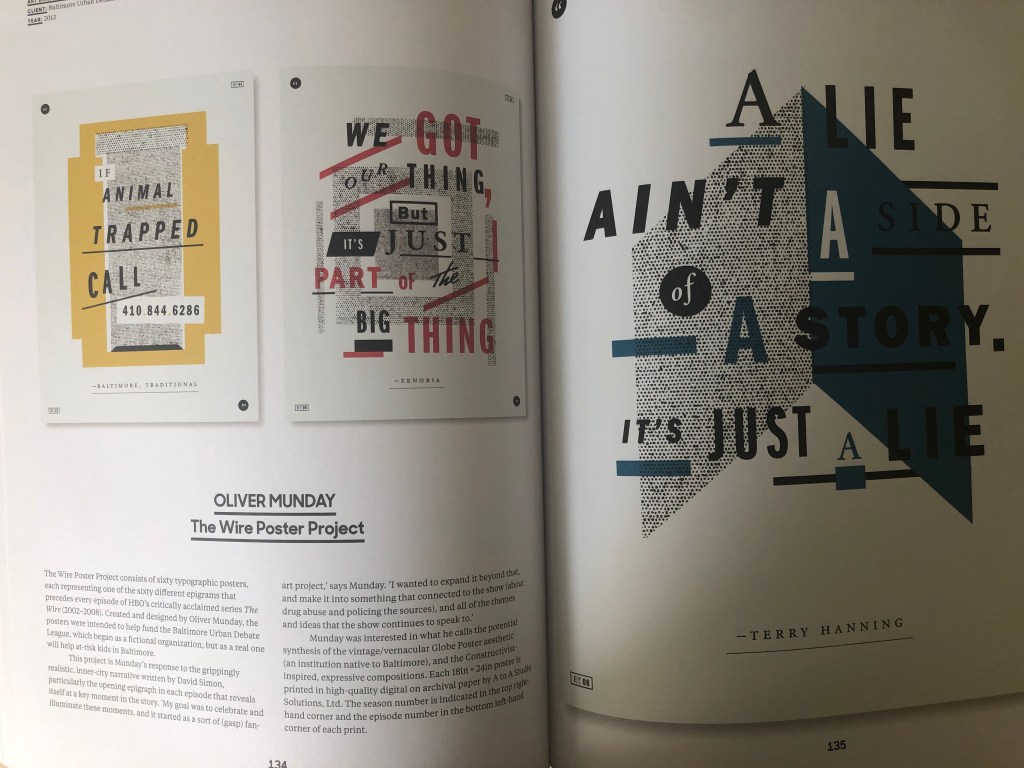
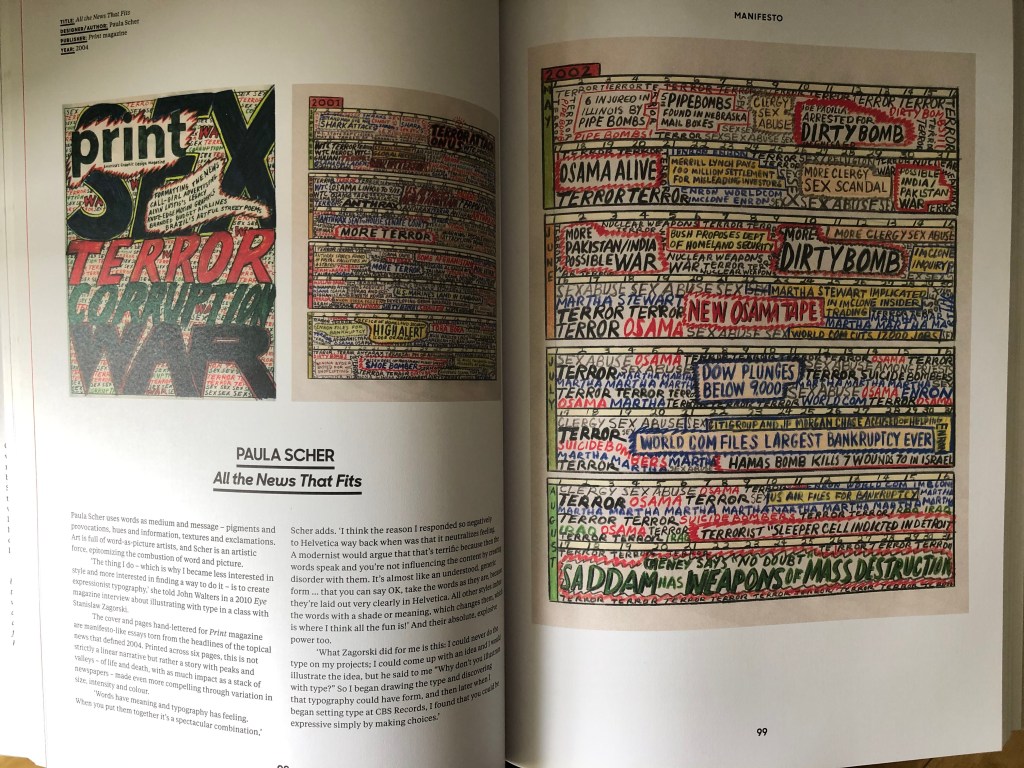
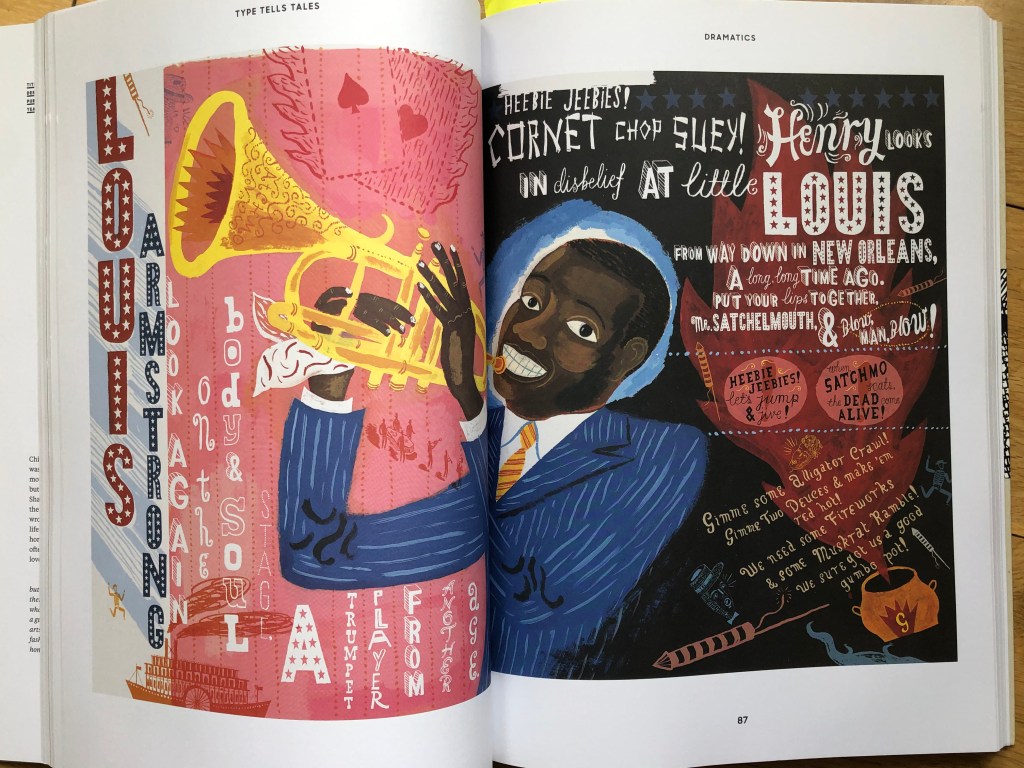
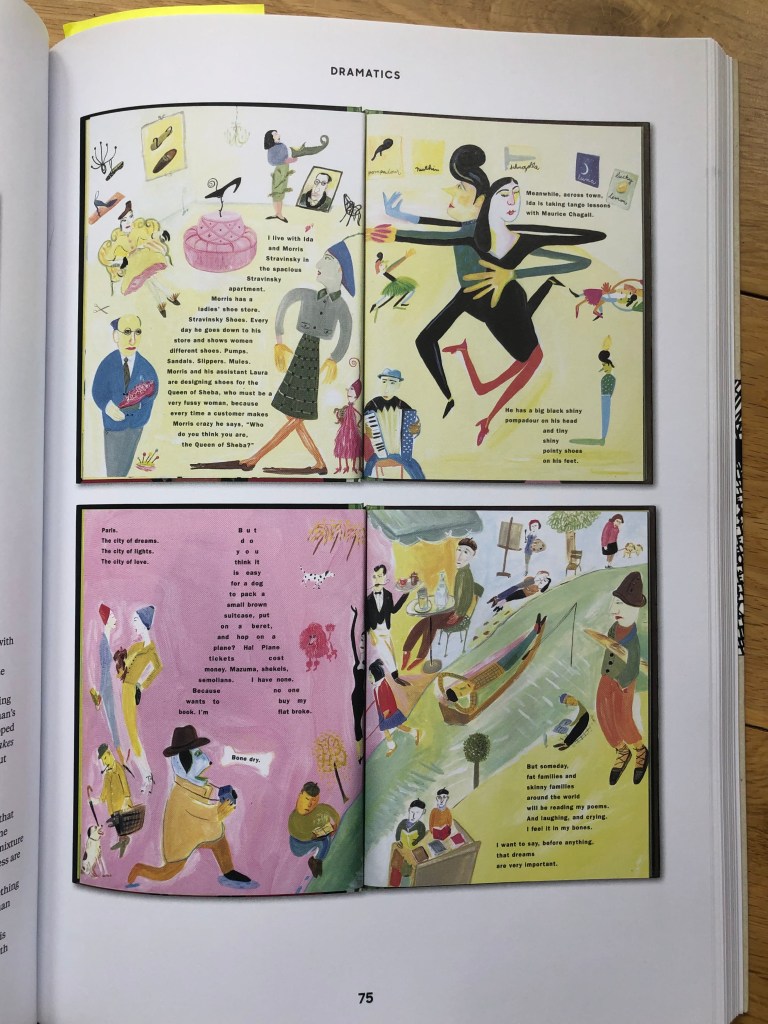
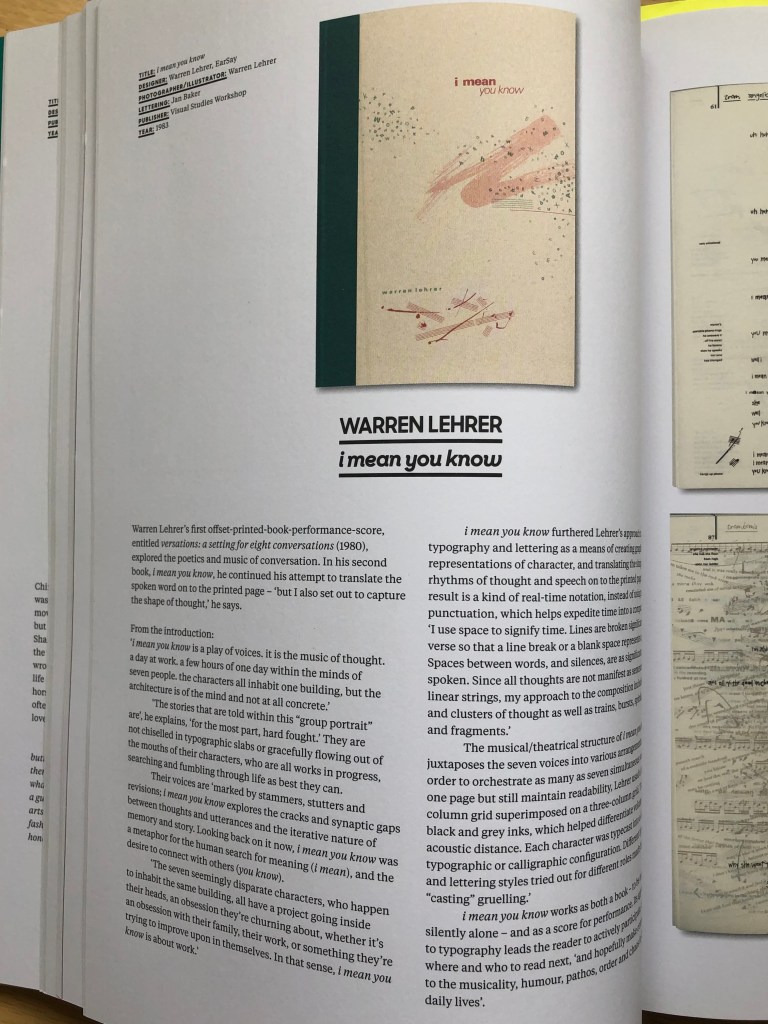
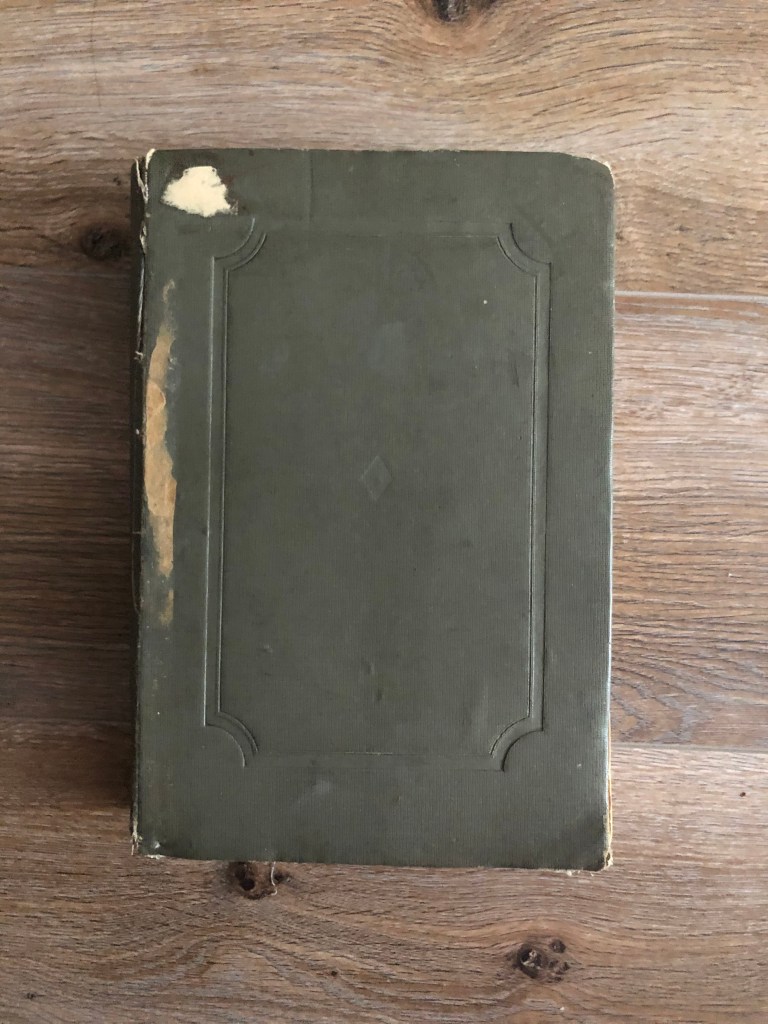
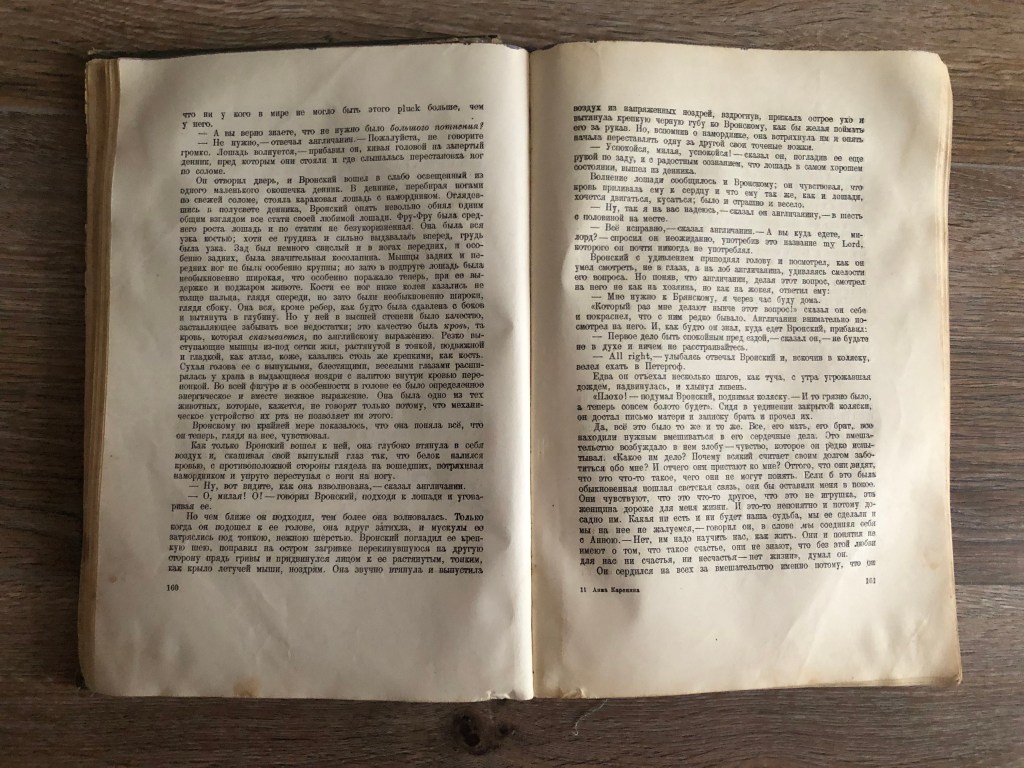
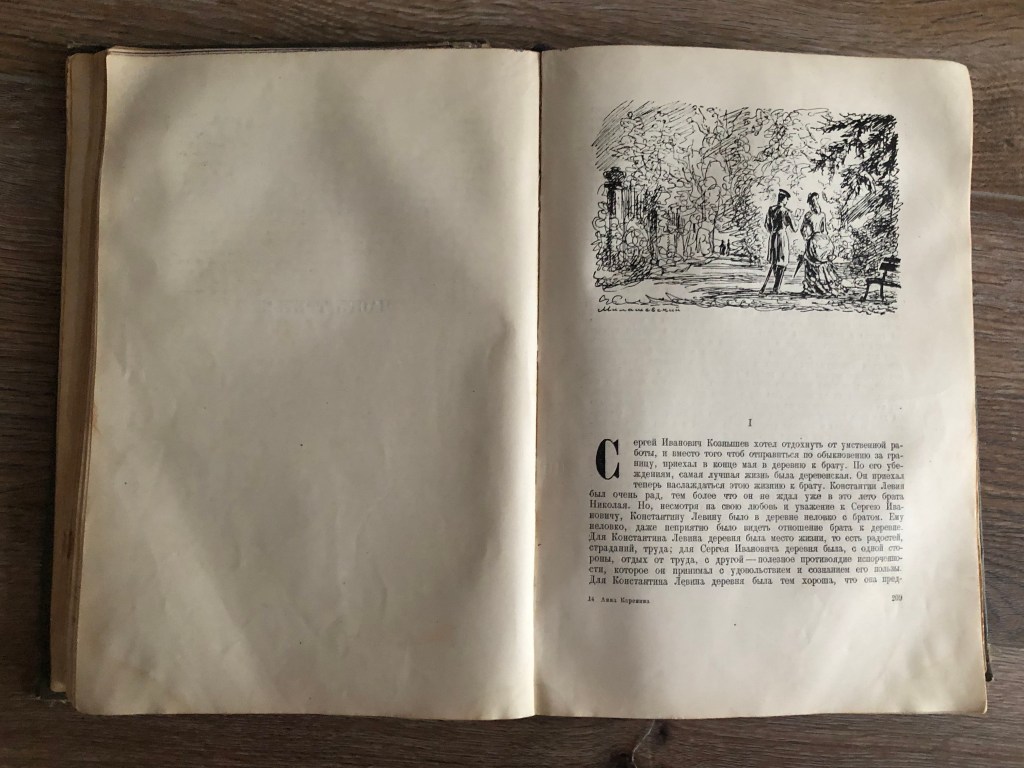
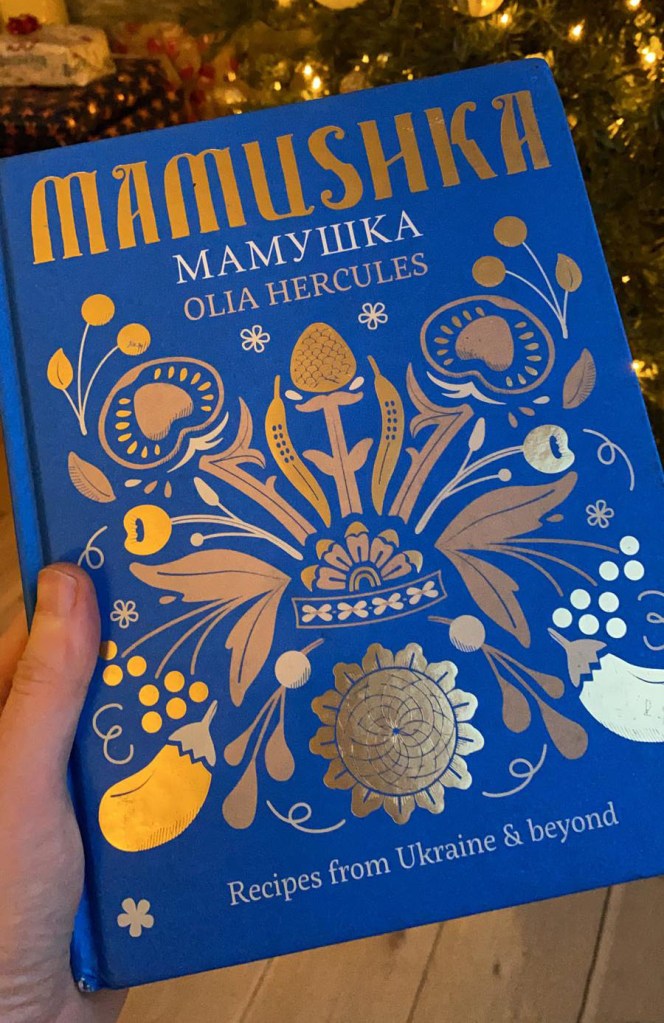
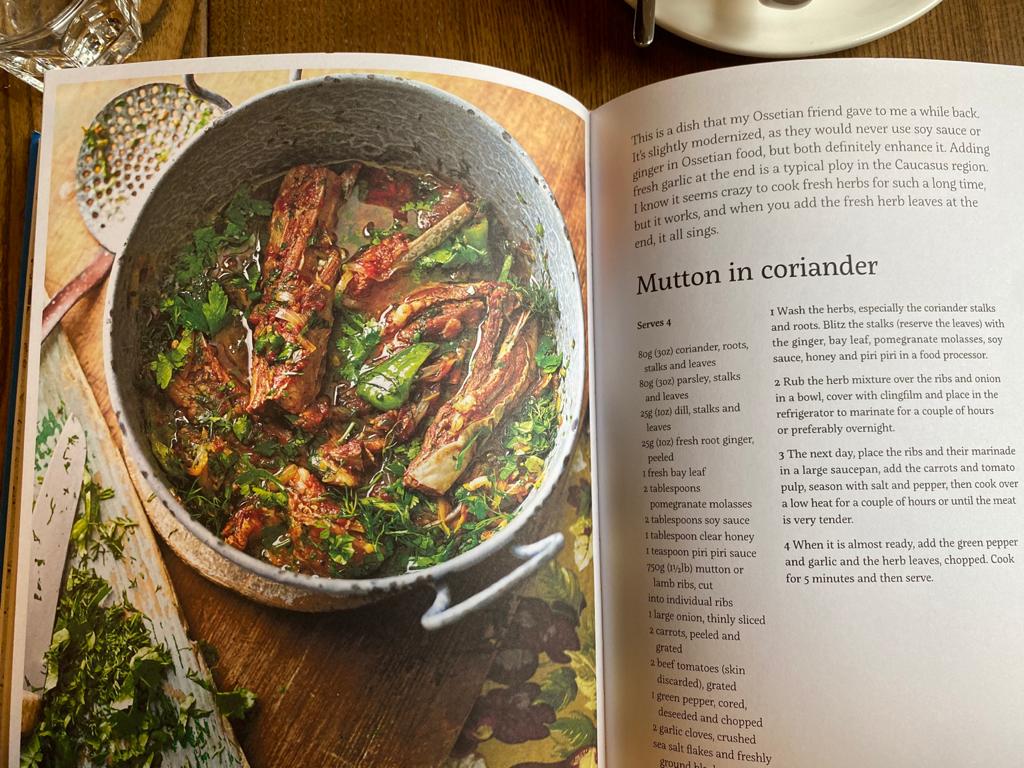
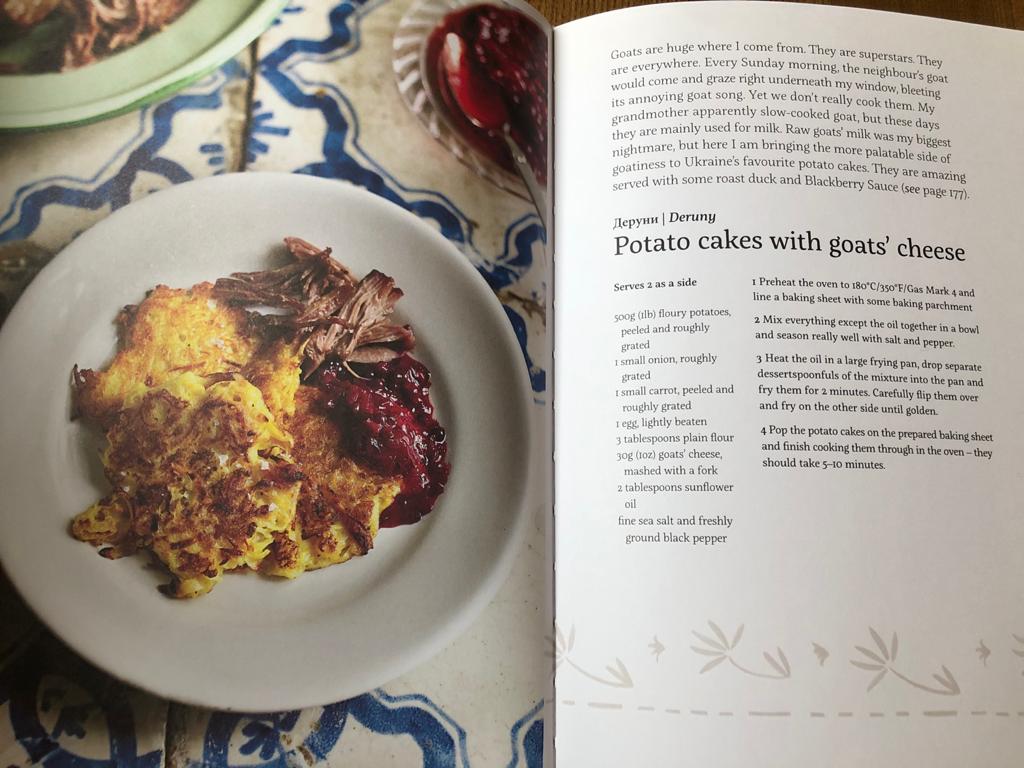
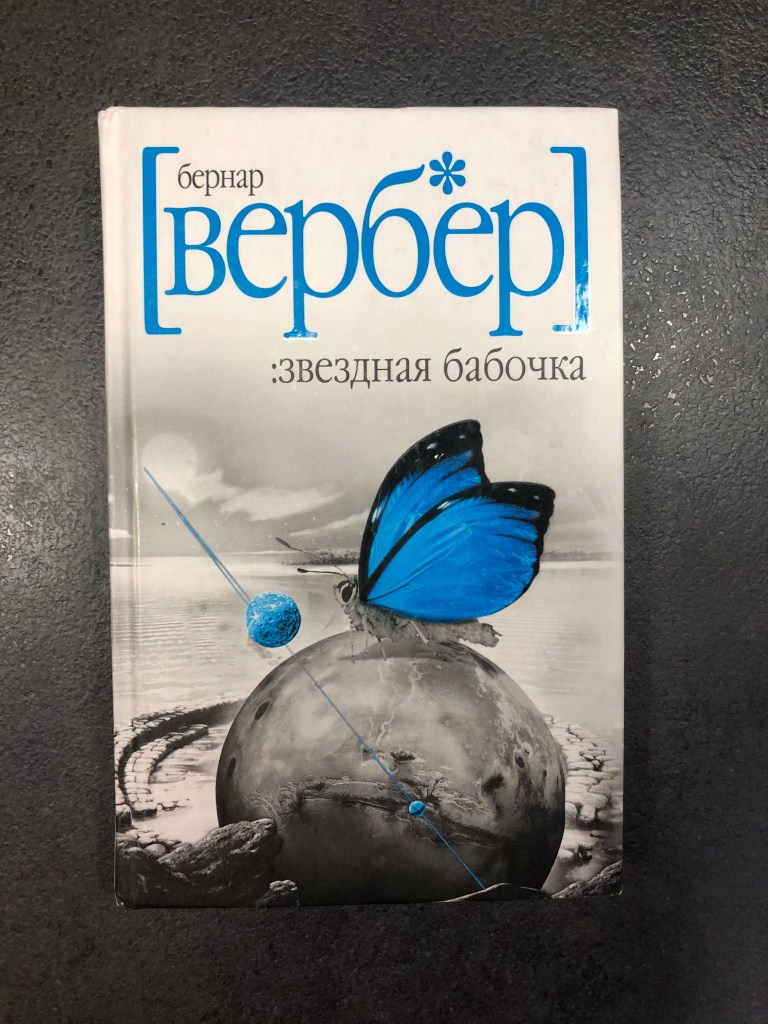
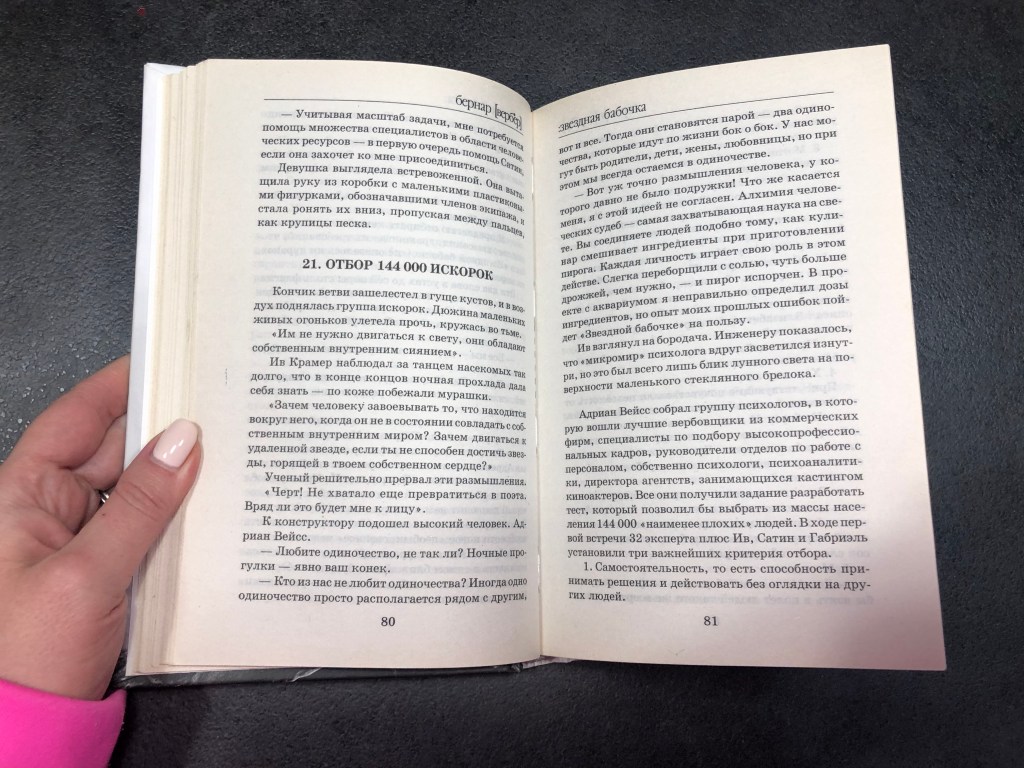
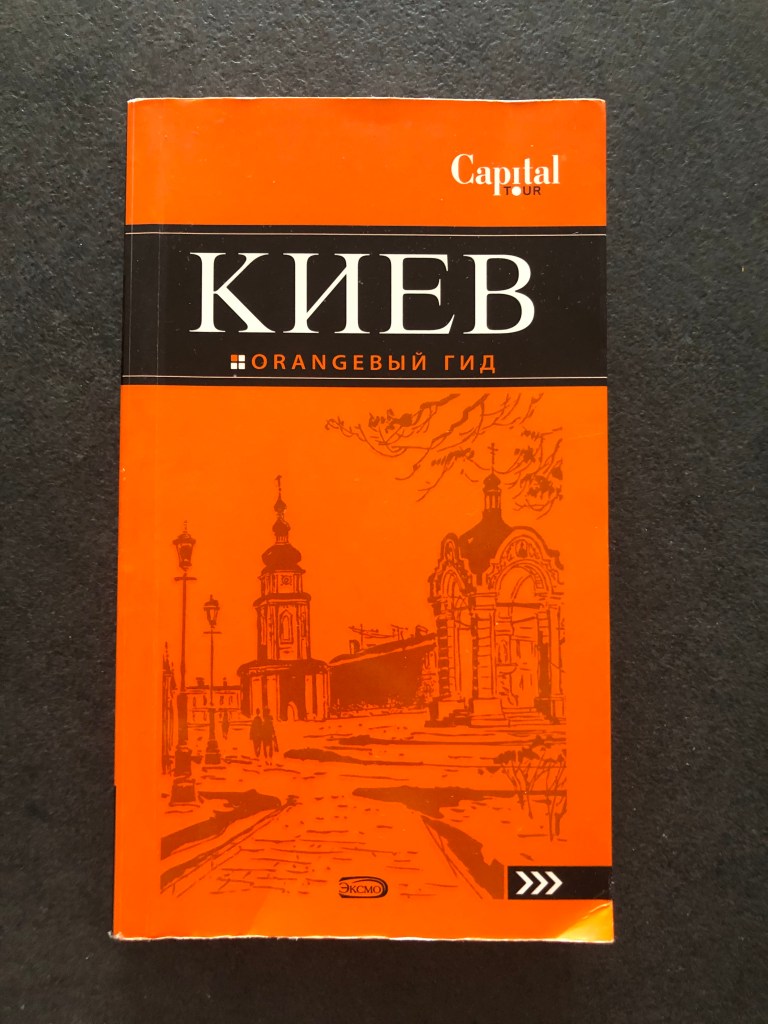
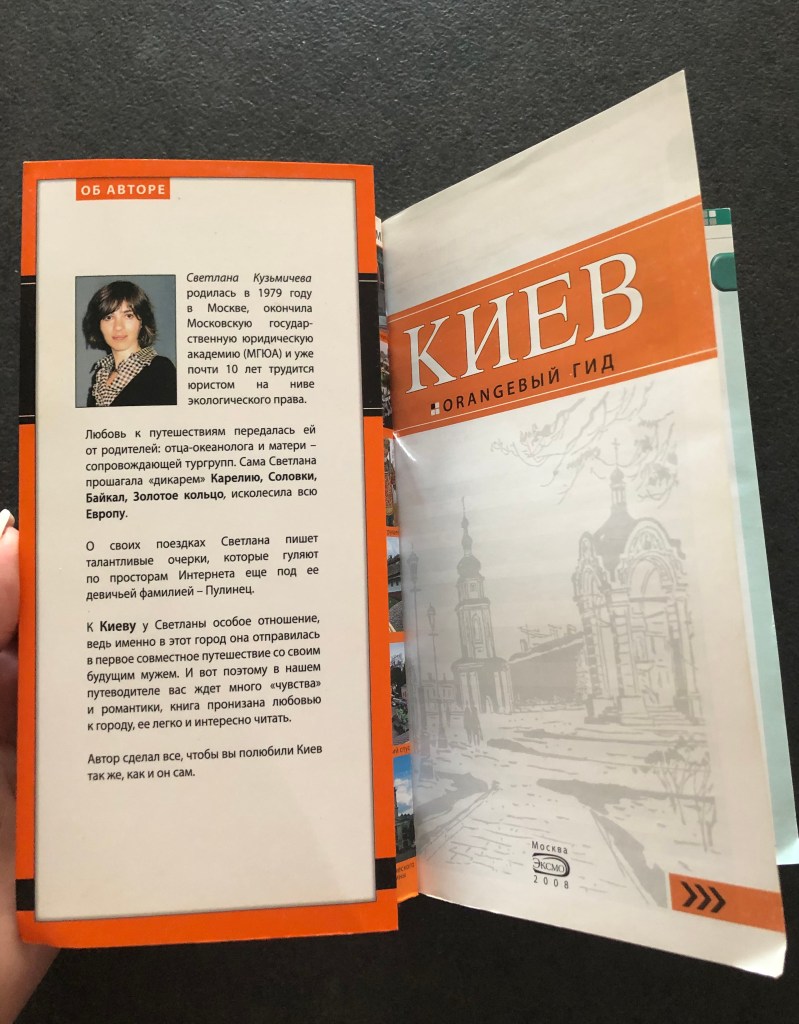
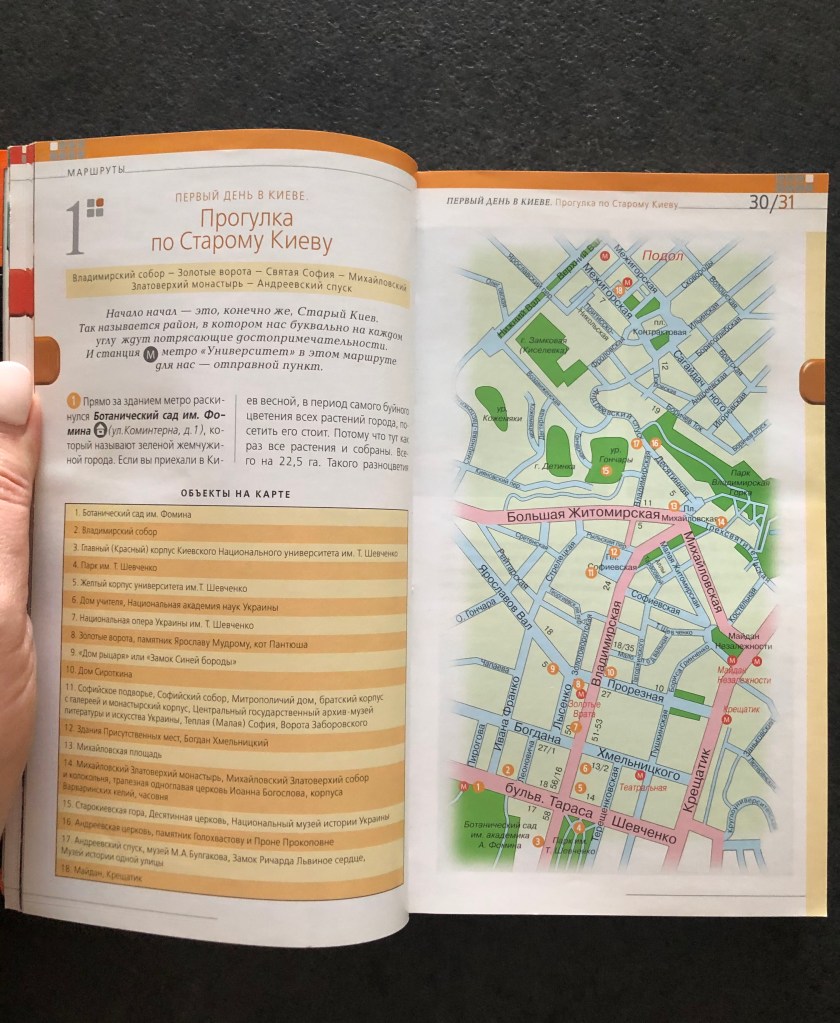
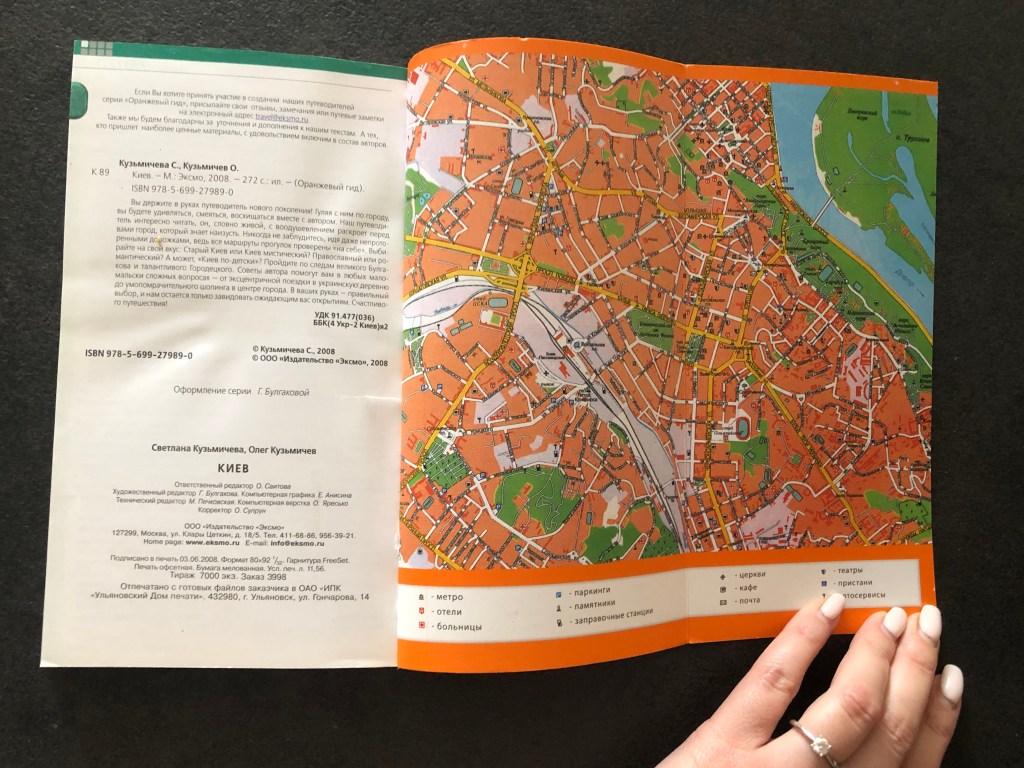
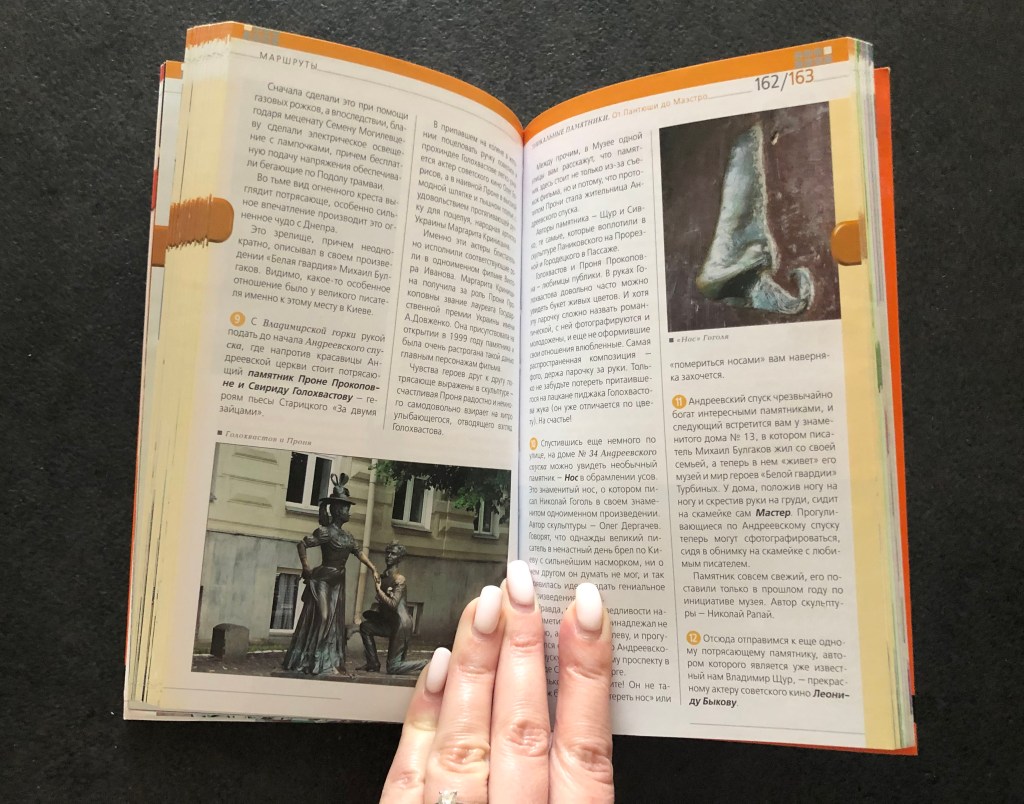
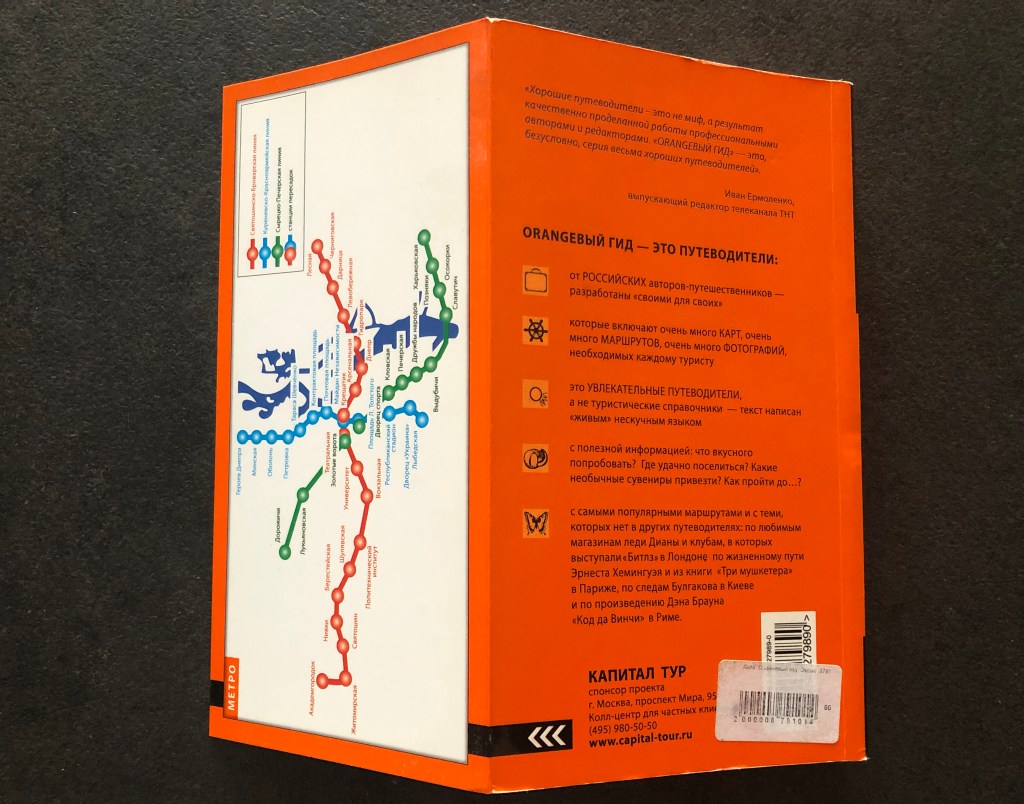
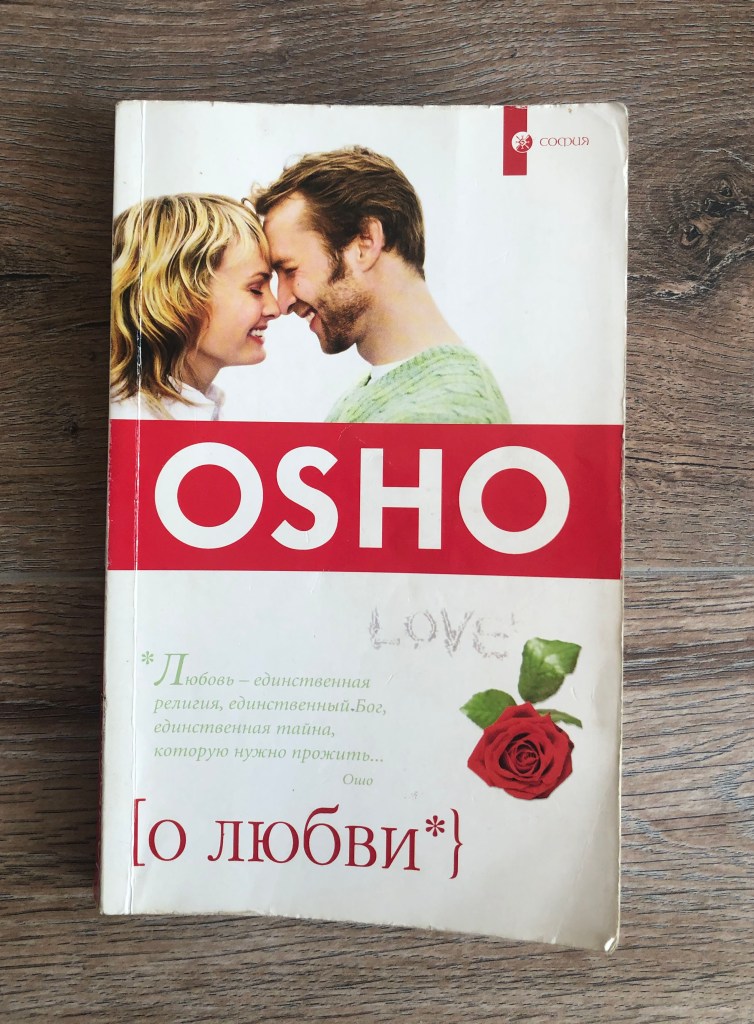
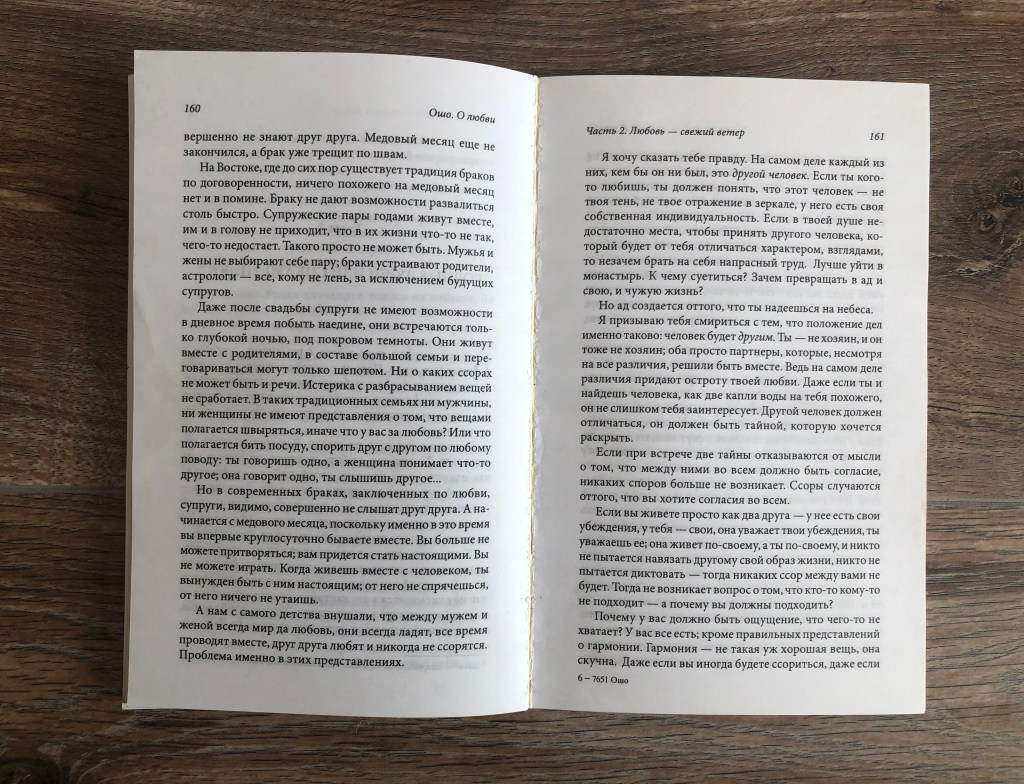
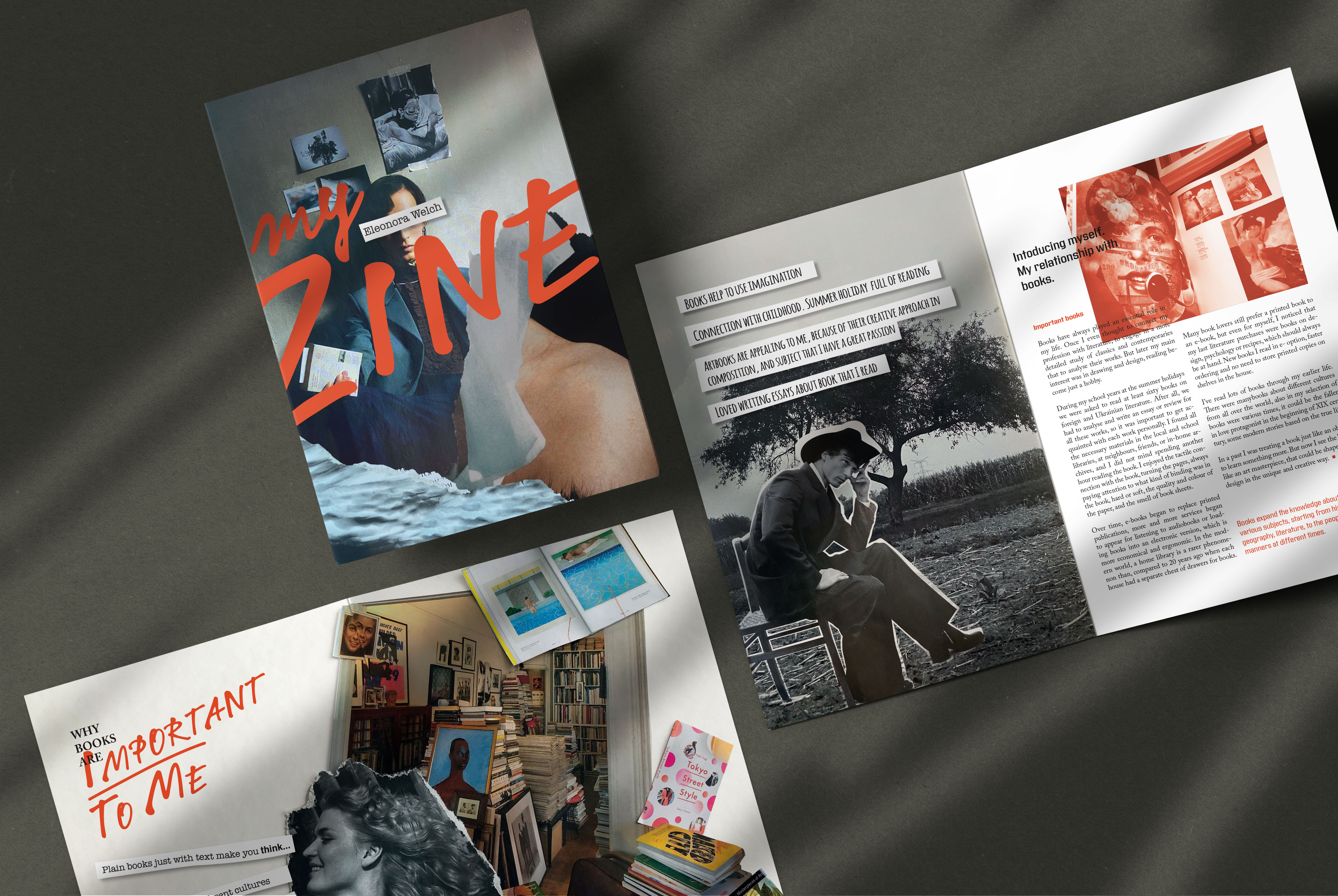
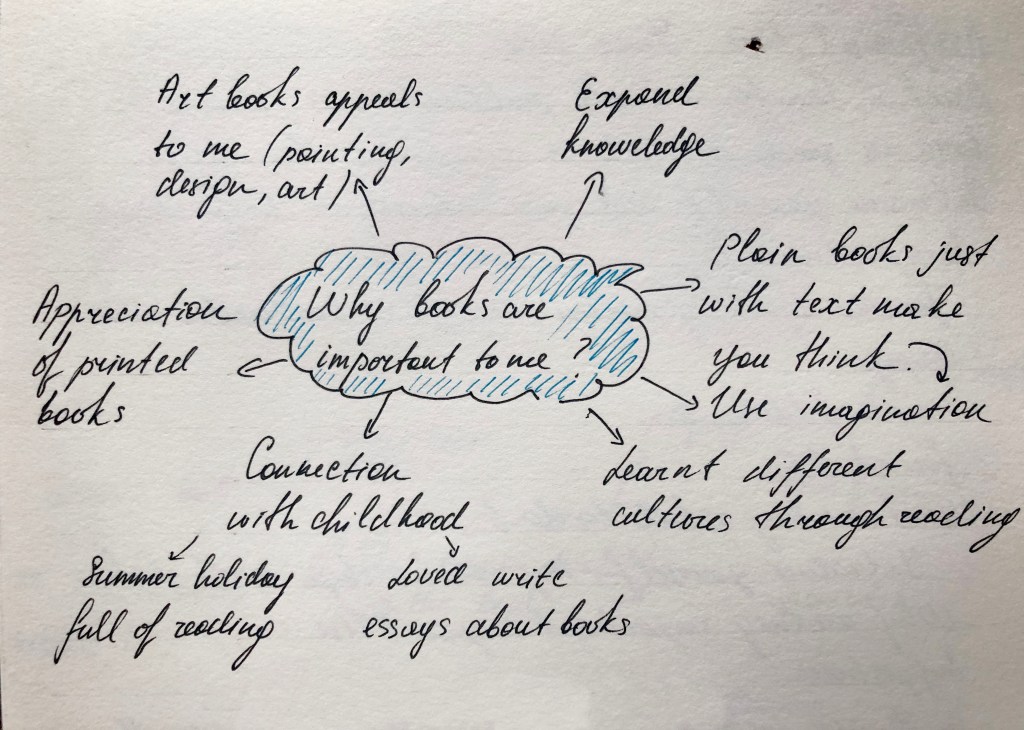
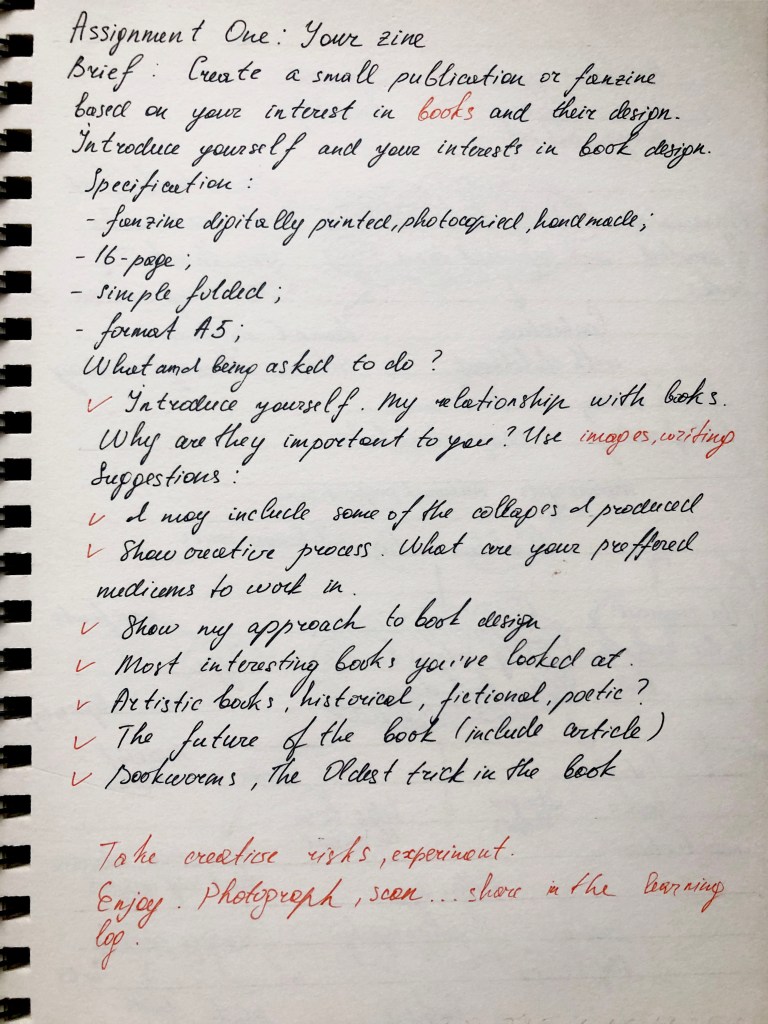
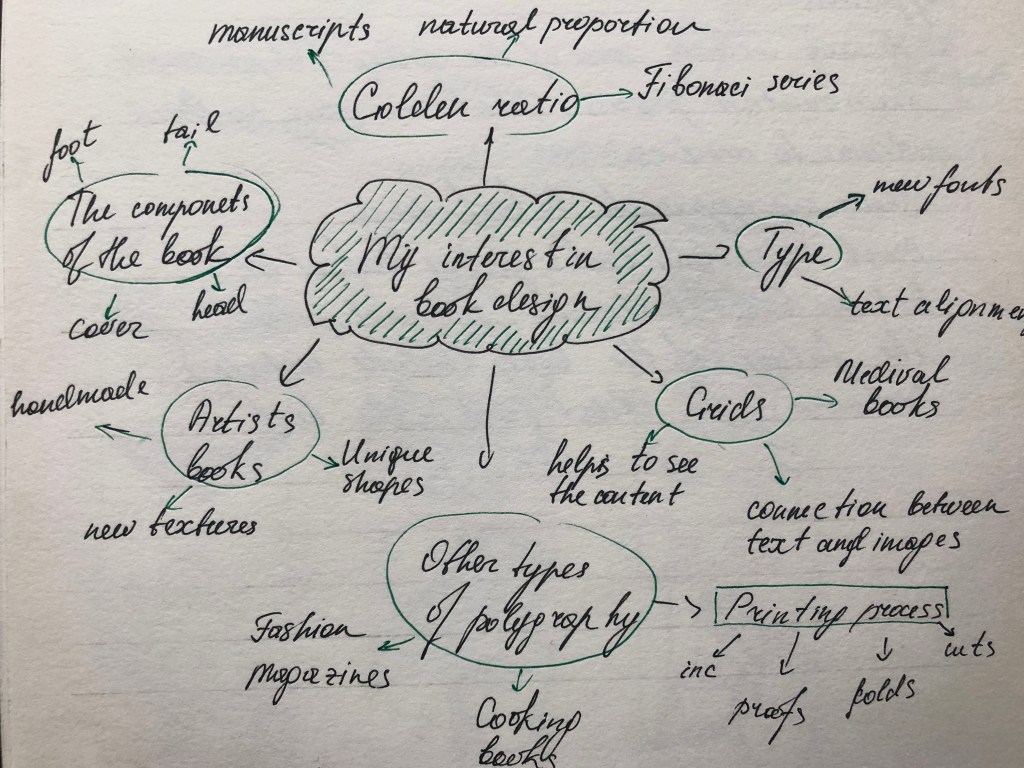
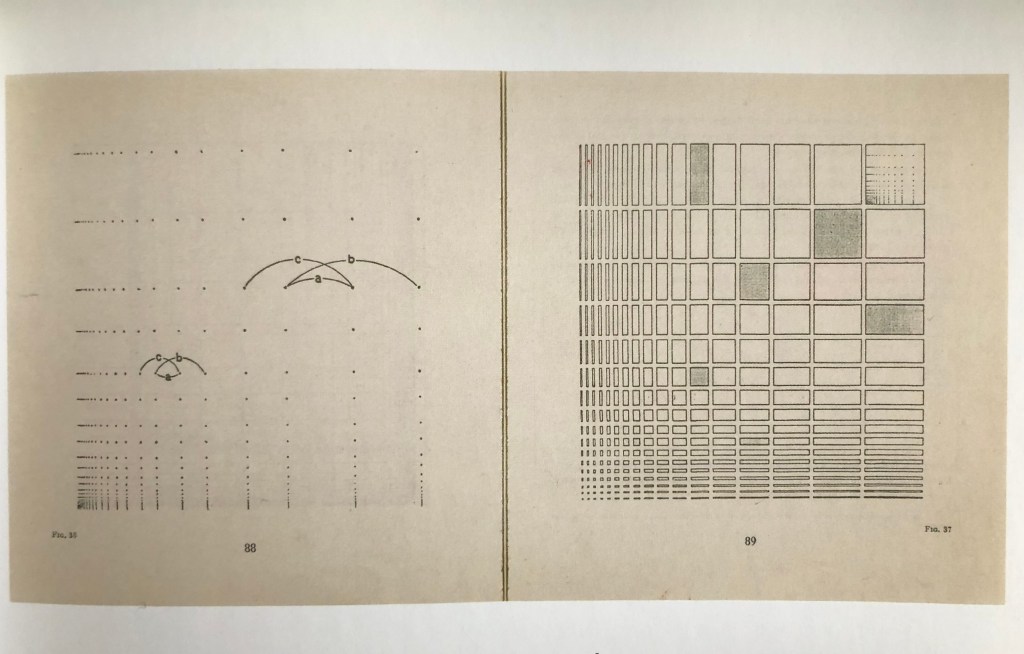

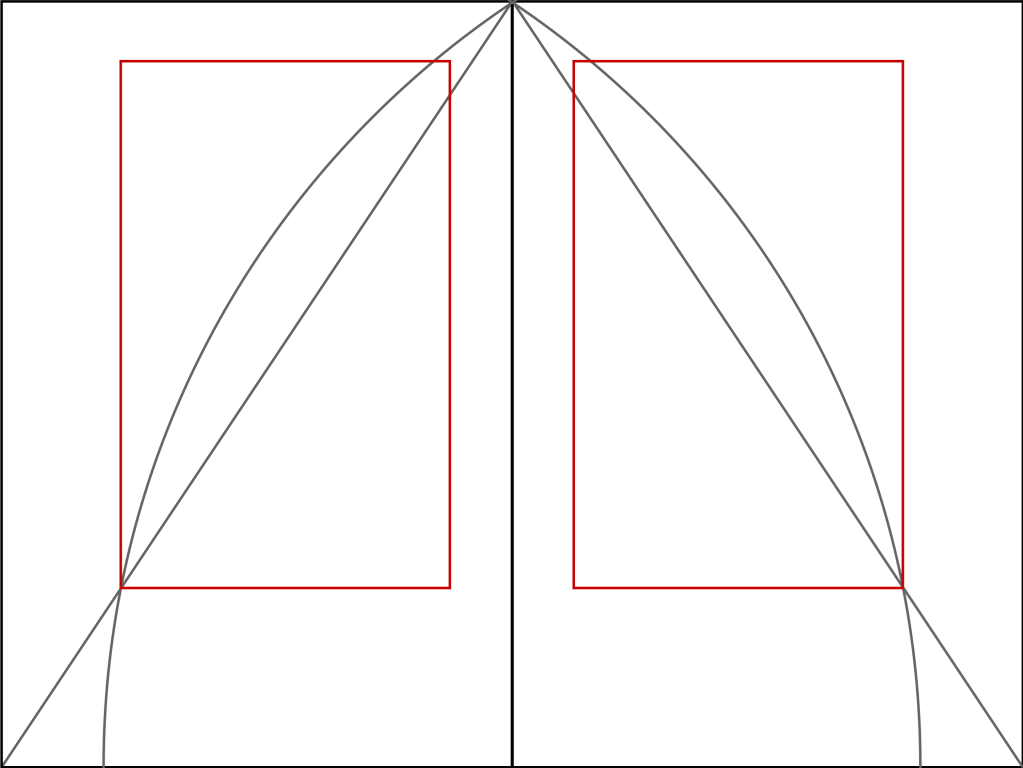
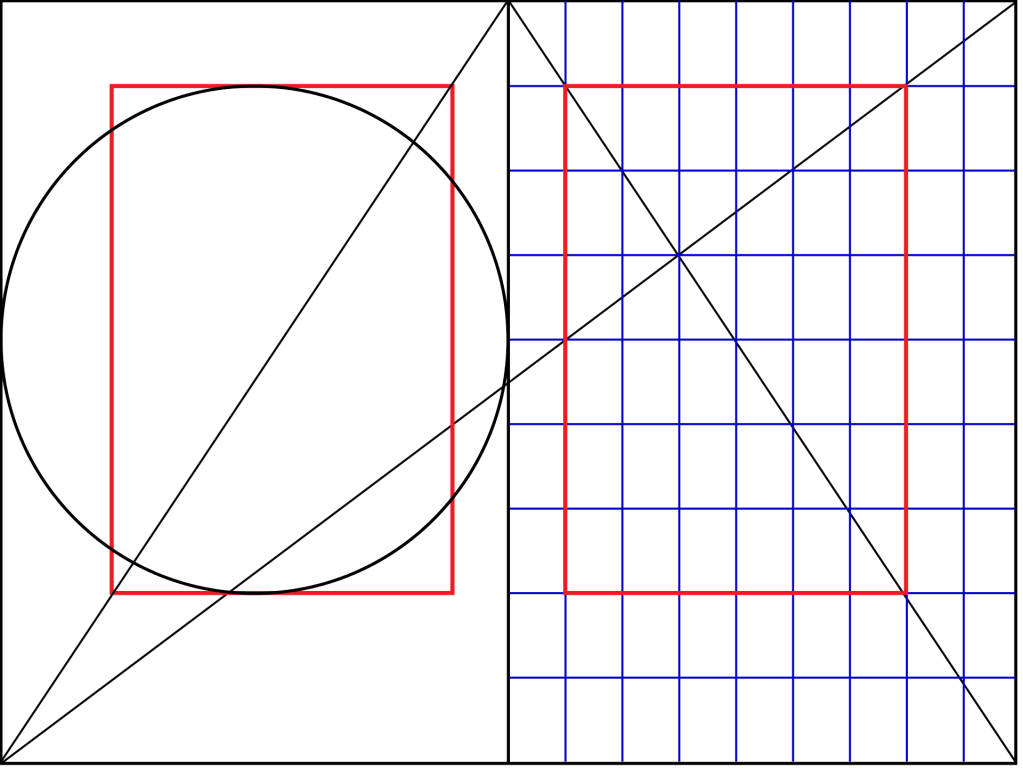

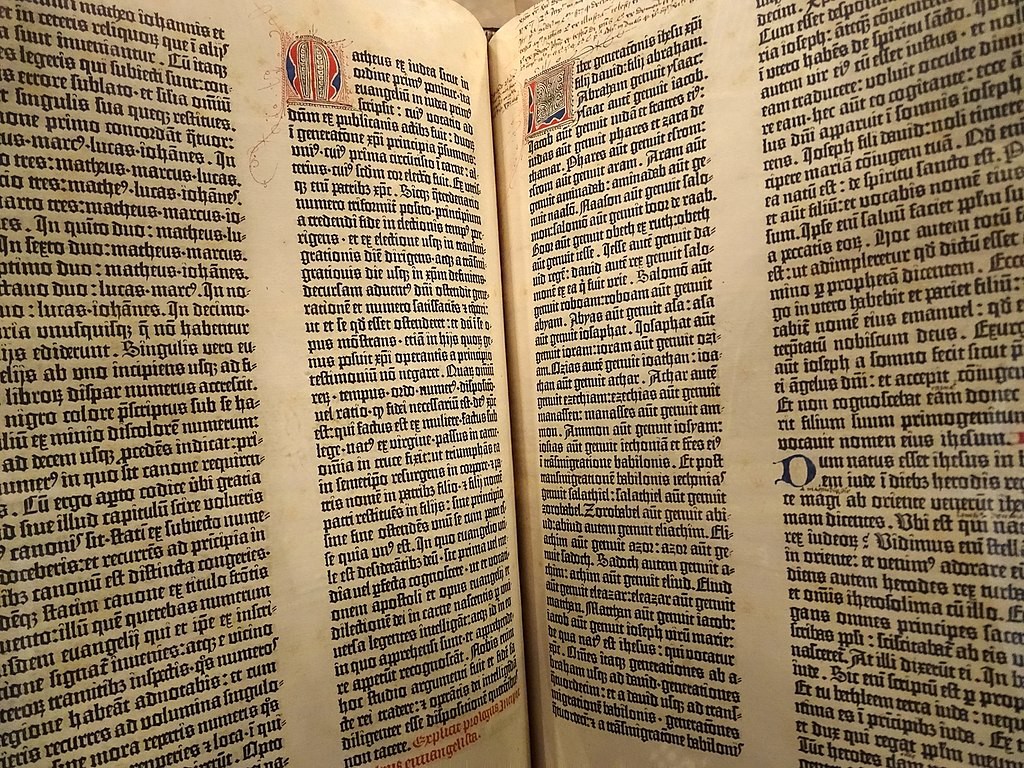
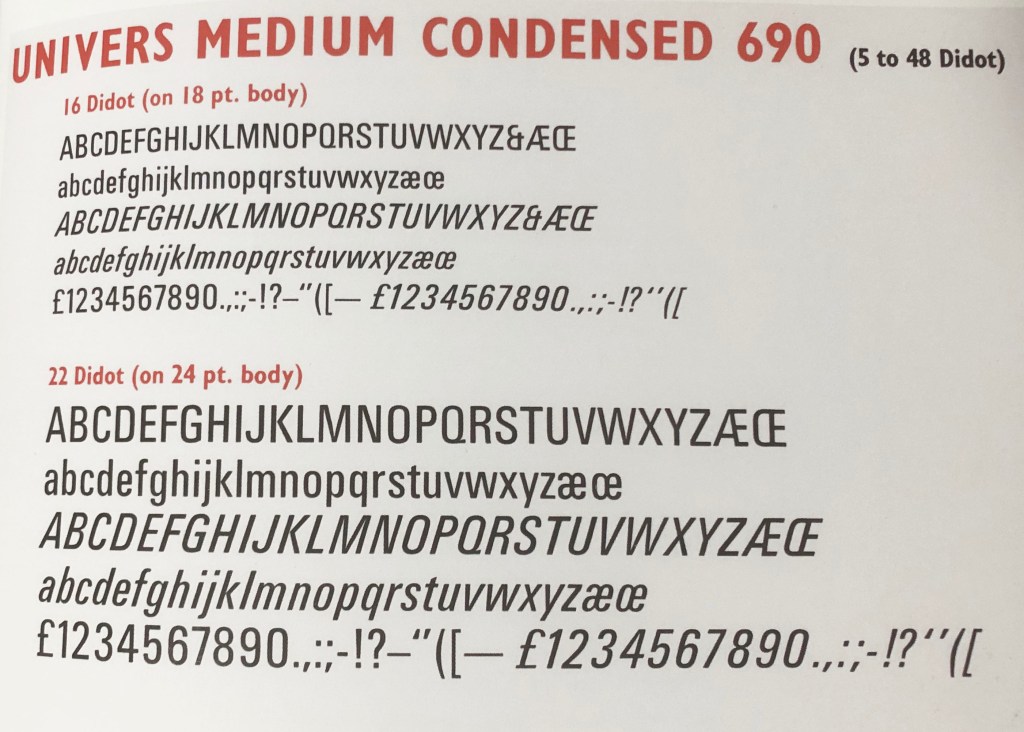
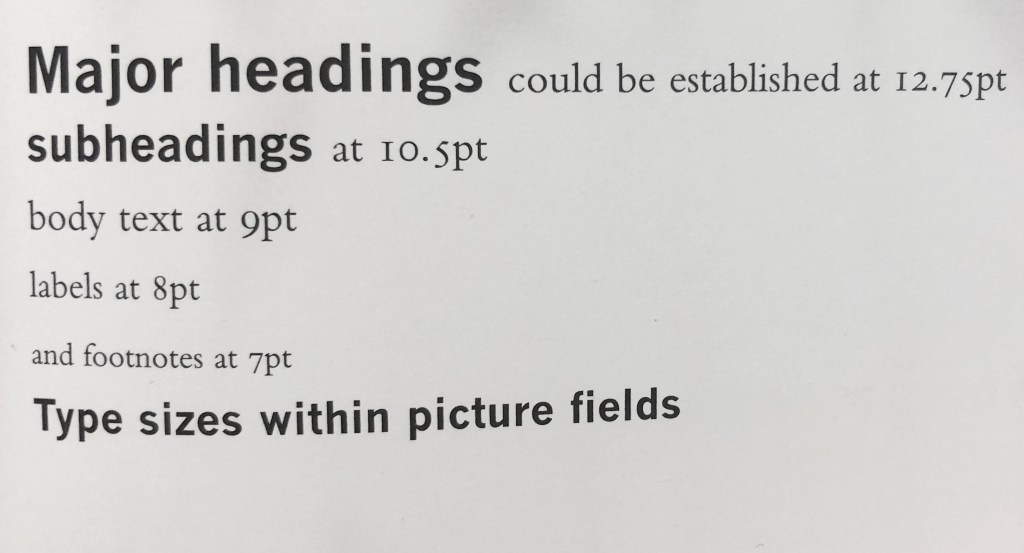
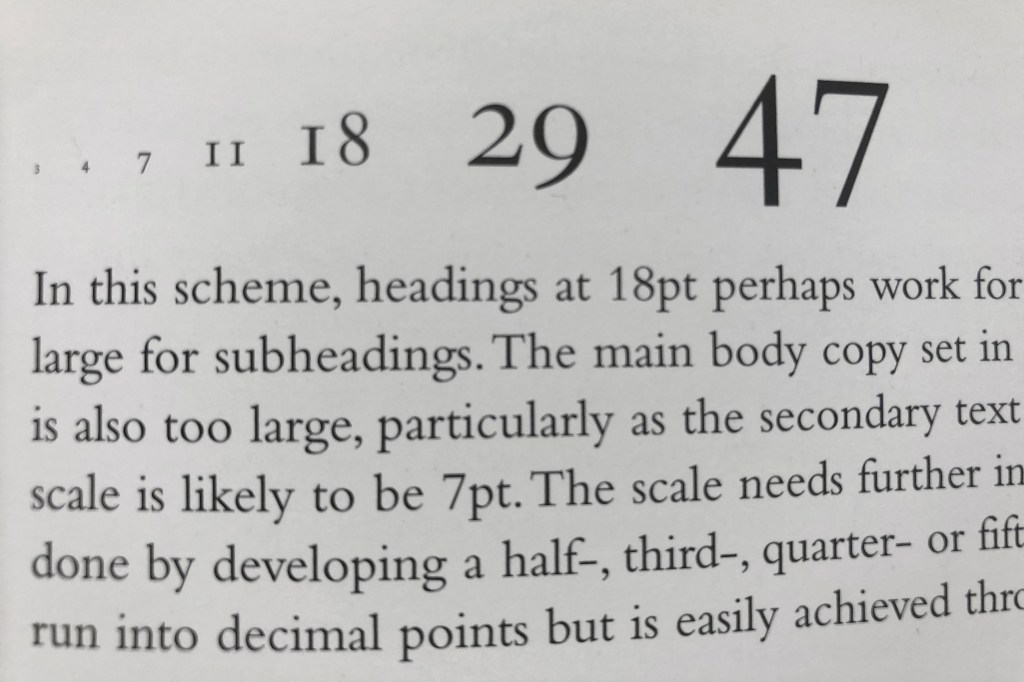
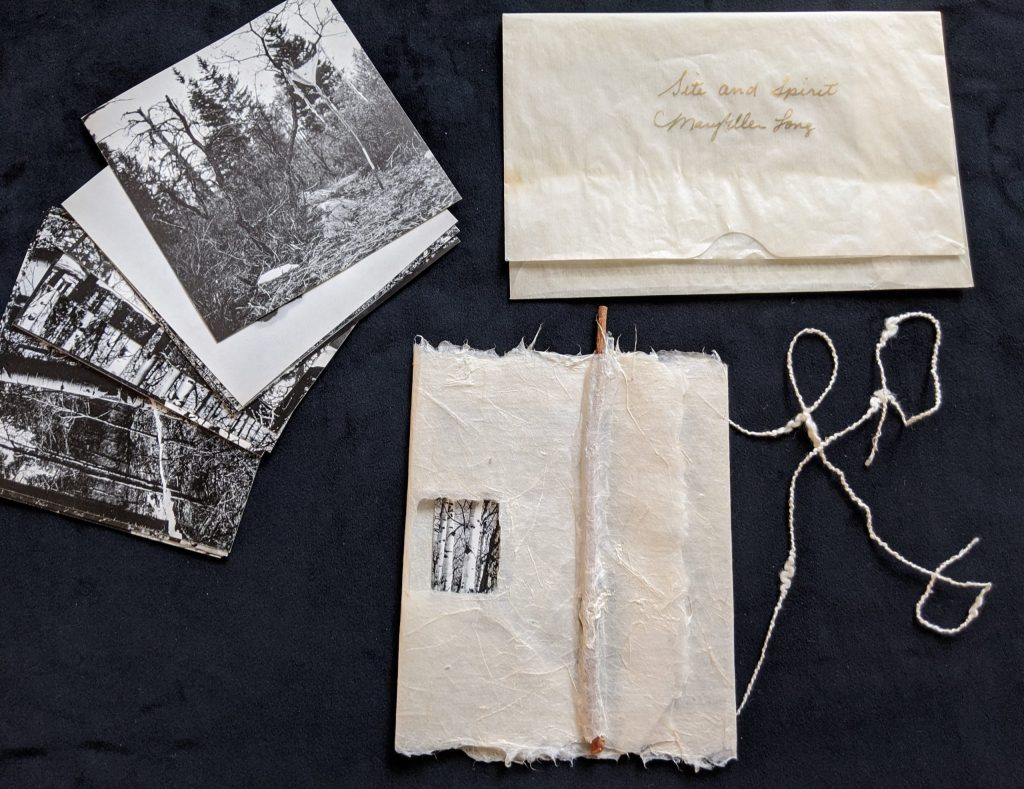
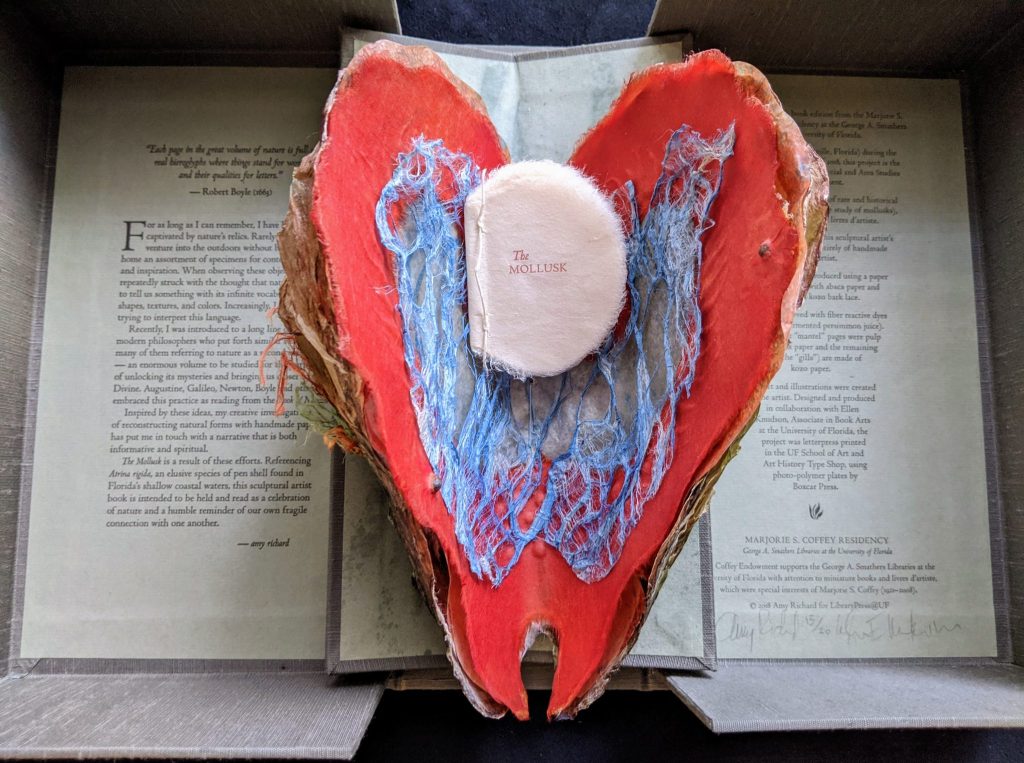
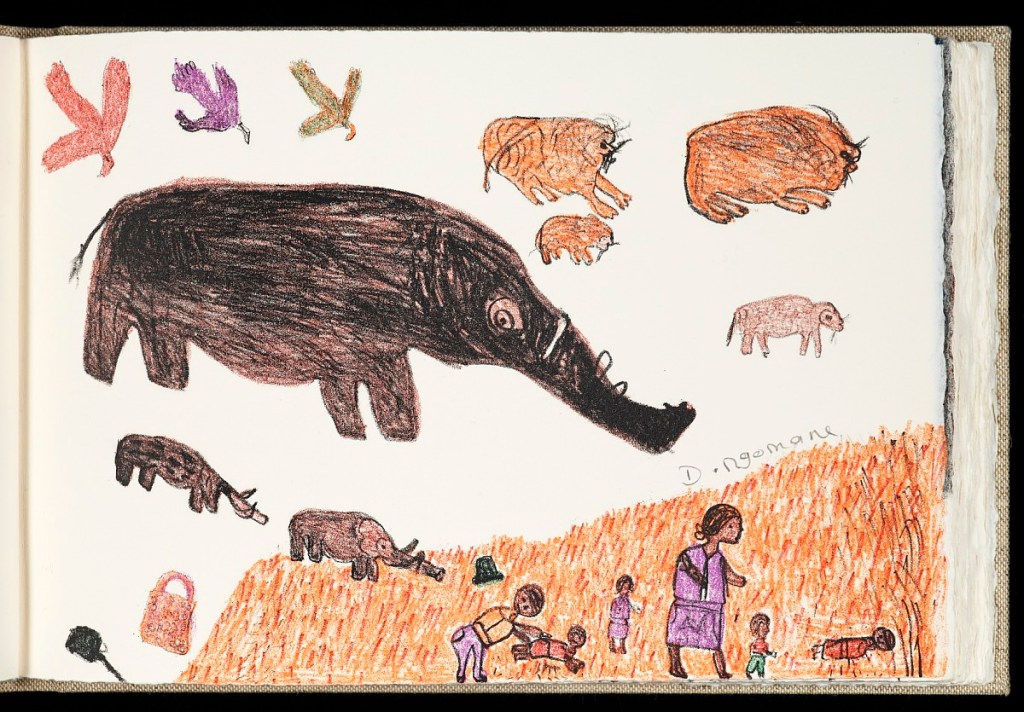
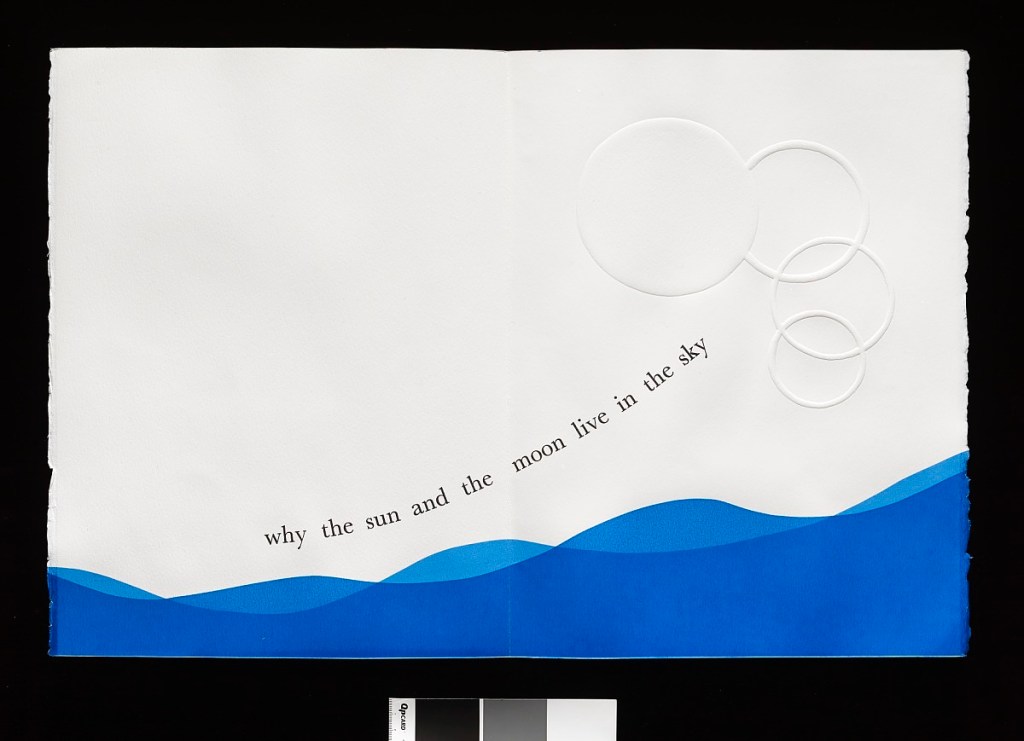


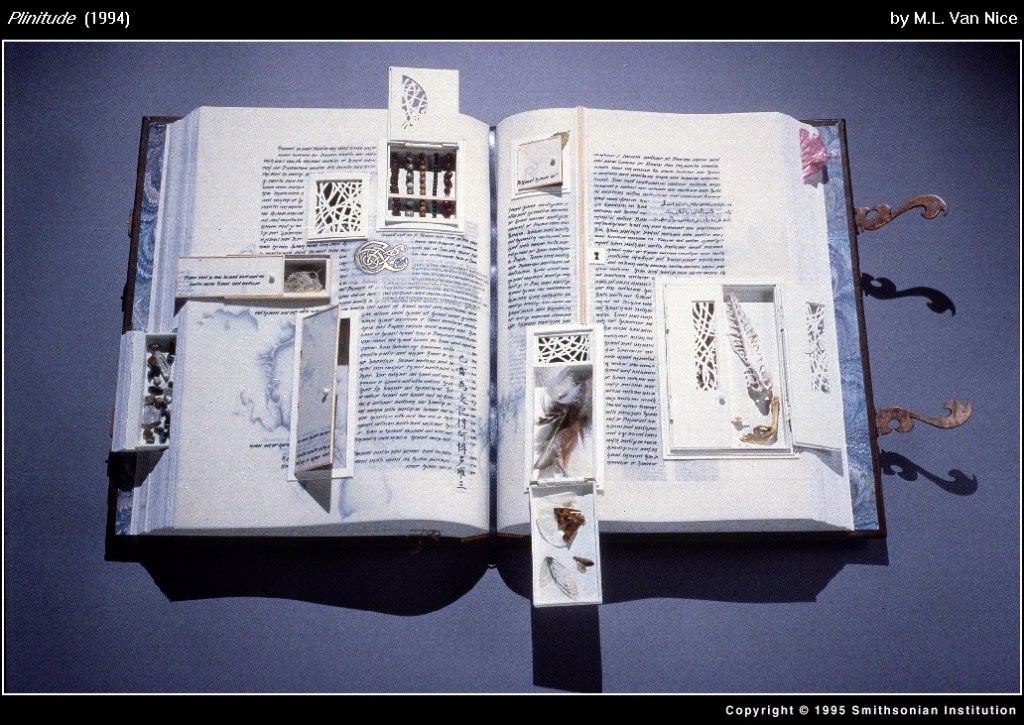
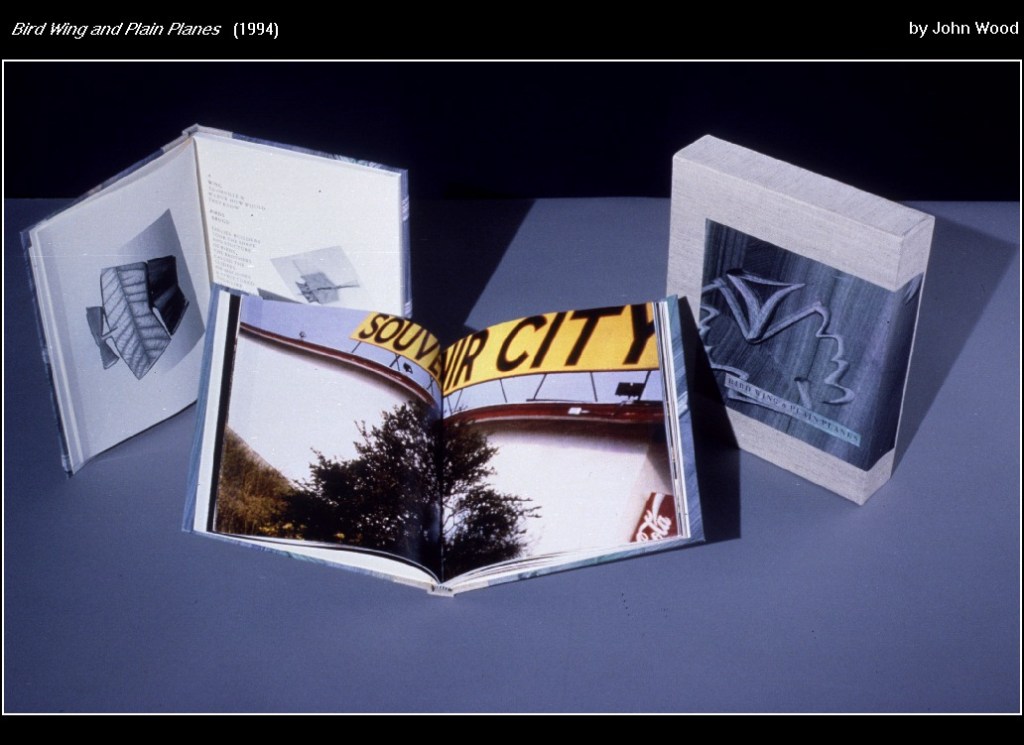

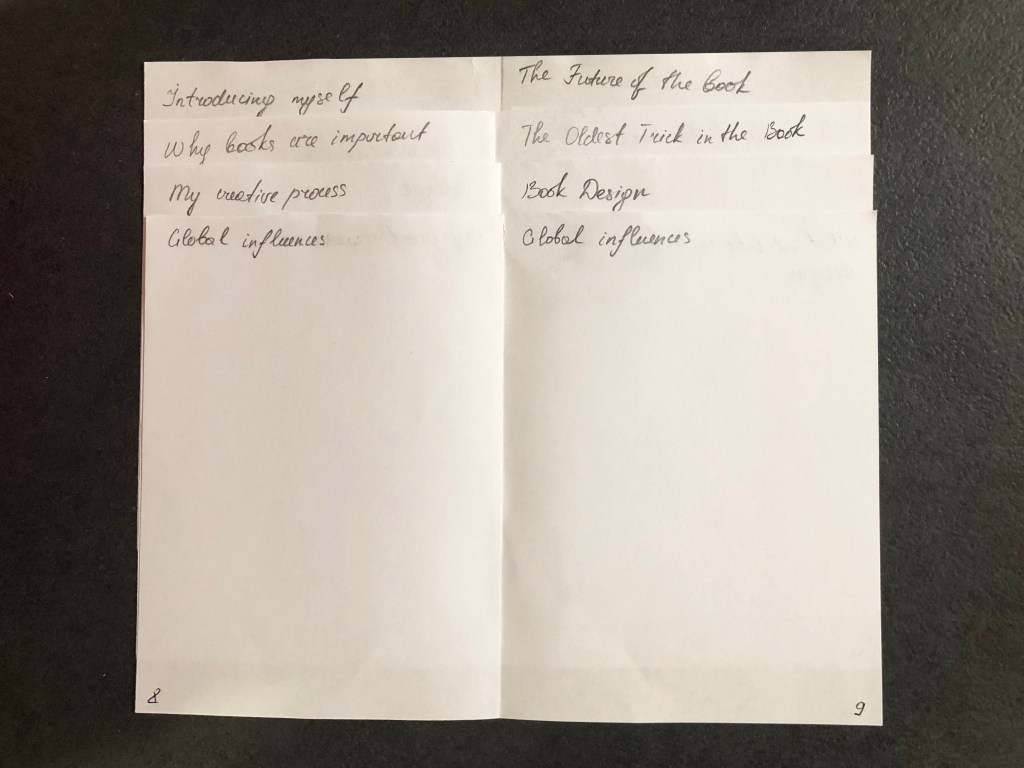
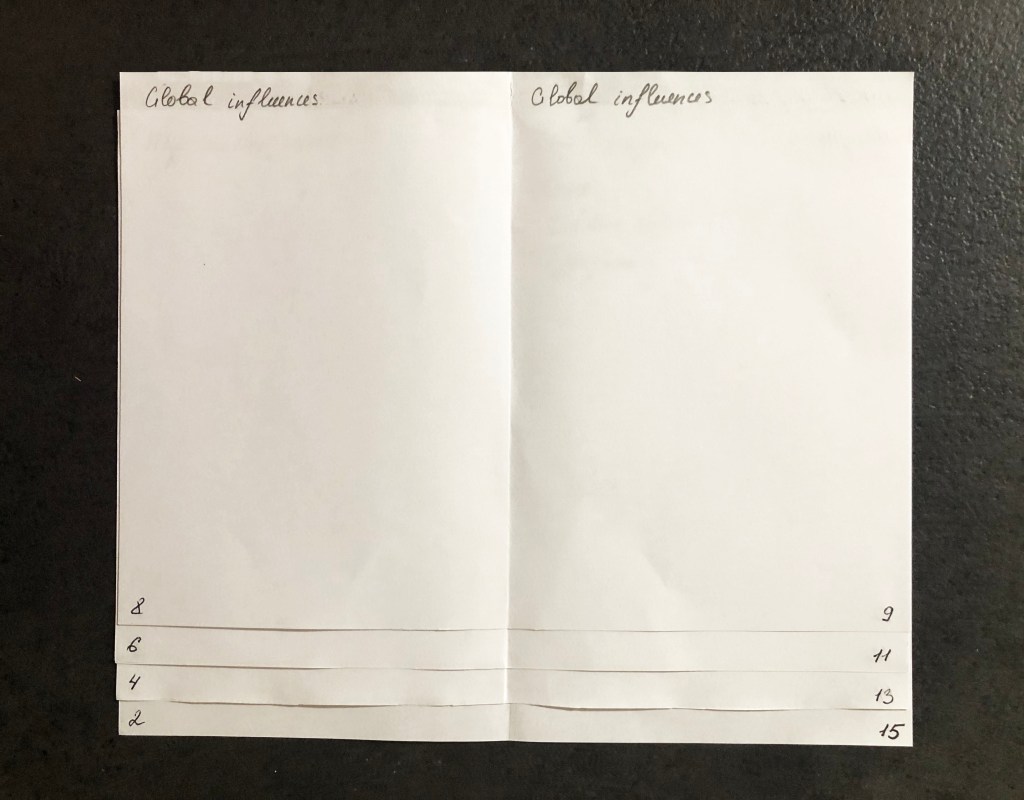
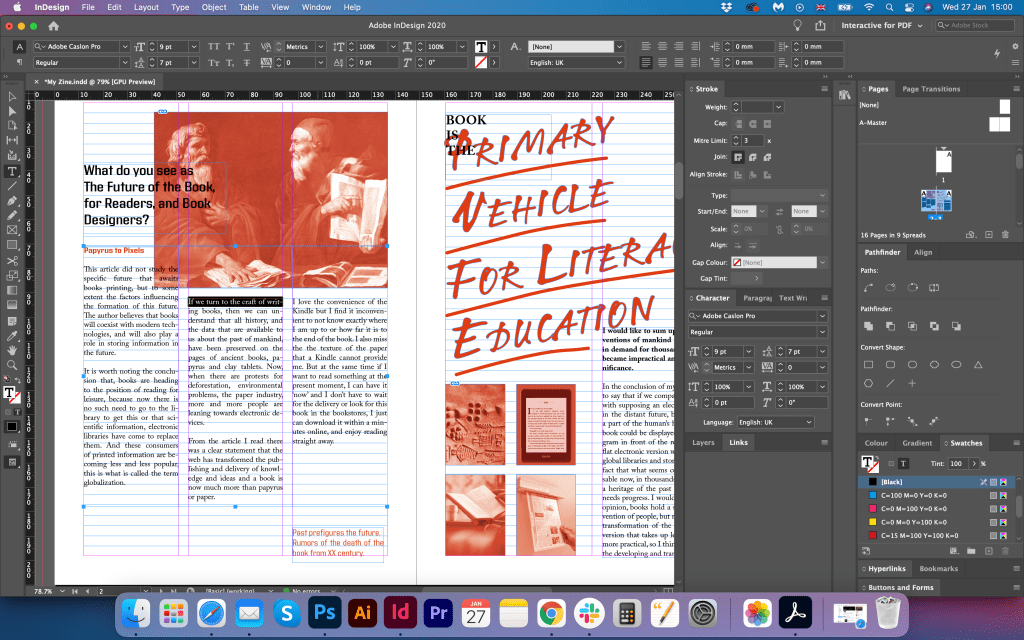
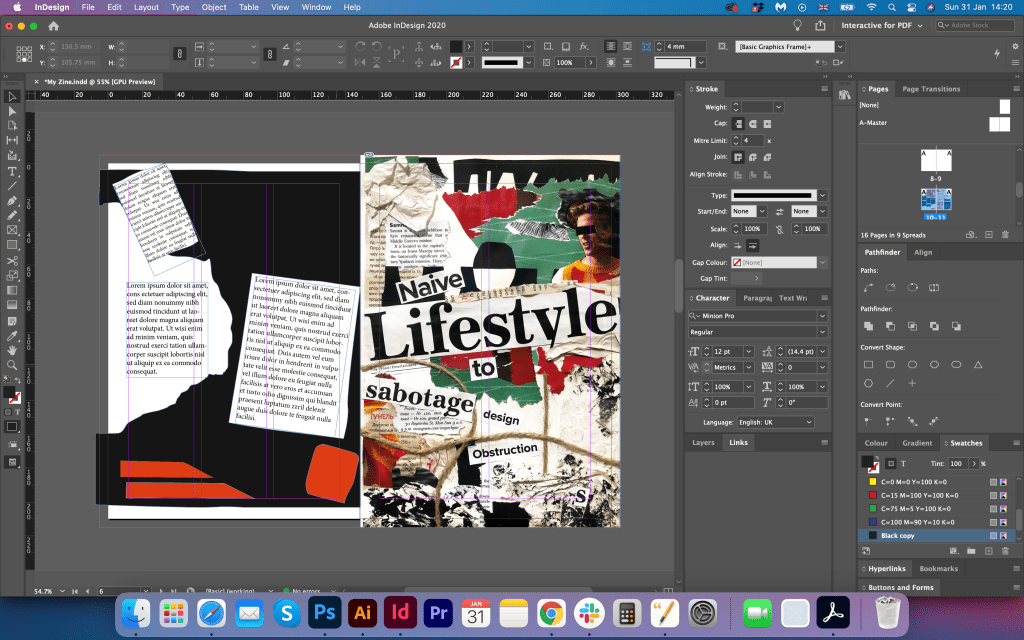
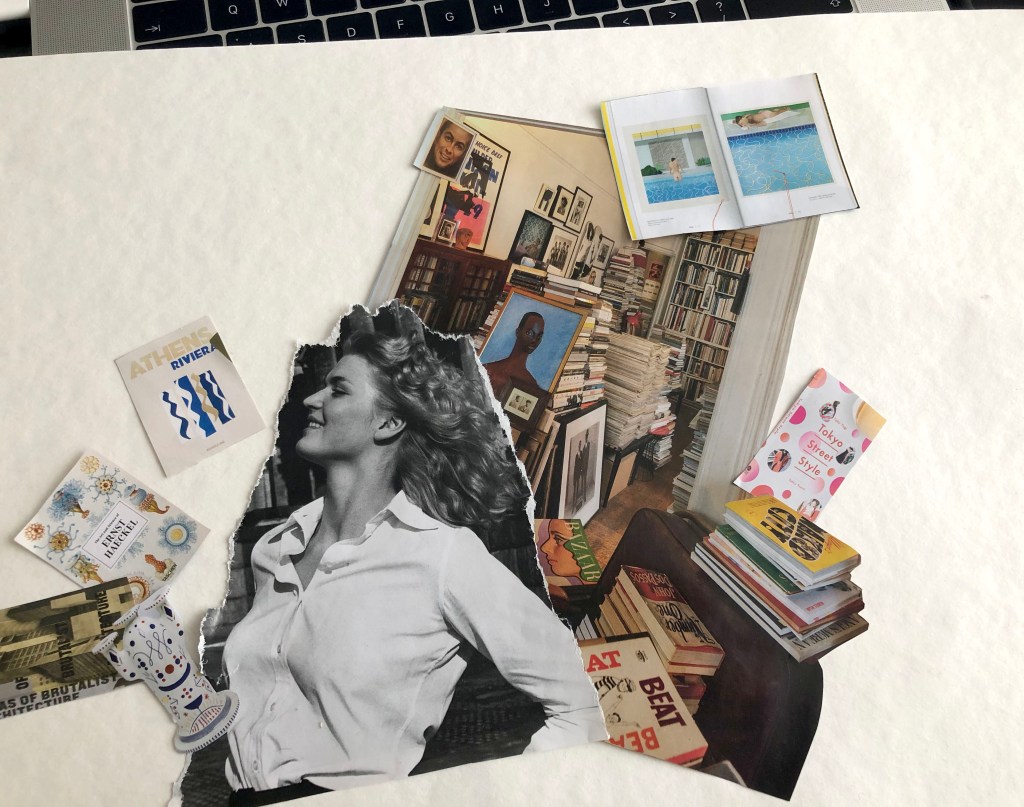
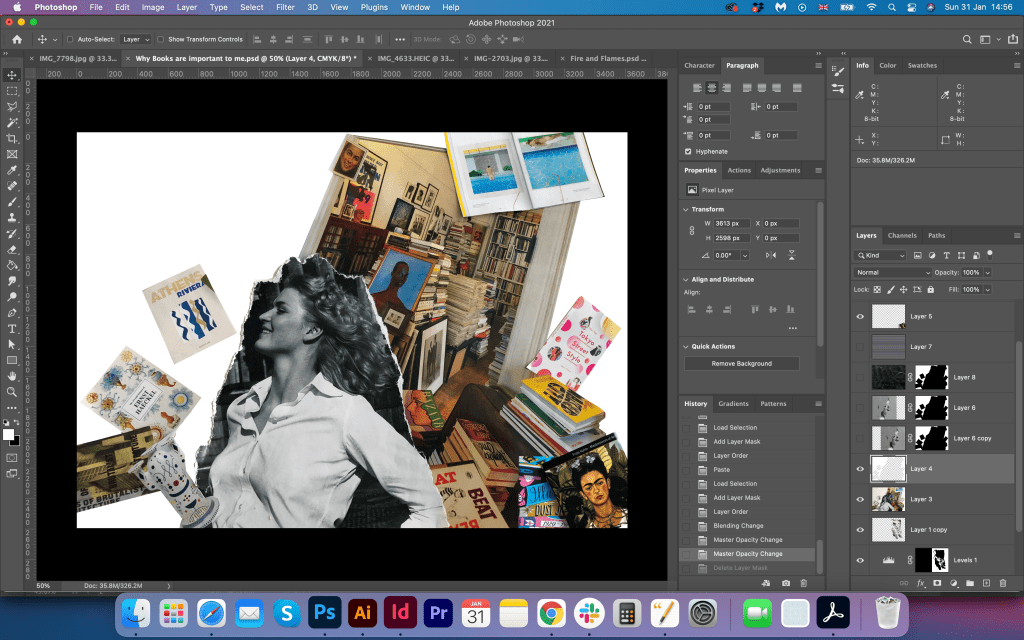
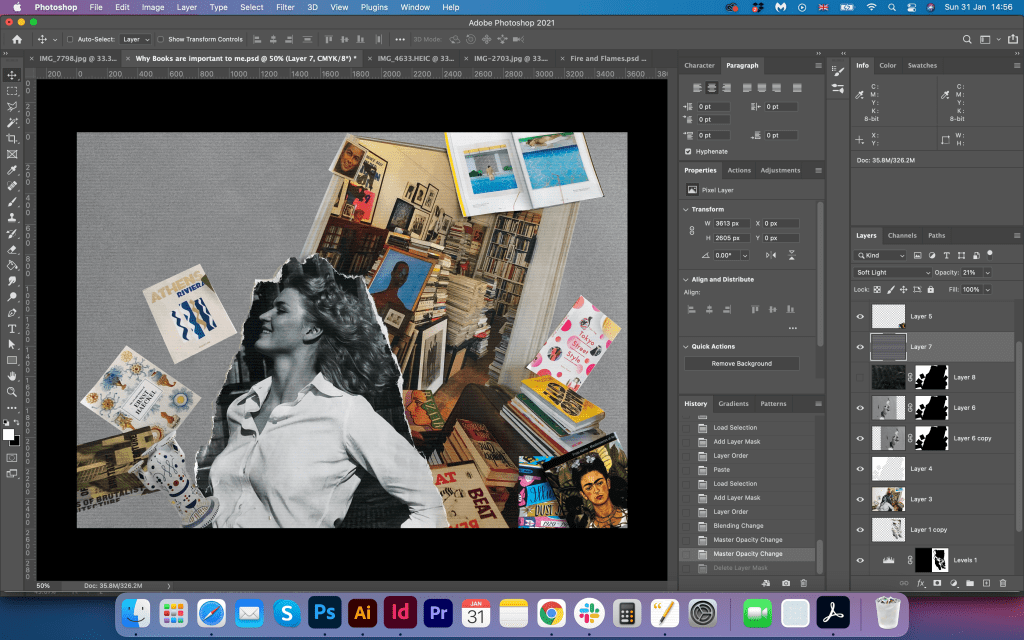
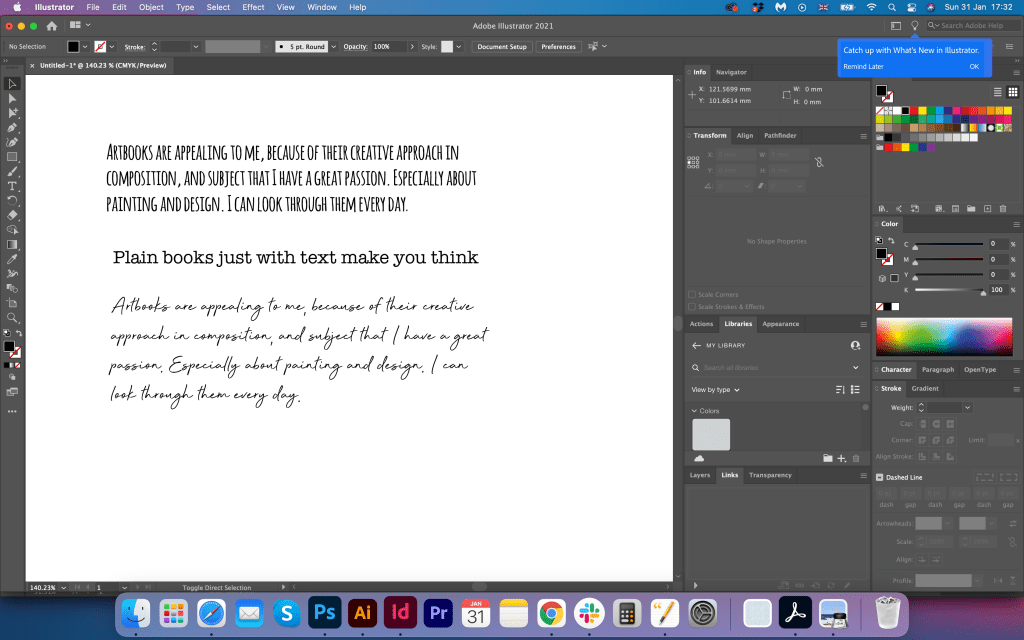
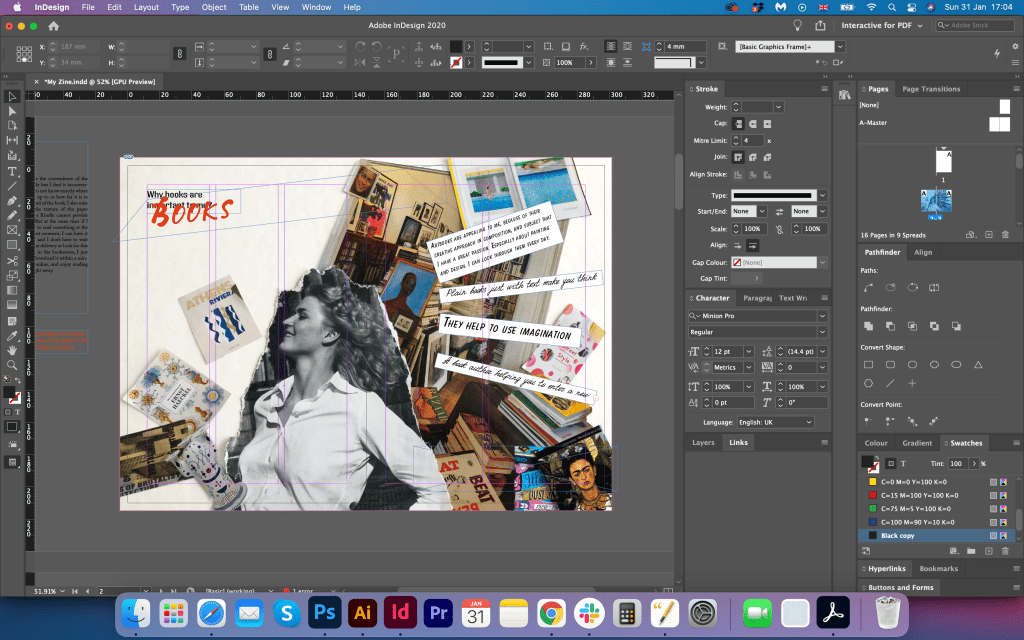
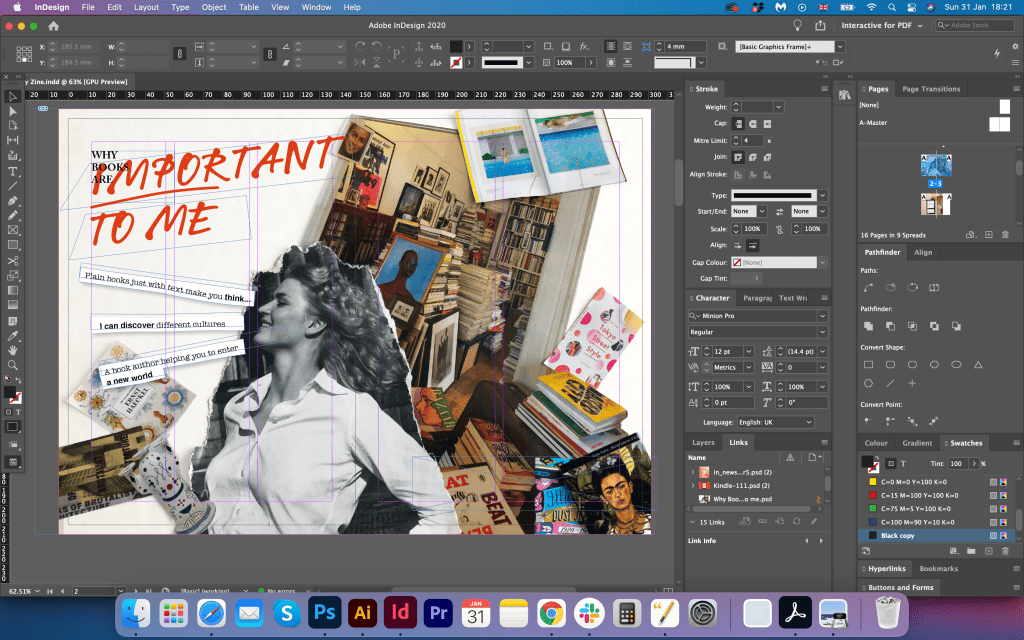
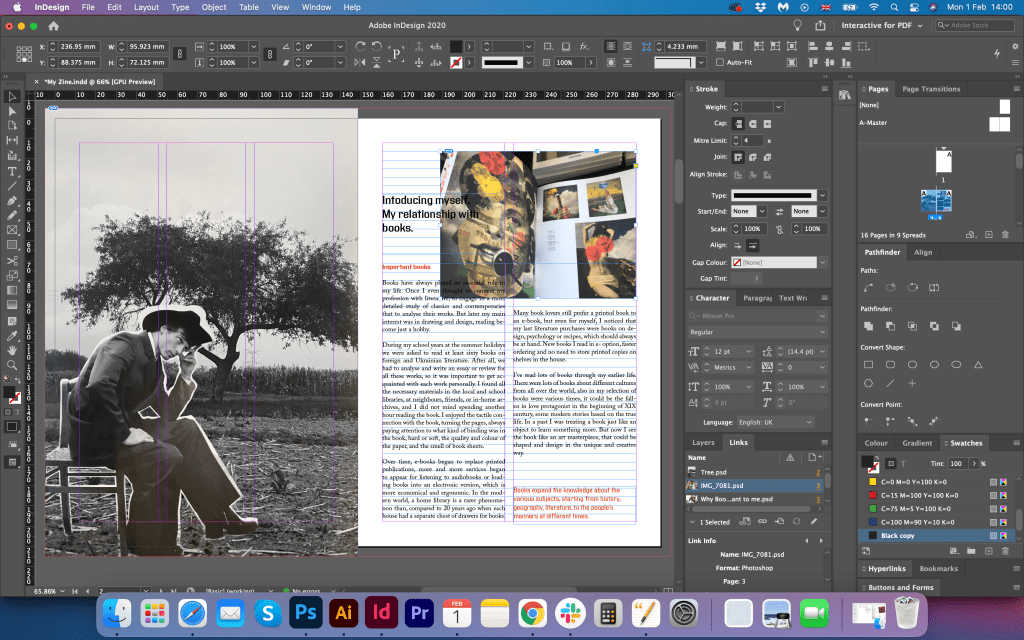
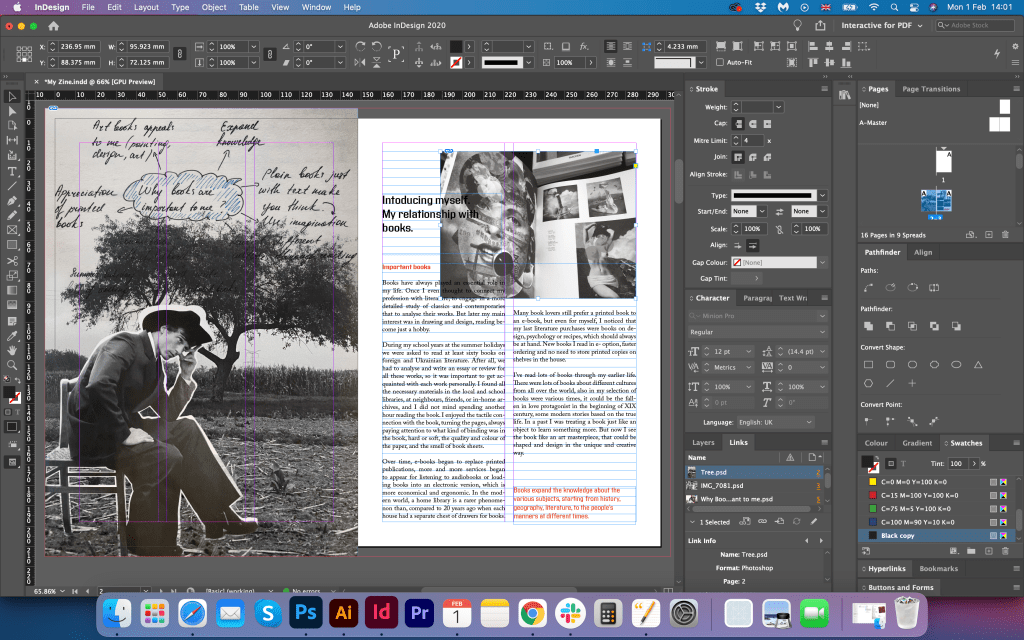

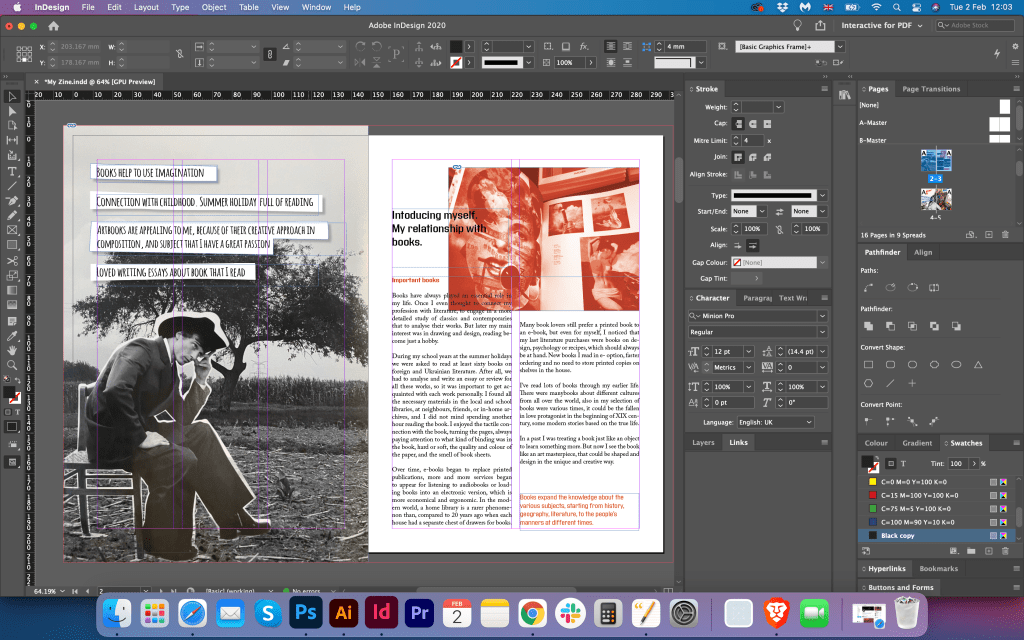

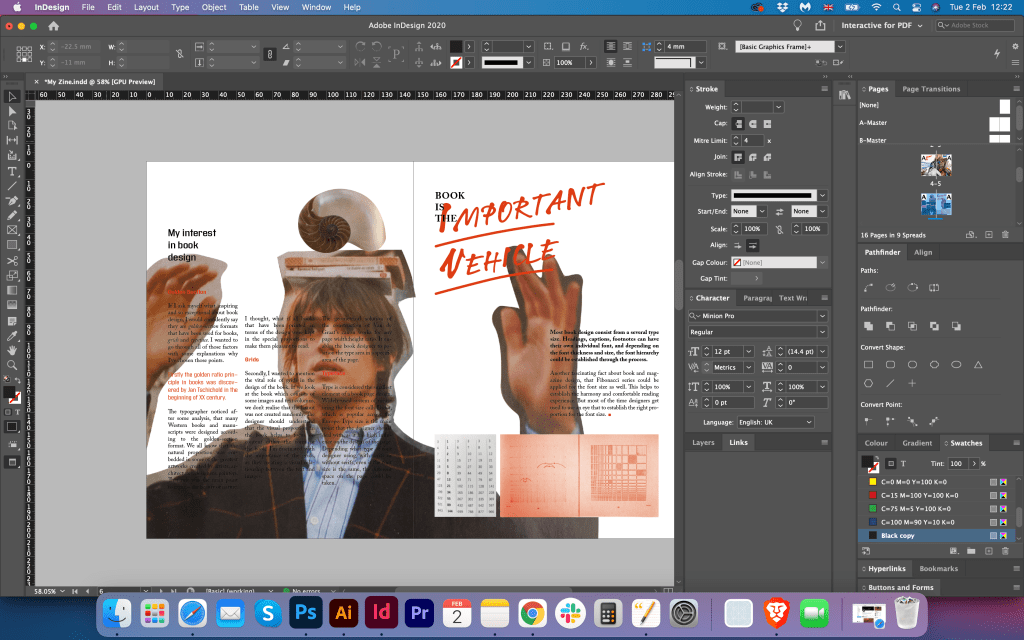

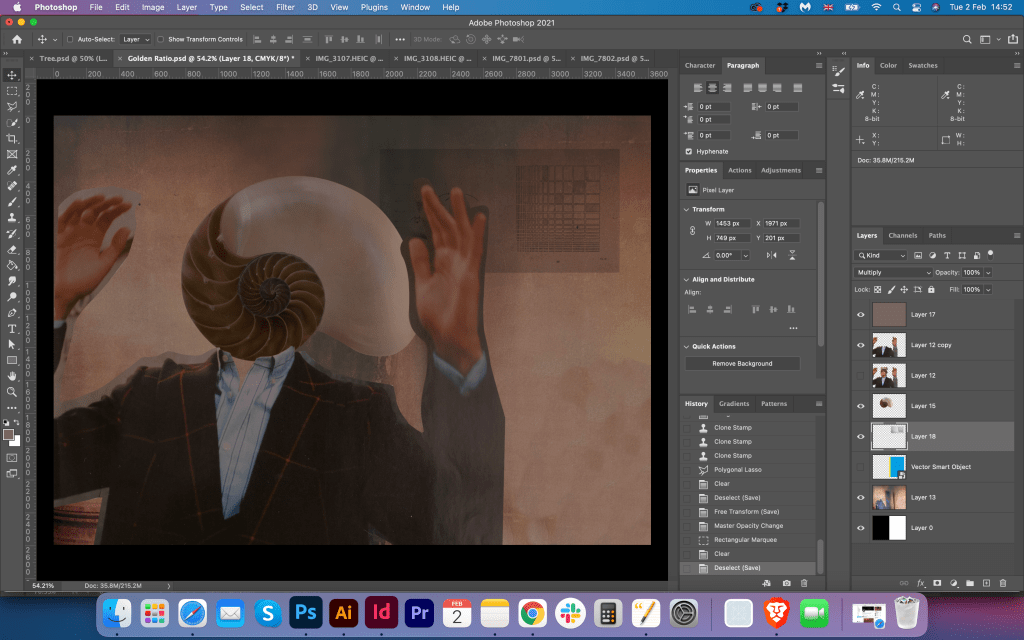
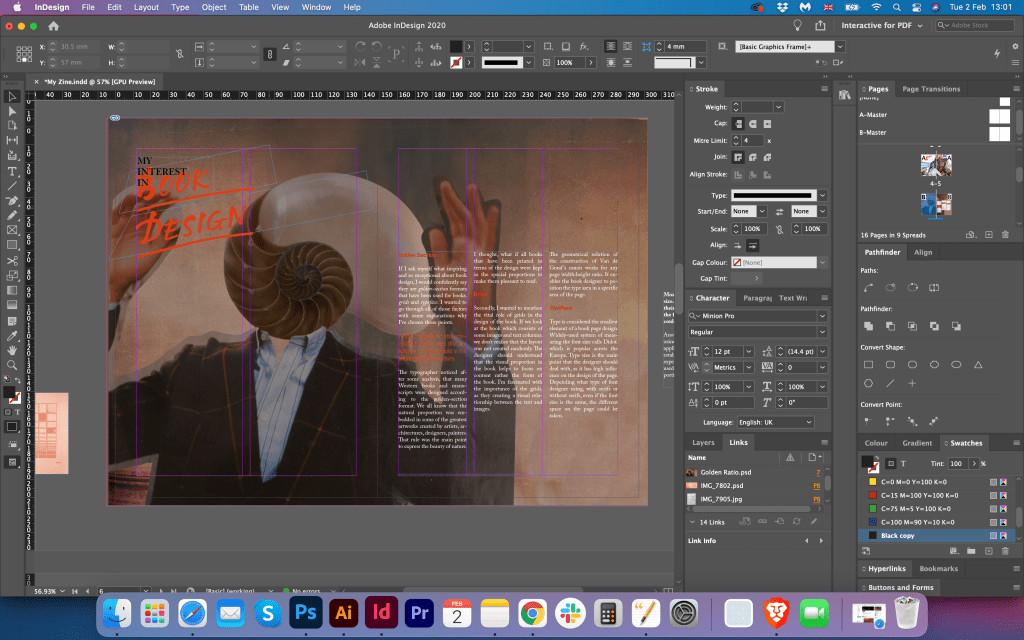
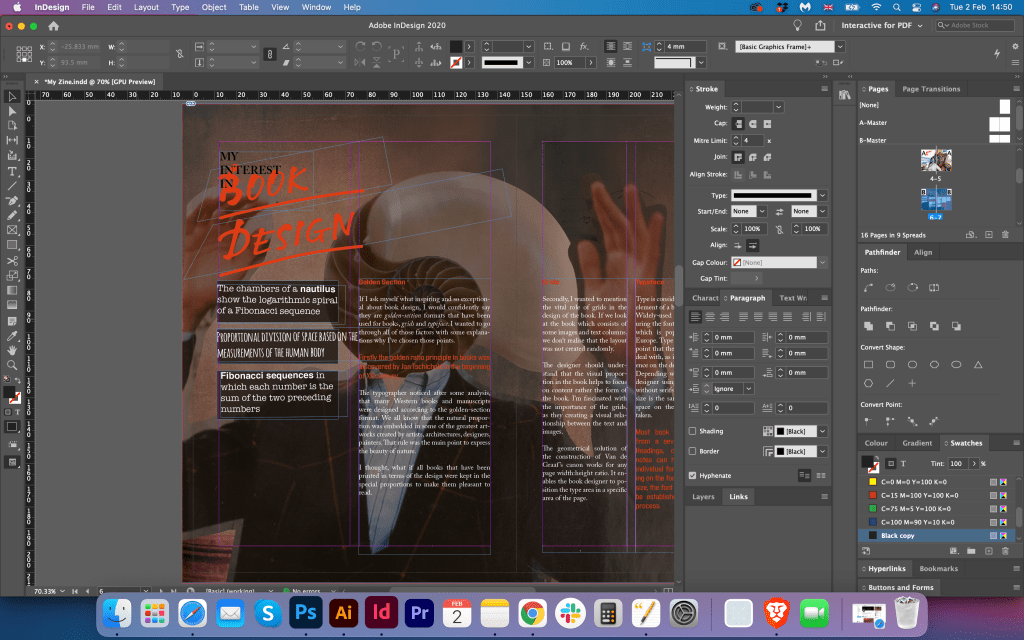
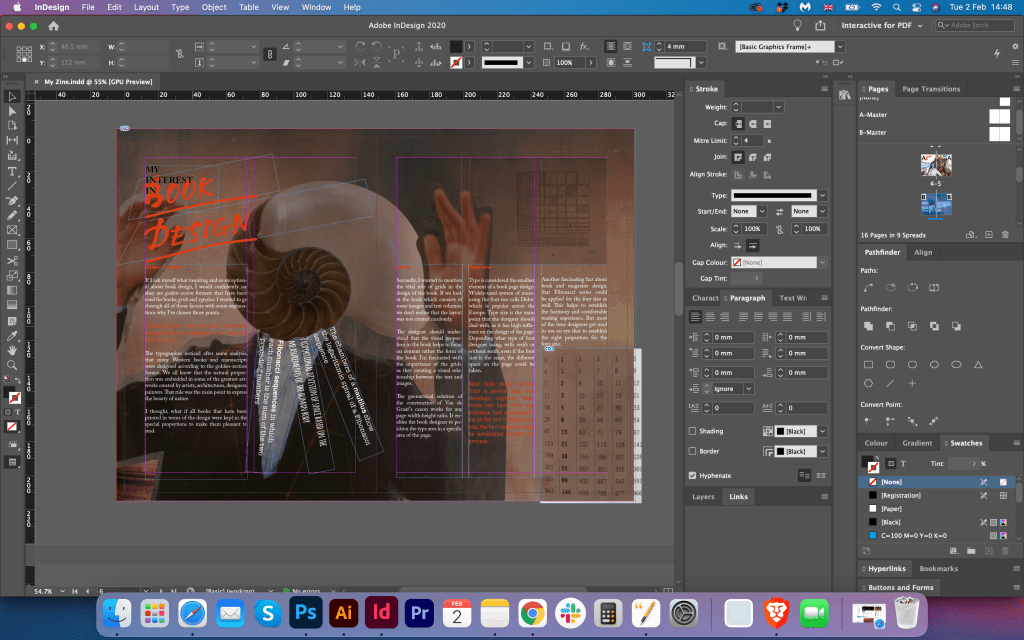
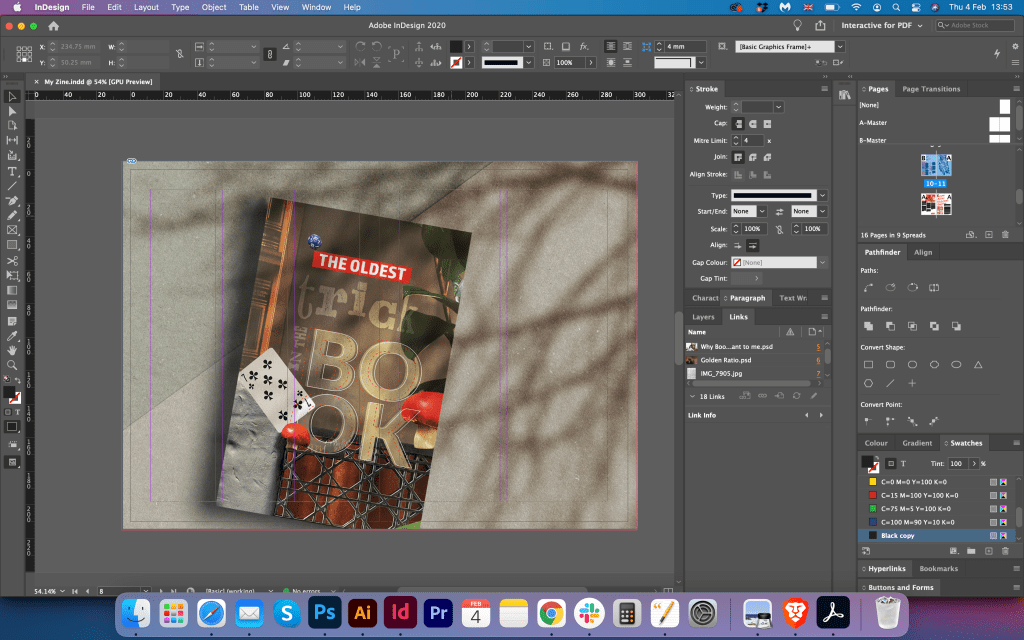


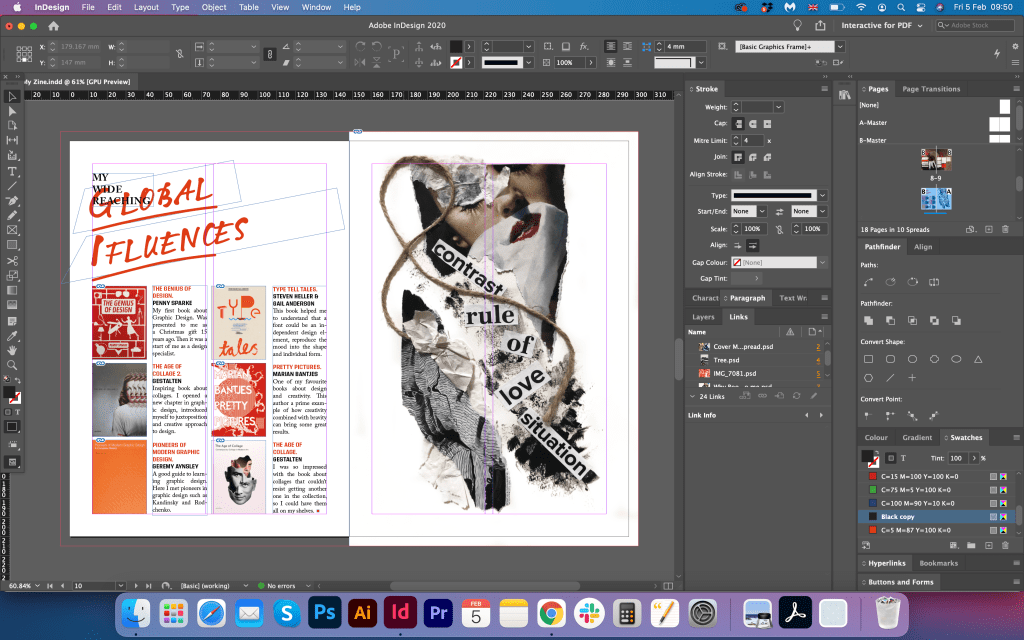
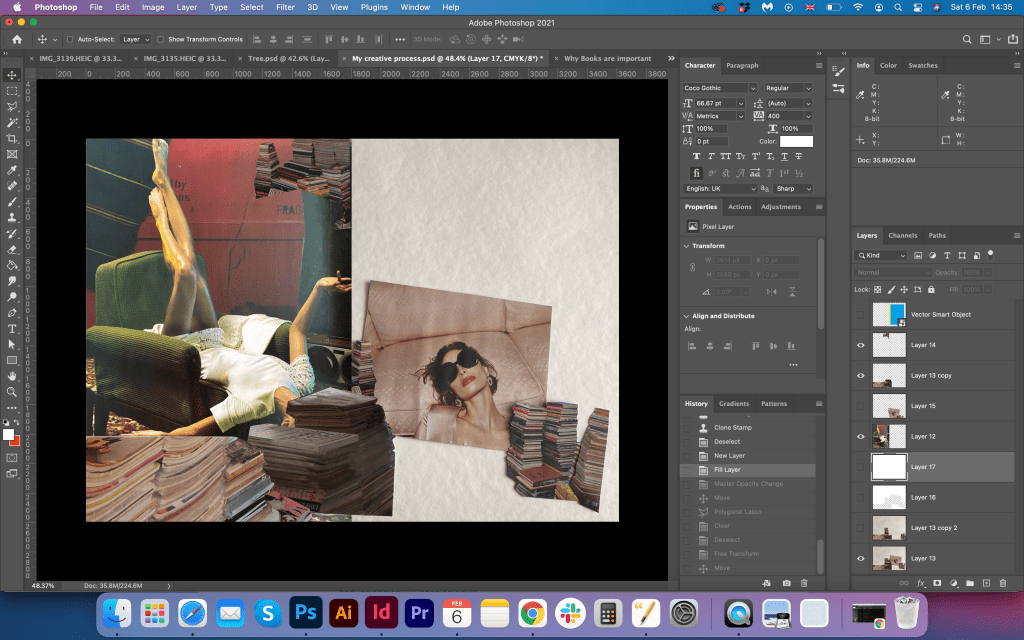

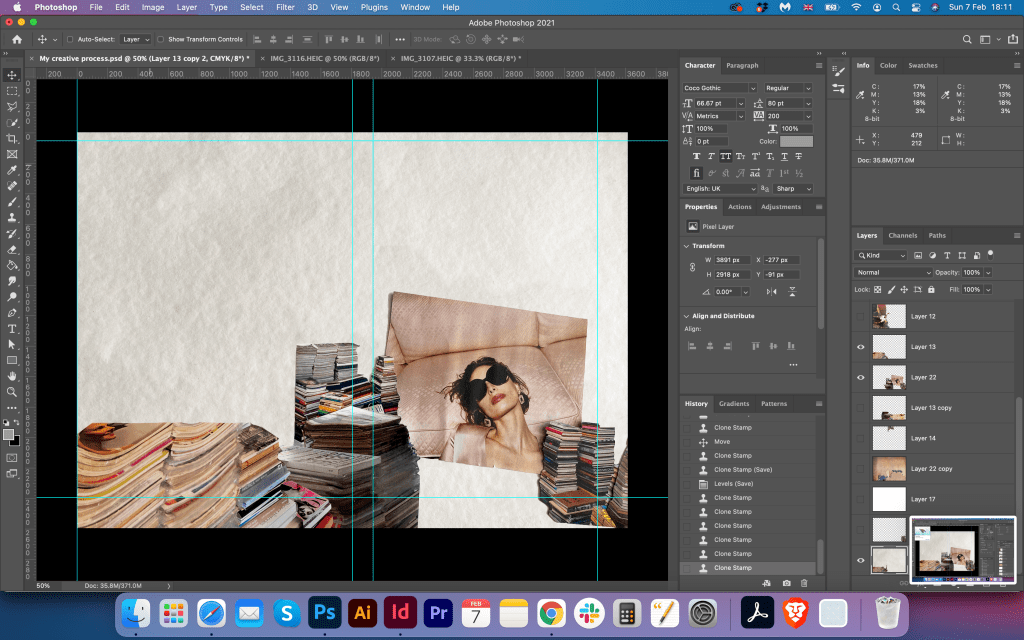
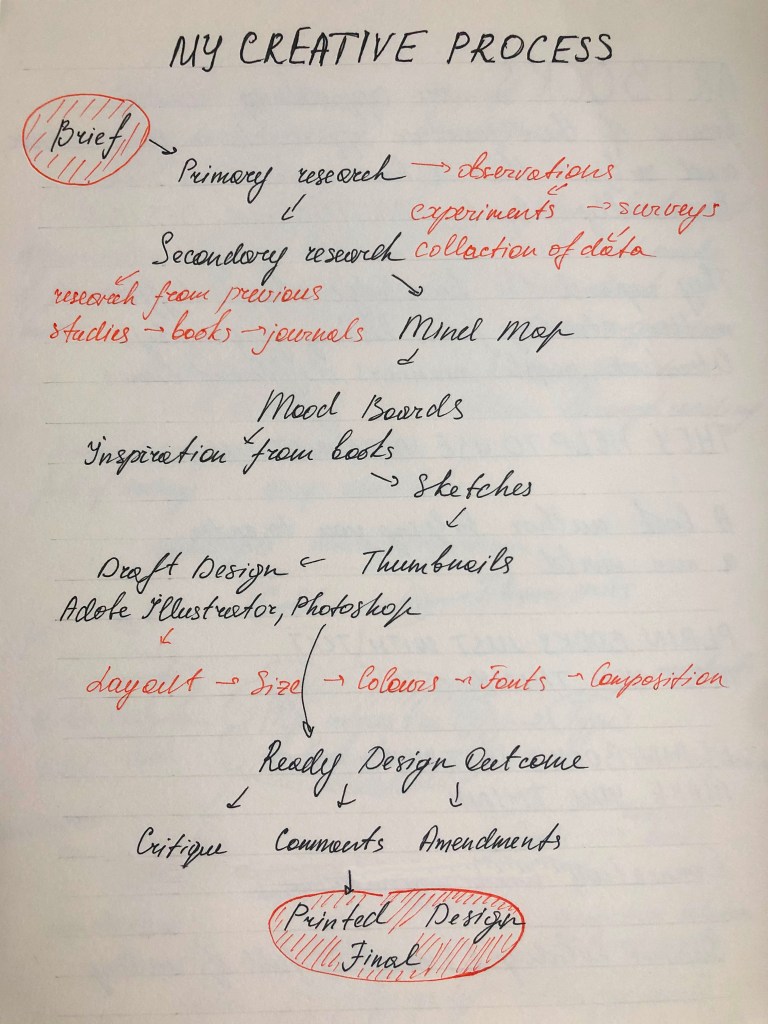
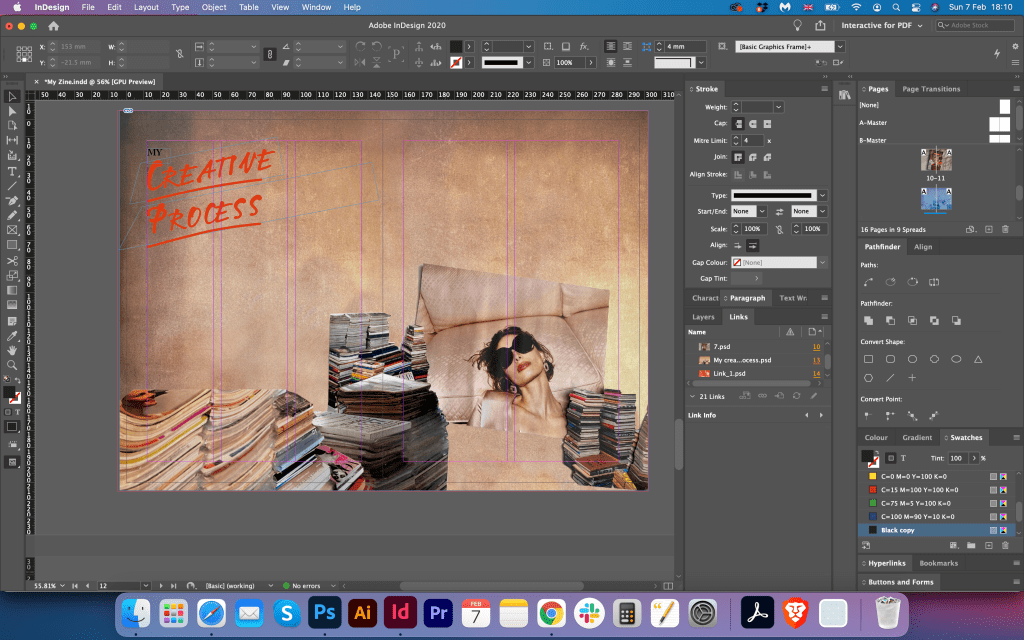
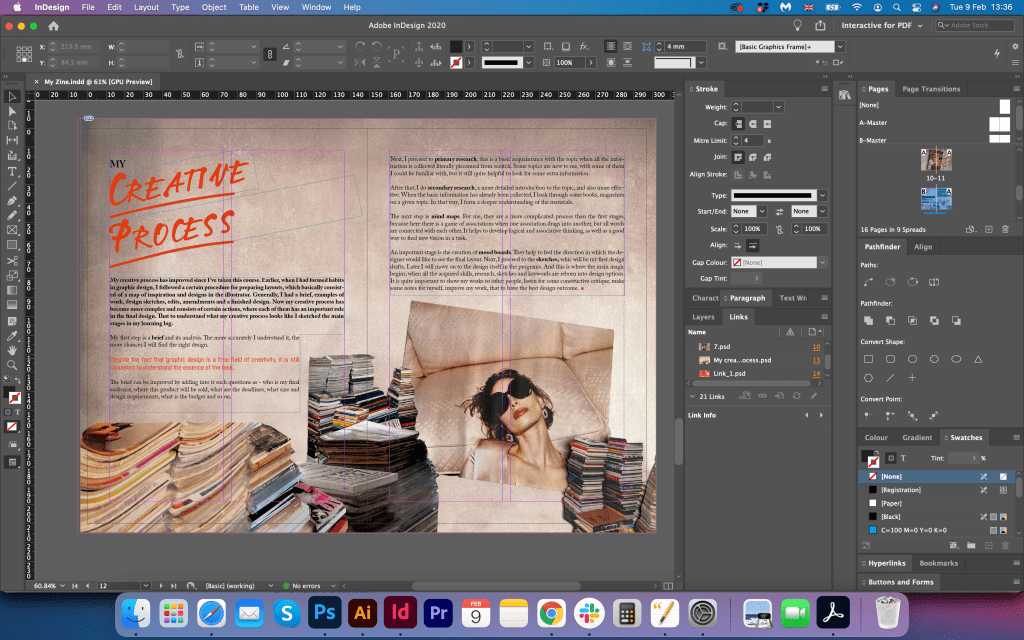

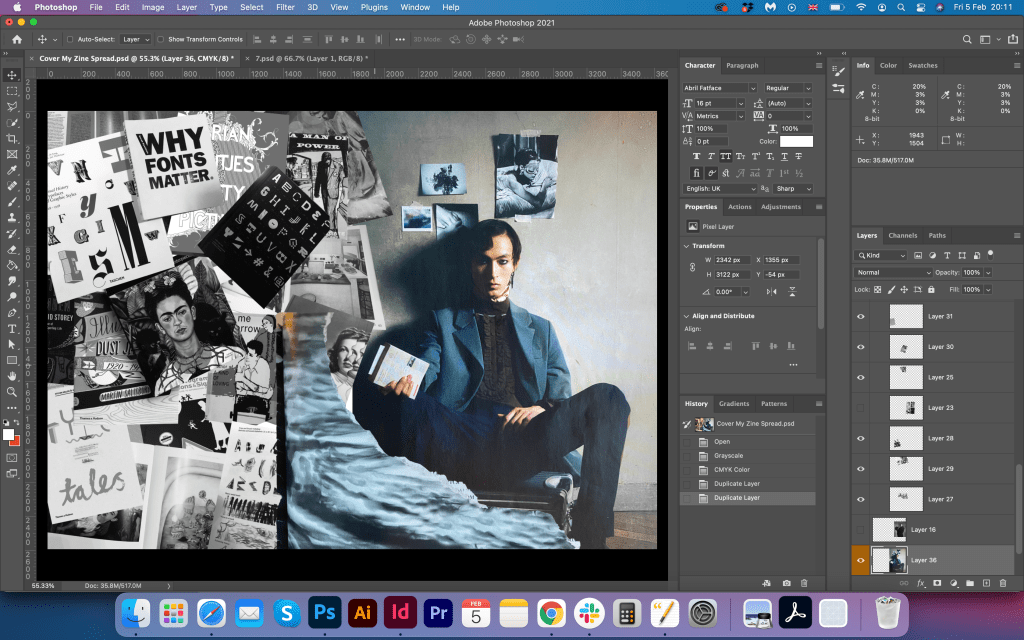
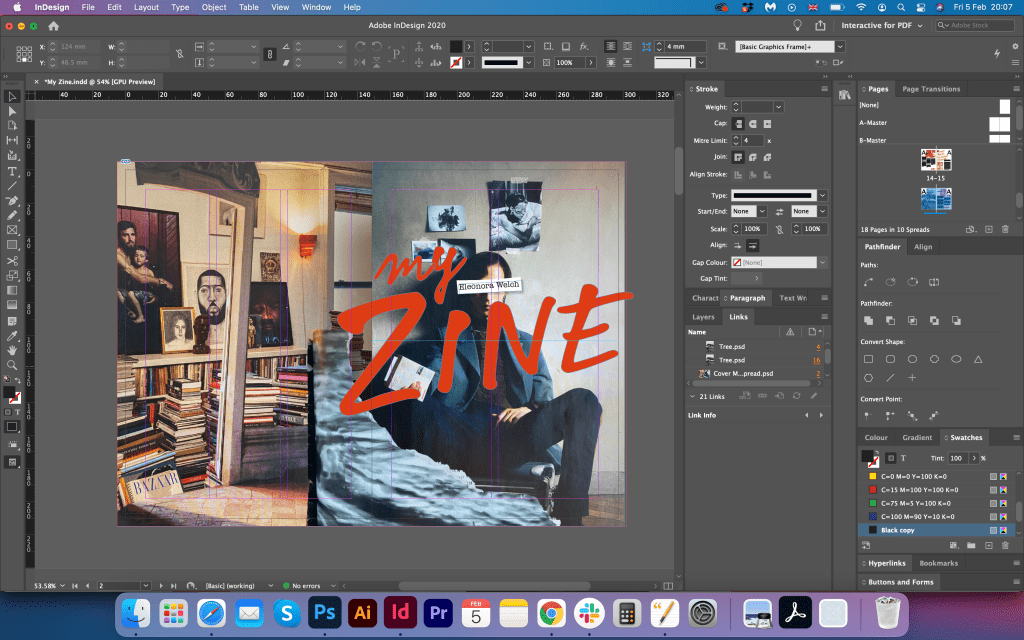

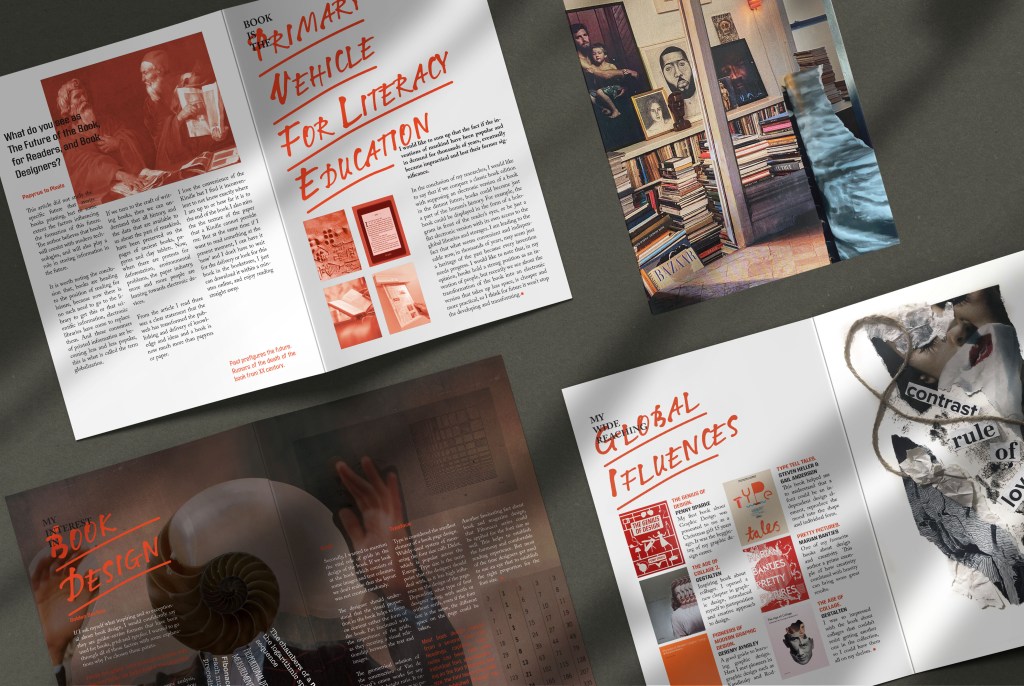

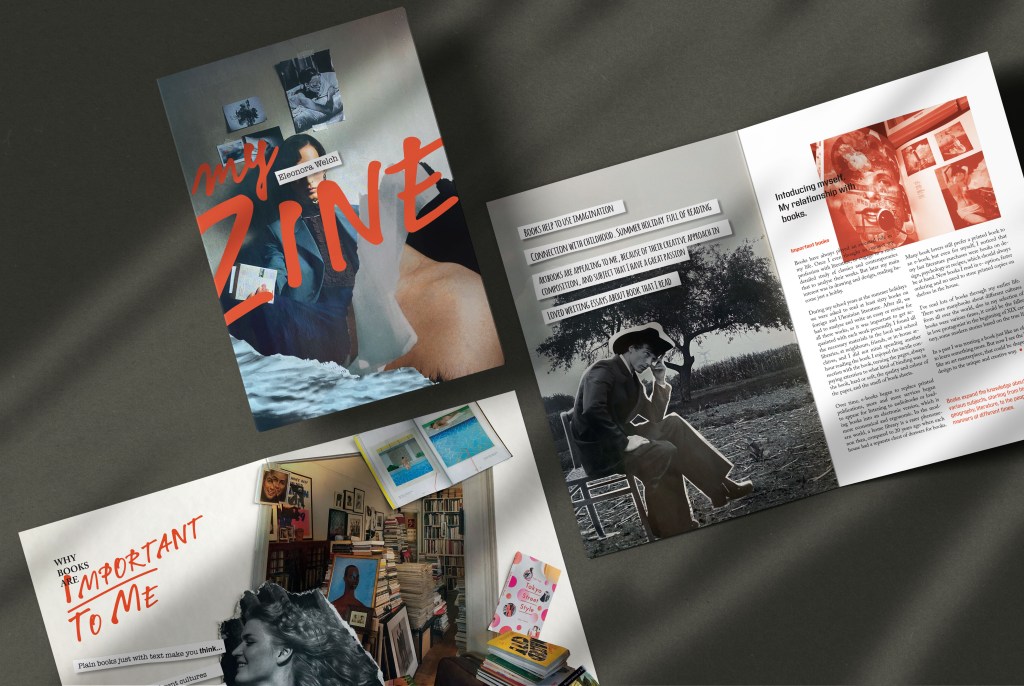
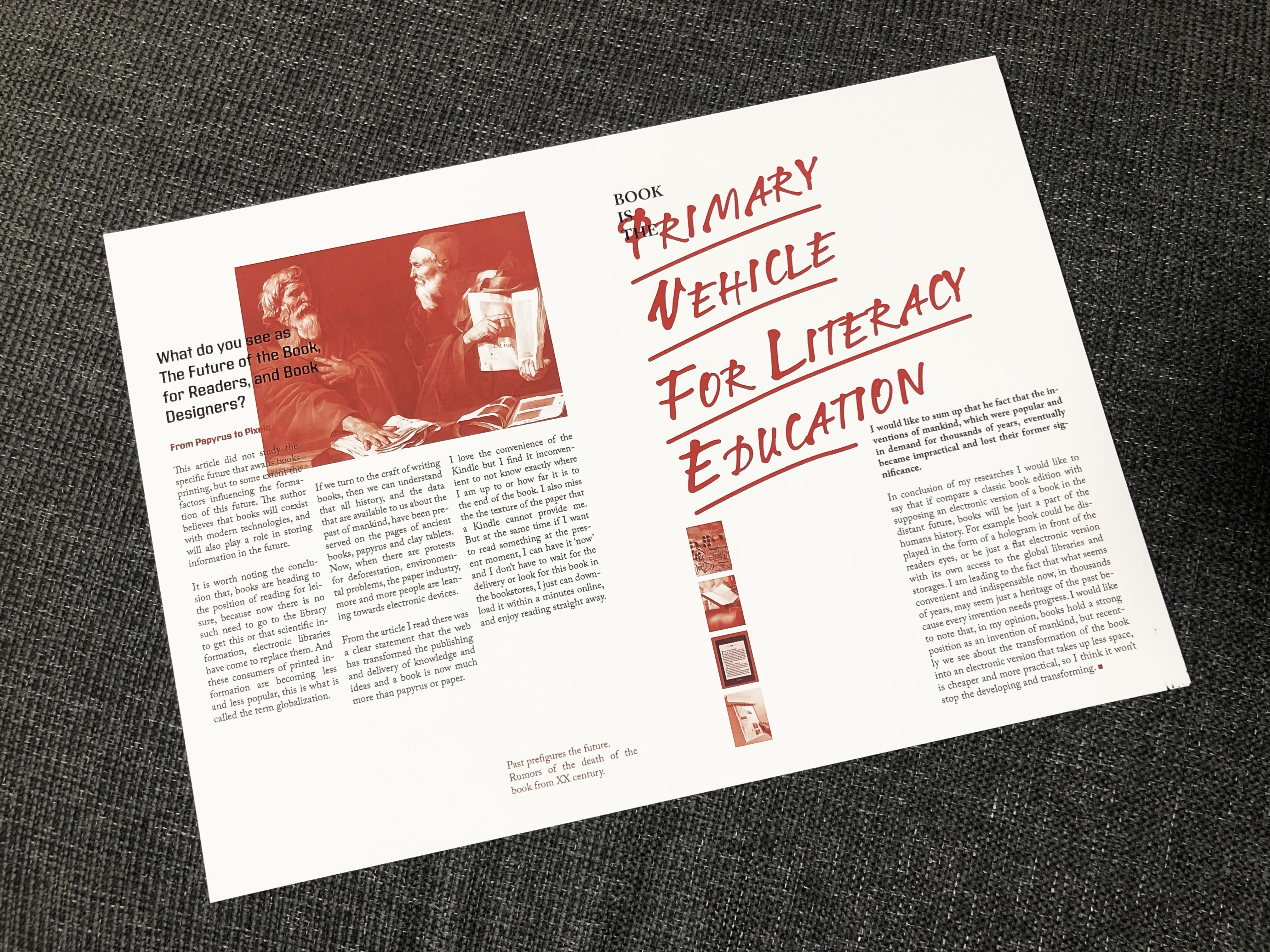
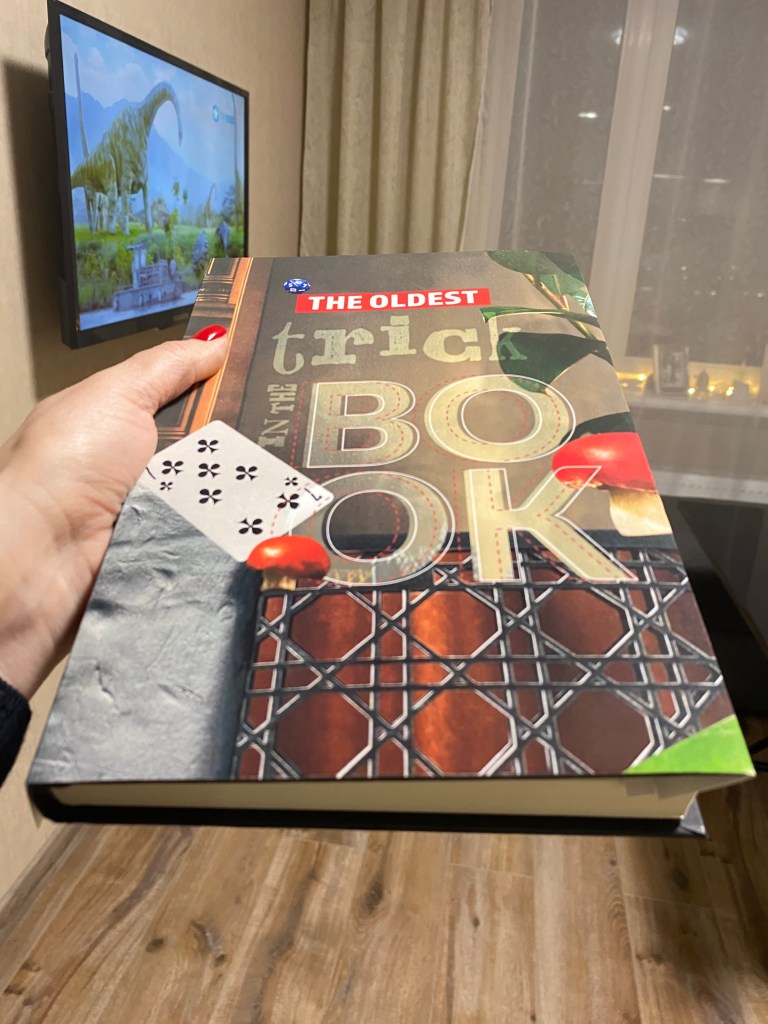
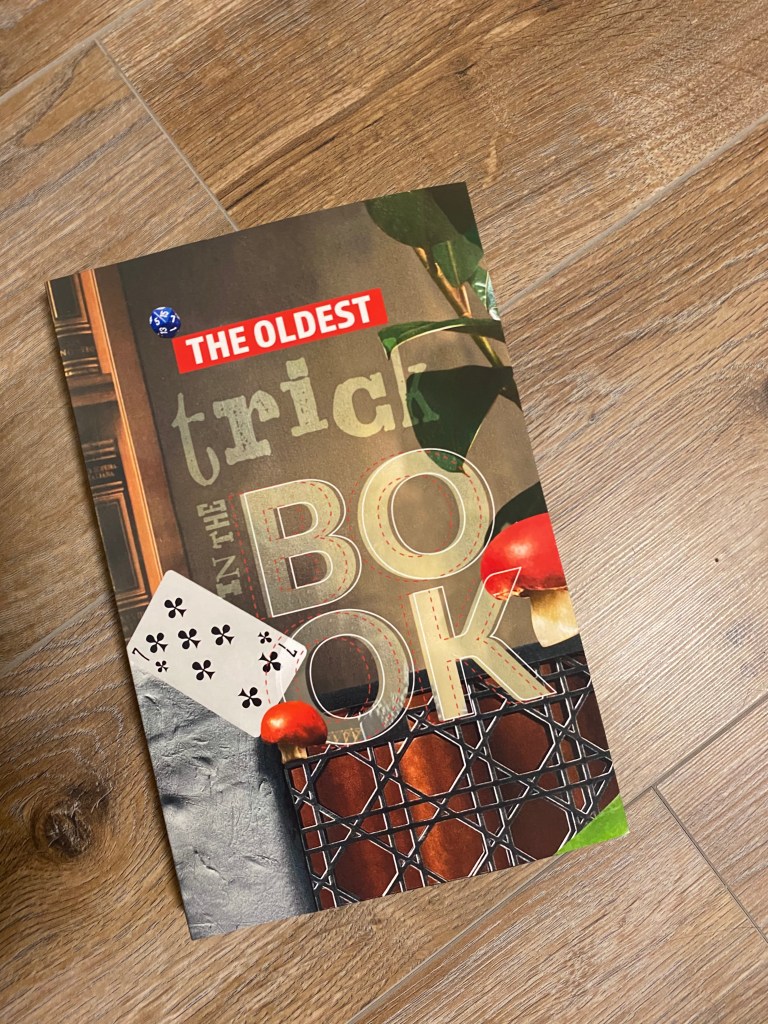
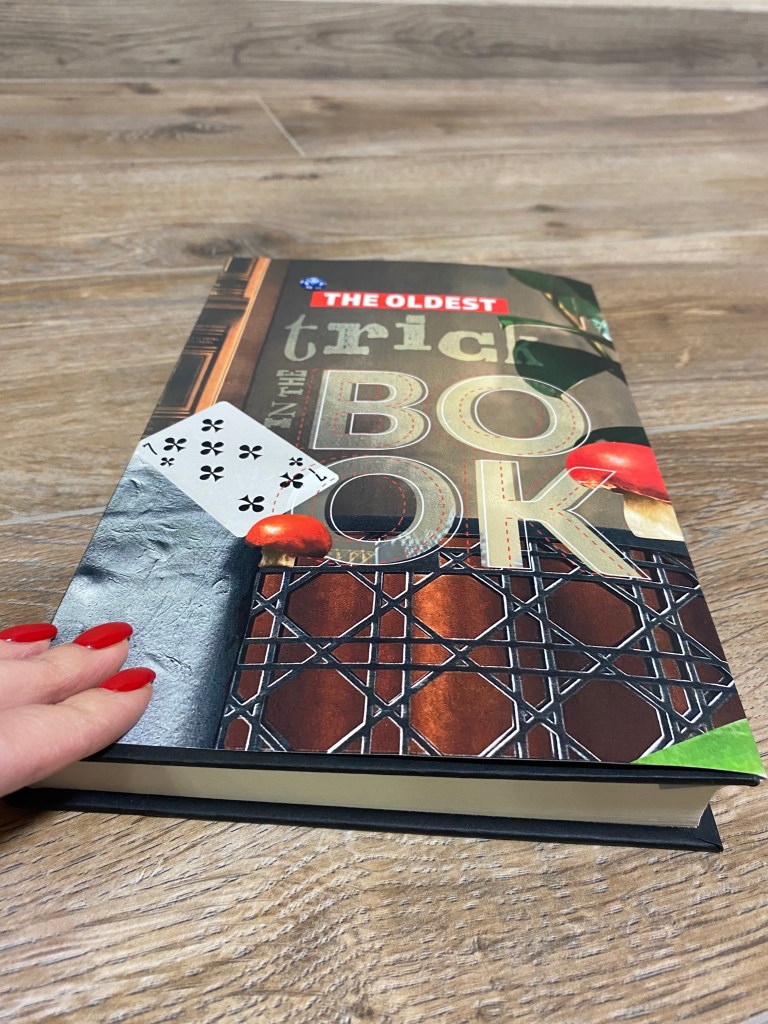
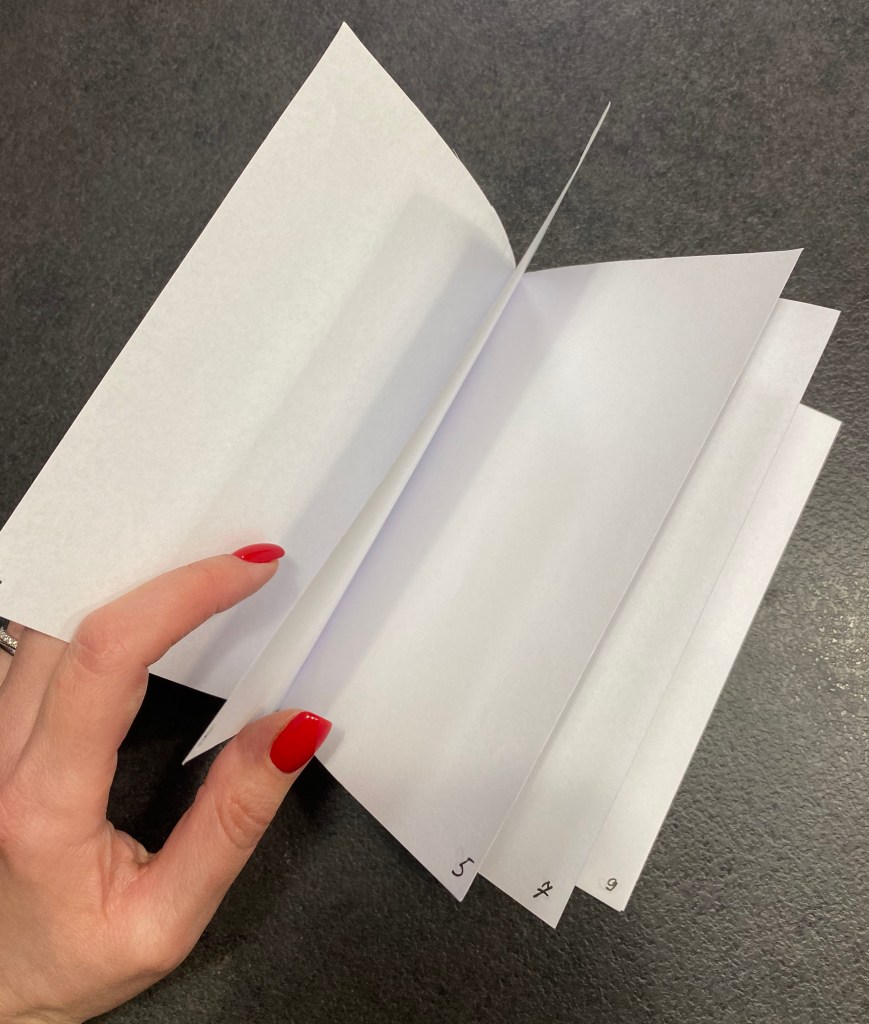
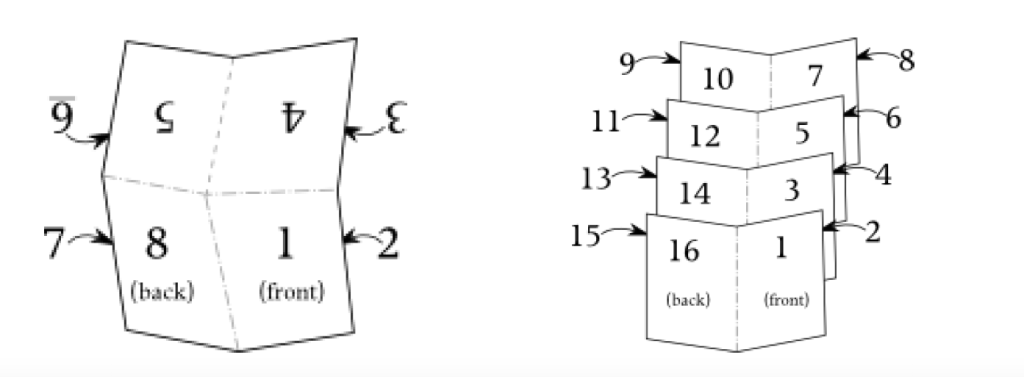
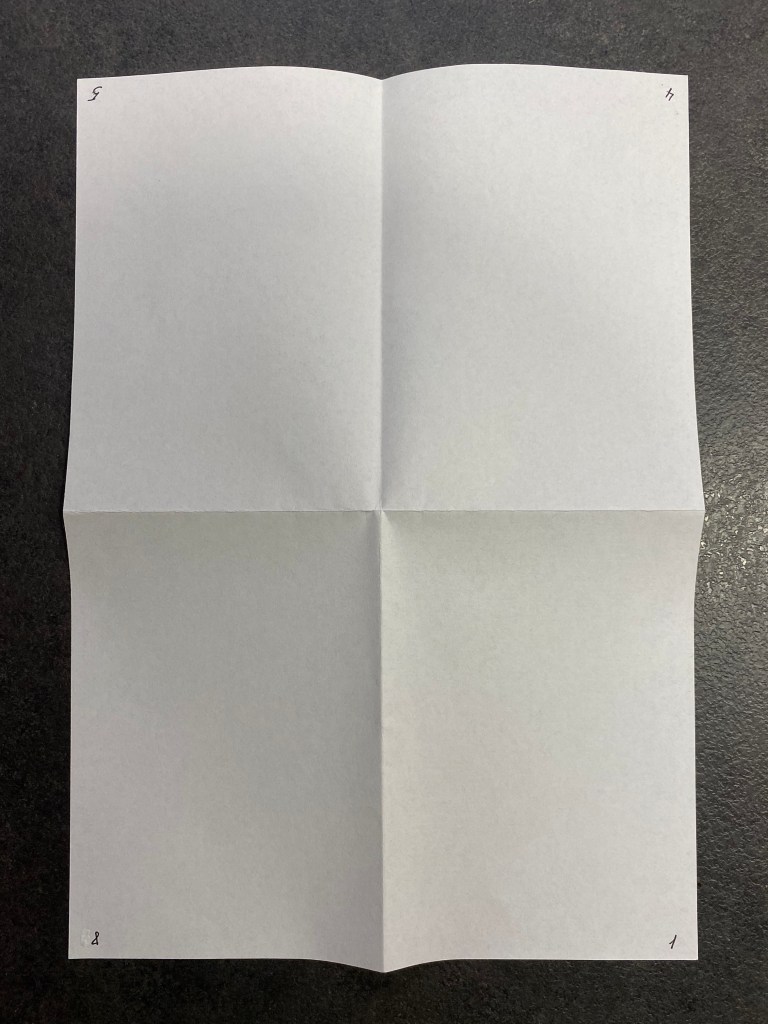
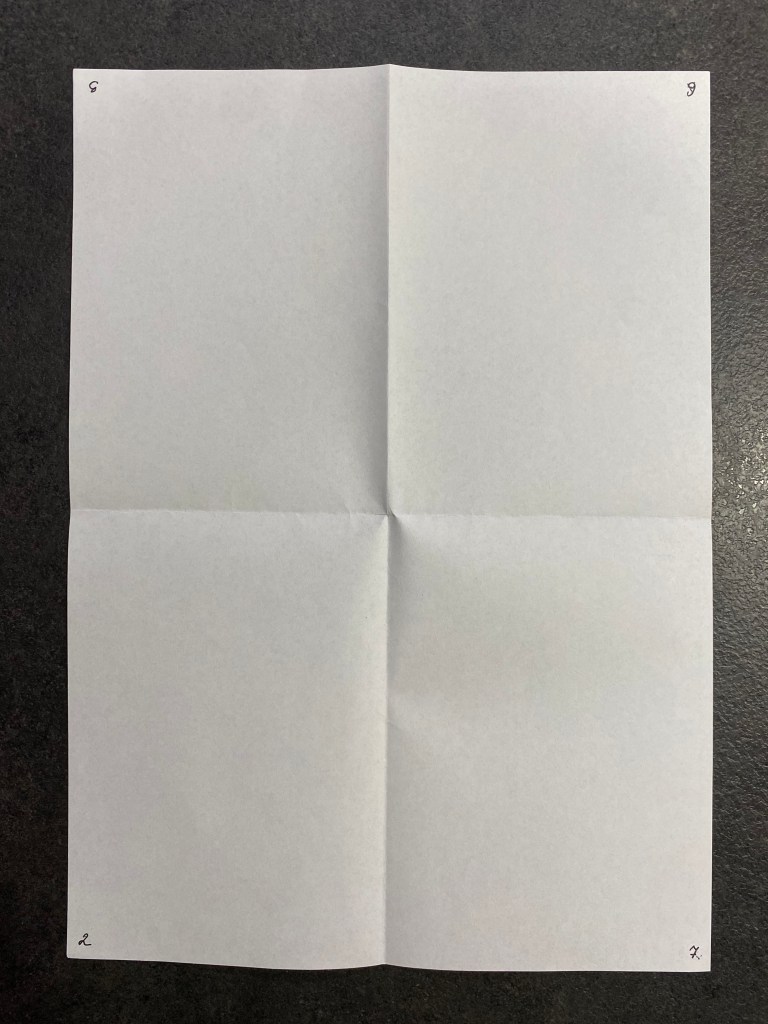
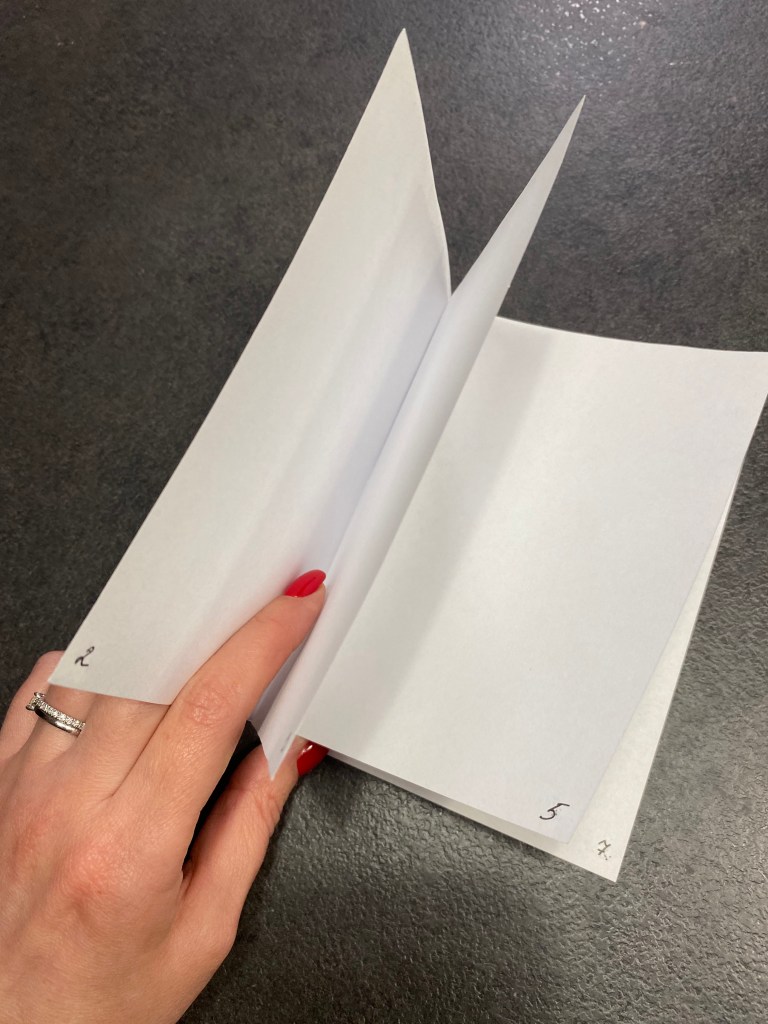
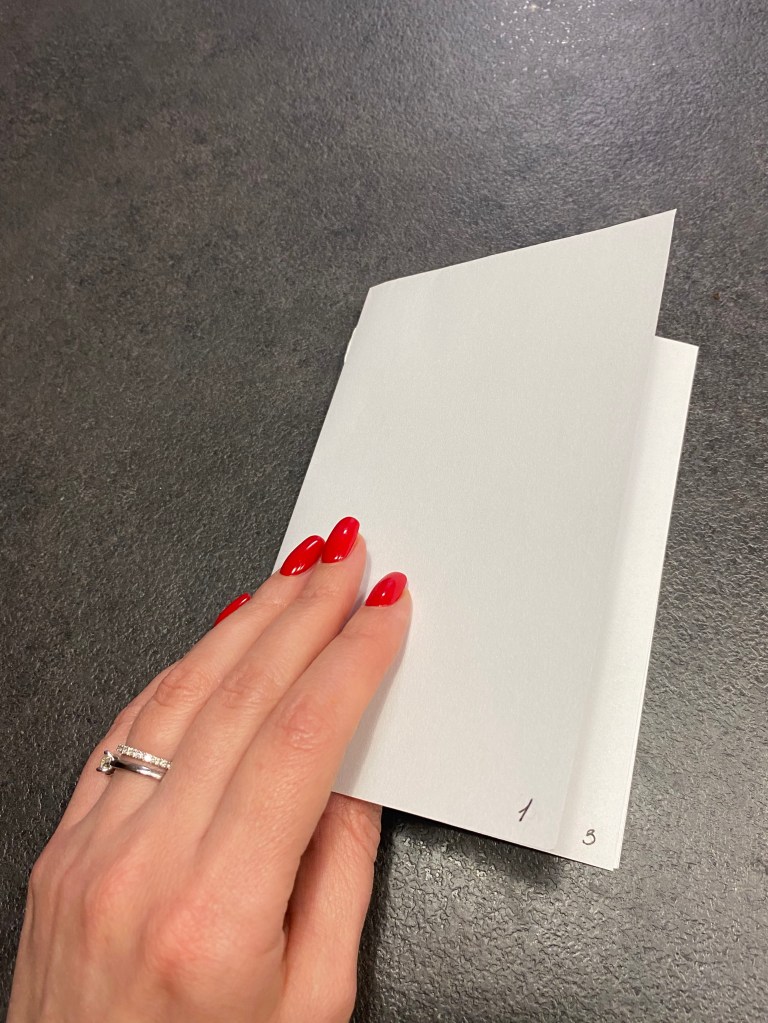
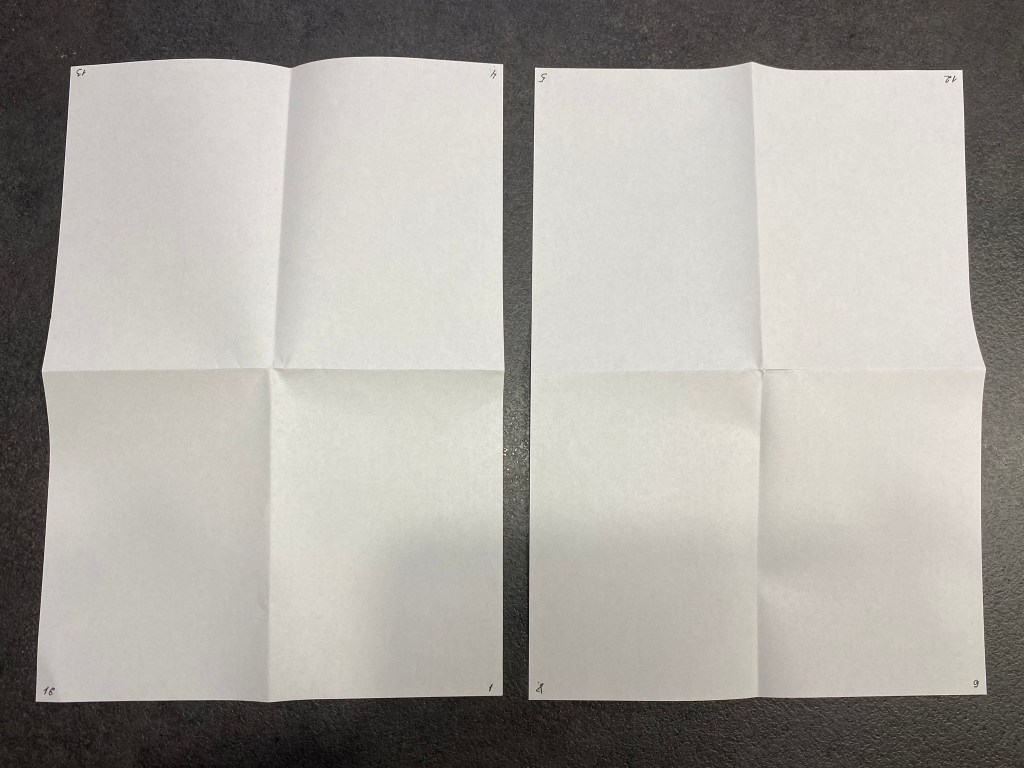
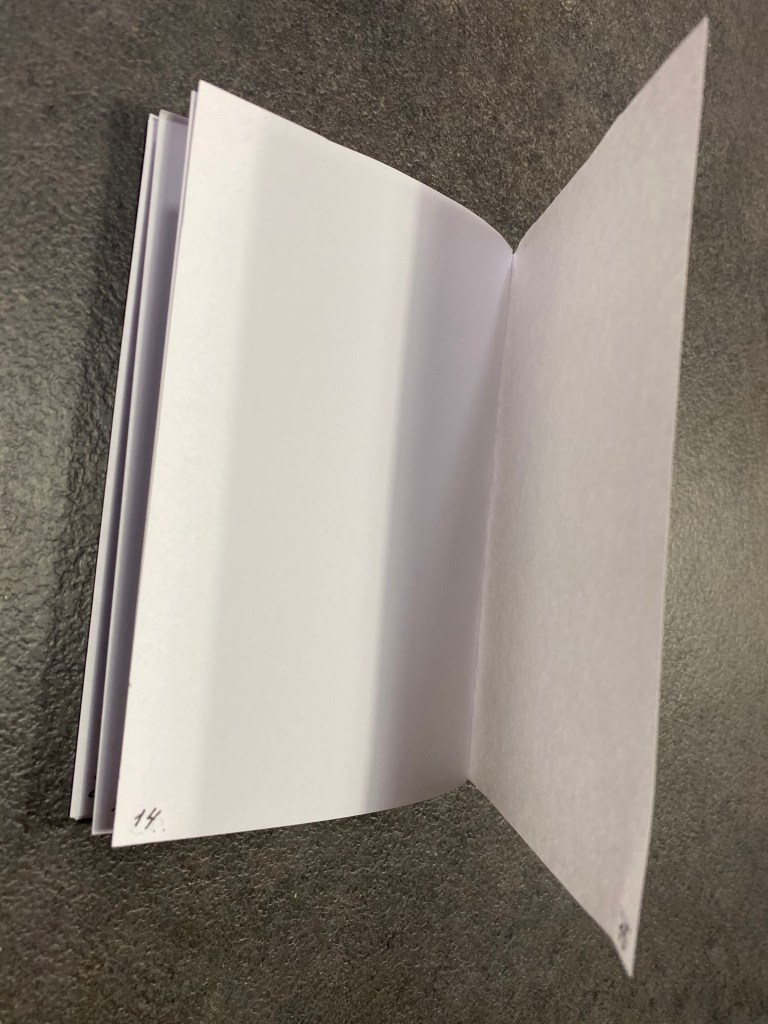
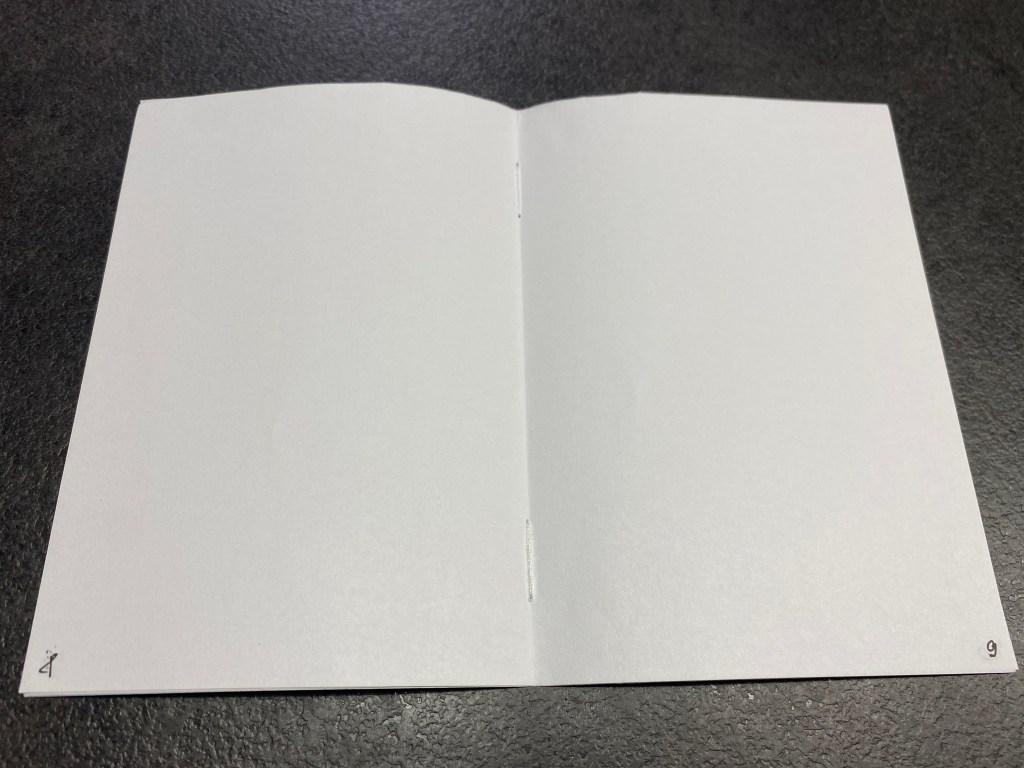
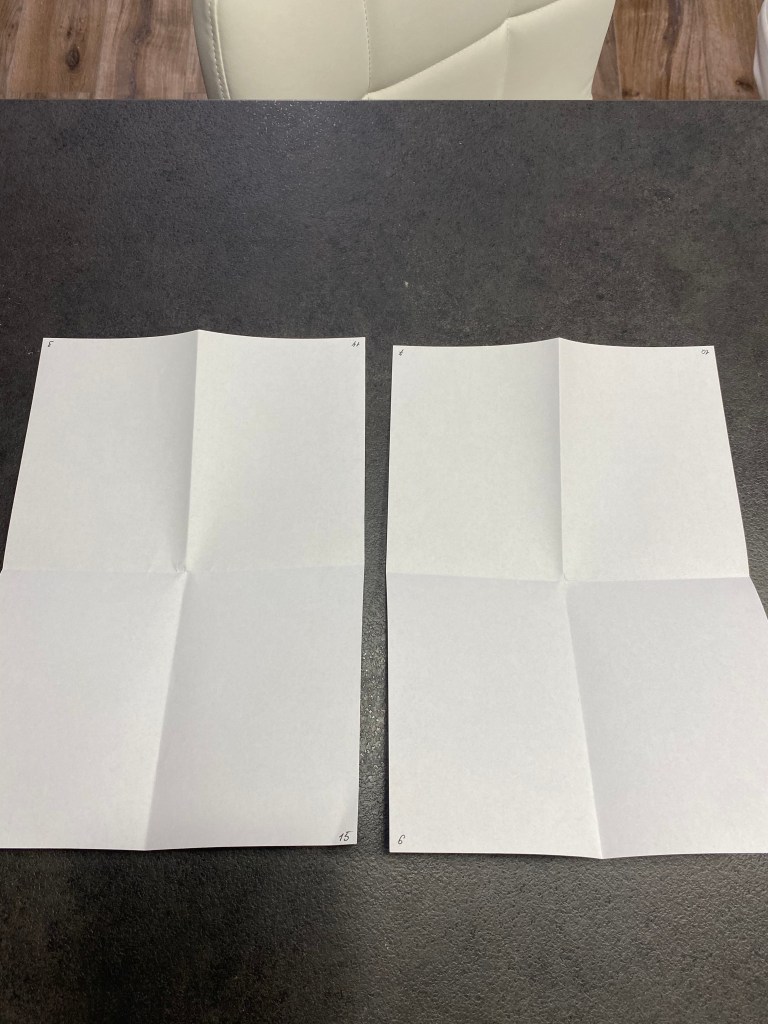
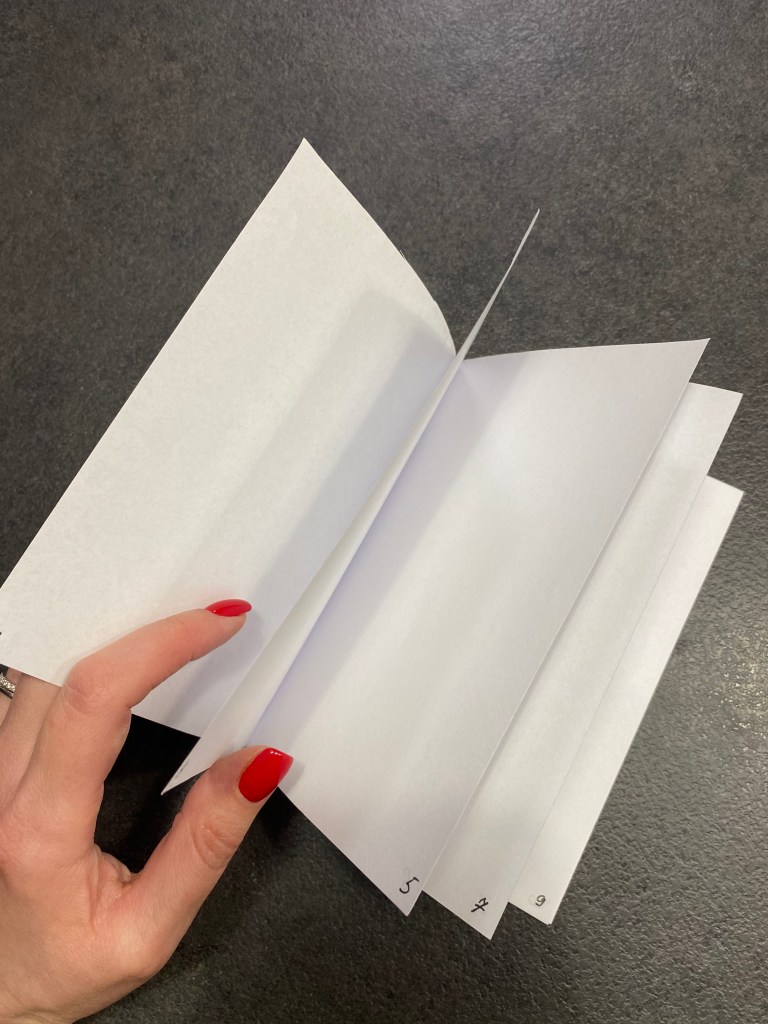
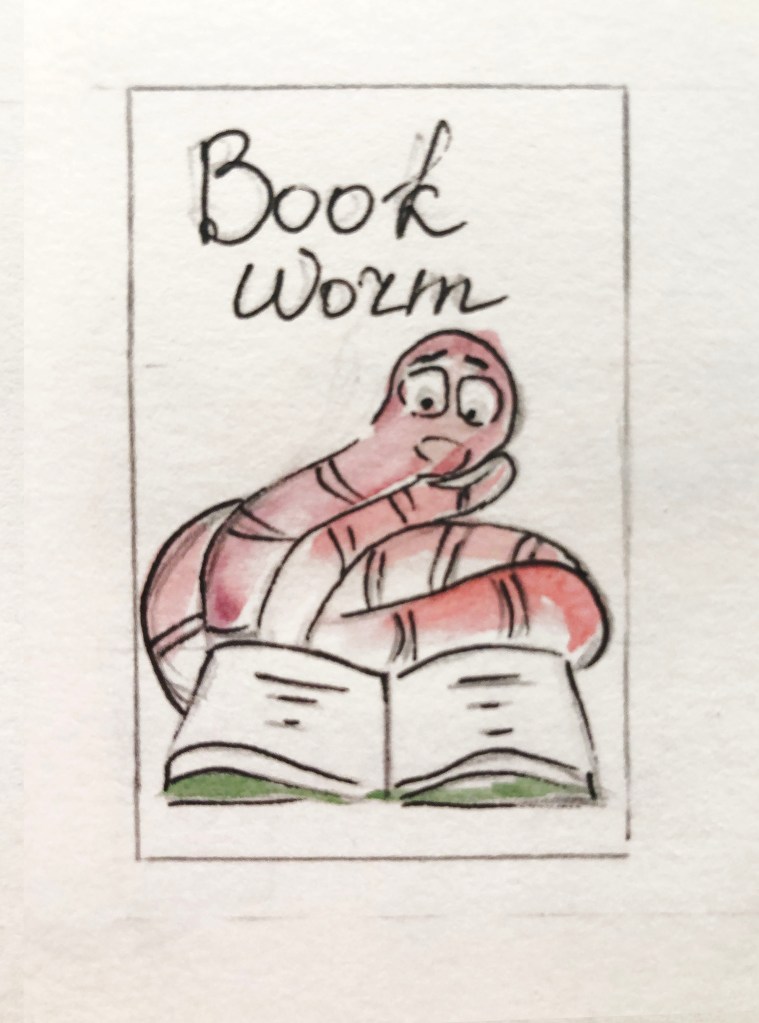
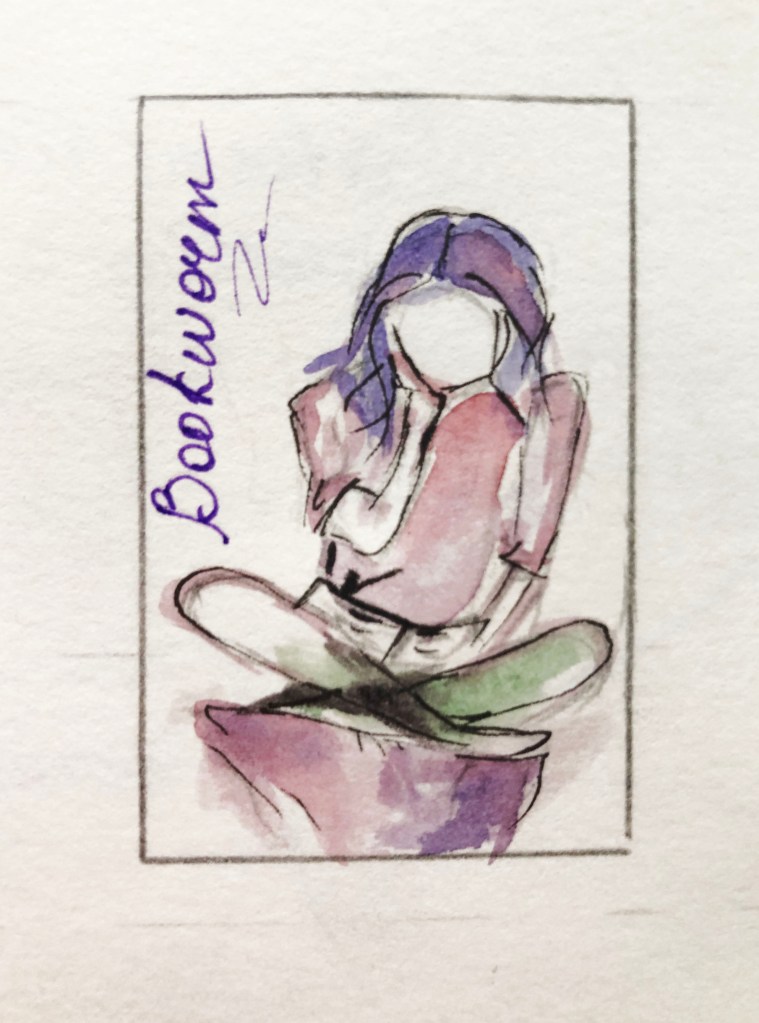
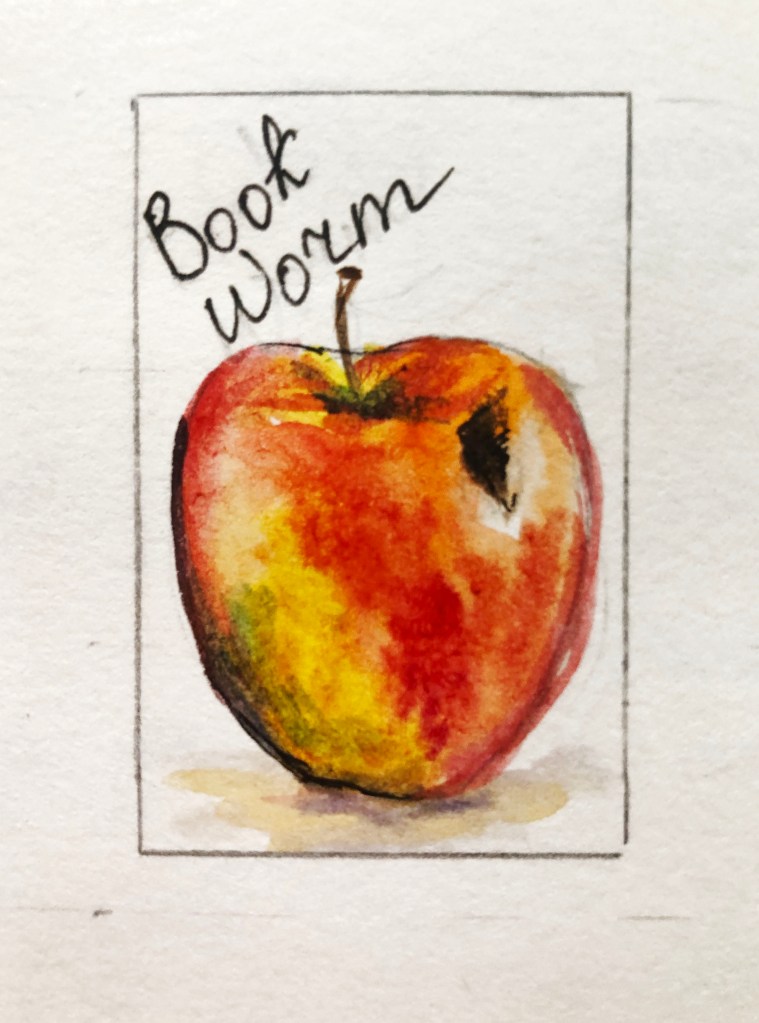

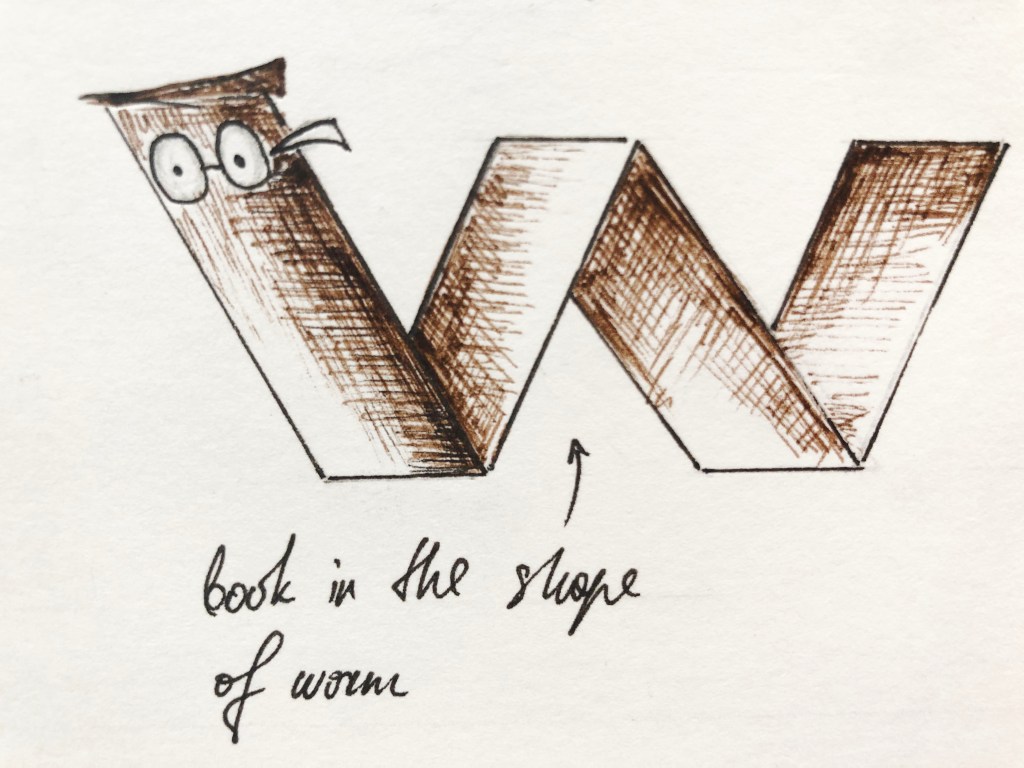
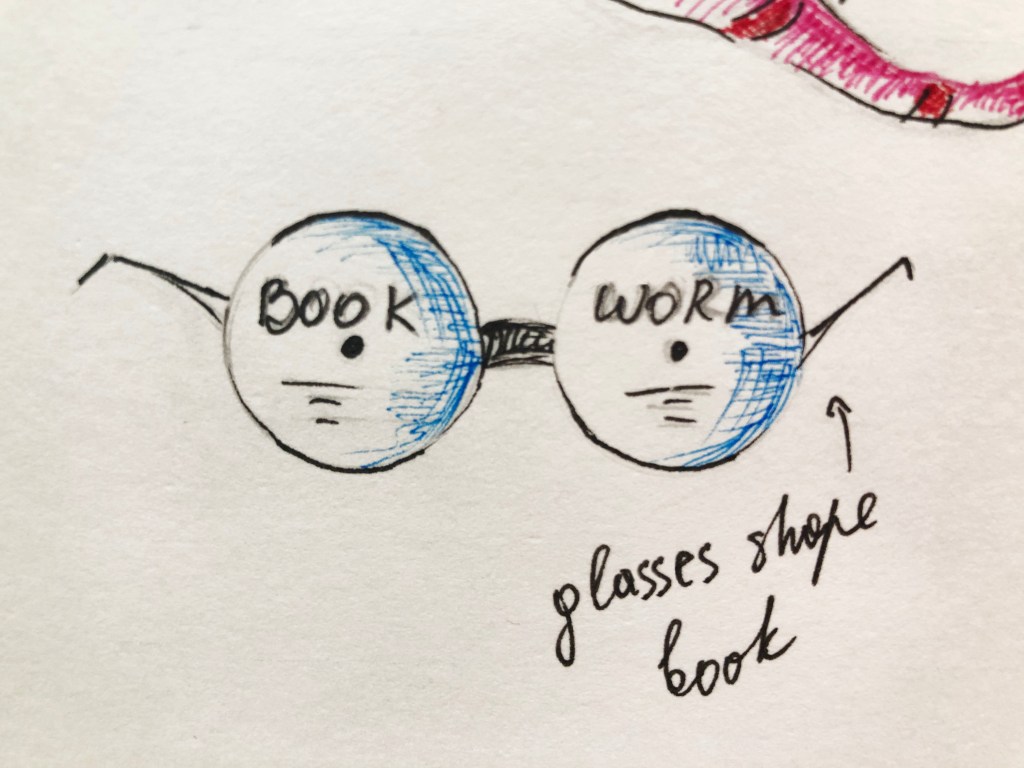
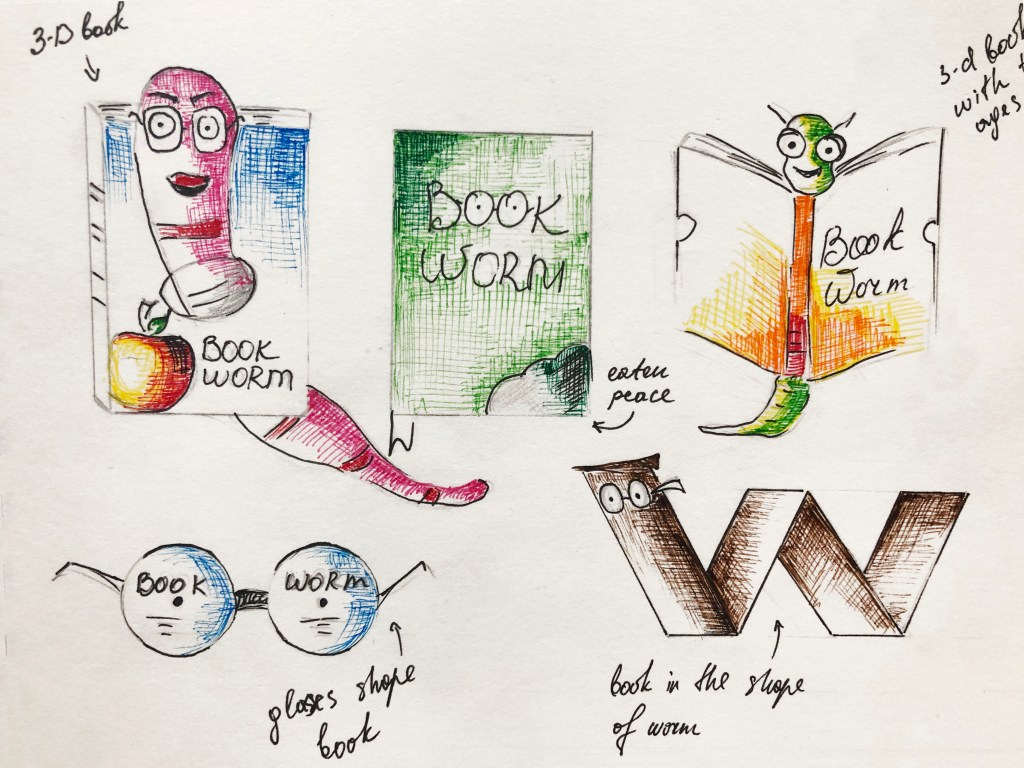
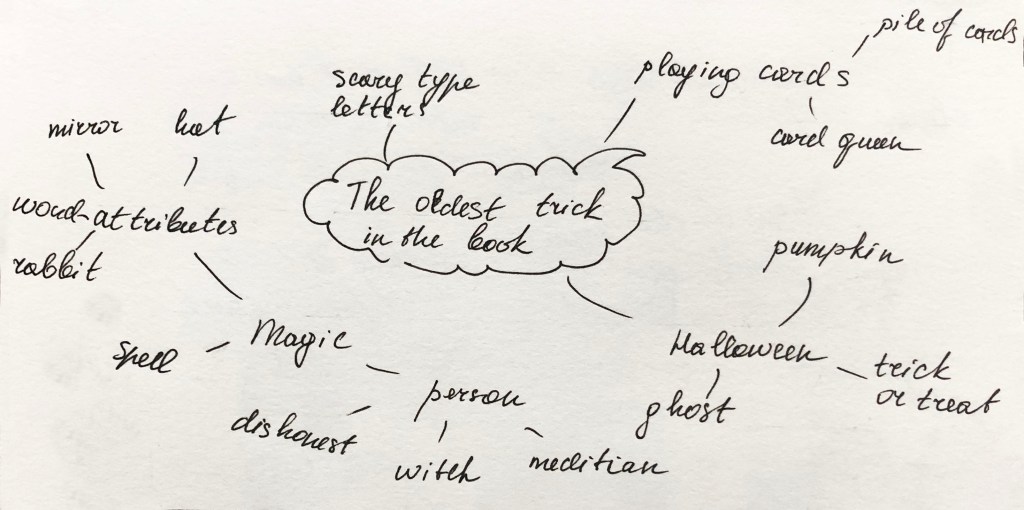
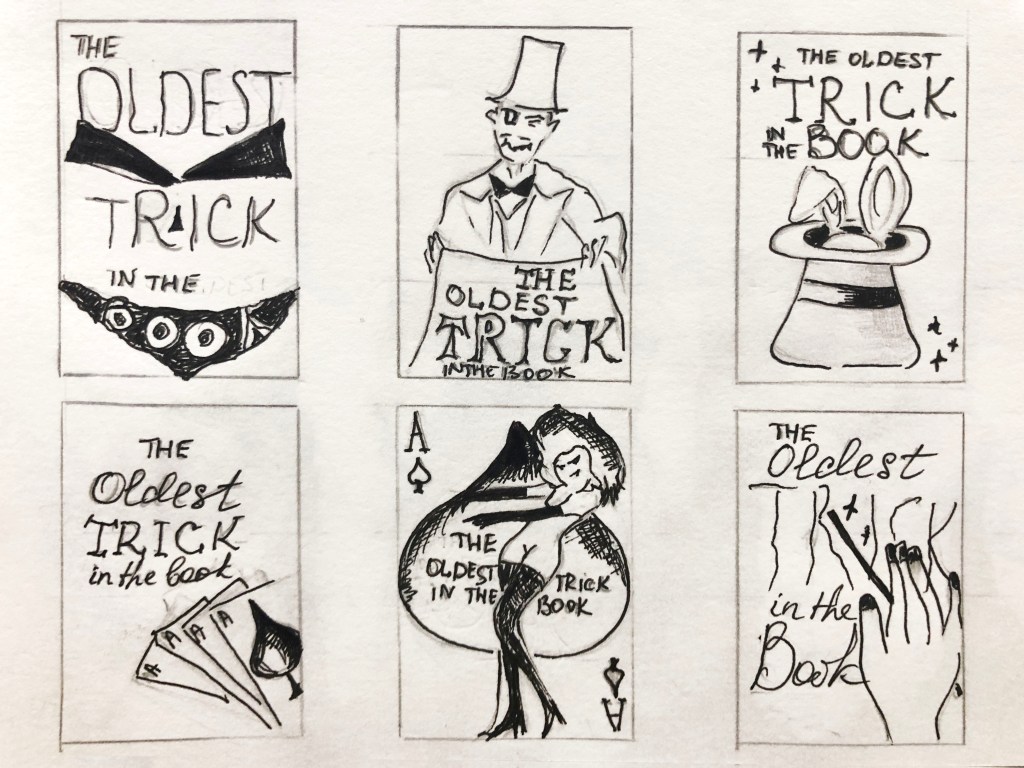
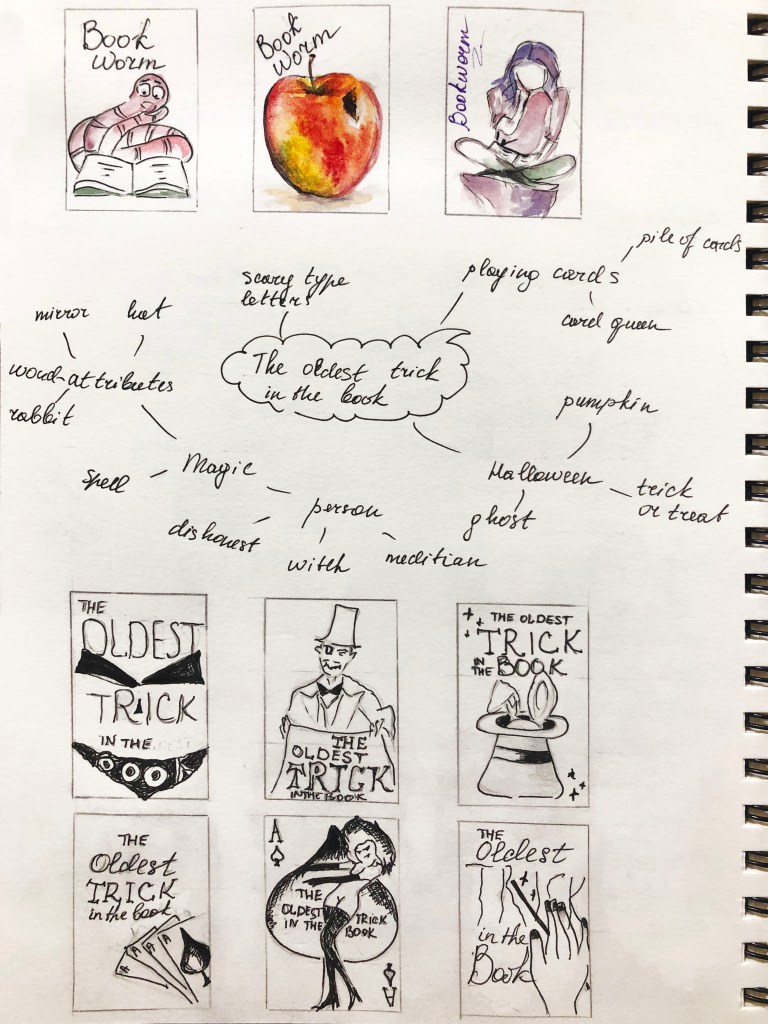
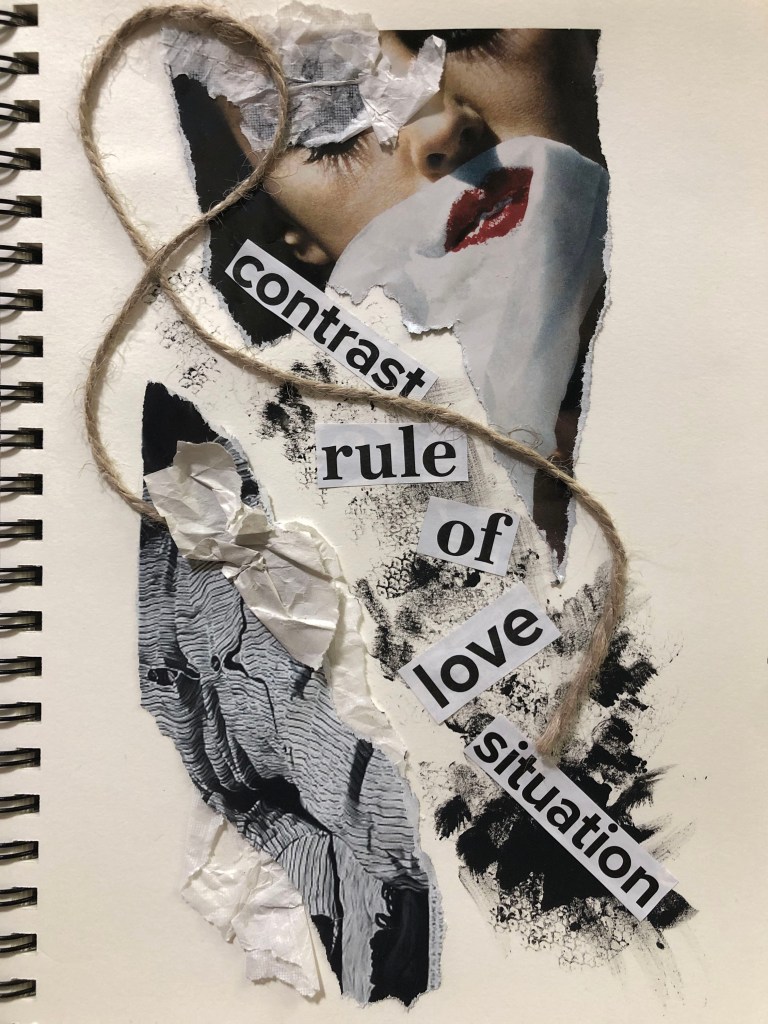
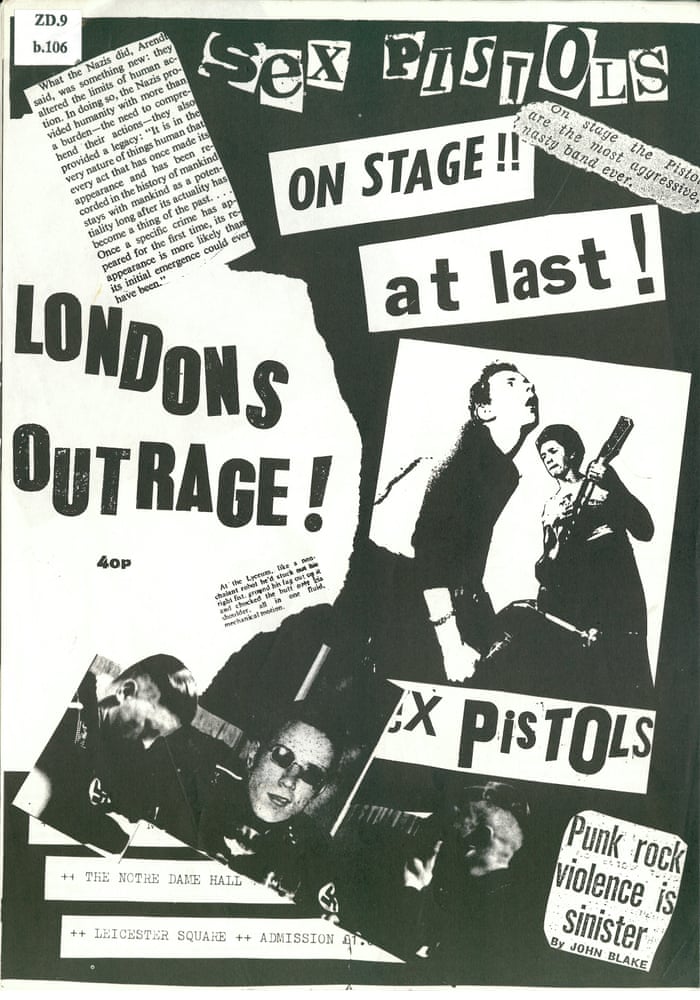
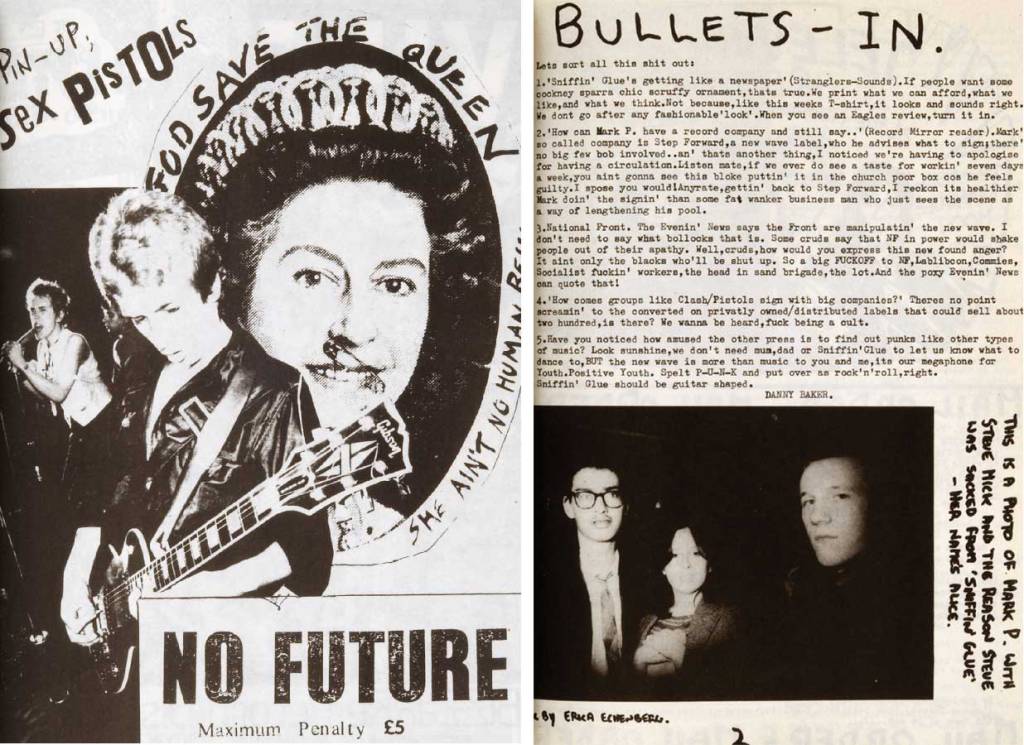
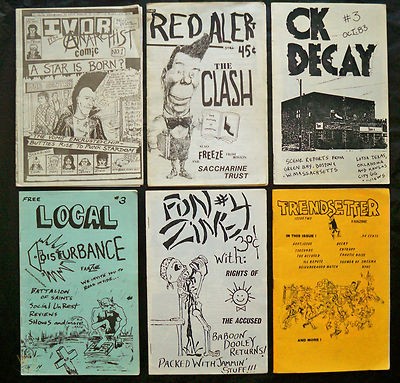

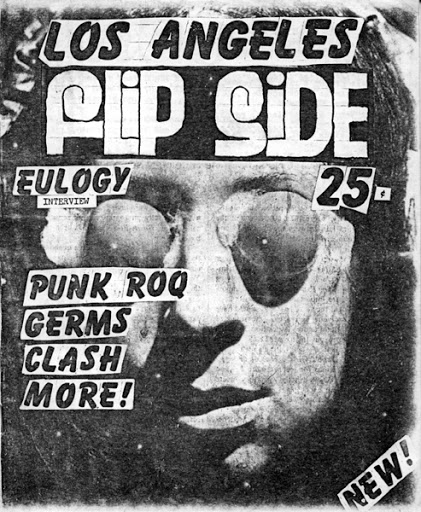
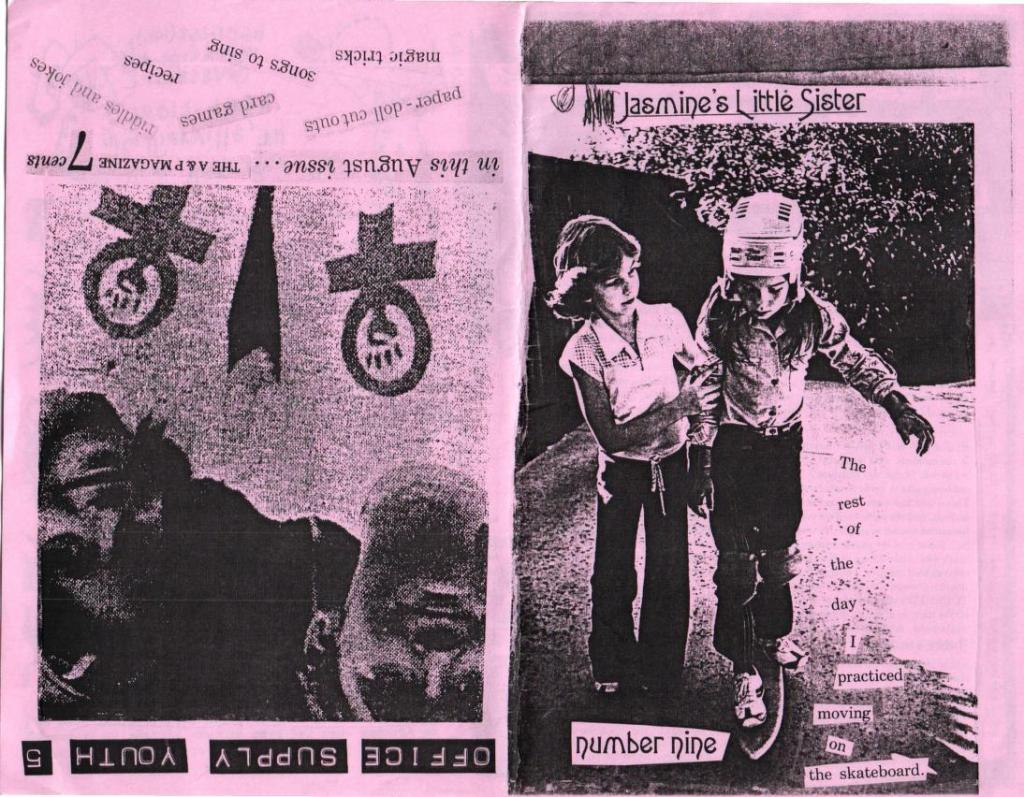
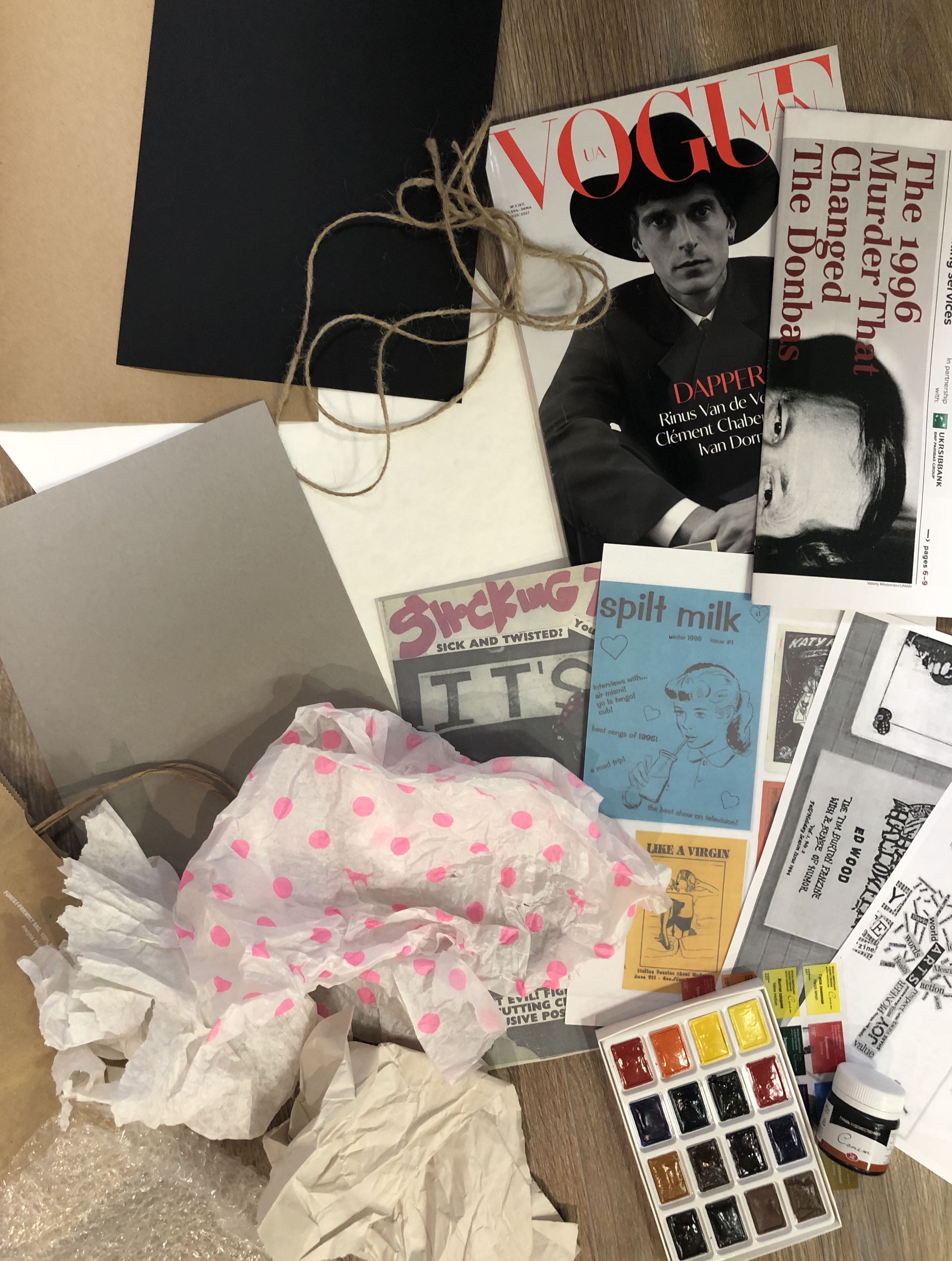
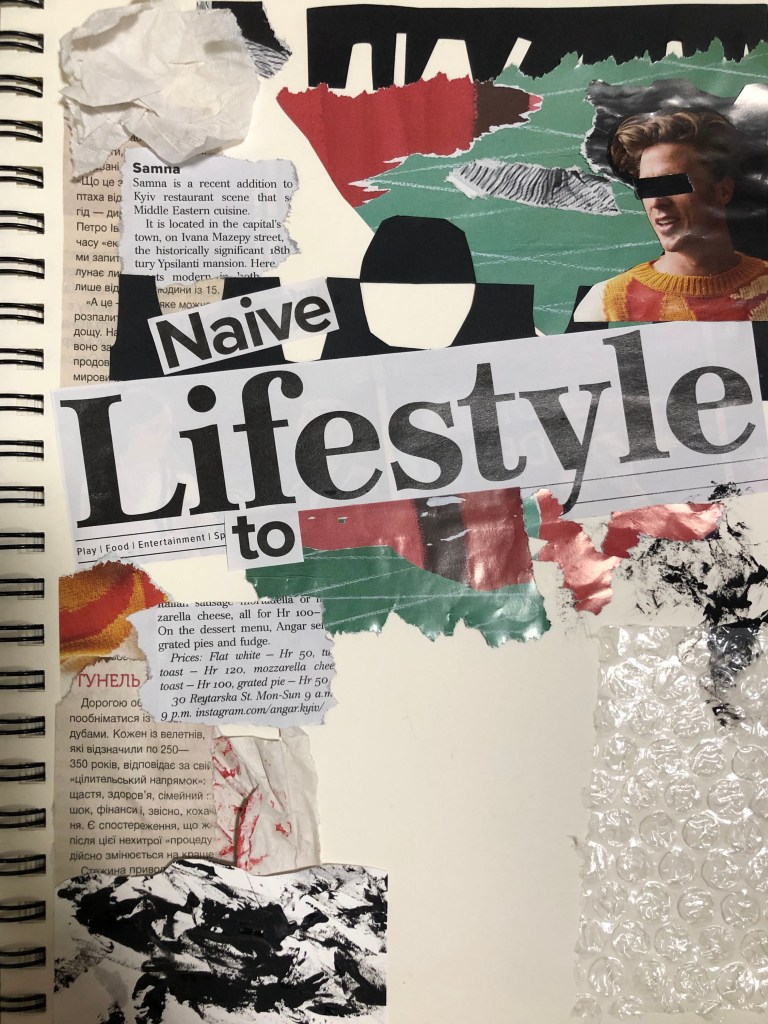
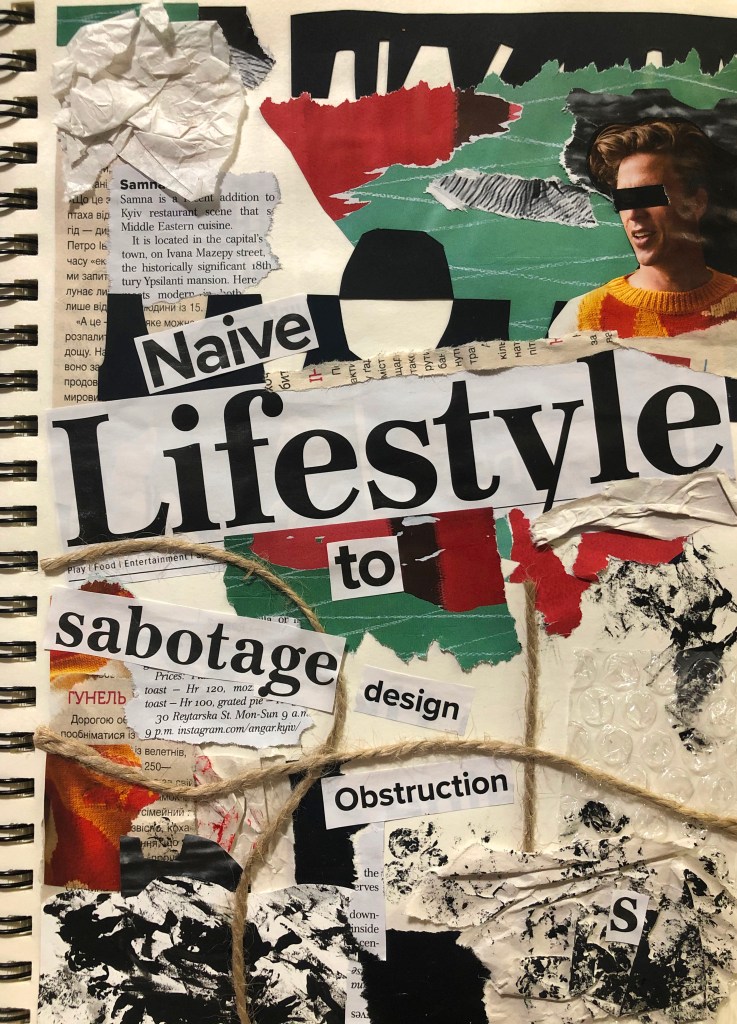
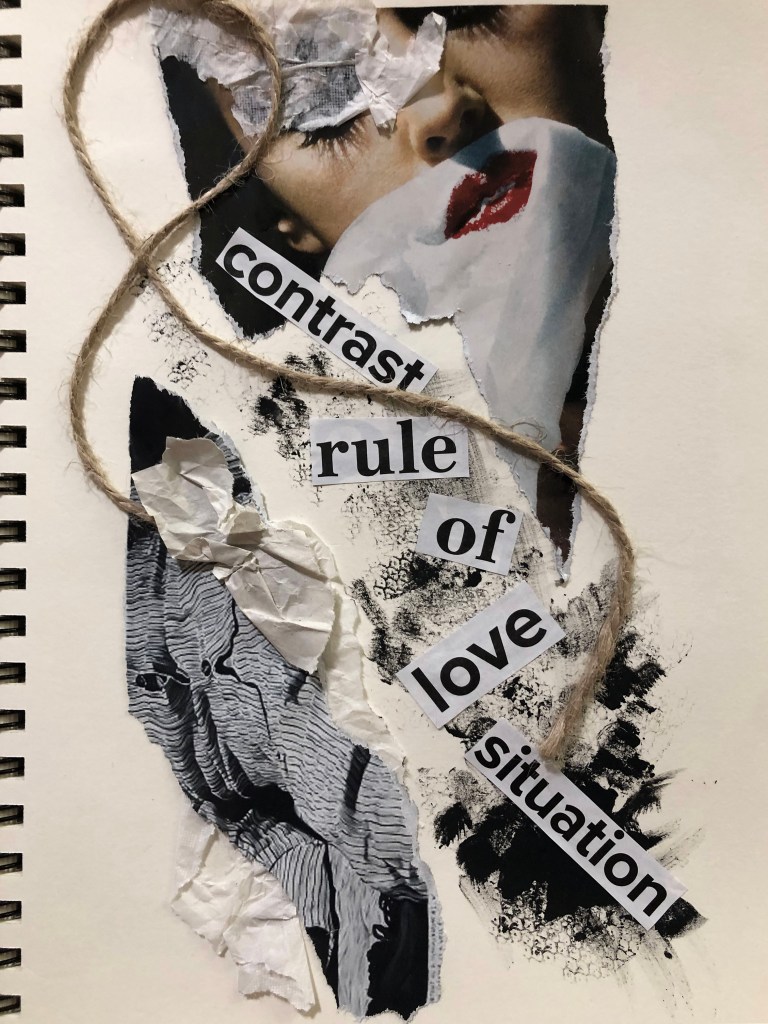
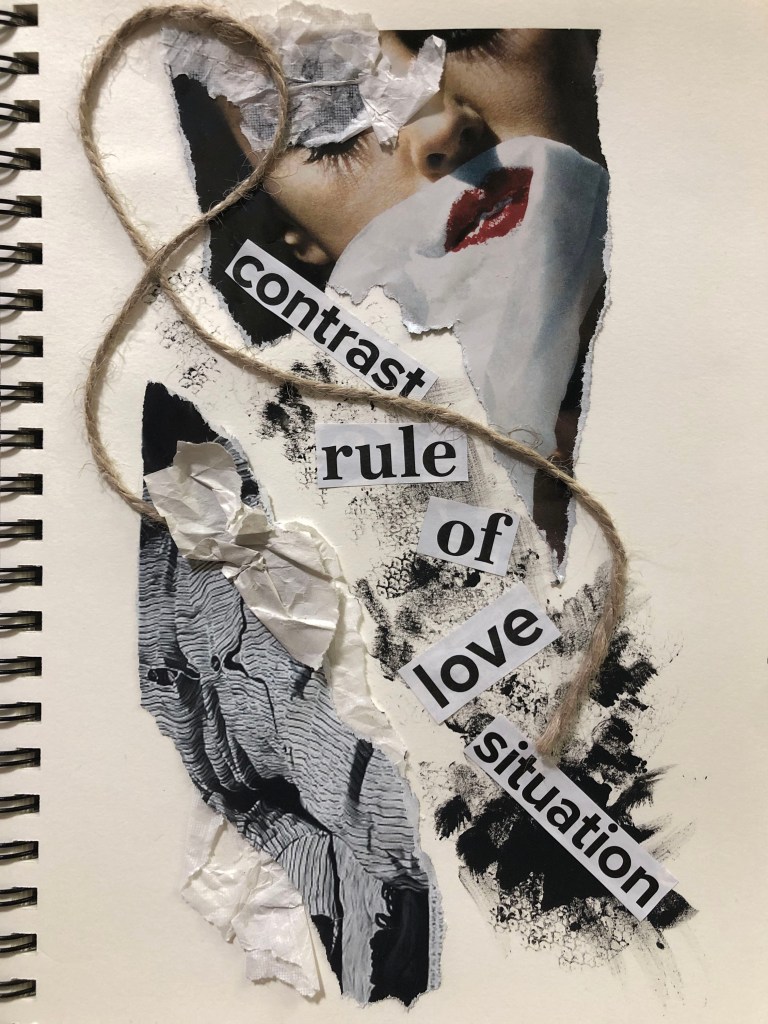

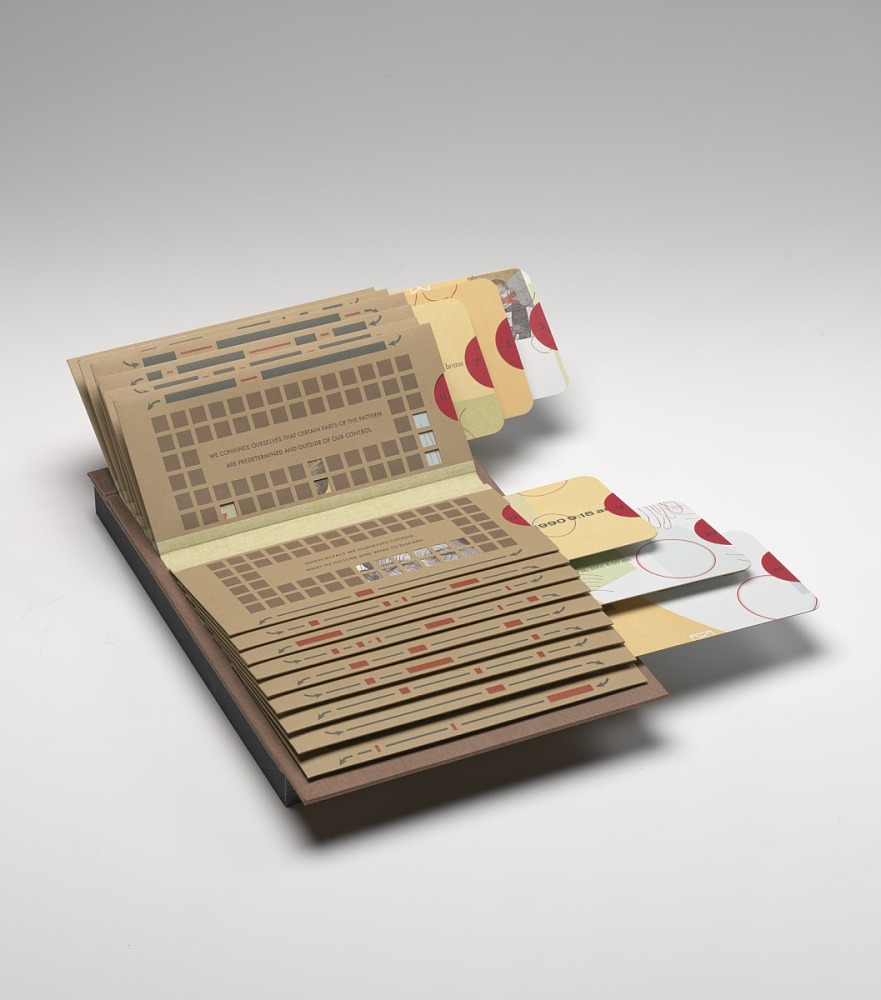
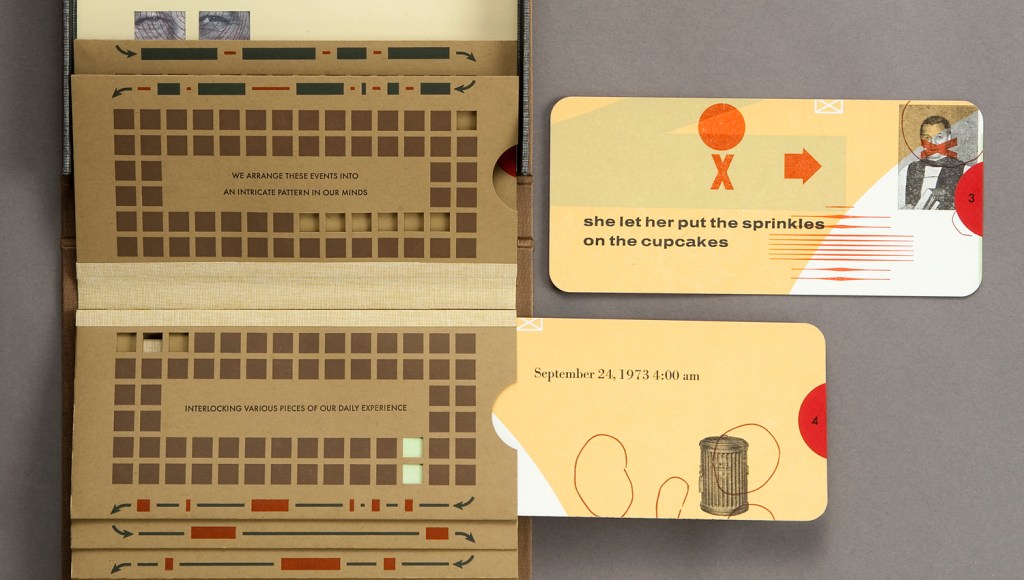

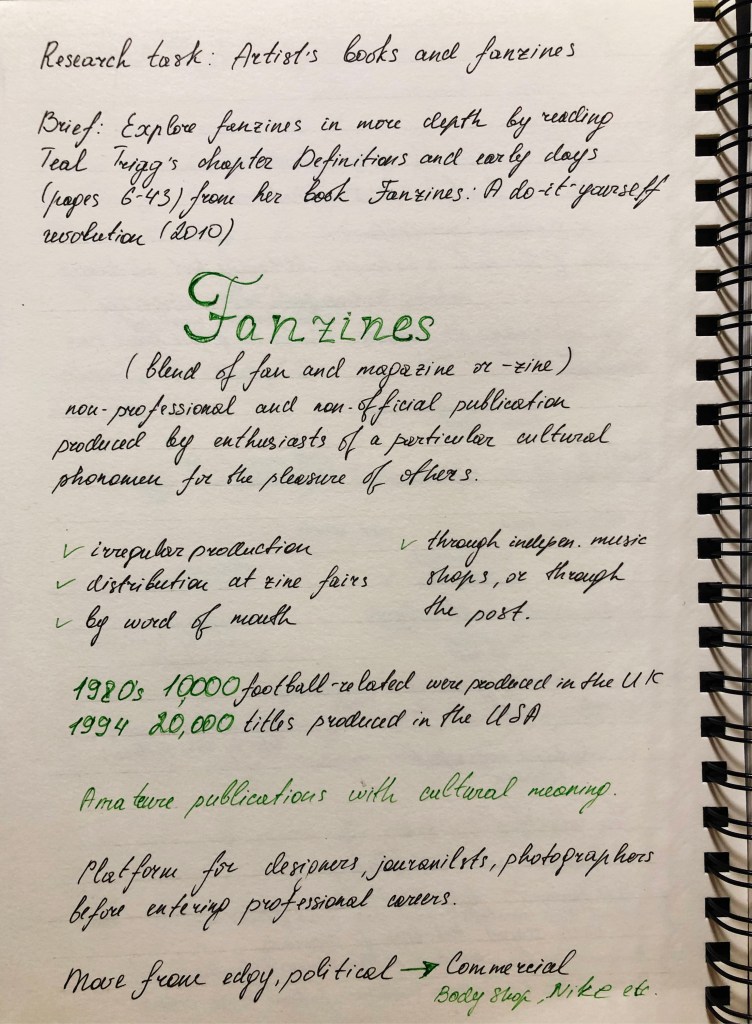
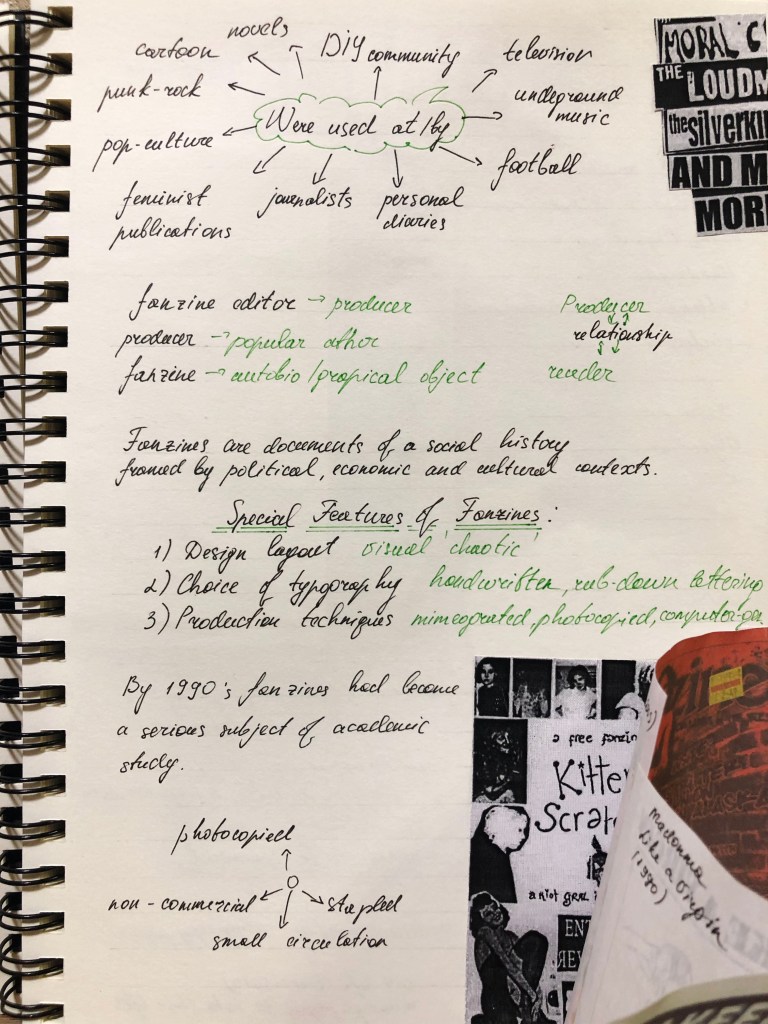
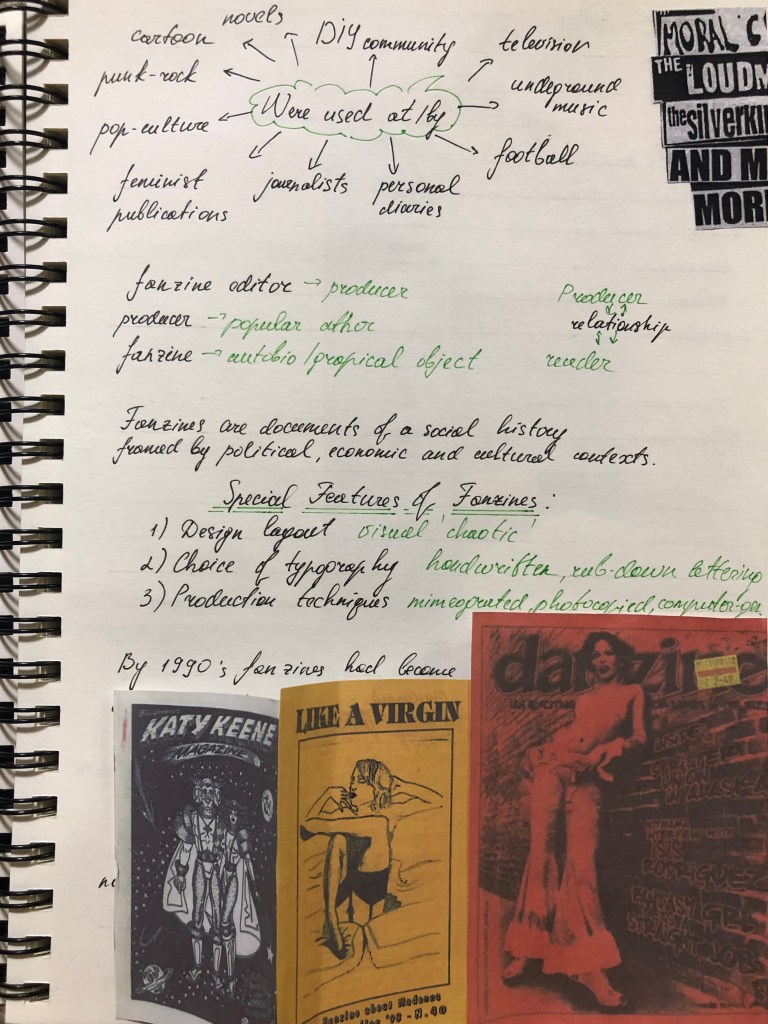
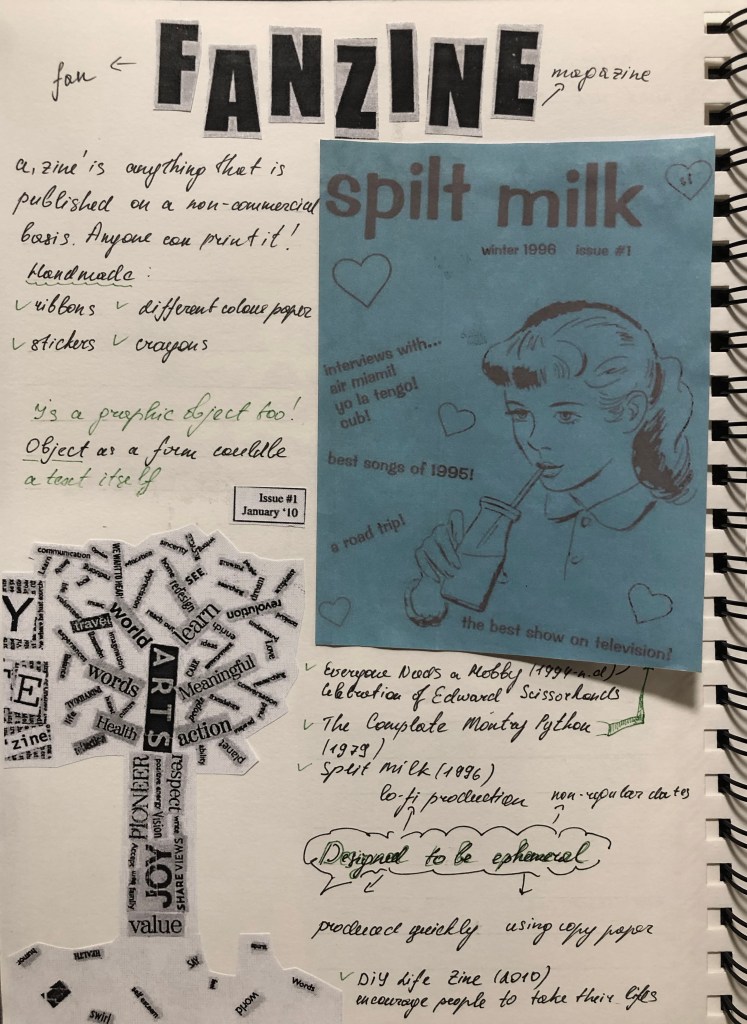
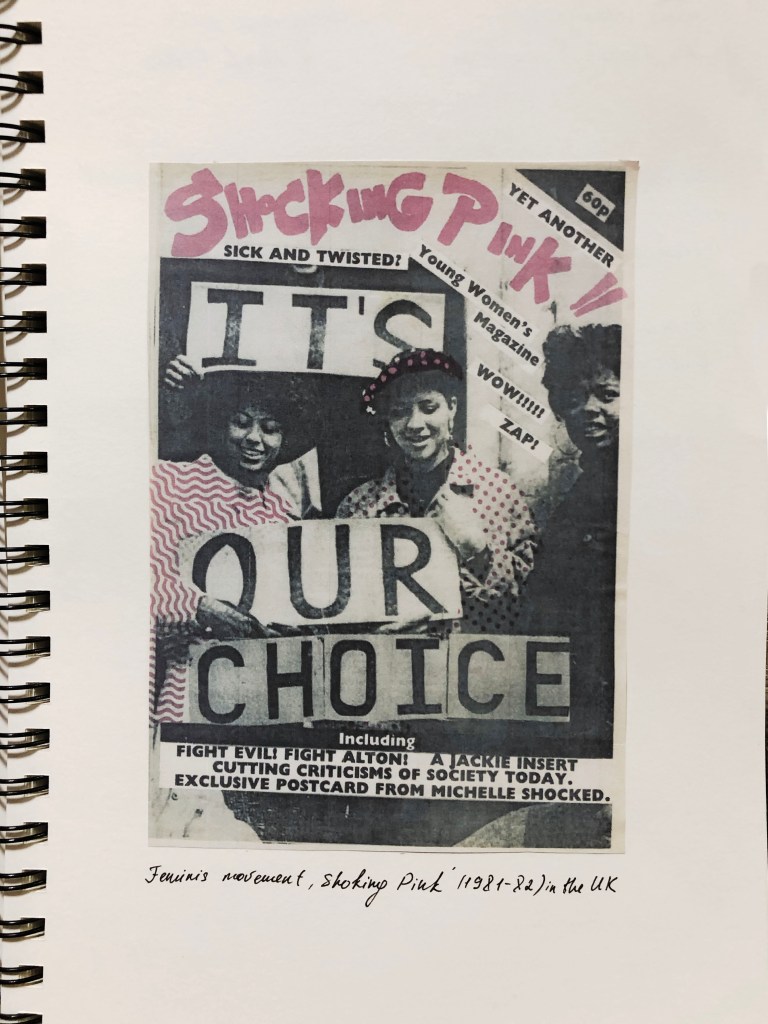
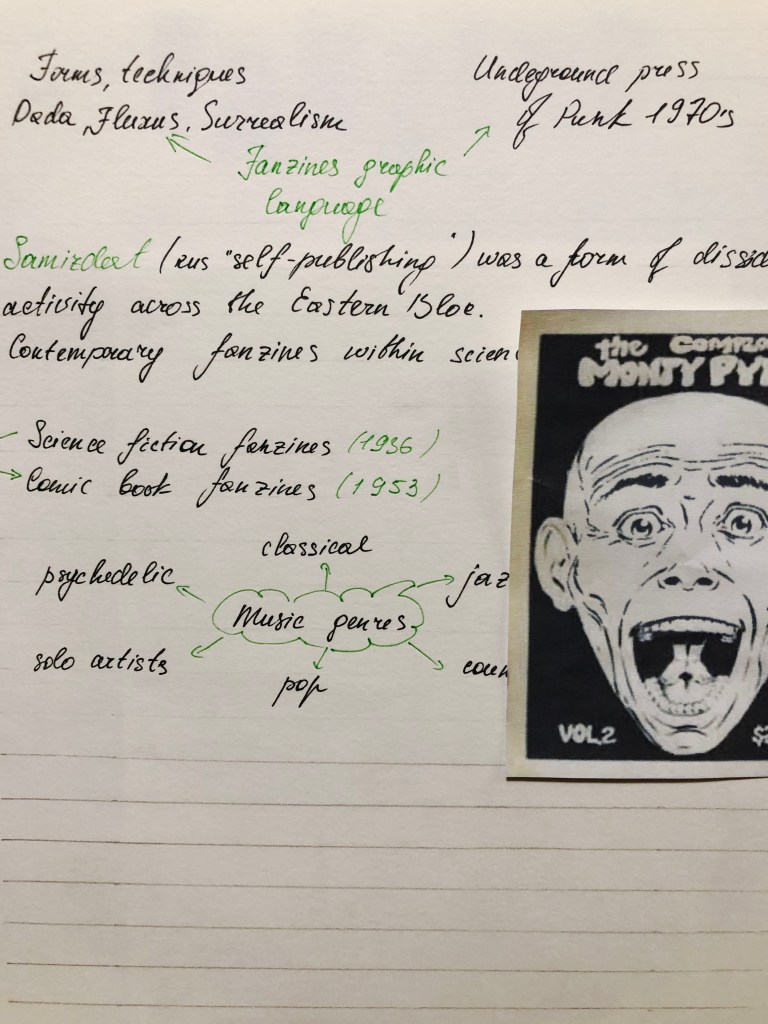
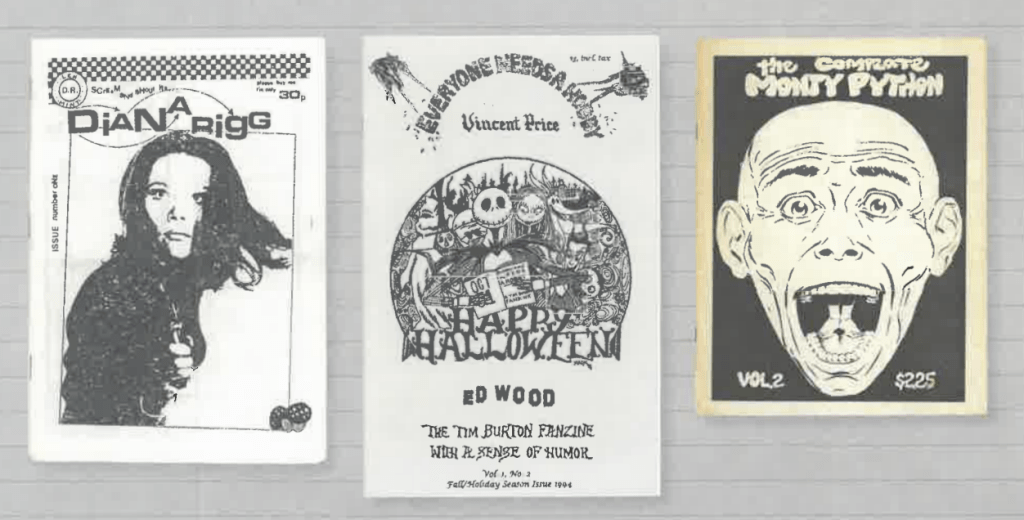


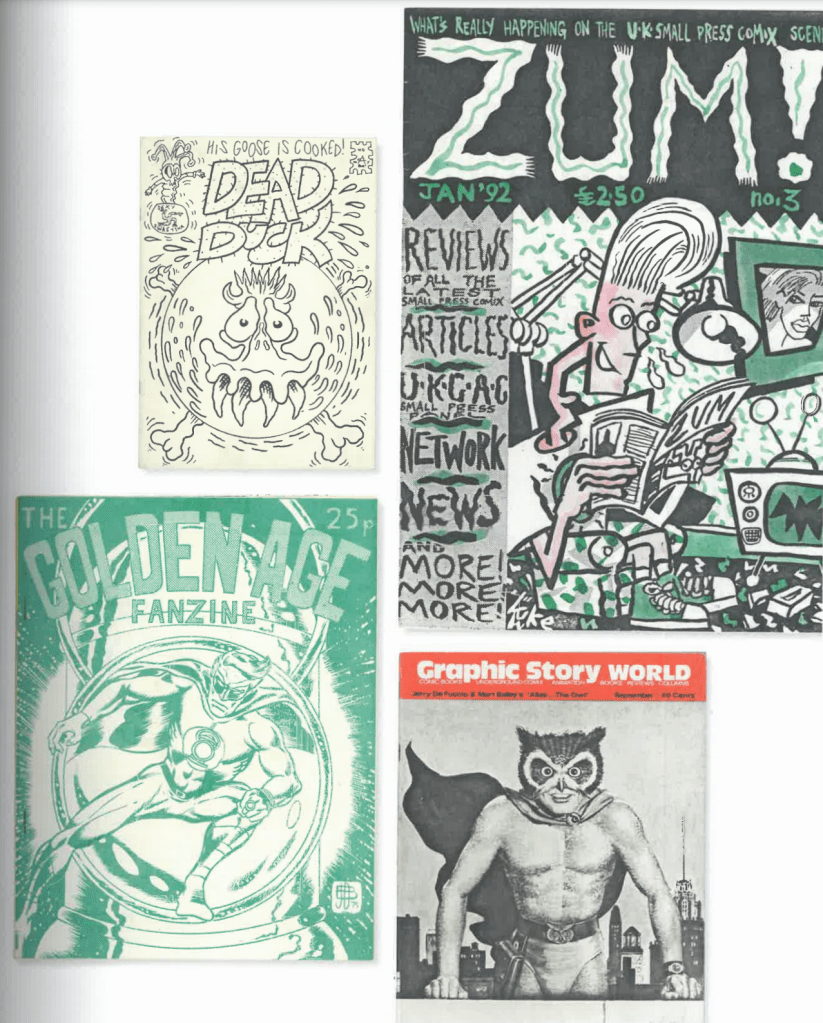
 Eleonora's Art Blog
