Exercise: Abstract cities

Brief: Create a series of 10 abstract designs in which you balance blocks of subordinate, dominant and accent colours.

These designs are going to be used as covers for guidebooks to the following cities:

  • Madrid
  • Malmo
  • Managua
  • Manchester
  • Manhattan
  • Marrakech
  • Marseilles
  • Melbourne
  • Montreal
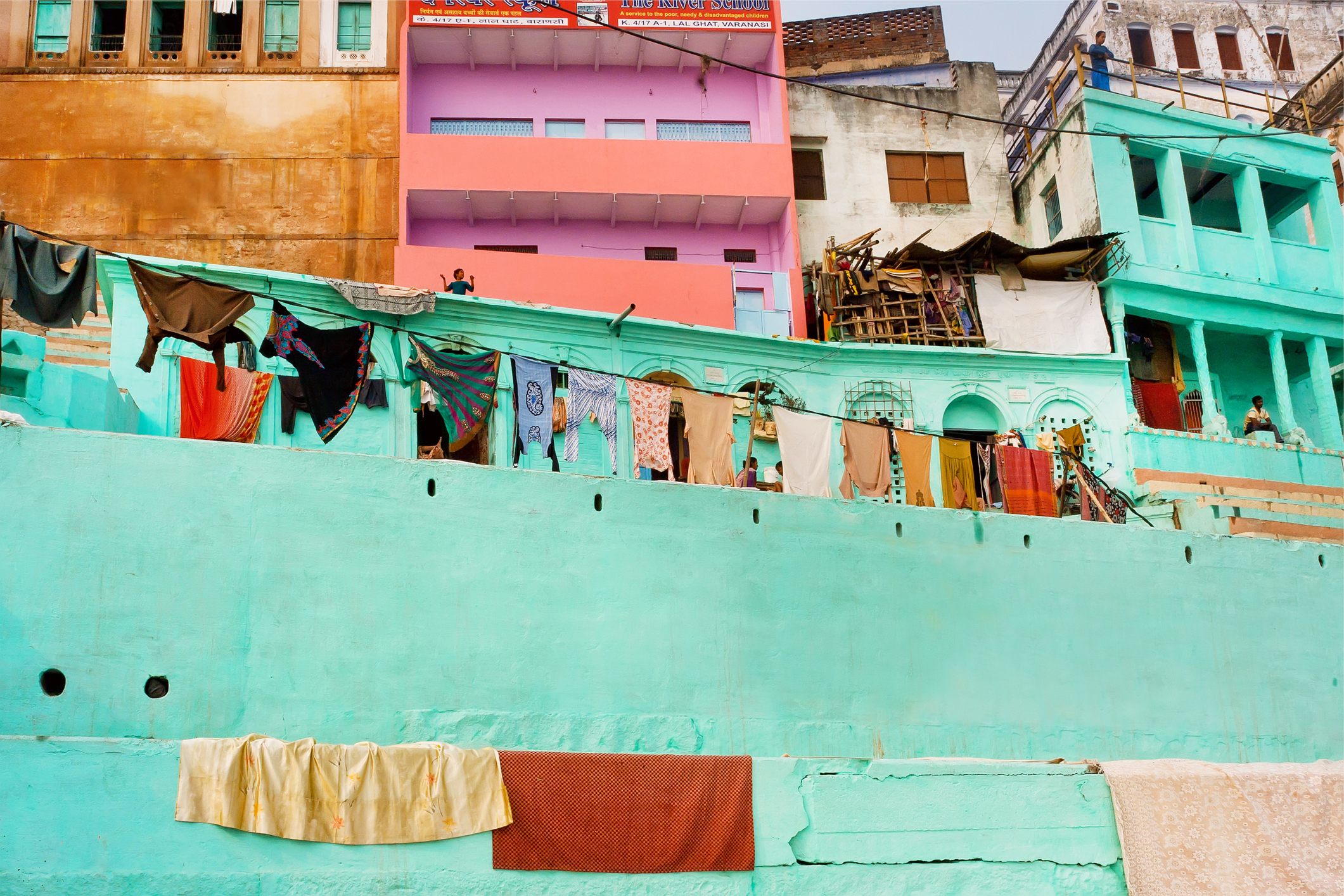
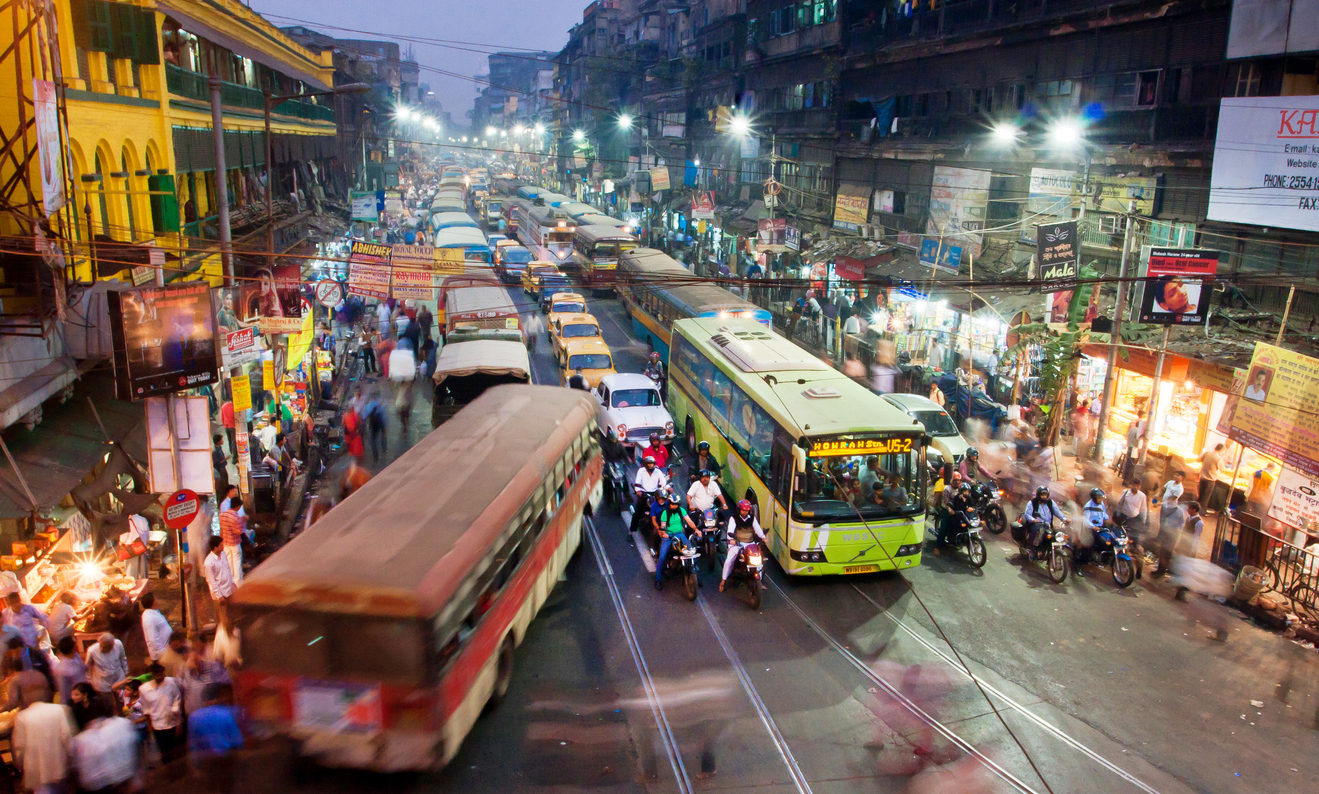
  • Mumbai

The books are going to be A5 landscape (210mm x148mm) size. You can use as many colours as you like and need to include the name of the city – where you place this and its colour are also important decisions to make. You may want to find out more about each city to help you develop your colour palette and also the size, shape and positioning of the colour blocks. Explore your DTP packages further by creating the artwork in the different software packages you have to experiment with the possibilities and ease of use. You can also do this exercise on paper using coloured blocks that you can cut and move about. Make notes in your learning log as you research and create your designs.

What? A5 landscape (210mm x148mm) size guidebooks

Target Audience: Travellers.

How will the client judge a successful outcome to the brief? 

Original colour solution for abstract cities to familiarize tourists with the cultural features of the city.

Keywords:

  • Subordinate
  • Dominant and accent colours
  • Abstract cities

Secondary Research

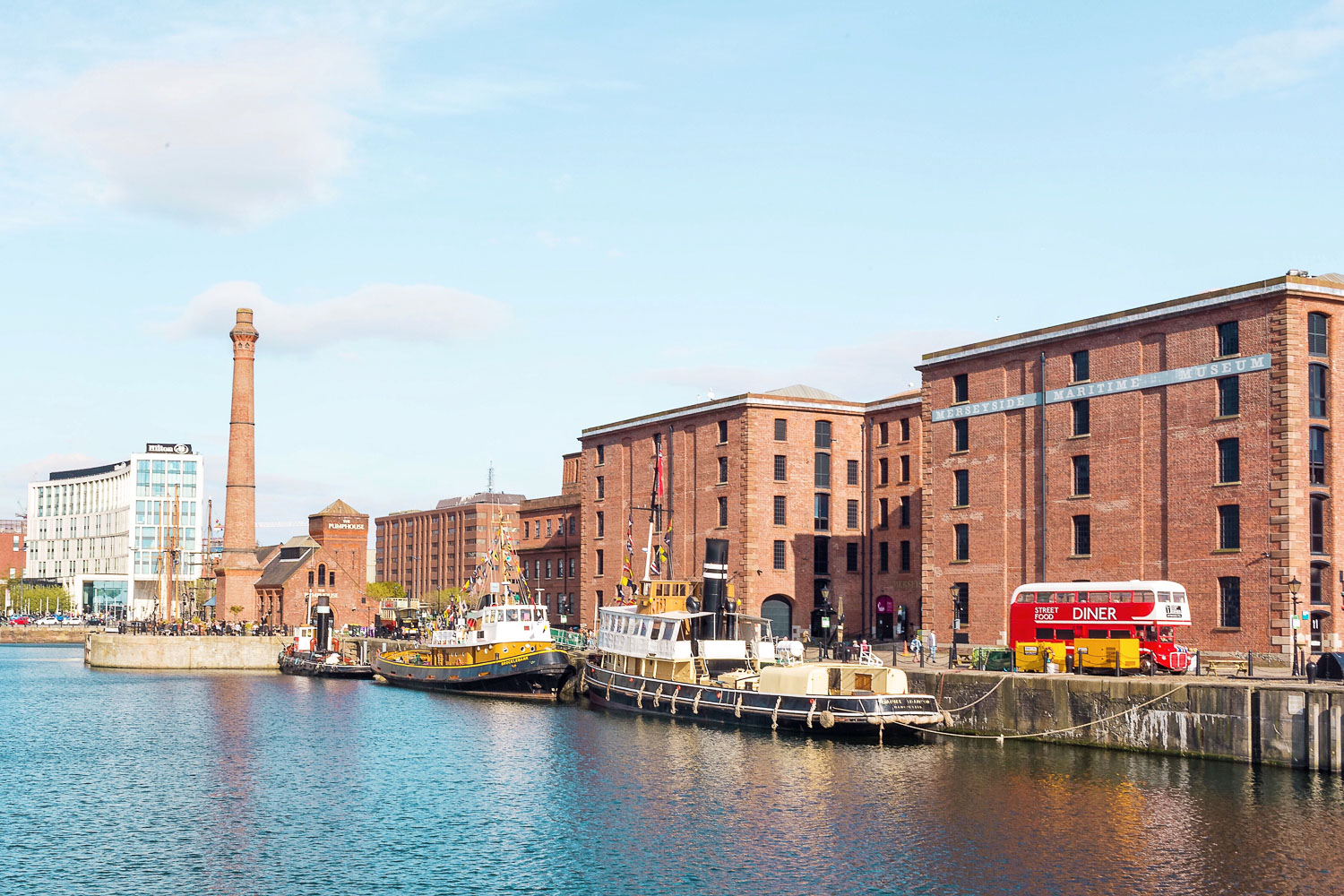
For this task, I was building the idea following the main attractions that would be associated with a particular city. From the list above, I visited only one city, and this is Manchester, but this assignment served as an excellent motivator for me to discover the world’s places based on their colours and their main attractions. The goal of this exercise is to attract the flow of tourists to less popular cities. Because the list of cities was quite complicated, I could not immediately imagine what could be so unique in Madrid, Malmo or in Managua, the last one I had never heard of before. Therefore, to begin with, I needed to collect a series of photographs, where I could build a picture of the features of the city, colour solutions, due to which I could convert into geometric shapes. I e discovered images from Pinterest, stock photos, as well as photos provided by a travel photographer from personal photo archives.

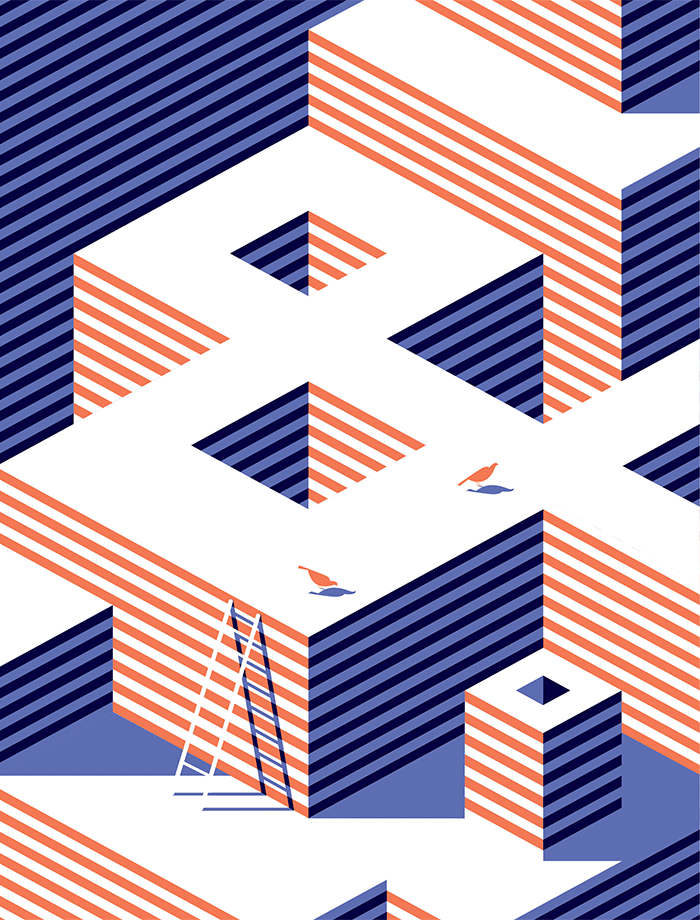
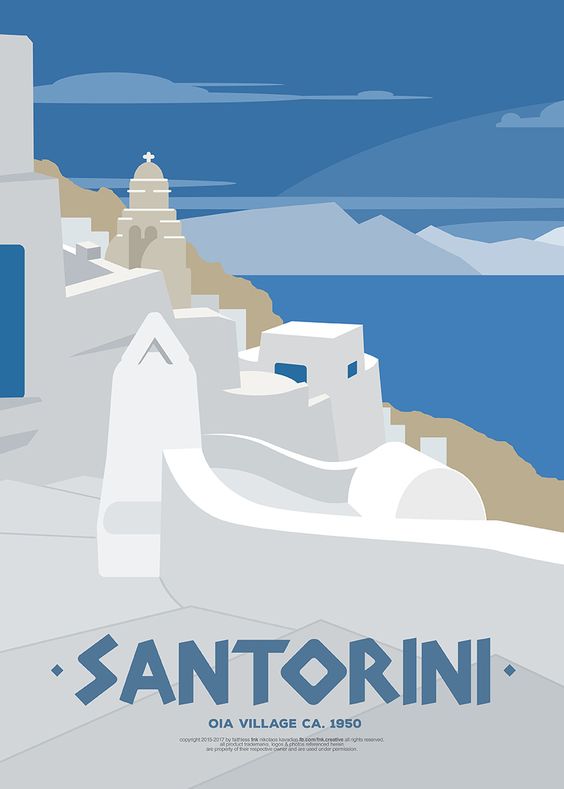
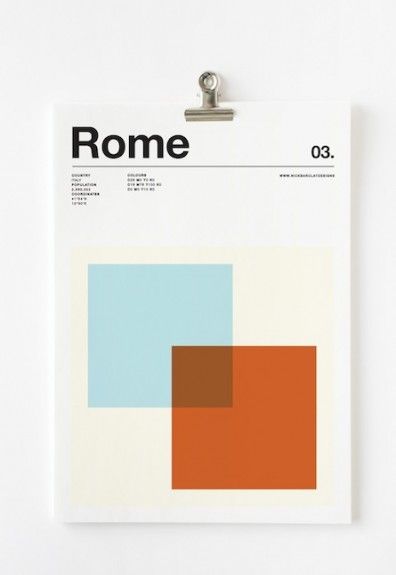
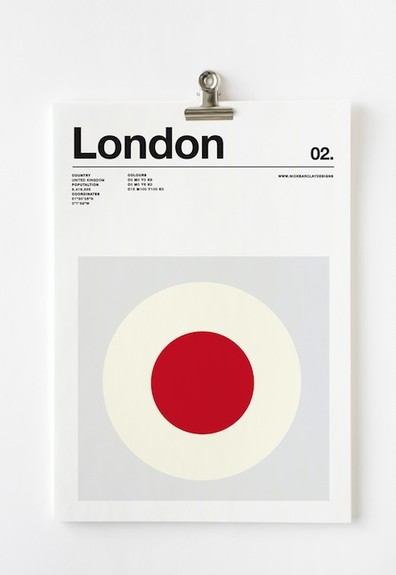
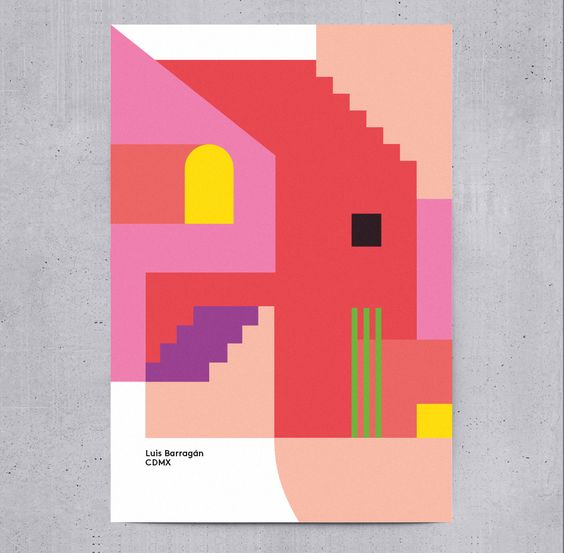
In the process of selecting photos, I came across to posters with illustrations of cities. I decided to keep them on the inspiration board, even though these posters were made in a more artistic style, they looked at a kind of colour solutions that would be useful when analysing my assignment.

Madrid

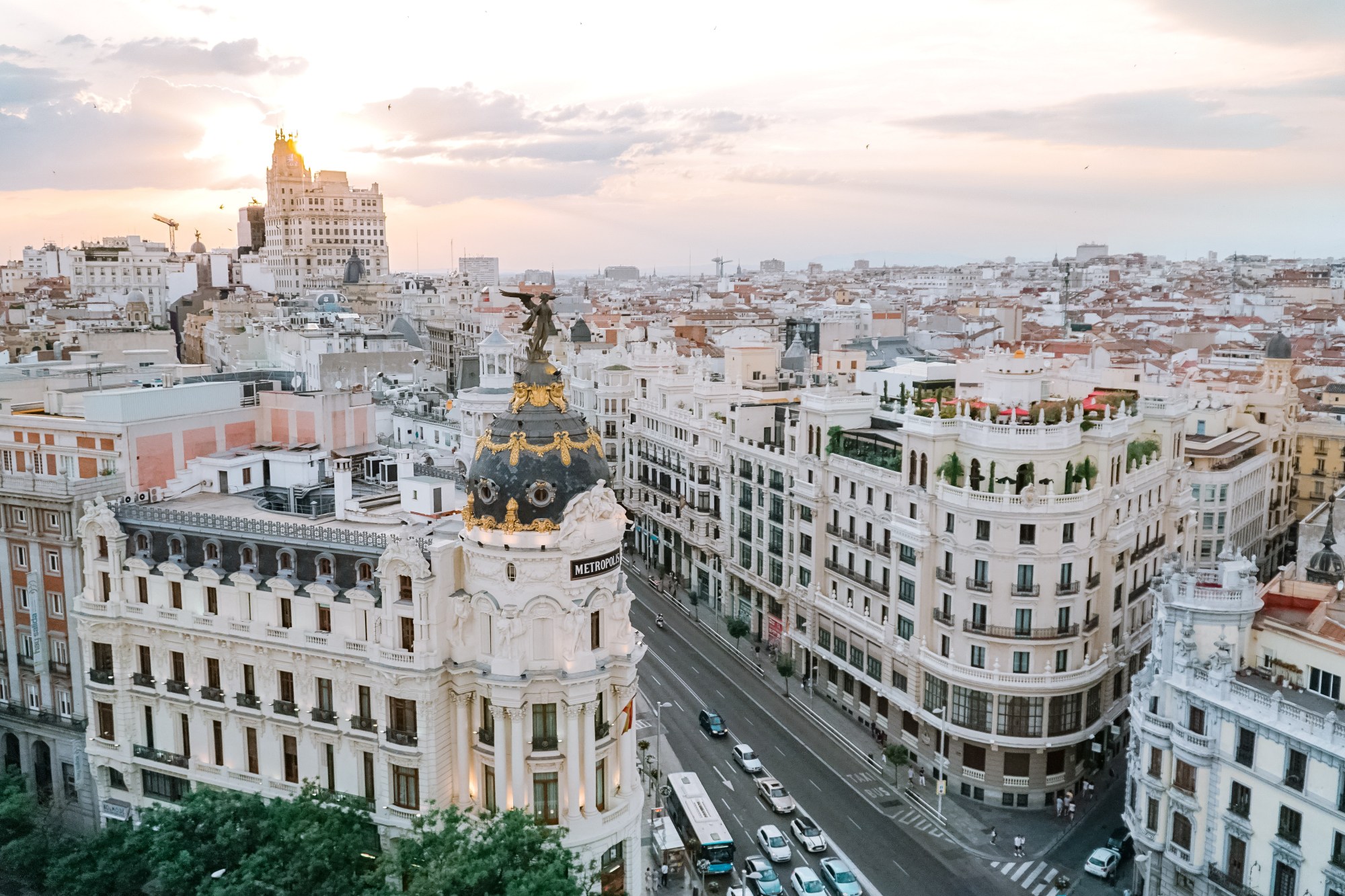
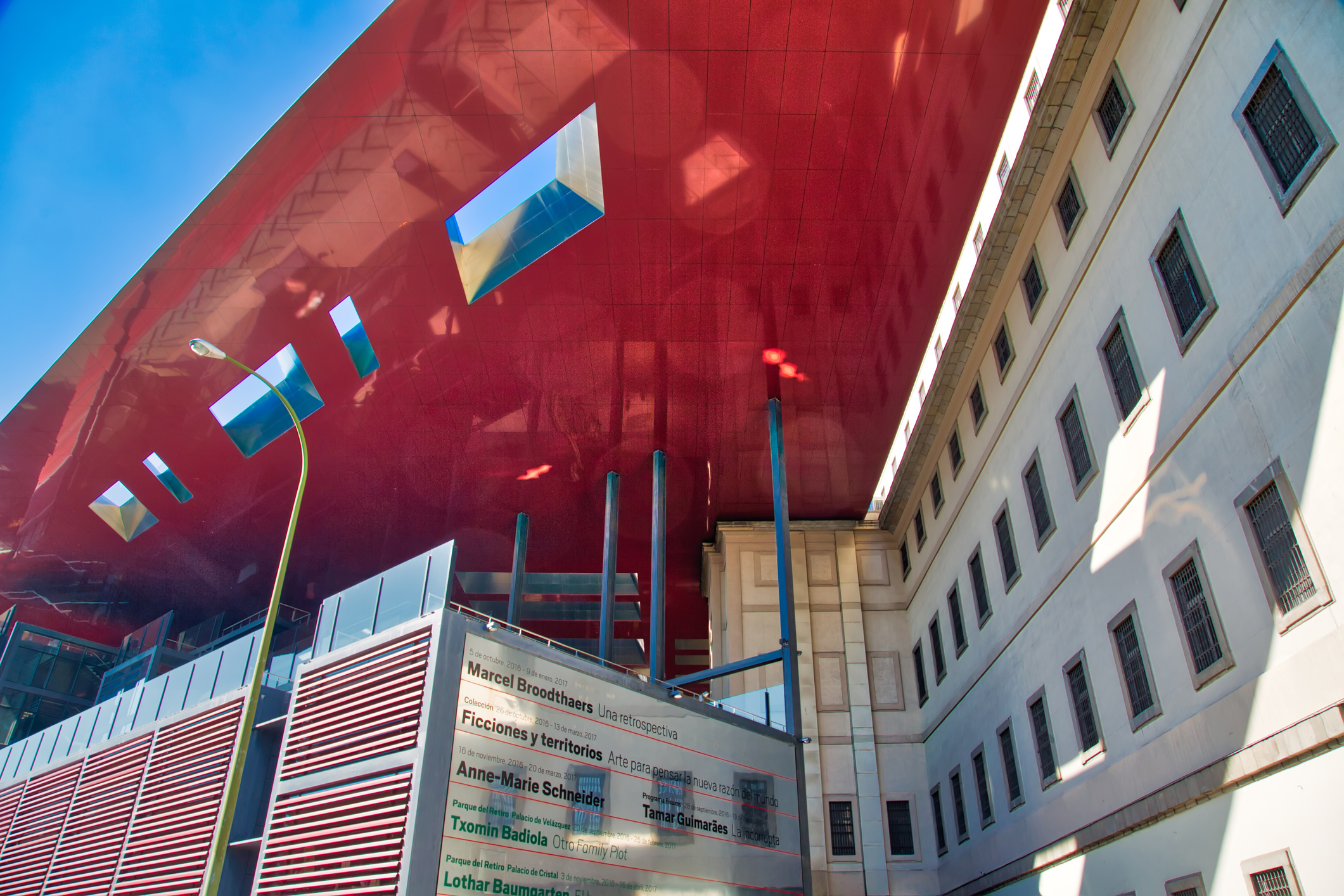
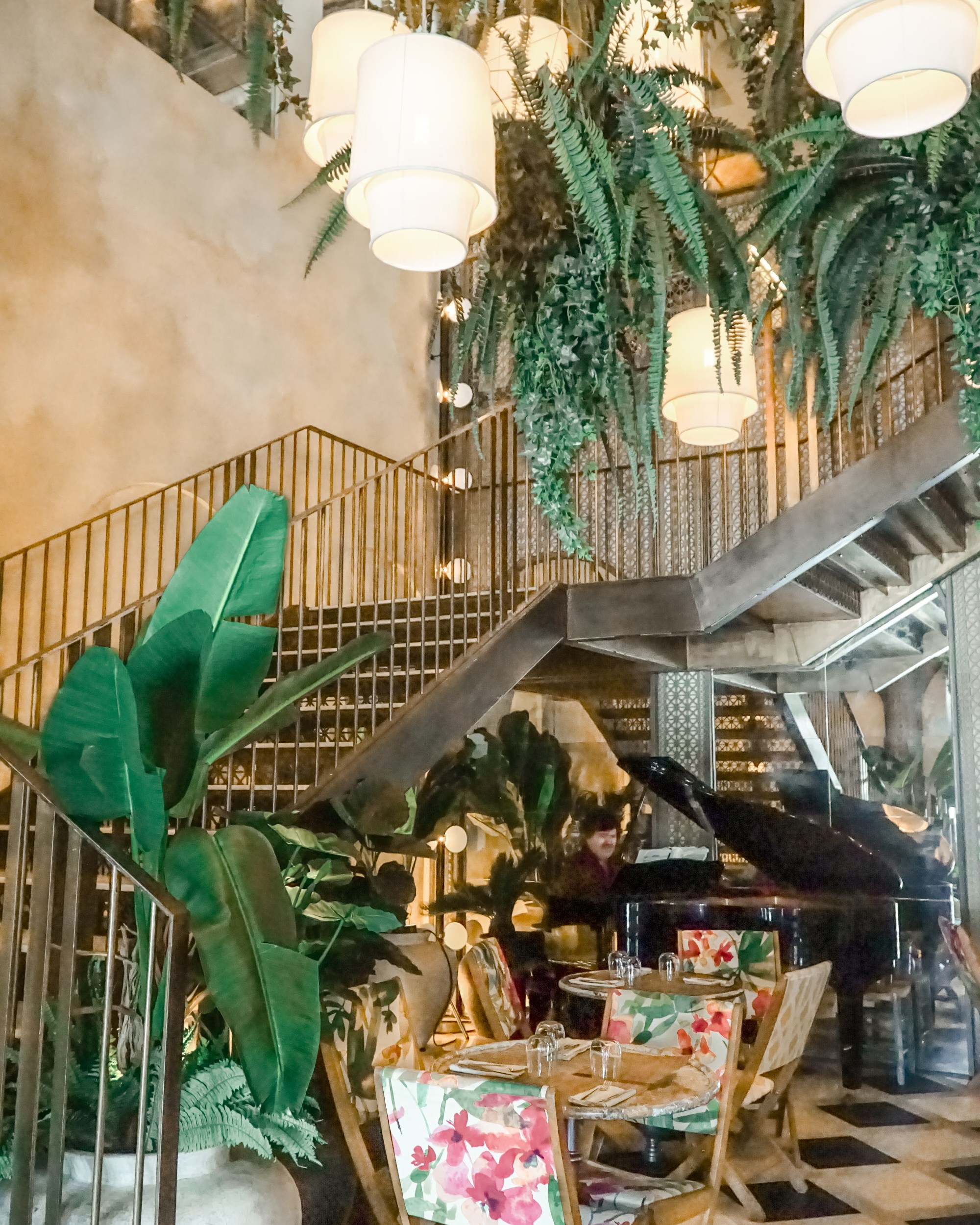
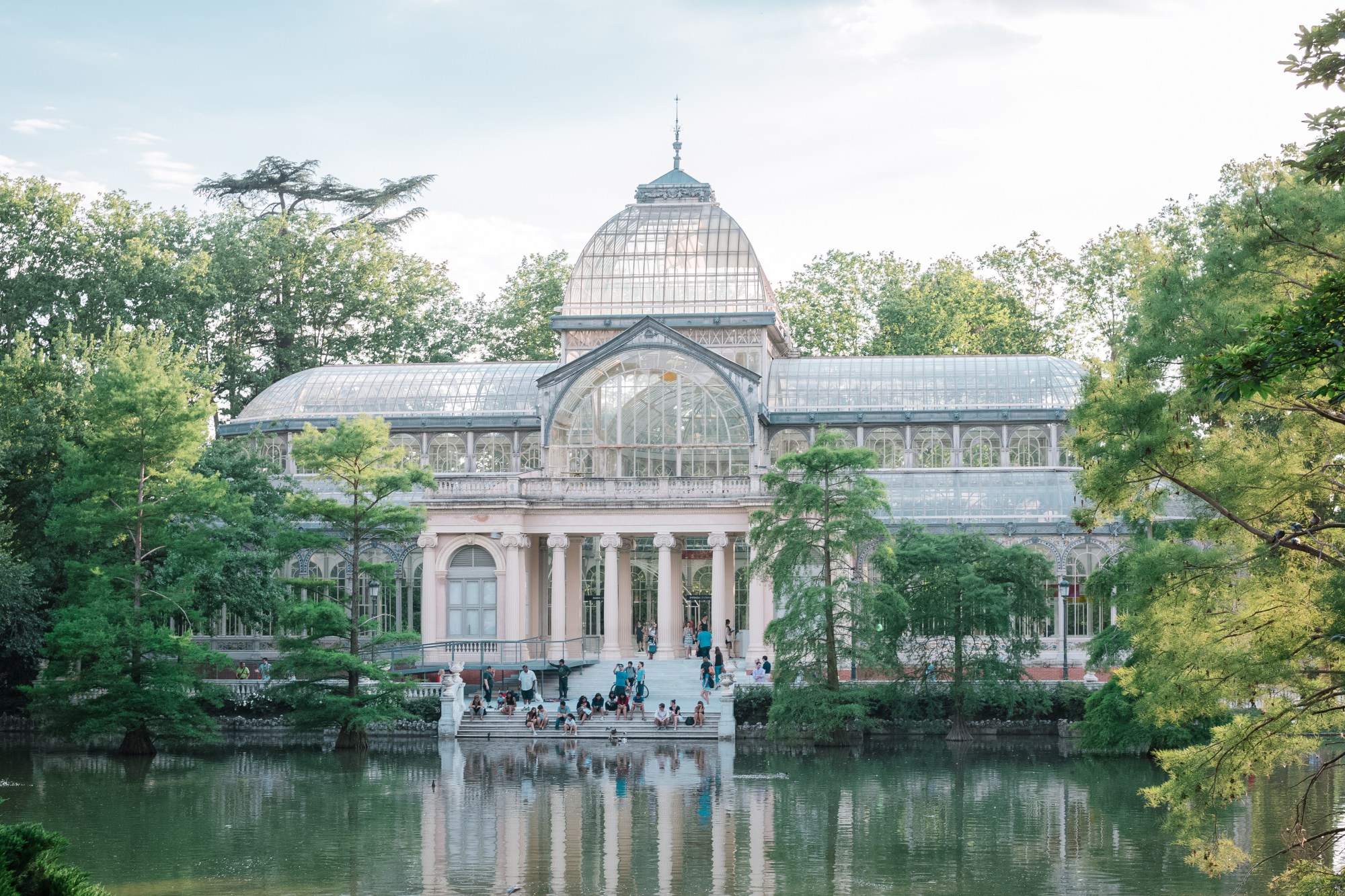
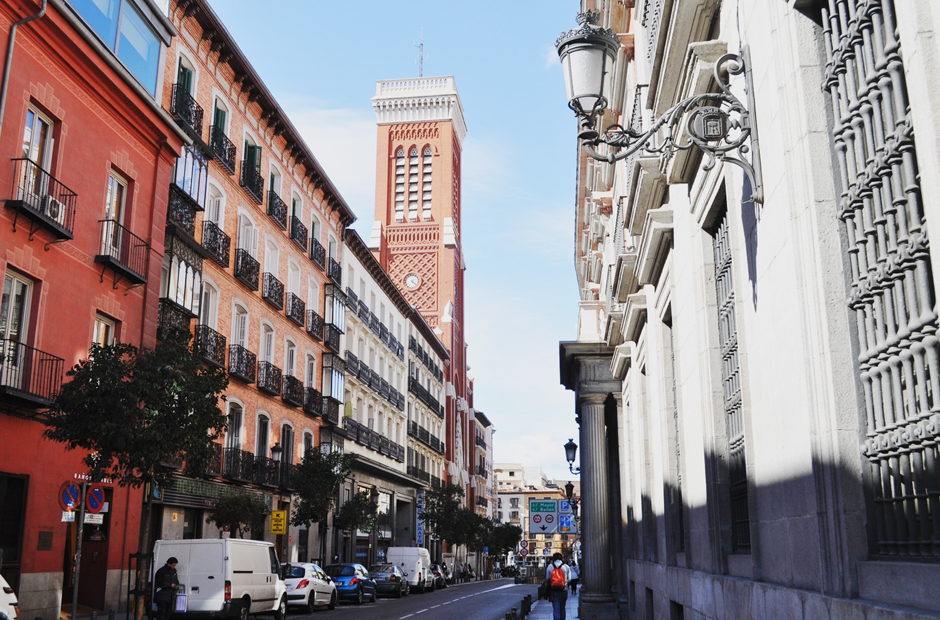
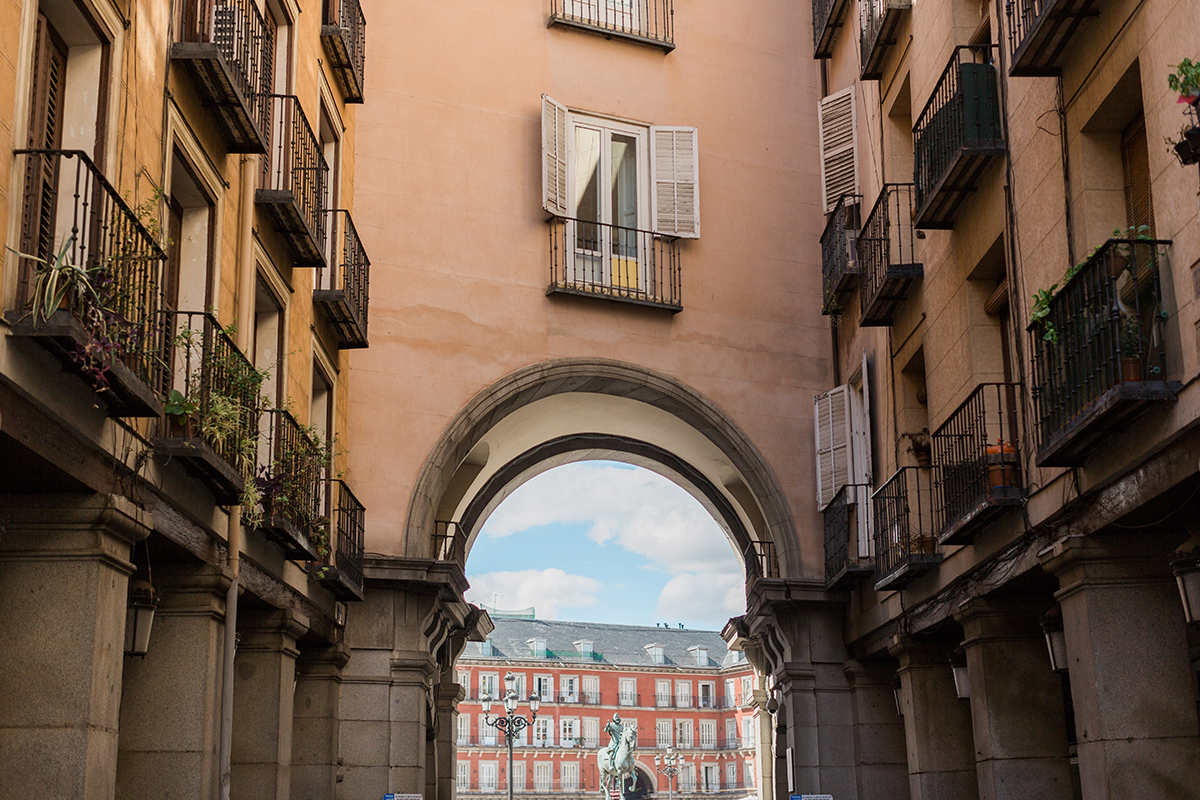
Madrid is the cultural capital of fashion and style and shopping. My friends mentioned visiting Madrid city, so I knew there is a square in the centre of the town, the cathedral and the blue-grey colours. But my searches on the internet opened Madrid for me from a new angle. I noticed that architectural solutions are quite impressive in it. Madrid is an influential fashion centre with many international museums, including the Prado Museum, the Reina Sofia Art Center, the Thyssen-Bornemisza Museum and the Madrid Forum, which are among the 100 most visited museums in the world.
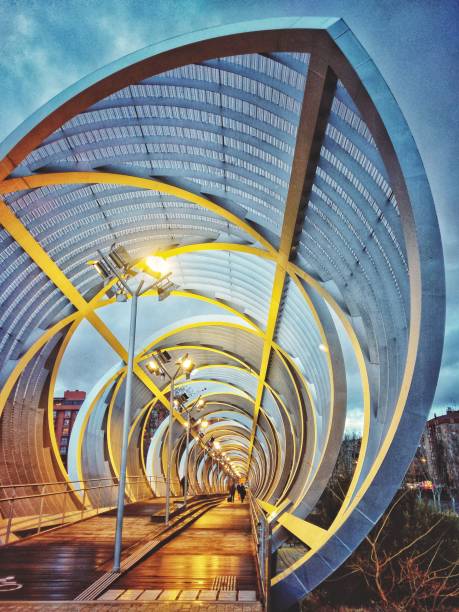
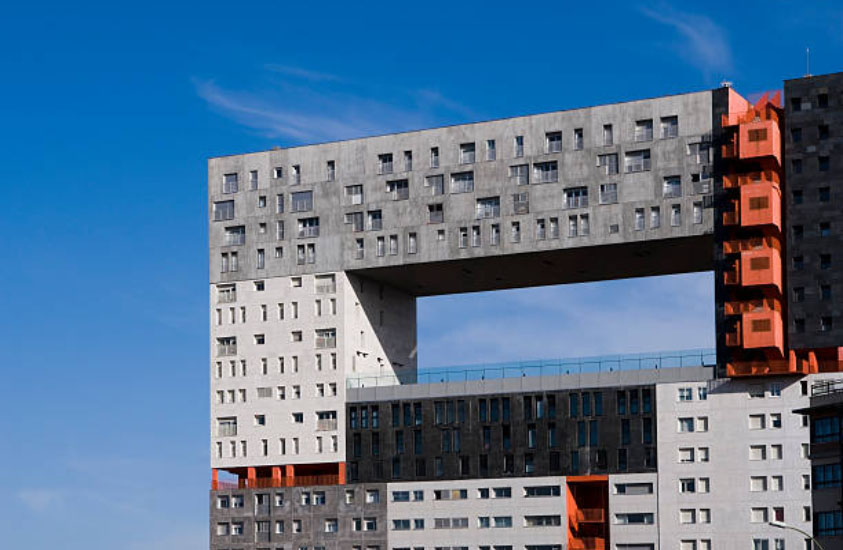
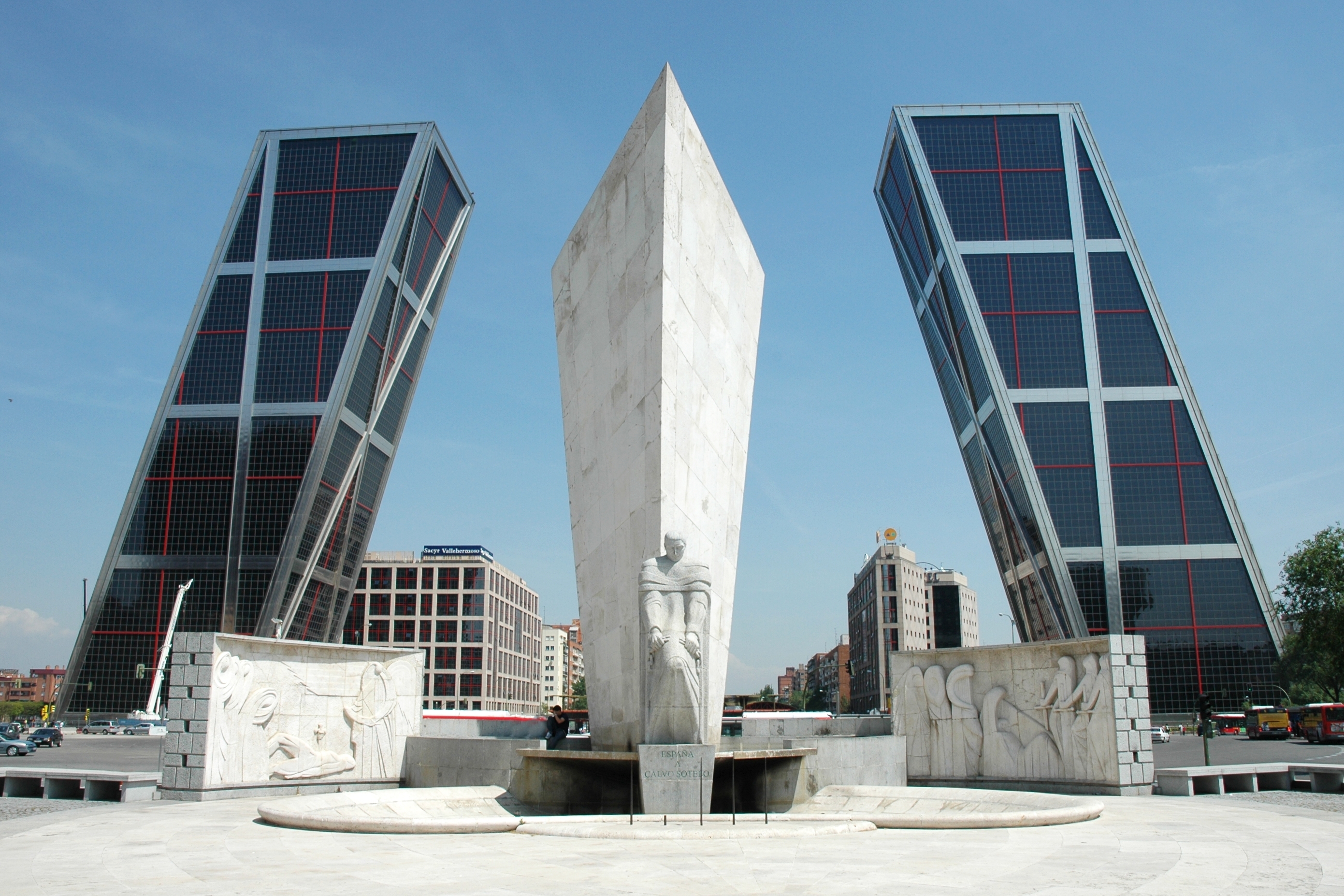
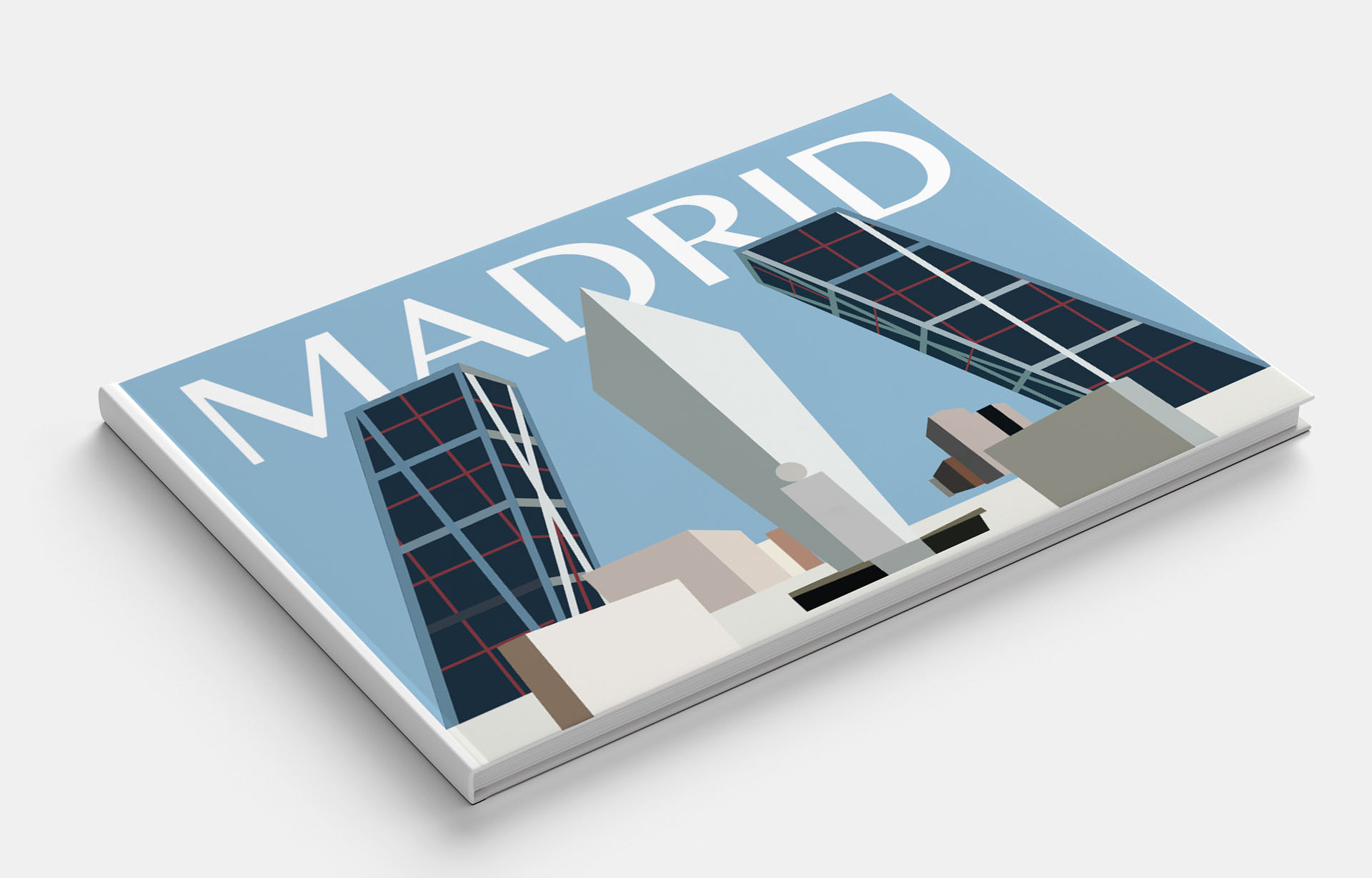
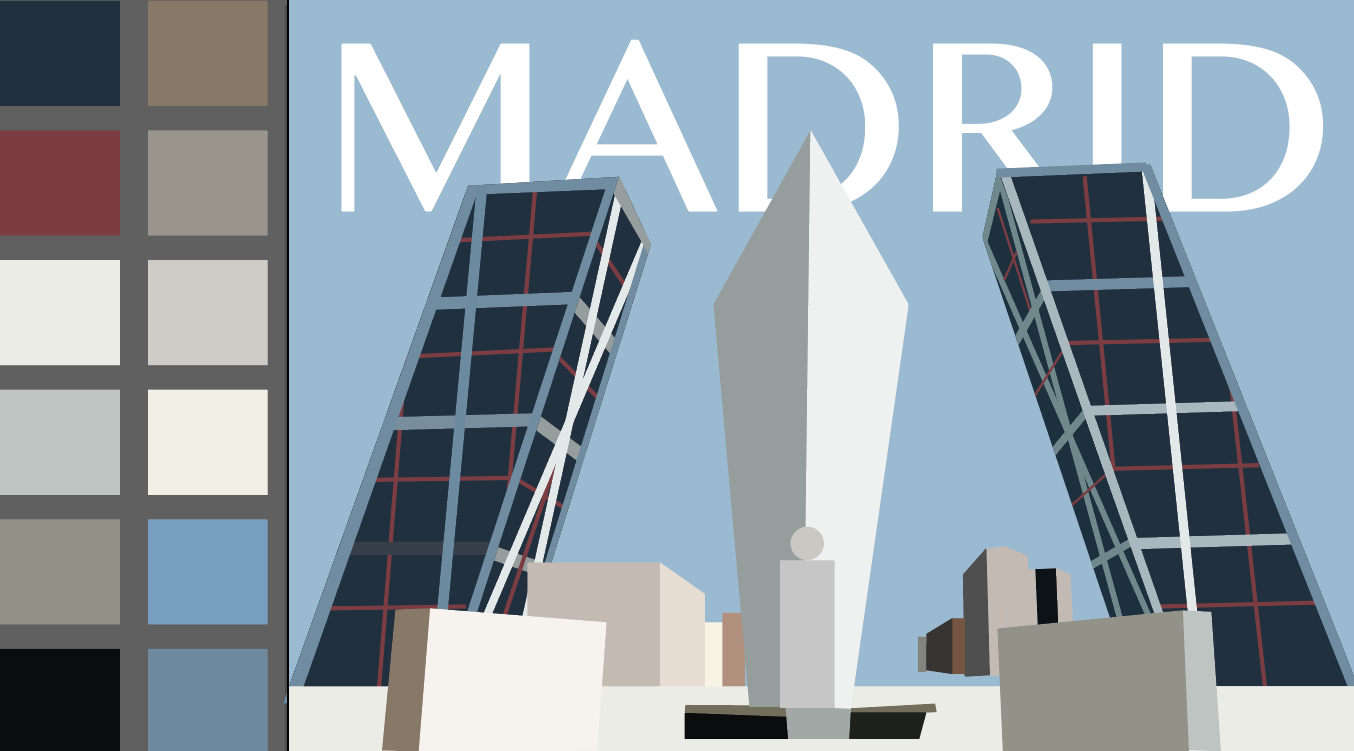
For the beginning, I analysed images that would describe Madrid in general terms. I was attracted to the modern architecture in Madrid, which could be popularised.

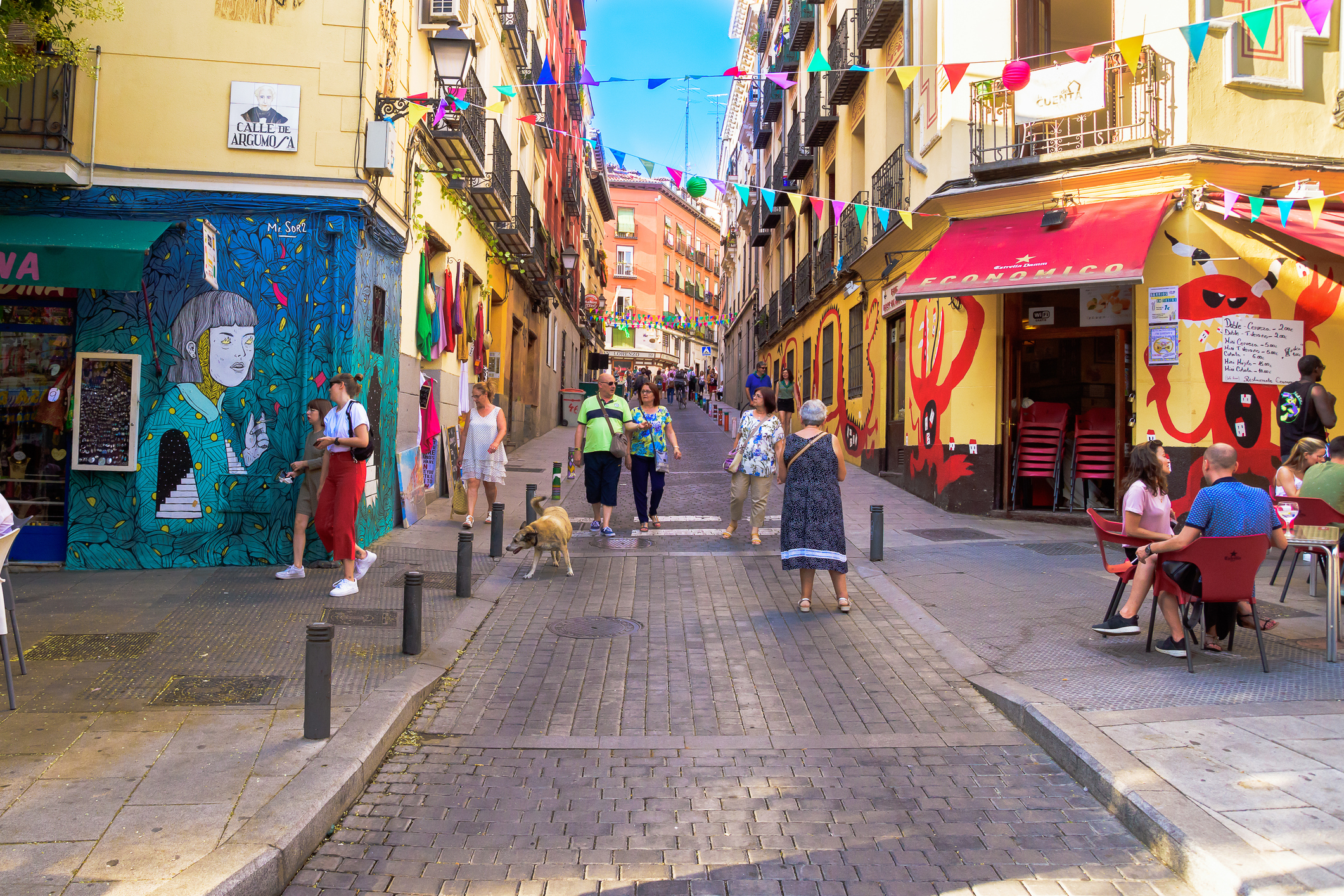
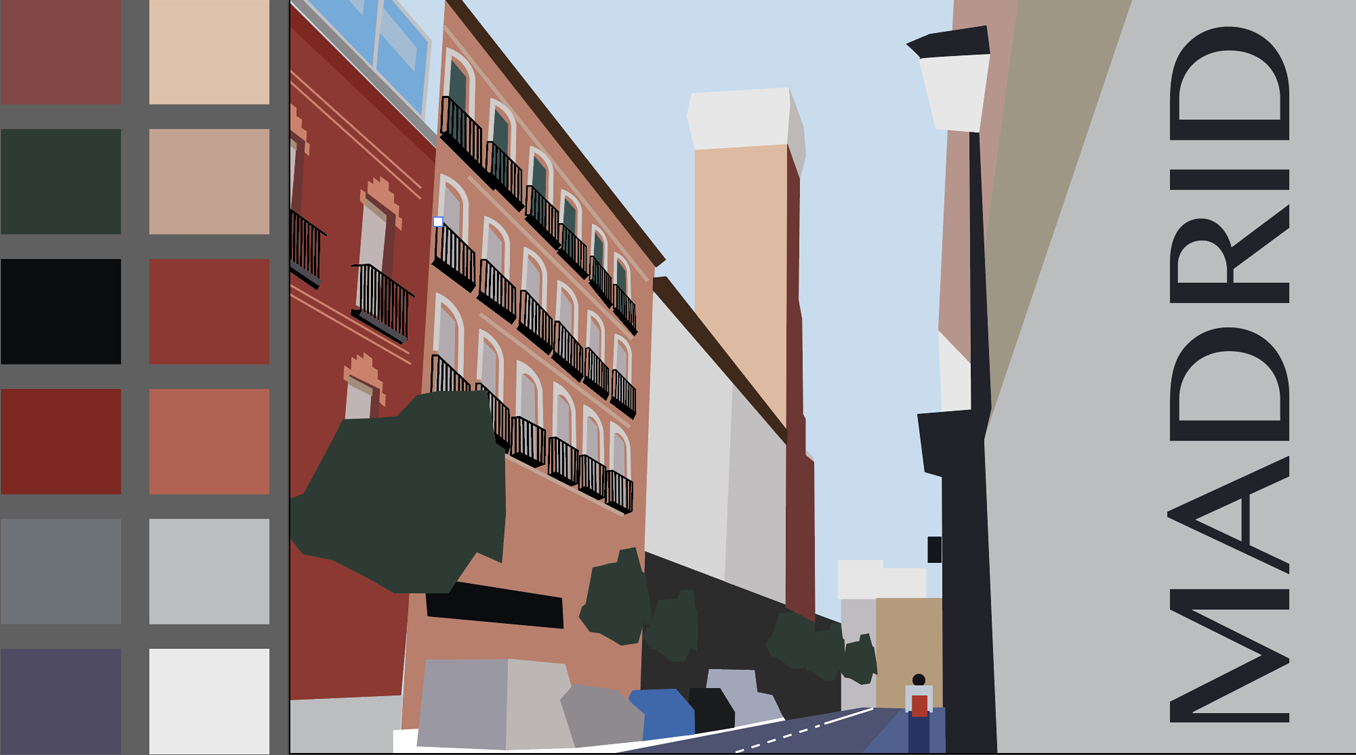
Just as an option, I decided to portray more traditional and recognisable street in Spanish style. I liked the variations of colour in which there were red, warm shades; in this image, the spirit of Spain was present. But still, I would give preference to the first version, made in cold tones, in my opinion, it is more urban and progressive for an abstract task. Options for Madrid picture and book cover are presented below.
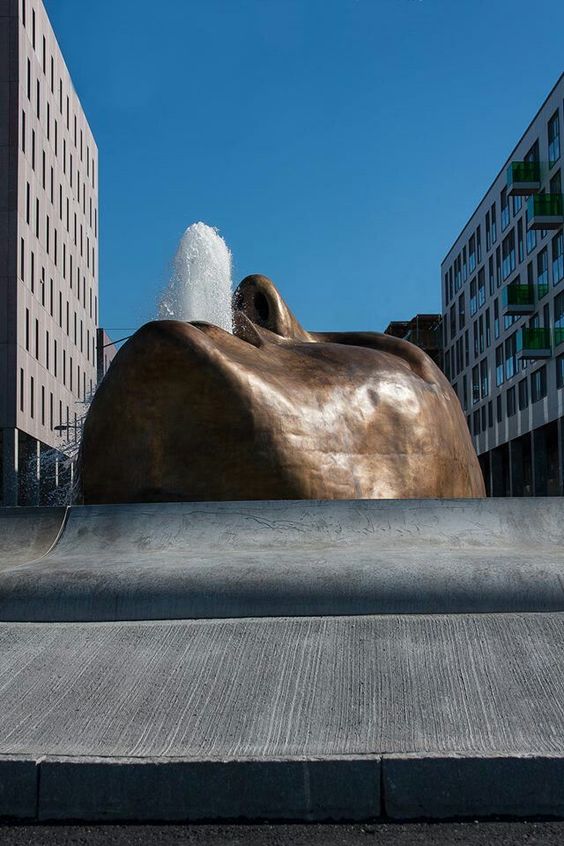
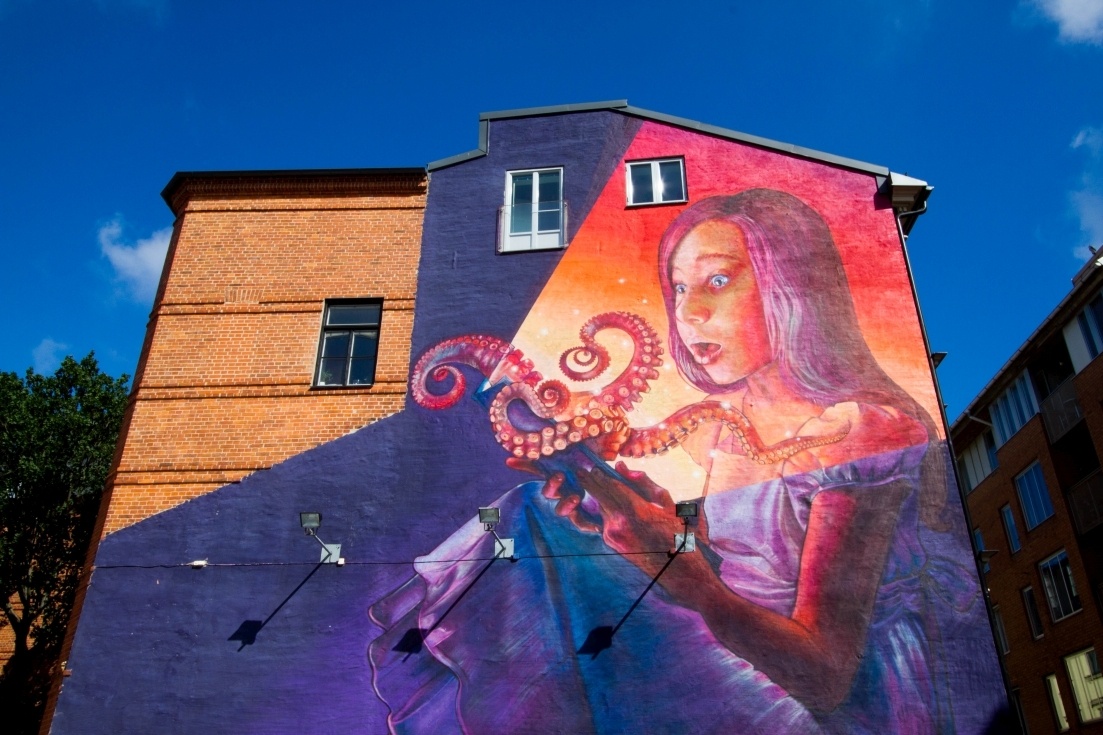
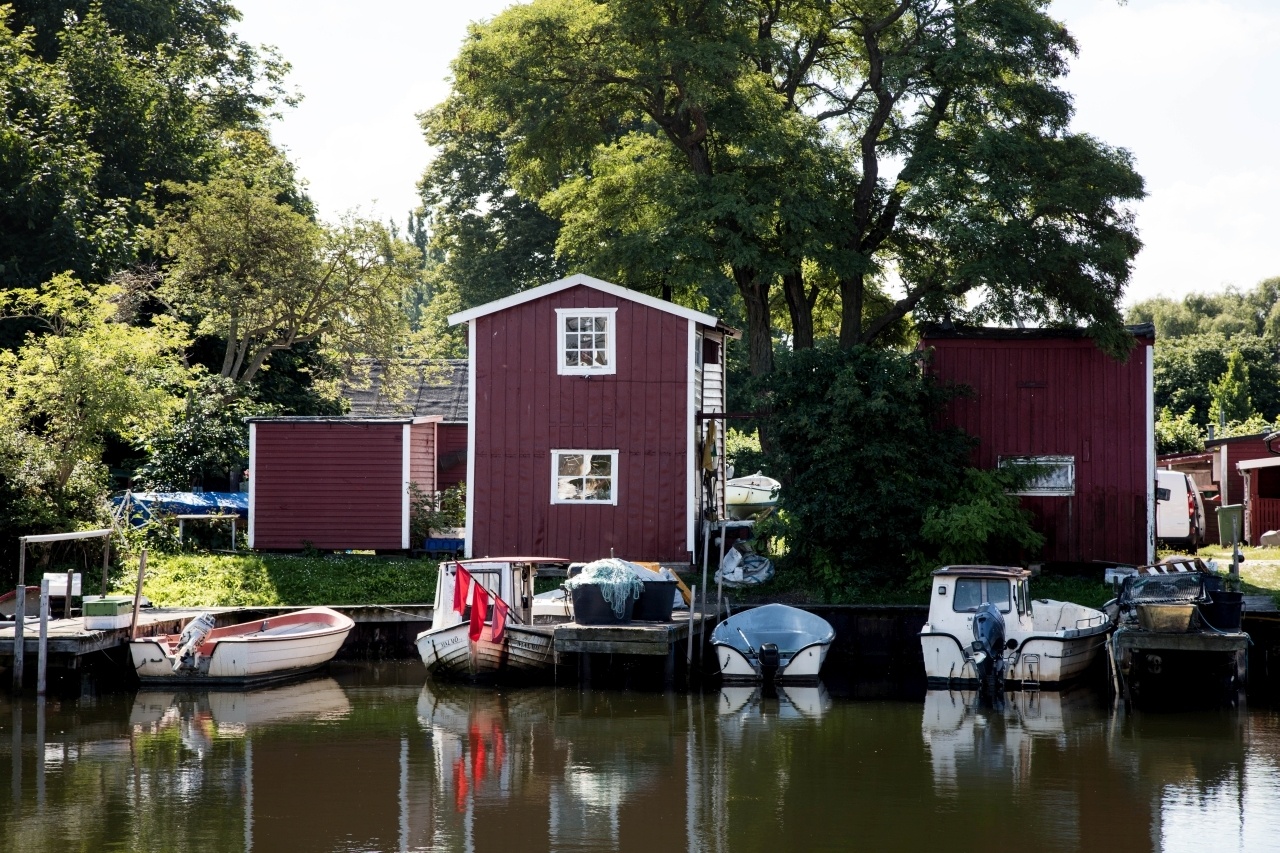
Malmo

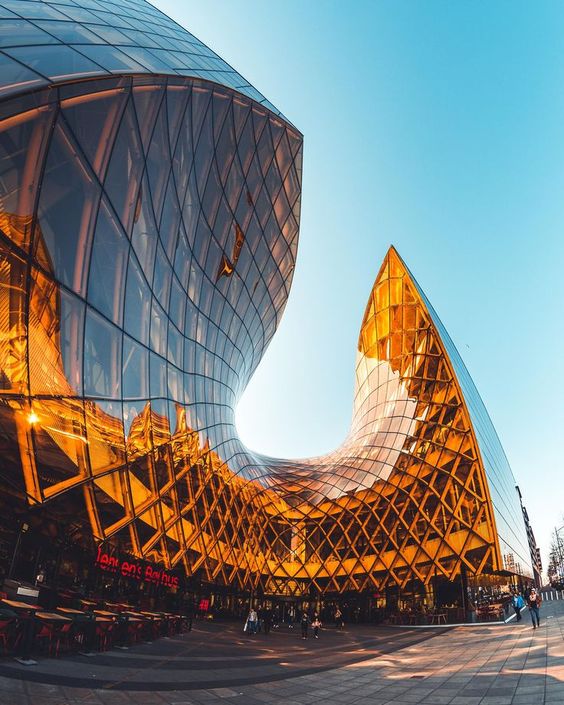
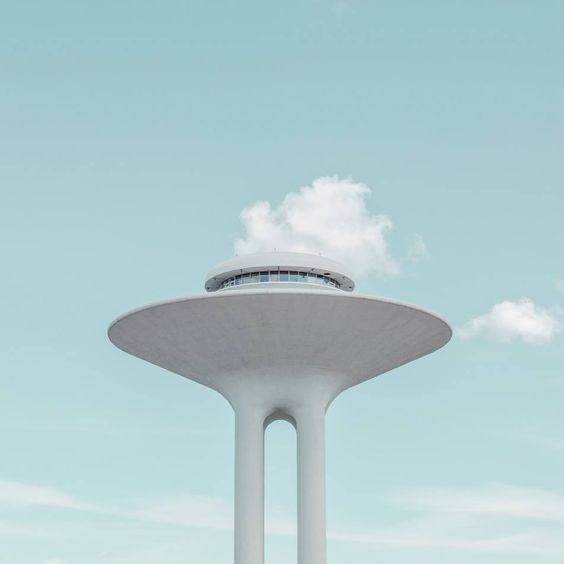
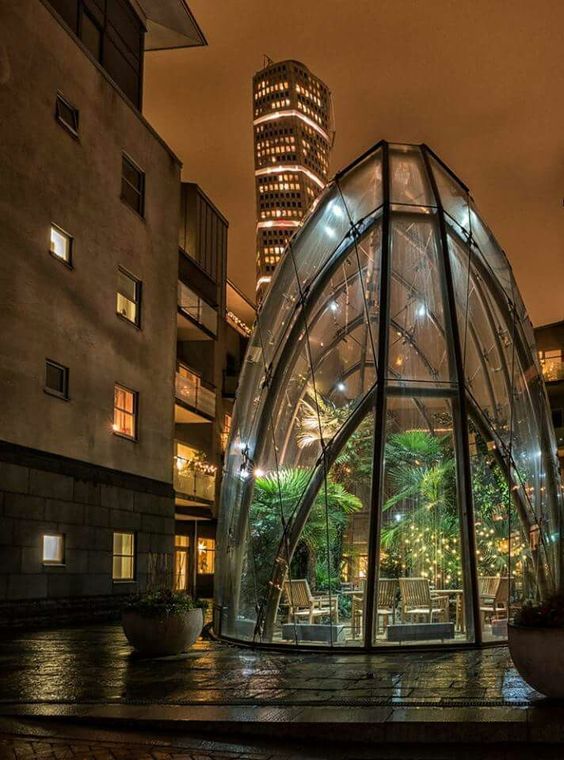
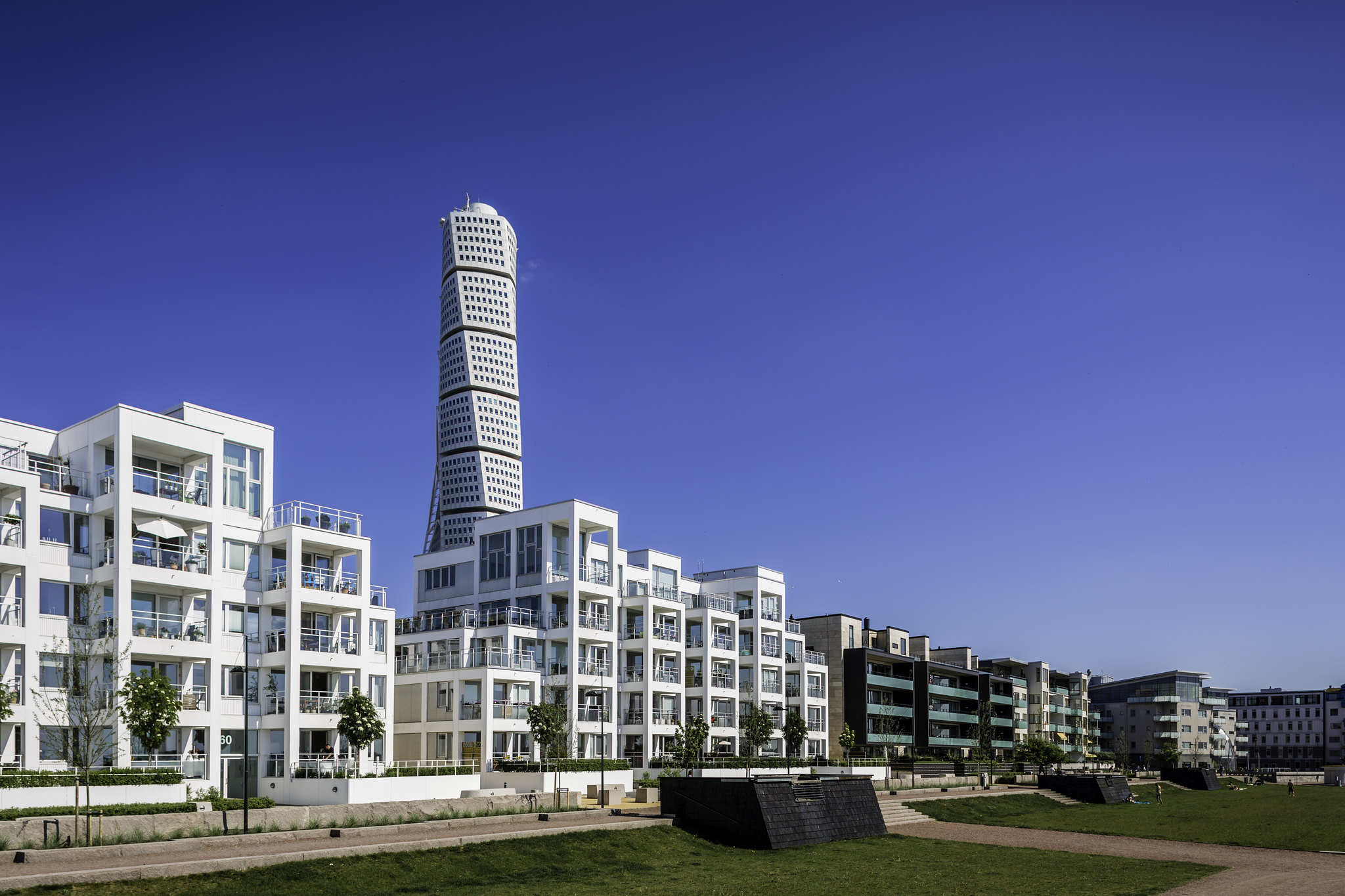
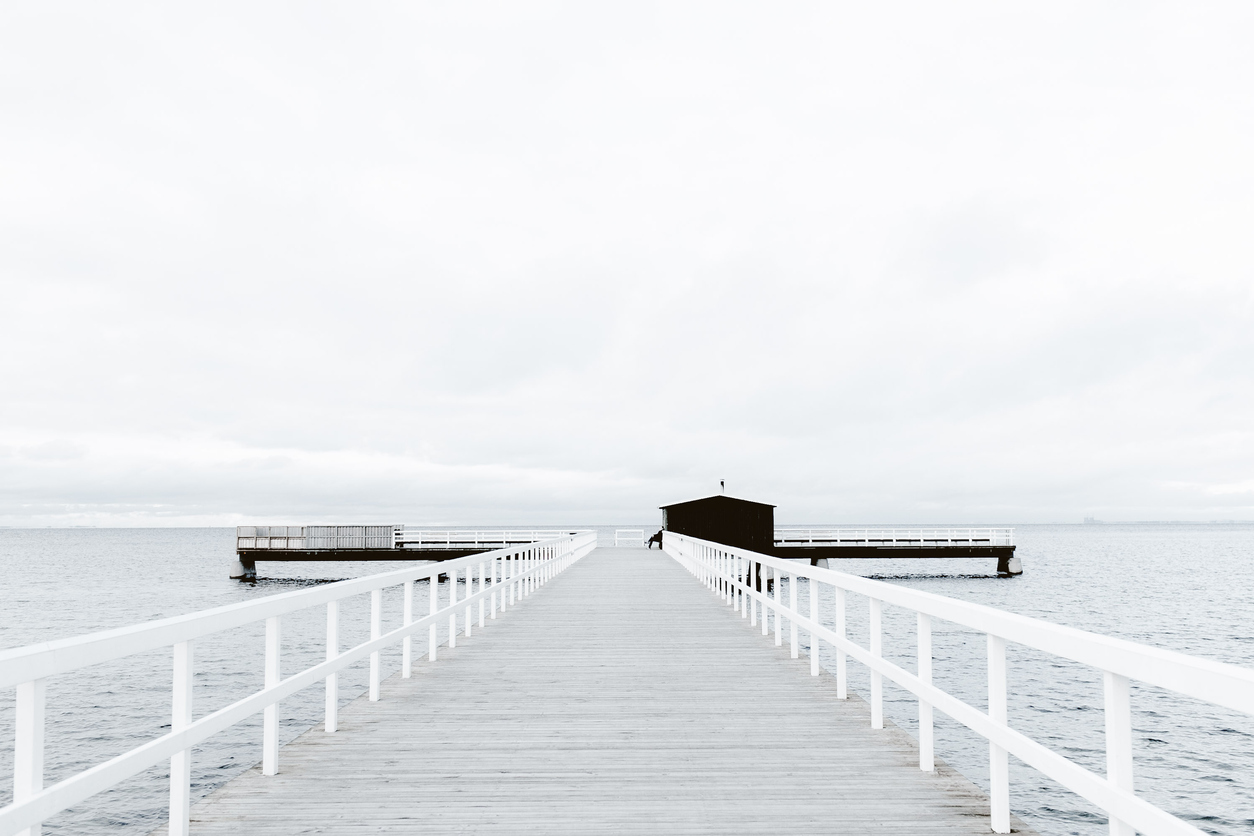
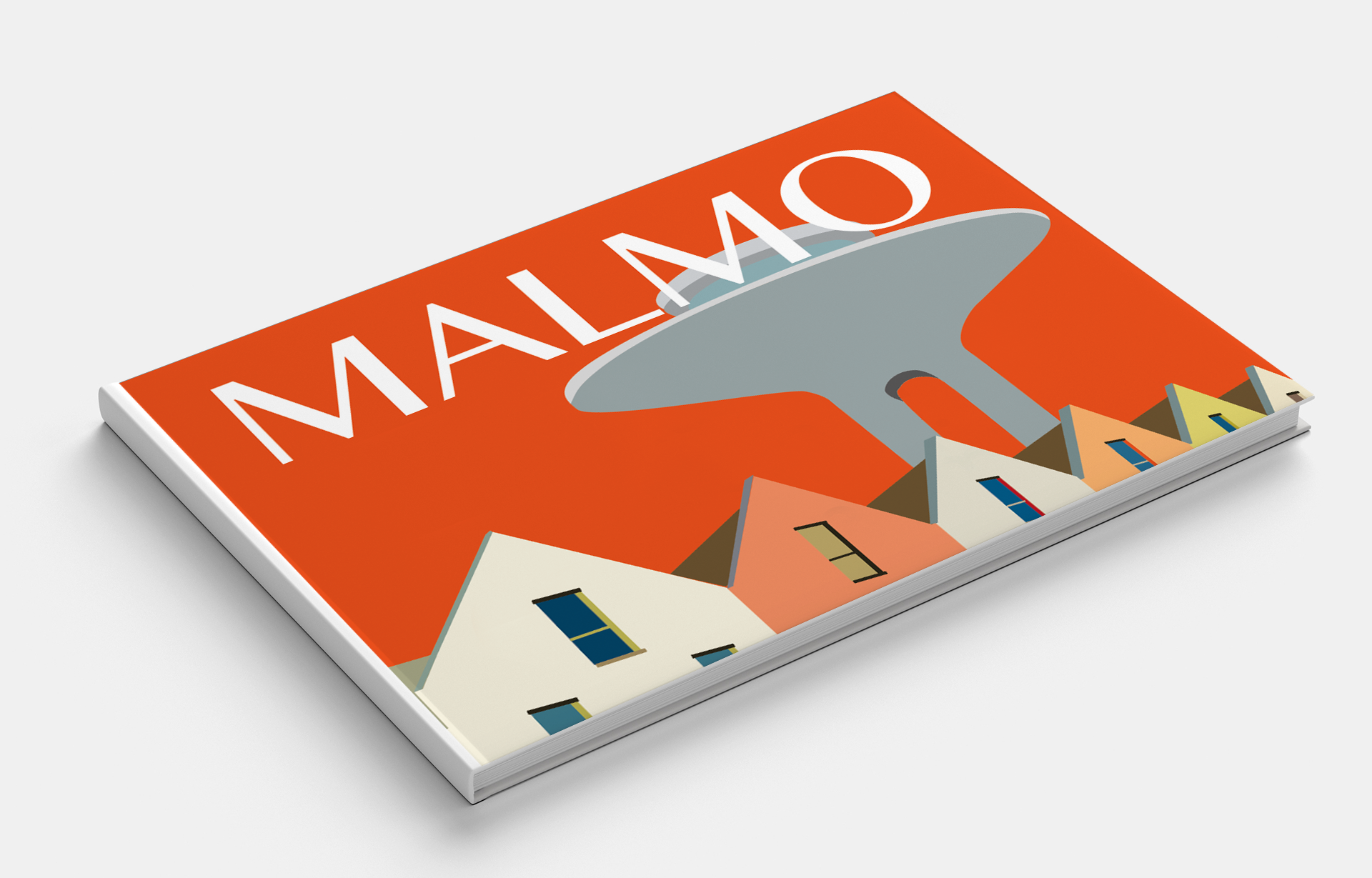
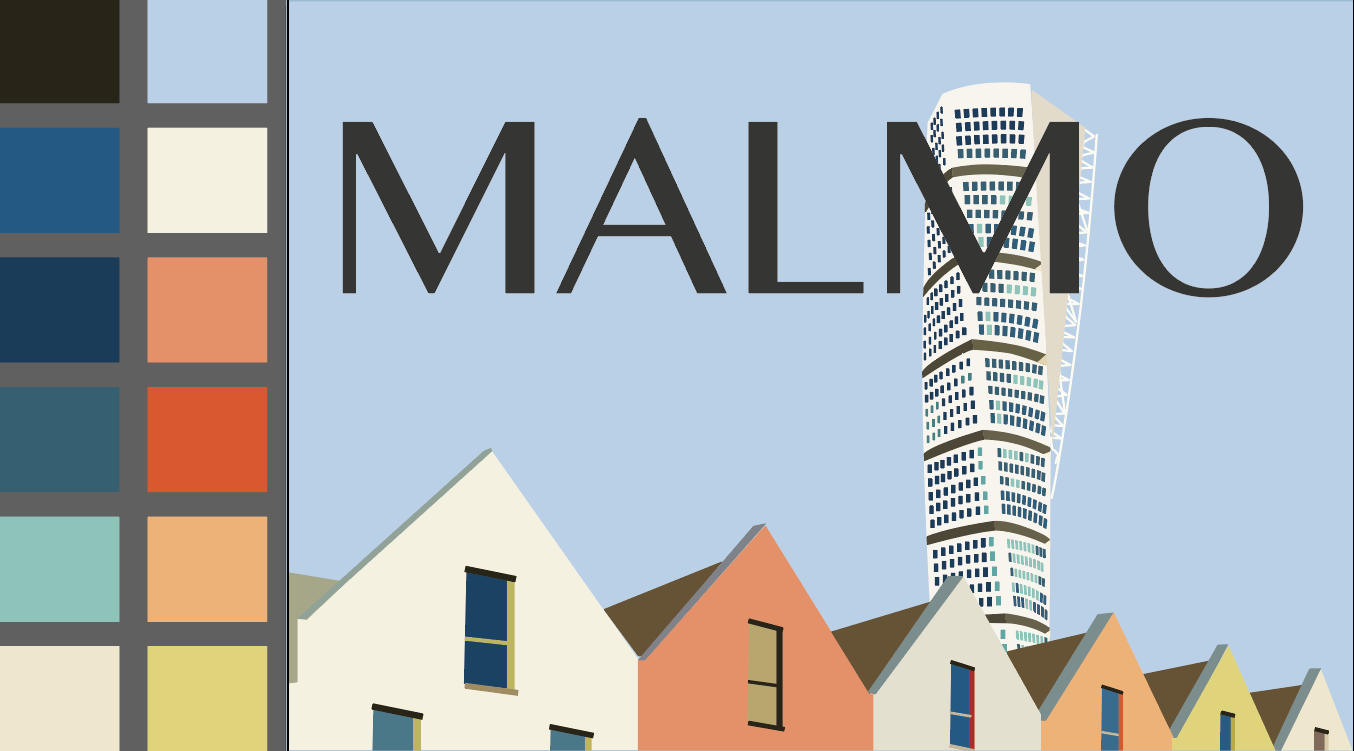
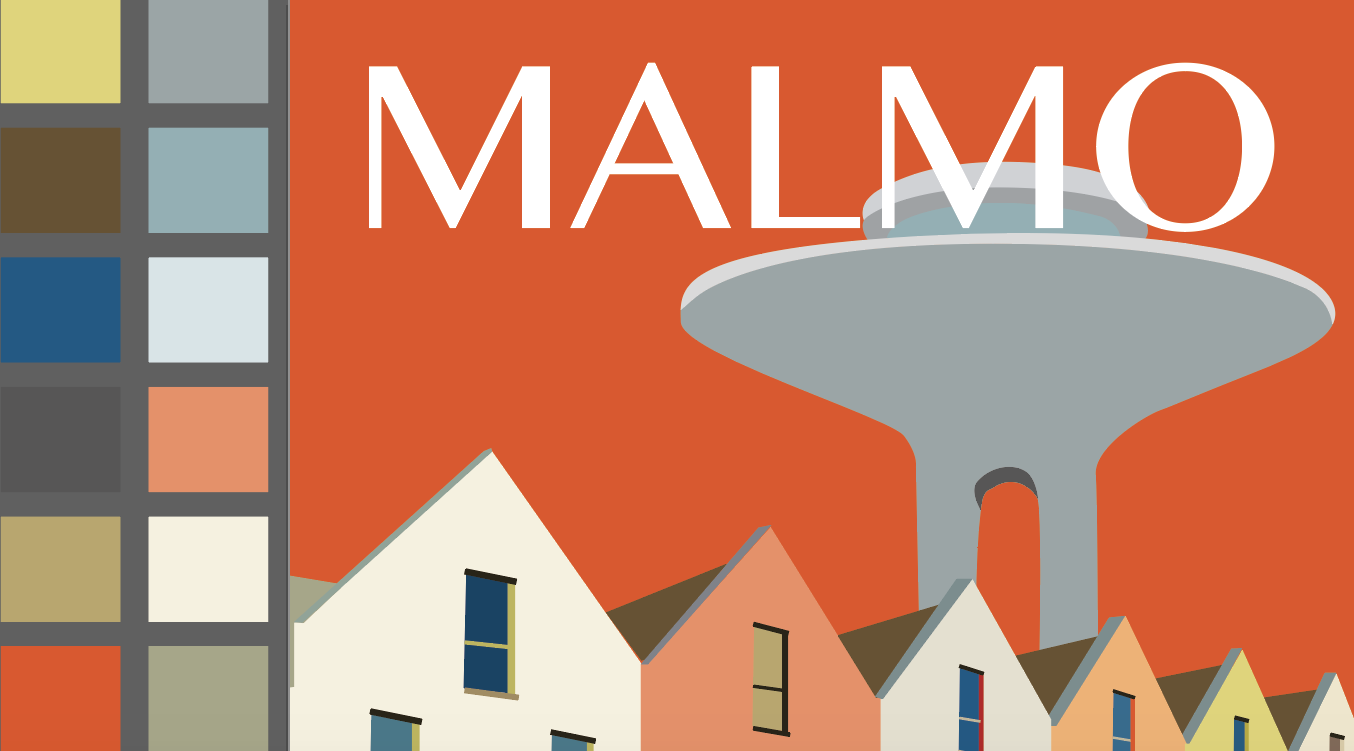
When I started choosing photos for the city of Malmo, I discovered the urban, modern, progressive city, which combines traditional architecture with modern buildings. From the beginning, my enthusiasm led me to the image of a tall building. But after analysing, I concluded that the design turned out to be too detailed, so I chose to depict another impressive building Water Tower, which I did in different colours of authentic buildings.

For contrast, I decided to try brighter colours for the background colour; in my opinion, the bright orange colour successfully emphasised the uniqueness of the area. Design variants are presented below.
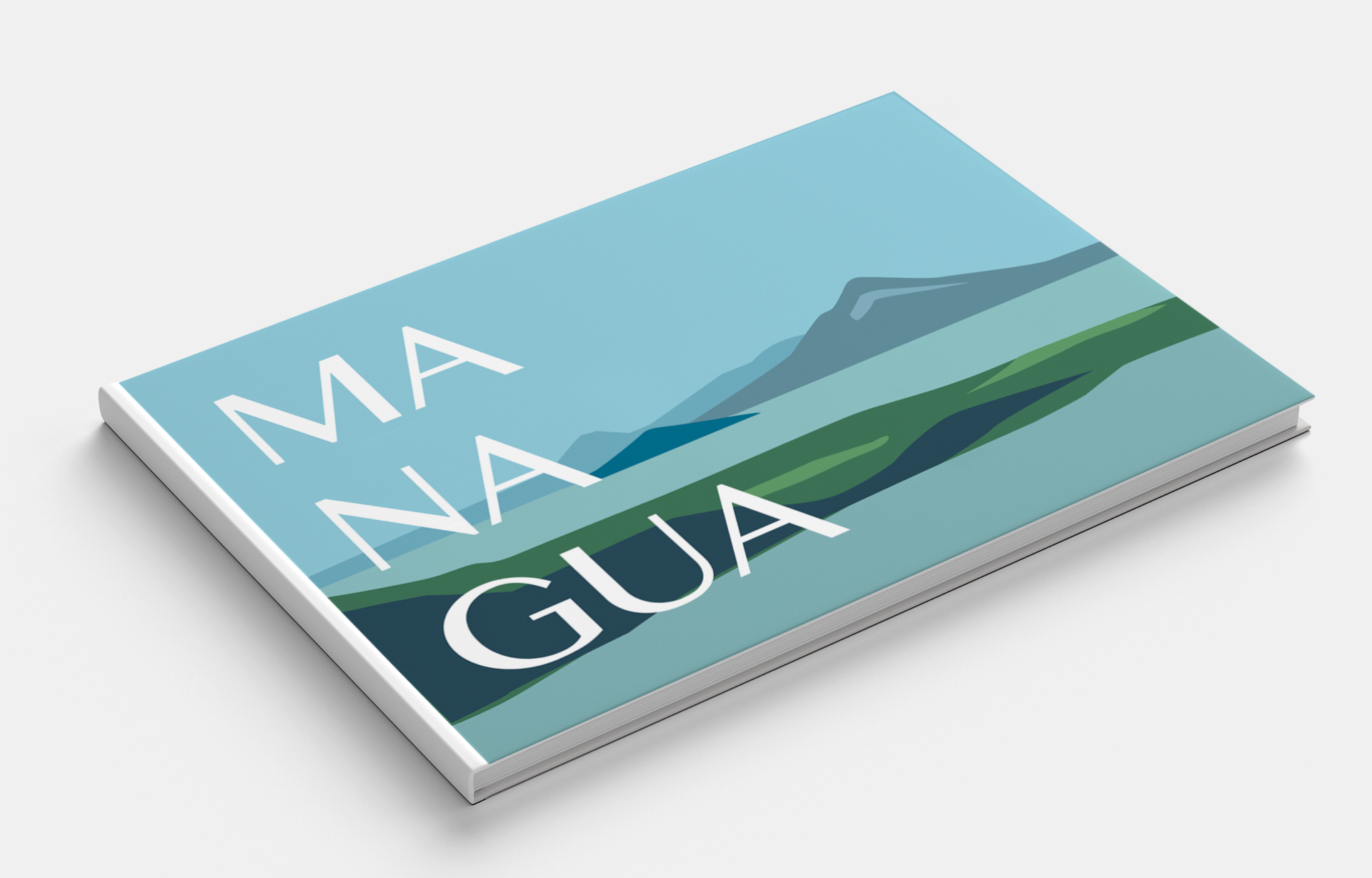
Managua

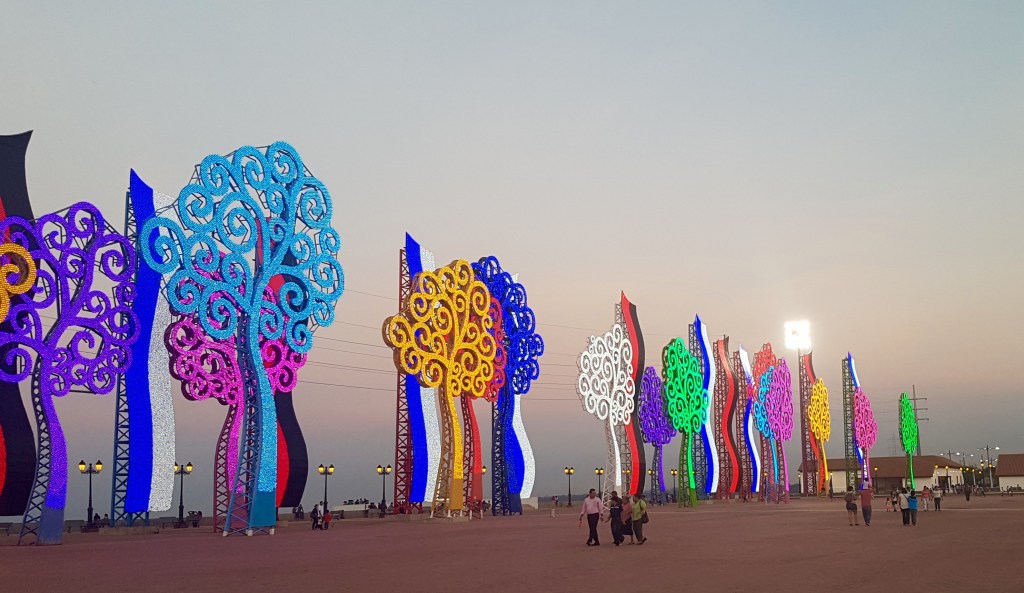
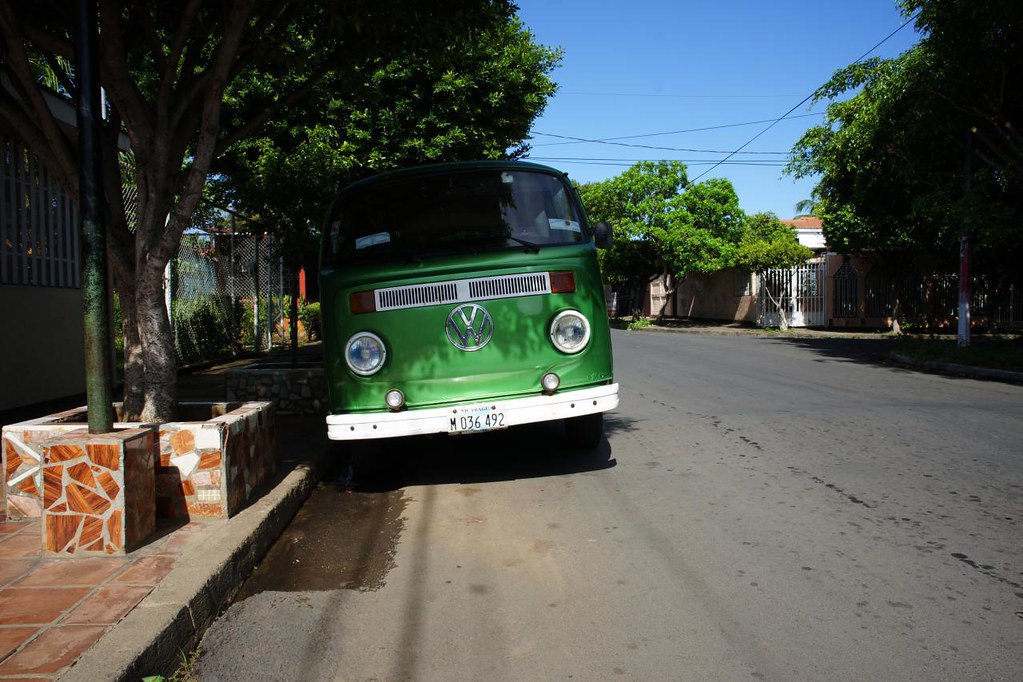
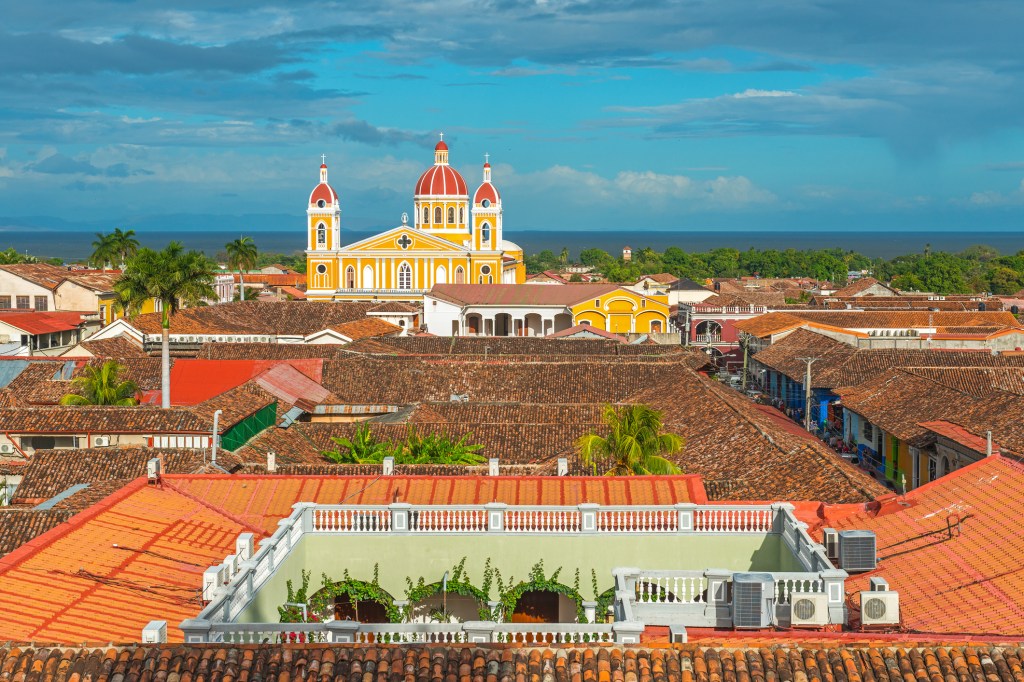
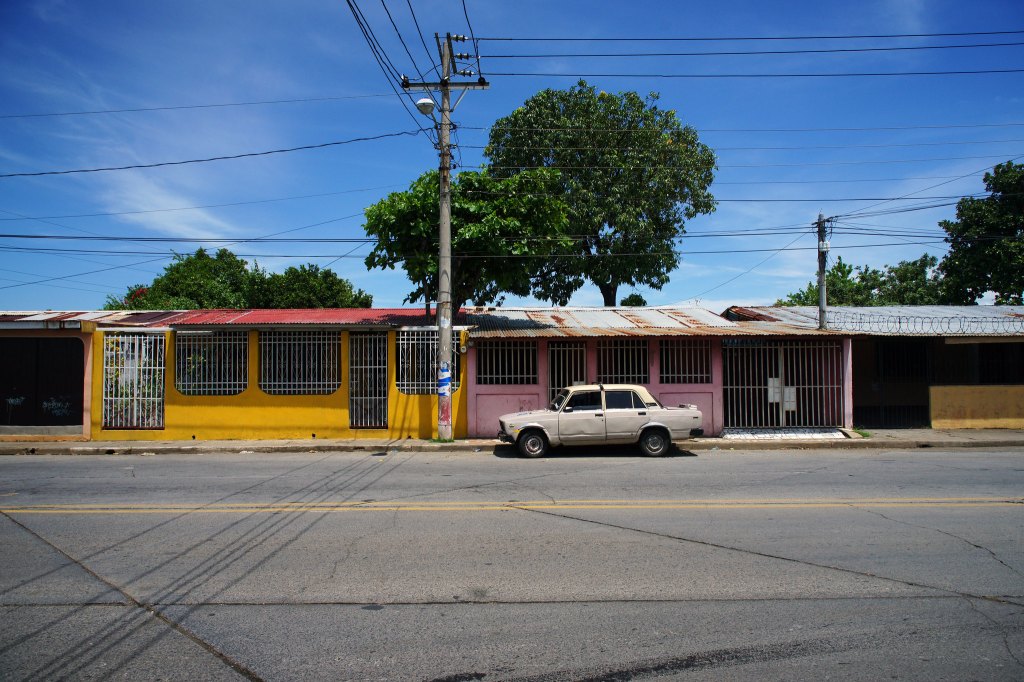
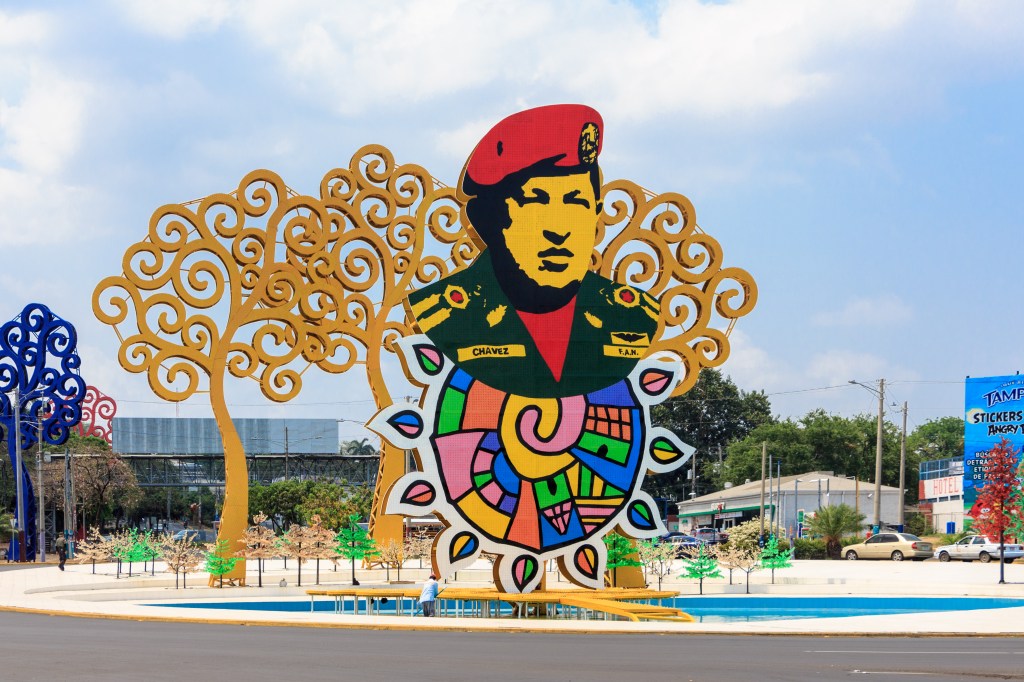
Managua for me turned out to be another exotic place. Colourful peculiar city, with its culture and features.

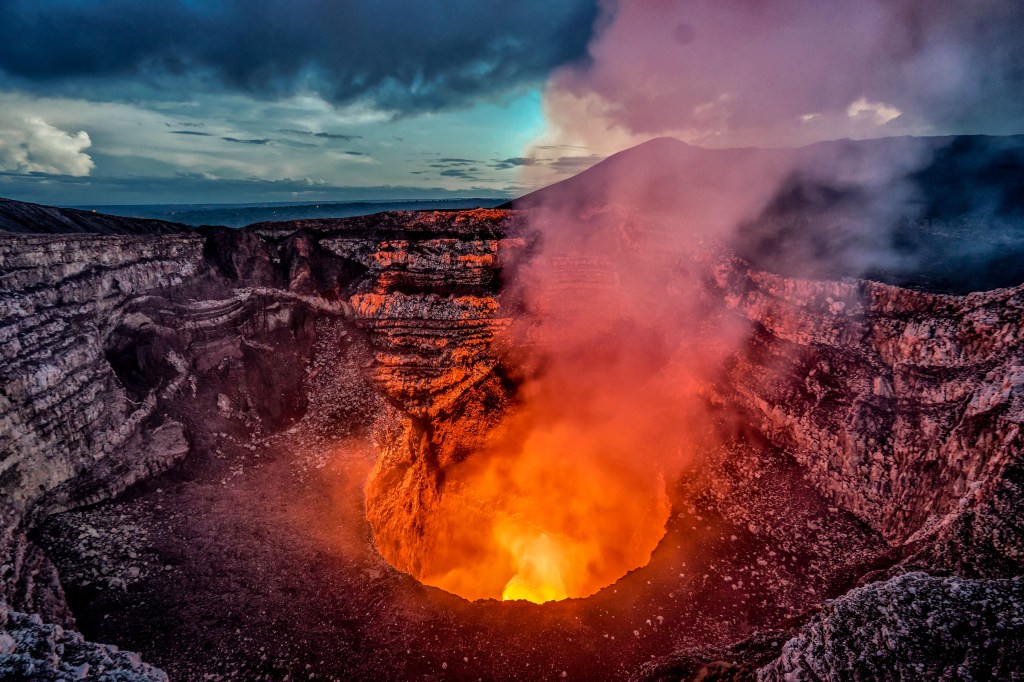
I collected a small set of paintings that deserve attention, but as a milking abstraction, I wanted to portray nature outside the city. I liked the combination of green and blue shades; in my opinion, this could serve as an incentive to attract tourists to the original city of Managua.

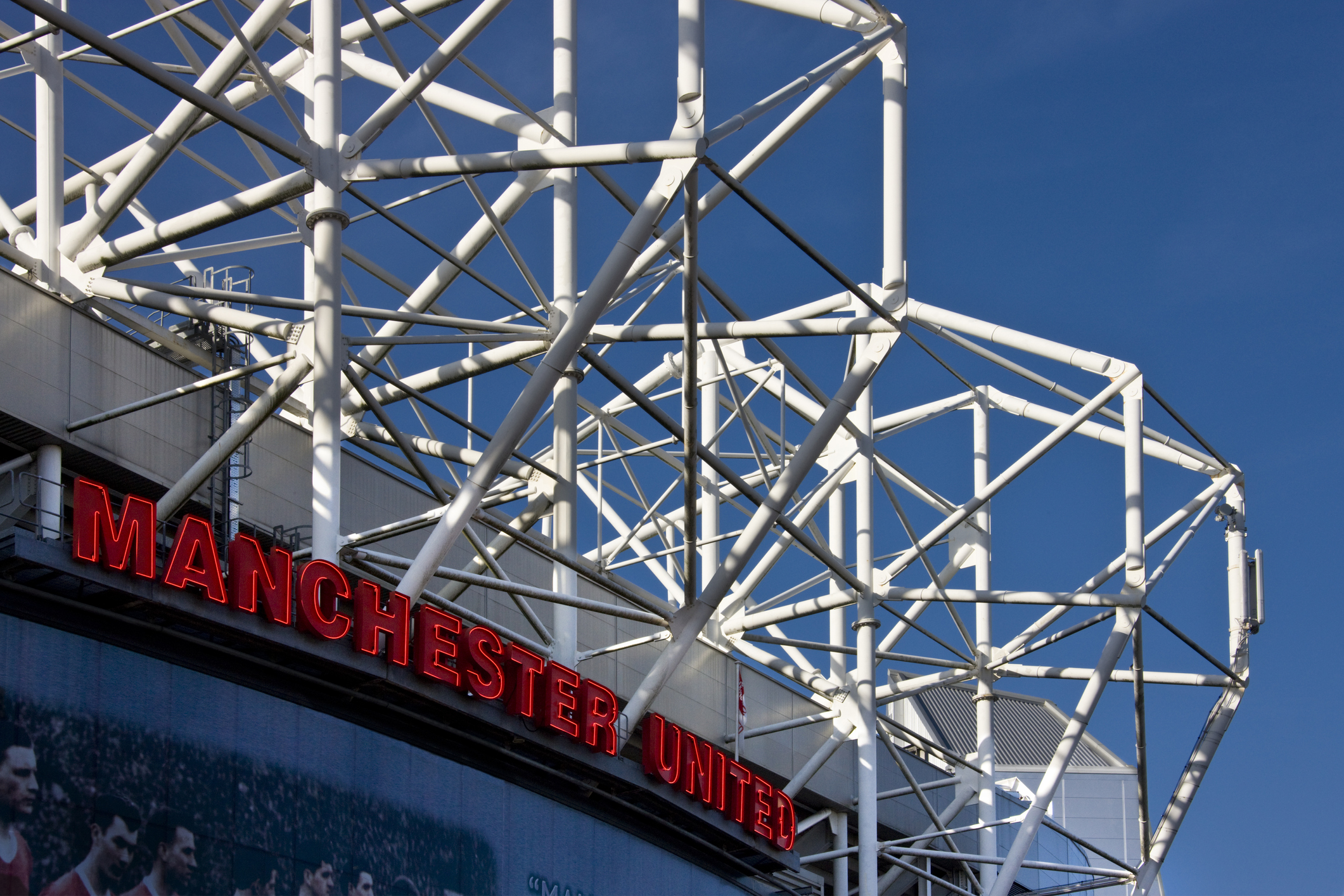
Manchester

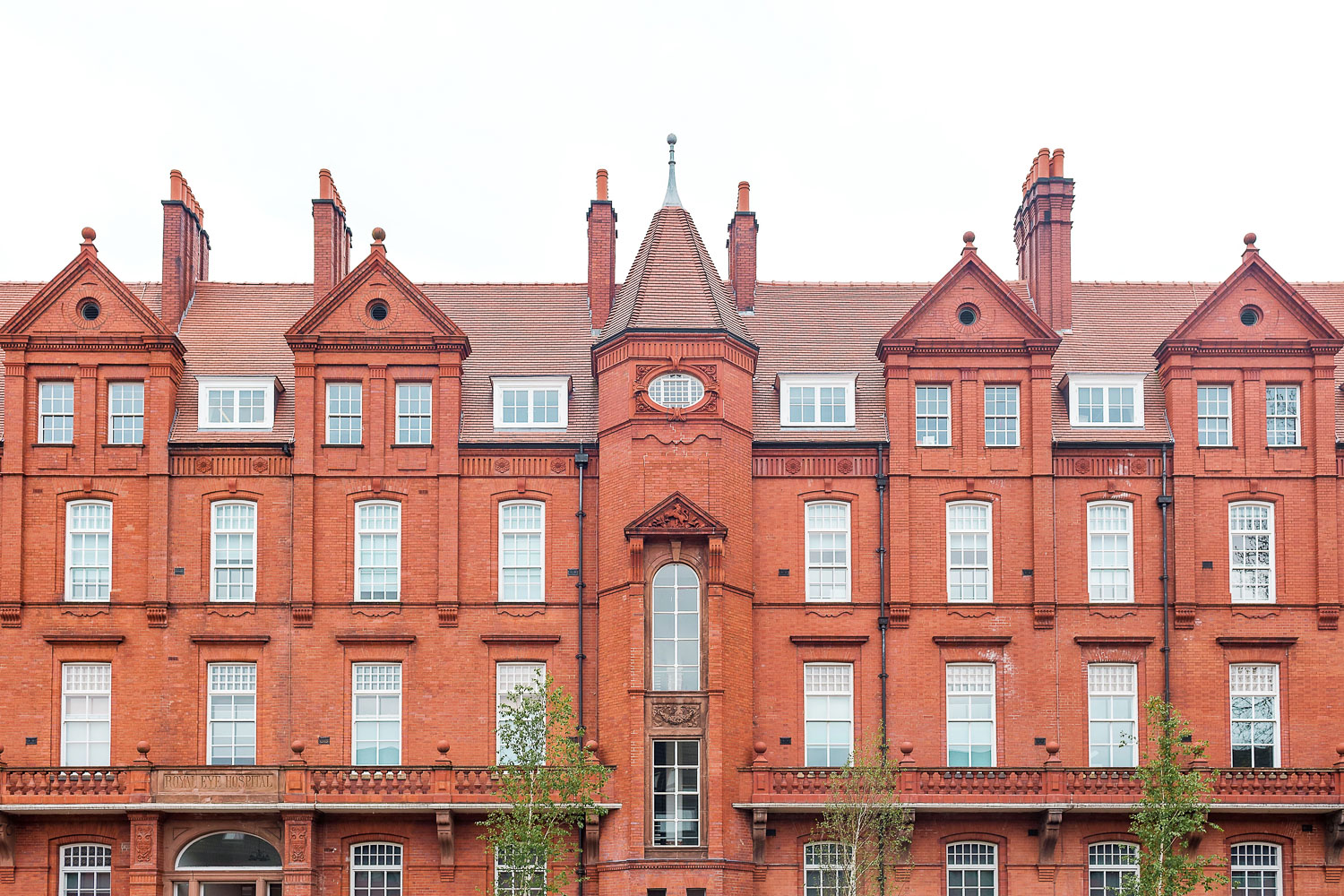
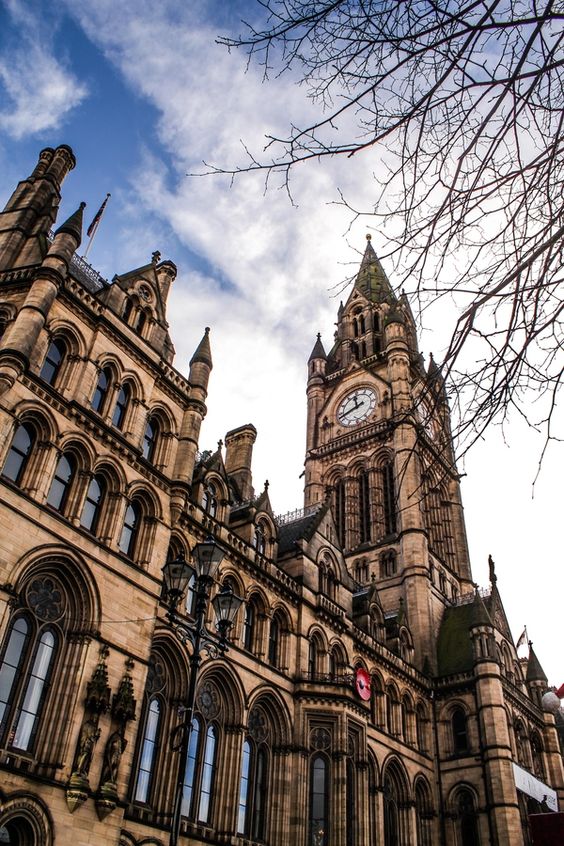
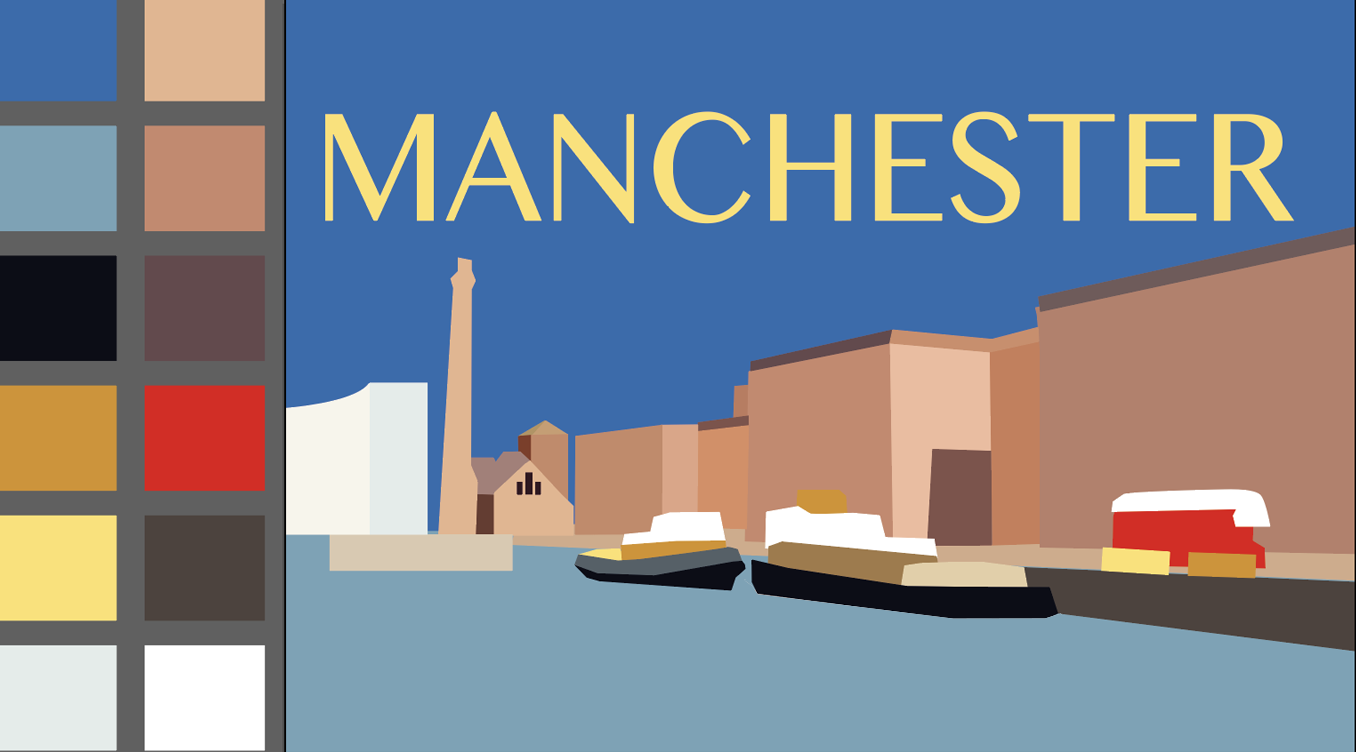
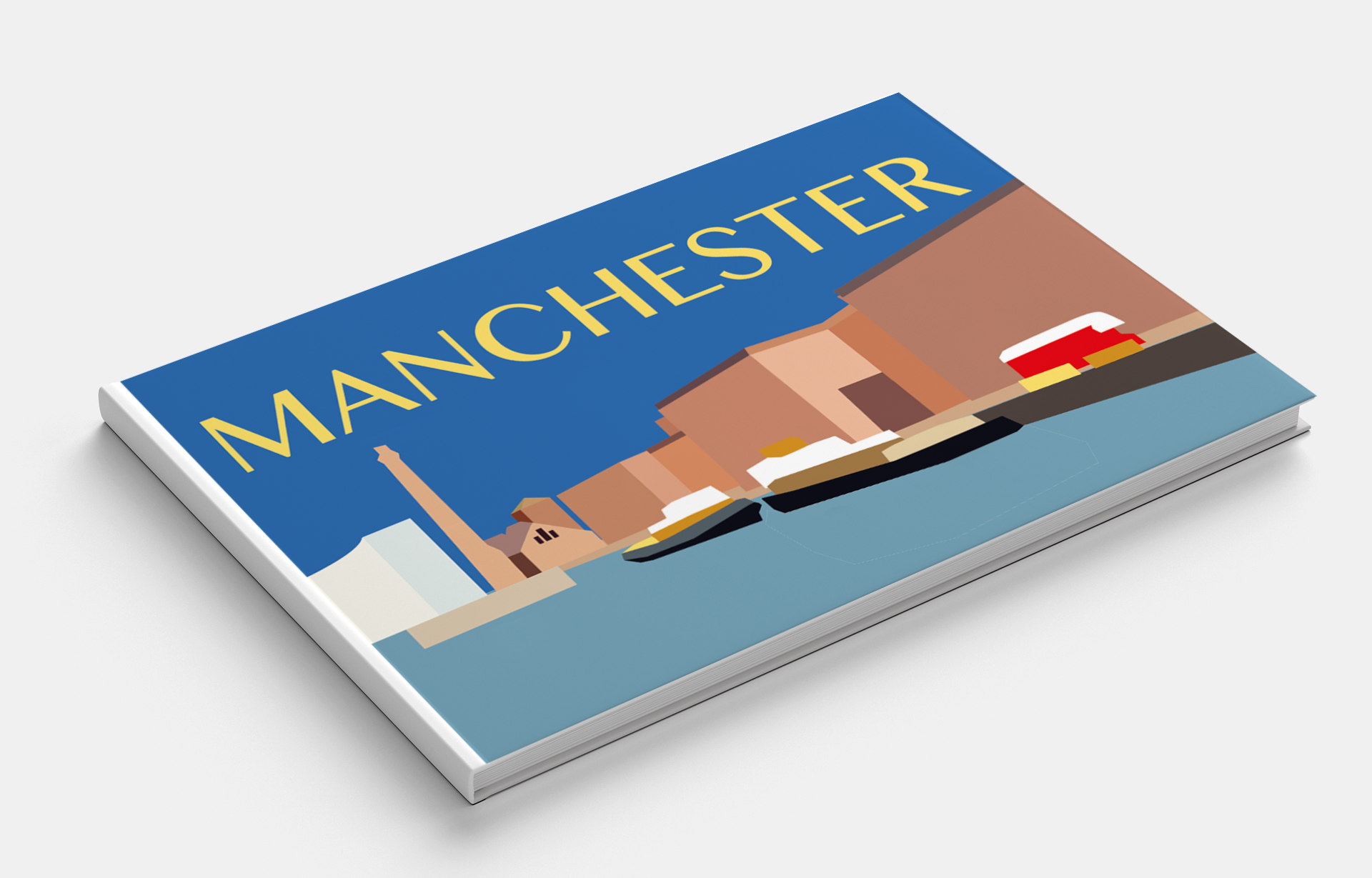
Known for its football club and music scene on which such bands as The Smiths and Oasis performed, this centre of sports and the arts is a famous and friendly city. A modern progressive city filled with the spirit of freedom. I wanted to portray Manchester in contrasting colours, with a consistent style of architecture.
For the sky, I chose an unrealistic bright blue colour, which, in my opinion, created a unique colour feeling for this place. I think I was managed to picturise the traditional English city with modern features.
Manhattan

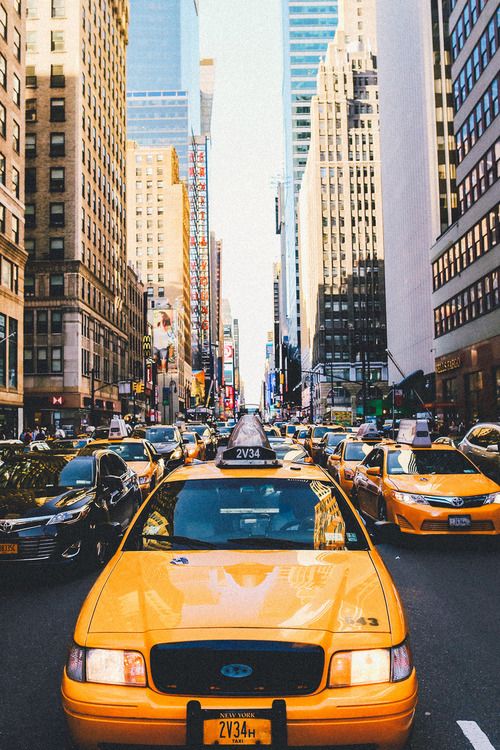
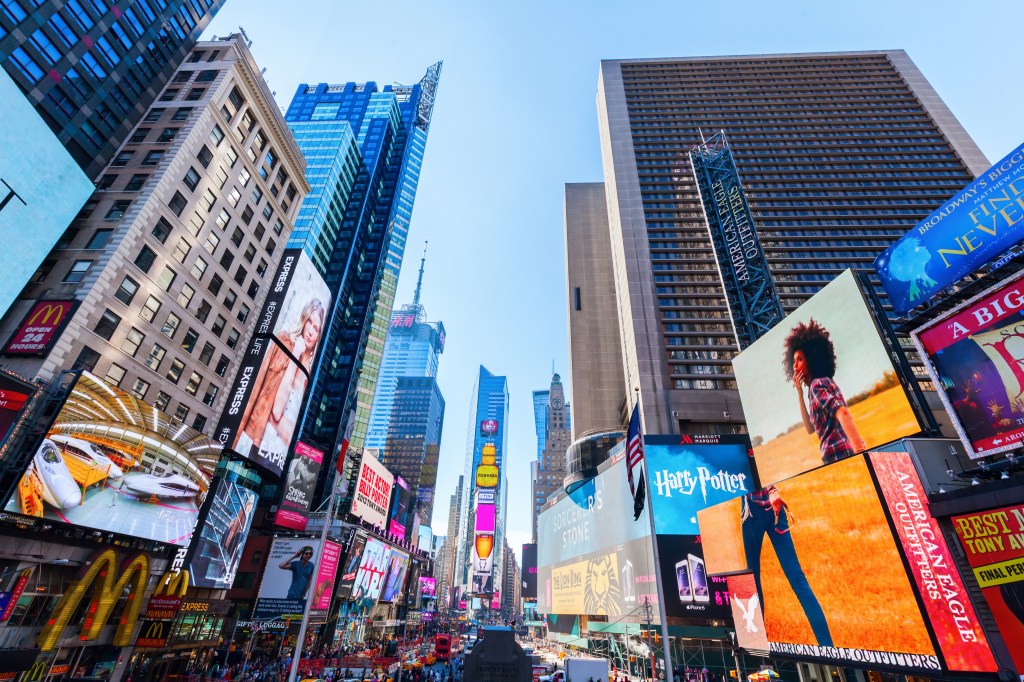
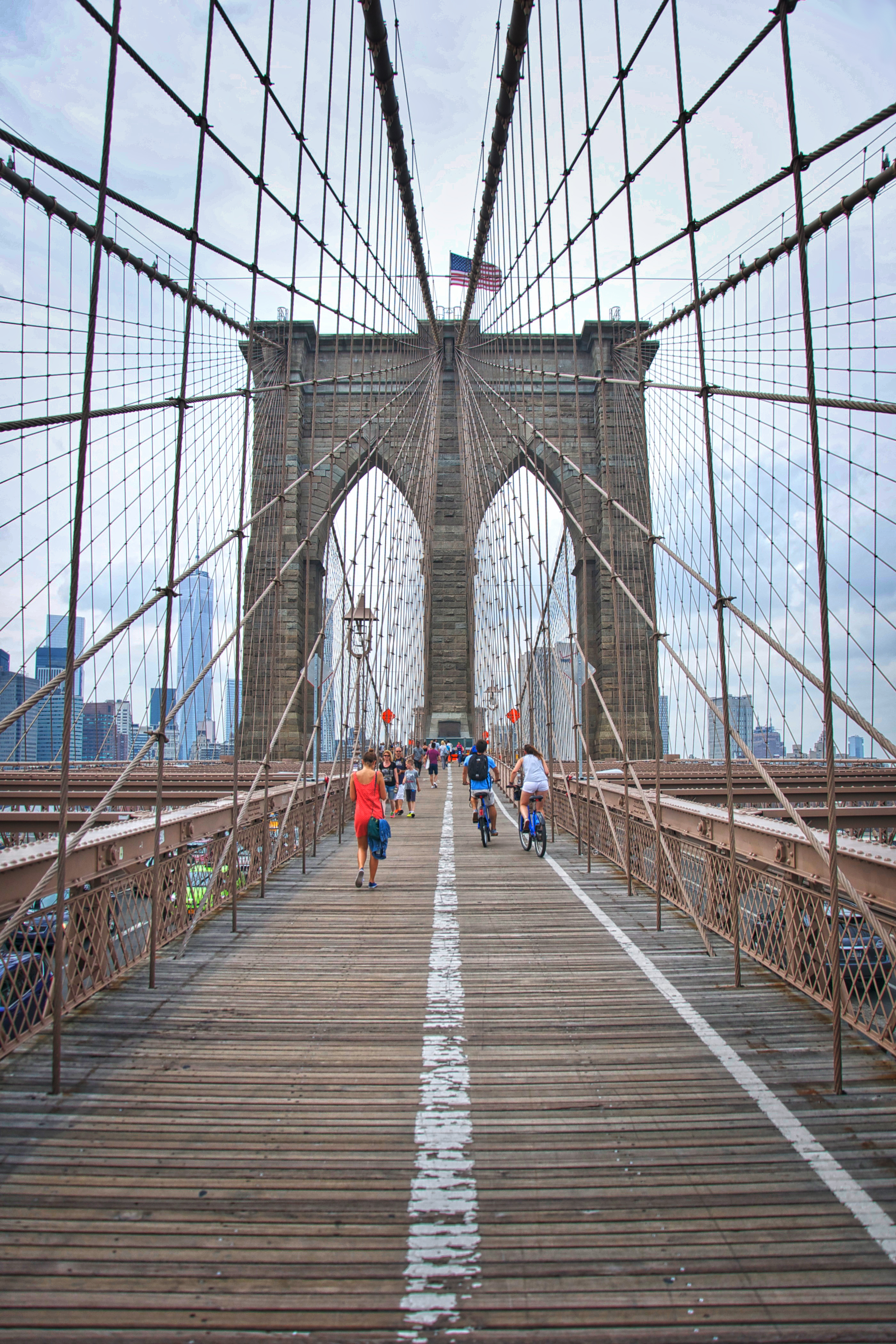
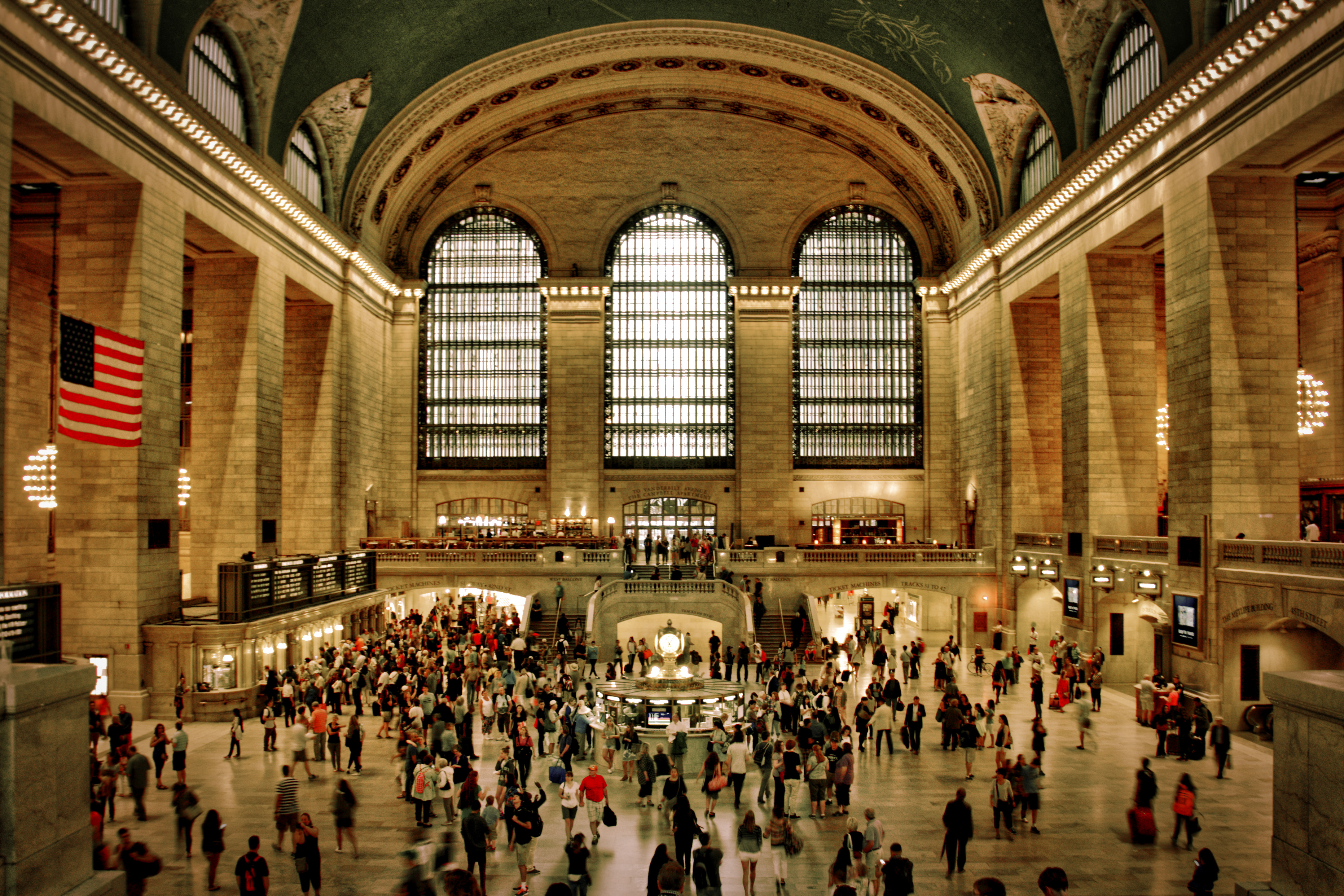
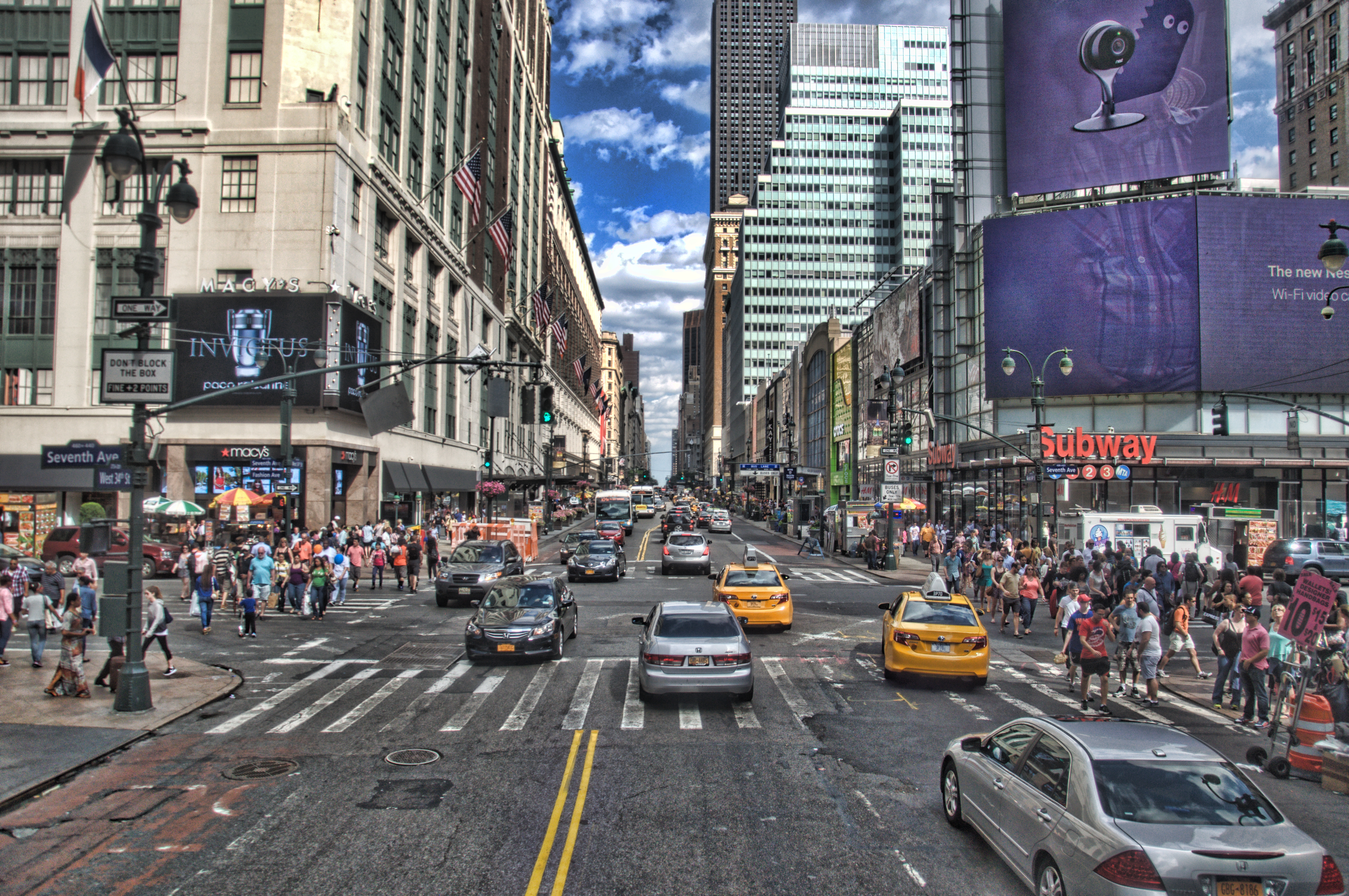
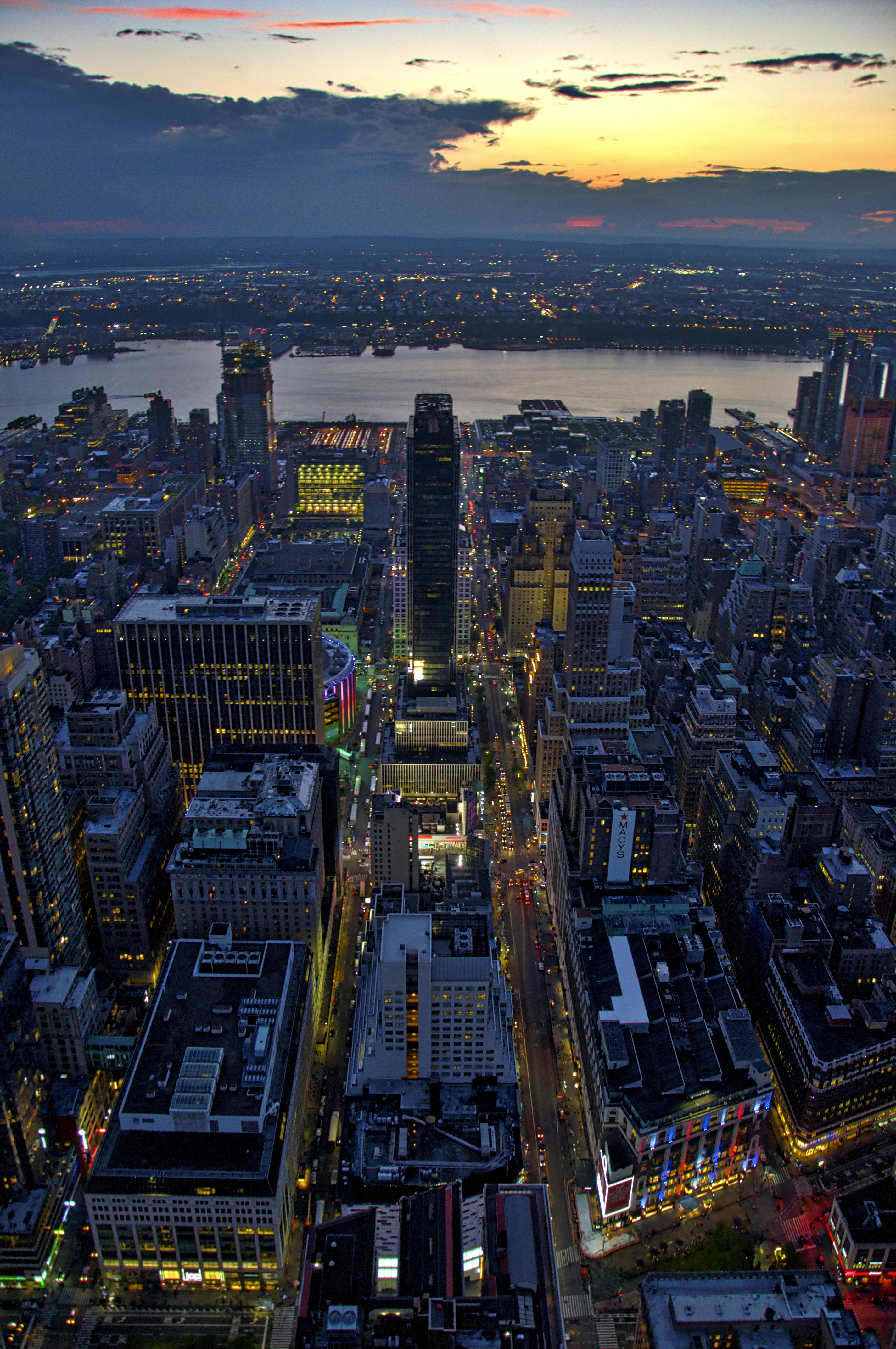
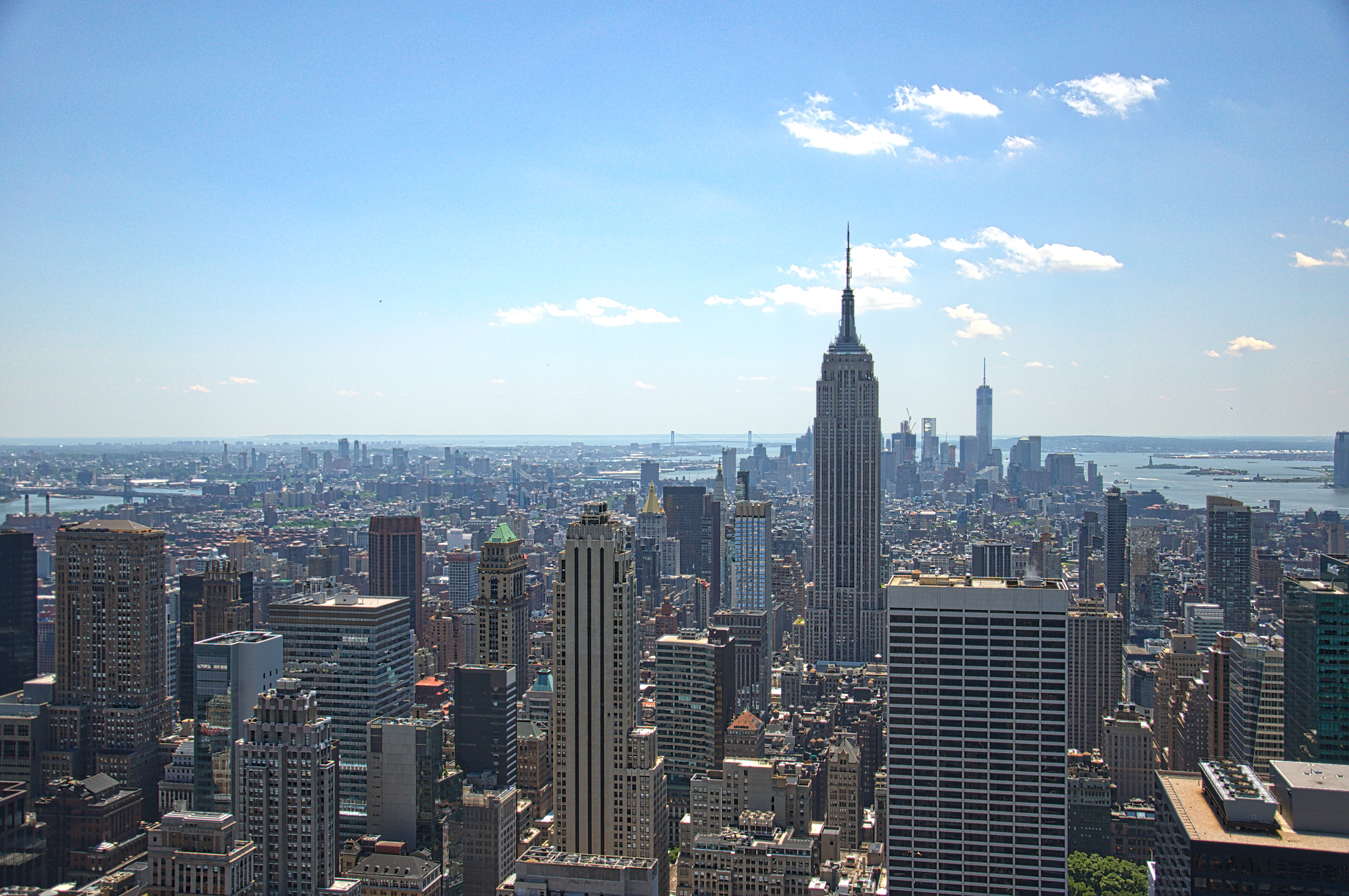
Manhattan is the historical core of the city of New York and one of its five boroughs. The city is primarily associated with tall skyscrapers, shopping centres, bright billboards and Broadway. The attitude towards it cannot be unambiguous, because achievements, history and modernity are intertwined together. To study and understand Manhattan is difficult, it is immense, diverse and unique.

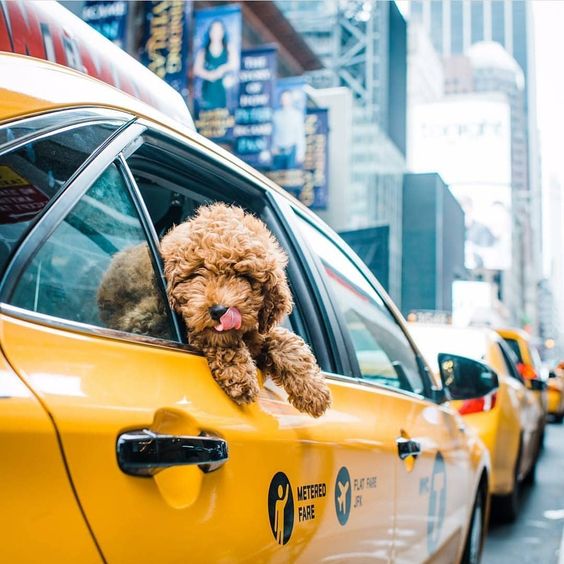
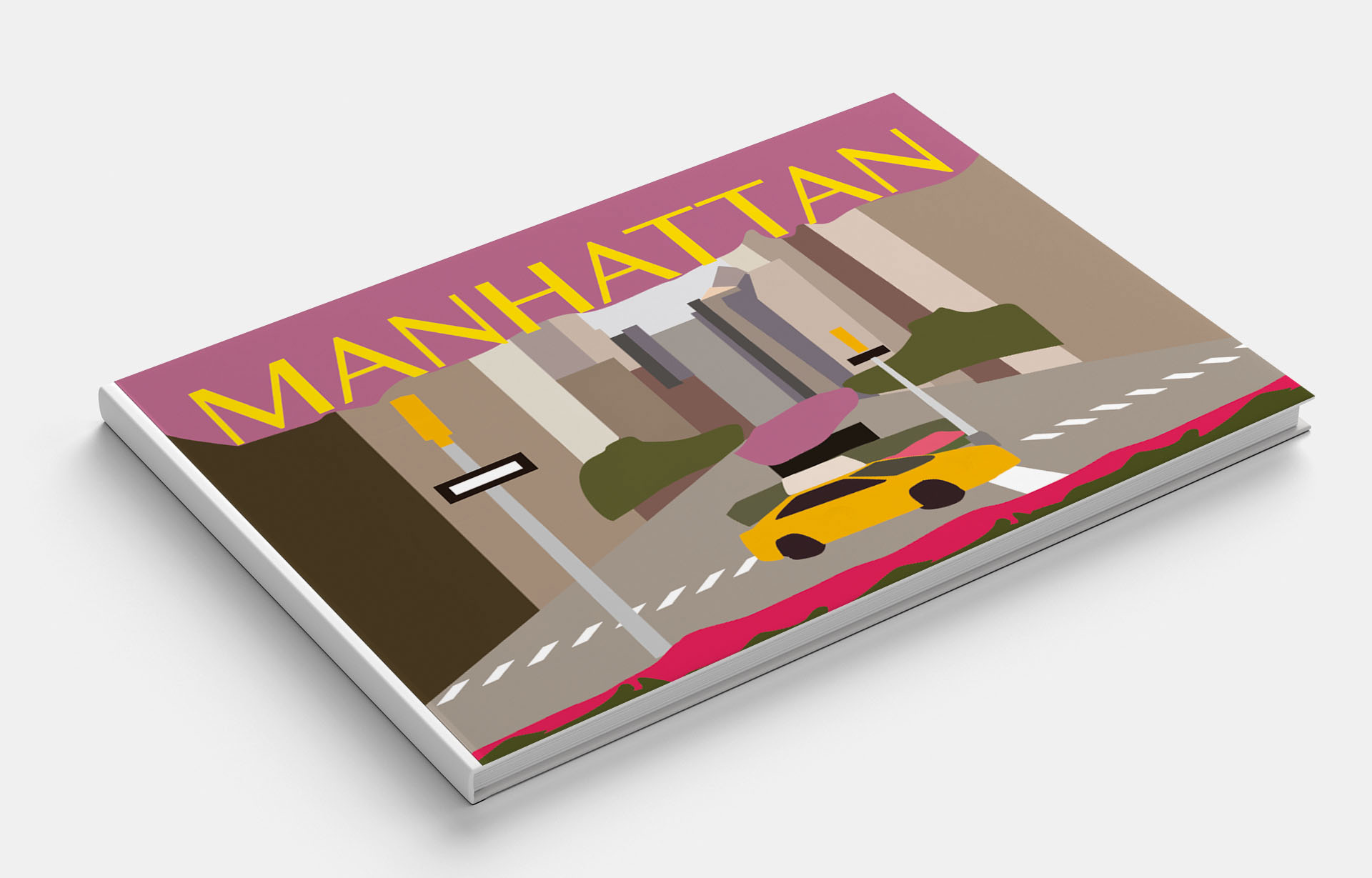
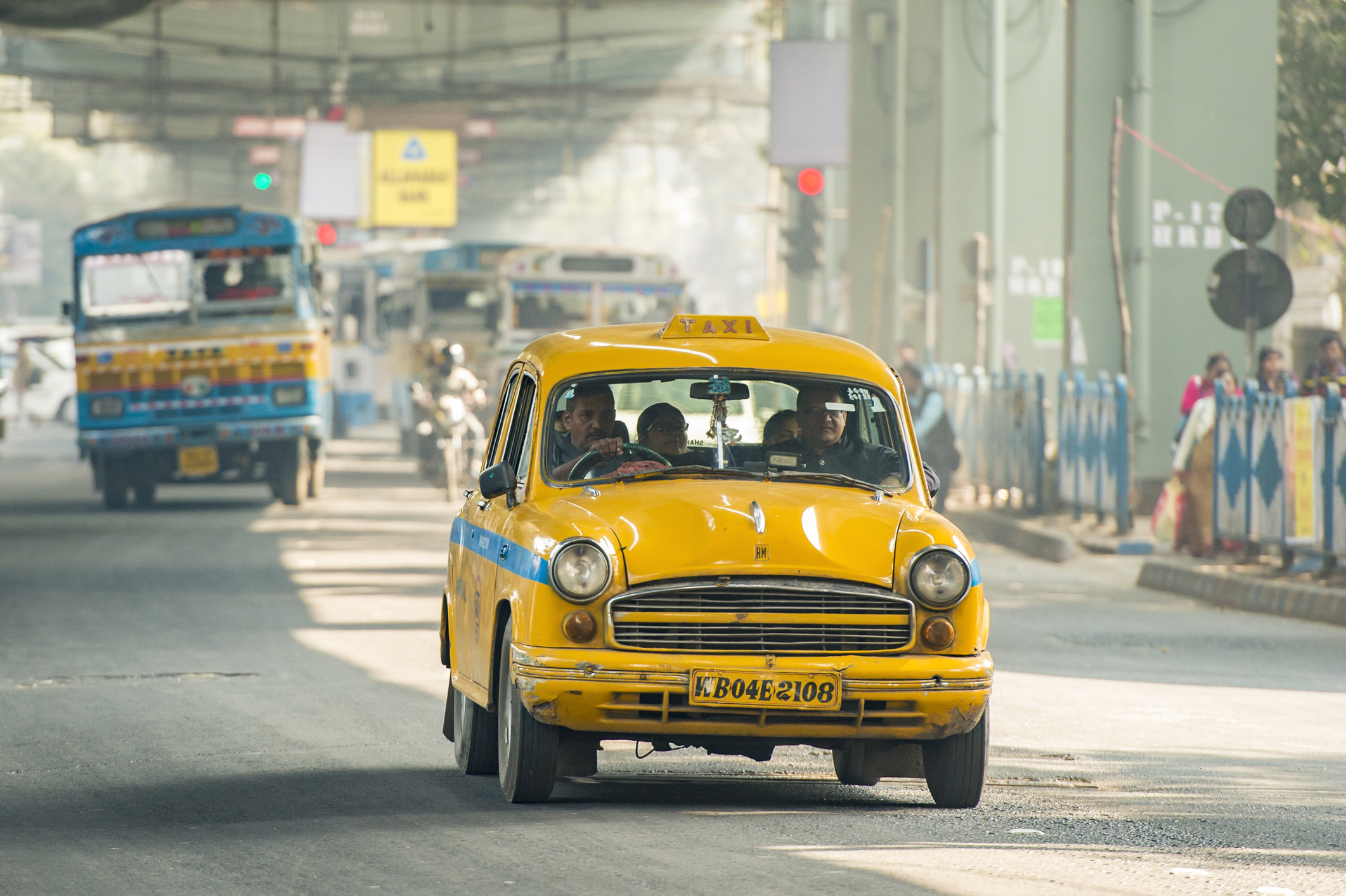
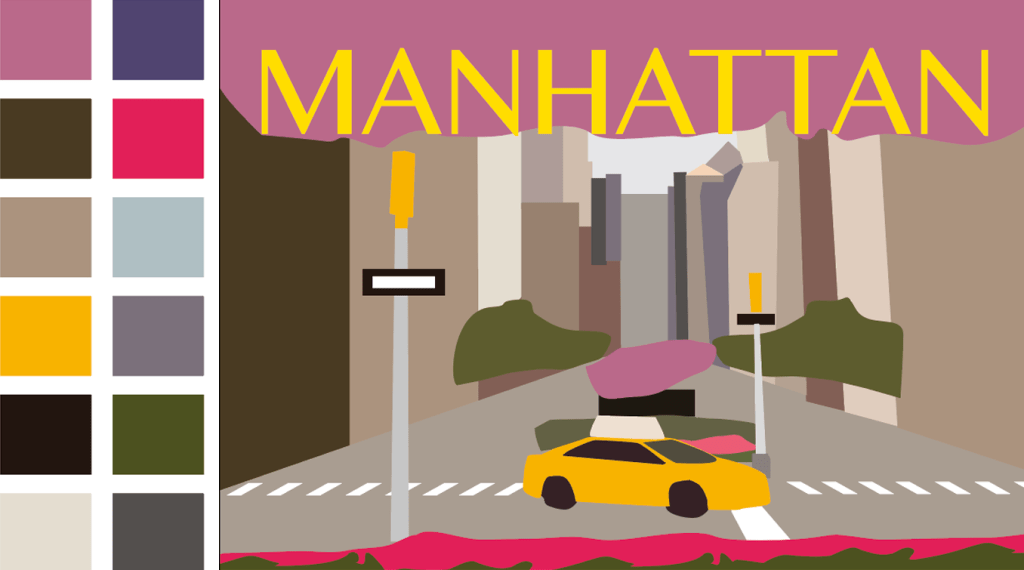
In my collection of photos, there are images from personal archives. I portrayed the first abstraction in violet-grey colours, with high-rises and the main avenue of the city. But then I wanted to explore this city from the opposite side, in warm shades, in the flowering spring city, in the centre of the composition, there is also a bright yellow taxi. I think I prefer the second option, in my view the name of the city is more prominent to read as well.

Marrakech

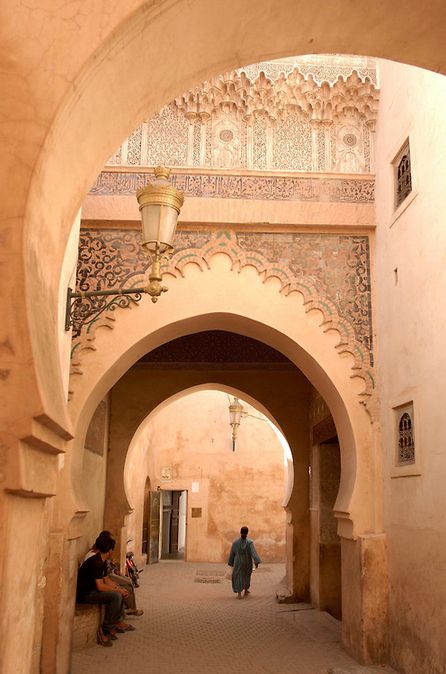
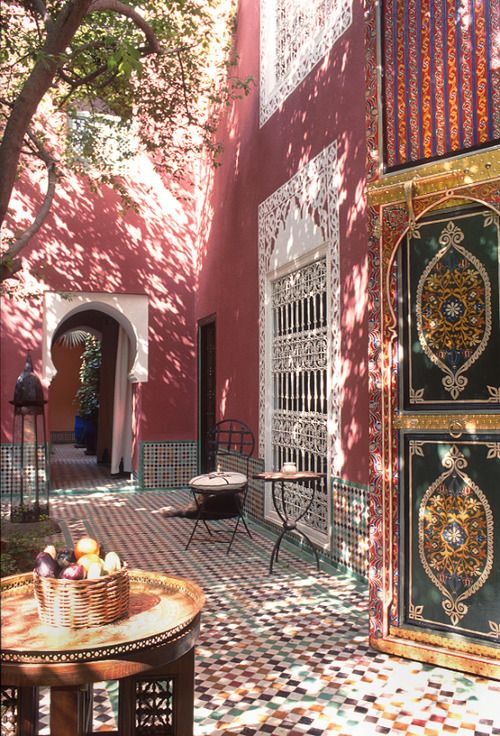
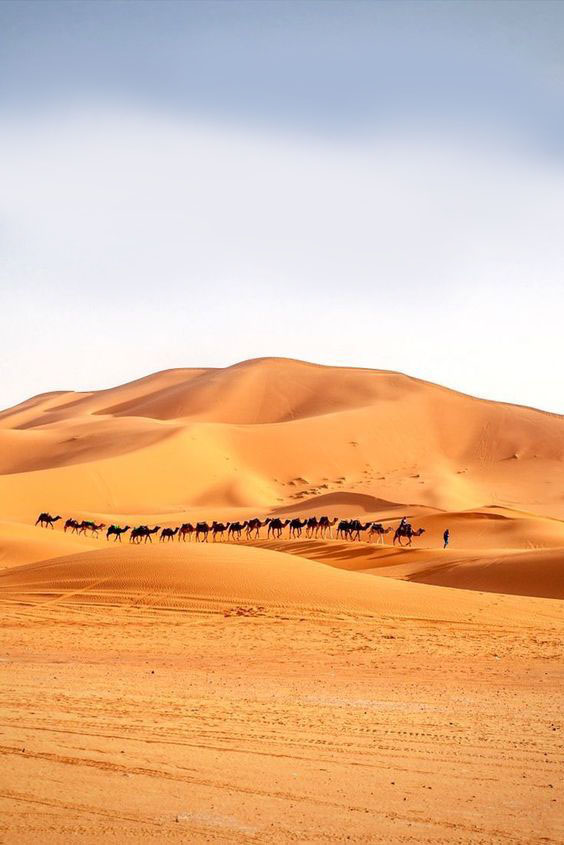
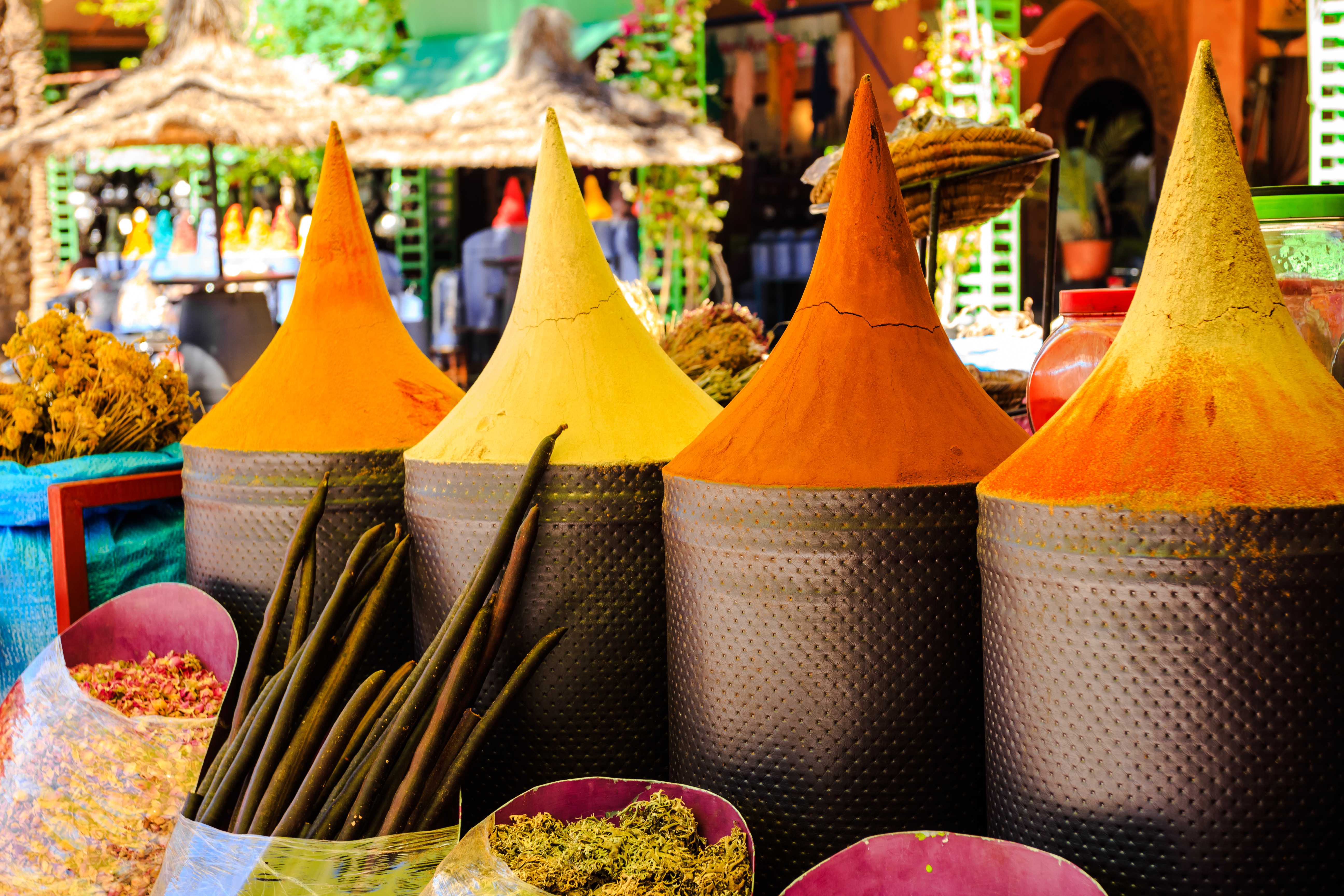
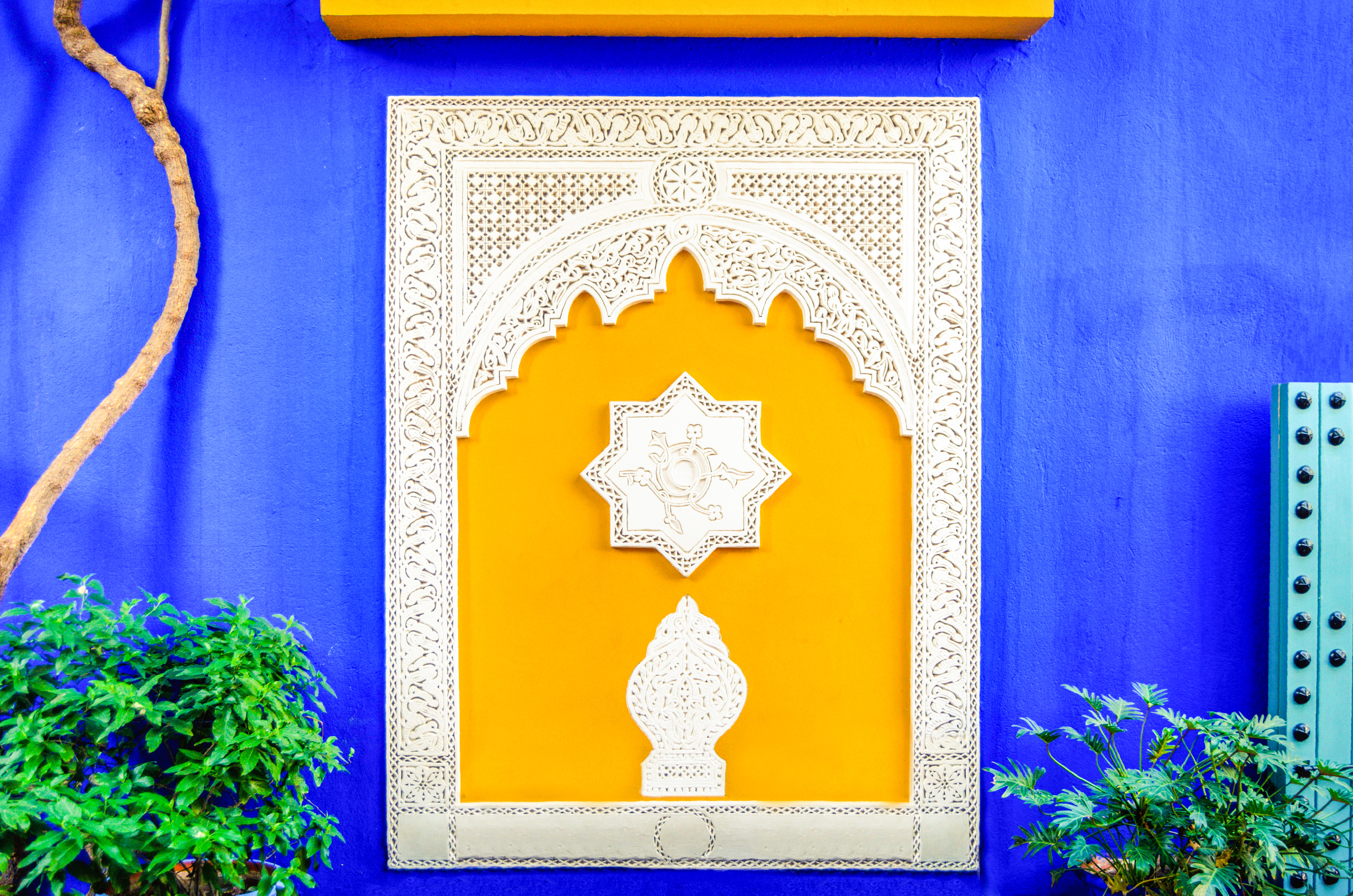
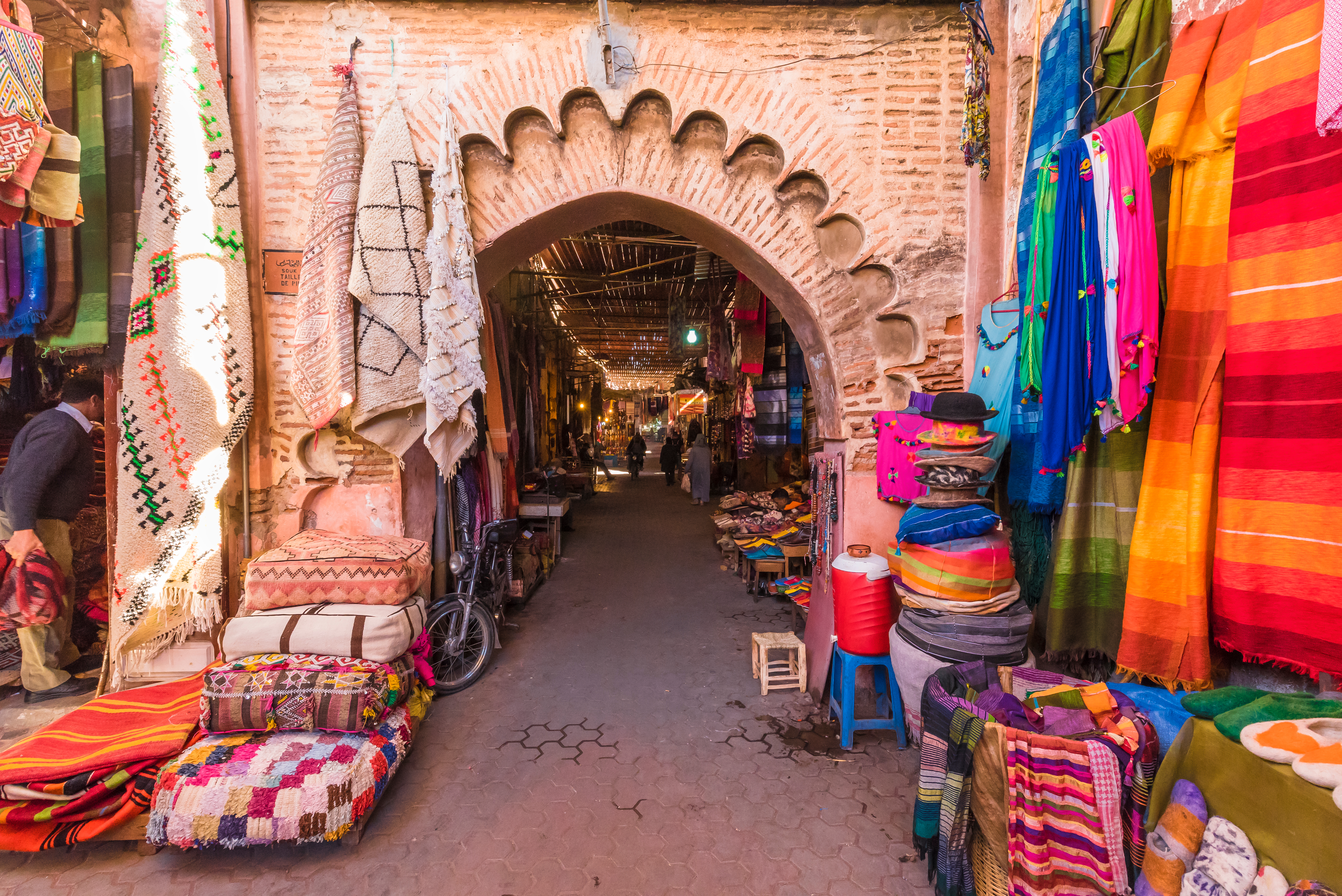
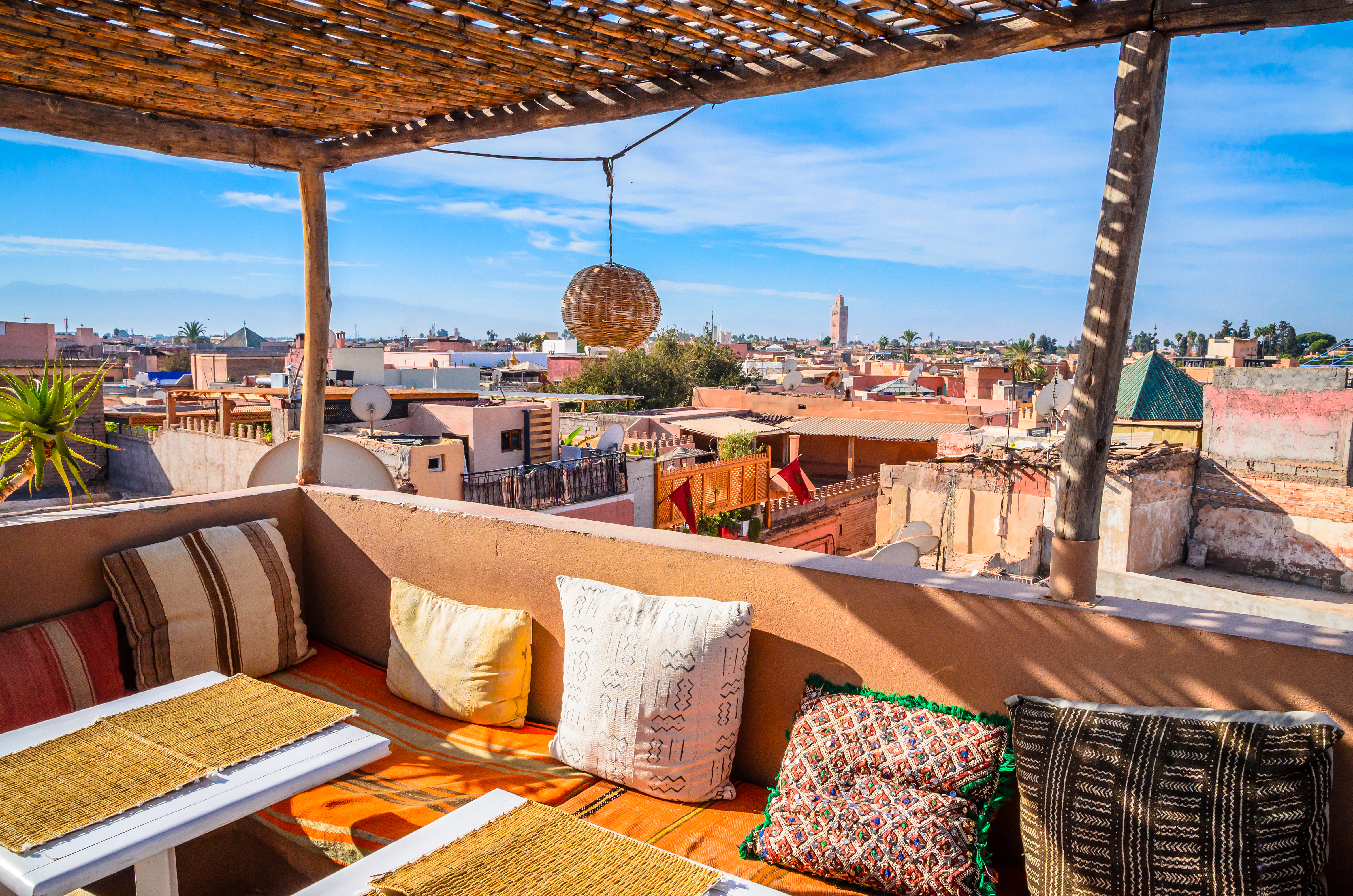
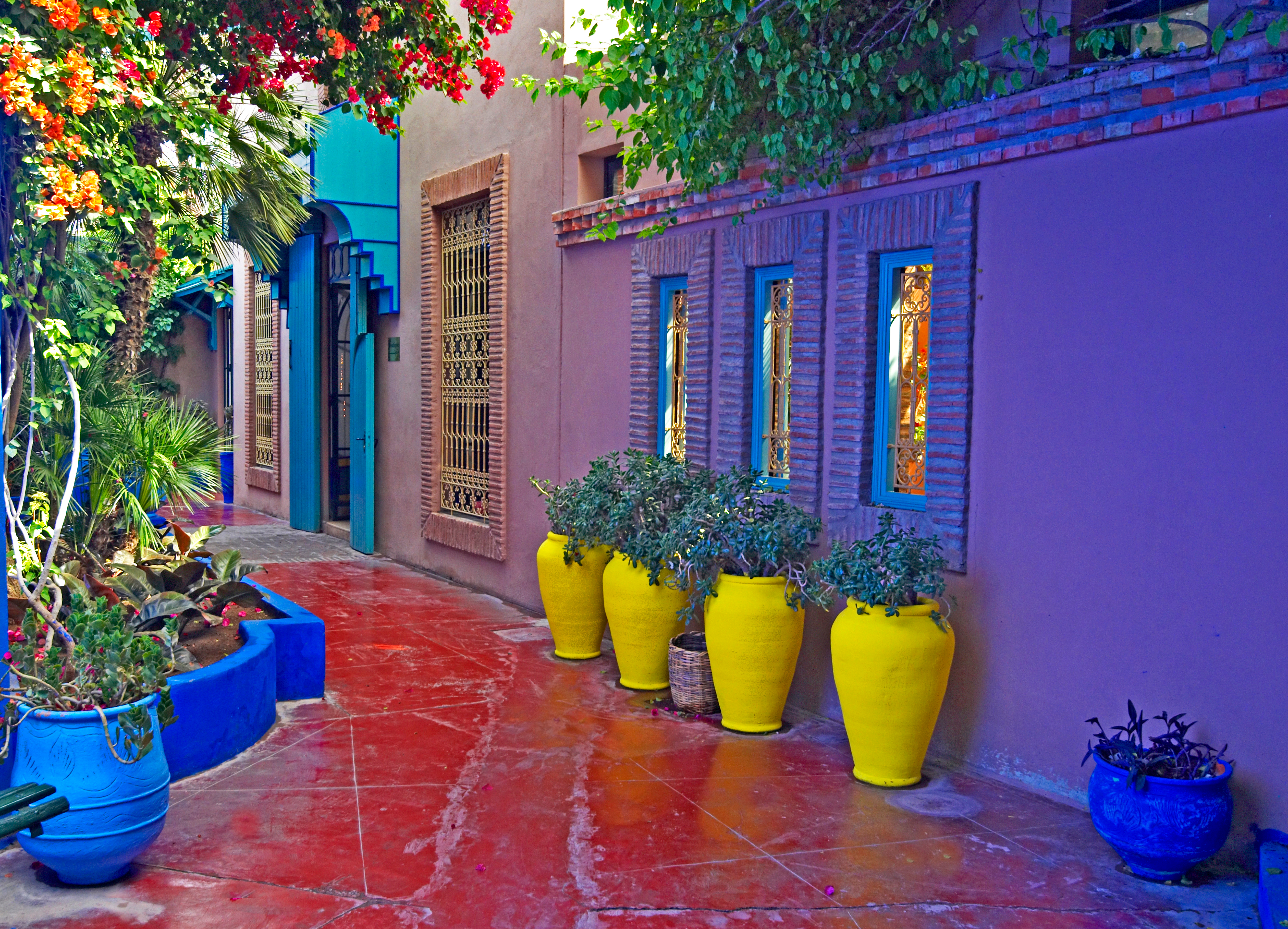
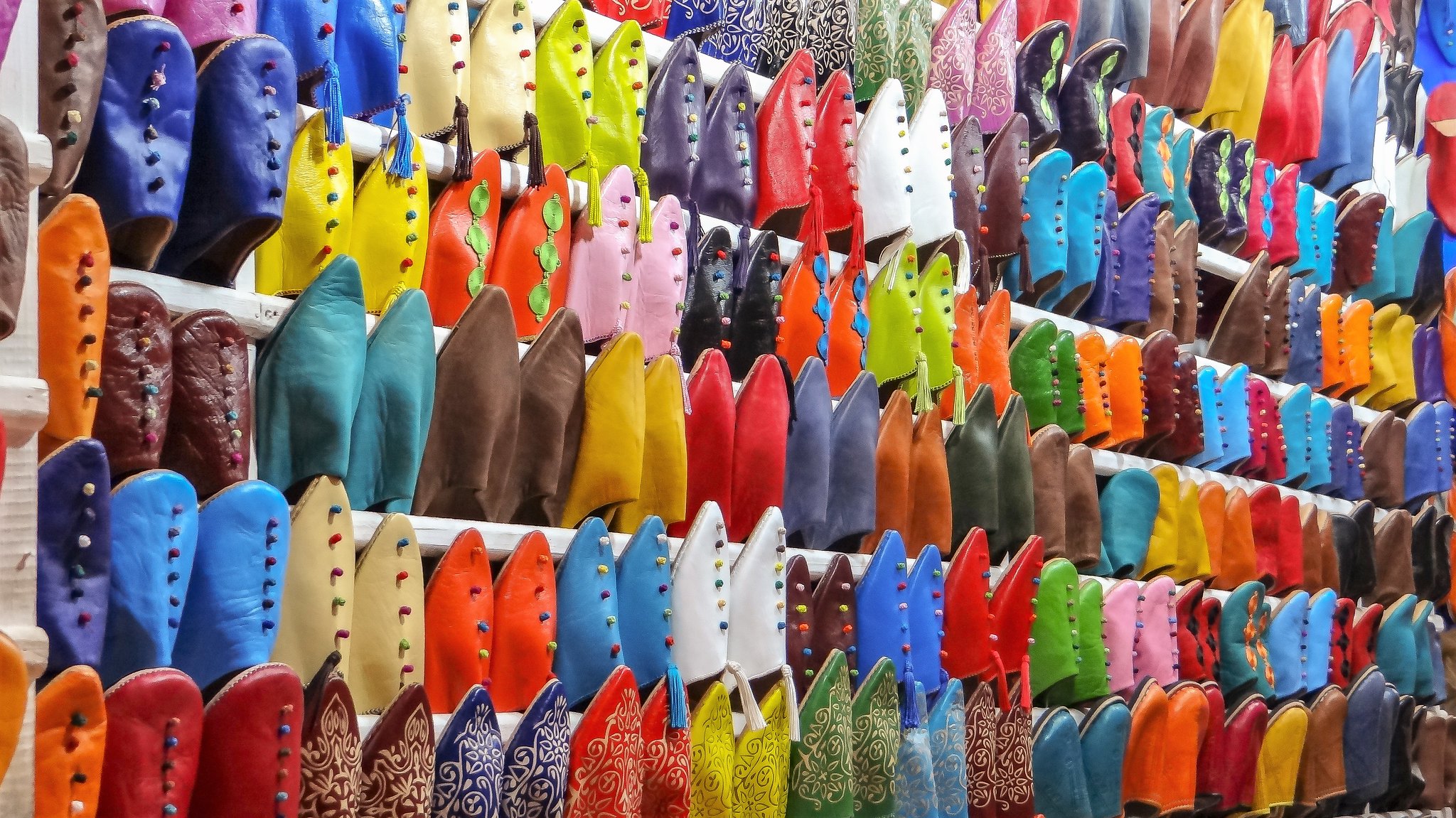
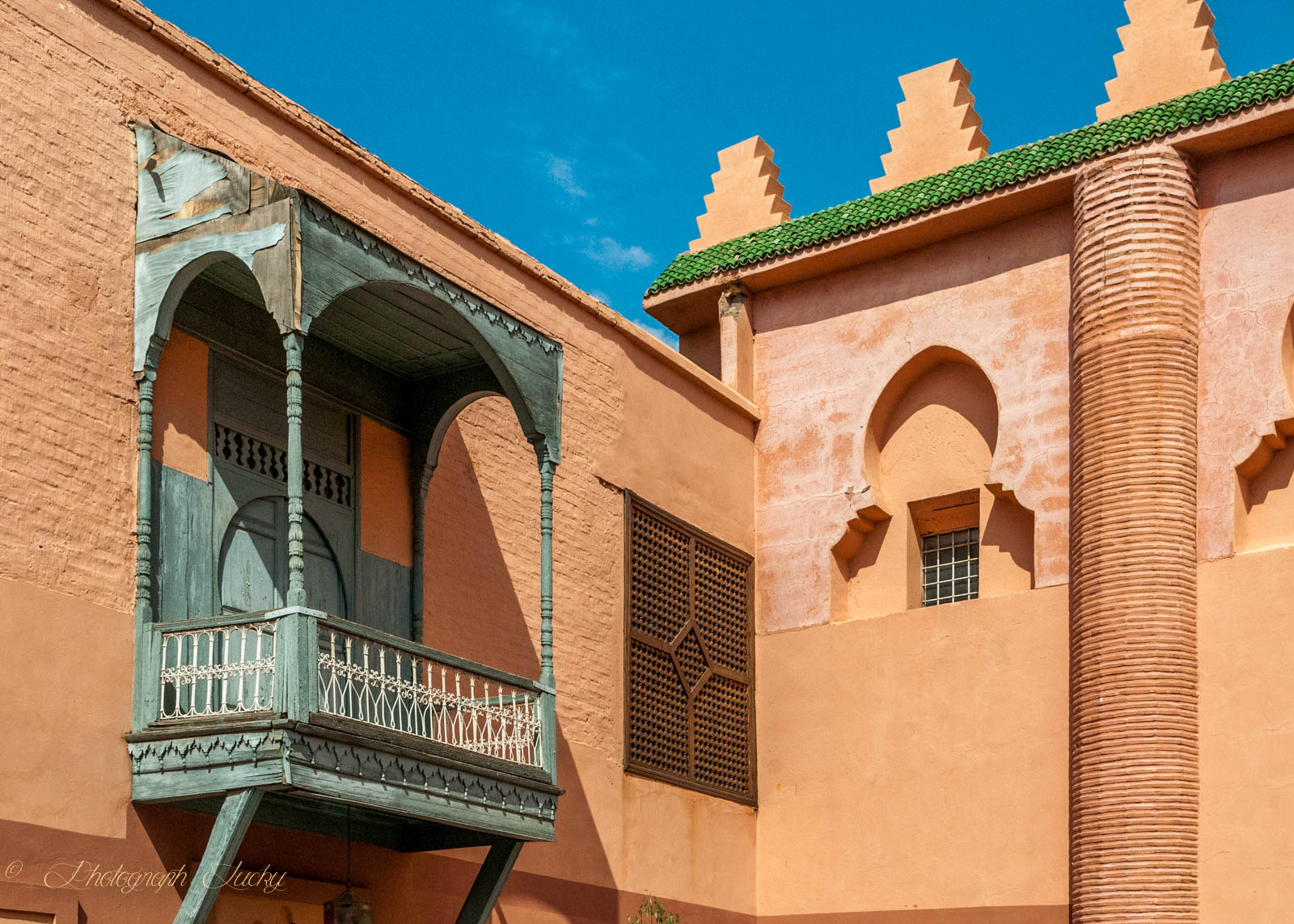
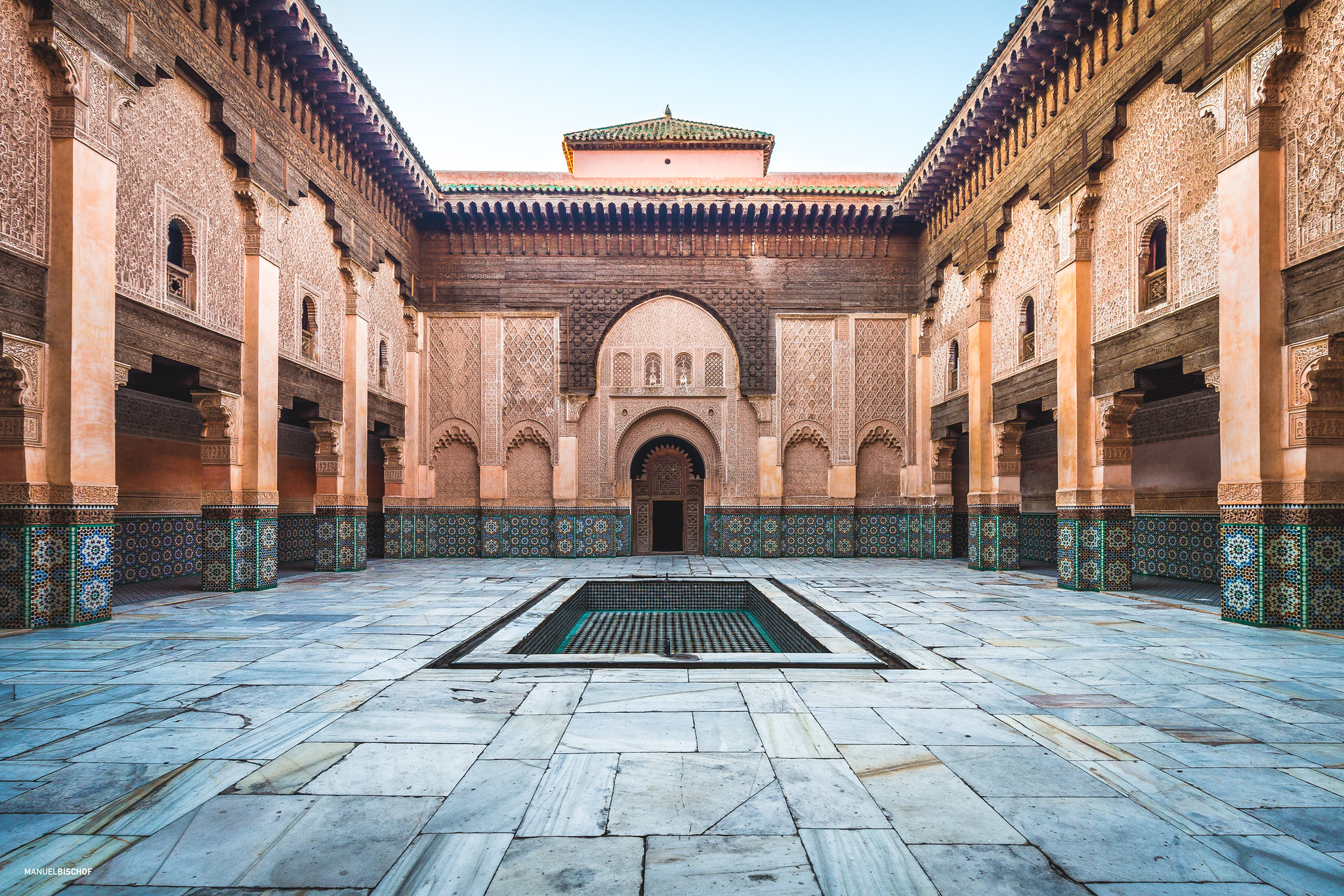
This one of the largest cities of Morocco is rightly called the pearl of North Africa. When I went through all images, I realised that this place is full of different objects that worthing to picture.
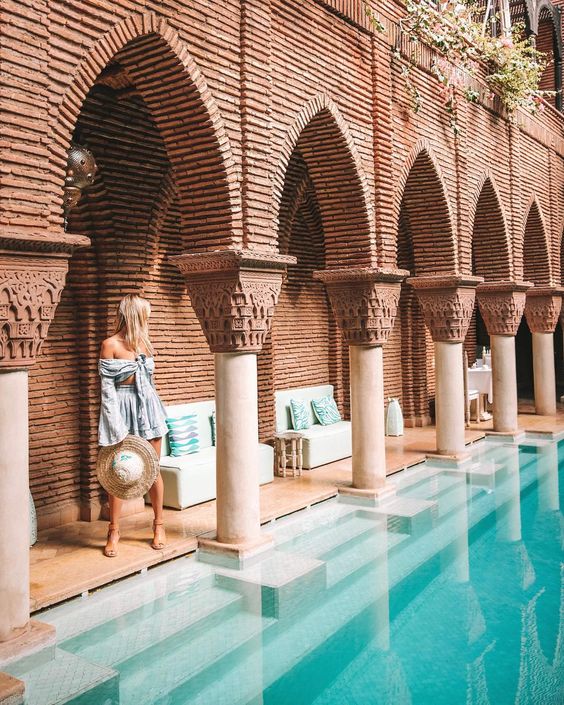
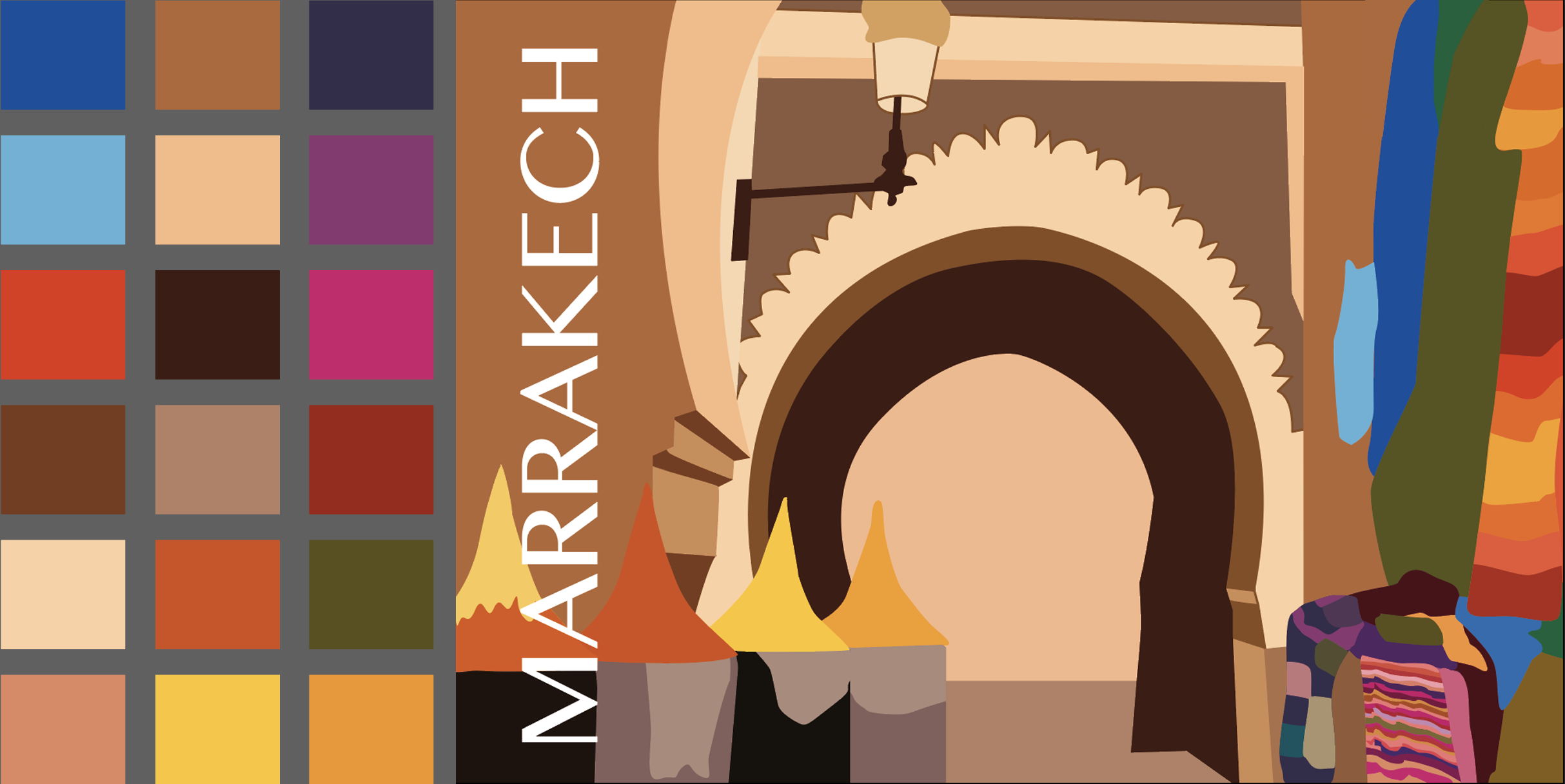
In my abstraction, I wanted to portray the colourful architecture of the city in warm colours in combination with the bright elements of local markets, in which there are spices, clothes, carpets and other products.
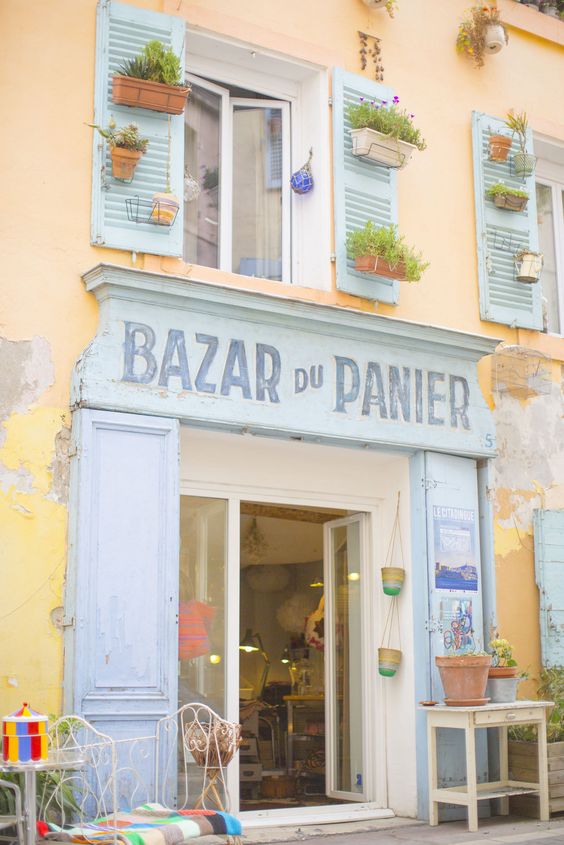
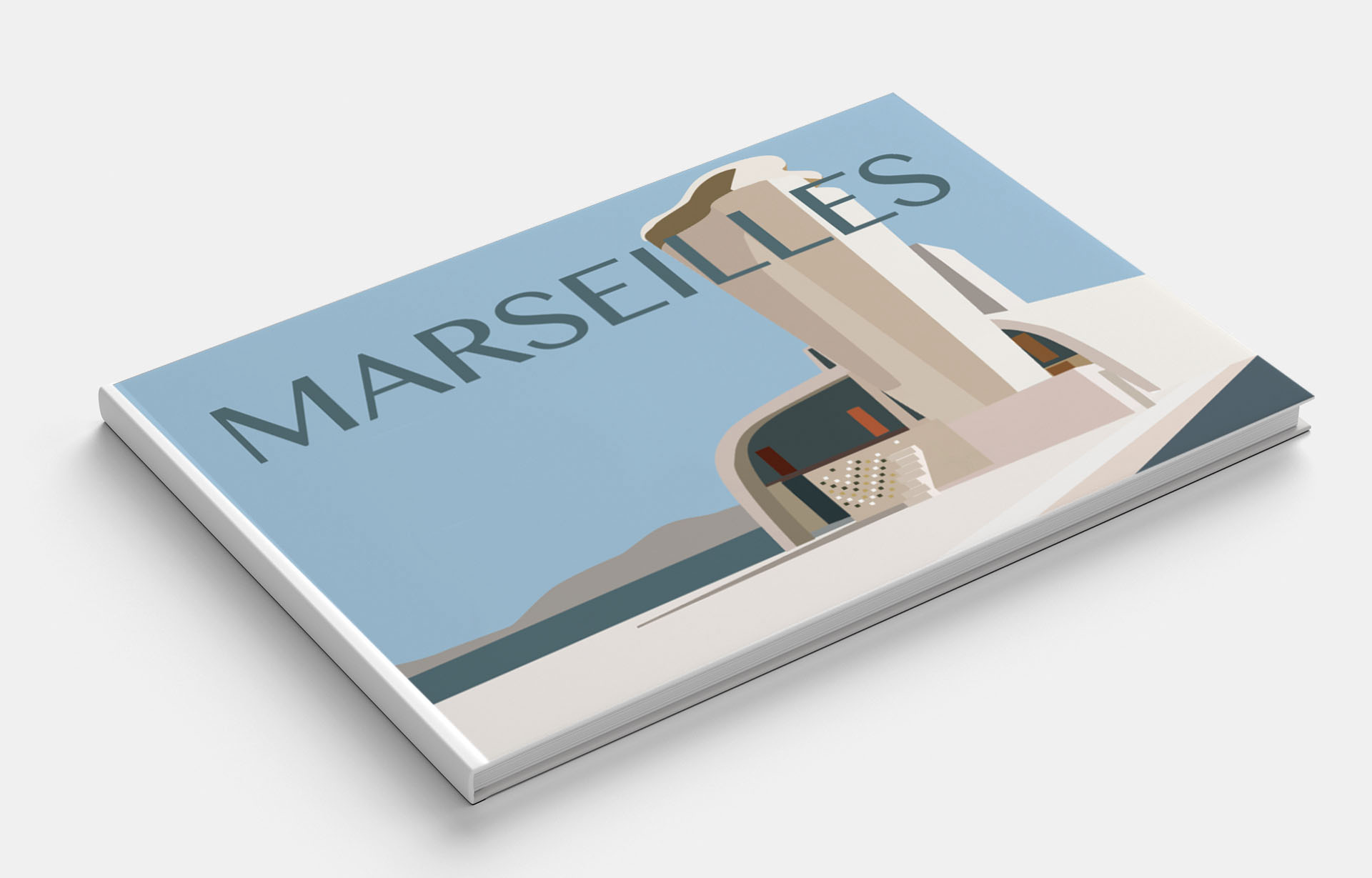
Marseilles

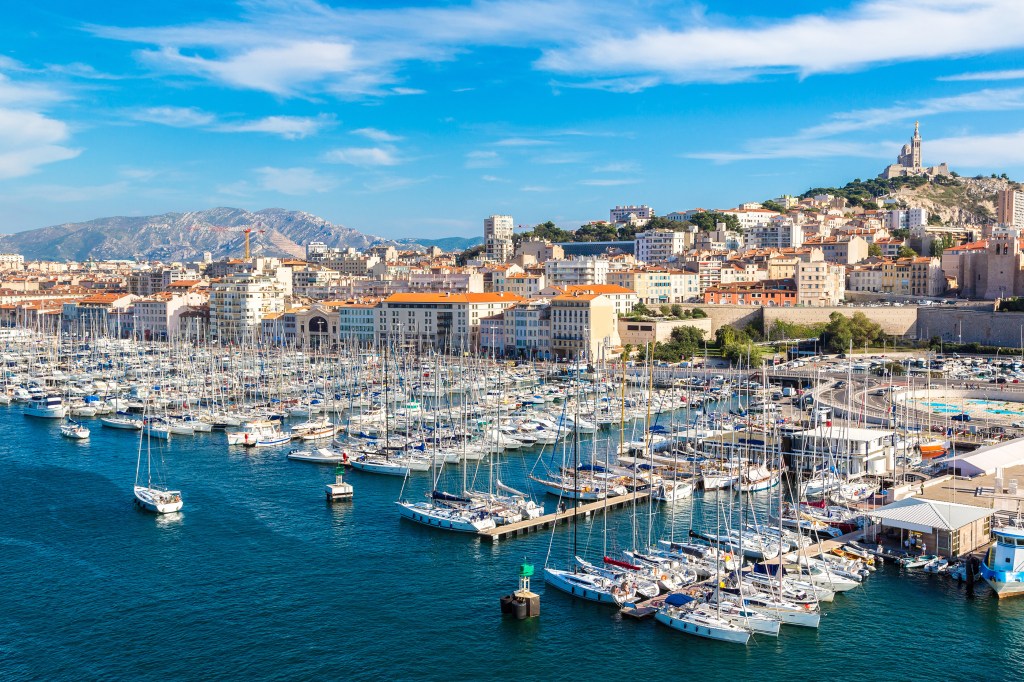
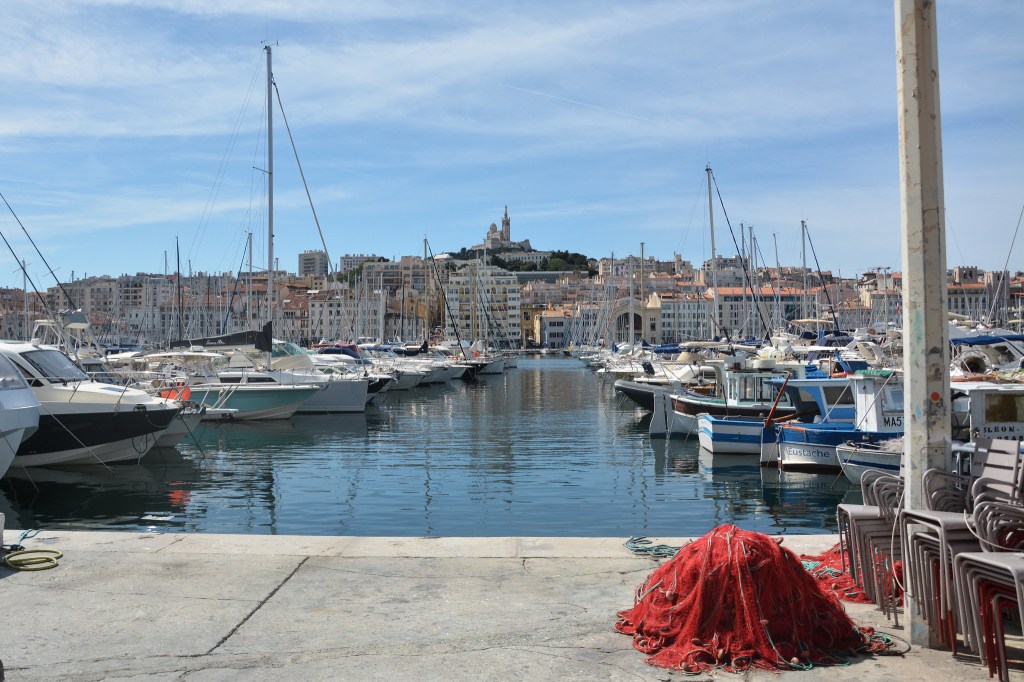
Marseille is the largest city in France after Paris. This city is the true pearl of France. Being a large industrial region, it managed to absorb a huge part of the country’s cultural and historical heritage.
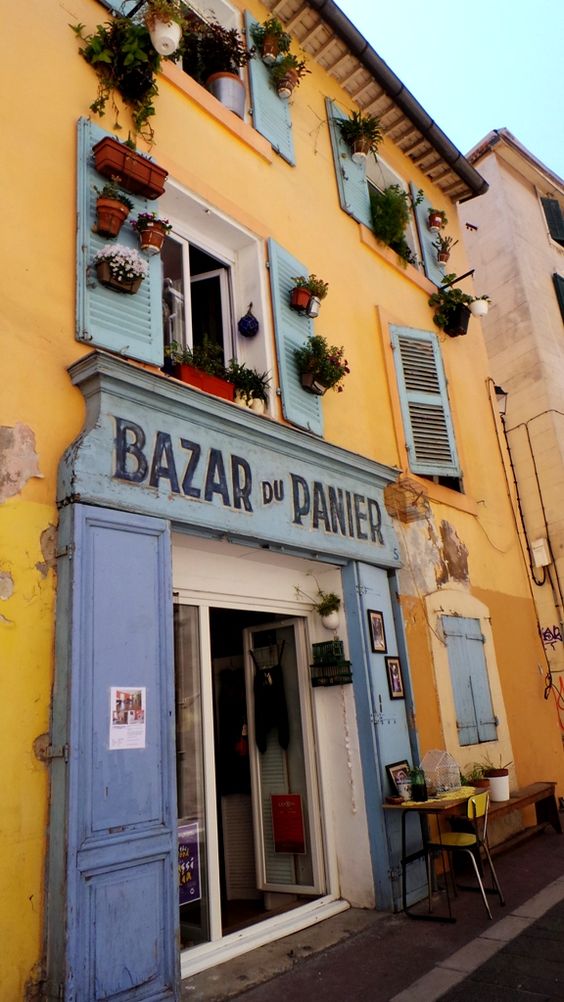
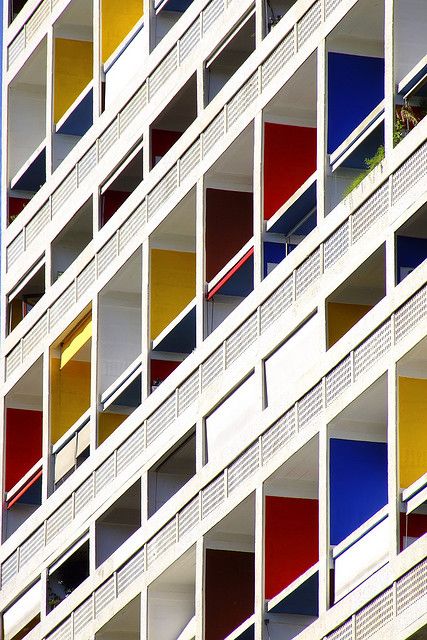
Marseille has an excellent location on the shores of the Mediterranean. In my illustration, I wanted to portray this feature of the city, the rolling hills in which houses are scattered, on the seashore. But after I realised that, I should go deeper in my studies of the city, and I decided to portray an interesting feature in terms of the architecture of Housing Unit – a modernist residential housing design rule developed by Le Corbusier.

In the design, I used palatal pastel shades of cream colours in combination with the blue sky. Design options are presented below.

Melbourne

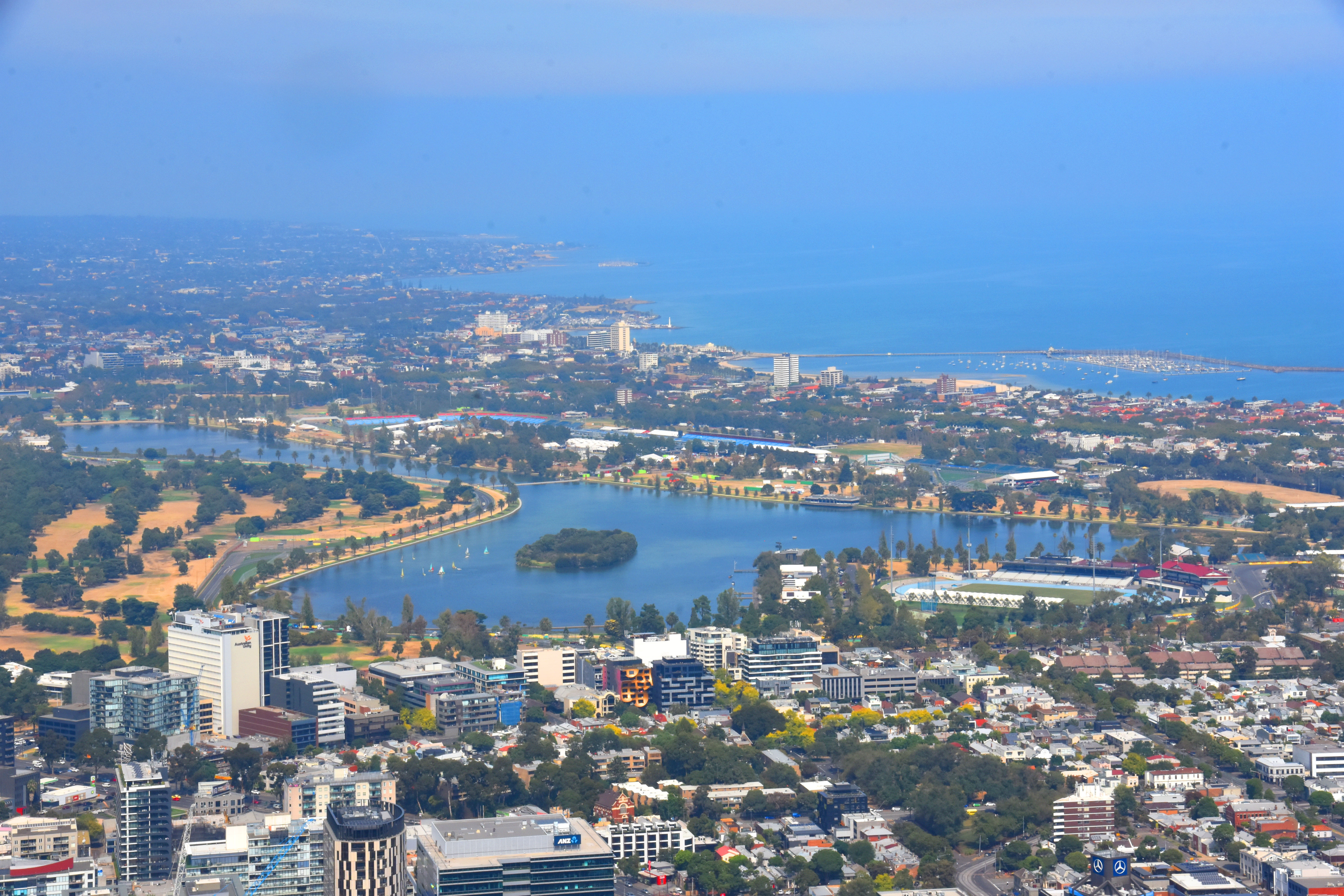
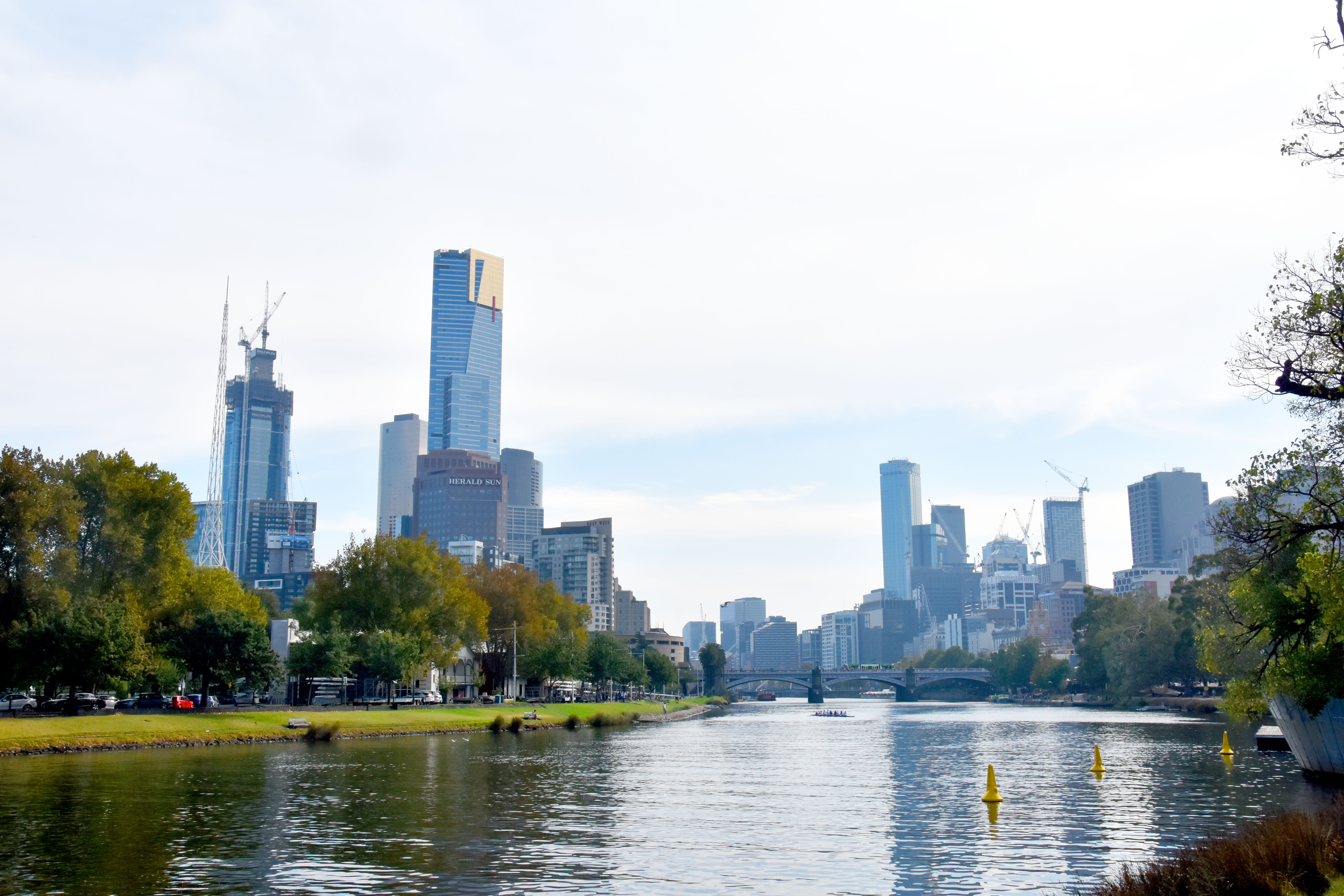
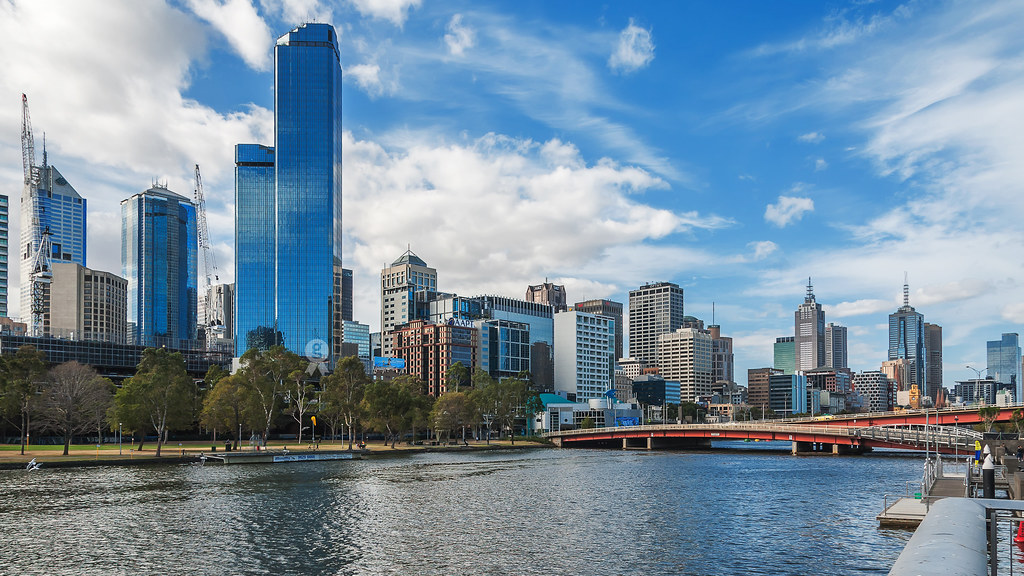
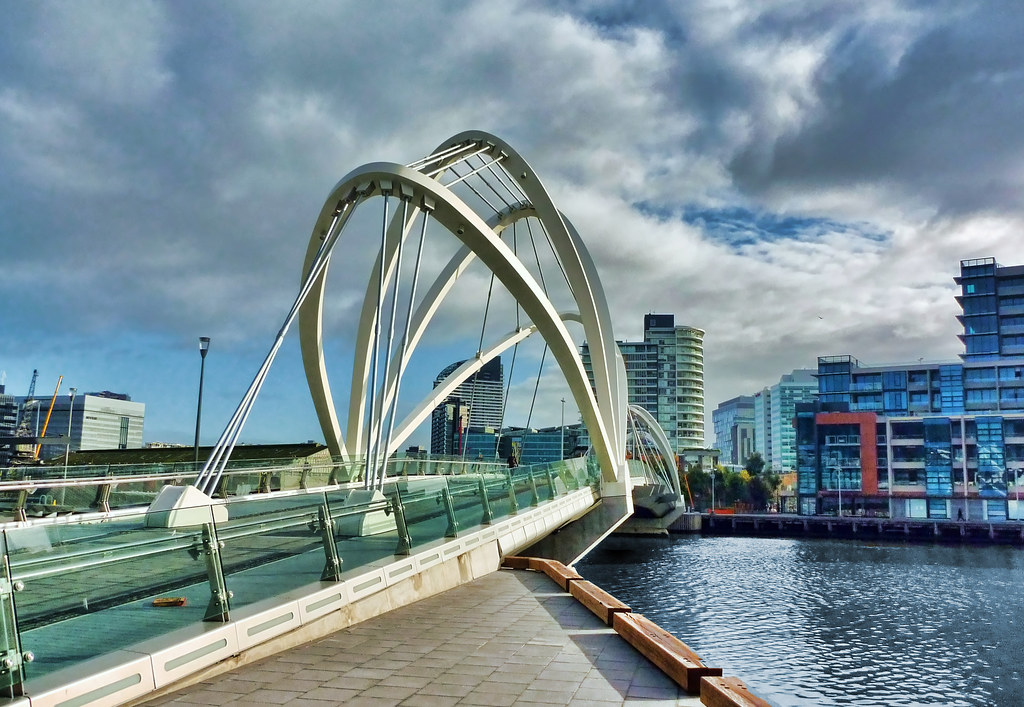
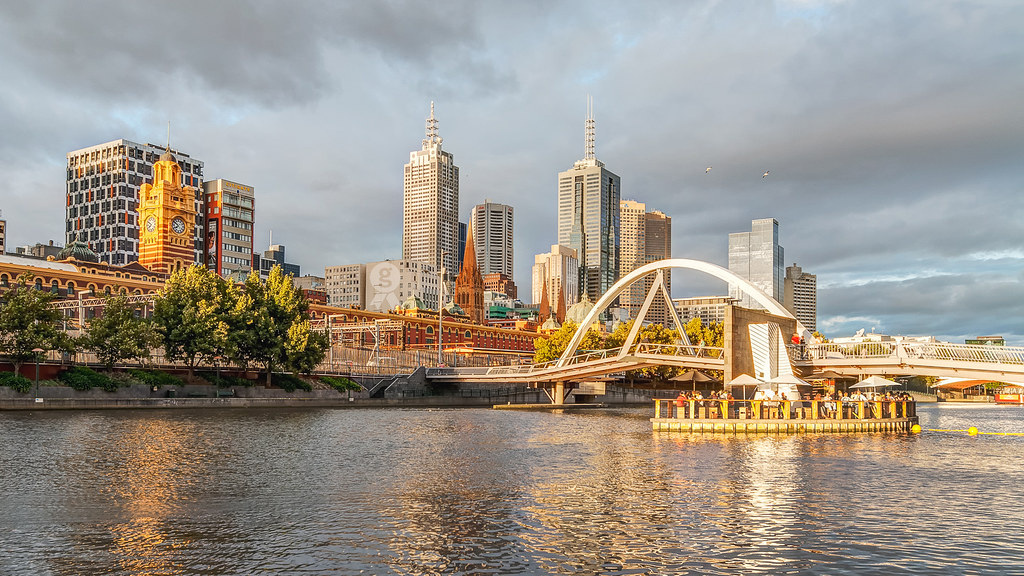
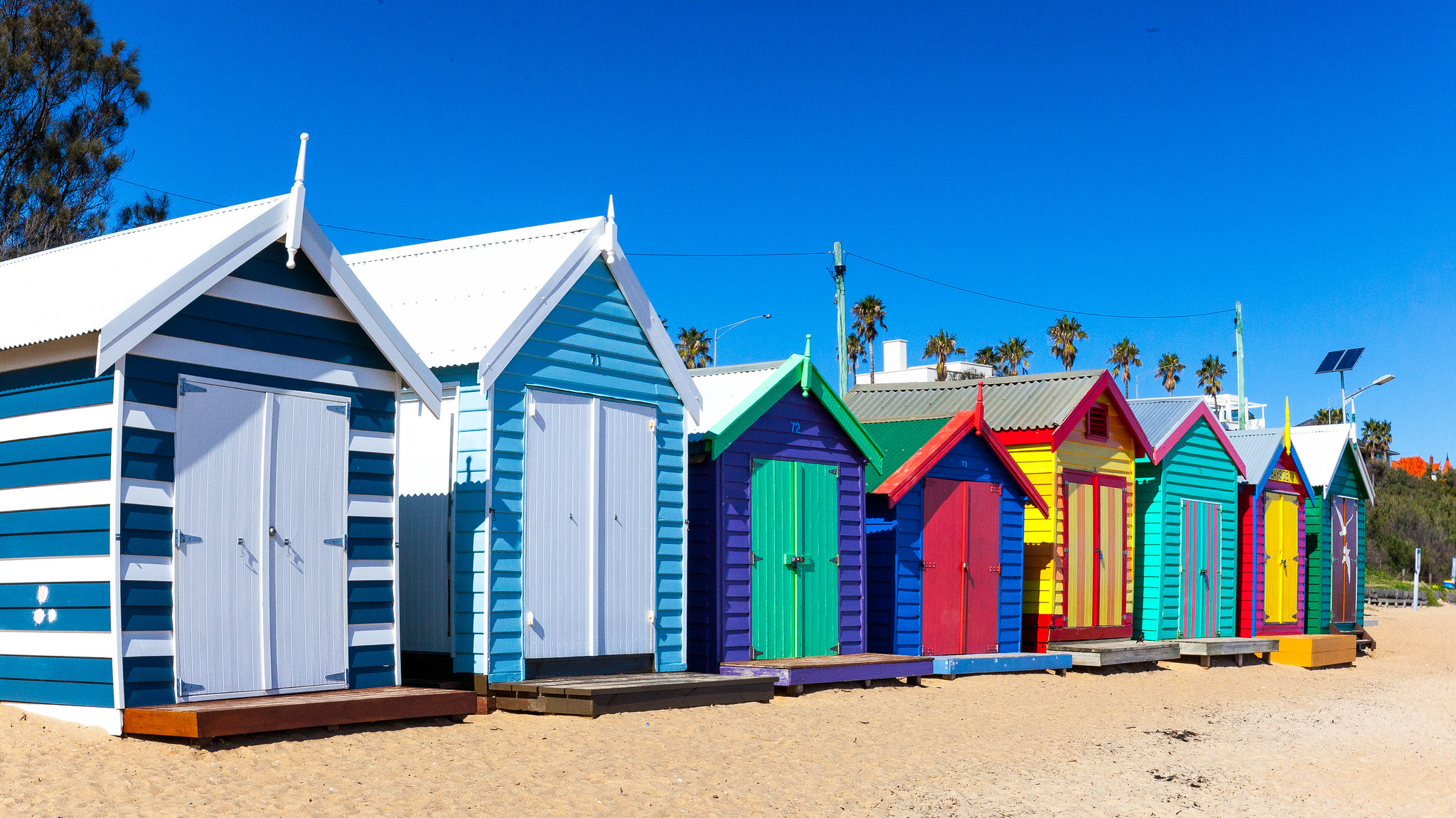
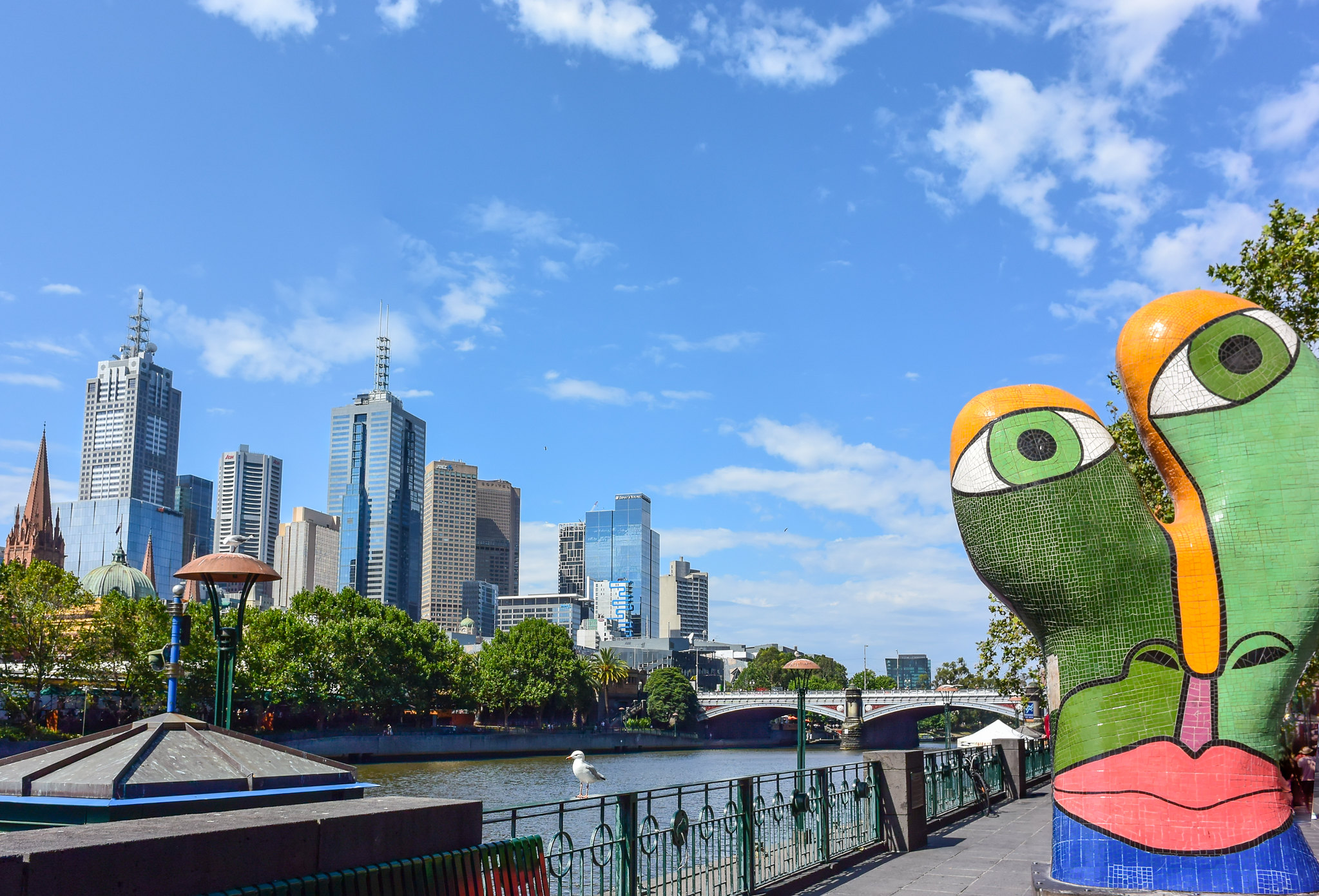
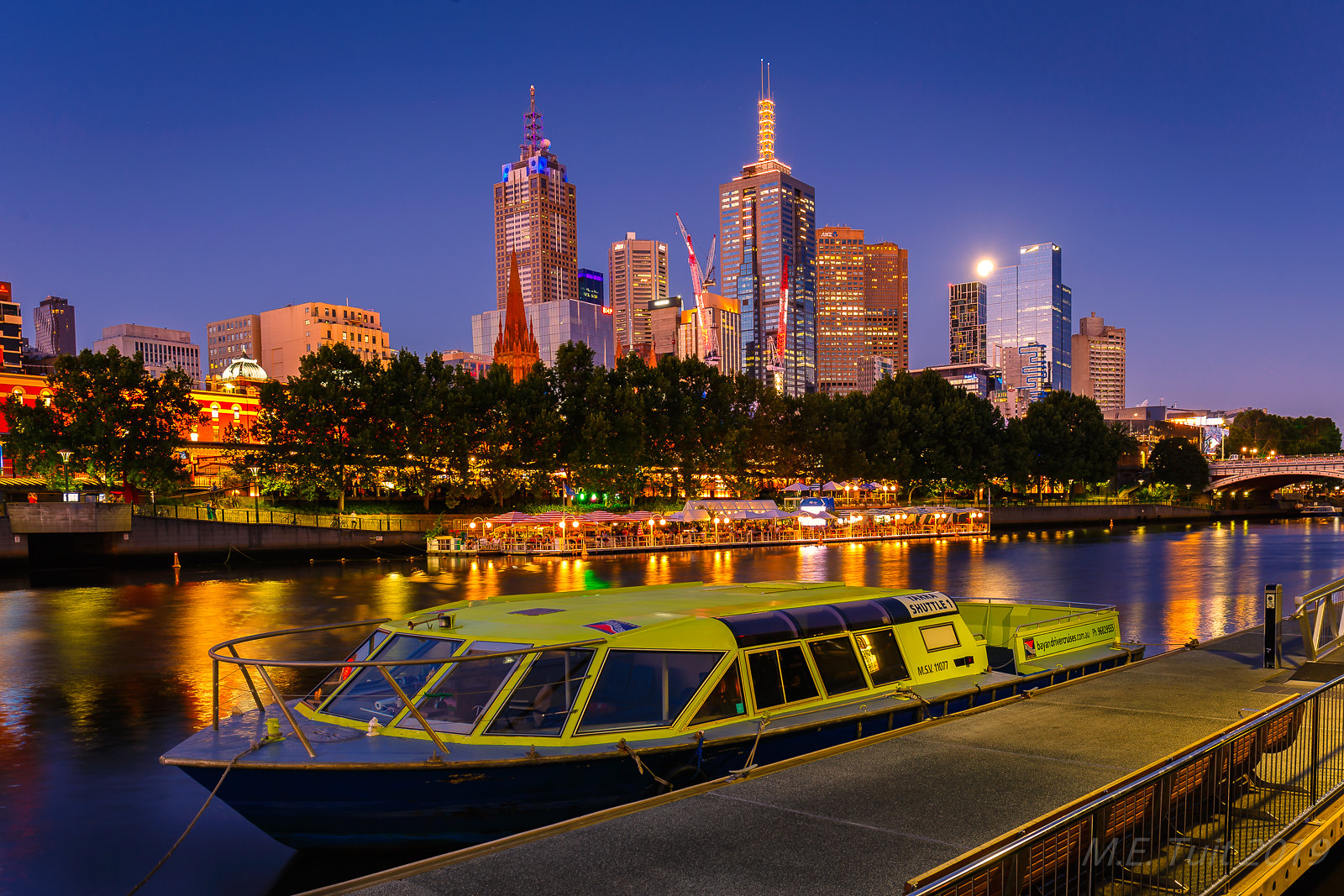
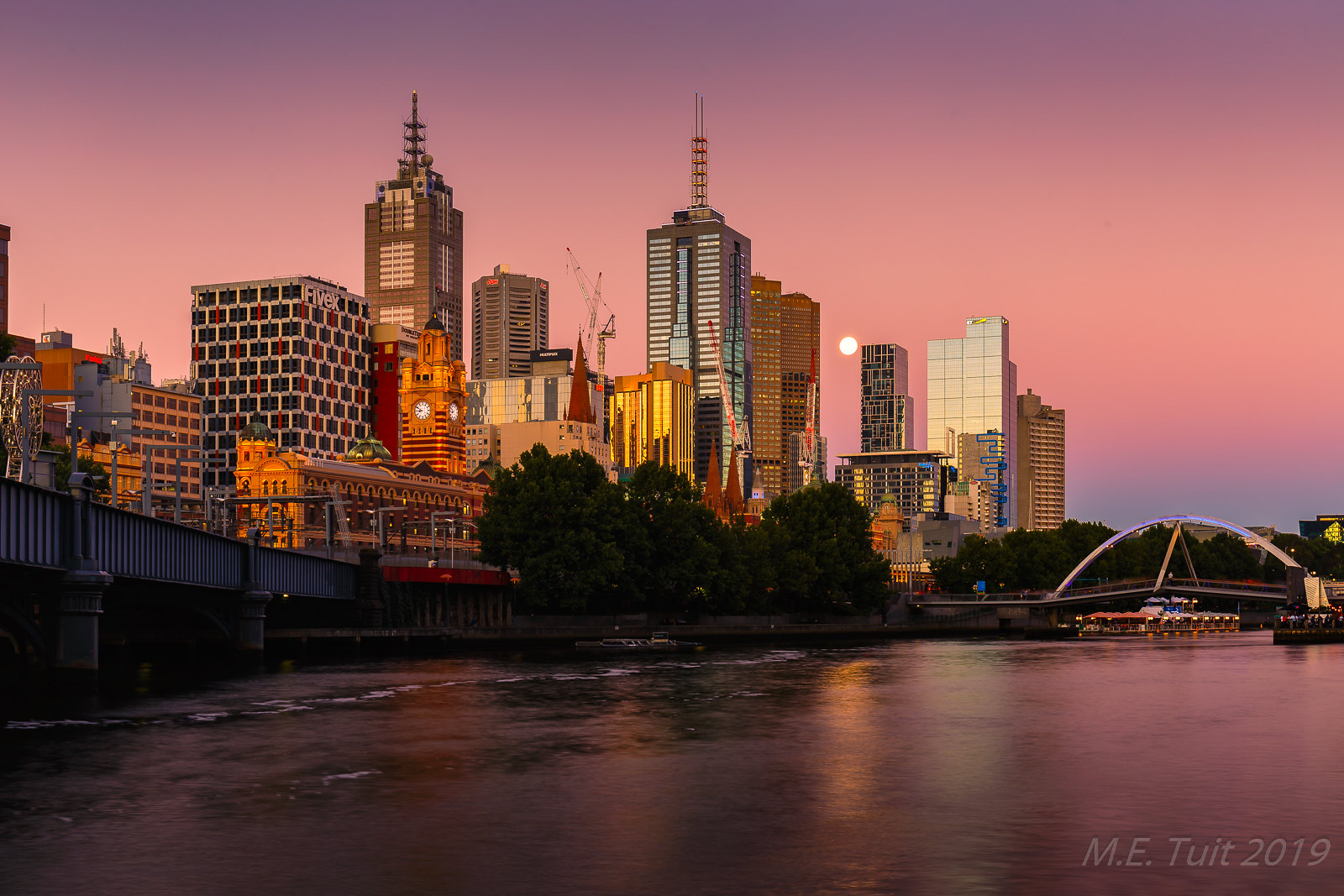
Melbourne is a city that occupies a leading position in the ranking of some of the most favourable cities for life. Melbourne is a large city in southern Australia; its difference lies in the fact that it is unique for its distinctive architecture. This city can rightly be considered the sports capital of Australia. Also not rarely there are lots of holidays, carnivals and festivals.
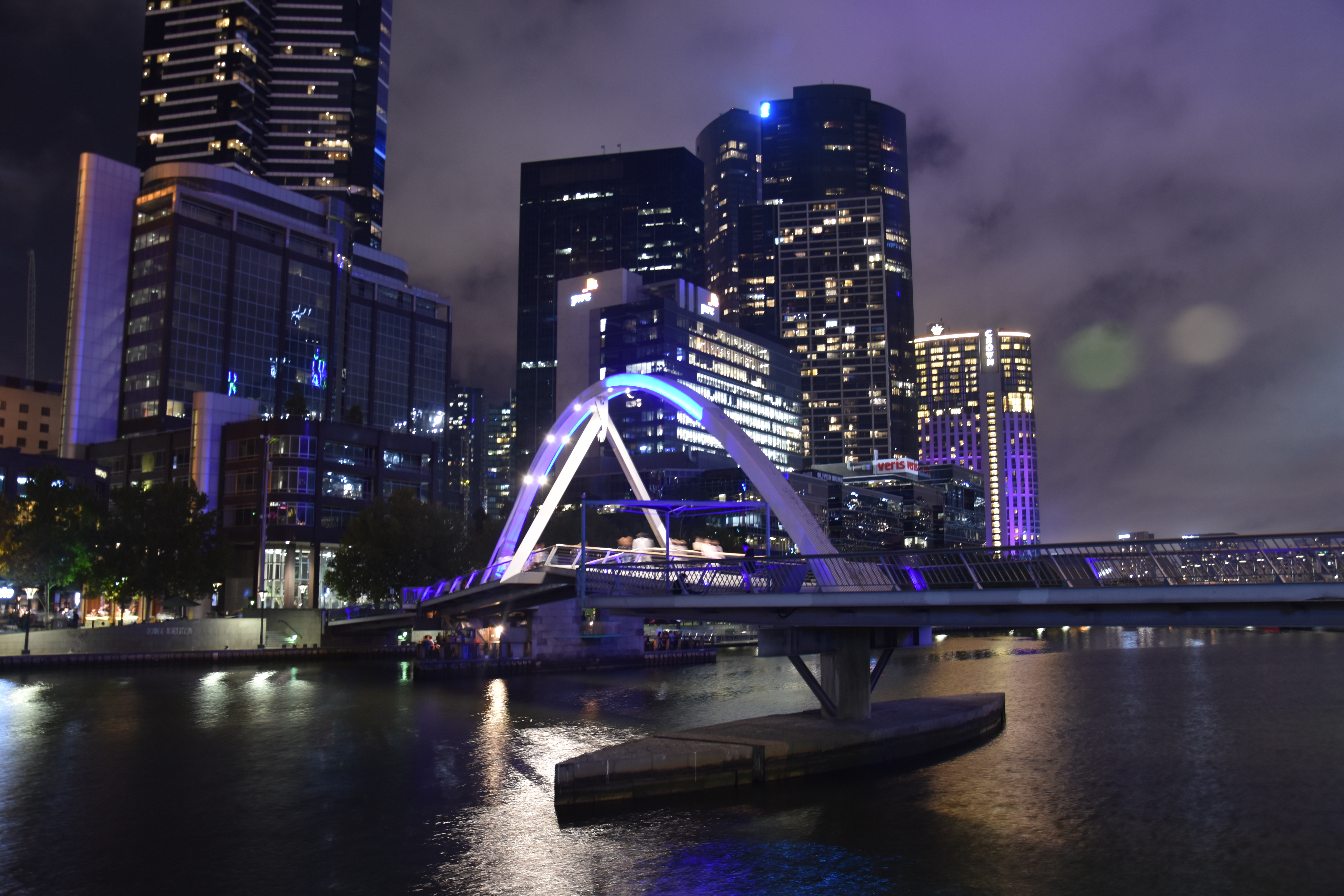
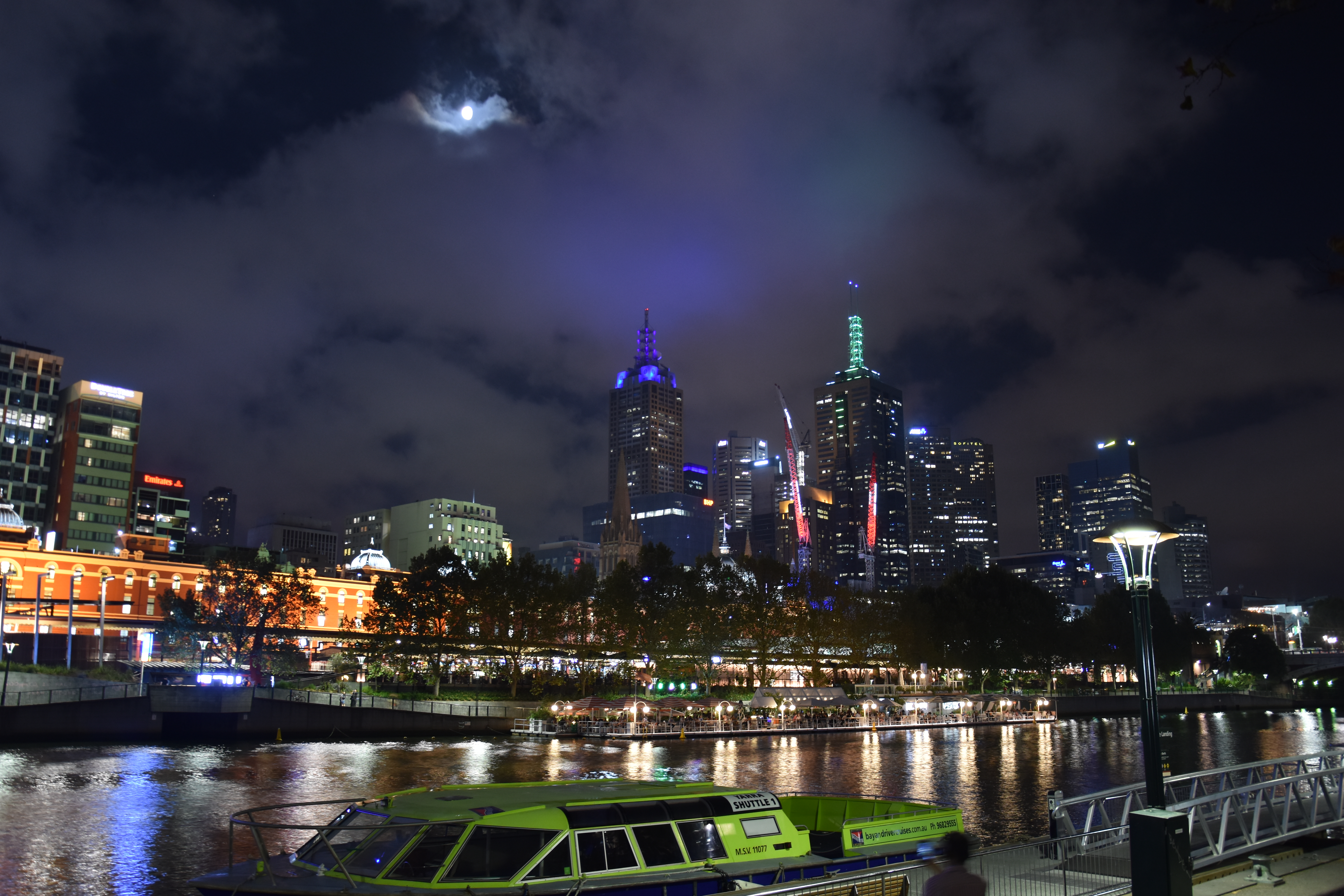
© Steven Stanley Photography Melbourne 2019
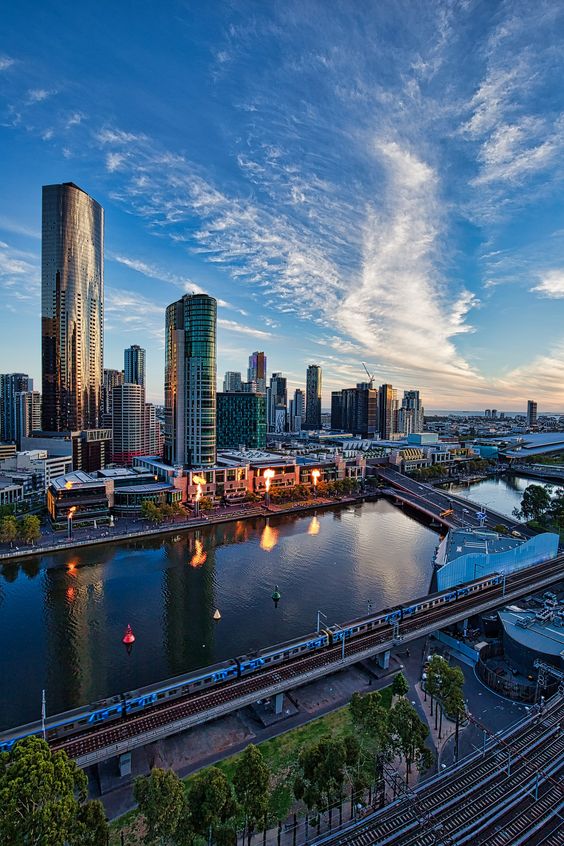
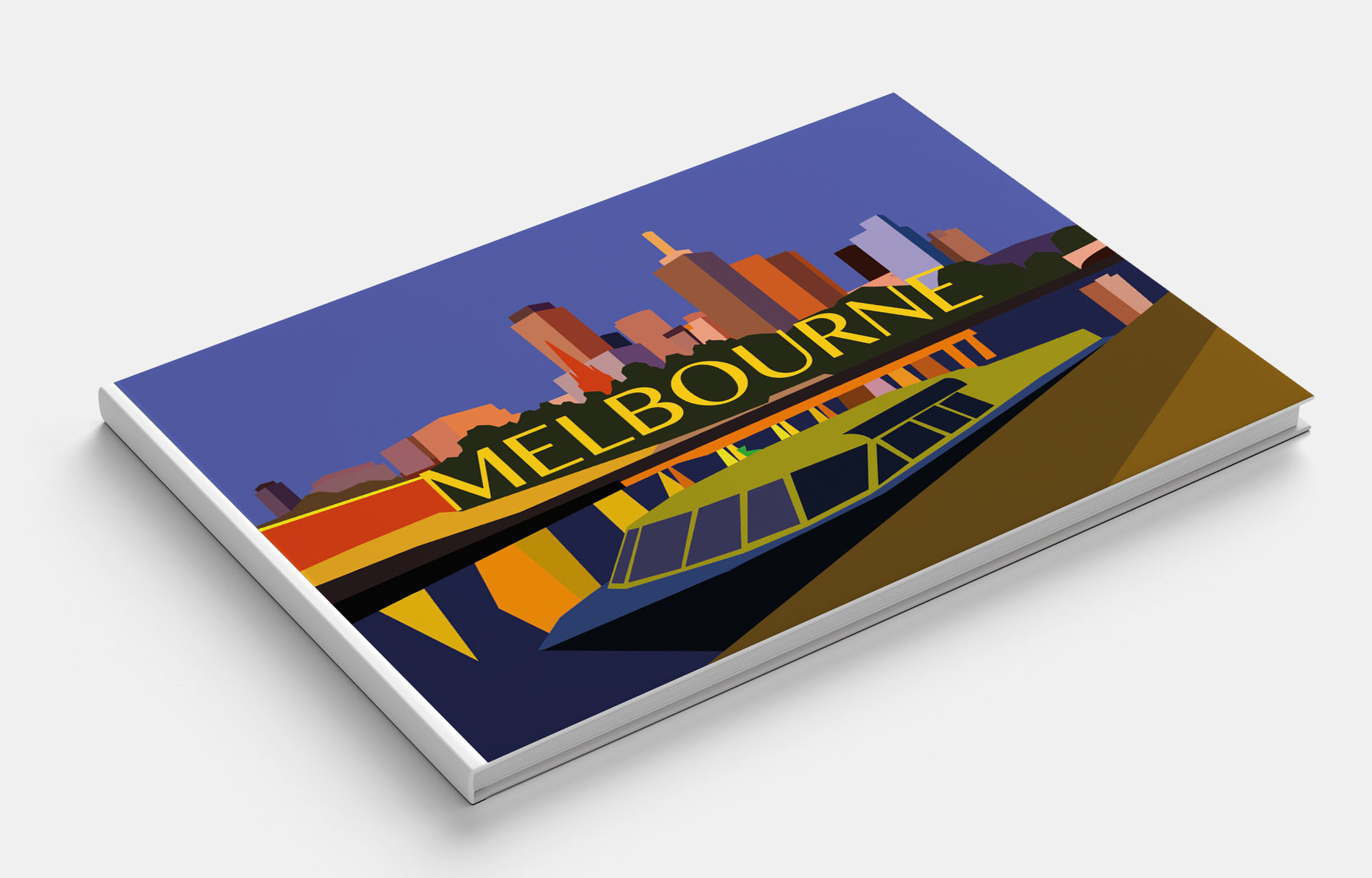
In my abstraction, I wanted to portray this city from the vibrant night metropolis, in bright purple hues. For contrast, I’ve used bright yellow and orange reflection — the name of the city I placed in the centre on the black shades of bushes.

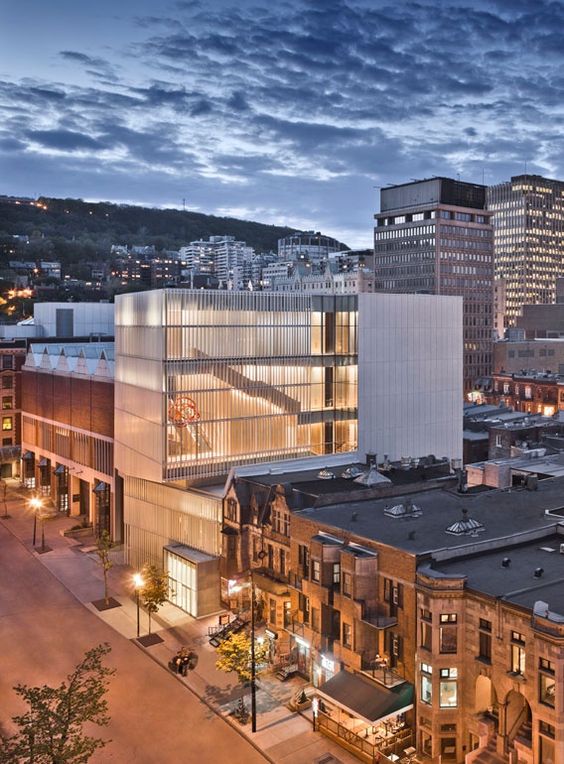
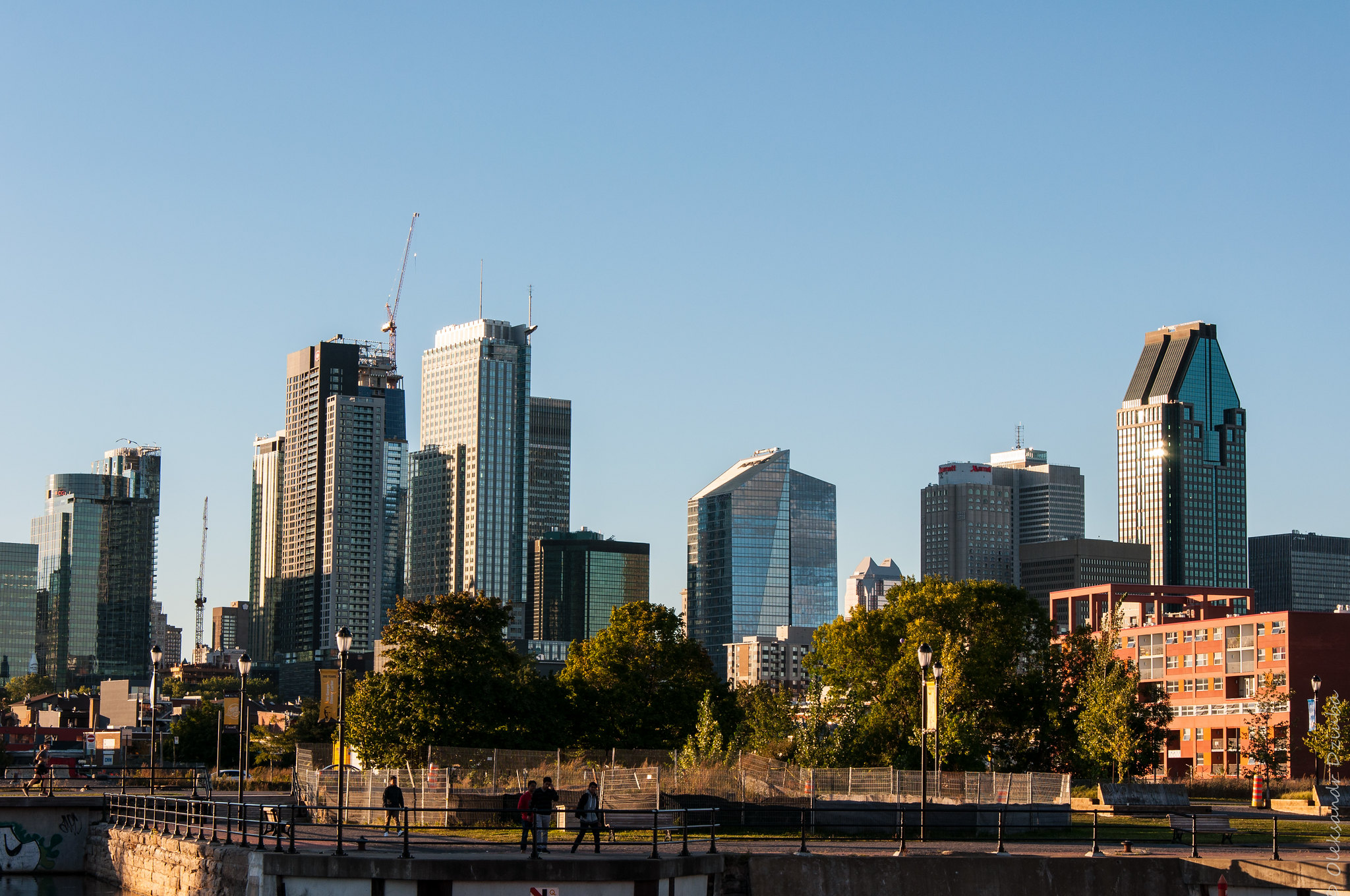
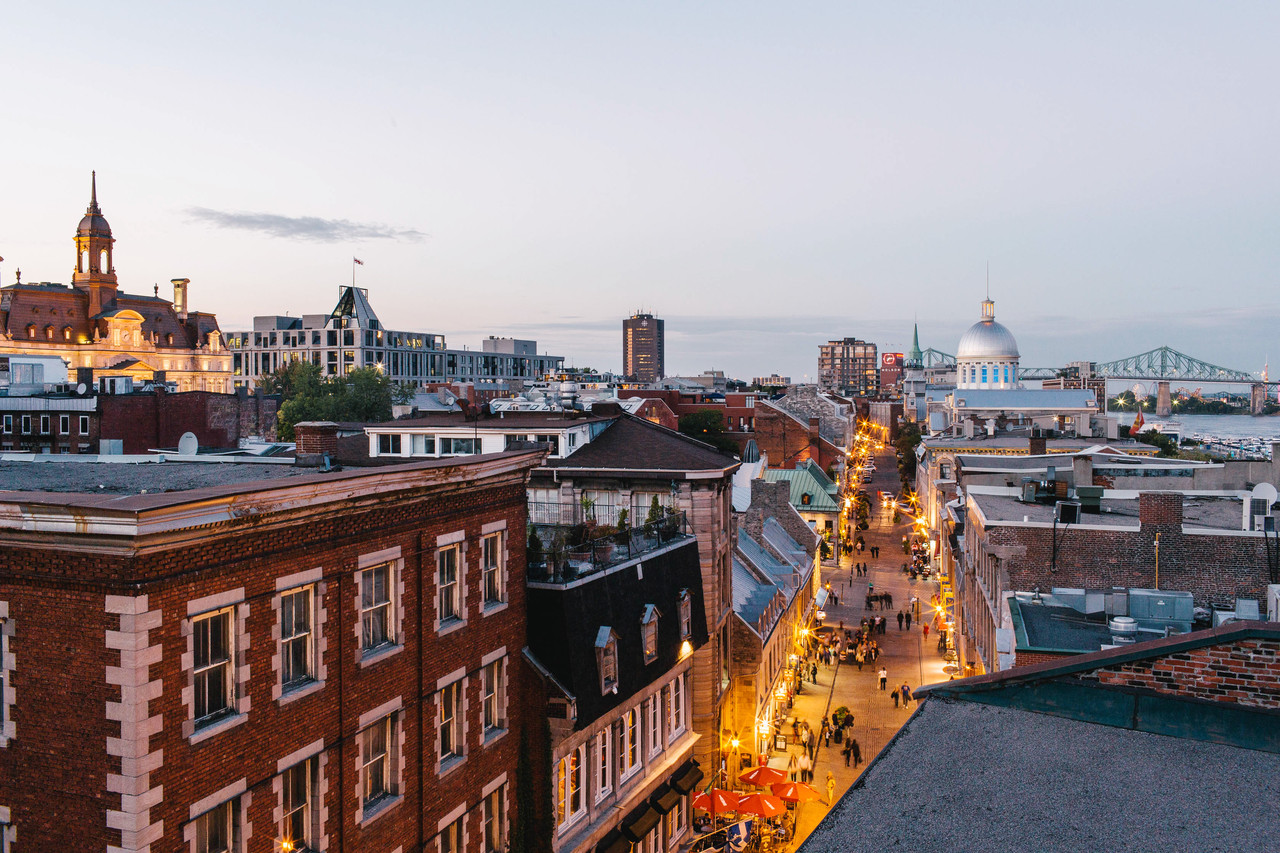
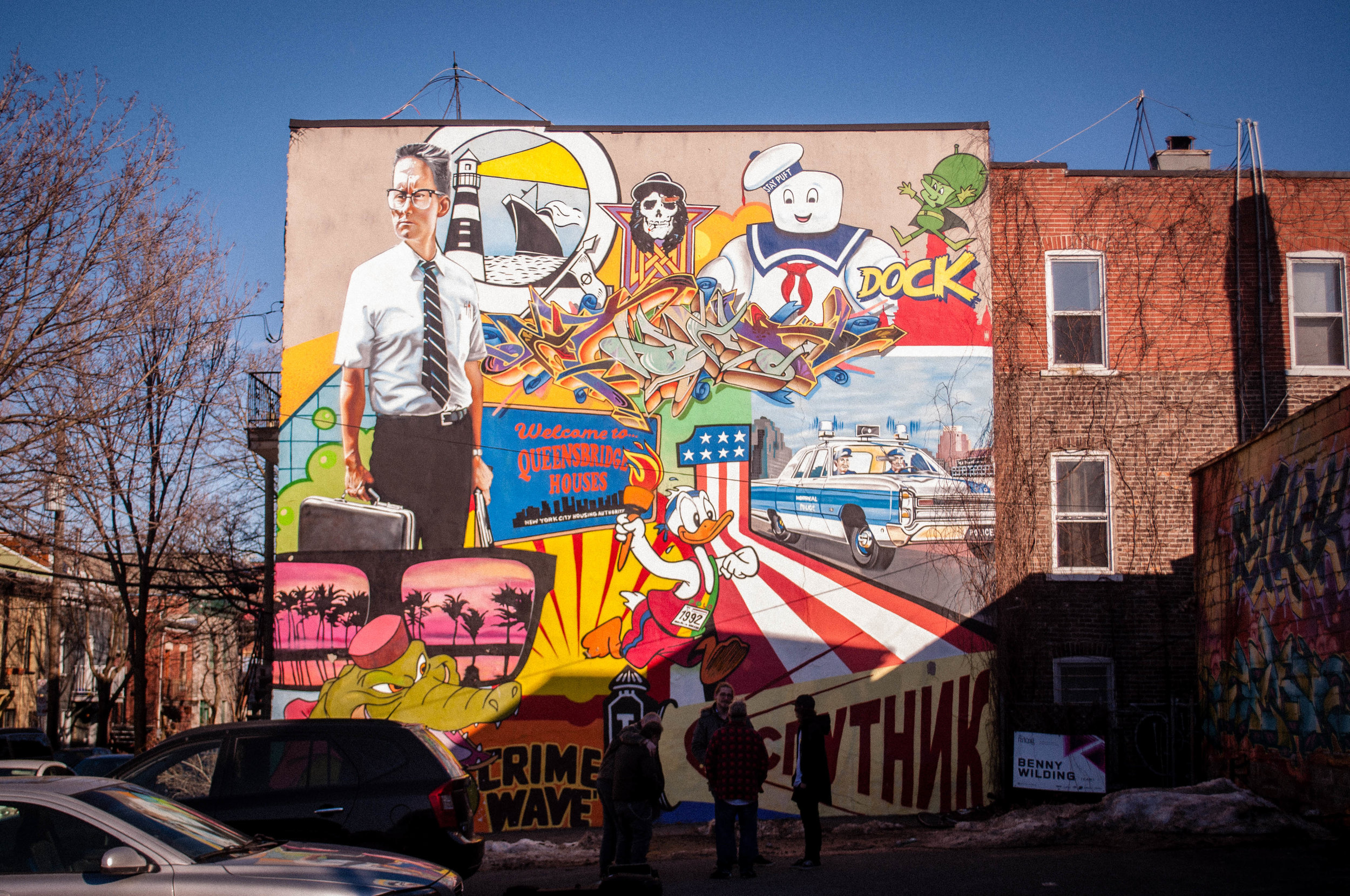
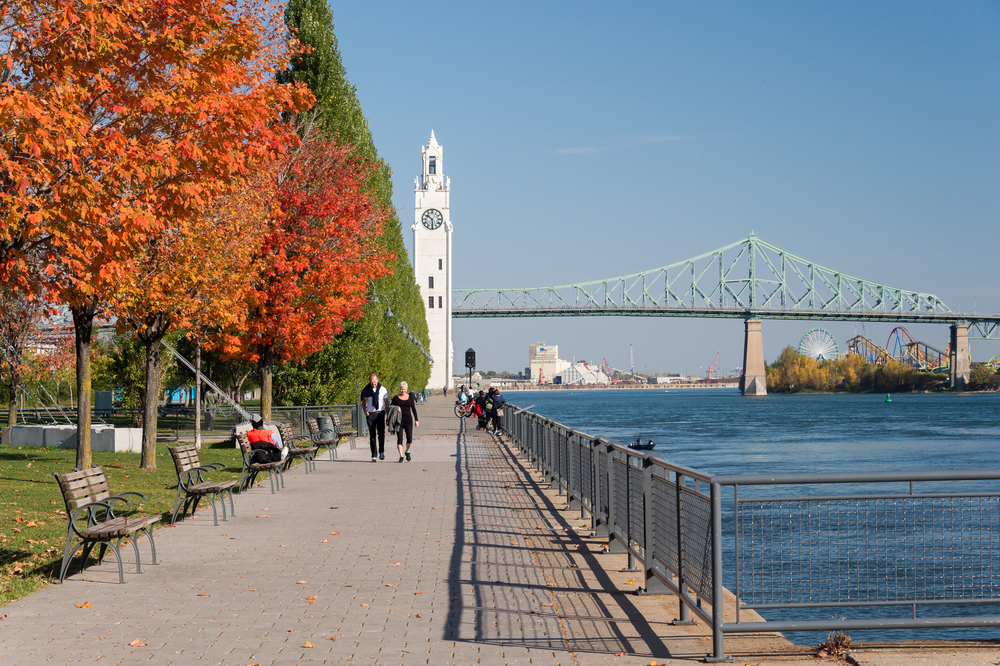
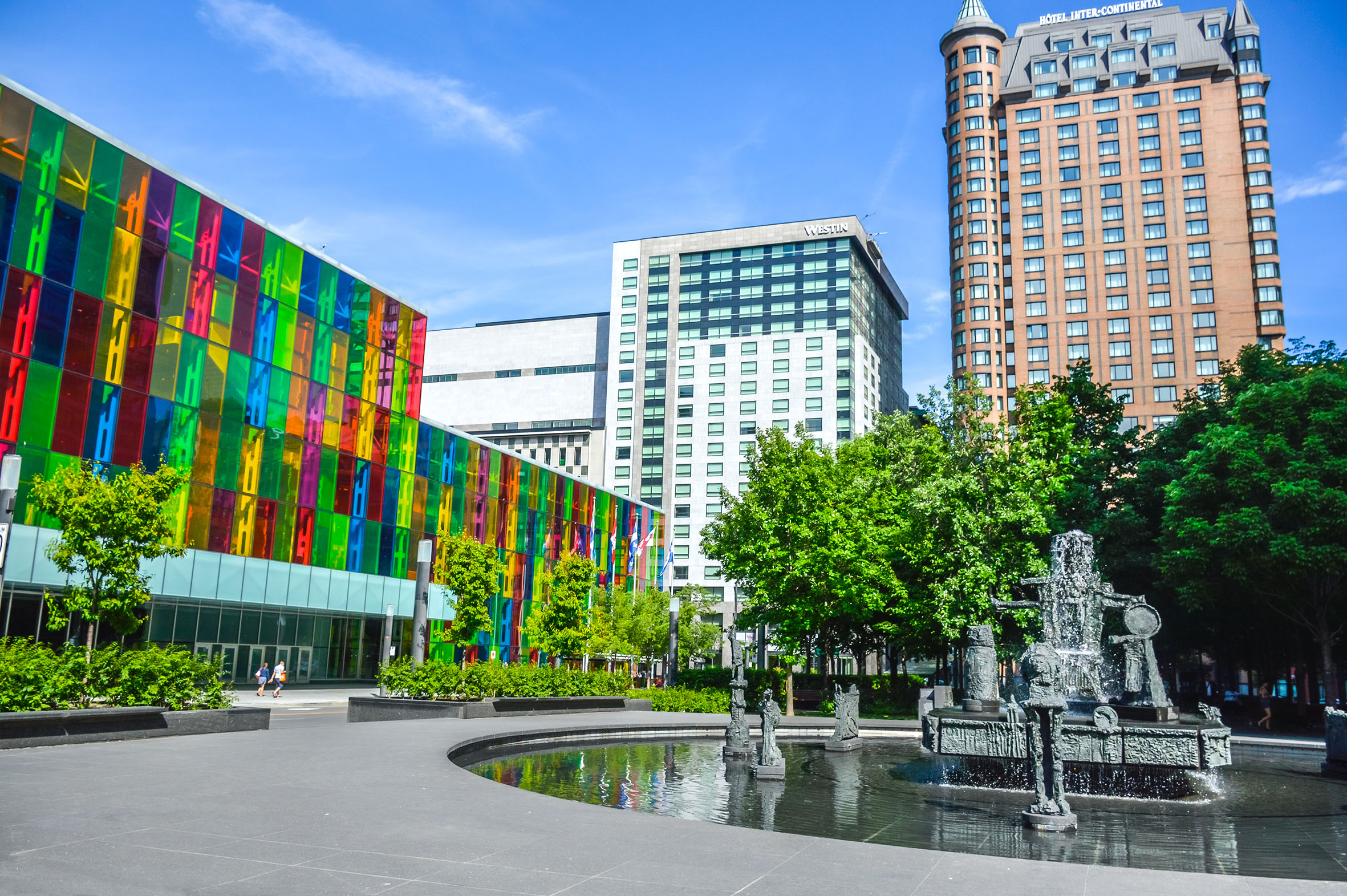
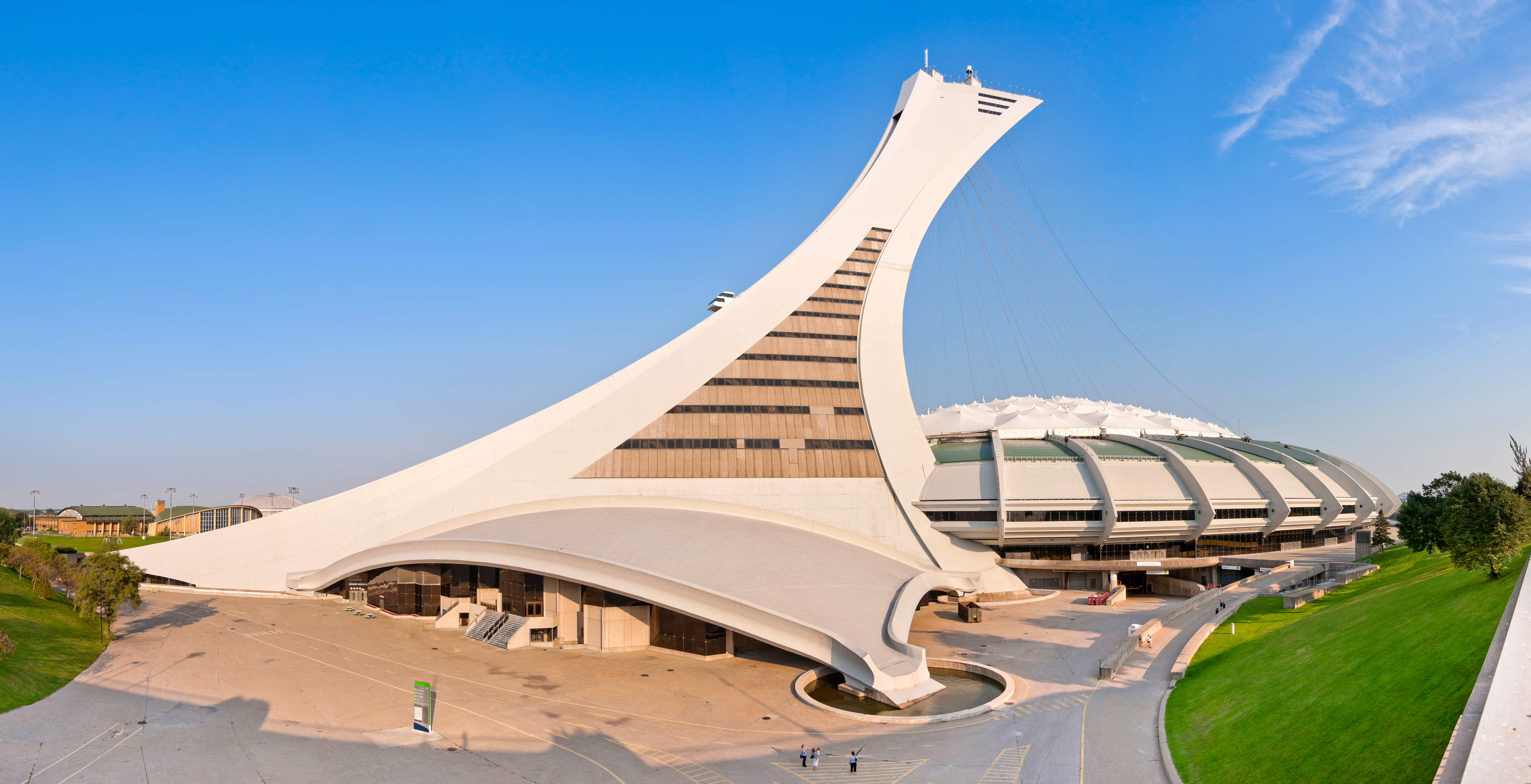
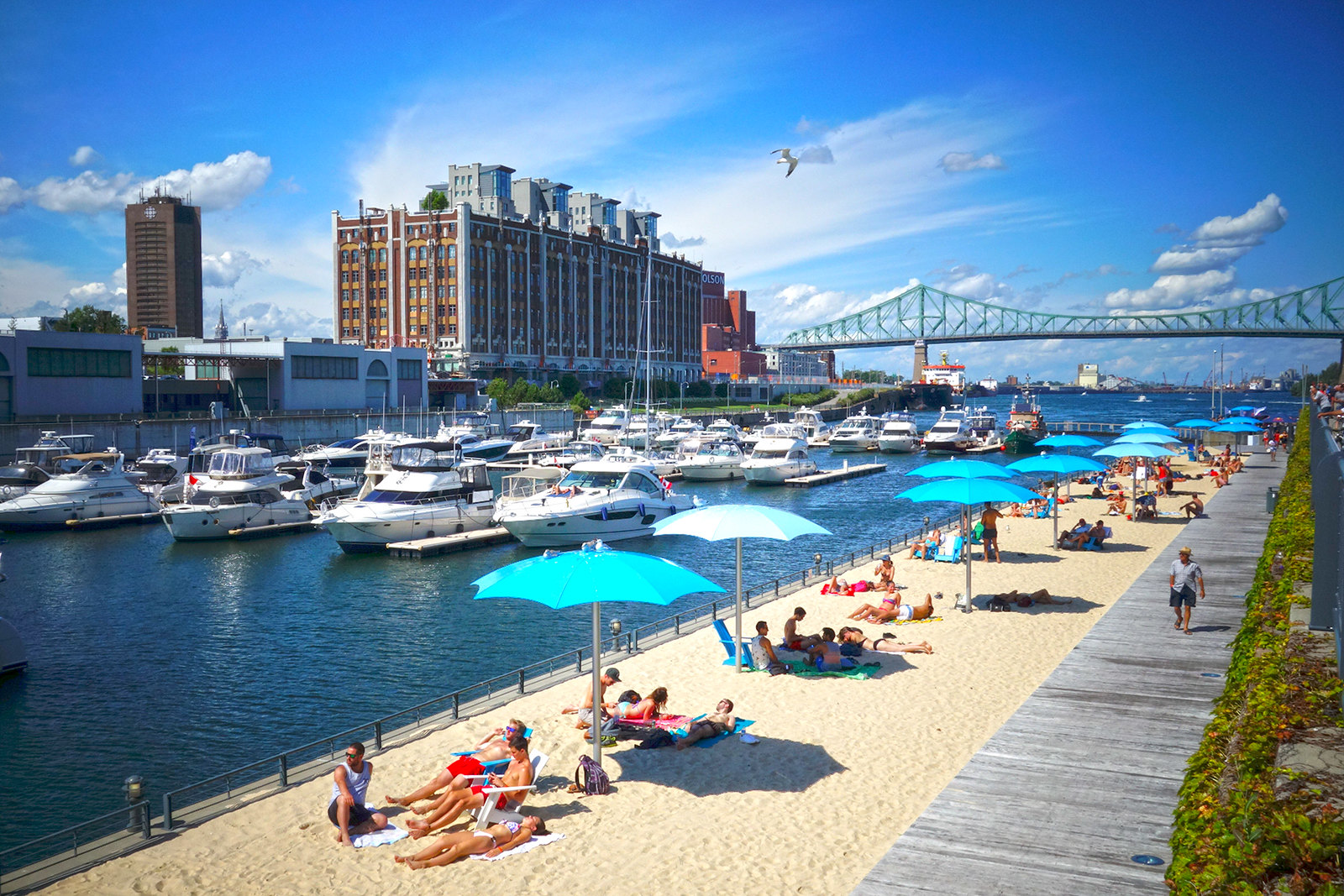
Montreal

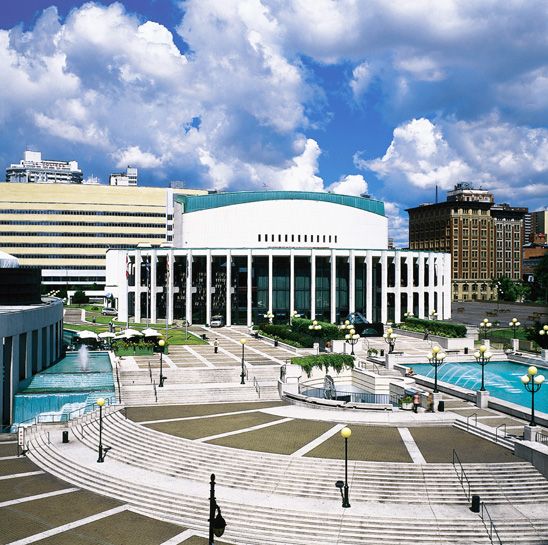
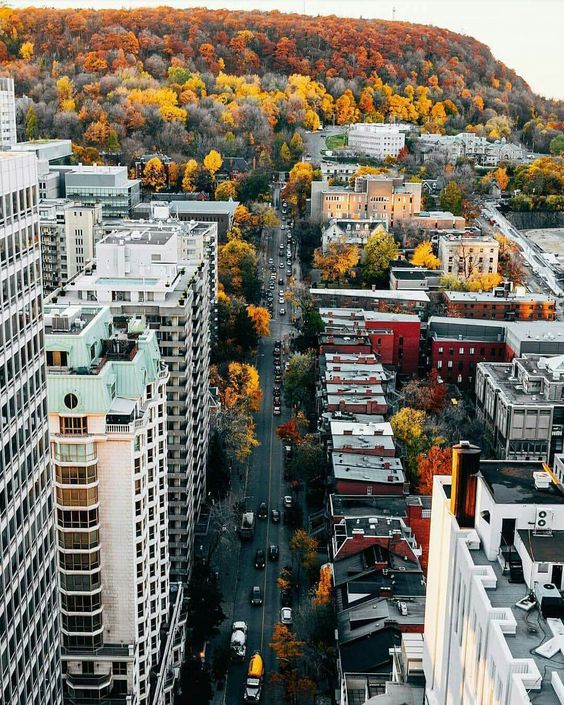
Montreal is beautiful, modern and progressive, or as the locals would say: Montreal, c’est si bon! This French-speaking city is considered the cultural capital of Canada and is an example of a Quebec style in a multi-ethnic community.
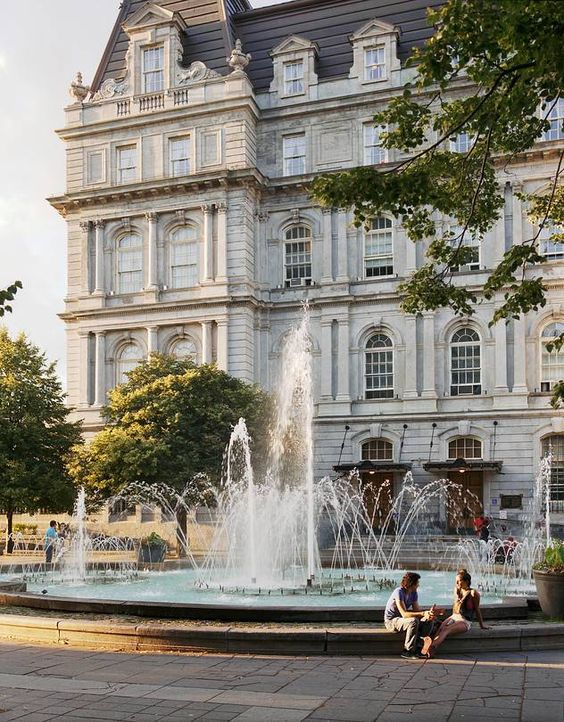
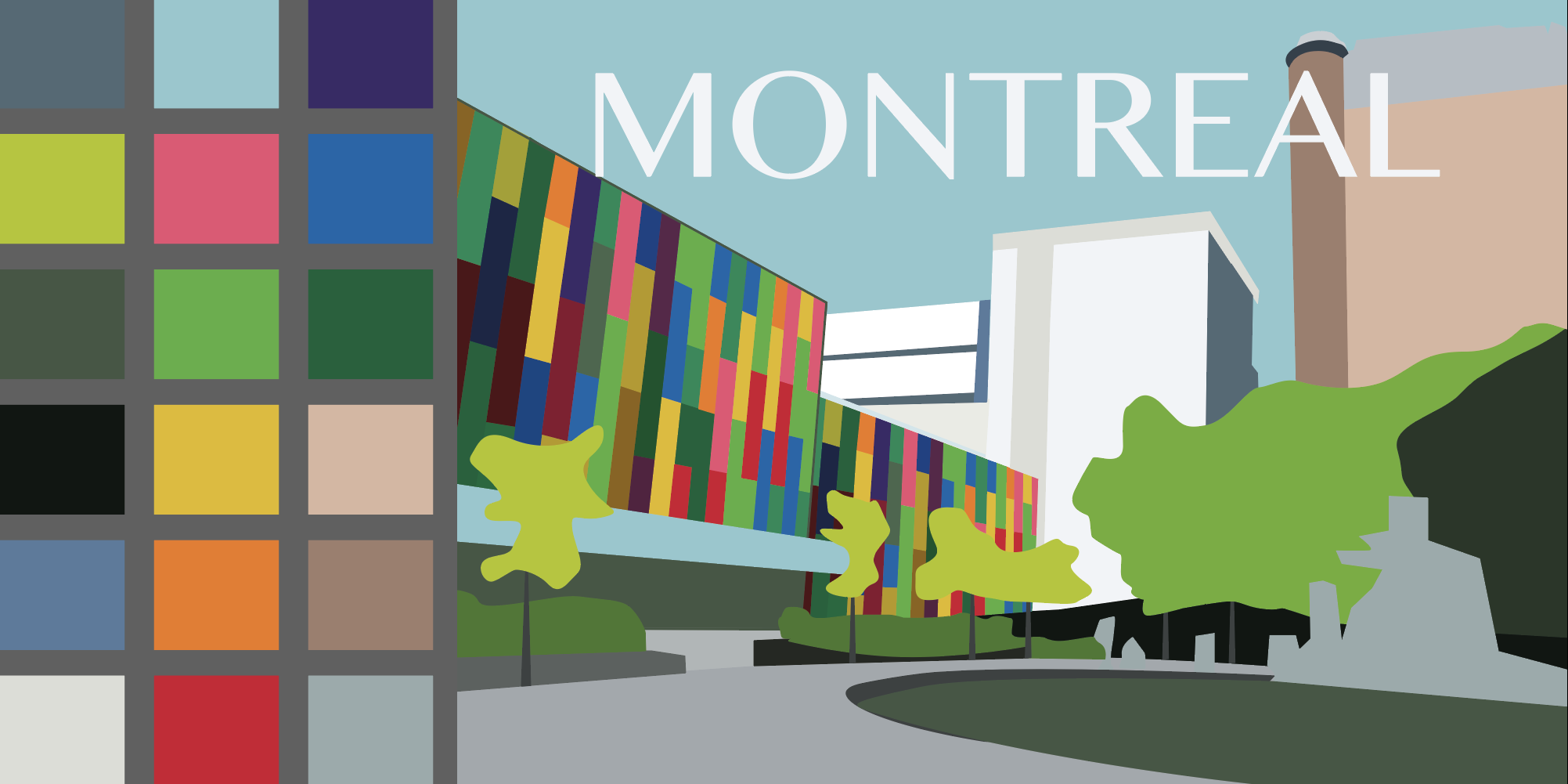
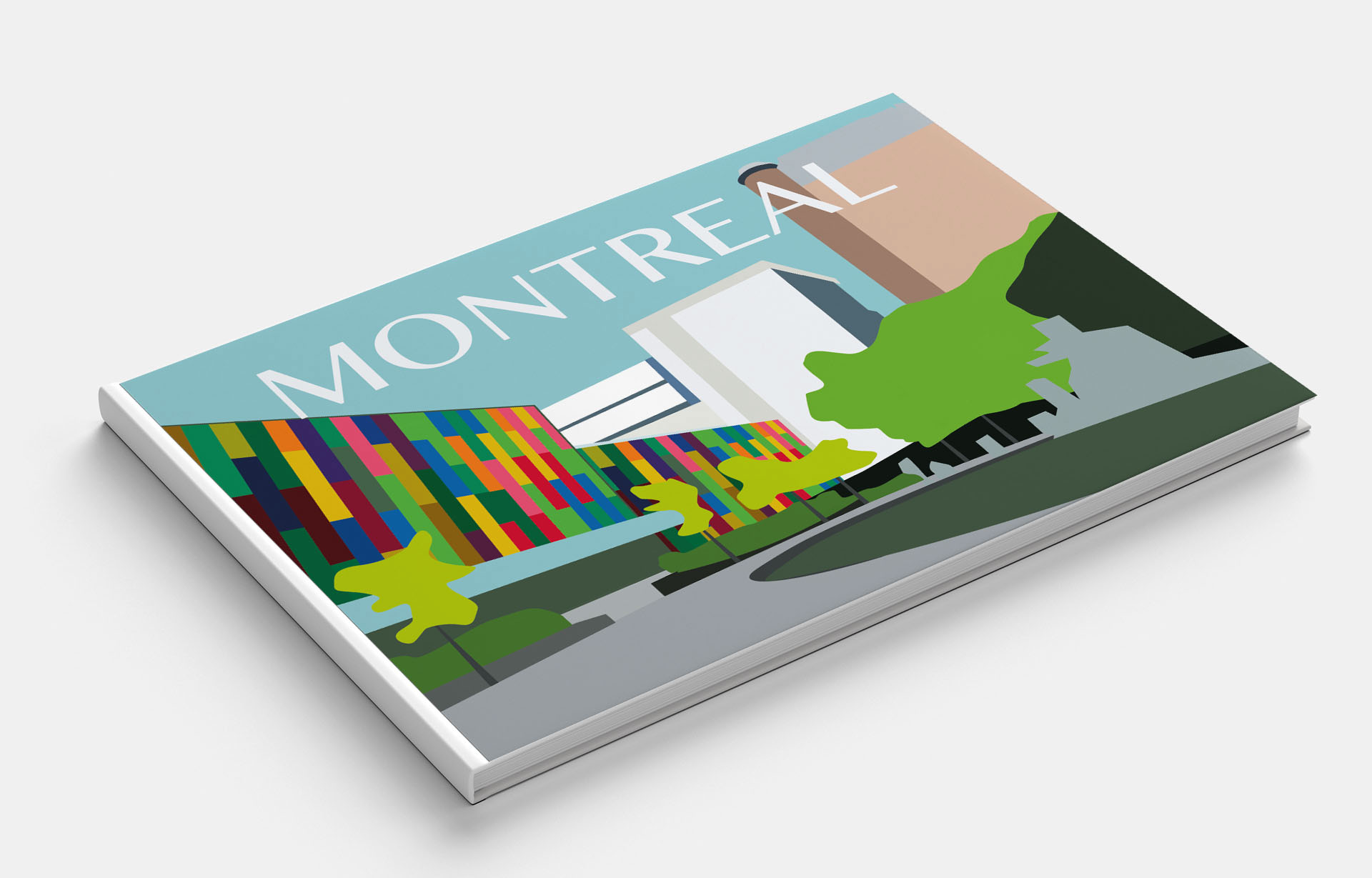
When I looked through a series of photos, I noticed the similarity of this city with Melbourne, but at the same time, I wanted to portray the uniqueness of this city. My eyes were riveted on the image of a colourful building, whose windows were lined up in a specific mosaic. I think that I managed to portray the character of the city in this abstraction.
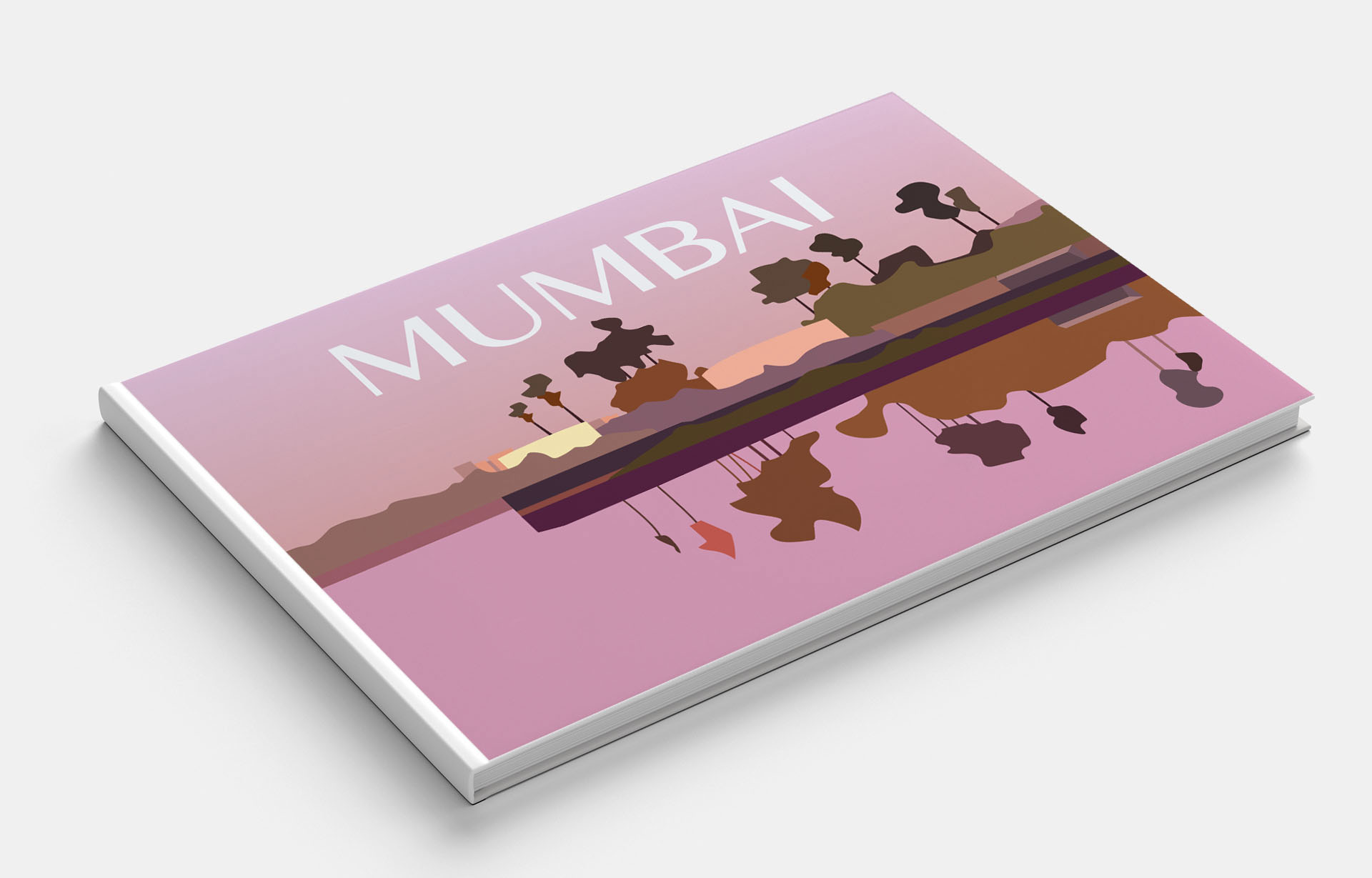
Mumbai

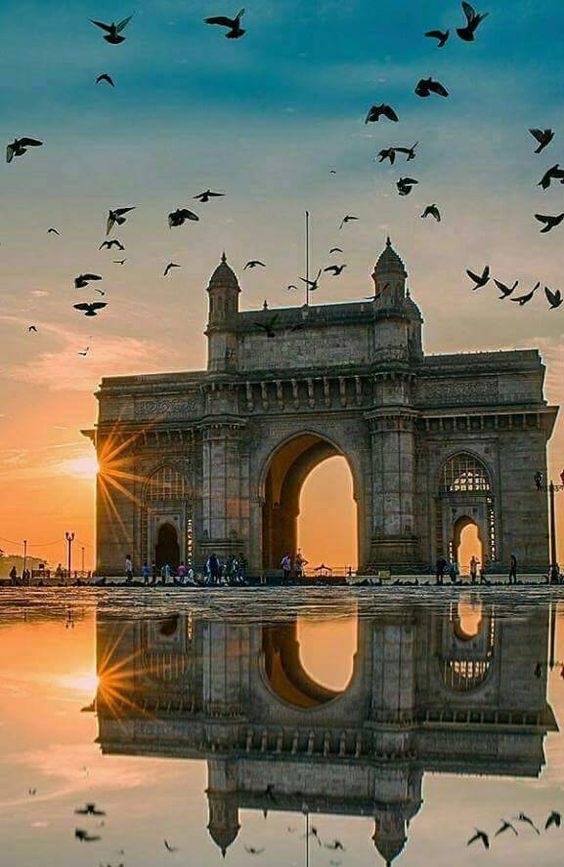
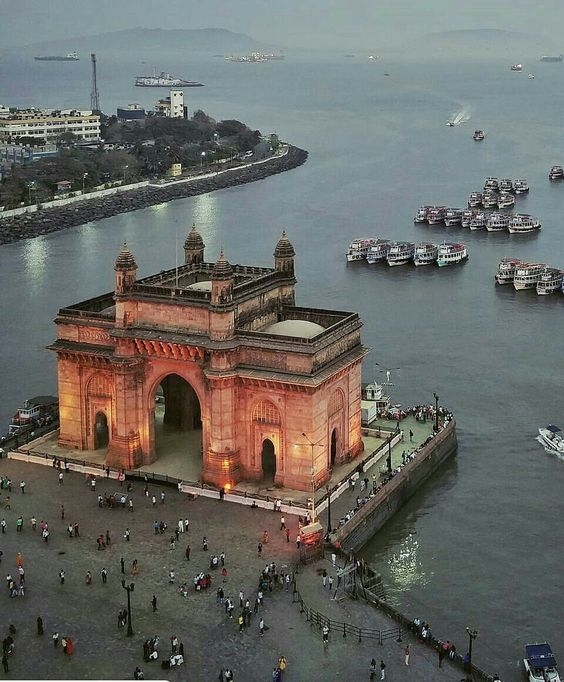
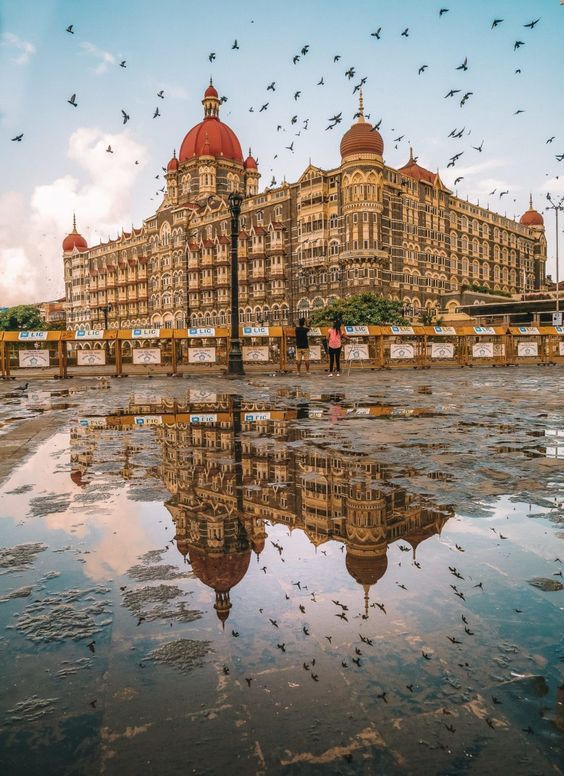
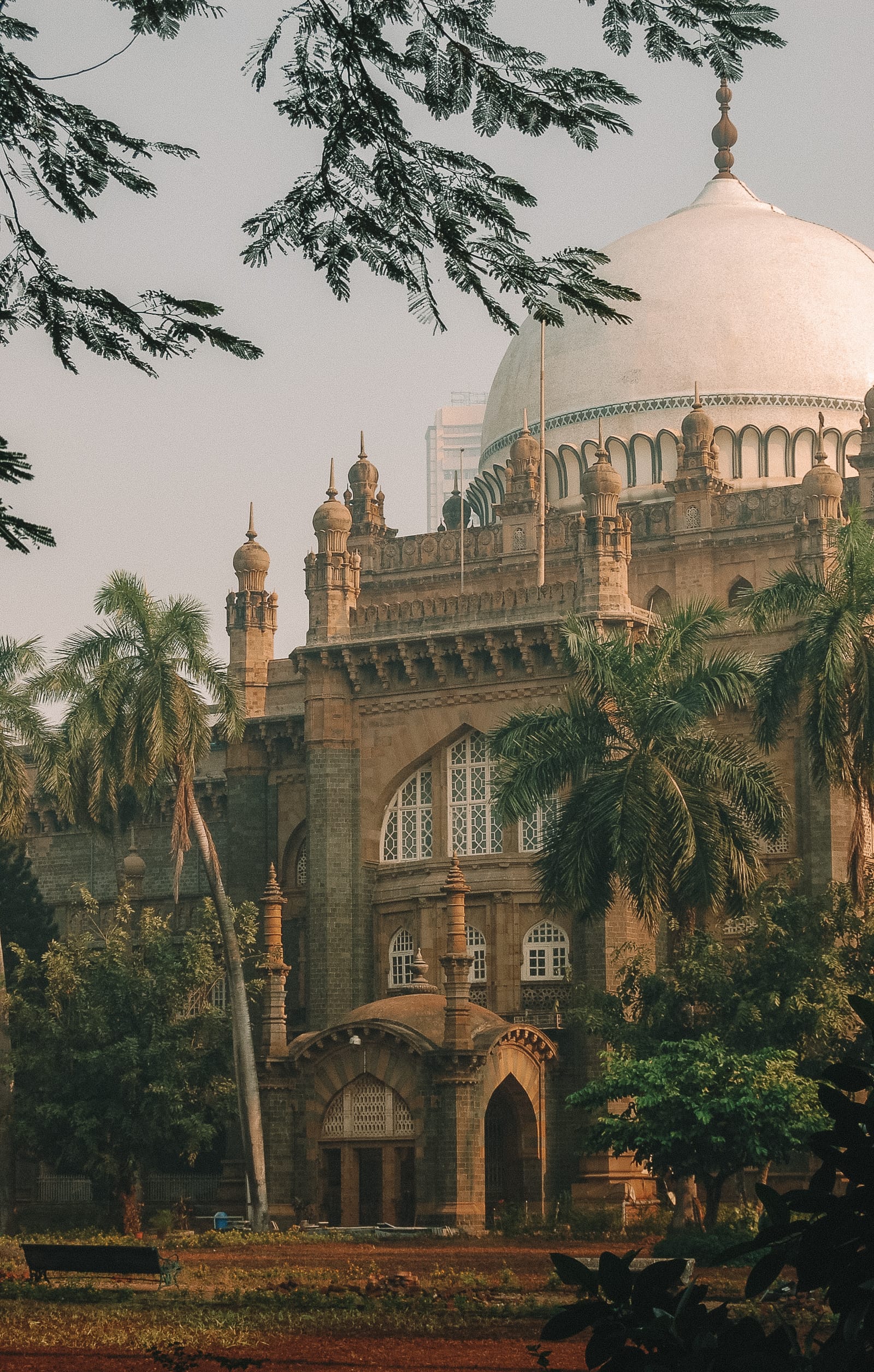
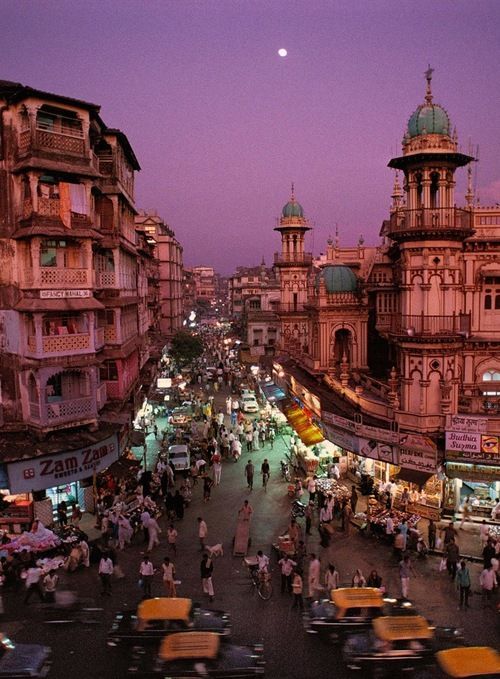
Mumbai is the largest and most prosperous city in India and the most populous in the world. Bom Bahai – these words, according to legend, were pronounced by the Portuguese, disembarking here, and this meant – “Good Harbor”

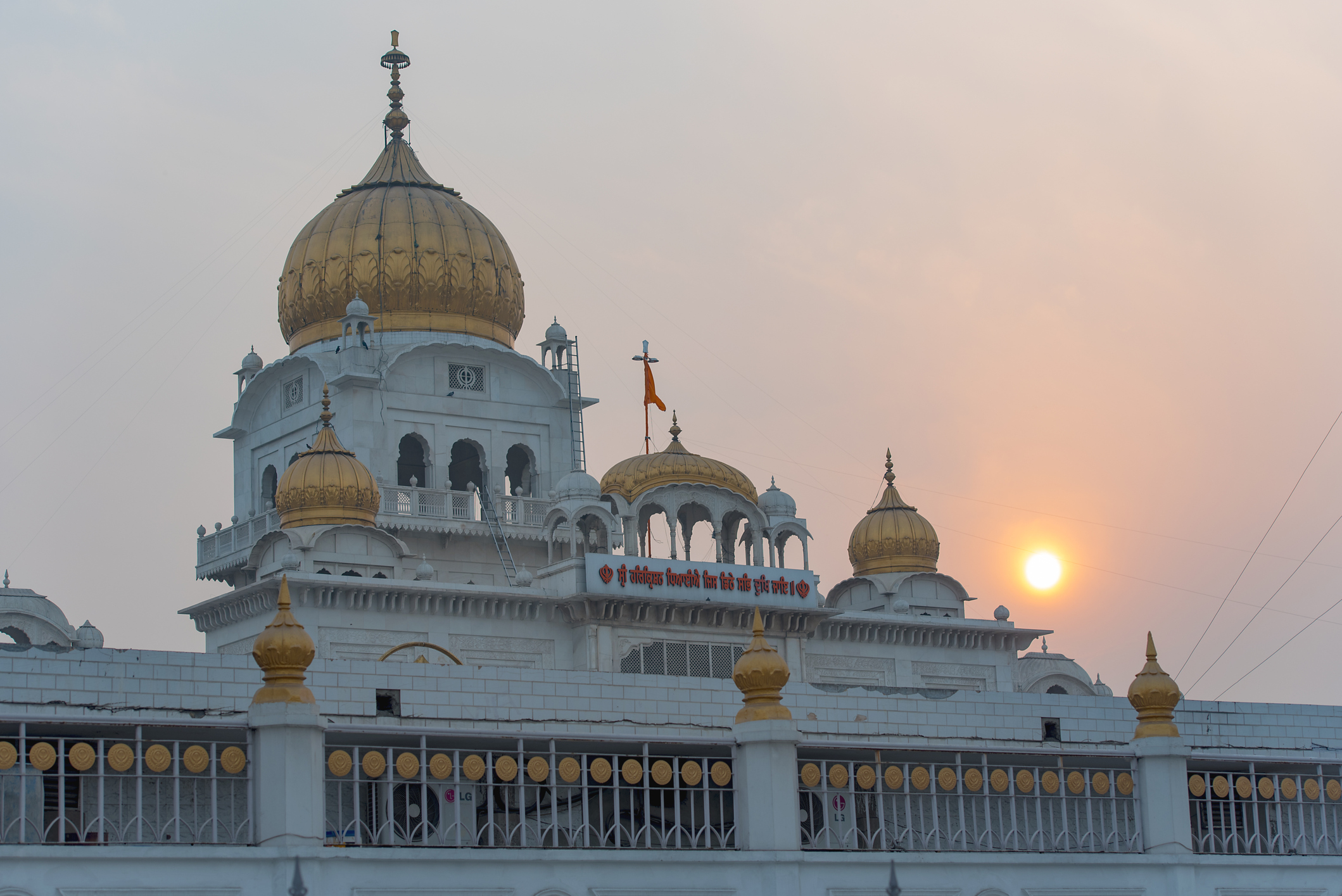
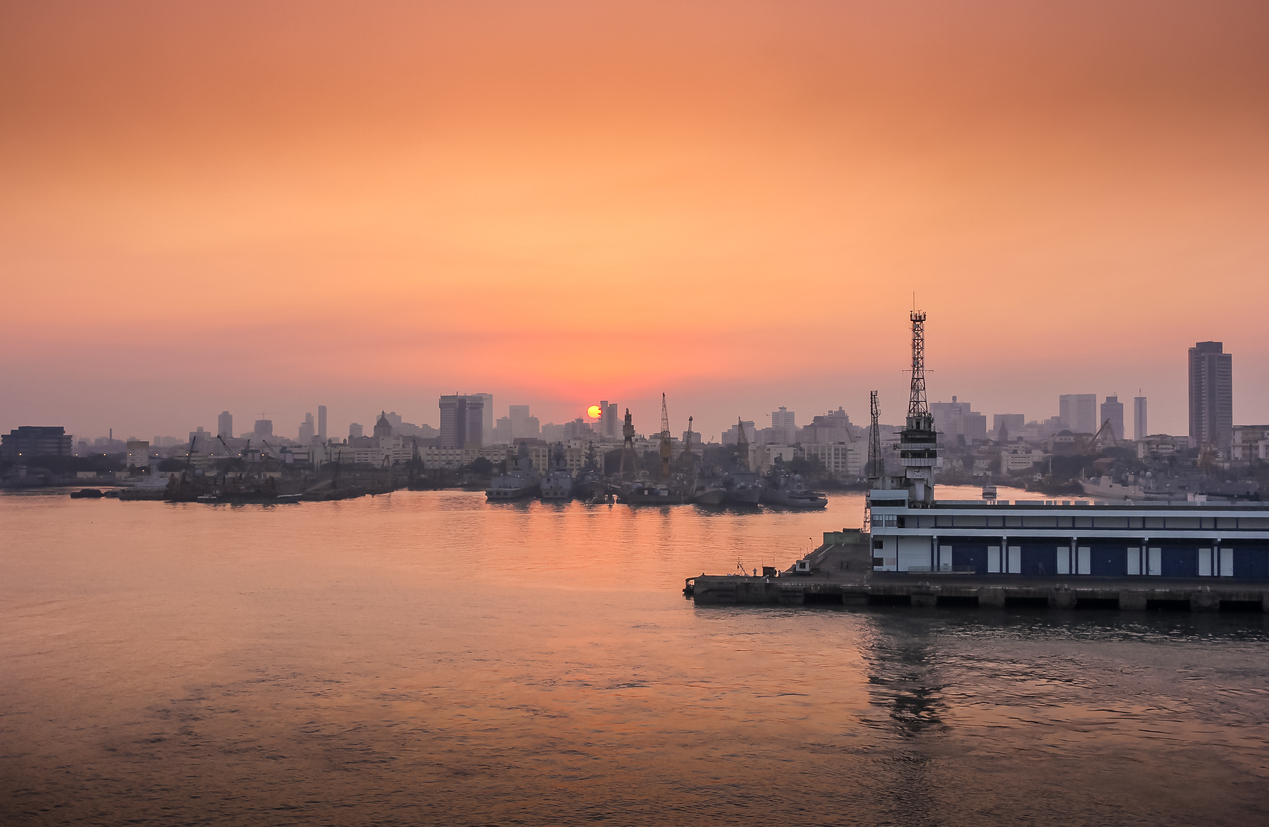
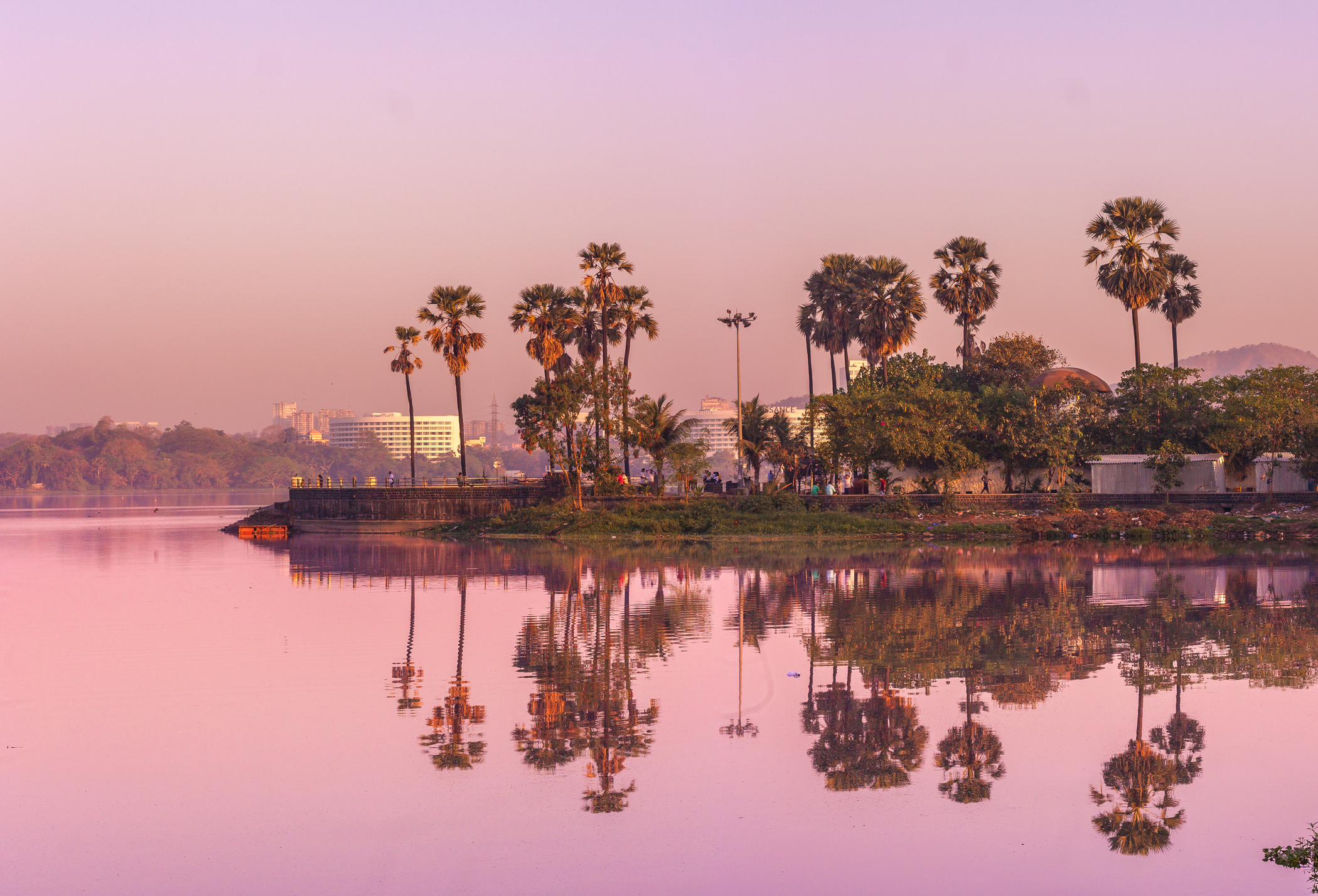
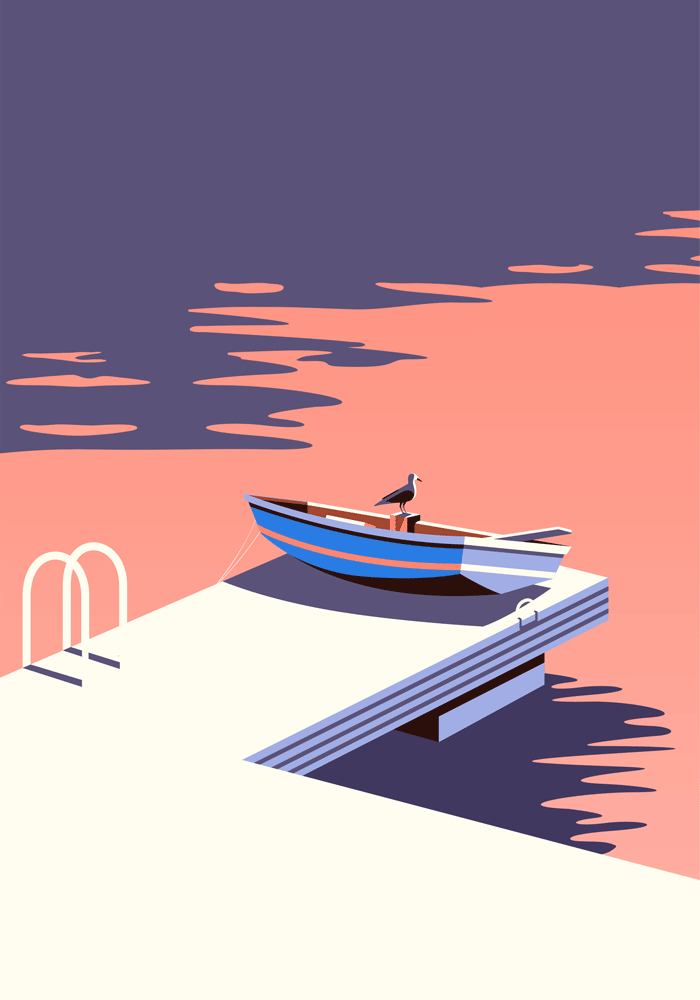
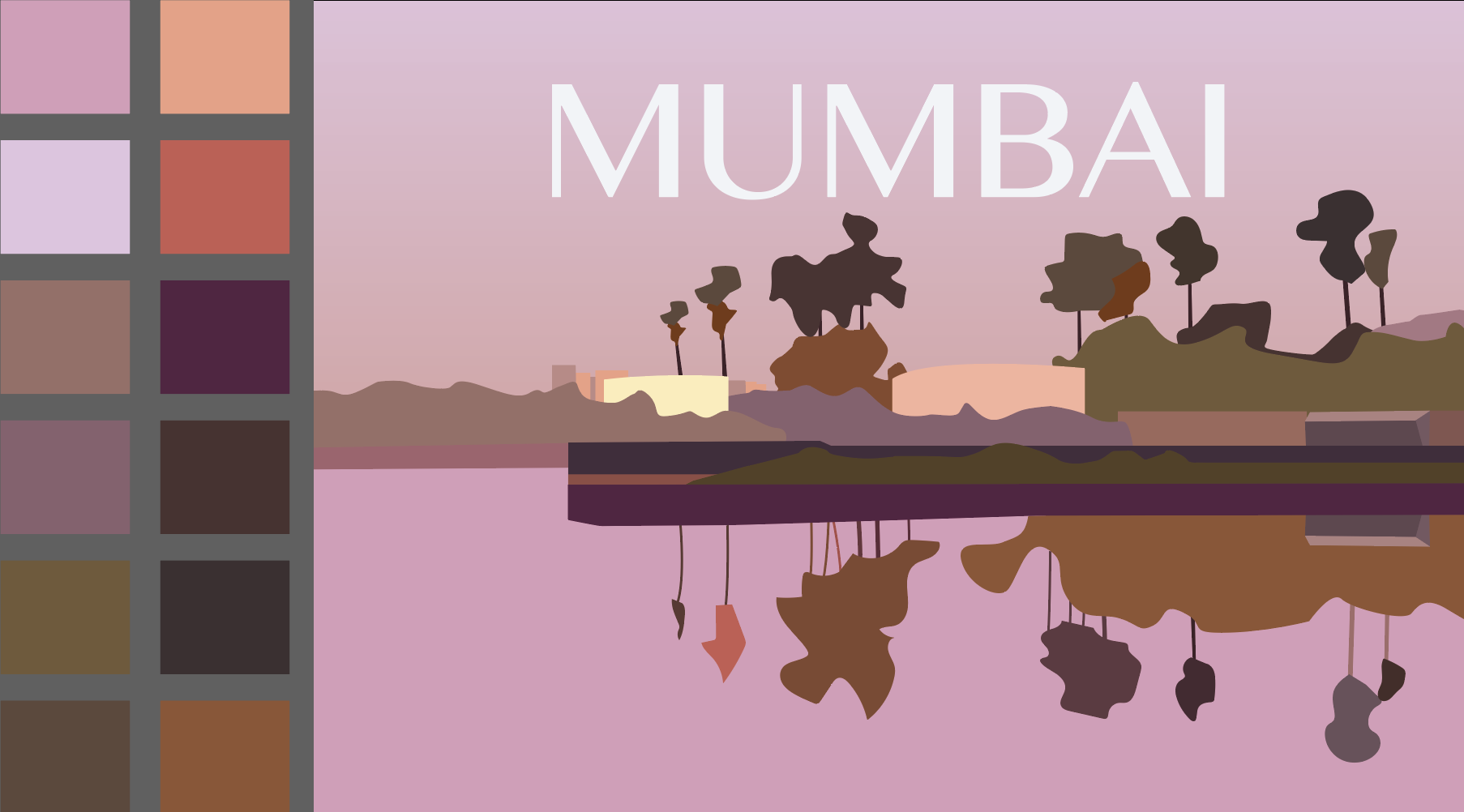
When I was selecting photos, I traced that the city was full of various colours, but at the same time, brown shades dominated the surrounding elements of the town. I liked the image of the bay near the city, where peace and tranquillity were traced. In my illustration, I used violet and pink shades in combination with trees in the shade.
Conclusion

In conclusion, I would like to say that this exercise took me lots of image looking and researches before I could get the feel of the city. I love that kind of illustrations, made with a simple tool like Adobe Illustrator pen, and adding to each shape the vibrant colour. The only disadvantage that I had, that I really tried to design more detailed pictures, with some recognisable shapes, instead of using just a flat geometric objects, so in the result I have different vector painted images, instead of abstract compositions. I was impressed by the diversity and cultural differences of a single city. Also, I traced the uniqueness of colour combinations in each city, how the mood and peculiarity of cities, forms, and contrast colours are played. In my opinion, I was managed to collect unique designs that, in the future, could serve as a guide in the tourist direction of each city.
Exercise: Understanding colour

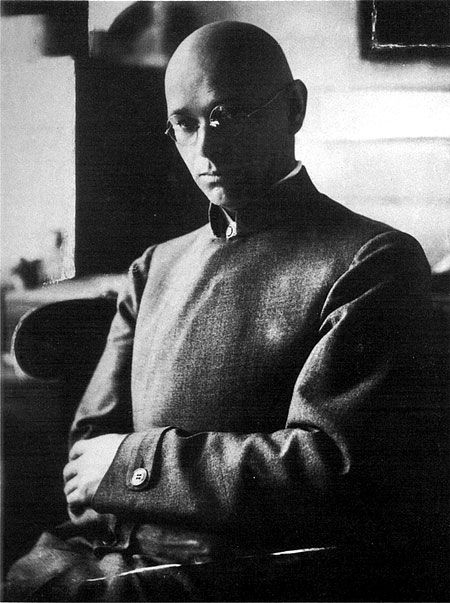
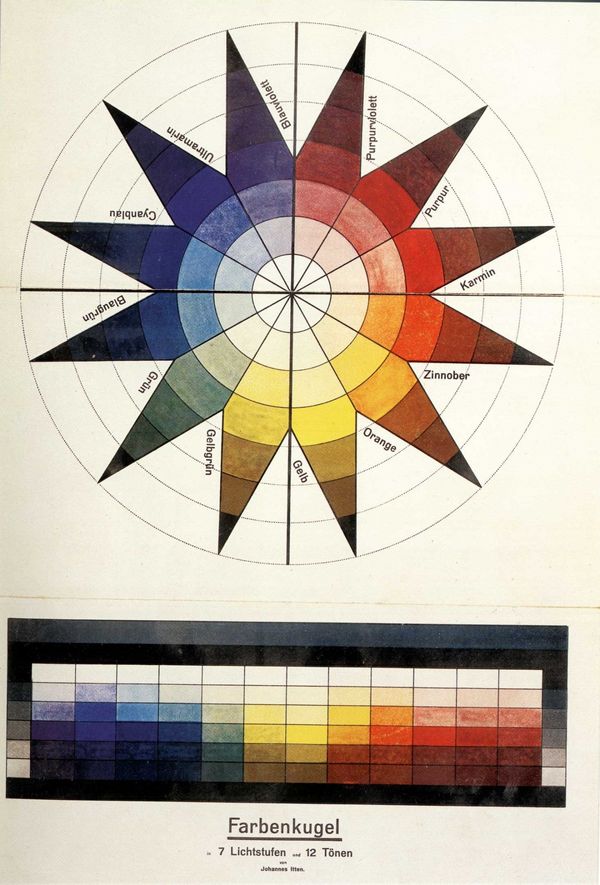
Johannes Itten was an artist, designer and educator who spent much of his life exploring how colour works, especially the dynamic relationship between colours.

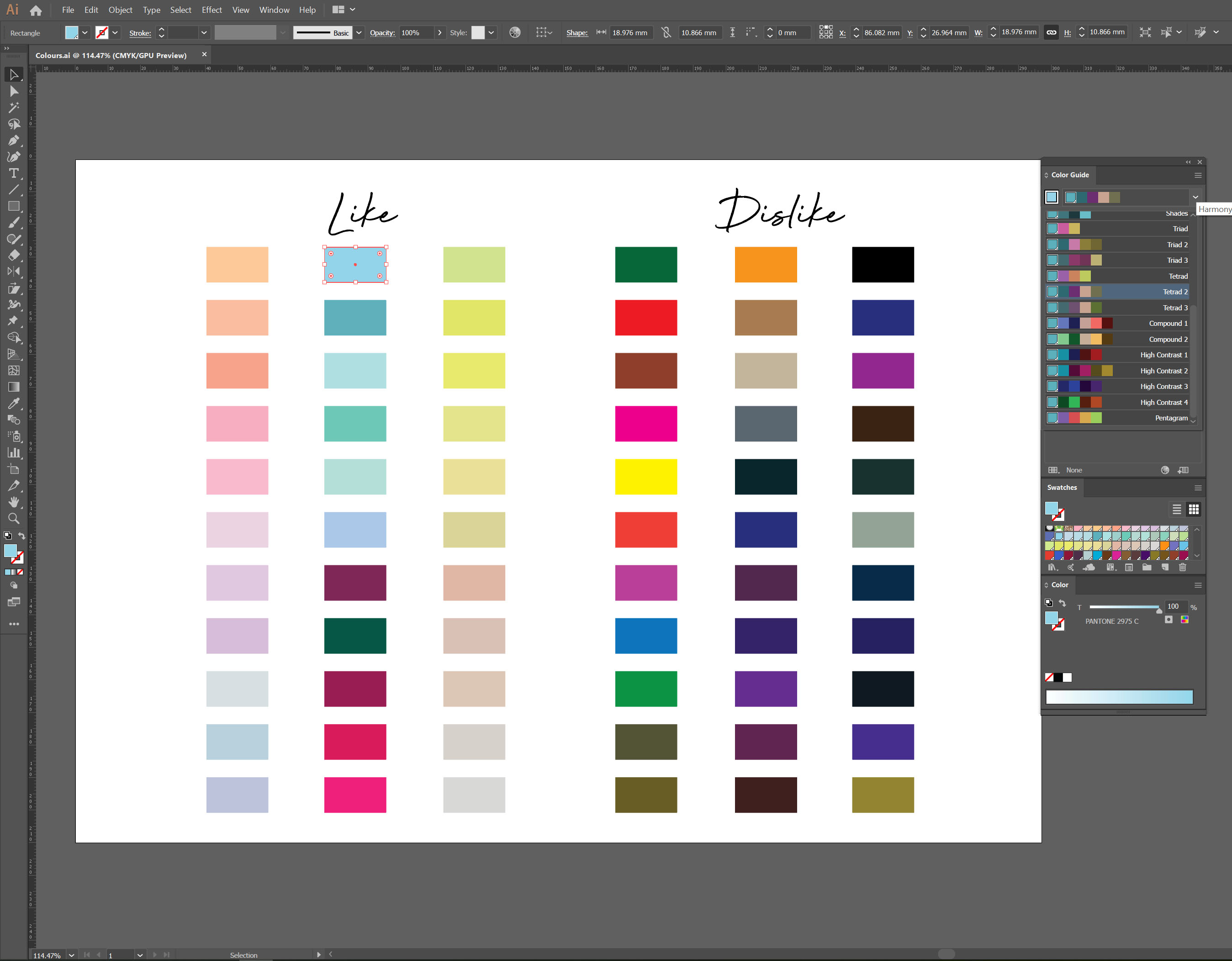
Brief: Draw two grids of squares, filling one with colours that you like and the other with colours you dislike. Then put the two grids side by side and ask the question ‘which one looks better?’ The usual result is the grid full of colours you dislike. This is because we tend to pick bright colours as the colours we like, which when placed side-by-side look garish and jarring. By contrast the colours we think we don’t like as much are often the more subtle and muddier mixed colours, tertiary colours and occasional bright hues. When placed side by side the effect is more balanced.

This is an important lesson for designers when picking a colour palette to work with: use bright colours but balance them against more subtle colours. It will also help you become better acquainted with your image manipulation or DTP software – identifying where your colour swatches are, how to select them and how you blend colours by changing their opacity.

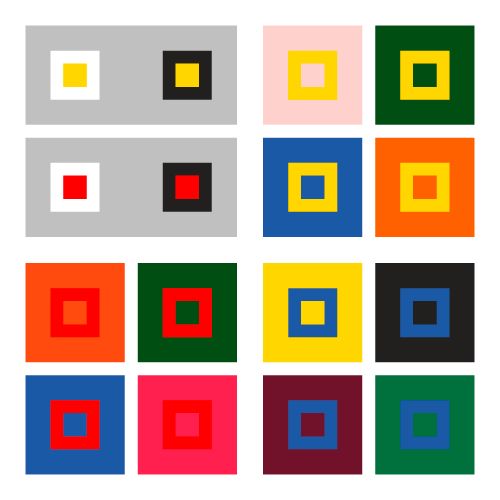
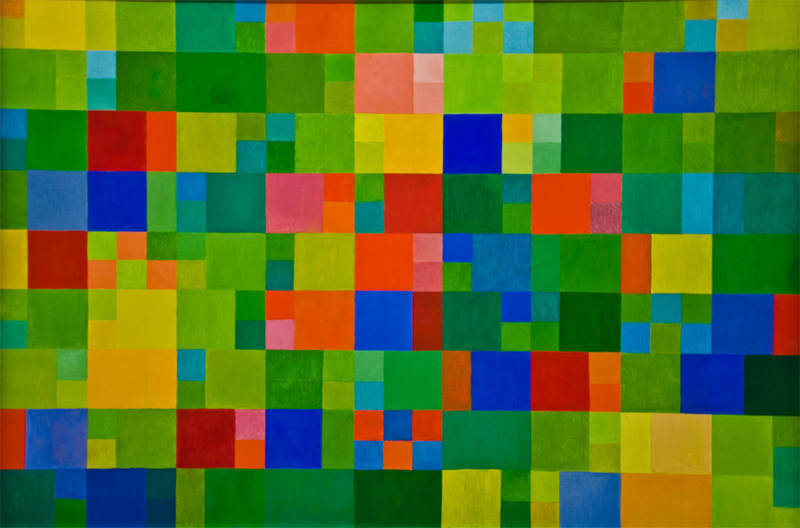
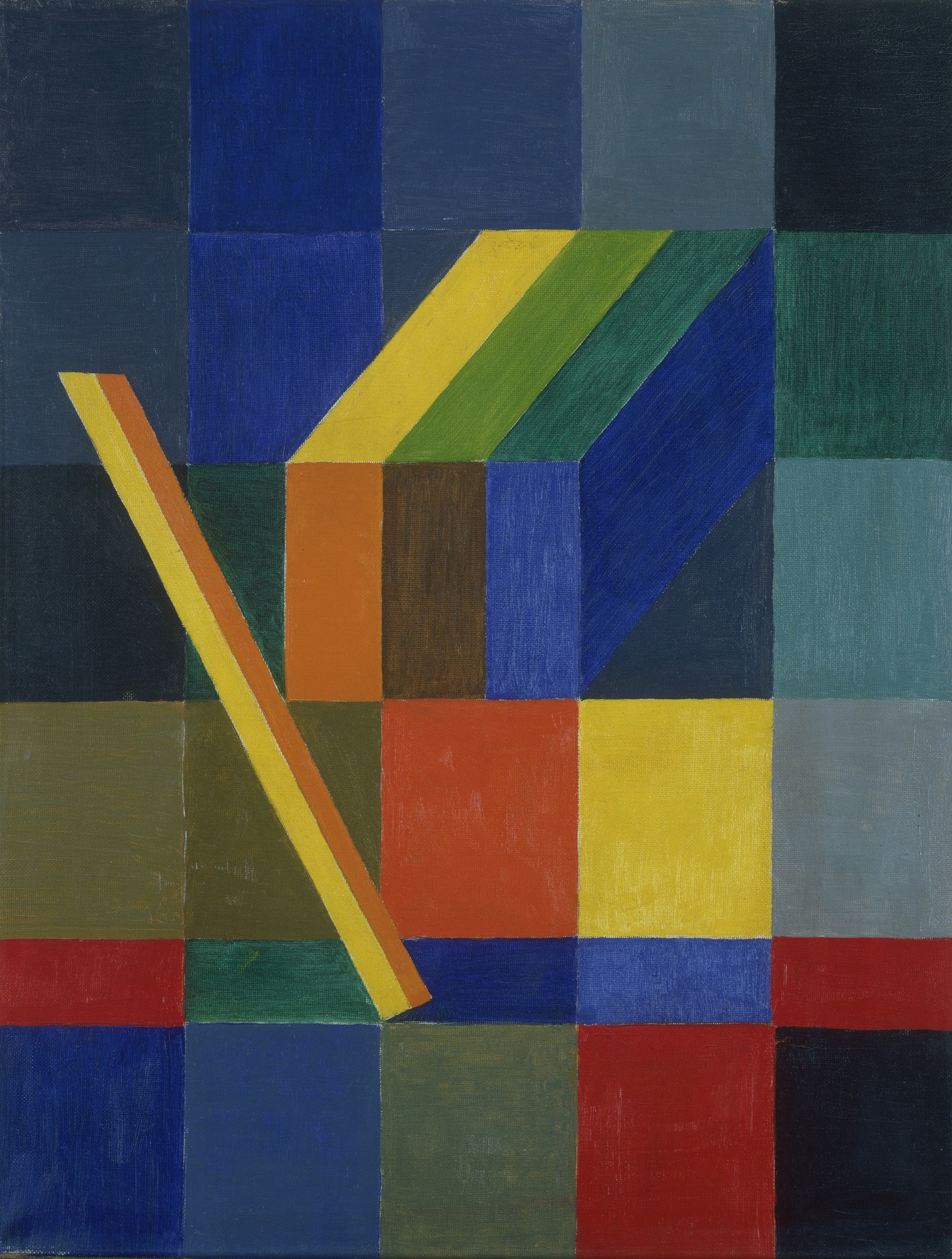
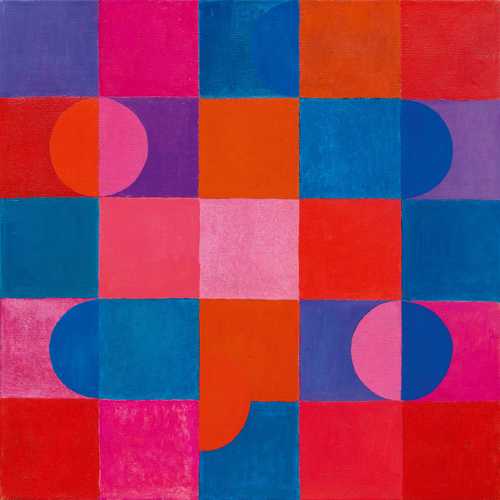
Next, try experimenting with placing colours together as Itten did.

Try and find different combinations of two colours to illustrate each of these ideas:

Angry Brave Creative Dangerous Energetic Familiar Gregarious Hopeful Independent Jumpy Kinetic Luxurious Masculine New Open Precious Quiet Reasonable Sociable Tasteful Unhappy Vital Wonderful Extra special Youthful Zany

Primary Research

Before embarking on a practical lesson, I made a little fact-finding tour of the artist Johannes Itten, the founder of colour theory. For me, colour has always played a key role in design and image perception. I noticed that, regardless of the complexity of the composition, and the message that was build in design, I was always attracted by the harmony of colour, most of our purchases are based on a subconscious choice of colour. It was a great discovery for me that this designer was the founder of colour solutions, our mood, our desires are very often associated with colour compositions.

Itten, Johannes (1888–1967), Swiss painter, teacher, and prolific visual and educational theorist. A well‐known artist, designer, and educator, Itten is perhaps best known for contributions to the Foundation Course (Vorkurs) at the Bauhaus in Weimar between 1919 and 1923. Itten wrote several books on art theory and his work as a painter consisted mainly of geometrical abstractions exemplifying his researches into colour. He emphasized the importance of knowledge of materials, but also encouraged his pupils to develop their imaginations through, for example, automatic writing Itten’s experiential and expressionist approach to creativity was increasingly at odds with Gropius’ growing commitment to the machine aesthetic as a key goal of the Bauhaus’s educational curriculum.

A Dictionary of Modern Design (2 ed.)  Publisher: Oxford University Press

Key Ideas

Itten’s Vorkurs or foundations course at the Bauhaus pioneered techniques that remain central to art school teaching today, including the encouragement of self-expression and experimentation with materials and techniques.

As a believer in Eastern Mazdaznan, Itten encouraged students to embrace mysticism as part of their art practice. He taught meditation and breathing exercises, as well as gymnastic routines that were designed to maximize creativity.
Itten developed an intricate theory of colour, which associated colour palettes with types of people and seasons. His work on colour contrasts, which characterized seven different types of comparisons, was important for the development of Op Art, but would also influence palettes designed by cosmetic companies in the late-20th century.

Source: https://www.theartstory.org/artist-itten-johannes.htm

The Interaction Between Colours

The colour in a picture is always relative, you will never see a colour as it really is, as how it is physically. This is because there are influences of the other colours around. These influences or interactions can be received in different ways. Below is a list of influential factors that makes the colours to be as relative and that generates such a variety of colour results.

  1. The colours and the shapes that are around. The same colour with different shapes and with other colours around will be perceived with different value.
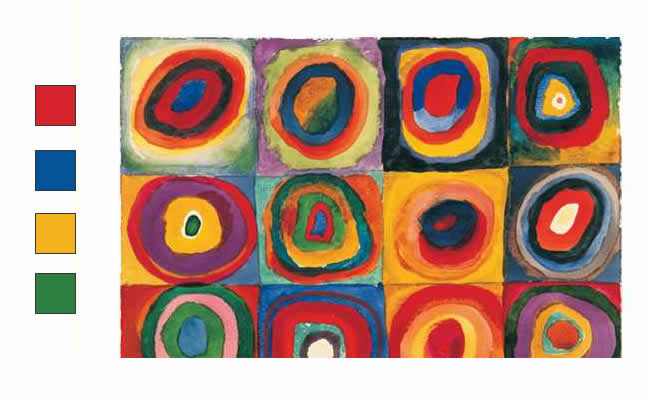
Kandinsky´s example

2. Colour is the most relative of all media or visual art elements. On that example you clearly can follow the changes of the blue shade regarding of the background set of the colours, where on the warm background the blue square is stands out, but on the shade of analogues colours the blue colour disappearing and looks darker.

3. Light intensity or brightness. Example of the same colour surrounded by a darker or lighter background:

4. One colour looks like two different colours. This is because the addition of colours.

5. Two colours look like the same colour. Abduction of colours.

Colour Harmonies

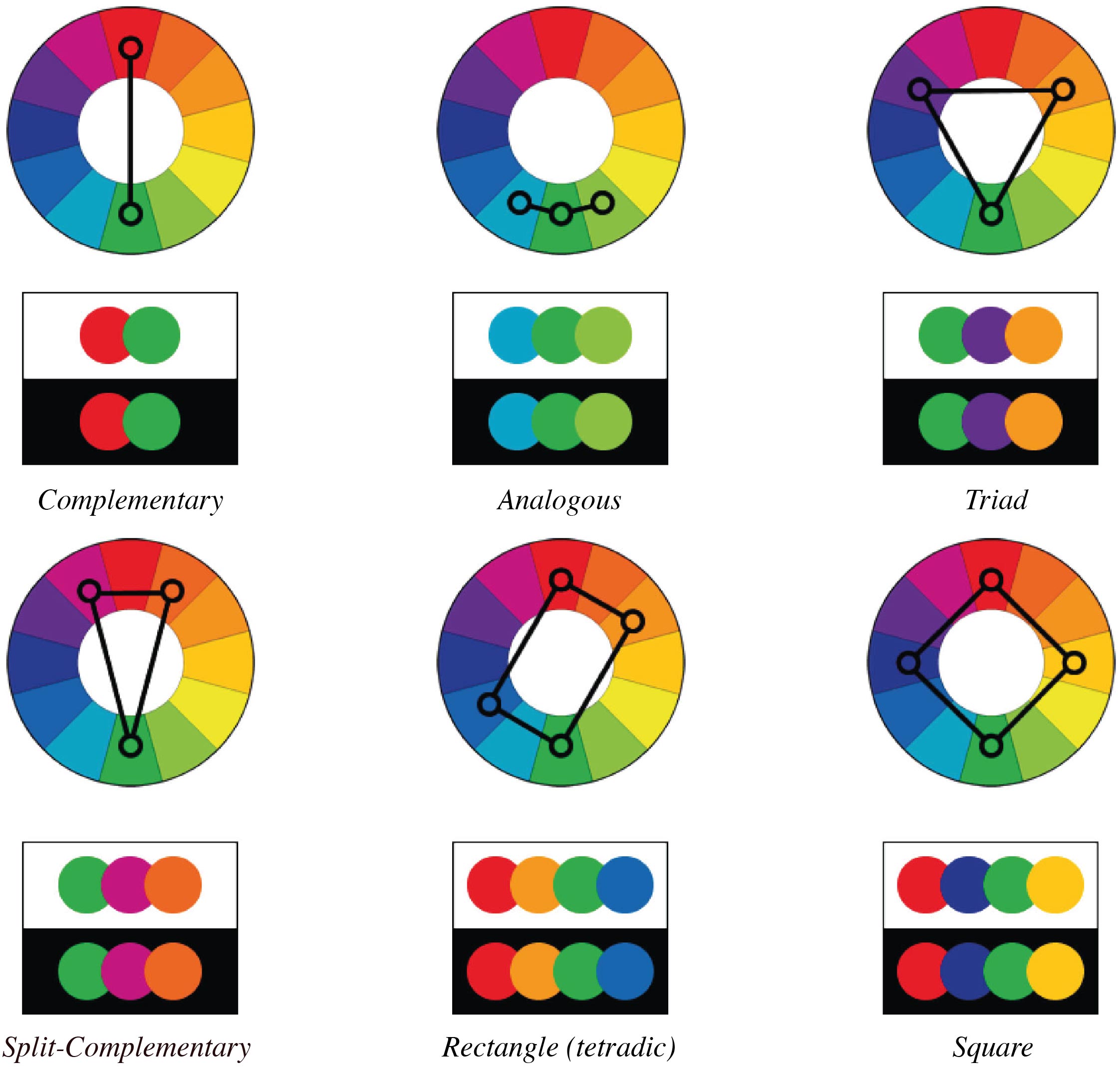
For a basic acquaintance with the color palettes, I decided to give examples of color combinations. These combinations create pleasing contrasts and consonances that are said to be harmonious. At the same time these combinations can be of complementary colours, split-complementary colours, color triads, or analogous colours.

Complementary. Colours that are opposite each other on the colour wheel are considered to be complementary colours (example: red and green).

Analogous. Analogous colour schemes use colours that are next to each other on the colour wheel. They usually match well and create serene and comfortable designs. Analogous colour schemes are often found in nature and are harmonious and pleasing to the eye.

Triad. Triadic colour harmonies tend to be quite vibrant, even if you use pale or unsaturated versions of your hues. To use a triadic harmony successfully, the colours should be carefully balanced – let one colour dominate and use the two others for accent.

Split-Complementary. The split-complementary colour scheme is a variation of the complementary colour scheme. In addition to the base colour, it uses the two colours adjacent to its complement. This colour scheme has the same strong visual contrast as the complementary colour scheme, but has less tension.

Rectangle (tetradic).The rectangle or tetradic colour scheme uses four colours arranged into two complementary pairs. This rich colour scheme offers plenty of possibilities for variation. The tetradic colour scheme works best if you let one colour be dominant.

Square. The square colour scheme is similar to the rectangle, but with all four colours spaced evenly around the colour circle. The square colour scheme works best if you let one colour be dominant.

The Source http://www.tigercolor.com/color-lab/color-theory/color-harmonies.htm

Practical lesson

So, after the familiarisation course, I started a practical lesson. I’ve noticed, that my colour preferences are the intersection of pastel delicate tones, as well as complex colours with rich bright colours. In my understanding, if the colour is simple, such as yellow, red, green, this colour belongs to the order of flat colours in which there is no depth, but if there are several shades in the colour, for me it is a more pleasant hues composition. Also, I would not give preference to dark dull shades, such as marsh, brown, grey. But in the process of how I selected colours from one row of loved ones to unloved ones, I swept as I flip colours from one column to another, it is still difficult to choose any favourite or unloved color, if we select a certain group of colours, such as gentle pastel colours, and sending all the variegated and dark ones to unfavourite group, it becomes boring to look at monotony for the eye, contrast is important to us, and even the unloved bright red or purple, or fluorescent crimson can become a favourite at certain moments or under certain mood.

When the turn came to the colour matching technique, following Itten’s theory, I discovered a new associative series in the search for colour combinations for the ideas from the exercise. In this case, the Color Guide option In Adobe Illustrator was very useful where I could combine colours in contrast to each other. At the beginning of the ideas were fairly simple, such as anger associated with red, black, rather aggressive combination, for the brave I chose a contrast combination of bright blue and yellow, if you are brave, you cannot go unnoticed. For an idea creative, unusual, tasty, I chose bright combinations of opposite colours as blue and yellow. For example, such ideas as young, energetic and dangerous in my understanding were more obvious colour combinations, but for such ideas as sociable, masculine, reasonable I found them quite challenging, as they were hard to imagine.

In conclusion, I would like to add that I enjoyed this exercise. In my practical classes, working with a color scheme was most pleasing to me, since I had the opportunity to convey my mood using only a few color scales. At the same time, there is no concept of a desired or unnecessary color, or a correct or ugly color, we ourselves attach meaning to each color, and choose our compositions intuitively, but when it comes to marketing techniques about color theory to increase sales, a new page of color theory opens here.

Exercise: Seeing the light

At the heart of visual dynamics is the idea of contrast; creating work that relies on dark and light, small and large, empty and full, to create the visual push and pull that makes it feel dynamic. Contrast can be created through the use of empty space as much as filling it with visual elements. It might be a contrast between colours, space or proportion.

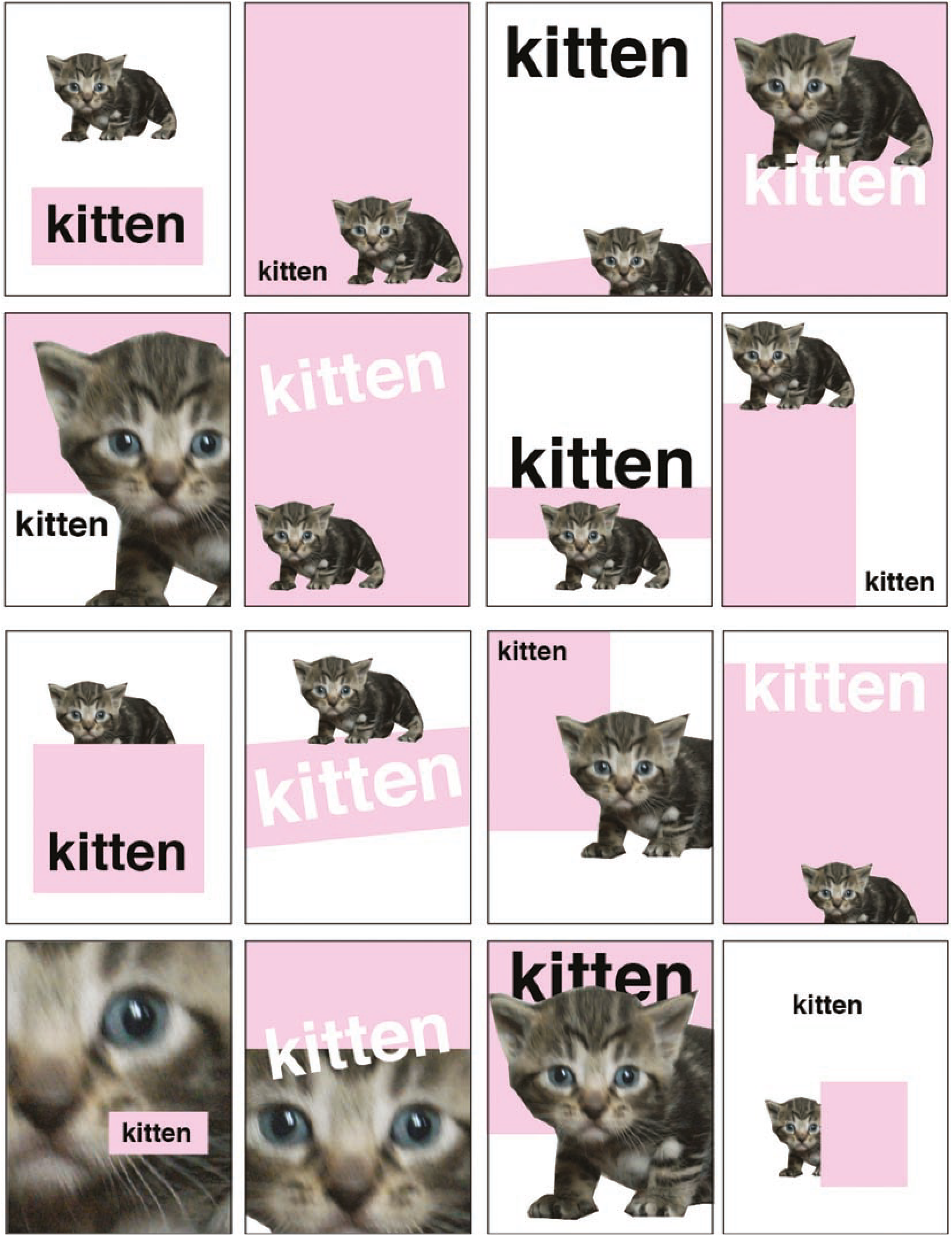
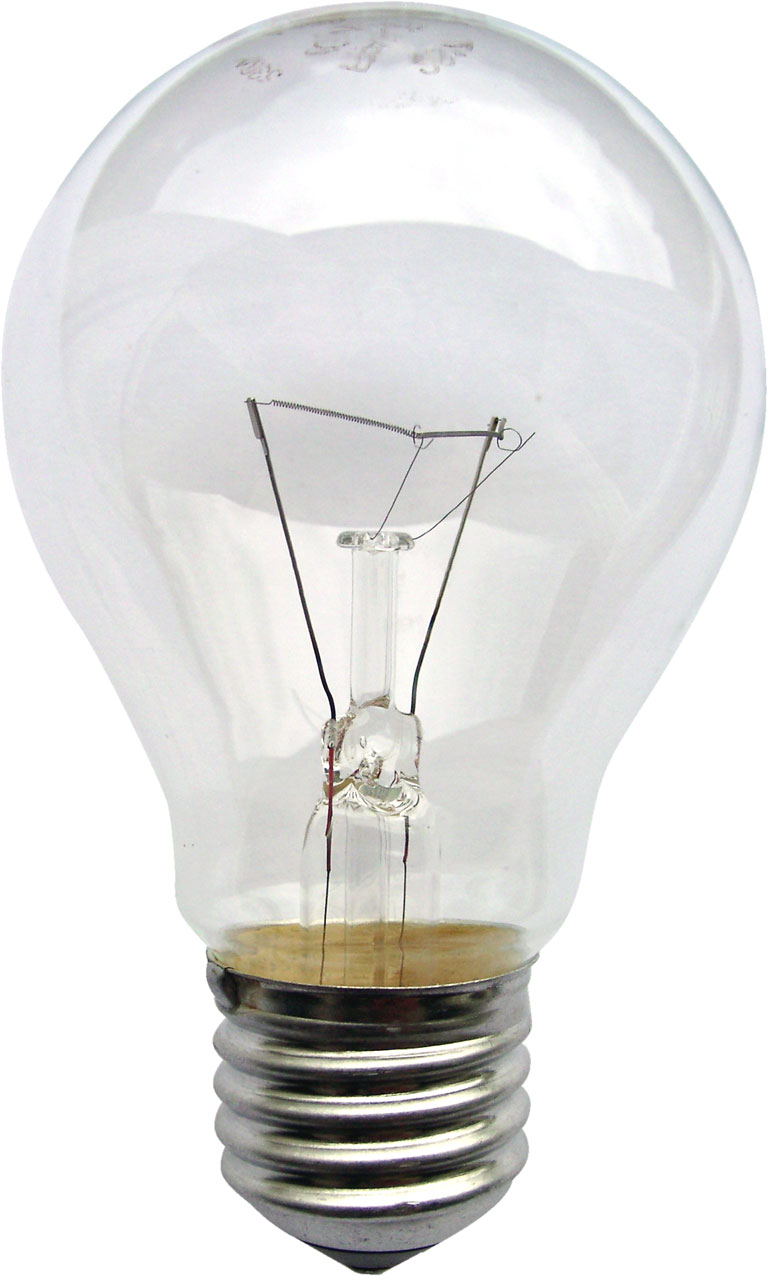
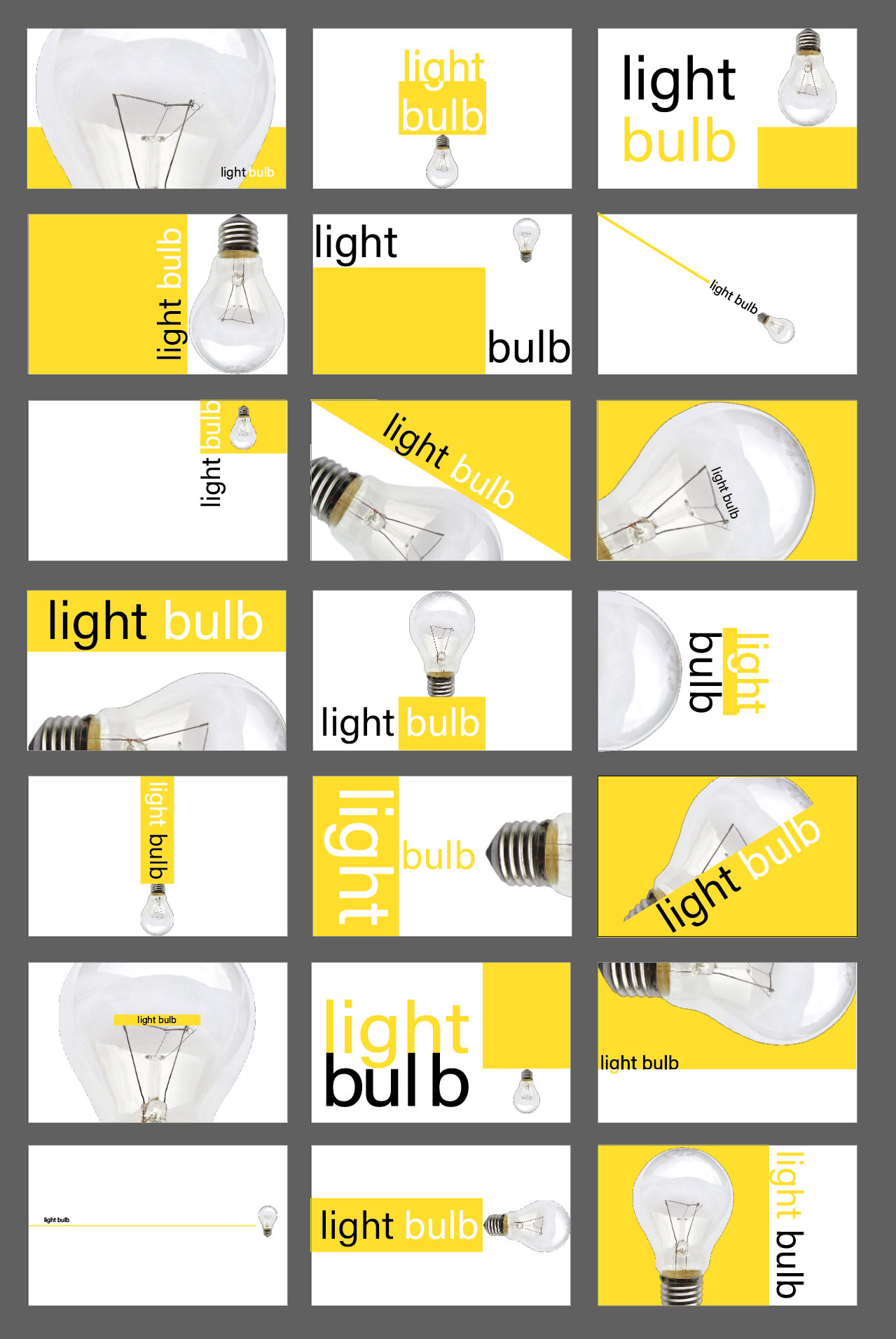
Brief: Using only an image of a light bulb, the word ‘light bulb’ and a block of colour of your choice create different designs that explore visual dynamics – as the kitten designs shown in the previous project.

Think about your compositions, trying each element at a different sizes and cropping your photo. Your block of colour can be any size, so use it fully to create a sense of space in your composition. Think about layering your visual elements to create depth within your designs and think about contrasts.

Be playful within the rules set, creating as many different designs as you can. Edit these
down to about 20 designs that you feel represent the breadth of different approaches
you have explored.

Primary Researches

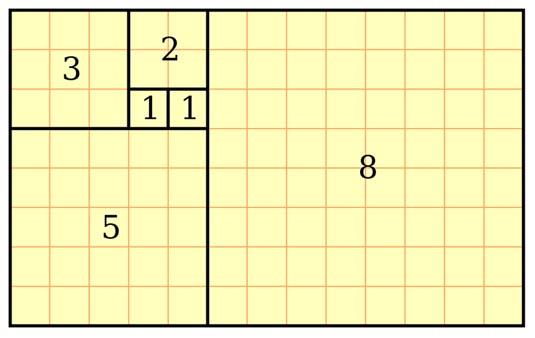
Millennia ago, an unknown genius figured out that what would become known as the Golden Ratio was extraordinarily pleasing to the eye. That is, as long as the ratio of smaller elements to larger elements is maintained.

In the Fibonacci Sequence (0, 1, 1, 2, 3, 5, 8, 13, …) each term is the sum of the previous two, and the ratio becomes increasingly closer to the Golden Ratio. Generally speaking, the Golden Ratio describes the perfectly symmetrical relationship between two proportions.

The golden ratio is the ratio of approximately 1 to 1.618. These are extremely important numbers to mathematicians. But what do they mean to us artists?

Well there have been studies which suggest designs set out using the golden ratio are aethetically pleasing. We can use the golden ratio to help design our paintings and position our subjects.

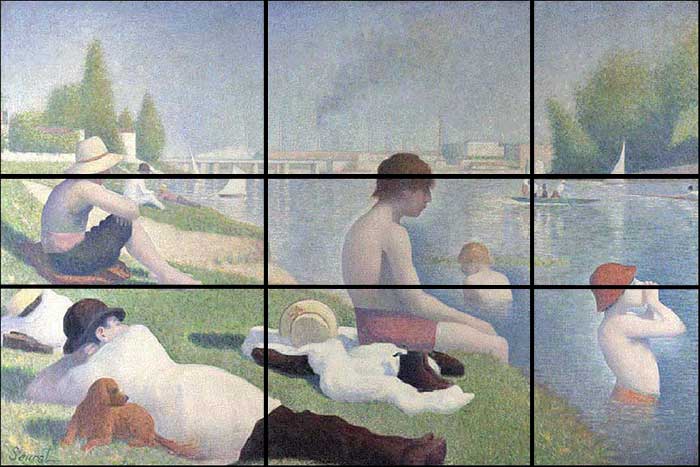
In this painting by Georges Seurat, the golden ratio appears to have been used throughout the painting – to define the horizon, to place points of interest and to create balance in what would appear to be a very active scene.

This Golden spiral can be found throughout nature:

Photo Credit: natureandwisdom.wordpress.com

It is also important to remember that you do not need to understand the complexities of the golden ratio, but you can certainly use it to some to improve the design of your compositions.

Source https://drawpaintacademy.com/golden-ratio-in-art/

Secondary Researches

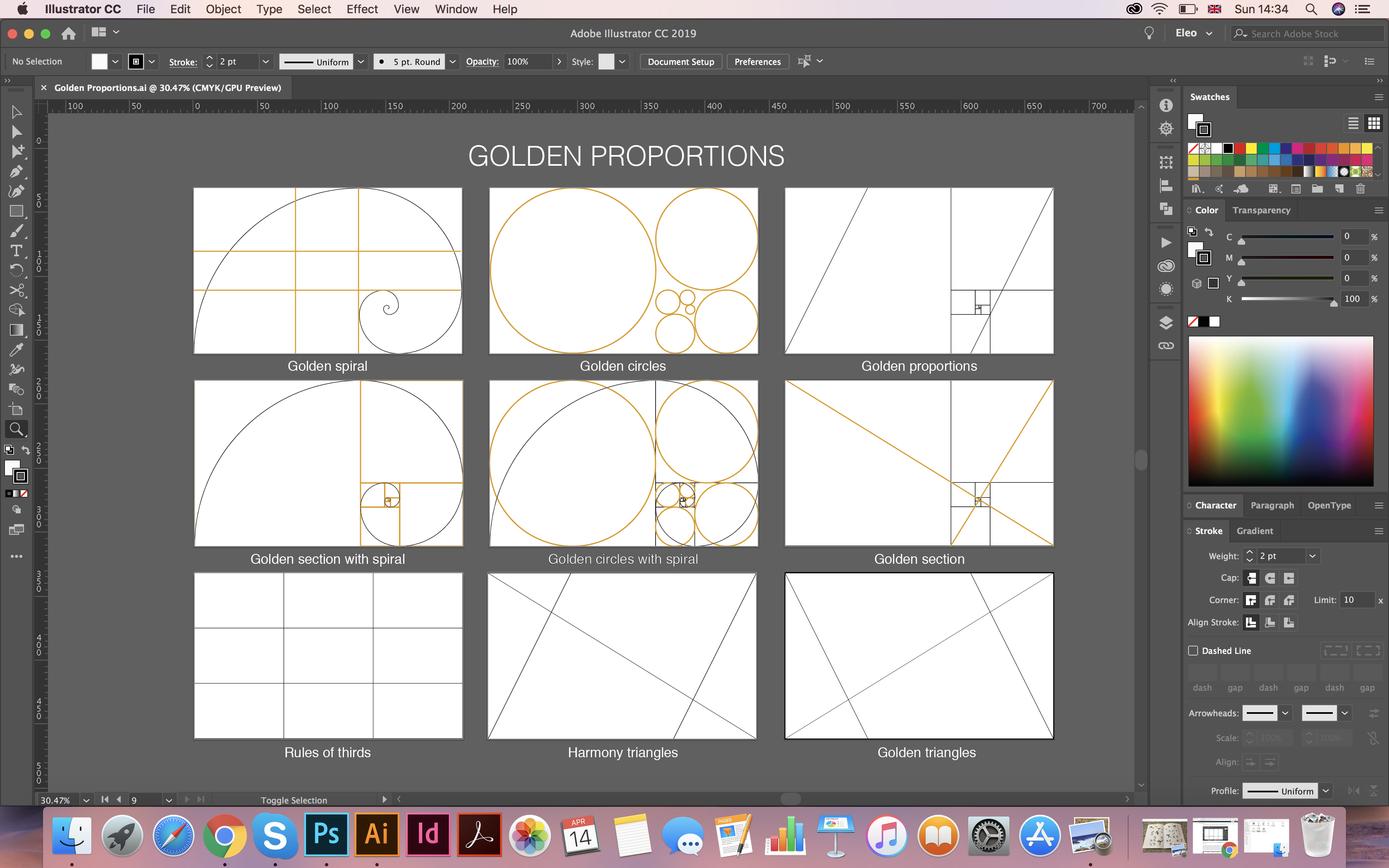
Before proceeding to the sketches I was interested in the topic of composition and the golden section. For myself, I wanted to check how the technique of the golden section can be applied in a design consisting of 3 elements. I decided to get acquainted with the golden proportions, and for this I created a grid of proportions in Adobe Illustrator.

Below are examples of the Golden Section such as:

  • Golden spiral
  • Golden circles
  • Golden proportions
  • Golden section with spiral
  • Golden circles with spiral
  • Golden section
  • Rules of thirds
  • Harmony triangles
  • Golden triangles

Light Bulb Design

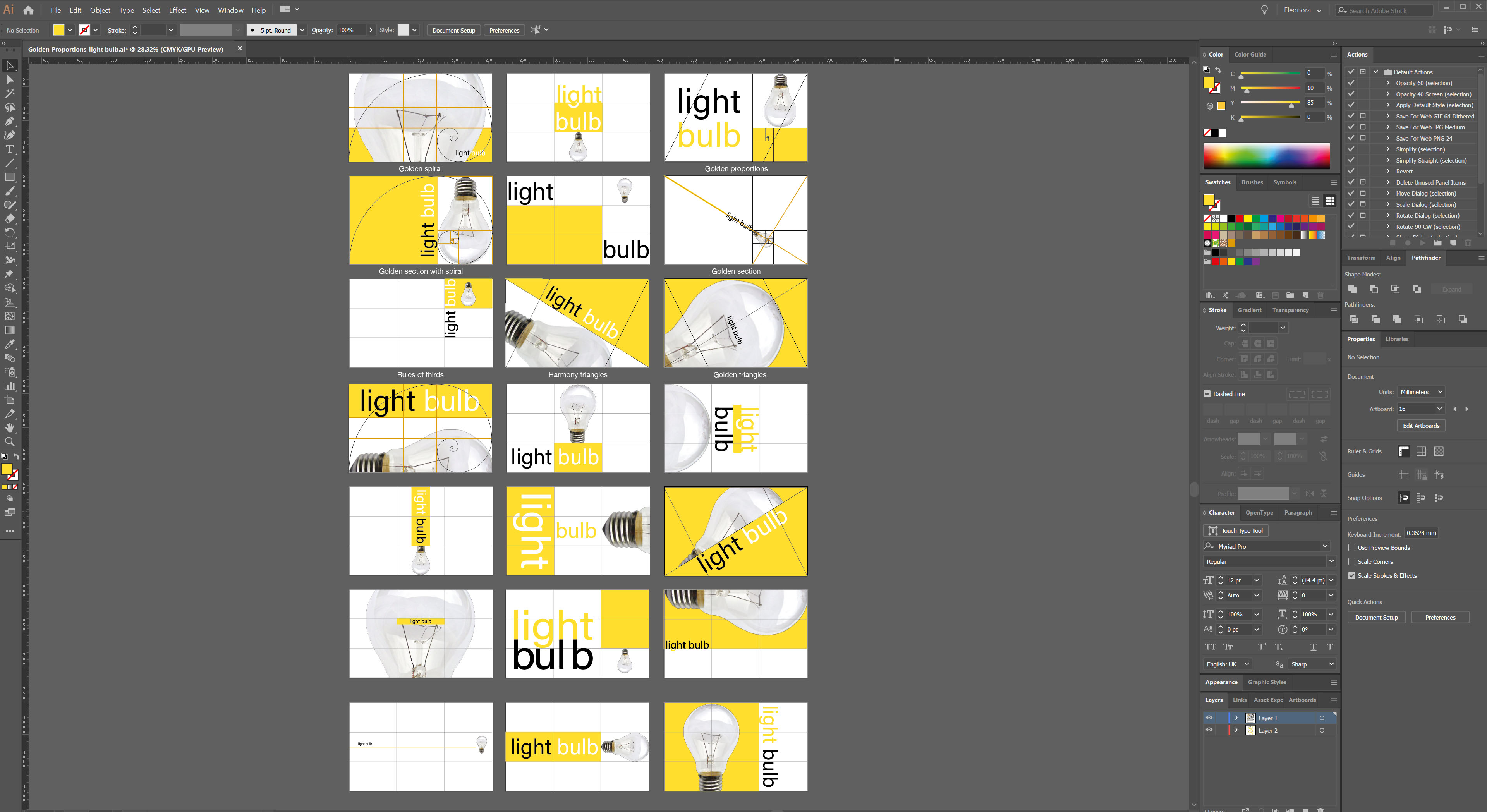
After reviewing the variations of the composition, I decided to apply them in the design with a light bulb. I decided to use the landscape format for positioning elements around. In my understanding, such a format could serve as the cover of an annual report or brand book. I also noticed that the grid itself, which I developed in Adobe Illustrator was a kind of sketch for further placement of a lamp and a rectangle, it was a kind of puzzle that was convenient and easy to fill with three elements. This lesson so fascinated me that I think there could be much more variations, adhering to the rules of the fundamentals of composition.

For the color decision, I chose warm yellow in combination with black, white font. In the first screenshot I decided to leave the grid itself, in the example below the designs themselves are presented.

In conclusion, I would like to add that I enjoyed the work done. I liked the effect of the dominance of one of the three objects, and the number of variations of compositions could in fact be unlimited. It was also interesting for me to carry out a mastering performed by the basics of the composition of the golden section, where analogs with the outside world were held, everything that can be pleasing to the eye and easy to read.

Exercise: Signs and symbols

In this exercise you will read existing signs, symbols and images, and then drawing on their visual language create your own symbols.

Choose one of the following concepts:
• Danger
• Movement
• Love
• Here

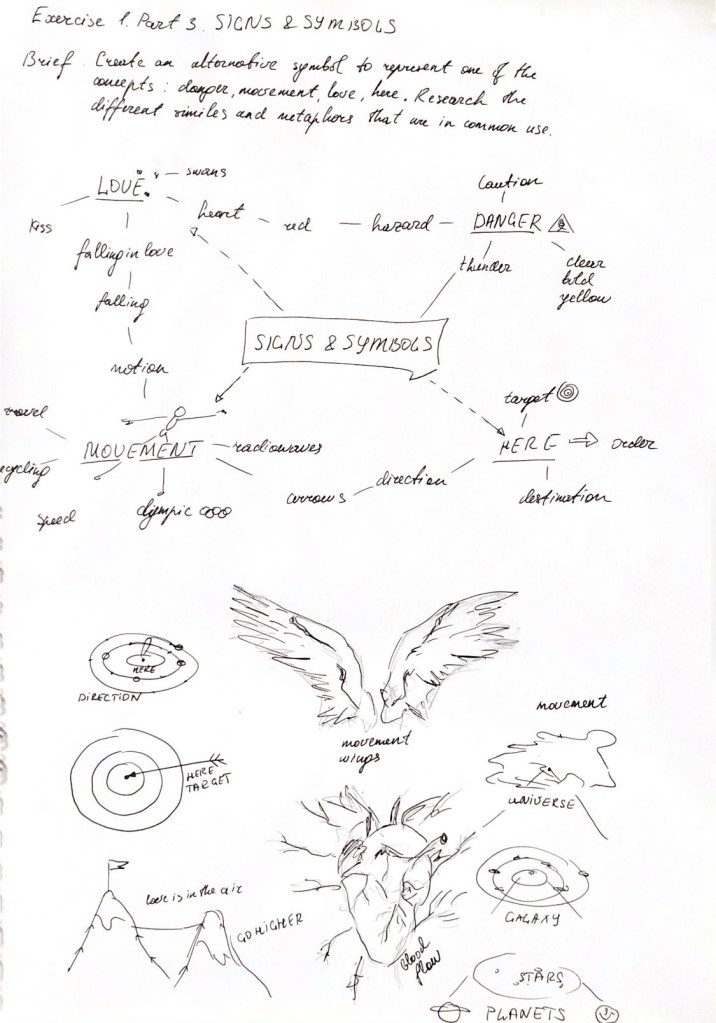
How does existing visual language represent these concepts, for example both ‘danger’ and ‘love’ use red, while ‘movement’ and ‘here’ use arrows. Research the different similes and metaphors that are in common use. Document them through drawings, collecting examples and mind maps.
Now create an alternative symbol to represent at least one of the concepts.
Pencil and paper is the fastest and most practical way of working out your initial designs. You may then want to develop your idea further using computer software.

OCA. Core Concepts

Generic researches

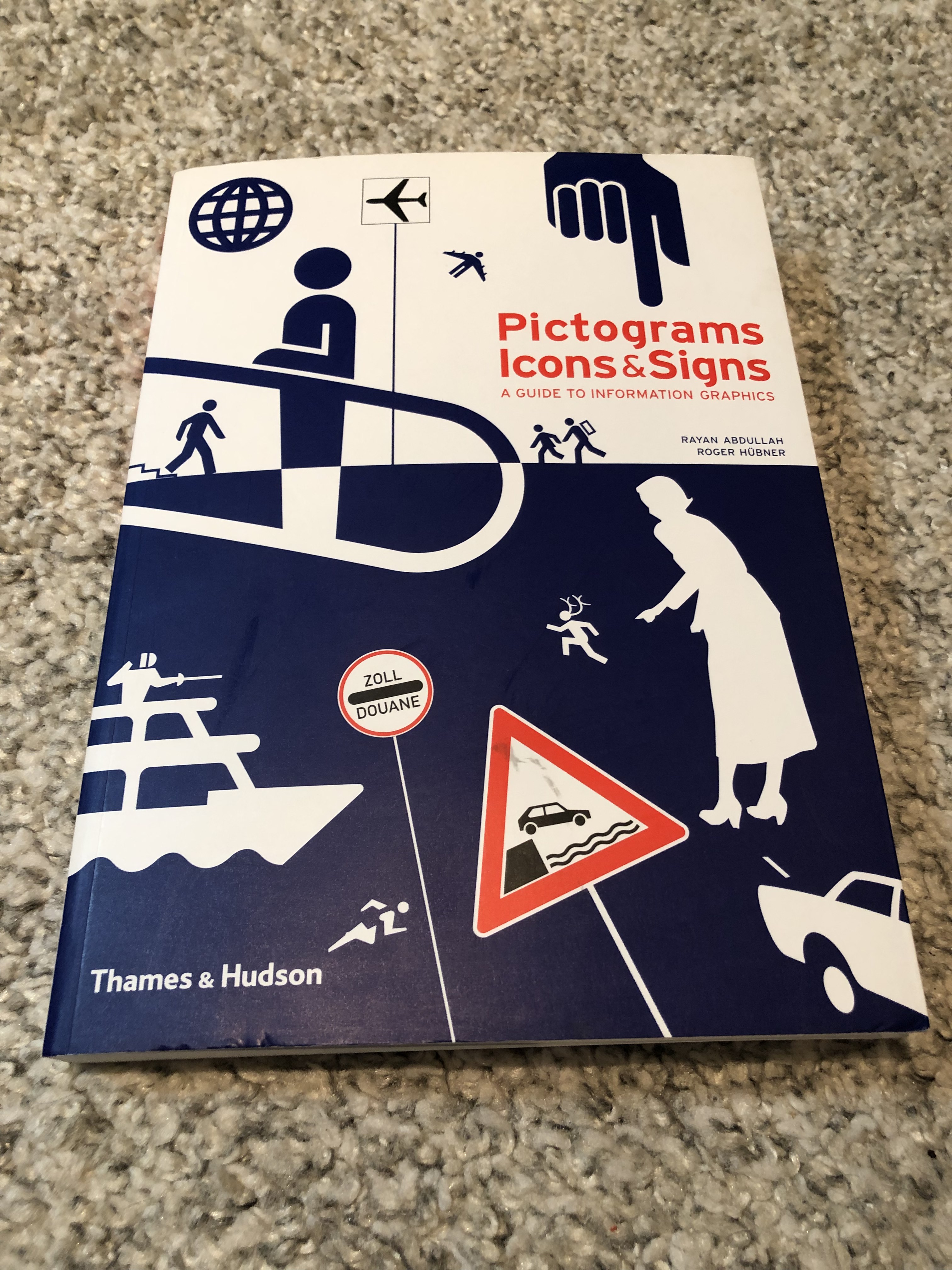
In our modern world, we are surrounded by signs that are figuratively associated in our understanding with a certain action. For additional acquaintance with the theme of signs and symbols, I purchased a book of Pictograms Icons & Symbols. Pictograms and icons are a keystone of nonverbal and multicultural communication. From this book I could discover over 2,000 examples of pictograms, including icons from Olympic Games from 1964. The invention of semiotics is basically the analysis of signs and symbols and their use, which was invented by Charles Sanders Peirce, who saw the entire universe as an extended network of signs. He was the fist one who adopted a method of classification, which divided all signs into three categories of icon, symbol and index. Visual Signs can be seen for example at body language, illustrations, circumstances. But Auditory Signs can be heard, as alarm clock, siren etc.

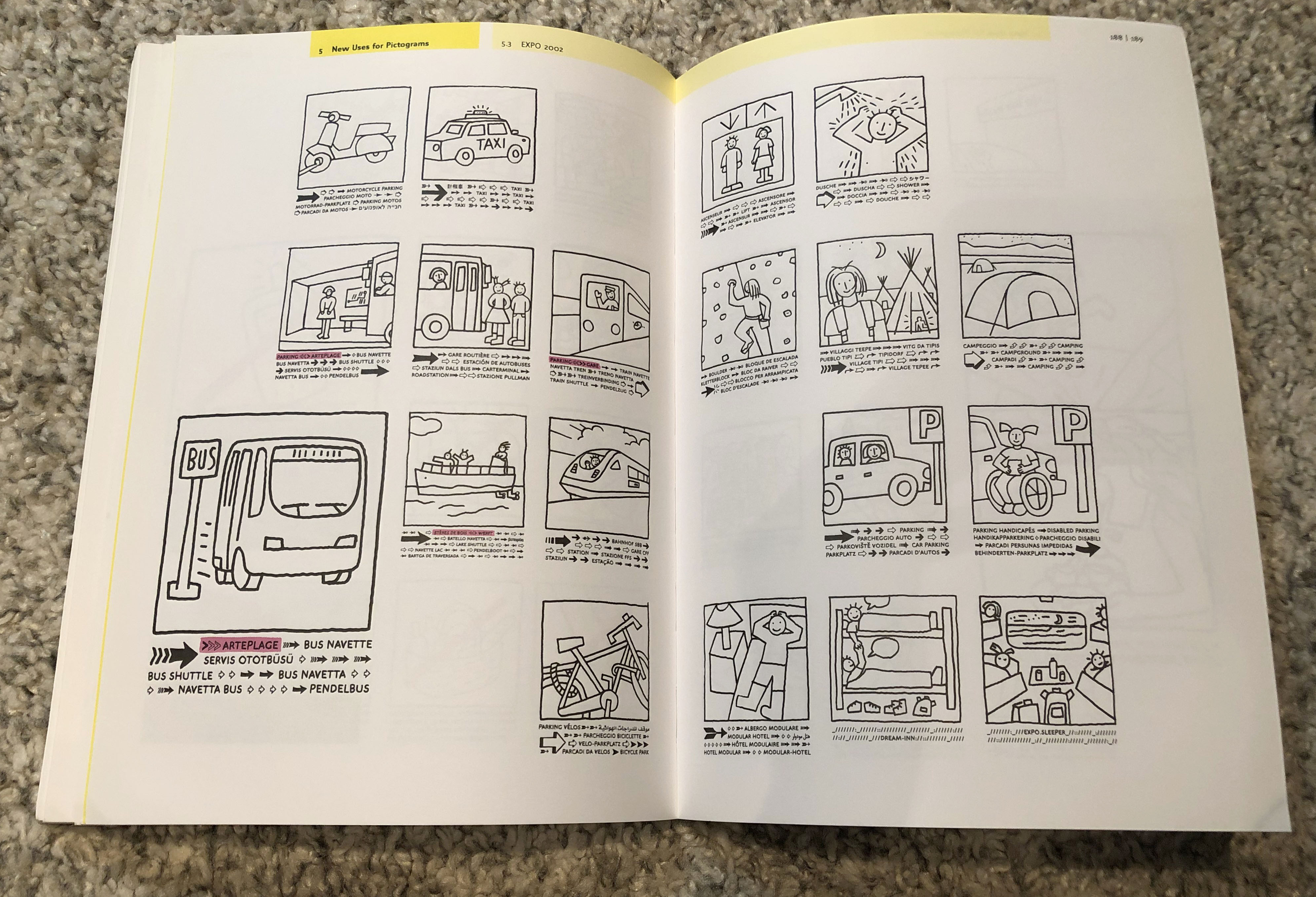
Through this book, you can trace the origins of the signs and symbols, which originate from the Middle Eastern of Mesopotamia and Egypt. Also visible is the basic principle of constructing signs, where the thickness of the lines, conciseness and universality are important regardless of culture and language. I was especially interested in the pictograms on the last pages of the book, in a completely unusual for the human eye sign language in comic form. (New users for pictograms). The requirement was a concept that could be added on effectively and flexibly to something that already existed. The signs themselves comprised pictures and texts, which together conveyed all the necessary information. In addition to providing directions, the system was divided into three categories: cultures, sponsors and exhibitions.

I also wanted to create a unique character that would be readable and unique at the same time. Before starting to develop my own design, I decided to put together a mood board for each topic in order to identify trends and style for each symbol for myself.

Danger

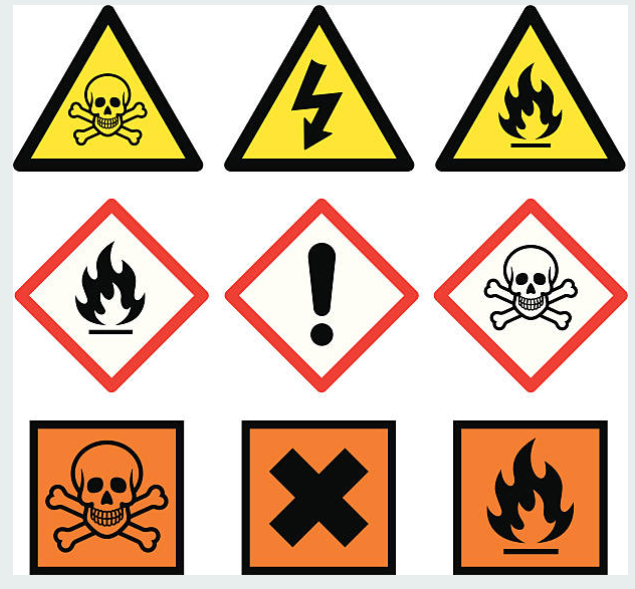
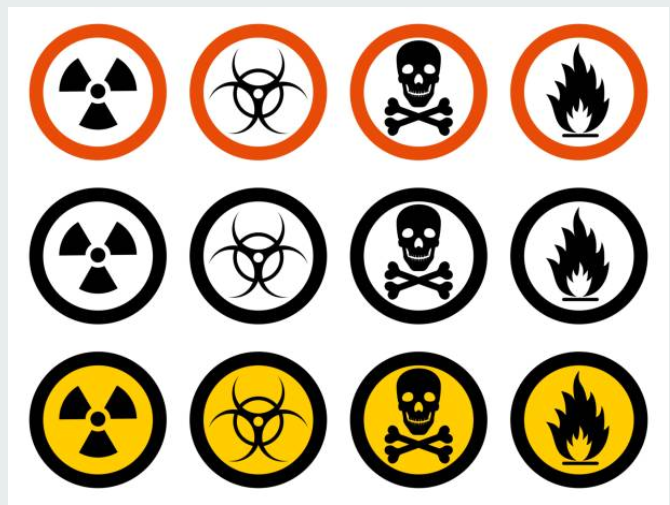
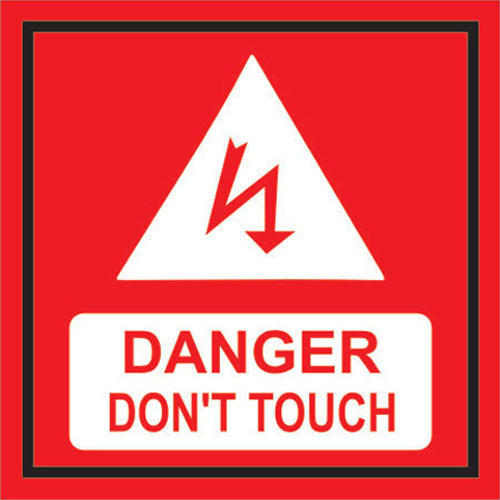
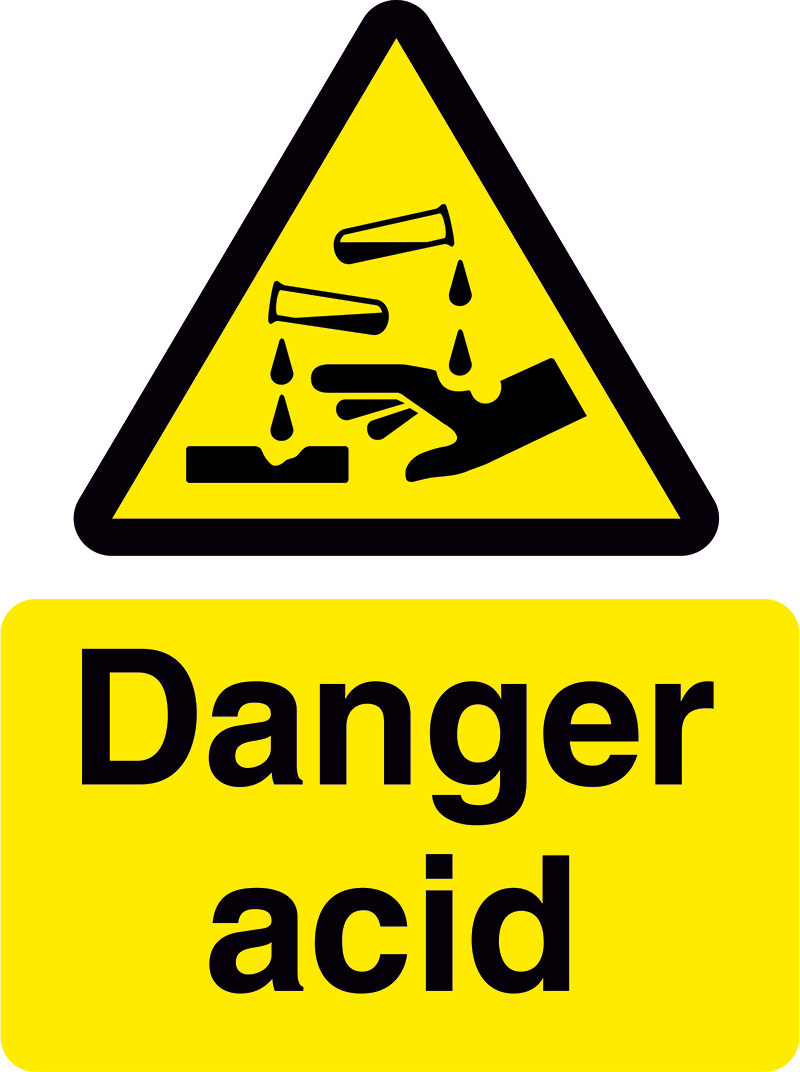
The first is the danger that it is customary in the community to highlight in yellow and red. Yellow colour often contrasts with the surroundings, so it is easier to spot the danger; red – the colour of increased attention, orange is also from the same colour category. There are two major shapes of the signs, for example as traffic signs, where the triangle is a warning sign, and the circle is obligatory. In the caution signs of danger no place for creativity, here conciseness and speed of perception to the human eye are important.

Movement

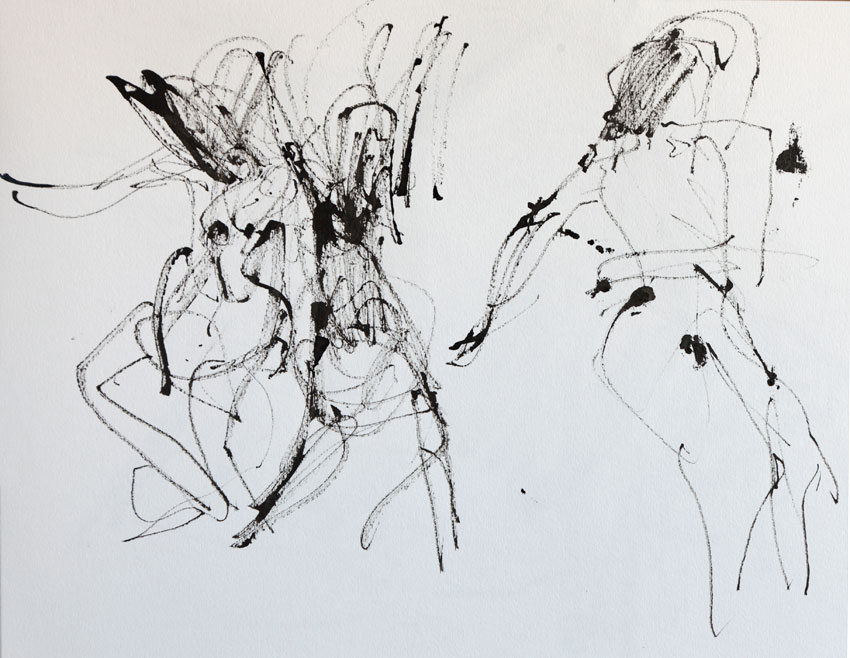
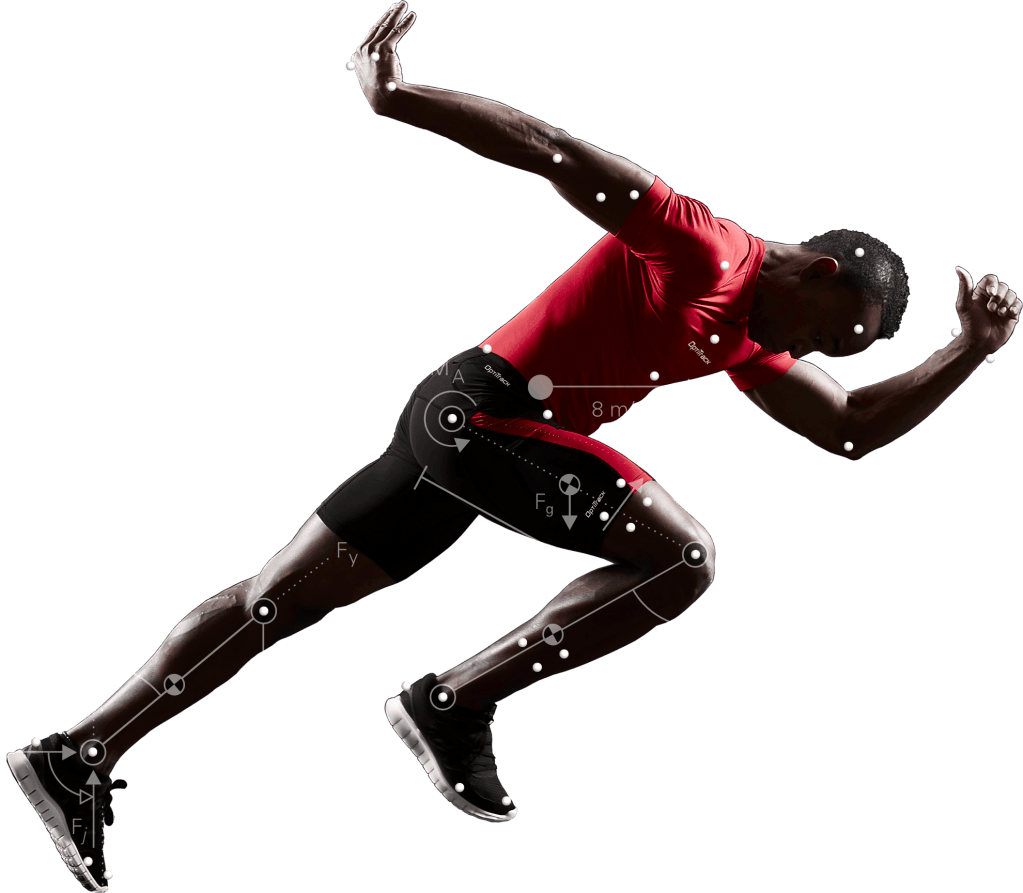
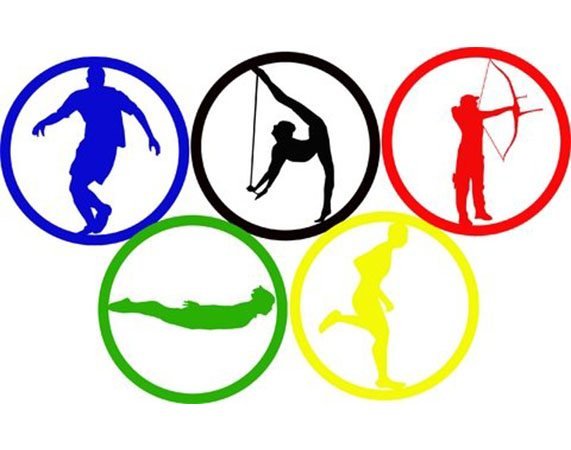
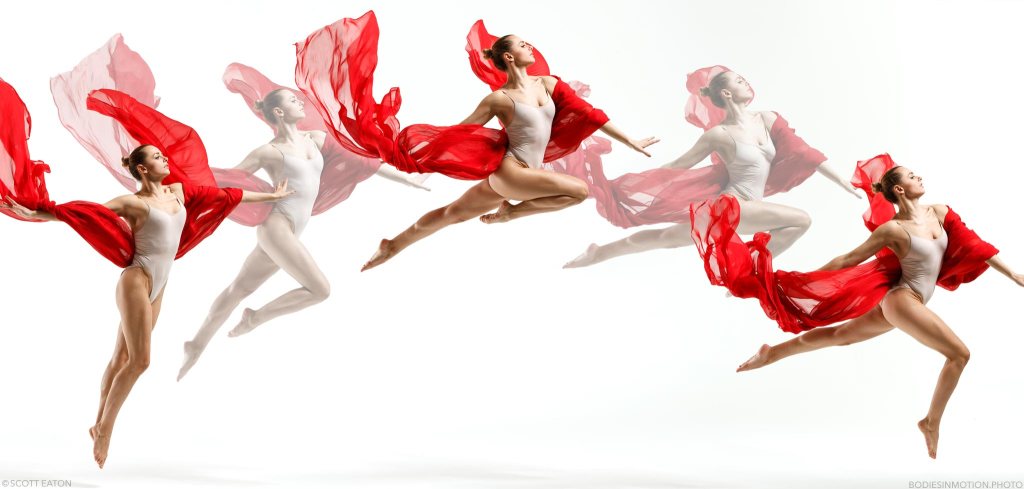
As for the sign of movement, my associative series was connected with the concept of dance, sprinter on the run, direction, the Olympic Games, where everything is joined with movement and purposefulness, then I came to the idea of radio waves, which in turn are a symbol of progress in modern world. I also liked the visualisation of the image taken from the Pinterest, where the human figure was outlined by primitive lines, even in such minimal wards the dynamics are attached.

Love

The first thing that comes to mind at the word sign of love is the red heart. In order to clarify for myself how far this symbol originates, I turned to Wikipedia for an answer.

So, the heart symbol is the ♥ symbol used to denote the heart itself or love. The real human heart resembles very distantly. During the period of antiquity, the ancient Greeks and Romans associated feminine beauty, mainly with the forms of the bodies of women from the back. That is, the symbol of the heart is nothing more than a reproduction on the paper of the female buttocks. A pair of swans, swimming towards each other, at the time of contact form a heart shape. Swans are a symbol of love, loyalty and devotion, as a formed couple stays together for life, which is extremely rare in the animal world. https://bit.ly/2HXYi0D

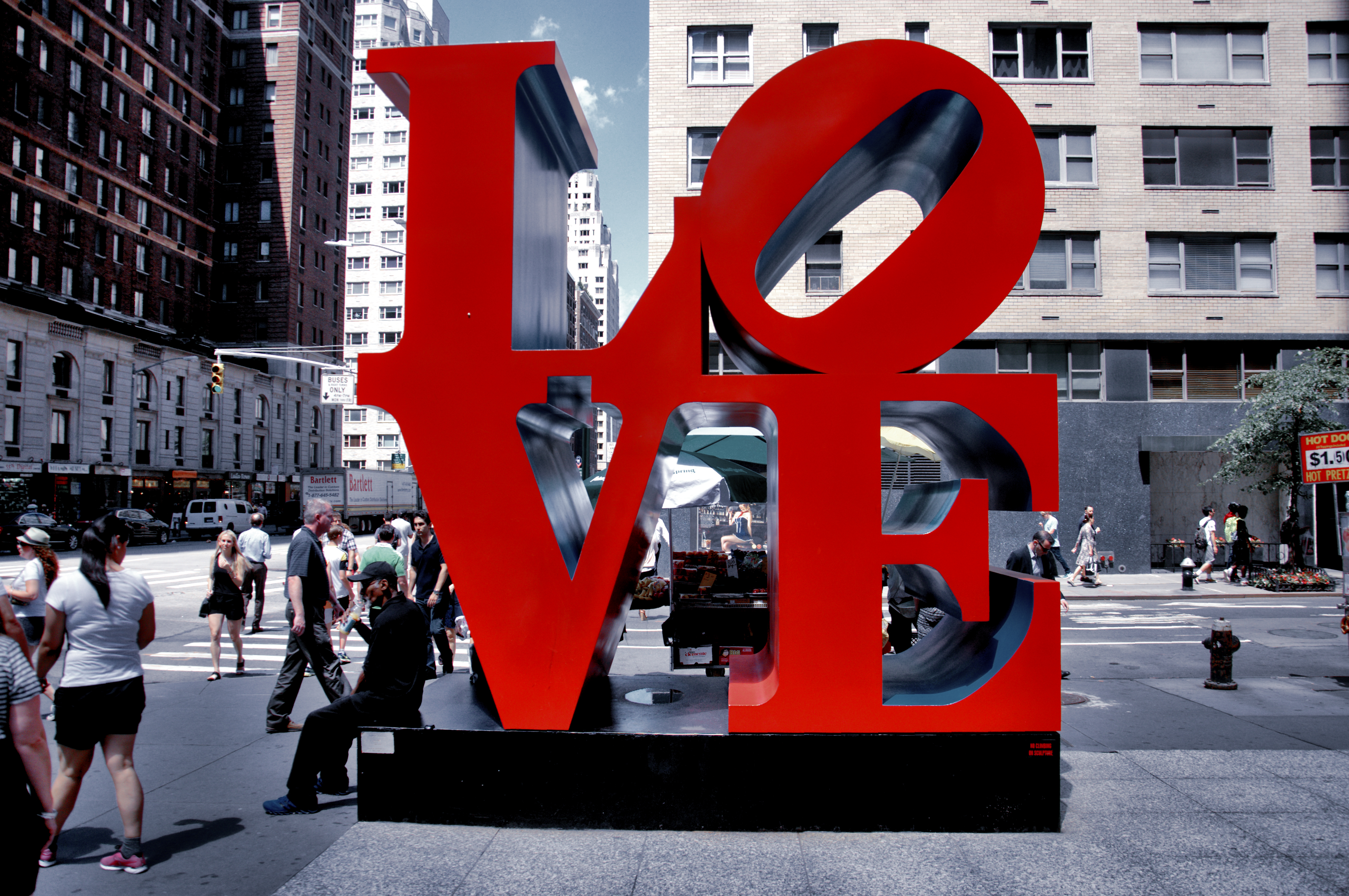
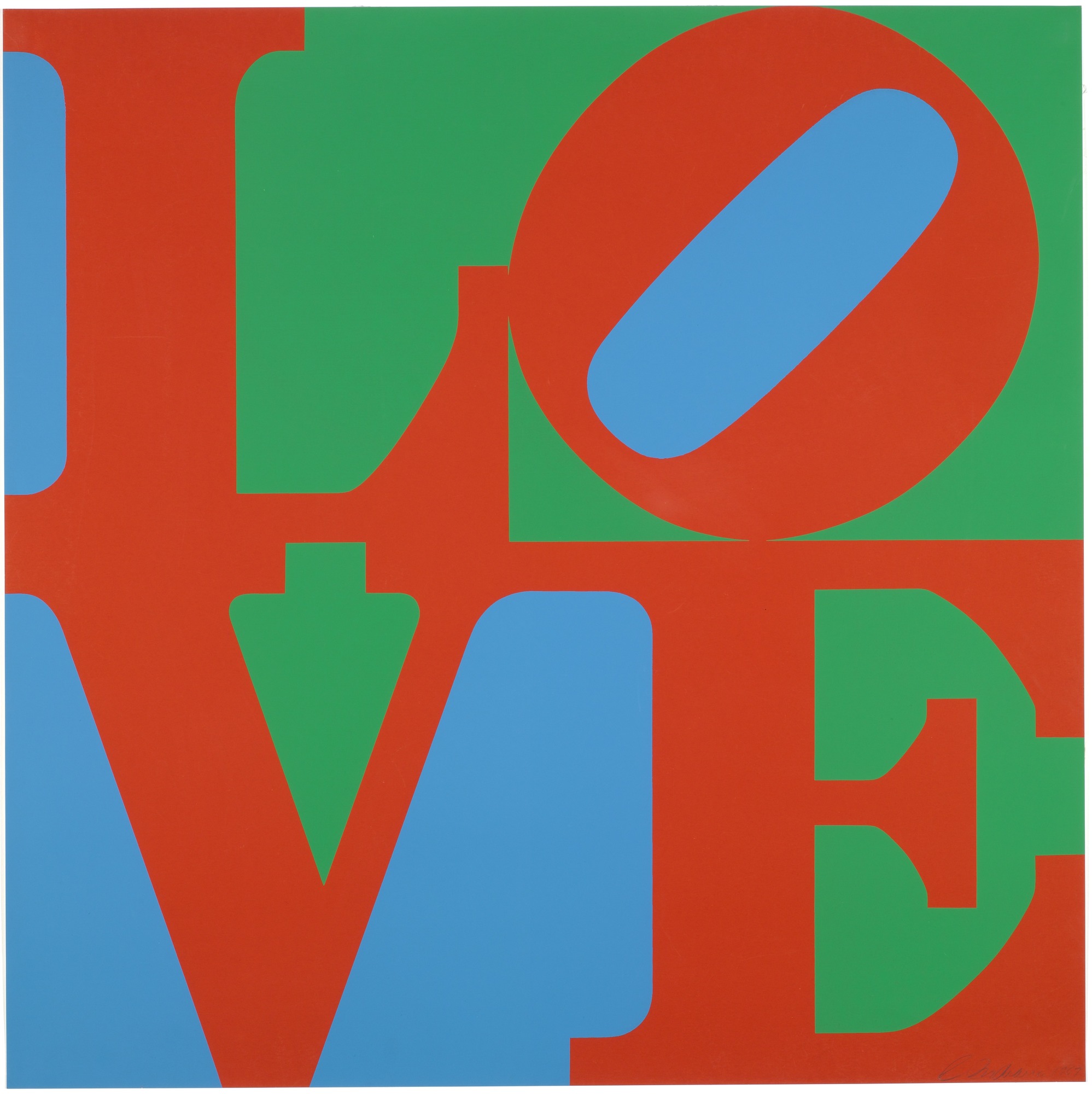
Poster ‘Love’ by Robert Indiana full of erotic, religious, autobiographical, and political underpinnings” that make it “both accessible and complex in meaning. “The word love was connected to [the artist’s] childhood experiences attending a Christian Science church, where the only decoration was the wall inscription “God is Love”. The colours were a homage to his father, who worked at a Phillips 66 gas station during the Depression”. She quotes Robert Indiana as describing the original colours as “the red and green of that sign against the blue Hoosier sky”.
https://en.wikipedia.org/wiki/Love_(sculpture)

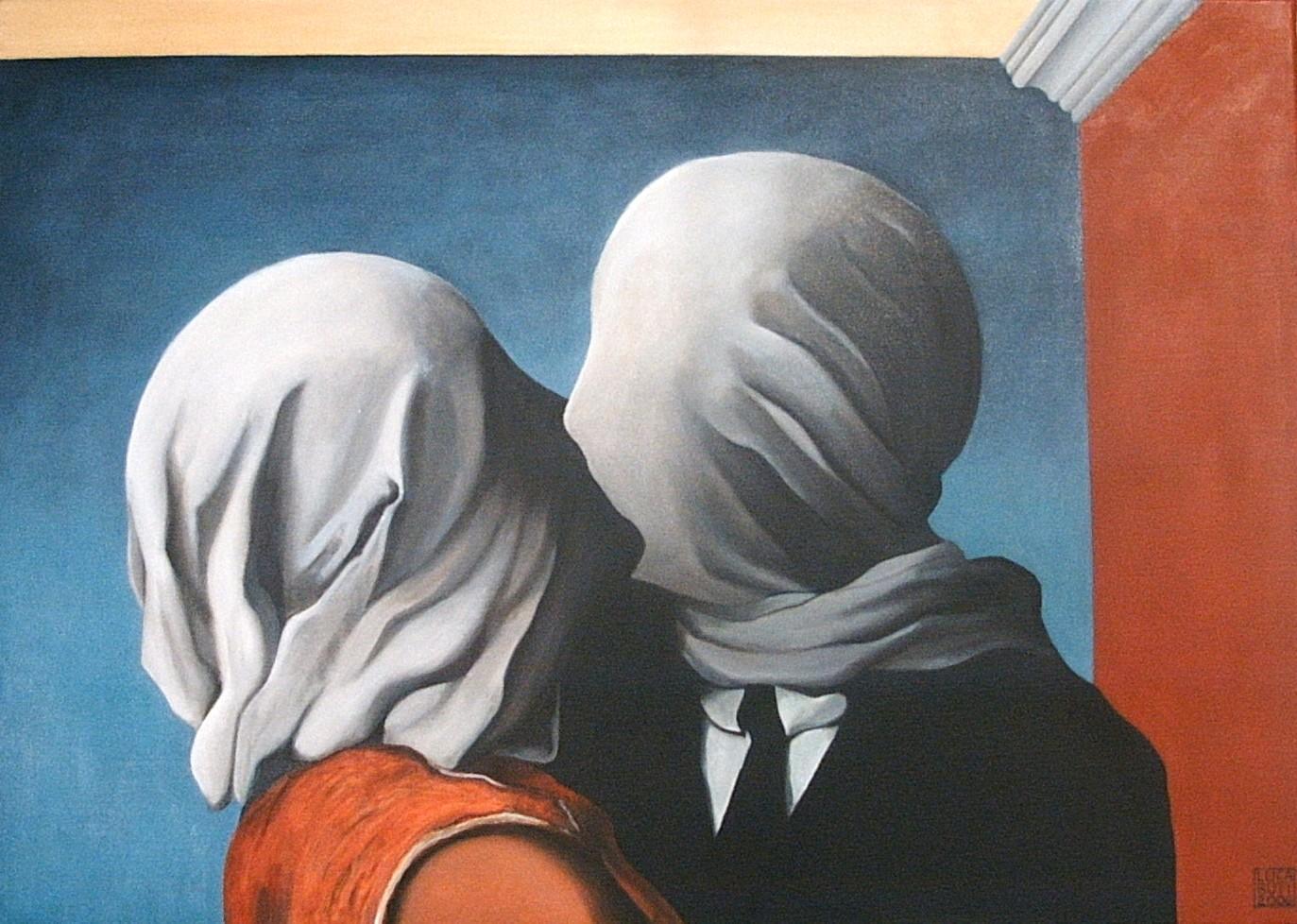
As for the image of love in the art world, here, first of all, the picture of lovers kissing is presented, the picture is filled with elements, but the key symbol here is the act of touch itself.

Here

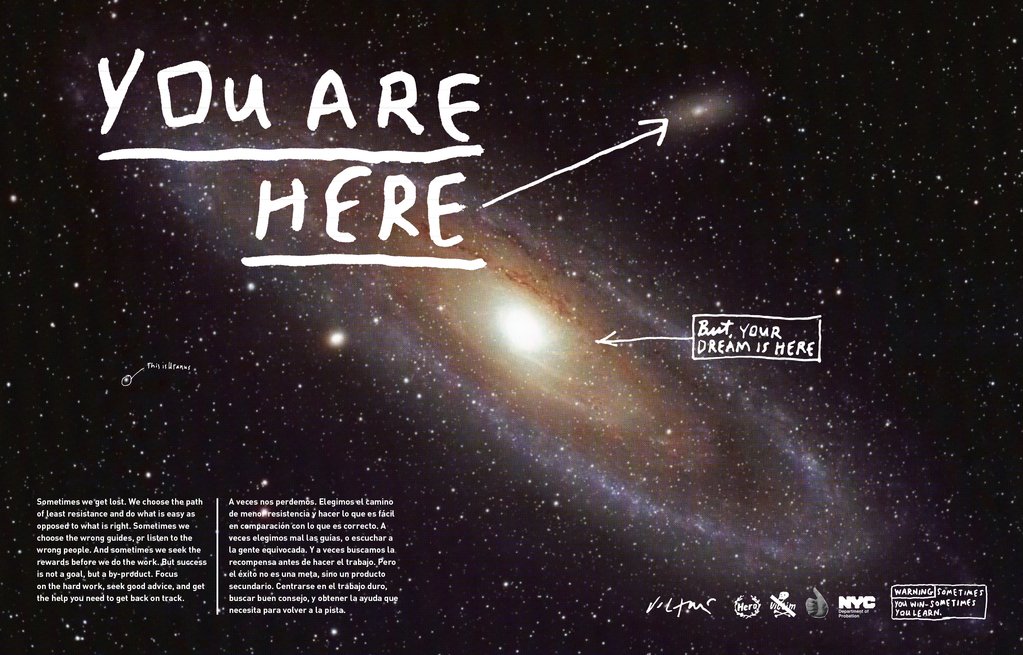
With the association of a sign, an image of direction, arrow, target, index fingers appears as a symbol of the order. In my understanding, the sign here is more common for traffic signs, and indicating the direction of action, accuracy is important. I liked the idea of the pointing arrow in space, the further we move away from the object in understanding here, the more the spectrum is around, while ‘here’ in the target image, this is a more precise concept, where the center is clearly visible.

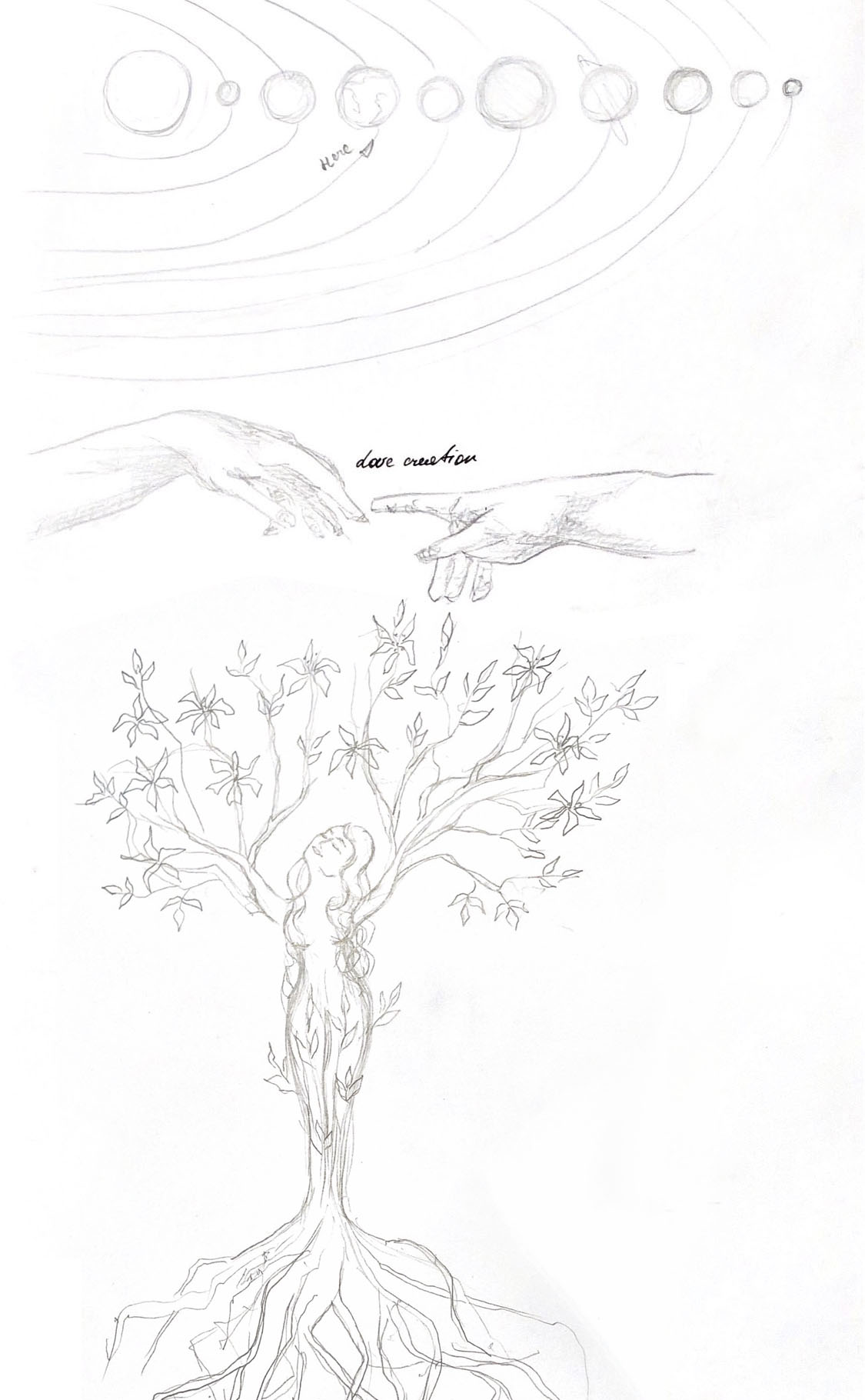
Ideas Generation

After generating the basic ideas, I proceeded to the sketches. In the process of drawing, I understood which representation of the sign I was most inclined to. My thoughts revolved around such phrases as love is in the air, love moves, the touch of love, the creation of love, everything was connected around a symbol of love as action and development. Associations love from the absorption of water for the soil, love from the soil and roots for the growth of the tree. The flow of blood through the veins. Raise love. My associative series revolved around such key phrases as you receive love, absorb it inside and grow with it. The flow of blood through the heart to the arteries. Cultivate love. I noticed the connection between the concepts of movement and love when life is love, and a sign of love is a movement. When we are moving, we get energy, water, air. I imagined the movement of the existence of all life from the smallest representatives of life as a molecule, to the Universe.

I like the idea that love feeds and gives the strength of growth, I wanted to depict a tree in motion, the roots of which feed on the soil. In my understanding love is one of the components of the growth of the tree itself. The symbol of the tree presenting a smiling woman with open branches, I can say she gets the energy from two sources: sun, warmth from the top and from the soil and water from the root system. I didn’t show on my painting soil, water or sun, as I wanted to leave the place for imagination, that tree could be still small that it will fit into the little house pot.

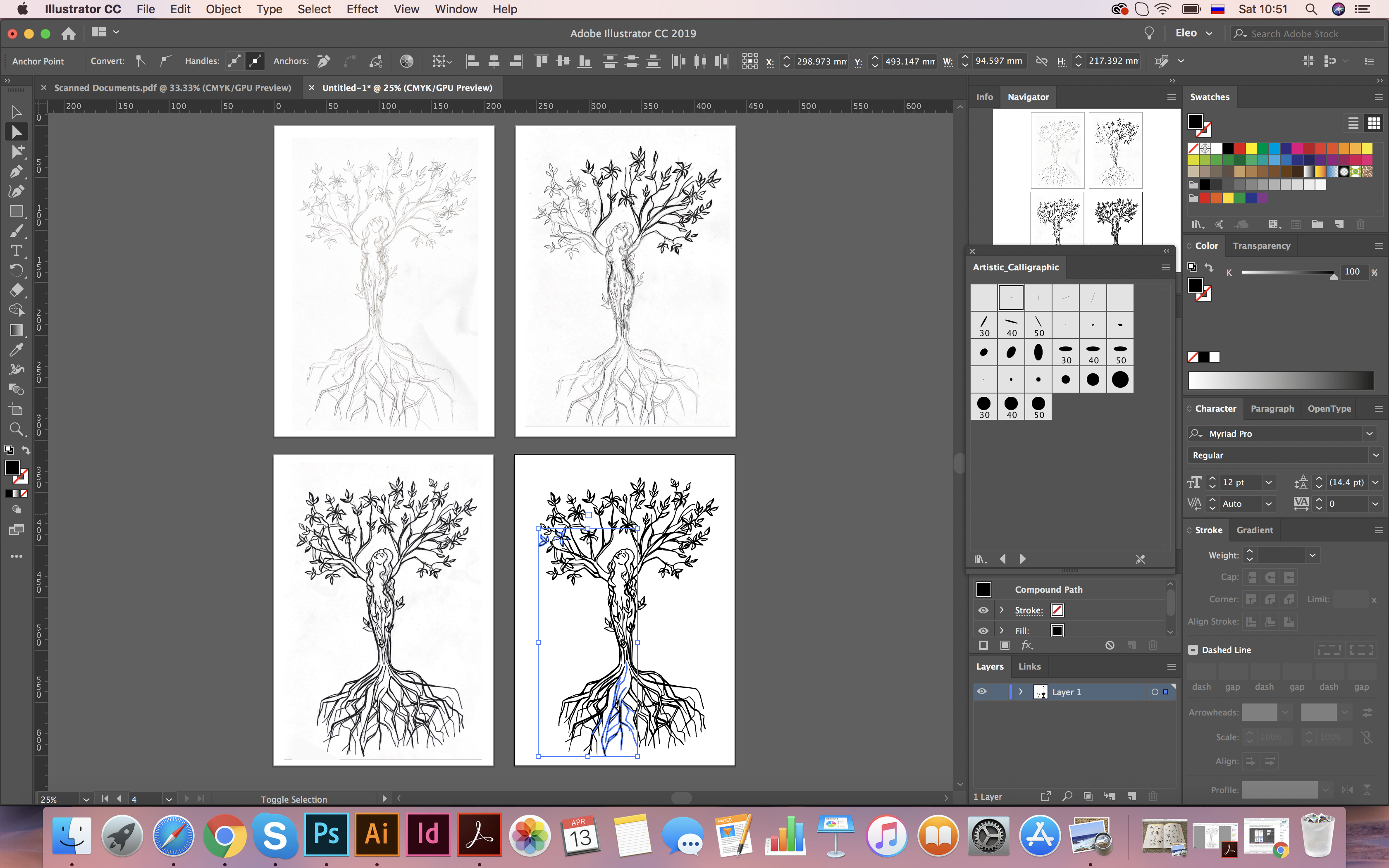
To develop the design of my love symbol, I first sketched a tree, then I circled my sketch with a black pen. I was able to translate the scanned image into a vector in Adobe Illustrator using Image Trace Tool, which would let me to scale that image into the different sizes. On the tree itself, you can see the outlines of flowers along with the leaves, as a symbol of flowering and love, I used the spring magnolia tree.

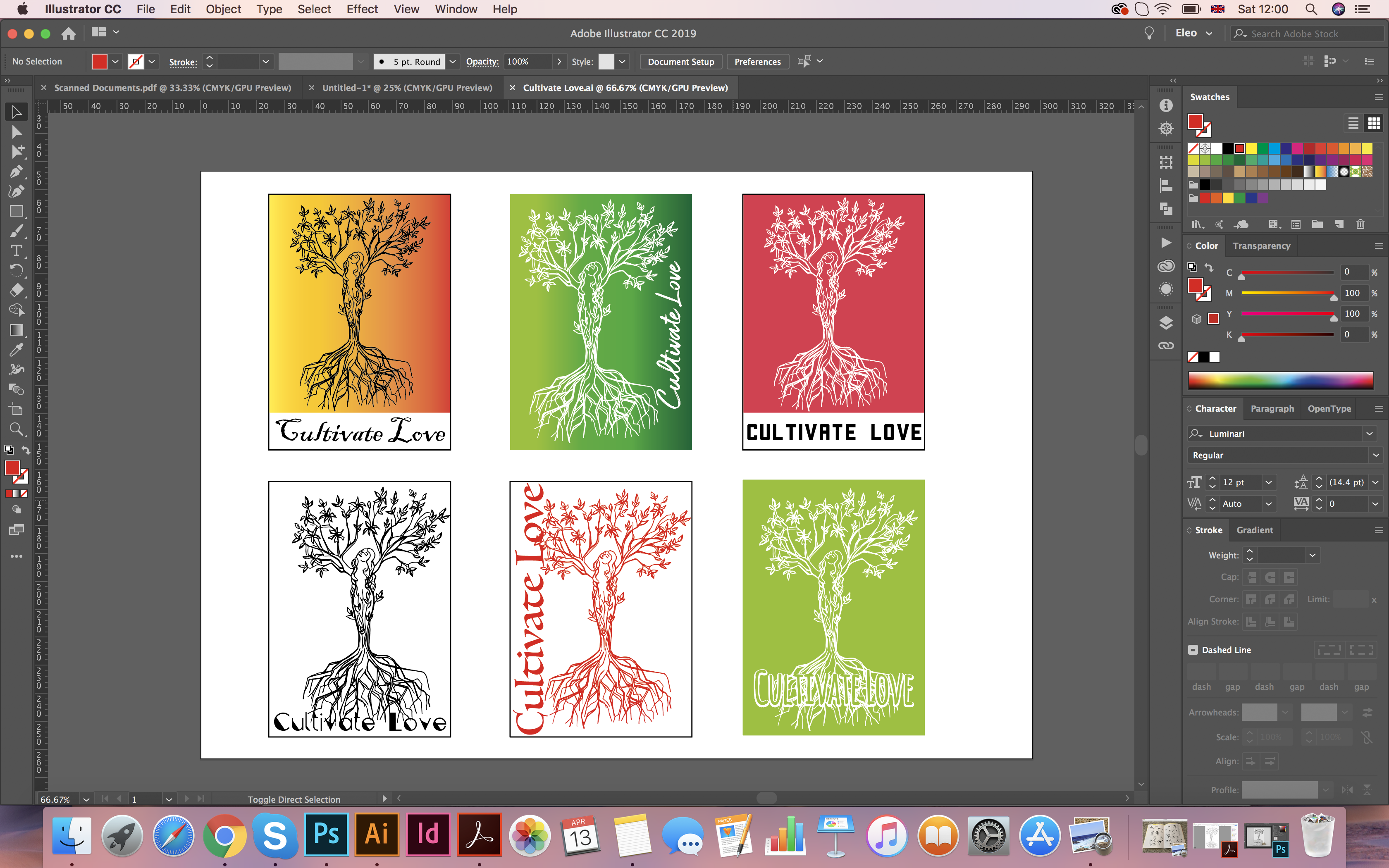
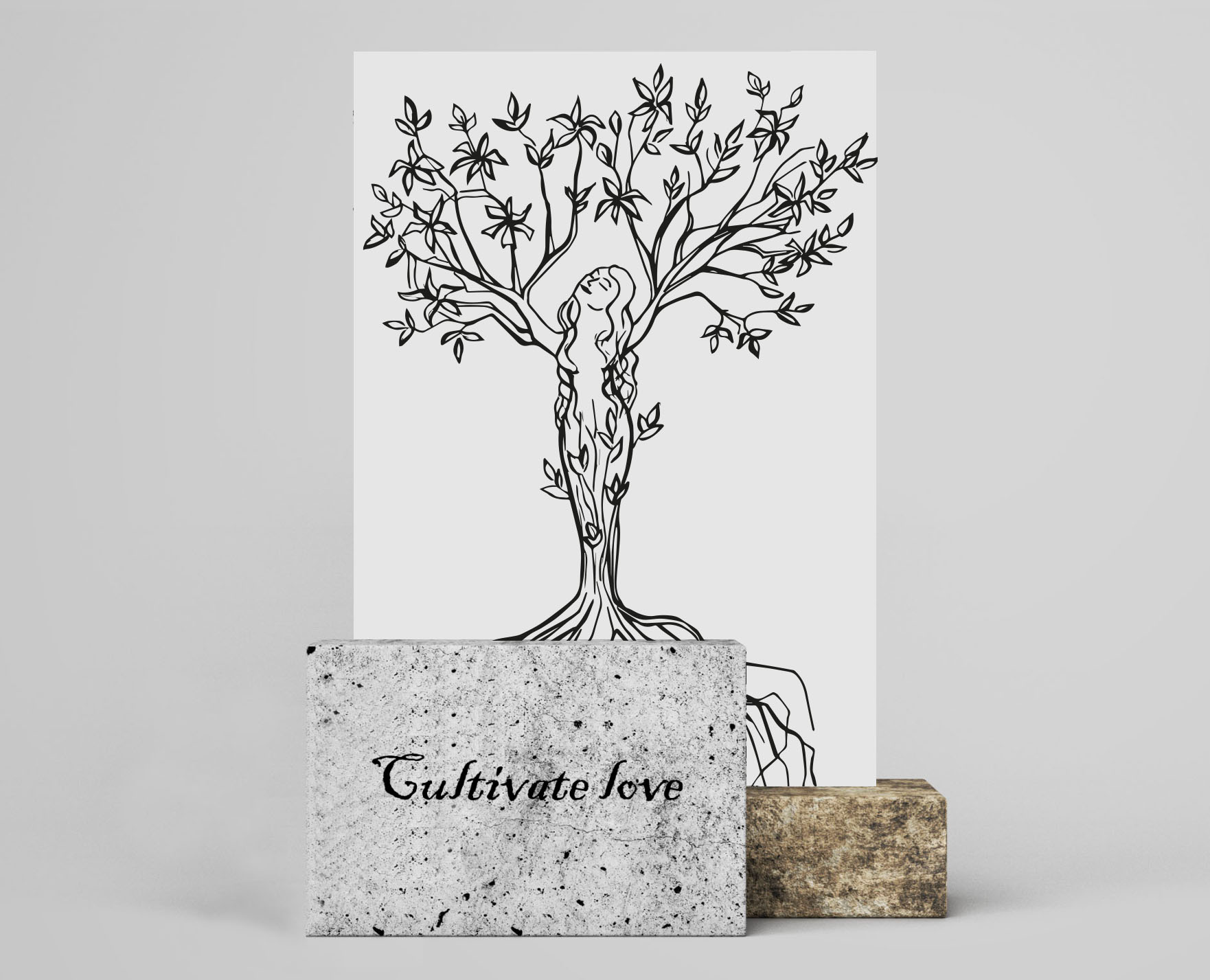
I was also interested to see how my drawing would look in graphic design layouts, on a bright background, or white one with different lines colours, and with different fonts. In the course of the experiment, I saw how much the perception of the sign changes, from green to brightly red coloured, also the fonts played their part. The green background was more like a sign of disposition and openness, in a red combination the tree more resembled a symbol of passion and challenge.

In conclusion, I would like to say that I enjoyed the task. I liked developing ideas of different symbols and signs, and how the union of such concepts as love, movement, direction of action can create a new symbol. The tree symbol in my understanding is a universal sign for the image of love and growth. From the first sight you could think that tree is a static object, it doesn’t move anywhere, and spend all it’s life at the same place, but it has enough of energy and courage that to each year renew their buds, which later turn into beautiful leaves and flowers.


Exercise: A visual diary

It is very easy for the ephemera of everyday life to disappear; leaflets binned, magazines
recycled and books reprinted. If you get in the habit of collecting examples of design that you encounter everyday, then you start to get a feel of your tastes and interests, and over time both your design horizons and cultural awareness broadens.

Start a scrapbook, sketchbook or use a blog to document the visual world around you.
Find examples of visual language that interest you, these could be taken from anywhere
(art, film, photography, illustration, design, craft, cinema, hobbies, etc).
If you can, visit museums, galleries and consider all the graphic design around you – in
books, magazines, cinemas, shops and poster sites. This is your investigation, so follow
your nose.

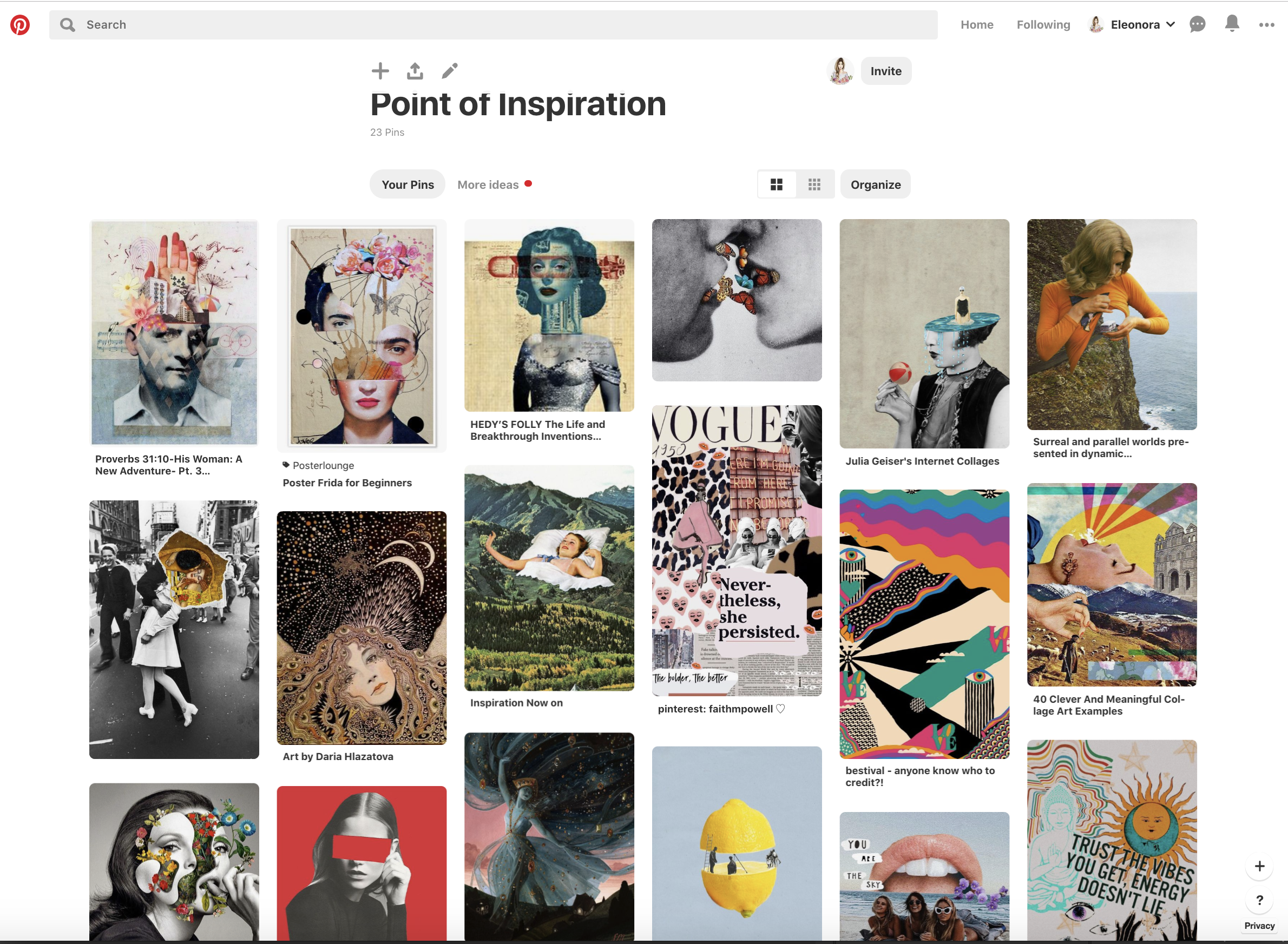
Pinterest

Over the last couple of days, I have been saving pins of various designs that interest and attract me. Most of them just for inspiration, something that makes my eye attracted by.

https://www.pinterest.co.uk/edavydovska/point-of-inspiration/

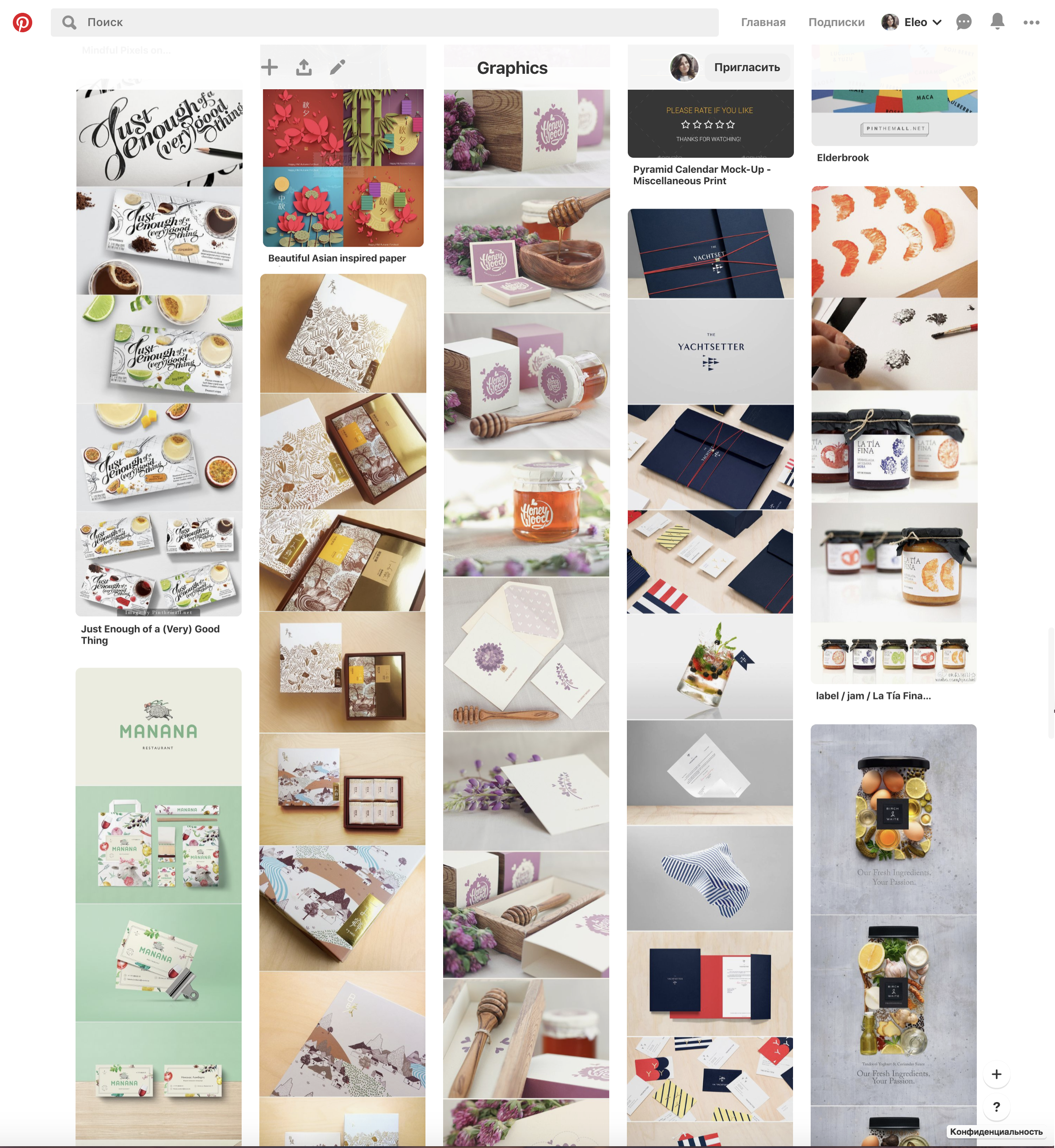
At the same time I have been collecting for a few years some pins for boards for commercial projects, that I could use as ideas for everyday designs. There are printed boxes, leaflets, labels, calendars etc.

https://www.pinterest.co.uk/elgraphicartist/graphics/

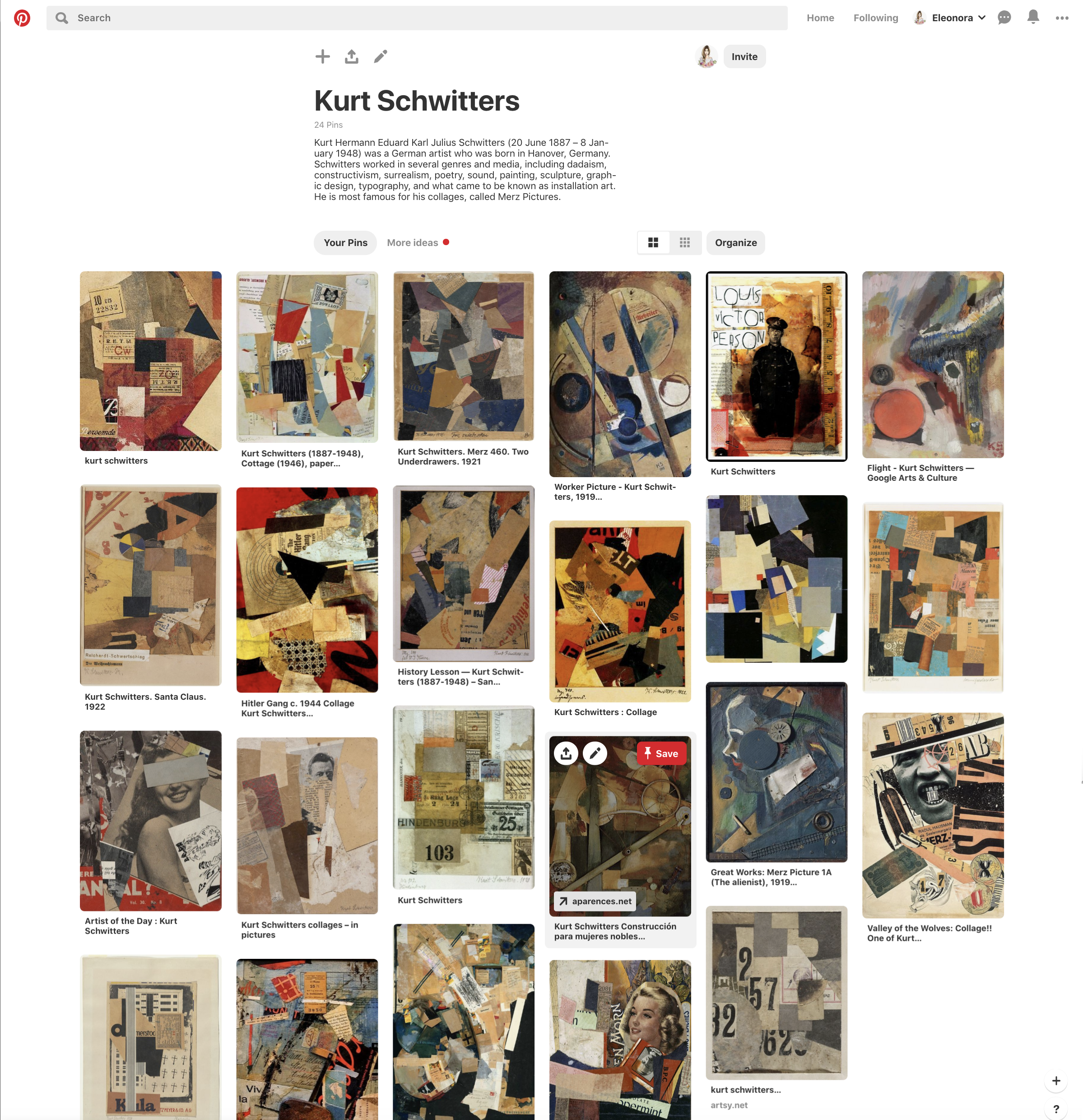
I’ve created some new boards for artists that were recommended by my tutor. I thought that it would be a good idea to keep all designers at the same place, so in case of I would like to rely on some of them, I can see them all collected on my Pinterest profile. I admire works of Kurt Schwitters, as his art looked like a sketchbook, or collection of the craft by itself.

https://www.pinterest.co.uk/edavydovska/kurt-schwitters/

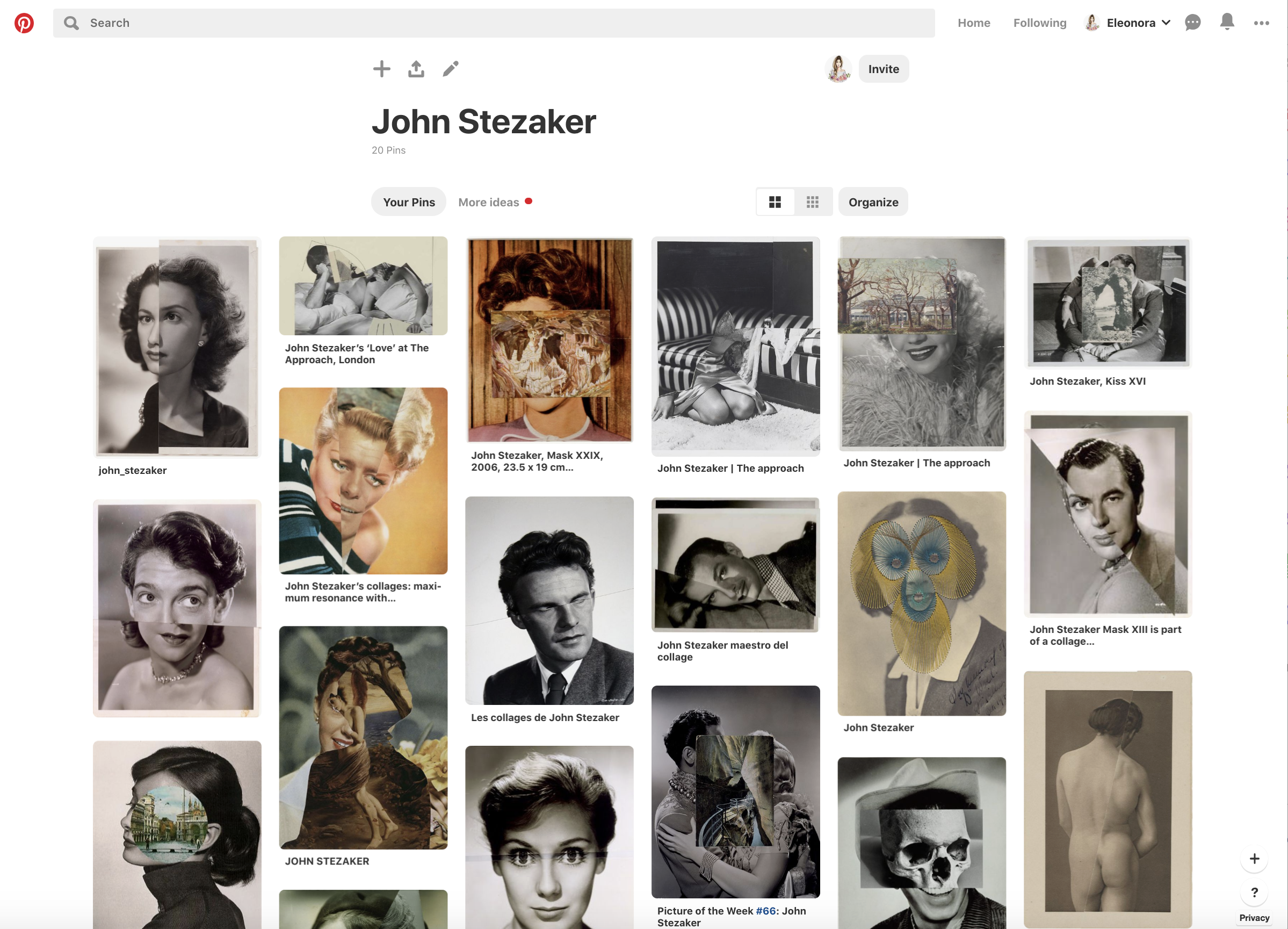
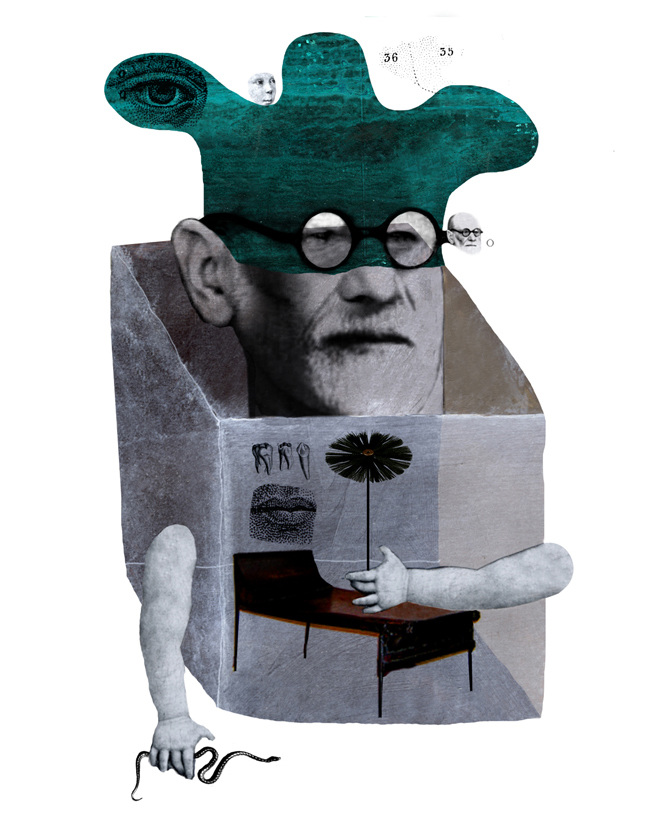
Some more Pinterest desk for John Stezaker masterpieces. John Stezaker’s work re-examines the various relationships to the photographic image: as documentation of truth, purveyor of memory, and symbol of modern culture. In his collages, Stezaker appropriates images found in books, magazines, and postcards and uses them as ‘readymades’. Through his elegant juxtapositions, Stezaker adopts the content and contexts of the original images to convey his own witty and poignant meanings.

https://www.pinterest.co.uk/edavydovska/john-stezaker/

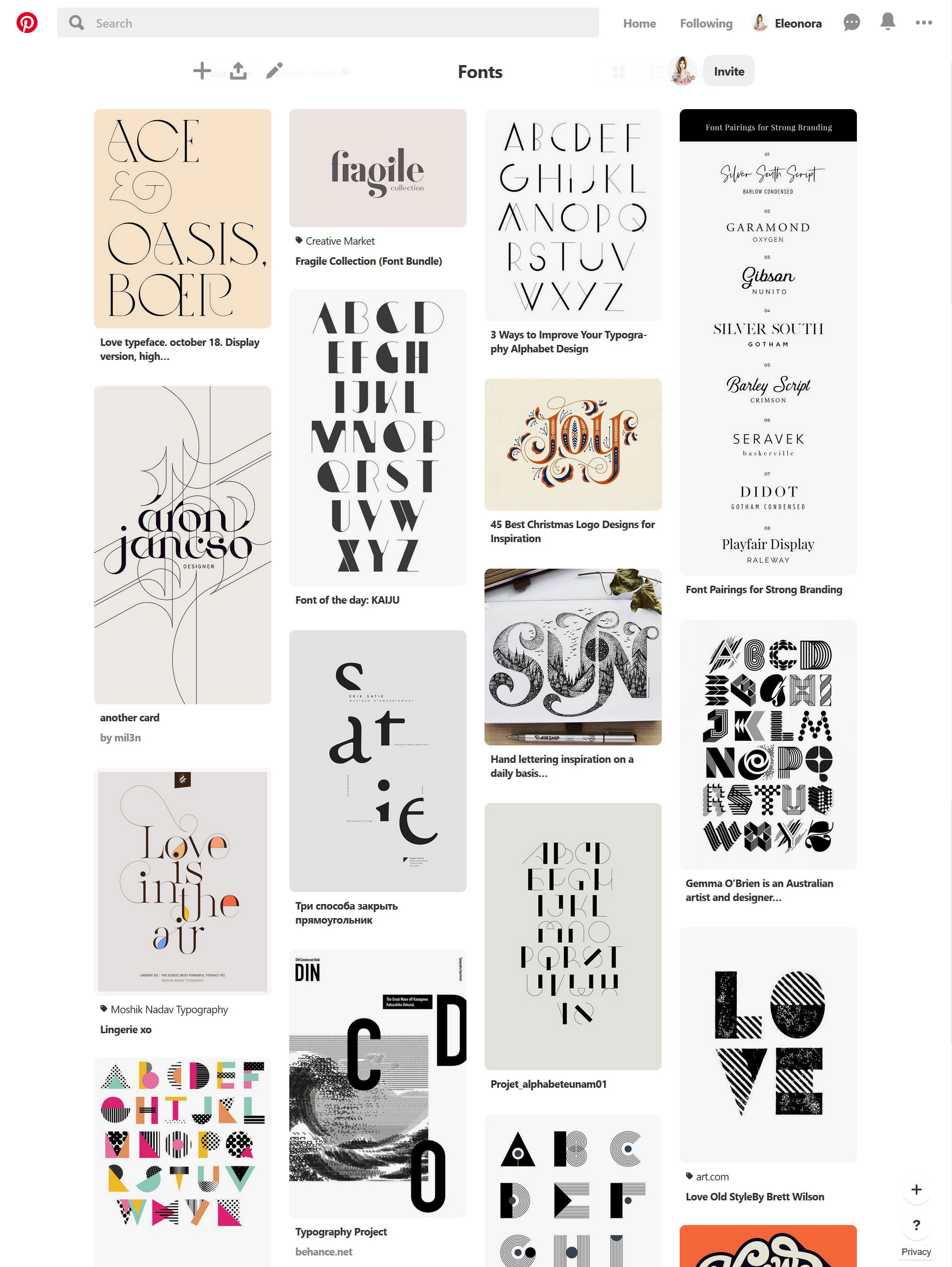
Also, I’ve created a new board for Fonts, as I felt I had a missing gap within typography knowledge, so I thought that it could be a good start for a fonts experiments for my graphic design aspirations.

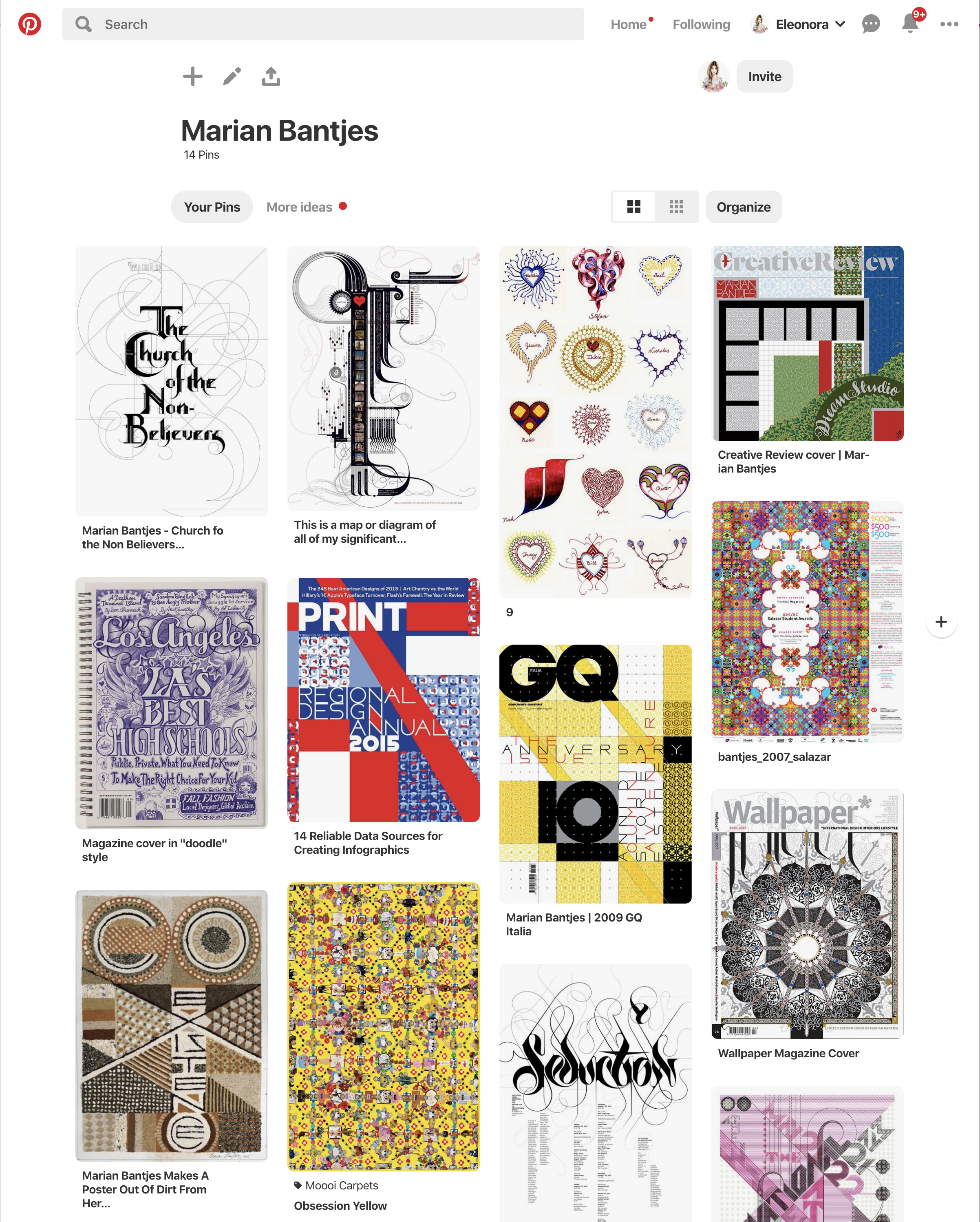
Up recently I’ve discovered for myself a new artist Marian Bantjes. She has created a unique visual language that combines typographical craftsmanship, illustrative flair and personal observation. Her generous approach, meticulous attention to detail and wit have made her one of today’s sought-after graphic artist.

The works of Marian Bantjes first of all attracted me by experimenting with structure, color, and form, as well as with such objects as fur, wax, sand. I liked her bold approach to the surrounding things, where in every small trifle she sees for herself a potential creative object. This is what I would like to develop in myself, be inspired and absorb.

https://www.pinterest.co.uk/edavydovska/marian-bantjes/

Are there dominant themes emerging?

I feel that I am more attracted to the complex compositions in which the collage style dominates. I am attracted to the mystical effect, when at first glance unrelated objects create a unique composition. At the same time, I noticed that vivid patterns, the multiplicity of objects in combination with geometrically regular forms in my understanding create a unique harmony.

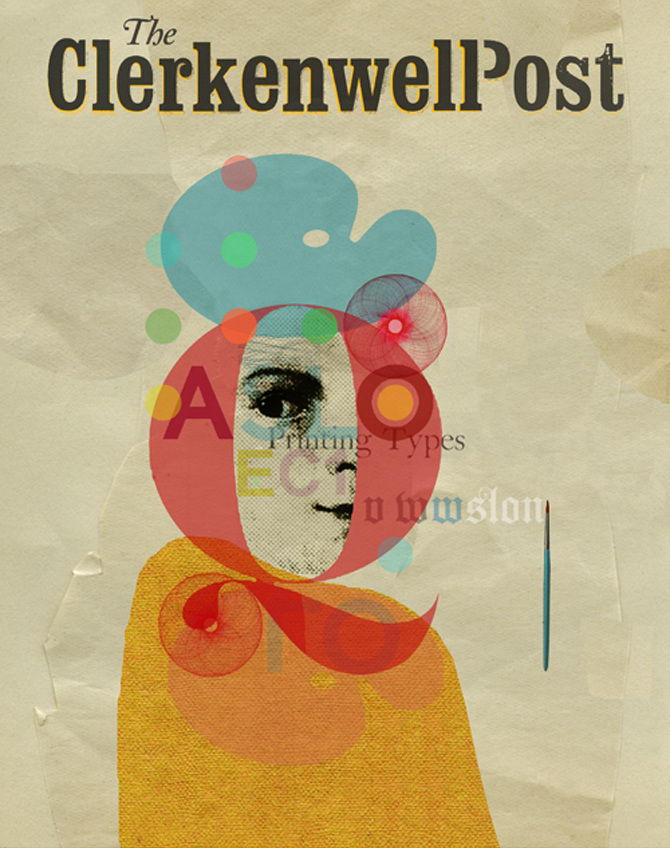
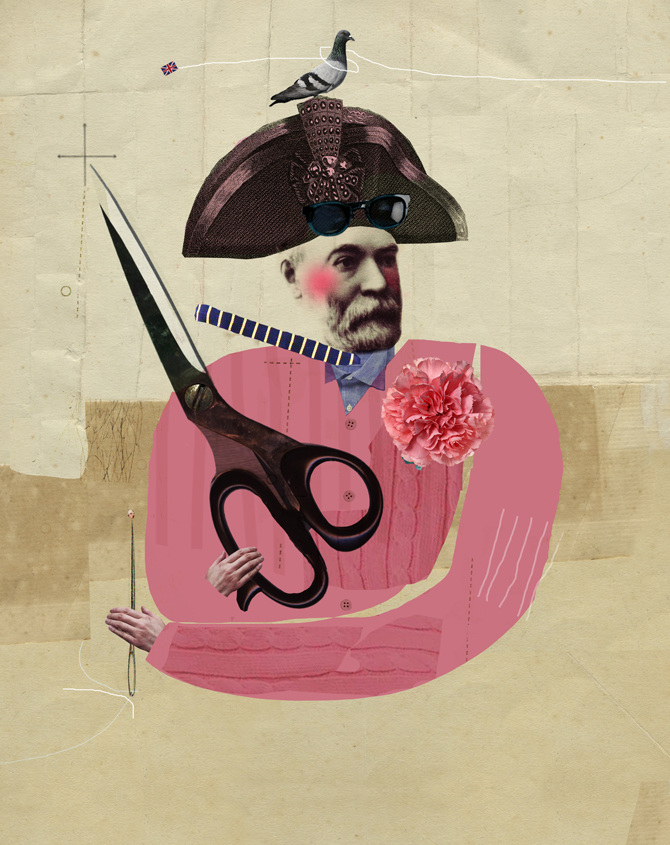
Also earlier in my article, I gave examples of works by Matthew Richardson, which also showcased the collage style and the layering of objects one on another.

You may find yourself interested in a particular area of design, era or design product. What does this tell you about your own visual language and cultural awareness?

That to answer that question I referred to the book Pioneers of Modern Graphic Design, as it has collections of artists starting from Art-Deco style of 20th to the Urban Design in Digital Area. In graphic design, the Art Deco style was an electric mix. I like geometric and zigzag lines that were taken from both the visual style associated with the popular dance the Charleston and from ziggurats of Egypt. Also, I felt an influence on my graphic design vision from the late modern and postmodernism. The postmodern graphic designer no longer searched for a single dominant message or visual form but instead used hybrid imagery, mixed typographic styles and delighted in complex composition.

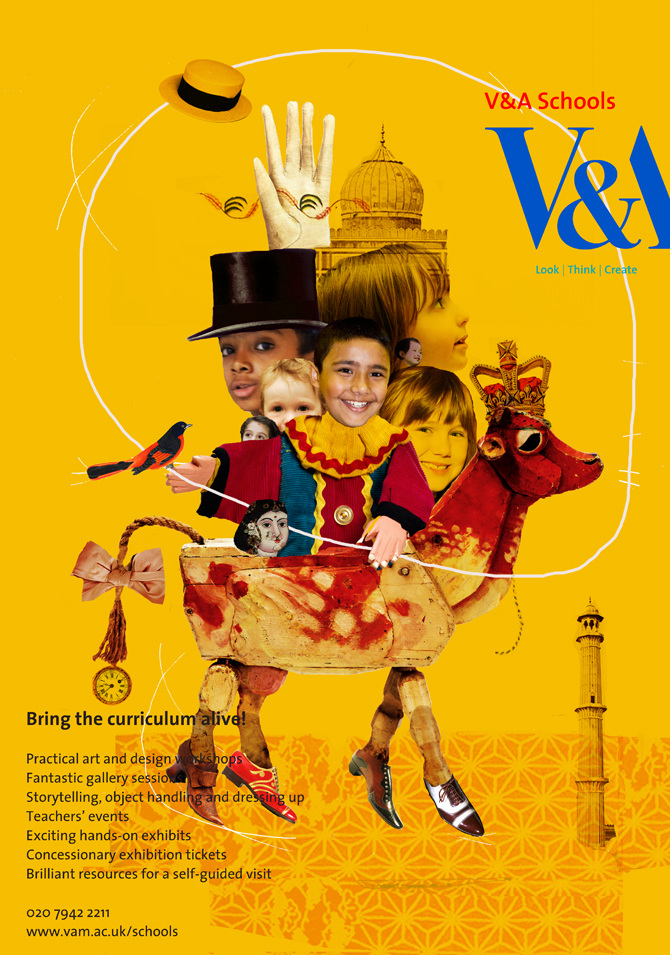
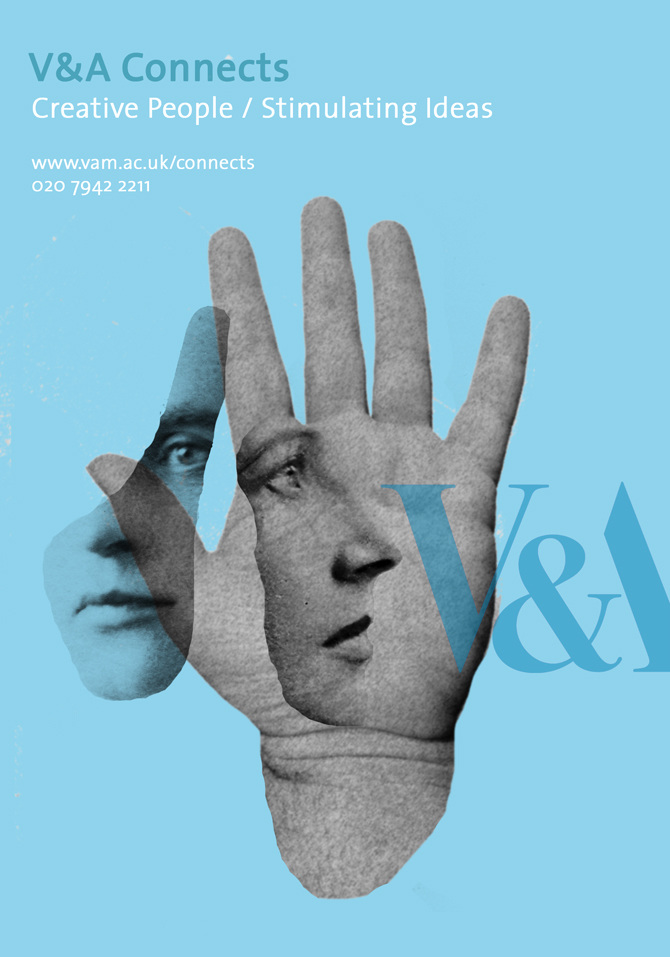
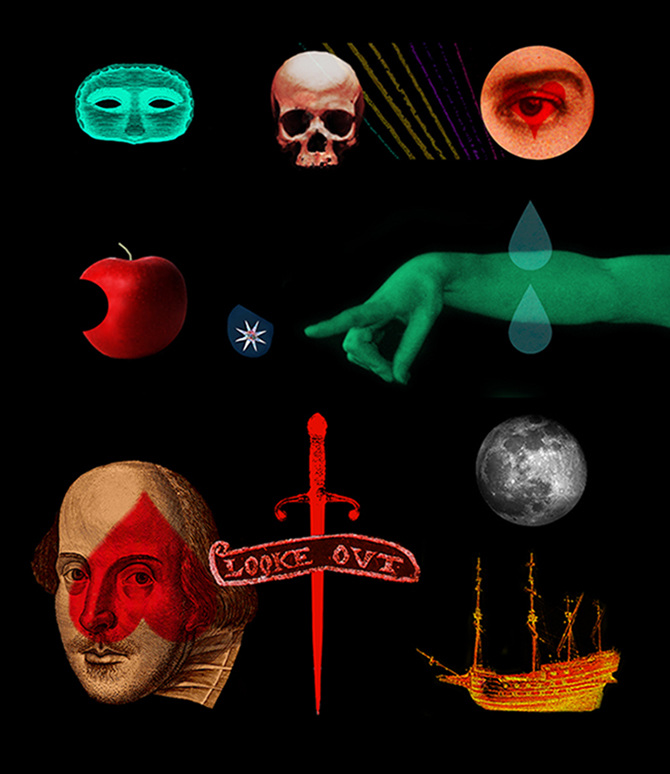
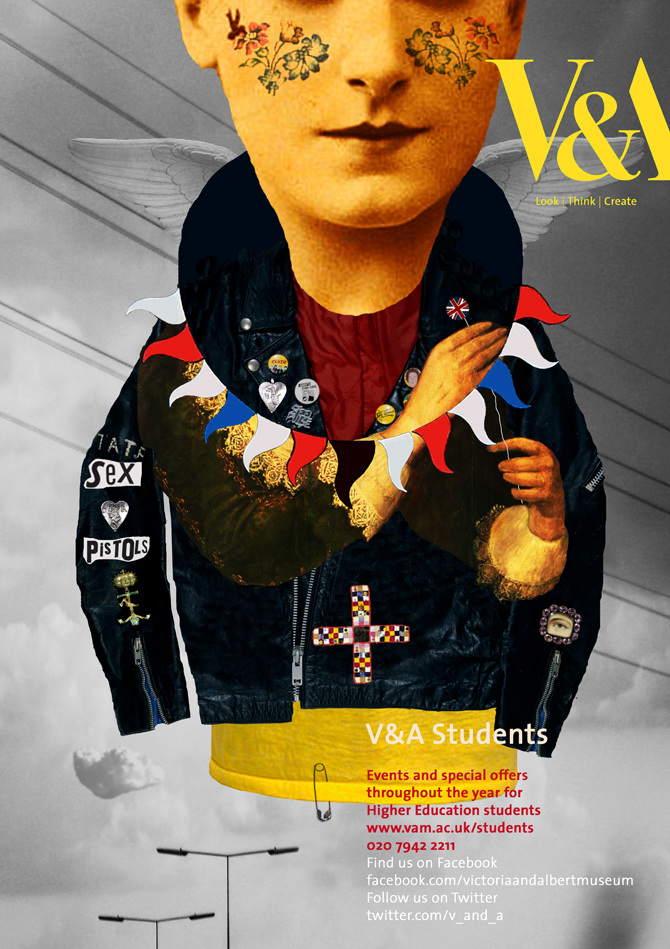
Research point: Visual language

For this research point I have to explore a visual language of designer that interest me. To start with I googled the definition of visual language in graphic design.

The visual language is a system of communication using visual elements. Speech as a means of communication cannot strictly be separated from the whole of human communicative activity which includes the visual[1] and the term ‘language’ in relation to vision is an extension of its use to describe the perception, comprehension and production of visible signs. (Source: https://en.wikipedia.org/wiki/Visual_language)

How to develop a visual language?

01. Step away from th screen

I found that recomendation fundamental for graphic design style development.

Don’t just look at work that is being created now: look back in history and look at the real world all around us, our immediate surroundings, people, second hand book shops, found photographs, car booties, your granny’s loft, anything! Resist the urge to just look online for inspiration and influence.

I think that is the first point I can take out from the article, get inspiration from as many sources as possible.

02. Be inventive with materials

We are surrounded by graphic design materials, don’t forget to be crafty. The pile of unneeded stuff would be useful for your design ideas.

03. Use technology to your advantage

To get the balance right, it’s usually best to start your work with real materials away from the computer first, then scan the images in and edit, combine and compose. Be very wary of any brushes and effects that attempt to assimilate spontaneous and hand drawn mark making.

04. Find out who you are

To create your own personal style, you first need to work out what kind of creative you want to be. Ask yourself: what would be your dream job? It’s important to create work that genuinely interests you. As with anything in life, if you know what you want, you stick at it and work hard then you will get there in the end.

05. Be consistent

Finally and most importantly, the golden rule; be consistent (even if inconsistency is your consistent theme!).

Once you’ve found a way of working through months or years of experimentation, research, hard work and focus, always approach your creations with the same visual language. Too many conflicting ways of image making will make your work look indecisive and unclear.

Source: https://www.creativebloq.com/design/how-develop-visual-language-3143194

Matthew Richardson

(Artist, Lecturer / academic)

Matthew Richardson practice and research derive from exploring found imagery and objects and the way changes in context and association provoke questions of ‘believability’ and authenticity. The particular subject focus for illustration has grown from an interest in narrative, vernacular, popular and folk art, and how images become shared, and culturally significant.

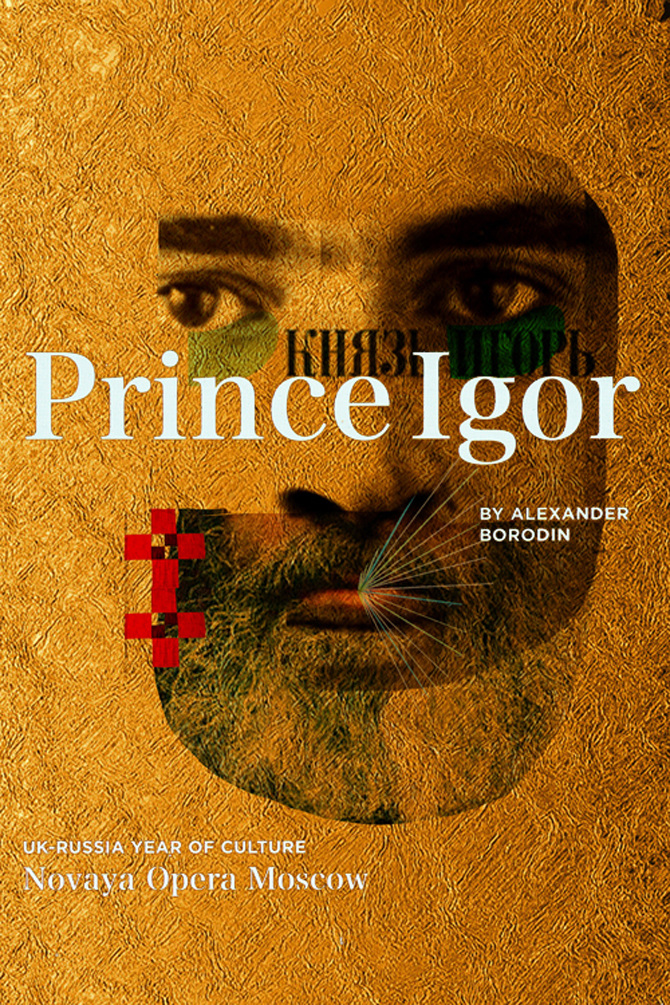
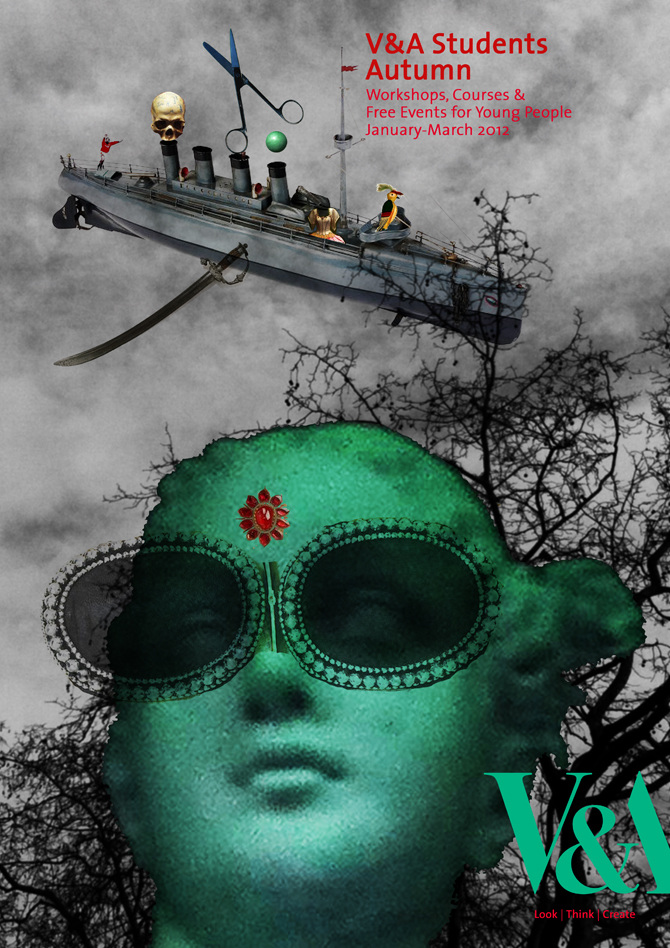
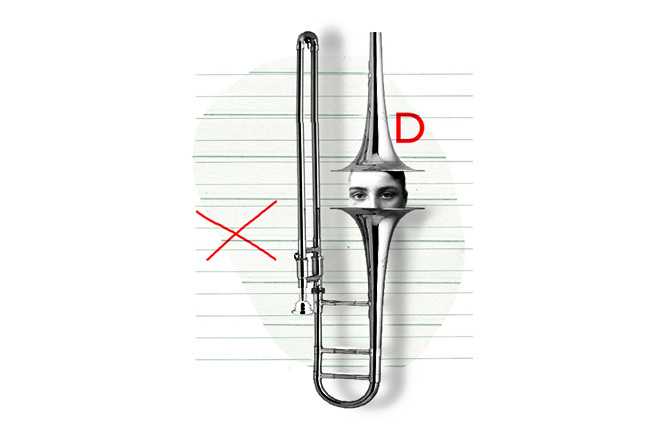
In his works he experiments with colour, overlaying images one on another layer, the transformation of objects that are not connected with each other into an organic whole. In his works I clearly trace the basics of composition, proportions, some posters follow the principle of a circle, some of which follow the principle of a rectangular composition.

Using pieces of body parts, lots of experiments with opacity, lines and objects. Texture usage, unique style of design. The strong feeling of parallel reality presence.

Aspects of Matthew Richardson artworks that I could use as a starting point for myself. The clear exploration of how objects and images become significant through recognition or mis-recognition and through changes in context. Interested in alternative histories, social myths and half-hidden stories. Interested in the relationship between fact and fiction (and what might lie between). Often use (and abuse) found imagery, objects and historic and fictional moments. Much of the work is explored across forms – object-book-print-film and often create work in shifting sets or sequences, which fall towards a narrative reading.

Source https://matthew-richardson.co.uk/Prince-Igor-London-Colliseum. Access [12 March 2019]

Exercise: Point of Sale Display

For this exercise, I have a task to produce a point of sale display to go above the fruit and vegetable shop for a local greengrocer. They want the display to be seen from the street through the shop window to attract passing shoppers in order to boost their trade. The shop is in a small precinct which also houses a bakery, a newsagent, an independent shoe shop and is on the route to and from a well-respected primary school.

Brief

What: Create illustrations or use a combination to develop two images – one of fruit and one of vegetables. 2 x A1 landscape a point of sale display to go above the fruit and vegetables shop well seen from the street.

Target Audience: Consumers and shoppers from the area nearby, parents, teachers and children from a well-respected primary school.

Where: Local green grocers’ shop is in a small precinct where also locates baker, a newsagent and an independent shoe shop.

How will the client judge a successful outcome to the brief? 

Bright display to be seen from the street through the shop window to attract passing shoppers in order to boost their trade.

Keywords:

  • Green
  • Local shop
  • Fresh
  • Clear and dynamic
  • Well-seen from a distance

Steps of design

  • Generic researches
  • My previous experience explanation
  • Identify the most appropriate software to complete the job
  • Identify wording I might want to use
  • Make notes into a learning log
  • Illustrating food through the software or use my own painting by gauche or watercolour

Generic Researchers

I had some general understanding of point-of-sail-display meaning, but for an additional checkup, I went to Wikipedia.

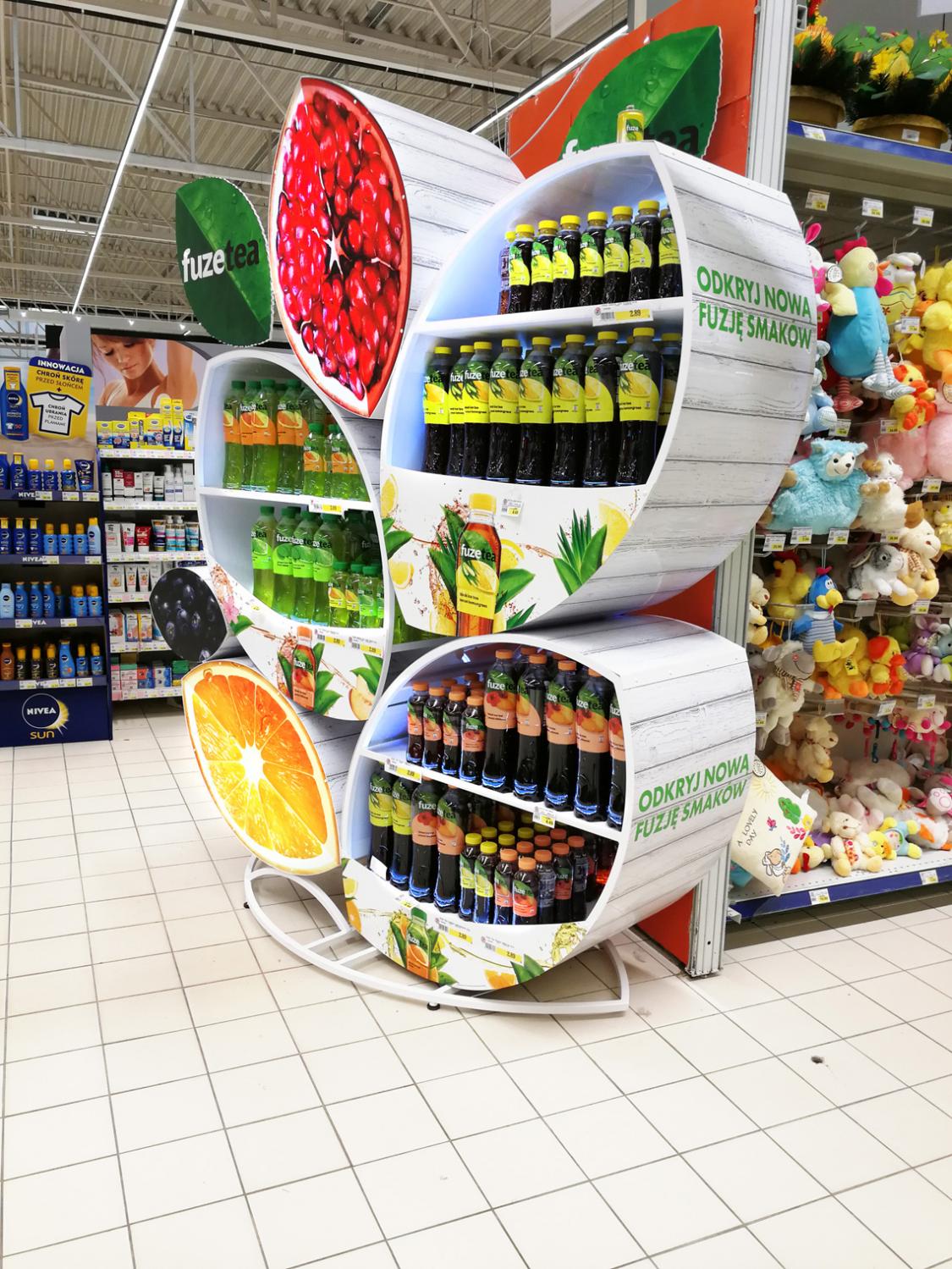
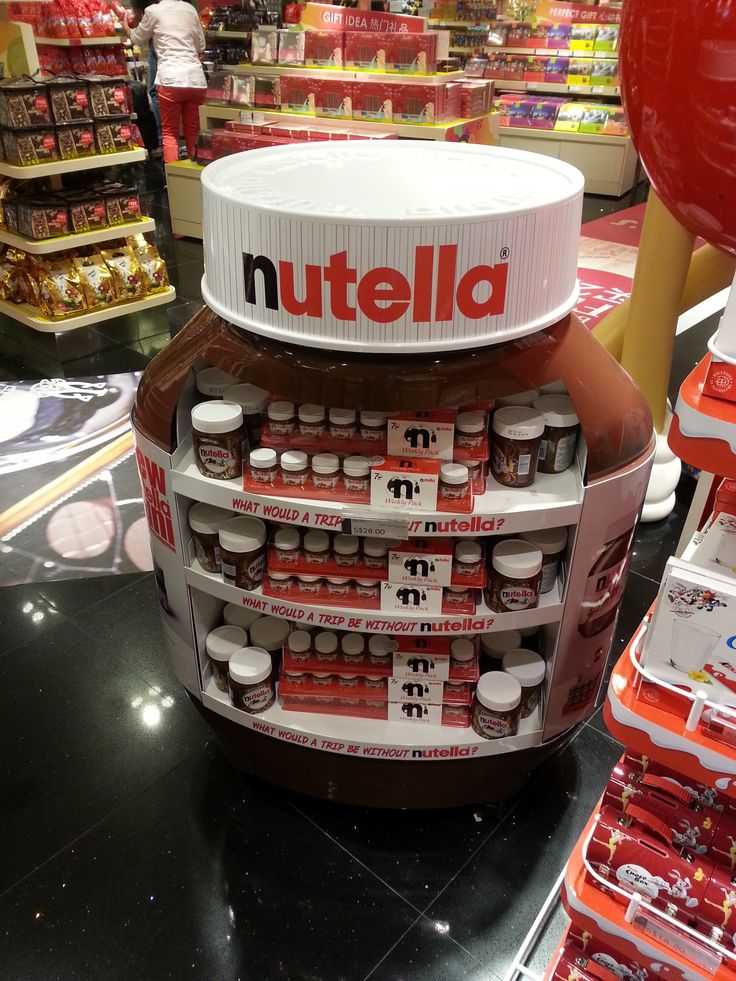
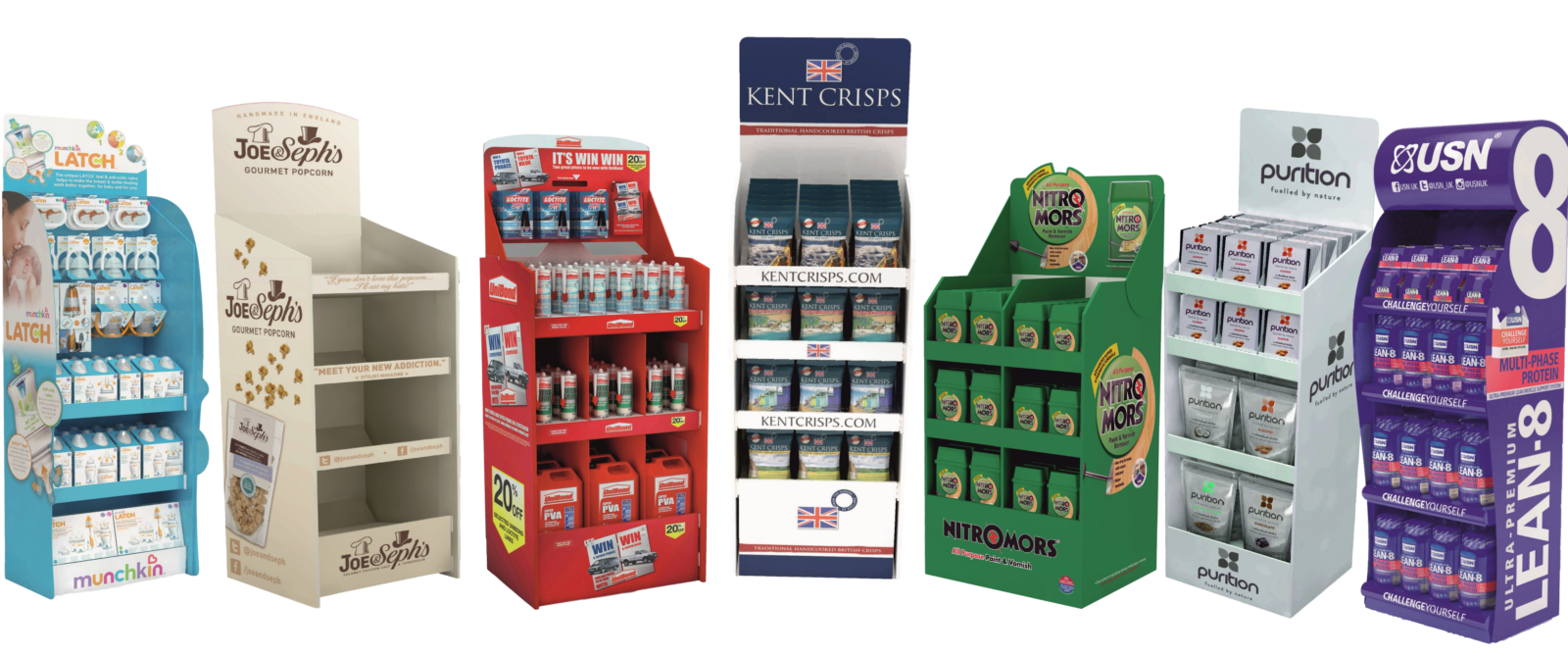
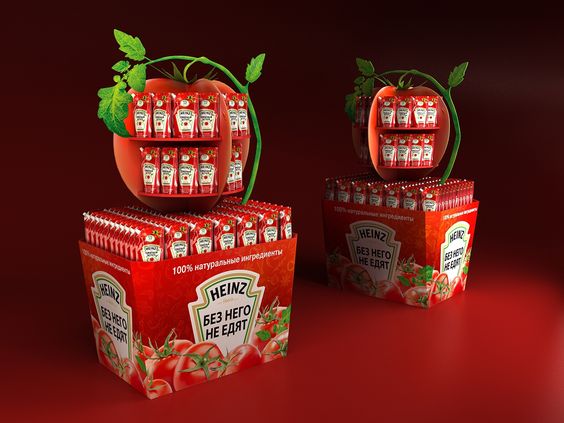
point-of-sale display (POS display) is a specialized form of sales promotion that is found near, on, or next to a checkout counter (the “point of sale“). They are intended to draw the customers’ attention to products, which may be new products, or on special offer, and are also used to promote special events, e.g. seasonal or holiday-time sales. POS displays can include free standing display units (FSDU)shelf edgingdummy packs, strut cards, standees, hanging signs, counter display units (CDU), display packs, endcapsdisplay standsmobilesposters, and banners.[1] POS can also refer to systems used to record transactions between the customer and the commerce.[2]

After that, I could confirm for myself that I’m thinking in the right direction. But I still needed some ideas, and sources of inspiration. I made some generic researches, some designs that caught my eye.

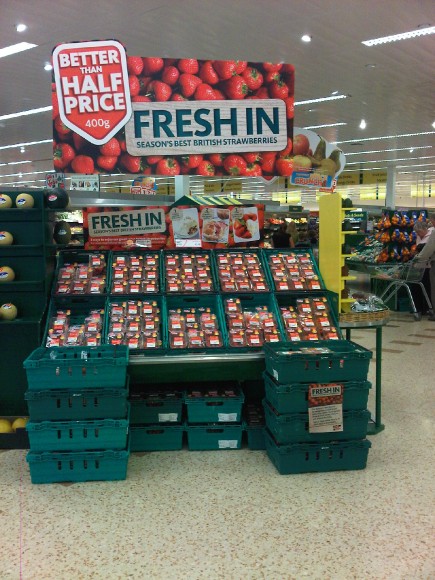
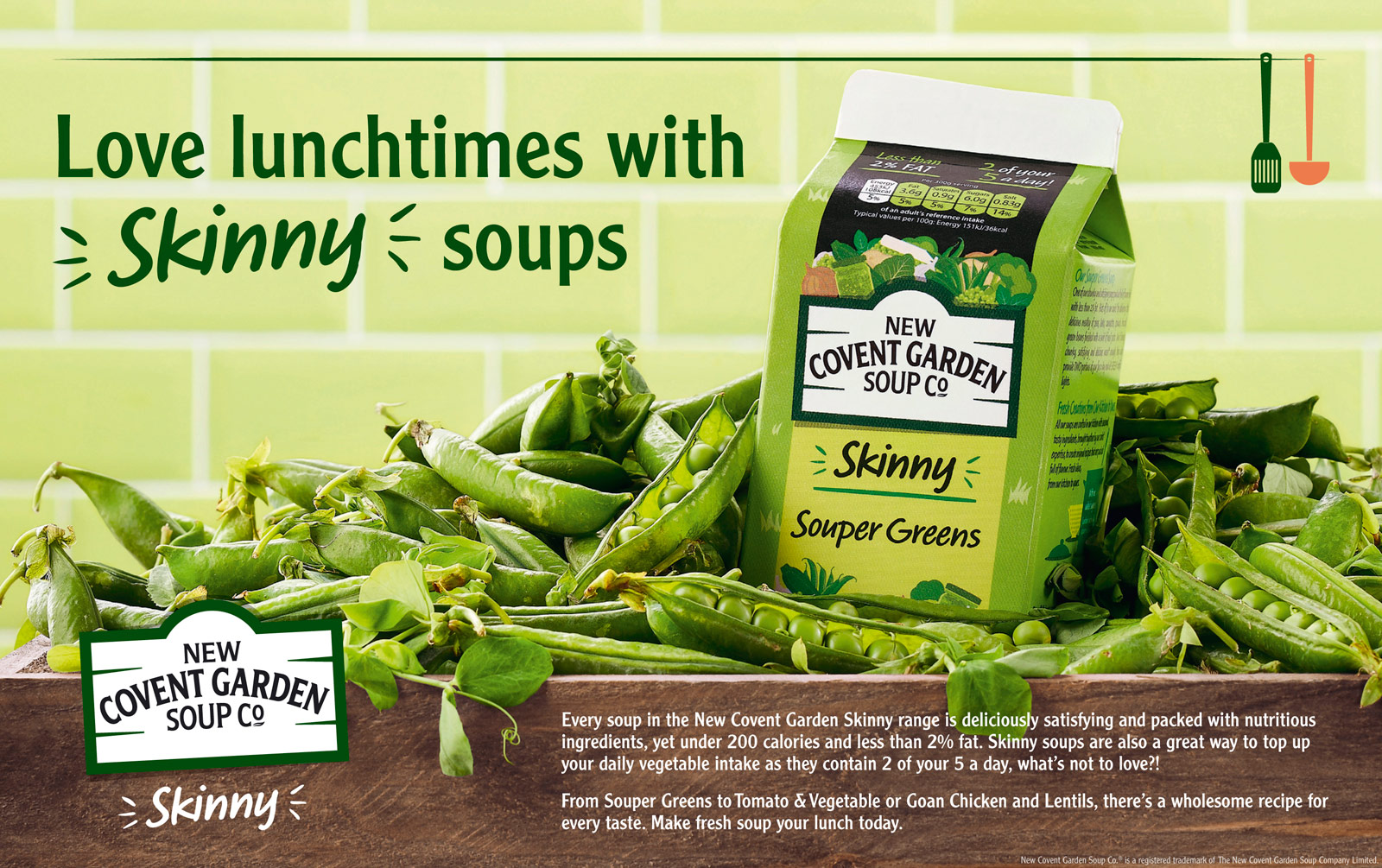
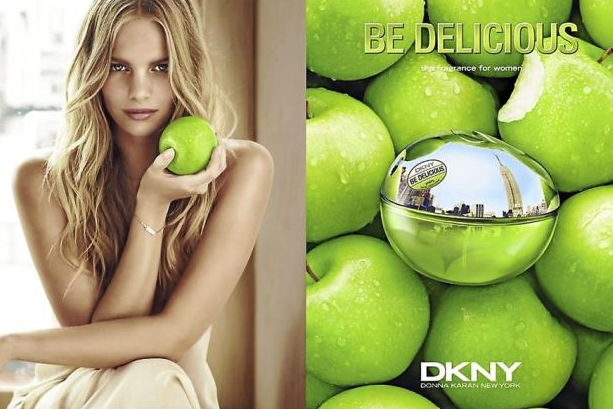
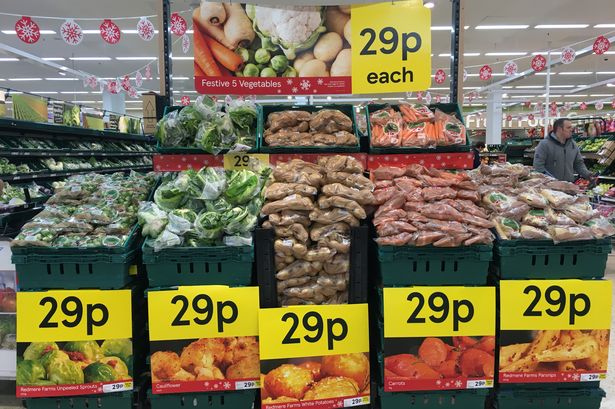
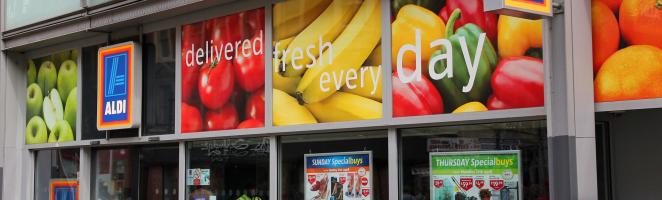
At the same time, I had a look for some posters and sales-of-point display that were oriented on mass-market for such shops as Aldi, Morrison’s and Tesco. From another point of view, as the grocery shop is located near schools and bakery shop, I’ve made an assumption that design should be clear for understanding, with simple but inspiring to purchase message, such as: “Go fresh”, “Fresh In. Season’s best British vegetables/fruits” etc.

My previous experience explanations

As I had an experience in point-of-sale display, I was thinking about ideas about how I would design my layouts for this customer. One of my costumes was a cafe near the business offices, so the design had to be modern and eye-catching for people who come to the cafe for business meetings for lunches. I designed two light boxes, one for the fresh juices with a big image of fruits on the white background with some text and prices next to it. Another display was under the cooking kitchen, with images of fresh made main meals, starters and salads. Examples are presented below:

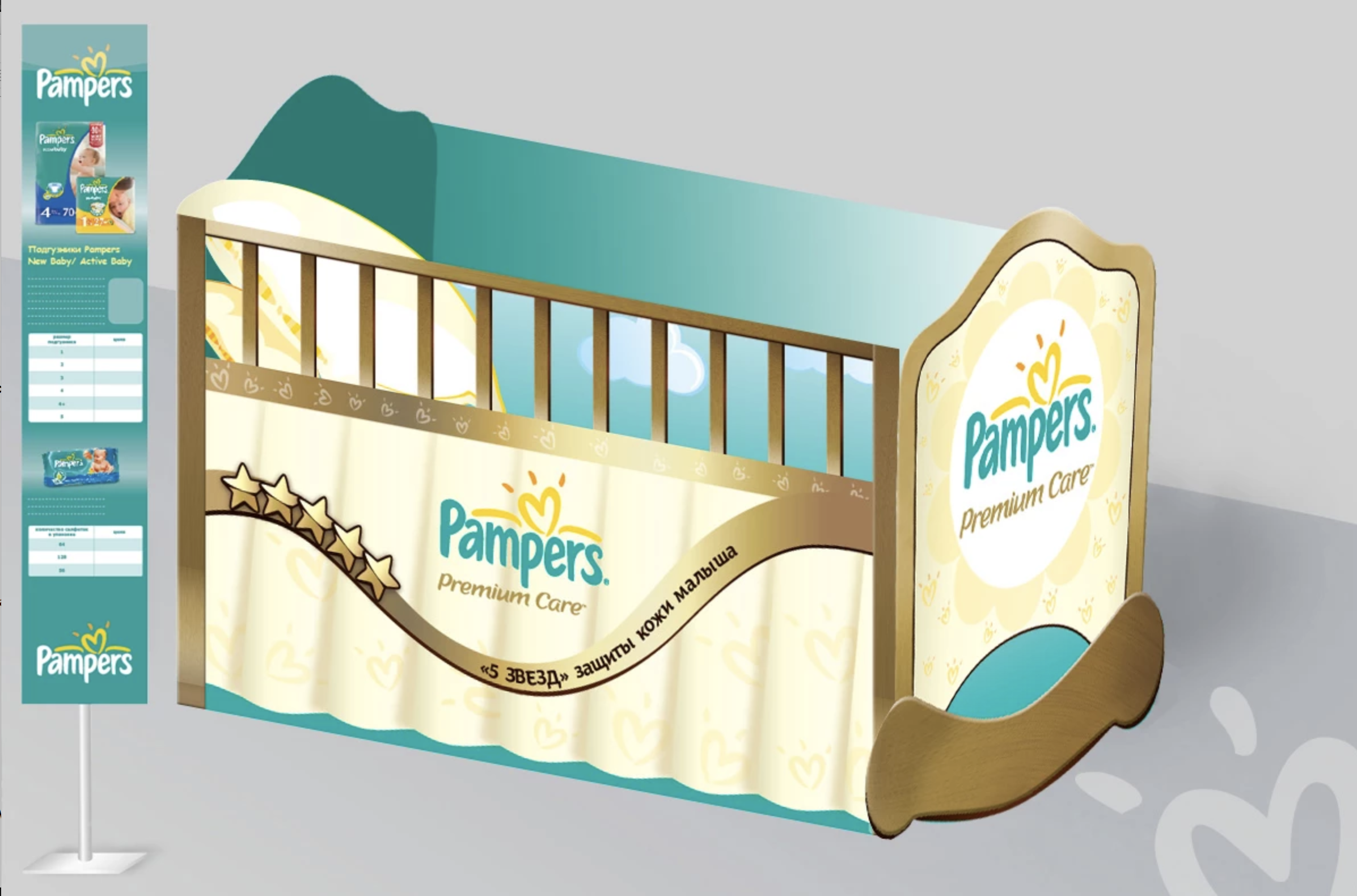
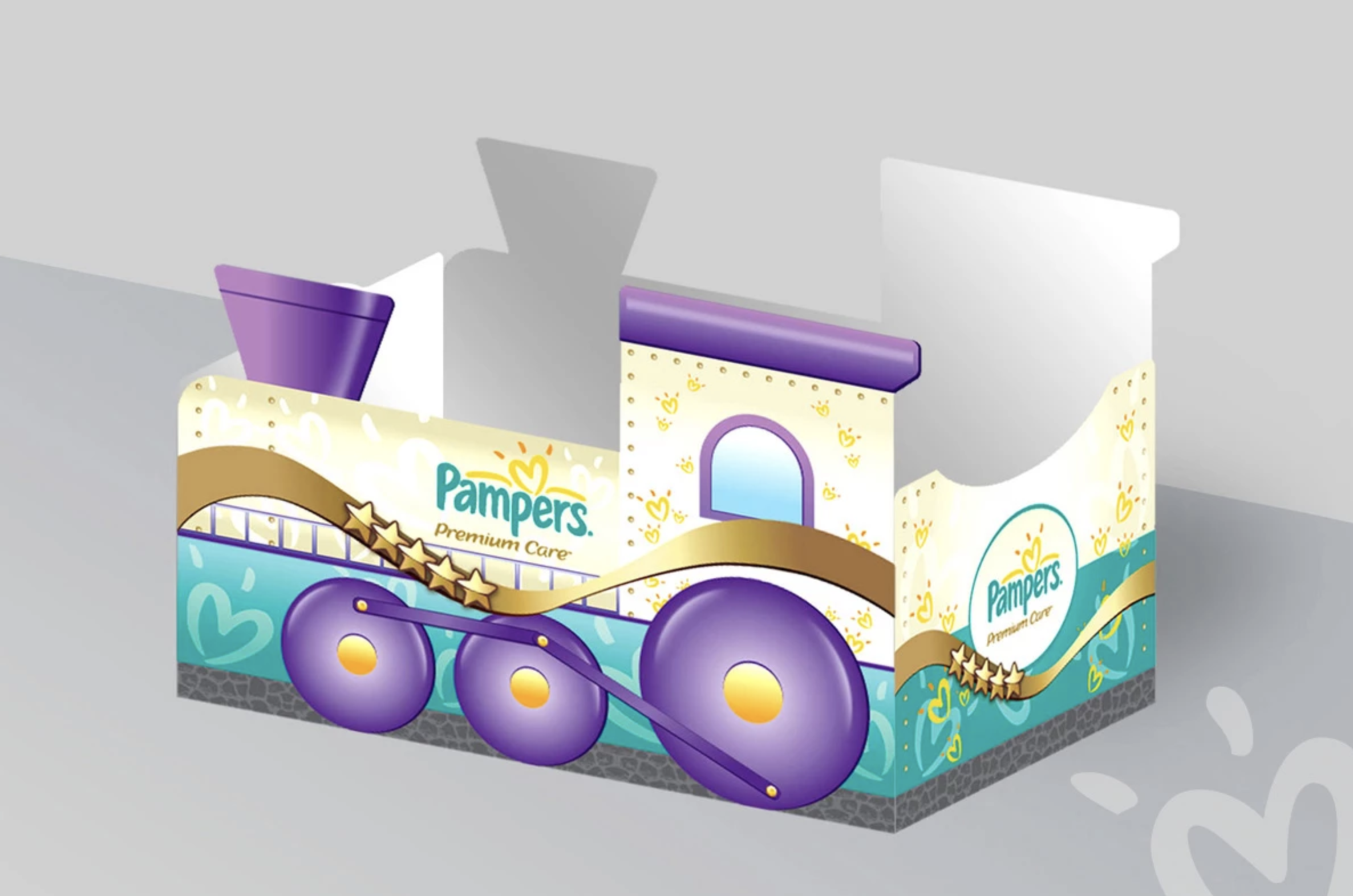
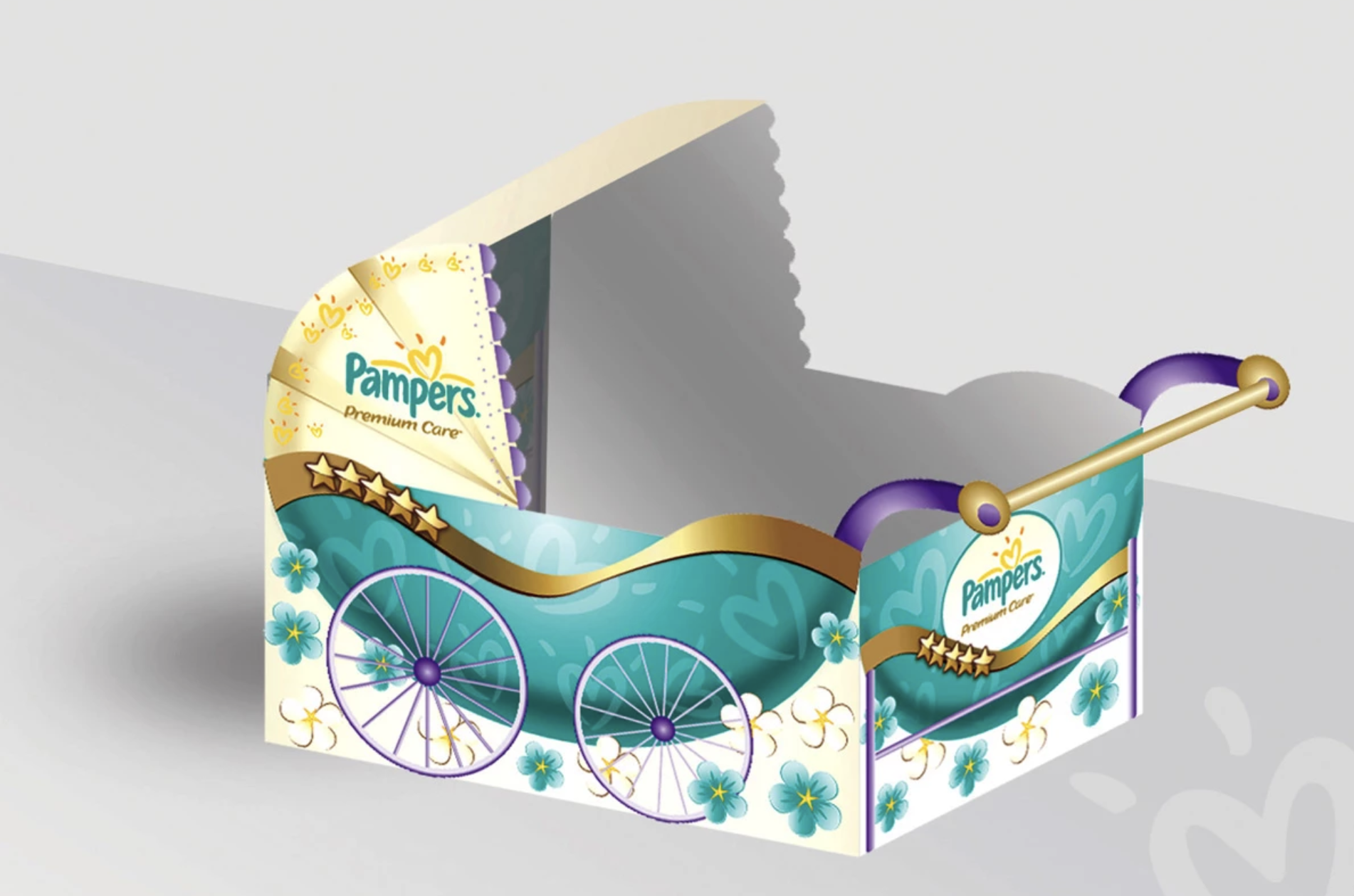
For another customer, I designed point-of-sale-display for Pampers products of Procter & Gamble. The idea was to create recognisable construction to store products inside in the shop such as a cot, steam train, baby carriage.

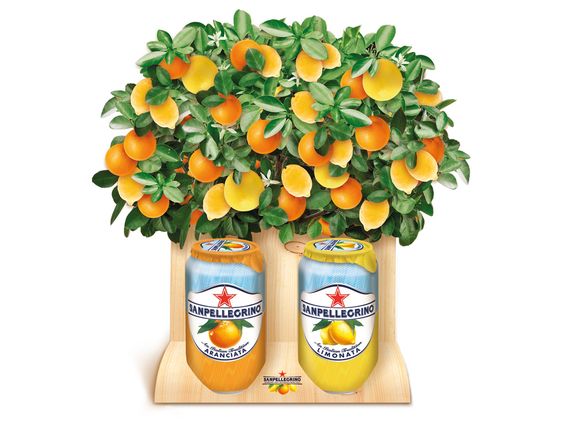
Based on my previous experience I could try to visualise the image of macro fruit or vegetable, also I was thinking about designing a tree full of fresh oranges, as an idea that the fruits you see just were picked up from the tree and were brought to the store counter.

Producing design

For the software, I decided to use Adobe Photoshop and Adobe Illustrator, to keep a combination of vector and raster images.

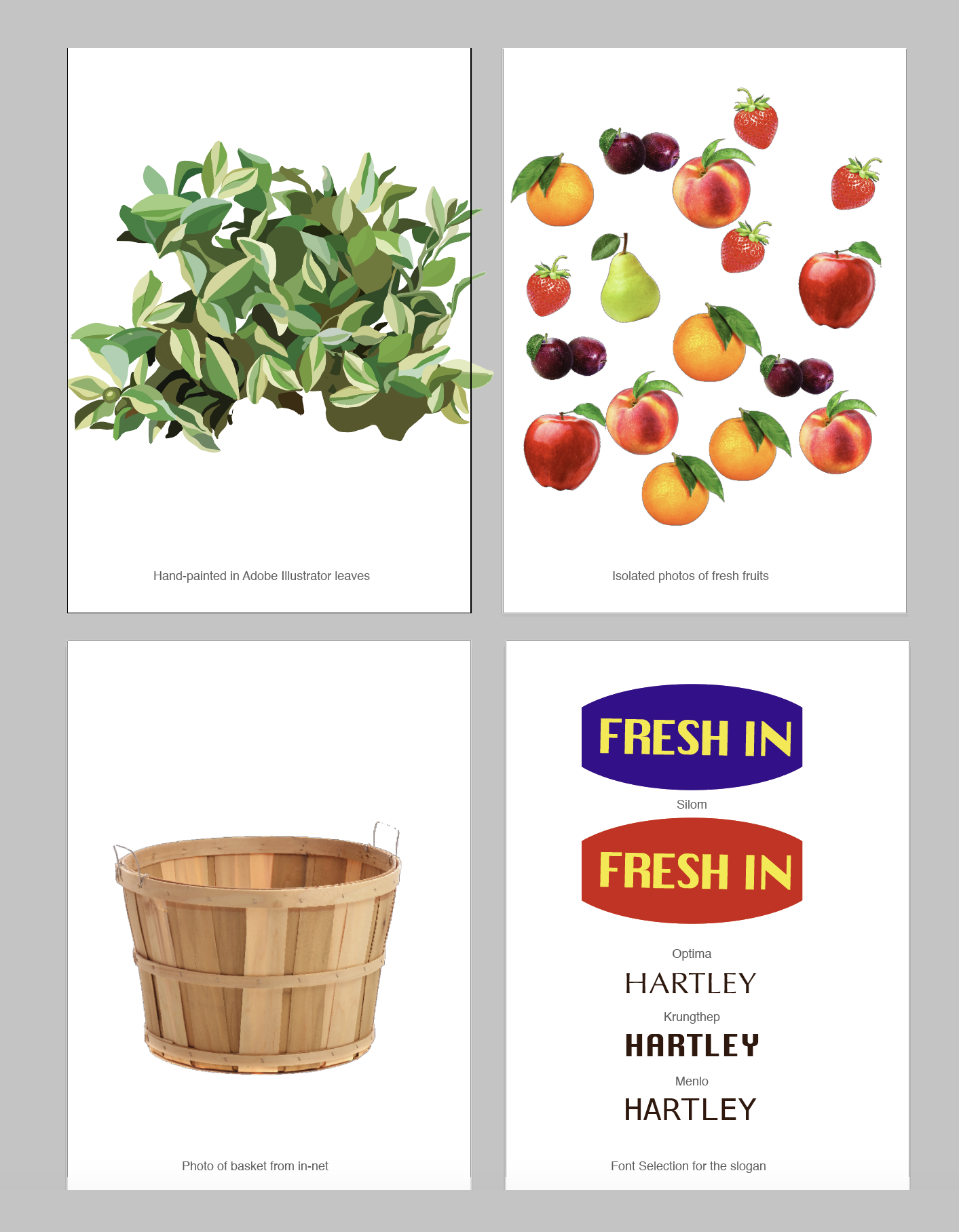
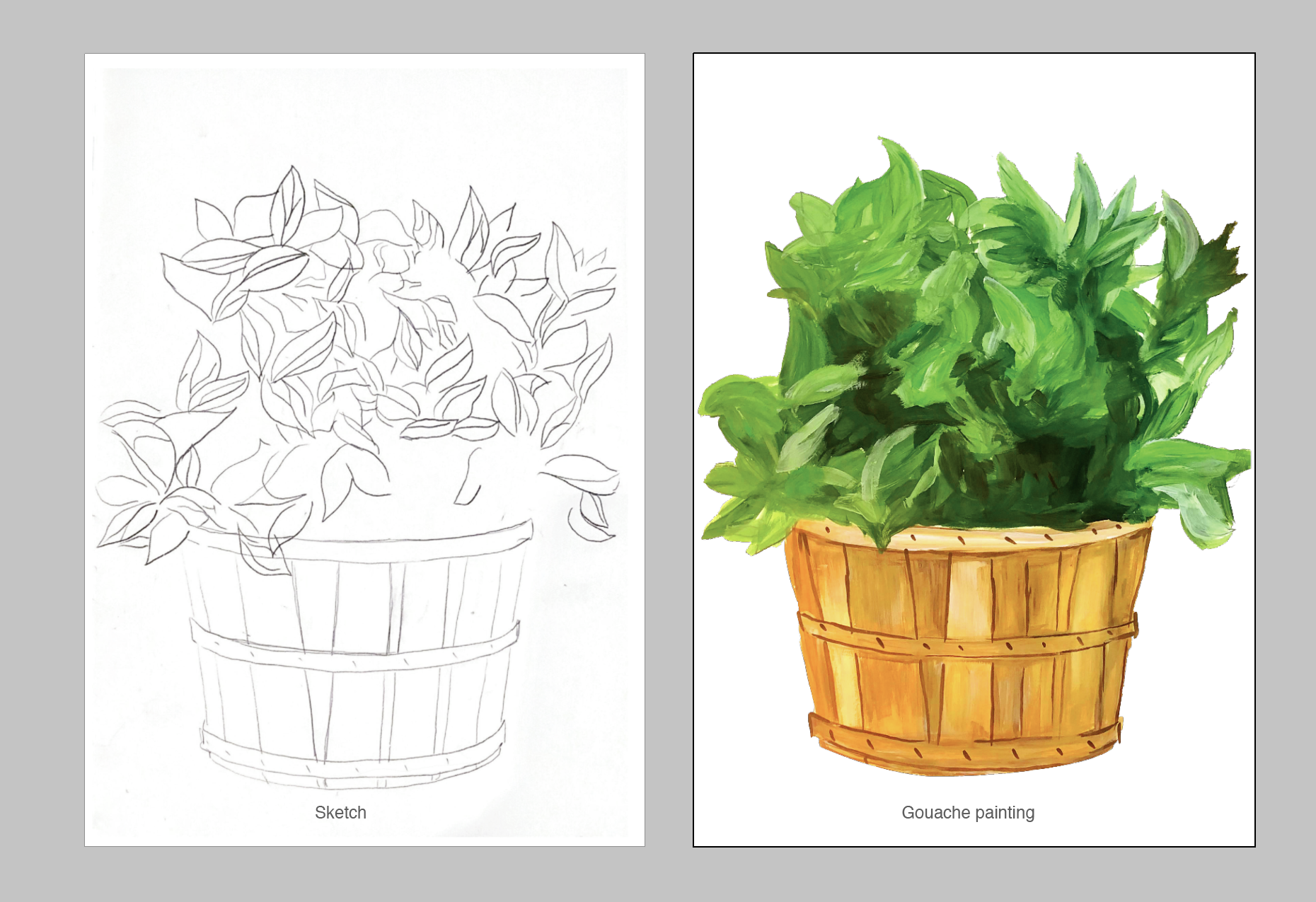
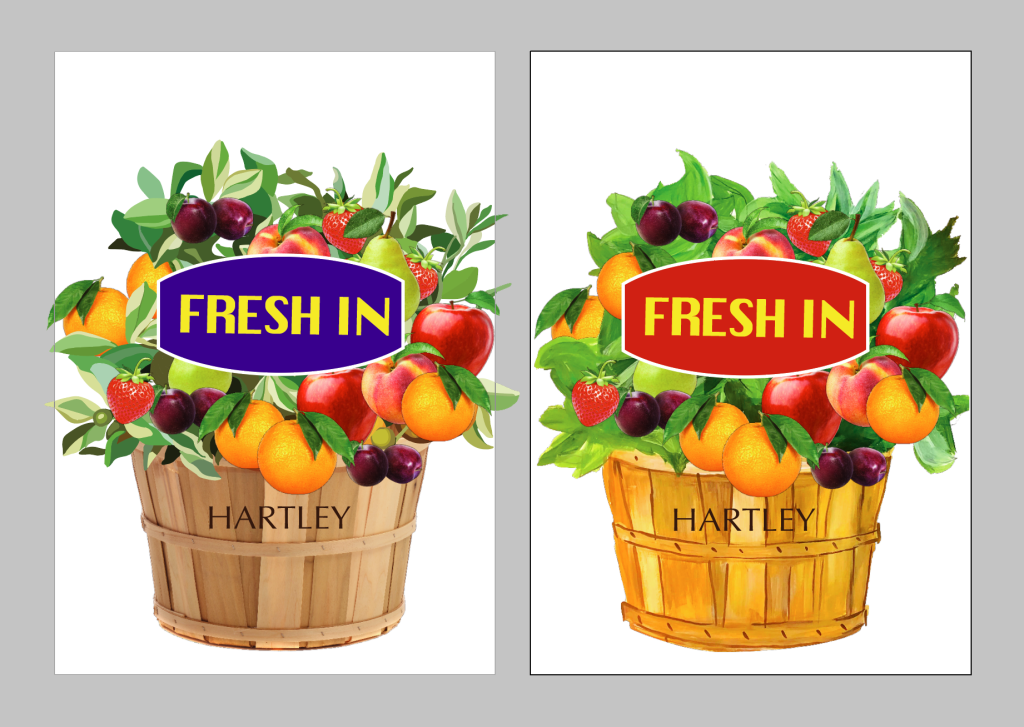
After some brainstorming, I felt like I was ready to make some sketches and drafts. I really liked the idea of shaped point-of-sale-display, I had two options to visualise my design: a basket full of fruits and vegetables, and another idea – a fertile tree. I’ve made a decision to visualise the basket, as it would be a more appropriate design for all types of fruits and vegetables. Firstly I collected some images of fruits from the internet, as I couldn’t find such a big variety of bright and juicy fruits at my house. Also, I found a picture of a wooden basket from in-net, I painted some simple leaves in Adobe Illustrator, as they would go to the background anyway. I’ve decided to put a label with the slogan “Fresh In” in the bright background to go in front of all composition. Below are presented some of my drafts.


But I still wanted to create something hand-made, so I went for some gouache painting, that I could edit and modify in my Illustrator software afterwards.

Here is the design I got in the result for the fresh fruits, from the left side example with a photograph of basket plus hand-painted leaves and photos of fruits, from the right side – painting with the same components.

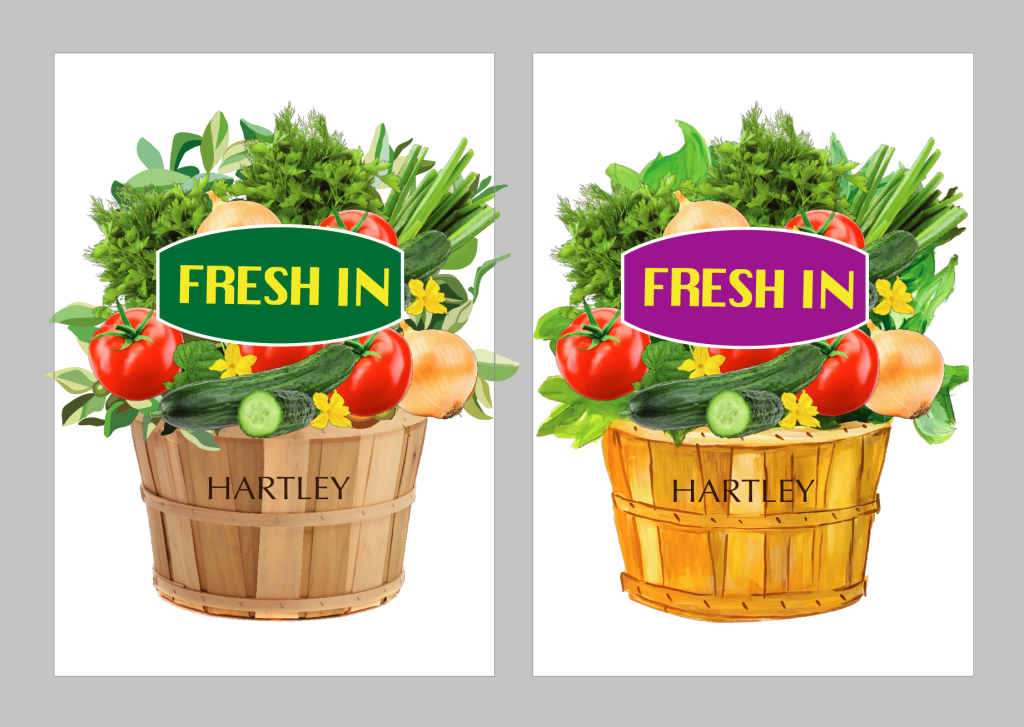
I went for the same principle for the vegetable poster. Below are examples with updated images of vegetables and label colour.

I was pretty satisfied with the hand-painted basket I got as a part of the point-of-sale-display visual, but I still had some concerns about how to finalise it. First one, would it be an appropriate shape for the point-of-sale-display? The second one, I still had to adapt the design to the landscape format.

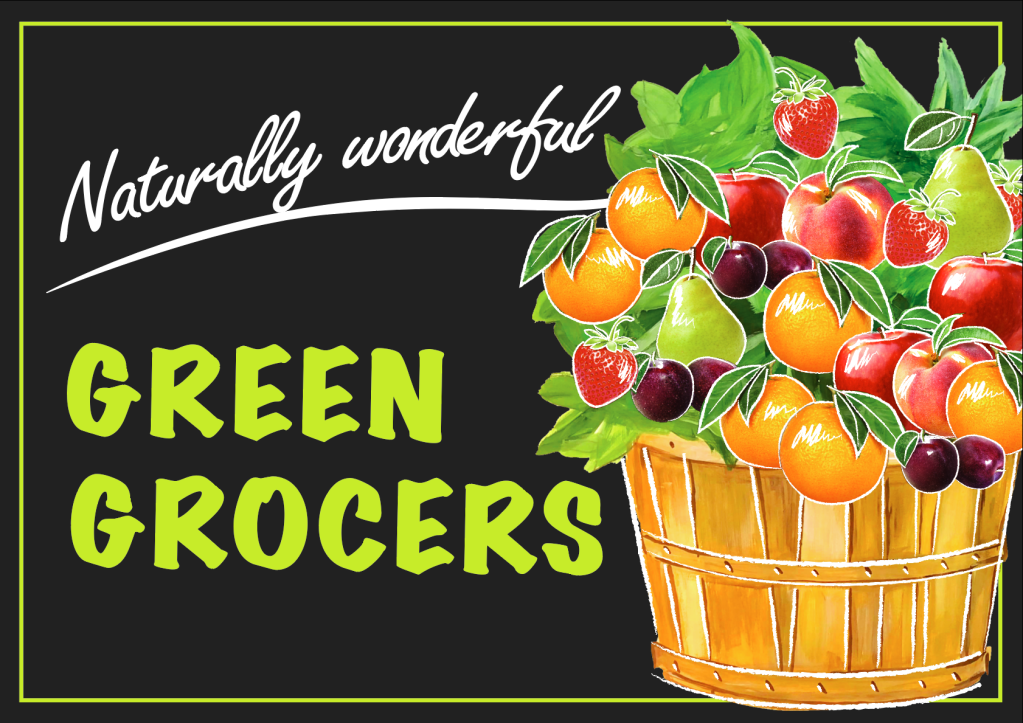
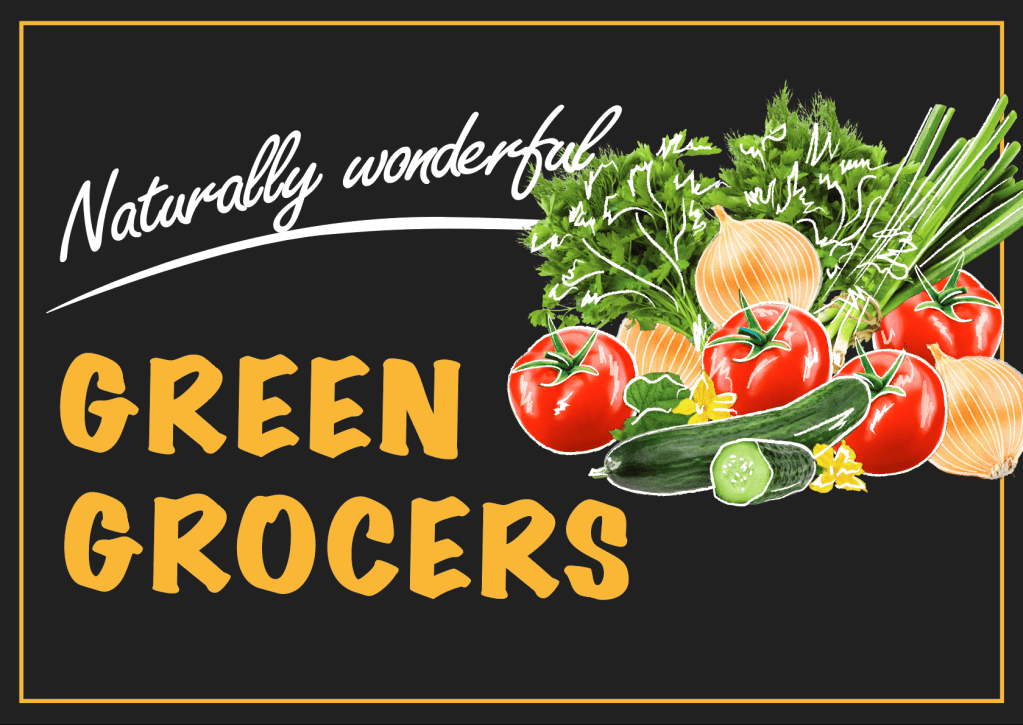
After a couple of trials with different backgrounds: like blurred natural background and basket on the wooden table, I chose to place my basket on the graphite background, as that option made the kind of the contrast I wanted to achieve. But as the label was too heavy on it, and I had a lot of free space from both sides, I changed the slogan to the Green Grocers and choose a Marker Felt (Wide) font for it, as to me that font goes better with basket paint. At the same time, I placed inspiring wording Naturally Wonderful in Freestyle Script font. Also, I made some sketches of white brushes on the top of gouache painting and fruits.

For the vegetable signage, I went for a similar principle but excluded the basket. Instead, I place a pile of fresh products on the same background, on the top of them I’ve painted white brush sketches.

Overall, I would say that I enjoyed this task. I think, in the result, this point of sail display would reach a target audience, as it’s bright, but at the same time discreet design. Basically, I would not include anything more, as that is the kind of message that has to be read for the few seconds, the main message was sent through the visuals of fruits and vegetables.

Exercise: Too much or not enough information

This time I have a task to design 2 posters. The first poster should be full of details and descriptions about the event, when and where it’s taking place, what’s going on, how long it lasts, how much it costs and what to expect, basically including all the details that audience might need. For the second poster, I have to apply Occam’s Razor principle to pare back the information to a bare minimum.

Occam’s razor (or Ockham’s razor) is a principle from philosophy. Suppose there exist two explanations for an occurrence. In this case the one that requires the least speculation is usually better. Another way of saying it is that the more assumptions you have to make, the more unlikely an explanation.

I’ve decided to create two posters for the Bryan Adams Concert, rock band, which is touring around Europe at the moment. As my husband and myself are big fans of his music, I keep following his page of concert photographs. Also, I’ve seen interesting posters for his concerts and song albums loads of times, I thought that is the kind of direction I would like to work with, to give them my vision of design.

Mood Boards

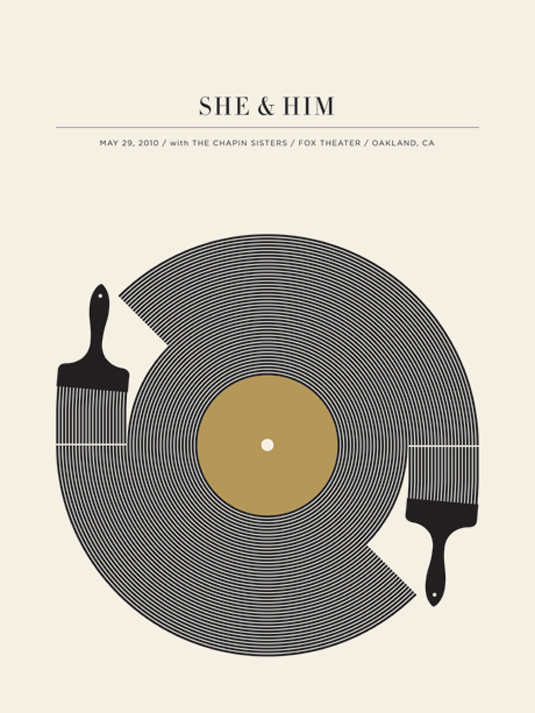
Firstly, I found some designs for inspirations. I had some researches for creative ideas, I had a look through designs that could meet two requirements: minimalistic posters according to the Occam’s Razor principle, and busy designs with lots of information. There are some designs that I could start from.

Explanations of my choice

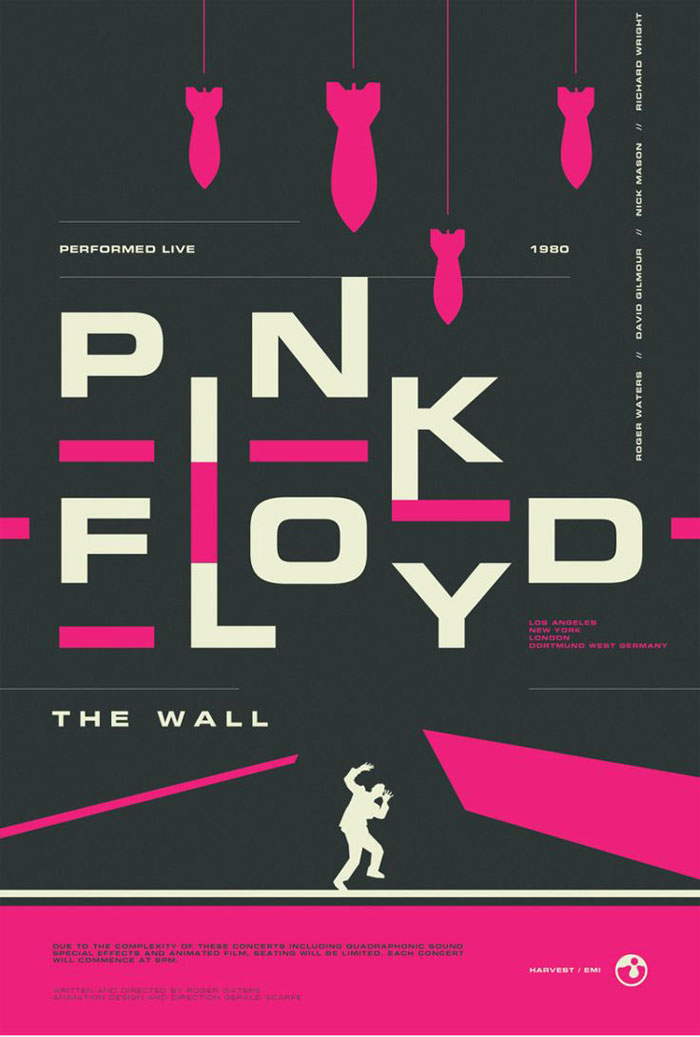
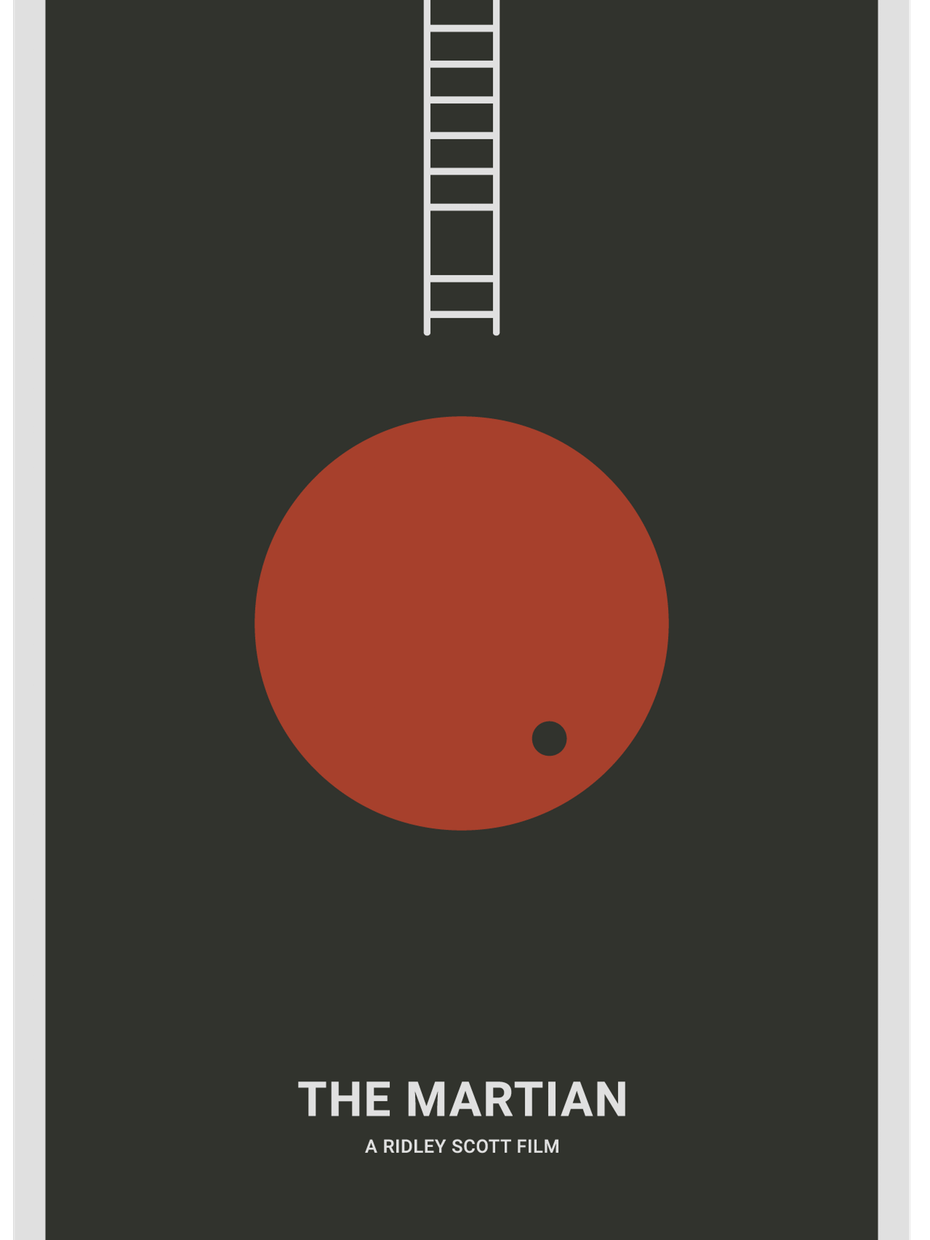
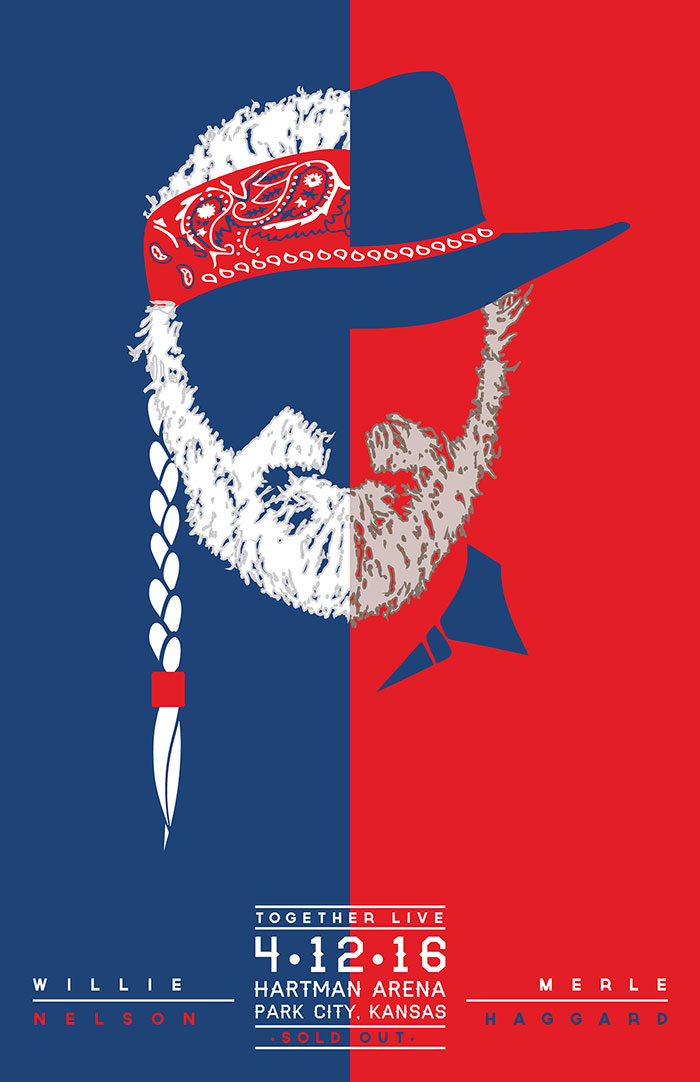
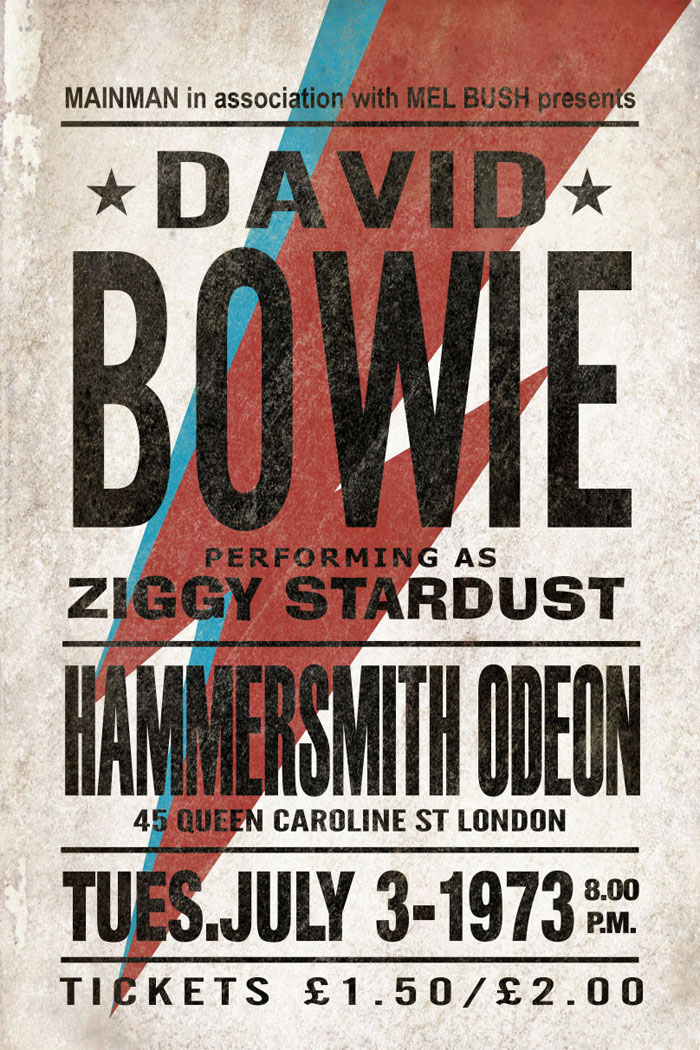
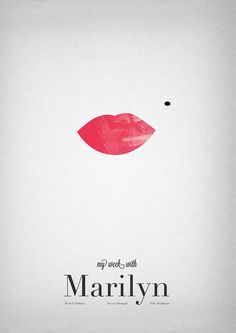
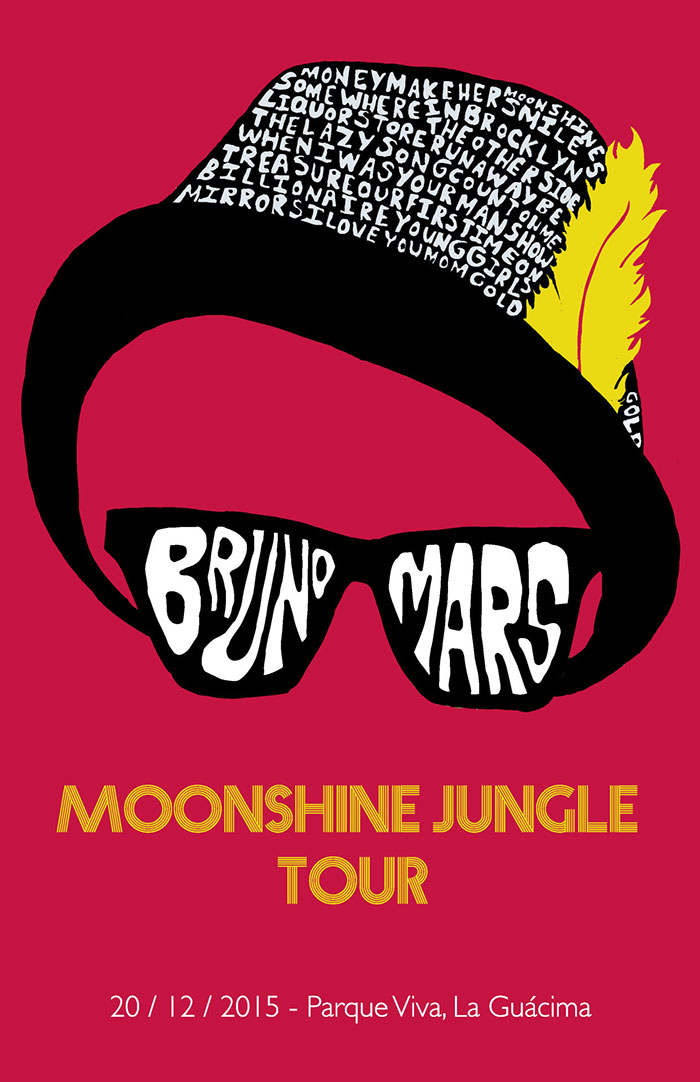
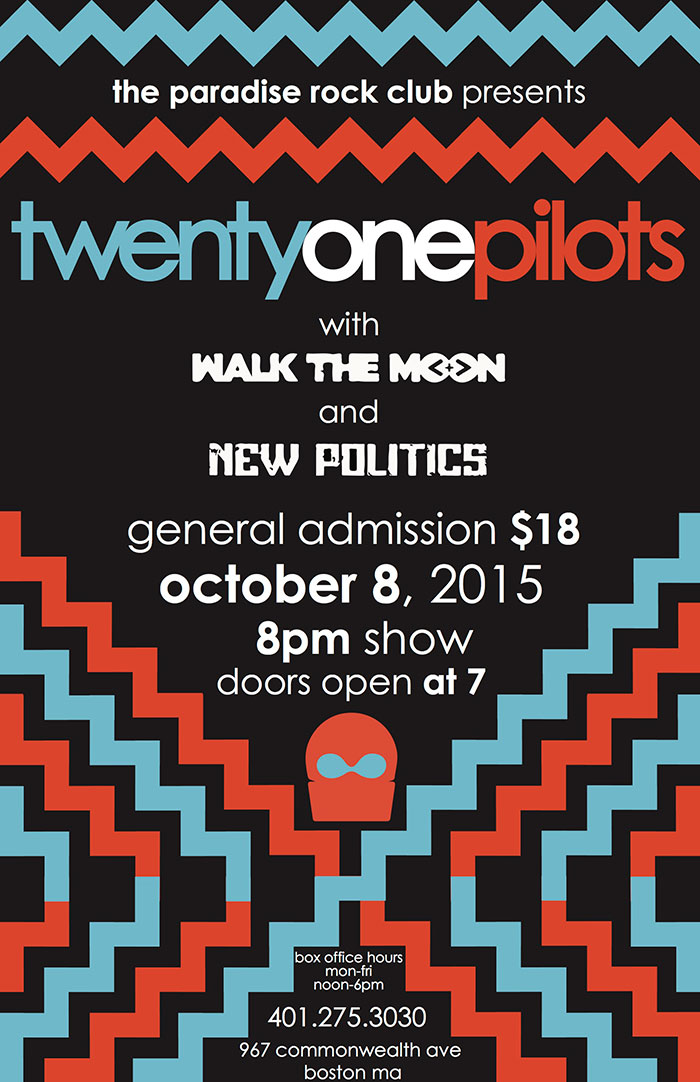
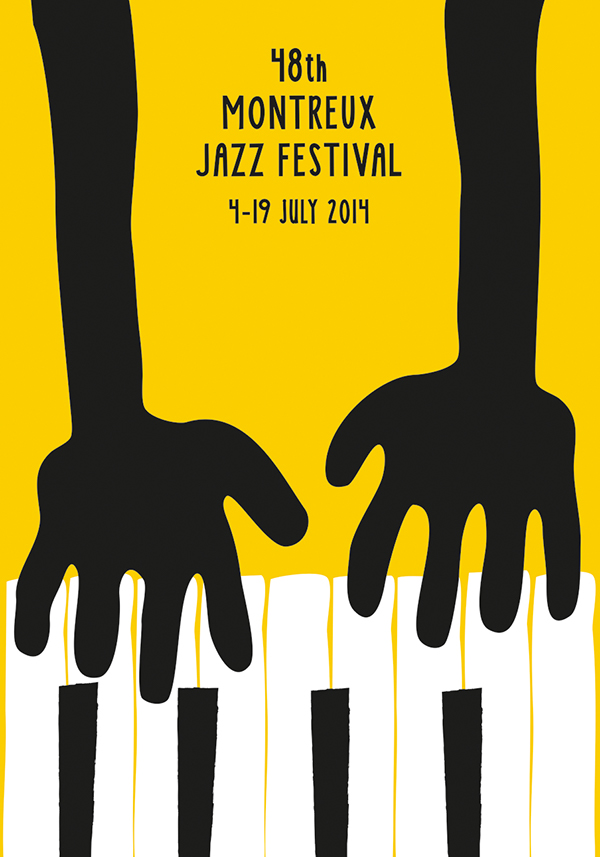
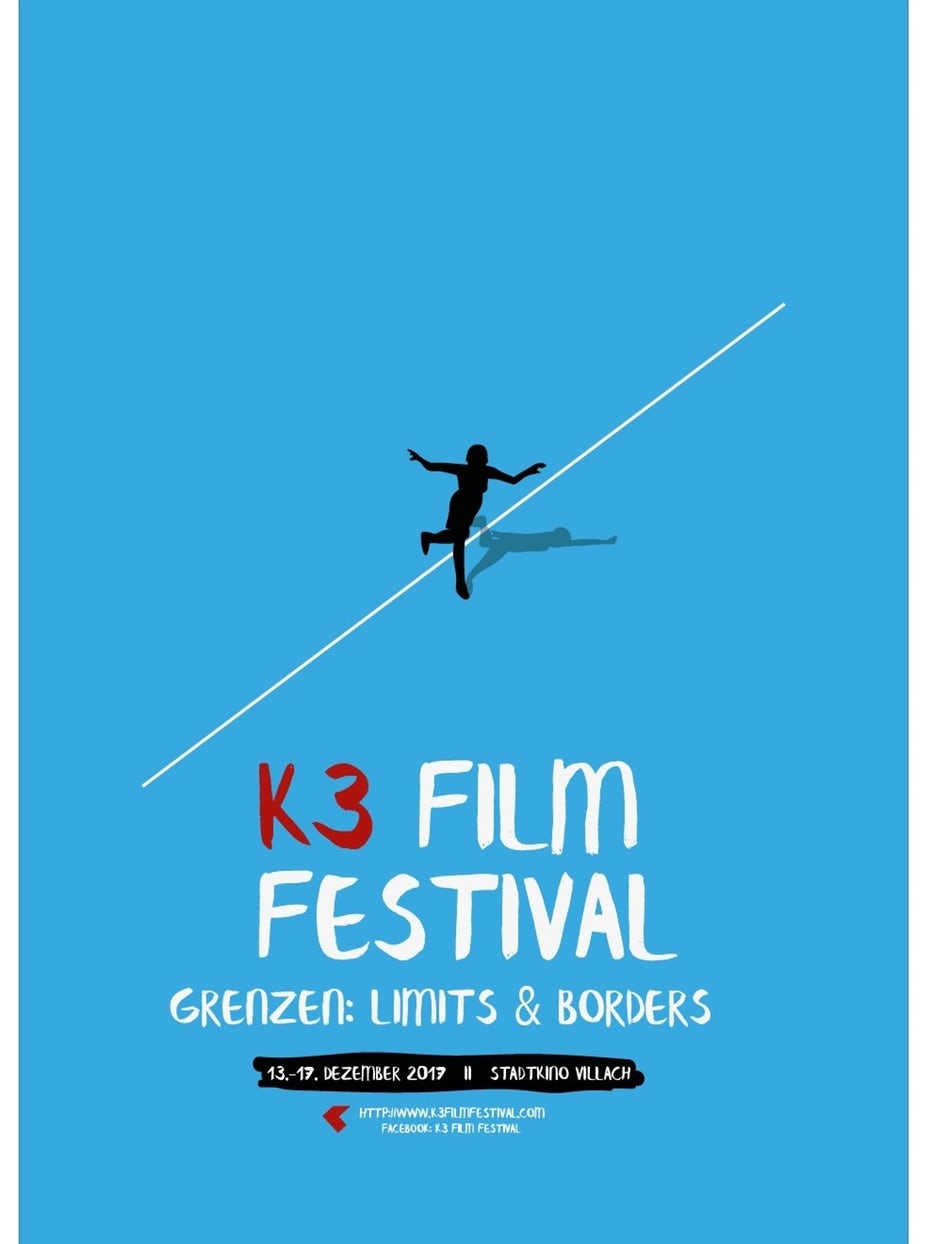
Pink Floyd is the kind of design I would call simple, but heavy, as it has the kind of hard contrast between the colours: dark grey, pink and white. Johnny Cash poster is an ideal example of overloaded design, where all information as possible was fitted in, but, at the same time, the name of the artist is still coming in front, also I like an idea of A letter missing, instead of that was used an image of the artist itself. Same as David Bowie poster, I don’t prefer too many typefaces on the poster, but that is the case where it works very well, as each line is the kind of independent message to the reader, but the name of the artist is still on the first place. Some minimalistic posters as The Martian, Marilyn, K3 Film Festival are examples how positively space could work, as I’m as a reader could have my impression from the message in a couple of seconds, I would call them simple and clever.

Source: https://www.designyourway.net/blog/inspiration/concert-posters-design-ideas/

Bryan Adams Posters

Then I went for some researches that to get a general idea what style of Posters Bryan Adams marketing team using for concert announcement. I’ve noticed that on his posters there is a domination of black and white photographs, orange, and red colour. I think that is the kind of style that singer using that to promote his brand. After that, I have found out that Dirk Rudolph is an artist from Germany who has been creating Bryan Adams promotional materials for the past few years  https://www.dirkrudolph.de/

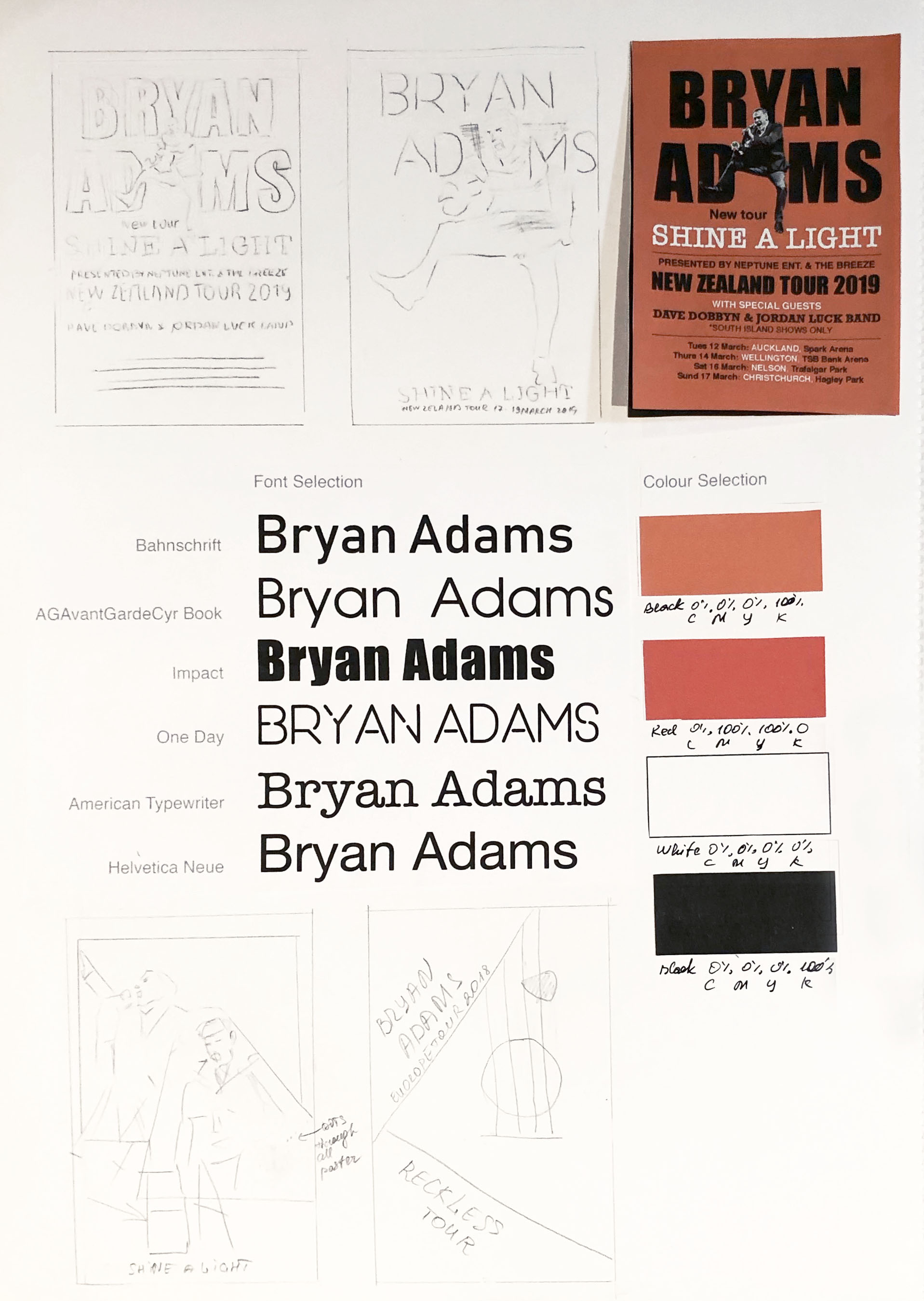
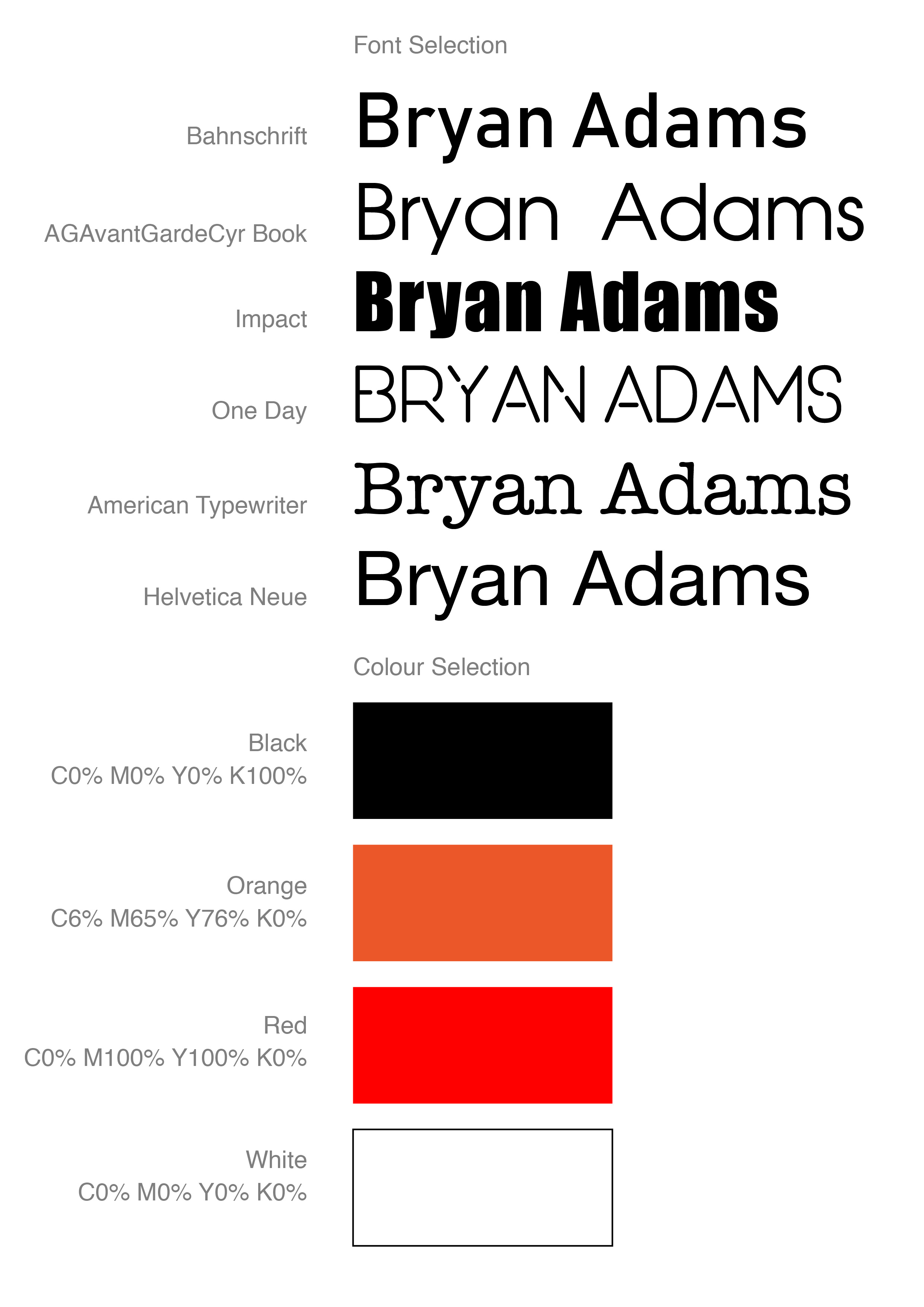
I started with some sketches of the poster. I liked the idea of missing ‘A’ title at the Johnny Cash poster, and different fonts combinations, so I thought I could work out with Bryans Poster in a similar way. I made some table with fonts and colours.

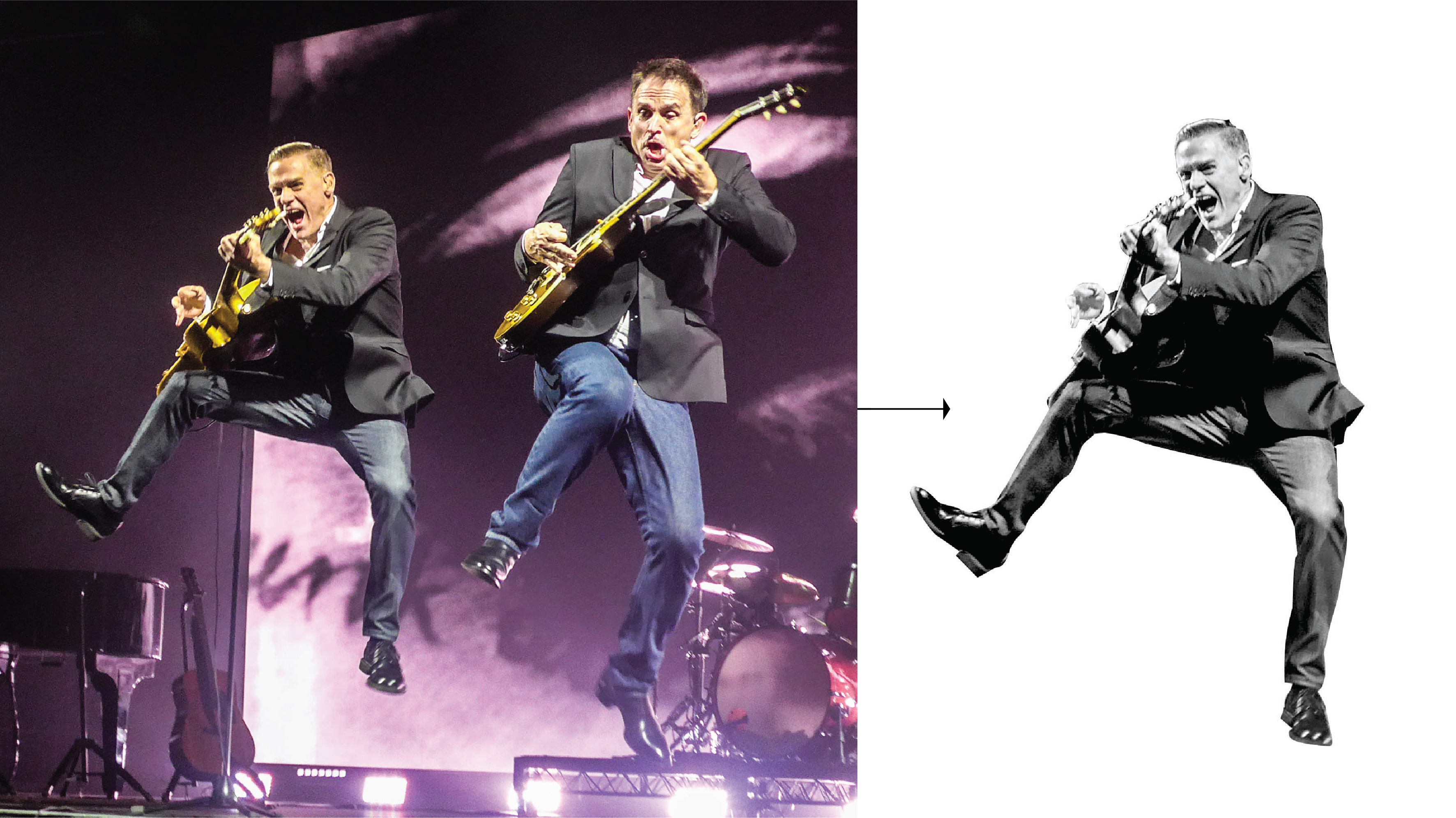
I had on my archive photograph taken by my husband of Bryan Adams from his tour in Vancouver, I liked the energy and spirit from that photograph, it could work well as an independent image at the full poster size, and at the same time as an additional image at the ‘busy’ poster. I went on the Dark Rudolph website for some inspiration, I’ve noticed that for Bryan Adams he using black and white photographs in combination with bright orange and red colours.

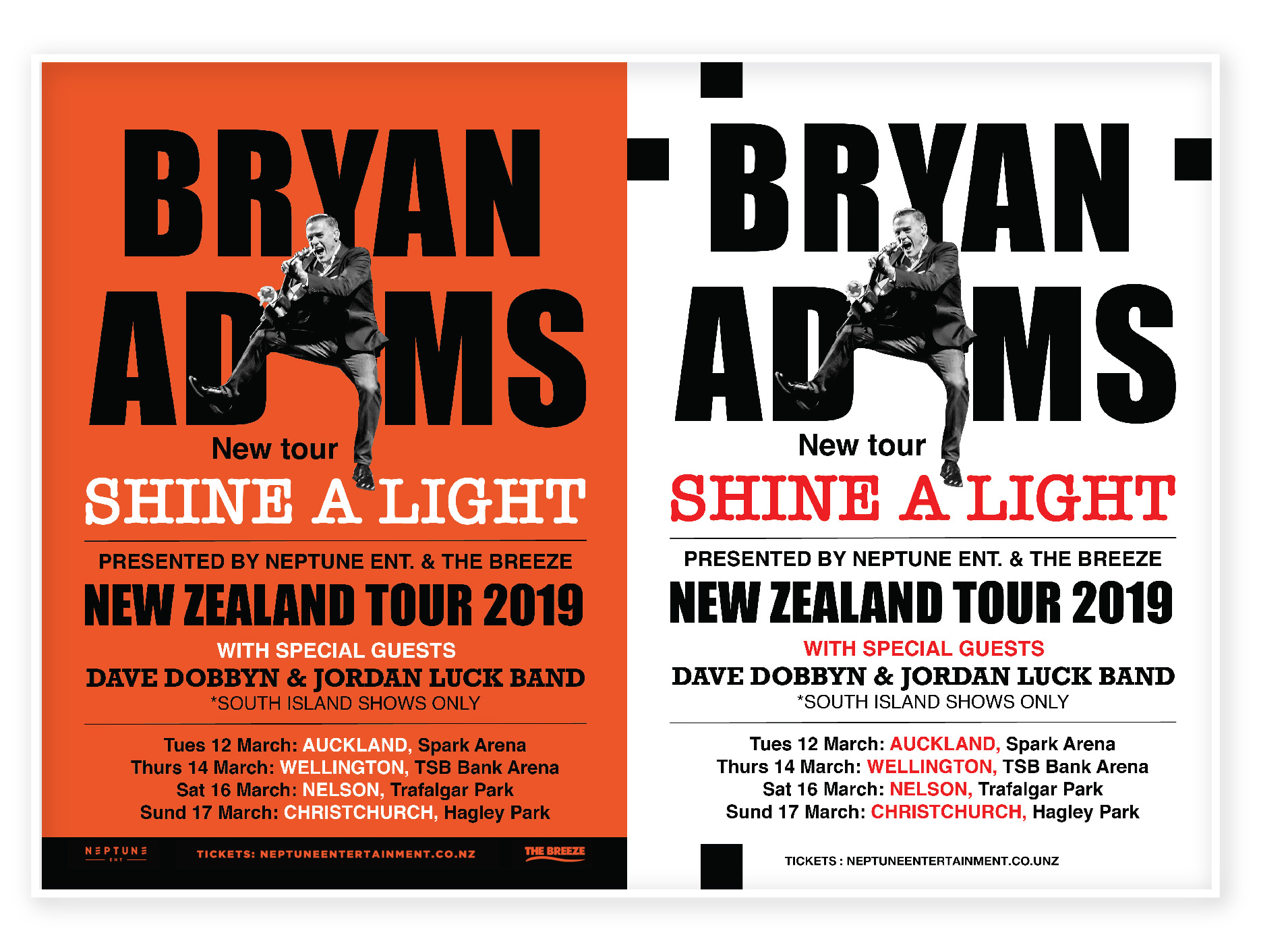
For my first poster, I used a couple of fonts. For Bryan Adams name I used Impact font, to stand out the name,  also were used such fonts as American Typewriter and Helvetica New. For the same design I did reverse version with an orange background, I think it could be an additional option for printing as well.

Another design I tried to figure out how the principle of Occam’s razor could be used. I minimised the number of text lines and used just only a picture of Bryan Adams with the name of a Concert Tour. I thought I would like to use the kind of square that Bryan is jumping out. On the black background for the concert name tour, I used red outer glow, same as on the orange background.

Bryan Adams
font-01
BA-02-02
Bryan Adams Presentation-01-01

After a couple of trails with poster design, I went further down in my researches. Inspired by Dirk Rudolph designs I had an idea of combined images of Bryan’s photos for the poster.

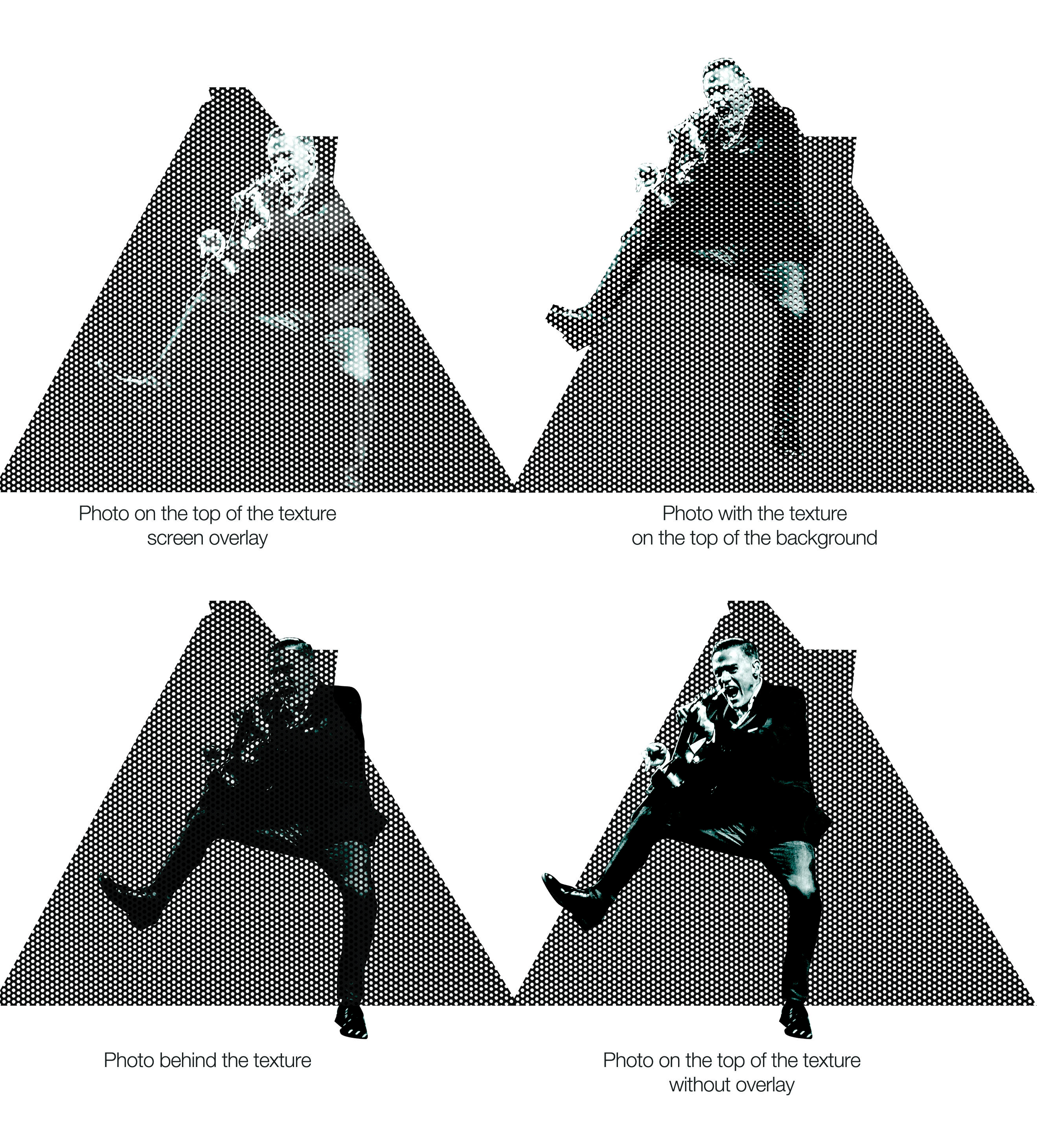
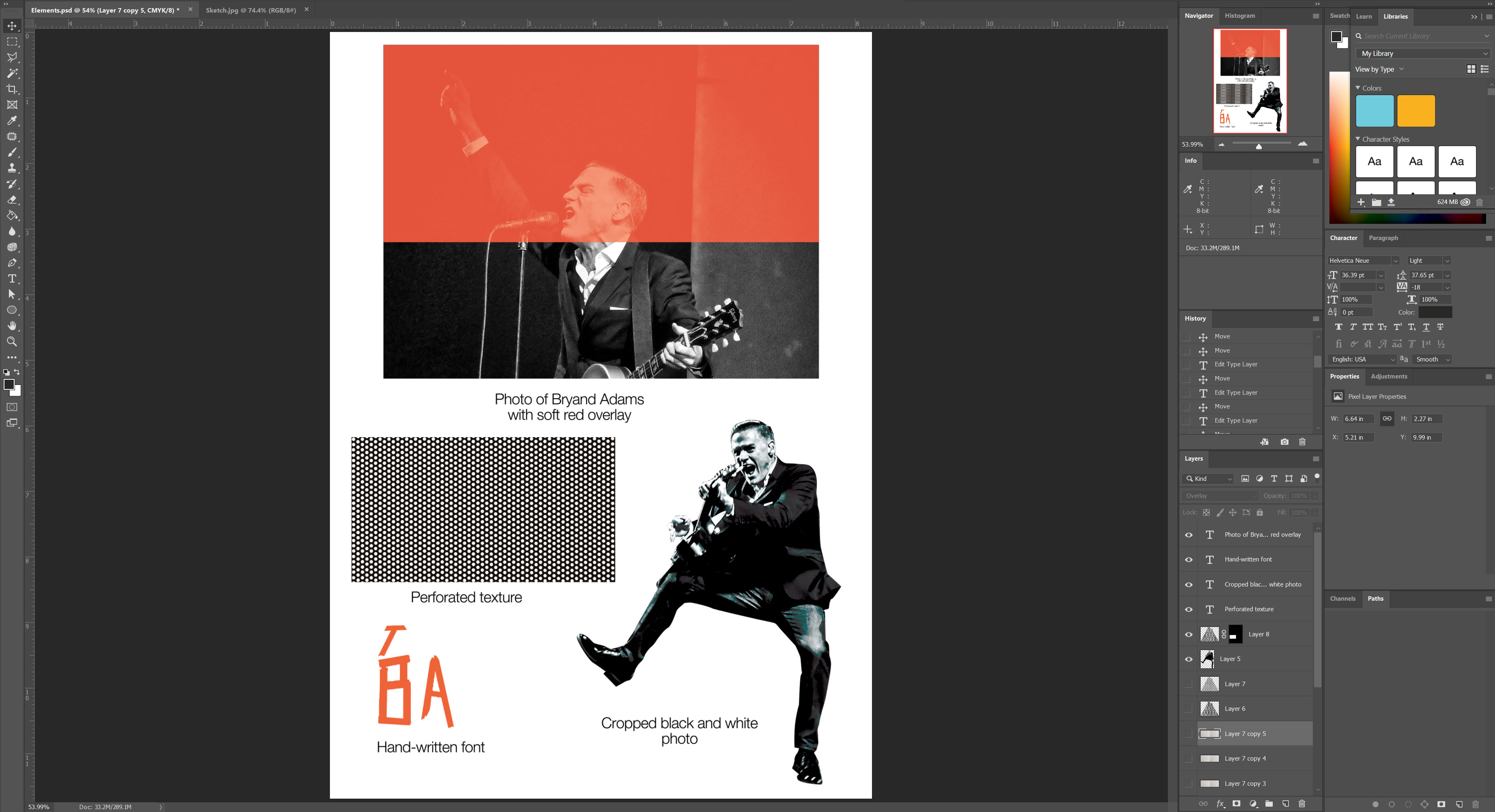
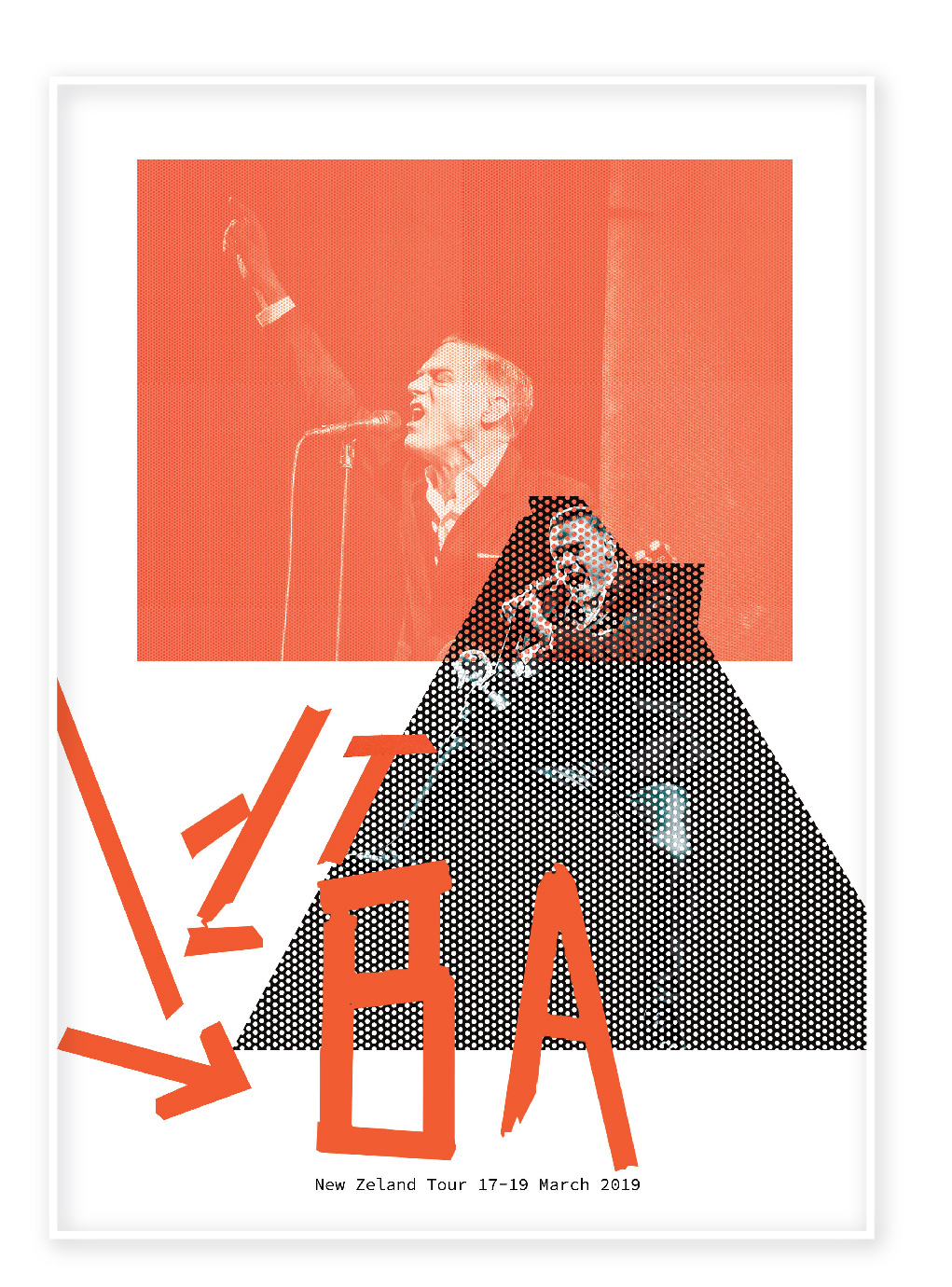
I’ve created dots texture in Adobe Illustrator, which I could use on the top of Bryans photos. I used different shapes on it, applying overly mask. I tried a couple of different options, where the picture was on the top of the mask, and behind of mask as well. In the result, I went for the option where my picture goes on the top of the texture, but Bryan’s photo with the dots texture as well.

Dots texture plus a photo of Bryan combination

I’ve created circles grid, applied layers mask on the photographs. For the font, I’ve created my own one, painted from pieces of the film two letter BA. I tried to apply the multiply layer on one of the photographs, borrowed the orange colour from the letters. In the result, I had a poster with three plans, which looked like a 3-D effect. I liked the idea of black and white photographs combined with a red background on the top.

In a conclusion, I would like to say, that I could get the best result for a poster design in my last option. I think despite that fact that the image of the singer is hidden behind the dots grid, the visual is still recognizable. It has lots of white space around, and composition by itself is quite eye-catching, I believe, that potential audience will find time to stop near that poster that to read some details, there is not much following information, but I strongly believe that popular brand, doesn’t have to be followed by a load of details and explanations, such as duration, programme and by other andadditional information. If I was a potential client for that band concert, I would see that poster as a reminder that concert is coming, start and end date, and after that, I will definitely go online to google for some tickets and all the details of the tour. Considering the design by itself, looking through the Bryan Adams marketing projects I could see that he prefers non-standard kind of thinking. At the same time, my last design reflecting in the best way his outstanding personality. 
Exercise: Visualising your ideas

For this exercise, I have a task to explore different ways I can folder a paper to make a leaflet. I have been asked to design a leaflet for the organisation, inviting people to volunteer for a task. I had a look for some ideas and sort of inspirations, that I could probably transform. As I had some experience in leaflet designs, but most of them were made in trifold (letter fold) A4 format, I had a look for designs with a shaped cut. I thought that I would like to experiment with formats.

Keywords

  • Leaflet
  • Volunteer
  • Creative
  • Community

Mood Boards

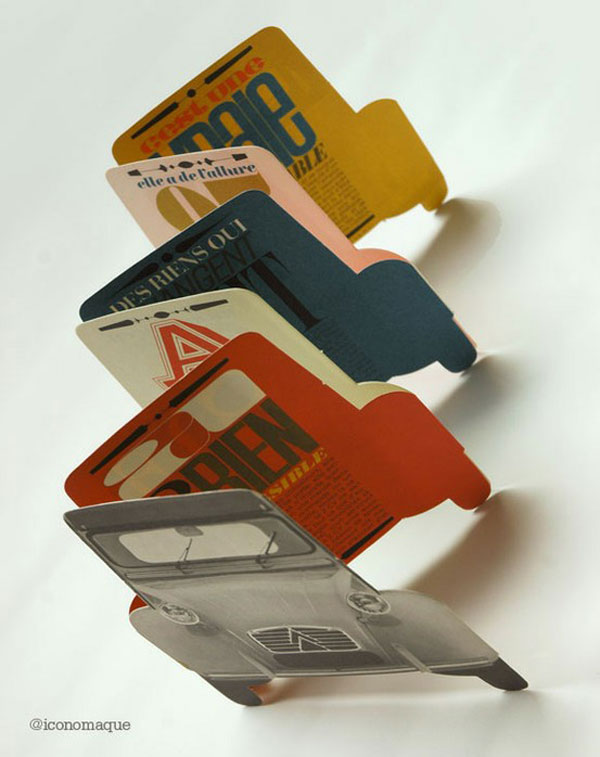
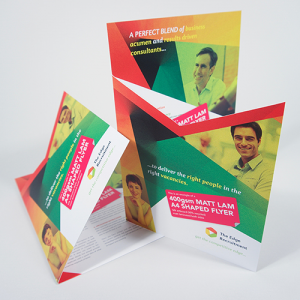
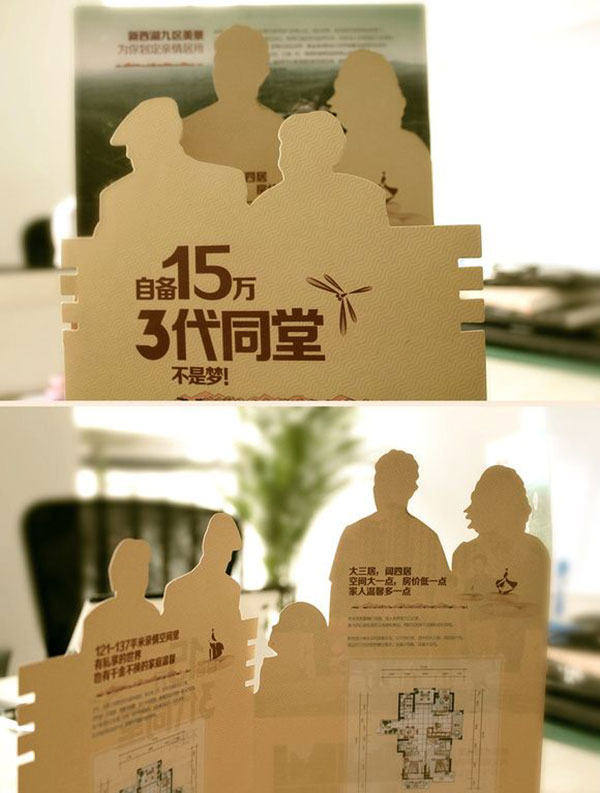
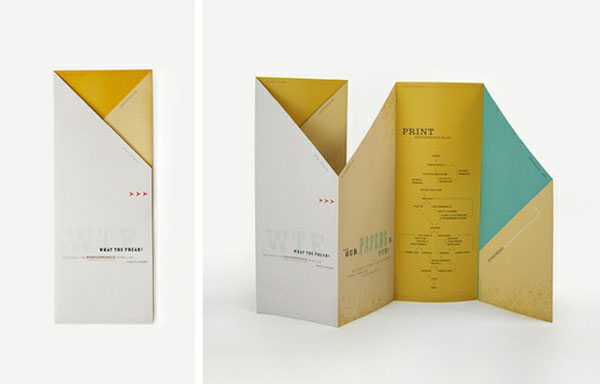
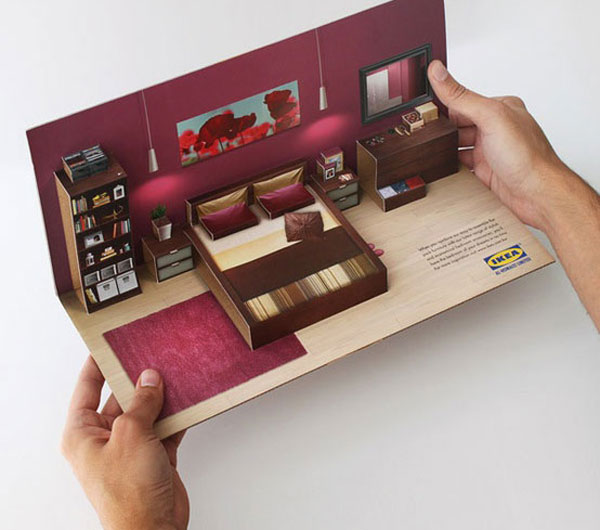
Some original ideas for leaflets design shaped cut, complicated folding, pop up designs. I always liked the idea of creative flyers, when a flyer gives you the first impression, and you are as a customer has a curiosity to learn it, and have a look what is there inside.

Most designs that caught my eye were made with different shapes, and they looked like an individual product, which is the part of the company presenting. If I’ve been asked to do designs in an original way, I would probably suggest creating something unusual, with complicated folding, but minimalistic text information, but at the same time that depends on the clients budget and timing, as that kind of printing is time-consuming.

Thumbnails

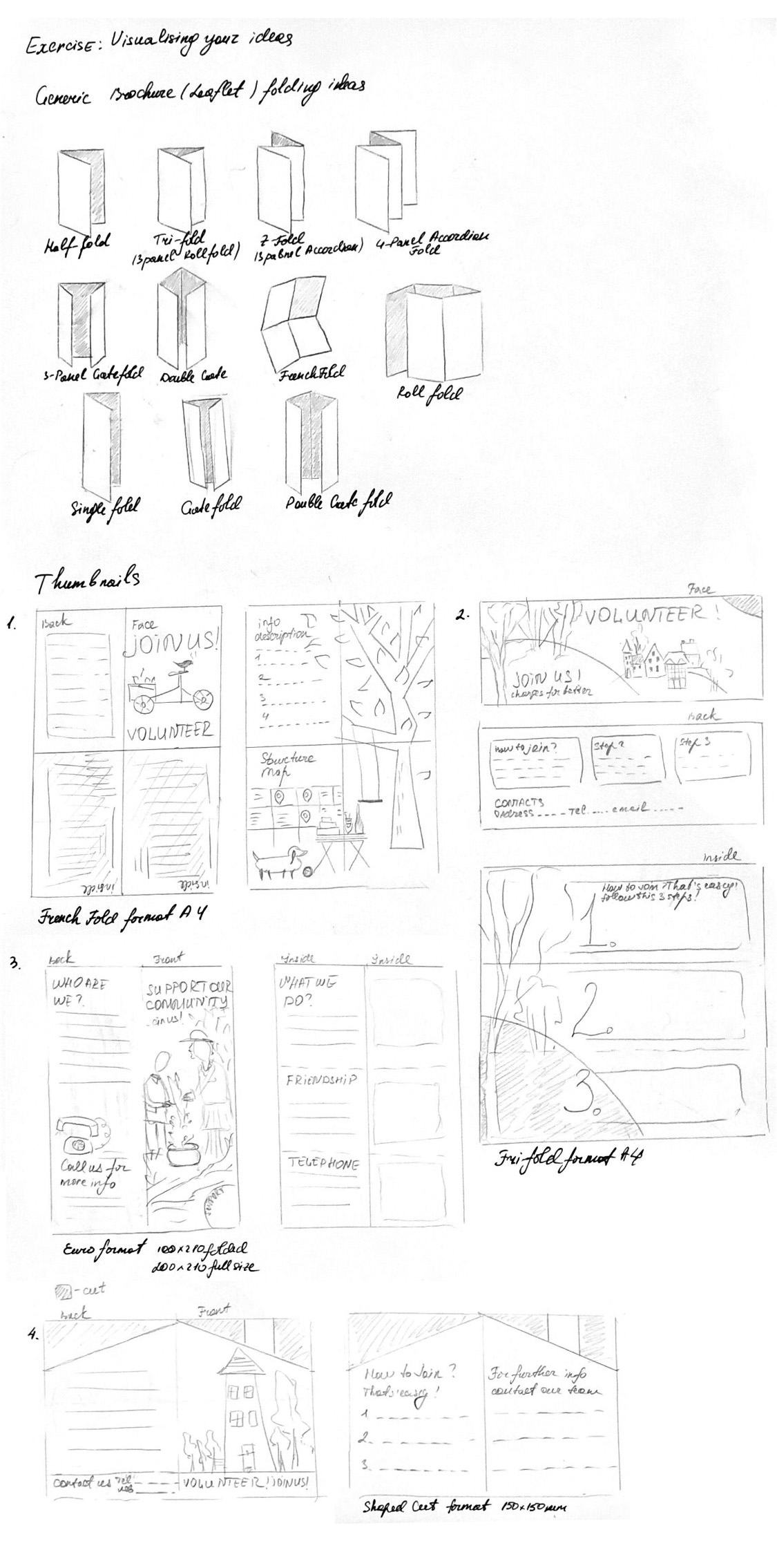
After a mood board researches, I went through some generic researches, to find out what kind of leaflets are the most popular for printing. After that, I did some sketches for the leaflets folding for the building of the community garden.

IMG_2824

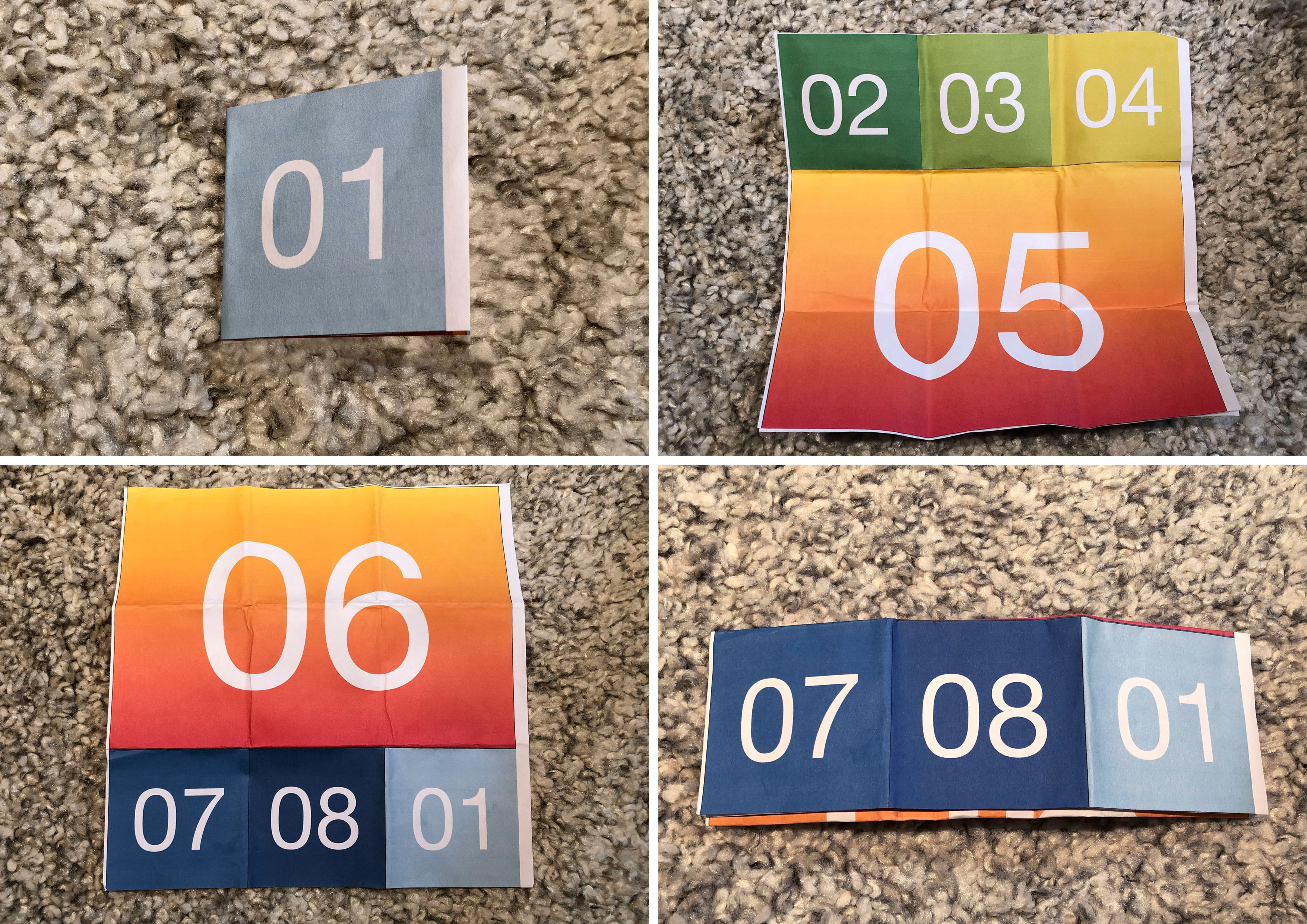
In addition to the leaflet sketches, I tried to reproduce leaflet design with complicated foldings. Where I had 8 sides to fold up. I’ve found some tutorial videos to follow, as it could help me to find out some new ideas of working with a paper. Below are examples of A4 formats leaflets.

Leaflet idea 1

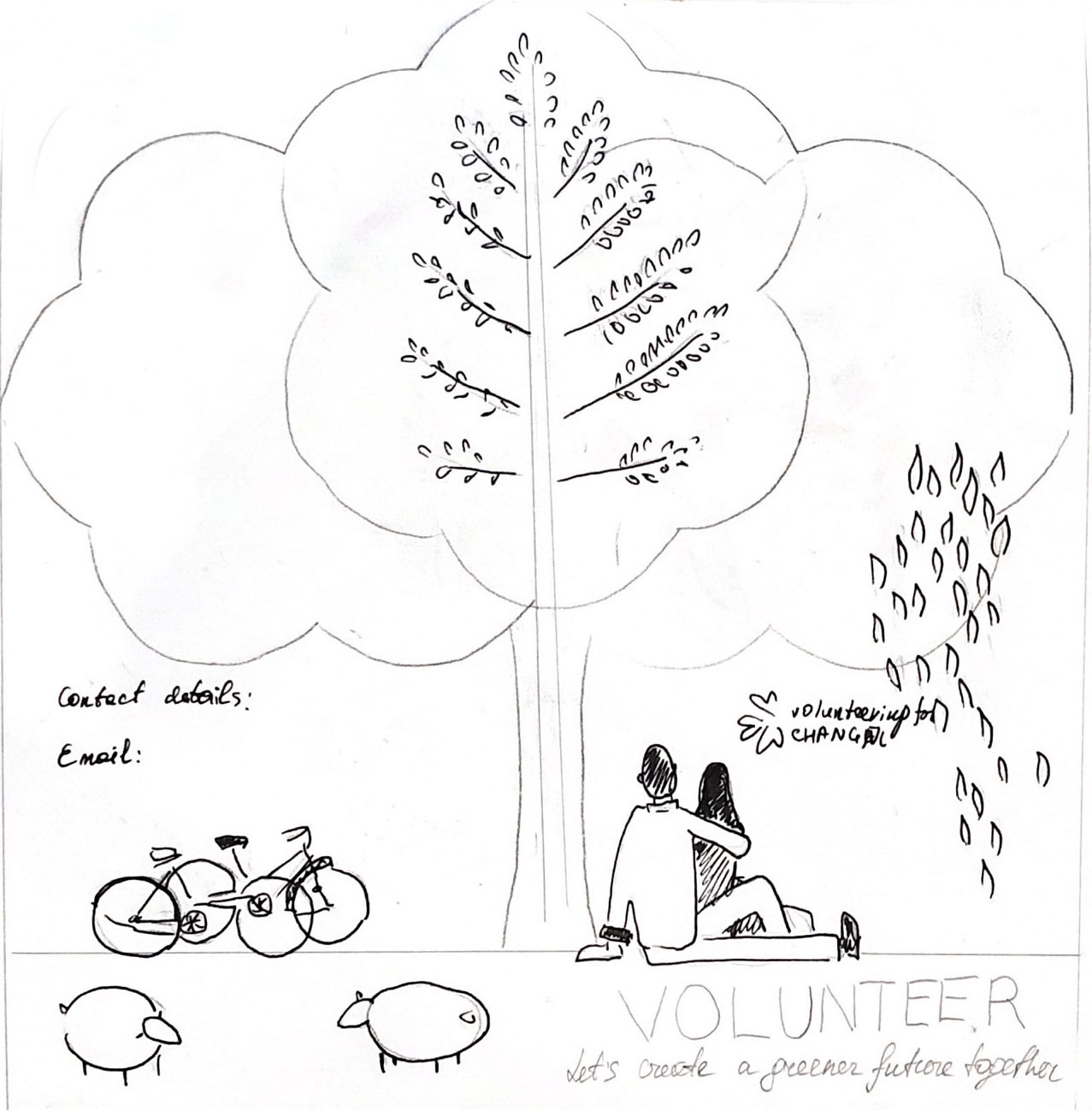
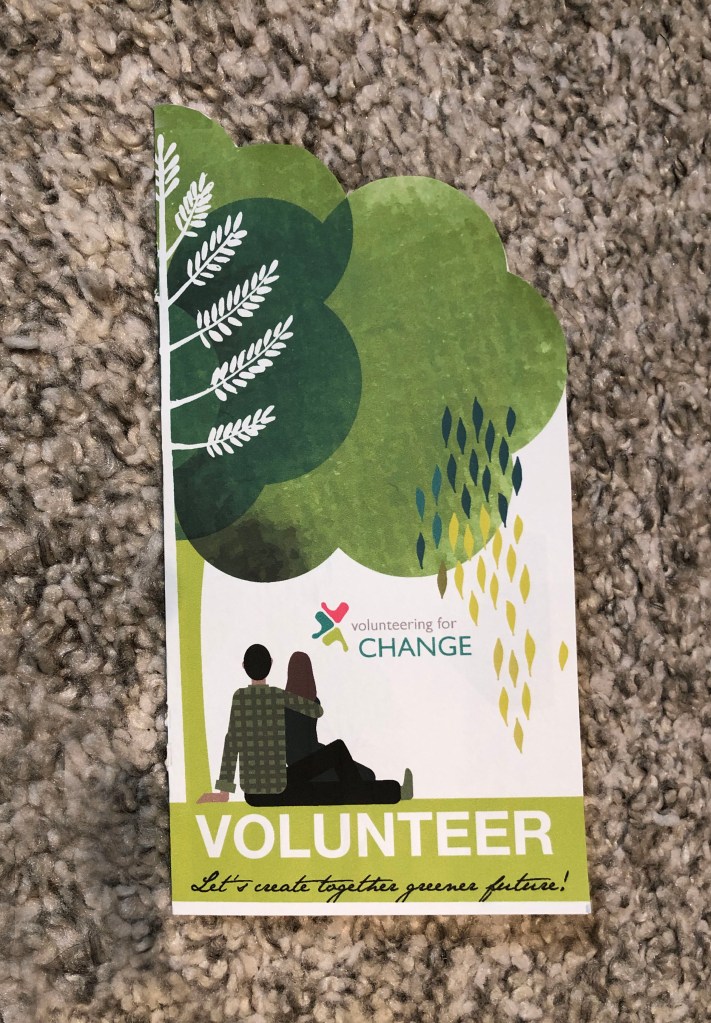
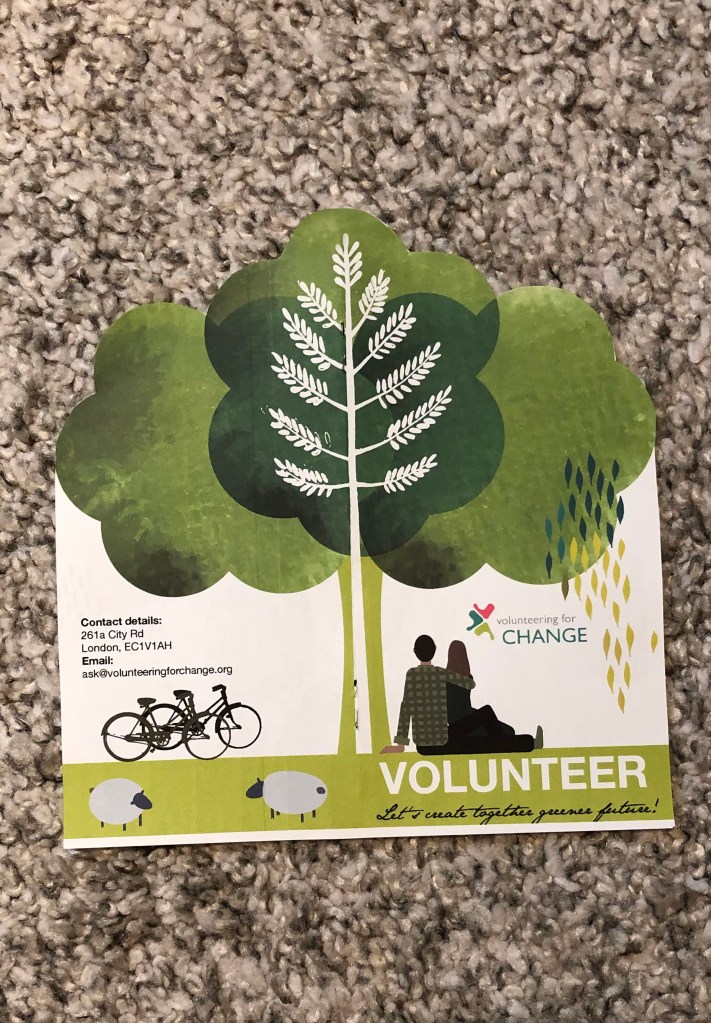
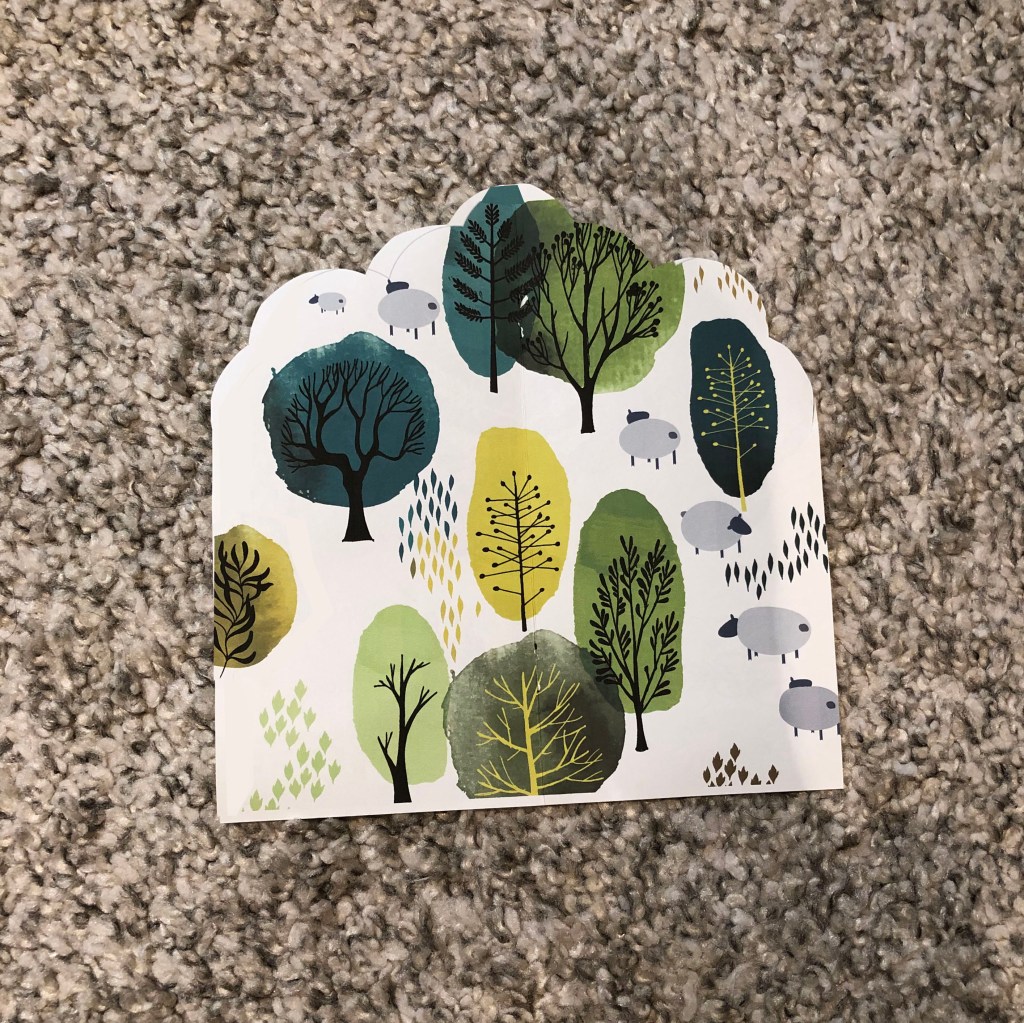
I created some sketches for the leaflet idea with the tree-shaped cut. The idea was to keep the shape of the leaflet like a tree, but later I decided to leave only top with shaped cut, otherwise, it would be too thin to fit any text in. So, my first trial came up in the shape of a tree, euro format 100×210 mm half fold, full-size 200×210 mm, so when you open the leaflet you have the kind of open tree. That was my association of the volunteering to create the communal garden, where people would come to enjoy their time. Inside I’ve made some sketches of the trees, that could be the background to go underneath the text information.

Scanned Documents
Volunteering Leaflet Sketch
Presentation
Final design of the leaflet

Leaflet idea 2

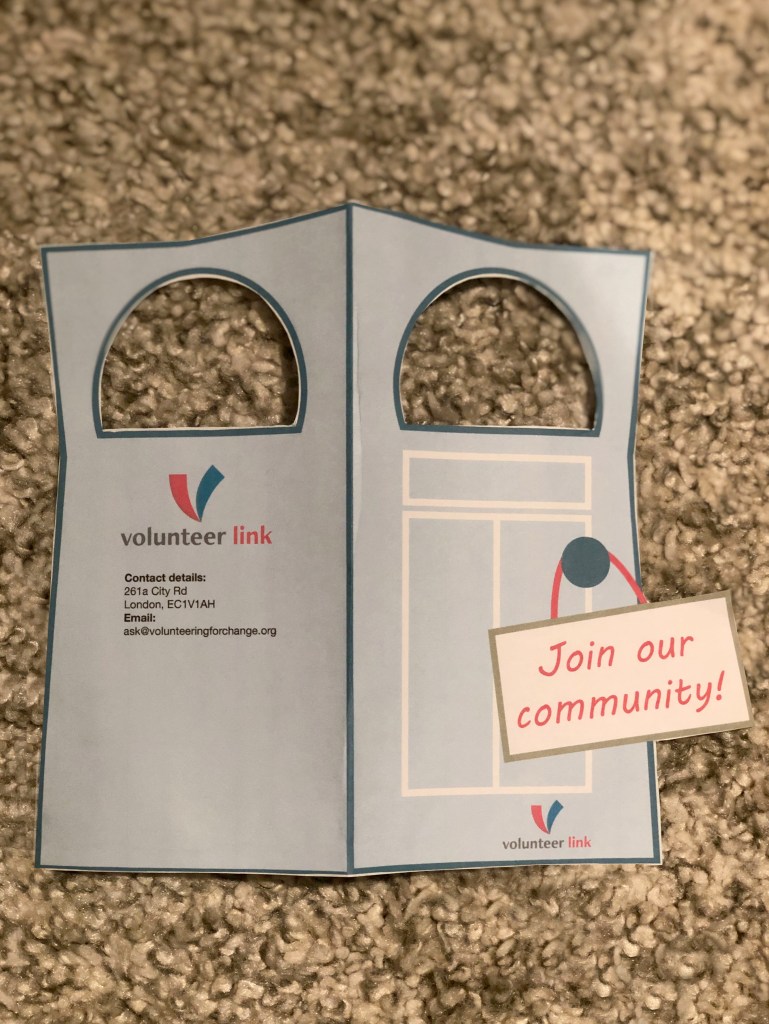
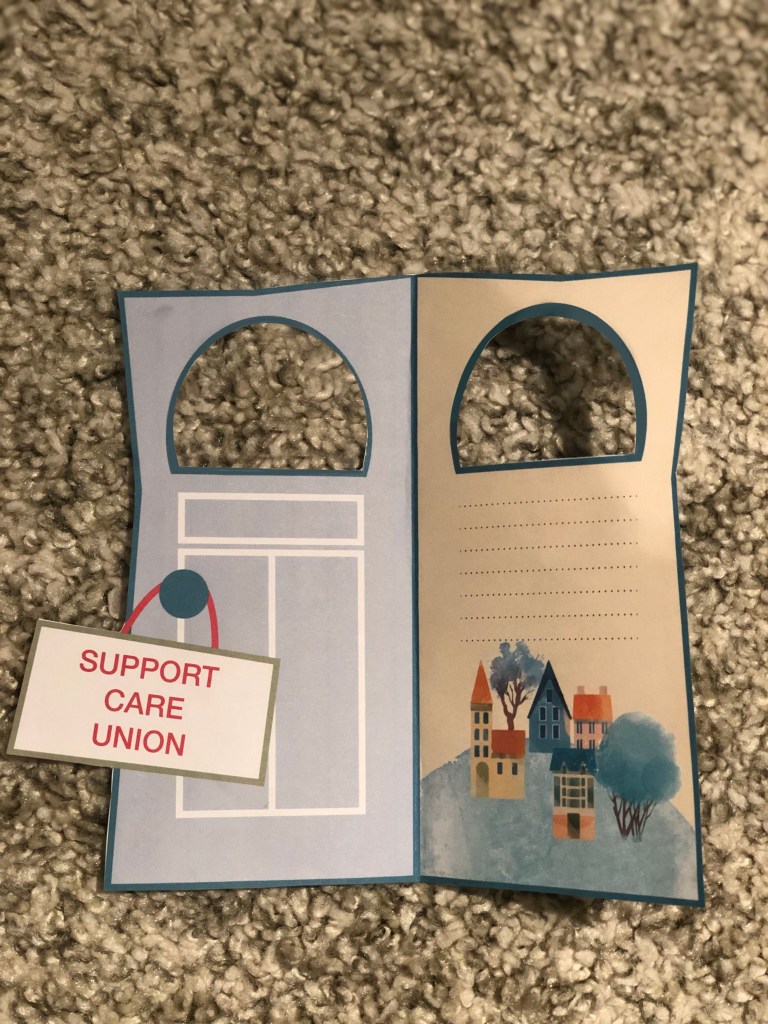
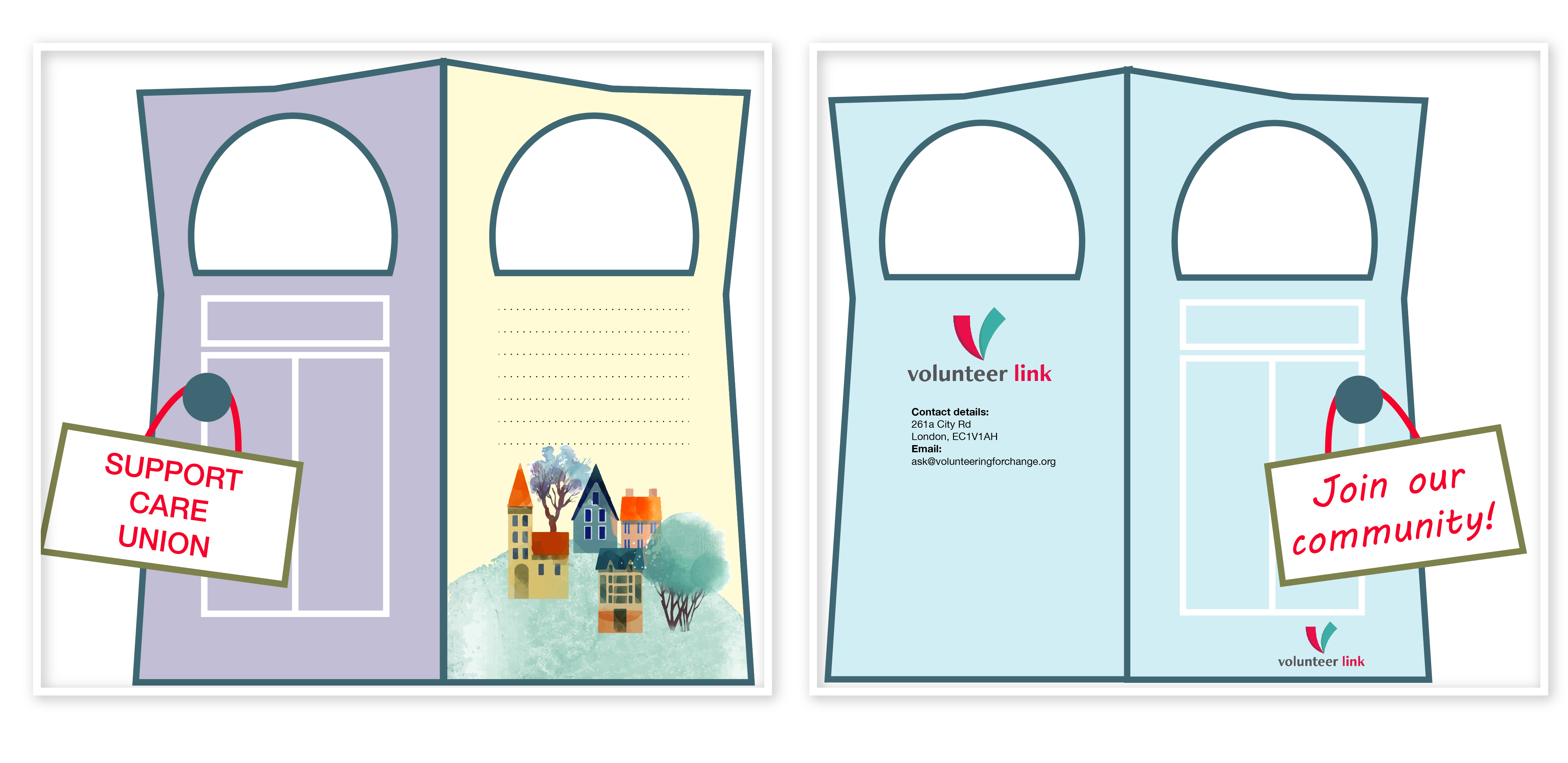
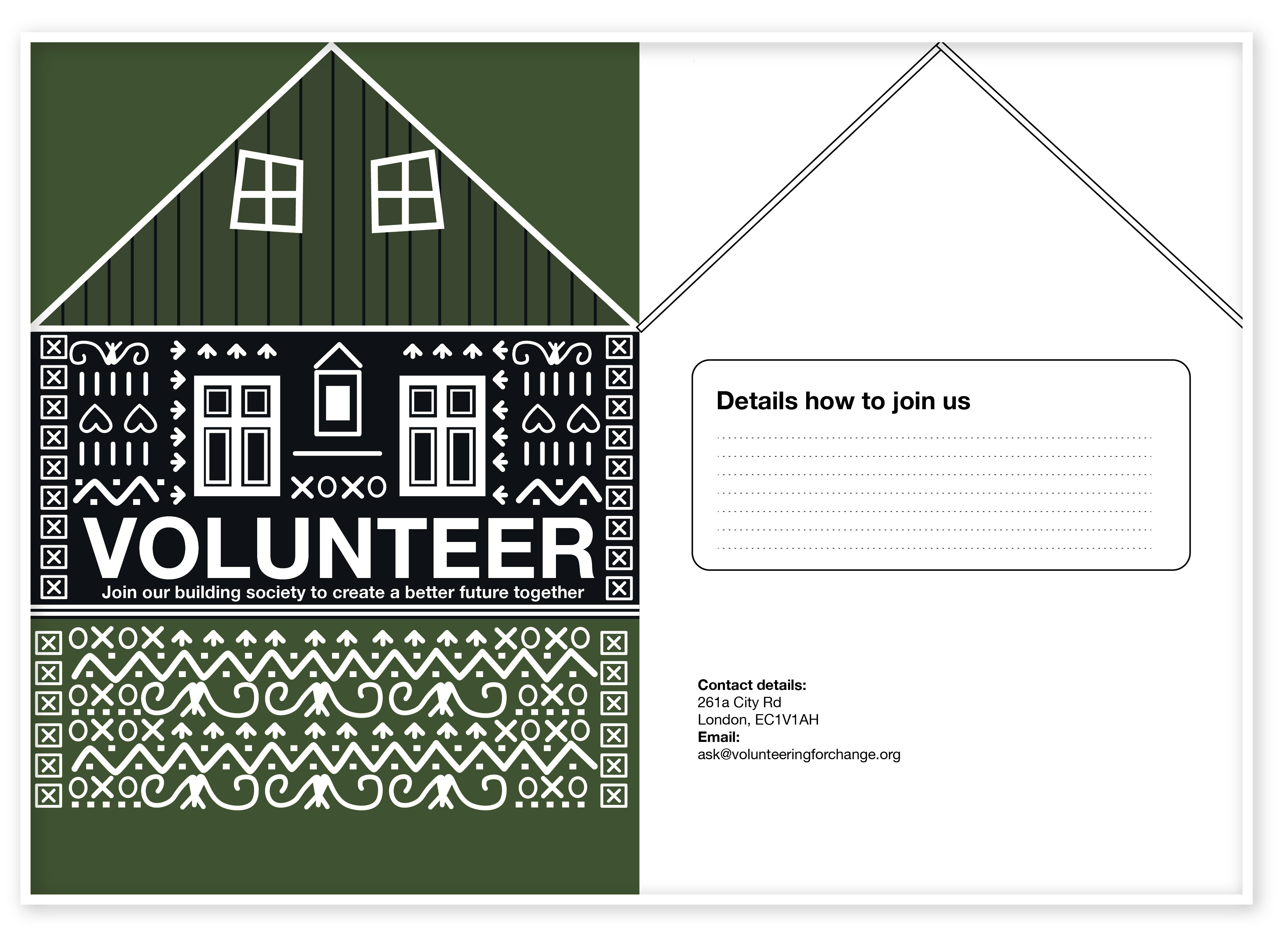
This leaflet idea came from the volunteering to join the building communities. So, I thought I would like to play with a shape of the leaflet. This design works well to hang it on the house’s door. I liked the shape of that leaflet, but it was not according to the complicated folding.

Presentation_door-01
Final Design

Leaflet idea 3

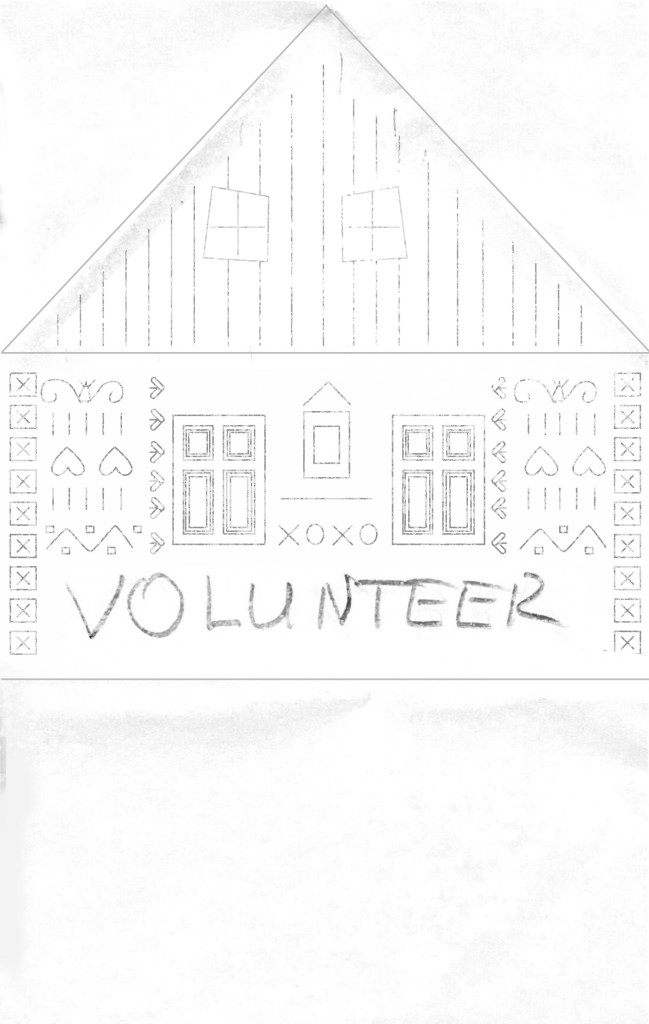
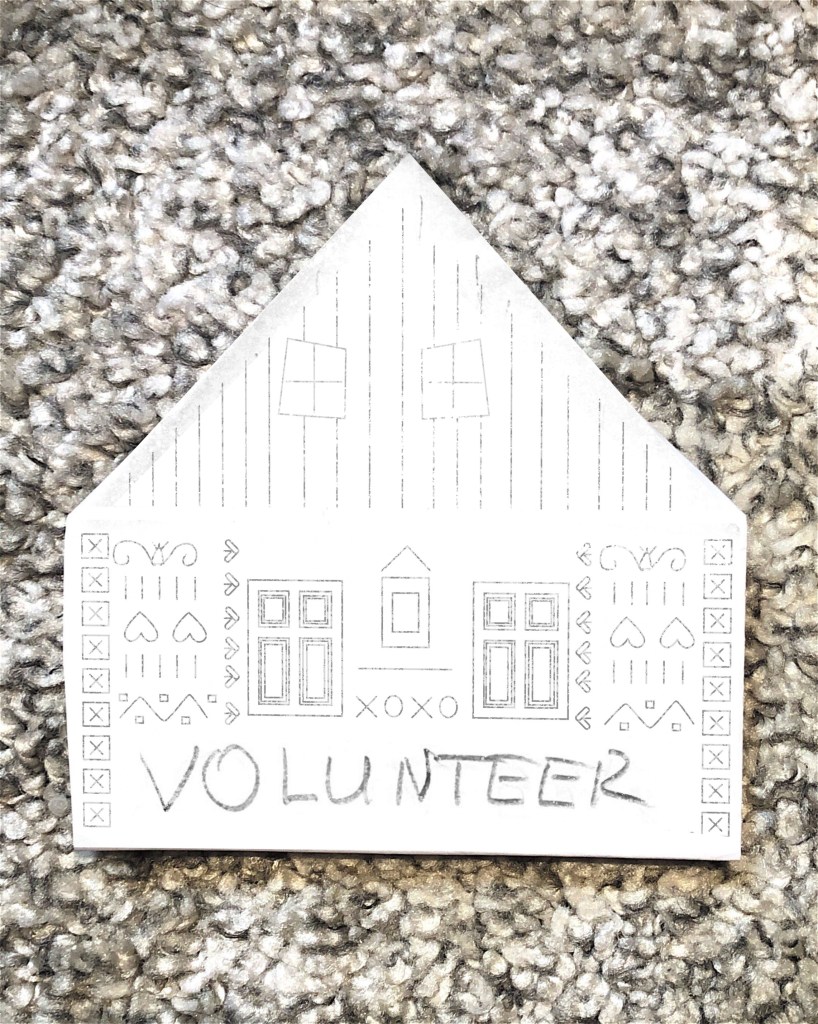
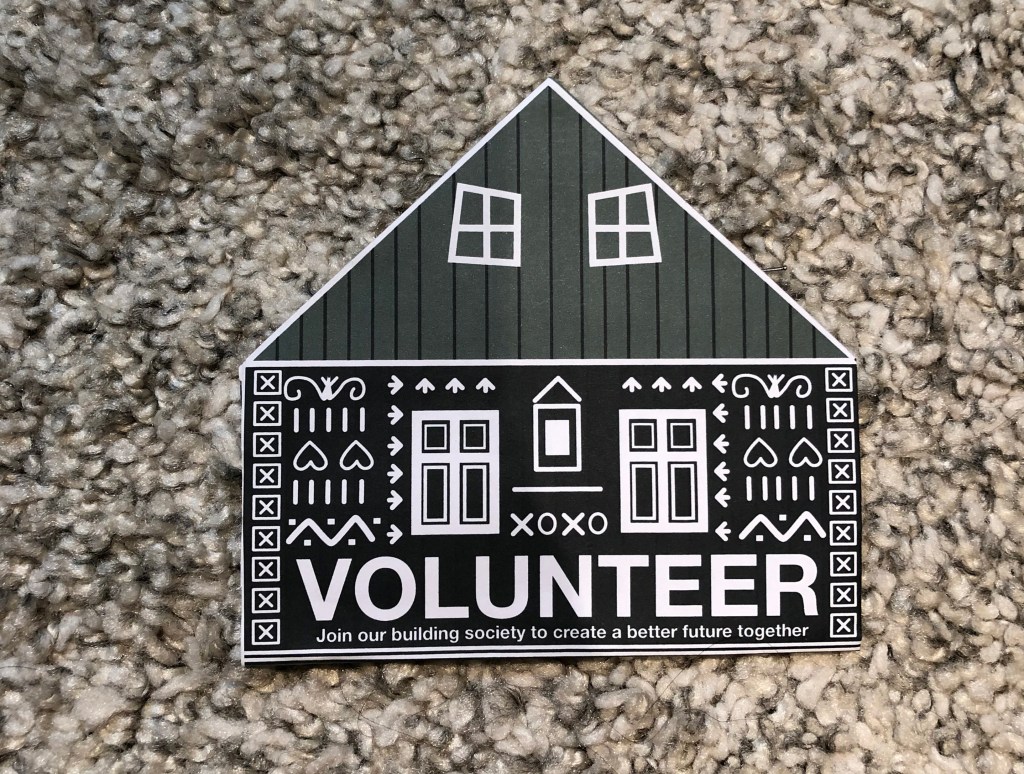
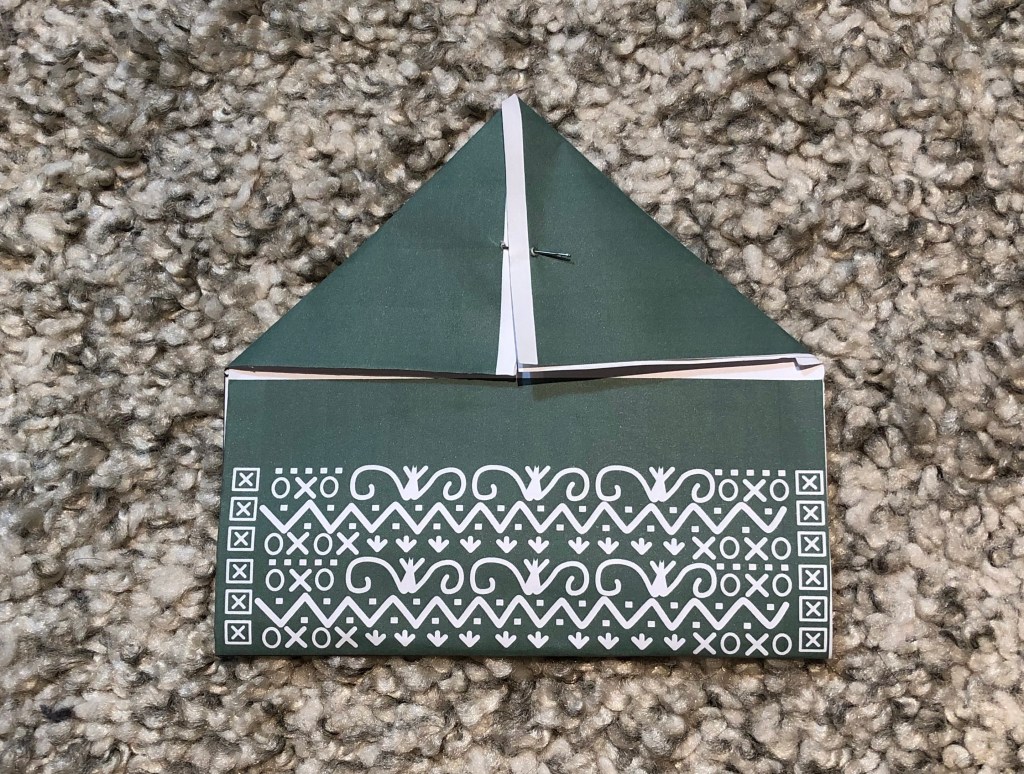
Another my design was related to the shape of the house to volunteer to build community houses. I played around with the leaflet format, trying to fold the paper in a couple of ways. After that, I did some sketches in Adobe Illustrator, as I’ve noticed for me it’s easier to see the result in colours. I think that format could work very well for attracting people attention, as you have a temptation to have a look at what is there inside.

Drafts
Final Design

I think I would recommend giving that leaflet by hand, but with the one exception, that people who sent that promotional material would have a conversation with potential volunteers, that to give them some basic induction into the idea of the campaign.

In a conclusion, I would like to say that making mockups for the brochure is quite an important part of the leaflet design planning. I’ve discovered there is a lot of type of brochures, starting from the half fold and going to the accordion fold. I think the complexity of the design depends firstly from the budget, and secondly, from the customer design preferences. For example, if the customer would like to create a complicated fold, it could be thin paper, if it would be standard euro brochure, we could use decorative paper, or that is always space for photographs of volunteering people, but it would be generic design. There is always a chance to have attractive images to sell services to meet customer expectations.

Exercise: Book cover design

The brief is to design a stunning and contemporary cover for one of the 20th century’s most acclaimed authors, HG Wells. The books will be published in paper format and need to include the titles, author’s name, publishers name and trademark.

methodetimesprodwebbin60d80ce8-d36b-11e6-b721-fbd88801f92d
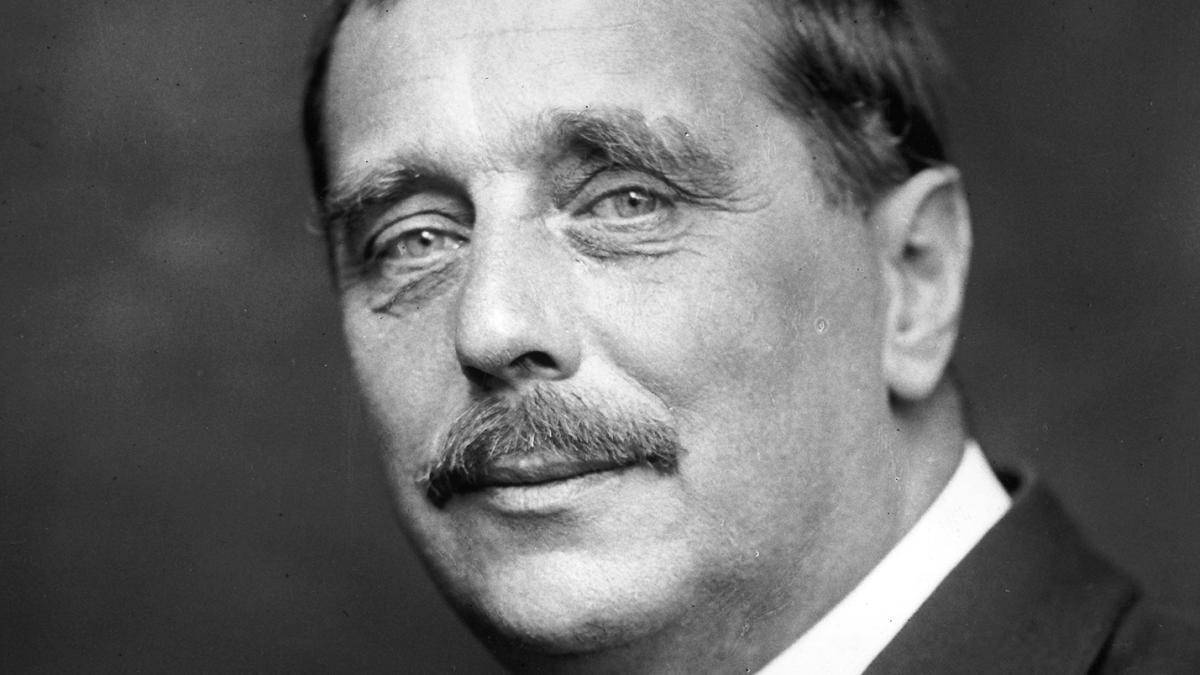
A portrait of H.G.Wells

Keywords for the generic topics of HG Wells books:

  • mid-life crisis
  • class
  • feminism
  • materialism
  • consumerism
  • love

Researches

The first step in my researches was to fill the gaps in my knowledge. I had some worries about starting this task, as I have never read his books before, therefore I looked for the books review that to have some basic ideas regarding the books that would inspire me. I went on Google to read about author more, and at the same time to find some cover designs that were printed for HG Wells, at the same time I that could use them for generating ideas.

Scanned Documents

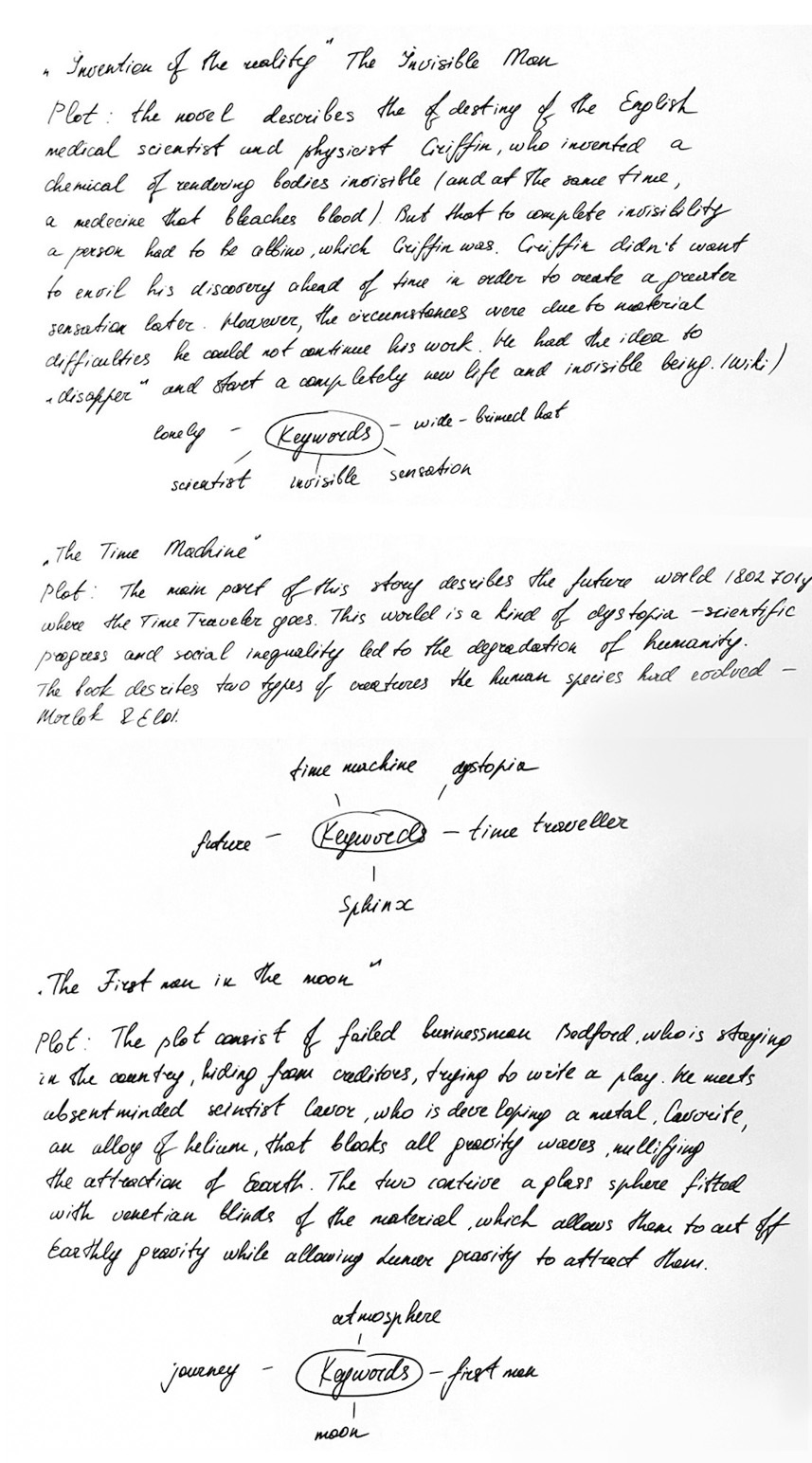
I used mind mapping technique to fill the gaps and identify keywords that could help me to produce my own ideas for sketches and visuals.
I’ve made some researches of the cover designs that were previously published starting from the first publications and leading to the modern covers for HG Wells books. They gave me some tips I could use in my design. From my vision, I would say that cover design I could use for my own ideas is with the fewer elements, the kind of minimalistic designs, like the cover of Invisible Man on the blue background, where I could see mainly only a few elements like hat, suit and the name of the book and author. Another design that I think stands out compare to the other design is a first cover for the Time Machine book, where instead of busy element around I could see the main one object, which is sphynx.

I tried to identify three books that I would work with. Below is mind mapping of some well-known HG Wells timeless fiction and novels. After that, I could have a clear understanding of what books I would like to work with.

  1. The Invisible Man
  2. The Time Machine
  3. The First Men in the Moon
Scanned Documents
Books Review
screenshot_2018-10-30_11.20.13_4x
Book Covers with Story Tales Font by Giuseppe Salerno
https://dribbble.com/shots/5471891-Book-Covers-with-Story-Tales-Font
[Accessed November 2018]

As I had a gap in a plot understanding, I read the review for all books, and after that, I decided to create a mind mapping with keywords, and general ideas for each cover.
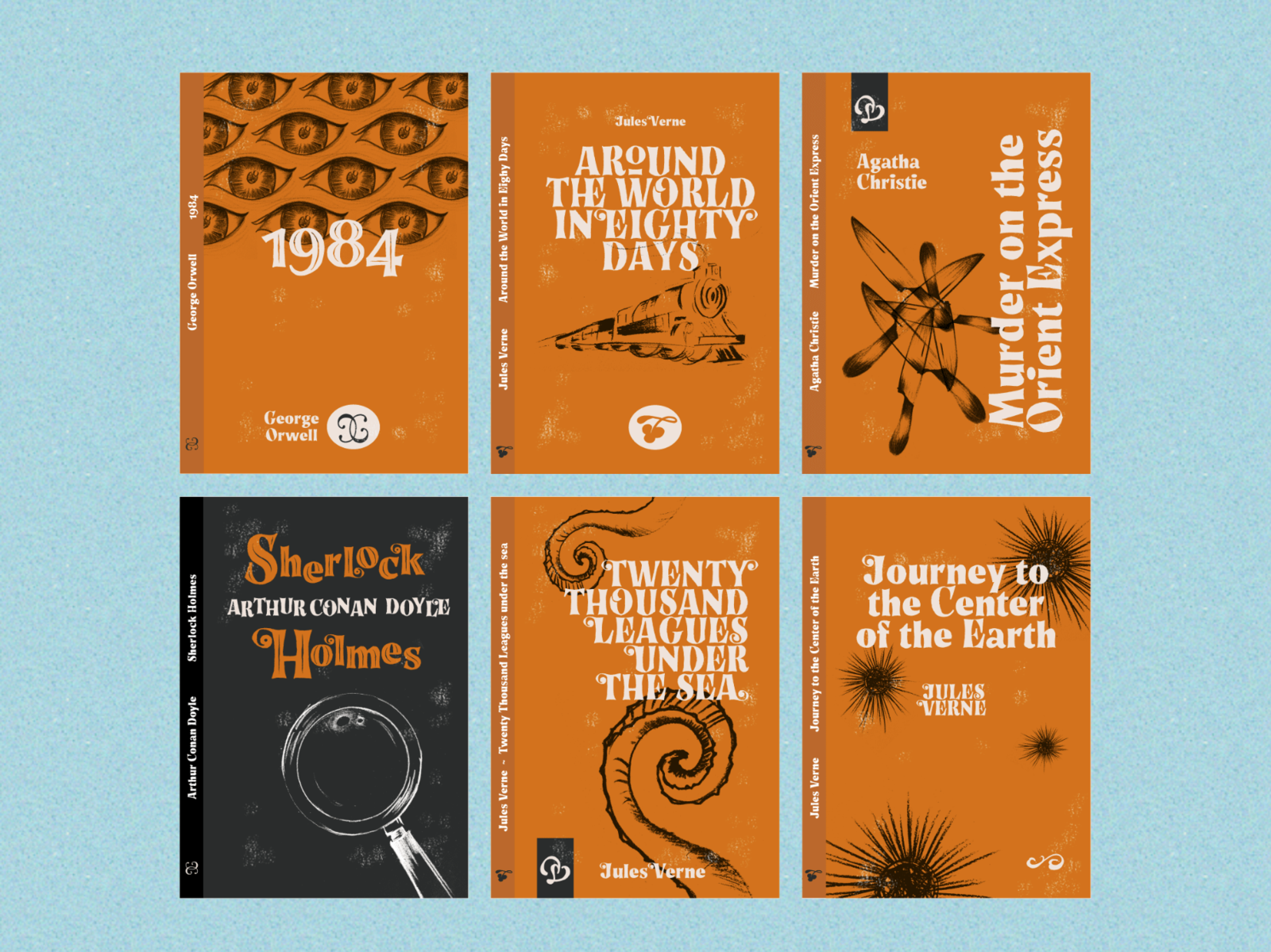
I found some examples of contemporary book covers that were redesigned from classic novels. I tried to identify for myself how would I imagine modern book cover, I decided that it should be vector illustration, with a bright background and contrast colours. Some examples that I liked below.

After I did my final researches I made the decision that I would like to use vector illustration in my work with some abstract addition.

6a00d83451cbb069e200e54f7db9ec8834-800wi
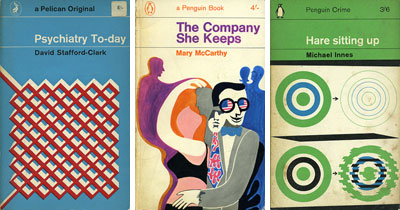
Classic Penguin and Pelican book covers from the 60s and 70s. https://www.retrotogo.com/2006/10/classic_penguin.html [Accessed November 2018]

For typeface, I’ve decided to keep it simple. For all book names, I used Helvetica Condensed Bold, for the Author Name I used Helvetica Light, for the Publisher Name I used original typeface Helvetica Regular.

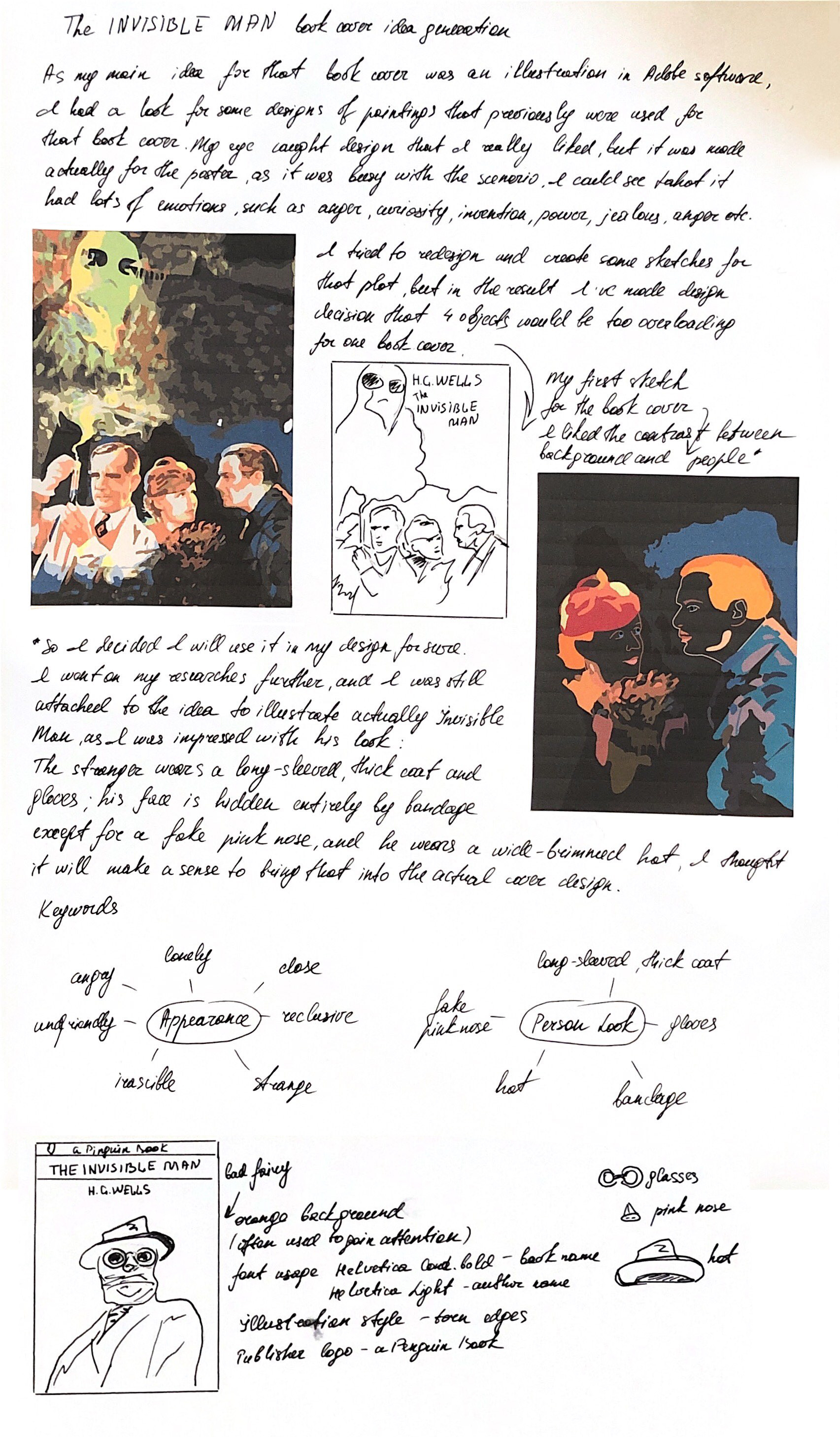
The Invisible Man – Book Cover Idea Generation.

  • Loneliness
  • Scientist
  • Evil Genius
  • Strange appearance
  • Invisible
  • Pink Nose
  • Wide-brimmed hat

Notes from Learning Log.

Scanned Documents

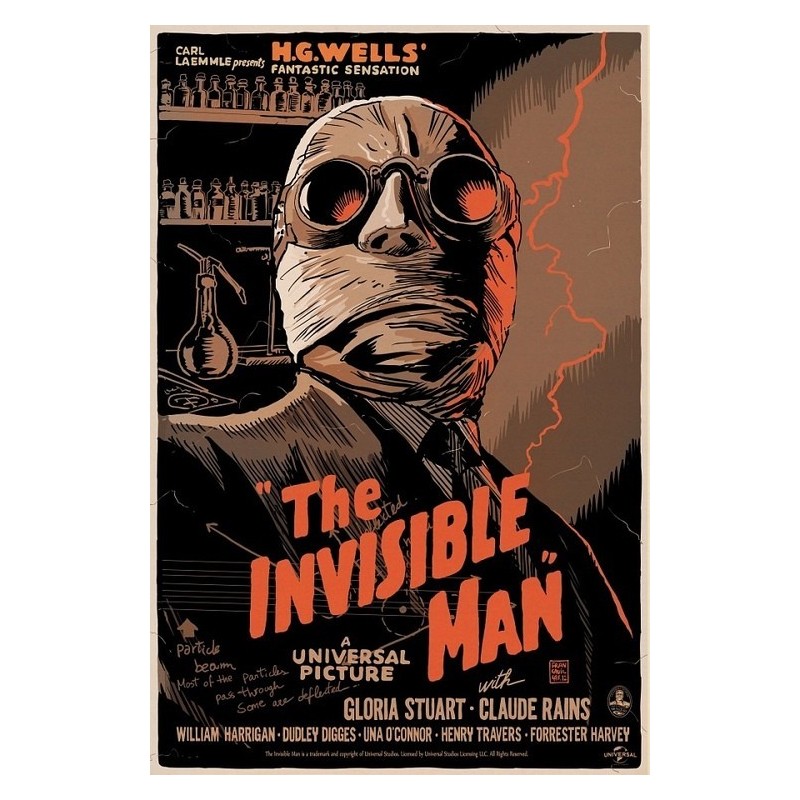
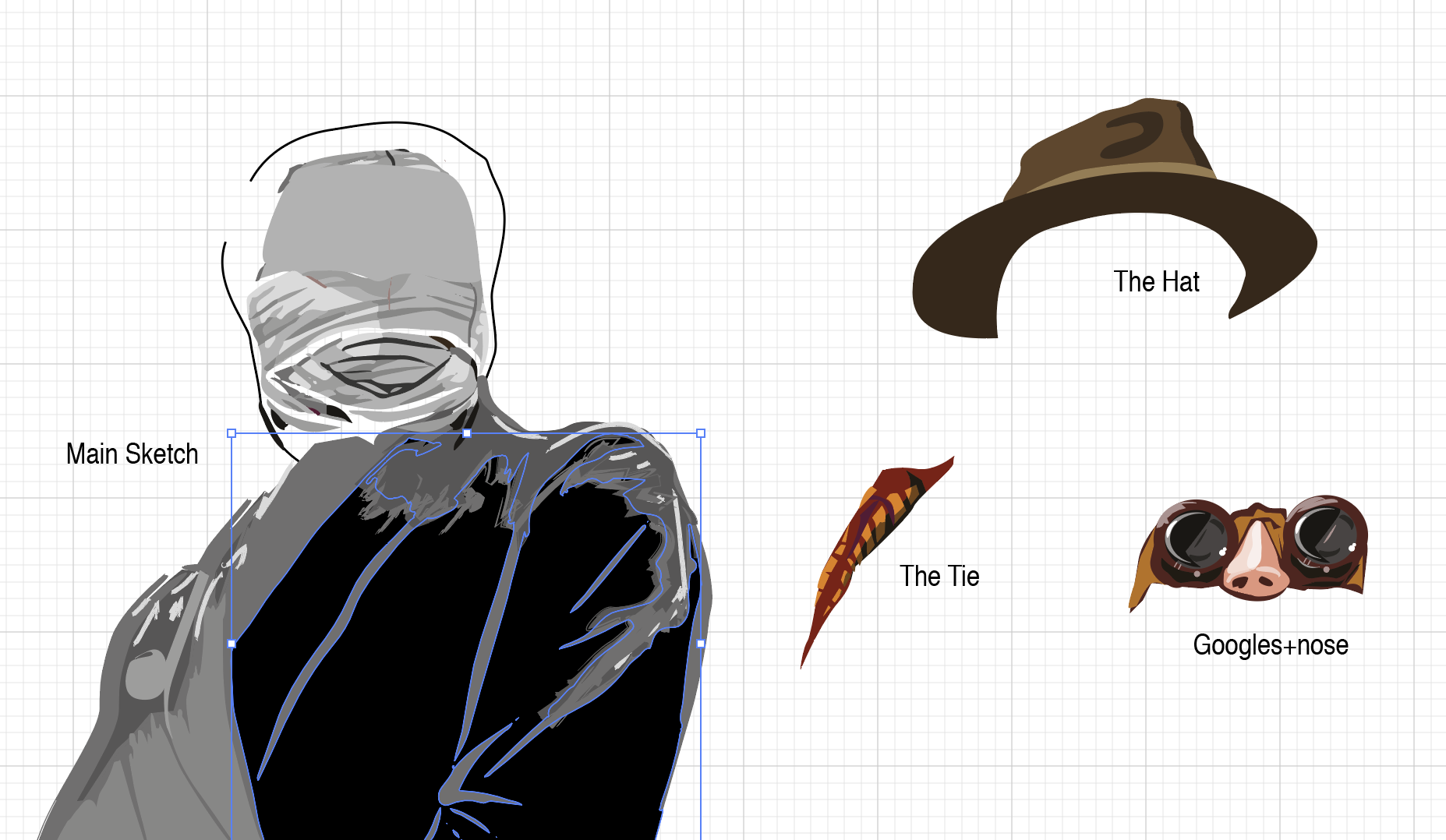
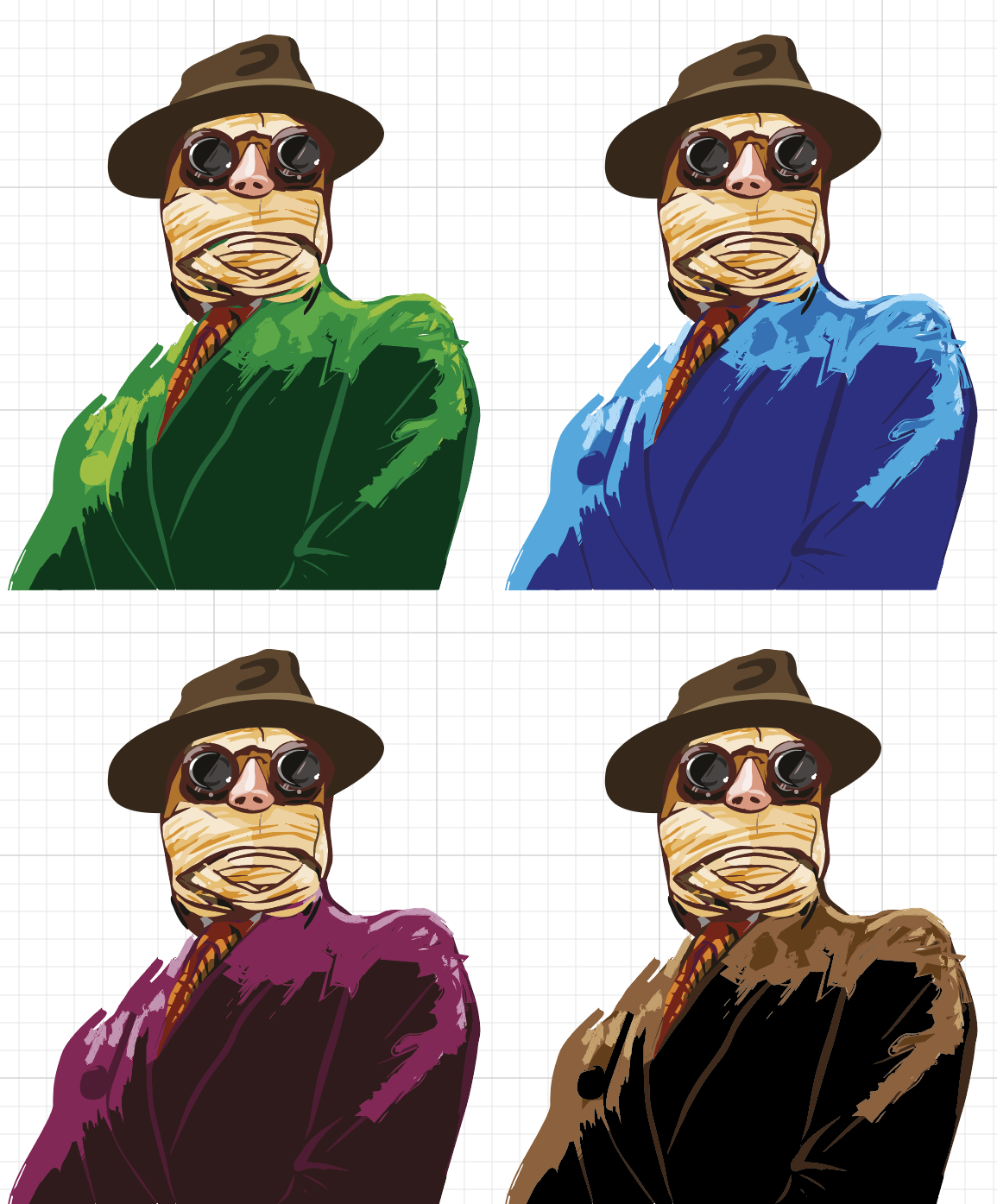
For the source of inspiration, I found that old poster, which perfectly displays my vision of the Invisible Man. I could see there arrogance, power, and the kind of grotty at the same time. I’ve painted my own image of the invisible man relying on the poster, using the Pen Tool and Pain Brush Tool.

original-silkscreened-poster-limited-edition-invisible-man-francesco-francavilla-gallery-mondo
Old Tin Sign The Invisible Man Classic Vintage Movie Poster. Available from:
https://www.amazon.com/Invisible-Classic-Vintage-Movie-Poster/dp/B01F6MMDBU [Accessed November 2018]

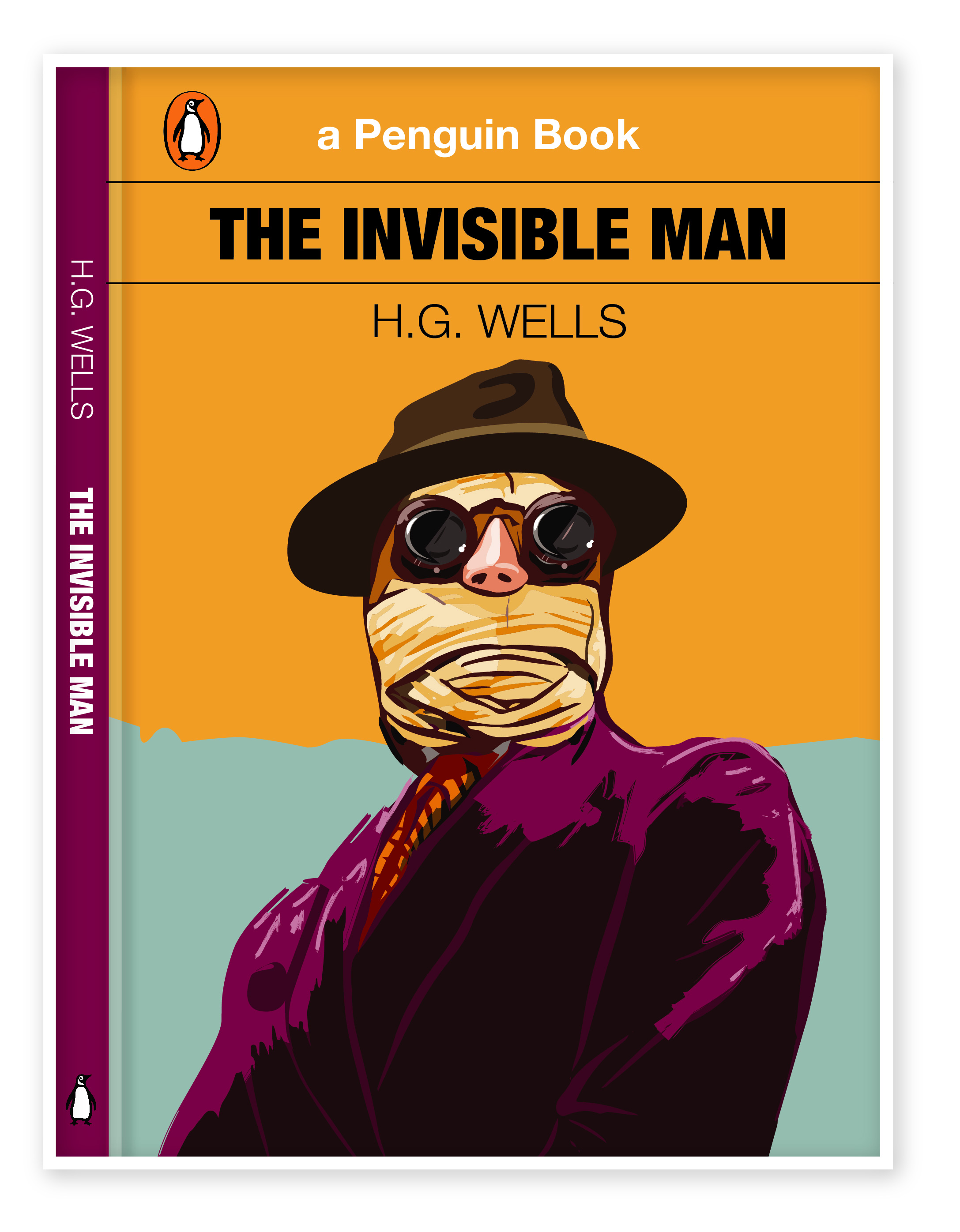
I played around with the colours for his jacket, evenly that his personality was quite miserable, I liked the idea of bright colours for his jacket, I found it eye-catching for the potential buyer.

Book design I’ve got in the result is presented below. On my sketches, I had the plain orange background, but after some additional works, I could see that design missed some sort of deepness, therefore I put in some additional tender blue colour that the image of Protagonist came into the front of the composition.

The Invisible Man-01
Final Design by Eleonora Davydovska

I think I’m quite satisfied with the result that I’ve got. As my illustration presents a spirit of the protagonist personality, as Griffin has become one of the most famous images of “evil genius” in world literature.

The First Men In The Moon – Book Cover Idea Generation.

  • Gravity
  • Space
  • Satellite
  • Revolution
  • Lunar
Scanned Documents

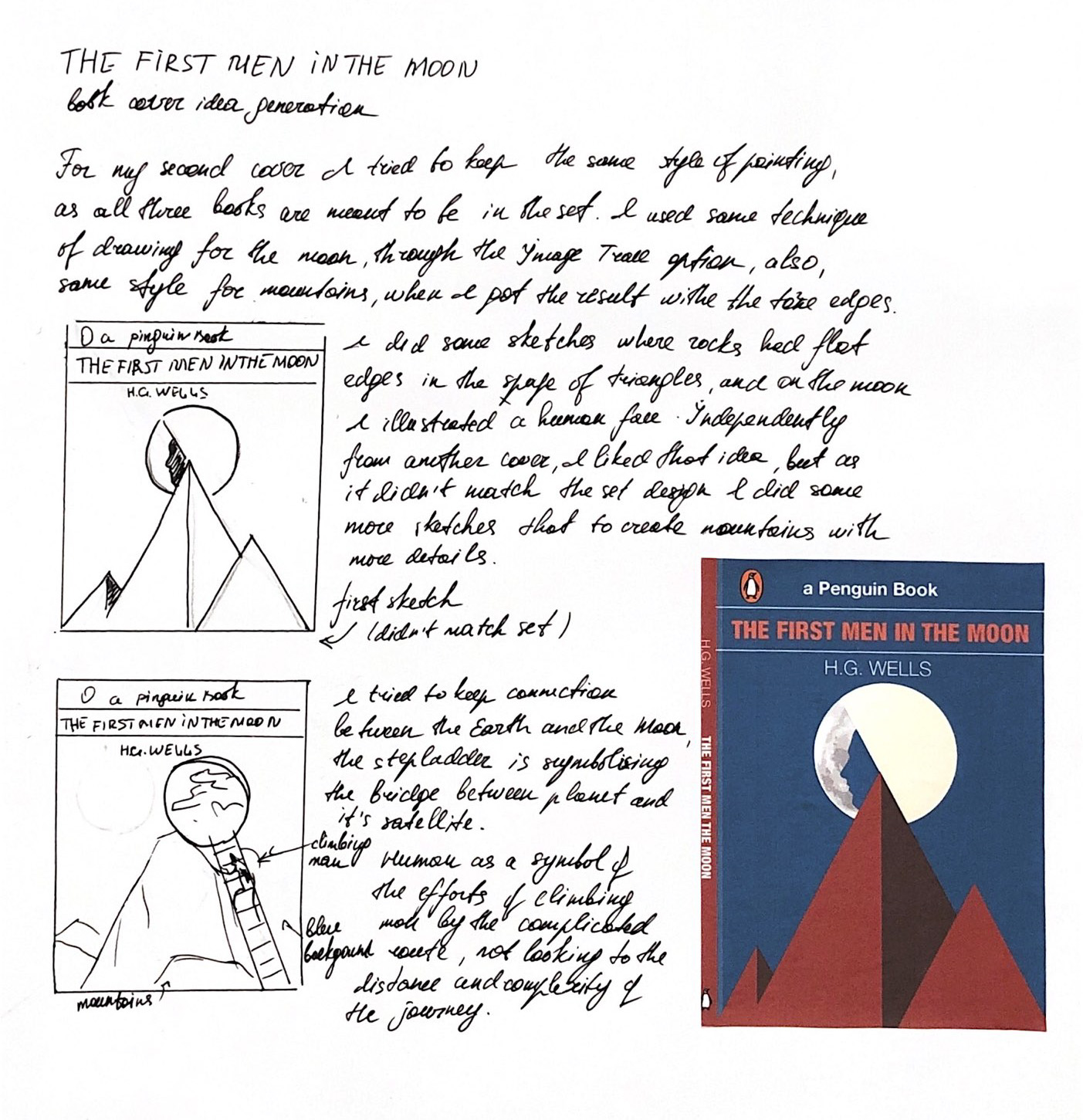
As I had an initial idea to play around with the mountains and the moon, to keep the connection between the planet and its satellite. I tried the first option with the sharp angles, however, for that book cover I still wanted to avoid the straight lines, so I lose this first option. Some of my researches and sketches are presented below.

Image Trace
Moon drawing in Adobe Illustrator

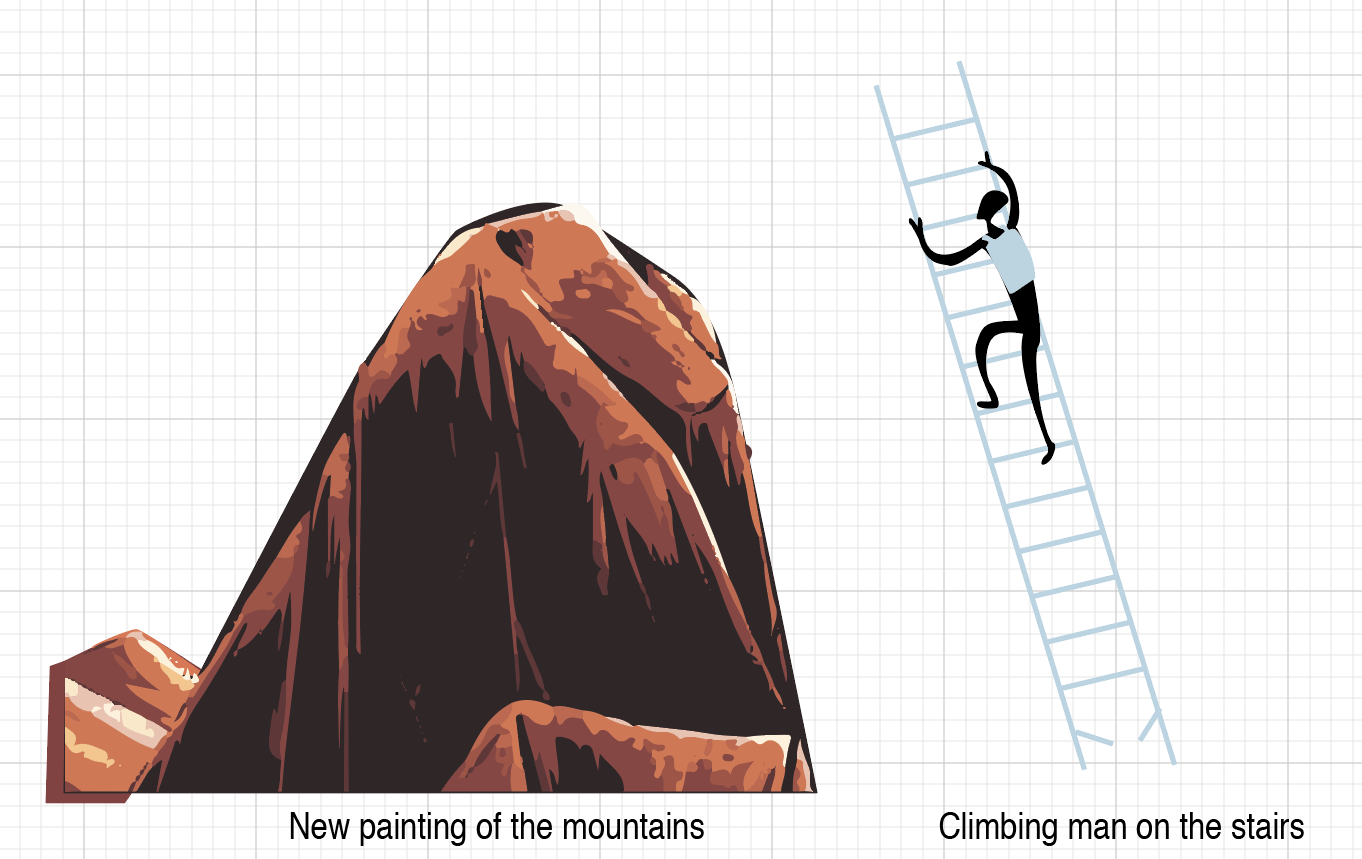
After the first trial I went further in my researches, so this time I was going to paint mountains with soft torn edges. My thoughts were coming from that I was going to keep all book covers in the similar style, in the kind of dynamic painting, avoiding stright smooth forms as much as possible. Below is presented some of my drwaings in Adobe Illustrator.

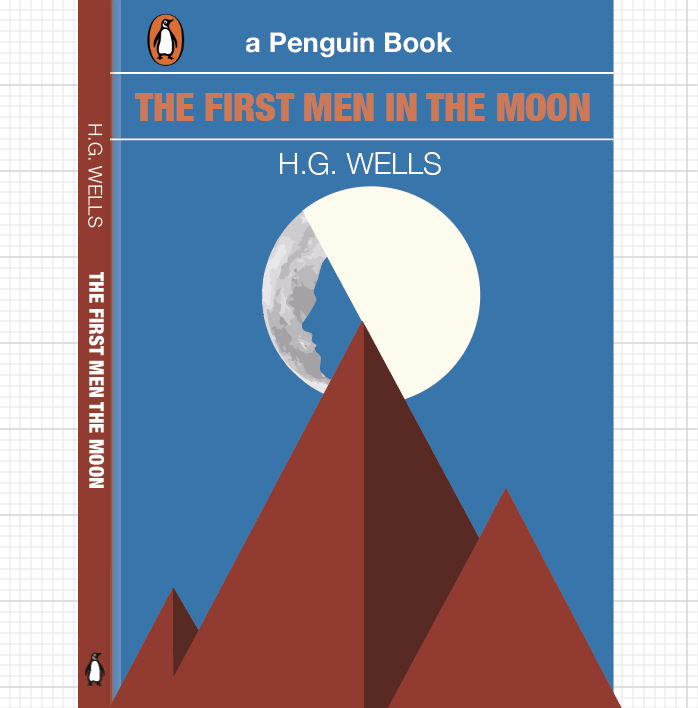
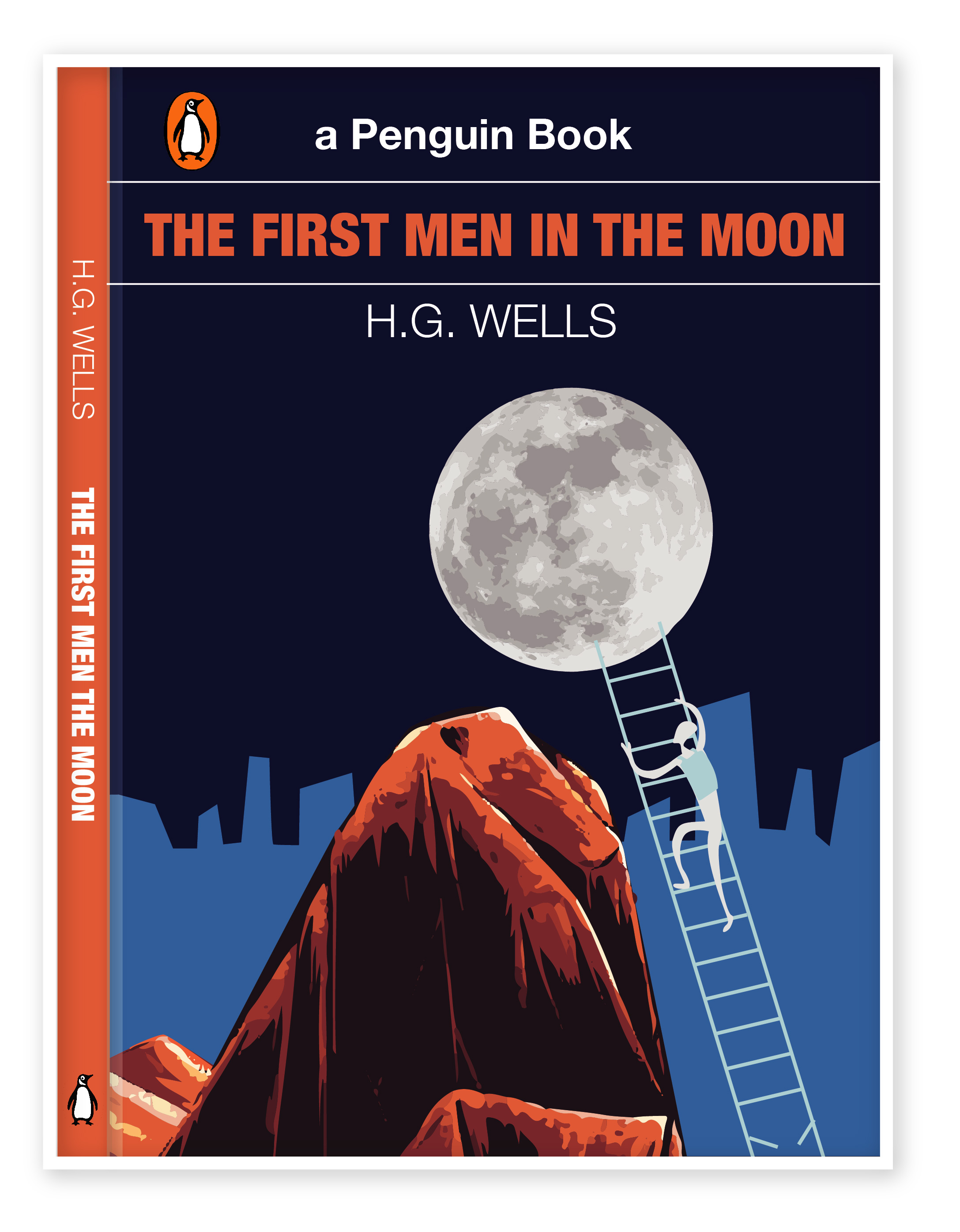
The final design for the book cover.

For the background, I’ve chosen two shades of blue colour, which represents the sky, and is associated with open spaces, freedom, intuition, imagination, inspiration, and sensitivity. Darker blue as a symbol of space and lighter blue is a symbol of human civilisation. I quite liked that drawing, both images Moon and mountains were painted with shades and lights. The last step is broken, as I wanted to show an interrupted connection with Earth, when Cavor’s programs break off in half a word, while he was about to reveal the secret of Cavorite’s production to earthmen. 
The first Men in the Moon-01-01
Cover Option 2. Final Design

The Time Machine – Book Cover Idea Generation.

  • Time Traveller
  • Futuristic
  • White Sphinx
  • Machine

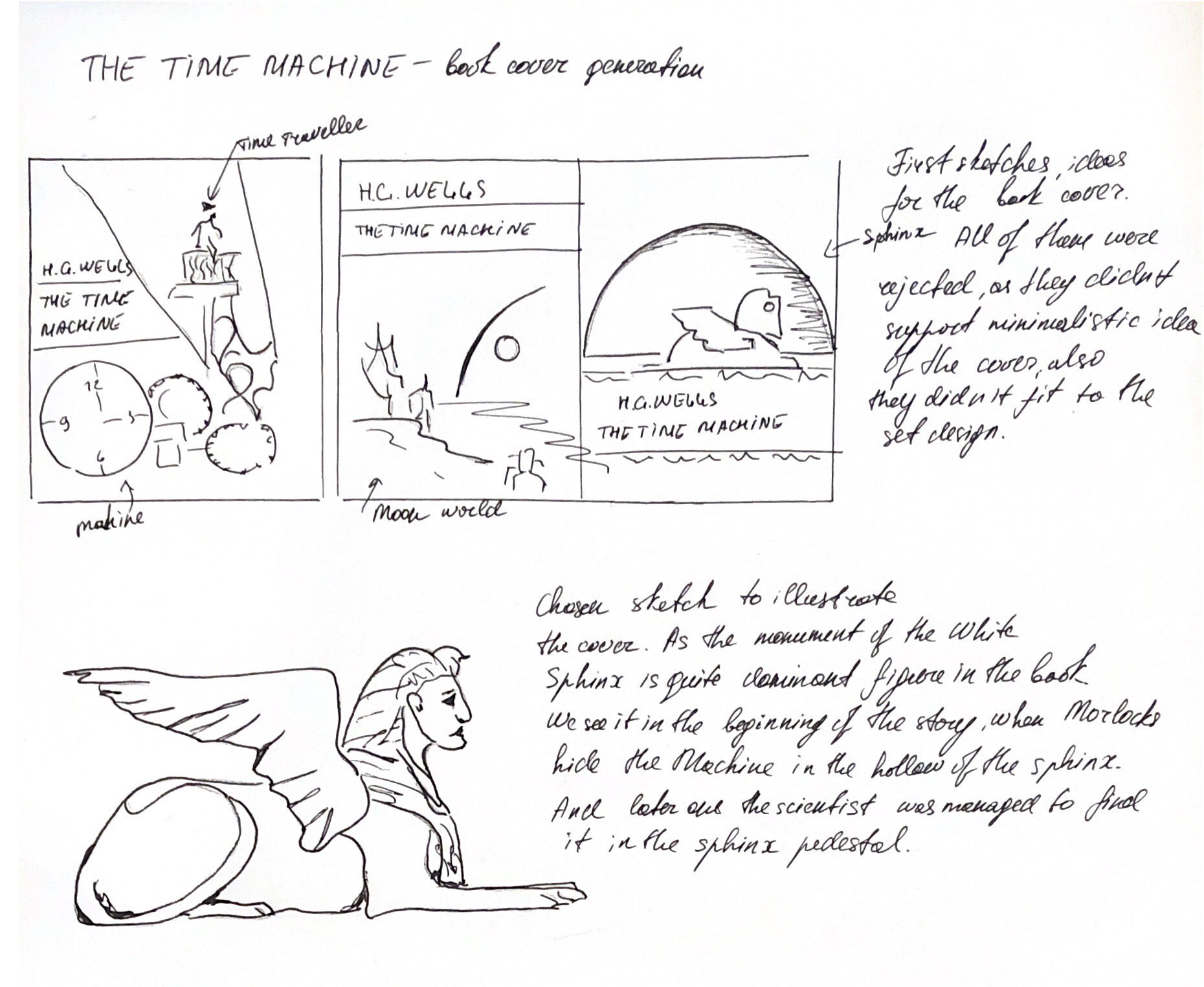
Ideas from my sketchbook:

Scanned Documents

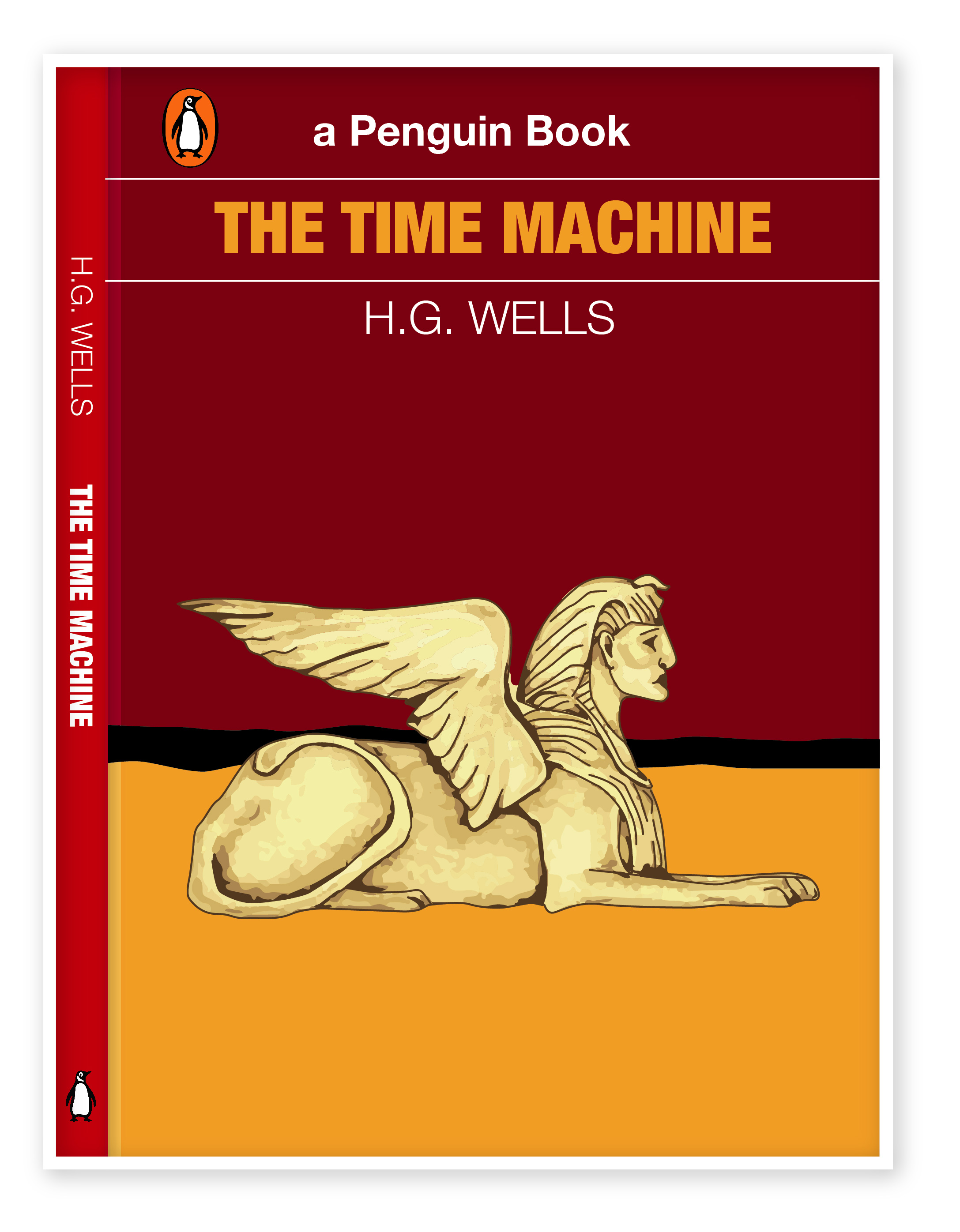
For my third book cover, I went through some researches, as I preferred to keep it simple, so I’ve decided to execute an illustration image of White Sphinx. The idea was taken from that bit:

Meanwhile, the Morlocks, who, despite the loss of intelligence, retained a purely mechanical interest in technology and the ability to serve it, they found the Time Machine and hide it in the hollow pedestal of the White Sphinx. Having discovered the loss, the Traveler almost went mad, but eventually calms down and realised that the Machine could not be disappeared by itself, which means that it can be found. He manages to find traces of carrying the Time Machine leading to the doors in the Sphinx pedestal, but all attempts to learn something from the Eloi run into a wall of complete misunderstanding and rejection.

sphinx
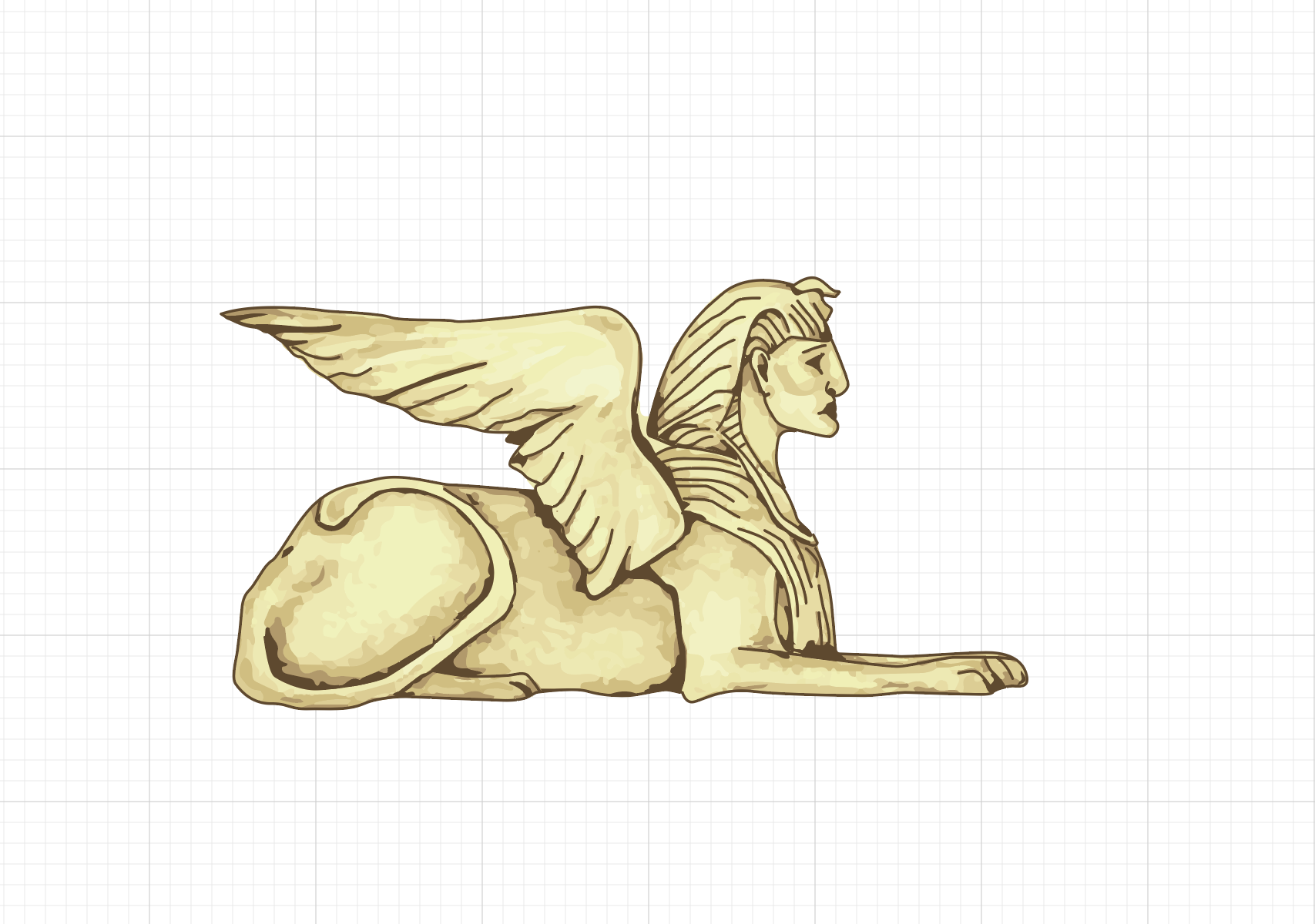
Sphinx Drawing in Adobe Illustrator
The time machine-01
Book Cover Design of The Time Machine by Eleonora Davydovska

I’ve painted in Illustrator picture of Sphinx, adhering to the general style of drawing which I used in the book covers from above. I had trials with the colour for the main background, from light red to the darker shades, after that I went with burgundy background mixing with orange half in the bottom of the cover, and between them, I’ve put a black line, that to keep the horizon in the contrast. 

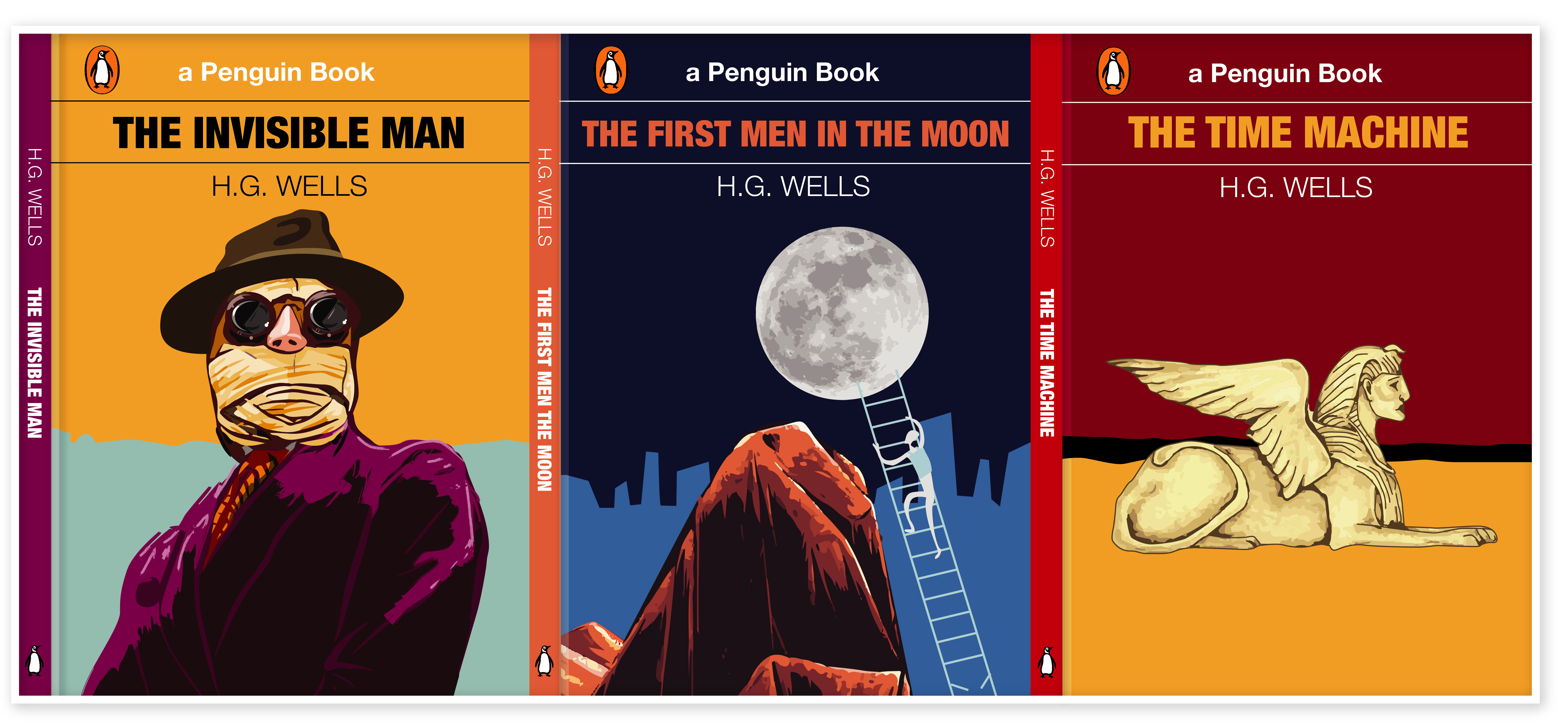
Overall, I think I’m quite satisfied with book cover design that I got in the result, as they all look in the same style, they are contemporary, eye-catching, and following the plot of each book. Also, all of them made in the same style, and they have some colours in common, like orange, blue, and red. Mind mapping and researches, with describing of each step was some sort of new experience, in the result I could see all job that I went through, with keeping an eye on the progress of the design. I would probably do some more sketches, because sometimes I keep most of the ideas in my head, selecting the best ones and improving them. However, I think I went through quite detailed researchers and in the result my paintings have proved the original ideas of itself.

Final H.G.Wells book covers

Covers-01