

Authorial practice in illustration empowers artists to take full ownership of their creative output, allowing them to initiate and develop original content that reflects their unique artistic vision. This approach enables illustrators to explore diverse opportunities, ranging from children’s publishing and decorative illustration to fanzines, editorial work, artists’ prints, and fashion and accessory design. By embracing authorial practice, illustrators can infuse their work with personal expression, establishing a direct connection with audiences and creating tangible and marketable outcomes that align with their artistic identity.
I often find myself revisiting my previous work, approaching it with a fresh perspective. It’s an interesting practice to be able to distance yourself from your own creations and examine them from a different angle. This allows me to analyse their strengths and imperfections, and it provides insight into what changes I would make or keep the design in its original form. Here I need to examine my previous designs, choose the area I can classify them for authorial practice, and explain what I enjoy the most in these designs aesthetically or conceptually.
I went to my old works, trying to avoid finished pieces, I found sketches or raw unfinished pieces more captivating, they look quite creative and they leave the field for imagination.
Animals
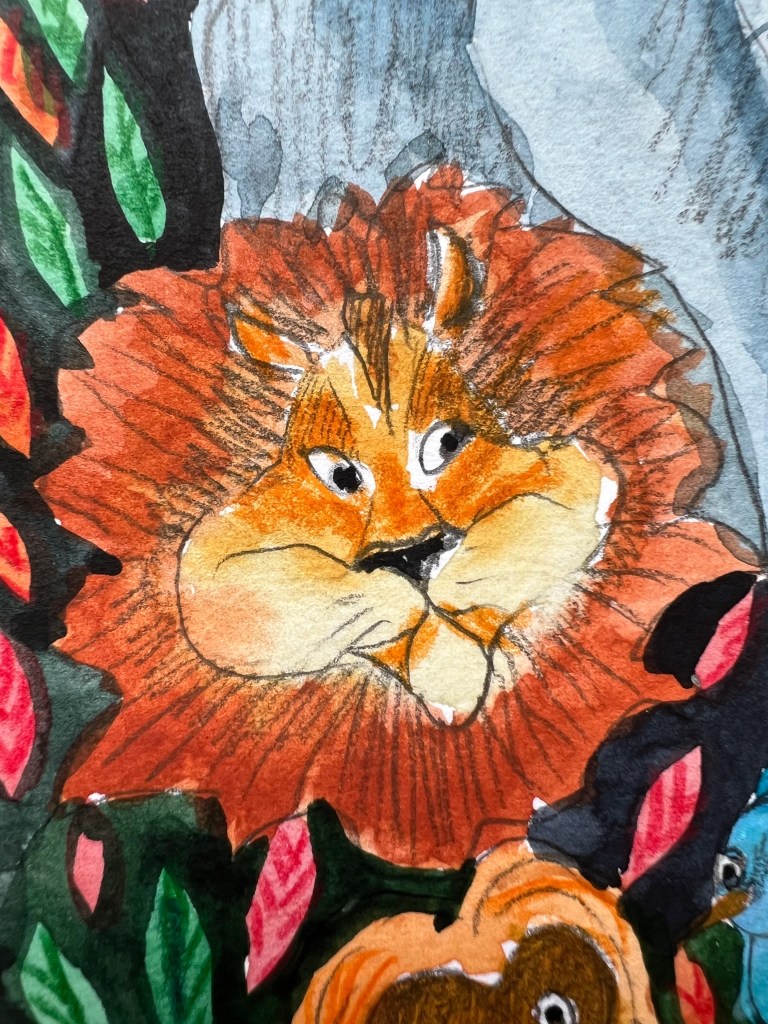
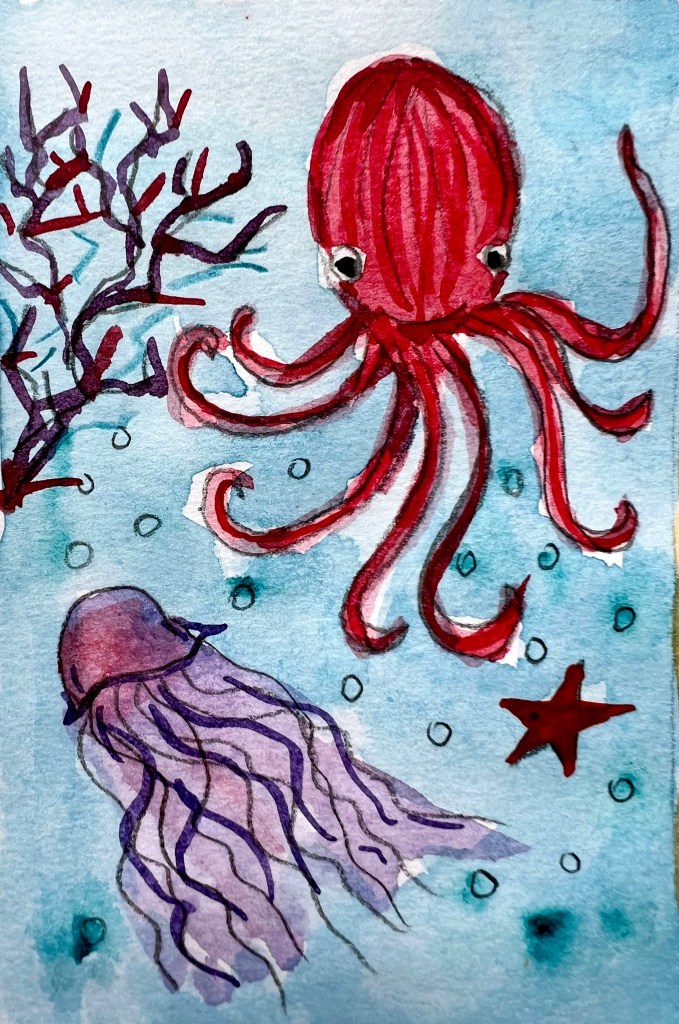
I found images of animals that can be related to the few subjects of authorial practice, such as Children’s Publishing, also they would suit the Fashion and Accessories theme. More detailed images of animals from the earlier exercise ‘Animals around the world’ in children’s publishing provide a wonderful way to engage young readers. Furthermore, animals in children’s books create a sense of wonder and curiosity about the natural world, sparking an interest in wildlife and conservation.




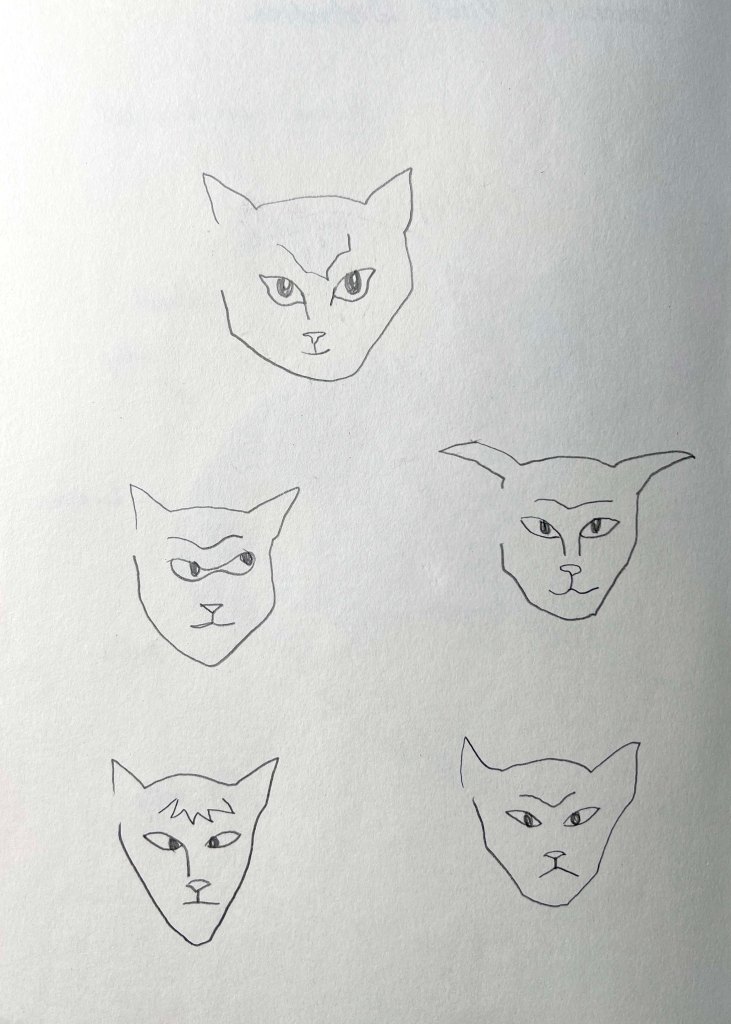
On the other hand, the image of the cat based on five lines from the ‘Visual Distortion’ exercise captivates the mood of the character and can be applied to gift accessories. Depicting a cat’s face on a piece of paper could be a charming and engaging design for various souvenirs, such as mugs, t-shirts, postcards, or keychains, especially for cat lovers or those seeking a whimsical and endearing image. The drawing could be rendered in a minimalist, stylised, or realistic manner, depending on the desired aesthetic and the target audience for the souvenirs.
Artists’ prints and artworks
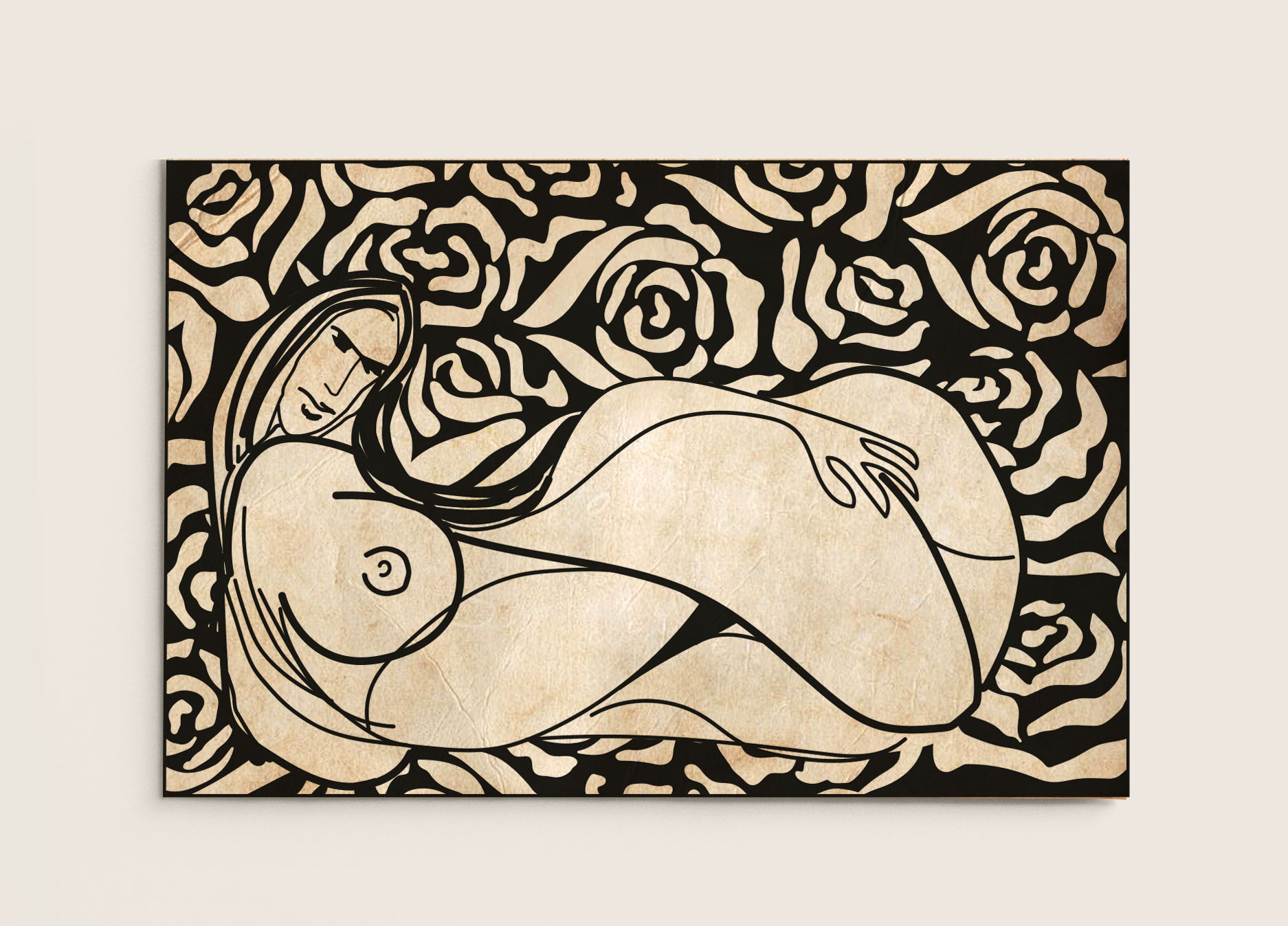
Authorial practice in the context of artists’ prints emphasises the creative process based on the artist’s unique vision and narrative. Artists employ various printmaking techniques such as etching, lithography, screen printing, and woodcuts to translate their ideas into visual form. By utilising symbolism, metaphor, and allegory, artists fill their prints with layers of meaning and depth, inviting viewers to engage with the artwork on intellectual and emotional levels.
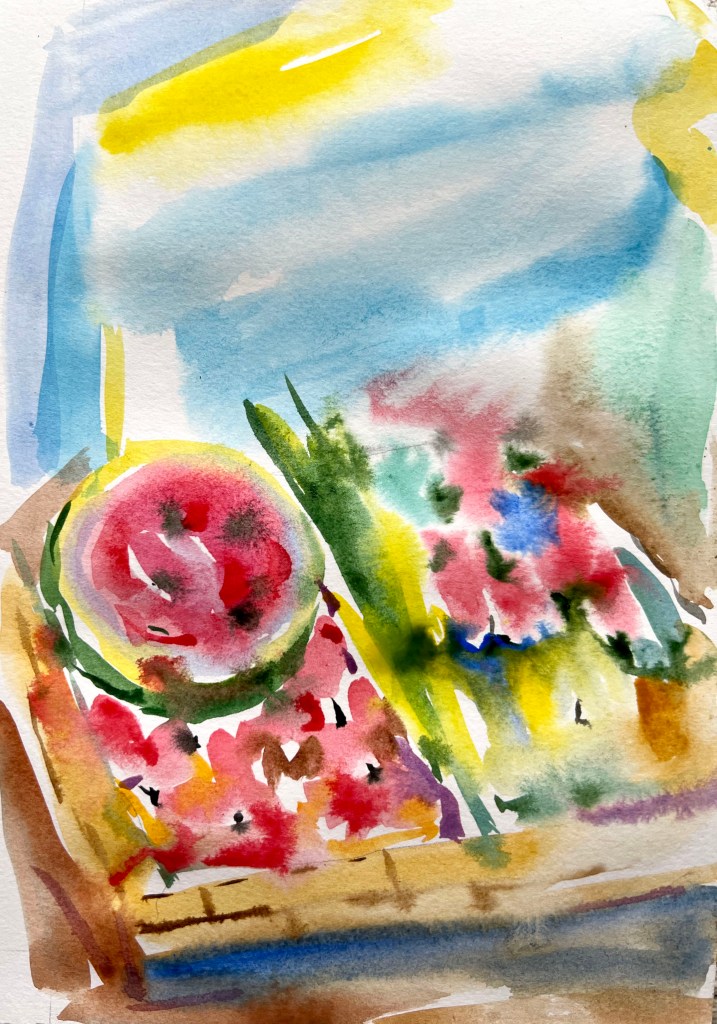
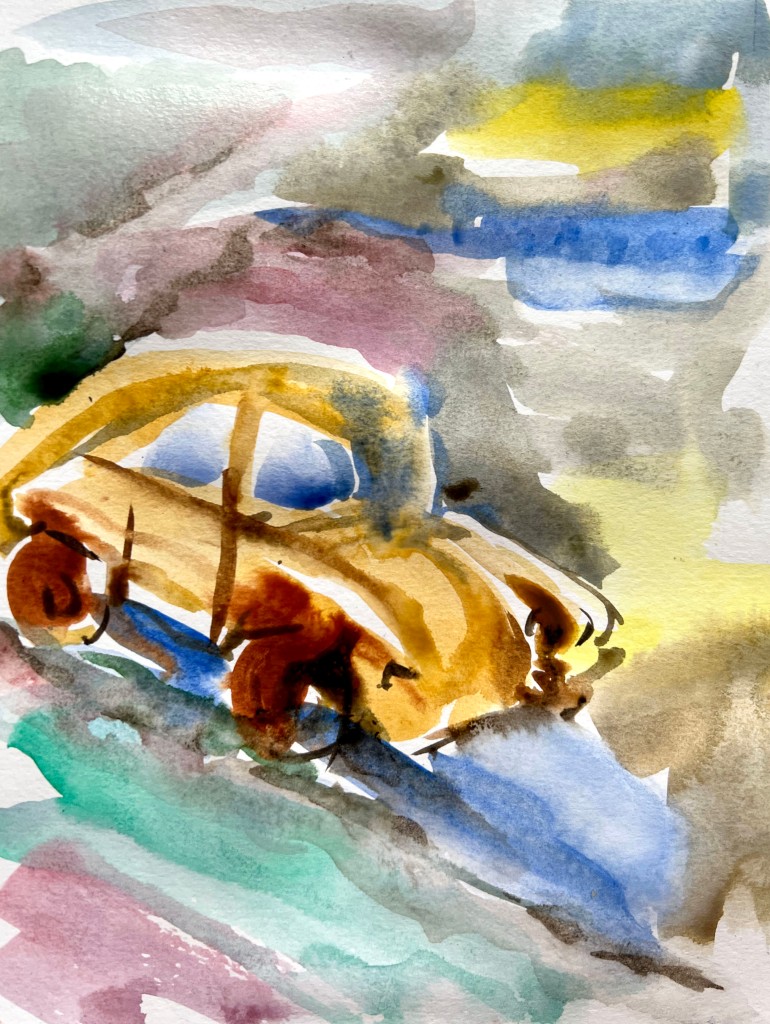
I found those watercolours made in Emma Larson’s style, an artist who is well-known for producing expressive and organic watercolours. I thought those images could be used on artist prints and decorate someone’s wall with some nice big frames around them. The reproduction of watercolour paintings as prints also allows artists to share their work with a broader audience, making these delicate and evocative artworks accessible to art enthusiasts and collectors.
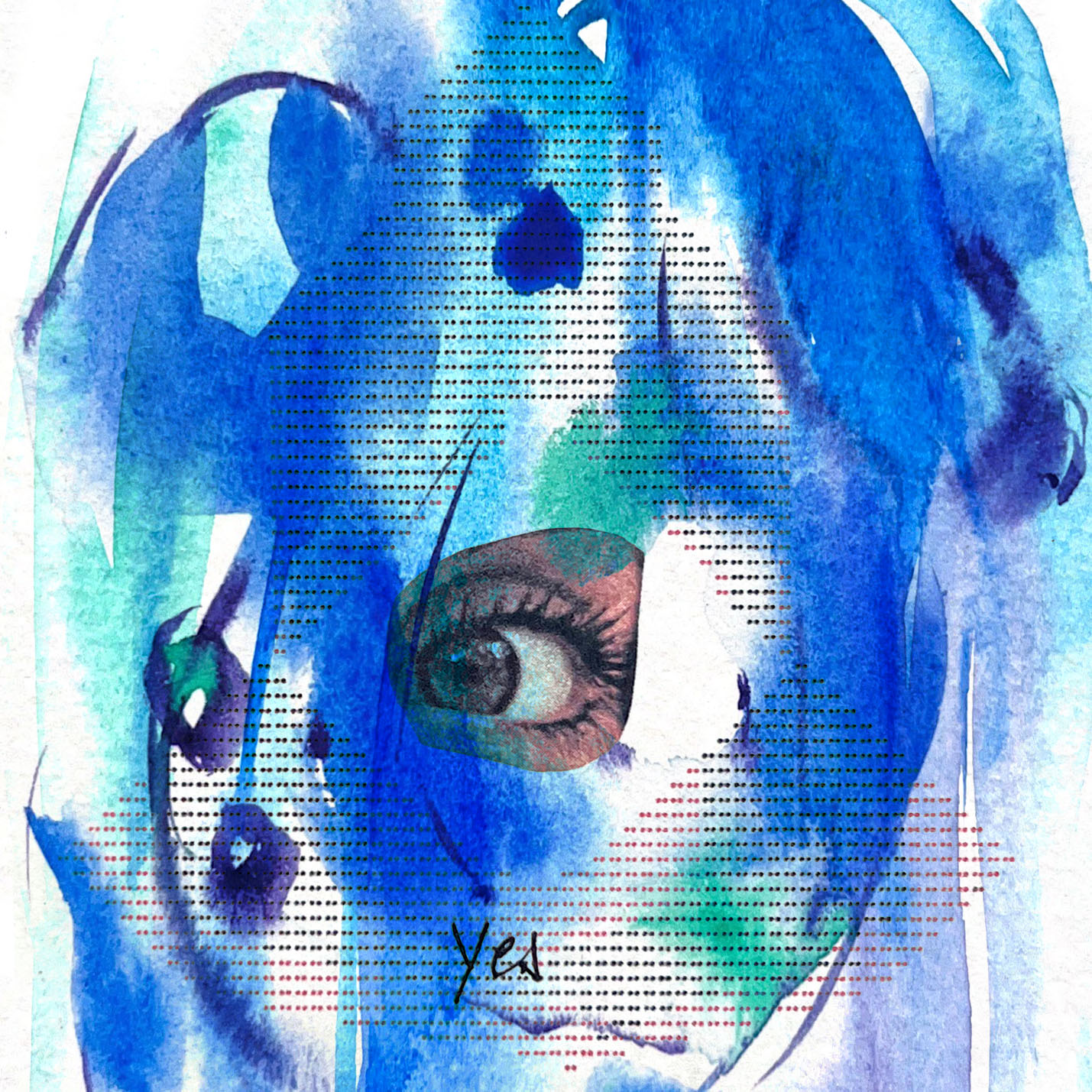
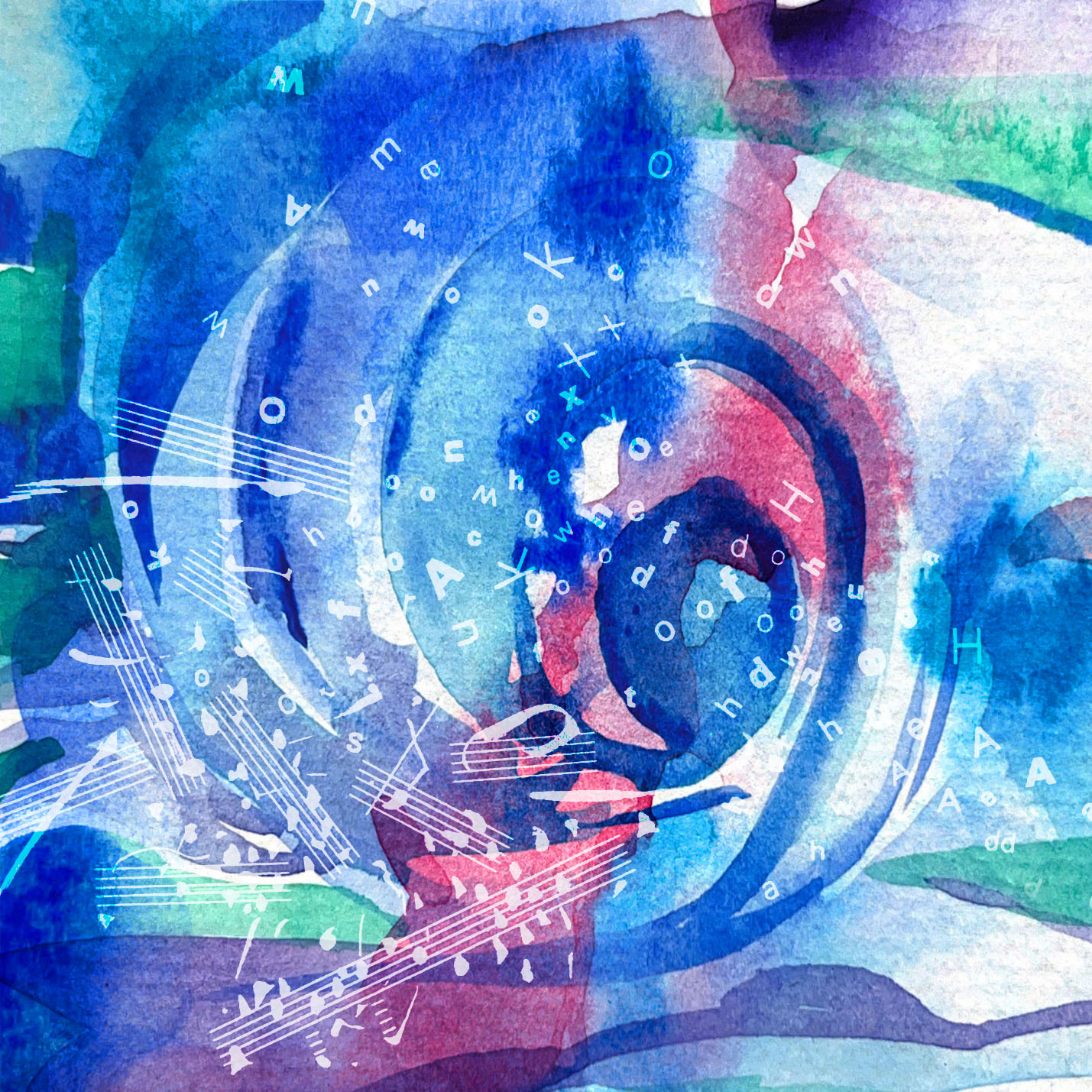
Another example of artwork that is quite versatile in style, is from the ‘Abstract illustration’ exercise. In terms of potential applications, these designs, when reproduced as prints, could serve as a captivating centrepiece for a modern, minimalist interior, or as a thought-provoking addition to a curated art collection. Its adaptability and expressive qualities make it suitable for a variety of creative projects, from home decor and personal expression to commercial design and artistic collaboration.
Editorial
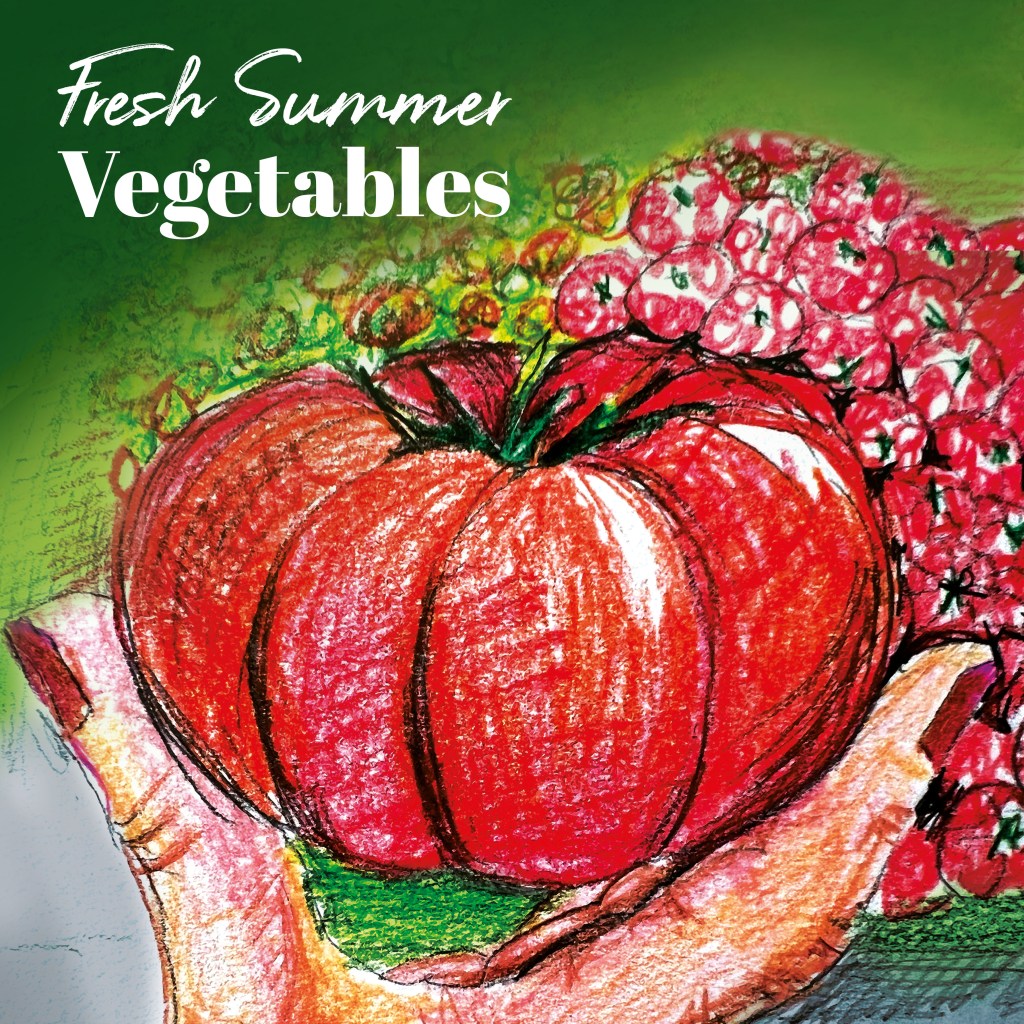
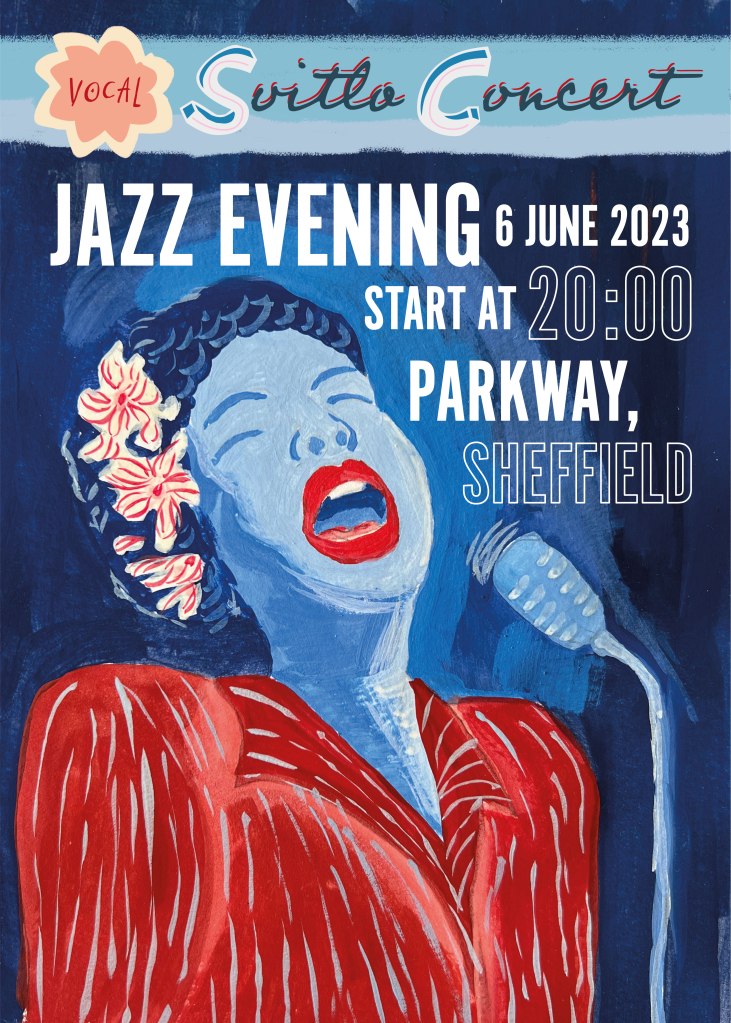
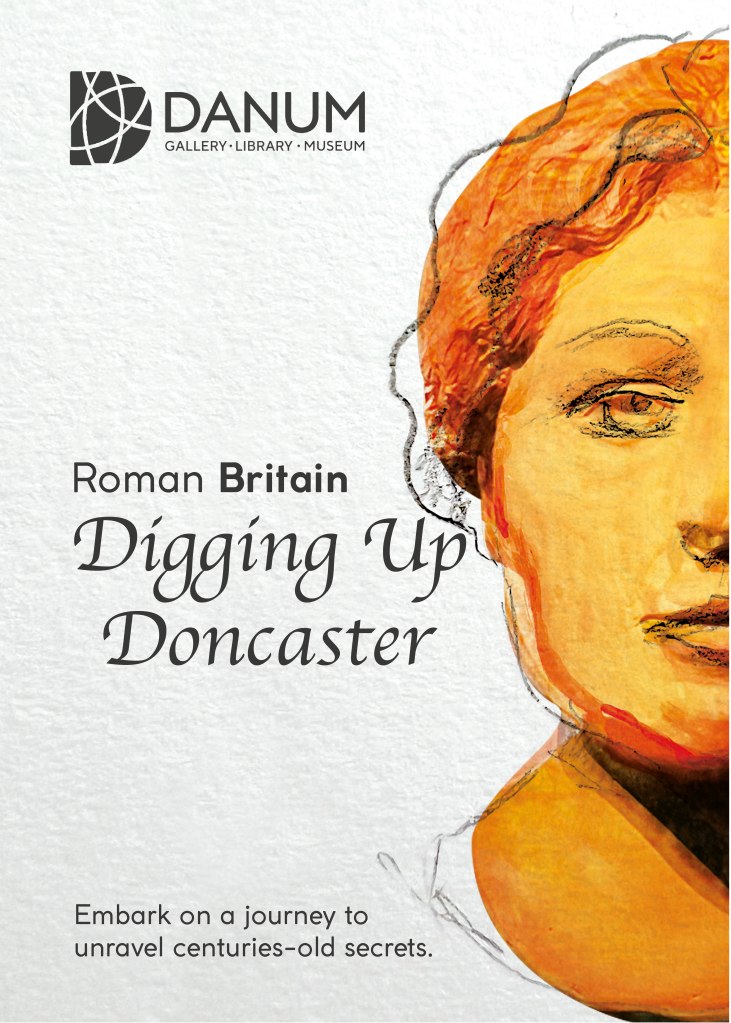
The final aspect I wanted to explore pertains to editorial practice. I have gathered a substantial number of posters from various exercises, each reproduced in different styles. My intention is for many of these posters to be utilised as advertisements for commercial projects. For example, a poster featuring images of vegetables could serve as an advertisement for a related commercial purpose. Similarly, posters promoting a jazz concert or an exhibition at the Doncaster Museum could effectively capture the attention of audiences seeking opportunities to enjoy live music or engage in cultural exploration and learning.
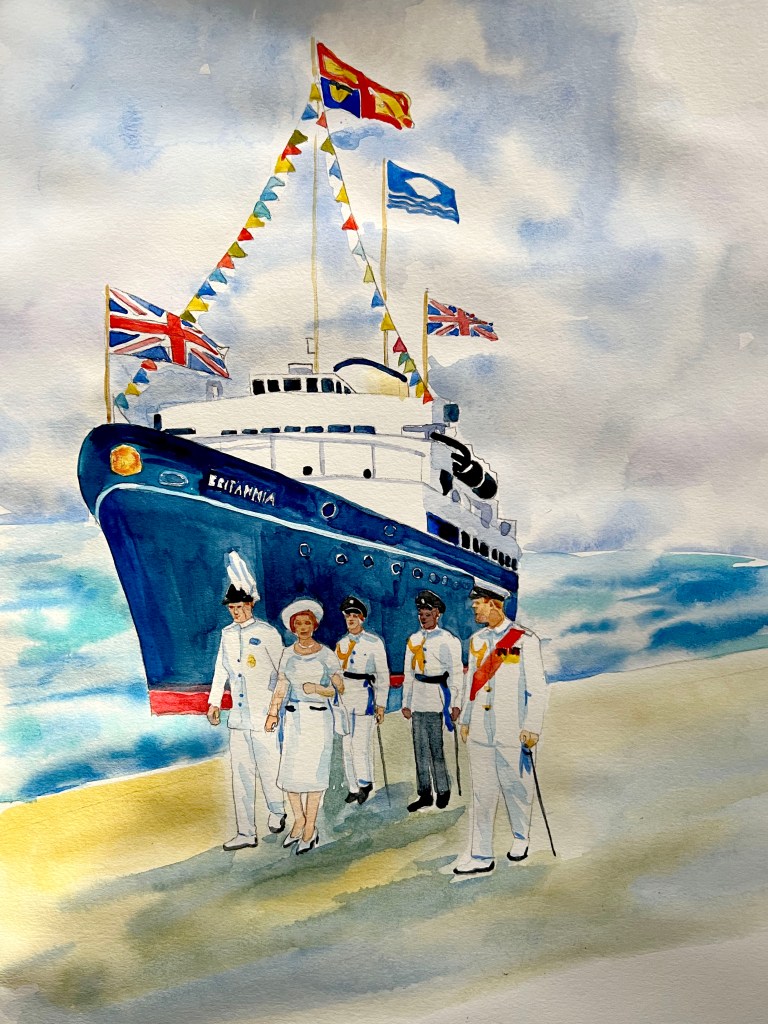
The last collection of art is based on watercolours as well, but the theme is related to the actual print for the magazine. The illustration ‘Getting the gist’ with a regal and iconic scene featuring Queen Elizabeth II walking alongside her escort was specifically designed for the magazine article. Also, it provides a compelling visual representation of royalty and tradition, making it a captivating choice for magazine illustration, particularly for content focusing on the queen’s influence, legacy, and cultural significance.
The image portraying an Uzbek shepherd in the ancient city of Samarkand could be also a good representation of the culture and traditions of Uzbekistan for editorial practice. From an editorial perspective, this image provides an opportunity to explore and celebrate the cultural identity and heritage of Uzbekistan. It can accompany articles or features focusing on topics such as traditional Uzbek lifestyles, rural communities, and the historical significance of Samarkand.

Commercial projects
Transforming imagery into commercially viable or appealing objects is a multifaceted process that involves strategic decision-making, creative vision, and an understanding of market dynamics. In authorial practice, this transformation often revolves around visual content, such as photographs or illustrations, to create products with commercial potential. This can include developing merchandise such as prints, posters, apparel, home decor, and other items that resonate with a target audience.
Cost implications play a crucial role in the authorial practice of converting imagery into commercially viable products. Various factors contribute to the overall cost of transforming imagery into physical objects, including production expenses, materials, packaging, marketing, and distribution.
In my case, using a tea mug for the cat design is visually appealing, but the expenses of the cup could be quite high. As an alternative simpler version of the tea cup could be used, and then expenses could be reduced from £20 to an average of £10. I’ve noticed that when you go to websites such as Etsy, most of the products vary around £15, that’s the minimum you go to if the client would like the individual designs on their chosen commercial product.
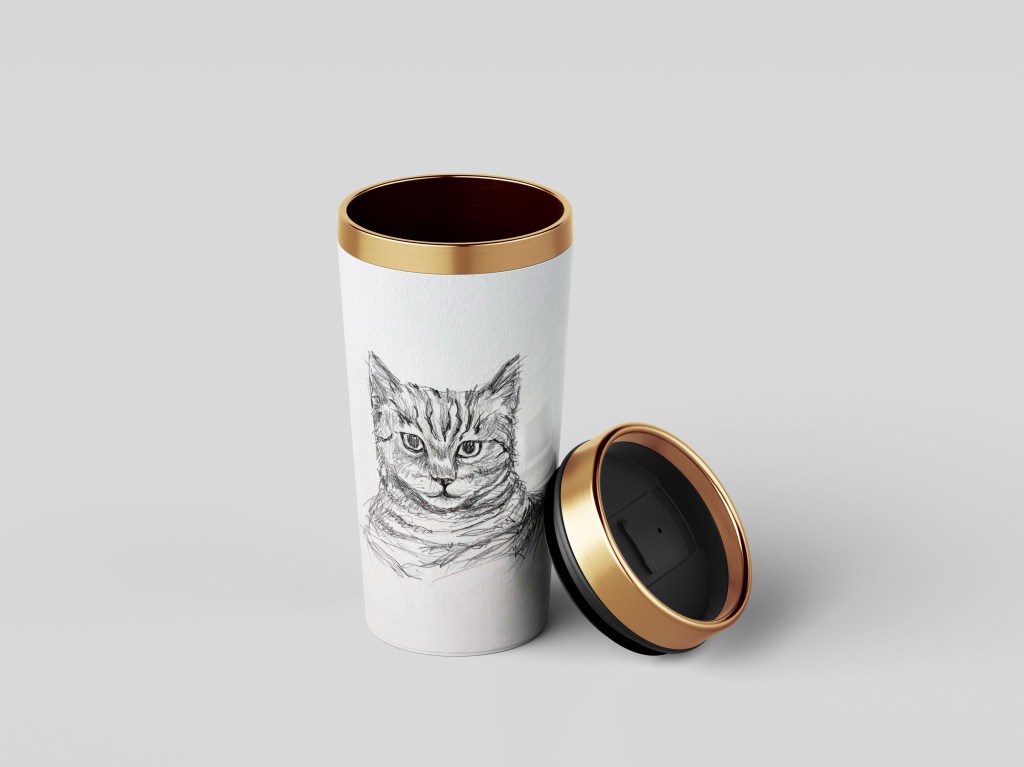
Producing artist’s prints is a prominent and strong commercial project. The print itself doesn’t cost much, around £10 for the A3 print, but the most expensive part of it is the framing with glass, some of the orders can go around £80-£100, which could be too expensive for the majority of people.
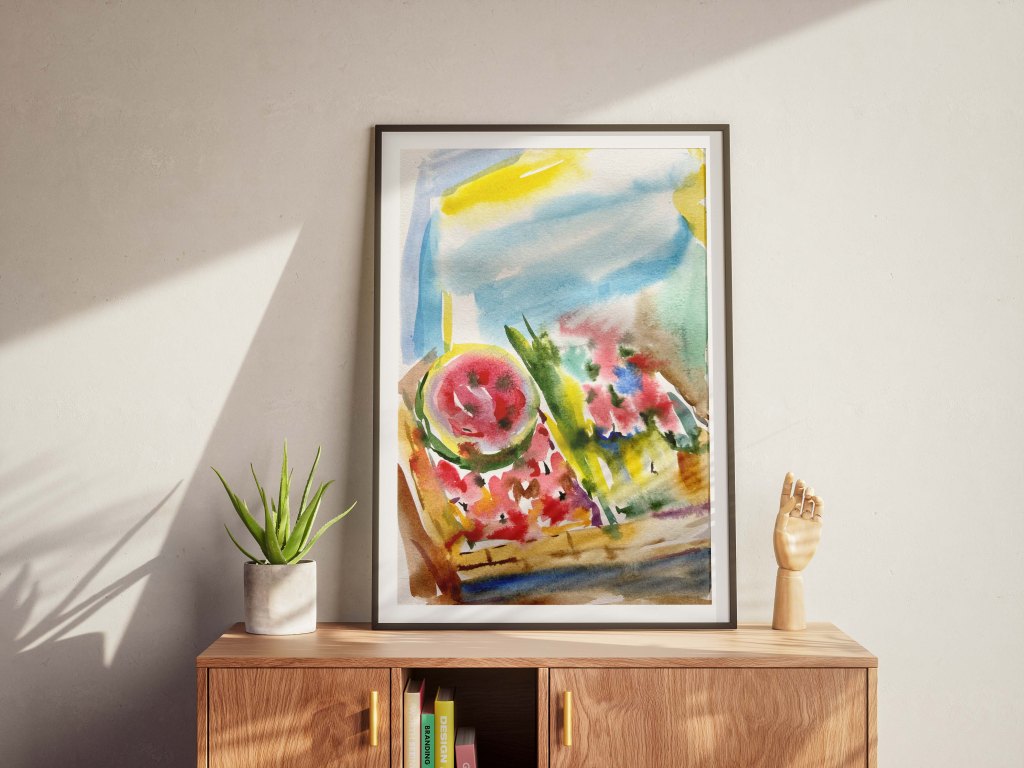
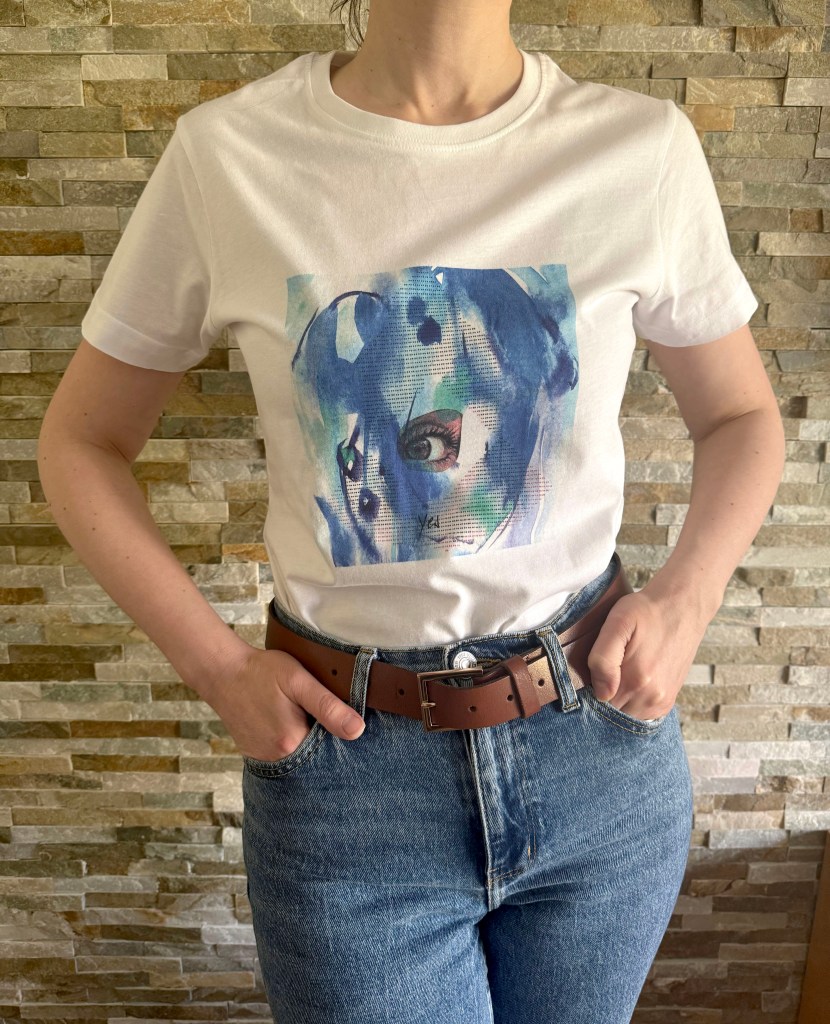
From my point of view, producing the T-shirt could be the most effective commercial products, they can be used for the number artworks, full coloured or black and white, they are not expensive, usually around £6 — £15 depending on the complications of the design. The design I used for the T-shirt looks quite appealing, that is something I would probably wear myself.
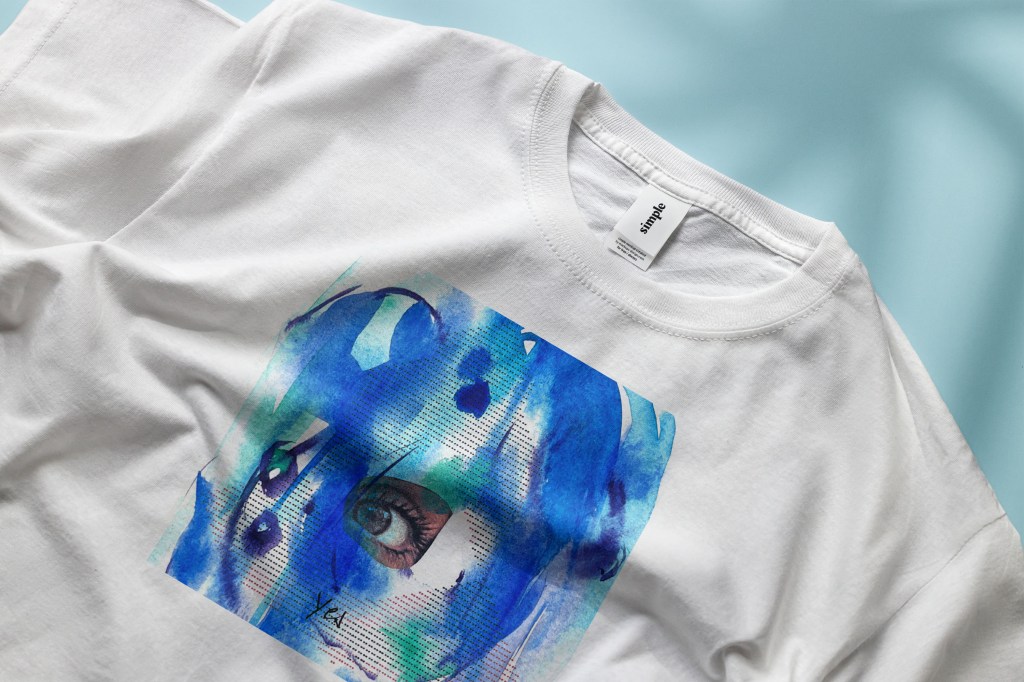
I found VistaPrint printing company with some great variety of commercial projects. I chose women’s T-shirt in slim size white coloured with Abstract design that I produced earlier for the CD cover. I found those musical projects very versatile, they usually go quite nicely on the T-shirts, as they have those creativity in them. I had to adjust the image slightly, so also, all design imperfections could be seen there, as the T-shirt print are was much bigger then CD size.
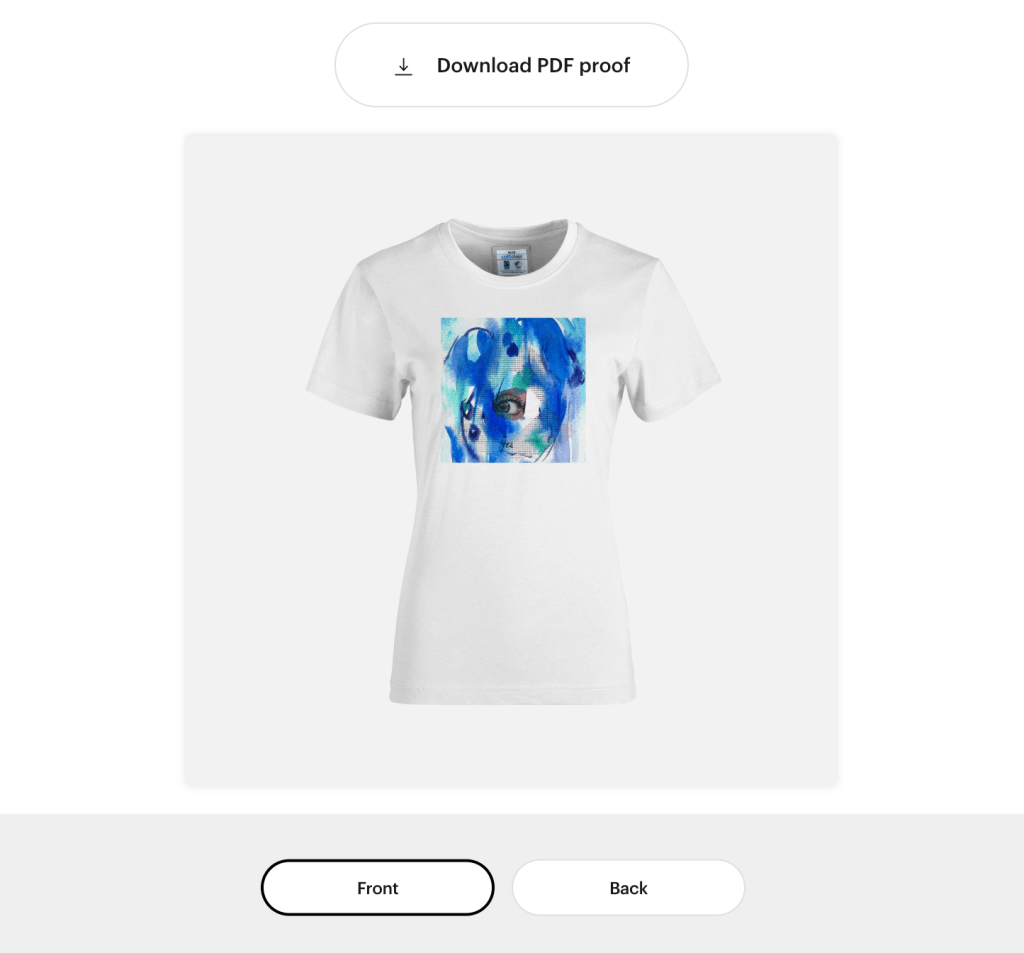
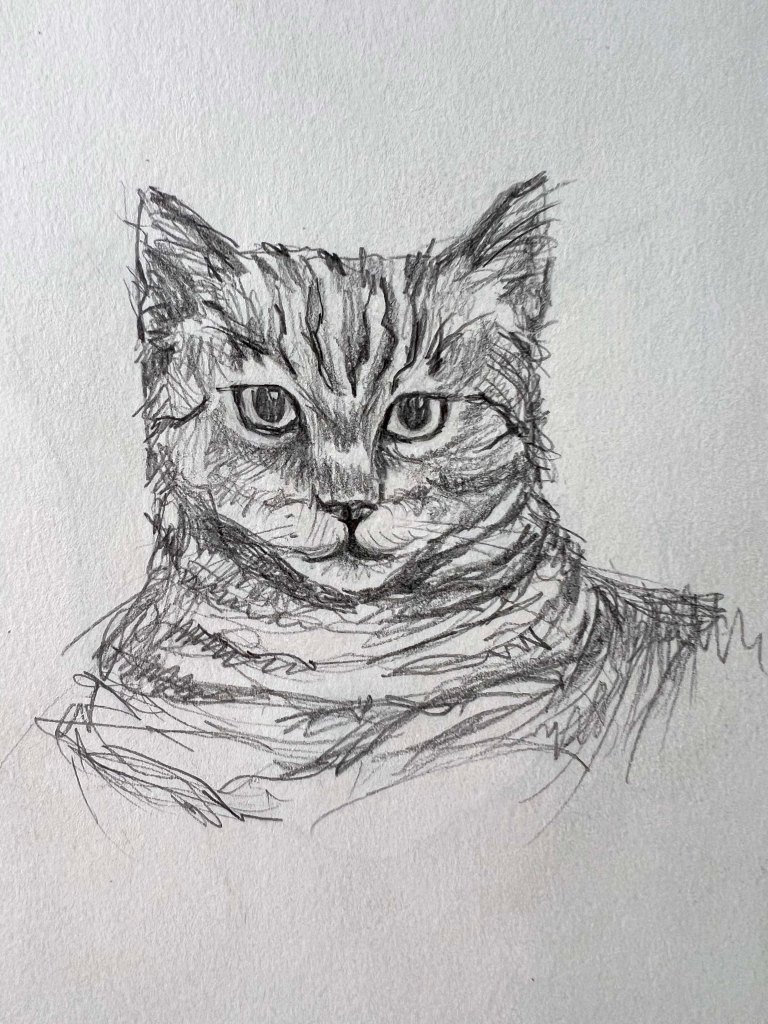
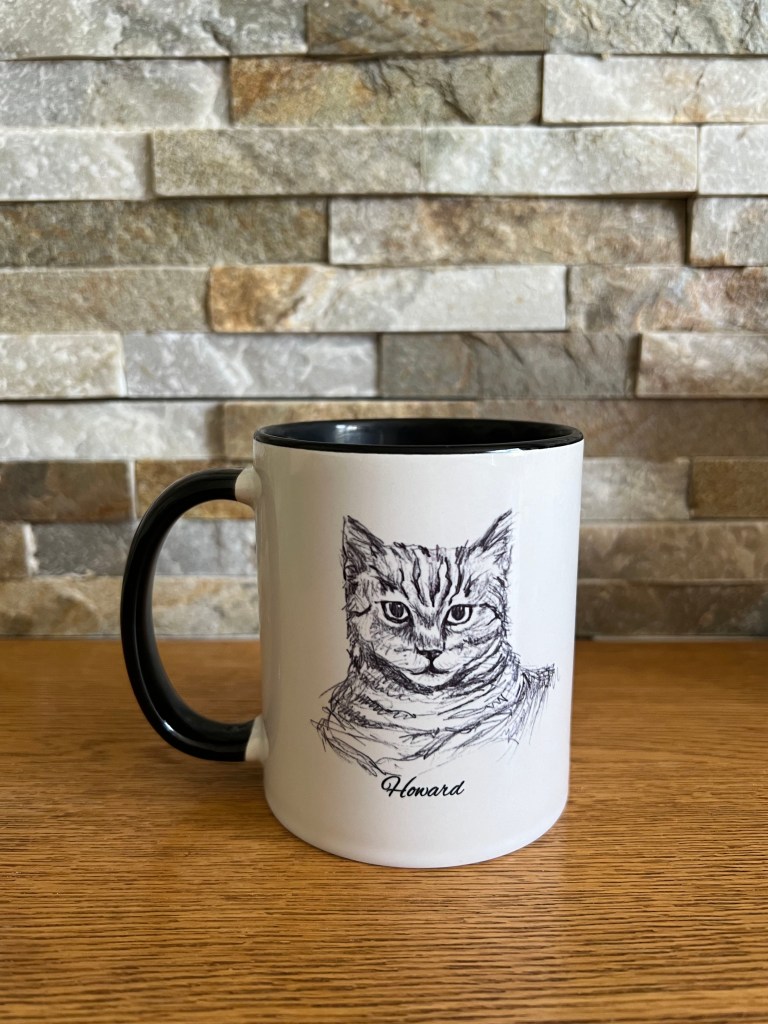
It gave me some variety of suggested prints I could produce with my design, and I couldn’t resist but to order a tea mug with our cat’s portrait, that I was going to present to my husband. For that design I chose white tea mug with contrasting black hand, which worked quite well with this pencil sketch illustration.

Altogether it cost me around £19, £13.68 for the T-shirt and £6.58 for the tea mug, which was not bad. Not as cheap as I hoped so, but still a reasonable price. I looked on another website Gelato for T-shirt printing, they have a similar price range, around £12.12 for the unisex T-shirt, a slightly cheaper option, but still a similar price range. Also, I had a look at the local company, which is located in Chester, a.m. custom clothing, that specialises on sustainable and eco products. They are quite transparent with their pricing compared to the previous companies that gave me the price excluding VAT, here prices were specified next to the product. DTG Printing from £14.89 GBP, Embroidery from £28.51 GBP, No decoration from £5.89 GBP, which is again around the country market price range. I went for the printing with the first company VistaPrint, and probably rushed it a bit. The second company Gelato was slightly cheaper, but that is fine. That kind of product is more profitable to print in large numbers, which would help to shake off some extra expenses.
Printed cup and the T-shirt
The printed version of the T-shirt looked okay. I liked how the abstract design was placed on it, but the colours didn’t turn out as vivid as I had expected, so I think the design may need colour correction or colour proofing during printing.
I preferred the mug design to the t-shirt. The mug looked great. My husband loved it, but he did point out that I forgot Howard only has four toes on his back paw, so that was a small detail I missed. Also, since my husband is left-handed, I made sure the car was facing towards him, which worked out well. Additionally, I found that the pencil sketch looked better in black and white, making it easier to work with colours.
 Eleonora's Art Blog