
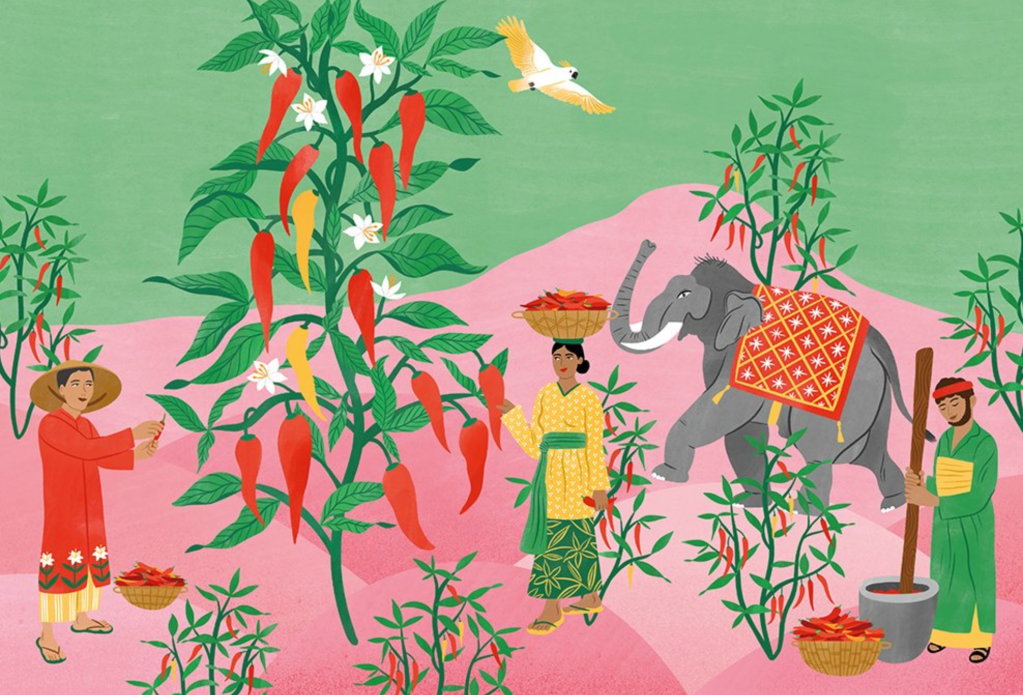
Identify a piece of work by an illustrator whose work you find some connection with. You might, for example, choose a particular illustration because you admire its conceptual or narrative dimension. Now try to write the brief for the illustration you’ve chosen. Starting from the context in which the illustration is positioned, write the brief which would have led to the creation of the image. Direct the illustrator in terms of what content should be included. If the context has text, identify the connection between the image and the written content. Advise the illustrator about the role the image will perform. Consider whether it is extending the meaning of the text, decorating, informing or educating and potential ways this can be achieved. What colours? What flavour? Be clear about who you think the intended audience or the illustration is. Briefly indicate which stylistic aspects you admire. Describe the effects that you would like to see in the image, which aspects of distortion, and what use of tools and materials is appropriate to the idea.
OCA Illustration
Illustrator Bodil Jane
For this exercise, I researched modern illustrators and their roles in marketing campaigns for the most influential companies around the world, such as Nike, Harper’s Bazaar, Prada, Apple, The New Yorker and many others. I’ve discovered new names for famous illustrators, such as Jean Jullien, Bodil Jane, Sebastian Curi, Bijou Karman and some others. Their works are vibrant, lively, and full of energy and passion. I thought to consider examining close works of Amsterdam illustrator Bodil Jane, who has become renowned for her colourful portraits of “real” women, and her kind and friendly characters we can all relate to.
Bodil Jane’s works are often female-focused, featuring characters that are approachable. Some viewers even comment that they see themselves in her work, the way you’d recognise an old friend. Around these characters, Bodil builds a delicate level of detail through ornaments. For inspiration illustrators regularly visit busy environments such as flea markets or botanical gardens.
The Brief
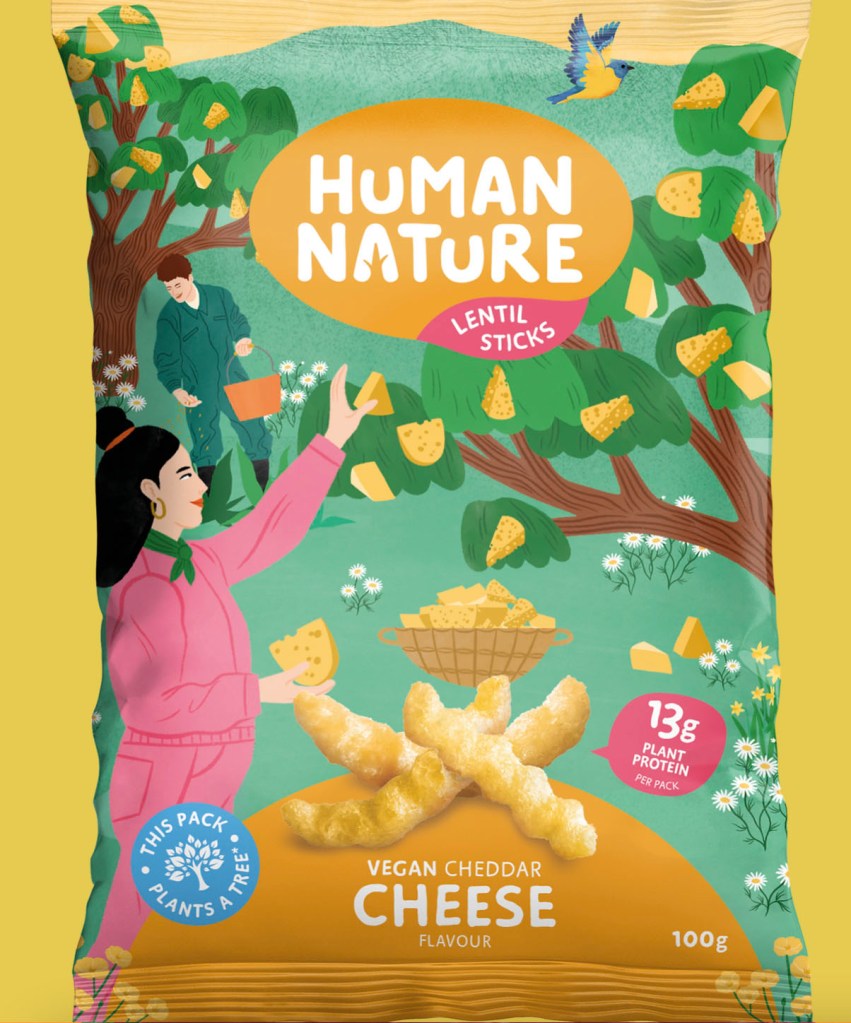
After examining some of Bodil Jane’s illustrations I wanted to talk about the brief for the Human Nature project, that the artist produced in 2021.
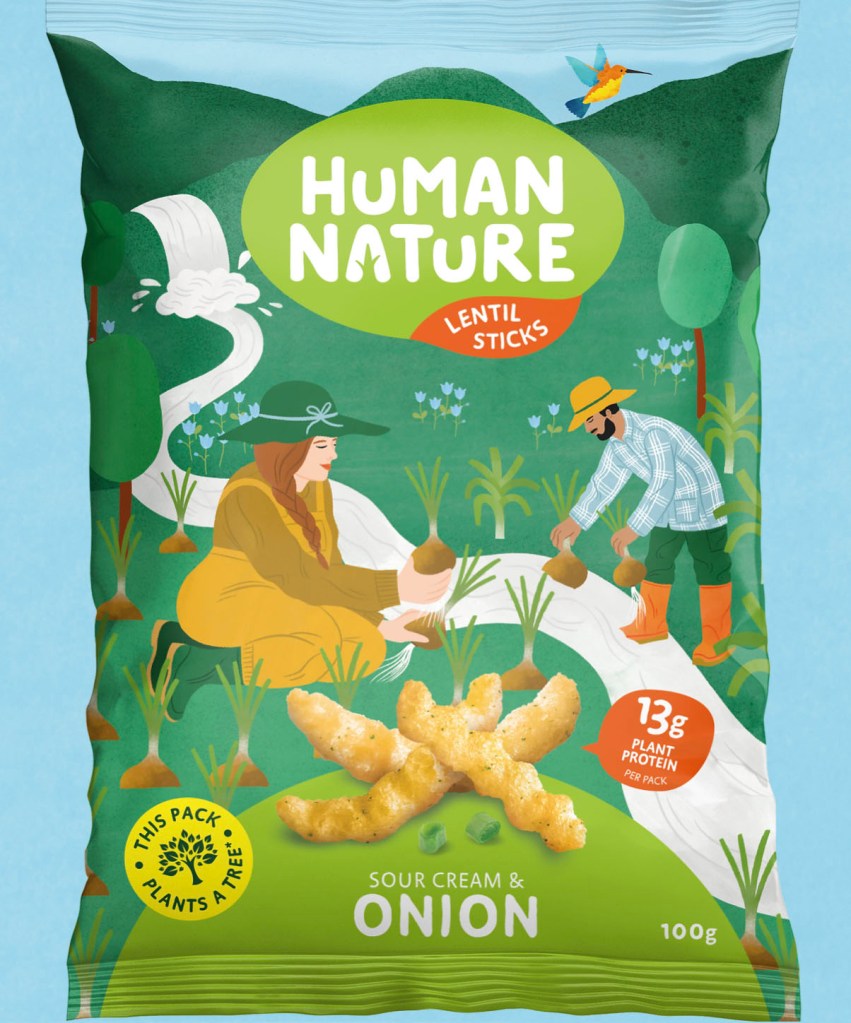
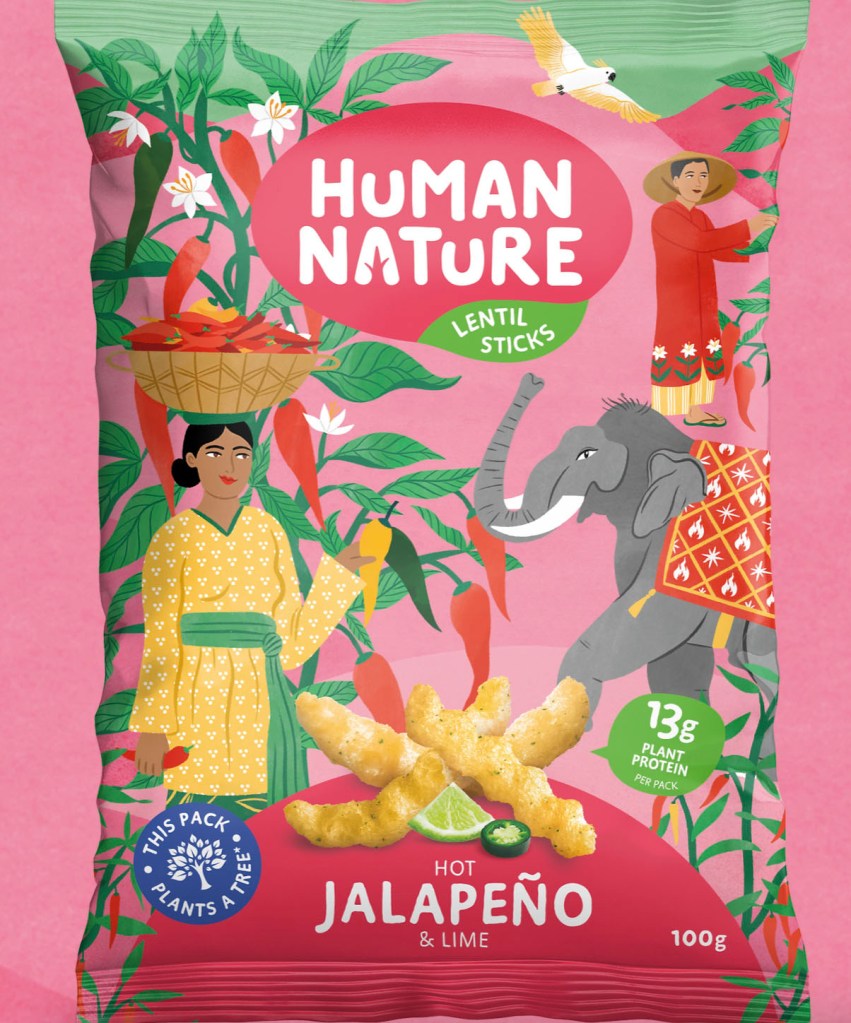
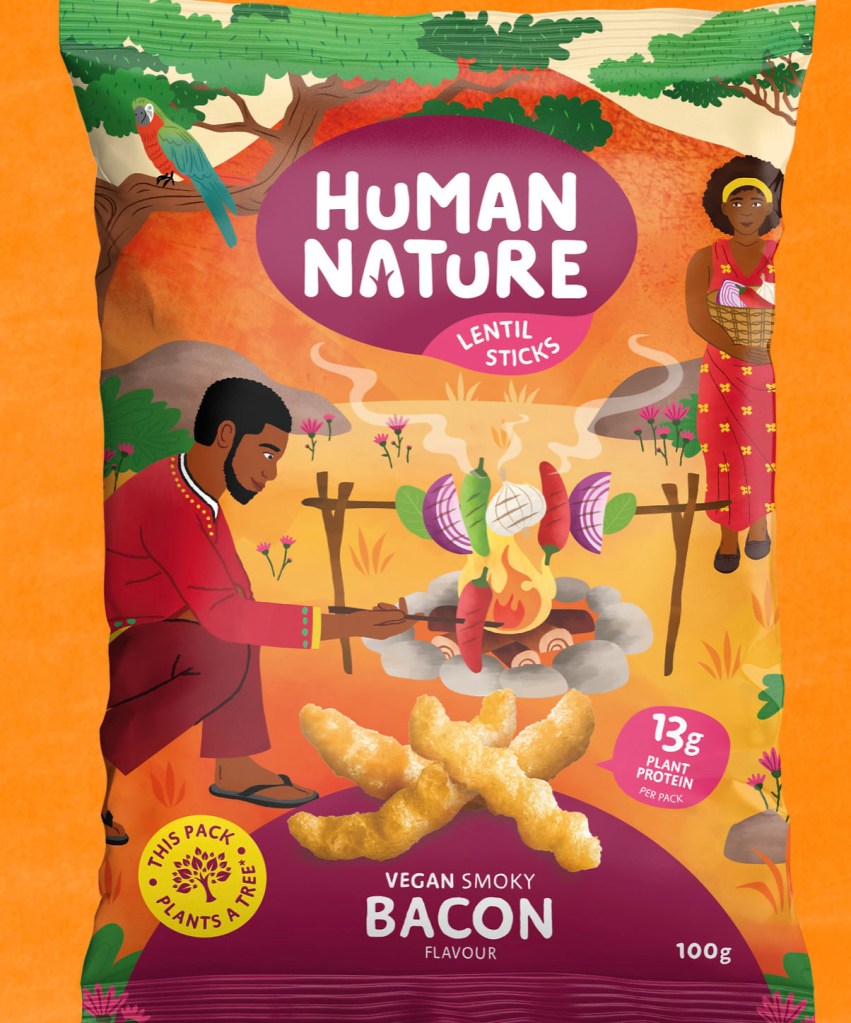
Source: https://www.bodiljane.com/portfolio/human-nature
What are you being asked to do?
Design four illustrations for the packaging of Human Nature plant-based lentil crisps. The British brand Human Nature is committing to be a net positive climate footprint and plants a tree for every pack sold. Four illustrations for the lentil crisps packs should work together and have a continuous and recognisable style across them all to create brand awareness. Designs should represent our main mission to make delicious, healthier plant based-foods that support social & environmental causes which look after our planet.
Why the client wants the illustration – what do they want it to achieve?
We plant trees on your behalf thanks to the purchase of our goods. We handle the digging, sowing of the seeds, watering and even the tree-hugging. The brand’s message to the audience is to choose us and empower disadvantaged communities to grow new forests worldwide! The product contains natural ingredients including vegetables seeds & pulses, like red lentils. The company wants to increase sales with their bright and vibrant illustrations, with happy couples on each of them, for the good of the planet. Our products are environmentally friendly, palm oil free, good for health, and contain fibre, and 50% more protein.
Who is your target audience?
The target audience is young people of any gender, who are altruistic, care for the environment and planet, students who prefer healthier nutritious snacks, and are willing to make some changes for the planet.
Where it will be reproduced and at what size
The artwork will be used on the packaging and printed across the pack, so the main image should be positioned in the centre of the composition and go around the back of the pack. The designer should be familiar with the requirements of the printing on the packaging and be aware of the technologies and type of printing on the foil package. Even though the packaging is a standard size, approx. 12×19 centimetres, each package contains 100 grams of product, illustrations should be represented in vector, preferable Adobe Illustrator format.
Whether there are any restrictions as to colours you can use
Each illustration should evolve around four colours represented by the chosen logo in each flavoured pack, like lime green for the onion flavour, raspberry pink for the hot jalapeño and lime crisps, burgundy colour for the bacon taste flavour, and sand orange for the vegan cheese flavour. The colours of the illustrations should be bright but at the same time natural for the eye, such as green for plants, red for fresh fruits and vegetables, and orange for the South American desert. Also, the outfits for the characters should represent traditional colours for the unique national clothes.
Whether it will stand alone or be used with text: if you are to include any words or if you need to leave spaces anywhere for text
On the front cover should be represented the brand logo Human Nature, which should be positioned in the centre of the pack, the additional information on the package should contain the flavour of the lentil sticks, grams of the products, and another valuable point that it should be placed the sticker with the message that This pack plants a tree.
When they want to see the initial ideas, the visuals and the finished artwork
Considering the amount of work that should be done for the illustrations, I would say that the first drafts should be presented in 2 months, and then it should be given one month for alterations and adjustments. I think those designs were made in approximately 3-6 months’ time, from first drafts to the presented final designs on the packaging. Also, I would say to start work around autumn, so packages are ready for sale for the spring season, a time when plants are ready for planting, so the brand has an association with planting green trees with the first spring warmth.
 Eleonora's Art Blog