
In this brief I was asked to read the fragment from Adrian Pipes’ Production for Graphic Designers, 5th Edition to overview the print process and decide which aspects of the print steps might feed my creative decision-making process. Also going into this subject will help me to understand the connections between artists and craftspersons sit within my work.
I was told that I can find the material in Pipes, A. (2009) Production for Graphic Designers, 5th Edition, London: Laurence King Publishing, as a source on the OCA student site, however, for some reason, I couldn’t locate it, so I thought will be useful to buy the printed copy from the internet, as I might need this book for the future references. This book is full of important information about decision-making and design processes, but at the moment I could concentrate on the particular Chapter Six – On Press that I needed.
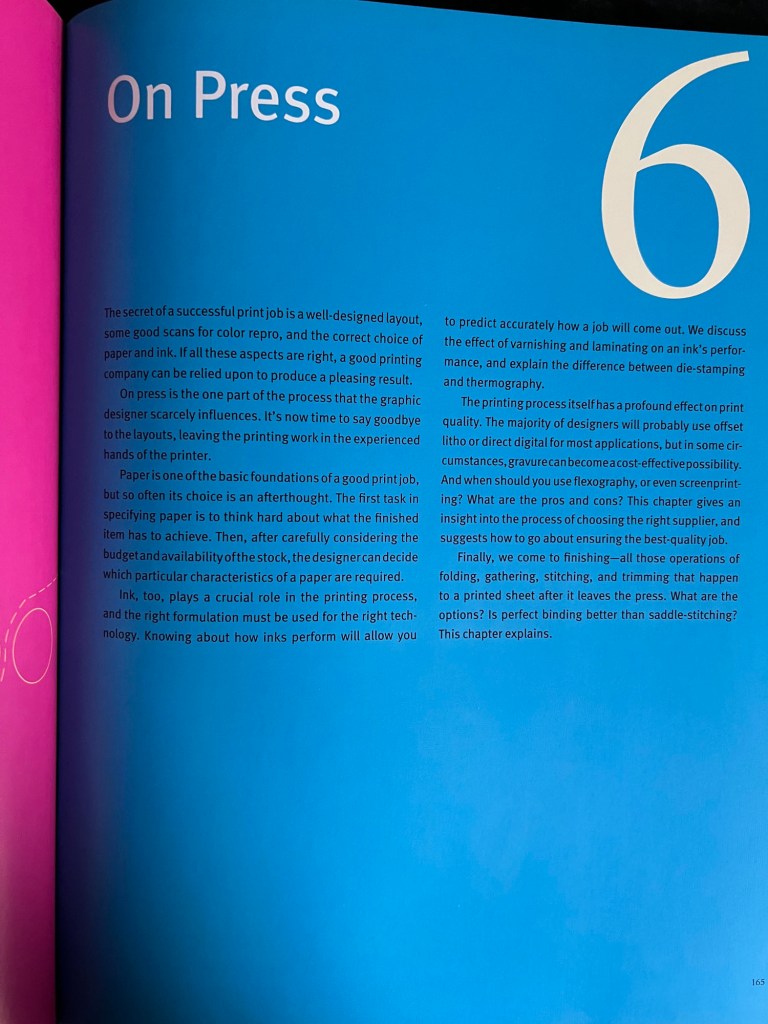
The main idea of that book’s chapter is that graphic designer has the least control over the production part of the book. On press is the one part of the process that graphic designers are scared of. I know it from my experience, as sometimes the result of the printed material could bring some unexpected surprises. That is the final part of the book – printing, that designer is not taking part, therefore that to see the desired result as the end product, we, as artists have the power to decide what paper we are going to chose, the type of ink, printer, the format of the book, the hardcover or softcover, bookbinding. But in the end, someone else will collect it all together to provide us with a finished product. This chapter gives an insight into the process of choosing the right supplier, and suggests how to go about ensuring the best-quality job.

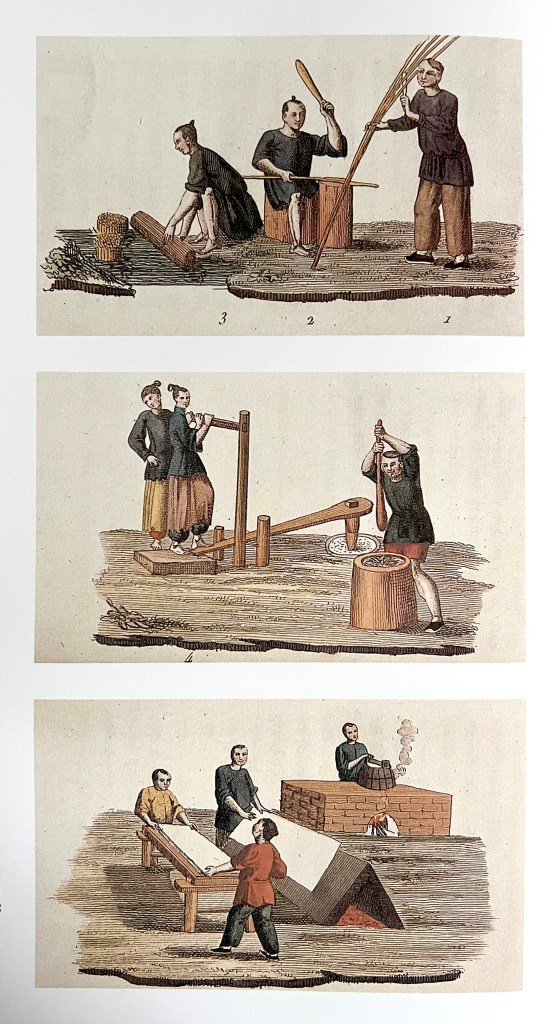
The budget is something to consider as well, books are probably the most expensive pieces amongst other printing materials, especially if the book is fully coloured and have some illustrations in it, as they are multipage, and have some complicated techniques to glue pages.
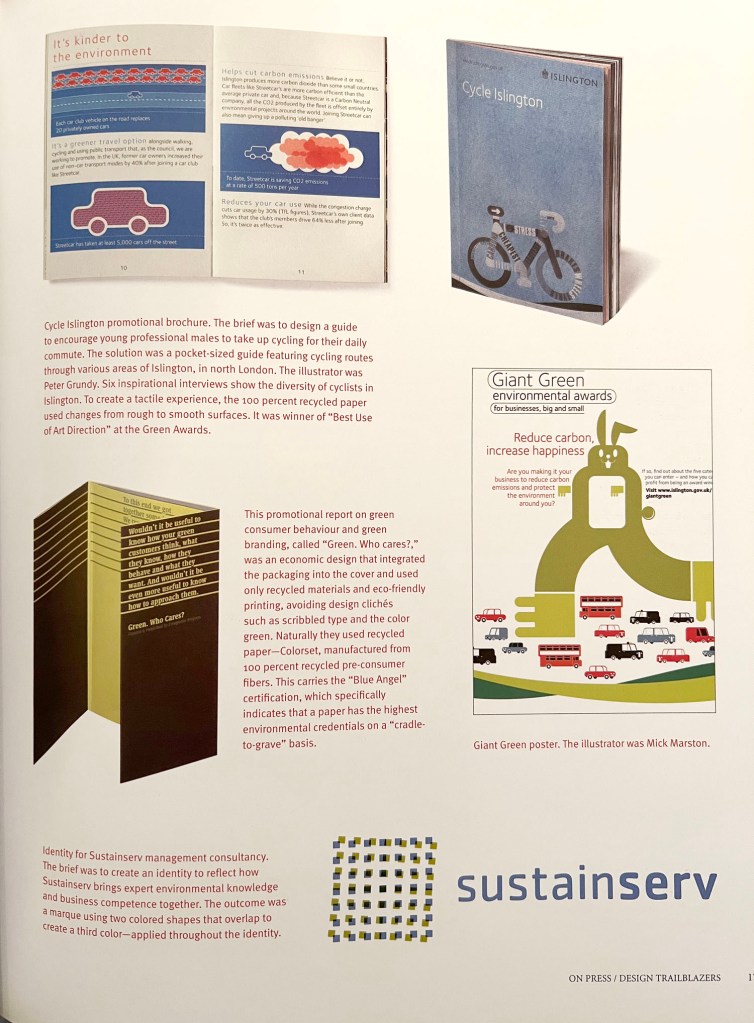
I’ve heard from the student group that https://mixam.co.uk/ is a digitally oriented company that I can deal with for printing a book. They take orders online and all information such as the quality of the paper, ink choice, the number of copies and terms are estimated already on their website. When I examined their website I found out that Mixam are passionate about the environment, so they use materials that have a minimal impact on the surroundings. Also, they print on environmentally certified and recycled papers and use superior quality vegetable-based inks. If I’m going to use sustainable materials I should consider the connection between the paper and the ink. Recycled papers tend to be more transparent and absorb the ink more, so, their colour is never pure white, they have little bits in them and look rustic. But if I want the book to purposely look vintage, the recycled paper is ideal for it.
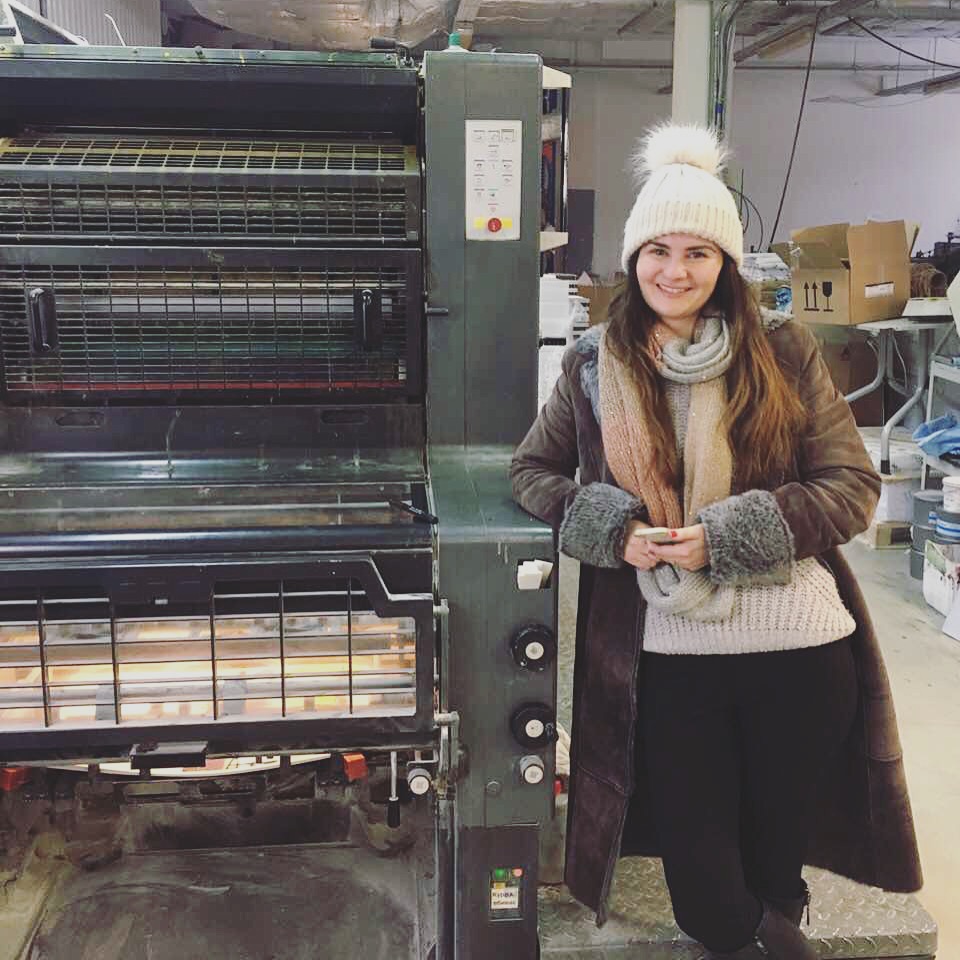
In a past, I had trips to the Printing Houses in Kyiv, when I worked on the preparation of magazines, catalogues and annual wall calendars. To be fair, I learnt from my own mistakes, as the amount of work and timeframes were quite stressful as well. I was shown what machinery’s they use to print those thousands of copies of pages and how quick they are flying through the mechanism. My responsibility was to make sure that colours look right and all fonts converted correctly into the printing copies. I worked as a commercial graphic designer when publishing and printing companies had their specialist, who had final checks before the printing. I always found their job quite intimidating, as those people had special attention to detail. On any book, the printer has pre-press work to do, scanning high-resolution images and preparing the plates for imposition prior to proofing. They were proofs ready for me before my arrival, and if I could see some samples are too pale, I asked to add some contrast. Also, I saw how books were bindings together, they didn’t look as colourful as my calendars and magazines, but they require lots of attention as well.
Consider which aspects of the print process might feed into your creative decision-making process. Where do the connections between artist and craftsperson sit within your work? Use your learning log to reflect on this.
Here are some points to consider before book design and printing:
- Paper choice: High-qiality designs can be successfully printed on uncoated paper stock. There is rich range of papers available, I could see it from my researches on various paper samples. Handmade paper must be reserved for the prestigious jobsIf it will be hand-made, craft looking, artiststs’ book I’m going to chose recycled, vintage looking paper. If it will be professional print, that looks luxury and glossy, I will go for the pure white paper and professional printers. Depending on the content of the book and its look. These decisions I’m going to make when I will chose the direction of the book.
- Type of printing: Depending on the quantity of samples there are offset lithography and print-on-demand types of printing. Most books today are printed using offset lithography. The emergence of digital print and print-on-demand has given creative designers much more control over the design and publishing process. As I don’t have access to the commercial printing due to the limited number of books I’m going to print, I can establish the type of lo-fi printing, as fanzines and artists’ books used for self-publishing. Here I can implement ‘do-it-yourself’ and handmade aesthetic.
- Format: Books are charactiristicaly designed in three formats: portrait, landscape and square. A book can be liturally any format and size, but for practical, production, and aesthetic reasons, creful consideration is required to design a format that supports th reading experinece. In practical terms, the format that will be chosen of the book should reflect the contaner of the author’s ideas.
- Finishes: Here I need to consider whether I would like embossing, die-cutting or lacquer on the cover of the book? Print finishers often have spesialised machinery for processes such a perforation, gilding, and folding printed sheets. For example, if I go with pop-ip book it will require construction by hand.
- Binding: The binder deals with the “book block” — the collated printed pages. Binders usually offeres designers different binding techniques, depending on the boolkiness of the book and paper quality. As I’m managing the process myself, I will need to decide whether I want my book to be stitched, or stapled, and what kind of binding it will be hand-made or professional printing.
Conclusion
Graphic designers are both artists and craftspeople. During the course, we were learning how to be creative, look for sources of inspiration, and be experimental. In this exercise, I’ve learnt what I need to know about the craft of printing. The idea is when the production is learnt through we will be able to express our creativity. It is a very important part, to understand the stages of the print production process to prevent designers from technical errors. Something to remember, that every stage of the print production process will exert some influence on my design.
 Eleonora's Art Blog