
Firstly, review your visual ideas based on from the previous exercise through a process of critical evaluation. Which ideas are you drawn to? Which ideas have ‘legs’ – possible interesting outcomes which are worth pursuing? Often the ideas which are strongest are those which have depth, or many layers of association. Perhaps you are intuitively drawn to a particular idea. Select a few ideas you would like to push further. Use your learning log to record your thoughts.
Now, do you need to undertake any research to help move your selected idea on? The form your research will take depends on the individual elements of your idea. Find source material that helps informs your ideas. For example, by doing objective drawings or taking photographs, to understand your subject better, and to consider aspects of composition. You can use both primary and secondary sources of research in this way. Research feeds into the development of your visual work, informing and advancing your ideas. Document this phase of the work accordingly.
The developing your ideas stage is about building on your initial ideas by reworking them, adding the visual or other insights gathered through your research, and testing out different versions or possibilities. Spend 45 minutes developing the possibilities of one of your ideas. How many different ways can you visualise this?
If you want to develop a broader range of ideas, then repeat the previous exercise to generate more possibilities, potentially using a different phrase as a starting point. Use your learning log to document this process of review, research and development.
Visualising your ideas is the culmination of all your preliminary work in which you work up some more developed visual sketches and ideas. This artwork can be hand-drawn illustrations, photographs, and/or include typography. The presentation can be a little rough around the edges but should show the main elements of your designs. Select the strongest variation of your ideas from the previous research and development exercise to start exploring how you can visualise them within a mock-up. Use your learning log to document these research and development stages, and to reflect on the process and your results.
Researches
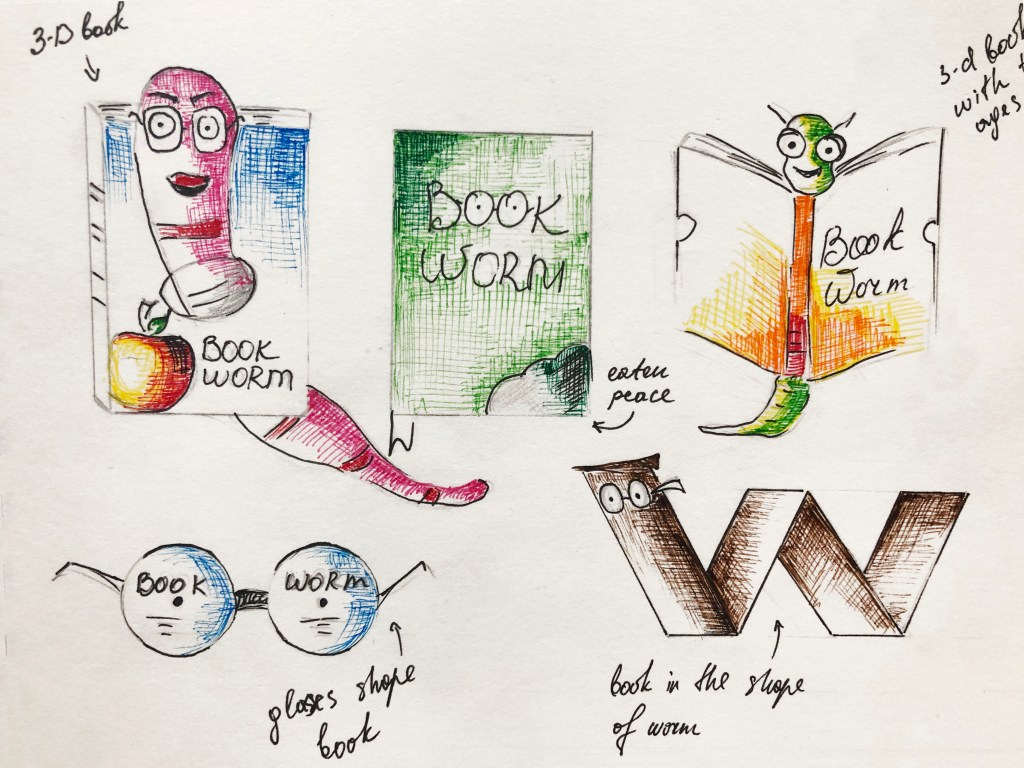
In my previous exercise, I developed a couple of ideas for British idioms like ‘Bookworms’ and ‘The oldest trick in the book’. Those sketches were done in completely different style, for the ‘Bookworms’ I tried to play with the shape of the book, I had a thought that I can produce 3-D kind book, maybe with a little worm sticking out of it, or create a book with a shape of the worm. But for ‘The oldest trick in the book’ I chose a different path, all book covers had the standard rectangular shape, but I thought that here I had more potential in discovering original ideas for the book cover.
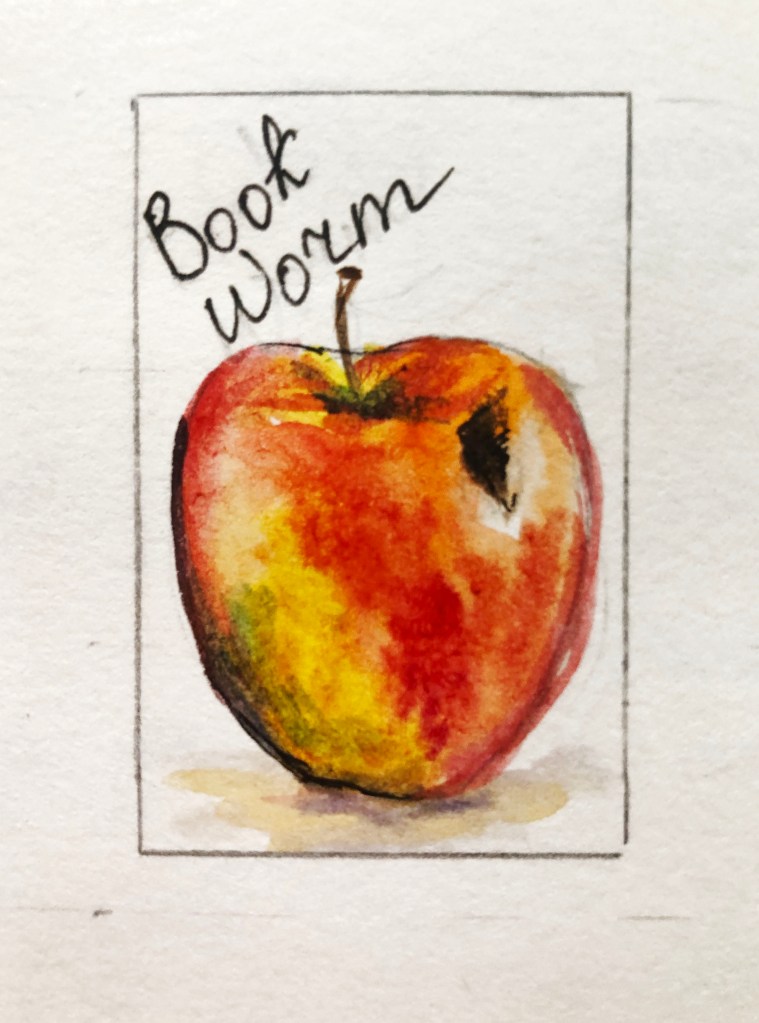
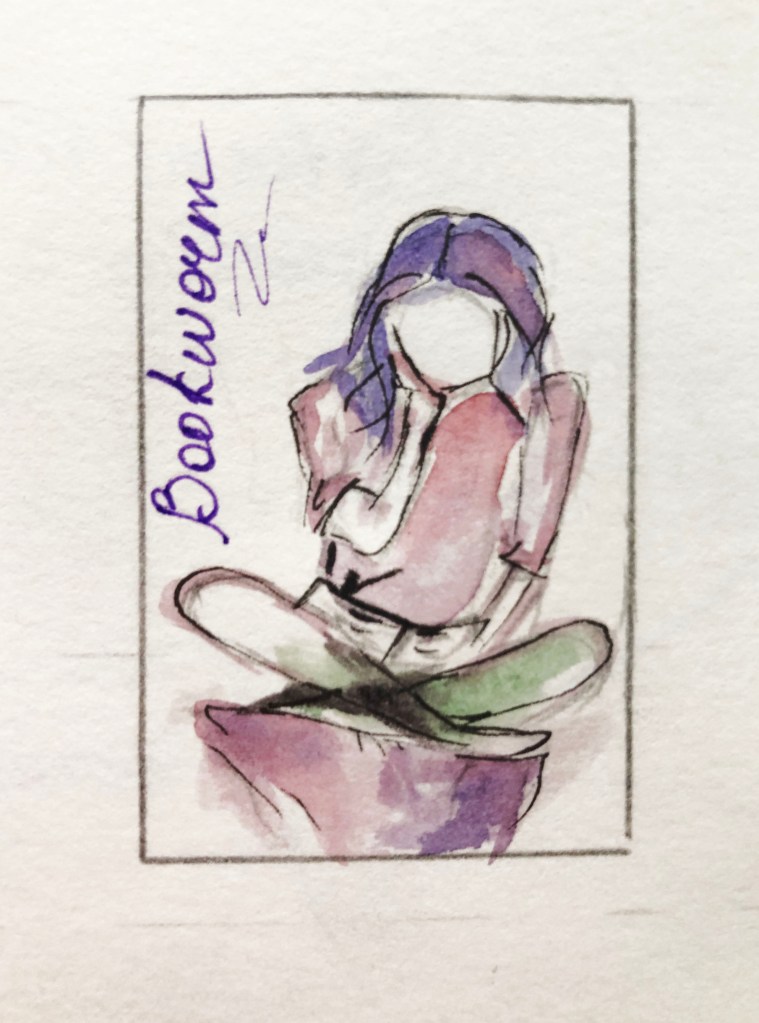
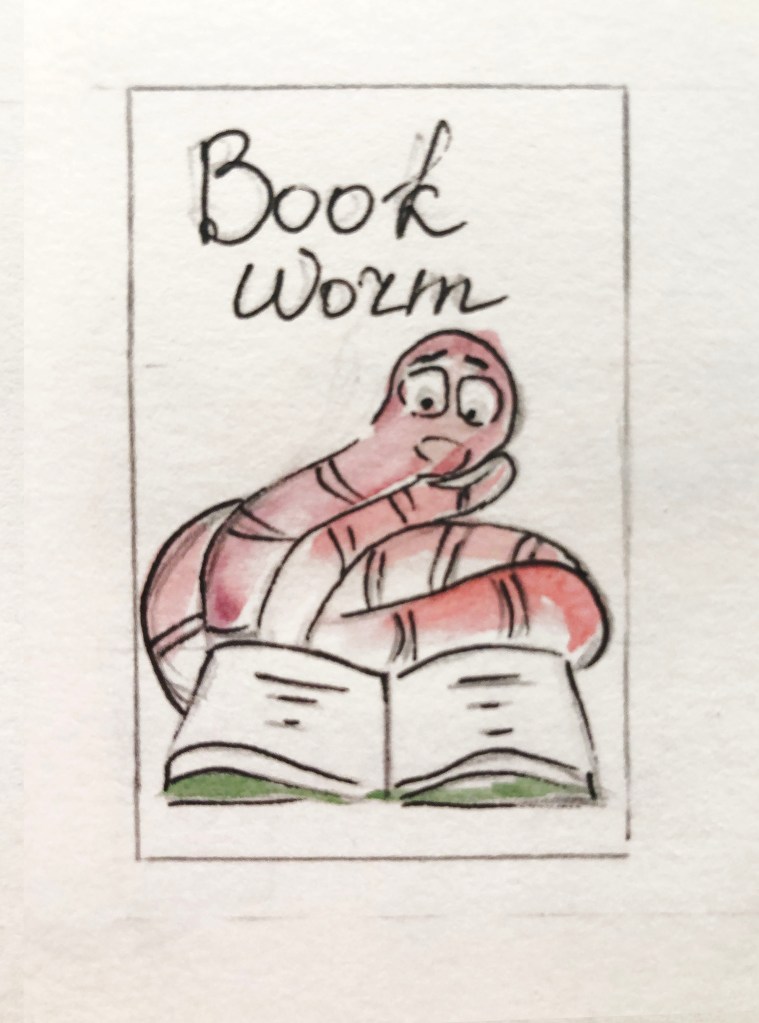
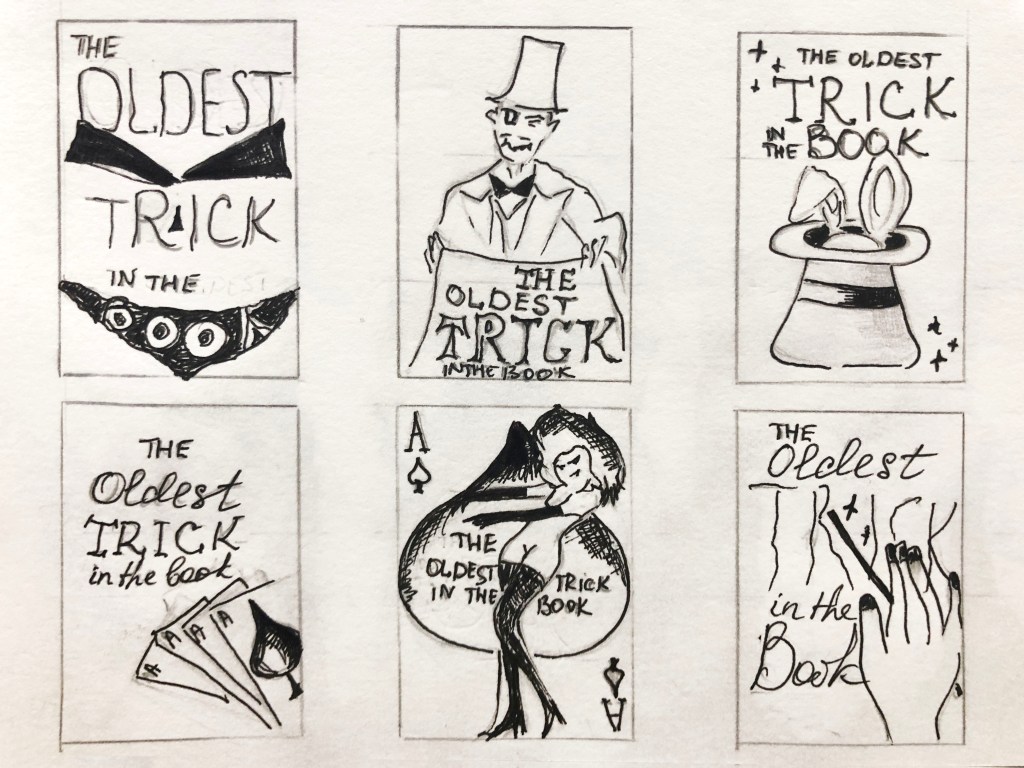
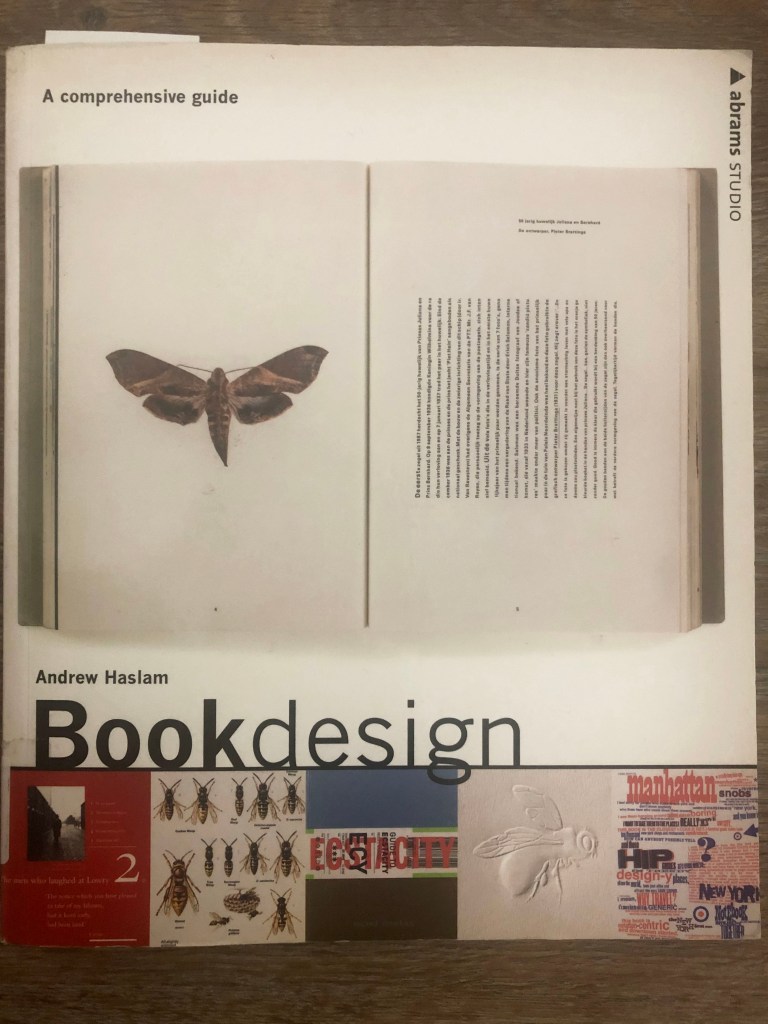
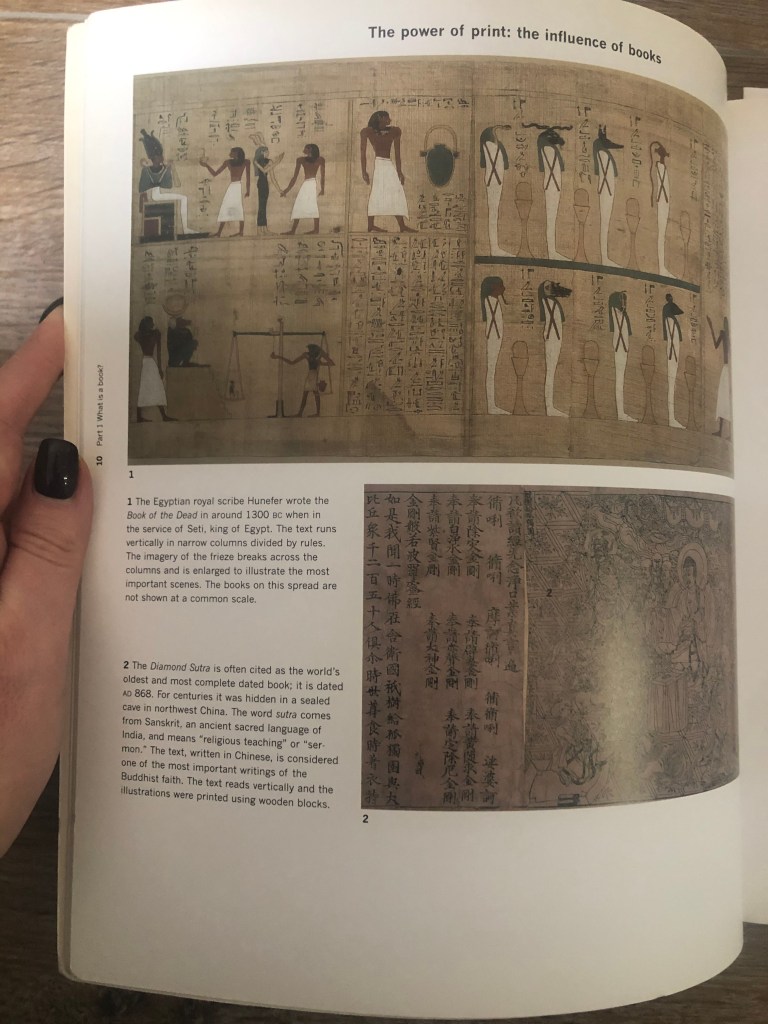
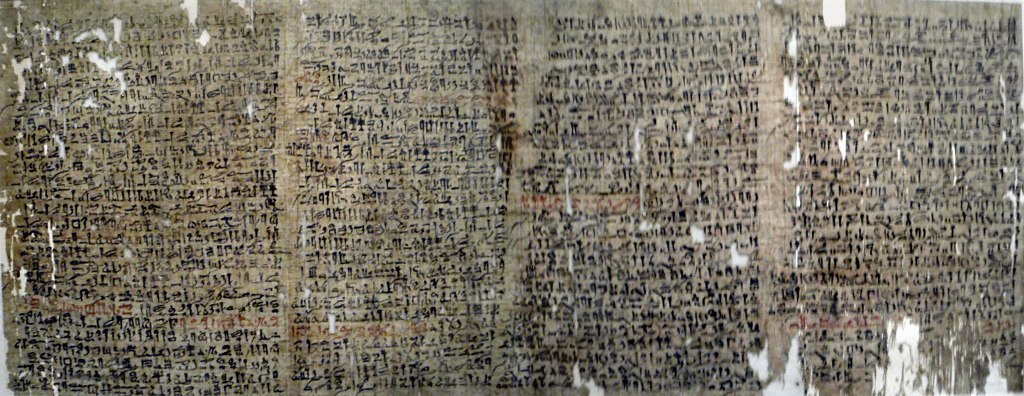
I had a wide range of different ideas for the old trick saying, ranging from the term illusion, card games, magic, Halloween tricks and others. I was thinking what if I try to make some researches for the most ancient sources tricks ever produced. It was the direction where I wanted to move on. I thought that I could do researches for the oldest trick in the world. A book by Andrew Haslam ‘Book Design’ became handy. The author described the most ancient book ever preserved by a human were the Egyptian papyri. Papyrus was used throughout the ancient world, with some samples of Egyptian, Roman and Greek writings.
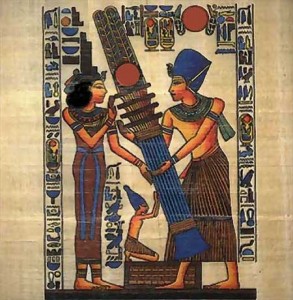
Some answers to the question what could be the oldest trick in the book I found it this little video. Which sounds quite fascinating. Someone called Dedi a fictional ancient Egyptian magician appearing in the fourth chapter of a story told in the legendary Westcar Papyrus. He worked wonders during the reign of pharaoh Khufu (4th Dynasty). Magical tricks that show animals being decapitated and their heads being replaced were performed as recently as a few decades ago, though today they are rarely shown because of aesthetical and ethical misgivings.
At: https://en.wikipedia.org/wiki/Dedi
(Accessed: 10.01.2021)
Some images from my researches about the oldest papyrus with Egyptian text containing stories about miracles and magic. Also the image of Egyptian magician Dedi.
I created two mood boards on Pinterest. One of them contains some objects and researches I had in Egyptian patterns and books in magic. For another mood board I created a selection of creative book covers. I hope that those major steps starting from sketches, then Egyptian mythology and creative book covers can lead me to the unique book cover design.
Pinterest Mood Board
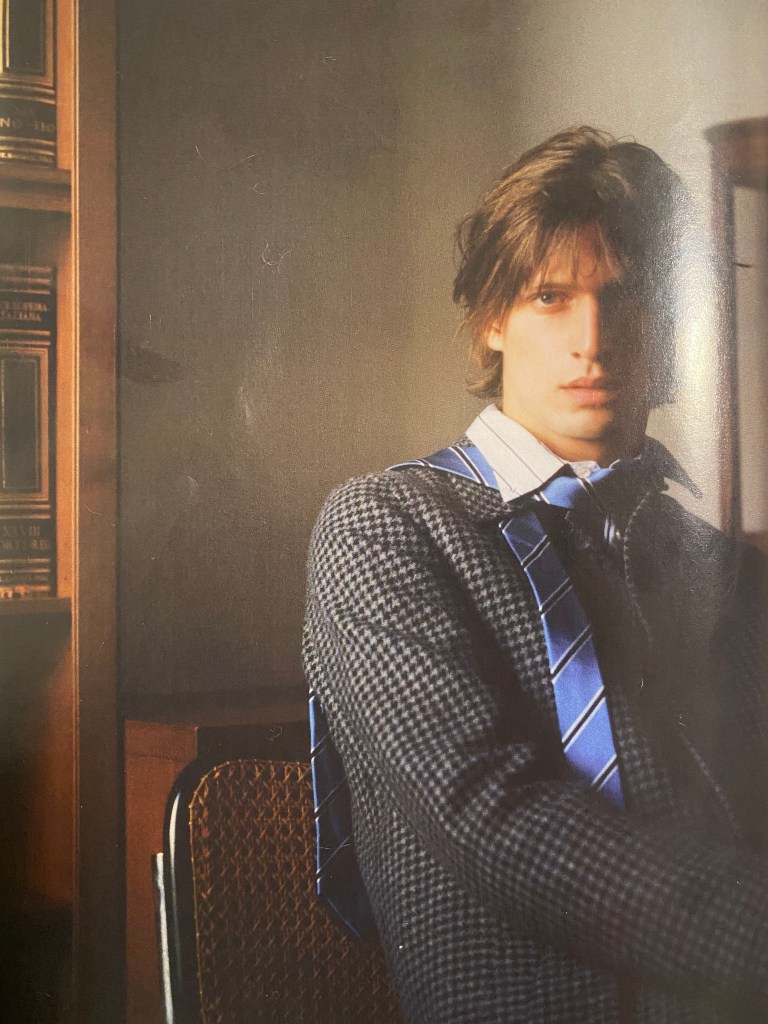
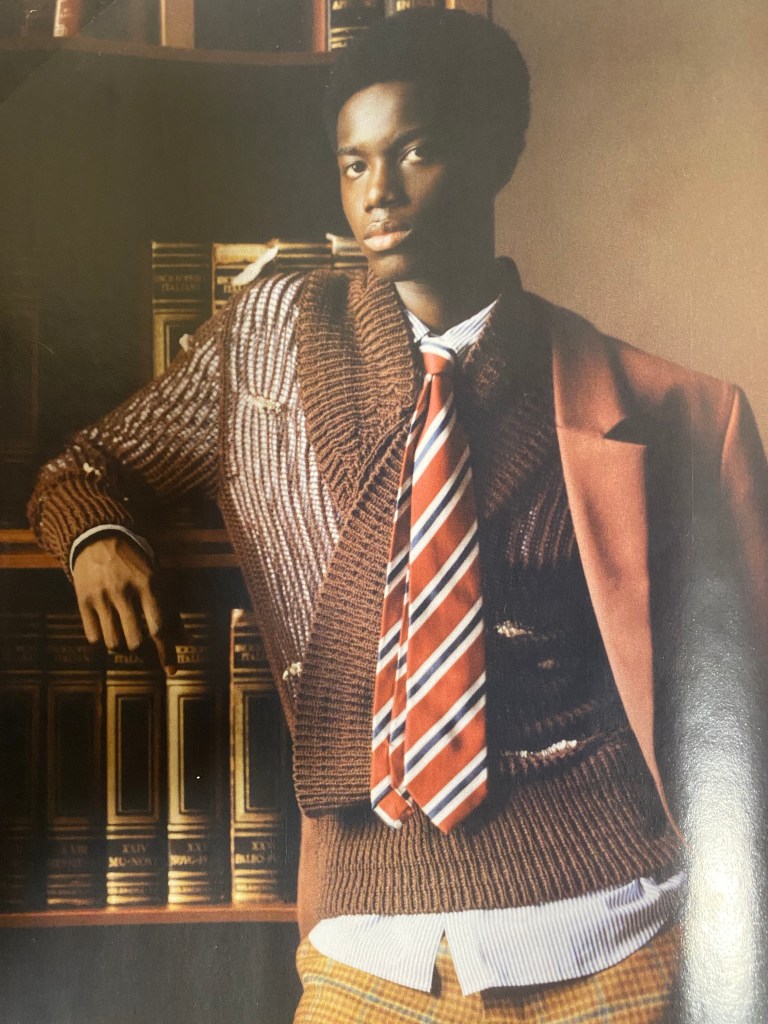
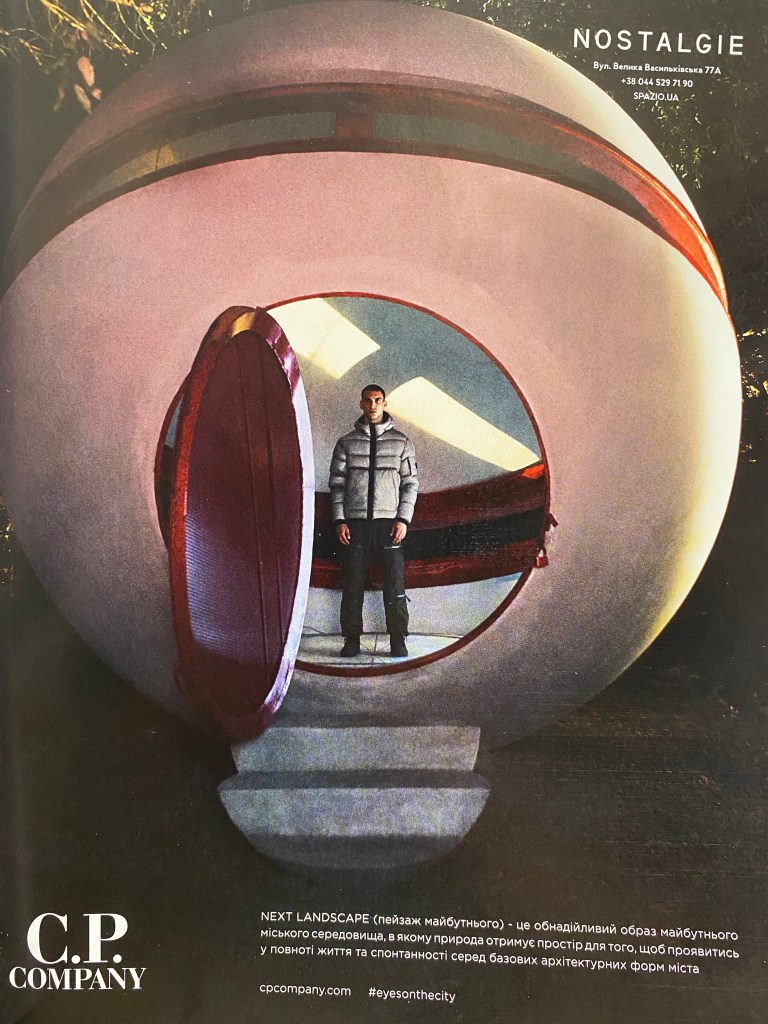
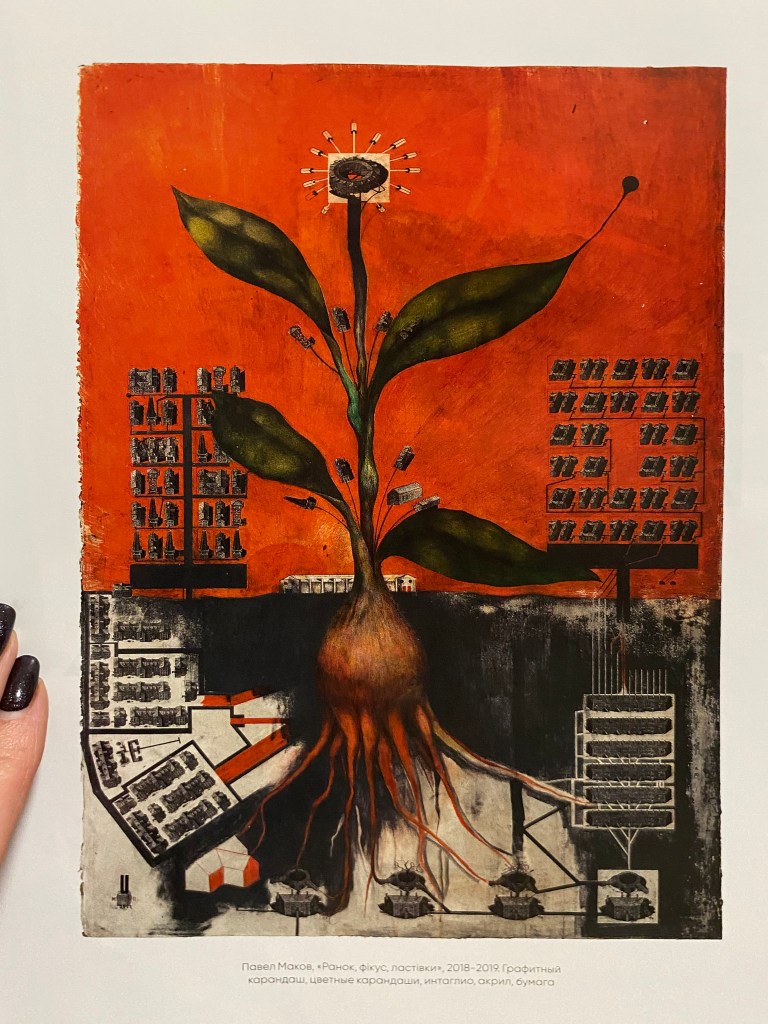
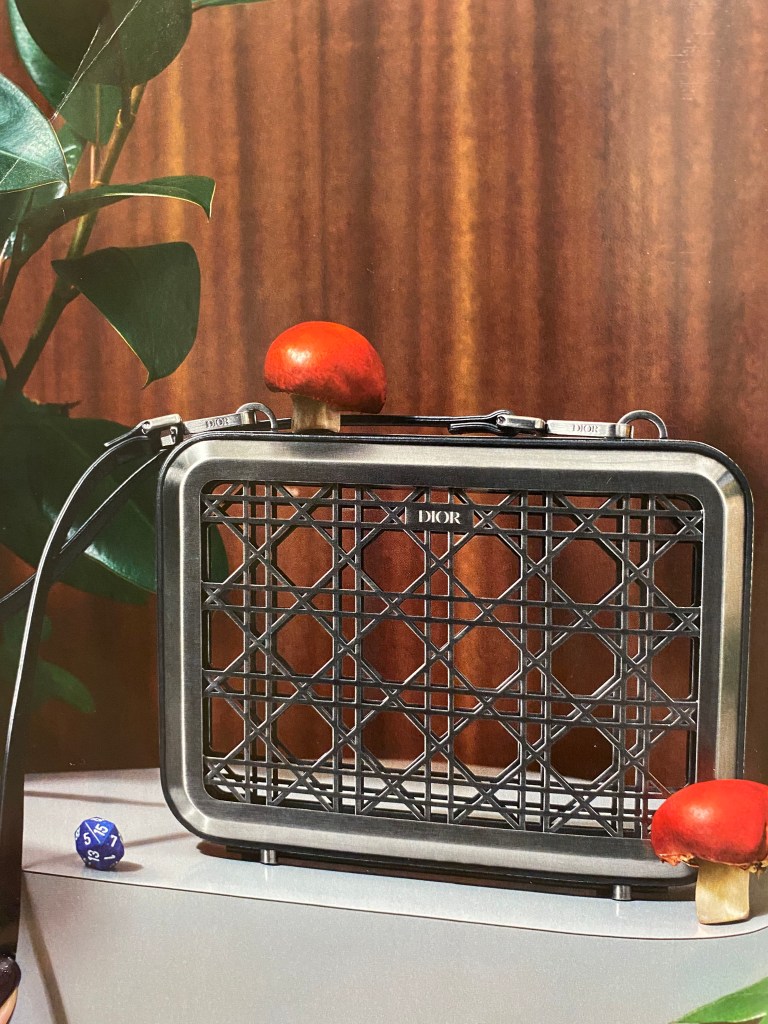
Vogue Man Magazine
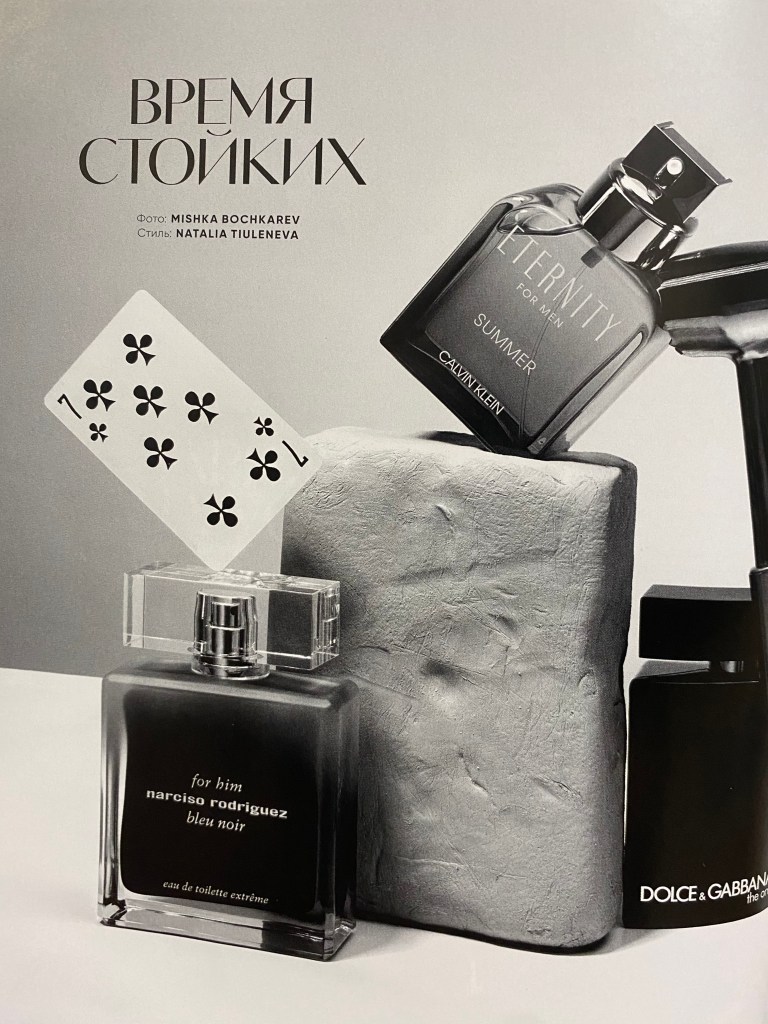
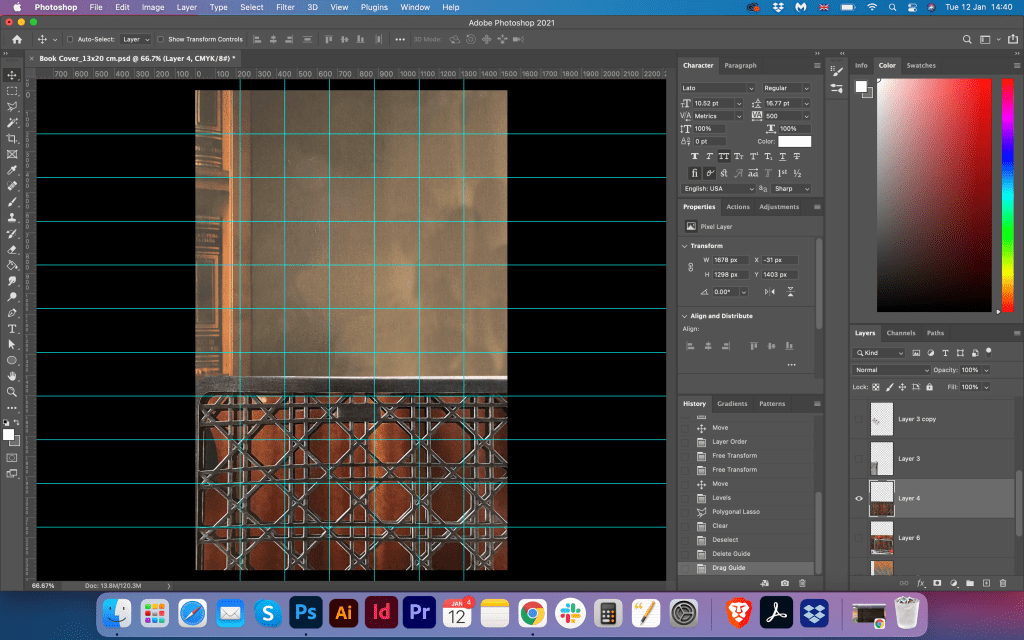
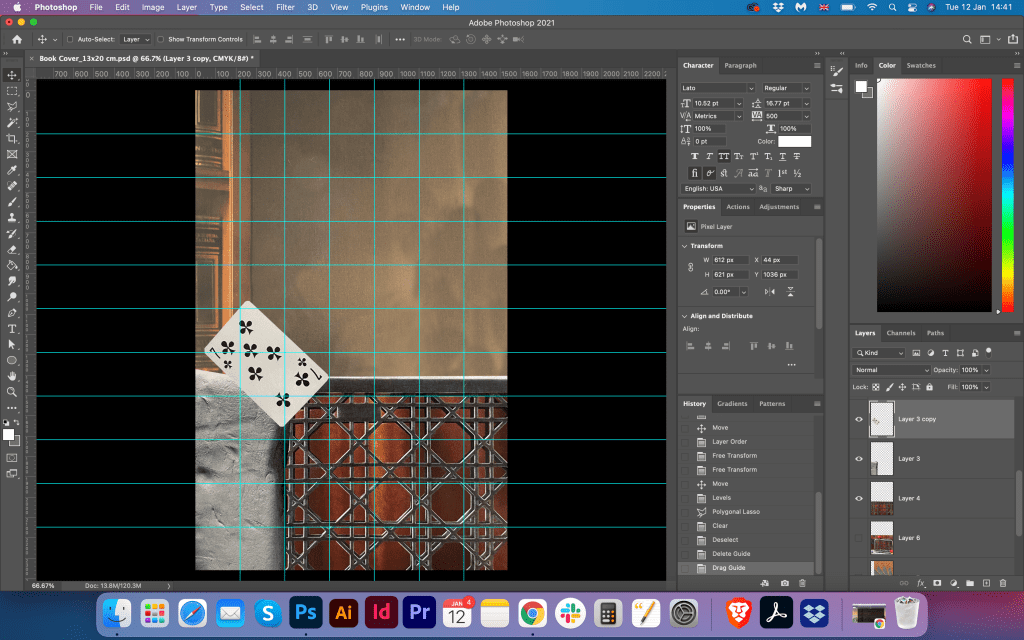
I remembered that in my drawers I had some Vogue Man fashion magazine with some interesting photographs made on brown, warm mood colours. I decided to go through it and took some snaps of pages that I could probably apply in my designs. I loved those wall colours, with some old book covers on them, they had a right colour direction for my book cover. Also I paid attention to the picture with old stone and playing card next to it. In addition I could probably use the pattern of the fashion bag, as a texture for the book cover. I thought I can paste some of the elements into book design and create original collage from them.
Designs
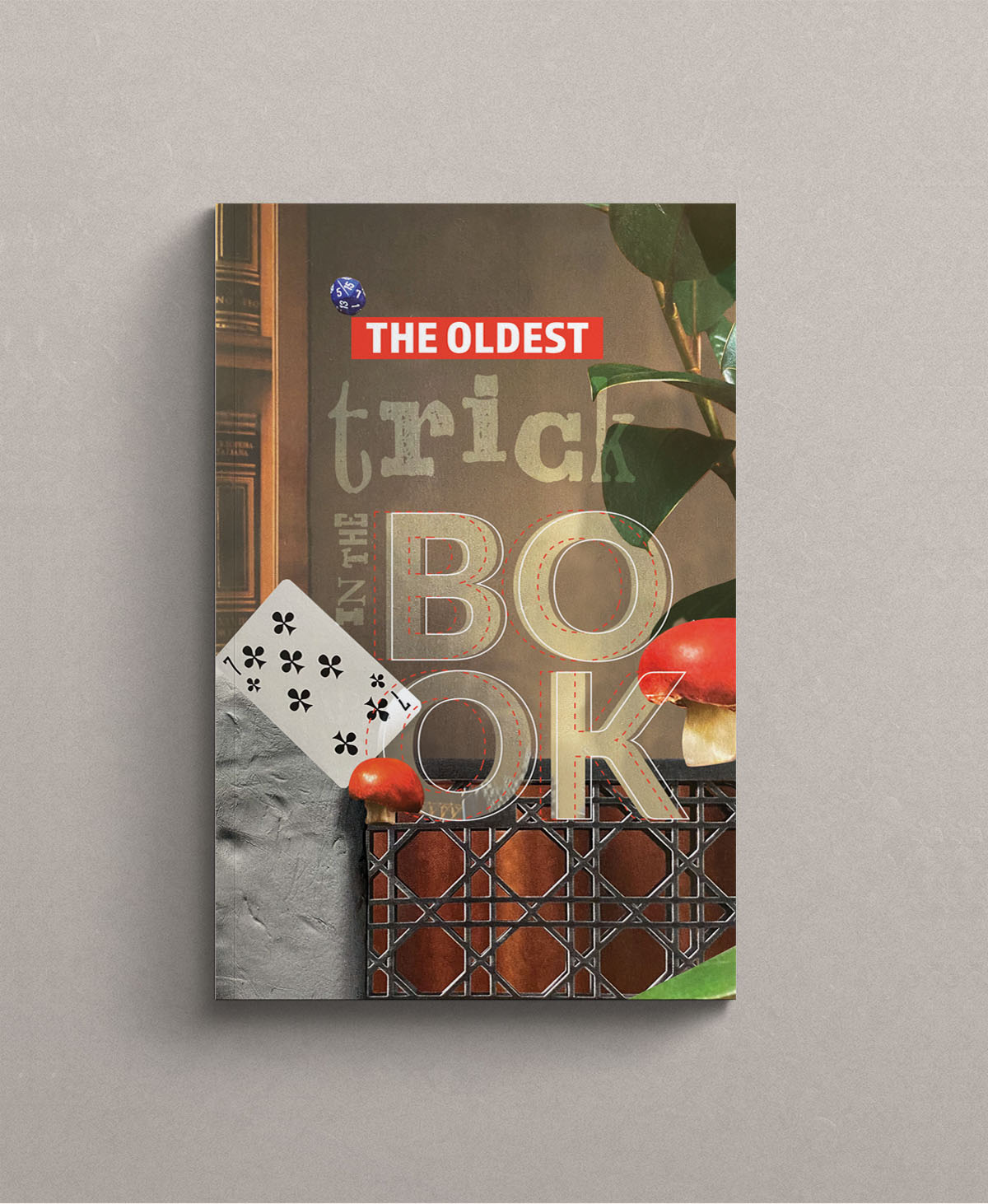
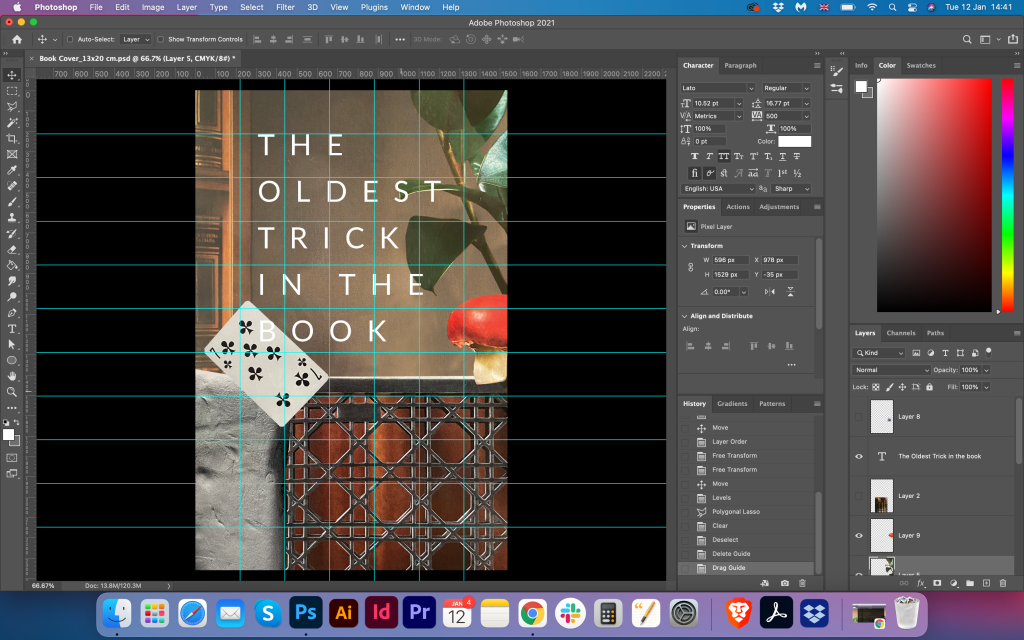
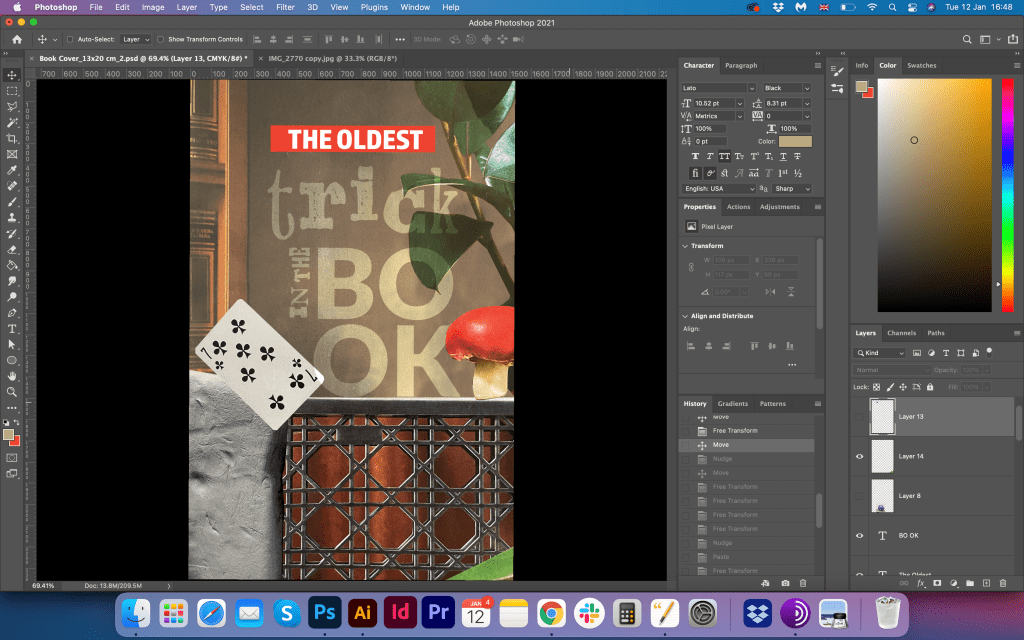
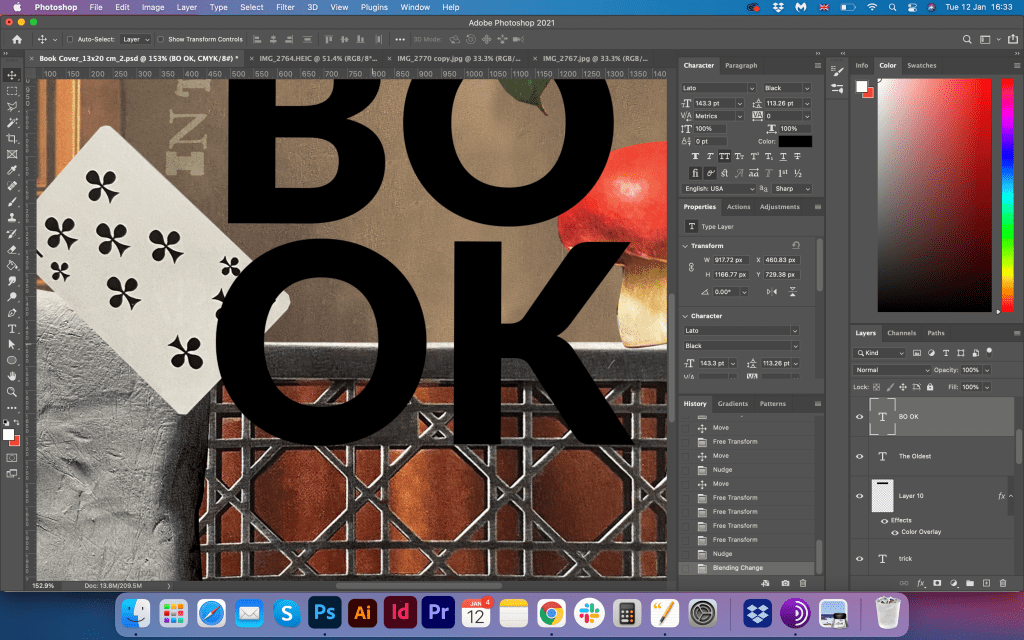
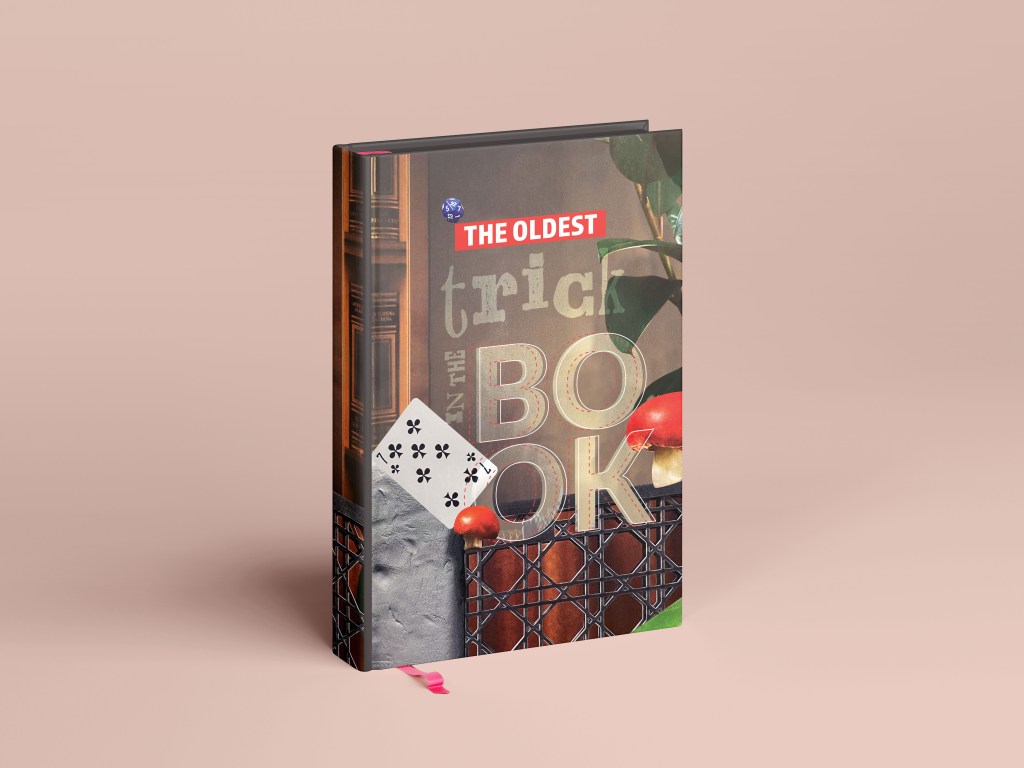
I created a grid for the image, so I could see where the centre of the composition, and how to align all the objects. I started from the main image for the background, going forward filling the space with different copy paste figures. My intention was to create the abstract cover with eye-catching elements on it, so the first reaction would be: “Wow, this looks fascinating! I wonder what is this book about?” I played around with some colours, adding to the corners red, green objects, and playing card in the corner. For the book cover name I placed the simple white type Lato regular, big letters. I thought that it was direction of design that I wanted to be, but I decided that would be good if I could play with the font, and combine some different types together. That experiment I pushed forward in the designs below.


Updated Fonts
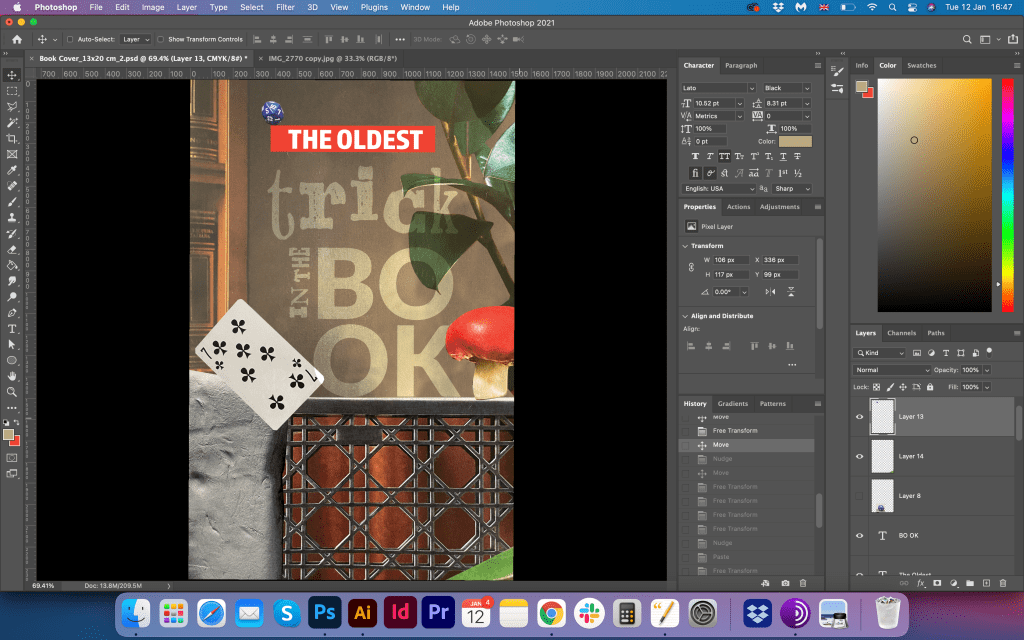
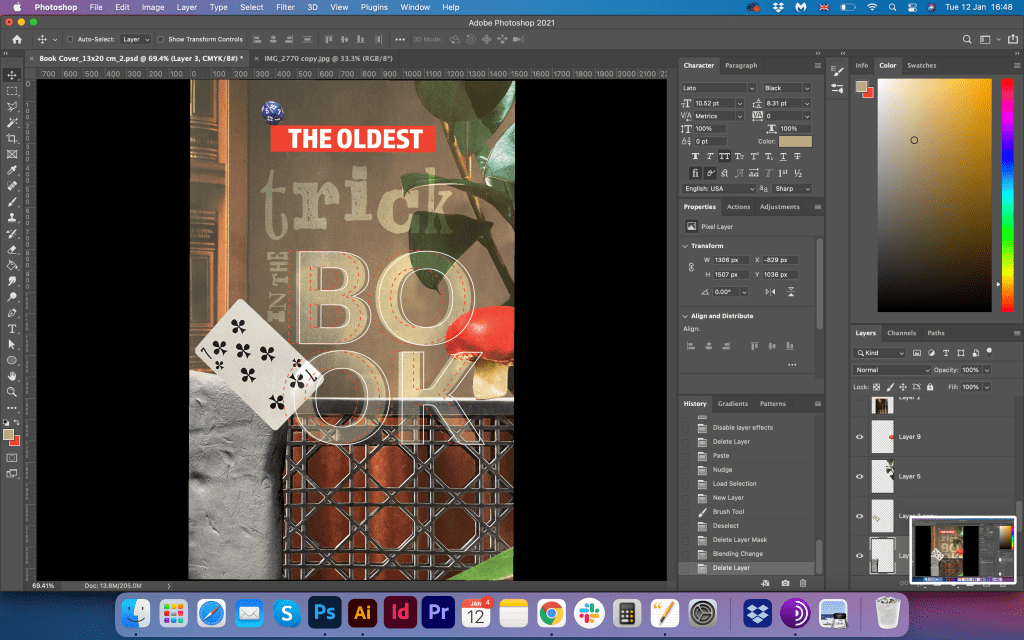
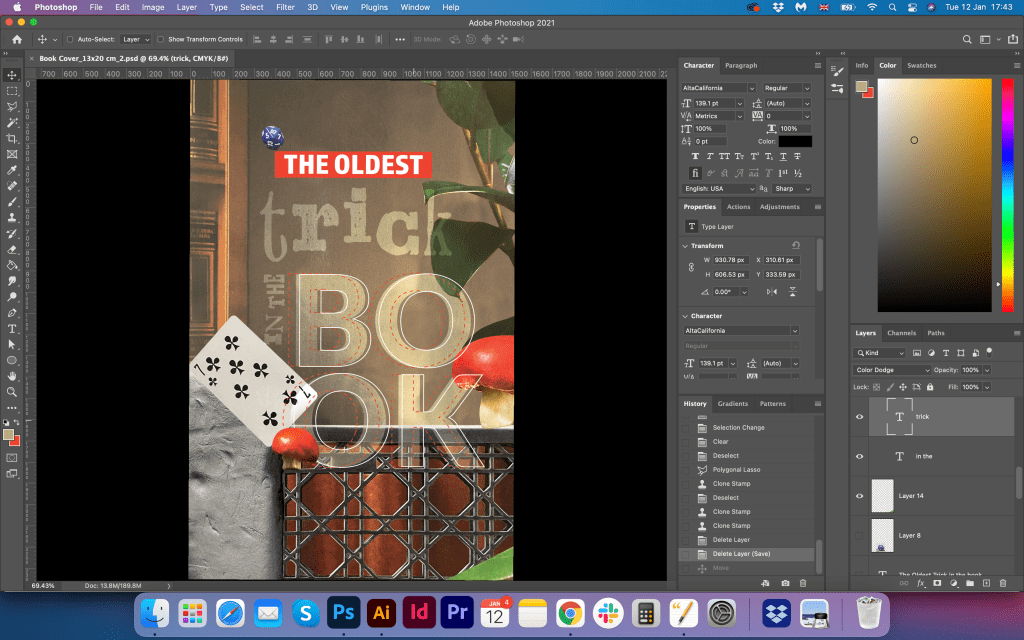
In this part, I felt like I could be more experimental with the font choice for the words at the cover. I wanted to create that playful mood between the words, make them different but at the same time to join them together in an unusual way. For the word ‘The Oldest’ I used Almaq Refined font all capital letters, also I highlighted it with the same red colour as the mushroom. On the age of those letters, I put a little playing cube. I thought that I can fill the design with little elements that would speak on behalf of the trick elements, magic mushroom, playing card, with some brown colour from Egyptian papyrus. Decorative font AltaCalifornia for the word ‘trick’, and big transparent letters ‘Book’ made in the font Lato. As I made letters transparent, I added thin stock around them. I thought that the final design looked quite eye-catching and innovative.


Conclusion
The most crucial part of these exercises was the researches part. From the first point of view, there were so many possibilities to explore, but when I choose one specific direction, I realised that it still can go into so many different ways. What is fascinating about this exercise that even when I tried to predict the design in the result all materials and researches can lead the designer into some unusual solutions. I’m sure there is some more work that could be done for this book cover, it could be much more various solutions, for example, I could produce more options related specifically to the Egyptian theme. However, the direction I chose was more related to the abstract collage, and I was quite satisfied with the outcome I got.
Sources:
https://en.wikipedia.org/wiki/Westcar_Papyrus
https://eugenerayarchitect.blogspot.com/2012/11/ancient-egyptian-djedi-were.html
 Eleonora's Art Blog