
For this research point I have to explore a visual language of designer that interest me. To start with I googled the definition of visual language in graphic design.
The visual language is a system of communication using visual elements. Speech as a means of communication cannot strictly be separated from the whole of human communicative activity which includes the visual[1] and the term ‘language’ in relation to vision is an extension of its use to describe the perception, comprehension and production of visible signs. (Source: https://en.wikipedia.org/wiki/Visual_language)
How to develop a visual language?
01. Step away from th screen
I found that recomendation fundamental for graphic design style development.
Don’t just look at work that is being created now: look back in history and look at the real world all around us, our immediate surroundings, people, second hand book shops, found photographs, car booties, your granny’s loft, anything! Resist the urge to just look online for inspiration and influence.
I think that is the first point I can take out from the article, get inspiration from as many sources as possible.
02. Be inventive with materials
We are surrounded by graphic design materials, don’t forget to be crafty. The pile of unneeded stuff would be useful for your design ideas.
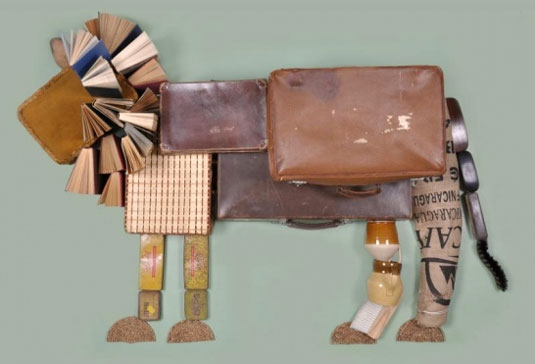
‘Lord Whitney’ (a collaboration between Amy Lord and Rebekah Whitney) have created a style all of their own. See more at http://lordwhitney.co.uk 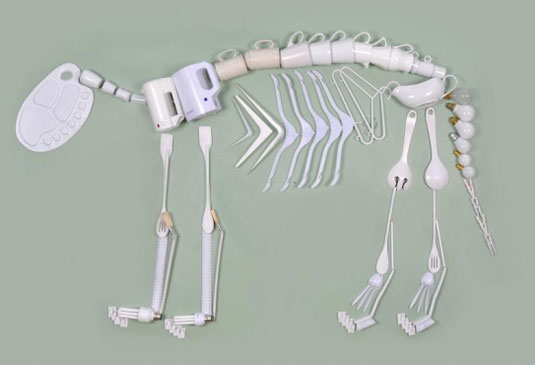
‘Lord Whitney’ (a collaboration between Amy Lord and Rebekah Whitney) have created a style all of their own. See more at http://lordwhitney.co.uk
03. Use technology to your advantage
To get the balance right, it’s usually best to start your work with real materials away from the computer first, then scan the images in and edit, combine and compose. Be very wary of any brushes and effects that attempt to assimilate spontaneous and hand drawn mark making.
04. Find out who you are
To create your own personal style, you first need to work out what kind of creative you want to be. Ask yourself: what would be your dream job? It’s important to create work that genuinely interests you. As with anything in life, if you know what you want, you stick at it and work hard then you will get there in the end.
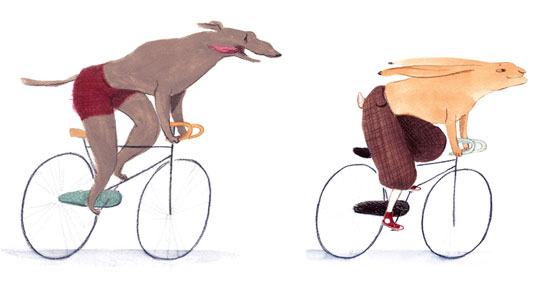
Rebecca Palmer’s illustrations for children have a distinctive style that’s easily recognisable. See more at http://beckypalmer.co.uk 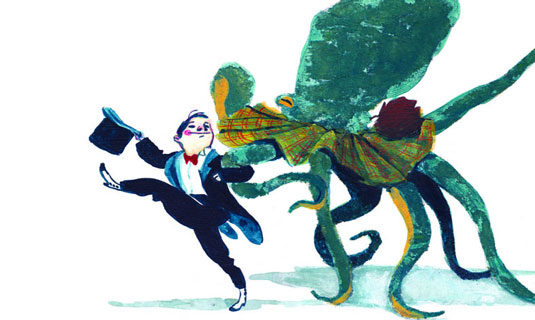
Rebecca Palmer’s illustrations for children have a distinctive style that’s easily recognisable. See more at http://beckypalmer.co.uk
05. Be consistent
Finally and most importantly, the golden rule; be consistent (even if inconsistency is your consistent theme!).
Once you’ve found a way of working through months or years of experimentation, research, hard work and focus, always approach your creations with the same visual language. Too many conflicting ways of image making will make your work look indecisive and unclear.
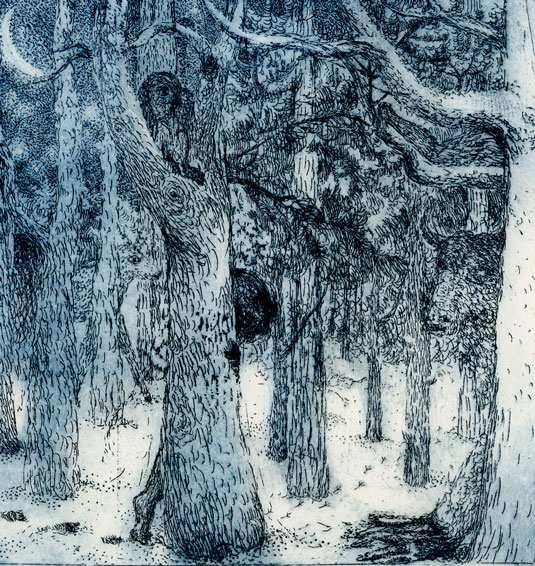
Julia Konieczna has taken a unique approach to etching and made the medium her own. See more at http://www.juliakonieczna.com 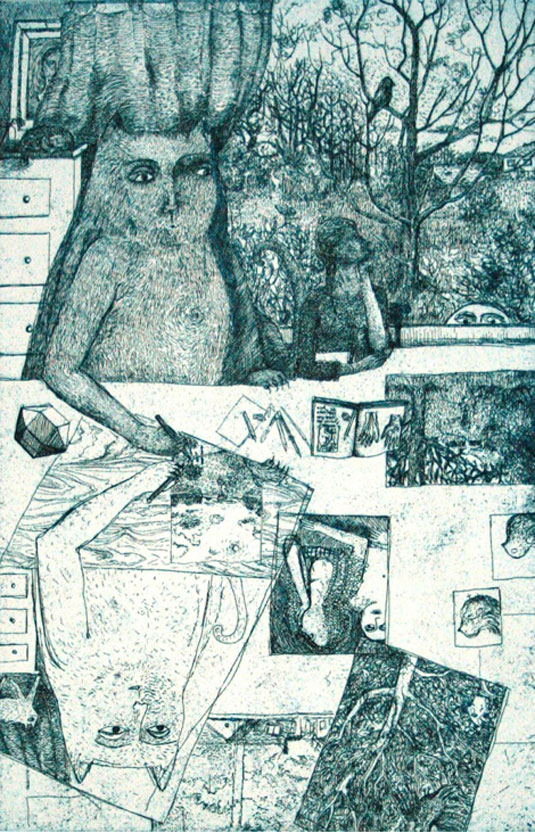
Julia Konieczna has taken a unique approach to etching and made the medium her own. See more at http://www.juliakonieczna.com
Source: https://www.creativebloq.com/design/how-develop-visual-language-3143194
Matthew Richardson
(Artist, Lecturer / academic)
Matthew Richardson practice and research derive from exploring found imagery and objects and the way changes in context and association provoke questions of ‘believability’ and authenticity. The particular subject focus for illustration has grown from an interest in narrative, vernacular, popular and folk art, and how images become shared, and culturally significant.
In his works he experiments with colour, overlaying images one on another layer, the transformation of objects that are not connected with each other into an organic whole. In his works I clearly trace the basics of composition, proportions, some posters follow the principle of a circle, some of which follow the principle of a rectangular composition.
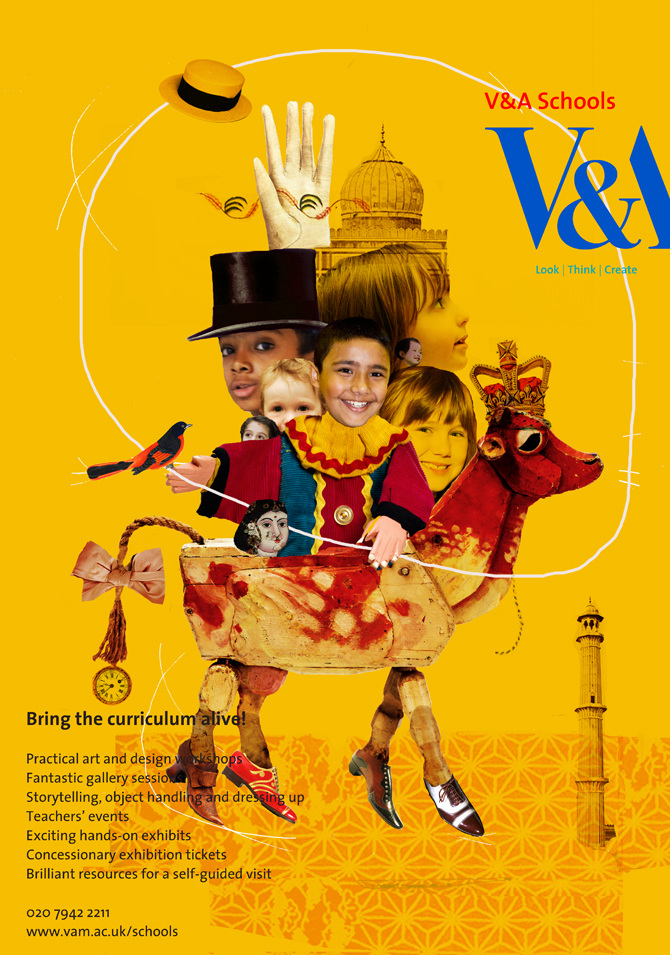
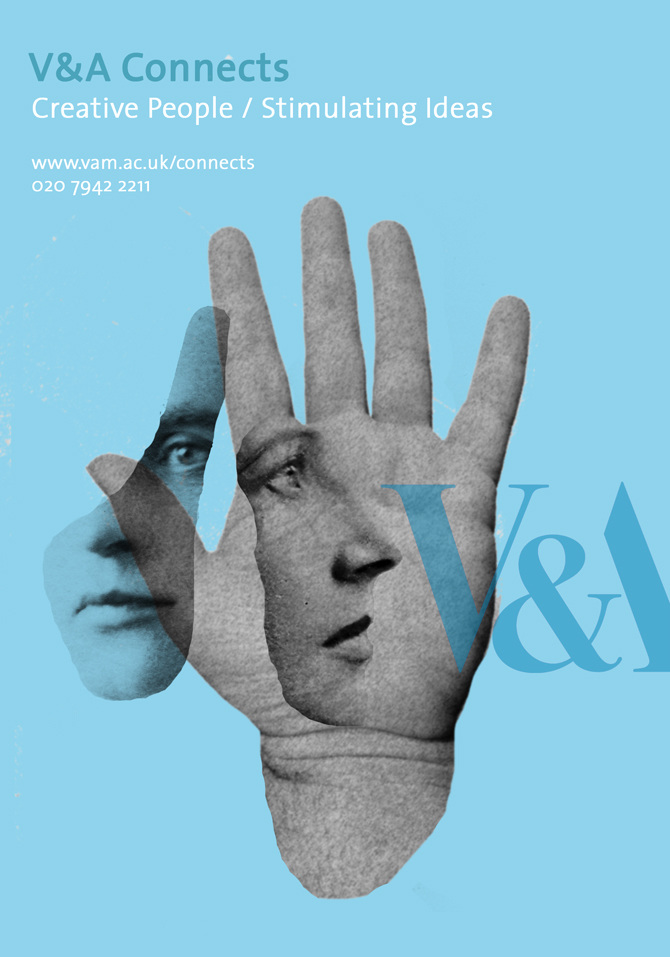
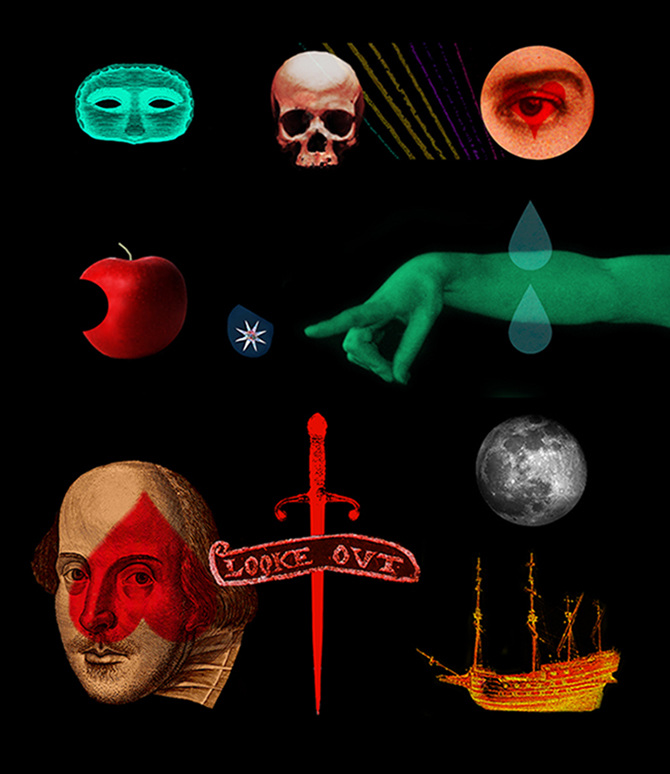
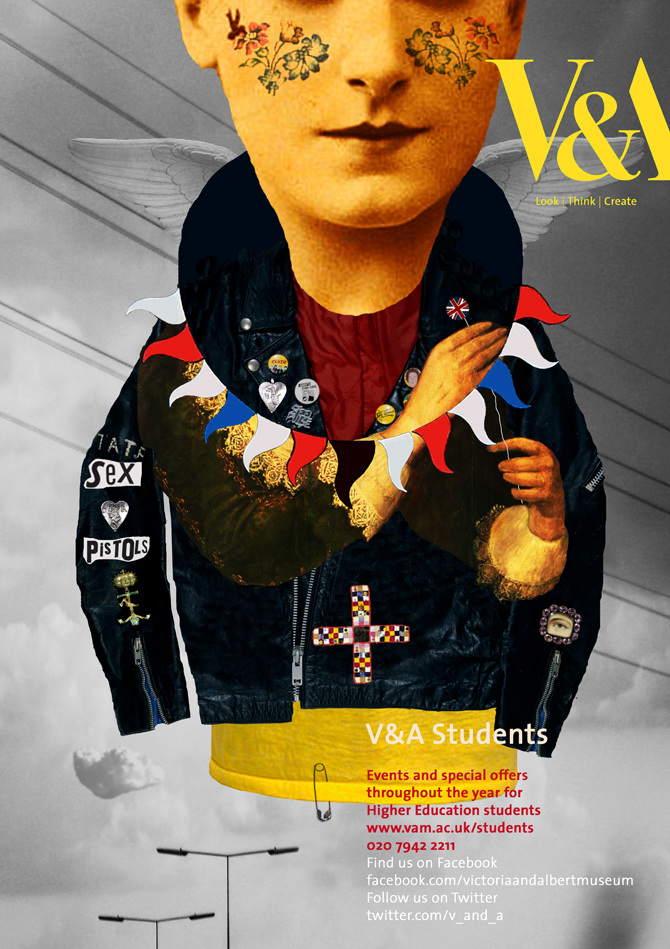
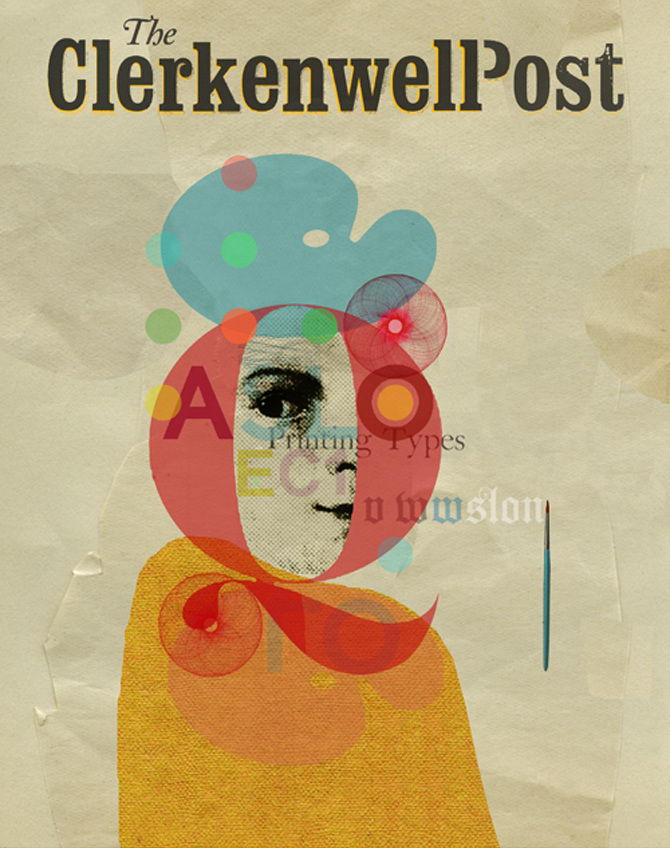
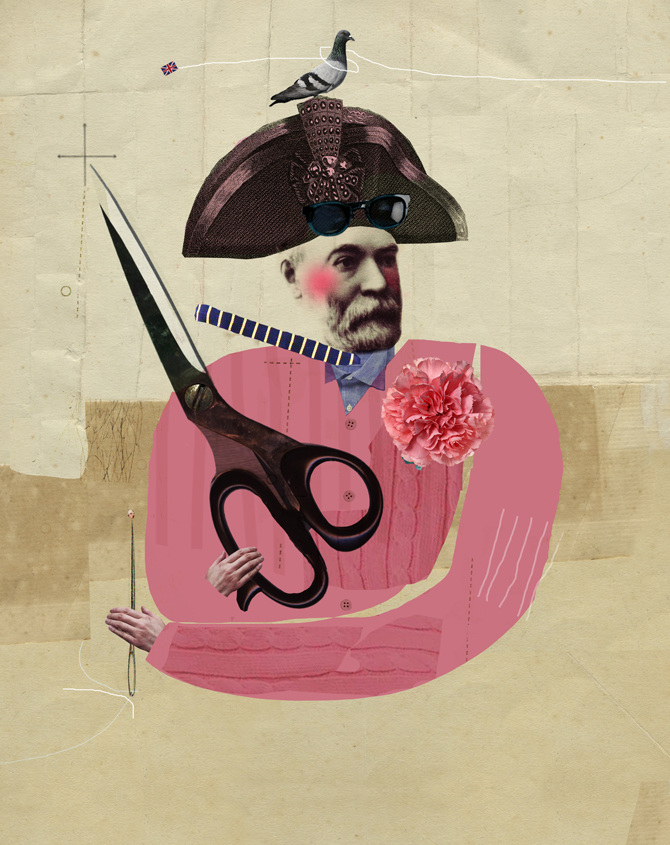
Using pieces of body parts, lots of experiments with opacity, lines and objects. Texture usage, unique style of design. The strong feeling of parallel reality presence.
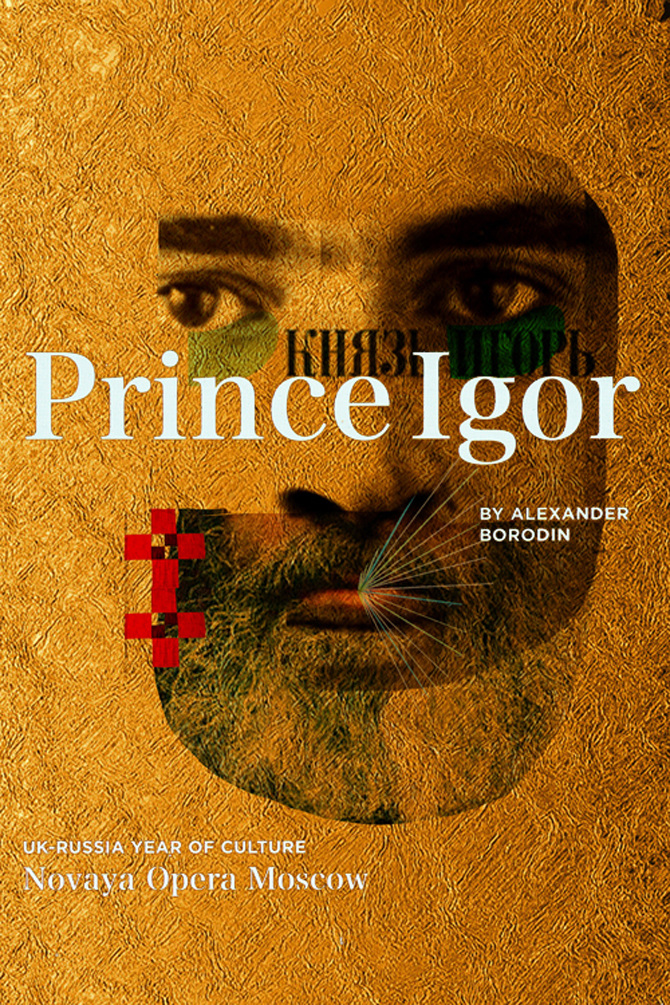
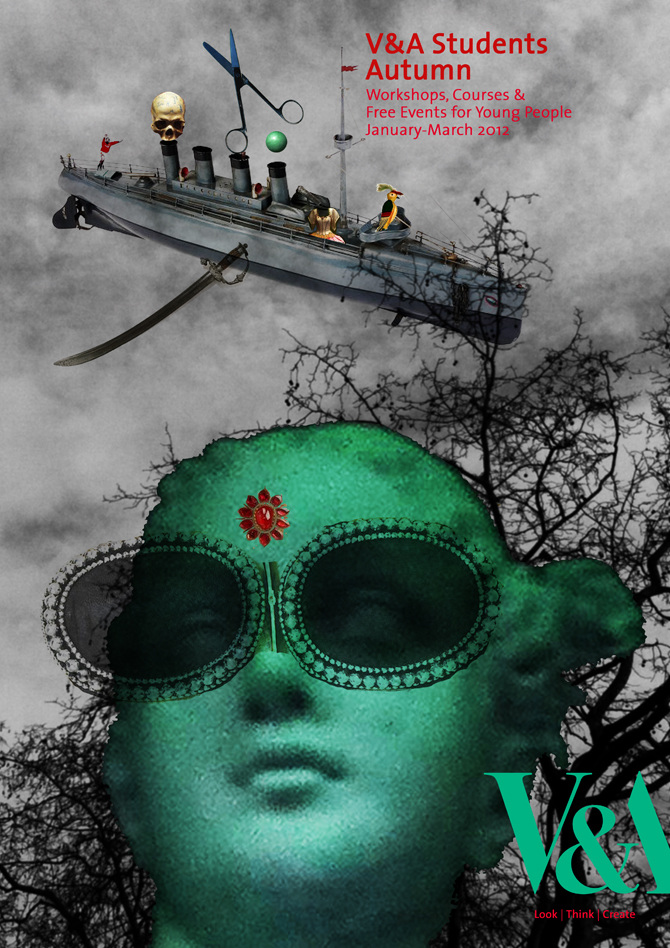
Aspects of Matthew Richardson artworks that I could use as a starting point for myself. The clear exploration of how objects and images become significant through recognition or mis-recognition and through changes in context. Interested in alternative histories, social myths and half-hidden stories. Interested in the relationship between fact and fiction (and what might lie between). Often use (and abuse) found imagery, objects and historic and fictional moments. Much of the work is explored across forms – object-book-print-film and often create work in shifting sets or sequences, which fall towards a narrative reading.
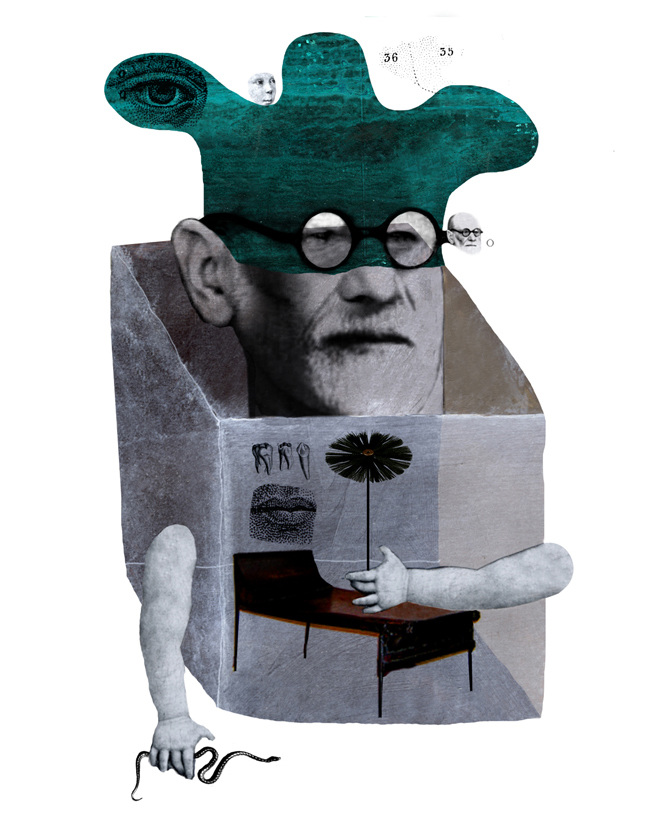


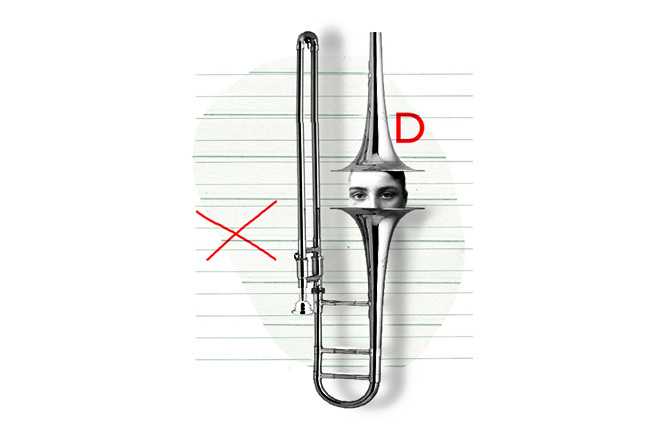
Source https://matthew-richardson.co.uk/Prince-Igor-London-Colliseum. Access [12 March 2019]
 Eleonora's Art Blog